
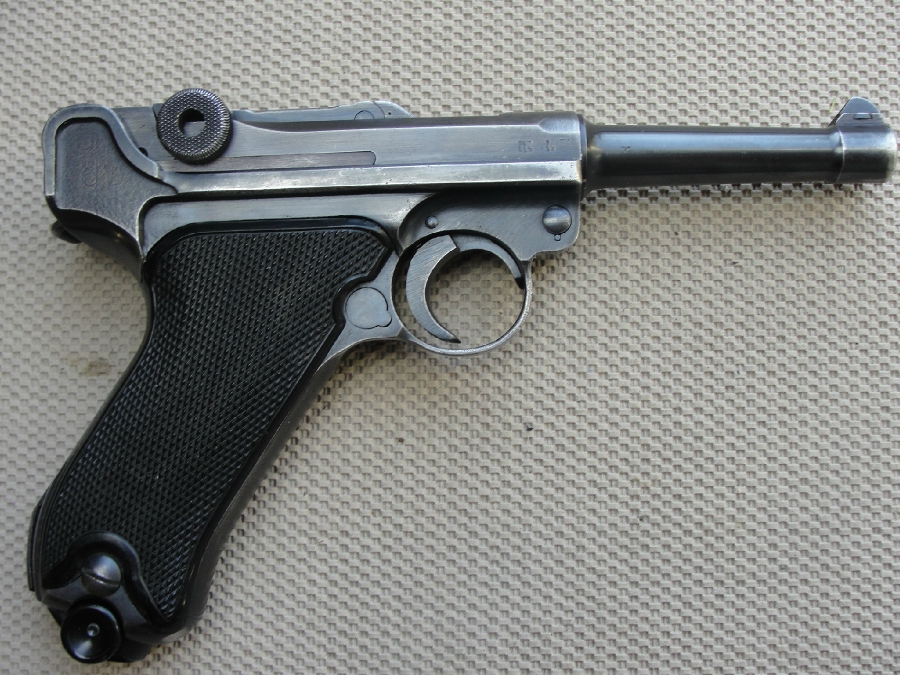
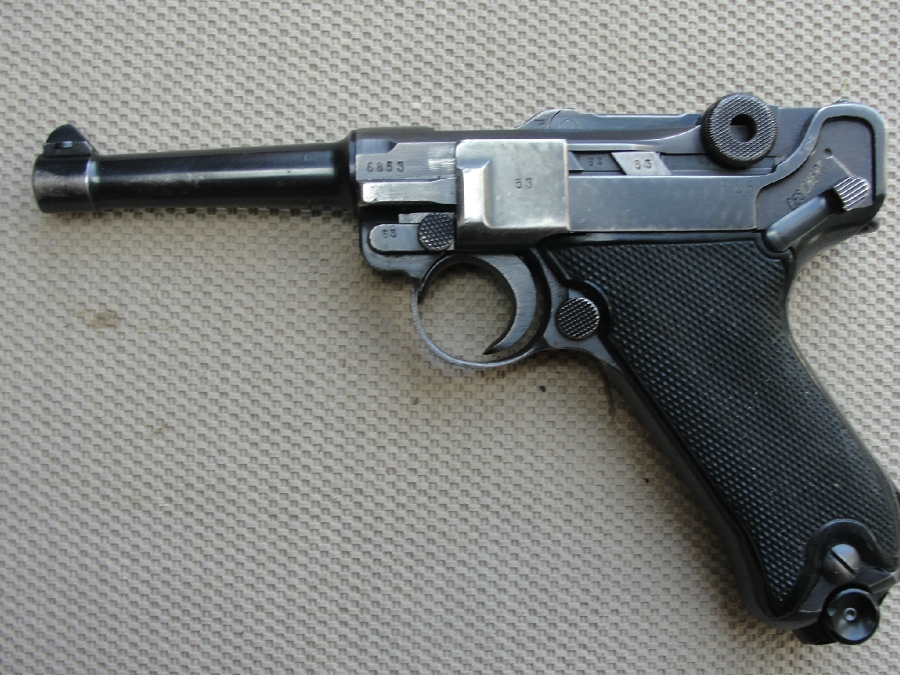
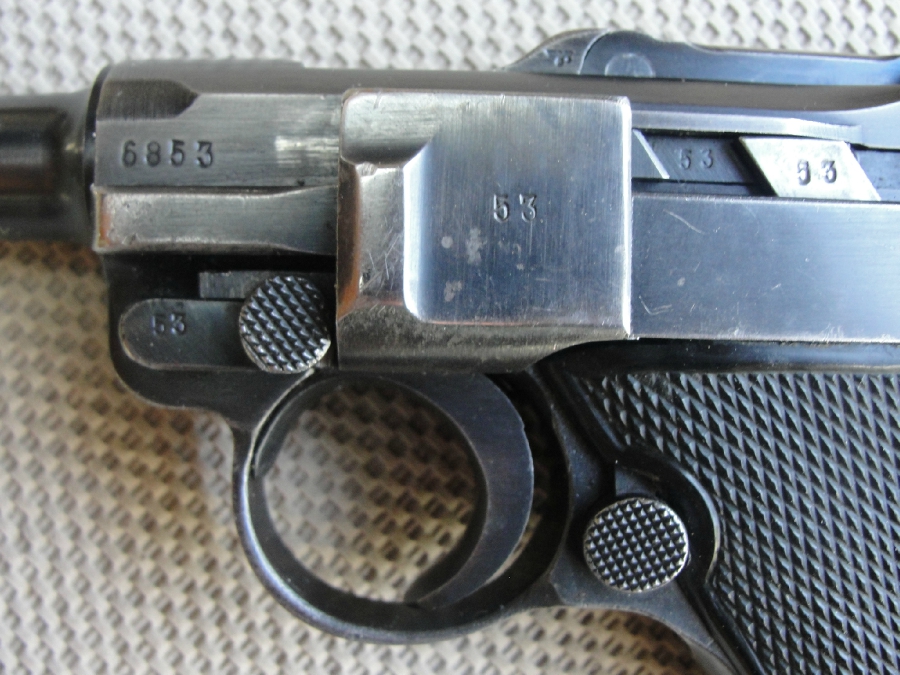
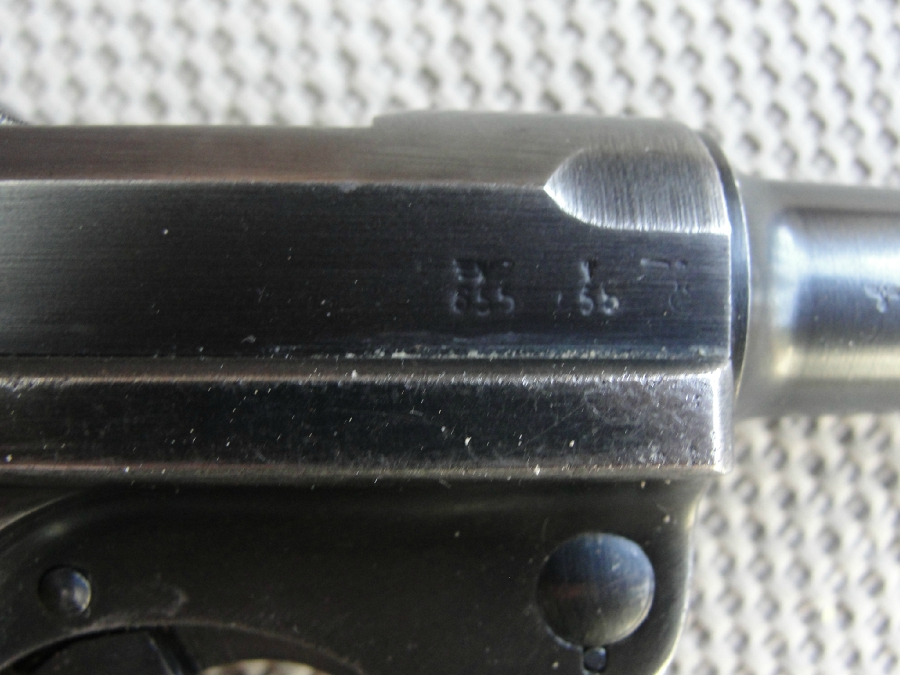
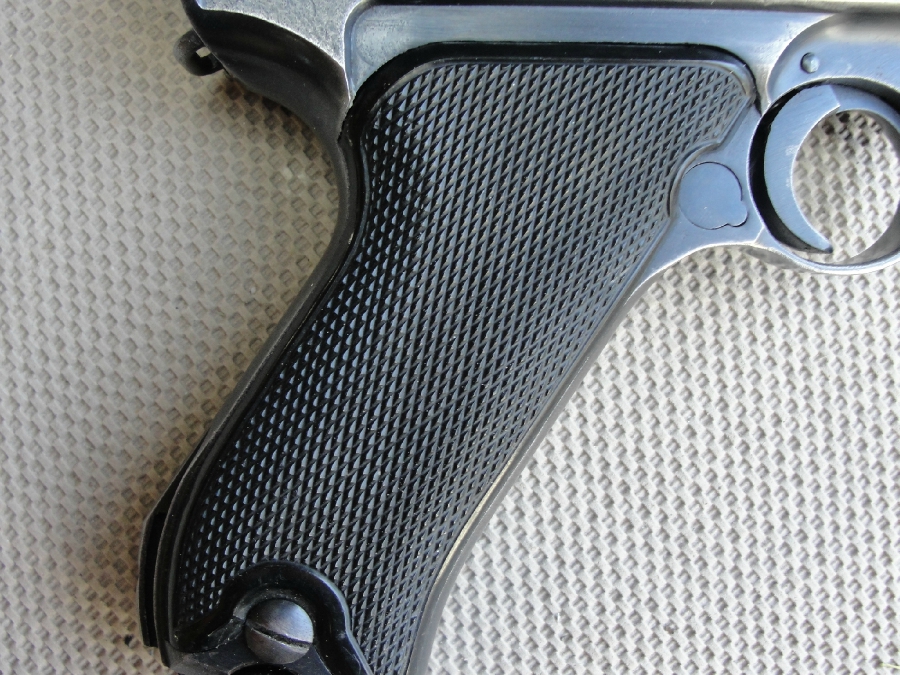
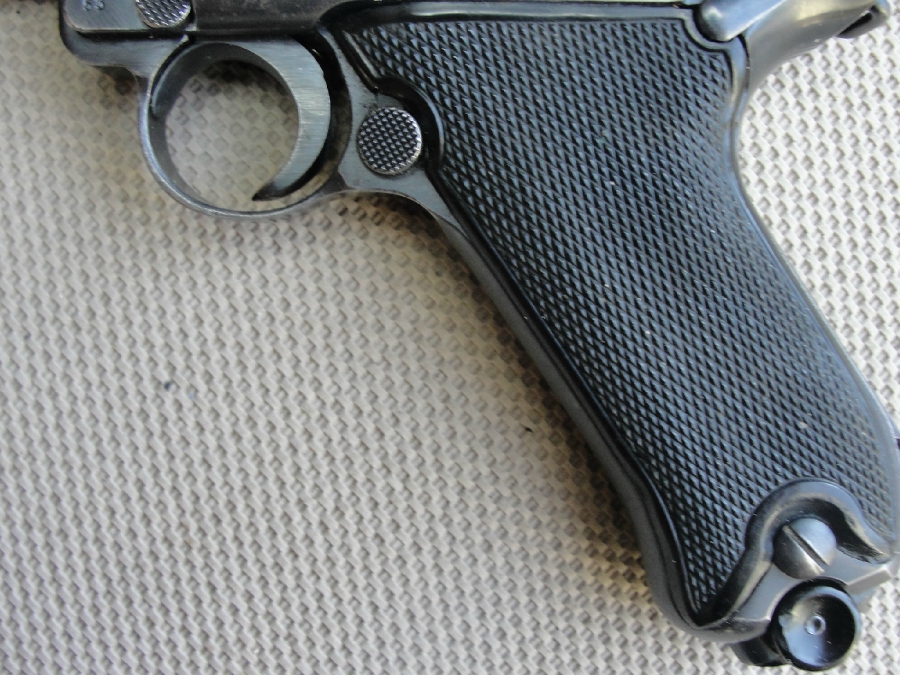
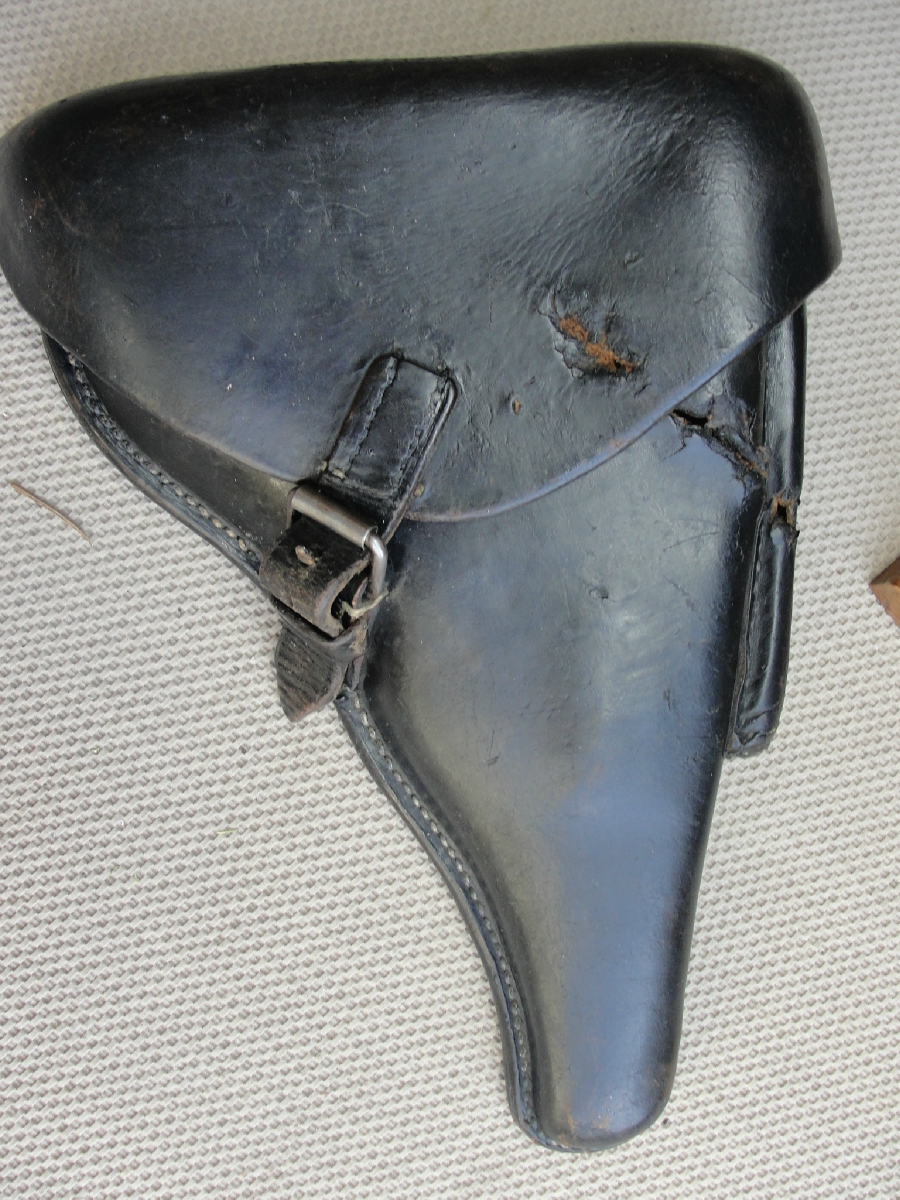
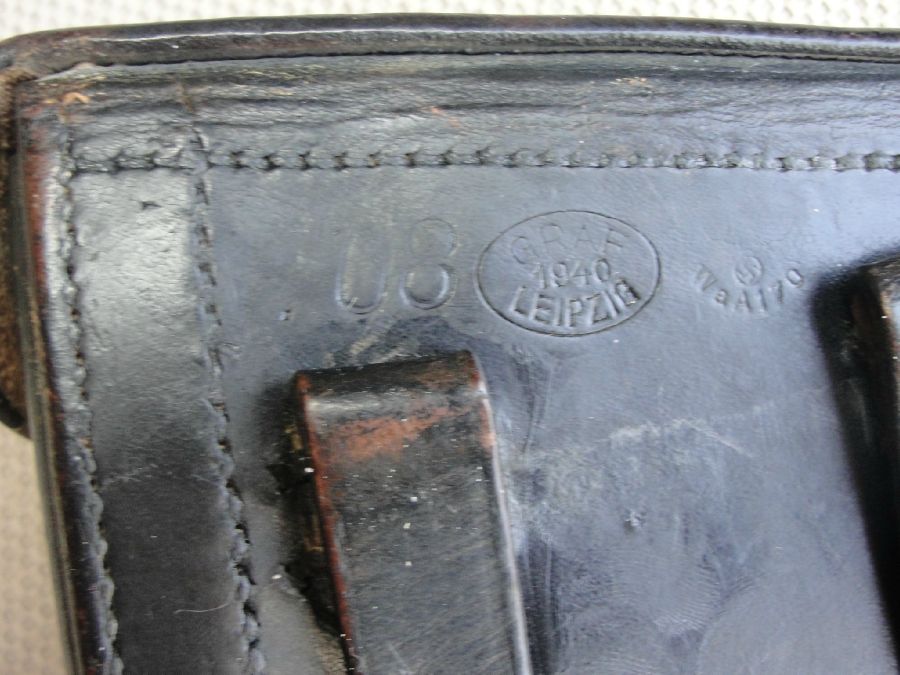
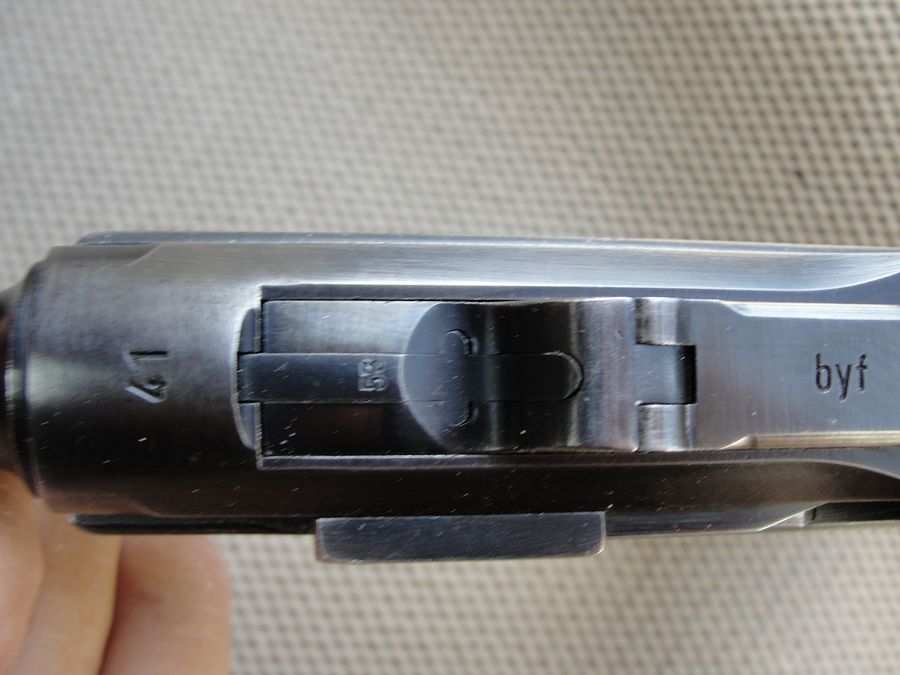
Why is it that German Guns look so much deadlier and evil ?


Categories
A little tired of the Friendzone?
Here at the house, I have a couple of decades plus of military experience. I have tools to dig in or out of natural disasters. I have extinguishers and hoses. I have a field trauma kit and bandages. I have weapons both melee and firearm. I know how to use them. I know how to trench, support and revet.
I understand the fire triangle and appropriate approaches. I understand breathing, bleeding and shock. I know how to detain, restrain and control. I have done all of these at least occasionally, professionally.
I’ve stood on top of a collapsing levee in a flood. I’ve fought a structure fire from inside so we could get everyone out before the fire department showed up, which only took two minutes, but people can die that fast. I’ve had structures collapse while I was working on them.
I’ve been in an aircraft that had a “mechanical” on approach and had to be repaired in-flight before landing. I’ve helped control a brush fire. I’ve hauled disabled vehicles out of ditches in sub-zero weather.
My ex wife has over a decade or service and some of the same training.
We have trained our young adult children.
My wife is a rancher who knows her way around a shotgun, livestock, sutures and tools, hurricanes and floods, and works in investigations professionally.
Our current houseguest is another veteran.
This means if anything happens at the house–and last year we had a lightning strike, a tornado and a flood within 10 days–we’re pretty well prepared.
Now, we’re probably better off than 95% of the households out there. The level of disaster that necessitates backup varies.
If we find it necessary to call 911, it means the party is in progress and it’s bad.
You will probably not be going home safe at the end of your shift.
And you know what? If it gets to that point, I really don’t give a shit. I don’t give a shit if you get smoked. I don’t give a shit if you fall under a tree. I don’t give a shit if you get shot at.
Because at that point, I’ve done everything I can with that same circumstance, and run out of resources.
If my concern was “you going home safe,” then I’d just fucking hunker down and die. Because I wouldn’t want that poor responder to endanger himself.
Except…that’s what I pay taxes for, and that’s what you signed up for. Just like I signed up to walk into a potential nuke war in Germany and hold off the Soviets, and did walk into the Middle East and prepare to take fire while keeping expensive equipment functioning so our shooters could keep shooting.
There’s not a single set of orders I got that said my primary job was to “Come home safe.” They said it was to “support the mission” or “complete the objective.” Coming home safe was the ideal outcome, but entirely secondary to “supporting” or “completing.” Nor, once that started, did I get a choice to quit. Once in, all in.
When that 80 year old lady smells smoke or hears a noise outside her first floor bedroom in the ghetto, she doesn’t care if you go home safe, either. She’s afraid she or the kids next door won’t wake up in the morning.
If I call, I expect your ass to show up, sober, trained, professional. I expect you to wade in with me or in place of me, and drag a child out of a hole, or out from a burning room, or actually stand up and block bullets from hitting said child, because by the time you get there, I’ll have already done all that. And there will be field dressings, chainsawed trees, buckets and empty brass scattered about.
I don’t want to hear some drunk and confused guy squirming on the ground playing “Simon Says” terrified you so much you had to blow him away.
I don’t want to hear that some random guy 35 yards away who you had no actual information on “may have reached toward his waist band. Or that “the tree might fall any moment” or that “the smoke makes it hard to see.”
Near as I can tell, I don’t hear the smokejumpers, or the firefighters, or the disaster rescue people say such things.
But it’s all I ever hear from the cops. If you and your five girlfriends in body armor, with rifles, are that terrified of actually risking your life for the theoretically dangerous job you volunteered for and can quit any time, then please do quit.
You can get a job doing pest control and go home safe every night.
Until a bunch of fucking pussies with big tattoos, small dicks, body armor and guns blow you away for minding your own business.
Because what you’re telling me with that statement is, your only concern is cashing a check. That’s fine. But if that’s your concern, don’t pretend you’re serving the public. If you wanted to help people at risk of life, you would be a firefighter, running into buildings, dragging people out, getting scorched regularly.
If you’re cool with writing tickets, then there’s jobs where you can do just that.
If you want to tangle with bad guys and blow them away, fair enough. But understand: That means they get to shoot first to prove their intent, just as happens with the military these days. Our ROE these days are usually “only if fired upon and no civilians are at risk.”
If your plan is “shoot first, shoot later, shoot some more, then if anyone is still alive try to ask questions,” and bleat, “But I was afeard fer mah lahf!” you’re absolutely no better than the thugs you claim to oppose. All you are is another combatant in a turf war I don’t care about.
Since I know your primary concern is “being safe,” then I’ll do you the favor of not calling. Cash your welfare check, and try not to shoot me at a “courtesy” sobriety checkpoint for twitching my eye “in a way that suggested range estimation.”
If you’re one of the vanishingly few cops who isn’t like that, then what the hell are you doing about it? If there’s going to be a lawsuit costing the city millions, isn’t it better that it be a labor suit from the union over the clown you fired, than a wrongful death suit over the poor bastard the clown shot? Both are expensive, but one has a dead victim you enabled. So how much do you actually care about that life?
How is the training so bad that it’s not clear who is the scene commander who gives the orders?
How is it that trigger happy bozos who, out of costume, look no different from the gangbangers you claim to oppose, get sent up front to fulfill their wish of hosing someone down because “I was afraid for my life!”?
Why does the rot exist in your department?
If you can’t do anything about it, why are you still in that department?
At some point, collective guilt is a thing.
You’ve probably not been a good cop for a long time.
And I still don’t care if you go home safe. I care that everyone you purport to “serve and protect” goes home safe.

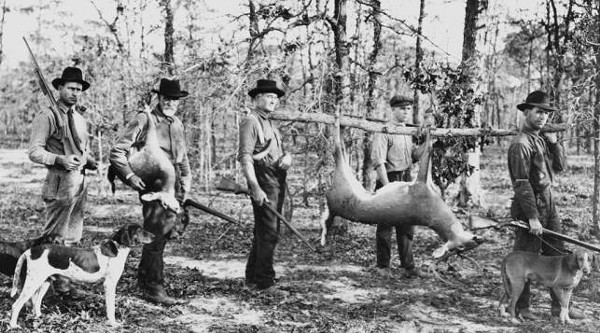

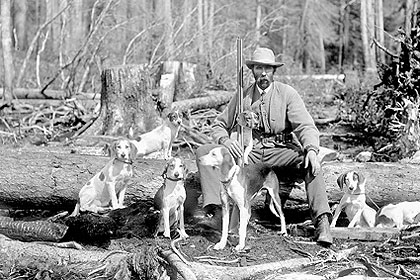
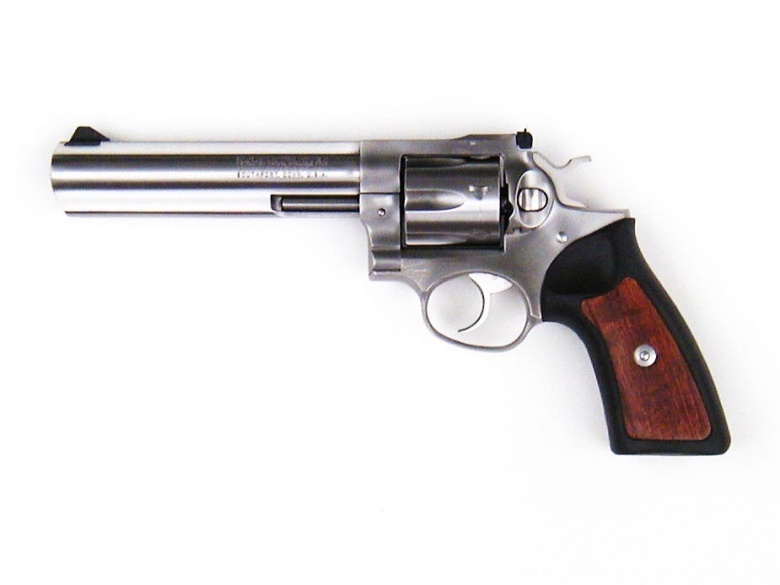
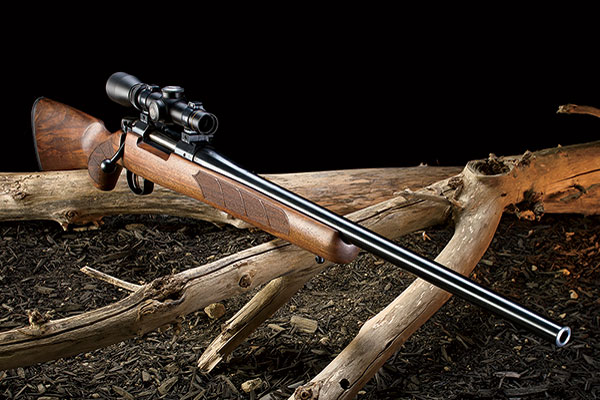


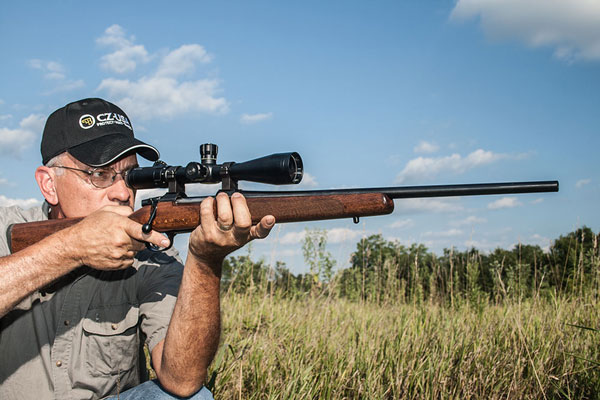
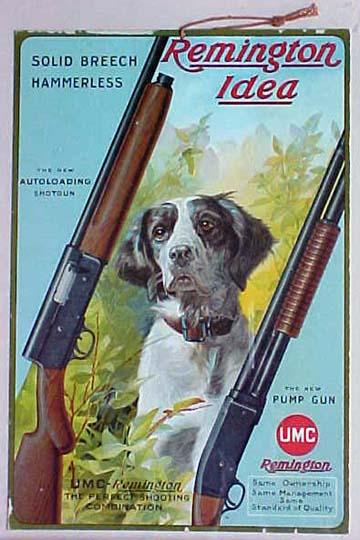


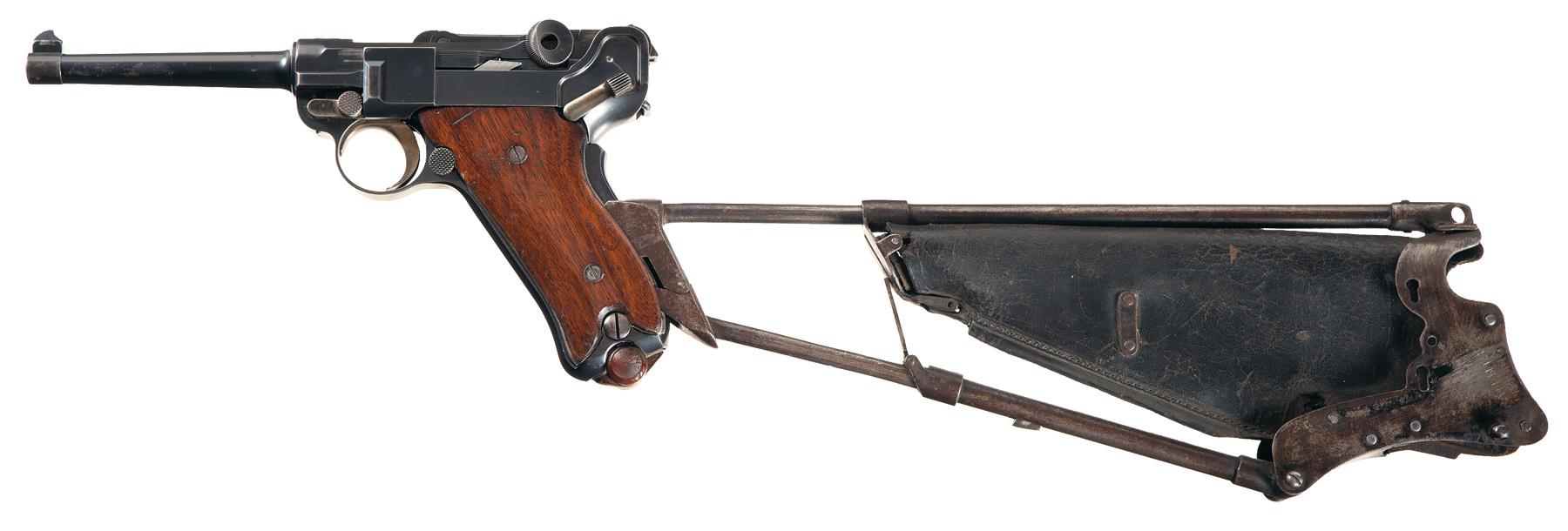
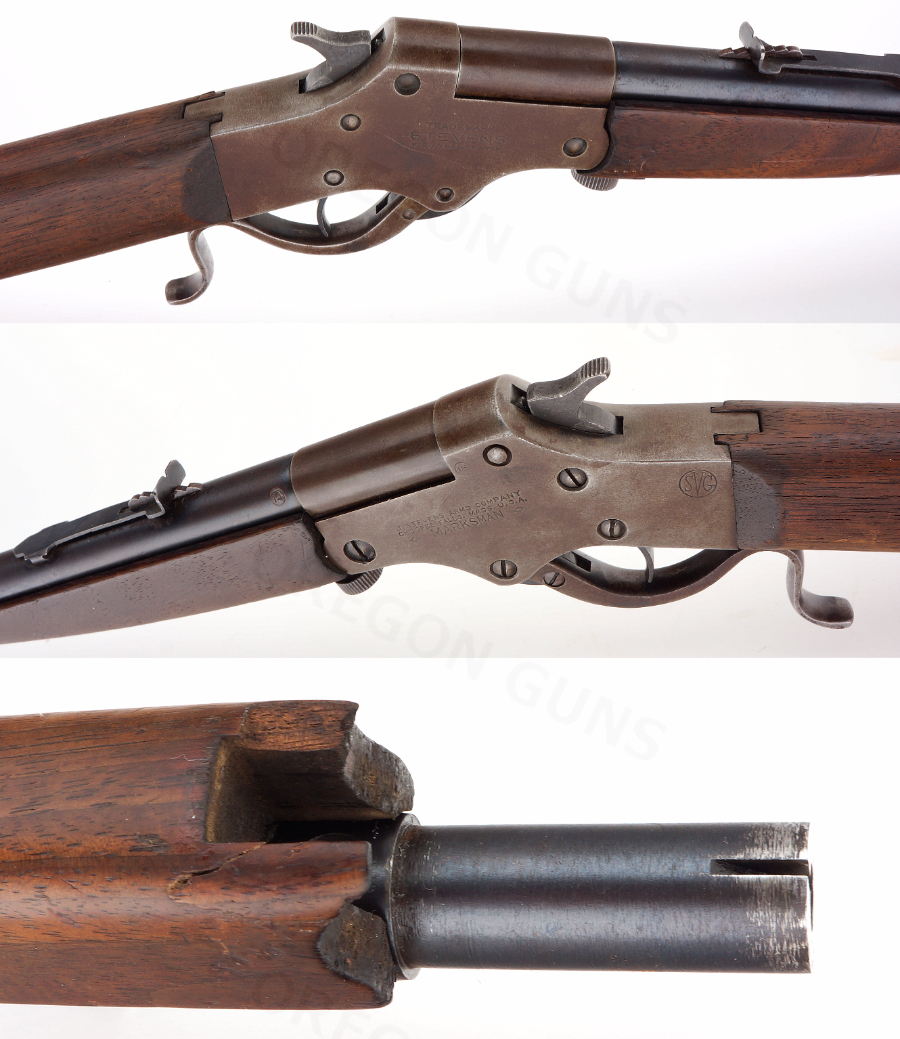
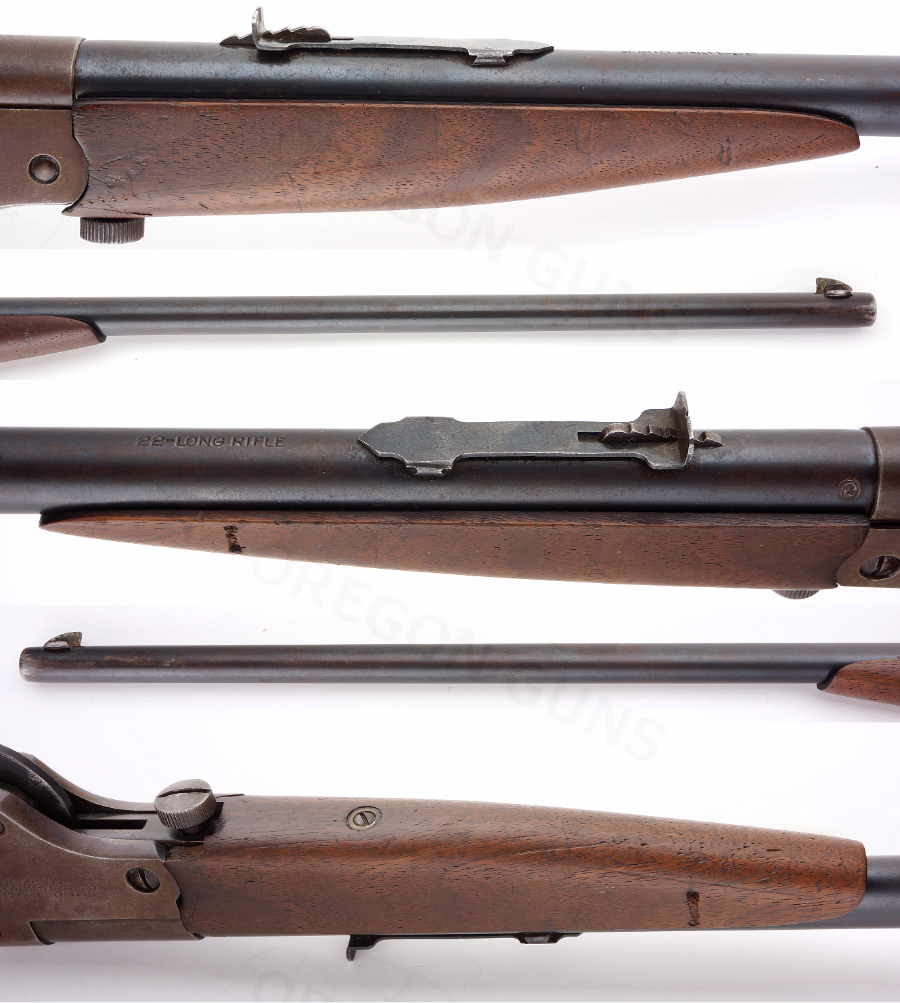
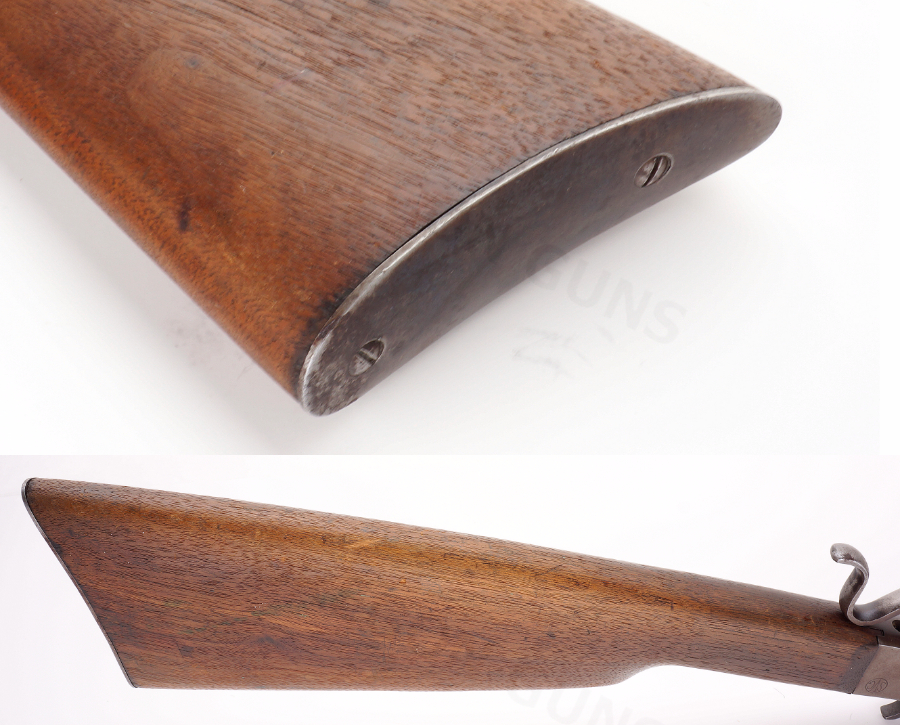
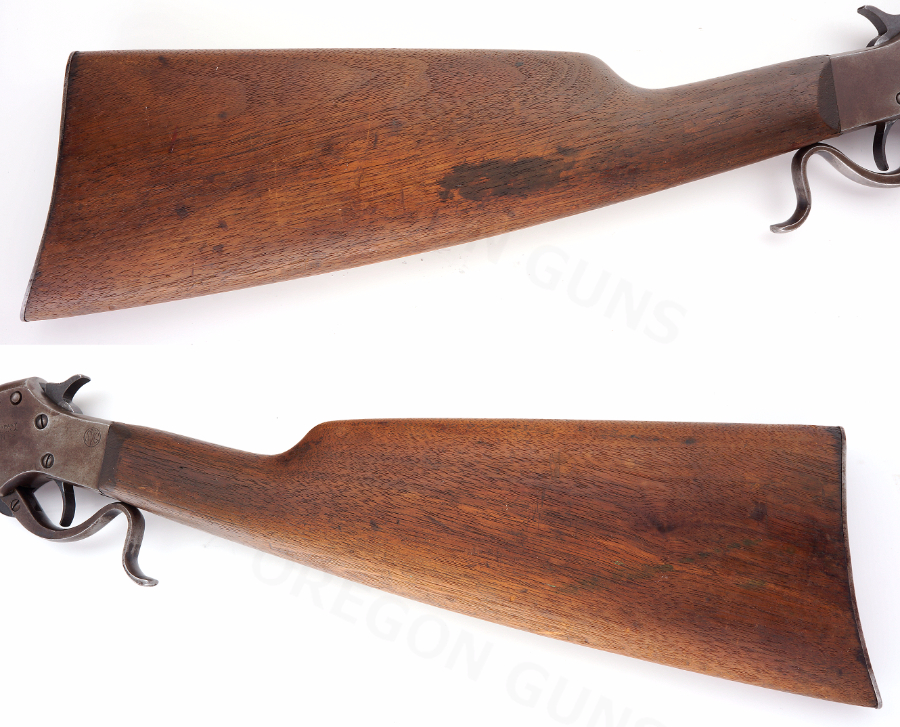
This a very unusual looking rifle that I was unable to find anything about it. So do any of my faithful readers out there have any ideas? Grumpy


Categories
For our Male Patrons of my site! NSFW


After WWII, a lot of these Siamese Mausers were brought back and sporterized into 45-70 Caliber. I had one but the recoil got to be too much for me.
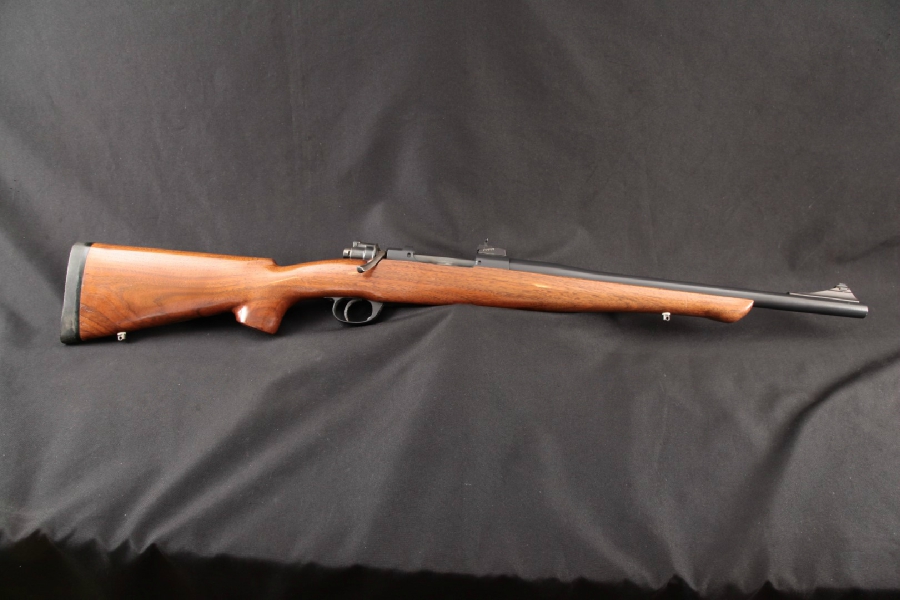
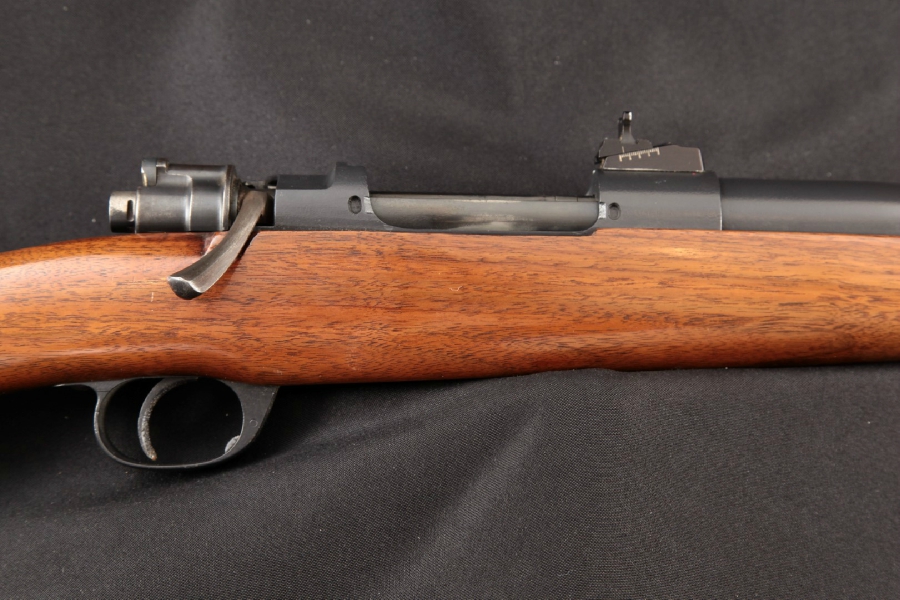
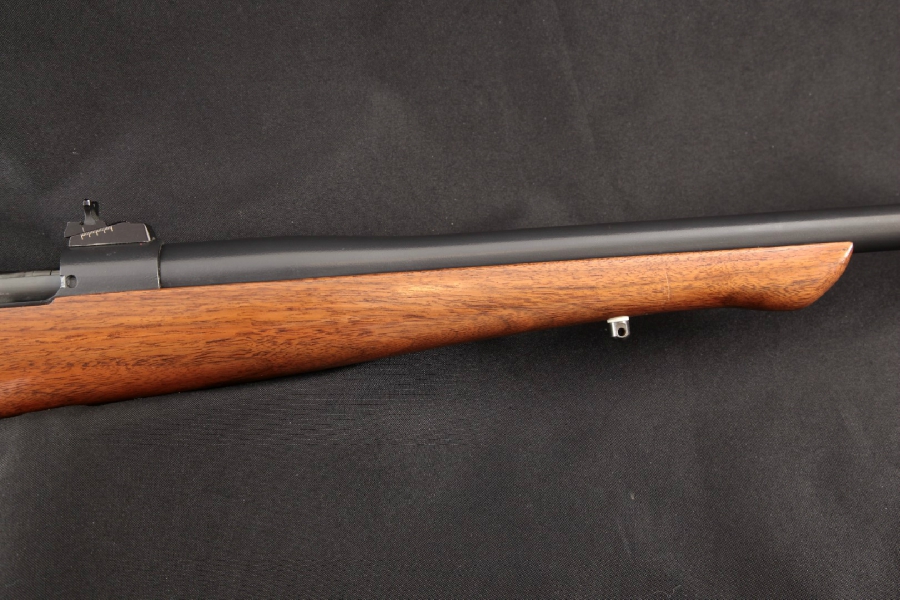
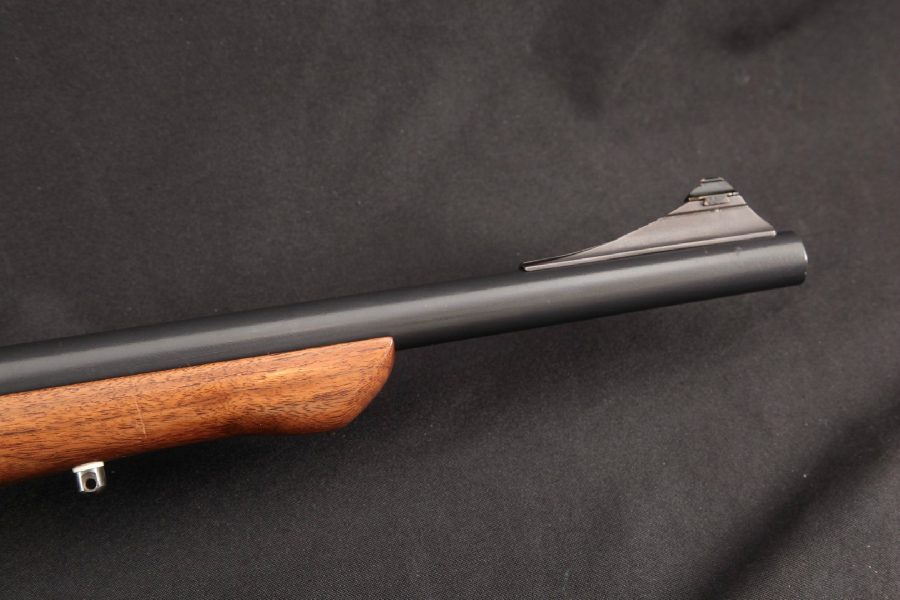
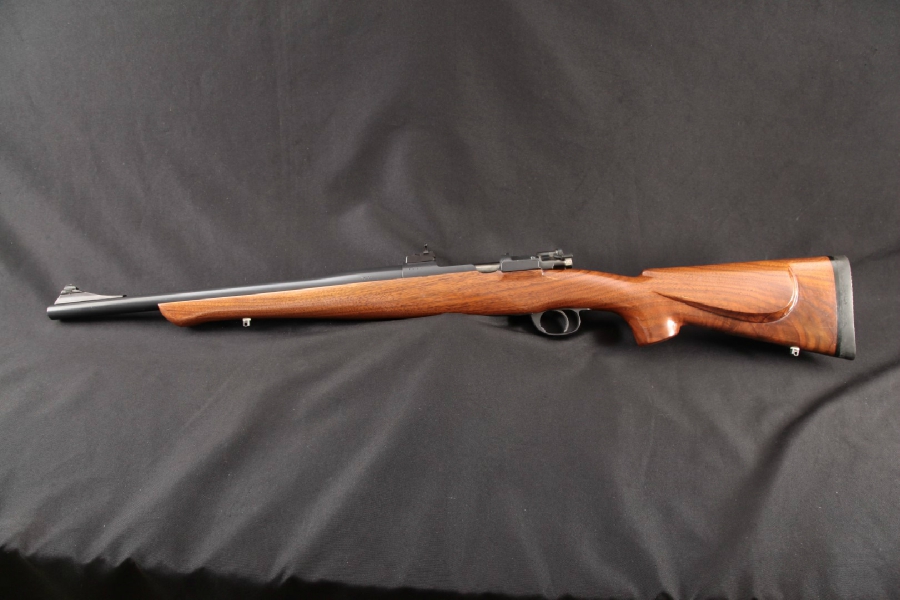
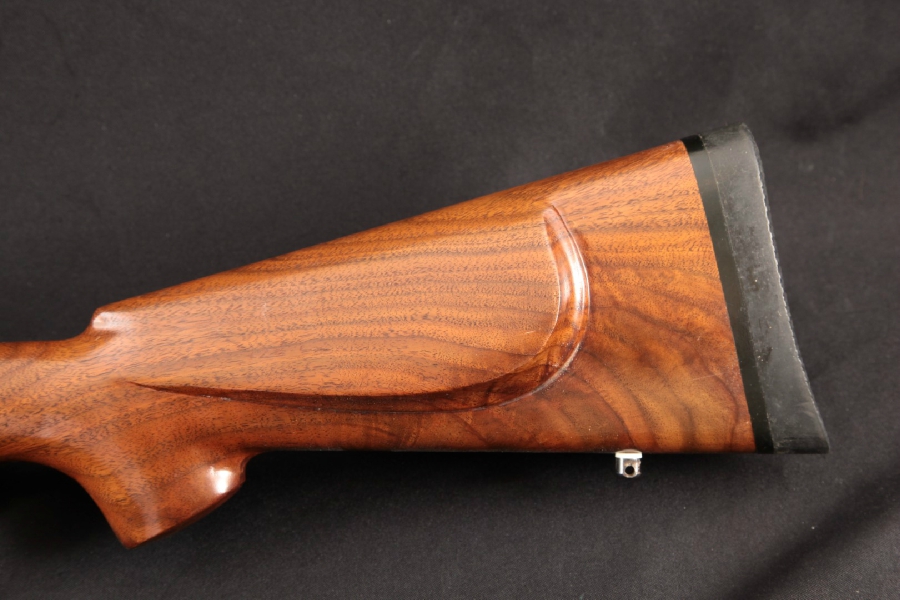
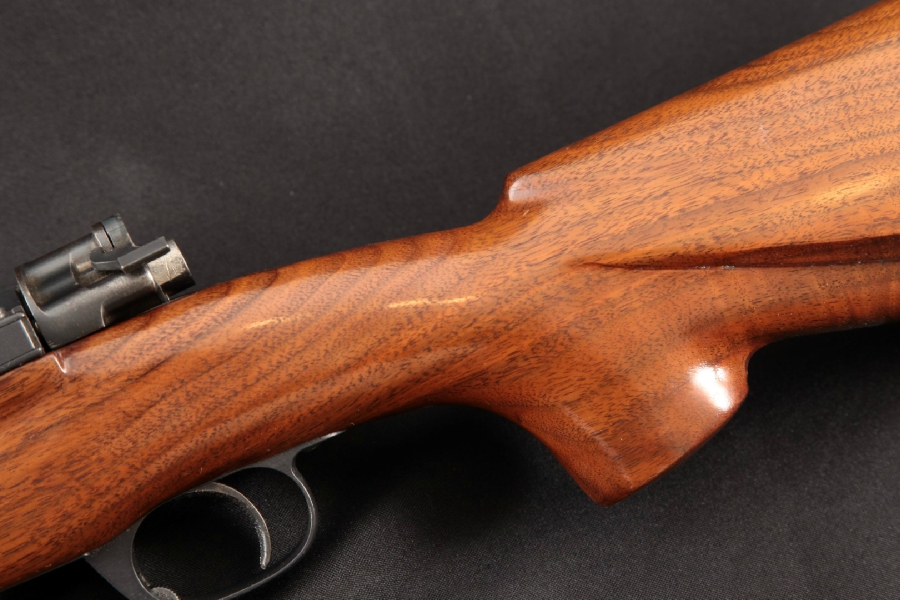
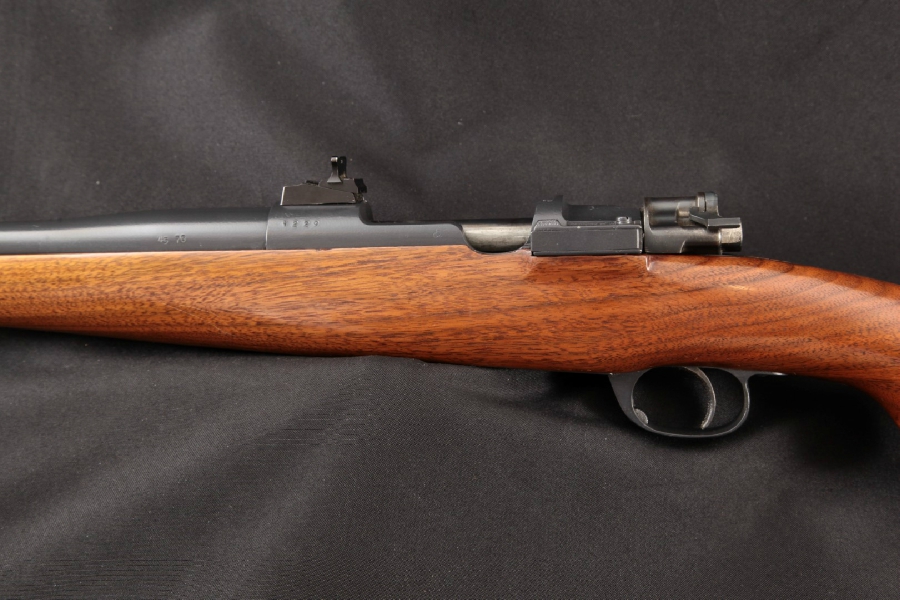
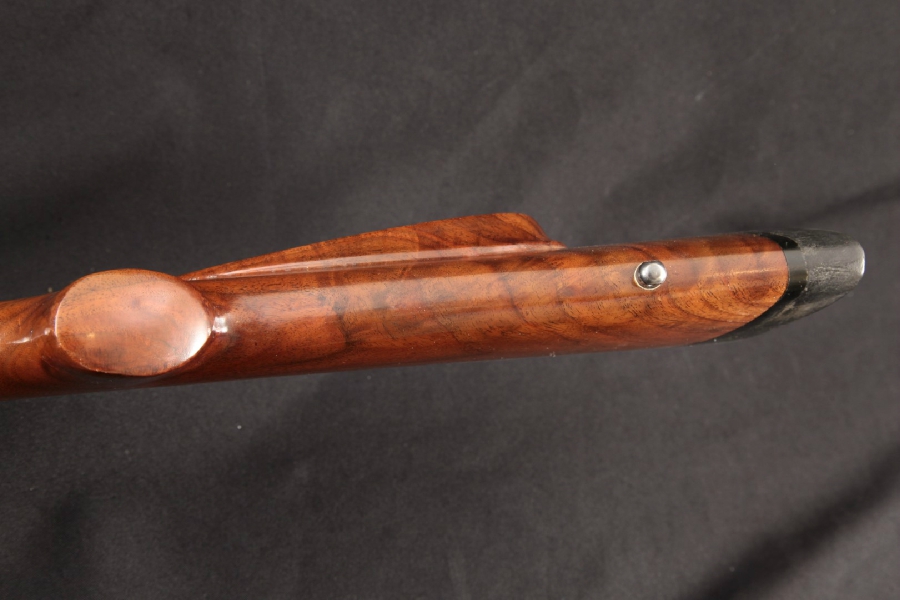
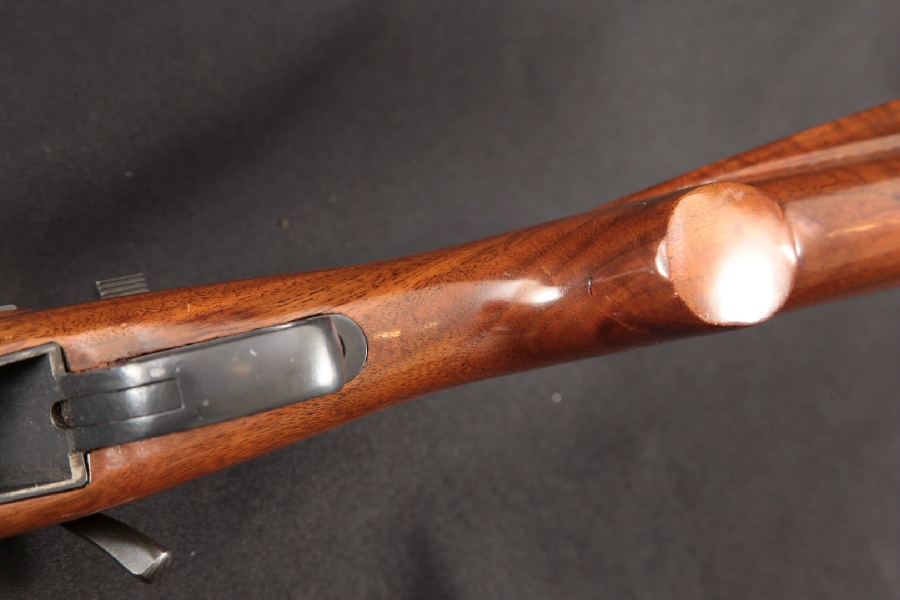
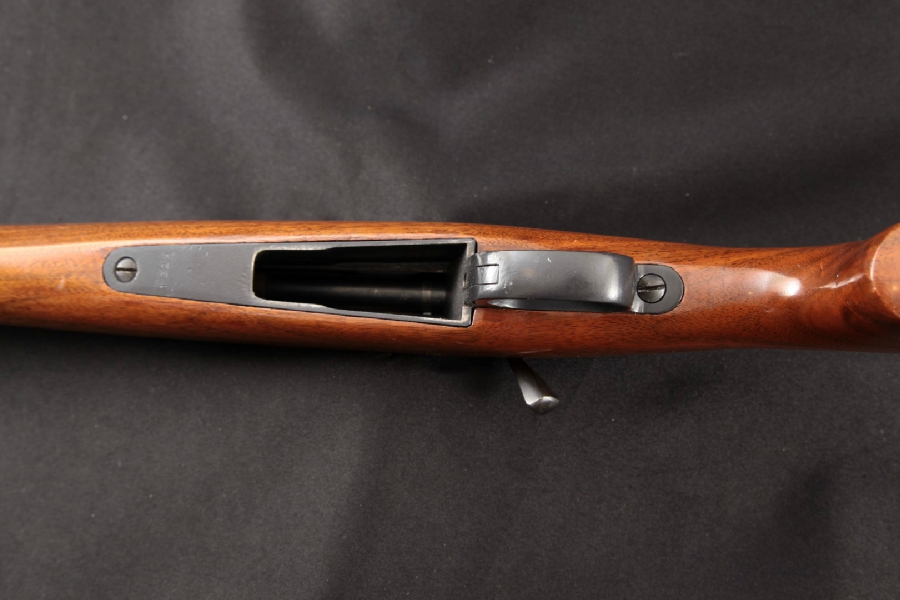
I guess it is missing the magazine plate!
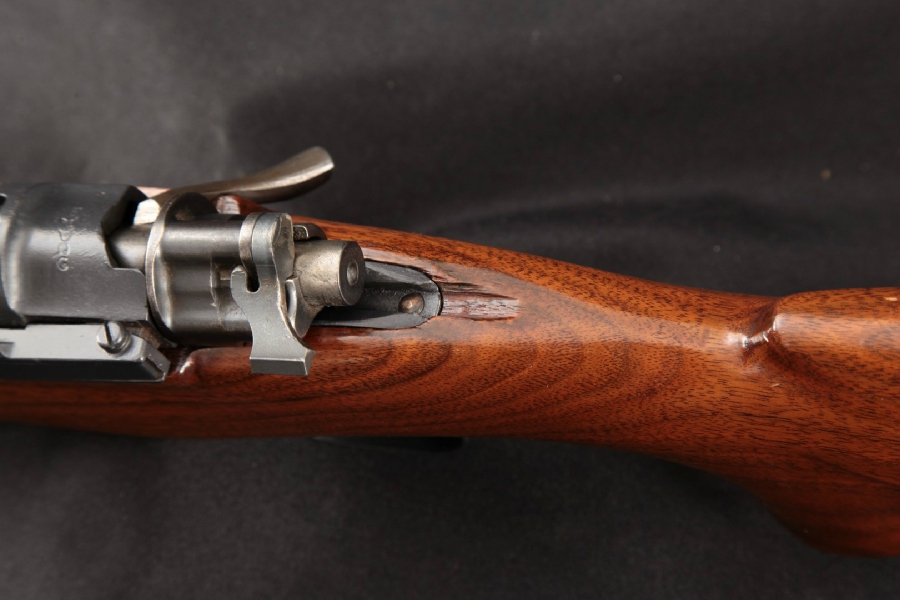
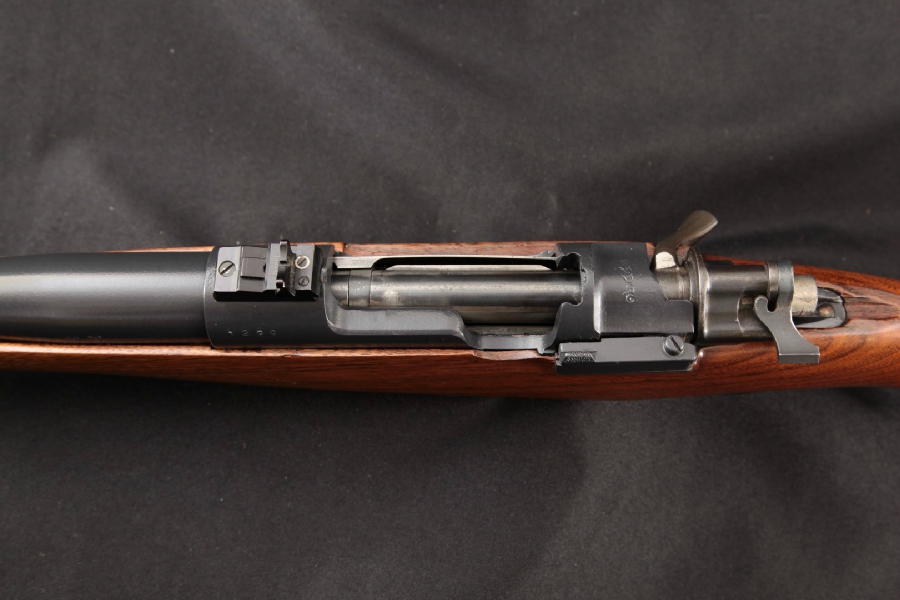
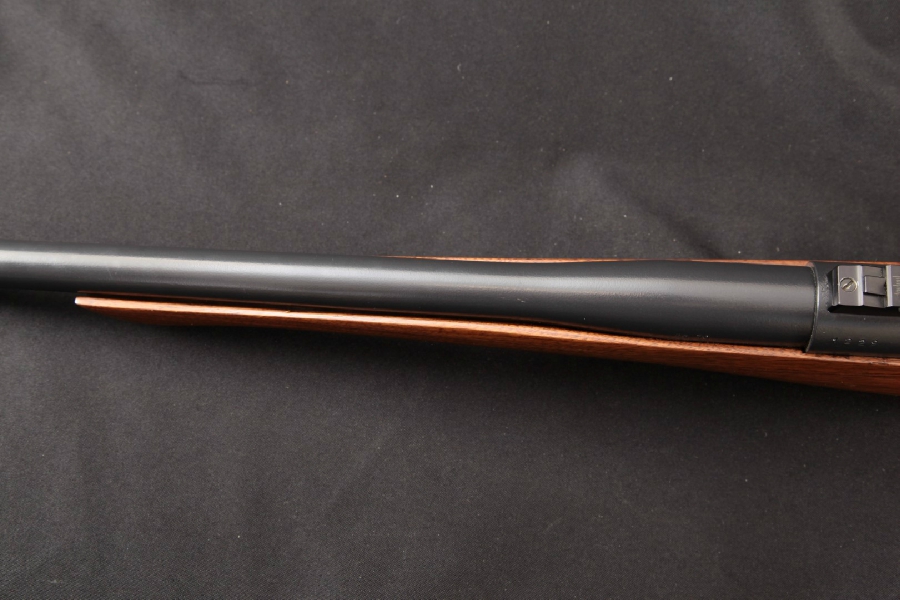
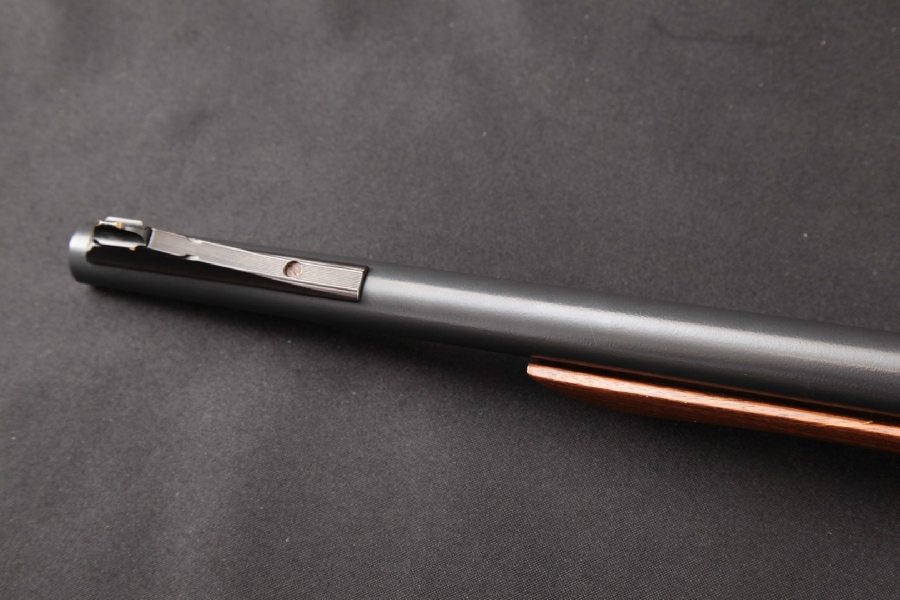
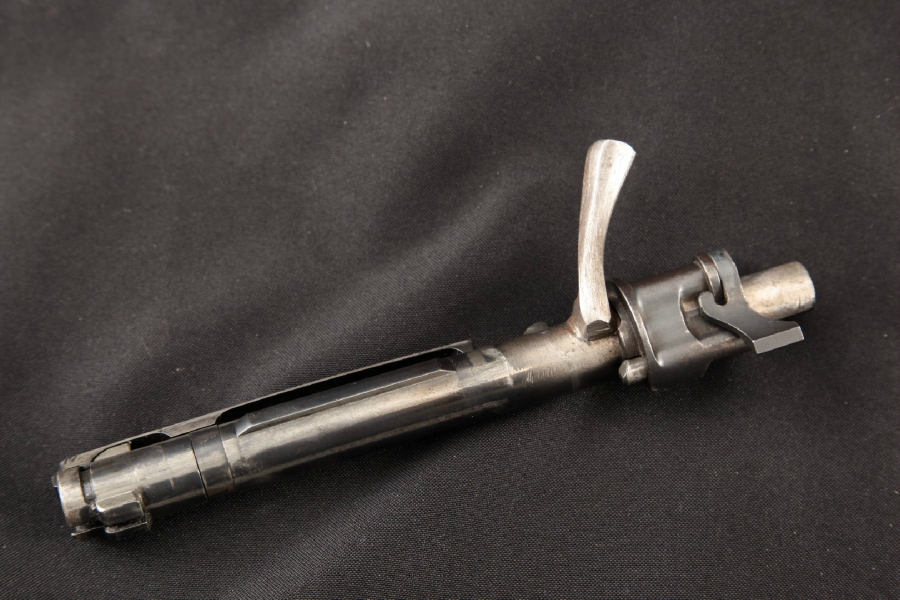
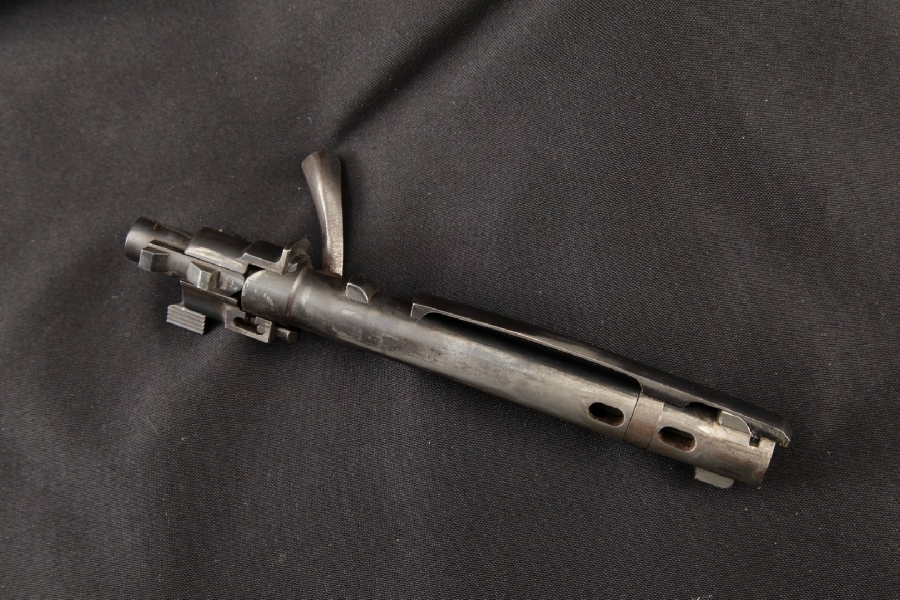
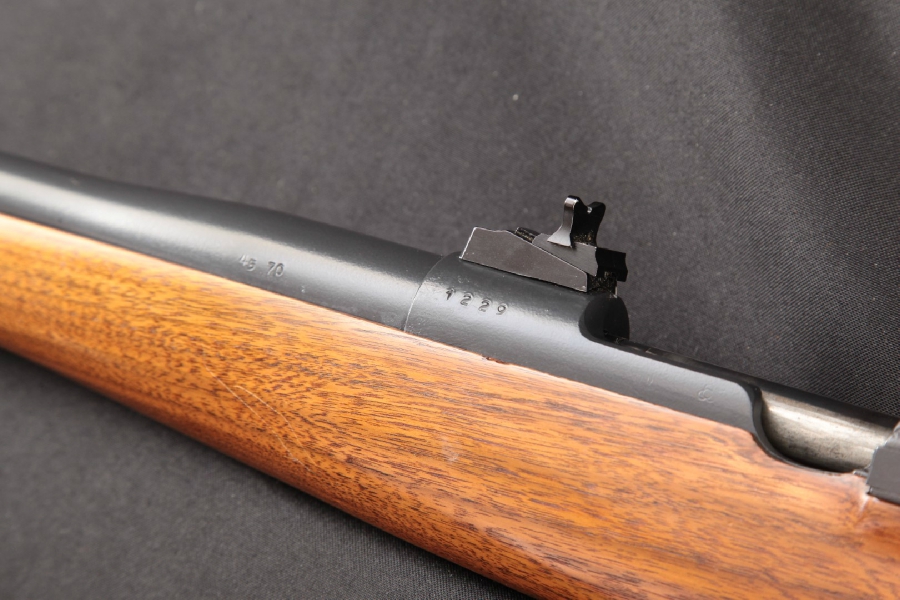
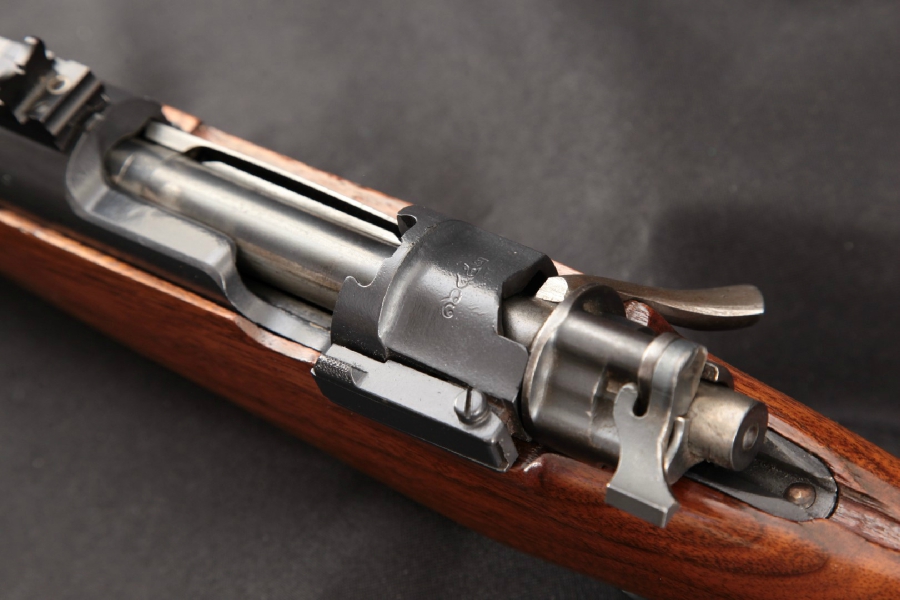
This Siamese Model 1903 Mauser was made by the Japanese for Thailand. It has since been customized and converted to fire .45-70.
These are tough rifles with an interesting history. Siam, now known as Thailand, was one of the few independent south Asian nations around the turn of the 20th century.
Looking to modernize its military to protect against colonial imposition it decided in 1903 to adopt a copy of the Mauser Gewehr 98 rifle.
Siam (which changed its name to Thailand in 1938) didn’t have the manufacturing base to produce the necessary quantity of rifles.
So it contracted the job out to the Japanese arsenal at Tokyo. Between 1903 and 1908, about 400,000 of these rifles were manufactured, chambered for an old-style 8x50R cartridge using a round-nosed projectil.
As with all rifles made by the Japanese before WWII, the Siamese Mausers are of excellent quality. They have also long been used as the basis for conversion to .45-70 conversions.
Categories
The S&W Story
I always wanted to find out something about the background of this Gun Making Giant. Now that I am retired. Here is my feeble effort at finding out. Enjoy Grumpy
Smith & Wesson
 |
|
| Public company | |
| Industry | Defense Products & Services |
| Founded | 1852 |
| Founders | Horace Smith, Daniel B. Wesson |
| Headquarters | Springfield, Massachusetts, United States |
|
Key people
|
P. James Debney (CEO), Jeffrey D. Buchanan (CFO), Leland A. Nichols (COO), |
| Products | Firearms and law enforcement goods |
| Revenue |  US$903 million (2016)[1] US$903 million (2016)[1] |
| US$199.94 million (2016)[2] |
|
| US$191.31 million (2016)[3] |
|
| Total assets | |
|
Number of employees
|
1,453 (2008)[6] |
| Parent | American Outdoor Brands Corporation |
| Subsidiaries | Thompson/Center |
| Website | Smith-Wesson.com |
 US$261.674 million (2012)
 Smith & Wesson (S&W) is a manufacturer of firearms in the United States. The corporate headquarters are in Springfield, Massachusetts. Founded in 1852, Smith & Wesson’s pistols and revolvers have become standard issue to police and armed forces throughout the world, in addition to their popularity among sport shooters.
Apart from firearms, Smith & Wesson has been known for the many types of ammunition it has introduced over the years, and many cartridges bear the company’s name.
Contents
[hide]
History[edit
Horace Smith and Daniel B. Wesson founded the Smith & Wesson Company in Norwich, Connecticut in 1852 to develop the Volcanic rifle.
Smith developed a new Volcanic Cartridge, which he patented in 1854. The Smith & Wesson Company was renamed Volcanic Repeating Arms in 1855, and was purchased by Oliver Winchester.
Smith left the company and returned to his native Springfield, Massachusetts, while Wesson stayed on as plant manager with Volcanic Repeating Arms.[7]
As Samuel Colt‘s patent on the revolver was set to expire in 1856, Wesson began developing a prototype for a cartridge revolver.
His research pointed out that a former Colt employee named Rollin White held the patent for a “Bored-through” cylinder. A component he would need for his invention. Wesson reconnected with Smith and the two partners approached White to manufacture a newly designed revolver-and-cartridge combination.[7]
Rather than make White a partner in their company, Smith and Wesson paid him a royalty of $0.25 on every revolver that they made.
It would become White’s responsibility to defend his patent in any court cases which eventually led to his financial ruin, but was very advantageous for the new Smith & Wesson Company.[7]
The Civil War[edit]
Smith & Wesson’s revolvers came into popular demand with the outbreak of the American Civil War as soldiers from all ranks on both sides of the conflict made private purchases of the revolvers for self-defense.[8]
The orders for the Smith & Wesson Model 1 revolver outpaced the factory’s production capabilities.
In 1860 demand was so great that Smith & Wesson expanded into a new facility and began experimenting with a new cartridge design more suitable than the .22 Short that it had been using.[8]
At the same time, the company’s design was being infringed upon by other manufacturers which led to numerous lawsuits filed by Rollin White.
In many of these instances part of the restitution came in the form of the offender being forced to stamp “Manufactured for Smith & Wesson” on the revolvers in question.[8]
White’s vigorous defense of his patent caused a problem for armsmakers in the United States at the time as they could not manufacture cartridge revolvers.
At the end of the war the U.S. Government charged White with causing the retardation of arms development in America.[8]
Western frontier[edit]
Demand for revolvers declined at the close of the Civil War and Smith & Wesson focused on the development of arms suitable for use on the American frontier.
In 1870 the company introduced a large frame revolver in heavier calibers than the pocket sized revolvers it had been making. The design was known as the Smith & Wesson Model 3.
Clinton agreement[edit]
On March 17, 2000, Smith & Wesson made an agreement with U.S. President Bill Clinton under which it would implement changes in the design and distribution of its firearms in return for “preferred buying program” to offset the loss of revenue as a result of anticipated boycott.[9]
The agreement stated that all authorized dealers and distributors of Smith & Wesson’s products had to abide by a “code of conduct” to eliminate the sale of firearms to prohibited persons, dealers had to agree to not allow children under 18 access, without an adult, to gun shops or sections of stores that contained firearms.[9]
After an organized campaign by the NRA and NSSF over the issue of smart guns,[10] thousands of retailers and tens of thousands of firearms consumers boycotted Smith & Wesson.[11][12]
Smith & Wesson dropped its smart gun plans after nearly being driven out of business.[13]
Acquisition by Saf-T-Hammer[edit]
On May 11, 2001, Saf-T-Hammer Corporation acquired Smith & Wesson Corp. from Tomkins plc for US$15 million, a fraction of the US$112 million originally paid by Tomkins.[14] Saf-T-Hammer assumed US$30 million in debt, bringing the total purchase price to US$45 million.[15][16]
Saf-T-Hammer, a manufacturer of firearms locks and other safety products, purchased the company with the intention of incorporating its line of security products into all Smith & Wesson firearms in compliance with the 2000 agreement.
The acquisition of Smith & Wesson was chiefly brokered by Saf-T-Hammer President Bob Scott, who had left Smith & Wesson in 1999 because of a disagreement with Tomkins’ policies.
After the purchase, Scott became the president of Smith & Wesson to guide the 157-year-old company back to its former standing in the market.[17]
On February 15, 2002, the name of the newly formed entity was changed to Smith & Wesson Holding Corporation.[18]
Recent history[edit]
About 2006 Smith & Wesson refocused its marketing on big box retailers, according to Smith & Wesson CEO Mike Golden in a 2008 conference call with investors.[19]
In December 2014, Smith & Wesson Holding announced it was paying $130.5 million for Battenfeld Technologies, a Columbia, Missouri-based designer and distributor of hunting and shooting accessories.
The company made the acquisition with the eventual intent to merge all its existing Smith & Wesson, M&P and Thompson Center Armsaccessories into a single division.[20]
In August 2016 the company bought Crimson Trace, a laser-sight manufacturer, for $95 million and Taylor Brands, a tool and knife maker, for $85 million.
In November 2016 the company bought UST Brands, a survival equipment maker, for $32.3 million. On November 7, 2016, Smith & Wesson announced that it would be changing the name of its holding company to American Outdoor Brands Corporation. [21]
Cartridges introduced by Smith & Wesson[edit]

Bullet coming from a Smith & Wesson 686 .357 Magnum, taken with an air-gap flash.
- .22 Short[22]
- .32 S&W—sometimes called .32 Short[22]
- .32 S&W Long—sometimes called .32 Colt New Police (a variation produced for the Colt New Police Revolver, as Colt did not want an association with their competitor)[22]
- .32-44 S&W, defined as .32 Caliber (true .32 caliber measures .323″, sole use in Model 3 Revolver to 1898.[23]
- .38 S&W—sometimes called .38 Colt New Police (a variation produced for the Colt New Police Revolver, as Colt did not want an association with their competitor) and the 38/200 in England.[22]
- .38-44 S&W There are two distinct loads with this designation. The first was intended for use in model 3 revolvers up to 1898. The second was a predecessor to the .357 Magnum. Using the latter load in a pre-1898 gun could cause serious injury.[23]
- .38 S&W Special[22]—Usually referred to as “.38 Special”
- .357 S&W Magnum[22]—Usually referred to as “.357 Magnum”
- .40 S&W[22]—Smith & Wesson developed the cartridge but the first firearm to hit the market chambered in .40 was manufactured by Glock[24]
- .41 Magnum—While Remington Arms developed the ammunition, Smith & Wesson made the first revolvers to chamber the cartridge.[22]
- .44 American[22]
- .44 Russian[22]
- .44 S&W Special[22]
- .44 Remington Magnum[22]
- .45 S&W Schofield[22]
- .460 S&W Magnum[25]
- .500 S&W Magnum[25]
Revolvers[edit]
-
 Smith & Wesson Volcanic, caliber .31, between 1854 and 1855
 -
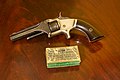 Smith & Wesson Model 1 Second Issue, .22 rimfire
 -
 Smith & Wesson Army No 2, made 1863, caliber .32 Rimfire
 -
 Smith & Wesson Model 3, Cal. .44, between 1874 and 1878
 -
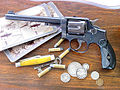 Smith & Wesson .38 Special Model 1899 Military and Police Hand Ejector
 -
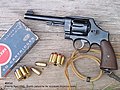 Smith & Wesson M1917 cal. 45
 -
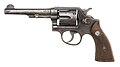 Smith & Wesson Model 10 cal. 38


Smith & Wesson has produced revolvers over the years in several standard frame sizes.
“M refers to the small early Ladysmith frame, I to the small .32 frame, J to the small .38 frame,
K to the medium .38 frame,
L to medium large, and
N to the largest .44 Magnum type frame.[26]
In 2003, the even larger X frame was introduced for the .500 S&W Magnum.
- Smith & Wesson Model 1[27]
- Smith & Wesson Model 1 1/2[28]
- Smith & Wesson Model No. 2 Army
- S&W .38 Single Action – first Smith & Wesson revolver chambered in .38 caliber.[29]
- Smith & Wesson Model 3—first automatic ejection of spent cartridge cases[30]
- Smith & Wesson Double Action
- Smith & Wesson Safety Hammerless—The “lemon squeezer,” also known as the Model 40, Model 42 and 38 Safety.[31]
- Smith & Wesson Ladysmith[27]
|
|
|

Two Smith & Wesson models 686
|

Smith & Wesson Model 29s .44 Remington Magnum, 4- and 8⅜-inch barrels
|
|
Semi-automatic pistols[edit]
In 1953 the U.S. Army was looking for a pistol to replace the Colt 1911A1.[27]
To obtain a bid from the U.S. Government, Smith & Wesson began working on a design similar to the German Walther P38.[27]
A year later the Army dropped its search and Smith & Wesson introduced its pistol to the civilian shooting market as the Model 39.[27]
The Model 39 would come to be known as a first-generation pistol. Since the Model 39 debuted, Smith & Wesson has continuously developed this design into its third-generation pistols now on the market.
The first-generation models use a 2-digit model number, the second generation use 3 digits, and third-generation models use 4 digits.
- Smith & Wesson Model 1913—The first centerfire S&W semi-automatic pistol began in 1913. This pistol was also known as the Model 35 which was produced from 1913 to 1922.[38]
- Smith & Wesson Bodyguard 380.[39]
- Smith & Wesson Model 22A. [39]
- Smith & Wesson SW22 Victory
- Smith & Wesson Model 39—first U.S.-designed double-action pistol in 9×19mm[27]

.45 Semi-auto Chief’s Special
- Smith & Wesson Model 41.[39]
- Smith & Wesson Model 52.[39]
- Smith & Wesson Model 78G.[39]
- Smith & Wesson Model 4506[27]
- Smith & Wesson Model 439—updated model 39[32]
- Smith & Wesson Model 459—S&W’s entry into the US Army’s XM9 program[32]
- Smith & Wesson Model 469[27]
- Smith & Wesson Model 59—S&W’s first high-capacity double-action pistol in 9 mm Parabellum.[27]
- Smith & Wesson Model 5906[27]
- Smith & Wesson Model 61—Debuting in 1970, the pocket ‘Escort’ was a tiny automatic .22LR pistol, designed to be cheap and easily concealable.
- It was available in blued or nickel-plated with black or white plastic grips. Production stopped in 1973.[39]
- Smith & Wesson Model 908[27]
- Smith & Wesson Model 909[32]
- Smith & Wesson Model 910[27]
- Smith & Wesson Model 915[32]
- Smith & Wesson Model 1006—stainless steel 10mm Auto[27]
- Smith & Wesson Model 1026 with a frame-mounted decocker[27]
- Smith & Wesson Model 4006[27]
- Smith & Wesson Model 645 second generation large frame semi auto in .45 ACP.[39]
- Smith & Wesson Model 4506 square trigger guard, 4506-1 and 4506-2 rounded trigger guard, third generation large frame semi-autos in 45acp.
Along with the myriad smaller configurations, the mid-sized 4516, 457, the Chiefs Special CS45, and the decocker equipped, 4546, 4566 and 4576, and the 45 TSW, the 4553, stll being issued to the West Virginia State Troopers.[39]
For many of the second-generation models, the first digit identified the material used in the frame;[citation needed] thus a first digit of 4 indicated an alloy, a first digit of 5 indicated stainless steel.
For most of the third-generation models, the first two digits identified the caliber (except for 59/69 for 9mm), the last two digits were for the action style and the material, respectively.
Action style numbers were typically 0 for the standard double/single-action and 4 for double-action-only. Material numbers were commonly 3 for aluminium, 4 for blued steel, and 6 for stainless steel.[citation needed]
Sigma series[edit]

A Sigma pistol
Smith & Wesson introduced the Sigma series of recoil-operated, locked-breech semi-auto pistols in 1994 with the Sigma SW40F, followed by the Sigma SW9F 9 mm, which included a 17-shot magazine.[27] Glock initiated a patent infringement lawsuit against Smith & Wesson.
The latter paid an undisclosed amount to settle the case and for the right to continue producing models in the Sigma line.[40] The gun frame is manufactured from polymer, while the slide and barrel use either stainless steel or carbon steel.
In 1996, Smith & Wesson updated the Sigma by adding a compact model with a shortened barrel (from 4 1⁄2to 4 inches) and again, in 1999, modified the series by changing the grip by adding checkering and adding an integral accessory rail for lights and laser targeting devices.[27]
SW99 Series[edit]
S&W reached an agreement with Walther to produce variations of the P99 line of pistols.[27]
Branded as the SW99, the pistol is available in several calibers, including 9 mm, .40 S&W, and .45 ACP, and in both full size and compact variations.
Under the terms of the agreement, Walther produced the frames, and Smith & Wesson produced the slide and barrel. The pistol has several cosmetic differences from the original Walther design and strongly resembles a hybrid between the P99 and the Sigma series.[27]
M&P Series[edit]

Smith & Wesson M&P pistol.
In 2005, Smith & Wesson debuted a new polymer-frame pistol intended for the law enforcement market.
Dubbed the M&P (for Military and Police), its name was meant to evoke S&W’s history as the firearm of choice for law enforcement agencies through its previous lineup of M&P revolvers.
The M&P is a completely new design with no parts interchangeable with any other pistol including the Sigma. The new design not only looks completely different than the Sigma but feels completely different with 3 different back straps supplied with each M&P.
Many of the ergonomic study elements that had been incorporated into the Sigma and the SW99 were brought over to the M&P.
The improved trigger weight and feel, and unique takedown method (not requiring a dry pull of the trigger) were meant to set the M&P apart from both the Sigma and the popular Glock pistols.
The M&P is available in 9×19mm, .40 S&W, and .357 SIG. Also a .22 LR M&P was developed with Carl Walther and is made in Germany.
A .45 ACP model was released in early 2007, after making its debut at the SHOT Show.
In addition, compact versions are available in .22LR, 9×19mm, .40 S&W, .357 SIG, and .45 ACP. The .22LR Compact is made by Smith & Wesson in the United States. Subcompact versions are available in 9×19mm, .40 S&W and .45 ACP.
SD VE Series[edit]
Smith & Wesson introduced the SD VE series in 2012 in hopes of remaking and improving the discontinued Smith & Wesson SD.
The SD VE design has an improved self-defense trigger and a comfortable, ergonomic, textured grip. The SD VE also features an improved stainless steel barrel and slide that the SD did not include.
The Smith & Wesson SD VE is available in 9×19mm and .40 S&W calibers in either a standard-capacity version (16+1-round capacity for SD9 VE and 14+1 for SD40 VE) or in the low-capacity version (10+1-round capacity for both calibers.)
SW1911 Series[edit]

A basic version of Smith & Wesson’s SW1911 with user-installed Pachmayr grips.
In 2003, Smith & Wesson introduced their variation of the classic M1911 .45 ACP semi-automatic handgun, the SW1911. This firearm retains the M1911’s well known dimensions, operation, and feel, while adding a variety of modern touches.
Updates to the design include serration at the front of the slide for easier operation and disassembly, a high “beaver-tail” grip safety, external extractor, lighter weight hammer and trigger.
As well as updated internal safeties to prevent accidental discharges if dropped. S&W 1911s are available with black finished carbon steel slides and frames or bead blasted stainless slides and frames.
They are available with aluminum frames alloyed with scandium in either natural or black finishes.
These updates have resulted in a firearm that is true to the M1911 design, with additions that would normally be considered “custom”, with a price similar to equivalent designs from other manufacturers.
Smith & Wesson’s Performance Center produces the top of the line hand fitted competition version knowns as the PC 1911.
While most 1911s run around 38 to 39 ounces (1,100 to 1,100 g), the PC 1911 is heavier, at approximately 41 ounces (1,200 g). The full-length guide rod adds some weight, and so does the add-on magazine well.
Rifles and carbines[edit]
During the early years of WW2, Smith & Wesson manufactured batches of the Model 1940 Light Rifle under request from the British Government.[41]
In January 2006, Smith & Wesson reentered the rifle market with its M&P15 series of rifles based on the AR-15. Unveiled at SHOT Show 2006, the rifle debuted in two varieties: the M&P15 and the M&P15T.
The two are basically the same rifle, chambered in 5.56 NATO, with the T model featuring folding sights and a four-sided accessories rail.
These rifles were first produced by Stag Arms but marketed under the Smith & Wesson name.[42] Currently Smith & Wesson makes the lower receiver in-house while the barrel is supplied by Thompson/Center, a S&W company.
In May 2008, Smith & Wesson introduced its first AR-variant rifle in a caliber other than 5.56 NATO.
The M&P15R is a standard AR-15 rifle chambered for the 5.45×39mm cartridge.[43] In 2009, it released the M&P15-22, chambered for .22 Long Rifle.[44]
Smith & Wesson manufactured a line of bolt-action rifles called the i-Bolt. These synthetic-stock rifles were available in .25-06, .270 Win, or .30-06 caliber.
Submachine gun[edit]
In 1967 Smith & Wesson produced a 9mm submachine gun, hoping to capitalize on U.S. sales of the Israeli Uzi and HK MP5.
It borrowed the magazine of the Carl Gustav M/45 submachine gun (Kulsprutepistol m/45 or Kpist m/45) which had been popular with the U.S. forces in Vietnam as the “Swedish K“) and made a similar side-folding stock.
But the rest of the straight blowback weapon had no parts in common with the earlier Swedish gun.
The S&W Model 76 submachine gun was made in limited numbers and was primarily used as a police weapon.
Because all of them were made prior to 1986, many of them made it into civilian hands in the USA and are commonly used in submachine gun competition.[32]
Shotguns[edit]
Smith & Wesson bought patents and tooling for a 12 ga. shotgun design from Noble Manufacturing Co. in 1972 and produced it as the Model 916, 916T, and 916A.[45]
The guns were plagued by a variety of quality issues, including a recall due to a safety issue with barrels rupturing.[46]
The 916 series was discontinued, then later replaced by the Models 3000, based on an improved Remington 870 design, and 1000 intended to compete with the popular Remington Model 1100; both were produced by Howa of Japan.[47]
However, with the sale of the company to British Tomkins PLC, Smith & Wesson exited the shotgun market in the mid’80s to return to their “core” market of handguns.
During the 1980s, Smith & Wesson released the S&W assault shotgun, which had full automatic capability.
In November 2006, S&W announced that it would reenter the shotgun market with two new lines of shotguns, the Elite series and the 1000 series, unveiled at the 2007 SHOT Show.
The 1000 series was discontinued in 2009. Along with the new shotguns, S&W debuted the Heirloom Warranty program, a first of its kind in the firearms industry.
The warranty provides both the original buyer and the buyer’s chosen heir with a lifetime warranty on all Elite Series shotguns.[48]
Internal locking mechanism[edit]
Most Smith & Wesson revolvers have been equipped with an internal locking mechanism since the acquisition by Saf-T-Hammer.
The mechanism is relatively unobtrusive, is activated with a special key, and renders the firearm inoperable. While the lock can simply be left disengaged, most gun enthusiasts prefer “pre-lock” guns.[49][50]
Smith & Wesson announced in March 2009 that it would begin phasing the internal lock out of its revolver lineup.[51] The company is now producing the model 442 and 642 without the internal lock.[citation needed]
Restraints[edit]
Smith & Wesson is a main manufacturer of high-quality restraints (handcuffs, leg irons, belly chains, prisoner transport chains).
At the beginning, Smith & Wesson manufactured handcuffs for the Peerless handcuff company which obtained the right to produce the first swinging-bow handcuffs patented by George A. Carney in 1912.
By that time, Peerless did not have the facilities necessary for production so they contracted Smith & Wesson to manufacture the handcuffs for them.[52]
When Peerless set up its own production plant, Smith & Wesson continued to produce Peerless-type handcuffs under their own brand.[53]
Smith & Wesson restraints are, depending on the model, made of carbon or stainless steel.
They are equipped with heat treated internal lockworks, featuring smooth ratchets for swift cuffing and double locks to prevent tampering.
The company currently uses three different double locking systems: the characteristic slot lock as well as a push pin lock or their newly patented M&P lever lock system.[54]
Handcuffs[edit]
- Model 100 chain-linked handcuffs
- Model 110 oversized handcuffs: these handcuffs are basically leg irons connected by a two links of chain.[55]
- Model 300 hinged handcuffs
- Model 1 universal handcuffs, available in a chain linked and a hinged version: these handcuffs are elliptical in shape and open 25% larger for big wrists and close 25% smaller for thin wrists.[56]
Leg irons[edit]
- Model 1900 leg irons: these are leg irons with 14″” high-security heat-treated chain and larger dimension, elliptically contoured satin nickel cuffs. Due to the elliptical shape, they fit better to the ankles than leg irons with a round shape, therefore limiting the pressure on the Achilles heel.
- Model 110 oversized handcuffs can also be used as very restrictive leg irons.[55]

Prisoner in Smith & Wesson model 1800 belly chain
Transport chains[edit]
- Model 1800 belly chain with model 100 handcuffs attached at the side
- Model 1840 belly chain with martin link
- Model 1850 transport restraint, composed of a pair of Model 1 universal chain handcuffs attached by a heavy duty 32″ chain to a pair of Model 1900 leg irons.
Other products[edit]

A Smith & Wesson “ExtremeOps” brand pocket knife
Smith & Wesson markets firearm accessories, safes, apparel, watches, collectibles, knives, axes, tools, air guns, emergency lightbars, and myriad other products under its brand name.
John Wilson and Roy G. Jinks designed the Smith & Wesson model 6010 Bowie knife in 1971 and the 1973 Texas Ranger Bowie knife. Blackie Collins designed the subsequent model 6020 and 6060 Survival knife in 1974–1979.
All of these limited-production and custom knives were made at the Springfield, Mass., USA factory.
In October 2002, Smith & Wesson announced it had entered into a licensing agreement with Cycle Source Group to produce a line of bicycles designed by and for law enforcement. These bicycles feature custom configurations and silent hubs.[57][58]
Smith & Wesson flashlights are available to the general public. They are designed and produced by PowerTech, Inc, in Collierville, Tennessee.[59]
Smith & Wesson has a line of wood pellet grills named after various pistol cartridges, such as .22 Magnum, .38 Special, .44 Magnum, .357 Magnum, and .500 Magnum.[60]
Smith & Wesson has entered into a licensing agreement with North Carolina-based Wellco Enterprises to design and distribute a full line of tactical law enforcement footwear.[61]