


Categories
All About Guns

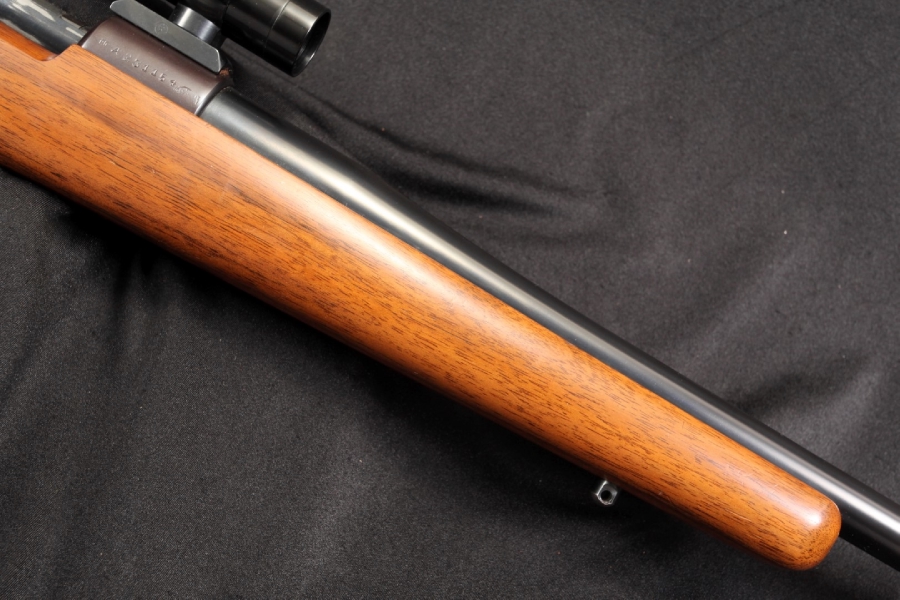
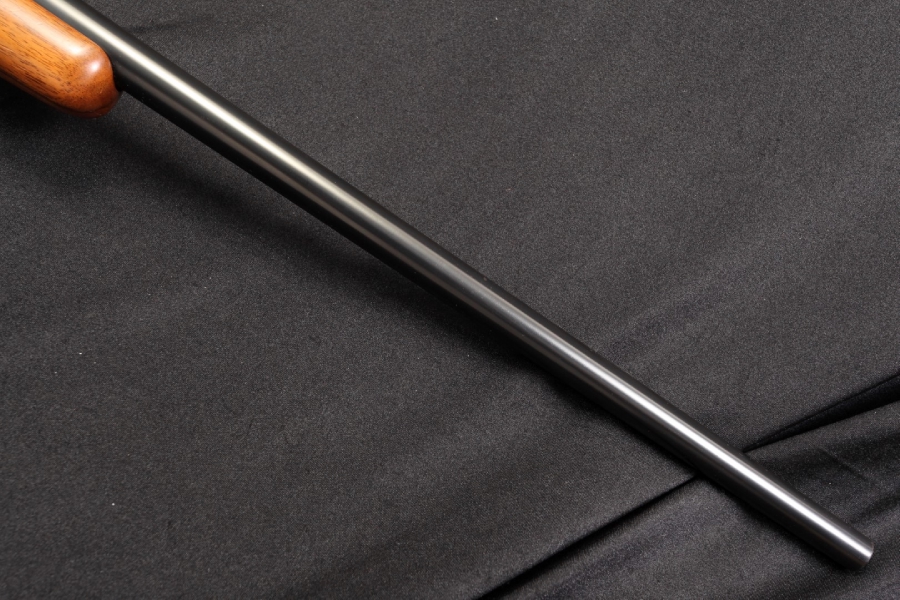
Some Classic Rifle Time -Custom Interarms an Early English Mark X Viscount in .338 Win. Mag.

Custom Interarms Early English - Mark X Viscount .338 Win. Mag. Bolt Action Rifle - Picture 5

Custom Interarms Early English - Mark X Viscount .338 Win. Mag. Bolt Action Rifle - Picture 6
Custom Interarms Early English - Mark X Viscount .338 Win. Mag. Bolt Action Rifle - Picture 7
Custom Interarms Early English - Mark X Viscount .338 Win. Mag. Bolt Action Rifle - Picture 8
Custom Interarms Early English - Mark X Viscount .338 Win. Mag. Bolt Action Rifle - Picture 9
Custom Interarms Early English - Mark X Viscount .338 Win. Mag. Bolt Action Rifle - Picture 10


Custom Interarms Early English - Mark X Viscount .338 Win. Mag. Bolt Action Rifle - Picture 4


Categories
All About Guns

Some High End Gun Picture Dump


Image result for Pachmayr buttpad red rifle
Related image
Related image
Image result for Pachmayr buttpad red rifle
Related image

Categories
All About Guns

Arisaka Type 99 Rifle with a complete Mum in caliber 7.7 X 58mm

 This poor thing needs some serious TLC!


Categories
All About Guns

Some really Old School Gear!

Categories
All About Guns

A Monday Blast from the Past!

Categories
All About Guns

Browning/Winchester Model 71 Standard and High Grade

Categories
Fieldcraft

Another good reason to have some spare cash around! (From the Daily Timewaster)

Hong Kong Protests Show Dangers of a Cashless Society – Lesson: never allow any government to do away with cash.

In Hong Kong, most people use a contactless smart card called an “Octopus card” to pay for everything from transit, to parking, and even retail purchases. It’s pretty handy: Just wave your tentacular card over the sensor and make your way to the platform.
But no one used their Octopus card to get around Hong Kong during the protests. The risk was that a government could view the central database of Octopus transactions to unmask these democratic ne’er-do-wells. Traveling downtown during the height of the protests? You could get put on a list, even if you just happened to be in the area.
So the savvy subversives turned to cash instead. Normally, the lines for the single-ticket machines that accept cash are populated only by a few confused tourists, while locals whiz through the turnstiles with their fintech wizardry.
But on protest days, the queues teemed with young activists clutching old school paper notes.
As one protestor told Quartz: “We’re afraid of having our data tracked.”
Using cash to purchase single tickets meant that governments couldn’t connect activists’ activities with their Octopus accounts. It was instant anonymity. Sure, it was less convenient. And one-off physical tickets cost a little more than the Octopus equivalent. But the trade-off of avoiding persecution and jail time was well worth it.
Or, you do something the government doesn’t like and the shut down your access to digital money, leaving you absolutely broke.  Or, you get into a tax dispute with the IRS, and they simply take the money they think you owe, and then challenge you to litigate the issue with them.
A cashless society is a tyrant’s dream.
Categories
Cops Well I thought it was funny!

Rush Hour In Chicago

Image result for shot up car

Categories
All About Guns

WTF?

Categories
Dear Grumpy Advice on Teaching in Today's Classroom

From My Daily Kona

Something to think about, people take things for granted and the people in question were educated and “comfortable”.  They pledged their sacred honor for this and some lost everything on a matter or principle.

What happened to the signers of the Declaration of Independence?
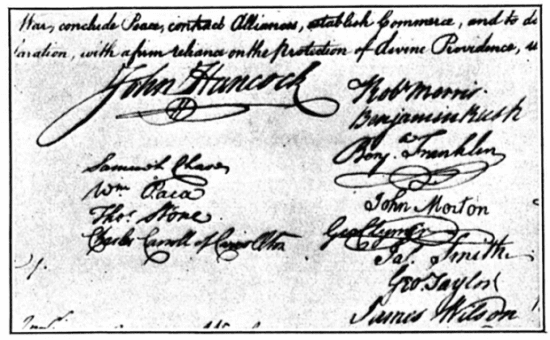
This is the Price They Paid: 


Have you ever wondered what happened to the 56 men who signed the Declaration of Independence?
Five signers were captured by the British as traitors, and tortured before they died. Twelve had their homes ransacked and burned. Two lost their sons in the revolutionary army, another had two sons captured. Nine of the 56 fought and died from wounds or hardships of the revolutionary war.
They signed and they pledged their lives, their fortunes, and their sacred honor.
What kind of men were they? Twenty-four were lawyers and jurists. Eleven were merchants, nine were farmers and large plantation owners, men of means, well educated. But they signed the Declaration of Independence knowing full well that the penalty would be death if they were captured.
Carter Braxton of Virginia, a wealthy planter and trader, saw his ships swept from the seas by the British Navy. He sold his home and properties to pay his debts, and died in rags.
Thomas McKeam was so hounded by the British that he was forced to move his family almost constantly. He served in the Congress without pay, and his family was kept in hiding. His possessions were taken from him, and poverty was his reward.
Vandals or soldiers or both, looted the properties of Ellery, Clymer, Hall, Walton, Gwinnett, Heyward, Ruttledge, and Middleton.
At the battle of Yorktown, Thomas Nelson Jr., noted that the British General Cornwallis had taken over the Nelson home for his headquarters. The owner quietly urged General George Washington to open fire. The home was destroyed, and Nelson died bankrupt.
Francis Lewis had his home and properties destroyed. The enemy jailed his wife, and she died within a few months.
John Hart was driven from his wife’s bedside as she was dying. Their 13 children fled for their lives. His fields and his gristmill were laid to waste. For more than a year he lived in forests and caves, returning home to find his wife dead and his children vanished. A few weeks later he died from exhaustion and a broken heart. Norris and Livingston suffered similar fates.
Such were the stories and sacrifices of the American Revolution. These were not wild eyed, rabble-rousing ruffians. They were soft-spoken men of means and education. They had security, but they valued liberty more. Standing tall, straight, and unwavering, they pledged: “For the support of this declaration, with firm reliance on the protection of the divine providence, we mutually pledge to each other, our lives, our fortunes, and our sacred honor.”