In the 2nd century CE, Rome discovered a new way to wage war — not just with steel and discipline, but with **fear itself**. The *draco*, or dragon standard, was both a weapon of terror and a masterpiece of engineering.
It was made of a bronze dragon’s head with wide, open jaws, attached to a long sleeve of crimson or purple fabric. As cavalry charged forward, the wind rushed through the mouth, inflating the body so it appeared to come alive — a serpent twisting and shrieking in the air. The sound it produced, a haunting metallic whistle, swept across the battlefield like the roar of an angry god.
At the front rode the **draconarius**, the standard-bearer who carried the living banner into battle. His task was not just to lead but to intimidate — to let the enemy hear the scream of Rome before the clash even began.
The *draco* was originally borrowed from the Dacians and Sarmatians, fierce horsemen who used it to unnerve their foes. But the Romans, with their unmatched talent for adaptation, perfected it. They made the dragon not just a symbol of the cavalry but a reflection of imperial might itself.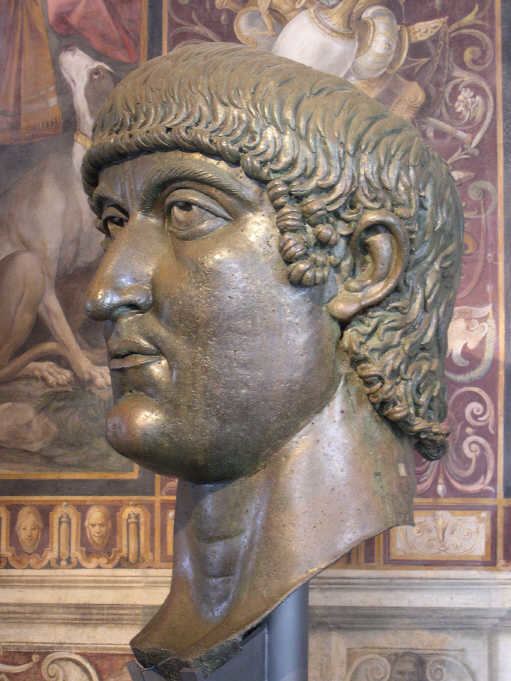
By the reign of emperors like Constantius II, the *draco* had become more than a battlefield banner — it was an emblem of divine power. It appeared on monuments, mosaics, and sarcophagi, its serpent form frozen in bronze and stone, forever roaring into eternity.
Some historians suggest that the eerie sound of the *draco* may have carried coded meanings — subtle variations used to signal commands or formations through the chaos of battle. Whether that’s true or not, its psychological power was undeniable. The *draco* wasn’t just seen or heard — it was **felt**, deep in the chest, a chilling reminder that Rome’s legions could command even the wind.
The dragon of Rome wasn’t a mythic beast, but it might as well have been — a serpent of air and terror, carrying the empire’s voice into war: a wind-borne cry of conquest that turned silence into submission.