
Categories
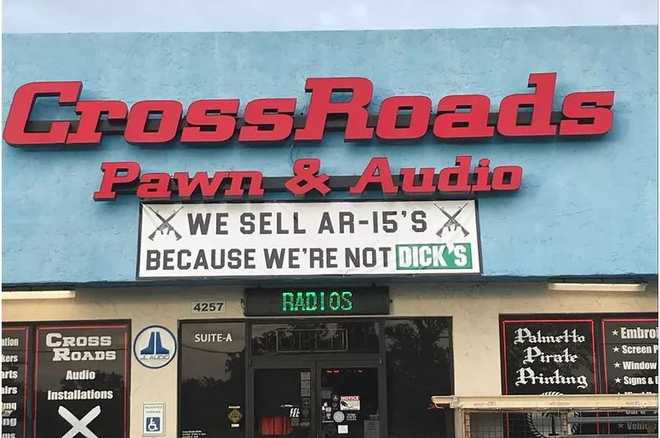
Here is their address for folks in the neighborhood!
The Crossroads Pawn and Audio in Little River, S.C
As an outdoorsman, I enjoy being afield in all sorts of capacities. While hunting is one of my favorite pastimes, fishing and hiking are a wonderful means of spending time with friends and family and living in close proximity to both the Catskill and Adirondack mountains, there is ample opportunity for both of those activities.
I am also, by trade, a Professional Land Surveyor, so my work hours are often spent in the remote wilderness areas. Here in Upstate New York we have a very healthy black bear population, and highway sightings are quickly becoming a regular occurrence, as are the classic raids on bird feeders and garbage cans alike.
When I head afield, I nearly always carry one form of sidearm or another, and while the truly dangerous encounters are definitely a rarity, I feel better knowing I can protect my loved ones and coworkers should the event unfold.
Now, the black bear is – generally speaking – a rather docile creature, and most of the time it will make every attempt to run away from man.
However, should you have the misfortune of getting between a sow and her cubs, or perhaps meet a cantankerous old boar, the black bear certainly has the equipment to rearrange your anatomy, and even possibly render your birth certificate null and void.
I’ve been privileged enough to take a couple of black bears – in both Quebec and New York – and have seen many more while at work and play.
His cousin, the brown bear, is an entirely different story; when a brown bear means business you need to stop the threat and stop it fast, by any means necessary.
Personally, I’ve only seen a grizzly bear from the comfortable confines of a vehicle, but that boar in Yellowstone Park made a lasting impression. I have yet to set foot in Alaska, but I have many friends and colleagues who either live there, or have significant hunting experience in the 49th state, where encounters with brown bears can honestly represent the hunter becoming the hunted.
With respect to the brownies, I have reached out to the bear guides, residents and hunters for their wisdom and experience on the matter, to find out exactly which sidearms they favor and why.

The author’s well-worn, and well-loved Ruger Blackhawk in .45 Colt is a perfect handgun for bear country.
Now before we take a look at particular models and calibers, let’s get one basic premise out of the way: when the excrement hits the oscillator, any gun is better than no gun. Personally, I do my best to avoid any encounter that could turn ugly, but that’s not always the case.
I remember clearly, back in 2002, while surveying in the foothills of the Berkshires a young employee came running up from the point he was supposed to locate, toward the survey instrument I was running.
His eyes were as wide as saucers, and he was taking strides twice as long as his normal gait would produce. “Phil, I can’t locate that corner; there’s a ****** bear down there!” Now, as surveyors, we carry machetes to cut the brush in between our survey stations, and we are rather proficient with them.
However, the realization that you might have to use one to defend against a couple-hundred pounds of teeth and fangs doesn’t exactly make one feel like Zorro; in fact, I looked down at it and said to myself: This is gonna hurt. I’d have gladly traded it for a snub-nose .38 Special.
This was a glaring example of surprise; this area, while remote, rugged and wooded, wasn’t known for its bear population, very few had ever been seen there, but that one bear had my employee’s undivided attention.
So the point is simple; a wonderful collection of pistols at home won’t do you any good, you’ll have to make do with what you have, Like the Boy Scout motto says, Be Prepared.
The author’s well-worn, and well-loved Ruger Blackhawk in .45 Colt is a perfect handgun for bear country.
Let’s get my own choices out of the way first. If I know ahead of time that I’m heading into black bear country, I like to carry my big handgun: a Ruger Blackhawk, chambered in .45 Colt, stainless finish with a 7 ½-inch barrel.
It was the first handgun I ever purchased, and I put a considerable amount of thought into it. That long pipe makes for a heavier gun, but I’m OK with that because the additional sighting distance and small velocity gain are both appreciated.
The Blackhawk is tough as nails, and while it may not have the prestige of a Colt Single Action Army, it is utterly dependable. Equipped with piano wire springs, the wisely designed transfer bar and adjustable sights, I am very confident with this pistol in hand.
The .45 Colt makes a formidable handgun cartridge, especially in a pistol as strong as the Blackhawk, where the pressures and velocities can be ramped up a bit. My gun will push the strong 300-grain hollow points to just under 1,200 fps, and that’s a formula that can end a confrontation.
My gun likes the Hornady XTPs best, and I feel confident making vital hits out to 40 yards or so with this combination. It’s certainly not the lightest sidearm – weighing in at just over 3 pounds, fully loaded in its holster – but when I’m forced to enter bear country, I have absolutely no worries.

The 7 ½-inch barrel makes for a bit more cumbersome handgun, but the author feels the accuracy is well worth it.
My other handgun, my day-to-day gun, is a well-worn Smith & Wesson Model 36, in .38 Special. It has a 1 7/8-inch barrel and a five-shot cylinder – in the classic snub-nosed configuration – and wears a set of Pachmayr grips, which feel better than the standard J-Frame grips in my hands. Is it a powerhouse, as a bear cartridge?
No, probably not, but I would feel much better with this gun – it’s easily concealable, doesn’t weigh a whole lot, nor take up a lot of room – than with no gun at all. With 158-grain bullets moving at nearly 800 fps, this probably represents – along with the 9mm Luger – the lower end of the spectrum, as far as a defensive bear gun goes.

Although lighter than what one would think of as bear protection, the author’s .38 Special is extremely compact, lightweight and portable.
A good .357 Magnum – and I really like the Kimber K6s – will definitely come in handy. The cartridge will push a 180-grain bullet to a respectable 1,300 fps, and that little Kimber has a lot to offer.
Lightweight and well-balanced, I had a chance to spend a bit of time with this wheelgun at the SHOT Show in Las Vegas.
Its lack of weight had me cringing at first, expecting some wrist-wrenching recoil, but I was pleasantly surprised with the manageability of the K6s. With a 3-inch barrel and a six-shot cylinder combining for a weight of just 25 ounces, this gun was made to be both carried and shot.

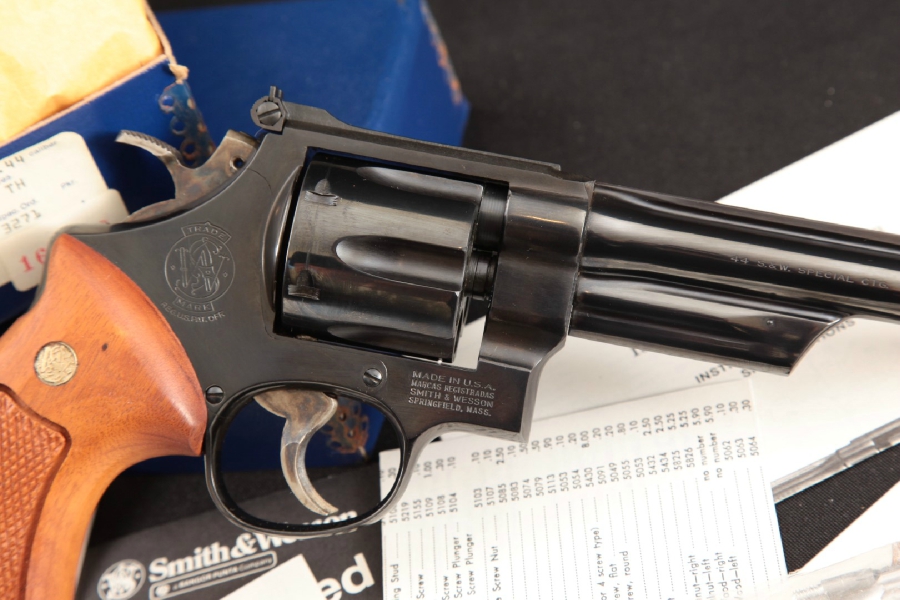
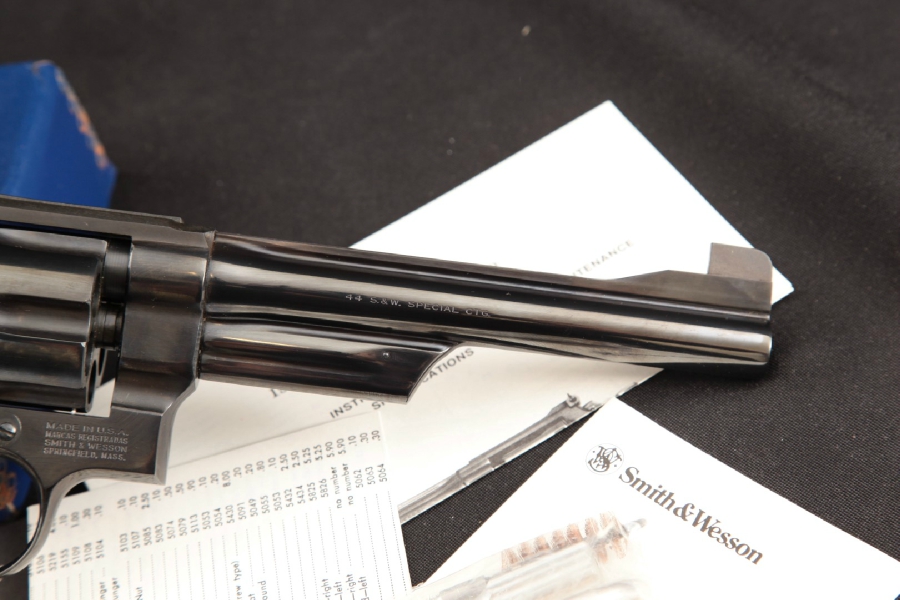
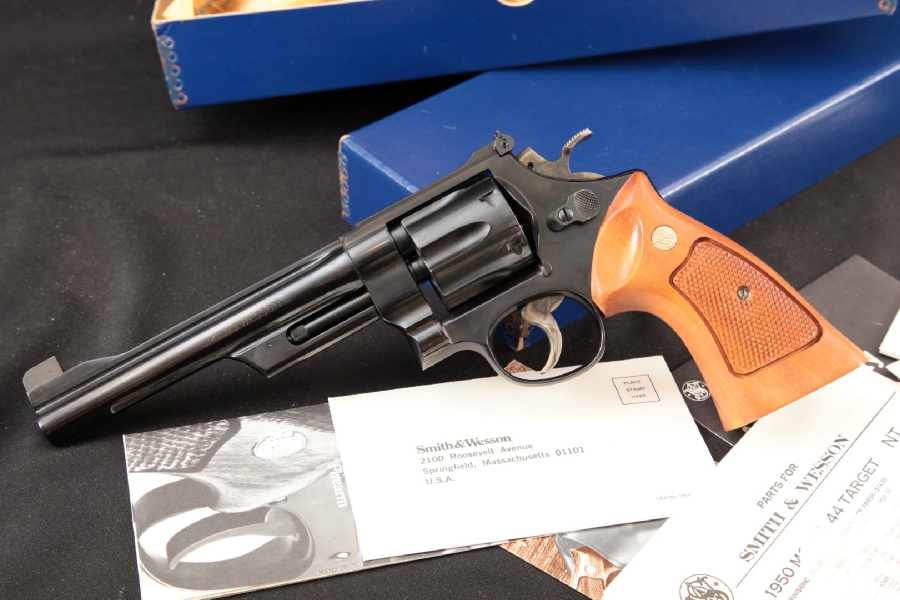
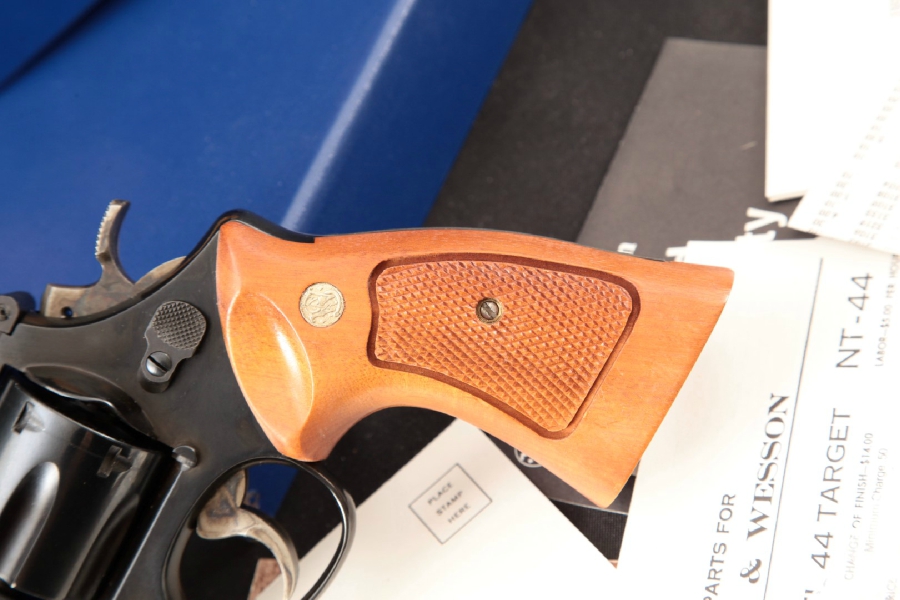
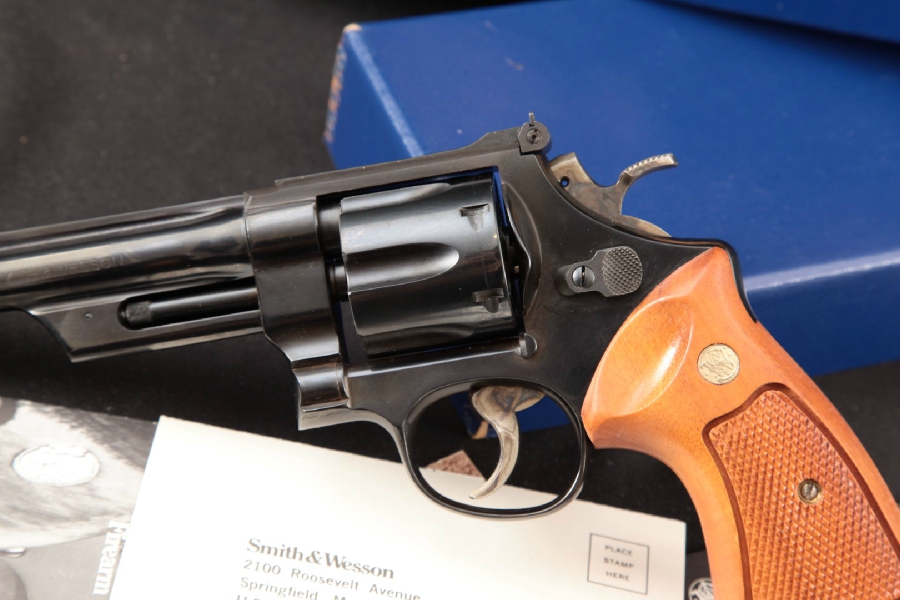
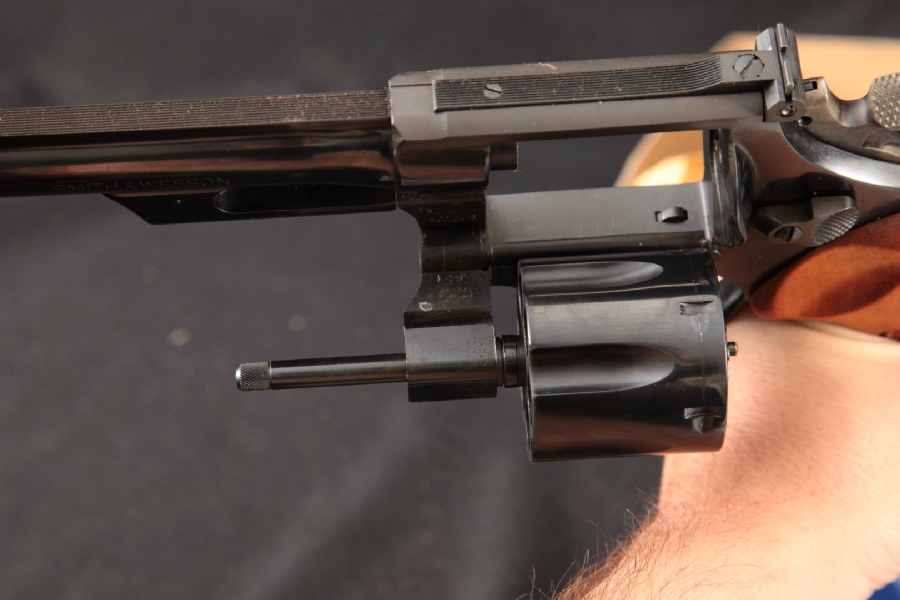
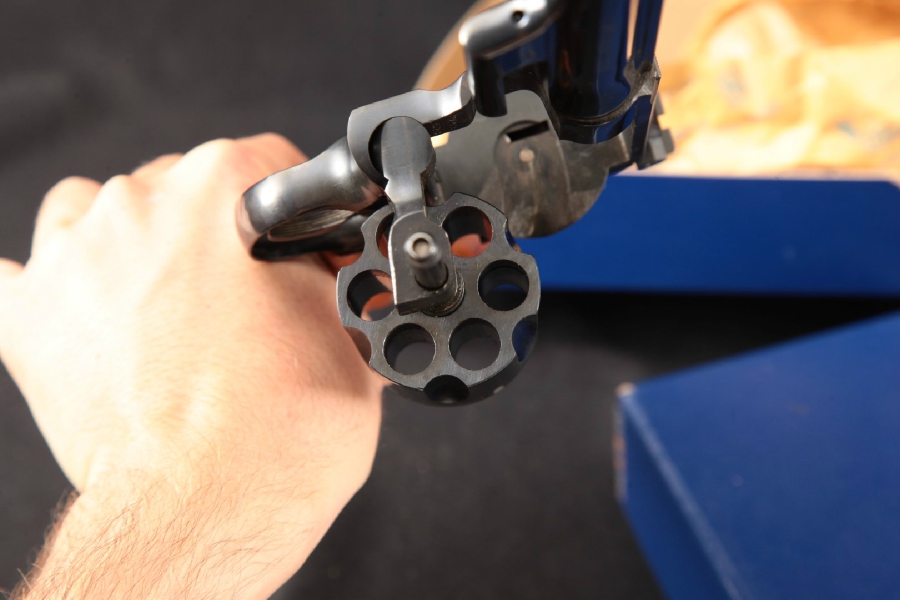
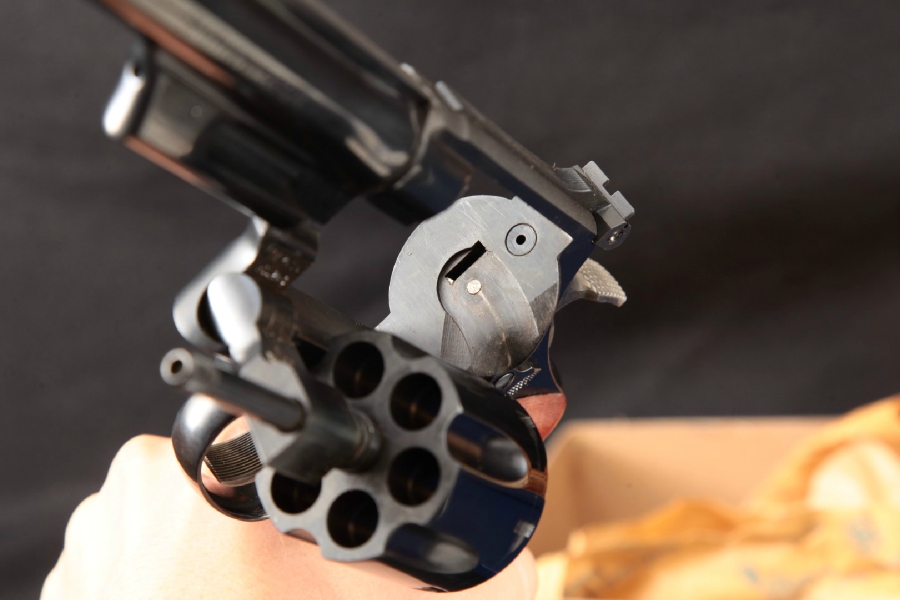
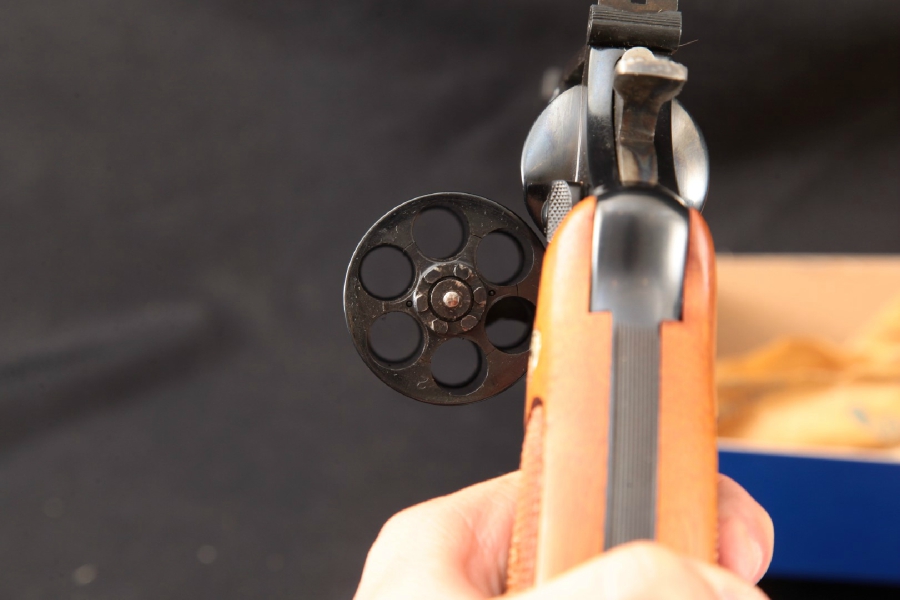
A Smith & Wesson Model 29, in .44 Remington Magnum – completely in the vein of Dirty Harry – still makes an excellent choice for the bear woods.
My buddy Marty Groppi – who enjoys the famous trout streams of Upstate New York – carries a Smith & Wesson Model 29 in the classic .44 Magnum, a combination that will most definitely save your bacon.
For those not familiar with this gun, think ‘Dirty Harry.’ The .44 Magnum is definite bear medicine.
Again, please keep in mind that we only have black bears to contend with here in New York. The grizzly and brown bears are a completely different story.

Dick Casull’s brainchild improves the ballistics of the .45 Colt – even in modern handguns – and provides an entirely different performance level for those who can handle it.
A grizzly bear is a formidable foe, having no issue whatsoever proving its dominance over human beings. In Alaska, meat is often removed from a kill site via a frame pack and two strong legs, and all that blood creates a scent trail like a flashing All-you-can-eat buffet advertisement.
In the springtime, when the streams are populated with fishermen, the bears are coming out of hibernation and are ravenous. Young cubs are emerging for the first time, and mothers are ultra-protective. A sidearm is a very smart idea. I’ve reached out for three gentlemen – all of whom I call a friend – for advice and a few experiences regarding their encounters.

Loaded with good ammunition, either of these Smith & Wesson .44 Magnums will make excellent bear medicine.
I’m sure that by now you’ve all heard about famous Alaskan bear guide Phil Shoemaker (grizzlyskinsofalaska.com) , who thwarted a grizzly attack with a Smith & Wesson 9mm automatic, loaded with Buffalo Bore hard cast ammunition. Phil has over three decades of experience guiding hunters and fishermen, and understands their habits as well as anyone else alive.
To recap quickly, Phil and his husband and wife fishing clients were walking through some thick brush to approach the stream they wanted to fish, when they heard a deep ‘woof’ and realized they had a bear close and angry. Long story short, Phil was forced to put the grizzly down.
He normally carries a .44 Magnum but opted for the 9mm that day. When I asked him for his thoughts on carry guns for bear country, Phil related the following: “Phil, I have always said that carrying any handgun for bear protection is similar to wearing a life jacket in a boat, or parachute in a plane. They only work if you have them with you.
In that vein, and considering the real vs. imaginary threat posed by bears, a familiar 9mm loaded with non-expanding bullets is a lot better than a heavy .44 or .500 you left at home or are not completely proficient with.” From one Phil to another, sage advice.
Just as with dangerous game rifles, using a cartridge that is too big to allow for proper shot placement isn’t a wise idea; shot placement is everything.

Cork Graham’s rig. Photo Courtesy: Cork Graham
Cork Graham (corkgraham.com) , a fellow writer, hunter, and Alaska resident – not to mention an actor on the Discovery Channel – had a bit of a different perspective.
“In Alaska, we not only have to deal with the common two-legged variety of vermin found in every place in the world, but also the large, four-legged beasts that can either kill and trample you with their hooves, or rip you apart with their claws and teeth; it’s the latter which draw hunters to the Last Frontier with high-power, large caliber rifles.
Now, my colleague and fellow Alaskan Phil Shoemaker has effectively defended himself with a 9mm against a charging brown bear, but I prefer to carry a .45 ACP with me as my round.
It doesn’t kick as much as my .44 Rem Mag in a JP Sauer six-shooter that I used to carry on remote gold mining operations, and in a M&P Shield and Glock 21, it also serves as my concealed carry. Regarding my loads.
I’m partial to a 230 grain Federal Hydra-Shok jacketed hollow point staggered with 230-grain lead cast bullet, one following the other, the first round out of the magazine a Hydra-Shok.
I carry both in a Blackhawk Alaska Guide Holster in the field, and in a Galco leather CCW holster under my belt in town: since being on TV, I learned that stalkers can be just as dangerous a charging bear.
As a retired, longtime USMC colonel buddy of mine reminded me a few weeks ago, “you should be carrying, always.”
The .45 Colt (L) and .454 Casull (R). The Casull is an updated and slightly elongated version of the .45 Colt, fully capable of firing .45 Colt ammunition. The reverse is not true.
My colleague and friend Bryce Towsley (brycetowsley.com) is a veteran gun writer who has considerable experience with bears of all sorts.
He has spent more than a bit of time in pursuit of bears, hogs, and other game animals with a handgun, in addition to time spent in the Alaskan game fields. When I asked him for his insight, he was kind enough to respond in detail.
“There is a lot of nonsense out on the internet from people who have never seen a bear and have probably never cut up a dead critter to see what a bullet will do.
I have been involved in stopping several black bears intent on doing us damage and have stood two brown bear charges without shooting; although in one of them I probably should have pulled the trigger.
The black bears have been stopped with pistols, rifles, shotguns and once with an ax. (I have killed or watched others kill several with an ax when I was guiding. This one took exception.) I have skinned three browns, two grizzlies and more black bears than I care to remember.
Any bear is a big, tough critter and to stop them you will need to penetrate and break stuff like big bones or skulls.
“A powerful handgun with a tough, deep penetrating bullet is the key. It’s also probably a one or two shot deal, so firepower is irrelevant.
Those who think they can empty their Glock into a charging bear are fools. No matter what anybody says, Shoemaker got lucky with that 9mm on the bear.
I have seen that cartridge fail horribly on black bears and hogs. The result was a dead dog with one of the bears and almost a dead friend with one of the hogs.
If I had not shot the hog with a .44 Magnum I think it would have ended very badly. I know Phil has seen more bears killed than I ever will, but he got lucky. My rule of thumb is the minimum is 4-3-1. At least .40 caliber, 300 grains and 1,000 fps. More is always better and the bullet is the key. No semi-auto makes the grade except perhaps the .50 AE, but most ammo for that fails due to bullets. I have a buddy who guided a hunter with a .50 AE to a brown in the late eighties when it came out and it was a disaster. He saved them both, barely, with his .338 rifle.

The Freedom Arms Model 83, in .454 Casull, in a serious piece of gear. It will drive a 300-grain bullet to over 1,600 fps.
“The 12-year-old in Alaska who just shot the brown with the shotgun is the son of a good friend. His dad stopped a charging brown with a .500 S&W pistol a few years ago. They live off the grid and have lots of bear trouble with their livestock.
He lives every day with brown bears and has guided to dozens if not hundreds of them. He is a hard-core gun guy and he agrees with me on cartridges, guns and bullets.
“That said, here are my picks. The .454 Casull is my usual choice as it provides a good balance of power with manageability. I own several Casulls, but my favorite handgun is a 5-inch, custom Freedom Arms Model 83 that Ken Kelly tricked out for me.
My handloads push a 300-grain hard-cast bullet to 1,614 fps. I usually carry it in a cross-draw holster that allows me to ride a horse or ATV. If I am packing meat, I carry it in a shoulder holster. Both holsters always pack into camp with me. Before any bear country hunt I practice with it a lot.
It is the gun I used in the American Hunter Challenge Video where I make five hits at seven yards in under three seconds. The group was less than four inches and the ammo was full-power Winchester factory loads so it was full recoil.
I have used the Casull to take a lot of game including several black bears so I understand the terminal ballistics of this cartridge pretty well. Sometimes I carry a .44 Magnum with 300-grain cast bullets, but never anything smaller for bear protection. I have a short barrel S&W 629 that Ken Kelly modified. Handloads push a 300-grain to just over 1,000 fps, so it just cracks the code.
It’s very light and handy to carry. I also have a small Freedom Arms in .500 Wyoming Express. It can push a 400-grain bullet to more than 1,500 fps, but I can’t control it. I load them to just over 1,200 fps. It’s often with me in bear country and has made several trips to Alaska. My Ruger Blackhawk in .45 Colt with handloads, 300-grains, 1,200 fps (1,192 to be exact) goes with me on a lot of black bear hunts with hounds. It’s light and easy to carry.”
Dating back to 1873, the .45 Colt will provide very impressive terminal ballistics when loaded in a strong, modern handgun.
Lasting Impressions
Put three or four gun writers in the same room, and you’ll usually get four different answers, but I think you’re seeing a common thread here. With the exception of Mr. Shoemaker – who has more experience than I will ever even hope to have – bigger seems to be better. Let’s hope that we can all avoid the threat of mauling, but if you’re unfortunate enough to have it happen to you, be prepared.
For more information about Federal ammunition, click here.
For more information about Hornady ammunition, click here.
For more information about Smith & Wesson, click here.
To purchase a sidearm for bear country on GunsAmerica, click here.
A buddy of mine back in High School had one of these. Eric could really make that rifle do things at the range that still amazes me.
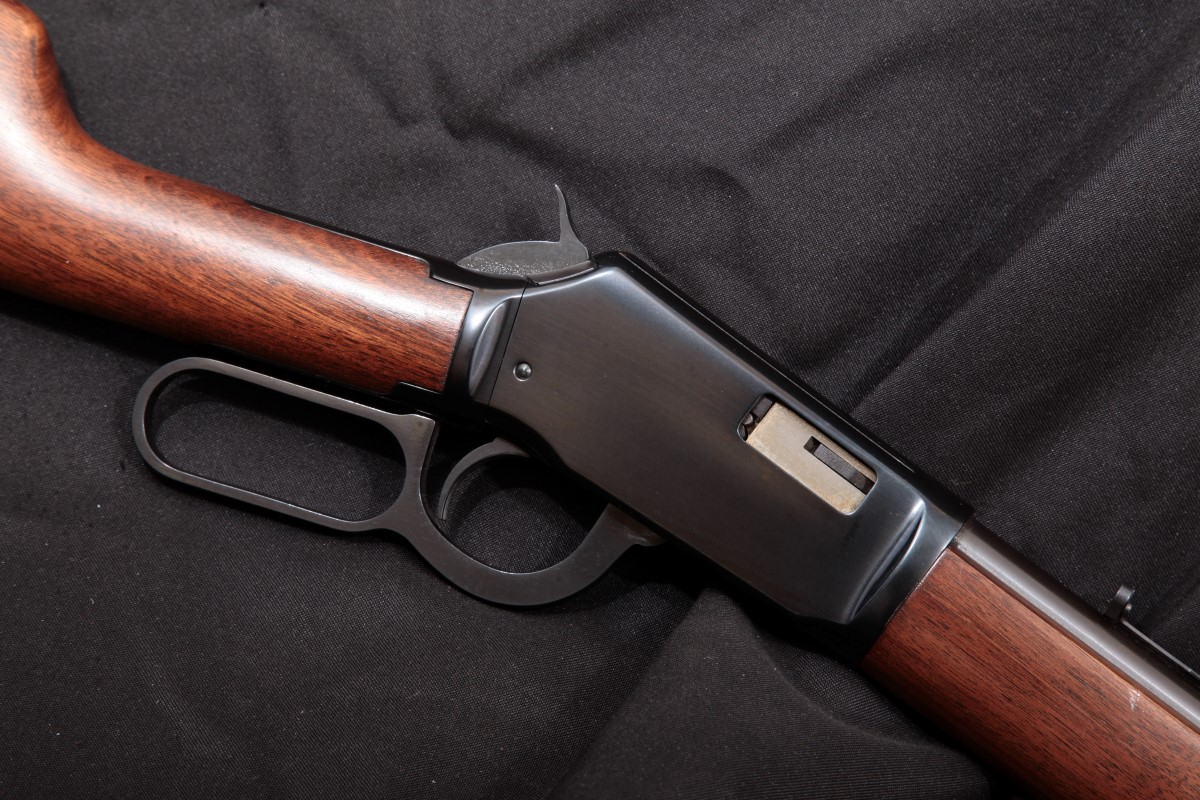
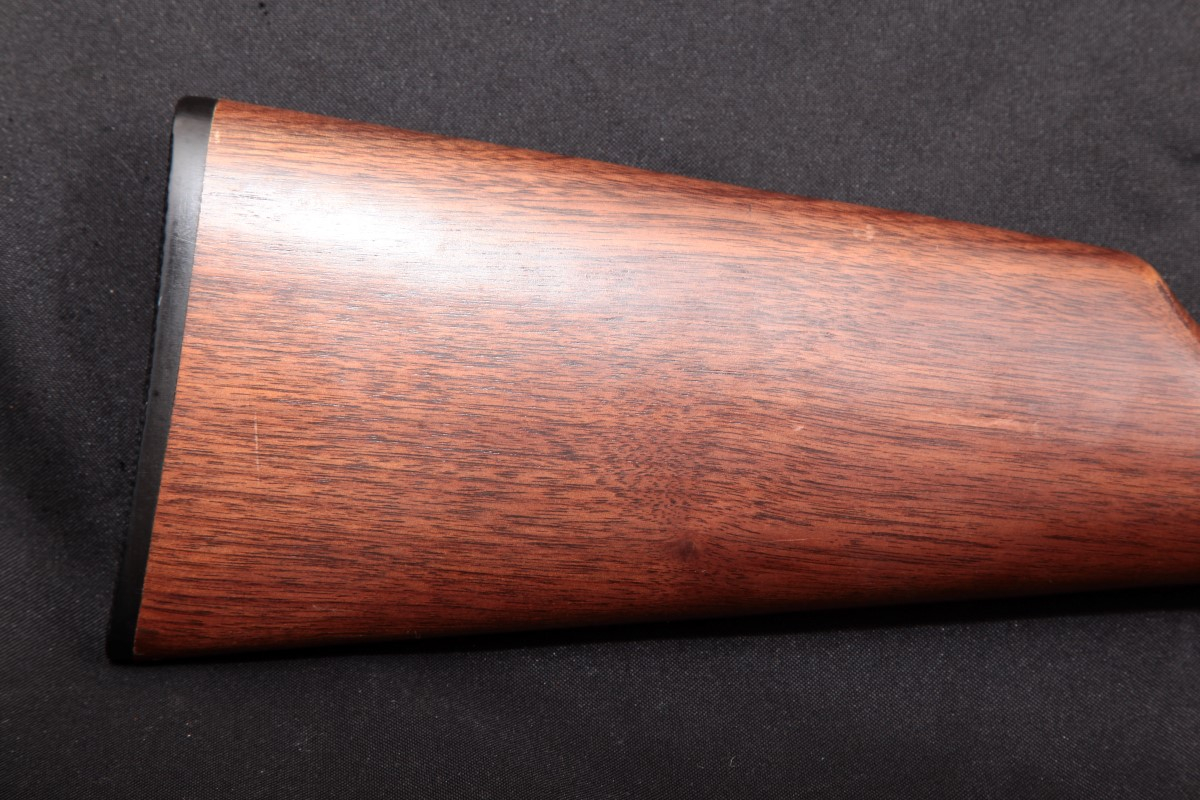
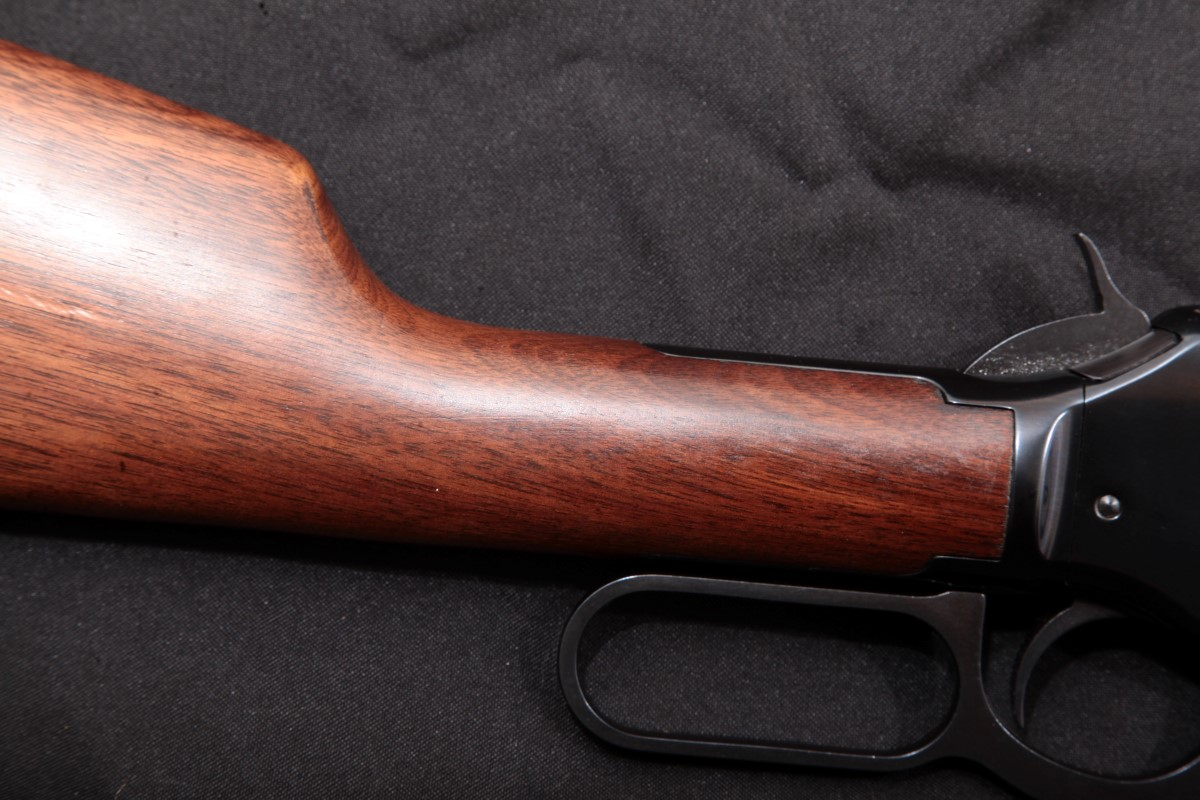
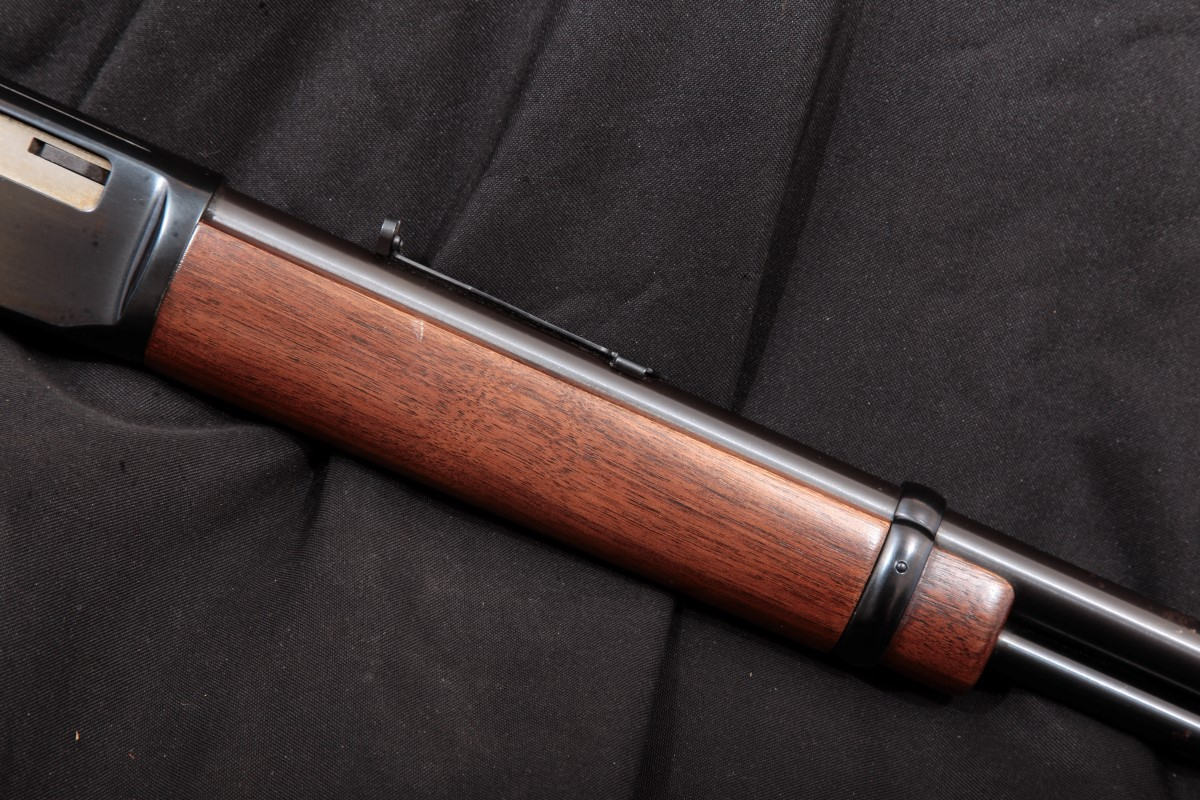
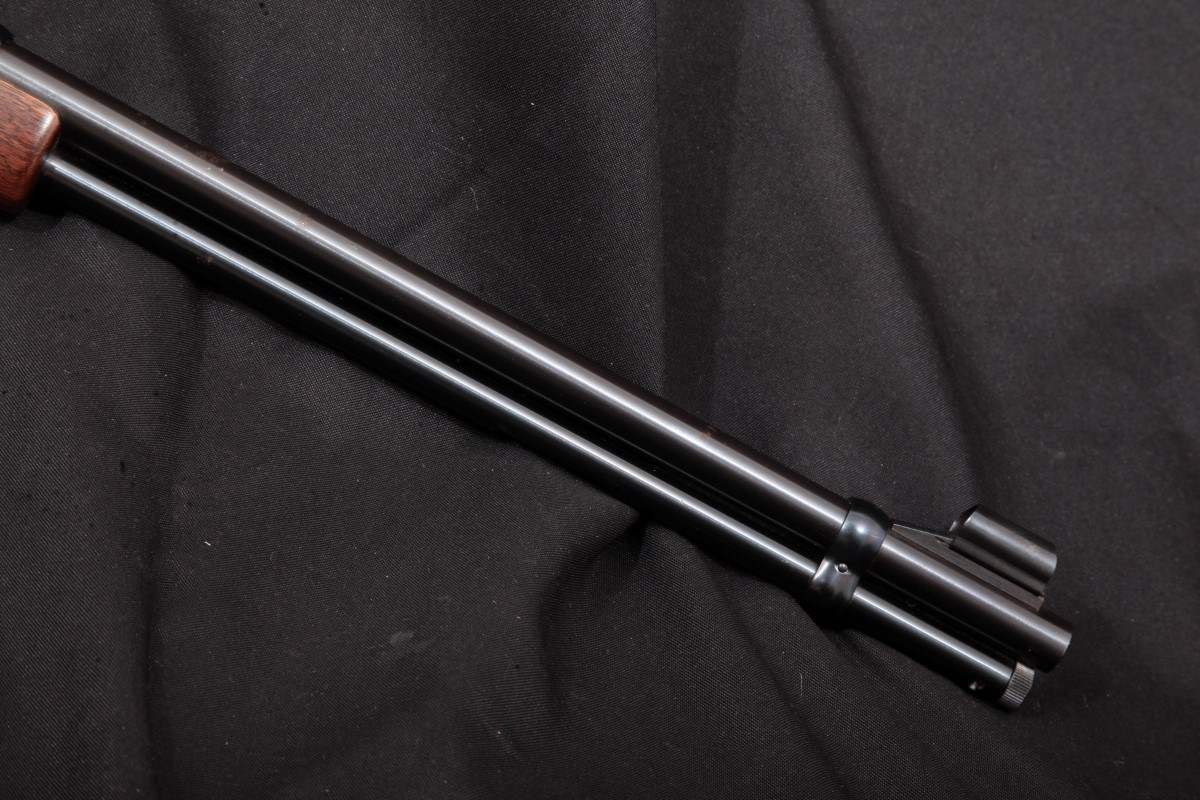
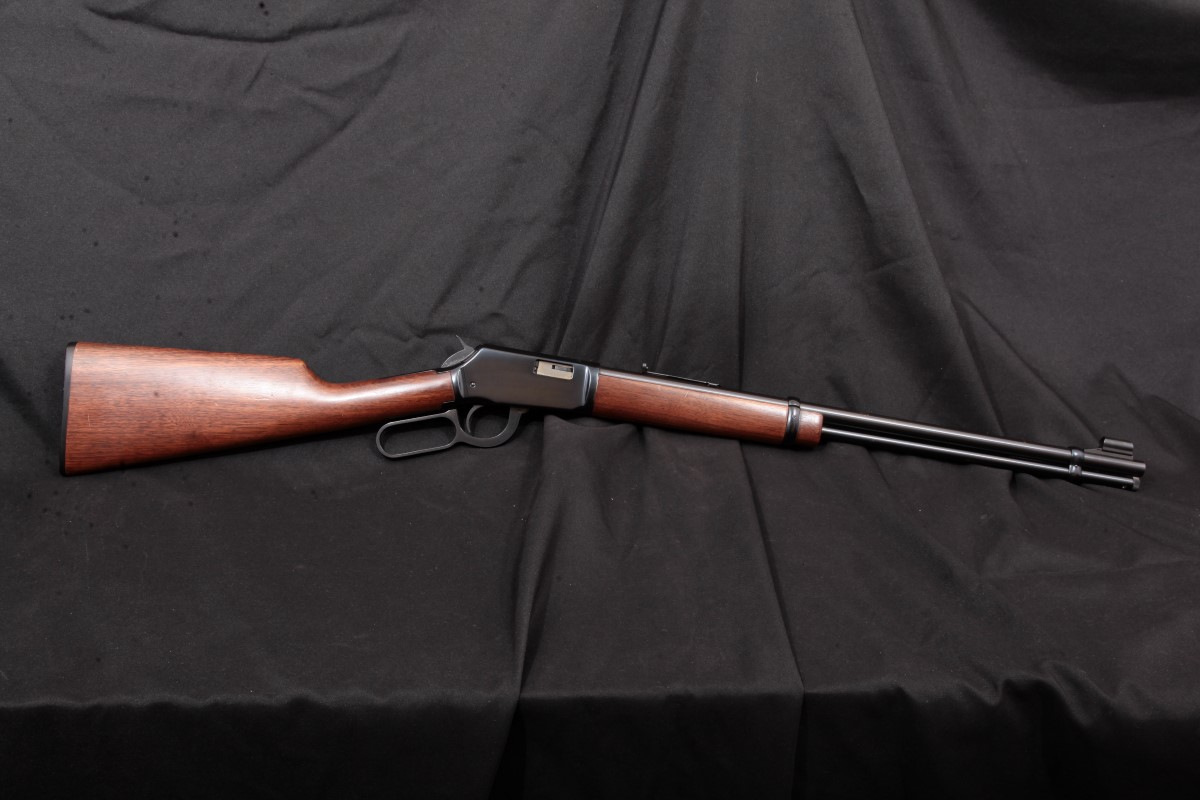
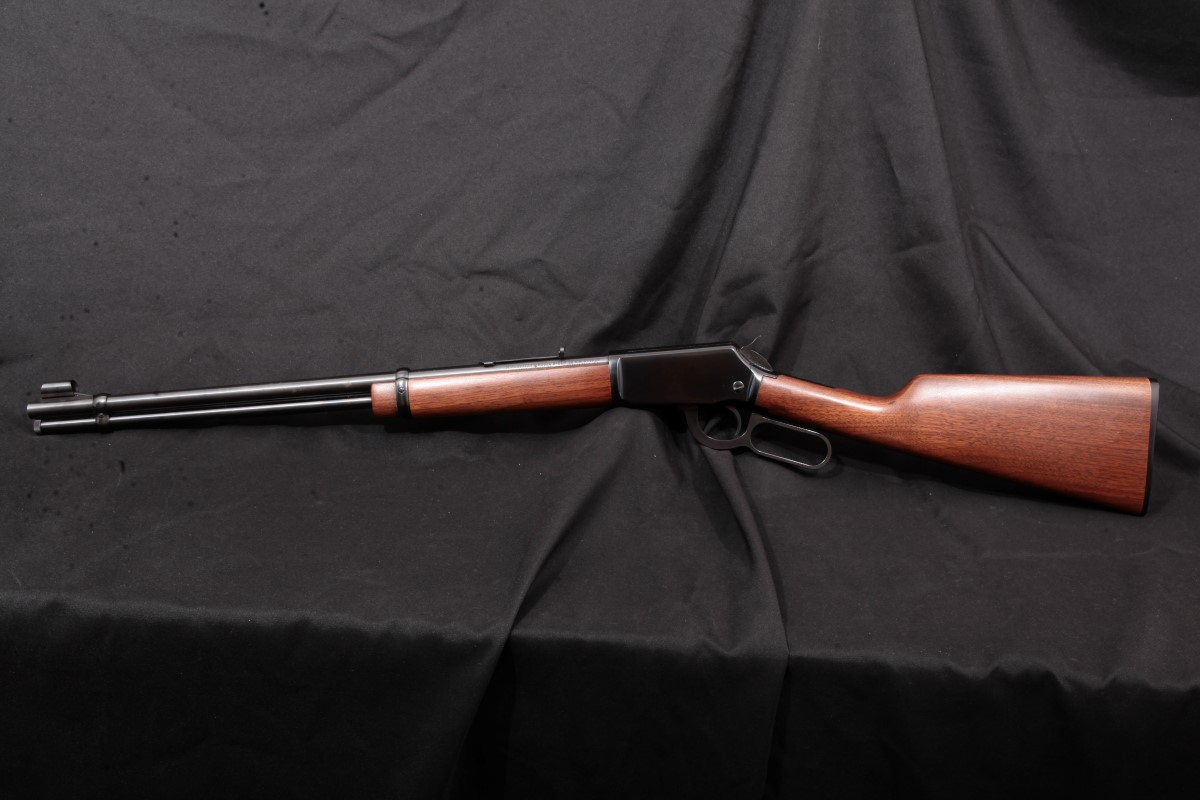
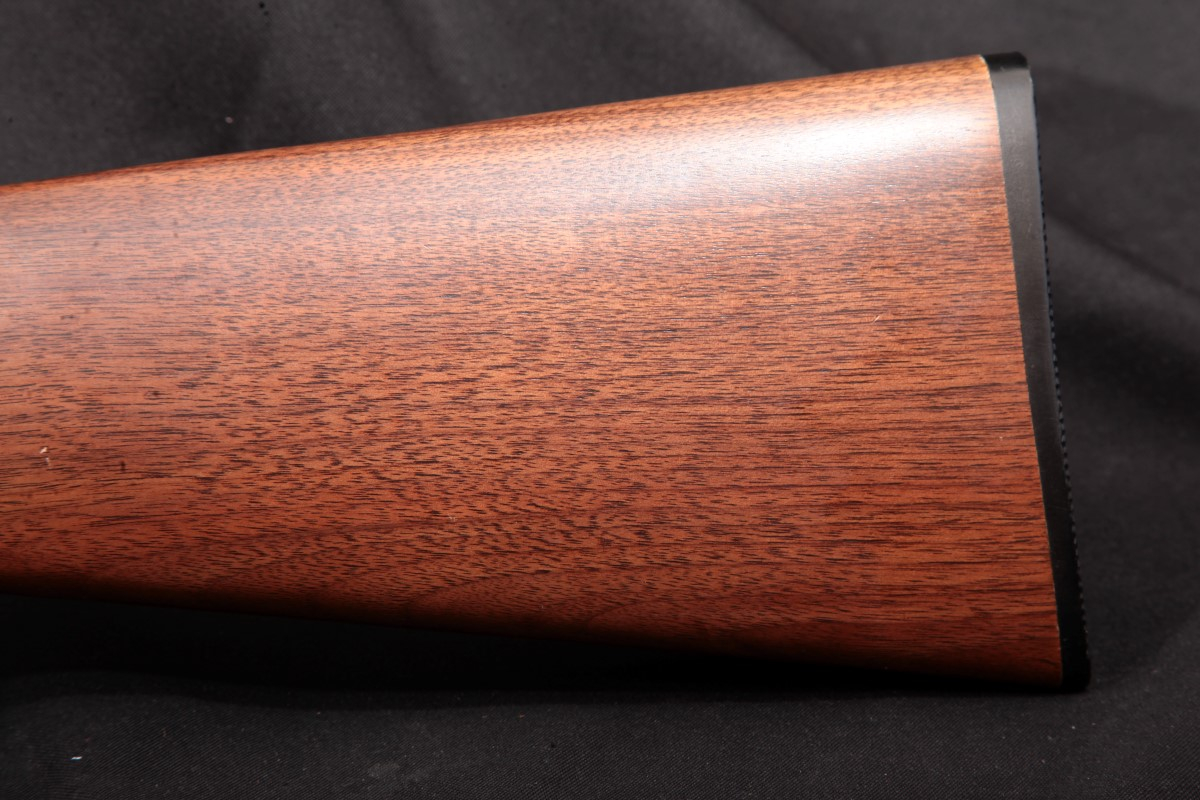
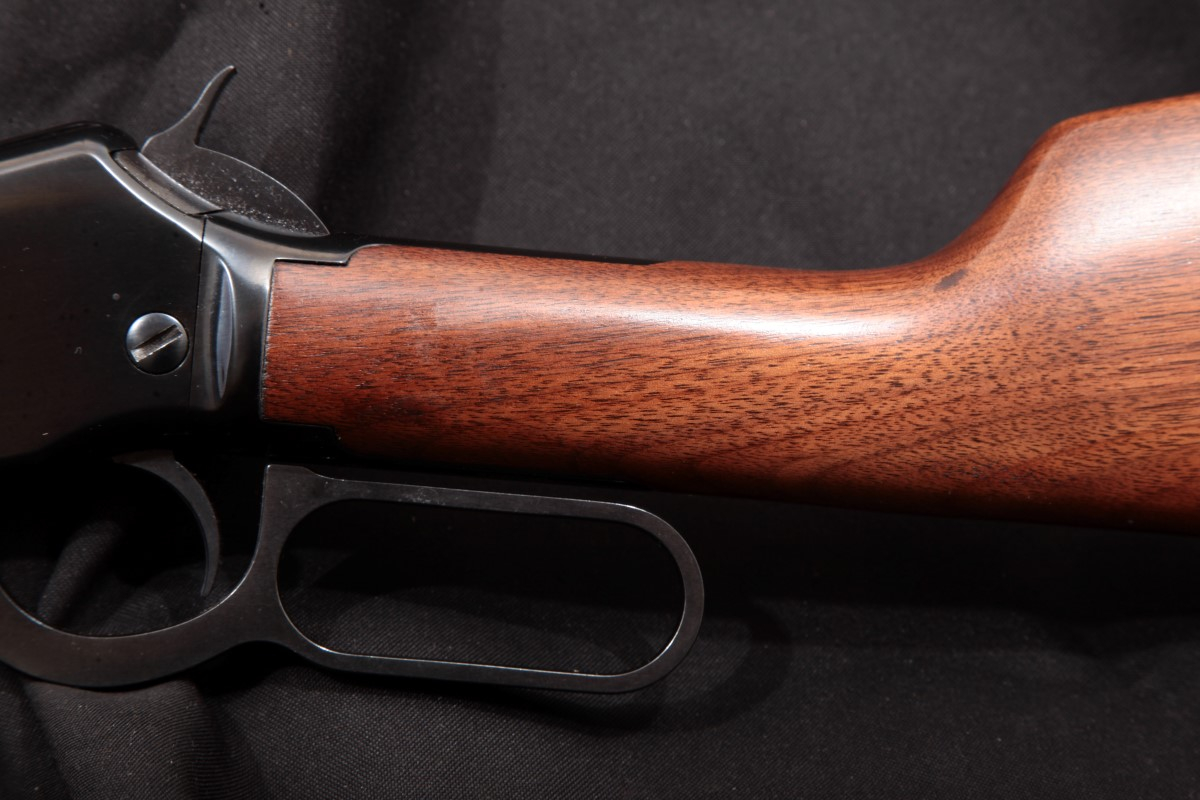
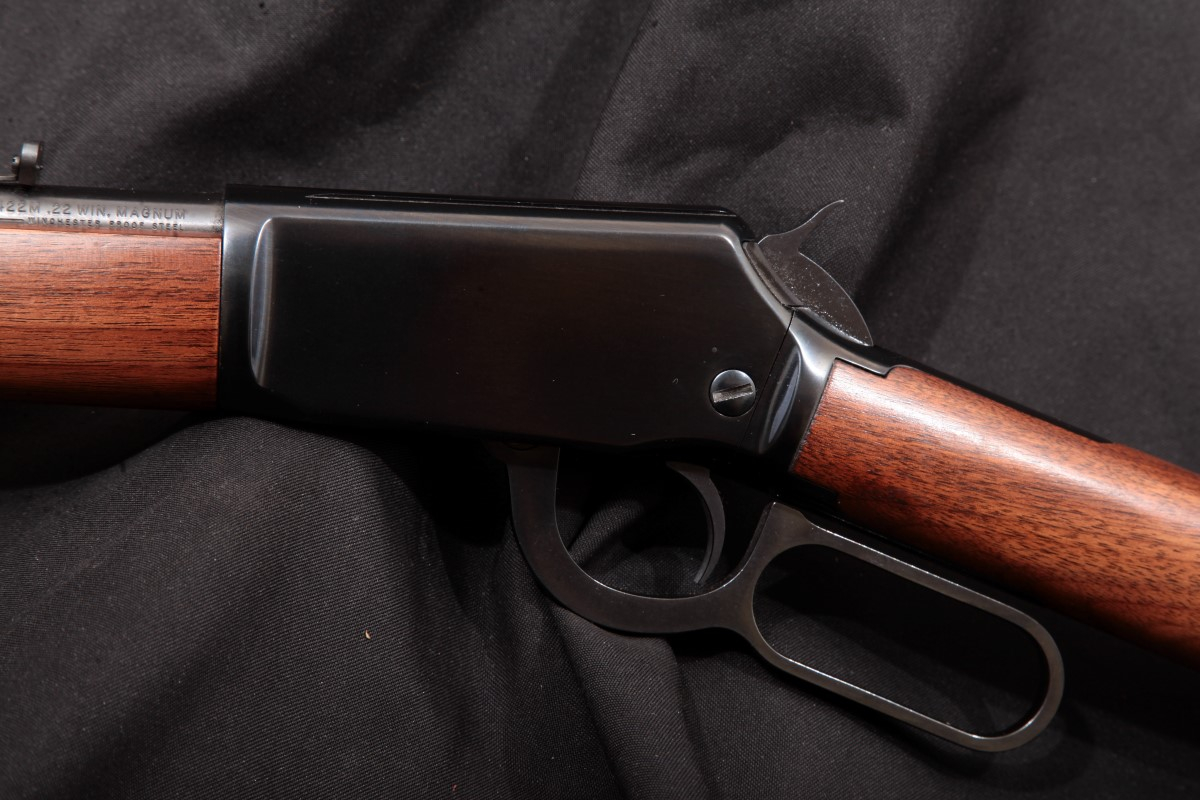
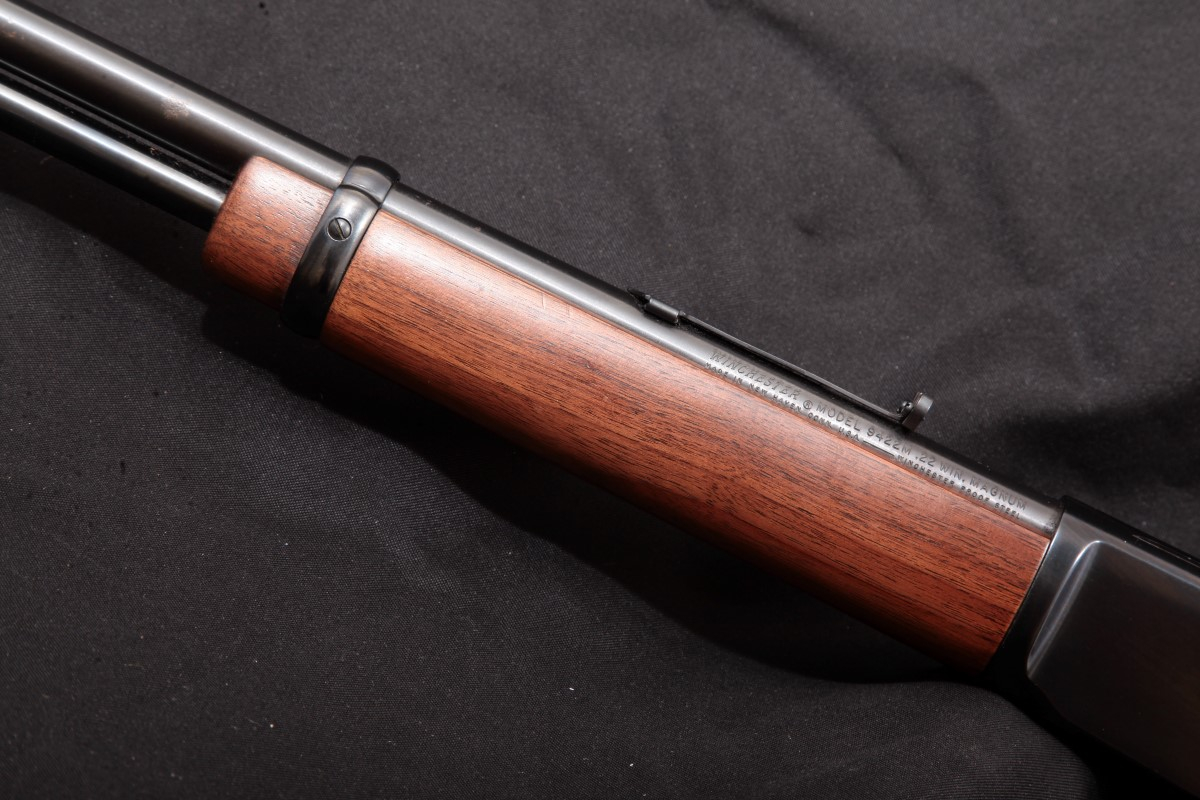
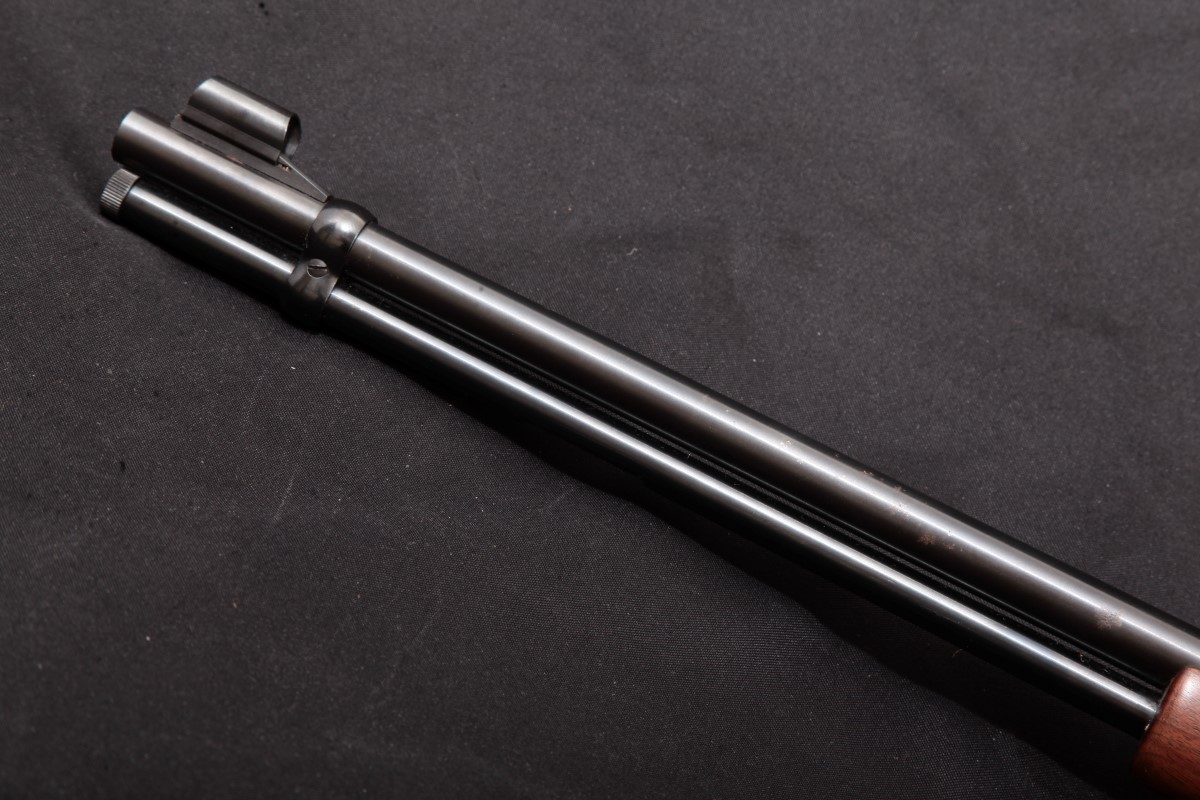
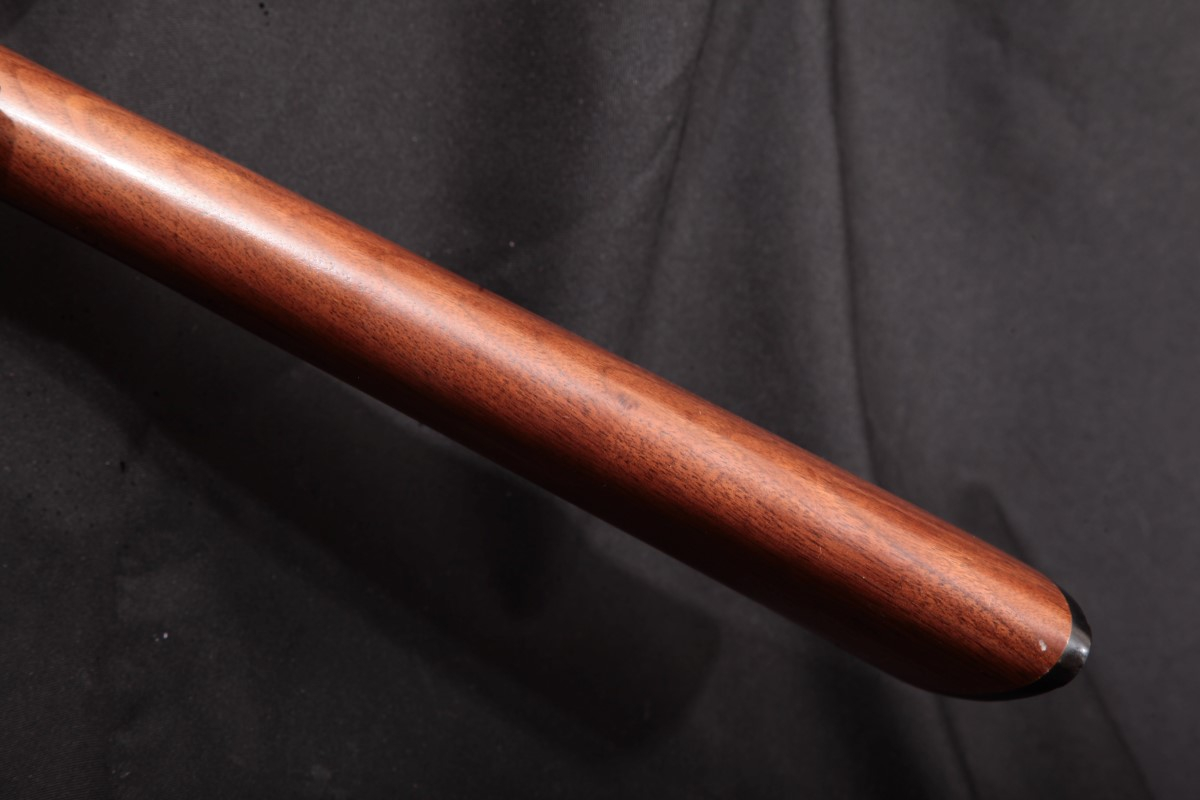
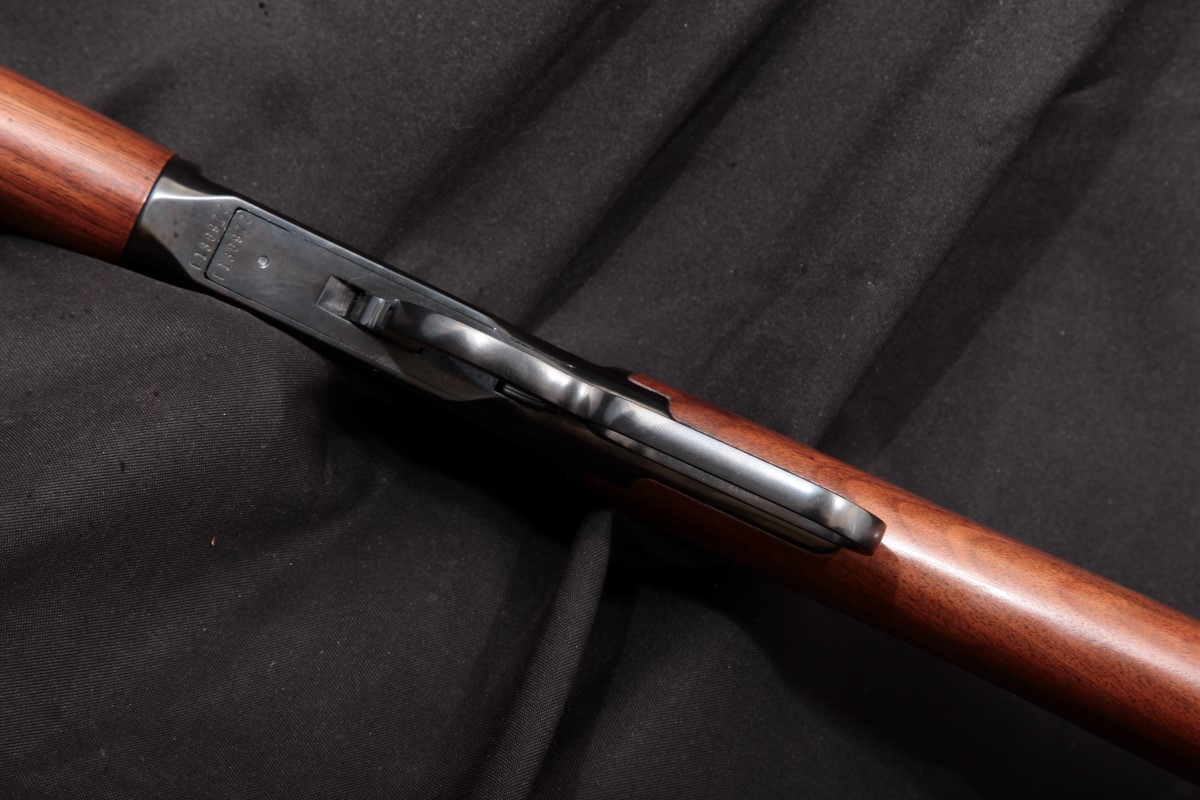
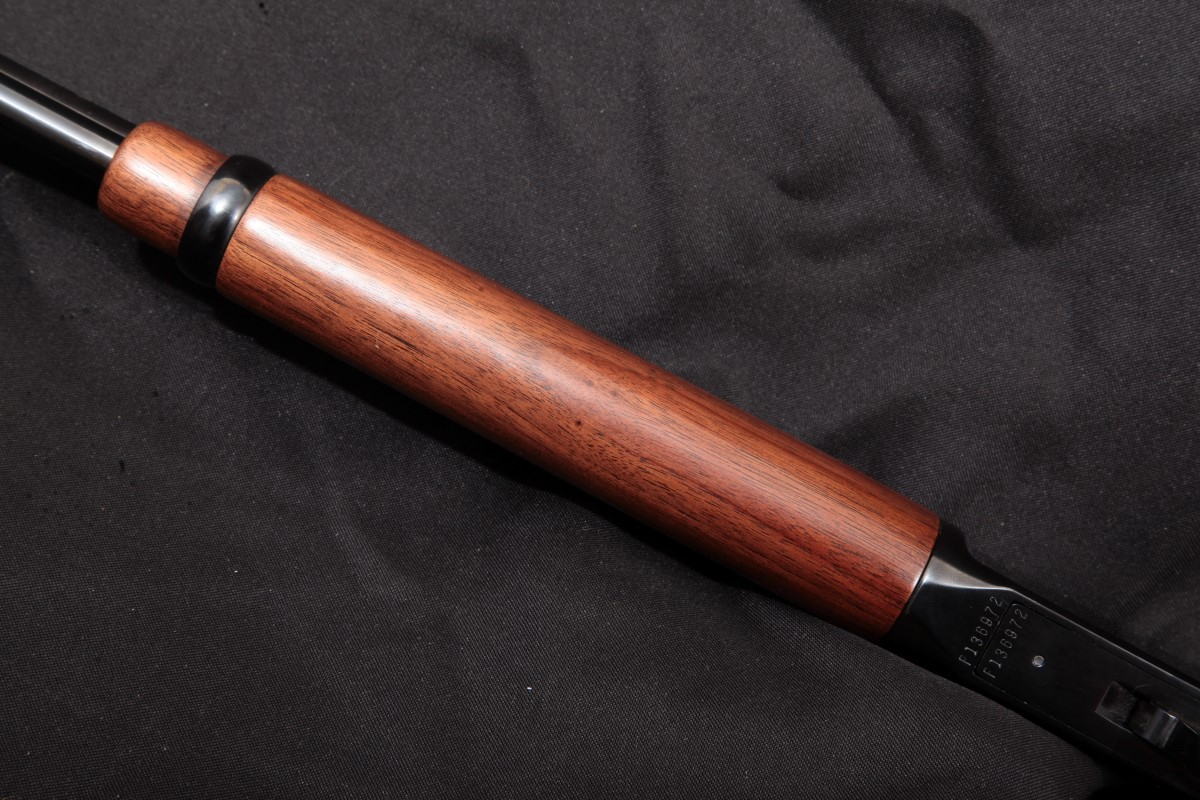
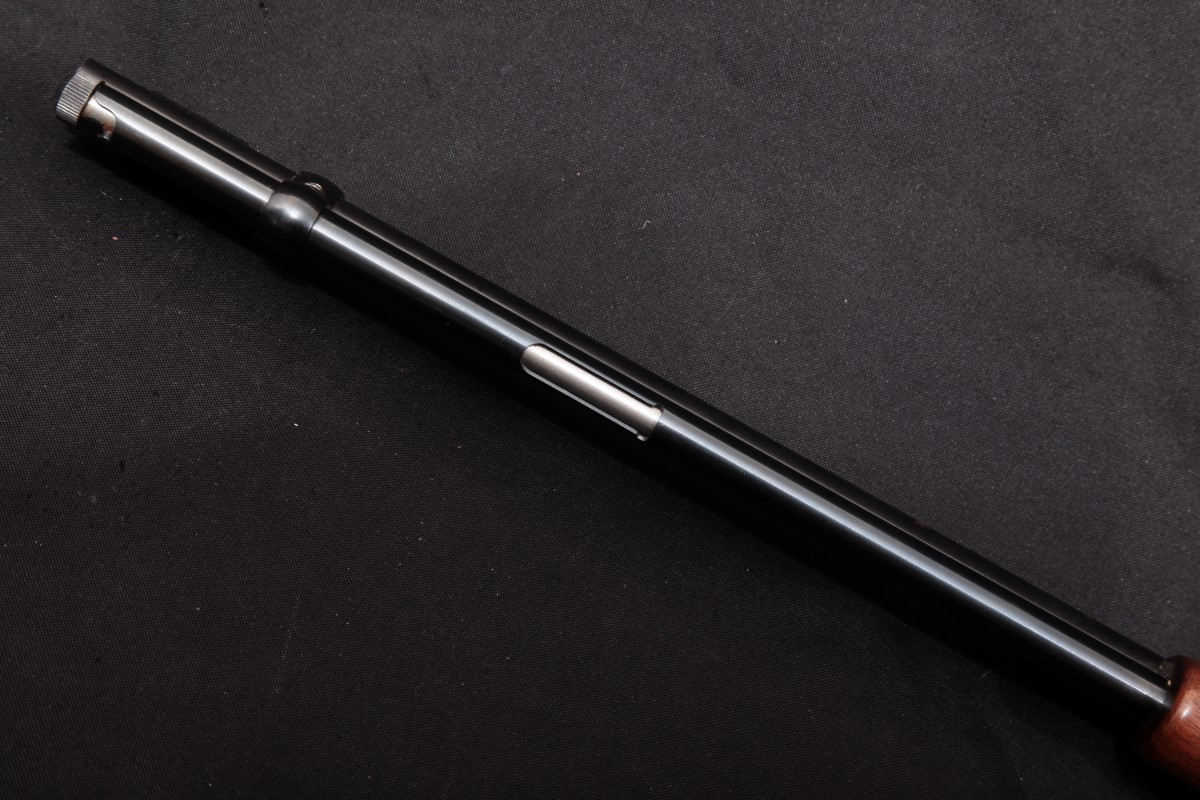
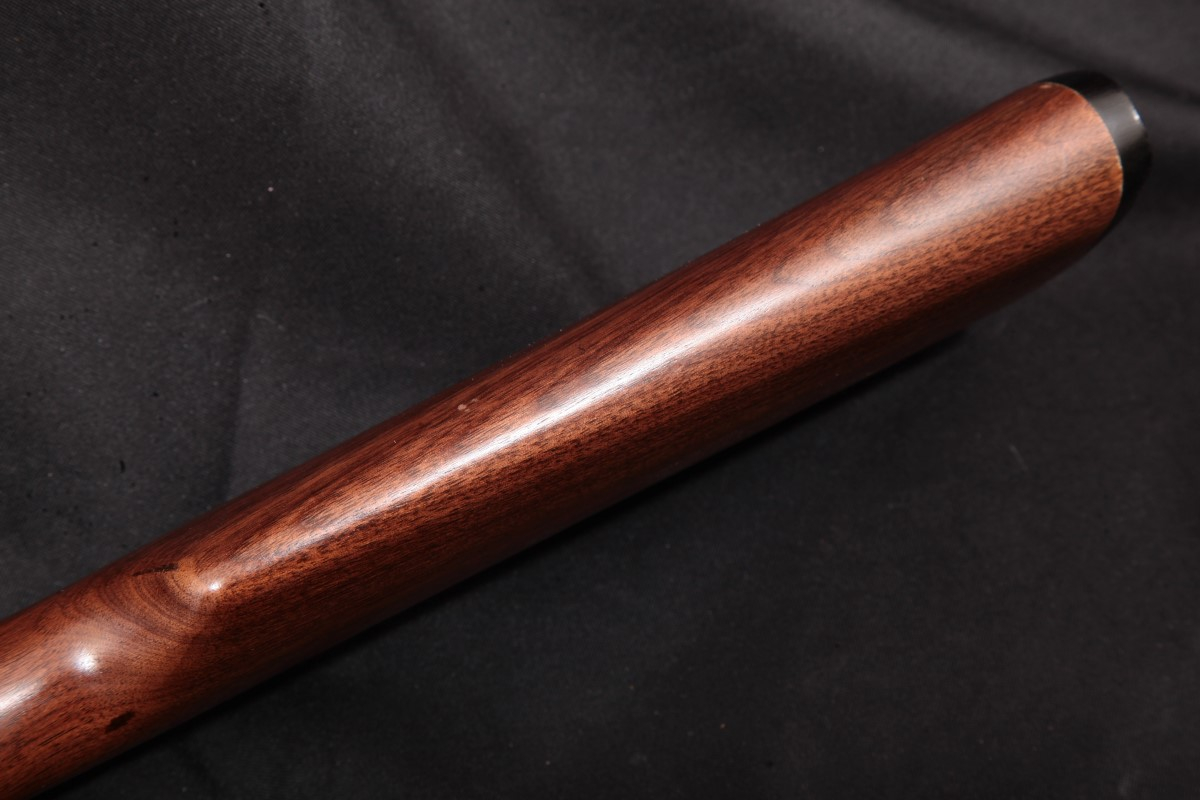
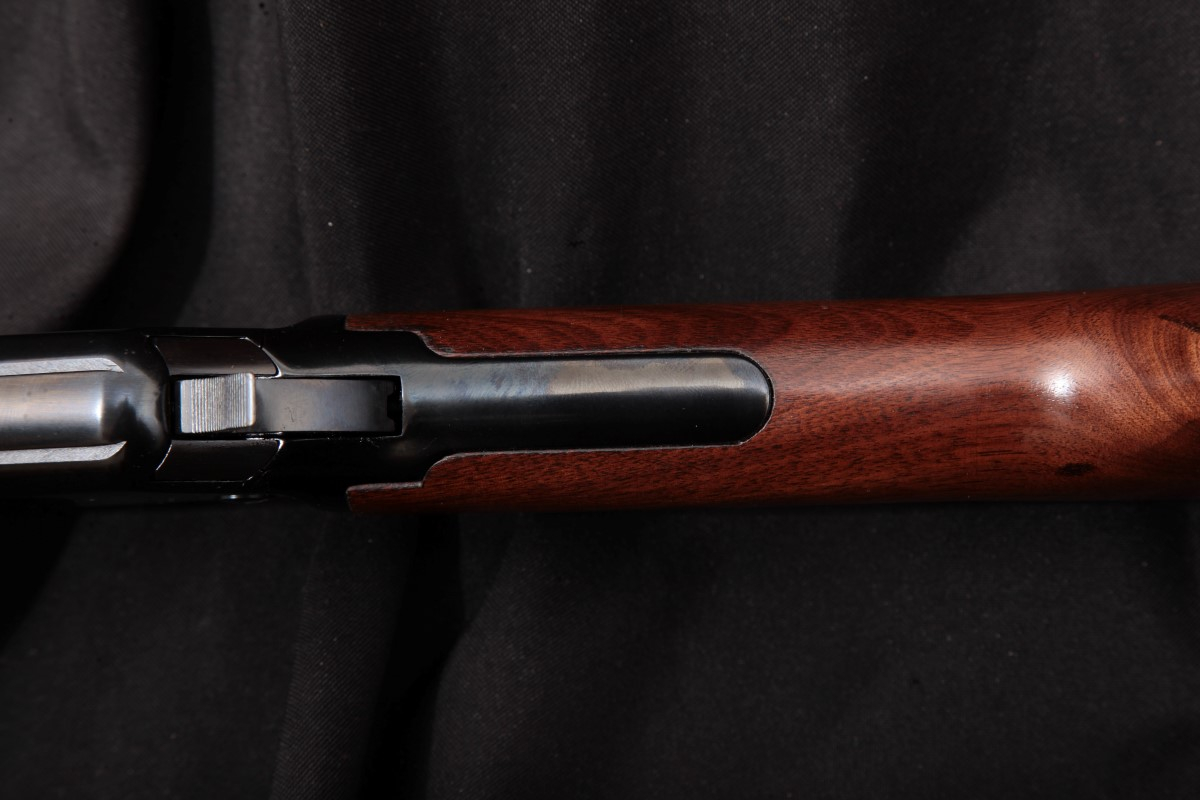
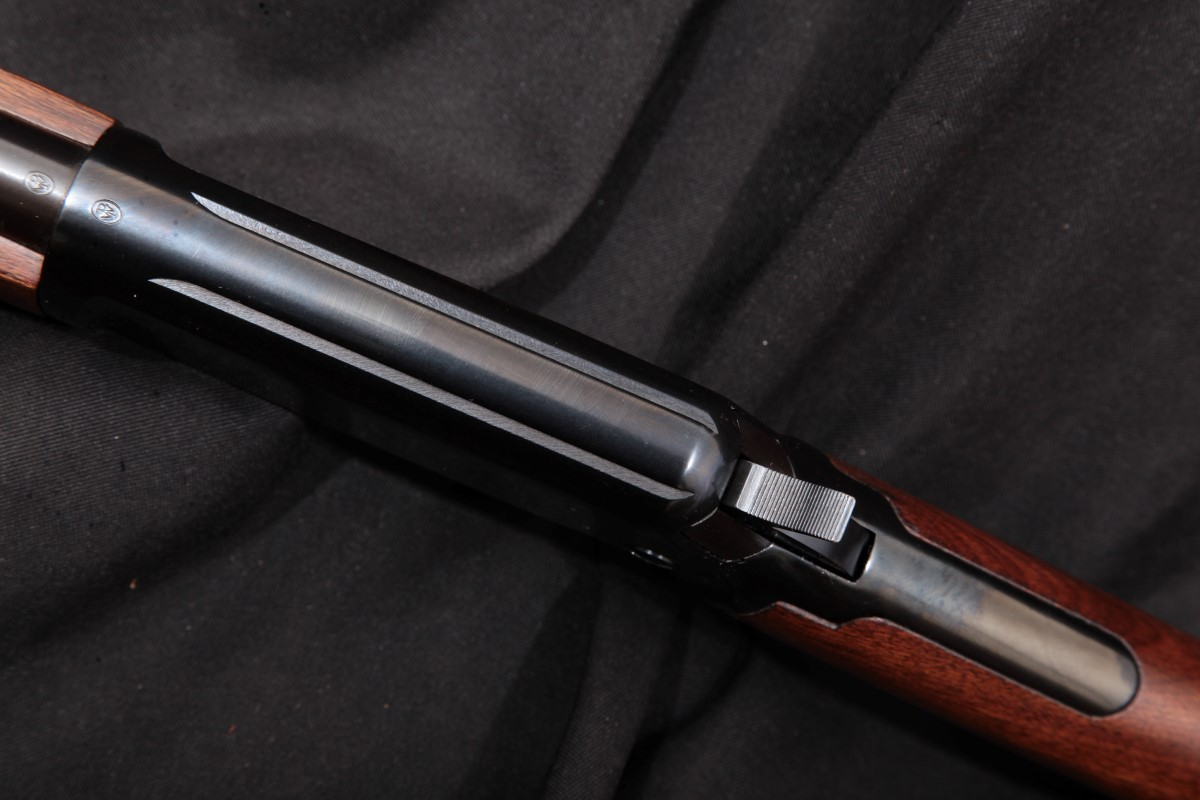
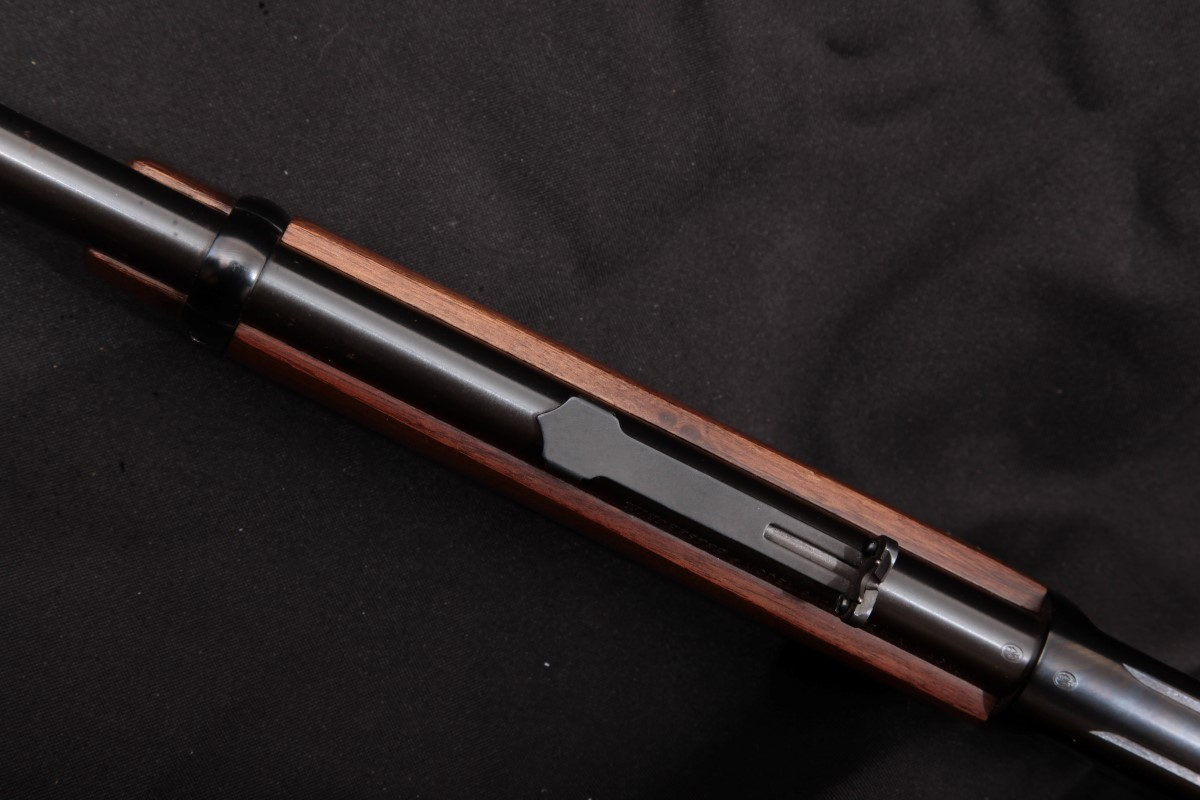
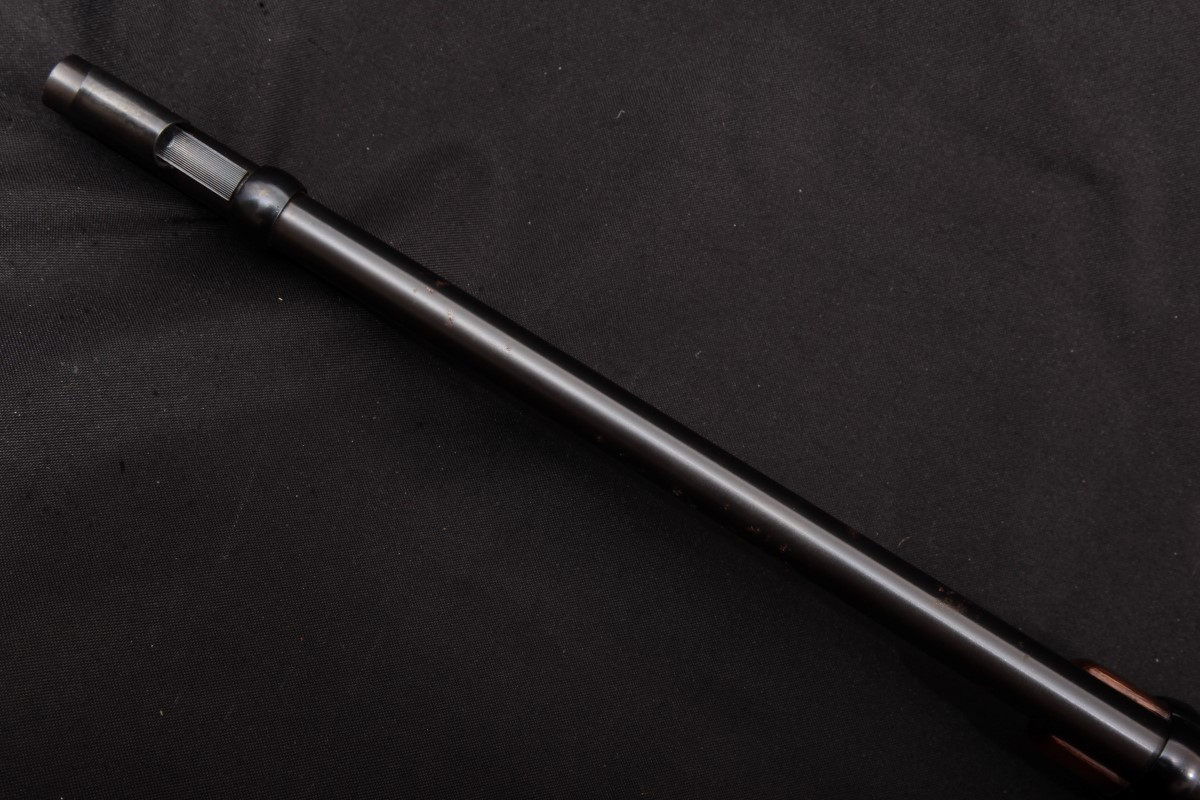
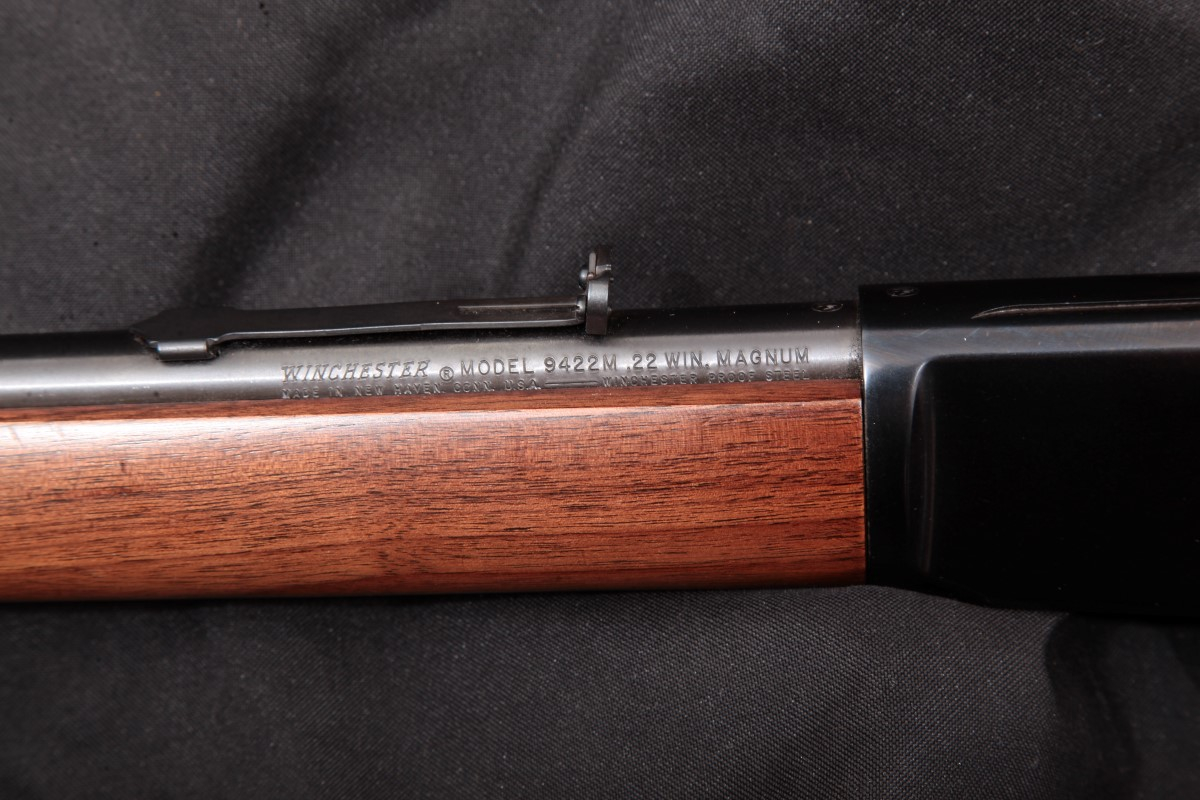
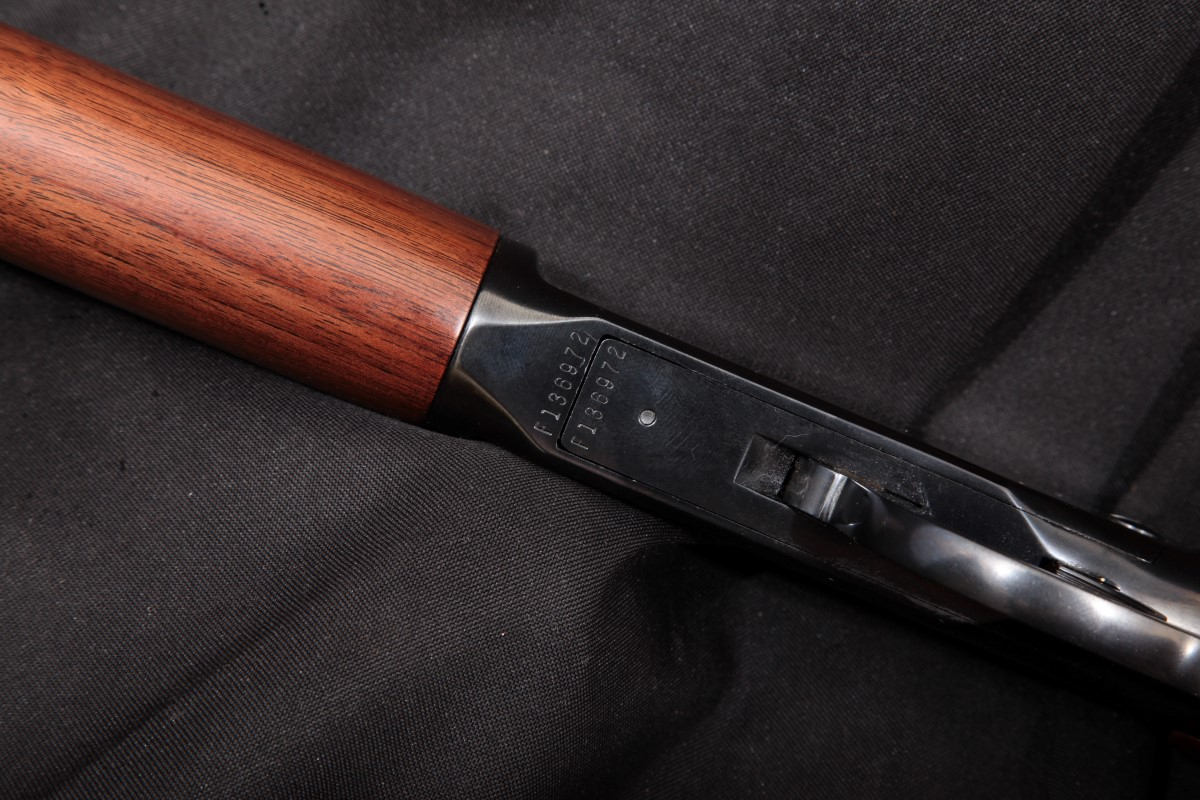
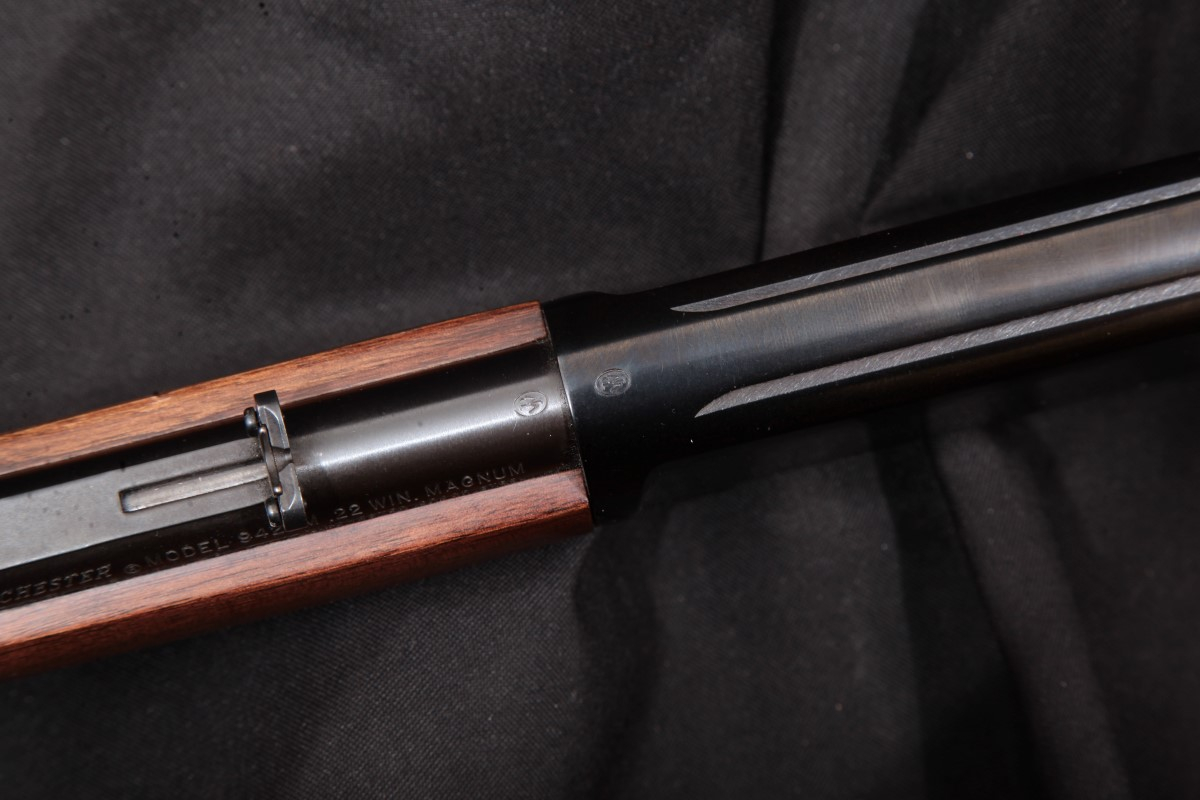
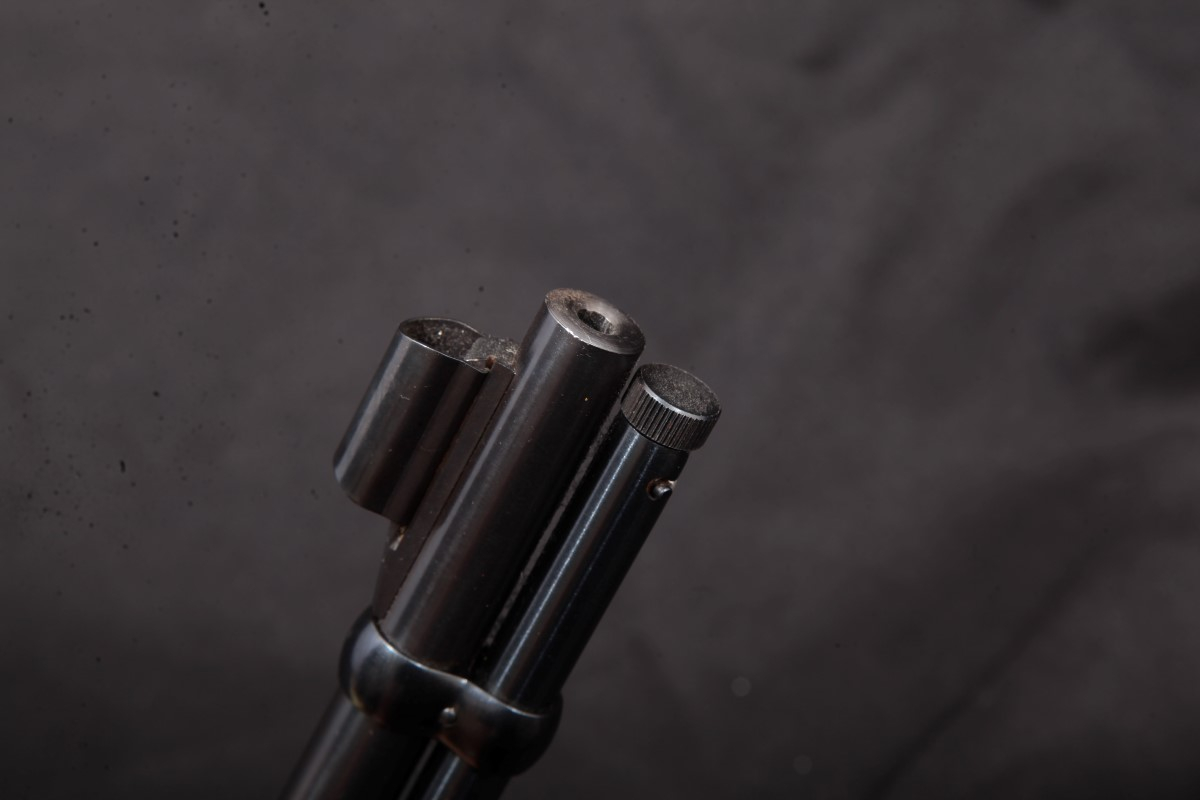
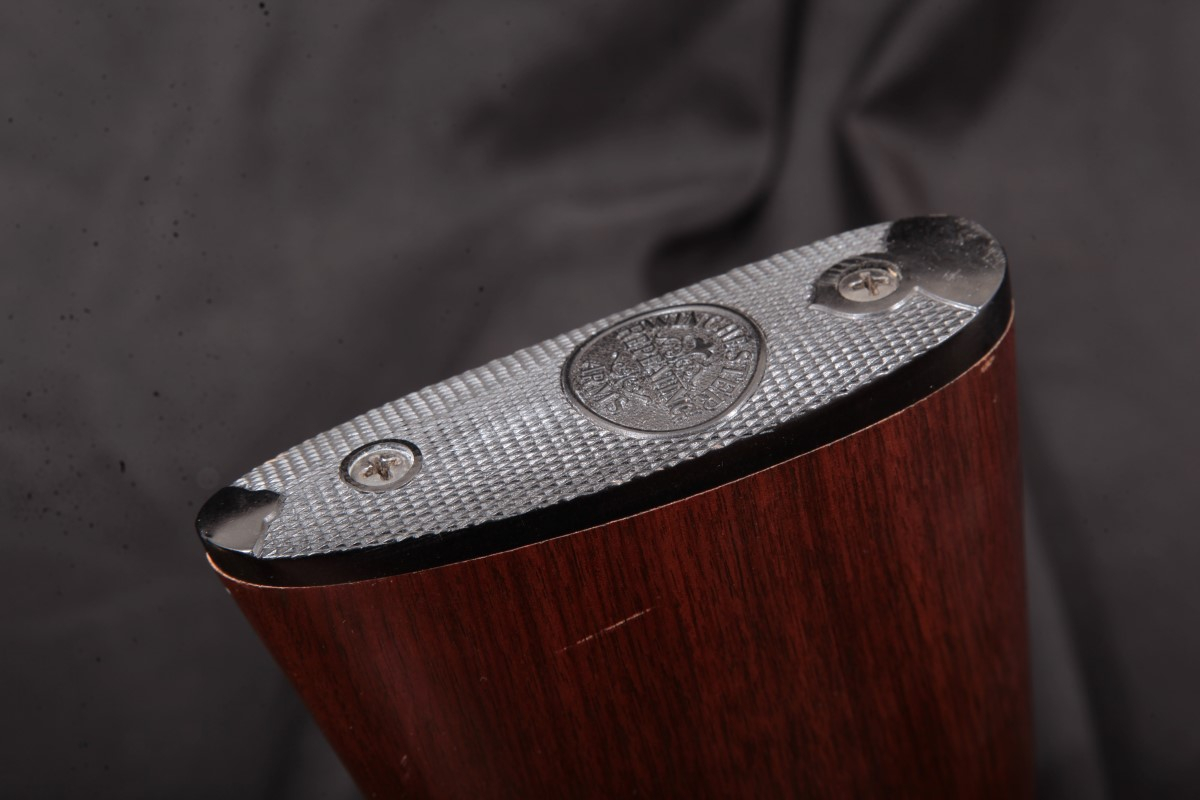
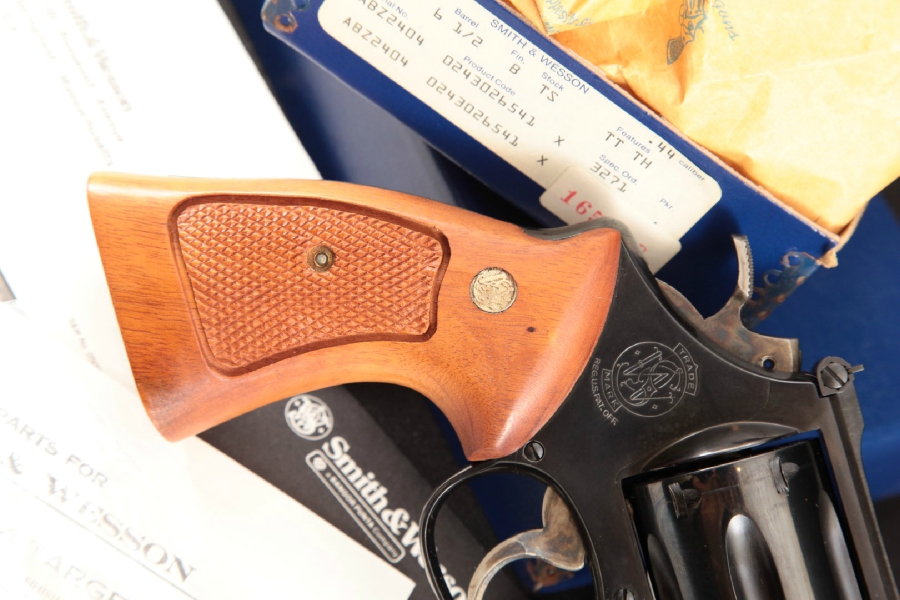
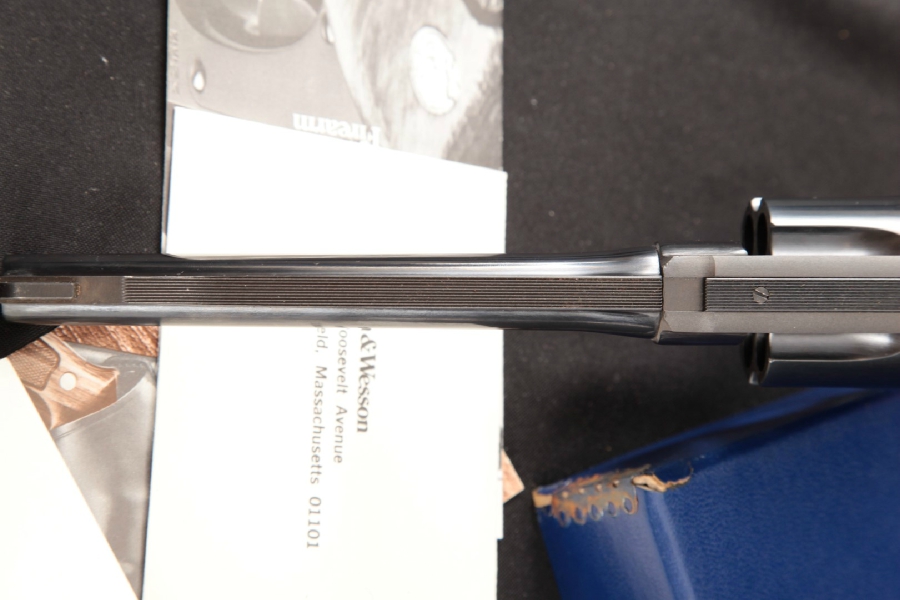
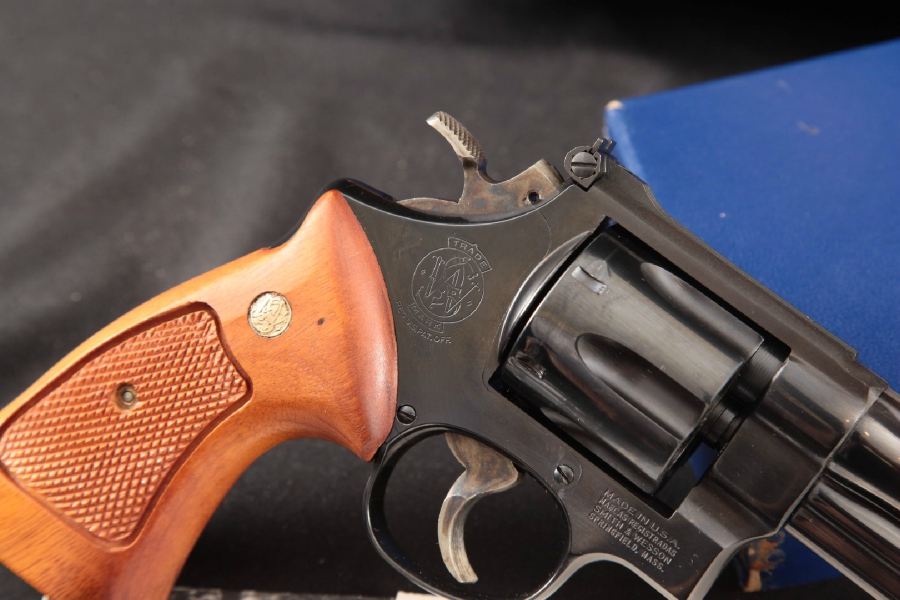
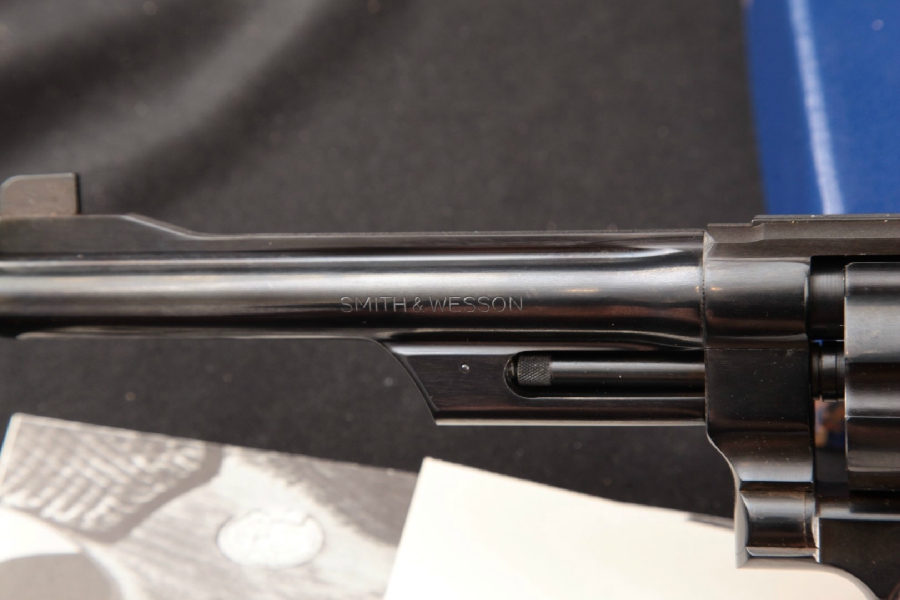
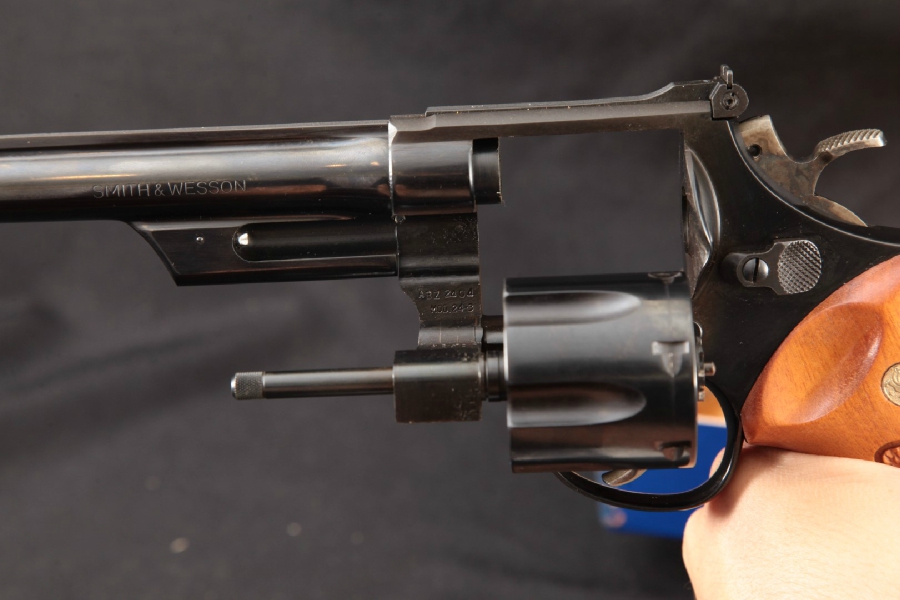
In my humble opinion, This is one hell of a good looking wheelgun!




Statistics compiled by the Bureau of Education for use at the Panama-Pacific Exposition, show that of children from 10 to 14 years of age there were in 1910 only 22 out of every 1,000 who could neither read nor write[.] … The following states report only one child in 1,000 between ages of 10 and 14 as illiterate: Connecticut, District of Columbia, Massachusetts, Minnesota, Montana, New Hampshire, North Dakota, Oregon, Utah, and Washington[.] … It is evident that the public schools will in a short time practically eliminate illiteracy.
According to the Bureau of Education, U.S. students were at least 99% literate a century ago. Blumenfeld concluded:
So apparently they knew how to teach children to read in 1910. Also, there was no such thing as ‘functional illiteracy,’ that is, a kind of low, inadequate reading ability which is the product of faulty teaching methods in our schools. The illiteracy of 1910 was the result of some children having no schooling. Functional illiteracy is a result of the way we actually teach children to read in our schools, for our teachers today, whether they know it or not, have been deliberately trained to produce functional illiteracy.
Admittedly, these were U.S. government figures presented to the world; maybe chauvinism was at play. But even if you tinker with the stats, the collapse is still catastrophic. The vast majority of children were reading and writing 100 years ago. Now, thanks to deliberate policies of our Education Establishment, we have two thirds testing below proficient.
Blumenfeld commented:
To believe that such massive functional illiteracy is an unplanned phenomenon beyond the control of anyone is to believe that our educators with all their doctoral degrees literally don’t know what they are doing. After all, teaching children to read is no big mystery. Teachers have been doing it for the last 3,000 years, and as the US government’s own statistics show they were doing it well in 1910 and up to about the 1930s when the big switch took place in teaching methods.
That was when our Education Establishment (most probably, I would suggest, influenced by Comintern subversives) abolished phonics and made children memorize words by their shapes. This approach has been a disaster, yet the public has been persuaded to accept it until this day.
I and others write constantly against this development, with less than the hoped for effect. Our society, and especially the people at the top, seem all too comfortable with rampant illiteracy. How is that possible?
Ayn Rand perfectly captured the country’s predicament in these few words: “[t]he hardest thing to explain is the glaringly evident which everybody has decided not to see.”
That’s where we are. The glaringly evident escapes notice. Most Americans have been conned into not seeing that our Education Establishment (i.e., the professors in charge) must be the chief cause of illiteracy and other educational failure. Truthfully, nearly all of these pretend educators should be fired for demonstrated incompetence.
The power of our Education Establishment to maintain its destructive nonsense is frightening. These shifty people have put the leaders of the country in straitjackets, apparently. Even President Trump and Betsy DeVos cannot speak the obvious: children should learn to read in the first grade. Anything else is unacceptable.
If you hear about children bringing home lists of sight-words to memorize, start screaming. That’s where illiteracy begins: sight-words. If literacy is the goal, children should memorize the letters of the alphabet and the sounds they represent.
To save the country, we first have to save the public schools. To do that, we have to save reading. This is easy because reading is easy.
Coda: The Samuel Blumenfeld book quoted several times in this article is NEA: Trojan Horse in American Education. This book is scholarly, relentless, and – for most readers – shocking. Published about 35 years ago, it argues that the National Education Association promotes everything bad in public education. It is the enemy within.
Bruce Deitrick Price’s new book is Saving K-12. He deconstructs educational theories and methods at Improve-Education.org. Support his work on Patreon.
Statistics compiled by the Bureau of Education for use at the Panama-Pacific Exposition, show that of children from 10 to 14 years of age there were in 1910 only 22 out of every 1,000 who could neither read nor write[.] … The following states report only one child in 1,000 between ages of 10 and 14 as illiterate: Connecticut, District of Columbia, Massachusetts, Minnesota, Montana, New Hampshire, North Dakota, Oregon, Utah, and Washington[.] … It is evident that the public schools will in a short time practically eliminate illiteracy.
According to the Bureau of Education, U.S. students were at least 99% literate a century ago. Blumenfeld concluded:
So apparently they knew how to teach children to read in 1910. Also, there was no such thing as ‘functional illiteracy,’ that is, a kind of low, inadequate reading ability which is the product of faulty teaching methods in our schools. The illiteracy of 1910 was the result of some children having no schooling. Functional illiteracy is a result of the way we actually teach children to read in our schools, for our teachers today, whether they know it or not, have been deliberately trained to produce functional illiteracy.


The Battle of Château-Thierry was fought on July 18, 1918 and was one of the first actions of the American Expeditionary Forces (AEF) under General John J. “Black Jack” Pershing.

It was a battle in World War I as part of the Second Battle of the Marne, initially prompted by a German offensive launched on 15 July against the AEF, an expeditionary force consisting of troops from both the Army and Marine Corps, and the newest troops on the front.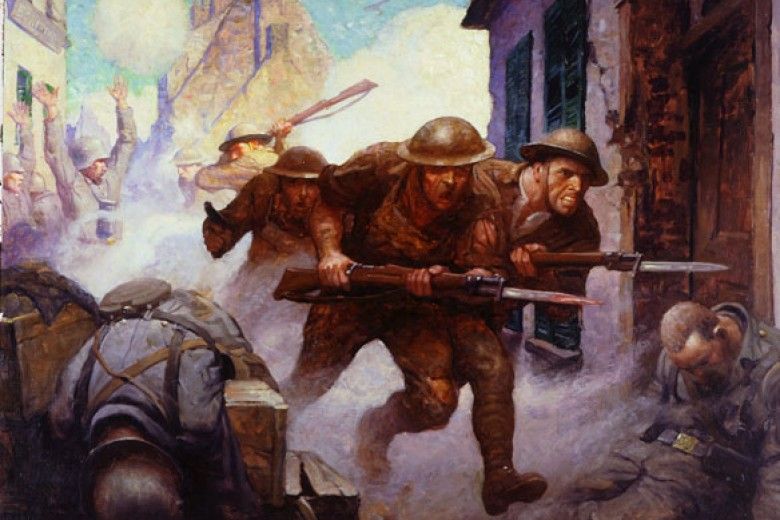
On the morning of 18 July 1918, the French (some of them colonial) and American forces between Fontenoy and Château-Thierry launched a counter-assault under the overall direction of Allied généralissime Ferdinand Foch against the German positions.
This assault on a 40 km (25 mi) wide front was the first in over a year. The American army played a role fighting for the regions around Soissons and Château-Thierry, in collaboration with predominantly French forces.
The allied forces had managed to keep their plans a secret, and their attack at 04:45 took the Germans by surprise when the troops went “Over the Top” without a preparatory artillery bombardment, but instead followed closely behind a rolling barrage which began with great synchronized precision.
Eventually, the two opposing assaults (lines) inter-penetrated and individual American units exercised initiative and continued fighting despite being nominally behind enemy lines.[2]
[hide]
Despite the revolution in Russia, fortune seemed to favor the Allies with the arrival of the Americans to France. However, these troops needed time to train before they could be combat effective.
Recognizing the window of opportunity, Ludendorff consolidated the manpower freed up from the Eastern Front to conduct Operation Michael in order to split the Allies’ lines. The successes of the German Stormtroopers infiltration tactics earned Germany approximately 40 miles of territory. But the offensive lost momentum when it surpassed its supply lines.
Up to this point, American General Pershing refused to hand over American divisions to either the British or French armies, insisting on keeping them together as one army. But in the face of the German onslaught, Pershing relented and sent a portion of his army to assist the French in blocking the German advance.[3]:7–10
Looking to defeat the British occupied in Flanders, Ludendorff sought to divert the Allies’ French reserves away from the region. In his Operation Blucher, Ludendorff aimed some of his forces at the Chemin des Dames and took the French Sixth Army by surprise.
Driving on, the Germans were soon at the Marne River, situated under 50 miles from Paris. With Marshal Ferdinand Foch unable to acquire British assistance, General Pershing’s chief of operation, Colonel Fox Conner, recognized the gravity of the situation and ordered the 3rd Division to block them.[3]:39–41[4]
The 3rd Division occupied the main bridge on the south bank of the Marne that led in Chateau Thierry on May 31 as the French 10th Colonial Division rendezvoused with them from the north bank. The Americans positioned their machine guns to cover the French retreat, and had a unit led by Lt John Bissell situated north of the second bridge. The French spent the night adding explosives to the bridges to destroy them. Early the following morning, on June 1, the Germans advanced into Chateau Thierry from the north, forcing the French to the main bridge, which they defended with the support of American machine-gun fire. The French succeeded in destroying the bridge as the Americans kept up their fire on the Germans. Lt. Bissell’s group was still on the north side of the Marne. They worked their way back to the secondary bridge in-between American machine-gun fire and made it across, along with a group of Germans that were captured shortly afterwards. From the north of the Marne on June 2, the Germans engaged in heavy artillery and sniper fire against the Allies. They made an attempt to take the remaining bridge but were forced to end the assault as the casualties rose.[3]:41–42
After World War I, a memorial was built on Hill 204, 2 miles (3 km.) west of the town for which it is named. The Château-Thierry Monument, designed by Paul P. Cret of Philadelphia, was constructed by the American Battle Monuments Commission “to commemorate the sacrifices and achievements of American and French fighting men in the region, and the friendship and cooperation of French and American forces during World War I.”[5]
There is also a monument in front of the Bronx County Courthouse in New York City that was presented by the American Legion on November 11, 1940. The monument consists of the “Keystone from an arch of the old bridge at Chateau Thierry,” which the monument notes was “Gloriously and successfully defended by American troops.”[6]
The first Filipino to die in World War I was Private Tomas Mateo Claudio who served with the U.S. Army as part of the American Expeditionary Forces to Europe. He died in the Battle of Chateau Thierry in France on June 29, 1918.[7][8] The Tomas Claudio Memorial College in Morong Rizal, Philippines, which was founded in 1950, was named in his honor.[9]
The Story of the American Expeditionary Forces |
| U.S. Marine Corps |
THE BATTLEFOR |
| | Quick Facts | Background | Chronology | | A First Hand Account | Quick FactsWhere: The Aisne-Marne Sector, 5 miles immediately northwest of the town of Chateau-Thierry on the River Marne. BackgroundThe Hunting Lodge within Belleau Wood
|
| Sources and thanks: A half dozen works were consulted for this page including E.M. Coffman’s War to End All Wars, Stalling’s The Doughboys, Friedel’s Over There, SLA Marshall text in the American Heritage History of World War I and American Armies and Battlefields in Europe. The most valuable resource for the chronology was the Official 2nd Division History which is now available on CD from our friends at the Digital Bookshelf. A forgotten Marine contributor sent the Frederick Wise comments which are from the memoir, A MARINE TELLS IT TO YOU. The top illustration is a detail from a Leatherneck Magazine cover. Regular contributors Herb Stickel and Ray Mentzer helped with the other photos.All of the above are recommended for deeper study of the battle as well as two interesting websites: Bradley Omanson’s Scuttlebutt & Small Chow: A Salty Old Harbor of Marine Corps History Great War Society Member Edward Swaim’s Belleau Wood Today Photo Essay Last, a special thanks for Col. Bill Anderson, USMC, a Great War Society Member and student of the battle who caught some serious errors of omission in my original draft. MH |
| To find other Doughboy Features visit ourDirectory Page | For Great War Society Membership InformationClick on Icon |
| For further information on the events of 1914-1918 visit the homepage of The Great War Society |
Additions and comments on these pages may be directed to:
Michael E. Hanlon (medwardh@hotmail.com)


