
or this

Categories
Unannounced NSFW for my Loyal Readers!


Categories
WTF !?!
US Army Ditches Grenade Throwing Requirement Because Too Many Recruits Can’t Throw Far Enough

On Friday, the Army revealed that it is nixing the grenade throwing requirement, where recruits had to show that they could hurl the explosive a minimum of 25 meters, because “a large number of trainees” can’t meet the distance, even lacking the physical ability “to throw a hand grenade 20 to 25 to 30 meters.”

Notice of the change was released on Military.com, in a piece that discussed the overall redesign of the Basic Combat Training (BCT) all new recruits are required to complete.
Notice of the change was released on Military.com, in a piece that discussed the overall redesign of the Basic Combat Training (BCT) all new recruits are required to complete.

According to Maj. Gen. Malcolm Frost, the commanding general of the US Army Center of Initial Military Training, “What we have found is it is taking far, far too much time. It’s taking three to four times as much time… just to qualify folks on the hand grenade course than we had designates, so what is happening it is it taking away from other aspects of training.”

“We are finding that there are a large number of trainees that come in that quite frankly just physically don’t have the capacity to throw a hand grenade 20 to 25 to 30 meters,” Frost stated.
“In 10 weeks, we are on a 48-hour period; you are just not going to be able to teach someone how to throw if they haven’t grown up throwing.”

Grenade-related training isn’t being eliminated from BCT, so recruits will receive the same amount of training as they did previously.
“Just because we took it off as a graduation requirement does not mean they won’t be conducting hand grenade… training,” Frost stated. “They are going to learn all of the technical aspects of the hand grenade, and they are going to learn tactical employment and they will throw a live hand grenade.”

The blast radius of a grenade, on average, is 15 meters, with a 25-meter throw being considered a necessary distance.
Some have questioned whether the removal of the grenade requirement was an accommodation for female recruits, though the Army has denied those allegations, stating that it is an “incorrect premise” as Army BCT has had the hand grenade requirement for both genders “for several years,” adding in a statement, “This new approach allows the Army to recover valuable time and resources to focus on training on other critical skills.”
_________________________________
Translated into English, Female Recruits can’t throw is my humble opinion. Sadly this is going to come back and bite us in the ass down the road! Grumpy
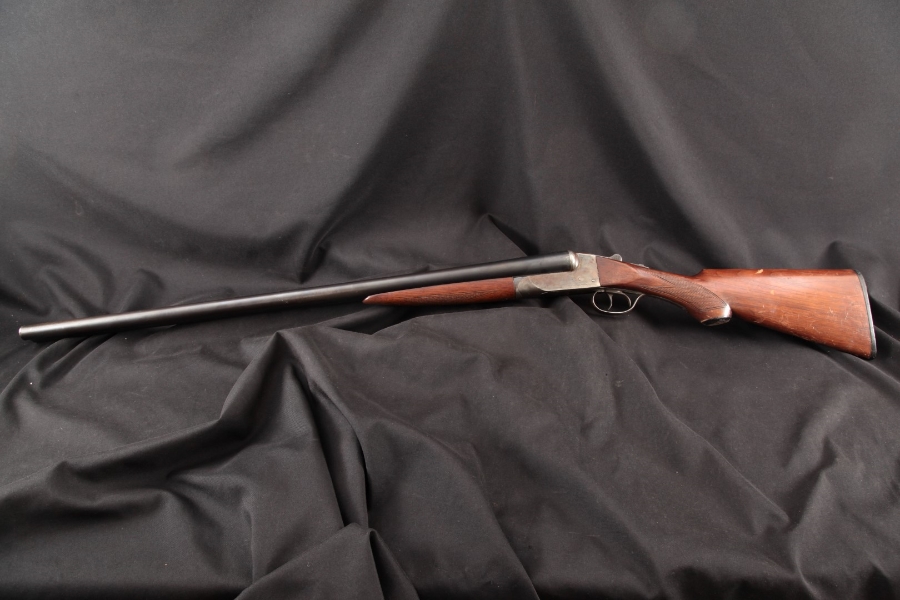
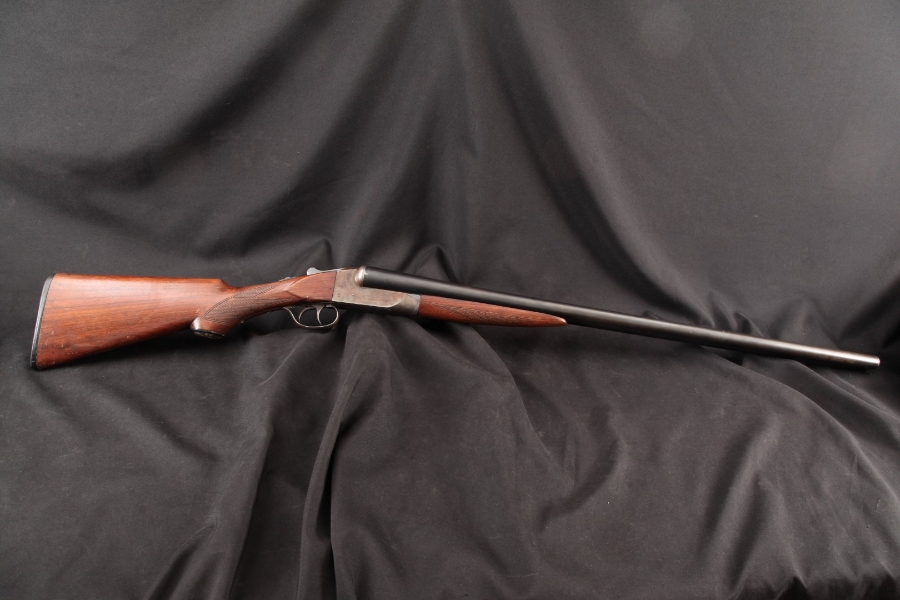
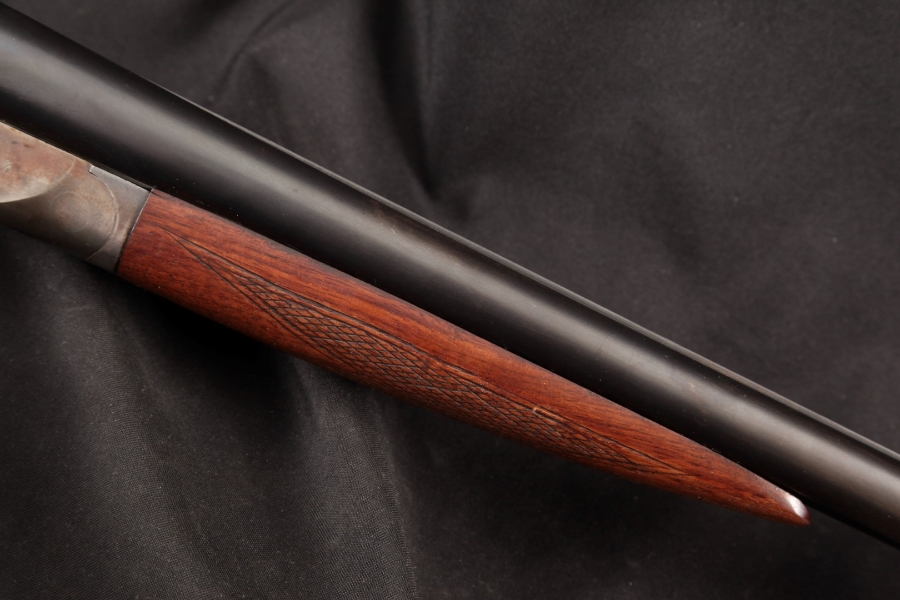
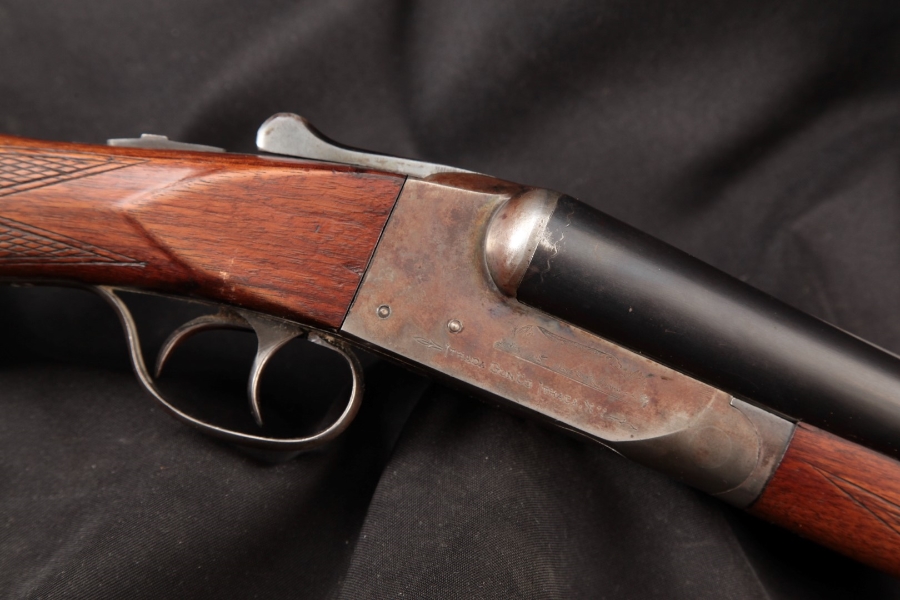
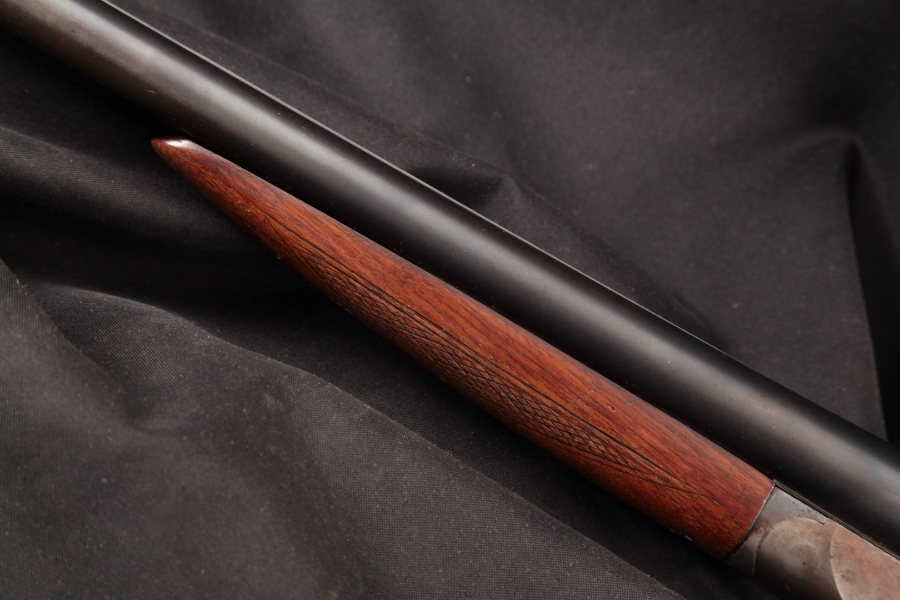
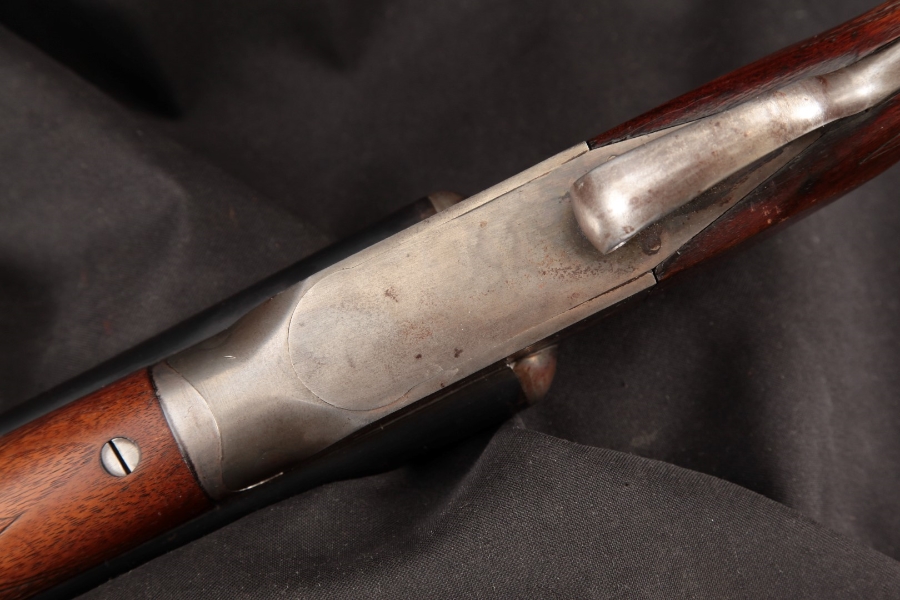
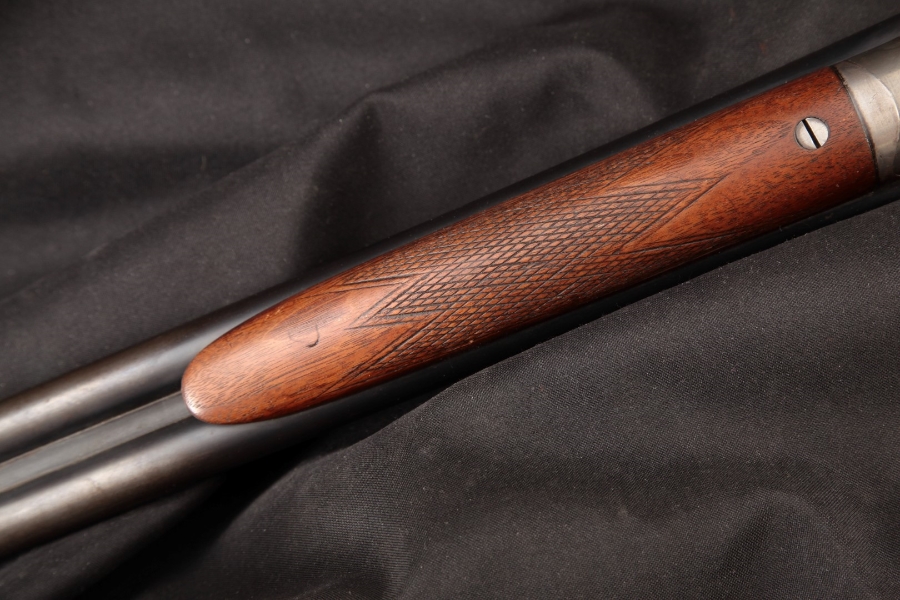
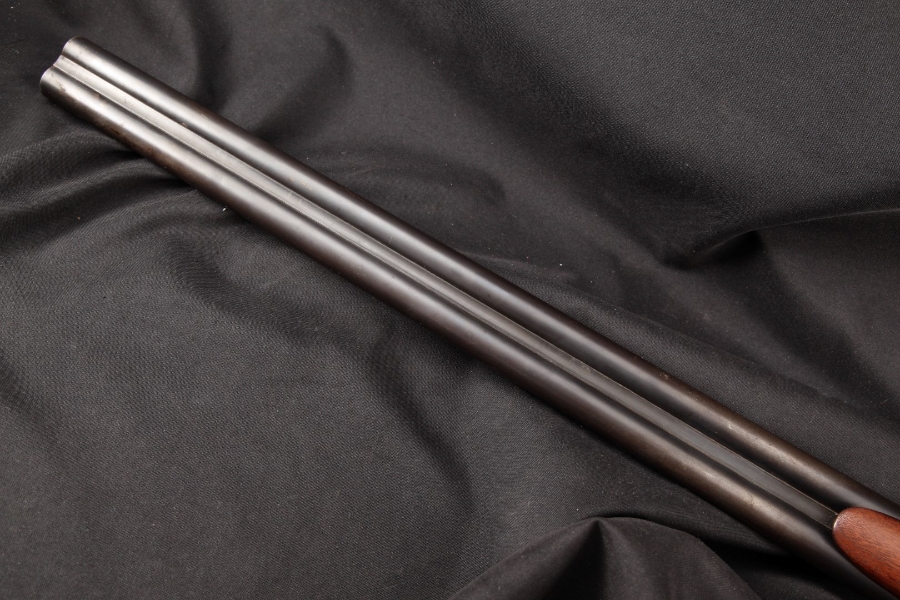
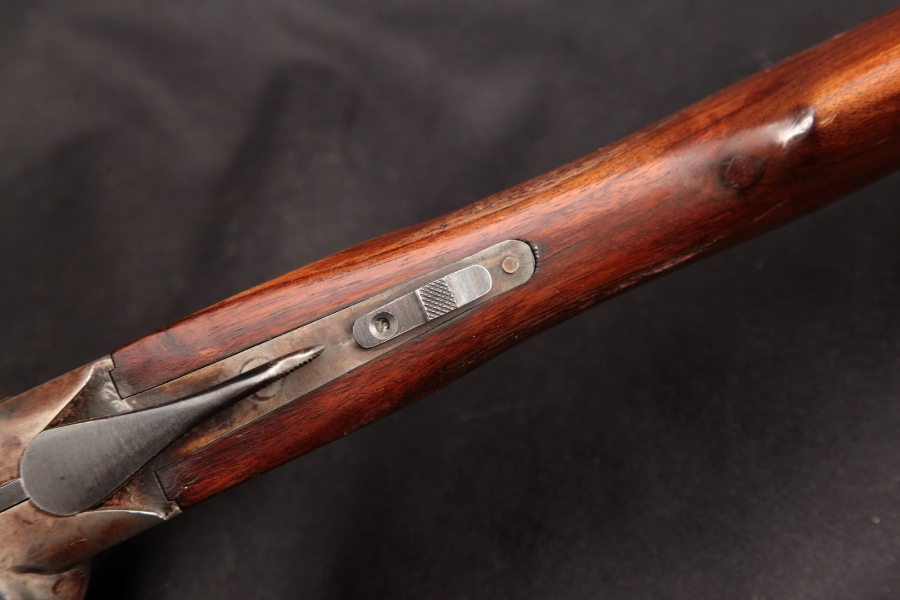
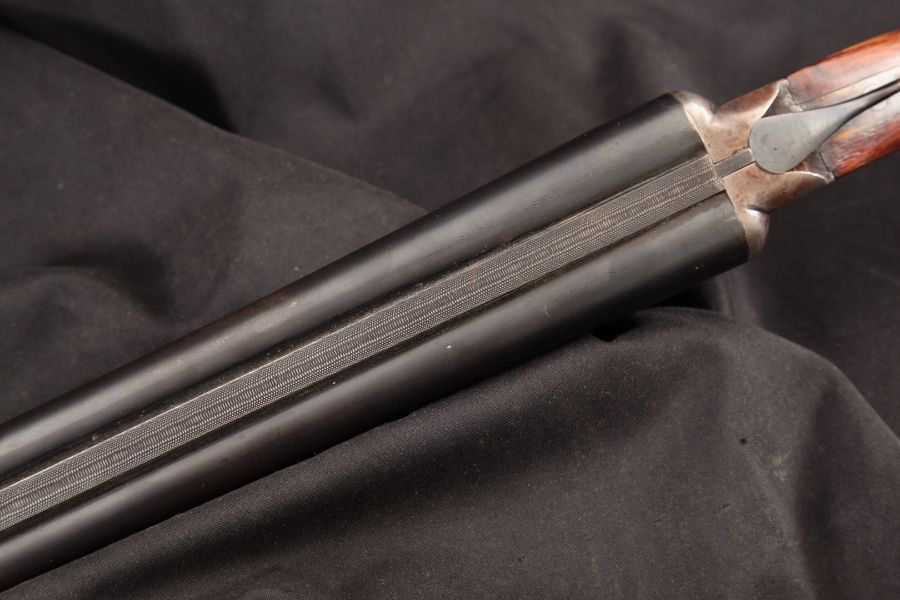
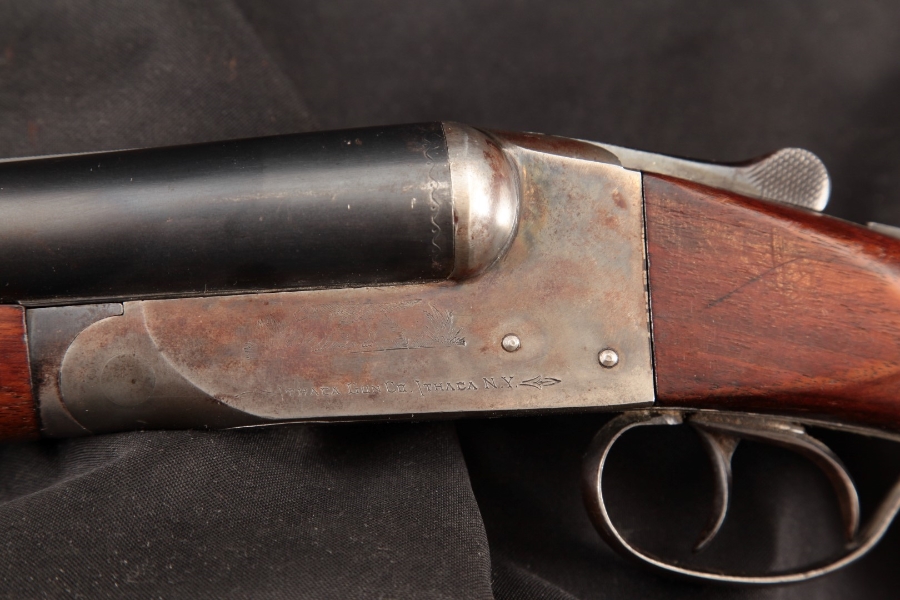
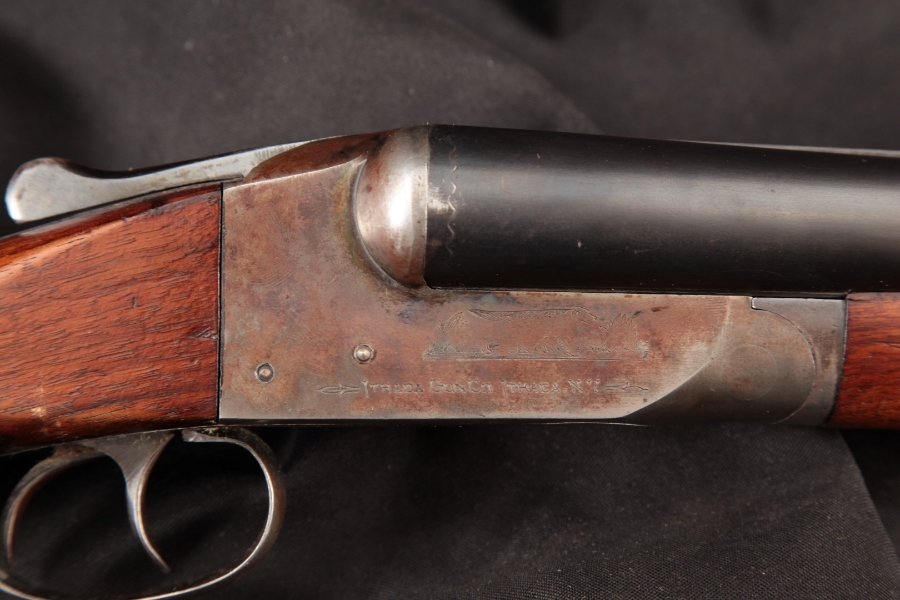
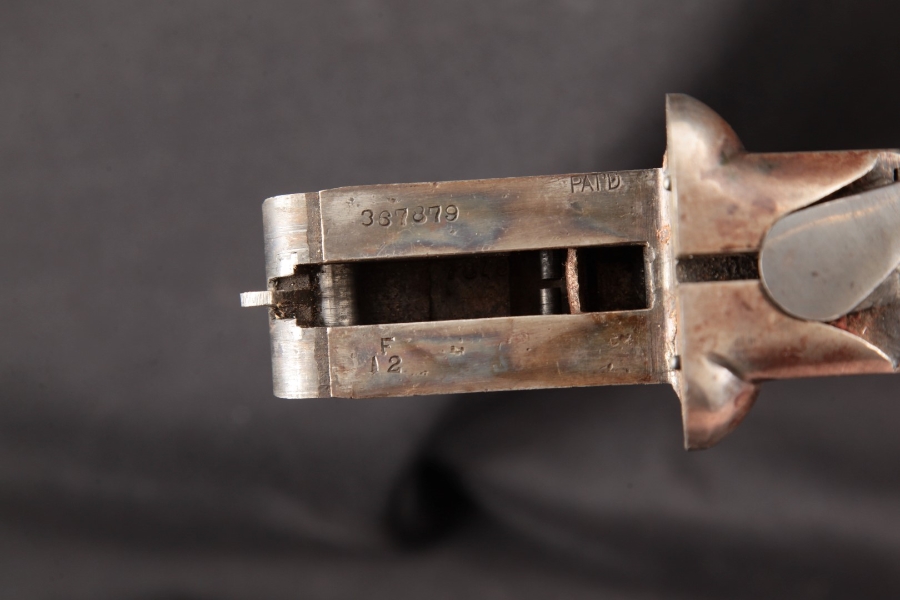
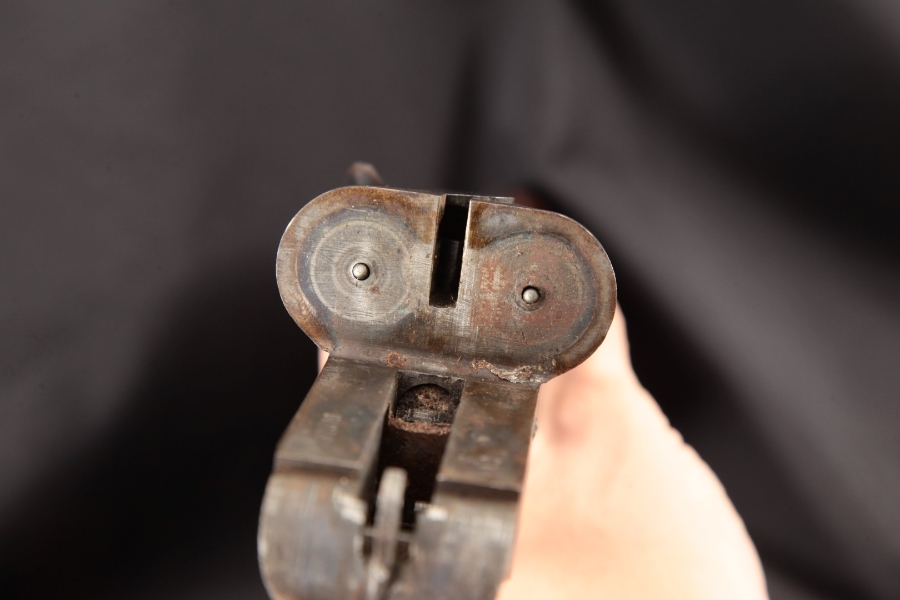
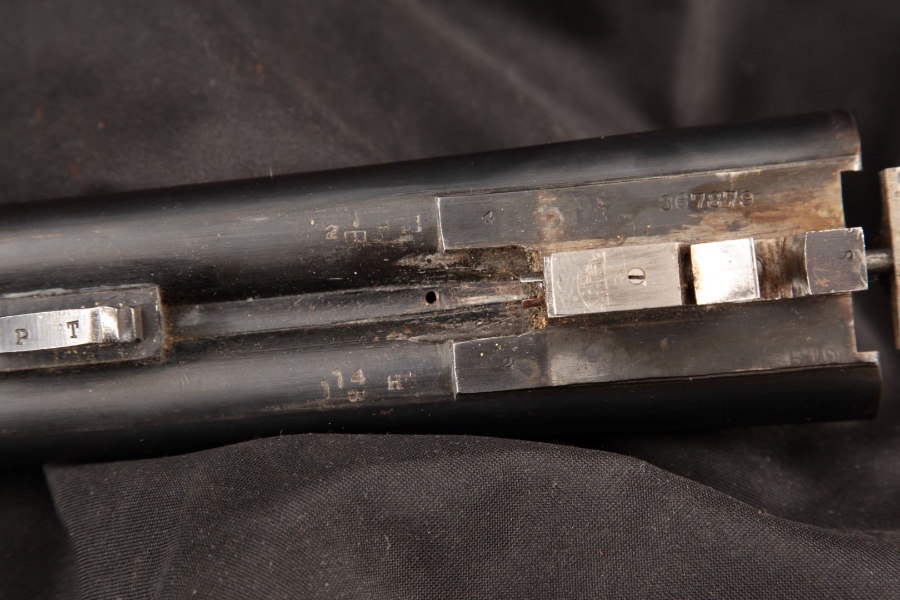
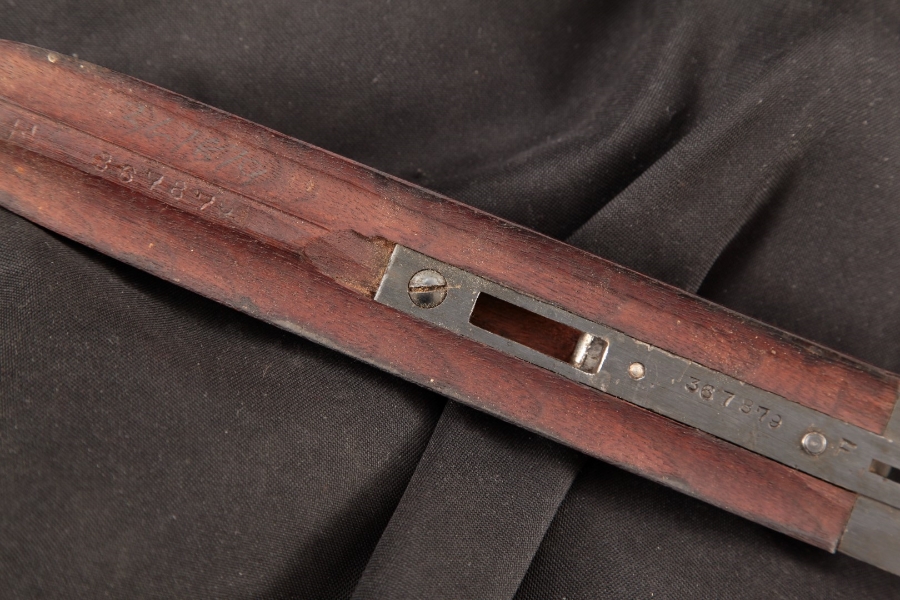
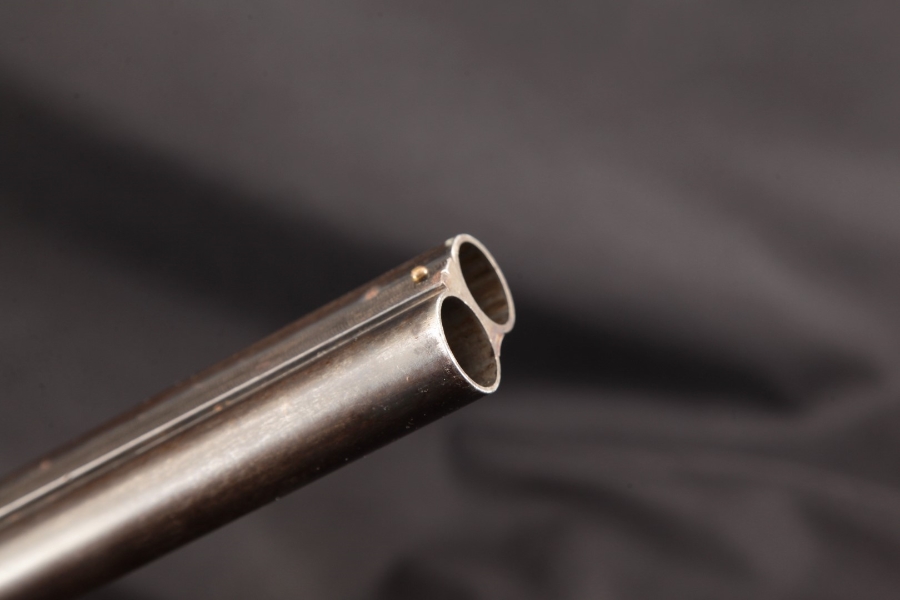
One of the best Scatterguns that I have ever shot!
Categories
The Gun that won the West Question

Now I am a little more confused than usual. Especially when it comes to this issue.
 Now I get it that Hollywood thinks that it’s the Winchester 73. Fair enough says I!
Or how about the Mountain Men and their various Muzzle Loaders?
But then the US Cavalry might say that the Colt SAA or the Springfield Trapdoor Rifle is it.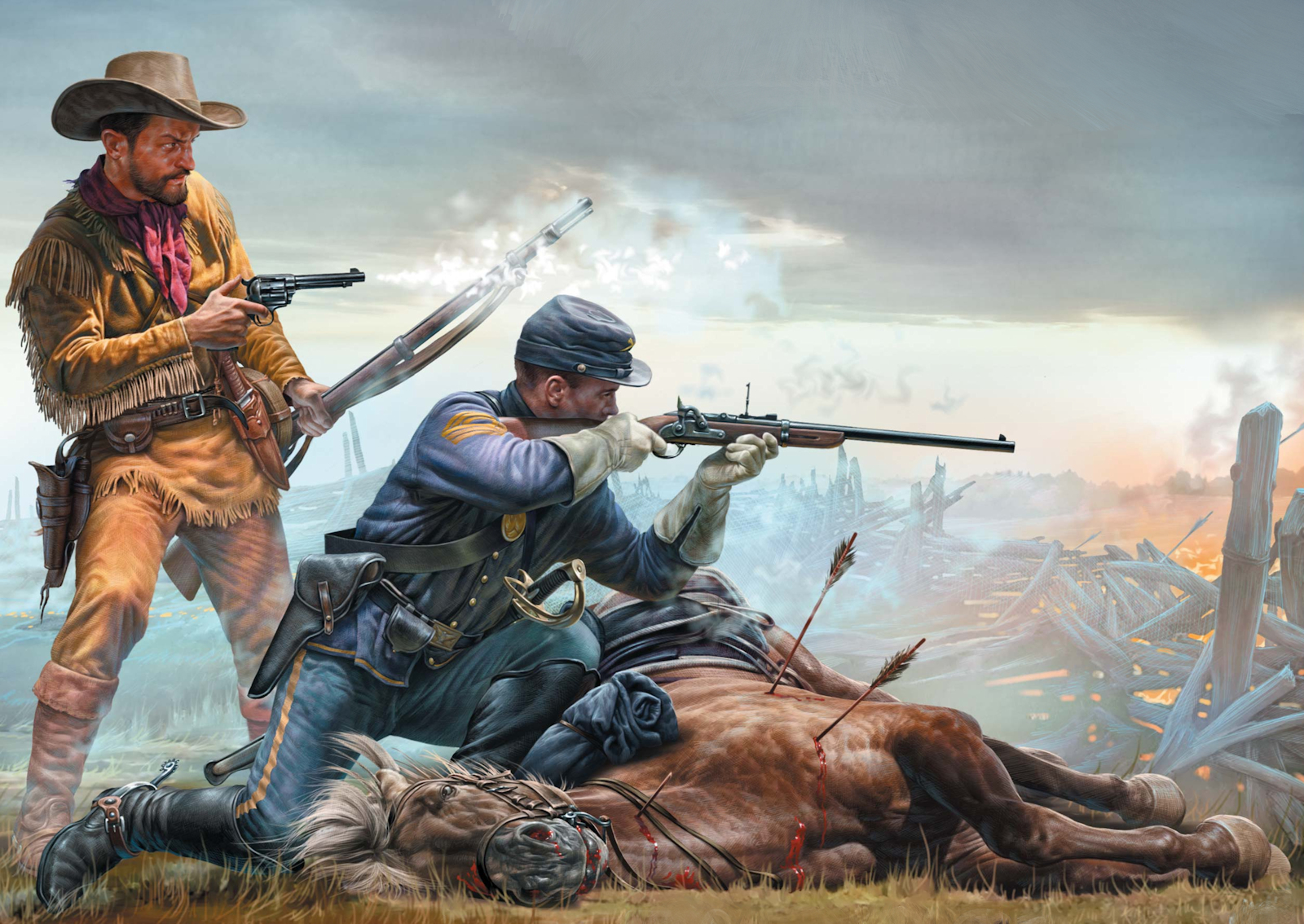
Or the Buffalo Hunters might say that the Sharps Rifle might be it.
But then Wyatt Earp and Friends might say it’s this!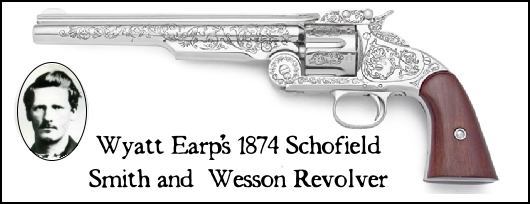
or this
But then the Indians / Native Americans would say “Hey how about our various Guns?”
See why I am confused? So what are your thoughts on this matter?

Attachments area

Categories
OMG!


Using a custom rifle chambered in .408 Cheyenne Tactical, Bill Poor connected on a 3-mile shot to set what could be a new world record.
Bill Poor, of Tuscola, Texas, reportedly connected on a 3-mile shot Jan. 14, 2018 near Midland. His 5,280-yard shot breaks the unofficial record of 2.84 miles (5,000 yards) set by retired Navy SEAL SEAL Charles Melton in Sept. 2017. And, it shatters the 3,800-yard and 4,210-yard shots the Hill Country Rifle Team made in 2015 and 2016.
Poor used a custom rifle modified by Vestal’s Custom Rifles, chambered in .408 CheyTac, firing a 390-grain bullet at 3,160 feet per second. It took the bullet over 14 seconds to reach the target 3 miles away.
Specifically designed for long-distance shooting, Cheyenne Tactical cartridges are popular among long-distance marksmen. Charles Melton also used a .408 CheyTac to make his 2.8-mile shot last year, and the HCR Team used a .375 CheyTac for both of their epic shots.

It reportedly took Poor just eight attempts to hit a 53-inch-wide target when he made his 3-mile shot.
I don’t care who you are, that is some extremely impressive shooting. Unfortunately, the Guinness Book of World Records likely won’t recognize Poor’s record-breaking shot. Apparently, they don’t recognize any shooting records made with optics.

Even so, by making that incredible 3-mile shot, Bill Poor has likely cemented a spot for himself with the top marksmen in the world.
Poor may not have long to hold the record for the longest-distance rifle shot, though. Charles Melton has announced he’ll be attempting a 6,000-yard (3.4 miles) shot soon.
Stay tuned to see how things go.
Like what you see here? You can read more great hunting articles by John McAdams on his hunting blog. Follow him on Facebook The Big Game Hunting Blog or Twitter @TheBigGameHunt.
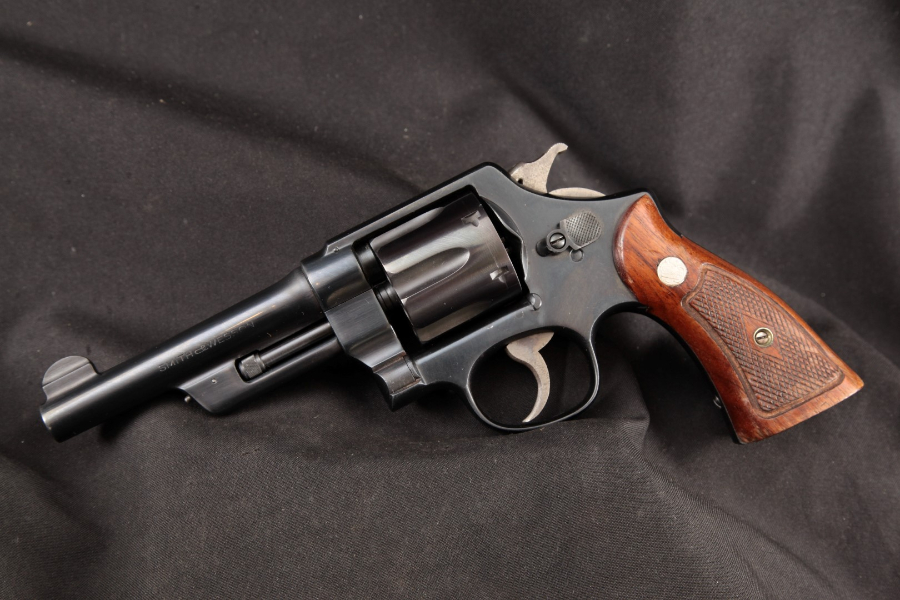
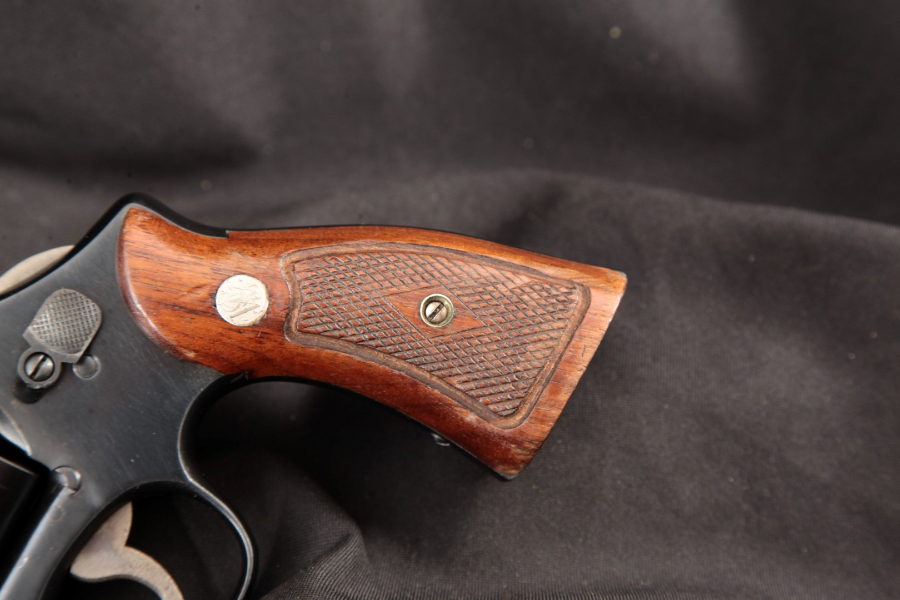
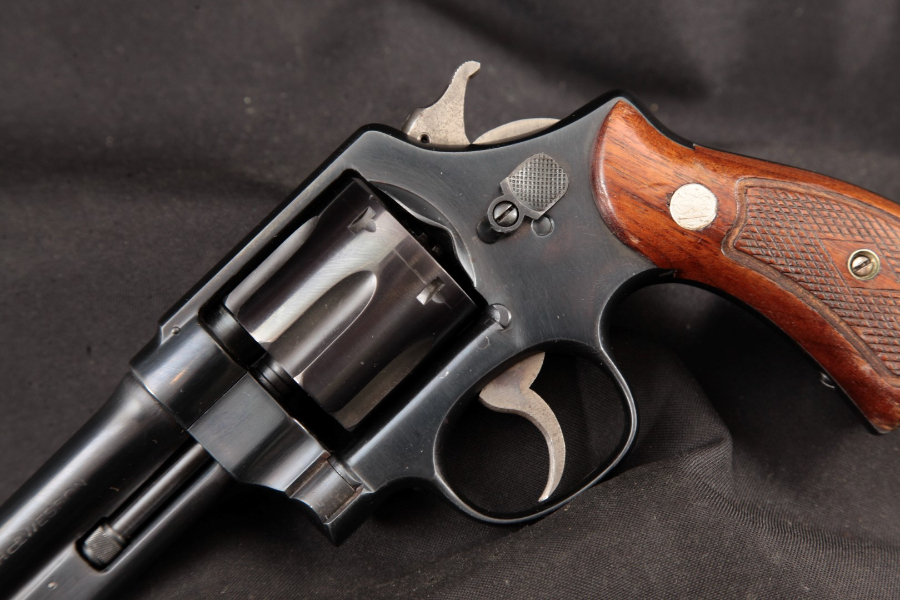
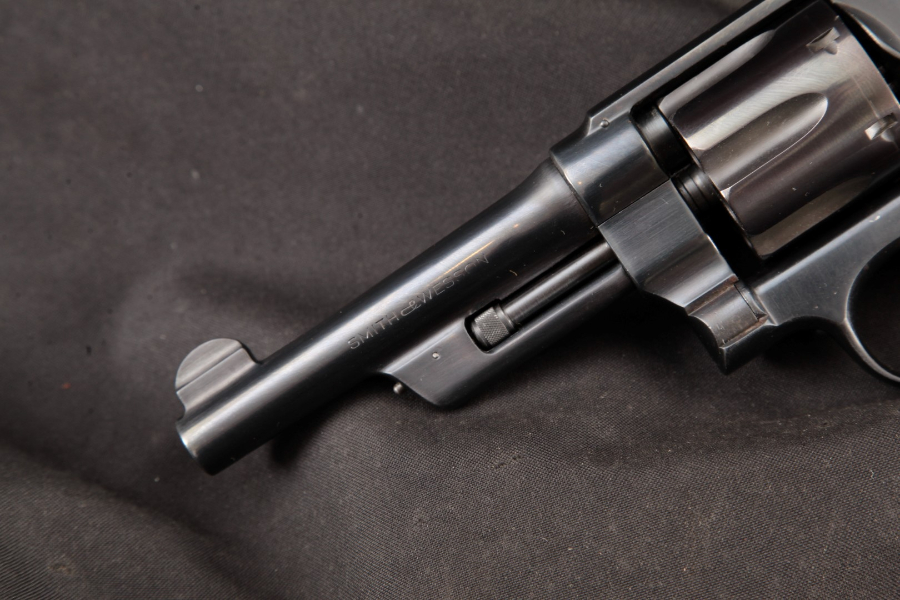
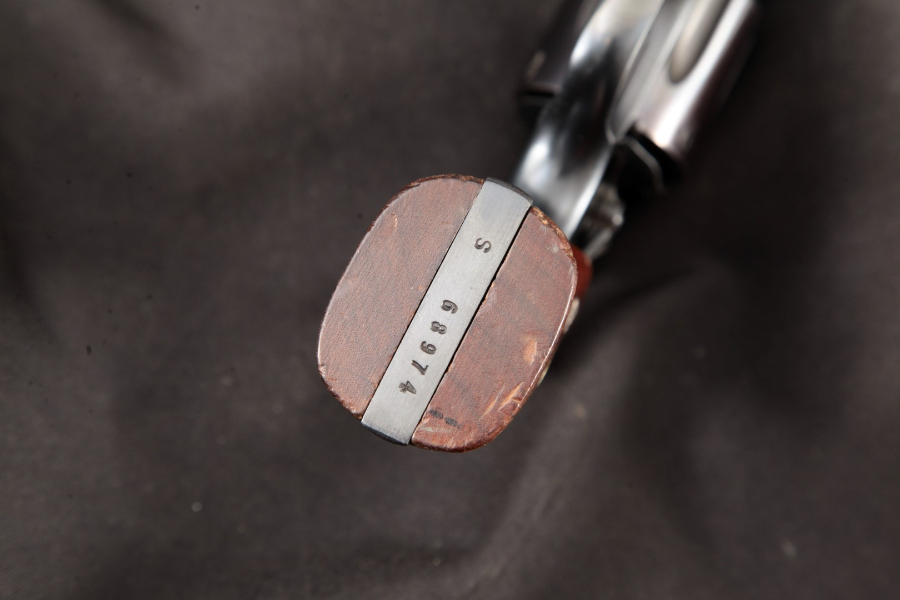
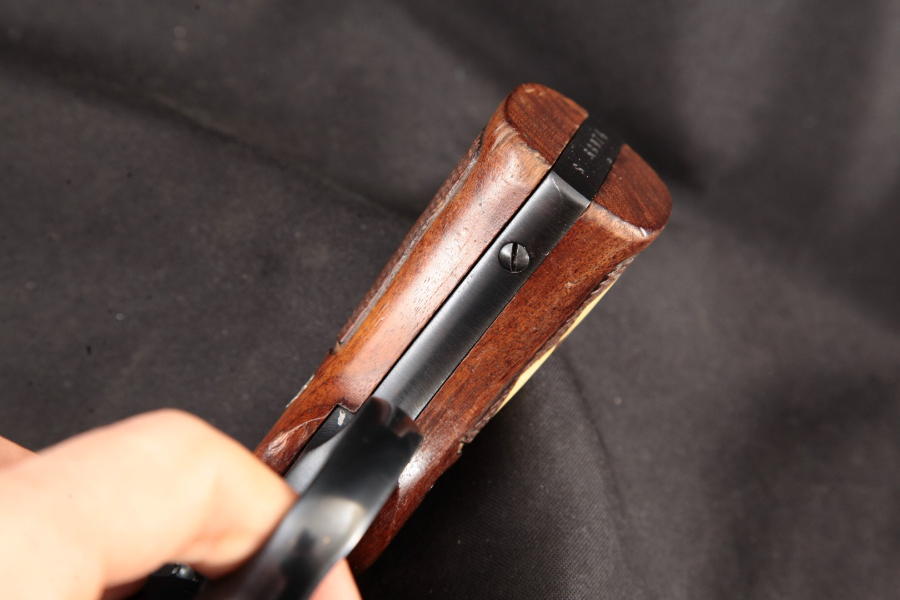
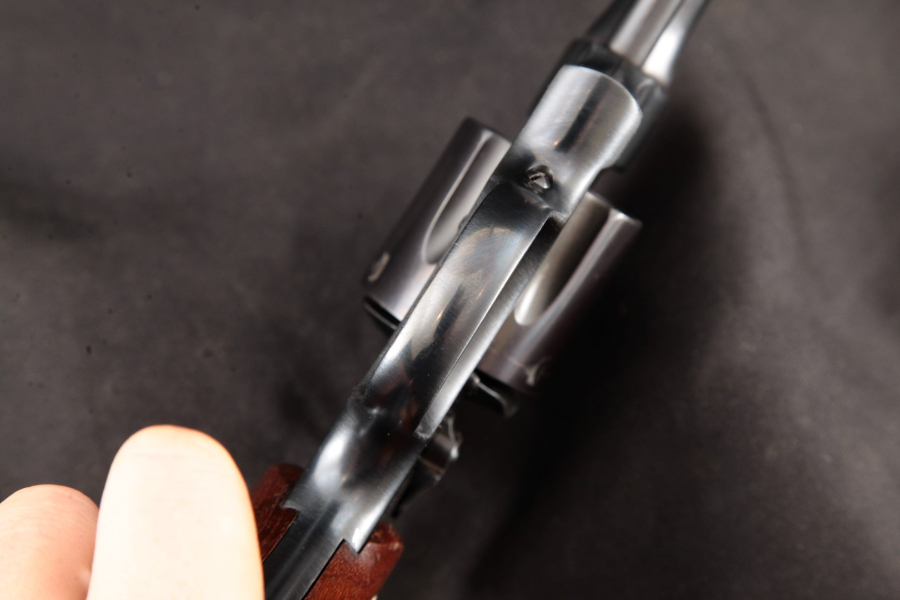
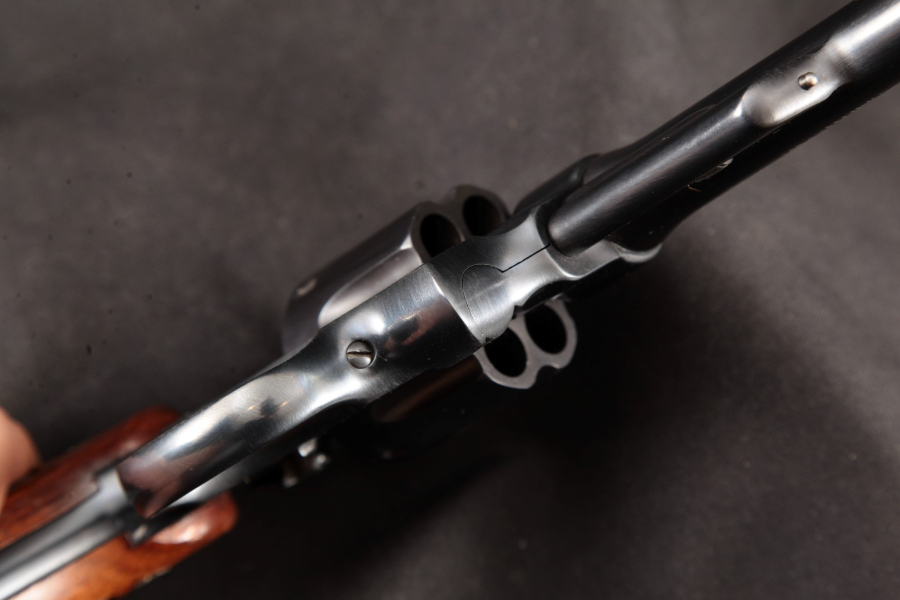
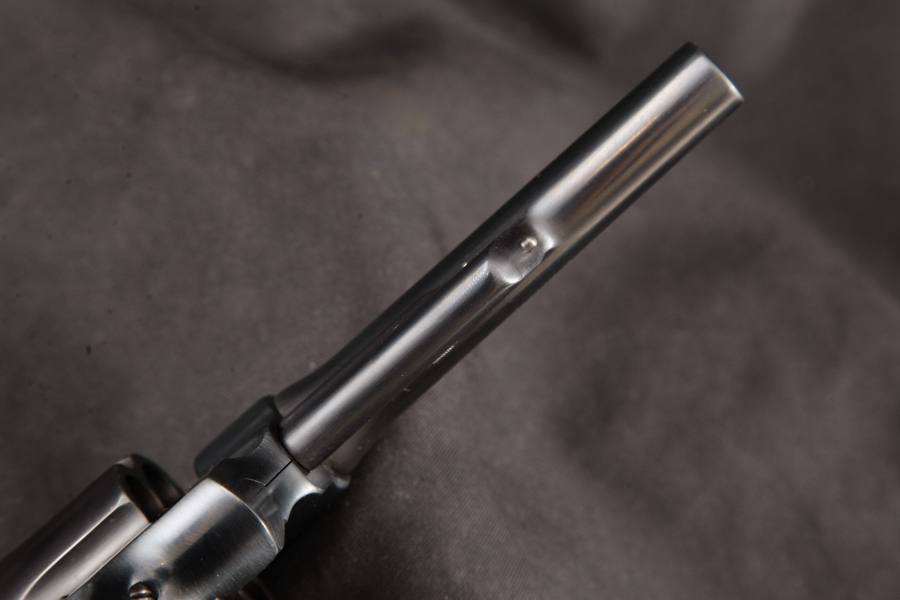
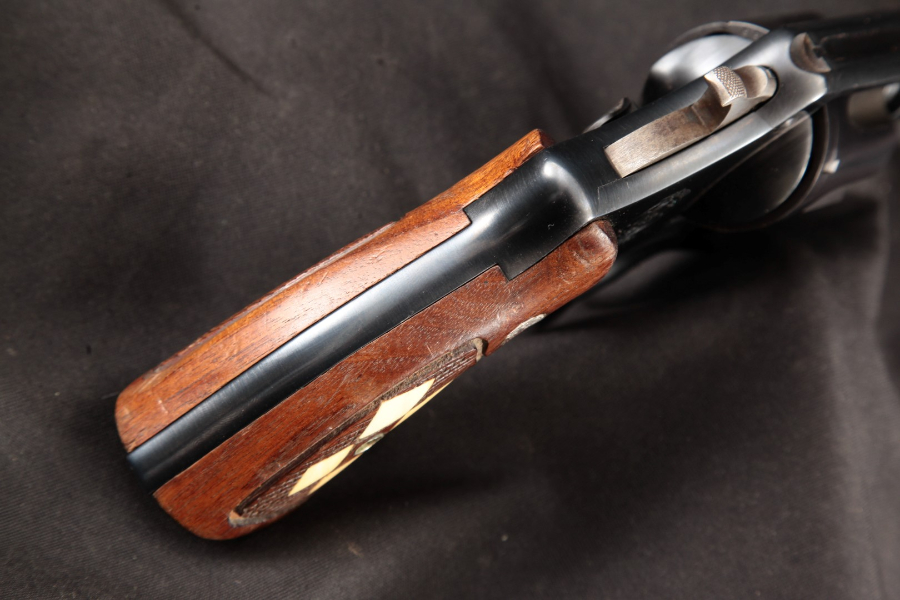
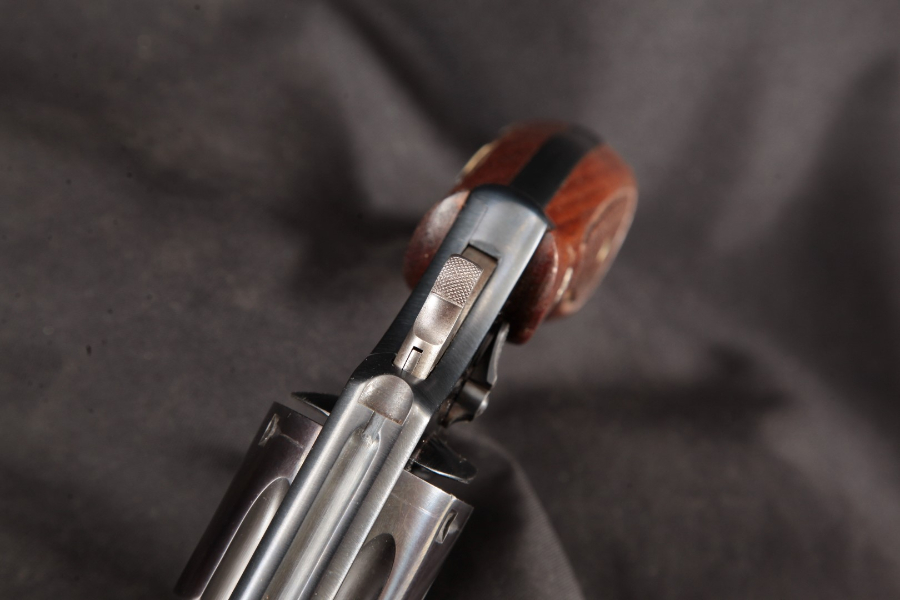
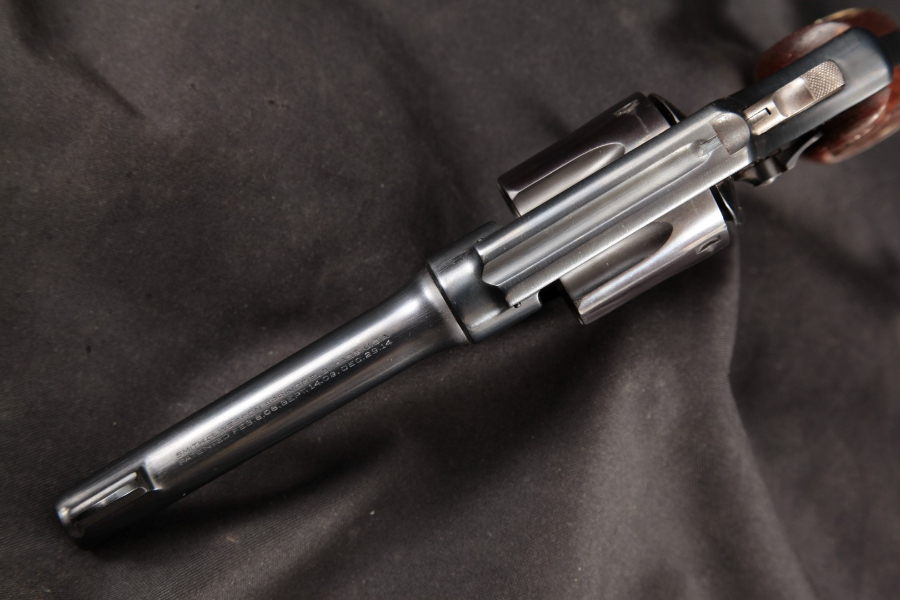
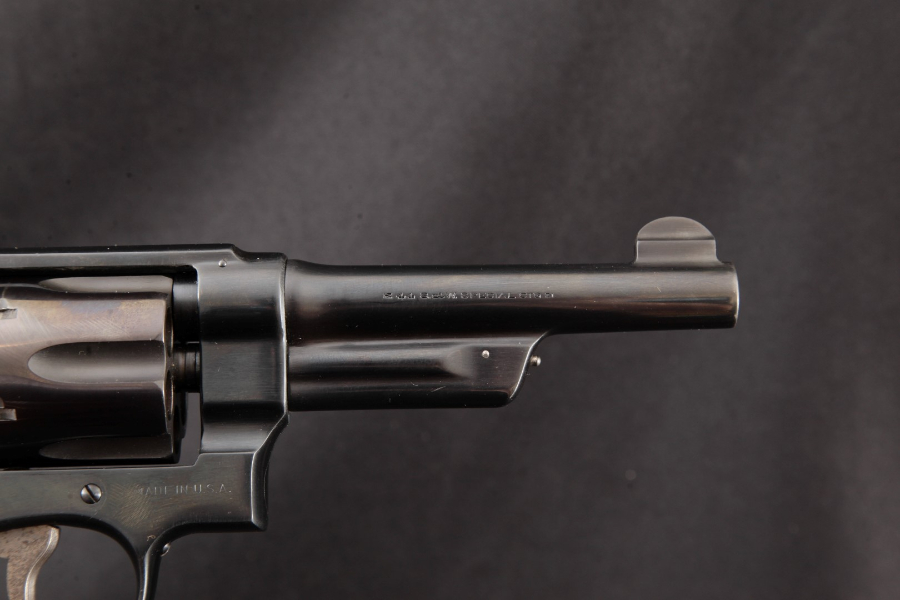
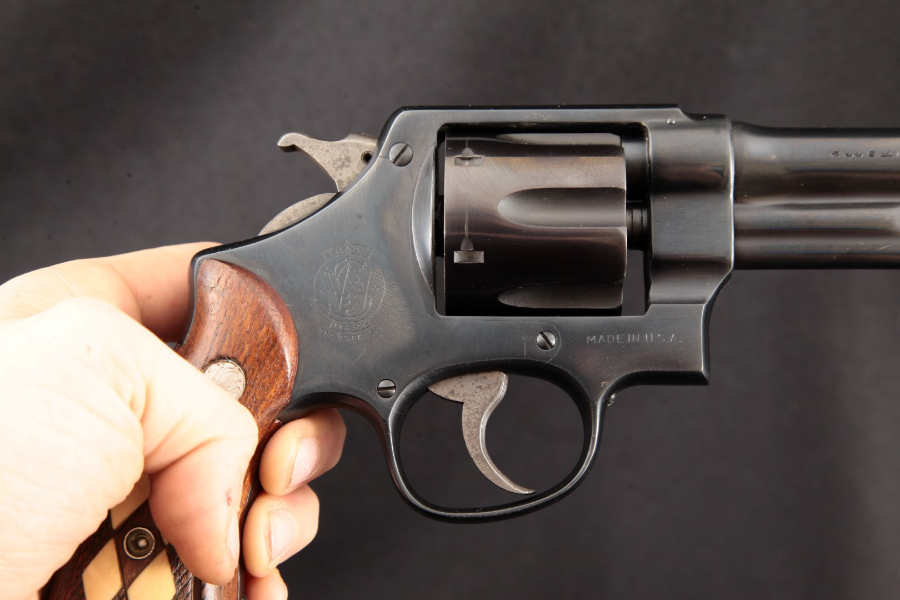
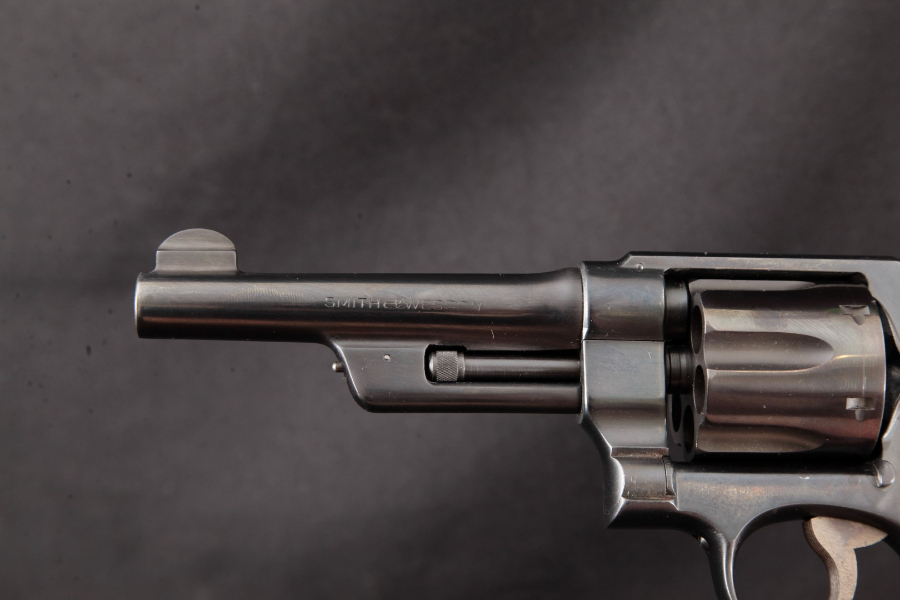
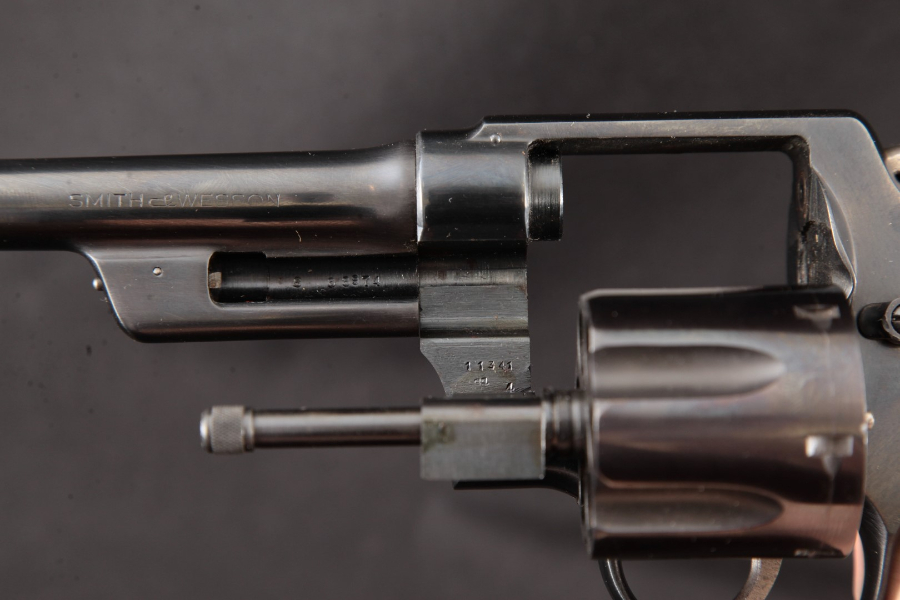
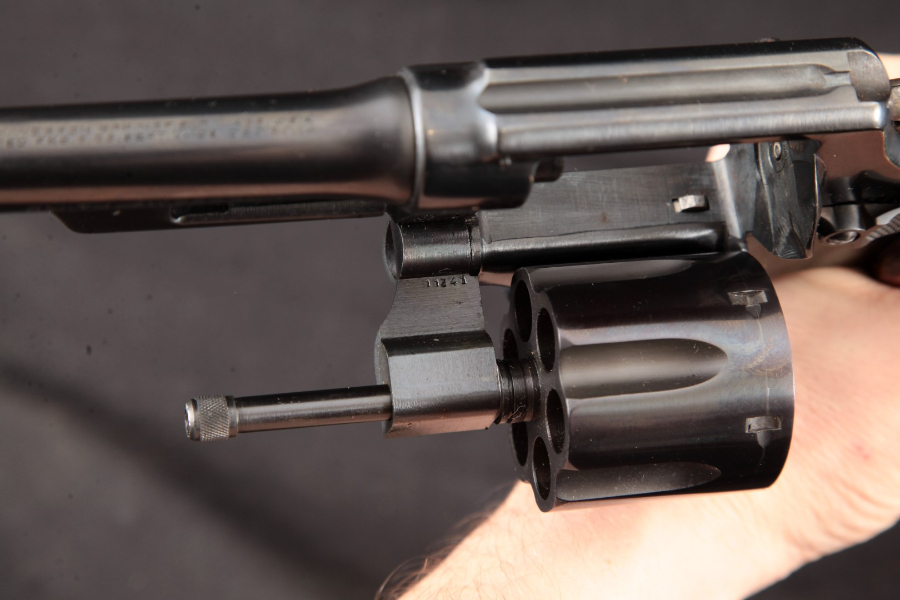
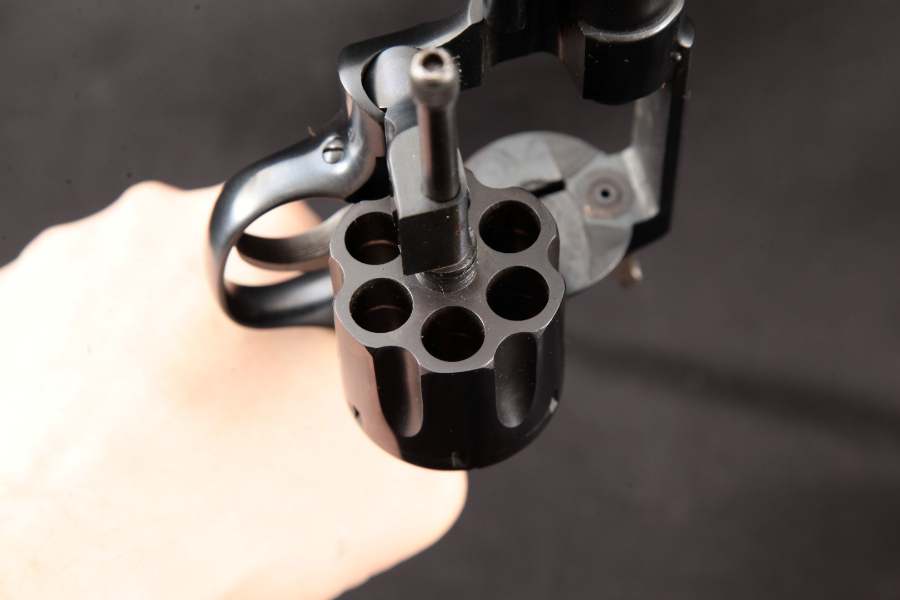
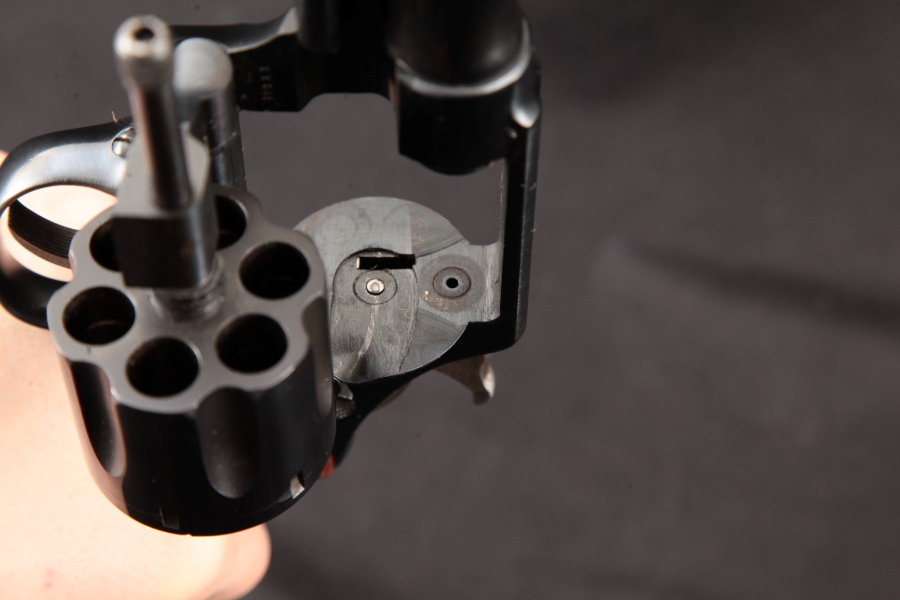
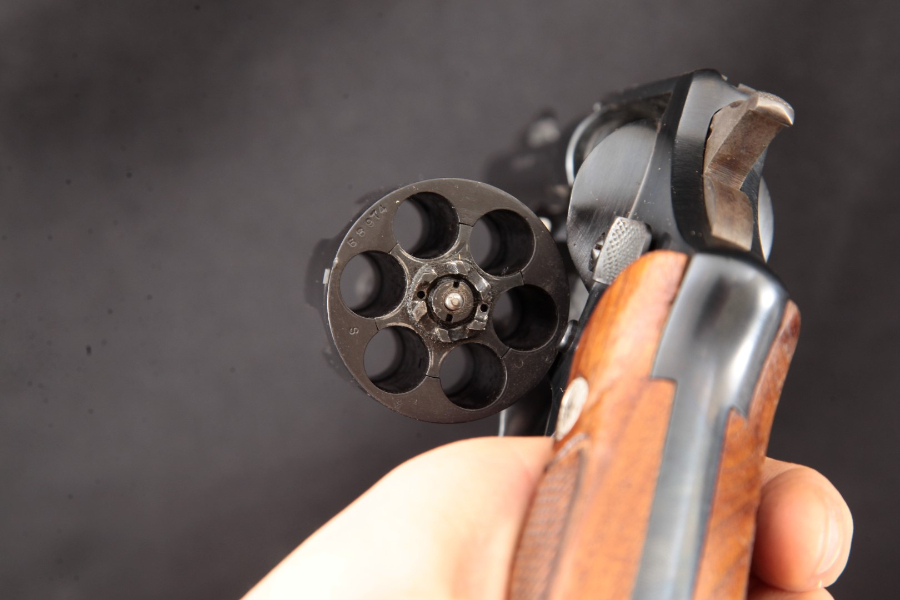
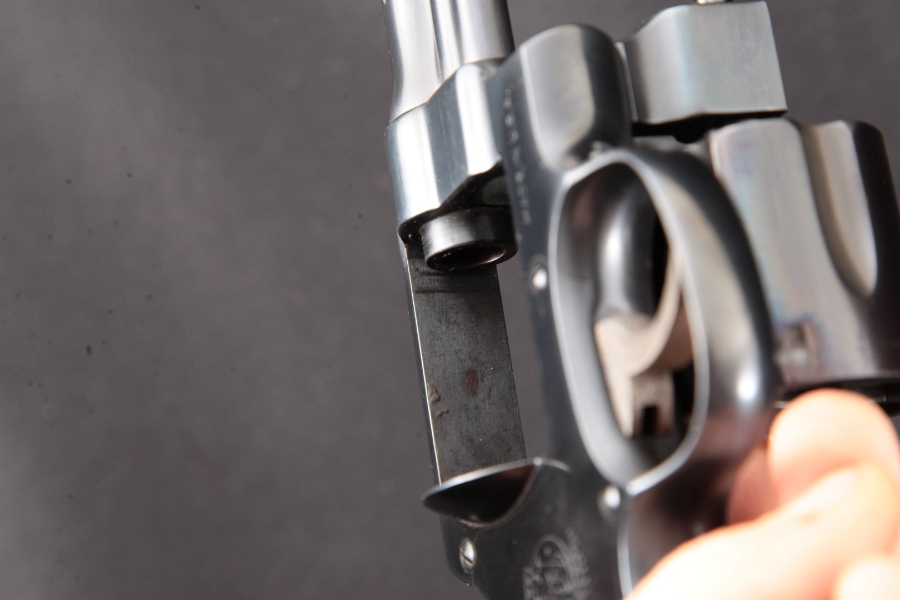
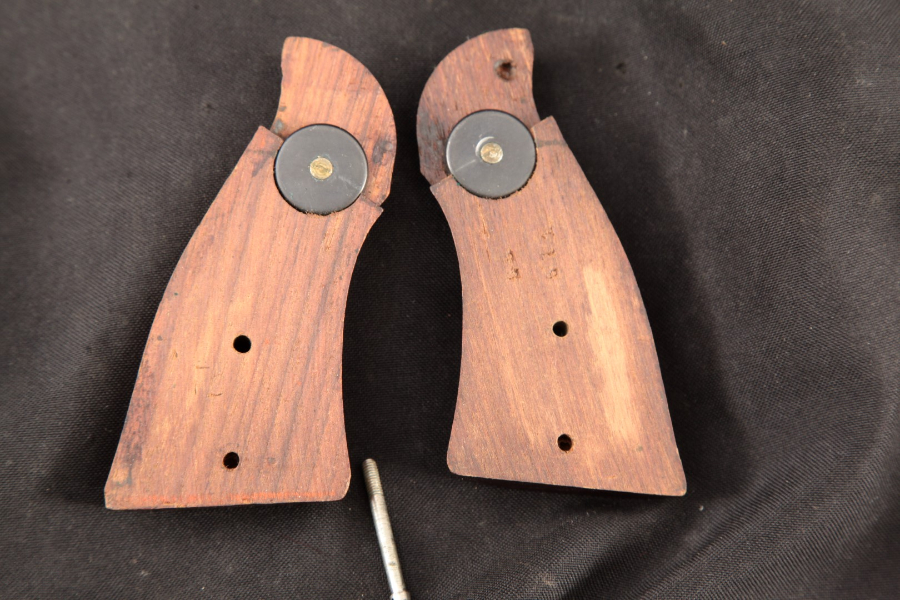
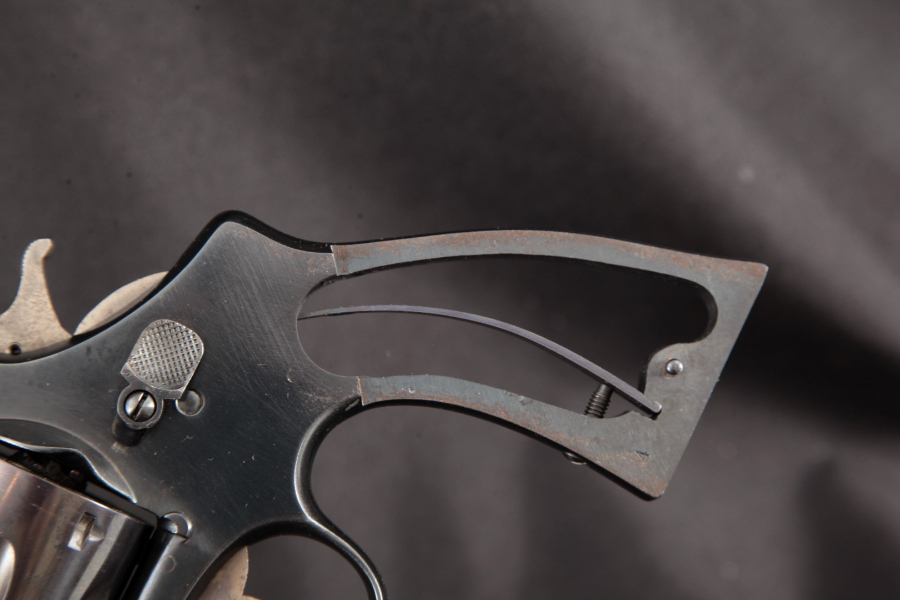
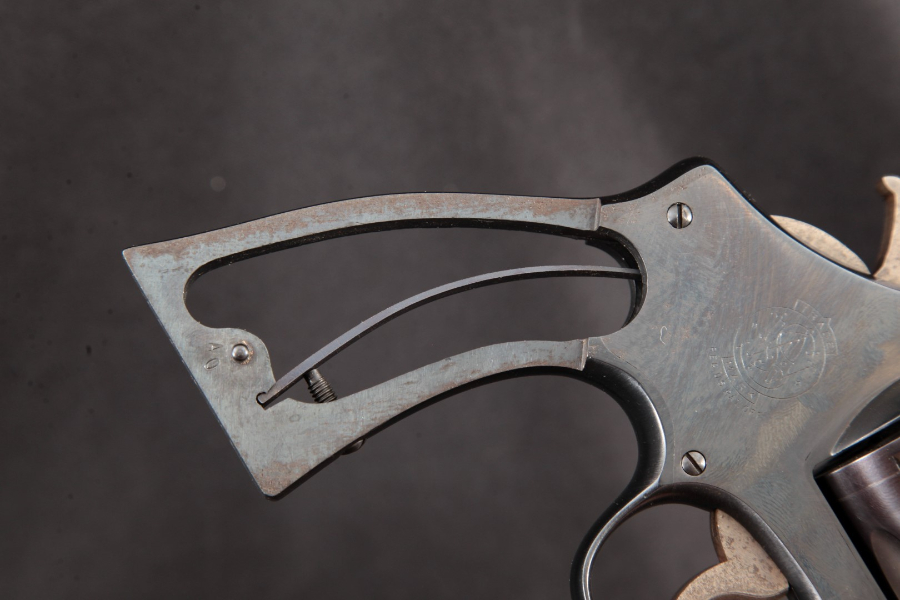
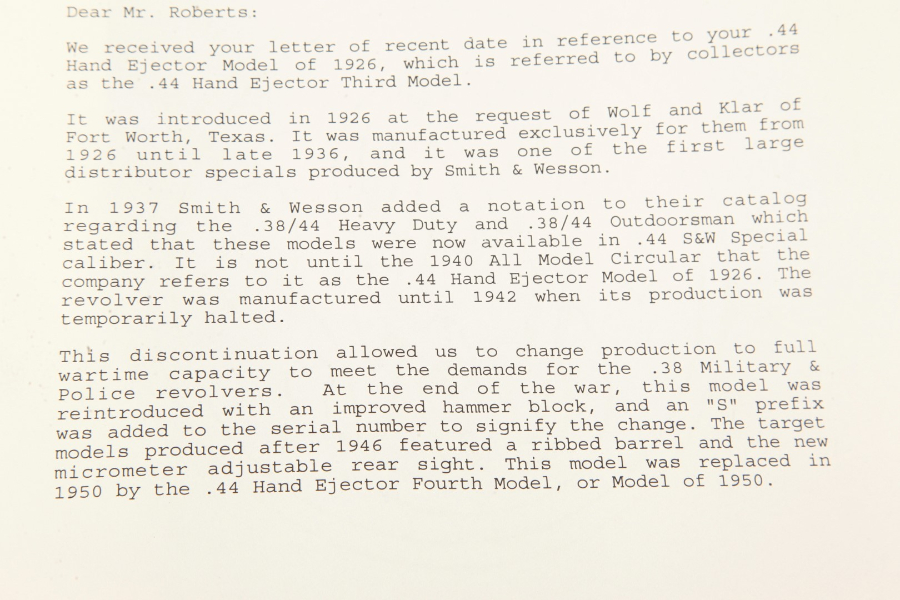
The .44 Hand Ejector Third Model, or Model of 1926, was first made in 1926 and was manufactured exclusively for Wolf and Klar of Fort Worth, Texas. It was one of the first large distributor specials produced by S&W.
In 1937, S&W added a notation to their catalog indicating that the .38/44 Heavy Duty was available in .44 Special, but it wasn’t until 1940 that the company began referring to it as the .44 Hand Ejector Model of 1926. Production ceased in 1942 and started back up again after the war.
The post-war models had an improved hammer block, and were given an “S” prefix in their serial number. A target model was also produced after 1946 with a ribbed barrel and adjustable sights.
The third Model was replaced in 1950 by the 4th Model, or Model of 1950, which later became the Model 21. Only 1473 of the transitional post-war models were made between 1946 and 1949, making this revolver very rare.
California is No Place for the Middle Class
Easy money translated into a utopian view of living. Higher taxes were a small price to pay for the psychological reassurance that a millionaire was still liberal.
Professions of abstract progressive piety make guilt-free grasping materialism possible. I suppose if you make $800,000, having your legislature outlaw dogs chasing bears and bobcats instead of building a reservoir makes you feel as if you make $80,000.
California is no place for the middle class. It lacks the tastes of the new wealthy and the romance of the distant poor, and clings to the pretensions that families of five and six should enjoy good schools, still be able to buy a house, and pop into the SUV on Sunday for an easy drive to the beach or mountains.
I drove home from Stanford after walking down University Avenue, ground zero of the Stanford-Silicon nexus. A strange, wheeled contraption with a screen followed me down the sidewalk, asking me questions with the image of its human operator in a store nearby.
Five hours and 170 miles later, I pulled into the old farmhouse, mostly unchanged since 1880—but first passing the compound of my neighbor and his cobbled together corral of sheep, goats, chickens, and geese, three broken trailer apartments, a Winnebago on blocks duplex, and a half-dozen wrecked cars amid a flock of unleashed pit bulls.
The swat team swarmed another neighbor’s “enterprises” last week, but that is another story altogether.
In California, the postmodern and the premodern are but a few miles apart.