Categories
Dear Grumpy Advice on Teaching in Today's Classroom

A Pretty Dumb move there!

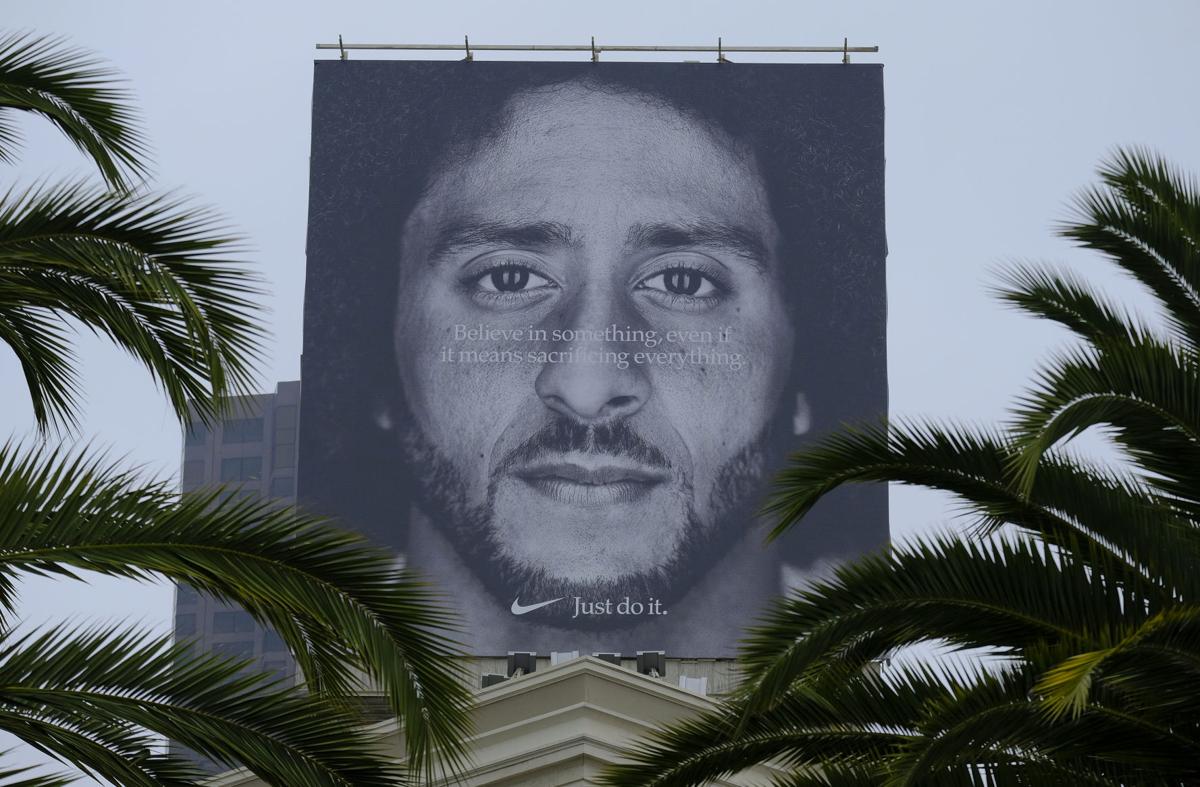
Slidell teacher disciplined over racially charged comments about Kaepernick Nike ad

Kaepernick Nike

Palm trees frame a large billboard on top of a Nike store that shows former San Francisco 49ers quarterback Colin Kaepernick at Union Square, Wednesday, Sept. 5, 2018, in San Francisco.
An endorsement deal between Nike and Colin Kaepernick prompted a flood of debate Tuesday as sports fans reacted to the apparel giant backing an athlete known mainly for starting a wave of protests among NFL players of police brutality, racial inequality and other social issues. (AP Photo/Eric Risberg)

A Slidell High School math teacher has been disciplined for incendiary comments she made on Facebook last week regarding the Nike ad featuring Colin Kaepernick.
“The posting was voluntarily removed,” said St. Tammany Parish school system spokeswoman Meredith Mendez. “The appropriate disciplinary action has been taken. I can’t comment further due to this being a personnel matter.”
UPDATE, 4:30 p.m. Tuesday: This teacher is no longer employed at Slidell High School. Read the update here.

Slidell High alum Skylar Broussard said her blood boiled when she read the comments posted by Valerie Scogin on another graduate’s Facebook page.
“They don’t have to live in that country. They could go back,” Scogin posted. “But it was their own people selling them into slavery to begin with and tearing (sic) them even worse in those countries of origin.”

She continued: “Want a better neighborhood? Move. You don’t have to choose to live in those zip codes. Want to not be stereotyped, tell people of that color to quit acting like animals and perpetuating the stereotype,” she wrote.
Scogin, who is listed on the school’s website as a 2003 graduate who has taught there since 2008, is loved by her students, Broussard said.
But when people began challenging her statements, Scogin argued with them before ultimately saying she was sorry if people were offended, Broussard said.

“Recently I posted a comment that may have been hurtful to some of you,” Scogin wrote on her own Facebook page. “In my reaction out of frustration at another Facebook post, I made some remarks that were against my better judgement and sensibilities. I now wish I hadn’t.”
Scogin went on to say that “the last thing I want to do is hurt anyone. I apologize for what I said  and sincerely wish to avoid this in the future.”
The St. Tammany school system has an electronic communication policy that forbids employees from being on social media platforms with current students, but it does not address the content of what employees say online. Scogin did not return a request for comment Monday.
Broussard said she doesn’t buy the apology, saying that she found it deeply offensive as a person of color.

“Imagine comparing people of color to animals, then when you get caught you try to say you didn’t think it would hurt anyone,” she said.
Slidell High School has a lot of minority students, Broussard said, and while she was there she said the school showed a commitment to equality. “I never felt any racial tension or problems,” she said.

Another Slidell High alum, Casey Kelly, who is white, agreed that diversity is valued there.
“In the coming days, I hope my friends at Slidell High School and St. Tammany Parish Public School System take this to heart and believe what has been shown to them,” Kelly, who graduated in 2008, said on Facebook.
“Leadership should take action to condemn racism in our public schools in no uncertain terms. I have always been proud of the spirit of diversity, inclusion and sensitivity at SHS, but am disheartened by tonight’s display and hope corrective action is taken. The community is watching.
__________________________________ Back when I was still drawing a Teachers salary. I knew for a fact. That my Civil Rights ended as soon as I parked in the teachers parking lot.
That & that Bullshit saying about “speaking truth to power” was one of the quickest ways to end a career. I also am willing to bet on the fact. About how that Teacher is now high up on the powers that be Shit List. Grumpy

Categories
All About Guns Cops

the Real Thunderbolt & Lightfoot

Shades of “Thunderbolt & Lightfoot”: The 20 mm Brinks Heist.

Shades of “Thunderbolt & Lightfoot”: The 20 mm Brinks Heist.
 
This story begins in late March 1965, when Jack Franck, an auto mechanic from New York City, purchased two Lahti 20 mm anti-tank rifles and 200 rounds of armor-piercing ammunition at the Alexandria, Va., offices of Interarmco.
He paid approximately $800 for the two massive firearms (each Lahti L-39 AT rifle weighs in at 109 pounds and is more than seven feet long).

The Lahti is a massive rifle at more than seven feet long and weighing nearly 110 pounds. Image courtesy of SA-Kuva.
Franck requested that the rifles be delivered to a Plattsburgh, N.Y., address. Plattsburgh is a small community in northern New York state, about 70 miles due south of Montreal. Interarmco employees were suspicious, and Franck’s story didn’t seem quite right, so they contacted the FBI.
After some cursory investigation, the FBI believed that Franck was attempting to smuggle the guns into Canada to help equip the “Federation du Liberation du Quebec” (FLQ), the Quebec Liberation Front.
The FLQ was a militant Marxist revolutionary group intent on establishing Quebec as an independent state by any means necessary.
The terrorist organization began operations in the early 1960s, and by the time they were eliminated in 1970, the FLQ had killed eight people and wounded several others (many during their infamous bombing of the Montreal Stock Exchange in February 1969). The FBI notified Canadian authorities about their concerns.
Waiting for the Lahti AT rifles to arrive in Plattsburgh was Joel Singer. Singer, 22, was a native of Montreal, and young man with a criminal record in Canada. Jack Franck was his uncle.
The big rifles in their crates arrived in Plattsburgh on April 5, 1965, and were held in a storage facility, awaiting pick-up. Singer apparently suspected that the firearms were being watched by the police, and made no move to claim them.
Instead, Singer waited until the weekend, and under the cover of darkness on a Sunday night, broke into the warehouse and removed the rifles his uncle had purchased. The break-in was discovered on Monday morning as employees reported to work.
Six months passed. On Oct. 23, 1965, Singer and up to five accomplices traveled from Montreal to Syracuse, N.Y. Singer’s gang had targeted the Brinks armored car facility located at near the intersection of Lodi Street and Lemoyne Avenue.
On the night of Oct. 24, Singer’s gang carried out their break-in. It was suspected that Singer’s men had a strong understanding of the layout of the building, and they carefully skirted the Brinks’ alarm systems.

The Lahti anti-tank rifle linked to the Syracuse robbery. The FBI pulled it from the waters just off the shore of Garden City, Long Island.
They managed to open the garage door and then were able to drive their DeSoto wagon, carrying the Lahti AT rifle and the rest of their burglary tools, directly into the building. The gang had modified the Lahti for their purposes.
They created a large canister-like suppressor and attached it the end of the barrel. They also used several mattresses and heavy blankets to help muffle the blast of the 20 mm cannon. Singer’s men had also developed a special mount for the AT rifle to help them blast through the foot-thick cement and steel reinforced vault wall.
Singer’s gang fired up to 33 armor-piercing rounds in a circular pattern through the vault wall, creating an approximately 18” x 24” passageway. A tight fit, but large enough for a small gang member to crawl through.
Evidence collected by police showed that the burglars brought along nitroglycerin, gas masks, welding equipment, and other heavy duty tools to force their way into the vault. The penetrating power of the Lahti did the trick and the spent 20 mm shell casings were left on the floor.
Singer’s gang gathered up almost $425,000 in cash, coins and checks, and drove away from the crime scene, amazingly unseen and unheard.
They left behind several tools though, including a number marked “Made in Canada.” Initially, police developed a multi-state search for the gang, but Canada soon became the primary search area when it was learned that an unsuccessful burglary attempt was made in Quebec earlier in the year, and a Lahti 20 mm AT rifle was found at the scene.
Within a day or two of the crime, Joel Singer visited his uncle Jack Franck in the New York City area. Franck would later testify that Singer gave him $200 for his help in acquiring the firearms, and described that he was behind the Syracuse robbery.
Shortly after Singer left, Franck contacted the FBI and asked for immunity in exchange for his testimony. Franck became the key witness for the prosecution, and described how he and Singer had dumped the Lahti anti-tank rifle into the ocean near Jones Beach on Long Island.
The gun was quickly recovered, and ballistic tests linked the weapon to the shell cases left behind at the scene of the Brinks robbery in Syracuse.
The FBI put Singer on their “Ten Most Wanted” list on Nov. 19, and by early December Singer was apprehended in Montreal, and was later extradited to Syracuse to stand trial.
On Jan. 31, 1967, after a two-month trial in Onondaga County in which his attorney attempted to portray him as a “lovable idiot,” Singer was convicted of third-degree burglary and first-degree grand larceny.
He was sentenced to serve five to 10 years in the maximum security Attica State Prison. Throughout his trial, Singer remained silent as to the identity of his accomplices.
He was the only person convicted in connection with this robbery, and only $166 worth of coins (found at Franck’s residence) was ever recovered from the stolen cash.

The Lahti AT rifle from the Syracuse robbery displayed outside the courtroom of the Onondaga County Courthouse in January 1967.
Singer was serving time in Attica when the massive prison riot broke out during September 1971. This violent incident apparently scarred Singer deeply.
He was transferred to a psychiatric facility in July 1972, and was released from custody in October. Singer returned to Montreal, but could not escape his demons. On Feb. 6, 1973 he committed suicide by taking cyanide, closing the book on a strange-but-true crime, and a bizarre application of a rare firearm.

Thunderbolt & Lightfoot
There is a significant plot point similarity between this United Artists film and the Brinks robbery in Syracuse. “Thunderbolt & Lightfoot” starred Clint Eastwood, Jeff Bridges, George Kennedy and Geoffrey Lewis, and was released in May 1974.
The film was written and directed by Michael Cimino. The main character is a bank robber called “The Thunderbolt” (played by Eastwood), known for his use of a 20 millimeter cannon to blast his way into a bank vault.
Thunderbolt is described as a Korean War veteran, credited with destroying several Communist tanks using a 20 mm anti-tank gun. That’s an unfortunate error, as the 20 mm Oerlikon gun used by Lightfoot in the film was never issued to American forces as an anti-tank gun.
Regardless, the use of the 20 mm cannon in the movie is quite similar to Singer’s concept to blast his way into the Brinks vault.
Overall the movie is well done and an enjoyable action film. The unique (and plausible) firearms tie-in is simply armor-piercing icing on the cake.
The 20 mm Lahti L-39 Anti-Tank Rifle
The L-39 was created by Finland’s famous arms designer Aimo Lahti, just in time for a handful of the new AT rifles to see service during the Soviet invasion of Finland (the “Winter War”) of November 1939-March 1940.
The semi-automatic, gas-operated Lahti AT rifle proved quite effective against the Soviet tanks deployed during the Winter War, its 20mm AP shot traveling at 2,600 FPS. When Finland committed to the “Continuation War” against the Soviet Union in the late June 1941, Soviet tanks had grown in size, armament and armored protection.
The effectiveness of the Lahti AT rifle became limited to sniping at hatches and optics, along with shots at the thinner armor on the lower side of the chassis and rear of the Soviet tanks.
The Finns continued to put the big 20mm rifle to use by using it in the counter-sniper role, often baiting Soviet marksmen into shooting at strawman targets to reveal their position, and then subjecting them to 20 mm AP shot in return fire.
The powerful 20 mm rounds were particularly effective at penetrating cover, and were often used against machine gun bunkers and hardened artillery positions.

Studio shot of the Finnish 20mm L-39 AT rifle, showing details of the combination sled-and-clawfoot bipod. Image courtesy of SA-Kuva.

The L-39 is semi-automatic, and gas operated. The 20 mm rounds feed from a 10-round magazine. Image courtesy of SA-Kuva.

The L-39 packed in its transit case. This was essentially how the firearm was sold in the USA beginning in the mid-1950s. Image courtesy of SA-Kuva.
Beginning in the mid-1950s, the Lahti AT rifles began to be advertised by American surplus arms dealers. For several years the Lahti L-39 was priced at $99 in its transit case and with a full complement of accessories.
The Lahti was originally available without restriction*, but since it is larger than .50 caliber (12.7 mm), it was labeled a “destructive device” and subject to NFA regulations by the Omnibus Crime Control and Safe Streets Act of 1968, and the Gun Control Act of 1968.
(*I was born about 30 years too late! Grumpy)
Categories
All About Guns

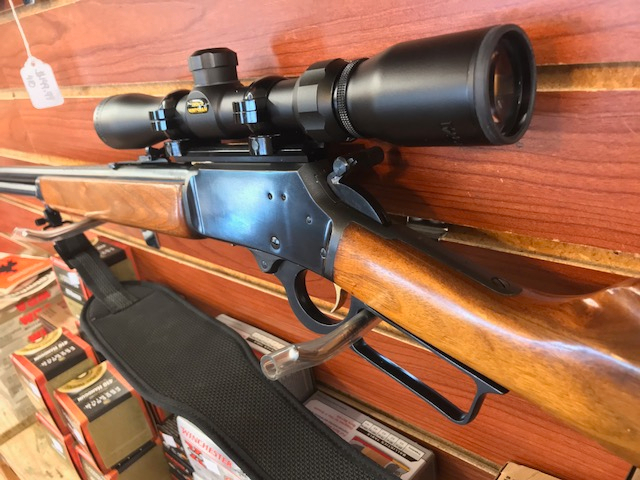
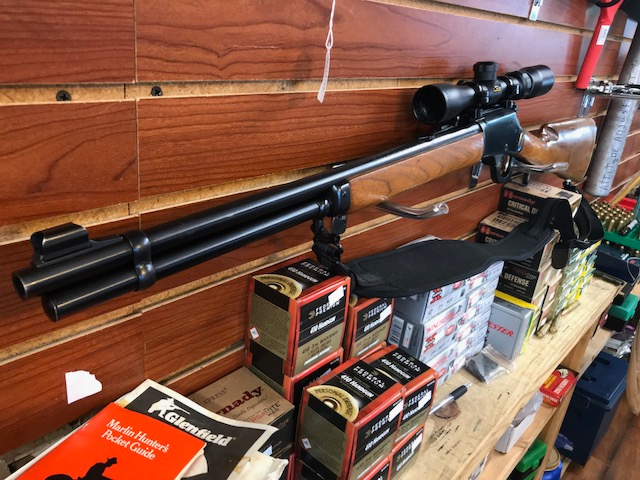
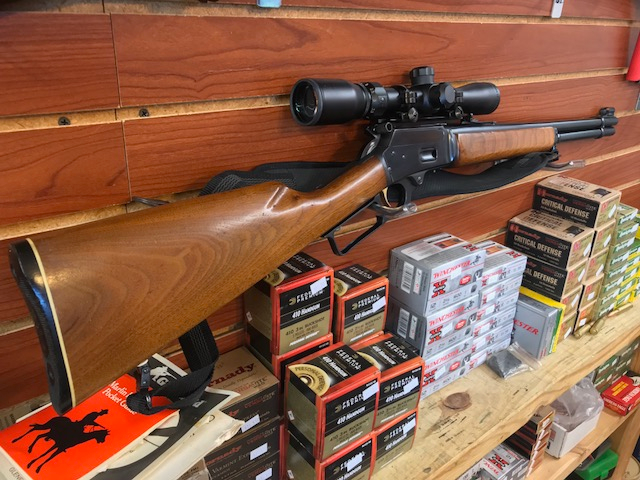
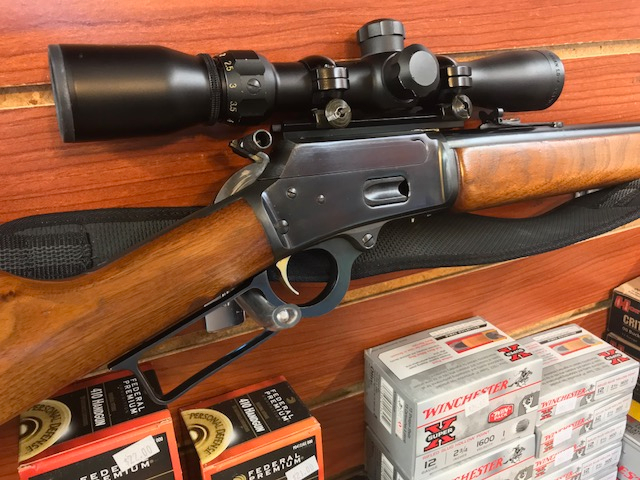
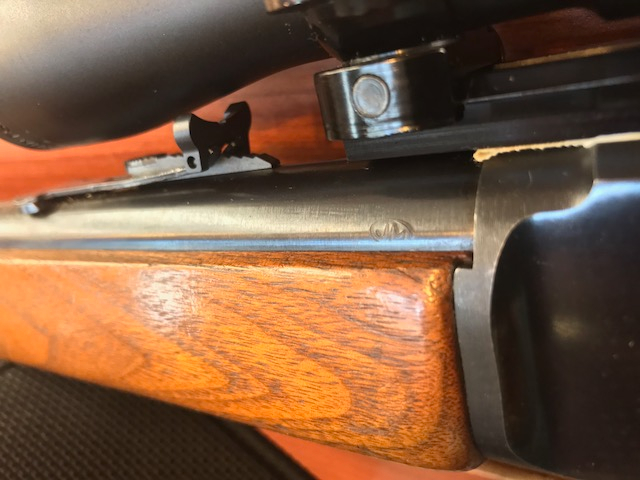
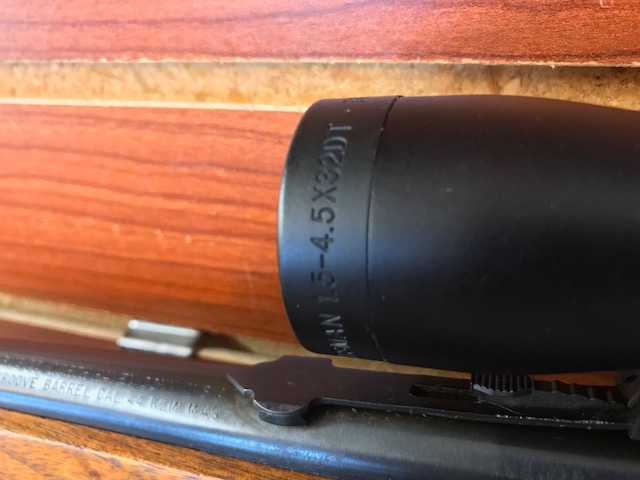
Marlin 1894 Lever Action Rifle in 44 Magnum

This would make for a very handy rifle to have around when you are just taking a casual walk in the Woods! Grumpy

MARLIN - GREAT (JM)  1894 INCLUDES BSA HUNTMAN SCOPE AND SLING! - Picture 1
MARLIN - GREAT (JM)  1894 INCLUDES BSA HUNTMAN SCOPE AND SLING! - Picture 2
MARLIN - GREAT (JM)  1894 INCLUDES BSA HUNTMAN SCOPE AND SLING! - Picture 3
MARLIN - GREAT (JM)  1894 INCLUDES BSA HUNTMAN SCOPE AND SLING! - Picture 4
MARLIN - GREAT (JM)  1894 INCLUDES BSA HUNTMAN SCOPE AND SLING! - Picture 5
MARLIN - GREAT (JM)  1894 INCLUDES BSA HUNTMAN SCOPE AND SLING! - Picture 6
Especially with full load rounds in it. As it would make for a really hard hitting surprise. To what ever it would be shooting at! Grumpy

Categories
All About Guns

Gunsmithing – Converting a Winchester 1885 Low Wall from Rimfire to Centerfire

Categories
All About Guns Hard Nosed Folks Both Good & Bad The Green Machine

The Hard Men over in SF Land got some new toys!

Weapons upgrade set to make US Special Operations even more deadly

U.S. Special Operations are a remarkable, formidable fighting force who are admired and feared throughout the world. Now, the military’s elite warriors are set to become even more deadly with a new addition to their arsenal.

About $48 million-worth of new, cutting-edge suppressors will be in the hands of America’s top military personnel, enhancing their capabilities on the battlefield.

For several years, Special Operations Command has been hunting for the best suppressed upper receivers for their M4A1 carbines.

They’ve chosen the Sig Sauer MCX SURG System to upgrade these weapons. The new Sig suppressor will deliver accuracy, speed and reliability.
And of course, it will deliver outstanding sound reduction. The new suppressors are made of ultra-advanced materials.
ARMY TAKES AIM WITH MORE M4 WEAPONS
Sig Sauer has a distinctive looking, revolutionary approach to suppressors. They look nothing like the suppressors you see in movies and TV shows – these rifle suppressors are tubeless. They’ve eliminated the outer tube typically seen with suppressors.

BarrieArmyRifle
File photo (U.S. Army)

In addition to reducing weight, this tubeless design increases volume, lowering pressure and temperature for greater durability and leading signature reduction.
One of the keys to this feat is the special “baffle” design.
The M4A1 Weapon
M4A1s tend to be used by military special operations. The M4 Carbine entered service in 1994 to replace the M16 for some roles. The M4 provided a shorter and lighter variant. The M4A1 is a fully automatic version of this weapon.
Made by FN, the M4A1 weighs about 6.36 pounds with a 14.5-inch long barrel. The overall length is anywhere between 29.75 inches to 33. Cartridges are the 5.56x45mm (.223) NATO cartridge that is magazine fed with a mag capacity of 30 rounds.
NEW LASER-EQUIPPED DRONES WILL TAKE OUT MISSILE THREATS AGAINST THE US
The M4A1 trigger group settings are: safe, semi-automatic, or fully automatic. The trigger pull is 5.5 to 9.5 rounds and it has a 700-900 RPM rate of fire.

BarrieMarineRifle
File photo (U.S. Marine Corps)

This weapon fires using a direct impingement gas operating system and has an effective range of about 500 to 600 meters (1,640 to 1,969 feet).
PODCAST: GET SOME TOP TIPS FROM THIS GREEN BERET MARKSMAN, NOW SIG SAUER SHOOTING EXPERT INSTRUCTOR 
What impact does a suppressor have?
Suppressors are often referred to as “silencers.” The goal is to make a weapon as silent as possible. But it is not just about sound, it is also about other “signatures” that could reveal your location to an enemy. Another key tell is visual – the flash. Adding a good suppressor to your weapon will also reduce, if not contain, this visual cue.
One of the reasons they are referred to as suppressors – and not silencers – by the military and law enforcement is because the vast majority on the public market don’t achieve anything near silence.
Reducing the noise is not just about exposing your location and actions to the enemy, it can also make it easier for special operations teams to communicate with each other on the battlefield. For these warriors, their ears are continuously exposed to gunfire year-round because they are either training or deployed. An excellent suppressor is key to better protection for their hearing.
‘GIRAFFES’ JOIN THE NAVY AND HUNT ENEMY THREATS
A common misconception is that suppressors reduce capability in lots of ways, such as reducing range and lethality.

BarrieMCXSBR
Sig Sauer SBR with silencer (Sig Sauer)

These new Sig Sauer suppressors are an excellent DoD investment. They will most definitely increase the lethality of our elite forces and make them harder to kill.
Rigorous Testing
To achieve selection, all the suppressors under consideration were challenged to meet hard core requirements. The testing was rigorous, comprehensive and exhaustive.
The MCX SURG also had to meet the extremely high standards for sound reduction. It also went up against firing specifications – a suppressor must enhance effectiveness in combat and absolutely not incur any trade off on lethality. Accuracy, speed and reliability are vital.
There were also very demanding standards for temperature and vibration – standards that both enhance effectiveness and the safety of users.
PODCAST: WHAT’S IT LIKE TO BE A NAVY SEAL IN A HELICOPTER 2 MINUTES OUT FROM A TARGET? FIND OUT FIRSTHAND FROM THIS AMERICAN HERO
SURG
The Department of Defense revived the Suppressed Upper Receiver Groups (SURG) in 2017. This program aims to upgrade, and optimize military weapons for continuous, suppressed use on the battlefield.
‘FORCE FIELD’ TECHNOLOGY COULD MAKE US TANKS UNSTOPPABLE
After years searching for the best solution, it was decided that the Sig Sauer MCX suppressor outperformed the competition and the award was recently issued.

BarrieFNM4A1
FN M4A1 rifle (FN)

What’s next?
This is the second M4 conversion Sig Sauer is helping U.S. Special Operations Forces with this year.
Earlier this year, Special Operations Command (SOCOM) bought some Sig Sauer MCX Rattlers. Rattlers are personal defense weapons available on the open market and chamber standard 5.56mm rounds and .300 Blackout. For operators, these could be very handy for CQB (close-quarter battle). These are built with the M4A1 lower receiver.
The new MCX SURG suppressors will be rolled out to Special Operations Forces over the next five years.
 

Allison Barrie is a defense specialist with experience in more than 70 countries who consults at the highest levels of defense and national security, a lawyer with four postgraduate degrees, and author of the definitive guide, Future Weapons: Access Granted, on sale in 30 countries.  Barrie hosts the new hit podcast “Tactical Talk”  where she gives listeners direct access to the most fascinating Special Operations warriors each week and to find out more about the FOX Firepower host and columnist you can click here or follow her on Twitter @allison_barrie and Instagram @allisonbarriehq.
Categories
Dear Grumpy Advice on Teaching in Today's Classroom Hard Nosed Folks Both Good & Bad N.S.F.W. Other Stuff Related Topics

Some sayings that have helped me a lot in life! NSFW

Related image
Expect the Worst and you will never be disappointed! Do not trust anybody until you have known them for at least a year!

Seldom will you have enough time & money at the same time!
  It is bad to believe in too much but its even worst to believe in nothing at all!

I have found the things that can mess up your life & Reputation. Are your handling of Booze, Money and Women!

You will find the worst Boss you ever had was yourself!

When it comes to gear & stuff. You can buy it once or many times. So its cheaper to buy the best if you can!
There is always one more thing to do!                    Anything worth having is going to be hard to get!Related image Courage & Money are the only two things that never go out of fashion!
Nothing lasts as Friends & Good Relatives always disappear!
The only person who you can trust & rely upon is yourself.
If you want a job done well then trust but verify!
Do the best you can with what you have & then have as much fun as you can also!

As I have found over the years, Failure is the Best Teacher!
As a much better man than I, said it so much better!
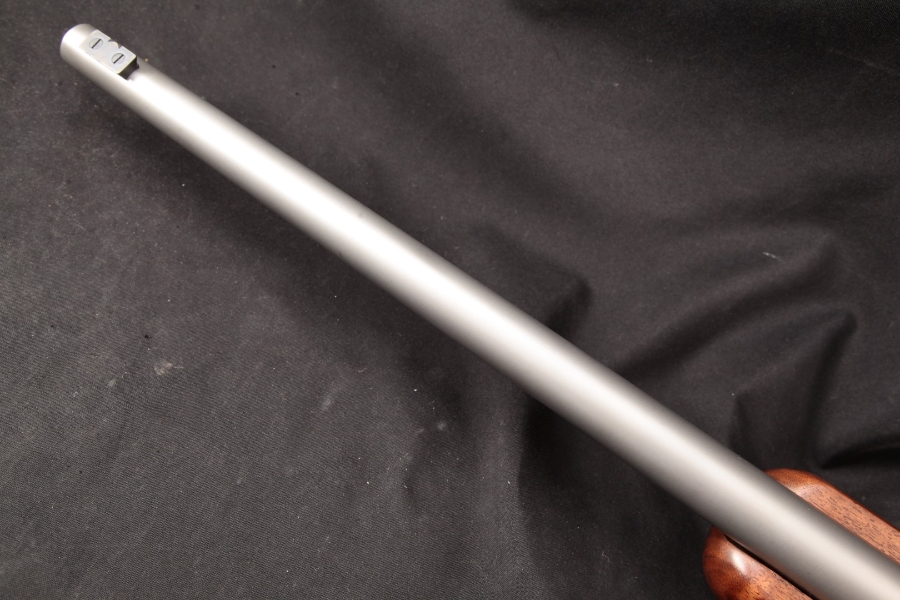
Image result for teddy roosevelt arena speech
So Endth the Lesson!! Grumpy Oh yeah one more! There will always be Video around when you mess up now a days!


Categories
N.S.F.W.

Something to help you face Monday Work Place NSFW

Categories
All About Guns Cops

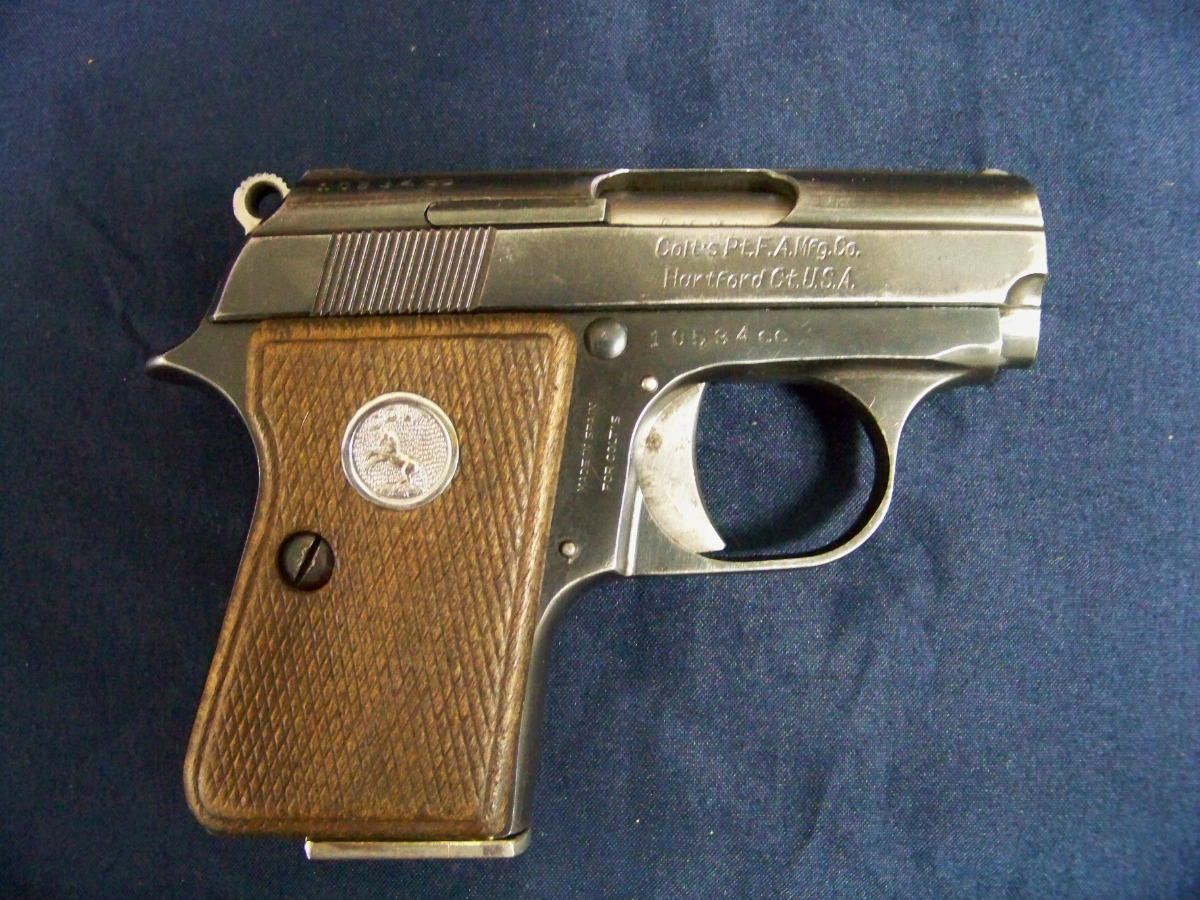
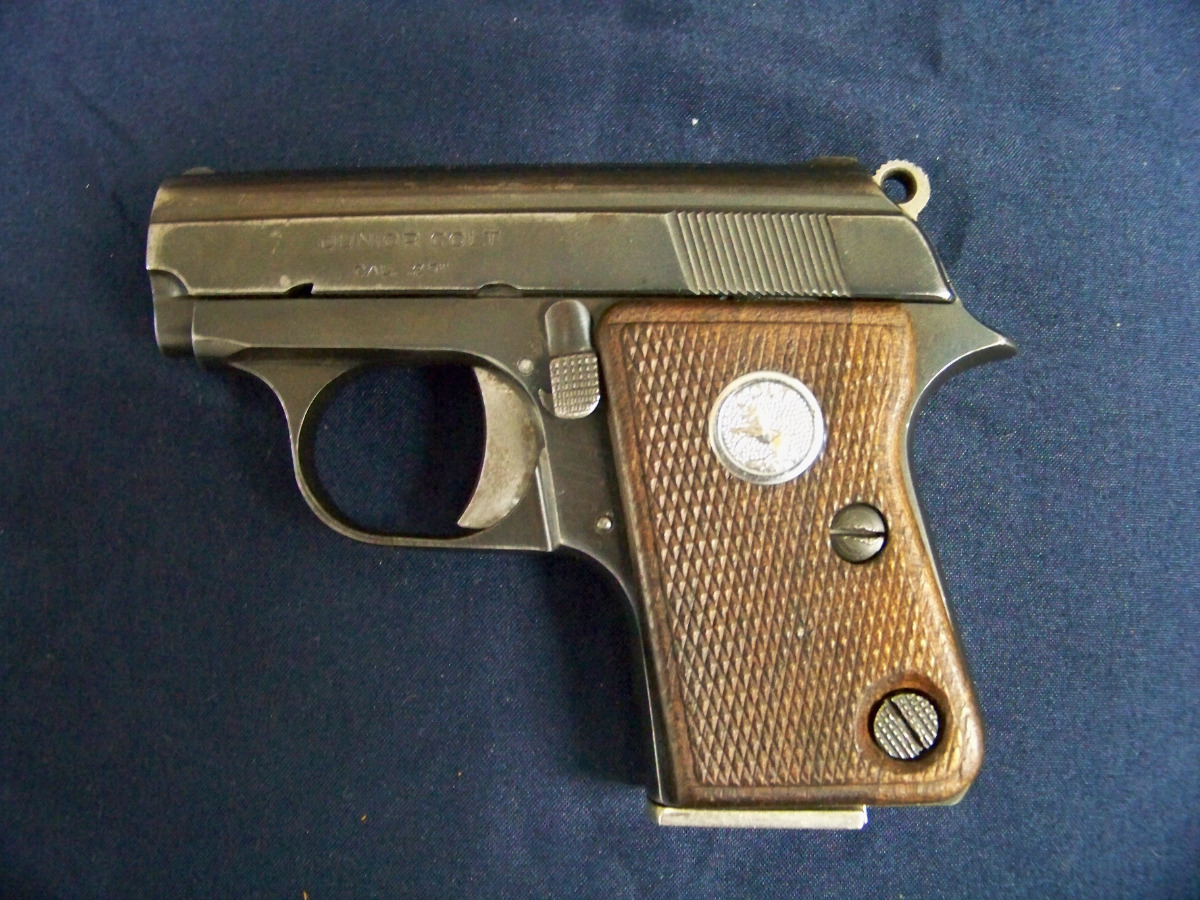
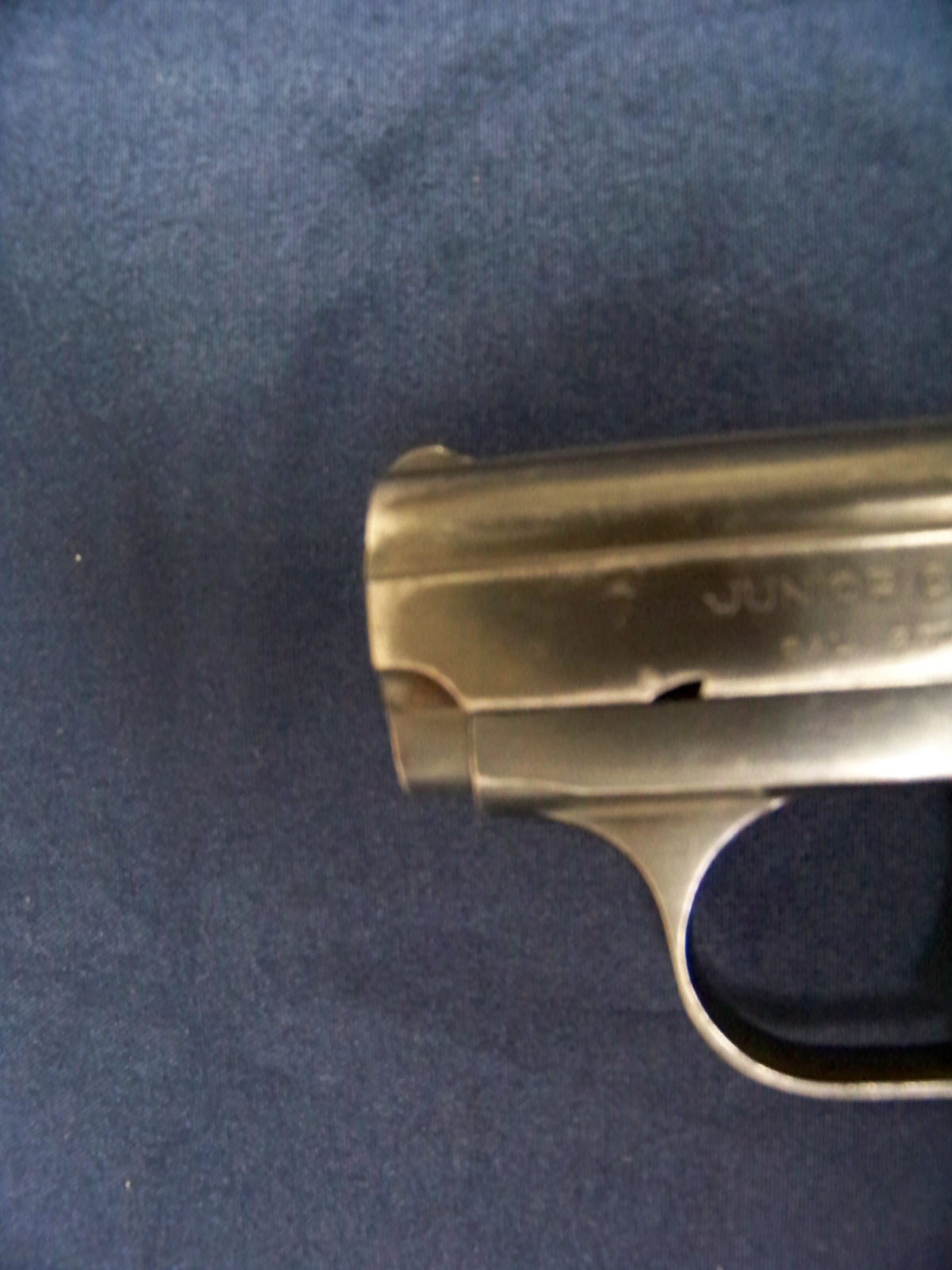
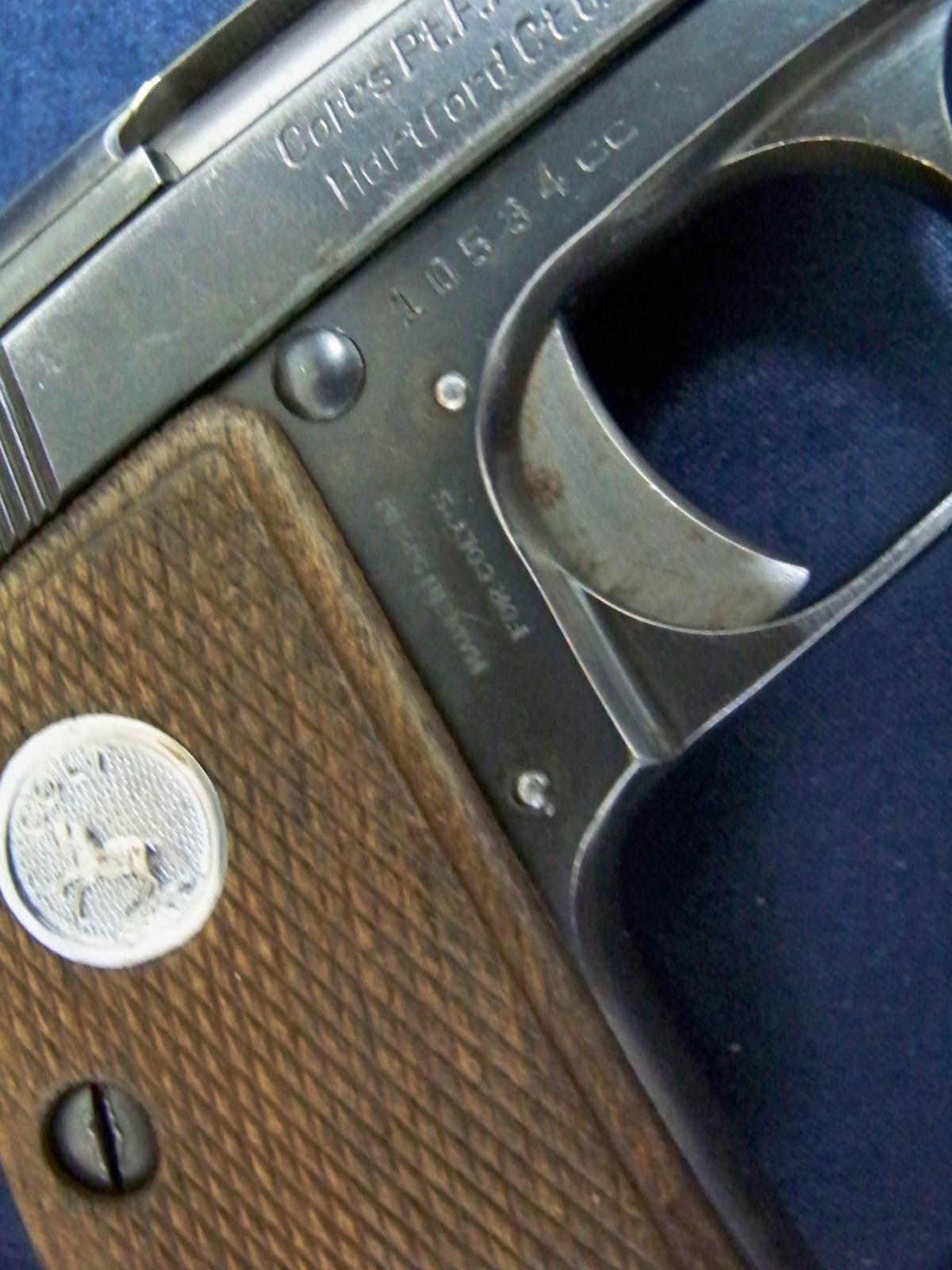
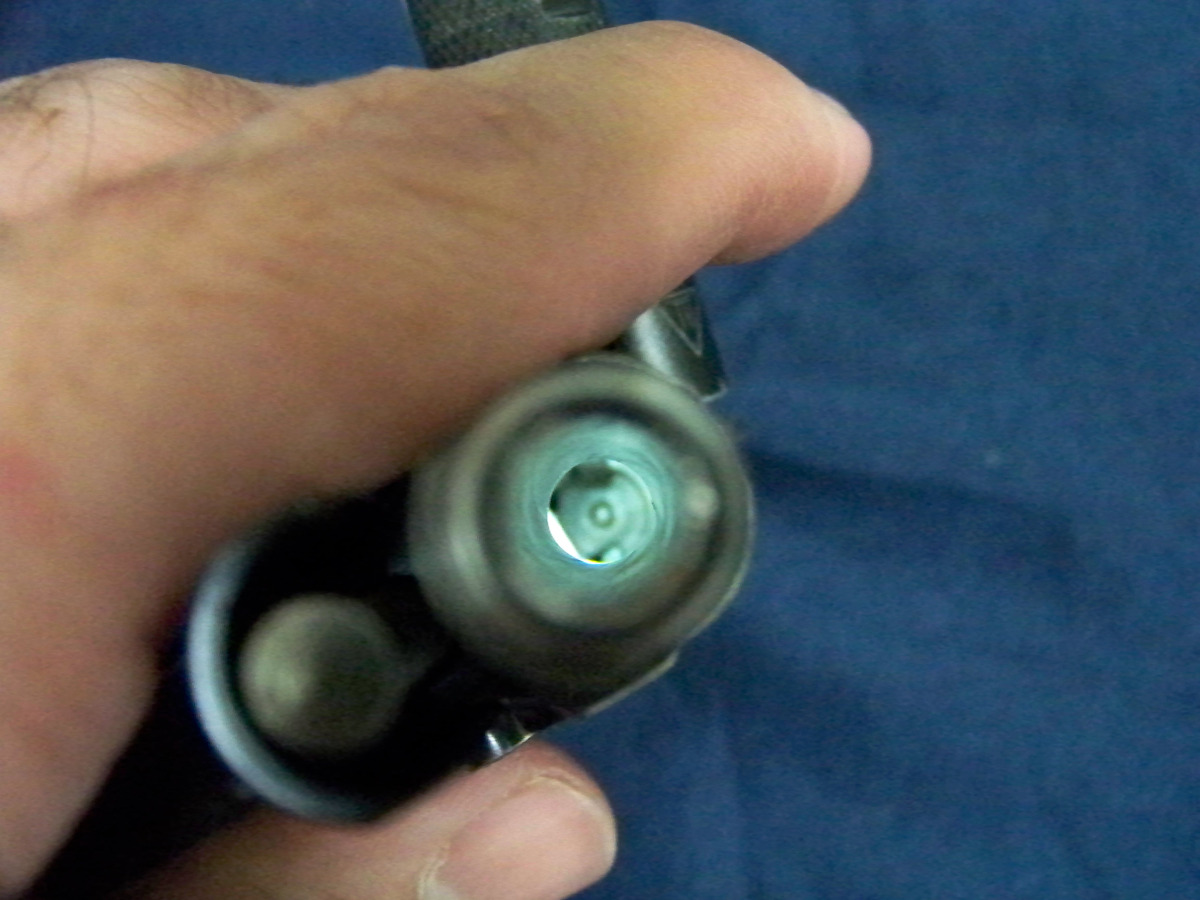
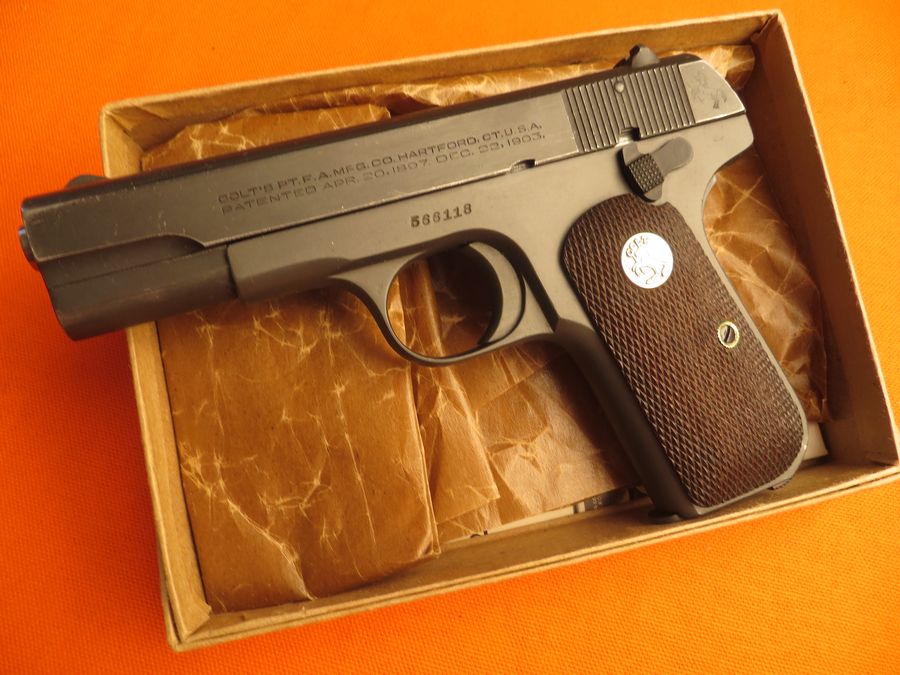
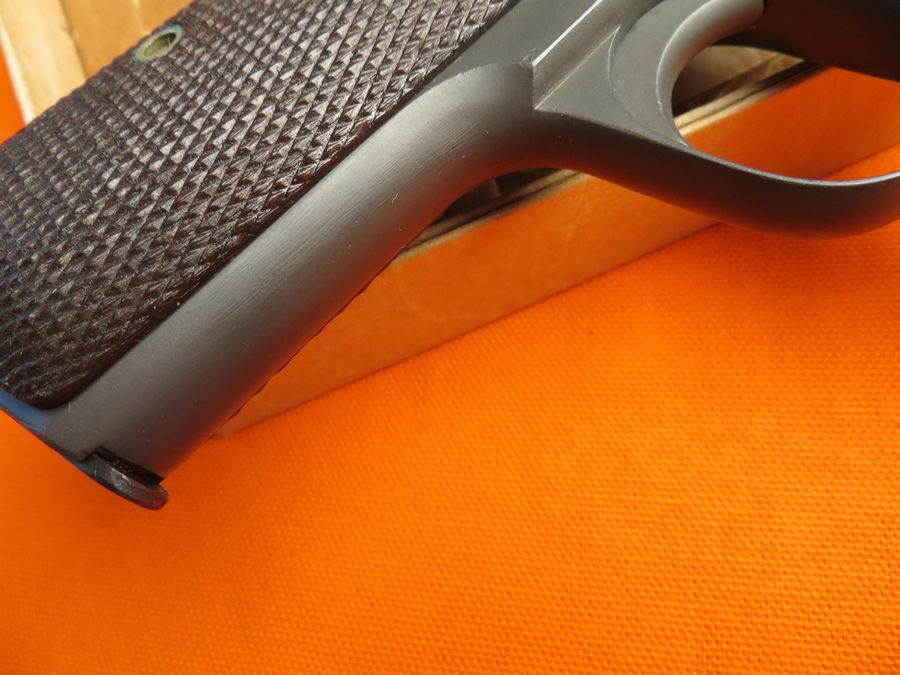
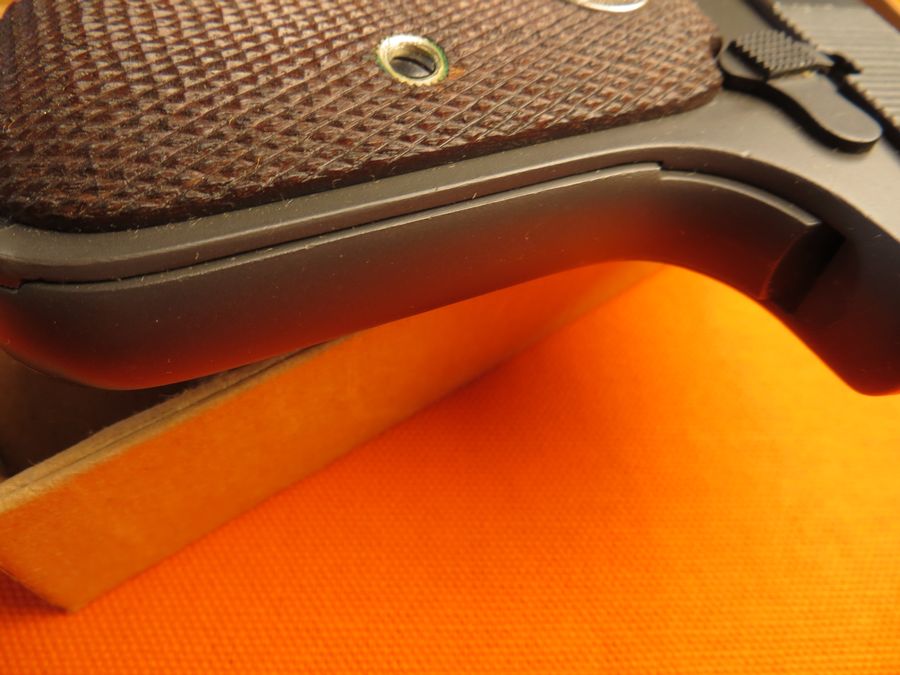
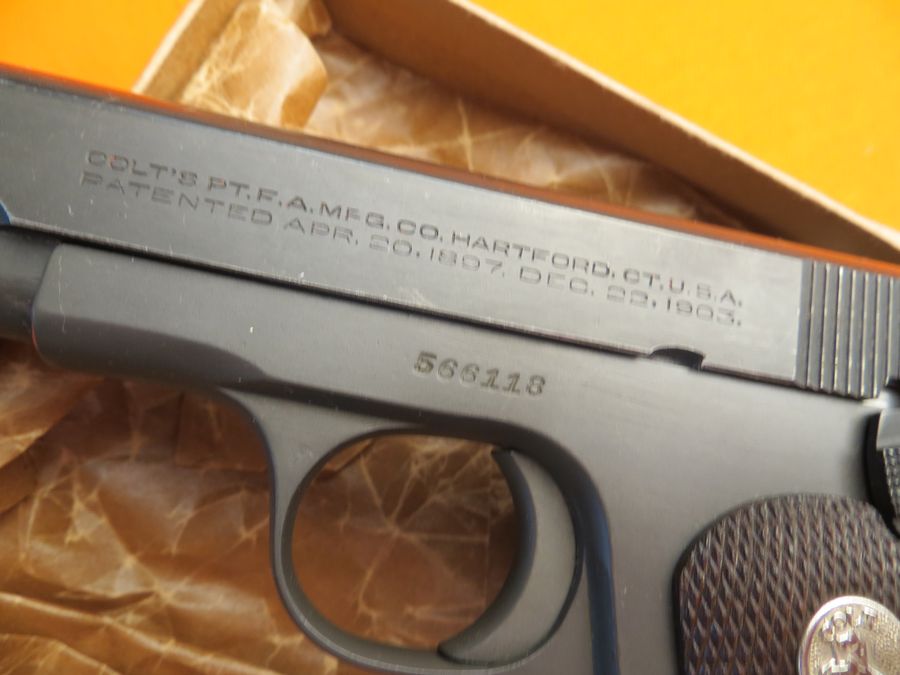
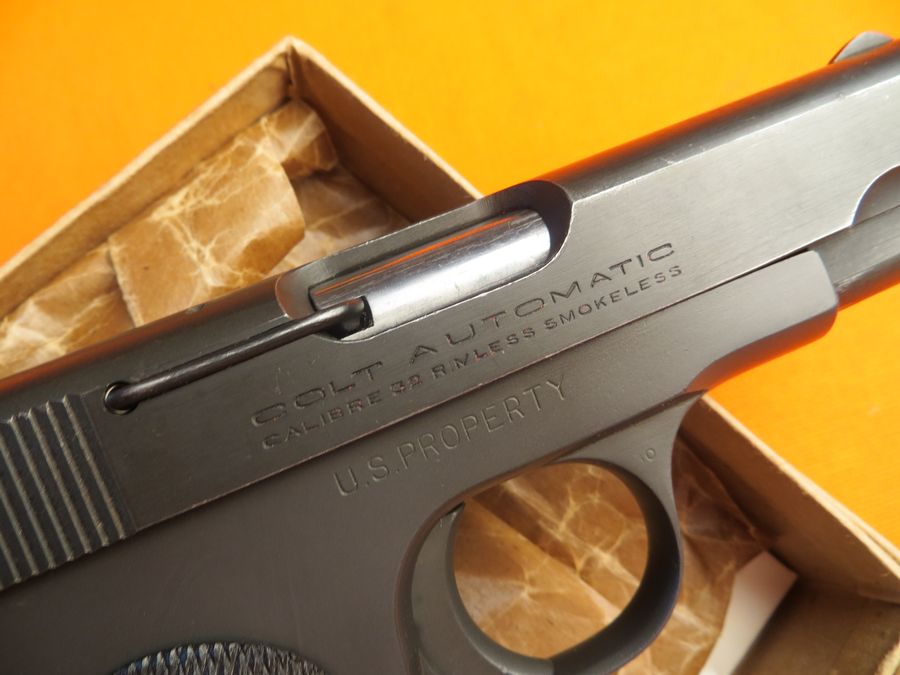
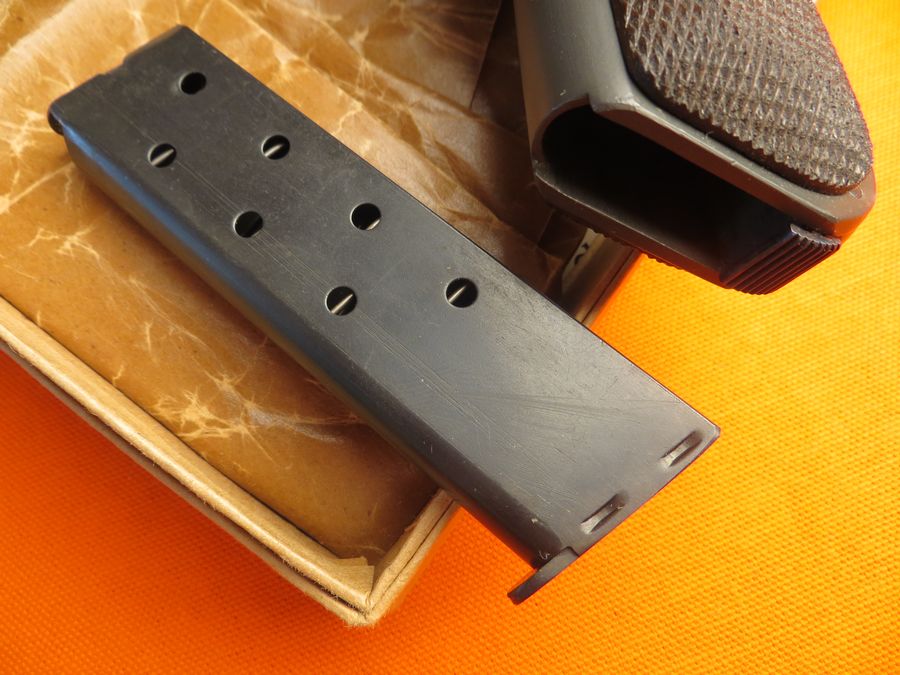
A neat little Pocket Pistol – The Colt Junior in the caliber of .25 A.C.P.

If I was living in the United States, instead of being in California. I would not think twice in slipping one of these nice & handy back up pistols into my pocket. If say I had to go out on a quick errand at night time.

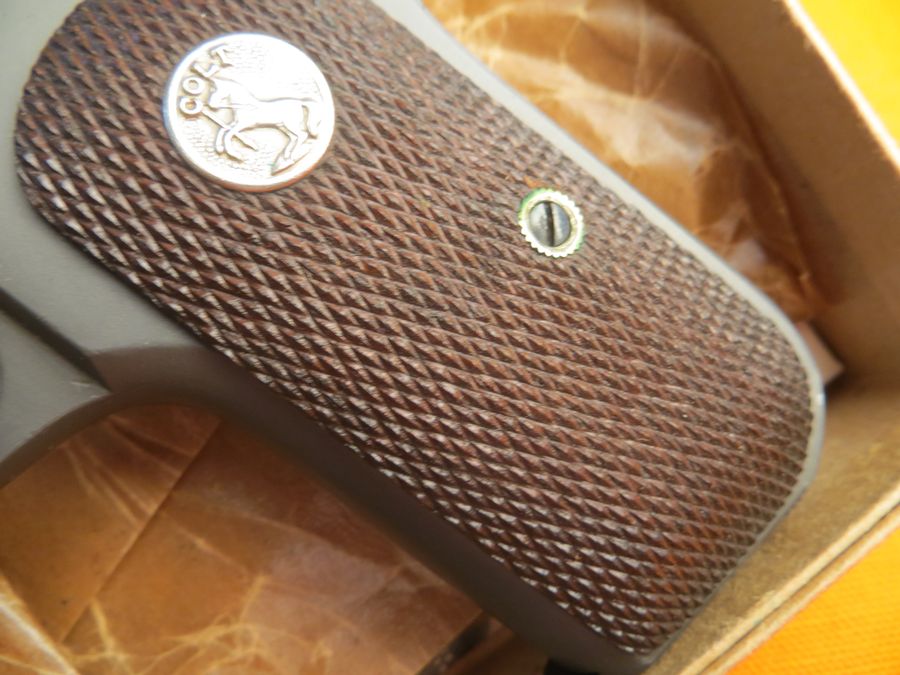
Colts Patents Arms Manufacturing Company - Colt Junior 25ACP - Picture 2
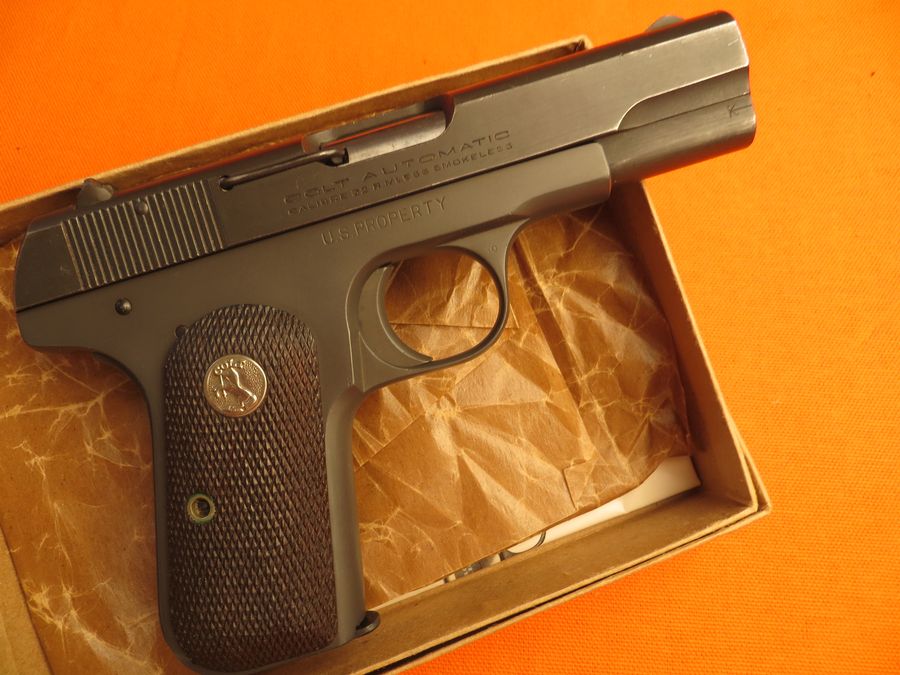
Colts Patents Arms Manufacturing Company - Colt Junior 25ACP - Picture 3
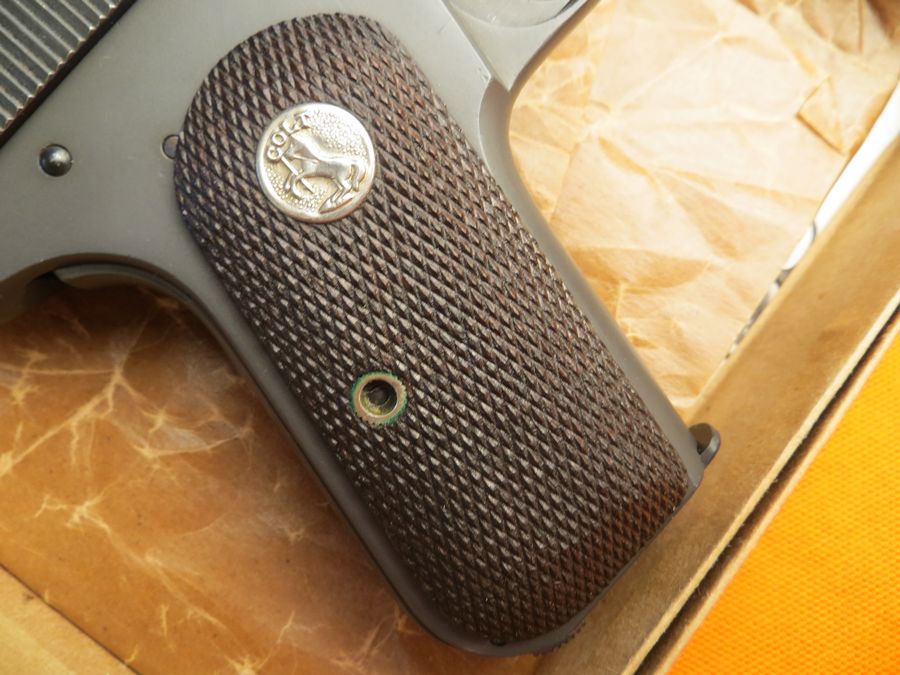
Colts Patents Arms Manufacturing Company - Colt Junior 25ACP - Picture 4
Colts Patents Arms Manufacturing Company - Colt Junior 25ACP - Picture 5
Now granted it would take some real skill on my part. Which at this stage of my game is not so high any more. But If I had to kill somebody in self defense.
But it sure would hurt like hell, to anybody that tried to make his or hers day. By f**king with some Retired Teacher, who was just minding their own business.
Plus it would make it a lot easier for the Cops to track them down. Like when they got to the Local Emergency Room.
Grumpy

Categories
All About Guns

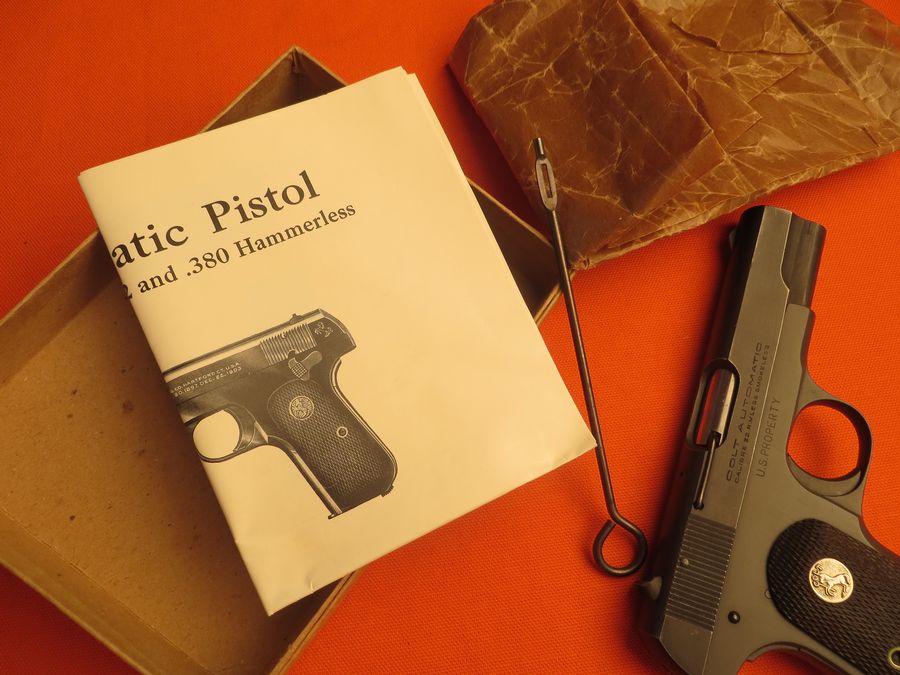
Colt model 1903 with General Officer slide for Brigadier General Marlin W. Camp

Colt - Colt model 1903 with General Officer slide - Picture 1
Colt - Colt model 1903 with General Officer slide - Picture 2
Colt - Colt model 1903 with General Officer slide - Picture 3
Colt - Colt model 1903 with General Officer slide - Picture 4
Colt - Colt model 1903 with General Officer slide - Picture 5
Colt - Colt model 1903 with General Officer slide - Picture 6
Colt - Colt model 1903 with General Officer slide - Picture 7
Colt - Colt model 1903 with General Officer slide - Picture 8
Colt - Colt model 1903 with General Officer slide - Picture 9
Colt - Colt model 1903 with General Officer slide - Picture 10

 
General Camp was born Nov. 23, 1920, in Marshall County, AL to Lurlie Clayton and Julia Taylor Camp.
He attended Cullman County High School and Alabama Polytechnic Institute at Auburn University, graduating in 1941.
He entered active duty in the military in May 1942. He fought in World War II as a captain, in Korea as a major and Vietnam as a colonel.
He retired as a brigadier general at Fort Sill on May 1, 1972. He was in Dachau, Germany, in World War II when the concentration camp was liberated, he was in Berlin during the Berlin Blockade, was senior aide-de-camp to High Commissioner John J. McCloy; commanded 240 mm Howitzer Battalion in Korea; commanded the 1st Infantry Division Artillery in Vietnam; commanded the Officer Candidate Brigade, USAFAS, Fort Sill, from 1967 to 1968; and commanded VII Corps Artillery in Stuttgart, Germany from 1970-1971. He attended the branch advanced course, C and GS and Army War College.
His decorations include the Distinguished Service Medal, Silver Star, Legion of Merit, Distinguished Flying Cross, Bronze Star with V, Air Medal with eleven Oak Leaf Clusters and the Meritorious Service Medal.
He was awarded the Combat Infantry Badge as Task Force Commander in Vietnam.
He died on Sept. 17, 2001

Categories
All About Guns

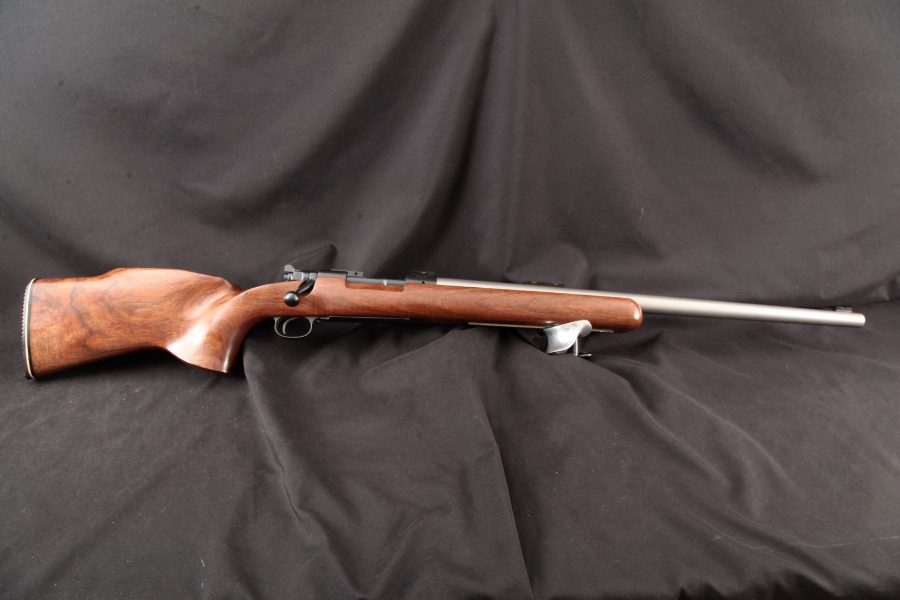
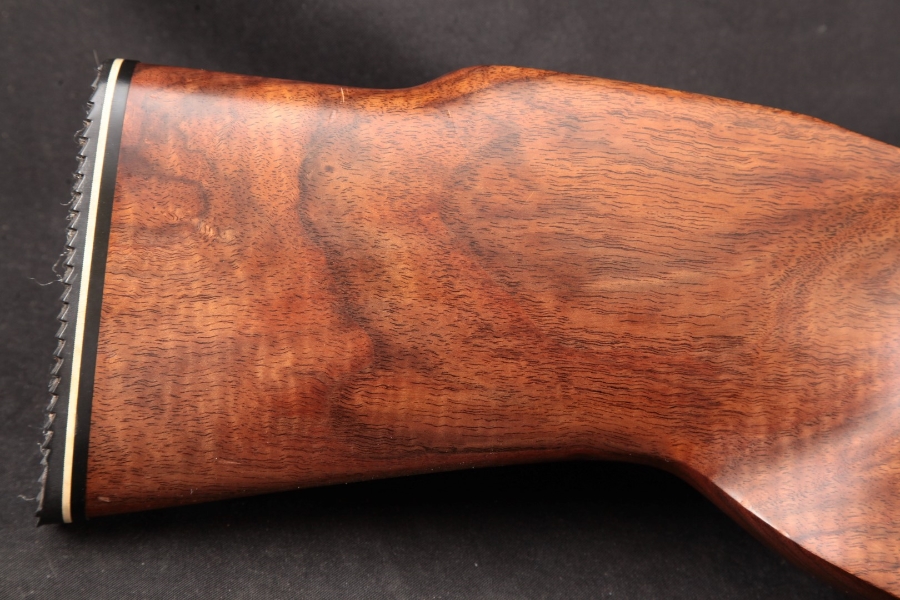
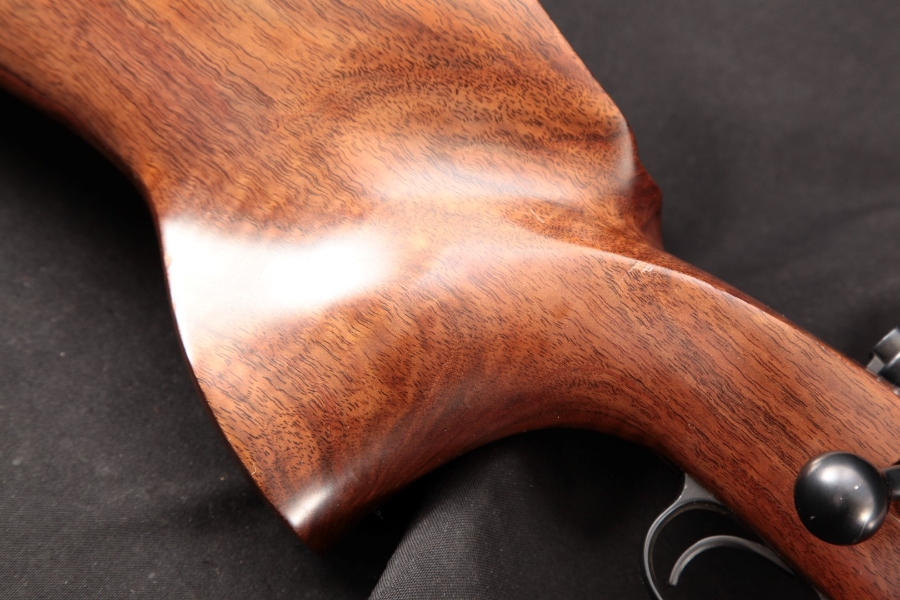
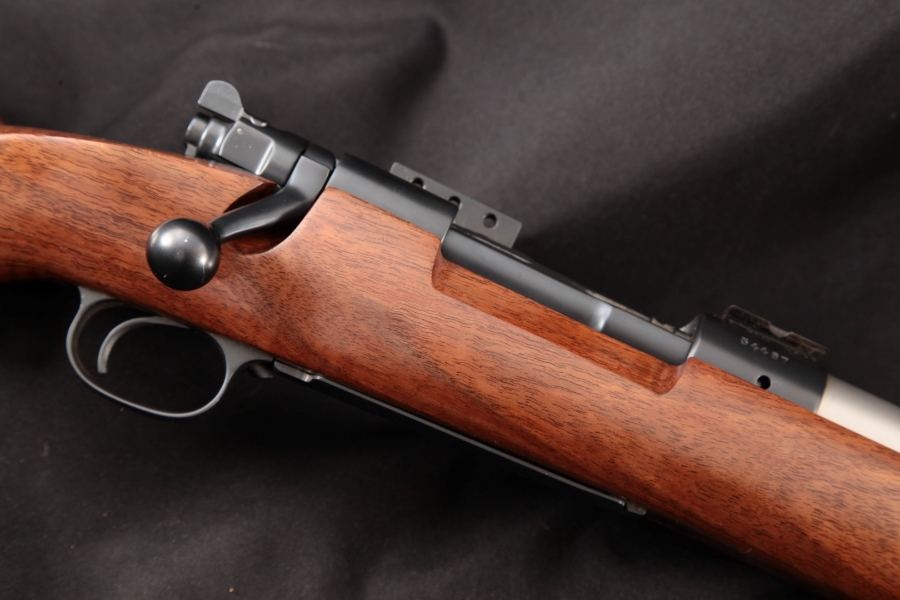
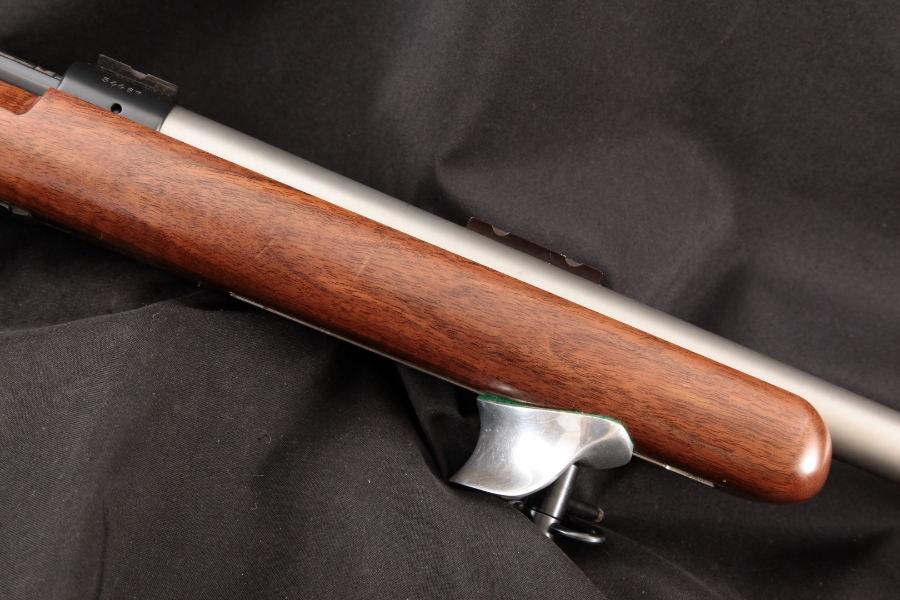
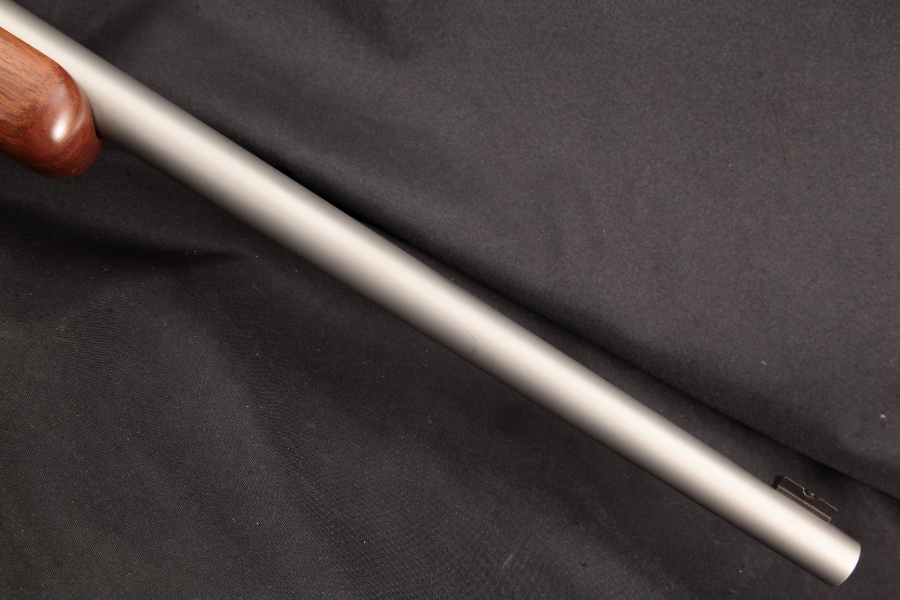
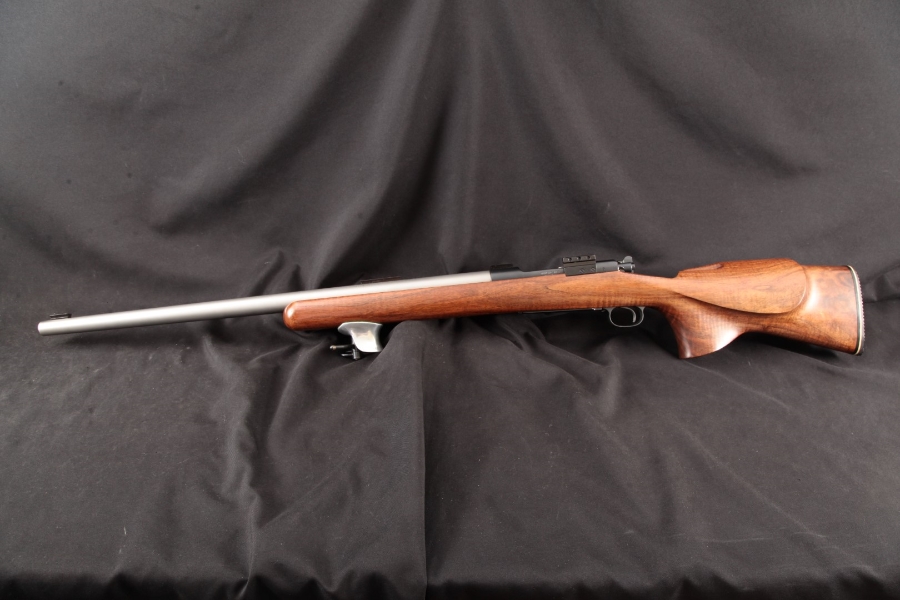
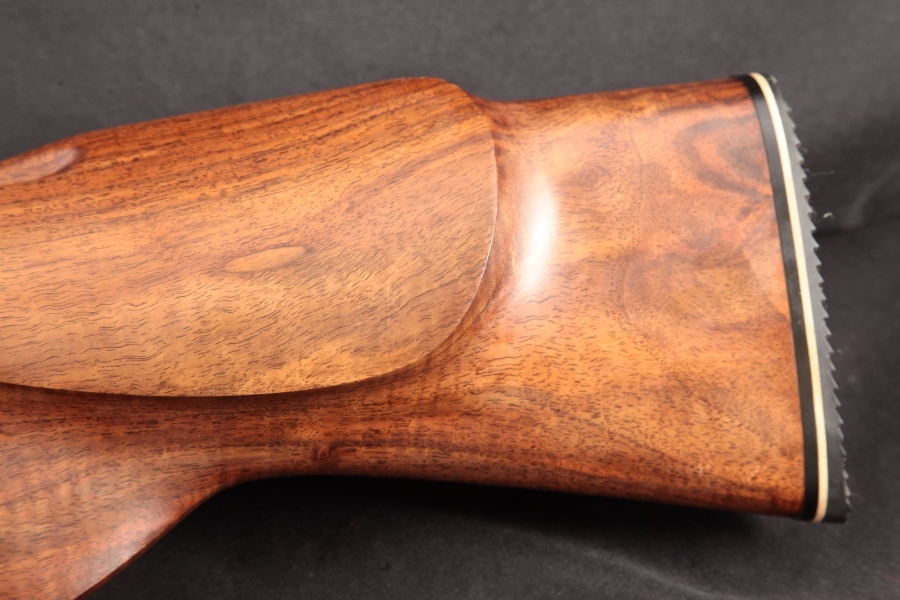
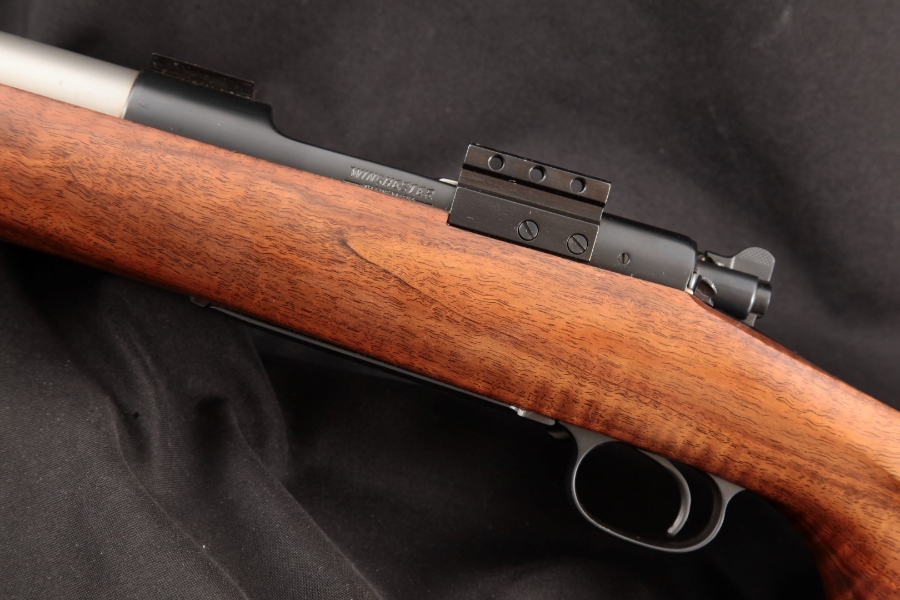
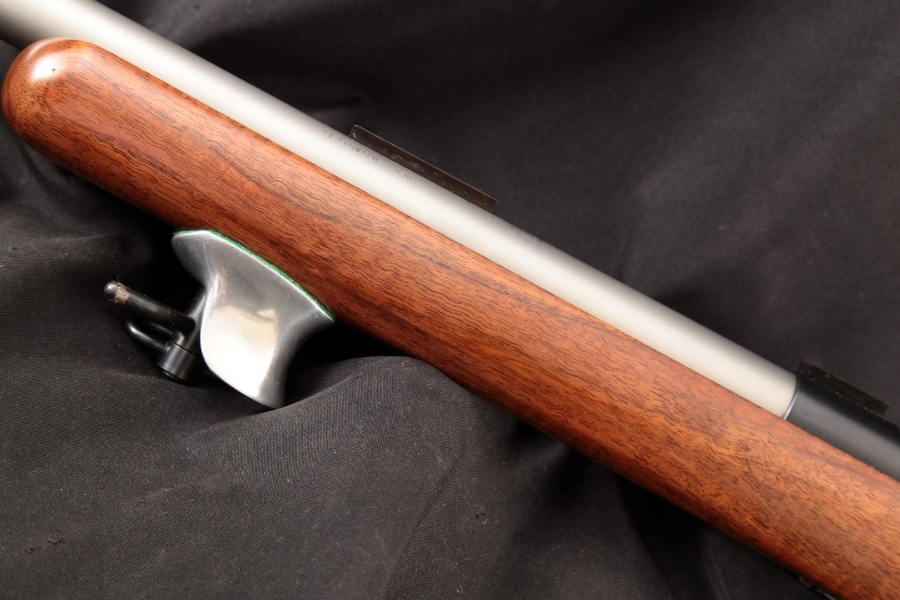
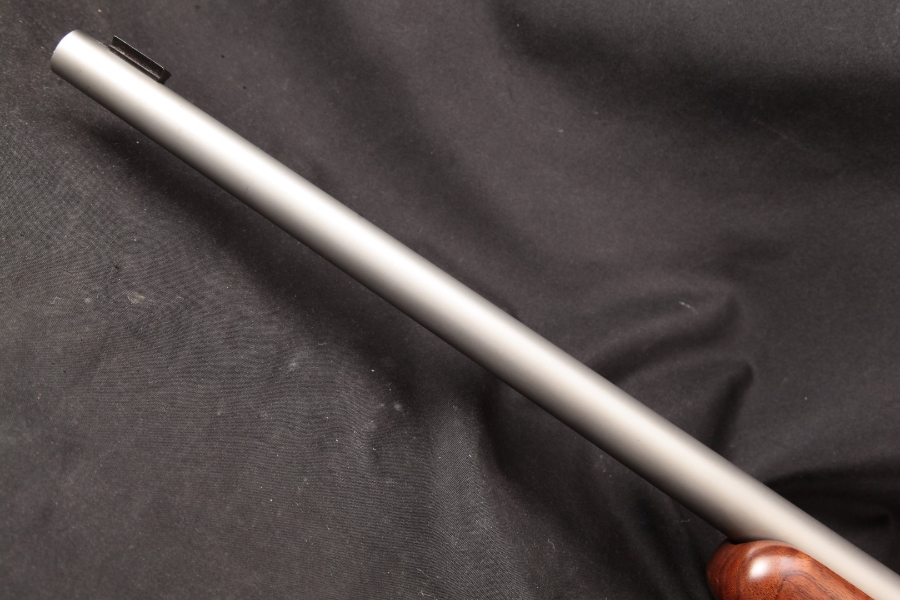
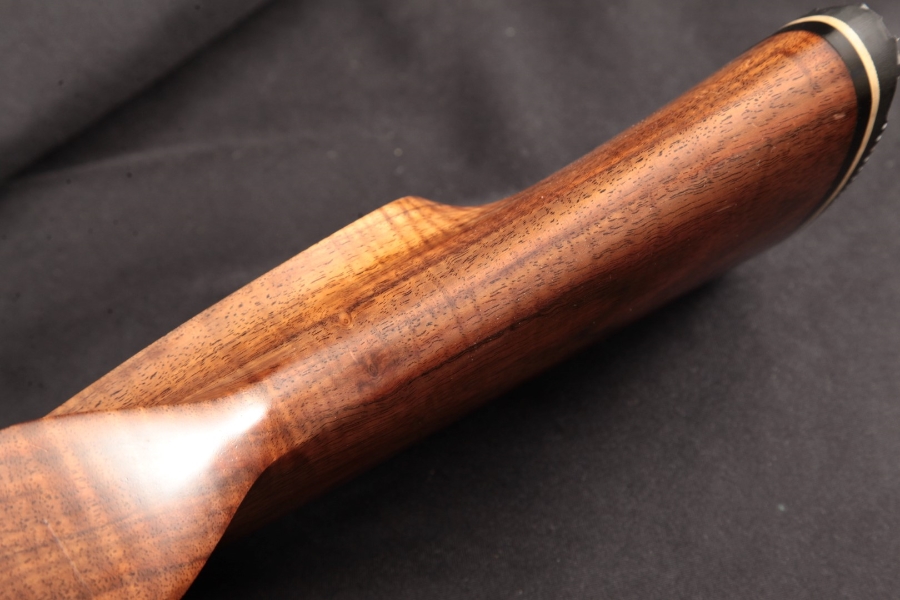
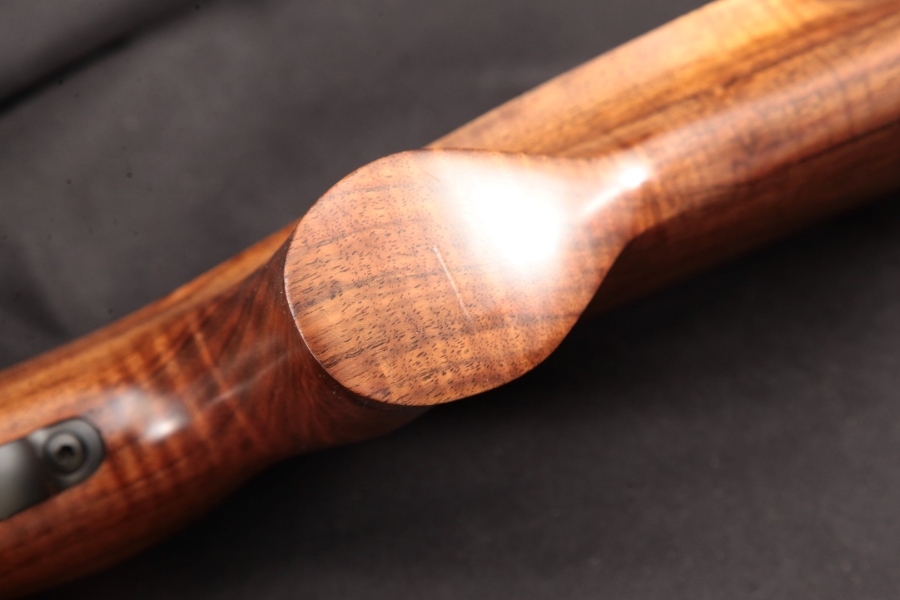
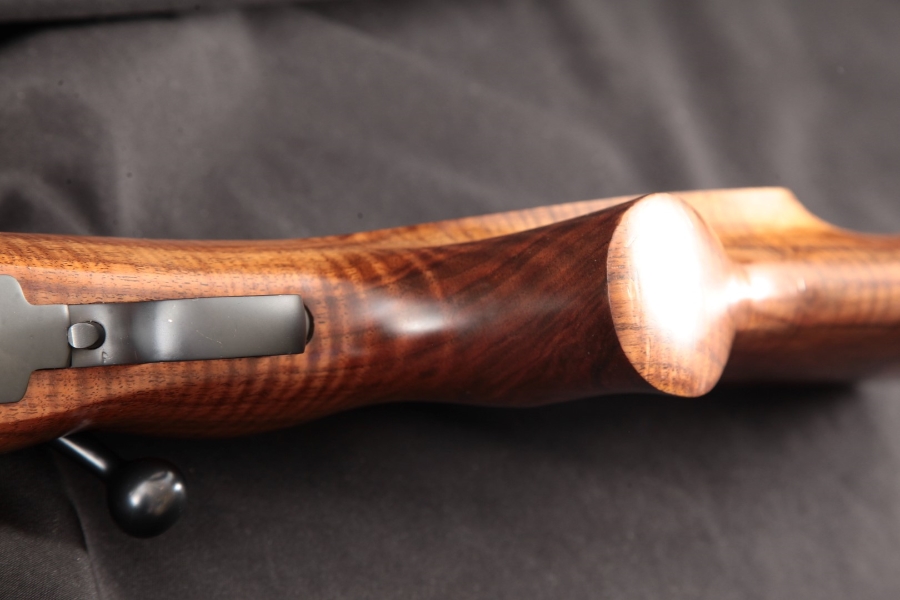
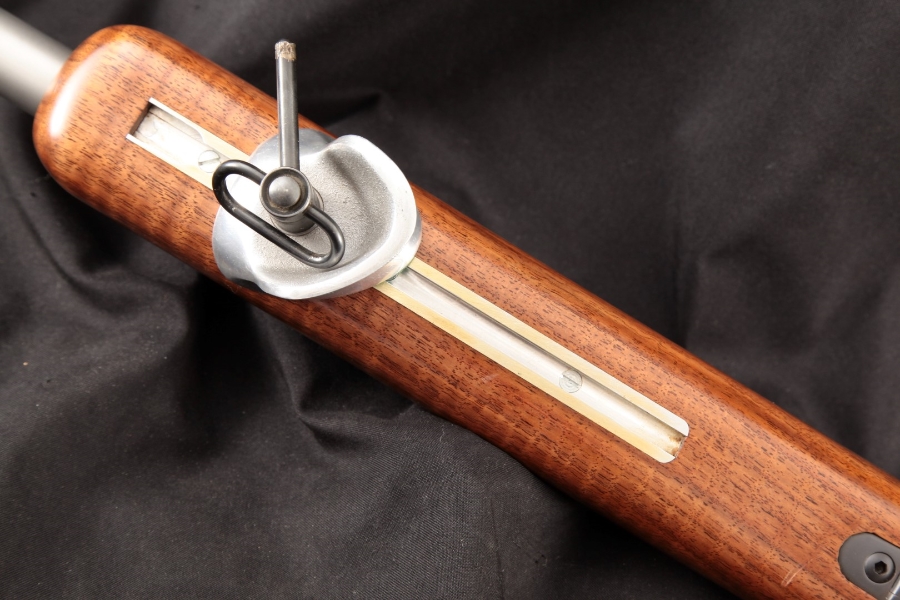
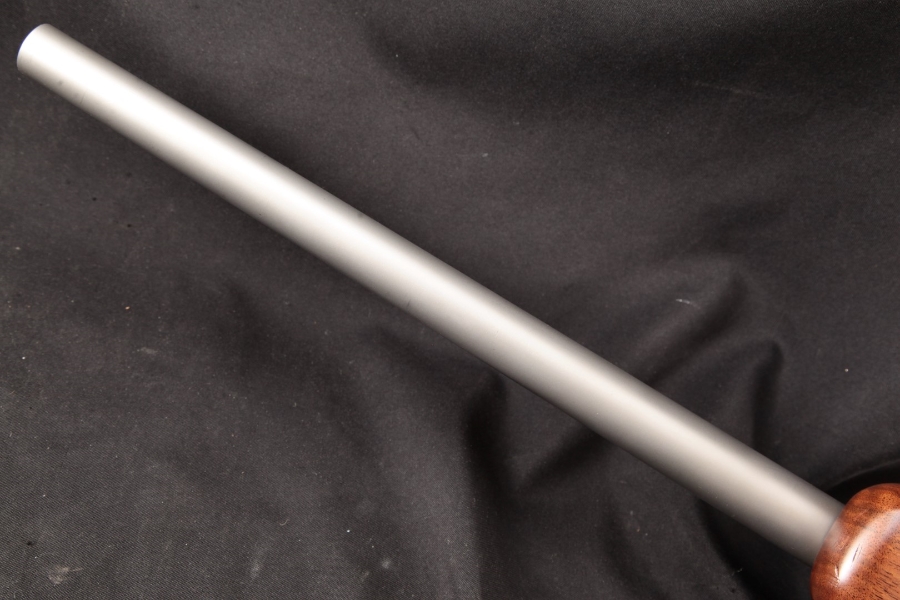
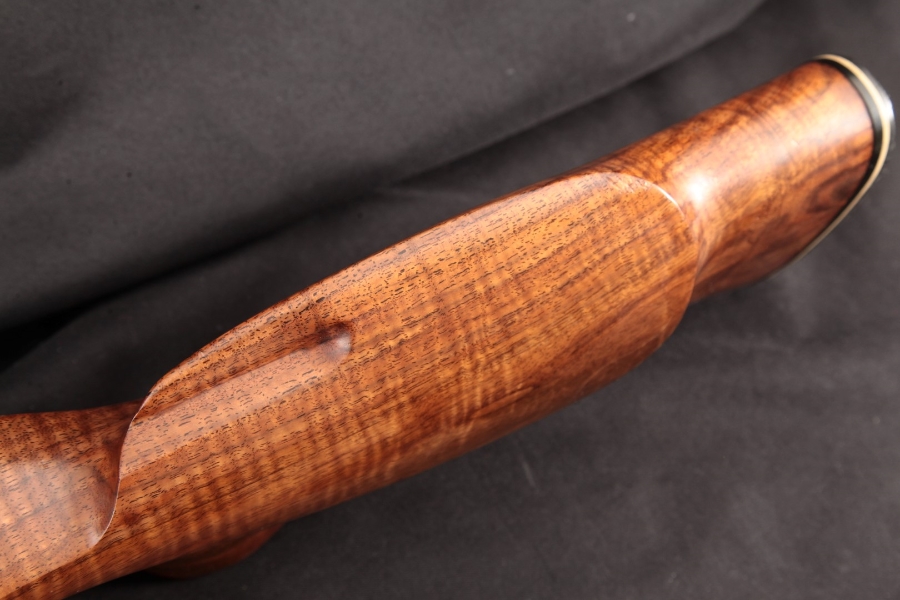
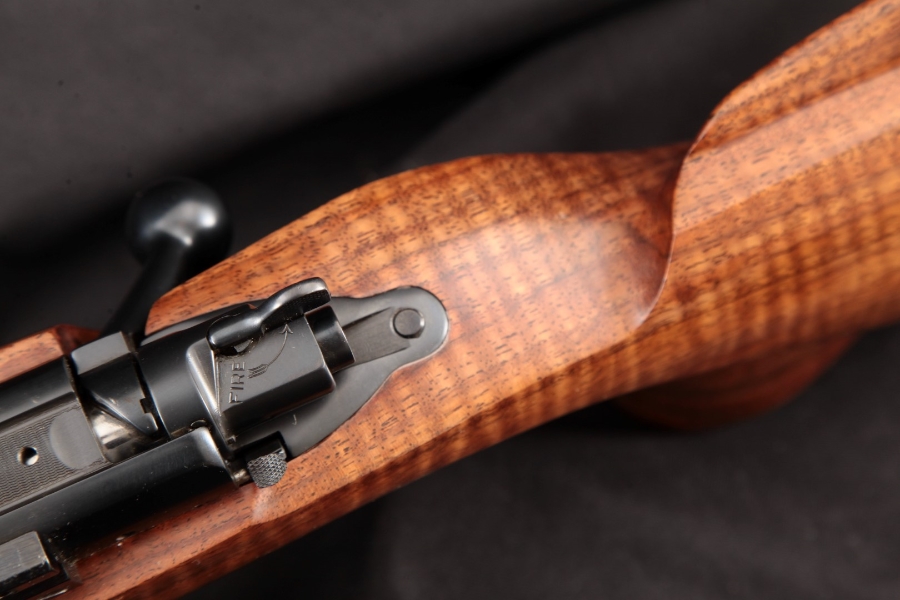
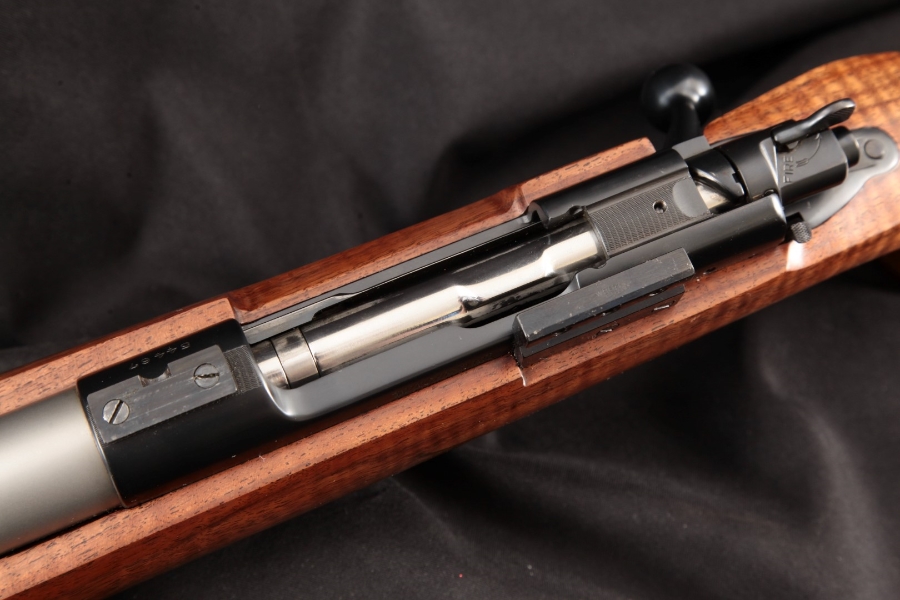
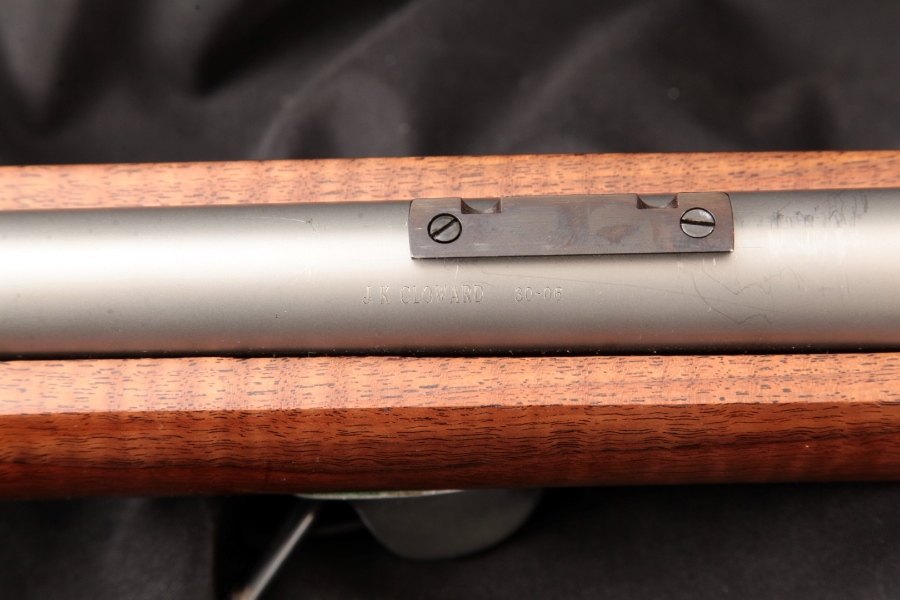
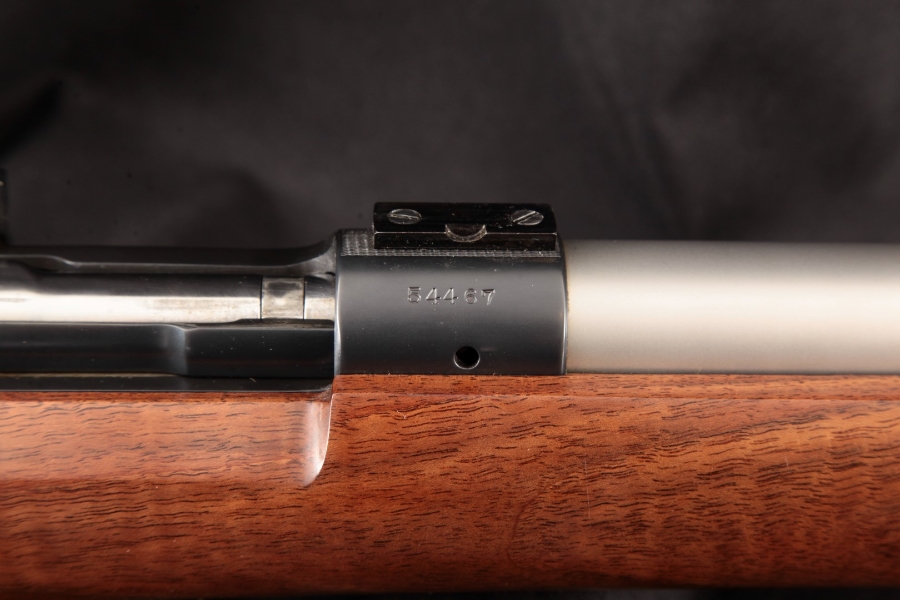
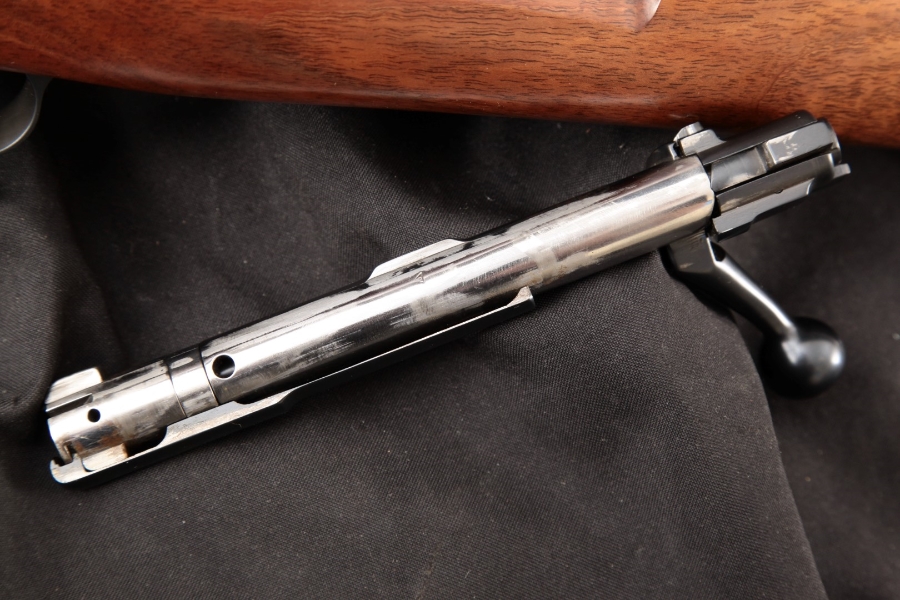
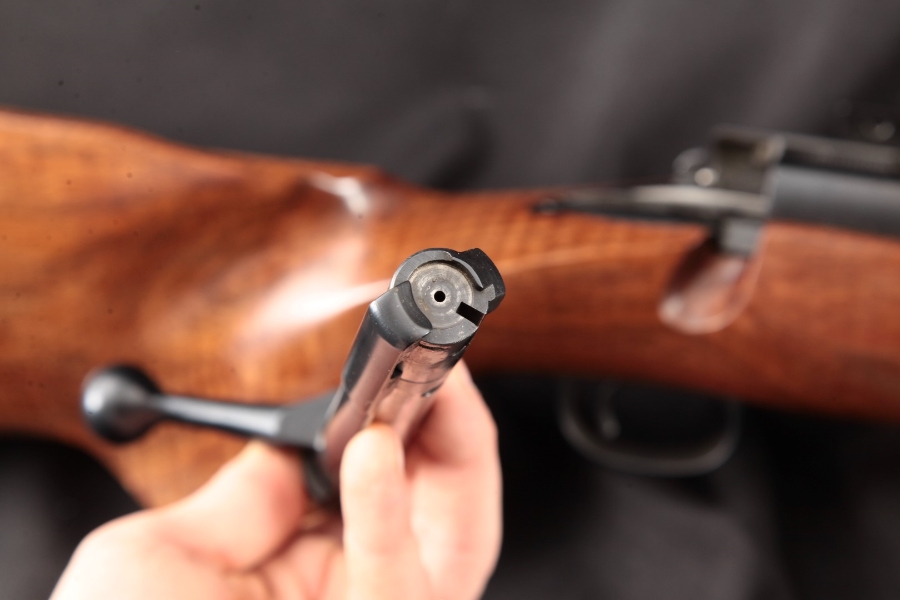
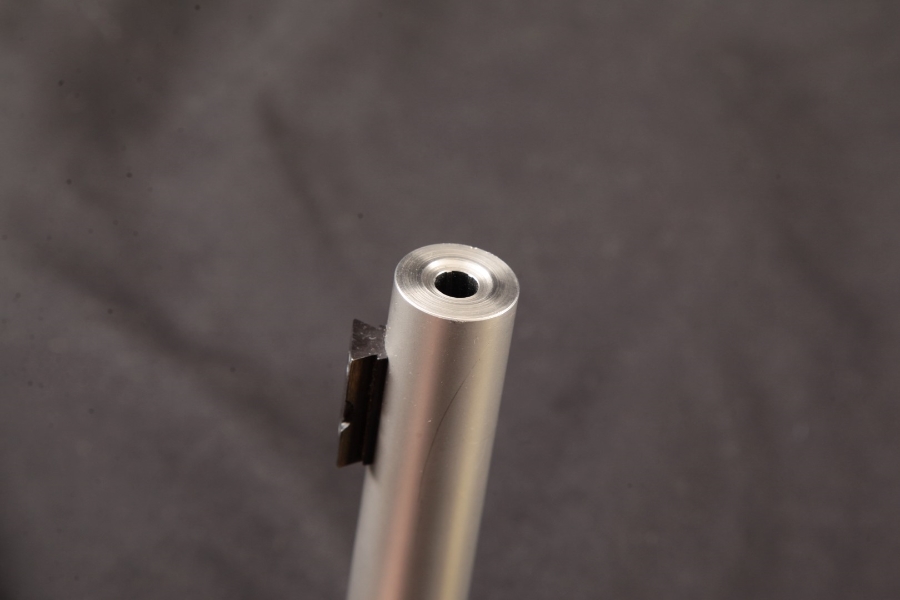
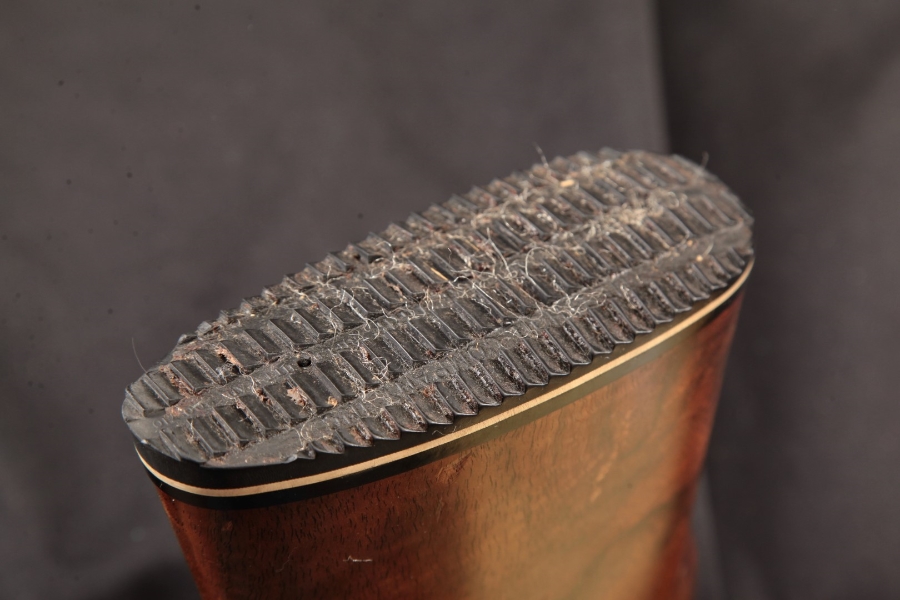
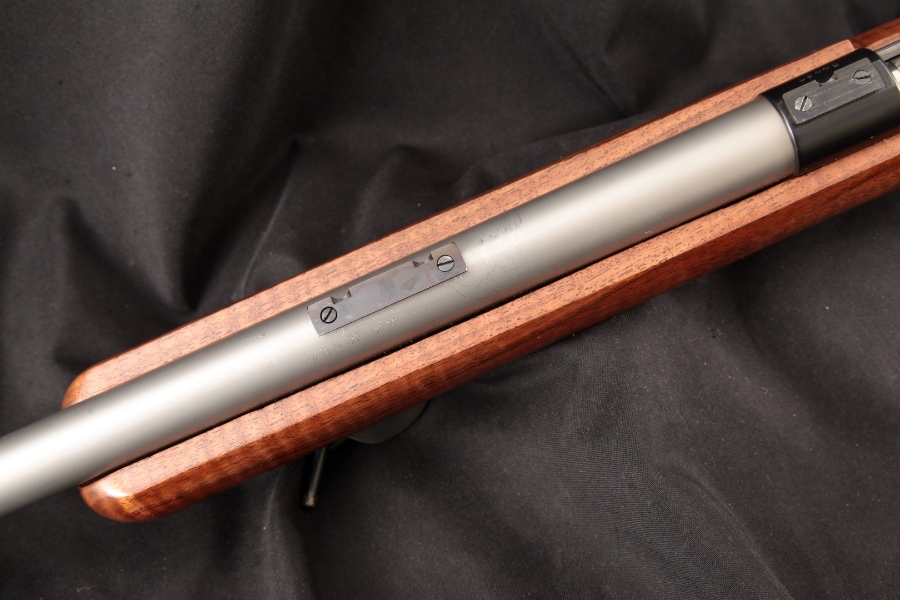
Winchester Pre-64 Model 70 Custom Palma, Blue & Stainless 26" Bolt Action Benchrest Target Rifle in 30-06

I am willing to bet that this rifle gave a real run for the money when it was at Palma!
Winchester Pre-64 Model 70 Custom Palma, Blue & Stainless 26

Winchester Pre-64 Model 70 Custom Palma, Blue & Stainless 26