.gif)




Categories
We all need a workhorse, an affordable gun that performs well and looks good doing so. Here The Field highlights the top 12 most affordable shotguns for less than £2,500
There is always room for a workhorse in the gun safe, and a stringent budget makes the addition easy. After some consideration, ours was drawn at £2,500. Some of the guns mentioned are base models where their more decorated, but mechanically similar, stablemates may stray above the stated ceiling. Most of the guns have been shot on several occasions by the writer or are included because of multiple recommendations. Sadly, space limitations mean some perfectly serviceable guns have been left out. For ease, the guns are presented in alphabetical order, while there is no comparative scoring as we feel they all offer value. So without further ado, here are the top 12 most affordable shotguns available.

The SP is a gun many dealers have enthused about recently that seems to be selling in large numbers. An obvious clone of the 68 series Beretta, it is priced between £625 and £1,499, and is available in 12- or 20-bore with 28in or 30in, 10mm-ribbed barrels. There is also a side-plated gun at £850, and a Supersport 30in or 32in competition gun with extended chokes and engraved receiver at £799. An adjustable-stock version is £899, while a gold-embellished ‘bells and whistles’ model is £999.
The Silverline II side-plate, possibly inspired by the Beretta EELL, is £1,199 and the Avantgarde, with engraving picked out in gold similar to a Guerini, is £1,299. Finally, the SP Deluxe side-plate is £1,499. The guns are offered with a ‘common sense warranty’, which may extend beyond the normal year at the supplier’s discretion. My call would be the basic black action (£625) or the smart, medium scroll engraved, Silverline (£899).
Sportsman Gun Centre, sportsmanguncentre.co.uk

The M1 is Benelli’s most competitively priced, no-frills, workhorse semi-automatic. It’s a rotary-bolt, inertia-action gun with a recommended retail price of £1,100. It’s a clever design (as was the earlier Benelli, which did not have the rotary bolt now also added to some Berettas after Beretta bought Benelli). There are a wide range of Benellis now. The M2 (£1,550), Montefeltro Beccaccia Supreme (£1,750), and Raffaello Black (£1,775) all offer value. Benelli also makes a radically styled, ribless, aluminium-actioned over-and-under – the 828U Field in black – with prices beginning at £2,450. My preference would be the 30in guns as the model is very light. All Benellis are proofed for steel shot.
GMK, gmk.co.uk

For many years, the Beretta 686 Silver Pigeon has been a bestseller – and for good reason. Developed from the old 55 and 56E (the ejector version) models, it is a gun that has proven almost indestructible in use, with tough chrome-moly steel barrels. It has been favoured by shooting schools, as well as the shooting public, since its introduction as the 686 in the 1970s (Silver Pigeon was added in 1995). It benefits from a low action profile made possible by bifurcated barrel lumps, stud-pin hinging and a clever conical bolting system. Recent guns are multi-choked and fleur-de-lys steel shot proofed. Bearing surfaces are easily replaceable. The Silver Pigeons start with the 686 Silver Pigeon I Field at £1,950. I am especially fond of the 30in 20-bores, but the 30in 12-bore remains a ‘do anything’ gun. The 686 continues to be an industry standard and comes with a three-year guarantee (which may be extended to 10 years at a cost of £60). The 68 series is now supplemented by the 69 series guns. Most of these are outside our scope, but the recently launched Ultraleggero lightweight, at £2,550, is just close enough to consider. We should also mention Beretta’s superb semi-autos, which begin with the A300, based on the older but excellent 300 series gas-operated action, at £1,150, and move on to the rotary-bolt, gas-operated A400s from £1,500.
GMK, gmk.co.uk

The 525 is the latest evolution of a well-proven series of Japanese-made Brownings built at the BC Miroku factory at Kochi. The basic design is that of John Moses Browning from the 1920s. Notable features include a full-width cross pin and a wide locking bolt beneath the bottom chamber mouth. B525s now begin with the Game I at £1,799 (the excellent 20-bore version is £1,950). There are laminate stock models: the B525 Game Laminate (£1,899) and the Sporter Laminate (£2,390). There are also the 725 models, with a slightly lower profile and a double-seal choke, to consider – the 725 Hunter Premium at £2,540 and the 725 Sport at £2,500. Despite the designation as a clay-buster, the latter is a first-class game gun and I’ve done some of my best shooting with one in 30in form. The 725 also now offers a choice of fore-ends at no additional cost – an improved schnabel or a Trap type. The Browning 525 and 725, like the Beretta Silver Pigeon, set an industry standard.
BWM Arms, browning.eu

The EGE Arms 350 is an inertia system semi-automatic made in Turkey and imported by ASI of Snape, better known for AyA and Rizzini guns. It was tested in these pages and impressed with remarkable performance considering its price point. It’s too early to comment on longterm reliability, but the operating system is similar to a Benelli. It certainly appears to offer strength and outstanding value. A basic black-stocked version is £499, with a camo model at £585. It comes with three chokes, 28in or 30in barrels and a 10mm ventilated sighting rib. There is a gas-operated model too, but for hide or marsh I would pick the recoil/inertia-operated semi-auto because the mechanical system is particularly efficient and easy to clean. Steel shot proofed.
ASI, a-s-i.co.uk

Fabarm makes well-engineered guns at reasonable prices, often with most interesting specifications. Its guns are all steel shot proofed and, unusually, due to their hyperbolic, internally curved choke profile (which is longer than the norm, too), they can use steel shot with full choke – not that there is any advantage to doing this, of course. Its Elos BII Field is available at £1,350 with 28in or 30in barrels equipped with a 6mm sighting rib. The gun is a good weight for a machine-made over-and-under (7¼lb with 30in tubes) and boasts Fabarm’s Tribore taper-bored barrels and Inner HP flush-fitting chokes. This Elos has understated but smart styling with a semi-rounded black action. The grip shape is good as well. There is a new Elos II Elite ‘colour case hardened’ version at £1,950 with gold bird inlays, but the BII offers especially good value and pleasing conservative looks. Fabarm also makes some excellent, particularly strong, side-by-sides (notable for having four barrel lumps rather than the usual Purdey-inspired two). The multi-choked, 28in or 30in, pigeon-ribbed Classis starts at £2,080. It produces semi-autos, too – its soft-recoiling, gas-operated XLR5 semi-auto was superceded last year by the L4S (from £999) with a redesigned fore-end and a slimmer overall feel. My value calls are the BII and Classis.
Anglo Italian Arms, caesargueriniuk.com

Hatsan is a well-established Turkish firm best known for budget repeaters. Its gas-operated semi-autos begin at a remarkable £289 in 12- or 20-bore. They are not refined but functionally reliable with 28g loads and above. Barrel options include 24in (FAC), 26in, 28in and 30in, and right- and left-handed stocks are available. The standard model is 3in chambered, but the 3½in-chambered gun is well priced too at £357.99. There are camo versions from £459 and a new .410 model at £369.
Sportsman Gun Centre, sportsmanguncentre.co.uk

KOFS is a relatively new player whose offerings are popular with the gun trade because of their low price point. The KOFS Sceptre alloy action over-and-under starts at £535 and is available in .410, 28-, 20- and 12-bore. There are many configurations too, including juniors, ladies and left-hand models (with the junior versions available in 26in-barrel form). A new steel-actioned Zenith arrived this year with a price of £599. It is only available as a 12-bore, but with 26in to 30in barrel options and, again, multiple configurations. The action combines stud-pin hinging with a Browning-style rear bolt. Five multi-chokes are supplied and it is British fleur-de-lys proofed.
Sportsman Gun Centre, sportsmanguncentre.co.uk

The only sub-£2,000 Miroku now is the MK60 Universal Grade I at £1,799. Sadly, this is only available as a 12-bore; you have to go to a Grade V – around the £3,500 mark – to get a 20-bore (it is an excellent and pretty gun, though). At £2,090, however, there is the MK38 Sporter Grade I – an outstanding ‘no bells and whistles’ gun for clays or game (and well suited to high birds in 30in or 32in form). Some fabulous bargains exist on the second-hand market with late-model Mirokus. Check the barrels inside for rust and make sure they are still tight on the action face with the fore-end removed if you are tempted.
BWM Arms, miroku.eu

Rizzini’s budget model is notable for its (smart) plain black action. At £1,800, it is offered in .410, 12-,16-, 20- and 28-bore, all with five chokes and the fleur-de-lys proof mark. The stock is made of Grade 2 walnut and has a fairly open pistol grip. The single trigger is selective, and barrels are 28in or 30in. I would go for a 30in 20-bore, but the 16-bore might also be tempting. The Rizzini action, which combines Beretta-style hinging with Browning-style bolting, is ideally scaled as a 20-bore, the profile allowing for almost perfect grip proportions.
ASI, a-s-i.co.uk

These .410s are ideal for instructional or general use. They are lightweight but strong and durable. There is a youth model with a 13½in stock, an intermediate 14in stock and an adjustable-comb version for £150 extra. The base model non-ejector starts at £525, with the ejector £100 more. Barrel options are 26in, 28in and 30in – I would opt for 28in or 30in. All guns are fleur-de-lys proofed. There are 12- and 20-bores too but my favourite is the .410. The Perazzi-inspired Yildiz Pro 12- and 20-bore impressed in both bore sizes and offer remarkable value for money – perhaps the best buy on the UK market in the case of the 20-bore. In essence, the Pro is a clone of a Perazzi, with trunnion hinging and Boss-style bolting supplemented by draws and wedges amidships as on the MX8 and MX12. They are well made from good materials and finely finished with well-figured stocks. The 32in 20-bore is particularly good, as noted, and handles exceptionally well. Prices start at £1,502 for the Grade 3 Pro Black 12-bore. The Grade 4 20-bore (the entry point in 20-bore) begins at £1,945. There is a newly offered colour case hardened CCH model, too, and an adjustable-comb gun. Anyone who buys the 32in 20-bore won’t be disappointed.
Raytrade, raytradeuk.co.uk

Winchester over-and-unders are no longer offered in the UK, but its excellent semi-autos are. The fast-cycling SX3 has always been a favourite and this is now superseded by the similar SX4 (starting at £843), offered with 26in, 28in and 30in barrels in three-shot or five-shot (FAC) form. The new model, still made in Portugal, has lost the useful shims previously provided for gunfit adjustment but gains a bigger trigger-guard for use with gloves, a larger bolt release and a bigger cocking handle as well as a new recoil pad. Wood and plastic stock versions are available. From the neighbouring stable (but also made in Portugal) is the Browning Maxus II, starting at £1,435 for a composite-stocked gun. A new fore-end allows for a magazine extension if required on an FAC gun, and there are rubberised surfaces on grip and fore-end. The Maxus is an excellent gun and does offer a shim kit for height and cast as well as length spacers.
BWM Arms, winchester.eu
I was looking in particular for .22LR pistols and revolvers for use in training disabled shooters. I try to keep at least half a dozen on hand at any one time. That’s sometimes difficult, because I’m always coming across people who (on a disability income) simply can’t afford to buy their own guns. I must have given away somewhere between two and three dozen firearms over the past decade or so. I’m glad to be able to help – it’s one way I can ‘give back’ to my community – but it means I have to replenish my training battery every so often.
I got lucky. An older gentleman was wandering around with a blue Beretta gun box containing a U22 Neos identical to this one:
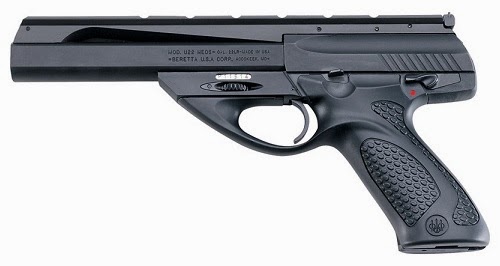
It looks like something out of a science fiction movie, doesn’t it? I’d heard good reports about the Neos from reviewers and other shooters, so I was interested. The slide felt gritty when operated, and the gun clearly hadn’t been properly cleaned for a long time; but the seller was asking a reasonable price (about 70% of retail). I walked away with it. After a thorough cleaning last night, with the help of our housemate (who enjoys cleaning guns much more than I do!), it’s now very slick and smooth in operation, and I’m looking forward to trying it out at the range this week.
I noticed a few things at once.
The Beretta U22 Neos is a .22 Long Rifle semi-automatic, single-action pistol using a slide blow-back system, that has been manufactured in the United States since 2002 by Beretta USA.[2] The pistol will accept interchangeable 4.5, 6 or 7.5 in (110, 150 or 190 mm) barrels in blued or stainless steel finishes. Each barrel incorporates a built-in Weaver-style rail to accommodate optics or accessories.[1] Beretta markets the Neos as a modern, reasonably priced pistol suitable for a beginner, yet is customizable to suit the experienced marksman.[6]
In addition to the United States and Canada,[7] the U22 Neos is listed for sale by Beretta distributors in Australia,[8] France[9][10] and some other European countries.[11][12][13][14]
The U22 Neos was launched in 2002 with a cover story in American Rifleman magazine.[15] A deluxe model, the U22 Neos DLX with both cosmetic and performance improvements was added in 2003. Beretta released the U22 Neos Carbine Kit (to convert the pistol into a long gun) in 2004.[16] The last year of production for the DLX model was 2007.[5]
In September 2010 Beretta instituted a recall of some U22 Neos models because of the remote possibility that the pistol could fire with the safety on. California certification for sale for all Neos models expired in March, 2011, therefore gun dealers may no longer sell them in California.[17] Beretta USA announced in July, 2014 that firearms production in Accokeek, Maryland (where the Neos is manufactured) would be moved to Gallatin, Tennessee.[18]
The U22 Neos is a semi-automatic firearm using simple blowback operation. The pistol does not have a full-length slide (i.e., the barrel is uncovered) and it functions by cycling the rear portion of the action. The breech does not lock upon closing, but is held closed by a recoil spring. When the last cartridge case is ejected the slide is held open by a slide stop.[1] This configuration is similar to the Colt Woodsman and its successors.[19]
The U22 Neos is designed for field stripping without tools into basic modules (barrel with sight rail, receiver, slide and firing pin) for cleaning. The Weaver-style rail incorporates a fully adjustable rear sight and a removable front sight. The grip and trigger guard assembly, made from fiberglass-reinforced “technopolymer”, is attached to the receiver with a single bolt and can easily be removed and replaced with an accessory grip.[1] Unusual for a pistol (but unremarkable in a rifle) the magazine release is above the trigger guard and is operated by a right-handed shooter’s trigger finger.[19] The magazine holds ten rounds, giving the Neos a total 10+1 capacity.[6]
The origin of the pistol’s sleek shape and ergonomics was a collaboration between Beretta engineers and Giugiaro Design stylists.[20] Anticipated buyers for the U22 pistol were a new generation of Beretta enthusiasts, hence the moniker Neos (Greek for new).[6] Blued steel models are sold with a barrel either 4.5 or 6 inches long; the Inox models differ only in that the barrel and slide are made from stainless steel.[21]
The U22 Neos has an ambidextrous manual safety lever mounted on the frame. There is no discrete loaded chamber indicator, but the slide can be opened slightly to check if there is a round in the chamber. The end of the firing pin is clearly visible at the rear of the receiver when cocked, indicating that the pistol is ready to fire (if the manual safety is off).[22] There is no magazine disconnect to prevent the pistol from firing if there is a round in the chamber when the magazine is removed, and for that reason the Neos accommodates single-shot operation with direct chamber loading.
In 2003 new features were added to the U22 Neos product line, in the form of DLX models which can be identified by a special U22 NEOS logo is engraved on the slide. As with the standard models, the U22 Neos DLX was made with blue or stainless steel finish. DLX barrel length was 6 inches (150 mm) or 7.5 inches (190 mm) (no 4.5 in (110 mm) DLX model). DLX triggers are adjustable for pre- and overtravel. Front and rear sights have user-replaceable blades in different colors. DLX models have rubber inlays in the pistol grip; these inlays are textured to improve the shooter’s grip and are colored for a distinctive appearance.[1]
Following the discontinuation of DLX models in 2007, Beretta has occasionally produced standard Neos pistols with colored grip inlays as dealer exclusive models.[22][23][24]
Expanding on the modularity of the U22 Neos pistol, in 2004 Beretta introduced a U22 Neos Carbine Kit that transforms the pistol into a light rifle. The kit includes a skeletonized butt stock that takes the place of the grip on the pistol and a separate fore-end assembly that replaces the pistol barrel. A fiber-optic front sight is mounted on the barrel and the integral Weaver-style rail includes an aperture rear sight.[25] This Neos carbine configuration appears quite similar to the Buck Mark Sporter Rifle, but Browning Buck Mark pistols and rifles are purpose-built and major components cannot be interchanged.[16]
On 15 September 2010, Beretta announced a recall of the U22 Neos because some pistols may fire even if the safety is on, or when the safety is moved to the on position.[26] This recall only applies to some earlier Neos models, and Beretta has posted instructions on determining if a pistol needs service on their Neos support page.[27] Beretta’s Accokeek factory performs this service at no cost to the customer. The firing pin and other components are replaced and tested.[28]
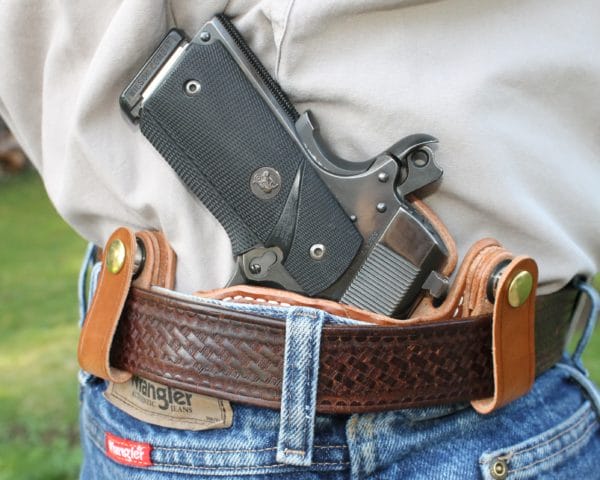
U.S.A. — A stunning survey that revealed more than half of Protestant churches across the country rely on “armed congregants as part of their security plan” has just recently been reported by Lifeway Research, even though the poll was taken last September.
The revelation comes 3 ½ years after a gunman opened fire at the West Freeway Church of Christ in White Settlement, Texas, only to be shot dead by armed parishioner Jack Wilson just a few seconds later. The shooting, which was live streamed at the time—the video warped across social media—shows at least a half-dozen armed citizens in the church sanctuary with drawn guns after Wilson fired the single shot that stopped killer Keith Thomas Kinnunen before he could wreak more havoc.
At the time, Alan Gottlieb, chairman of the Citizens Committee for the Right to Keep and Bear Arms, ripped into anti-gunners.
“The gun control crowd has been predictably silent,” Gottlieb said following the December 2019 incident, “because the use of firearms by private citizens in defense of themselves and others—especially a large crowd of worshippers in a church—just doesn’t fit the extremist gun control narrative.”
He even had some blistering remarks for then-presidential candidate Joe Biden and fellow Democrats for their “deafening silence.”
However, Biden had been critical of Texas gun laws in September of that year, which earned the Delaware Democrat plenty of scorn from gun rights advocates, including Gottlieb. At the time, Biden contended the relaxed Texas gun law was “irrational.” The December shooting demonstrated otherwise as Wilson and other armed churchgoers were able to immediately react.
As noted by Fox News, “Approximately 81% of churches — or four in five pastors — said they have at least one security measure to prevent potential attacks.”
“Fifty-seven percent of pastors claimed to have ‘an intentional plan for an active shooter situation,’ which was the most popular option,” Fox News reported. “The second most-cited option had armed church members. Radio communications among security personnel and a no-firearms policy in church facilities were the next most popular security options, at 26% and 21%, respectively.”
The Lifeway Research report notes, “When asked about their protocols when they gather for worship, around 4 in 5 U.S. Protestant pastors (81%) say their church has some type of security measure in place.”
The survey also revealed that security measures increase in churches with more worshippers in attendance. “The larger the church, the more likely it is to have armed private security personnel on site and radio communication among security personnel,” the Lifeway Research report acknowledged. “Churches with 250 or more in attendance are the most likely to have armed church members (74%) and uniformed police officers on site (27%). Those large congregations are also among the most likely to have an intentional plan for an active shooter situation (74%).”
Having armed security at a church is not such a new idea. Back in December 2007, following a fatal shooting at a mission in Arvada, 24-year-old Matthew John Murray showed up at the New Life Church in Colorado Springs. He killed two sisters and wounded their father in the church parking lot before entering the building, where he was confronted by Jeanne Assam, who was part of that church’s security team. She opened fire, wounding Murray, who then took his own life.
According to the Lifeway Research report, approximately 1 in 5 pastors have a “no firearm” policy in their church, while almost the same number have armed private security. Only one percent apparently have metal detectors at church entrances.
An attack on the Covenant School in Nashville in March showed such shooting incidents are not confined to church sanctuaries. In that shooting, killer Audrey Hale entered the building by shooting her way through glass doors before fatally shooting three adults and three children. Nashville police responded immediately and, as shown by body cam video, entered the building, rushed to find the shooter and brought the incident to a halt within four minutes.
The Nashville Tennessean is reporting that Hale, a transgender person, died of multiple gunshot wounds to the head and torso, according to an autopsy report issued Monday. She was hit in the torso and left arm, in the head and in the right thigh.
CCRKBA’s Gottlieb praised the rapid response by Nashville officers in a prepared statement, in which he also criticized anti-gunners for opposing armed school security, while pushing more laws to disarm law-abiding citizens.
“Those on the left do not want school resources officers on the job,” he said. “They argue for reducing police manpower overall while dangerous, violent people wait to prey on our most vulnerable citizens; school children and older Americans. And then they demand honest people give up their guns.
“The reason most Americans own firearms is to protect themselves against mentally unstable, violent people and evil, dangerous criminals,” Gottlieb said at the time.
The Lifeway Research report offers a reminder that armed private citizens continue to play a key role in what amounts to public safety, even in places of worship.
About Dave Workman
Dave Workman is a senior editor at TheGunMag.com and Liberty Park Press, author of multiple books on the Right to Keep & Bear Arms, and formerly an NRA-certified firearms instructor.
———————————————————————————- To me at least this just goes to show how far that this country has gome down the tube of moral decline. That & you just know that it is just going to get worse before there is any improvement! So be careful out there as The Devil is mighty busy right now. Grumpy
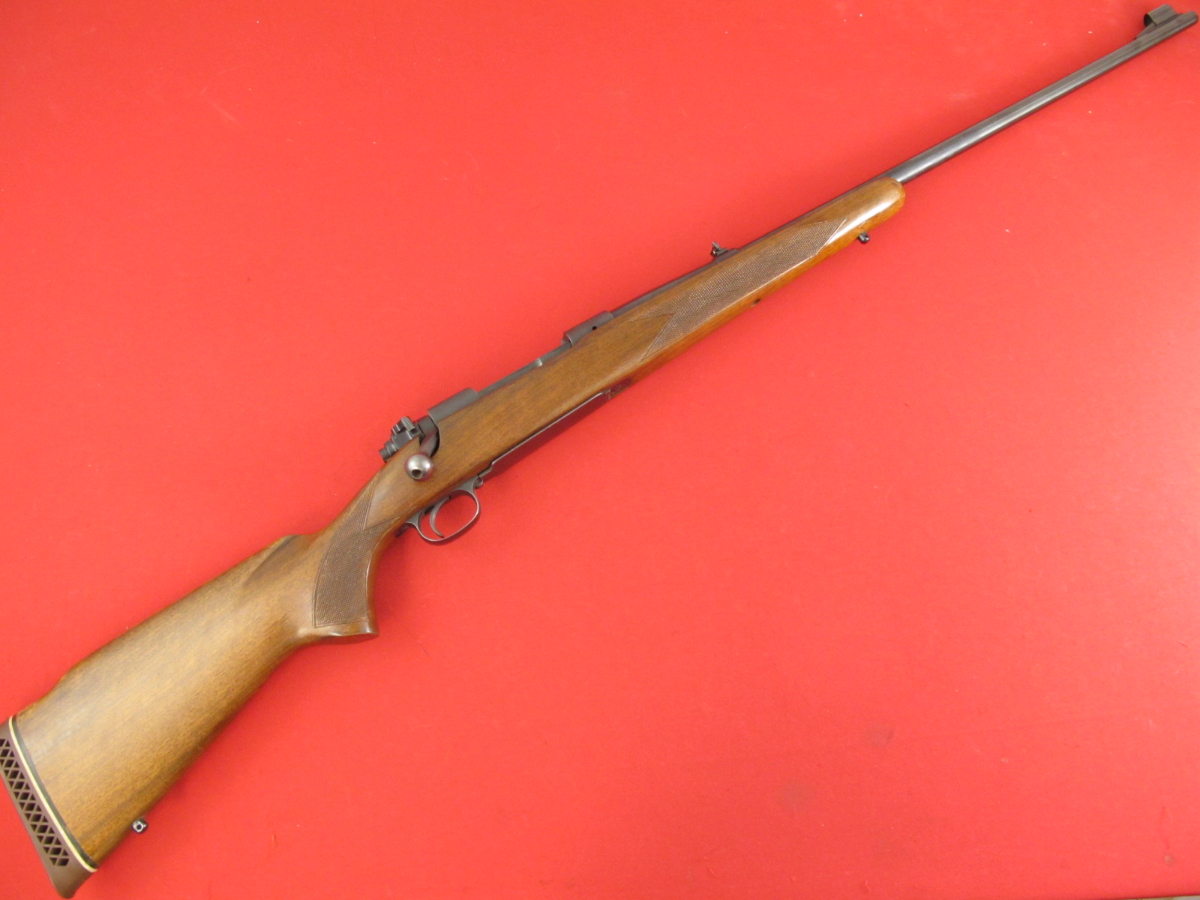
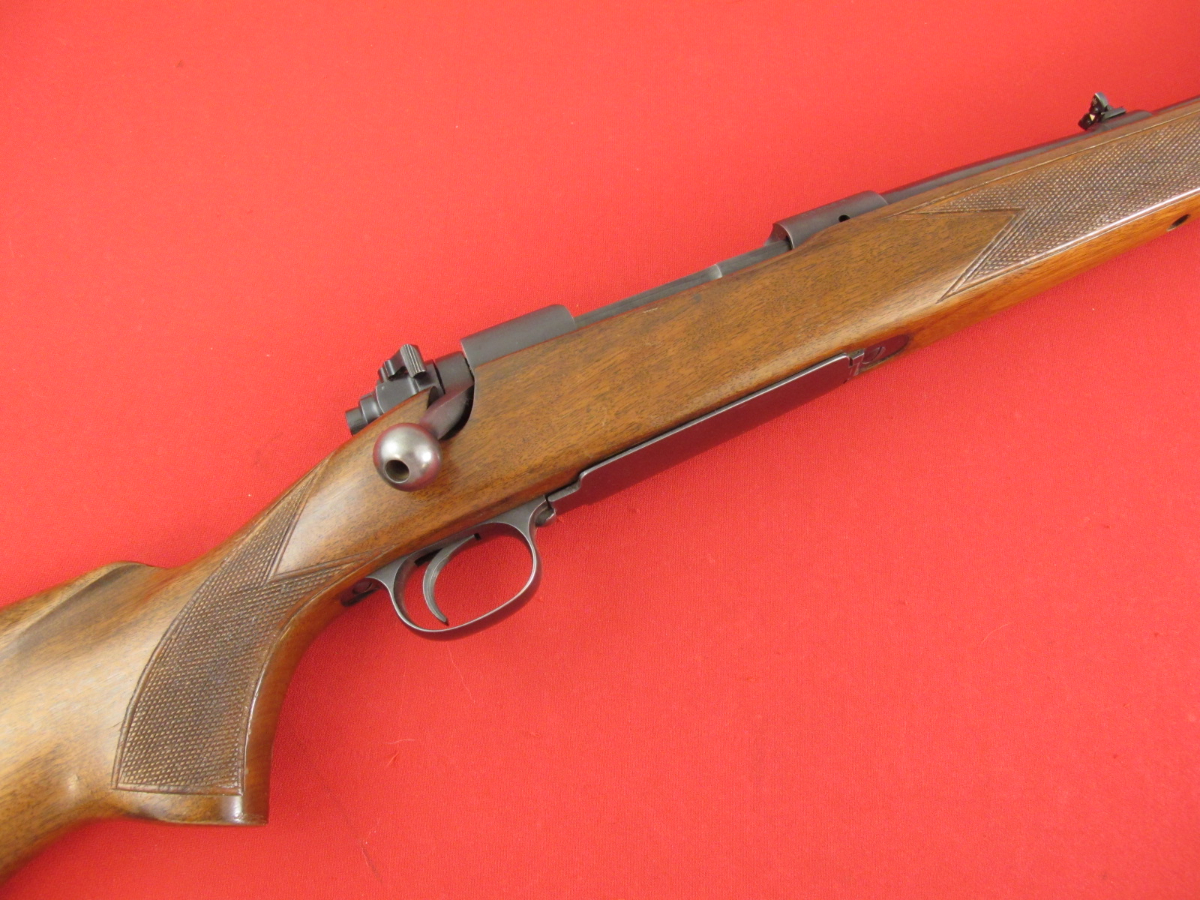
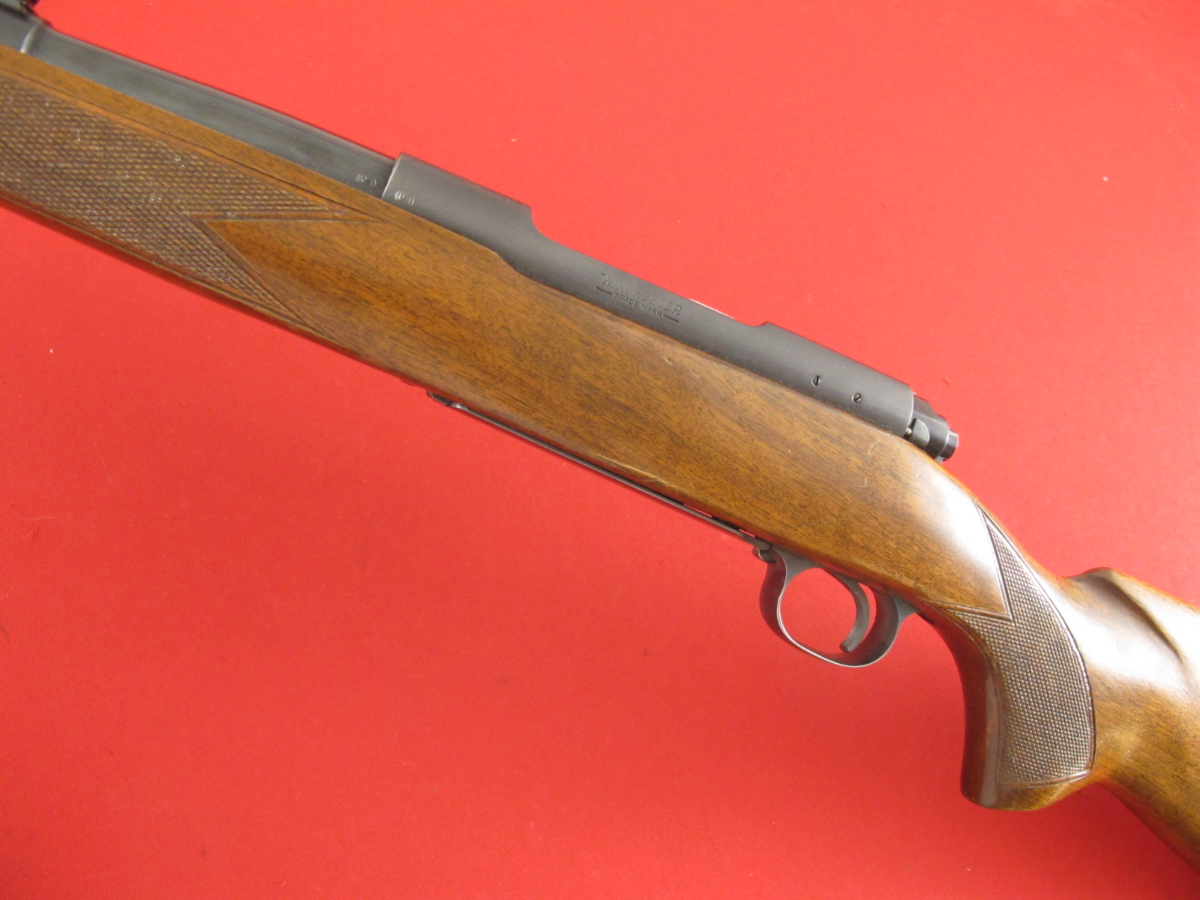
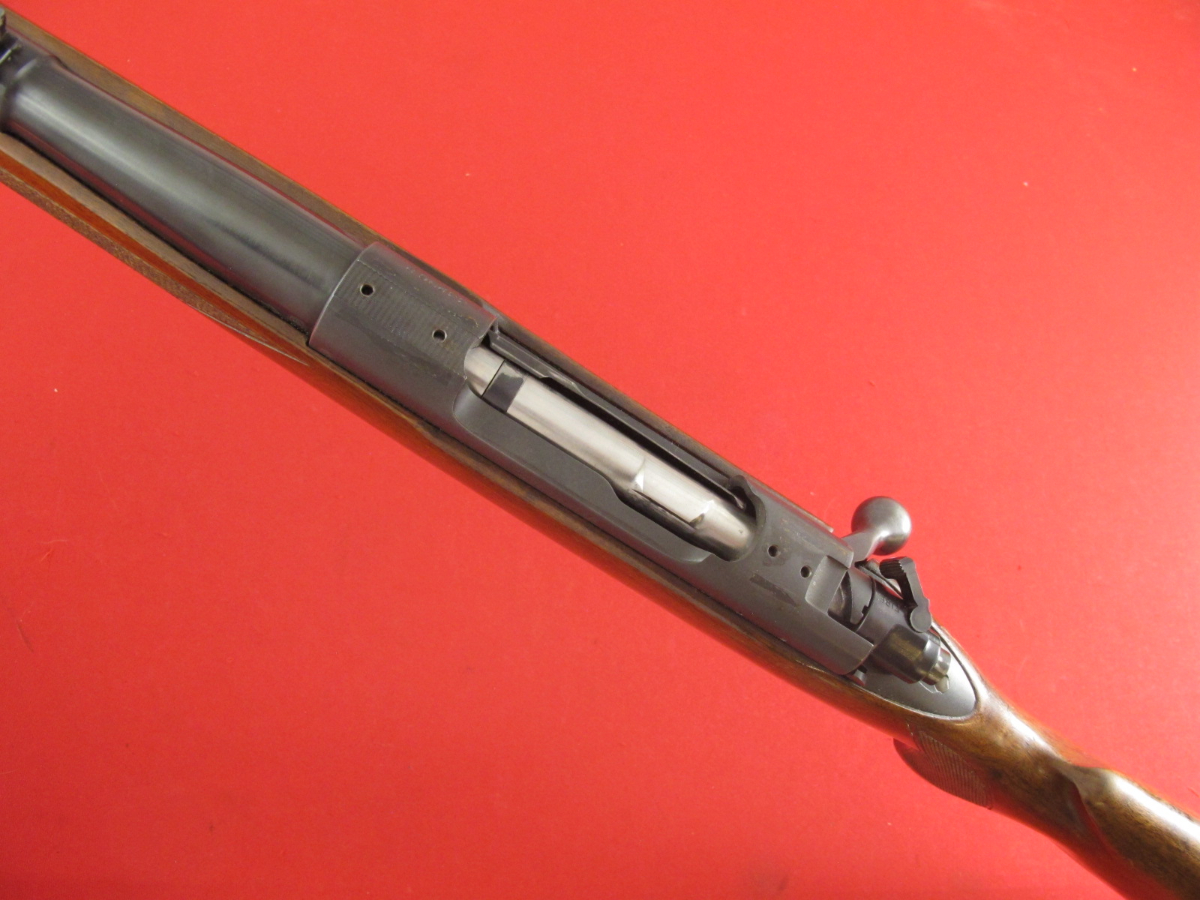
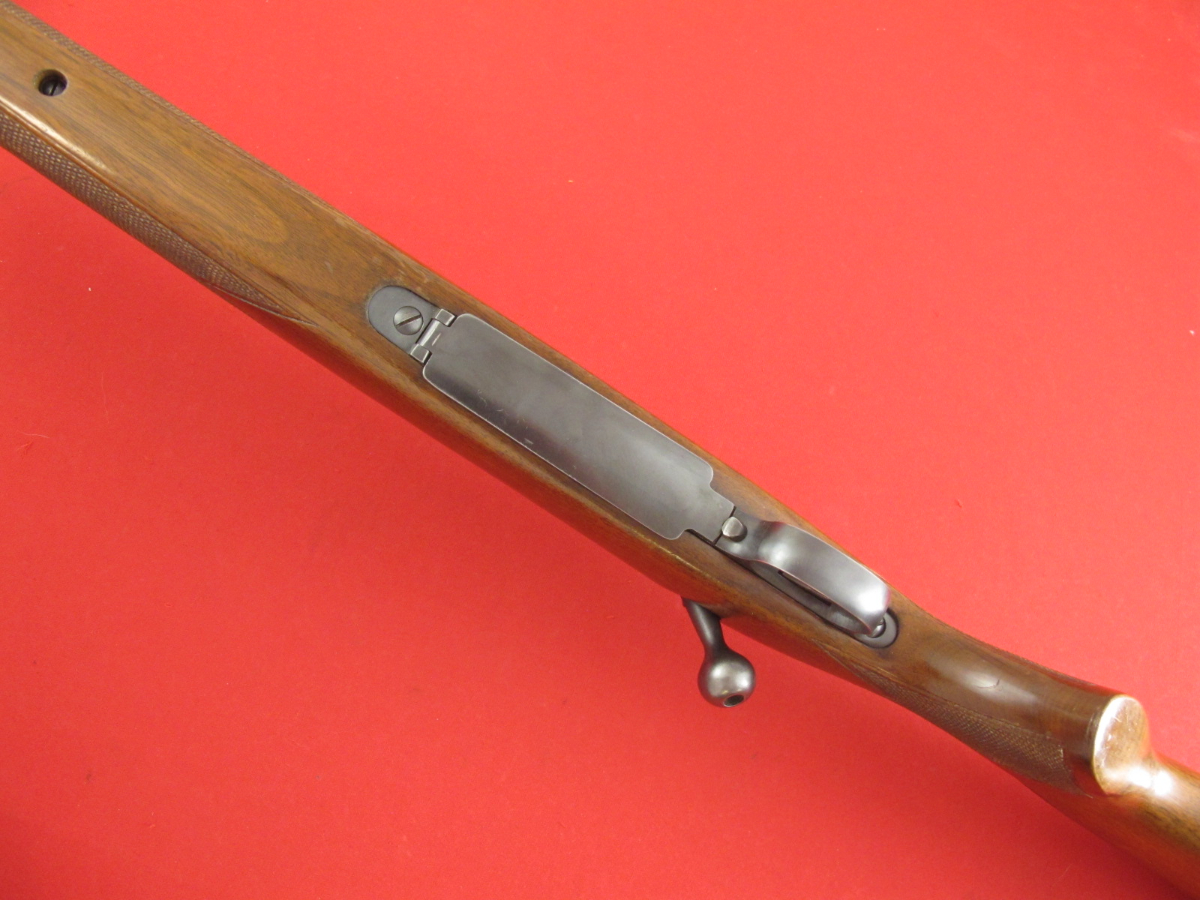


Every time the question of a bigger rifle or smaller rifle (for any game) springs up, someone’s bound to say it: Karamojo Bell killed a thousand elephants with an .256. No, wait, with a .275. No, wait, he killed 1011 elephants, but only a few with the .256. No, but he was sniping out undisturbed elephants from long distance. Exploits of W.D.M. Bell, Esq., nicknamed “Karamojo” because of being the first European to penetrate the territory of the Karamojo people, became legendary and controversial. Any scientific argument must begin with a study of the sources, so let’s turn to the book that made W. D. M. Bell famous: “The Wanderings of an Elephant Hunter”, published in 1923. Our comments will follow.
In hunting elephant, as in other things, what will suit one man may not suit another. Every hunter has different methods and uses different rifles. Some believe in the big bores, holding that the bigger the bore therefore the greater the shock. Others hold that the difference between the shock from a bullet of, say, 250 grs. and that from a bullet of, say, 500 grs. is so slight that, when exercised upon an animal of such bulk as an elephant, it amounts to nothing at all. And there is no end to the arguments and contentions brought forward by either side ; therefore it should be borne in mind when reading the following instructions that they are merely the result of one individual’s personal experience and not the hard and fast rules of an exact science.
As regards rifles, I will simply state that I have tried the following: .416, .450/.400, .360, .350, .318, .275 and .256. At the time I possessed the double .400 I also had a .275. Sometimes I used one and sometimes the other, and it began to dawn on me that when an elephant was hit in the right place with the .275 it died just as quickly as when hit with the .400, and, vice versa, when the bullet from either rifle was wrongly placed death did not ensue. In pursuance of this train of thought I wired both triggers of the double .450/.400 together, so that when I pulled the rear one both barrels went off simultaneously. By doing this I obtained the equivalent of 800 grs. of lead propelled by 120 grs. of cordite. The net result was still the same. If wrongly placed, the 800 grs. from the .400 had no more effect than the 200 grs. from the 275. For years after that I continued to use the .275 and the .256 in all kinds of country and for all kinds of game. Each hunter should use the weapon he has most confidence in.
Again, the smallest bore rifles with cartridges of a modern military description, such as the .256, .275, .303 or .318, are quite sufficiently powerful for the brain shot. The advantages of these I need hardly enumerate, such as their cheap ness, reliability, handiness, lightness, freedom from recoil, etc. For the brain shot only bullets with an unbroken metal envelope (i.e., solids) should be employed; and those showing good weight, moderate velocity, with a blunt or round-nosed point, are much better than the more modern high velocity sharp-pointed variety. They keep a truer course, and are not so liable to turn over as the latter.

The question of which rifles to use for big-game hunting is for each individual to settle for himself. If the novice starts off with, say, three rifles : one heavy, say a double -577 ; one medium, say a .318 or a .350 ; and one light, say a .256 or a .240 or a .276, then he cannot fail to develop a preference for one or other of them.
\For the style of killing which appeals to me most the light calibres are undoubtedly superior to the heavy. In this style you keep perfectly cool and are never in a hurry. You never fire unless you can clearly see your way to place the bullet in a vital spot. That done the calibre of the bullet makes no difference. But to some men of different temperament this style is not suited. They cannot or will not control the desire to shoot almost on sight if close to the game. For these the largest bores are none too big. If I belonged to this school I would have had built a much more powerful weapon than the .600 bores.
Speaking personally, my greatest successes have been obtained with the 7 mm. Rigby-Mauser or .276, with the old round-nosed solid, weighing, I believe, 200 grs. It seemed to show a remarkable aptitude for finding the brain of an elephant. This holding of a true course I think is due to the moderate velocity, 2,300 ft., and to the fact that the proportion of diameter to length of bullet seems to be the ideal combination. For when you come below .276 to .256 or 6-5 mm., I found a bending of the bullet took place when fired into heavy bones.
Then, again, the ballistics of the 275 cartridge, as loaded in Germany at any rate, are such as to make for the very greatest reliability. In spite of the pressures being high, the cartridge construction is so excellent that trouble from blowbacks and split cases and loose caps in the mechanism are entirely obviated. Why the caps should be so reliable in this particular cartridge I have never understood. But the fact remains that, although I have used almost every kind of rifle, the only one which never let me down was a .276 with German (D.W.M.) ammunition. I never had one single hangfire even. Nor a stuck case, nor a split one, nor a blowback, nor a miss-fire. All of these I had with other rifles.
I often had the opportunity of testing this extraordinary little weapon on other animals than elephant. Once, to relate one of the less bloody of its killings, I met at close range, in high grass, three bull buffalo. Having at the moment a large native following more or less on the verge of starvation, as the country was rather gameless, I had no hesitation about getting all three. One stood with head up about 10 yds. away and facing me, while the others appeared as rustles in the grass behind him. Instantly ready as I always was, carrying my own rifle, I placed a .276 solid in his chest. He fell away in a forward lurch, disclosing another immediately behind him and in a similar posture. He also received a .276, falling on his nose and knees. The third now became visible through the commotion, affording a chance at his neck as he barged across my front. A bullet between neck and shoulder laid him flat. All three died without further trouble, and the whole affair lasted perhaps four or five seconds.

Another point in favour of the .276 is the shortness of the motions required to reload. This is most important in thick stuff. If one develops the habit by constant practice of pushing the rifle forward with the left hand while the right hand pulls back the bolt and then vice versa draws the rifle towards one while closing it, the rapidity of fire becomes quite extraordinary. With a long cartridge, necessitating long bolt movements, there is a danger that on occasions requiring great speed the bolt may not be drawn back quite sufficiently far to reject the fired case, and it may become re-entered into the chamber. This once happened to me with a .350 Mauser at very close quarters with a rhino.
I did not want any rhino, but the villagers had complained about this particular one upsetting their women while gathering firewood. We tracked him back into high grass. I had foolishly allowed a number of the villagers to come with me. When it was obvious that we were close to our game these villagers began their African whispering, about as loud, in the still bush, as a full-throated bass voice in a gramophone song.
Almost immediately the vicious old beast could be heard tearing through the grass straight towards us. I meant to fire my first shot into the movement as soon as it became visible, and to kill with my second as he swerved. At a very few paces’ distance the grass showed where he was and I fired into it, reloading almost instantaneously. At the shot he swerved across, almost within kicking range, showing a wonderful chance at his neck. I fired, but there was only a click. I opened the bolt and there was my empty case.
I once lost a magnificent bull elephant through a .256 Mannlicher going wrong. I got up to him and pulled trigger on him, but click ! a miss-fire. He paid no attention and I softly opened the bolt. Out came the case, spilling the flake powder into the mechanism and leaving the bullet securely fast in the barrel lead. I tried to ram another cartridge in, but could not do so.
Here was a fix. How to get that bullet out. Calibre .256 is very small when you come to try poking sticks down it. Finally I got the bullet out, but then the barrel was full of short lengths of sticks which could not be cleared out, as no stick could be found sufficiently long, yet small enough. So I decided to chance it and fire the whole lot into the old elephant, who, meanwhile, was feeding steadily along. I did so from sufficiently close range, but what happened I cannot say. Certainly that elephant got nothing of the charge except perhaps a few bits of stick. That something had touched him up was evident from his anxiety to get far away, for he never stopped during the hours I followed him.
At one time I used a double .450/.400. It was a beautiful weapon, but heavy. Its drawbacks I found were : it was slow for the third and succeeding shots ; it was noisy ; the cartridges weighed too much ; the strikers broke if a shade too hard or flattened and cut the cap if a shade too soft ; the caps of the cartridges were quite unreliable ; and finally, if any sand, grit or vegetation happened to fall on to the breech faces as you tore along you were done ; you could not close it. Grit especially was liable to do this when following an elephant which had had a mud bath, leaving the vegetation covered with it as he passed along. This would soon dry and tumble off at the least touch.
I have never heard any explanation of the undoubted fact that our British ammunition manufacturers cannot even yet produce a reliable rifle cartridge head, anvil and cap, other than that of the service .303. On my last shoot in Africa two years ago, when W and I went up the Bahr Aouck, the very first time he fired at an elephant he had a miss-fire and I had identically the same thing. We were using .318’s with English made cartridges. Then on the same shoot I nearly had my head blown off and my thumb severely bruised by an English loaded .256. There was no miss-fire there.
The cartridge appeared to me almost to detonate. More vapour came from the breech end than from the other. I have since been told by a great authority that it was probably due to a burst case, due to weak head. On my return I complained about this and was supplied with a new batch, said to be all right. But whenever I fire four or five rounds I have a jam, and on investigating invariably find a cap blown out and lodging in the slots cut for the lugs of the bolt head. Luckily these cartridges are wanting in force; at one time they used fairly to blast me with gas from the wrong end. The fact that these faults are not conspicuously apparent in this country may be traced to the small number of rounds fired from sporting rifles, or, more probably, to the pressures increasing in a tropical temperature.

I have never been able to appreciate “shock” as applied to killing big game. It seems to me that you cannot hope to kill an elephant weighing six tons by ” shock ” unless you hit him with a field gun. And yet nearly all writers advocate the use of large bores as they “shock” the animal so much more than the small bores. They undoubtedly “shock” the firer more, but I fail to see the difference they are going to make to the recipient of the bullet. If you expect to produce upon him by the use of big bores the effect a handful of shot had upon the Jumping Frog of Calaveras County, you will be disappointed. Wounded non-vitally he will go just as far and be just as savage with 500 grains of lead as with 200. And 100 grains in the right place are as good as ten million.
The thing that did most for my rifle shooting was, I believe, the fact that I always carried my own rifle. It weighed about 7 lb., and I constantly aligned it at anything and everything. I was always playing with it. Constant handling, constant aiming, constant Swedish drill with it, and then when it was required there it was ready and pointing true.
A lot of controversy about Karamojo Bell comes from Mr. Bell himself. “The Wonderings of an Elephant Hunter” was written when the trails were still hot, memories fresh, and from the “here’s what worked for me, under my specific circumstances” position. Later in life, however, his views became more radical.
In an article titled “Big Bores vs. Small Bores”, for example, published posthumously by “The American Rifleman” in 1954, he urged everyone to dump the big bores and hunt all animals with rifles of the .308 Win. class (he praised the cartridge, even though he had no personal experience with it). All dependent on bullet placement, he wrote, “a .600 caliber 900-grain bullet in the right place will kill as dead as a 100-grain bullet”. A few paragraphs later, he called the .318 Westley Richards “the deadliest” of his foursome of favorites, that also included the 6.5 mm. Mannlicher, the 7 mm. Mauser, and the .303 British. So, he could see the difference in killing power between .318 and 7 mm, but not between .22 Swift and .600 NE. Er… seriously?
Was it rhetorical vigor, or was W.D.M. Bell simply pulling the readers’ collective leg? These British “old chaps” loved a good prank – oh, pardon me, practical joke! What most people tend to learn over their lifetimes is that a radical view on anything is usually wrong. That includes Karamojo Bell and his small-bore rifles.
On the one hand, Bell certainly didn’t kill over a thousand elephants with a 6.5 mm rifle. .As we already know, he used rifles for at least eight different rounds. For the trip into the Karamojo country, he had a battery of three rifles, two already mentioned and a.303 British. For three of his trips – to Liberia, up the River Bahr Aouk, and into the Buba Gida Potentiate and the Lakka country, he carried only one big-game rifle: a .318 Westley Richards. This is a medium bore (.330, or 8.4 mm) round that came loaded with a 250-grain (16 gram) bullet at 2,400 ft/s (730 m/s), or a 180-grain (12 gram) at 2,700 ft/s (820 m/s). He is credited with killing over 1011 elephants in his career, but the .256 accounted for the minority of kills, due to various ammunition problems.

On the other hand, critics tend to downplay Bell’s experience, saying he was mostly shooting undisturbed elephants at long distance in an open country. In fact, Bell killed all kinds of elephants in all kinds of terrain. That included the 12-foot grass in the Lado Enclave, where he had to shoot from an improvised elevation.
If Bell couldn’t see the difference between bigger and smaller cartridges, why would he use the .318 WR on so many trips, and why did he order one .416 Rigby after another (as Rigby’s record books testify)? On the other hand, when African national parks carried out large-scale elephant culls – the nearest thing to Bell’s ivory hunting in modern world – the weapon of choice, to our knowledge, were semi-automatic military rifles and the 7.62 mm NATO (the military version of the .308 Win.). Karamojo would’ve approved. The bottom line is, precisely as Karamojo himself claimed in his earliest prose, the 7 mm Mauser was what worked for a specific person under specific circumstances. It’s not a magic bullet for everyone everywhere.
In any case, Bell’s books make a wonderful read, whether you agree with his views or not. He was one of the people who had a unique experience, intelligent enough to know their experience were unique, and talented enough to preserve it for later generations in high-quality prose and imagery. And, as long as you don’t take Bell’s tips literally, his advice on knowing your weapon, the killing spots of your quarry, and being able to put every bullet where it belongs, still makes a lot of sense.
The days of Karamojo Bell are long gone. Modern elephant hunting in Africa is totally sustainable and works towards the preservation of the species. And there are many other opportunities to discover hunting in Africa.
If you liked this story, you may also like:
A US test pilot described the challenges of flying one of the world’s most advanced warplanes, the F-35 fighter jet, in a recent discussion in a webinar organized by Lockheed Martin.
Tony “Brick” Wilson, an F-35 test pilot for the American defense company who formerly served in the US Navy, described the “g-forces” — or gravitational force — must deal with when flying the hi-tech US fighter jets.
“It’s like an 800-pound gorilla sitting on your chest,” Wilson said earlier this month, The Jerusalem Post reported.
The F-35 has a top speed of around Mach 1.6 or 1,228 mph.
Aircraft-to-aircraft “dog fighting” is like a full-body workout, and “you are wiped out” by the end, Wilson added.
The hi-tech, fifth-generation aircraft produced by Lockheed Martin is a multirole stealth aircraft that is intended for air superiority and strike missions, Insider previously reported.
Monessa “Siren” Balzhiser, another F-35 test pilot for the company, also addressed “g-forces” in the discussion.
An average roller coaster pulls about three to four “g-forces,” Balzhiser said, who, prior to joining Lockheed, served in the US Air Force.
“For a g-force, think about your weight. So if you were 100 pounds, pulling 9 g’s, you would be pulling 900 pounds of force on a person’s body. Imagine that much pressure on your body. It takes a lot of training and special training,” Balzhiser said.
Following a mission, “pilots come out looking like they are 100 years old,” she added.
Wilson was later asked how far the jets could fly, per The Jerusalem Post, and he described the different fuel levels available in each variant of the jet.
An F-35A carries 18,000 pounds of fuel, the F-35B carries about 13,000 pounds of fuel, and the F-35C carries almost 20,000 pounds of fuel, the test pilot said.
Generally, on missions, pilots fly no more than “500 to 700 nautical miles, execute a mission, and then travel back” to base, Wilson said.
When Russia invaded Ukraine, the US Air Force deployed F-35 fighter jets to NATO’s front line to patrol for Russian missiles that could threaten planes, Insider previously reported.
A multirole stealth aircraft, the F-35 is intended for air superiority and strike missions and is now flown by at least 17 airforces worldwide.
It is equipped with a powerful electronic warfare and intelligence, surveillance, and reconnaissance suite. The capabilities, which allow the F-35 to gather and distribute real-time battlefield information to friendly forces, have earned it the nickname “the quarterback of the skies.”
In the webinar, Balzhiser said what she most valued about the warplanes is “the amount of information and situational awareness that the F-35 gave me in comparison to the F-16.”
The F-16 has three separate screens and displays, with each screen tied to a specific sensor,” she said, per The Jerusalem Post. “The pilots needed to do sensor fusion in their brain to take the information, think about it, and come up with a solution. The F-35’s large graphic display does that, provides that situational awareness faster than what I was able to do in the F-16.”
The weaponry carried by the F-35 varies. In a configuration known as “beast mode,” it carries four 500-pound GBU-12 laser-guided bombs on its wings, two GBU-12 in its internal weapons bay, and an AIM-9 air-to-air heat-seeking missile. That configuration sacrifices stealth for firepower, according to a 2022 Insider report.

