

Category: Uncategorized

Categories
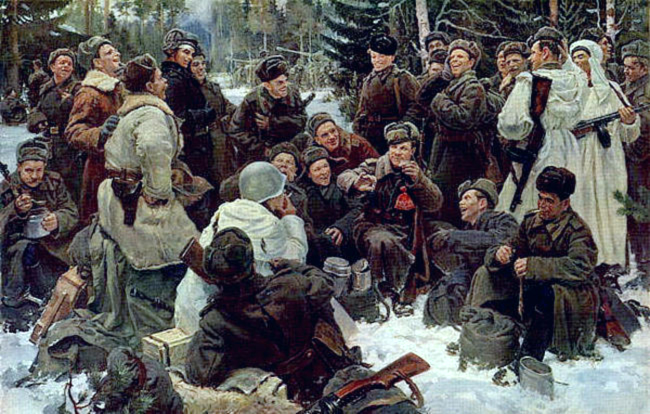
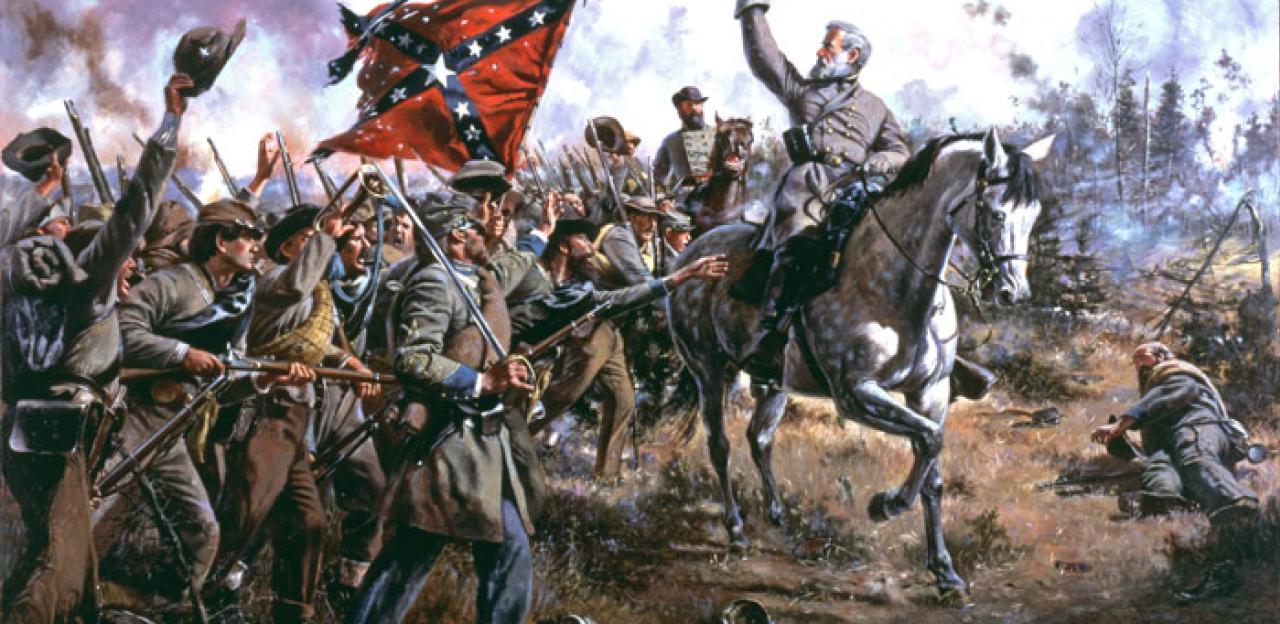
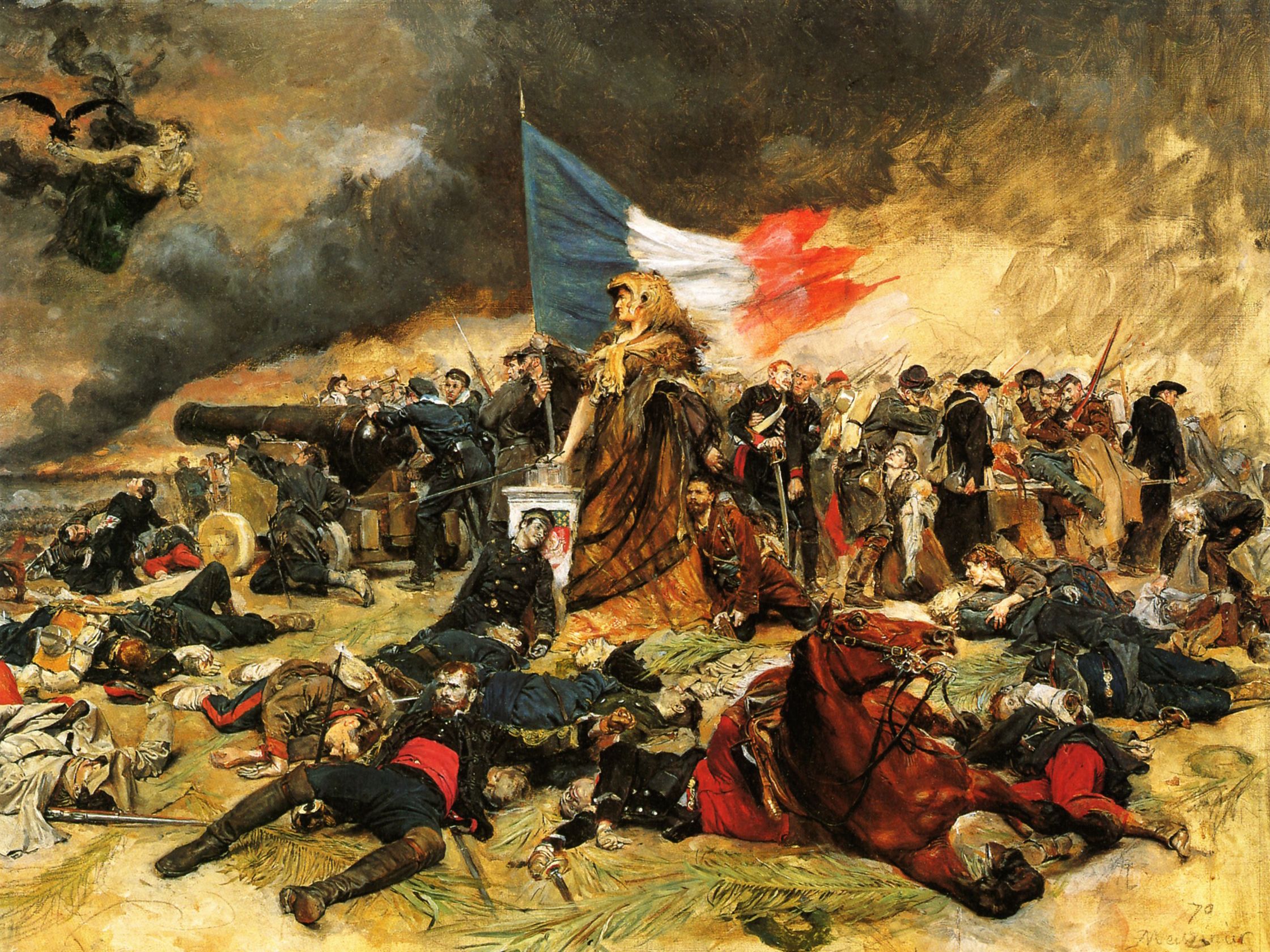
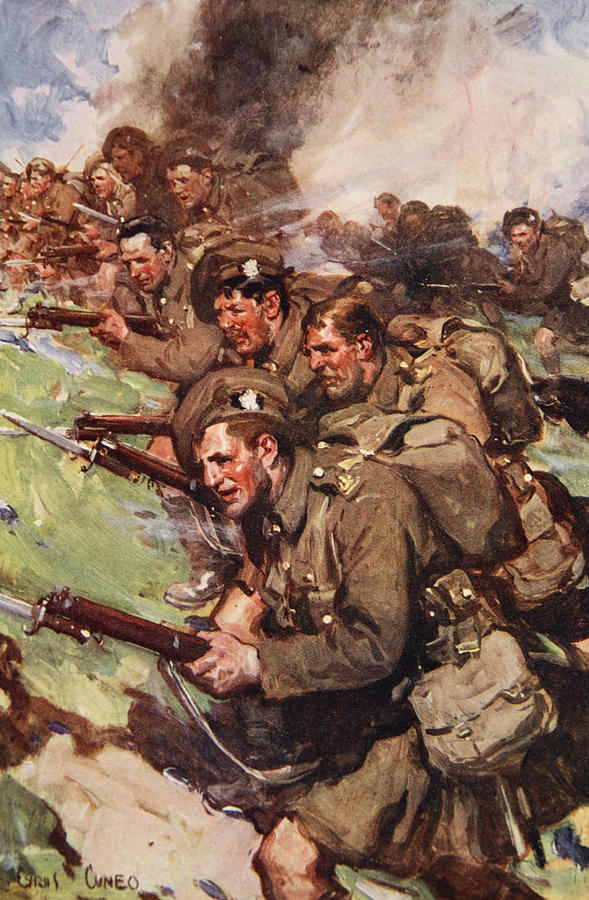
War Art through the ages







Categories
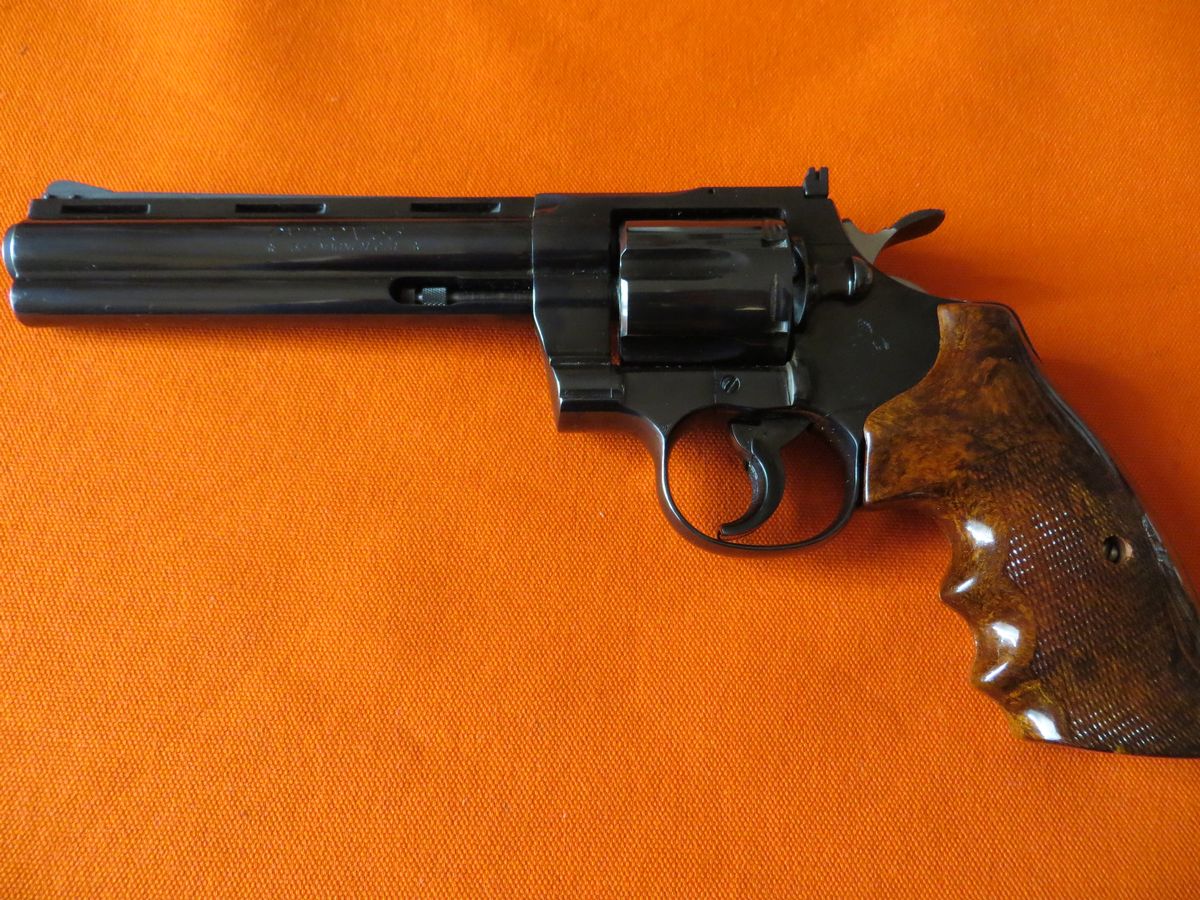
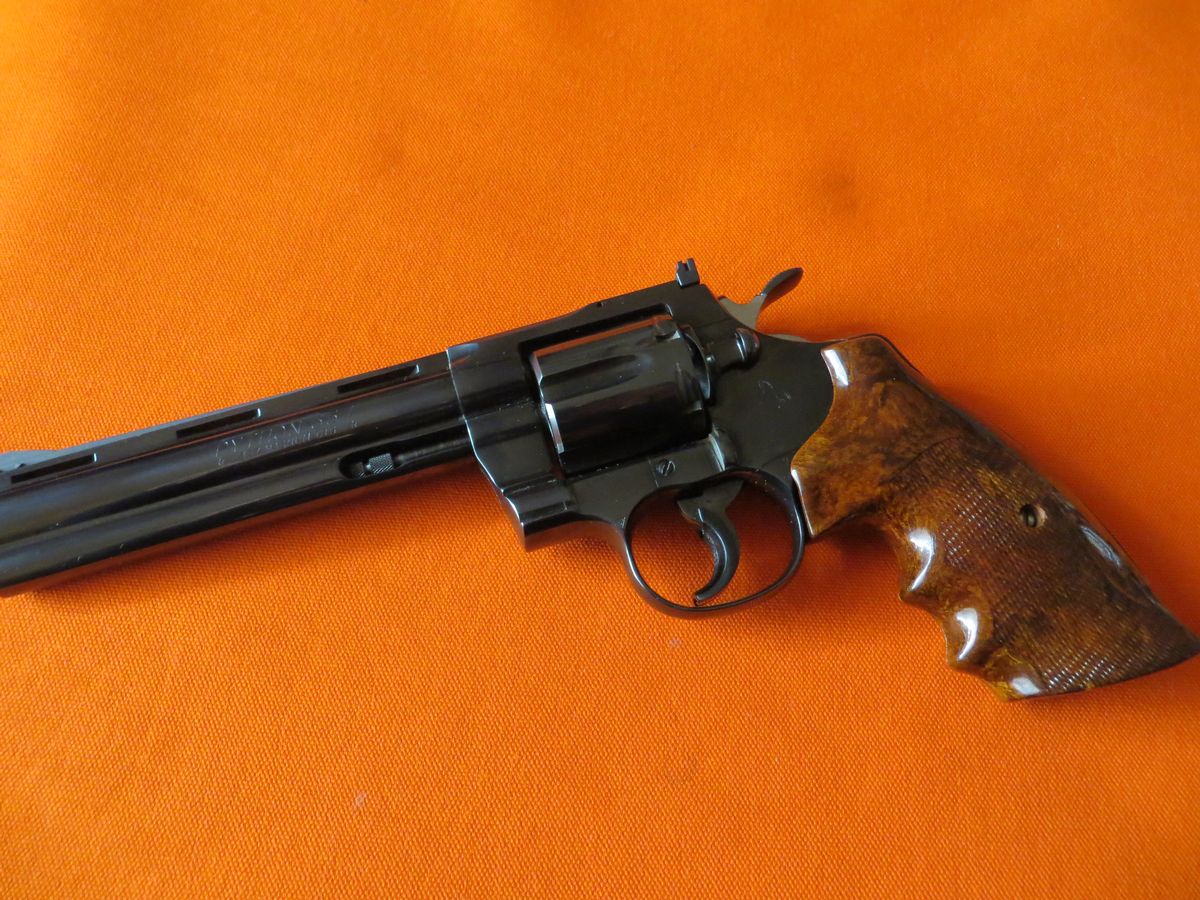
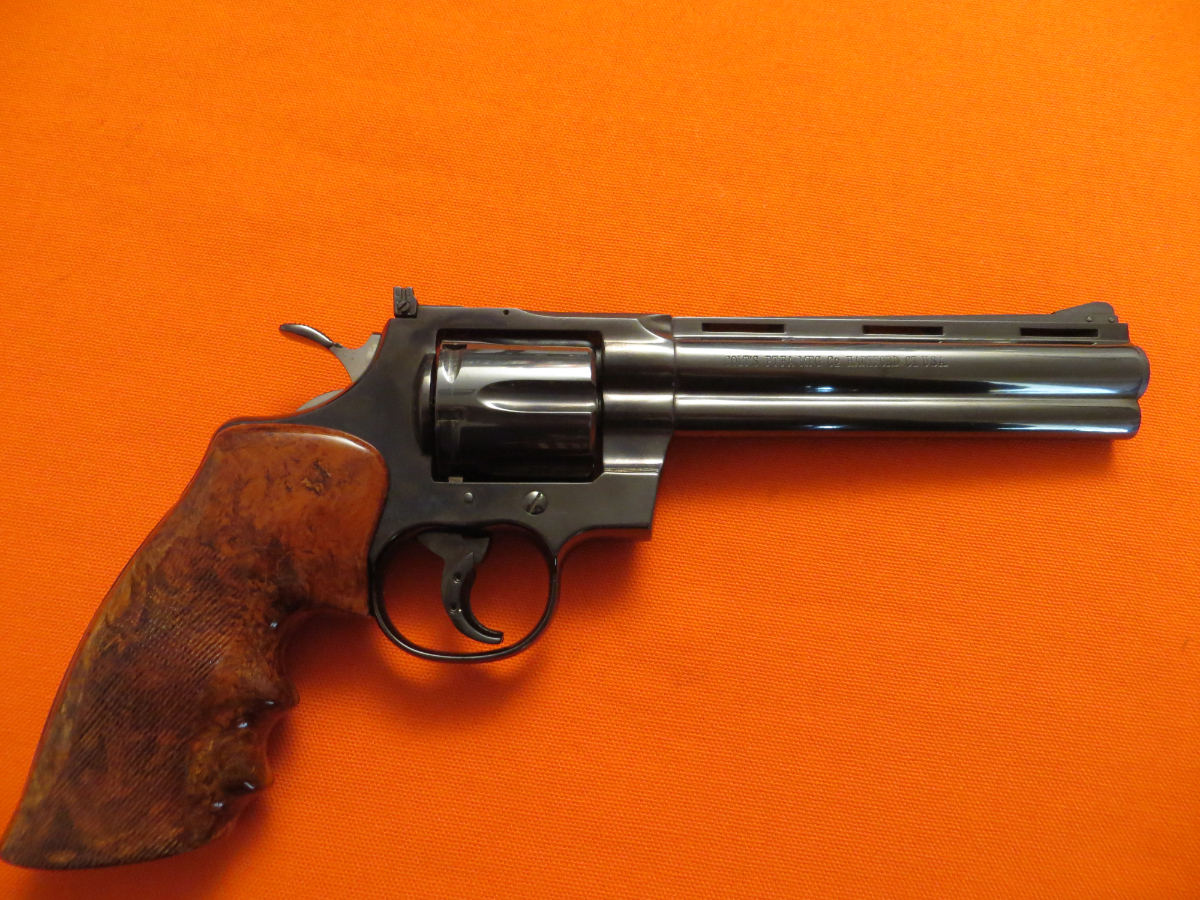
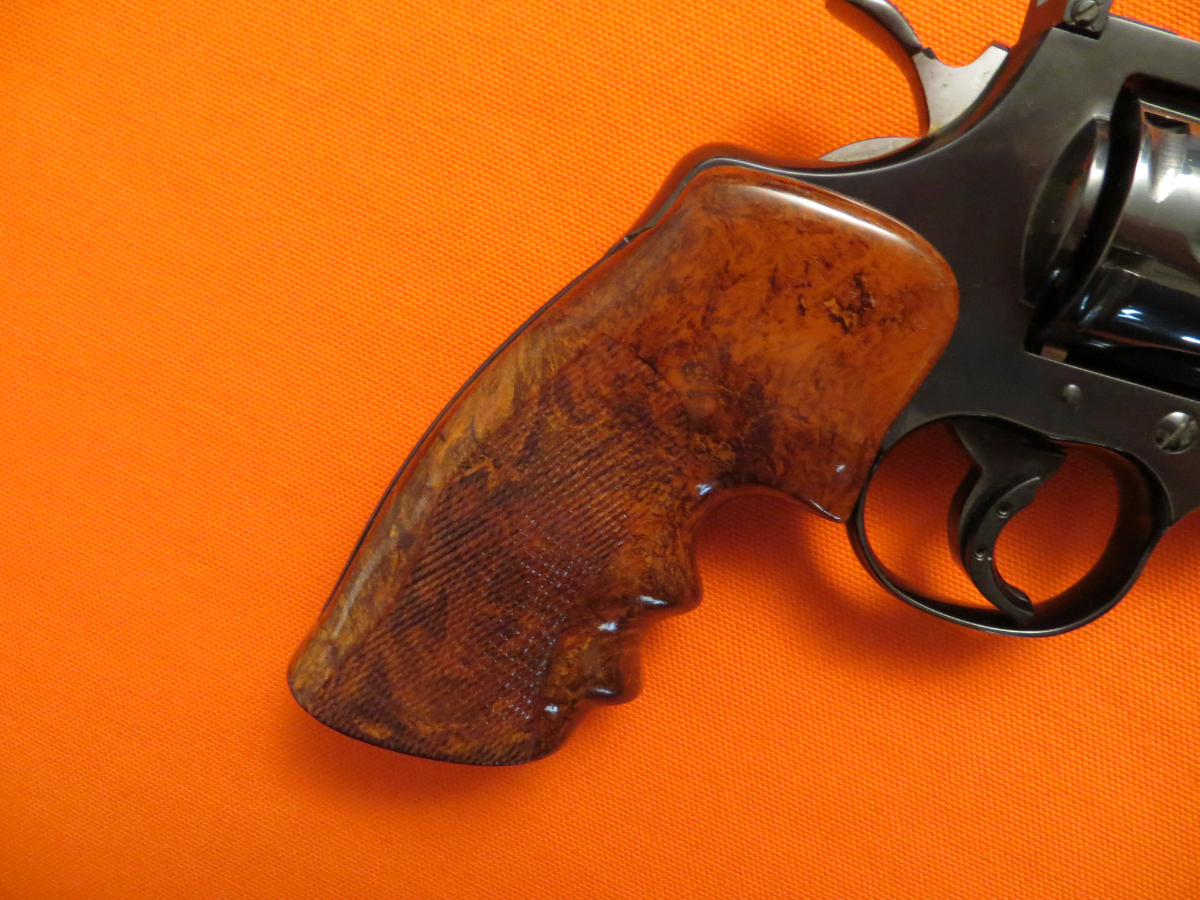
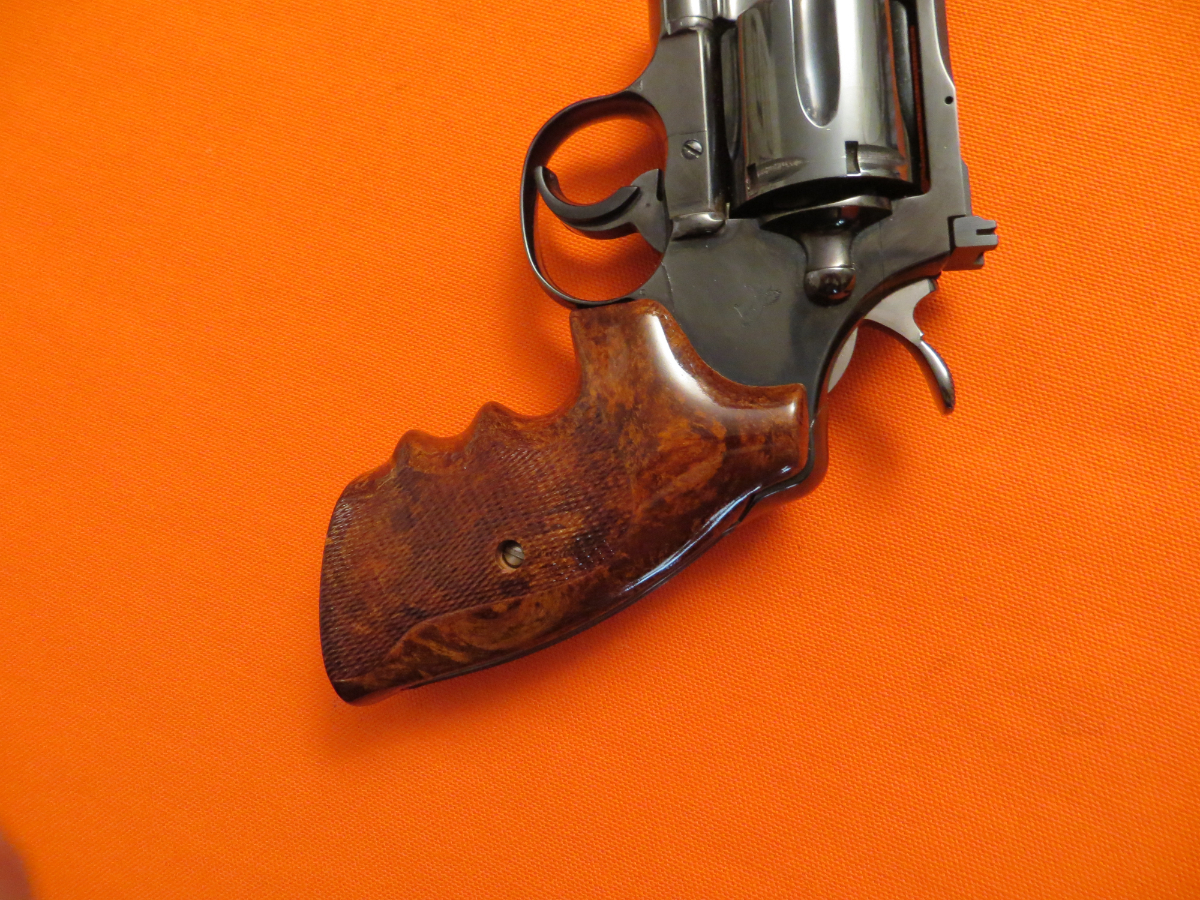
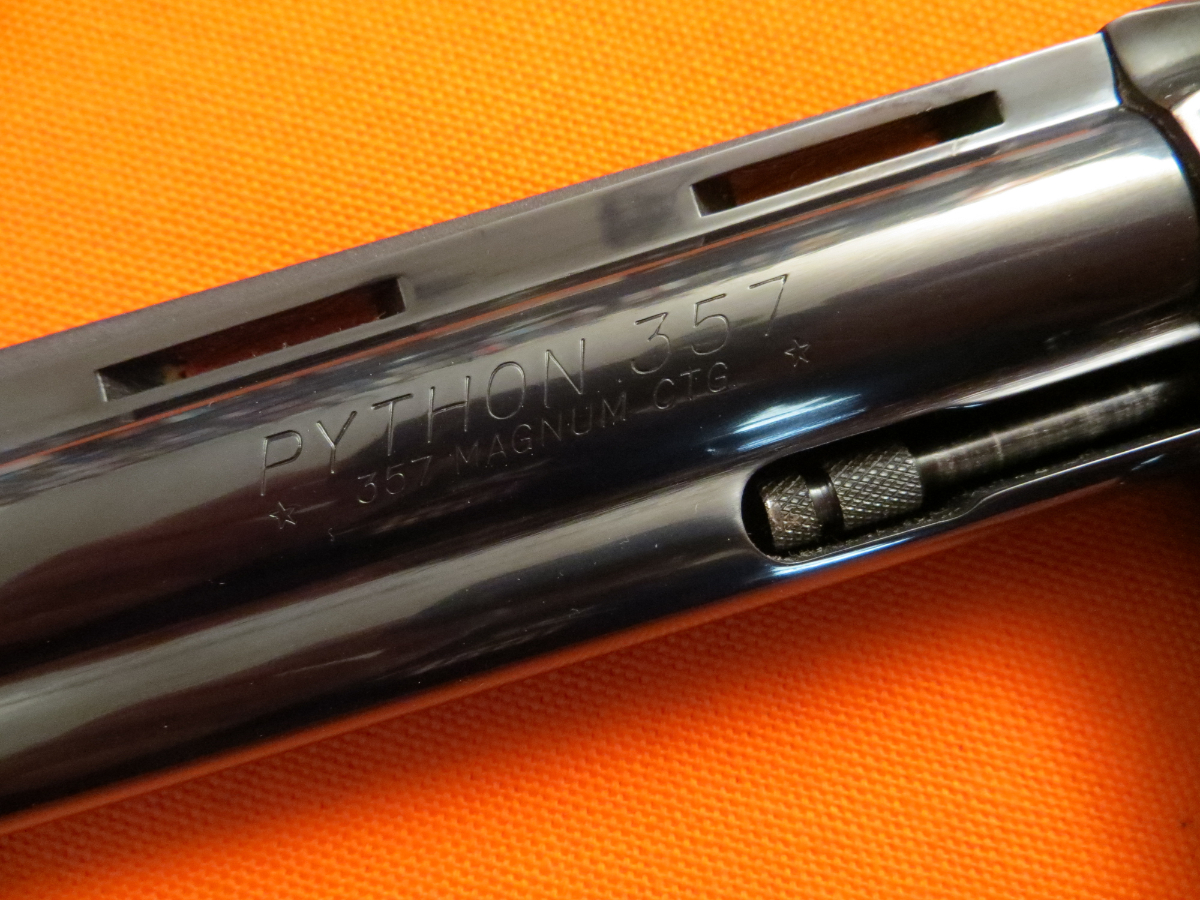
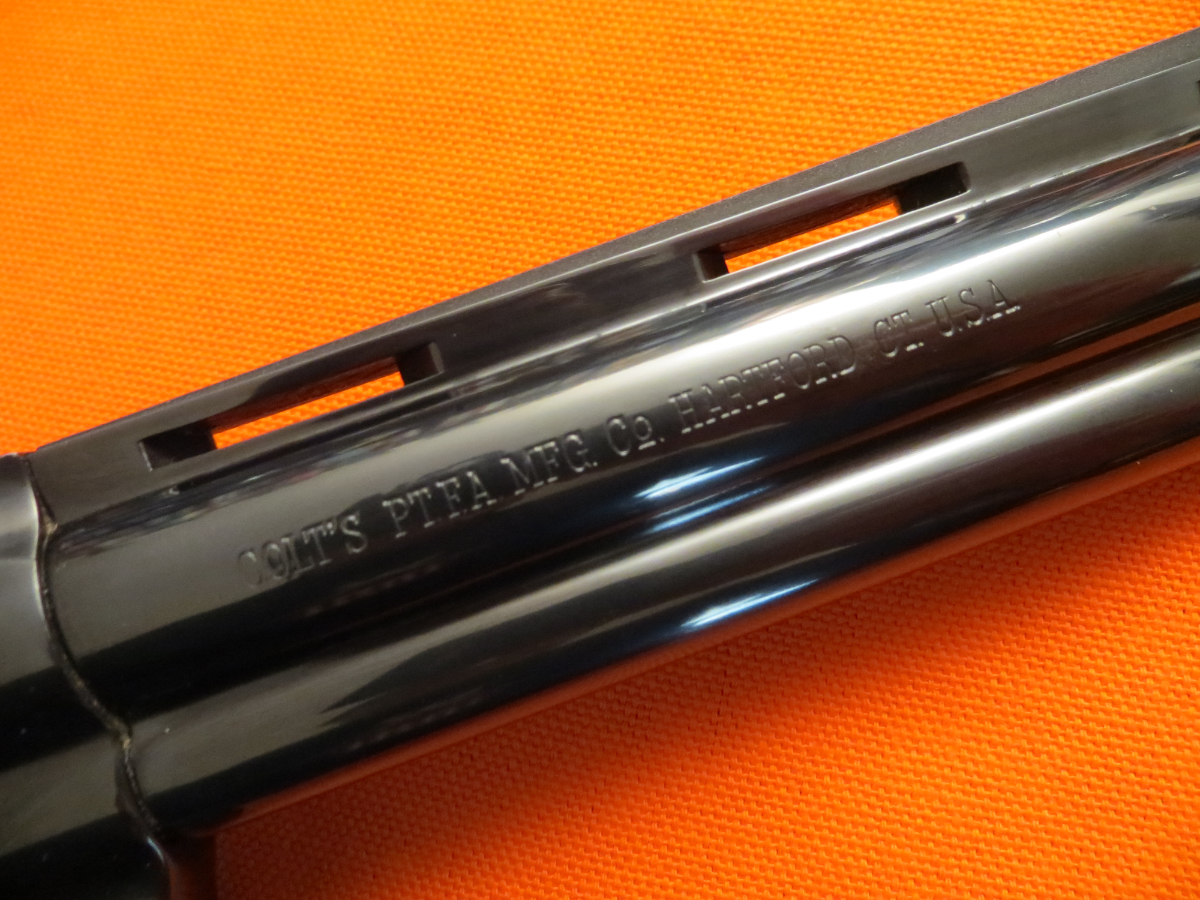
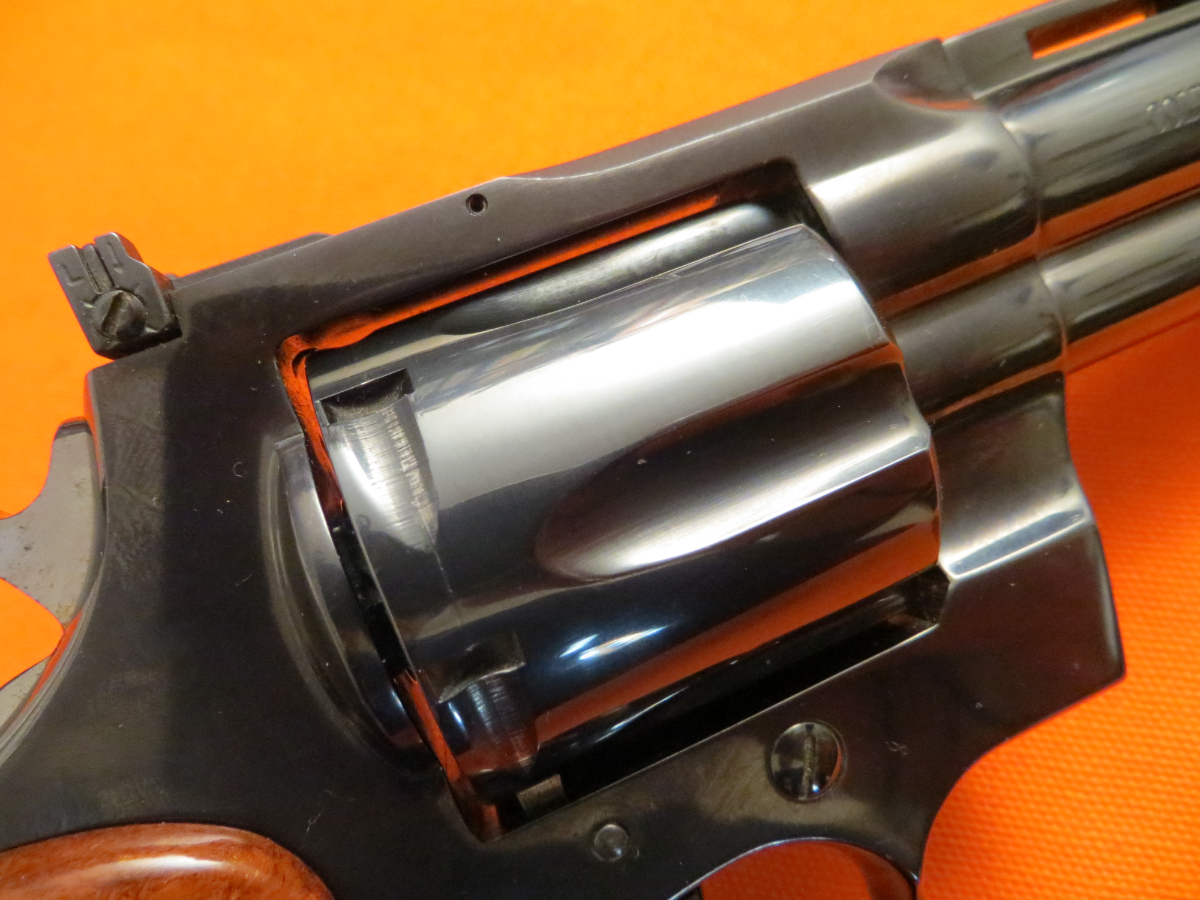
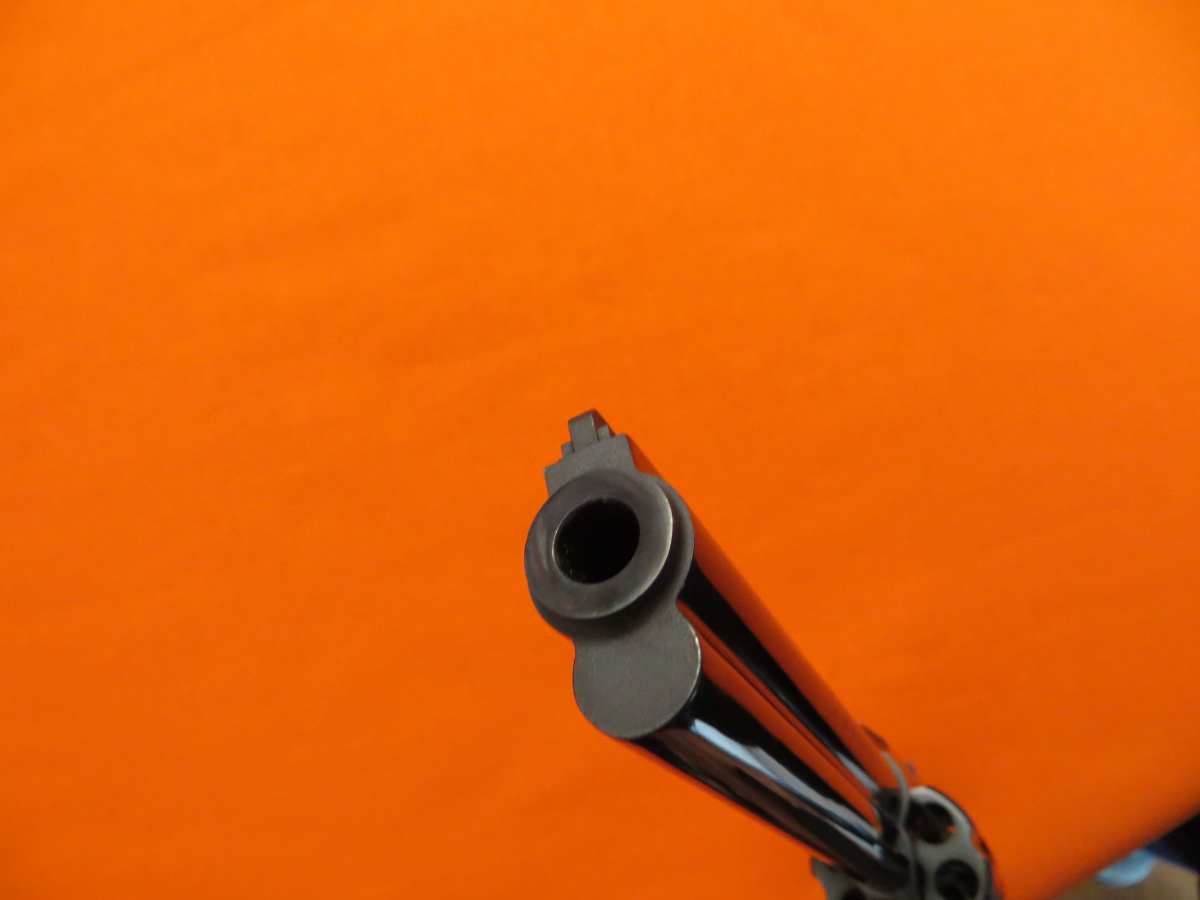
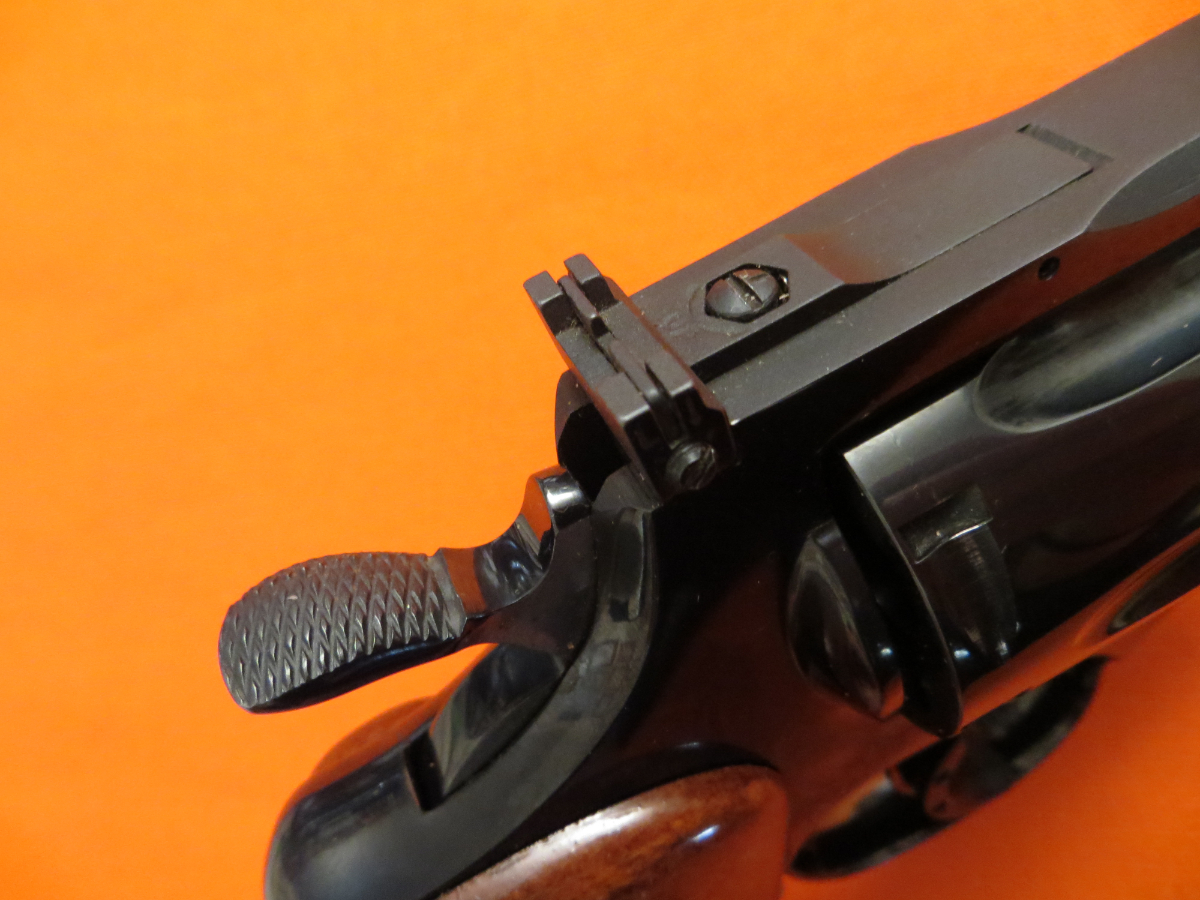
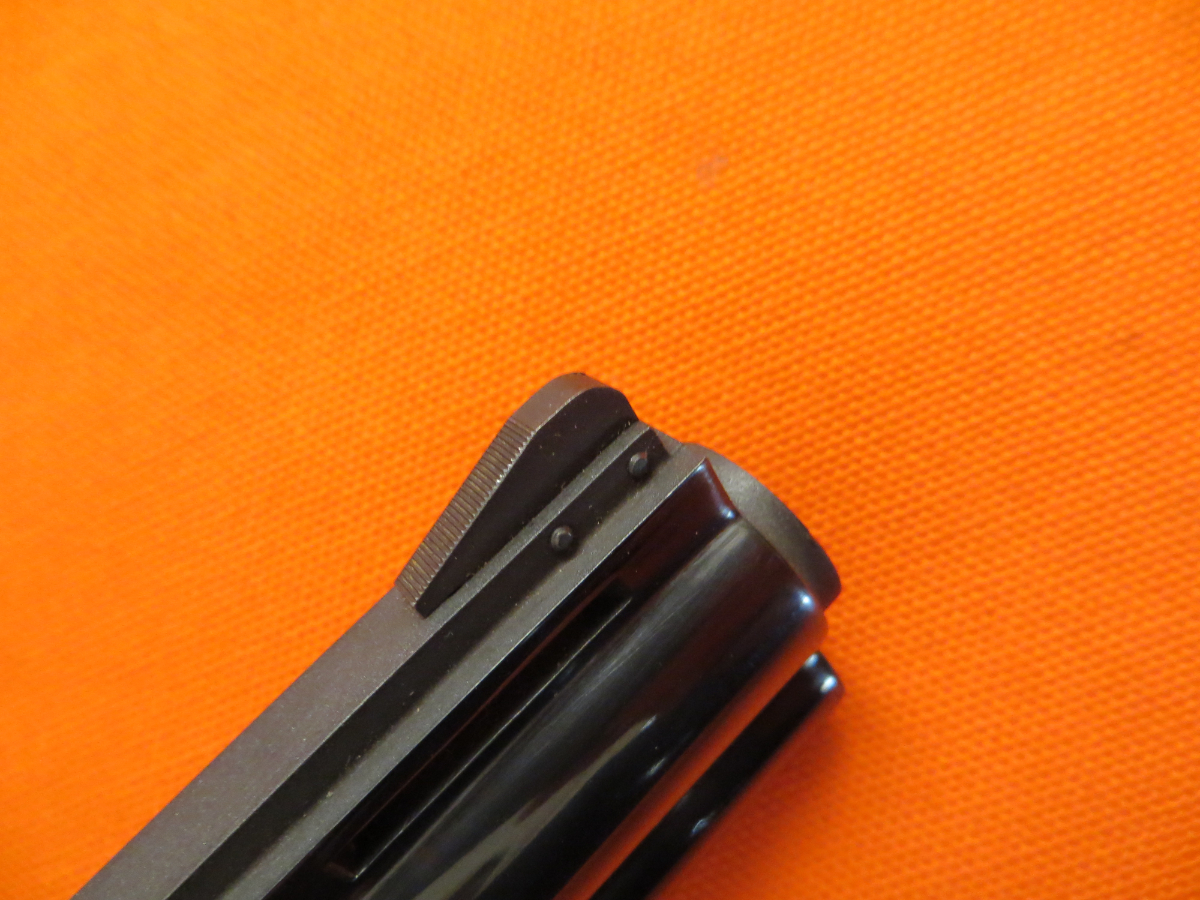
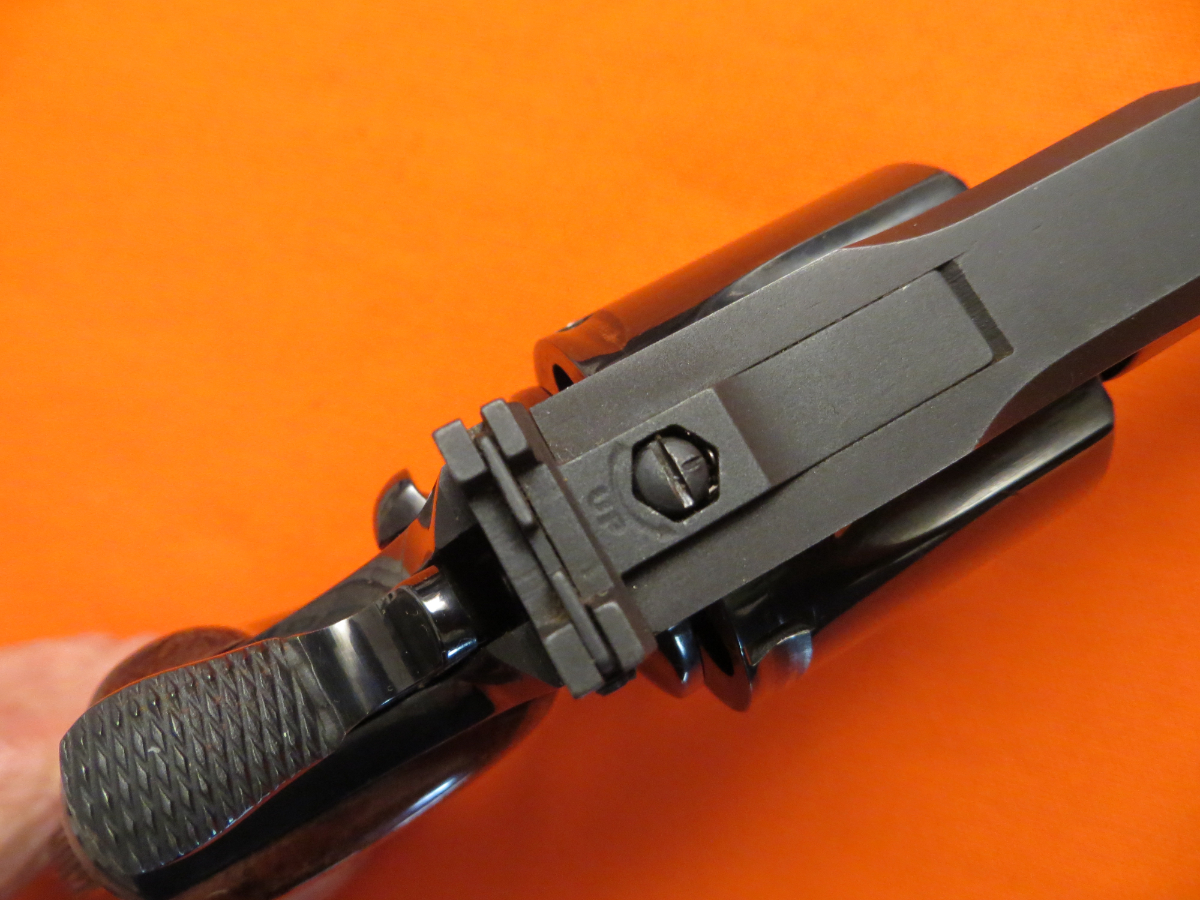
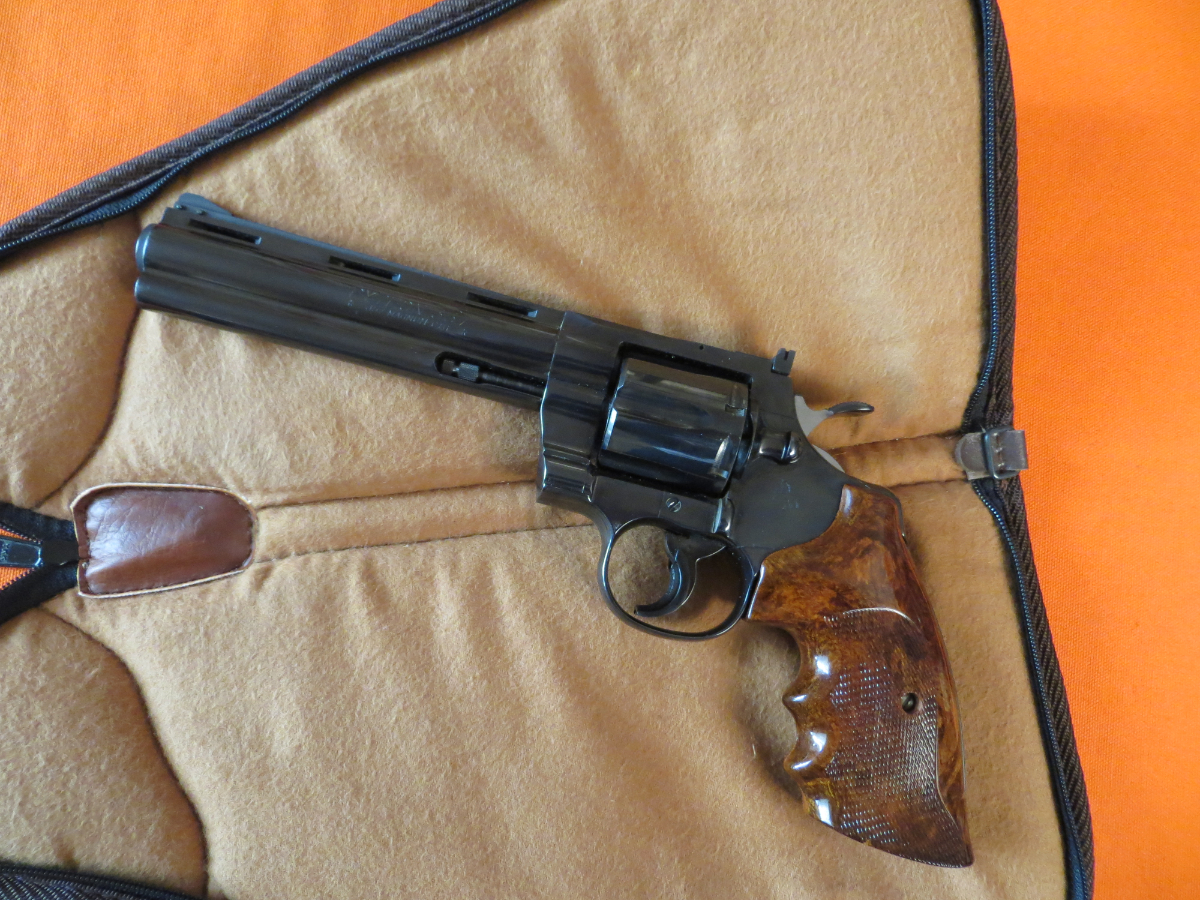
Somebody say Colt Python?
Categories
“Oddball” Navy & Artillery Lugers
Red, white, and polished blue steel. The 4th of July is a celebration of freedom, and America’s freedom was forged through courage and gunpowder. We’re looking back at the top 25 American guns of all time, and the competition is fierce. Most of the featured firearms are offered in Rock Island Auction Company’s upcoming August Premier Auction, along with a few examples from past events.

The Kentucky Rifle
One of the first truly iconic arms of America was pioneered by German and Swiss gunsmiths who immigrated to the Colonies in the 18th century. Popularly known as the Kentucky Rifle or Pennsylvania Rifle, the American Long Rifle allowed accurate shooting up to 200 yards or more, a decisive advantage to backwoodsmen while hunting in the western wilderness or sniping Red Coats during the Revolutionary War and War of 1812.

Colt Model 1851 Navy
A personal favorite of Samuel Colt, the Model 1851 Navy was one of the most prevalent sidearms on both sides of the American Civil War, even serving as the basis for numerous Confederate produced brass-frame revolver styles like the Griswold & Gunnison Revolver and the Leech & Rigdon revolvers. The sturdy sixgun’s impressive production numbers, widespread use on the American frontier, and status as the favored revolver for Western legends like Wild Bill Hickok, Buffalo Bill Cody, and countless early gunslingers elevate the 1851 Navy to one of best American guns of all time.

The Sharps Rifle and Carbine
The various models of Sharps rifles and carbines earned a reputation as iconic arms of America in the Civil War, the Old West, and in popular culture thanks to films like ‘Quigley Down Under’ and ‘True Grit.’ Produced from the Antebellum Era through the late-19th century and noted for their exceptional accuracy and reliability, the Sharps filled a key role during the Civil War when the Union purchased approximately 80,000 Sharps carbines and almost 10,000 rifles. Specially ordered Sharps rifles were famously fielded by the 1st and 2nd U.S. Sharpshooter Regiments (the Berdan’s Sharpshooters) to great effect.

The Springfield Model 1861 Rifle-Musket
The Springfield Model 1861 rifle-musket became one of the most prolific Northern rifles issued during the Civil War, taking the field in quantity from 1862 onward, from Shiloh to Appomattox. With over 1 million being produced during the conflict by Springfield Armory and two dozen other firearm producers, the dependable .58 caliber rifle improved precision over infantry traditional musket. This percussion powerhouse finds a worthy spot on our list of America’s best guns of all time thanks to its role in winning the Civil War, protecting workers on the Transcontinental Railroad, and serving as the material platform for a line of Springfield breechloading rifles that would culminate with the 1873 Trapdoor.

Remington Rolling Block
Developed from the Remington “Split Breech” carbine, a Civil War gun designed to fire the same cartridges as the Spencer repeater, the Remington Rolling Block family became not just one of the most iconic arms of America but a popular longarm around the world. As the most widely used single shot military breechloader of the 19th century, the Remington Rolling Block’s service record is expansive. The gun was produced in a variety of calibers, both rimfire and centerfire, and its action was sturdy enough to easily accommodate the increased pressure of new smokeless powders hitting the market in the late 1890s.

The Colt Single Action Army
The Colt Single Action Army revolver is a no-brainer inclusion for any best guns of all time list. Possibly the most famous firearm ever made, “Judge Colt and His Jury of Six” was first adopted by the U.S. Army in July 1873 and went on to serve as the choice sidearm for countless lawmen, cowboys, homesteaders, and desperados who came to define the American frontier. For 150 years, the Colt SAA has prominently appeared in dime novels, radio shows, film, and television, and today continues to represent the enduring spirit of the American West.

The Winchester 1873
A well-armed frontiersman carried a Colt on his hip and a Winchester over his shoulder. As the successor to the Henry rifle and the 1866 Yellowboy, the Model 1873 put the name Winchester on the map and went on to conquer the open range. Dubbed “the Gun that Won the West”, the Winchester ’73 became a symbol of freedom and self-determination on the American frontier. From movie sets to modern-day cowboy action shooting competitions, these iconic arms of America have stood the test of time.

Winchester Model 94
The Winchester Model 1894 hit the scene too late to see the height of the American Wild West, but the rifle certainly kept Winchester’s frontier legacy alive. The Winchester 94’s balance and slim profile made it a favorite walking gun for hunters, ranchers, and law enforcement who appreciated the power and reliability of Winchester’s .30-30 WCF smokeless cartridge. The classic lever gun’s accuracy, simplicity, and rugged resilience earned it a place in millions of gun racks across America. In terms of tried-and-tested hunting arms, the Winchester Model 94 is hands down one of the best guns of all time.

Smith & Wesson Military and Police and Model 10
What qualities should a model have to be considered one of the best guns of all time? Production numbers? Versatility? Fame? The Smith & Wesson .38 Military & Police series checks all those boxes and more, remaining in continuous production for over a century and becoming the overwhelming favorite sidearm of countless police forces and militaries around the world. Later renamed the Model 10, this iconic revolver became the most produced wheel gun platform of the 20th century and a mainstay of nearly every police department around the country well into the 1980s. Now that’s an American success story.

Marlin Model 39A
The first lever action chambered in .22 LR, this classic Marlin went through a number of name changes over the last 132 years. Releasing as the Marlin Model 1891, the gun was redubbed “Bicycle Rifle” in 1897, then again renamed to Model 39 in 1922 before finally embracing its most famous iteration in 1939 in the Marlin 1939A. As the longest continuously produced rifle in the world and the lever action Annie Oakley made famous, the Marlin Model 39A and its predecessors are undeniably iconic arms of America.

Winchester Model 1897 Shotgun
One of the best guns of all time in terms of military shotguns, the Winchester Model 1897 shotgun was popularized as a sporting arm before finding a role during the Philippine-American War. In WW1, the Model 1897 was officially adopted as the U.S. “Model of 1917 Trench Shotgun” and modified with a bayonet lug, a heat shield, and a shorter barrel for maneuverability in the trenches of Western Europe. The shotgun and its slam fire heroics proved effective enough to earn a diplomatic protest from the Germans, who claimed that America’s use of trench guns caused “unnecessary suffering.”

1903 Springfield Rifle
Not all iconic arms of America were born in the Land of Stars and Stripes. Based on the German Mauser bolt action, America took the design and made it their own with the Springfield Model 1903 rifle. Initially chambered in .30-03, the rifle suffered from poor trajectory and excessive barrel wear. However, by chambering a lighter, spitzer bullet and a cooler burning propellant, a legend was born in the .30-06 cartridge, and battlefield and deer stand would soon feel the wrath of the mighty Springfield Model 1903.

The Colt 1911
As the longest-serving military sidearm in American history, the legendary Colt 1911 pistol is going to find itself in any best guns of all time discussion. The brainchild of John Moses Browning, this .45-caliber magazine-fed semi-automatic pistol set a new design standard that helped the United States become back to back World War champs and continues to be carried by numerous American officers to this day. The M1911 design has been widely emulated, with few major changes made to the pistol’s internals over the decades, a testament to the gun’s exemplary performance record.

Browning Auto-5
John Browning was said to consider the Auto-5 his greatest achievement, a bold statement from the prolific gun inventor and more than enough to earn the famous “Humpback” a solid ranking among the most iconic arms of America. Browning’s 1903 recoil-operated design was a versatile workhorse for all types of fowling and target shooting. This sturdy scattergun continues to be fielded by the modern sportsman today and holds the title of second-best autoloading shotty of all time.

The Thompson Submachine Gun
In terms of cultural impact and a notable service record in WW2, Hollywood’s favorite gangster weapon merits consideration as one of the best guns of all time. Designed by John Thompson, the fully automatic Tommy Gun was completed too late to fill its intended role as a WW1 trench sweeper. The inventor subsequently marketed the weapon to everyone from law enforcement to ranchers, but the deadly submachinegun found an unexpected niche with organized crime. On the eve of WW2, the Thompson submachine gun was adopted by the U.S. military and employed by the British as well, with over 1.5 million of the new military-issued M1928A1 and M1A1 produced. This earned the weapon international recognition through German and Japanese propaganda posters that portrayed the U.S. and her allies as Tommy-toting gangsters.

The M2 Machine Gun
A good portion of John Browning’s inventions have become iconic arms of American history, including the famous M2 Heavy Machine Gun. Affectionately dubbed “Ma Deuce” and “The Mother of All Machine Guns” by the troops who continue to rely on its .50 caliber firepower, this air-cooled, belt-fed behemoth has stood the test of time like few other firearms. As a U.S. military mainstay since the 1930s, the M2 has touched the battlefield in every major American conflict from WW2 onward.

Ithaca 37
Hailed by many hunters as one of the best guns of all time, the Ithaca 37 shotgun is a legendary platform inspired by the ideas of John Moses Browning and John Douglas Pedersen. This pump action icon quickly found a market after its 1937 release and never looked back, becoming the longest continuously-produced shotgun in American history and earning a reputation as a versatile autoloader that was well suited for field, police, and military duty alike.

The M1 Garand
In the list of iconic arms of America during WW2, the M1 Garand might be number one. Fielded by millions of American GIs, General George Patton once hailed the rifle as, “the greatest battle implement ever devised.” The .30-caliber M1 Garand served as the standard U.S. infantry rifle from 1936 to 1959 and it continued to see use as late as the Vietnam War. From Saving Private Ryan and Band of Brothers to the Call of Duty video game series, few weapons can symbolize America’s valor in WW2 better than John Garand’s iconic rifle.

The M1 Carbine
Another red-blooded American gun that complimented the M1 Garand’s high-volume fire, the M1 Carbine offered an effective firearm sized somewhere between a rifle and a pistol that was ideal for units like paratroopers, drivers, weapon crews, intelligence officers, and communications personnel who required a lighter burden. One of the best guns of all time thanks to its spectacular service history, the M1 carbine helped lead the United States to victory in Europe and the Pacific theater then went on to become widely owned and fielded after the war thanks to an abundance of WW2 surplus.

Winchester Model 70
If you’re widely known as the superlative bolt action rifle, chances are you’re going to make America’s best guns of all time list. Enter the Winchester Model 70. Widely dubbed “the rifleman’s rifle,” the Model 70 has gone through numerous changes and iterations over its nearly nine decades of production and is chambered to take everything from white-tailed deer to African dangerous game. The gun served the United States Marines as their precision rifle during the Vietnam War, famously fielded by Gunnery Sergeant Carlos Hathcock, who used the mighty Model 70 during most of his 93 confirmed kills. Today, the Winchester Model 70 continues to find favor with shooters and collectors, the latter preferring the desirable “Pre-64” production model.

Smith & Wesson Model 29
Elmer Keith and Clint Eastwood helped elevate the .44 Magnum Smith & Wesson Model 29 into one of the iconic arms of America. Elmer Keith had long been advocating for a more powerful version of the .44 Special cartridge. In 1955, Remington Arms introduced the .44 Remington Magnum cartridge, while Smith & Wesson delivered a revolver to chamber the beast. The S&W Model 29 found niche success with handgun hunters, law enforcement, and revolver lovers before launching into the stratosphere thanks to 1971’s ‘Dirty Harry.’ While this powerhouse pistol has been since surpassed by monsters like the .500 S&W Magnum, for a time Dirty Harry’s revolver truly was the most powerful handgun in the world.

Remington Model 870
With over 12 million in circulation and counting, the Remington Model 870 should be considered a candidate for any top 25 best guns of all time list. A shotgun known for its rugged reliability, the Model 870 has lent itself perfectly to every need over the last seven decades. Game wardens, duck hunters, police officers, and Vietnam Navy Seals have all shouldered the Model 870, and the gun is featured in nearly every modern film and TV show involving law enforcement, zombies, or action of any sort. One would be pressed not to find an example of this robust shotty in every town across the United States, and it continues to sell as the recently introduced Remington 870 Fieldmaster.
The M60 Machine Gun
First issued in 1959, the M60 machine gun was an attempt to combine the firepower of the M1919 Browning with the relative mobility of the BAR. What resulted was one of the most iconic arms of America, a 23-pound belt-fed beast that could eat a ton of 7.62mm ammo and chew through anything down range. The M60 often found itself in the mud and muck during combat, and its relatively slow cyclic rate made this heavy hitter sound akin to a grunting boar. The Pig humped, sailed, and soared through Vietnam, Operation Just Cause, and the Persian Gulf War and continues to see service in specialized roles today.

Marlin Model 60
For years, Marlin billed the Model 60 as “the most popular 22 in the world.” Whether that’s enough to also call this prolific semi-auto one of the best guns of all time is up for debate, but it certainly ranks as an American essential. Introduced in 1960, Marlin’s semi-auto .22 LR tack driver remained in production for six decades and was carried by generations of Americans who fell in love with its resiliency and ease of use. For target shooting, plinking, and small game hunting, the Marlin Model 60 is a true American classic.
The M16
Adapted from the famous ArmaLite AR-15 platform, the M16 offered an all-in-one battle rifle that could excel at both distance combat and close-quarter fighting. Though the refinement of the M16 was not without its hurdles, the rifle’s updates and successors soon stepped up to the challenges of modern warfare and became the longest-serving infantry long arm in U.S. military history, a contemporary defender of Lady Liberty, and one of the indisputably iconic arms of America.

Iconic Arms of America
While our top 25 list includes some undeniable American icons, there are countless gun models that could be considered legends in their field. For their historic influence, market success, or cultural impact, a few honorable mentions include the Colt Walker, the Hawken rifle, the Derringer, the Gatling Gun, the Winchester Model 1895, the Colt Detective Special, and the Winchester Model 21 shotgun, and examples of all these gun collecting cornerstones can be found at Rock Island Auction Company.

Best Guns of All Time
Subscribe to the Rock Island Auction newsletter for weekly gun blogs and gun videos featuring some of the best guns of all time. From influential German military pistols like the Luger and C96 to modern favorites like the Beretta and Glock, we cover history’s greatest guns.
Categories
Have a GREAT Week! Grumpy

.jpg)


Categories
HOW TO BUY YOUR FIRST HANDGUN


In these troubled times, a man should be armed. The best solution for achieving peaceful living is avoiding trouble, having good locks on your doors, and owning firearms. The specific needs (and wants) a person has for a firearm will vary from person to person, and, while no single gun will be the magic bullet to take care of them all, a good handgun will address most of them. If you’re in the market for a handgun, especially for your first one, there are a few things you should remember.
No gun will do it all
You need to decide what you want from the gun. Do you want to carry it for mobile self-defense? Do you want to leave it at home (or in your vehicle) for defense of home invasion or carjacking? Do you want to hunt, or do competition shooting? Will it be a backup gun for something else or the primary weapon? What are the laws in your state or province?
All of these questions should dictate towards what you choose. Larger handguns tend to hold more rounds, recoil less, have more neat features to aid in shooting, have better sights with a longer sight radius (distance between the front and back sights; longer is better) and tend to be easier to hold on to and shoot more accurately and faster.
Smaller handguns hold fewer rounds, recoil more than their larger brothers chambered for the same cartridge, are typically a little more Spartan in their features, and have more rudimentary sights that are closer together. Shooting a smaller handgun results in more recoil, longer times to get back on target, and a less forgiving weapon that makes you work more for accuracy.

A bunch of Glocks. Carry pistols have shorter barrels, shorter grips (and magazines), and recoil more, but they’re easier to hump around all day.
Home defense, car guns, and competition handguns are usually a semi-automatic, large pistol of a decently powered cartridge. Carry weapons are usually small semi-automatic pistols, or small revolvers, both shooting cartridges on the smaller end of the power range, while hunting handguns are usually large revolvers or semi-auto pistols shooting magnum cartridges.
What is good for you may not be good for others
Even if you’re a one-man army and don’t have to worry about getting a handgun your girl can use, any time anyone recommends any firearm to you, they are speaking from their own experience and not yours. What suits my hands and my eyes might not suit yours, and what feels good to me may not match you. The absolute best thing you can do is shoot a bunch of handguns before you buy one, and the best way to do that is have a friend with guns that will take you to the range for an afternoon. And, dudes, if you are that friend with the guns, it’s practically your duty to help your brother out so that he may learn and teach those who need his help in his turn.
Can you rack the slide on a given semi-auto pistol? Can you break it down for cleaning? Will you have the discipline to get multiple magazines and swap them occasionally so they are not left loaded forever? Would you rather have a gun that you can lightly oil, load, and put in a drawer and not touch for a year? How do you take recoil? How good is your vision and do you want night sights, a light, or a laser sight? Do you want a safety? What kind of trigger pull? All of these are good questions to ask yourself, and anyone else that will be routinely using the handgun, before you buy.
Revolvers And Semi-Automatic Pistols
A handgun is a firearm held in the hand. A revolver is a manual action handgun with a revolving cylinder of multiple firing chambers, and a semi-automatic (or autoloading) pistol is a firearm that holds multiple rounds in a magazine in the grip and uses the recoil or some of the propellant gas to operate the action. Some people use the term “pistol” to mean any handgun and others use it to mean semi-automatic handgun only.

Pick your poison; both will do the job.
Revolvers come in varying sizes and can have a barrel of moderate length all the way down to a 2-inch “snub nose.” The length of the barrel and the sight radius help in accurate shooting (longer is better), but the revolver is lighter and easier to conceal with a short barrel set-up. Smaller framed revolvers have 5 shots, larger frames have 6, and some magnum frames have 8.
The most commonly used revolver ammunition out there today is the 38 special and the 357 magnum. Despite the number difference (both are actually .357 inch diameter (or caliber) bullets), the two cartridges shoot the same bullets, and a revolver chambered in 357 magnum can shoot the less powerful (and less expensive) 38 special round. The magnum round is longer than the other, and prevents it from being chambered in a pistol not set up for it. Never attempt to shoot any magnum ammo from a handgun not rated for it; it can and will blow up in your hand.
Revolvers come in three action types: single action only, double action only, and single/double action. Single action only requires you to cock the hammer each time, and has a nice, short, crisp trigger pull. Double action has a long trigger pull, but cocks the hammer for you. Single/double allows you to choose either and is the most solid choice.
Semi-automatic pistols come in large and small sizes as well. Smaller sized semi’s come in variants of 5 to 8 shots, and the larger frame semi’s of up to 18 or so. Longer barrels and better sights with longer sight radii again translate to better shooting. Semi-autos typically come in single/double action variants like above, and striker fired, which is an internal action cocked by the slide movement.
There is an absolute plethora of semi-automatic pistol ammo out there. The four most common are the .380, the 9mm Luger, the 40S&W, and the 45 ACP. The .380 (also called 9mm short) became popular in the US relatively recently with the advent of pocket sized semi-automatics like the Ruger LCP. The 9mm Luger, also called 9mm Parabellum, has decent power in standard form, can be loaded hotter, is relatively cheap, doesn’t recoil much, and you can pack a lot in a magazine due to its narrow caliber.
45 ACP or 45 AUTO is a bigger bullet than the 9mm and is a solid, good shooting choice which only limits itself by taking up more room in the magazine and reducing the round count. 40 S&W (Smith and Wesson) is a bridge between the power of the 45 and the ammo capacity of the 9mm.
Get the biggest caliber that you can shoot comfortably and well from the size and type of handgun you want. If you do not like shooting your handgun, you will not practice, and you will not take it with you when you could need it. A .380 that is there beats a .44 magnum that you left home.
Brands
Firearm brands vary in quality and price range. I typically view brands in four categories, and I’ll briefly describe them below and list the common brands I see as fitting in them.
JUNK
Saturday night special old brands like Lorcin and Jennings fit in here, along with the modern brand of Hi-Point. These things have a high chance of malfunction. I would not buy these, not accept them as gifts, and not go near them.

A blown up Hi-Point. You don’t have to buy the most expensive gun out there; so don’t feel like you have to buy the cheapest.
BUDGET
These are pistols on the low end of the price spectrum which, while they compromise on fit and finish, will go bang and can be relied upon. They make good training guns, truck guns, and other uses that you wouldn’t want a high priced investment doing. I put Taurus, Rossi, Bersa, Kel-Tec, Chiappa, Rock Island Armory and similarly priced brands here. If you’re tight on money, buy something in this range.
MID-RANGE
These guns have good quality, solid mechanics, and shoot well. They’re a good measure of what a handgun should be, always work, and are fun to shoot. If you’re going to get one handgun, and call it good, get something from this price bracket. I consider modern Colt, modern Smith and Wesson, Ruger, Glock, Walther, Kahr, Springfield Armory, Steyr, Para Ordinance, and CZ here.
PREMIUM
These are the best, and are only beaten by custom guns. I put H&K, Sig Sauer, Browning/FNH, Kimber, old Colt and S&W revolvers, and Beretta here.
Closing
Hopefully, by now you’ve got a good idea of what you need a handgun to do, the features you need, an idea of a caliber choice or two, and some brands to keep an eye out for. Remember to always try before you buy, read the damn instruction manual, use good ammo, and, if you can’t make up your mind between two of them, buy both.
 A 1903 Springfield, bayonet, a helping of the manly caliber of 30-06. Plus a ton of guts behind it all!
Because I will always hold that WWI was the ass pit of hell for the Troops who fought in it. (Gas Warfare, obsolete tactics, poor gear that the Allies gave us, shitty food and so so leadership for the most part)
But the Doughboys did pull it off & so all Glory and Honor to them for having the right stuff. Thanks Guys! Grumpy