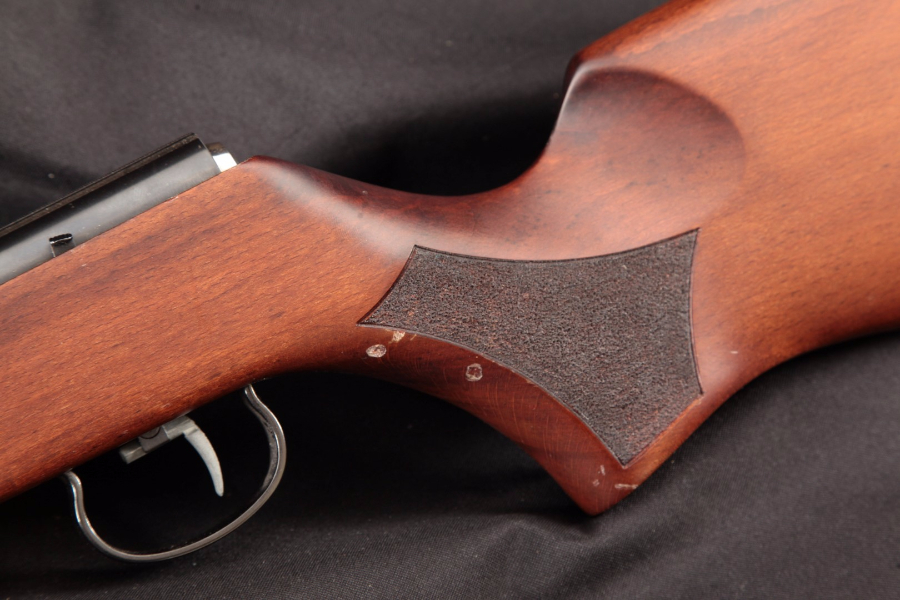
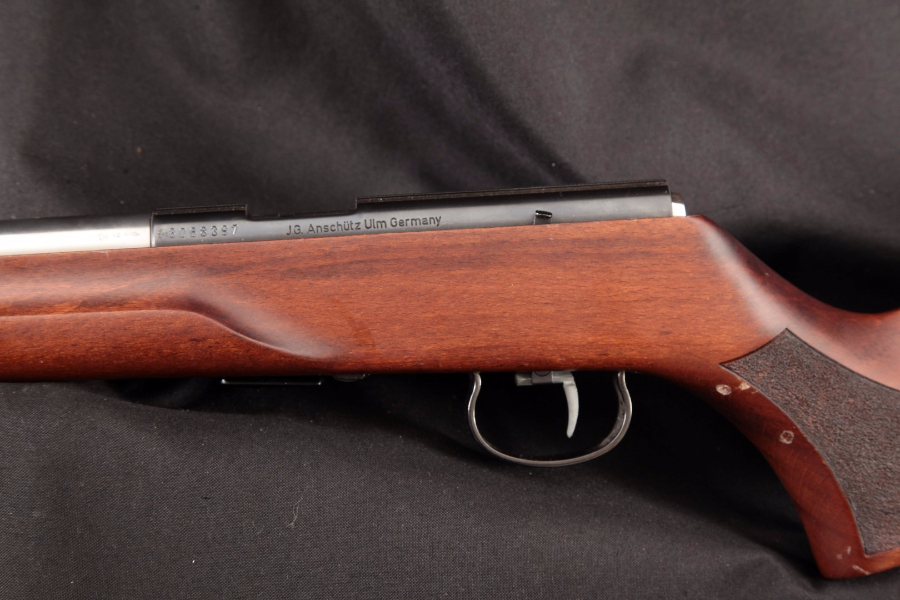
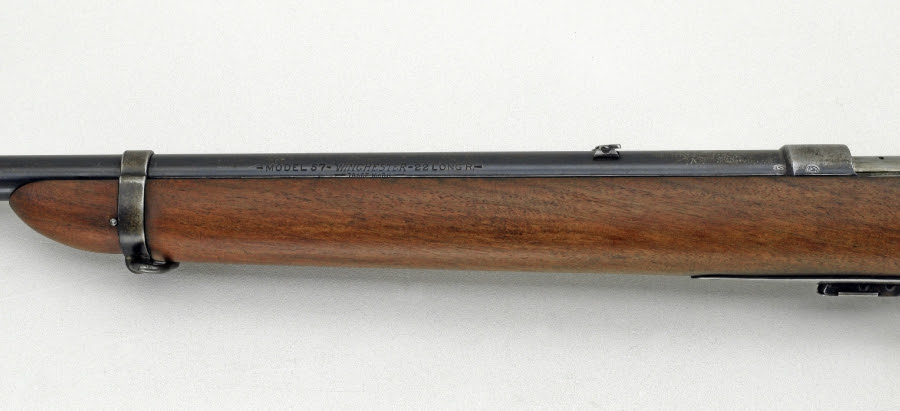
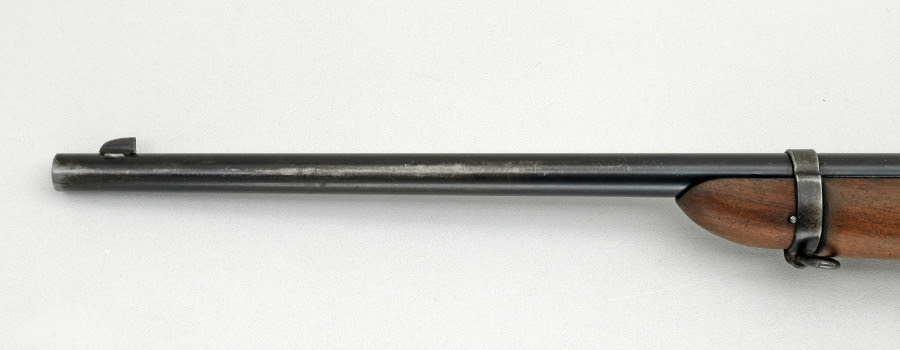
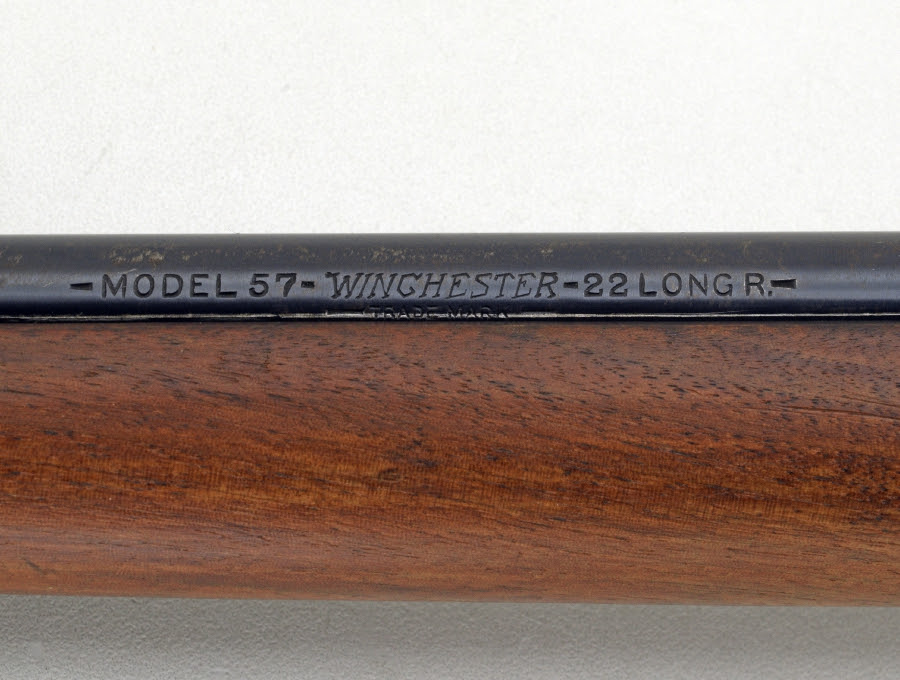
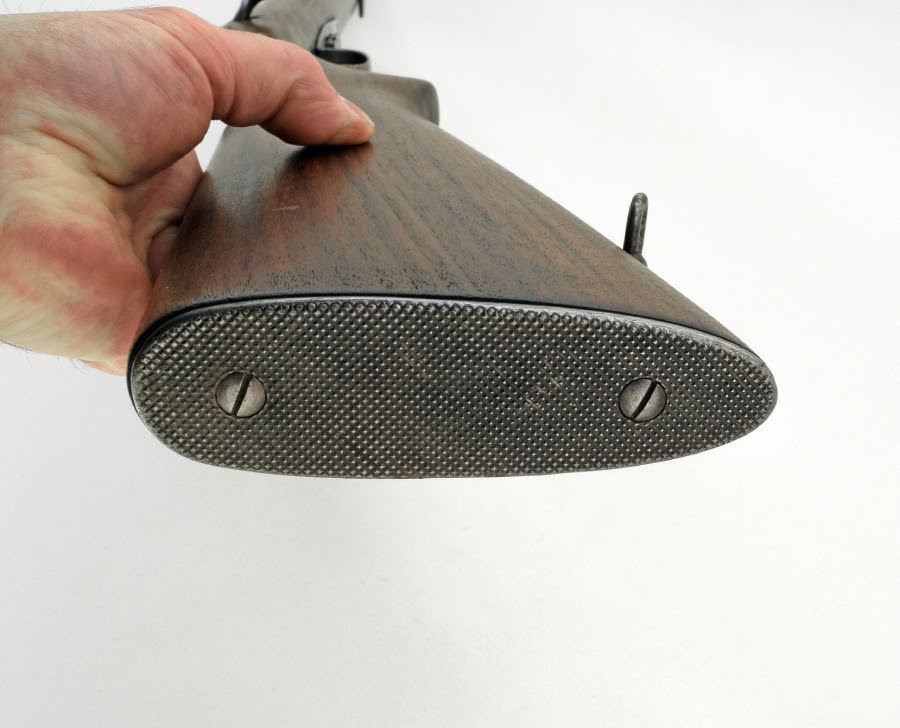
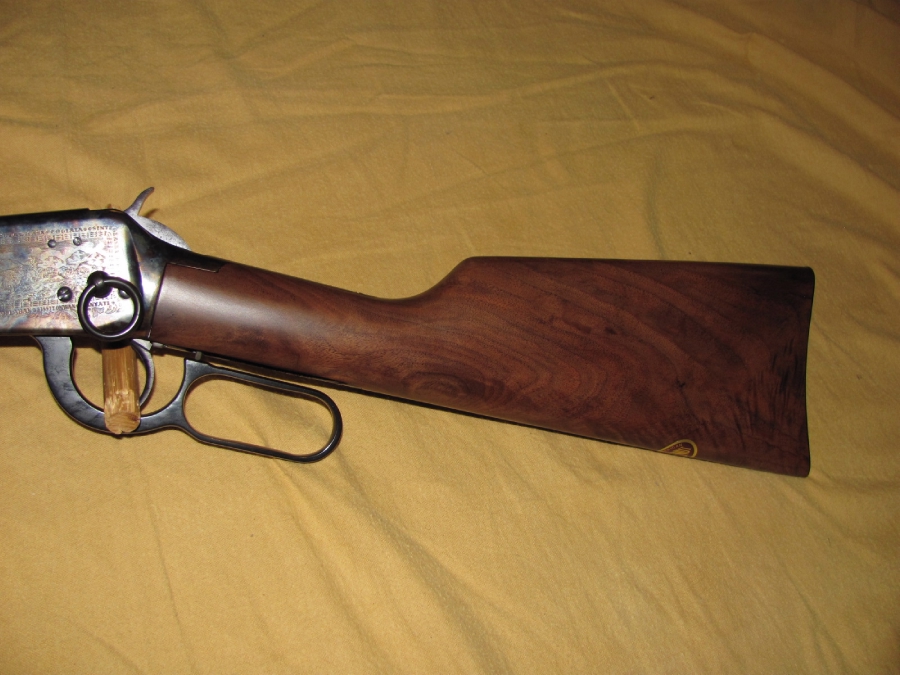
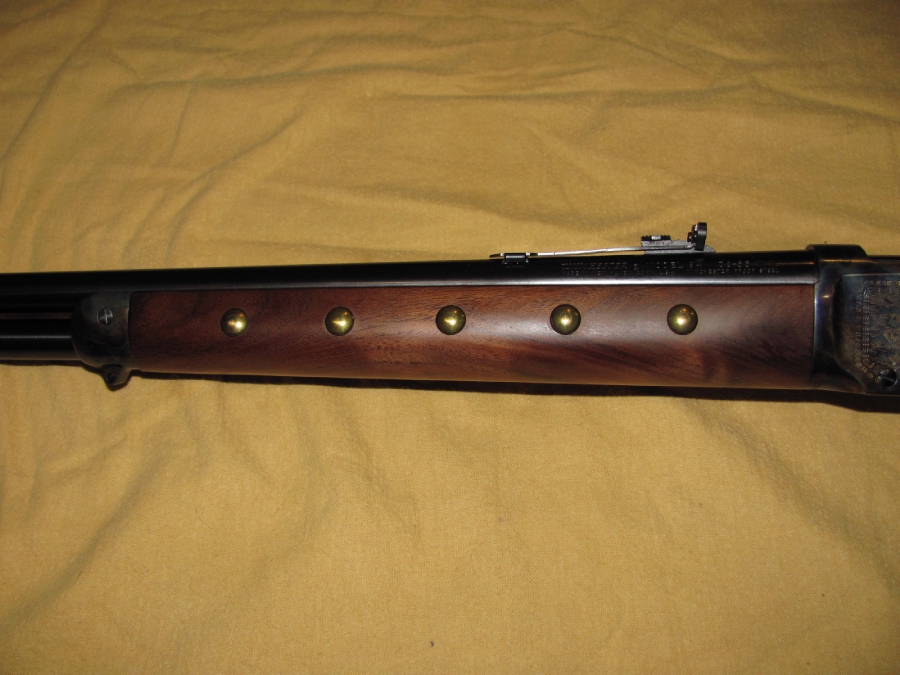
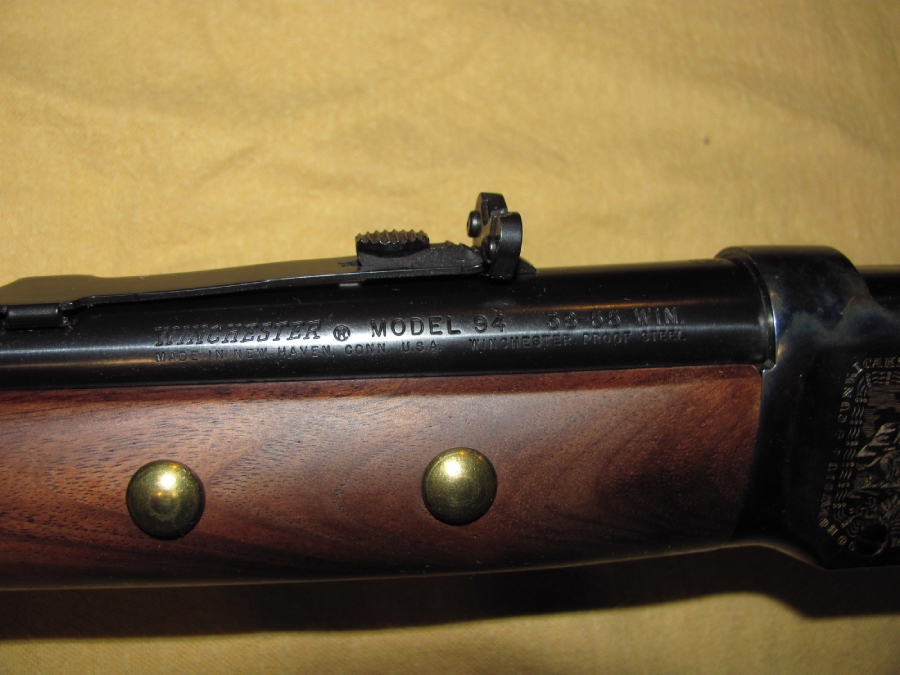
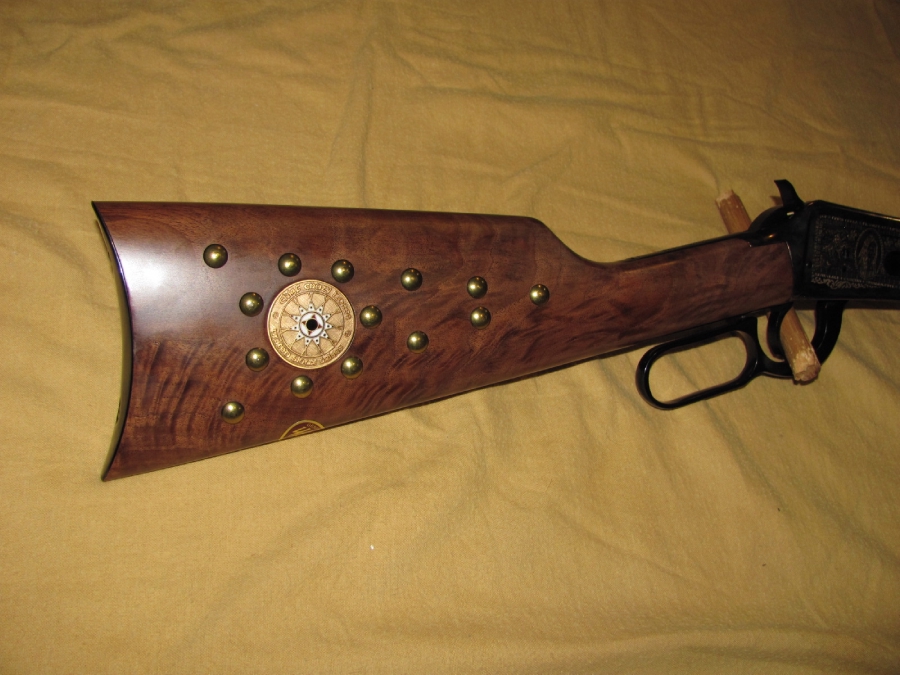
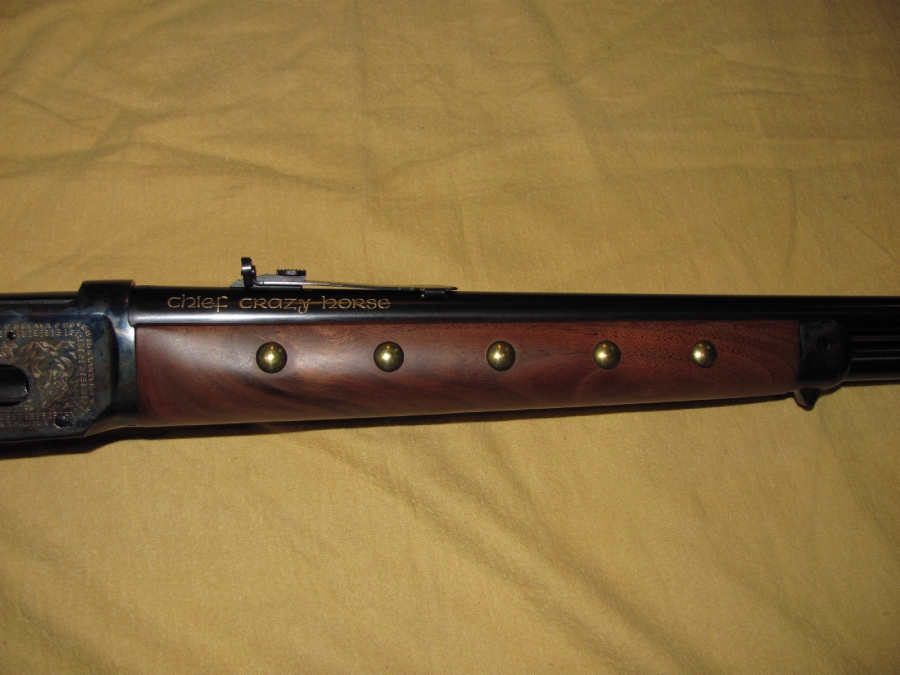
I just wonder if ANYBODY had the guts to call him that to his face. I know that I wouldn’t. Grumpy
https://youtu.be/xD7ExncIKtA
Category: Uncategorized
I myself think that the man was from another Planet. As nobody from here can be that smart! Here is his story Grumpy
![]()
John Browning
| John Moses Browning BOL |
|
|---|---|
Browning, c. 1915
|
|
| Born | January 23, 1855 Ogden, Utah Territory |
| Died | November 26, 1926 (aged 71) Liège, Belgium |
| Nationality | American |
| Occupation | Gunsmith, founder of Browning Arms Company |
| Partner(s) | Rachel Browning |
| Children | Val A. Browning |
| Parents |
|
| Awards | John Scott Medal (1905) Order of Léopold (1914) |
| Signature | |
John Moses Browning (January 23, 1855[1] – November 26, 1926) was an American firearms designer who developed many varieties of military and civilian firearms, cartridges, and gun mechanisms, many of which are still in use around the world.[2] He is regarded as one of the most successful firearms designers of the 20th century, in the development of modern automatic and semi-automatic firearms, and is credited with 128 firearm patents.[3] He made his first firearm at age 13 in his father’s gun shop, and was awarded his first patent on October 7, 1879 at the age of 24.[4]
Browning influenced nearly all categories of firearms design. He invented or made significant improvements to single-shot, lever-action, and pump-action, rifles and shotguns. His most significant contributions were arguably in the area of autoloading firearms. He developed the first autoloading pistols that were both reliable and compact by inventing the telescoping bolt, integrating the bolt and barrel shroud into what is known as the pistol slide. Browning’s telescoping bolt design is now found on nearly every modern semi-automatic pistol, as well as several modern fully automaticweapons. He also developed the first gas-operated machine gun, the Colt–Browning Model 1895—a system that surpassed mechanical recoil operation to become the standard for most high-power self-loading firearm designs worldwide. Browning also made significant contributions to automatic cannon development.
Browning’s most successful designs include the M1911 pistol, the Browning Hi Power pistol, the M1917 .30 caliber water-cooled and M1919 .30 caliber air-cooled machine guns, the M2 .50 caliber machine gun, the Browning Automatic Rifle, and the Browning Auto-5 semi-automatic shotgun. Some of these arms are still manufactured, often with only minor changes in detail and cosmetics to those assembled by Browning or his licensees. His guns are some of the most copied guns in the world.
Contents
[hide]
Life and works[edit]
His father Jonathan Browning, who was among the thousands of Mormon pioneers in the mass exodus from Nauvoo, Illinois to Utah, established a gunsmith shop in Ogden in 1852. As was common in the Mormon community at that time, Jonathan Browning was a polygamist, having taken three wives. He fathered 19 children, including John Moses Browning.[citation needed]
John Moses worked in his father’s Ogden shop from the age of seven, where he was taught basic engineering and manufacturing principles, and encouraged to experiment with new concepts. He developed his first rifle, a single-shotfalling block action design, then founded his own manufacturing operation, in partnership with his younger brother Matthew Sandifer Browning, and began to produce this firearm.
Like his father, Browning was a Mormon, and served a two-year mission in Georgia beginning on March 28, 1887.[citation needed]
Arms[edit]
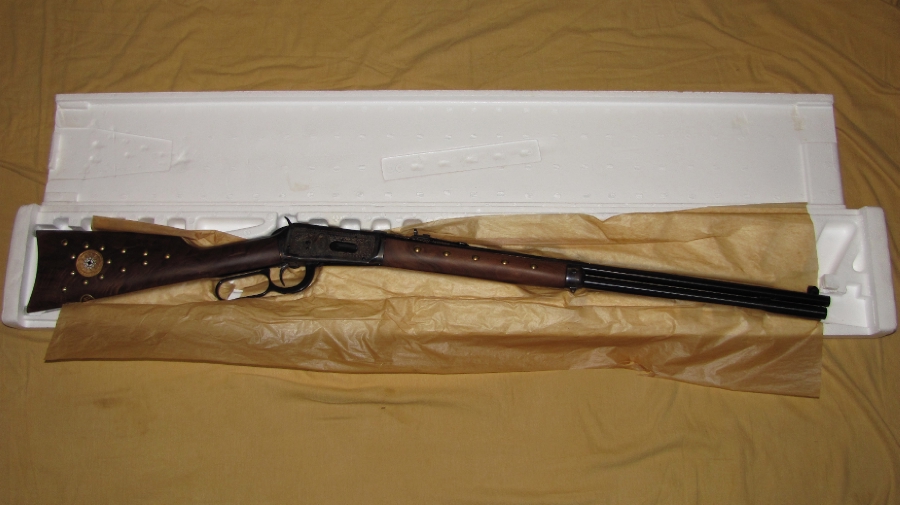
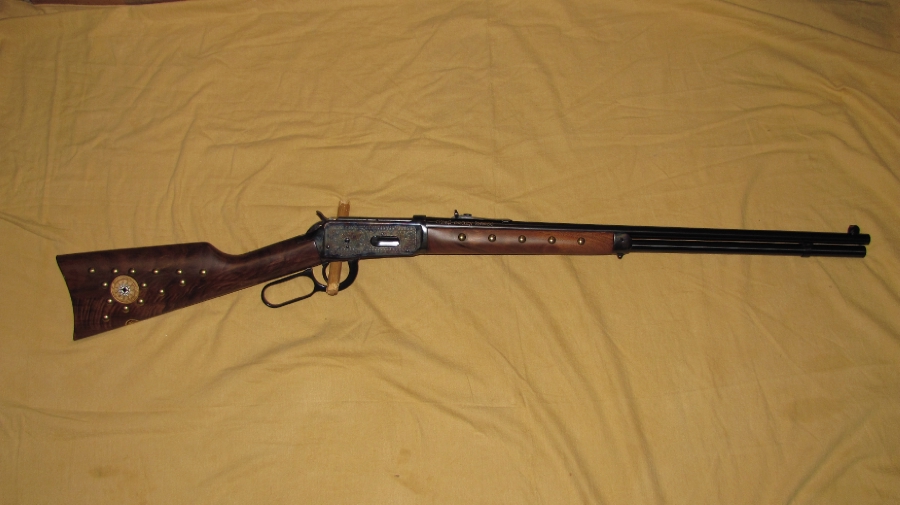
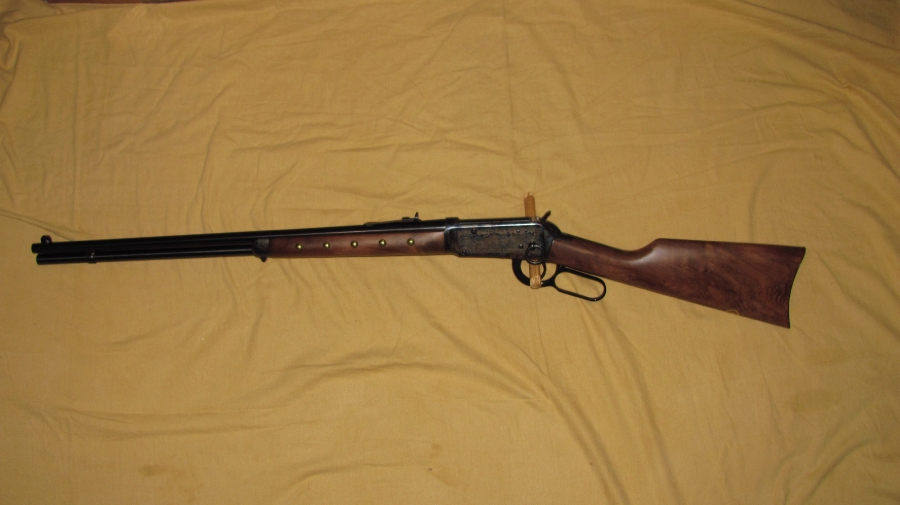
Production examples of the Model 1885 Single Shot Rifle caught the attention of the Winchester Repeating Arms Company, who dispatched a representative to evaluate the competition. Winchester bought the design for $8,000 and moved production to their Connecticut factory. From 1883, Browning worked in partnership with Winchester and designed a series of rifles and shotguns, most notably the lever action Winchester Model 1887 and the Model 1897pump shotgun, the falling-block single-shot Model 1885, and the lever-action Model 1886, Model 1892, Model 1894, Model 1895 rifles as well as the long recoil operated semi-automatic Remington Model 8 rifle, many of which are still in production today in some form; over six million Model 1894s had been produced as of 1983, more than any other sporting rifle in history.[5]
Winchester manufactured several popular small arms designed by John M. Browning. For decades in the late 19th Century-early 20th Century, Browning designs and Winchester firearms were synonymous and the collaboration was highly successful. This came to an end when Browning proposed a new long recoil operated semi-automatic shotgun design, a prototype finished in 1898, to Winchester management, which ultimately became the Browning Auto-5 shotgun. As was the custom of the time, Browning’s earlier designs had been licensed exclusively to Winchester (and other manufacturers) for a single fee payment. With this new product, Browning introduced in his negotiations a continuous royalty fee based upon unit sales, rather than a single front-end fee payment. If the new shotgun became highly successful, Browning stood to make substantially more fee income over the prior license fee arrangements. Winchester management was displeased with the bold change in their relationship, and rejected Browning’s offer. Remington Arms was also approached, however the president of Remington died of a heart attack as Browning waited to offer them the gun. This forced Browning to look overseas to produce the shotgun. However; Remington would later produce a copy of the Auto-5 as the Model 11 which was used by the US Military and was also sold to the civilian market.
Having recently successfully negotiated firearm licenses with Fabrique Nationale de Herstal of Belgium (FN), Browning took the new shotgun design to FN; the offer was accepted and FN manufactured the new shotgun, honoring its inventor, as the Browning Auto-5. The Browning Auto-5 was continuously manufactured as a highly popular shotgun throughout the 20th century. In response, Winchester shifted reliance away from John Browning designs when it adopted a shotgun design of Thomas Crossley Johnson for the new Winchester Model 1911 SL, (Johnson had to work around Browning’s patents of what became the Auto-5) and the new Model 1912 pump shotgun, which was based in small part upon design features of the earlier Browning-designed Winchester Model 1897 shotgun. This shift marked the end of an era of Winchester-Browning collaboration.
Later work and life[edit]
John Browning was known as a dedicated and tireless innovator and experimenter who sought breakthrough consumer-oriented features and performance and reliability improvements in small arms designs. He did not retire from his career in his later years, but dedicated his entire adult life—literally to his last day—to these pursuits. On November 26, 1926, while working at the bench on a self-loading pistol design for Fabrique Nationale de Herstal (FN) in Liège, he died of heart failure in the design shop of his son Val A. Browning. Even the 9 mm semi-automatic pistol he was working on when he died had great design merit and was eventually completed in 1935, by Belgian designer Dieudonne Saive. Released as the Fabrique Nationale GP35, it was more popularly known as the successful Browning Hi-Power pistol, a favorite of sportsmen, gun collectors as well as many military and law enforcement agencies around the world.
The premium priced Browning Superposed shotgun, an over-under shotgun design, was his last completed firearm design and possibly his most elegant. It was marketed originally with twin triggers; a single trigger modification was later completed by his son, Val Browning. Commercially introduced in 1931 by FN, Browning Superposed shotguns, and their more affordable cousins, the Browning Citori made in Asia, continue to be manufactured into the 21st century, and come with varying grades of fine hand engraving and premium quality wood.
Throughout his life, Browning designed a vast array of military and civilian small arms for his own company, as well as for Winchester, Colt, Remington, Savage, Stevens, and Fabrique Nationale de Herstal of Belgium. Browning firearms have been made, both licensed and unlicensed, by hundreds of factories around the world. Browning Arms Company was established in 1927, the year after Browning’s death. In 1977, FN Herstal acquired the company.
Legacy[edit]
The M1895 Machine Gun saw action in the Spanish–American War with the United States Marines. The Colt M1911, Browning 1917/19, and the BAR saw action with US forces in World War I, World War II and the Korean War, with the M1911 going on to serve as the U.S.’s standard military side arm until 1985; a variant is still used by special operations units of the United States Marine Corps and the design remains very popular amongst civilian shooters and some police departments. The Browning Hi-Power has a similarly lengthy period of service outside the United States, and remains the standard side arm of the Australian and Canadian armed forces. The M2 Browning machine gun, the timeless .50 caliber “Ma Deuce”, which was developed in 1918, entered service with the US Armed Forces in 1921, and remains in active service for nearly a century with armed forces across the world in a variety of roles. The M4 cannon, a 37mm autocannon, was initially designed by Browning in 1921, and entered service in 1938; it was used both in aircraft and on the U.S. Navy PT boat during World War II.
Products[edit]
Several of Browning’s designs are still in production today. Some of his most notable designs include:
Cartridges[edit]
Firearms[edit]
Pistols[edit]
- FN M1899/M1900 (.32 ACP)
- Colt Model 1900 (.38 ACP)
- Colt Model 1902 (.38 ACP)
- Colt Model 1903 Pocket Hammer (.38 ACP)
- FN Model 1903 (.32 ACP, 9mm Browning Long)
- Colt Model 1903 Pocket Hammerless (.32 ACP)
- FN Model 1906 Vest Pocket (.25 ACP)
- Colt Model 1908 Vest Pocket (.25 ACP)
- Colt Model 1908 Pocket Hammerless (.380 ACP)
- FN Model 1910 (.32 ACP, .380 ACP)
- U.S. M1911 pistol (.45 ACP)
- Browning Hi-Power (9mm Parabellum)
- Colt Woodsman pistol (.22 LR)
Shotguns[edit]
- Savage Model 720 long-recoil semi-automatic shotgun
- Ithaca Model 37 pump-action repeating shotgun
- Stevens Model 520/620 pump-action repeating shotgun
- Winchester Model 1887 lever-action repeating shotgun
- Winchester Model 1893 pump-action repeating shotgun
- Winchester Model 1897 pump-action repeating shotgun
- Winchester Model 1912 pump-action repeating shotgun
- Browning Auto-5 long-recoil semi-automatic shotgun
- Browning Superposed over/under shotgun
- Remington Model 17 pump-action repeating shotgun
Rifles[edit]
- Winchester Model 1885 falling-block single-shot rifle
- Winchester Model 1886 lever-action repeating rifle
- Winchester Model 1890 slide-action repeating rifle (.22 LR)
- Winchester Model 1892 lever-action repeating rifle
- Winchester Model 1894 lever-action repeating rifle
- Winchester Model 1895 lever-action repeating rifle
- Winchester Model 1900 bolt-action single-shot rifle (.22 LR)
- Remington Model 8 semi-auto rifle
- Browning 22 Semi-Auto rifle (.22 LR)
- Remington Model 24 semi-auto rifle (.22 LR)
- FN Trombone pump-action rifle (.22 LR)
Machine guns[edit]
- U.S. M1895 air-cooled gas-operated machine gun
- U.S. M1917 water-cooled recoil-operated machine gun
- U.S. M1919 air-cooled recoil-operated machine gun
- U.S. M1918 Browning Automatic Rifle (BAR)
- U.S. M2 .50-caliber heavy machine gun
- U.S. M4 37mm Automatic Gun
Selected patents[edit]
- U.S. Patent 220,271 Winchester 1885 single-shot rifle, Browning’s first patent
- U.S. Patent 306,577 Winchester 1886 and Model 71 lever-action rifles
- U.S. Patent 336,287 Winchester Model 1887/1901 lever-action shotgun
- U.S. Patent 385,238 Winchester 1890 pump-action rifle
- U.S. Patent 441,390 Winchester 1893 and 1897 pump-action shotguns
- U.S. Patent 465,339 Winchester 1892 lever-action rifle
- U.S. Patent 524,702 Winchester 1894 lever-action rifle
- U.S. Patent 544,657 Colt–Browning Model 1895 machine gun
- U.S. Patent 549,345 Winchester 1895 lever-action rifle
- U.S. Patent 580,924 Colt 1900 automatic pistol
- U.S. Patent 632,094 Winchester 1900 bolt-action single-shot .22 rifle
- U.S. Patent 689,283 Browning Auto-5 shotgun, also Remington Model 11 and Savage 720
- U.S. Patent 659,786 Remington Model 8 semi-automatic rifle
- U.S. Patent 678,937 M1917 Browning machine gun
- U.S. Patent 747,585 Colt Model 1903 Pocket Hammerless automatic pistol
- U.S. Patent 781,765U.S. Patent 864,609 Stevens 520 pump-action shotgun
- U.S. Patent 808,003 Colt Model 1905 in .45 ACP (predecessor to the M1911)
- U.S. Patent 947,478 FN Model 1906 and Colt Model 1908 Vest Pocket in .25 ACP
- U.S. Patent 984,519 Colt 1911
- U.S. Patent 1,065,341 Browning 22 Semi-Auto rifle and Remington model 24
- U.S. Patent 1,143,170 Remington Model 17 and Ithaca 37 pump-action shotguns
- U.S. Patent 1,276,716 Colt Woodsman
- U.S. Patent 1,293,022 Browning Automatic Rifle Model of 1918
- U.S. Patent 1,424,553 FN “Trombone” pump action .22 caliber repeater (Rare in USA)
- U.S. Patent 1,525,065 37 mm automatic cannons, M1 and M4
- U.S. Patent 1,578,638 Browning Superposed over/under shotgun
- U.S. Patent 1,618,510 FN and Browning Hi-Power pistol
- U.S. Patent 1,628,226 M2 Browning machine gun in .50 BMG
See also[edit]
References[edit]
- Jump up^ Pelley, Doug (July 2004). “Pictures of Headstones: John M. Browning”. Retrieved 2007-01-23.
- Jump up^ Borth, Christy. Masters of Mass Production, p. 152, 156-9, Bobbs-Merrill Company, Indianapolis, IN, 1945.
- Jump up^ “By 1900, over 75% of the repeating sporting arms on the United States market, both lever and pump, were of John’s invention.” Browning Firearms Collection brochure from The American Society of Mechanical Engineers
- Jump up^ Encyclopædia Britannica online, “John Moses Browning”.
- Jump up^ Wallack, LR. “Sixty Million Guns”. 1983. In Gun Digest Treasury, Harold A. Murtz, editor, DBI Books. 1994 p.190 ISBN 0873491564
Sources[edit]
- Browning, John, and Curt Gentry. John M. Browning, American Gunmaker. New York: Doubleday, 1964. OCLC 1329440
Some Friday NSFW
Thanks for all of your help & support with your Donations! Grumpy
An Old Army Rifle Range
I notice that there isn’t a berm in sight. Nor do I see a Safety NCO lurking around or any hearing protection either!
This reminds me of when I went to a party at the local Range. Where there a lot of Old Timers around the punch bowl. Who were literally screaming at each other.
So I ask my Dear Old Dad. “Why were these guys seemingly so pissed off at each other?” He then explained that they weren’t but almost totally deaf from years of gunfire. that and watch my language too.
It was at this point. That I made it a habit to wear hearing protection of one sort or another. Even still, I always have that high pitch ringing noise in both of my ears. Grumpy
| August 3, 2011
“It was the ambition of the boys to be able to throw a tomahawk with the skill and accuracy of our pioneer forebears, and the ability soon acquired by the boys in throwing hatchets at targets was really remarkable. They would come up to within thirty feet of an old board fence with a whoop and a yell, then ‘click! click! click!’ would go the hatchets, each and every one sticking fast in the board, either in a true vertical or horizontal line as it pleased them. Ever since those glorious days of my boyhood in Kentucky it has seemed to me that throwing the tomahawk should be one of the regular feats at all American athletic meets.” –Daniel Beard, 1909
You’ve probably seen it in countless movies. A mountain man or Native American takes a man down by hurling a tomahawk through the air and sticking it into his enemy’s back. If you’re going to strike a man down, I can’t think of a more badass way to do it than with a tomahawk.
But contrary to popular belief, Native Americans and mountain men rarely threw their tomahawks, or ‘hawks, during battle. A tomahawk was one of their best hand-to-hand weapons, good for both offensive and defensive moves. Throwing a tomahawk to kill an enemy, while certainly very cool looking, put considerable distance between the thrower and his very best weapon. Even if a mountain man or Indian warrior killed his target, he was pretty much defenseless while he scurried to retrieve his hawk from his victim’s body.
Instead of throwing their tomahawks in the heat of battle, mountain men and Indians hurled their hawks mainly for fun. A few times a year, mountain men would come into town to gather supplies and trade pelts they had collected during the previous hunting season. They’d often set up a huge camp outside the town and take part in various contests such as tomahawk throwing. Some Native American tribes held similar contests of skill for their men to take part in. Indians would also come to the frontiersmen’s camps to engage in trading and throw some tomahawks with the buckskin-clad white man.
Like the mountain men of old, you too can take up tomahawk throwing to pass the time on a warm summer’s day. It’s a great activity to do with kids because it’s so stinkin’ easy.
Today we’ll talk about how to throw a tomahawk, but we’ll begin with a little history on this unique weapon and tool, for those who are curious.
A Brief History of the Tomahawk
Osage warrior with tomahawk pipe
Tomahawks originated in North America amongst the Iroquoian and Algonquian Indians who used them as tools, weapons, and ceremonial pieces. The word comes from a transliteration of the Algonquin word for “to strike down.” The first tomahawks were made with wooden shafts and heads of bone, rock, or wood. Europeans introduced the metal blade and traded the tomahawks with the Indians, who became very adept at using them in battle and came to greatly prize them. The poll of the tomahawk’s head — the side opposite the blade — consisted of a hammer, spike, or even a pipe. These pipe tomahawks, which were made with a bowl on the poll and a hollowed out shaft, were created by European and American artisans for trade and as diplomatic gifts for the Indian tribes; they symbolized two sides of a coin: war and peace. As multi-purpose tools, pipe tomahawks were considered extremely useful and desirable by the Indians.
The tomahawk was carried by American soldiers during the Revolutionary War (in fact, the Continental Congress required militiamen to carry either a tomahawk or a cutting sword), to chop wood, dress game, and yes, even to hew down a redcoat, ala Mel Gibson in The Patriot. Flintlock guns were unreliable and slow to reload, and the tomahawk made an excellent back-up weapon for hand-to-hand combat.
As guns advanced, the tomahawk fell into disuse, although it was still carried by some American soldiers during WWII and the Korean War. The tomahawk then enjoyed a bit of a revival during Vietnam. Between 1966 and 1970, Peter LaGana, a WWII veteran of Mohawk-descent, crafted and sold thousands of tactical tomahawks by direct mail to American troops serving in Vietnam. His updated tomahawk featured a sturdy, penetrating spike for the poll.
Tactical tomahawk
Today, surprisingly enough, the tomahawk continues to be carried by some military units in Iraq and Afghanistan. Although it can still be used for hand-to-hand combat (the Vietnam models are capable of penetrating a Kevlar helmet), the soldiers mostly use it as a handy multi-purpose tool capable of breaching doors, deflating tires, smashing windows, breaking locks, chopping through cinder blocks, and opening crates. And of course, it’s something that can be thrown for sport and amusement to pass the time.
A note on nomenclature: While the differences between a hatchet and tomahawk are debated, they’re essentially the same thing. In colonial times, tomahawks referred to hatchets used primarily for war.
How to Throw A Tomahawk
To learn how to throw a tomahawk like a regular Daniel Boone, I went over to Meadowlake Ranch, a working dude ranch in Sand Springs, Oklahoma to talk to ranch owner Tom Warren about the ins and outs of tomahawk throwing. Here’s how you do it:
What You Need
Tomahawk. You can try to perfect your throwing skills with a small hatchet you have lying around, but I recommend buying a set specially made for throwing. They’re weighted to make throwing easier, so the learning curve isn’t as steep as you’d have with a regular ol’ hatchet. You can fork over quite a bit of money for nice, hand-forged throwing ‘hawks, but to get started I would go with something cheaper.
Target. You need something that your ‘hawk will stick in when you throw it. Tom recommends getting a large circular tree stump and cutting a slice at least 4 inches thick. After you cut your round, you need to season it so your tomahawk sticks nice and good. To season your target, just lay one side of the stump face down on the ground. Leave it there for a few months. When the target is seasoned, mount it on a tripod stand made of tree limbs or metal.
Target getting seasoned for future use.
Safety First
When hurling edged objects, you always want safety to be a top priority, so follow these rules:
Rule #1: Don’t throw a tomahawk if there’s someone standing in front, behind, or beside your target.
Rule #2: Keep the blade dull. You don’t need a razor sharp edge to make your tomahawk stick in the target. So, as an added safety measure to you and those around you, keep the blade dull enough that it won’t easily cut through skin.
How to Grip a Tomahawk
Shake hands with the ‘hawk and say: “Nice to meet you, Mr. Tomahawk.”
Grip a tomahawk like you would a hammer. Tom describes it as “shaking hands with the ‘hawk.”
Make sure the head of the hawk isn’t rotated either left or right. You want it perfectly straight so that it flies through the air without wobbling side to side.
If you have too much spin on your tomahawk when you release it, one thing you can do is place your thumb on top of the handle like so:
Moving your thumb on top of the handle slows down the spin.
This moves the axis point at which the tomahawk begins to spin up on the handle, causing it to spin later, thus slowing the total spin down.
Throwing the Tomahawk
Throwing a tomahawk and making it stick in your target is easy. I was able to make the ‘hawk stick successfully on my very first throw. It’s pretty much like throwing a baseball. The key to successfully throwing a tomahawk is the distance between you and the target. Measure off about five normal steps from the target. That will give your tomahawk enough time to rotate twice so the head will stick in your target. Mark your spot once you’ve paced it off.
Look at where you want the tomahawk to hit on your target. When you’re keyed in on your spot, swing your throwing arm down by your side.
When the head of the axe passes your leg, swing your arm back up.
When the axe blade passes your head, bring your arm forward again, like you were throwing a baseball.
Simply release your grip on the handle when your arm is straight. The hawk will go spinning out of your hand. Let your arm continue in its downward trajectory. This ensures proper follow-through.
Watch your ‘hawk stick into your target.
That’s it. Easy right? Throwing a tomahawk is really quite satisfying and a great manly way to settle your mind.
Have Fun!
Once you get the hang of tomahawk-throwing basics, you can start getting fancy with your throws. Work on precision or try two-handed throws.
Happy tomahawking!
______________________________________________________________
Okay it was a cheap shot, But the world is not ending anytime soon guy!