Category: This great Nation & Its People
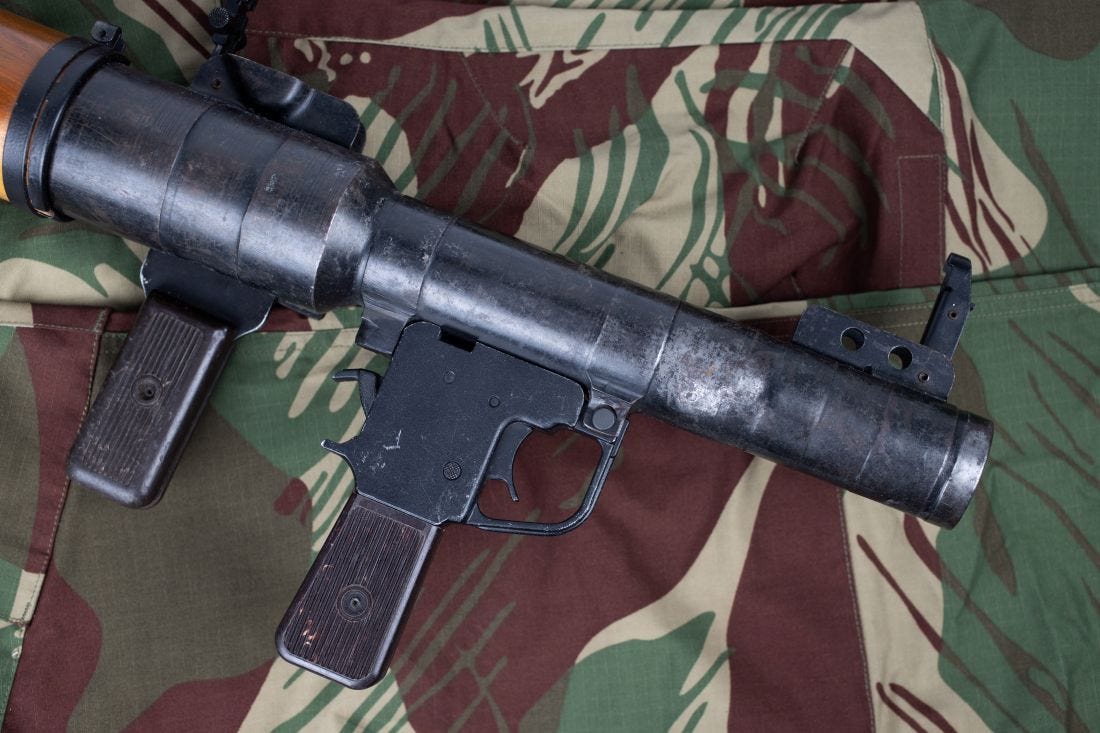
by Lee Williams
Brian Seiler’s mother ran his local Cub Scout troop in the small African town of Kariba, which is located inside a game preserve in Zimbabwe, which of course was called Rhodesia when Seiler was young.
His mom arranged for a Rhodesian Army Selous Scout to teach bushcraft and survival skills to her young Scouts. The special forces operator had a large thick beard, Seiler recalls, and he knew the bush better than anyone.
“We’d go out at night and hear animals—owls and impalas,” Seiler said. “The next thing there were lions there, and we’re all huddling around this Selous Scout. I don’t know if he was even armed. He was calm and comfortable. He was used to it. What better training could you have than a Selous Scout?”
Kariba was a unique place to grow up. Elephants stripped limbs off the trees during the day, and leopards prowled rooftops at night. Seiler loved it, despite the ongoing war.
“All of the houses had bomb shelters because Zambia would bomb us,” Seiler said. “Zambia supported terrorism.”
Guns were everywhere. Every adult was constantly armed. Seiler’s parents were American missionaries from Pennsylvania, but they too had guns.
“My dad had brought a Mossberg .308 rifle from the states. They moved right into the middle of the Rhodesian War. My wife Nicki was raised with guns too. Nikki was just six-weeks old when she went on a hunting trip. She slept on a pad covered by a mosquito net,” Seiler said.
“I was born in the capitol of Salisbury, Rhodesia. We say we lived in three different countries without moving: Rhodesia, Zimbabwe Rhodesia, and then Zimbabwe,” he said.
During the war, which lasted from July 4, 1964, to December 12, 1979, any extensive travel always involved an armed convoy, which was led by a military vehicle.
“I remember how we traveled in convoys whenever we left the city. There was this armored pickup that had a big gun mounted in back, one out the front and one out the back,” he said. “The soldiers were always so nice and friendly.”
During one trip the convoy was slowed by an irate donkey, which slowly meandered in-and-out of the lane of travel. Seiler’s family was riding in a Peugeot wagon, when the animal suddenly smashed their windshield with its head and then kicked in a door.
“My dad has a 9mm Luger. He gets out and he’s so mad trying to restrain himself. The whole convoy stops. One of the Rhodesian Army guys hands him his FN, but he never shot it,” Seiler said.
“We traveled in convoys, but our family operated on Africa time, which means we could be there in either 10 minutes or 10 days,” he said. “When we had to meet a convoy, we were always late. We’d get to the convoy point and be told they left 10 minutes ago. We’d then fly and try to catch up. I remember traveling to a little farming town where my wife is from and going through this mountainous area to the other side. We got to the next town and found out over the radio that the car that was traveling behind us got hit by terrorists. That’s how it was growing up during the war.”
Rhodesia was a “typical guerilla war,” Seiler said.
Schools and even preschools would be attacked by terrorists. During his grade school classes, the students would practice low-crawling—known as leopard crawling—to the bathrooms.
“We lived in a farming community. Occasionally, my dad would ride shotgun to pay the staff. He was supposed to go one day but said it didn’t feel right. They went the next day and one of the workers told them the terrorists had been there. A bunch of workers had been killed for giving them ‘false’ information.”

An American family
The war officially ended in 1979. Just one year later, Zimbabwe was not doing well. Robert Mugabe was put in power.
“Then-Senator Joe Biden helped him get in, along with Jimmy Carter. Mugabe said we would have a ‘Rainbow Nation,’ but his biggest allies were China and Cuba. Mugabe was definitely a communist. They started taking farms by force, which started an unknown and unnamed war. Farmers were being knocked off. Mugabe had to appease his war veterans, but he didn’t have any money to pay them because he was stealing it all himself.
So, he promised his veterans land—farming land. They would take a farm, cut down the trees and sell them for firewood and then move on to the next farm. The economy was falling apart. Educations was nonexistent,” he said.
Seiler definitely needed some type of home protection, so he purchased a Star 9mm.
“I was only allowed 50 rounds per year,” he said. “We didn’t see a safe future there for our children. We got together and decided we needed to make a move. We got green cards from the U.S. Embassy, and two months later we were on a plane.”
Today, Seiler and his family live in Central Florida. He has 10 acres, so he built his own shooting range. His four sons and one daughter are all in their 20s. His wife, Nikki, became an American citizen. He owns a Liberty gun safe and carries a Glock 43 every day. He’s become addicted to 3-gun shooting and is building ARs for each of his kids.
The Second Amendment, he said, has “evolved with me.”
“Growing up in a war, guns were everywhere. One of the first things Mugabe did was require people to turn in their guns. By us, most of the people’s guns ended up in the bottom of a lake. We had strict gun laws. I wasn’t a gun guy when I arrived, but it became my way of embracing the traditions of America.
When my wife was getting her citizenship, the big thing for her was whether you’d take up arms for this country. ‘I am African,’ she said, but she would take up arms for America. She took it seriously,” he said. “Gov. DeSantis has been great. We went from concealed-carry permits to Constitutional Carry to Open Carry. Florida is just a wonderful state.”
Seiler’s kids have learned from their father. His 27-year-old son just purchased his first suppressor. They all own multiple firearms.
Said Seiler: “Thanksgiving is not an African holiday. We never celebrated it during my youth, but it’s become our favorite holiday. We get together with a whole lot of Africans. Last year we had 60 people over. We have lunch and then we shoot until dark.”


The Second Amendment Foundation’s Investigative Journalism

A gritty, first person friendly walk through Operation Just Cause in December 1989, from the Rangers’ airfield seizures to the infamous latrine fight and the fall of Manuel Noriega.
Setting the Stage for Operation Just Cause
All proper soldiers want to come home with a good story. You’d like to be able to sit down someday with your grandkids and tell them how you rescued the Dallas Cowboys Cheerleaders from the clutches of some evil despot. Tragically, the real world seldom works out quite like that. More often than not, you find yourself fighting across a chicken coop or securing some poor schmuck’s pig farm. And then there were these guys…

Table of contents
- Setting the Stage for Operation Just Cause
- Trouble in Paradise: Noriega and Panama 1989
- The Invasion: Rangers, Airfields, and Stealth Debut
- Things Get Real: The Omar Torrijos Latrine Fight
- Aftermath: D Day Success and Noriega on the Run
- From President to Prisoner
- Pineapple Face Finds Jesus
- Related Reads from GunsAmerica Digest
Trouble in Paradise: Noriega and Panama 1989
It was December of 1989, and Manuel Noriega had just gotten on George Herbert Walker Bush’s last nerve. Noriega’s people called him Pineapple Face behind his back. He was forever smitten with severe facial scars from some sort of childhood pox. Perhaps that’s what made him grow up to be such a turd.
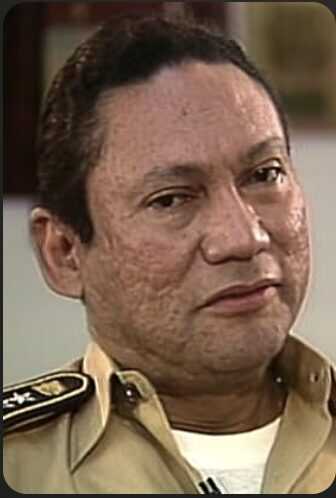
As is so often the case, Manuel Noriega started out as one of the Good Guys. He always was a scumbag, but at least he was our scumbag. Over time, old Pineapple Face began dabbling in drug trafficking. With the resources of a nation state at his disposal, Noriega began to more resemble a warlord than a respectable chief executive.
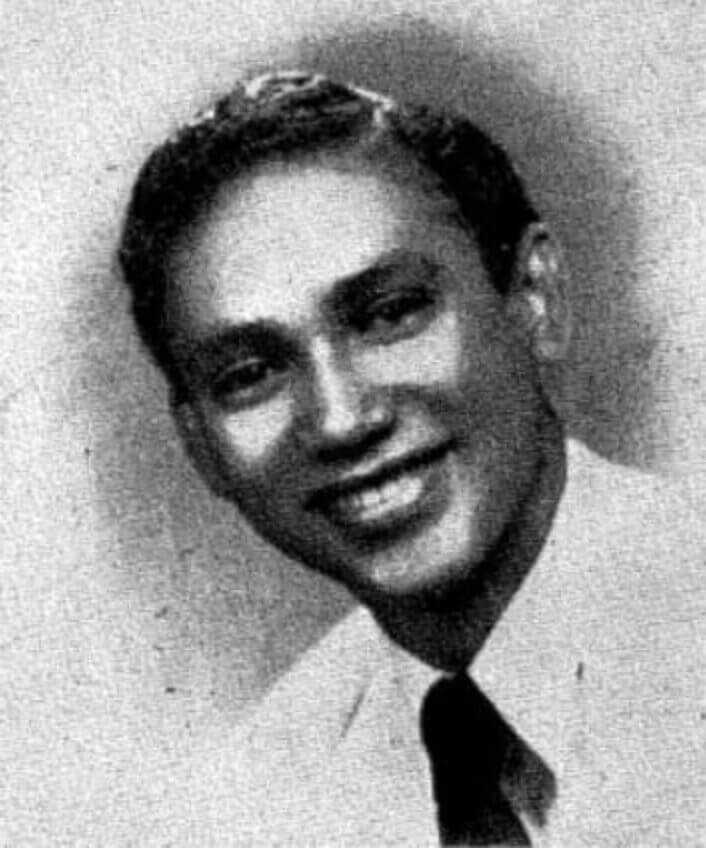
After he was indicted by an American court on drug charges, Noriega nullified the results of the election that he lost to the opposition leader, Guillermo Endara, so he could remain in power indefinitely. There was and is a substantial American military presence in Panama. Over time, Noriega’s thugs grew more and more bold in their harassment of US troops. Noriega began getting chummy with the Soviets. Relations between Noriega and the Americans grew quite chilly.
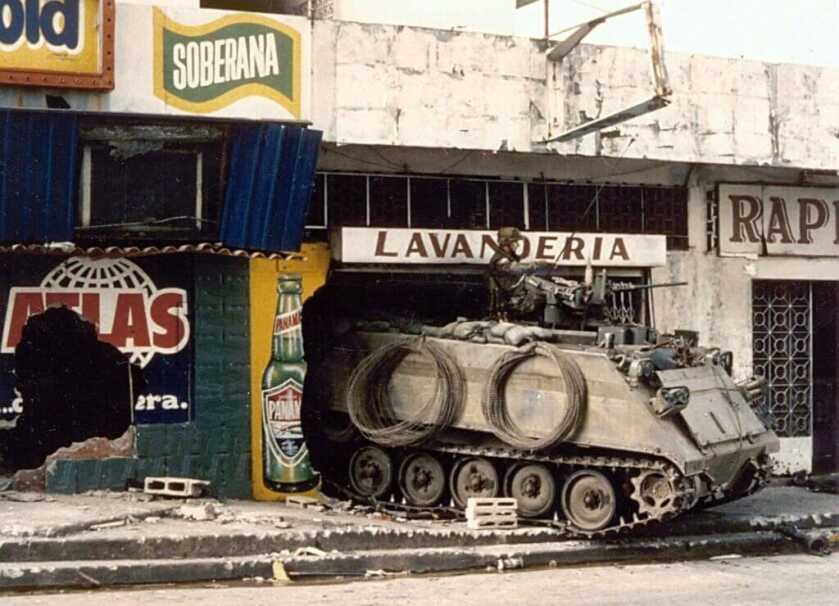
Then one evening, four American officers were stopped by PDF (Panamanian Defense Force) troops whilst heading into Panama City to eat dinner. The PDF thugs fired on the unarmed Americans, killing Marine First Lieutenant Robert Paz. They also arrested a Navy SEAL officer and his wife, beating them both badly. Bush the First had had enough. At 0100 on 20 December 1989, Uncle Sam broke out his big stick. They christened the mission to depose Noriega and restore freedom to Panama Operation Just Cause.
The Invasion: Rangers, Airfields, and Stealth Debut
We hit the nation of Panama with more than 27,000 troops. The XVIII Airborne Corps led the way with the 82d Airborne. Lots of other units got in on the party as well, including the 7th Special Forces Group, the 7th Infantry Division (Light), and scads of support and specialized outfits, as well as a few Marines. The 75th Ranger Regiment was tasked to seize the Rio Hato and Omar Torrijos Airfields. Airfield seizure is one of the Rangers’ particular specialities. Nobody on the planet does that better.
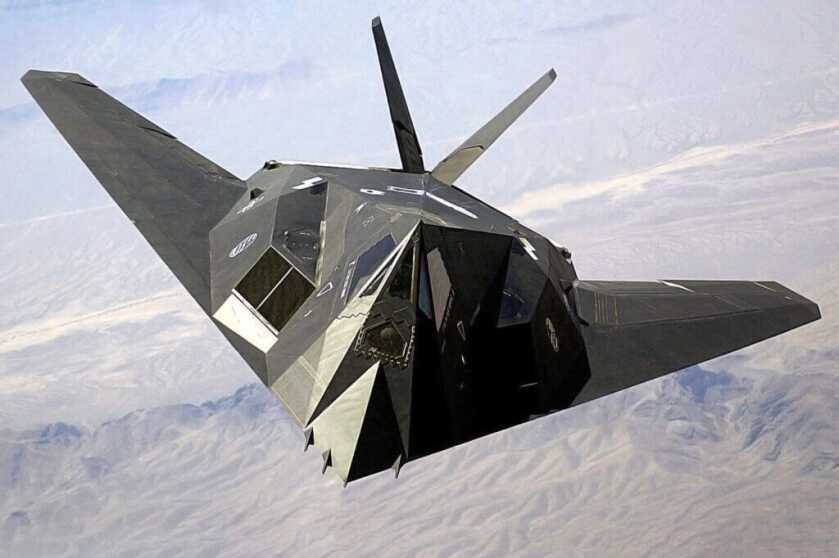
The Rio Hato attack was initiated by a pair of F-117A stealth fighters dropping 2,000-pound precision-guided bombs as a diversion. This was the first combat use of a stealth fighter in military history. Soon thereafter, the Rangers jumped at the insanely low altitude of 490 feet. Despite the low level of the drop, 11 of the 13 transport aircraft were still damaged by 23mm antiaircraft fire.
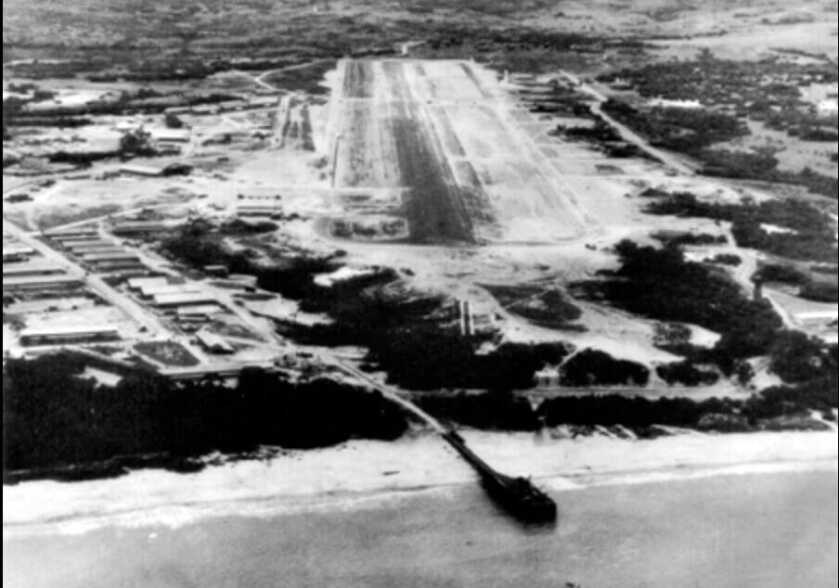
As the Rangers were fanning out to take the Rio Hato airfield, two Panamanian military trucks loaded with PDF troops came screaming down the runway. The Panamanians raked the assembled Rangers with .50 caliber machine gun fire. In response, one Ranger platoon sergeant pithed one of the trucks with an M72 LAW rocket. Amazingly, another NCO engaged the second truck with his M1911A1 .45ACP pistol, serendipitously struck the fuel tank, and caused the vehicle to explode. Feel free to insert your favorite anecdote about the near supernatural stopping power of the 1911 pistol here.
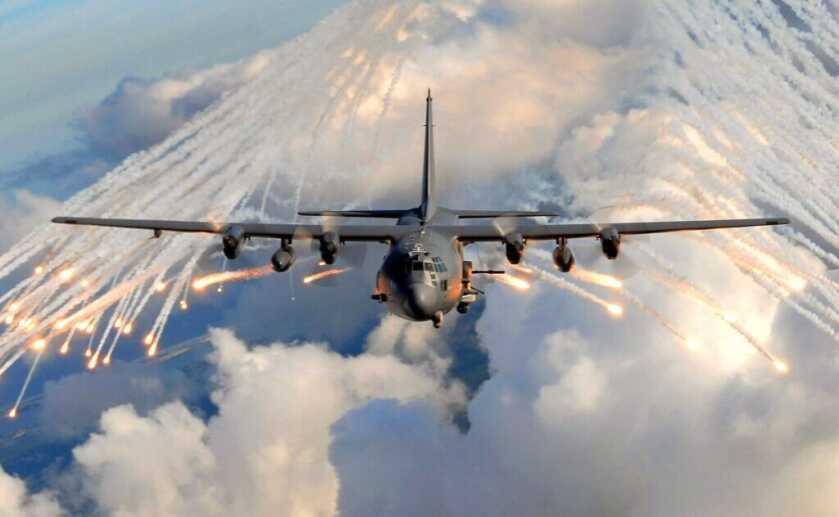
Meanwhile, at nearby Omar Torrijos Airport, the Rangers kicked off the party with fire support from an AC-130U Spectre gunship as well as AH-6 Little Bird attack helicopters. These aerial assets neutralized three .50 caliber machine gun positions as well as a quad barreled 14.5mm ZPU-4 antiaircraft gun. That’s when the Rangers got down to business.
Things Get Real: The Omar Torrijos Latrine Fight
CQB (Close Quarters Battle) in a confined space looks cool in the movies. In real life, however, it is mostly just pain, blood, chaos, and terror. The defenders have a natural advantage, and the only way to seize an objective is to put friendly meat on the ground and take it. Captain Al Dochnal, commander of C Company, 3 Bn, 75th Ranger Regiment, led his young studs into the main terminal building at Omar Torrijos International Airport, scrapping for a fight.
Dochnal’s Rangers advanced into the terminal building by platoons. Once they forced an entry, the dozen PDF troops tasked with defending the facility inexplicably retreated into the men’s room. This turned out to be a pretty sound idea, at least in the near term. The thick granite stall walls offered decent cover.
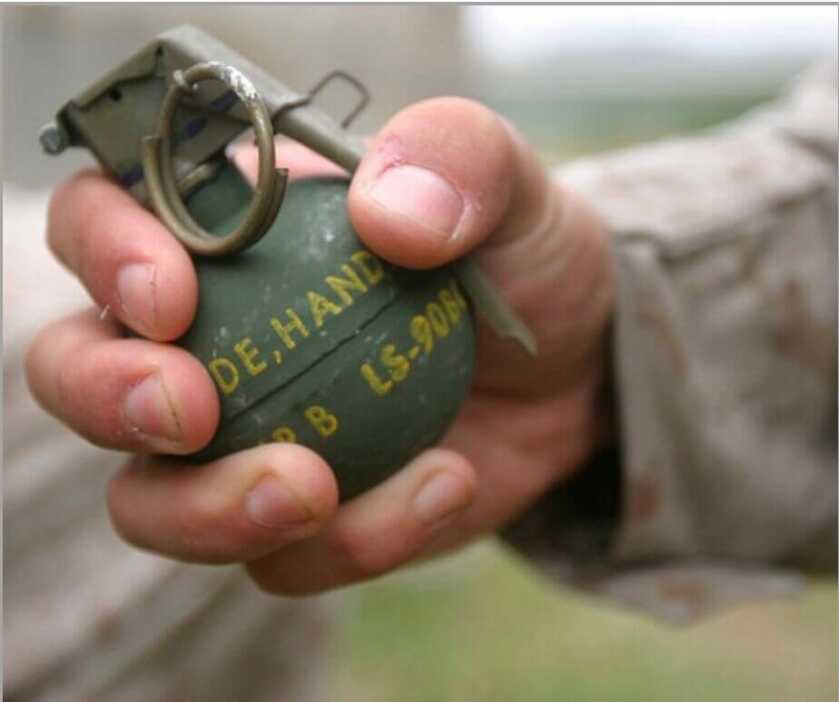
SGT David Reeves deployed an M67 frag grenade into the john and rushed in as soon as the little bomb went off. One of the PDF shooters, protected from the blast by the aforementioned granite dividers, shot Reeves three times in the chest and once in the head. Two more Rangers then charged into the latrine. PFC William Kelly caught a round to his Kevlar helmet but was unhurt. By now, these young Rangers were pretty energized.
SPC Michael Eubanks and PFC Kelly successfully extricated SGT Reeves and dragged him to safety. Realizing that the confines of the terminal bathroom did not much lend themselves to small arms, Kelly and Eubanks filled their BDU pockets with frag grenades and headed into the latrine yet again.
This was one seriously big restroom. There were ten urinals and ten individual stalls. Kelly and Eubanks began rolling grenades underneath the walls of the stalls, blowing the defenders literally to pieces. Think Saving Private Ryan meets Superbad.
Panamanian body parts flew wildly about the latrine. All of the mirrors were shattered. Some of the PDF troops inexplicably still had some fight left in them, so Eubanks and Kelly went to town with their handguns.
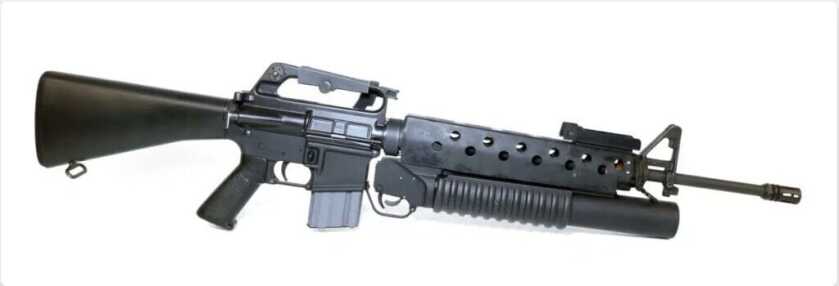
At this point, the two opposing sides were close enough to yell at each other. The Panamanians suggested that the Rangers engage in some inappropriate sexual behaviors with their mothers, while the Rangers made a credible argument that Manuel Noriega was a pedophile. By now, SPC Eubanks had retrieved his M203 grenade launcher. When one of the PDF soldiers leaned out of a stall to curse at him, Eubanks shot him in the mouth with a 40mm grenade. That left only three combat effective Panamanians.
As SPC Eubanks carefully advanced through all the dust and smoke, a PDF soldier dove out of a stall and threw him into the urinals. His buddy, PFC Kelly, then ran up and shot the PDF pugilist three times in the head. By now, the Ranger reinforcements had arrived in strength. Rangers poured into what was left of the airport washroom and dispatched the last two remaining PDF defenders without difficulty. From start to finish, it had taken five minutes to clear the twelve Panamanian soldiers out of the latrine.
By now, the objective was secure, but PFC Kelly and SPC Eubanks were in a bit of a state. These two young Rangers had been liberally covered in blood, brains, and gore during their close quarters fight to secure the Omar Torrijos Airfield men’s room. It was another three days before they got the opportunity to change clothes. I suspect they got to eat by themselves quite a bit during that time.
Aftermath: D Day Success and Noriega on the Run
45 minutes after the Rangers hit Omar Torrijos Airfield, the 82D Airborne began their drop. With the runway, terminal, and tower firmly in American hands, USAF C-141 cargo planes began cycling through with troops, ammunition, and supplies. Things unfolded quickly from there.
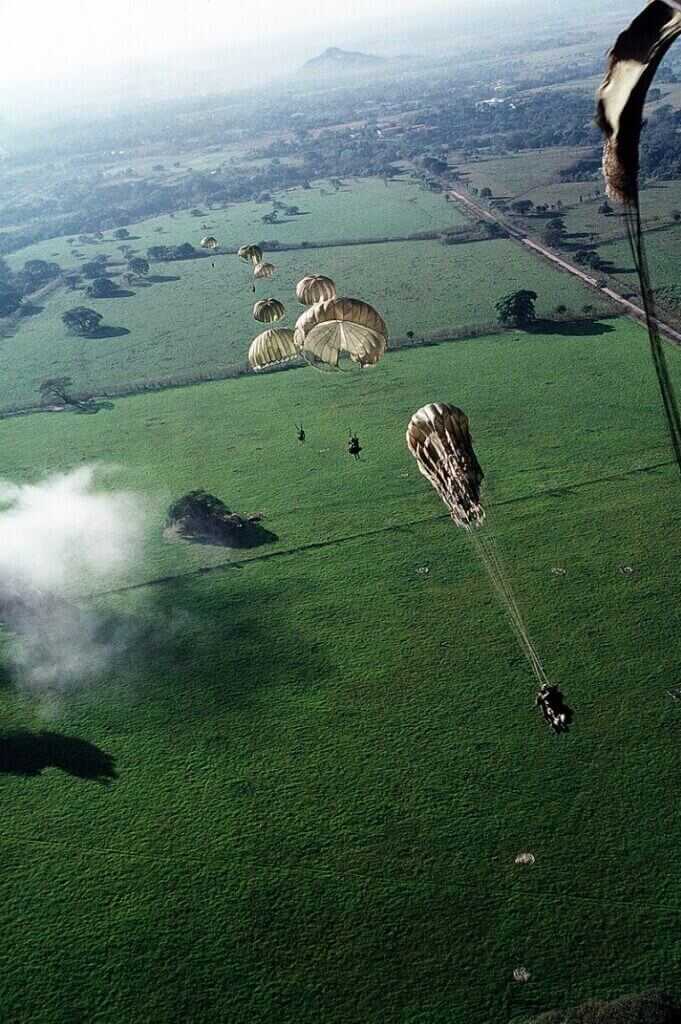
Operation Just Cause was defined by 27 separate initial tactical objectives. US forces accomplished all 27 on D Day, 20 December. Manuel Noriega subsequently went into hiding, eventually taking refuge in the Papal Nunciatura four days later. Think of this as akin to a diplomatic embassy for the Roman Catholic church. American combat troops, as well as Delta Force operators, surrounded the facility to prevent Noriega’s escape. They flew helicopters over the compound at low level at all hours and blasted Van Halen through hastily erected loudspeakers. Ten days later, Noriega surrendered to US forces.
From President to Prisoner
At the time of his capture, Noriega was said to be wearing some garish red silk underwear. These were supposedly his lucky underpants, intended to protect him from all harm. It seems they were defective. In short order, Noriega found himself in a Miami courtroom answering drug trafficking charges.
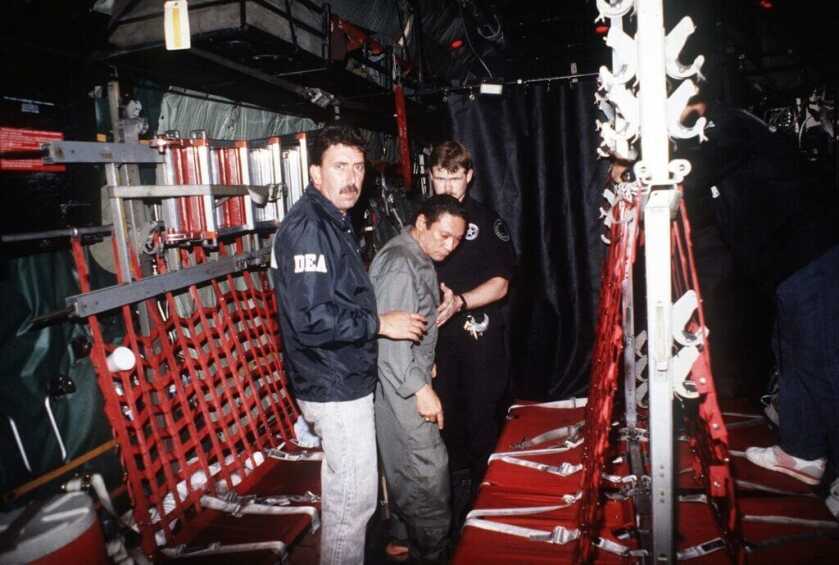
The American wheels of justice turn slowly, and the ambiguity of his status as a war criminal, a POW, an acknowledged head of state, or a garden variety drug running thug muddied the waters considerably. Eventually, the lawyers got all that sorted, and Noriega was remanded to federal prison. His status as a POW got him his own cell, his own television, and a decent set of exercise equipment.
Pineapple Face Finds Jesus
Noriega was sentenced to 40 years in prison. Once the dust settled, that 40 years condensed down to about 17. During that time, the deposed despot developed a friendship with a pair of evangelical pastors Clift Brannon and Rudy Hernandez. Noriega subsequently converted to Christianity and was baptized. I sincerely hope it took. He completed his American sentence in 2007 and was sent to France to start the process all over again.
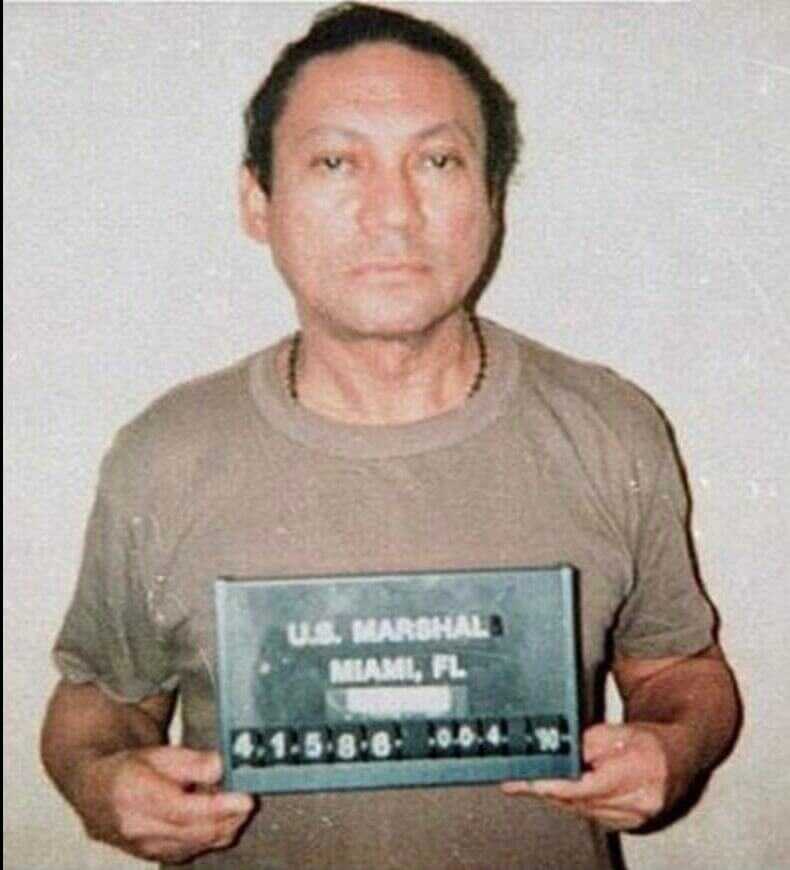
France got a shot at him because of some money laundering thing, and Noriega was sentenced to a further seven years in jail. In 2011, the French authorities put Noriega on a plane for his home country of Panama. While in power, Manuel Noriega had done quite a lot of very bad stuff. He was subsequently sentenced to three concurrent 20 year prison sentences by the Panamanian courts.
In 2017, while still incarcerated, Noriega underwent surgery to remove a benign brain tumor. The former despot suffered a brain bleed during the procedure and died on May 29, 2017. He was 83. His body was released to his family for burial. Manuel Noriega’s dictatorship died along with him. Let’s hope he’s with Jesus today.