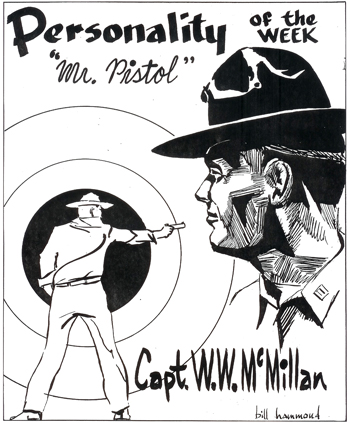
Many times, the person behind a given firearm can easily overshadow it. In the case of the story of the multi-talented William W. McMillan Jr., it is especially difficult to choose a starting point.
Does one consider just his military competitive shooting, or look to only his Olympic shooting years? It’s safe to say that Bill McMillan fulfilled a litany of incredible accomplishments over his 71 years in both military and civilian roles.
McMillan was never far from the firing line, representing America in six Olympic Games. While he owned many firearms, one unique Colt pistol that brought him special recognition is on display today in the NRA National Firearms Museum in Fairfax, Virginia.
McMillan was born in Frostburg, Maryland in 1929, and went to high school in Turtle Creek, Pennsylvania. Immediately after graduating in 1948, he joined the United States Marine Corps. His competitive shooting began early with a series of matches in the military in 1949 that led to McMillan, quickly recognized as a “natural,” receiving the Distinguished Pistol Shot Badge in 1950.
Possibly part of his personal incentive for doing well with a service pistol was the fact that McMillan had been the only Marine in the barracks not qualified with a pistol at the Brooklyn Navy Yard, and as a result had to walk the only rifle sentry post – a very cold and windy pier.
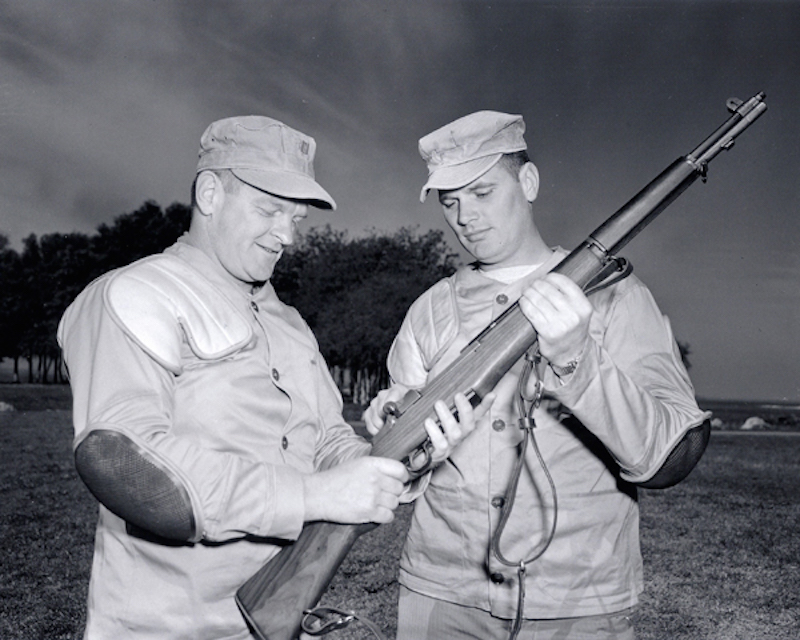
McMillan (right) as a U.S. Marine Corps first lieutenant, inspecting a rifle with Capt. John Jagoda (left). (Photo courtesy/WWMcmillan.info)
Just nine days after the gold Distinguished Pistol Shot Badge was pinned on McMillan’s uniform, the Korean War began. In 1953, McMillan received his commission as a second lieutenant in the infantry, after shooting slightly bigger guns in Korea – 75-millimeter recoilless rifles — as part of the 7th Marines.
One short year later, McMillan earned the Distinguished Marksman Badge. He was now “double distinguished,” a competitive shooting level of skill with both rifle and pistol that few ever attained. Honing his skill annually wasn’t easy, but he was able to score an unprecedented five Lauchheimer awards for being the combined champion for rifle and pistol shooting for the Marine Corps.
That wasn’t at all the end of his Distinguished Badge quest. In May of 1963, McMillan received Distinguished International Shooter Badge #14. This “triple distinguished” recognition came after McMillan’s achievements at the 1962 International Shooting Union matches in Cairo, Egypt.
McMillan returned to war in Vietnam, finding himself in the thick of the campaign overseas. As an ordnance officer, he received the Bronze Star and spent a year on Okinawa, responsible for the known-distance ranges for Marine qualifications. He retired from active military service as a lieutenant colonel in 1974 and went into law enforcement training work in California and with the Federal Bureau of Investigation.
McMillan’s military service regularly intersected with his extensive international competition. He competed in his first Olympic Games in 1952 and placed seventh in Helsinki, Finland, as one of the six shooters on the American team. In 1956, problems with a jamming gun in the tryouts cost him the chance to rejoin the American team in Melbourne, Australia.
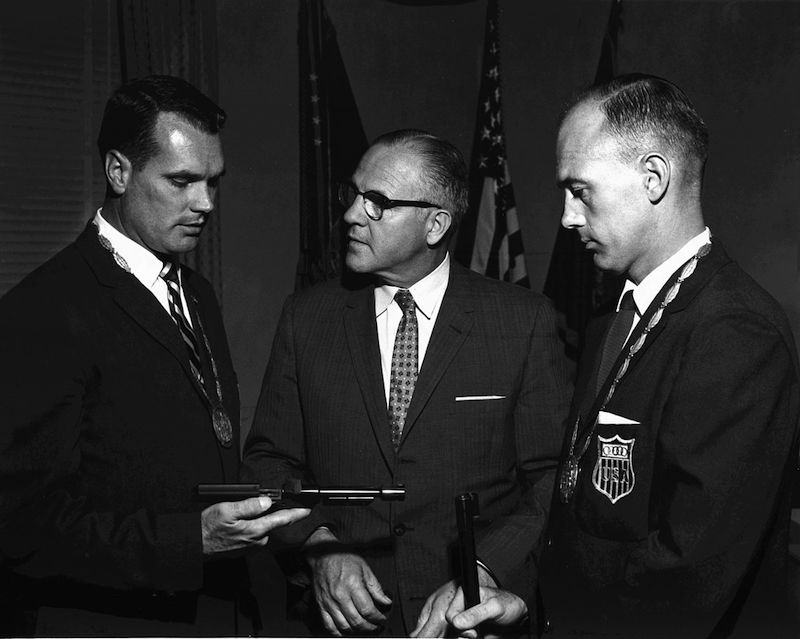
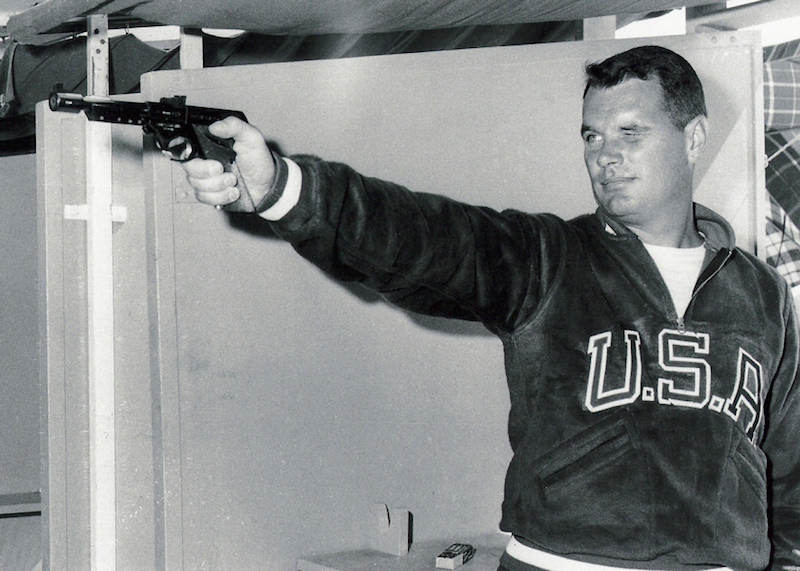
But it was in 1960 in Rome where McMillan really shone. Using a High Standard .22 pistol that is today on exhibit with his Olympic gold medal at the NRA National Sporting Arms Museum in Springfield, Missouri, McMillan posted an eight-point win in a fiercely competitive rapid-fire pistol struggle against Soviet and Finnish rivals. This was one of the two shooting medals the Americans brought home from the Italian Olympics. Notably, McMillan actually took a nap in the middle of the shooting competition while other competitors shot, then calmly went to the firing line and produced the top score against some probably unnerved opponents.
In the 1964 Tokyo Olympics, McMillan’s high score, just one point behind his 1960 win, was only good enough to bring him 12th place. In Mexico in 1968, 17th place was McMillan’s best result, in an Olympics increasingly dominated by foreign shooters. In Munich in 1972 and at Montreal in 1976, McMillan’s scores, while very respectable compared to his showing in the 1960 Games, left him far from the winner’s podium. The 1980 Games would have been McMillan’s seventh Olympic appearance, but the U.S. boycott of the Games ended that string.
While McMillan’s wins overseas in the later Olympics were denied, he was still going very strong in domestic competition. His Colt National Match .45 was the handgun he used to take the National Trophy for Individual Pistol in 1963. Fitted with a set of gold and silver grips from Mexico, these exotic grips are not what one would normally see on a competition pistol.
However, McMillian used the gun regularly in practice as part of the NRA 2600 Club. He was also recognized as a Lifetime Master in Pistol and Outdoor Pistol. In 1979 and 1980, he received honors as part of the NRA National Training Team.
McMillan’s Colt pistol was one of two handguns donated by his son to the NRA, and one that is seen by thousands in the Fairfax galleries annually. Alongside the pistol in the case are his three Distinguished Badges, mounted together as a combined award that celebrates just a fraction of the accomplishments of a most multi-talented shooter, Marine and Olympian, William W. McMillan Jr.
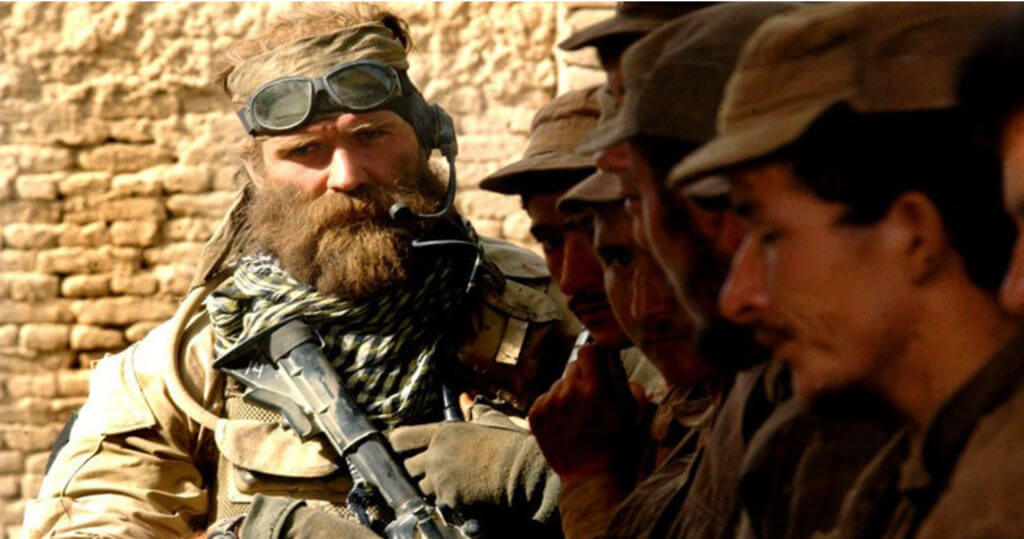
What makes men gravitate toward war? War is, after all, the most horrific of all human pursuits. Killing a lazy Saturday afternoon behind my favorite black rifle perforating paper or ringing steel is pure unfiltered recreation. By contrast, kicking in the door of a mud house dirty with tooled-up ISIS fanatics at three in the morning would be fairly horrifying. Given the obligatory terror, deprivation, physical pain, and emotional suffering concomitant with modern combat, why on earth would anyone do it willingly?
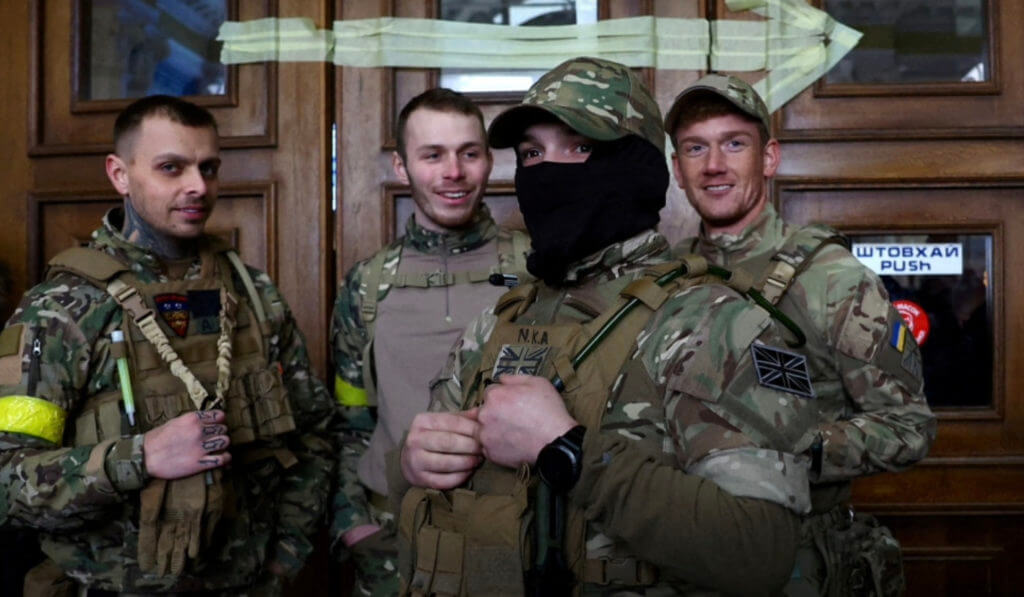
Foreigners have flocked to Ukraine by the thousands to fight.
That’s a thorny question. There are roughly 20,000 foreigners fighting in and for Ukraine as I type these words. They make up seven full battalions. I’m told most hail from the US, the UK, and Georgia (the country, not the state). Their respective nations warned these insanely brave adventurers not to do this. In the event of capture, they have literally zero support. Yet they went anyway.
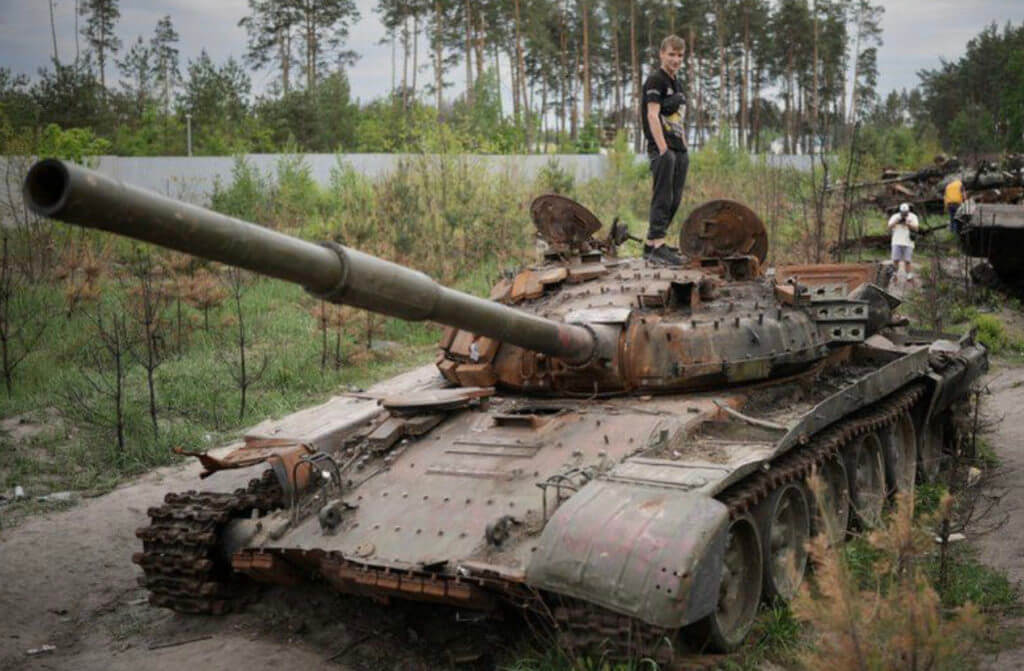
The fight for Ukraine has most of the planet united against the Russian bully.
We humans do seem quick to embrace a proper crusade. In Ukraine, the Bad Guys are very, very bad, while the Good Guys seem pretty decent. We’re all going to die of something. It might as well be something that matters.
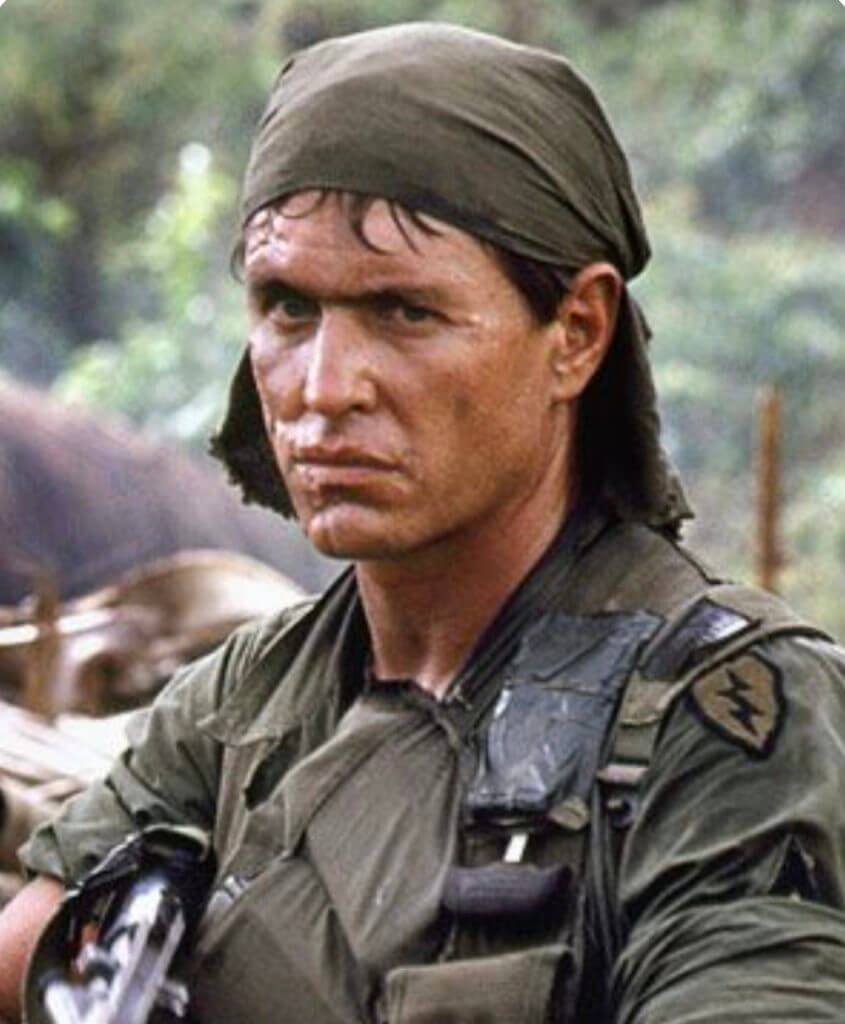
This is Tom Berenger as SSG Barnes from the Oliver Stone epic Platoon. I once served with a guy who was a bit like this. He was a force of nature.
On a certain visceral level, however, some folks are just addicted to the rush. SSG Barnes from the movie Platoon is the archetype. Once Barnes discovers that war is his calling he just cannot get enough.
I served with a guy like that back in the day. He did three combat tours in Vietnam and found it difficult to thrive away from a war zone. He was forced to retire with more than 30 years of service after beating the crap out of four MPs at once. He succumbed to a brain tumor shortly thereafter.
This dapper guy had more real-world combat cred than anyone I have ever heard of.
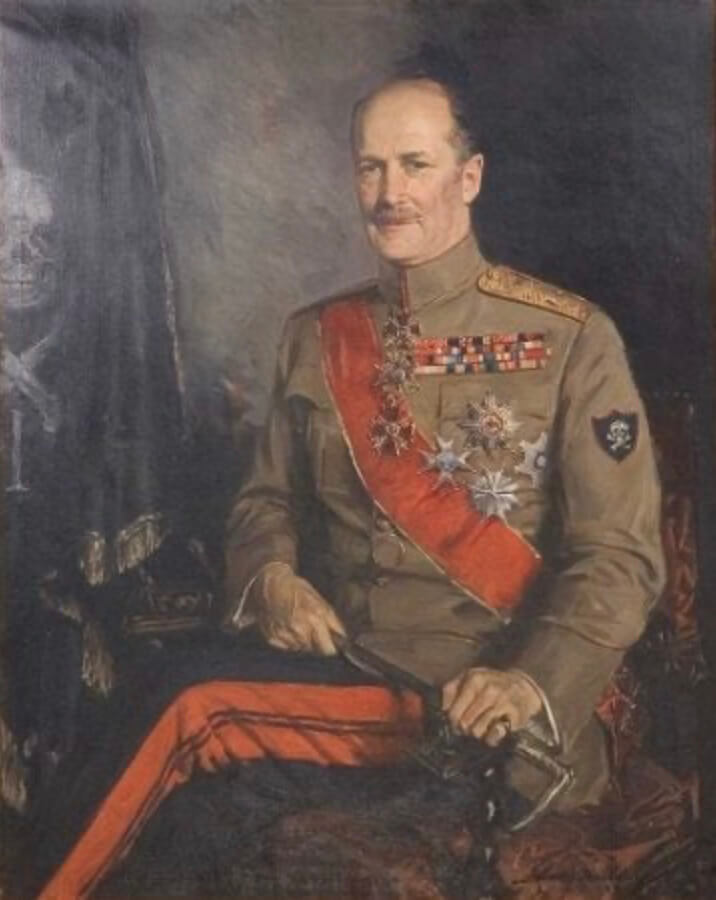
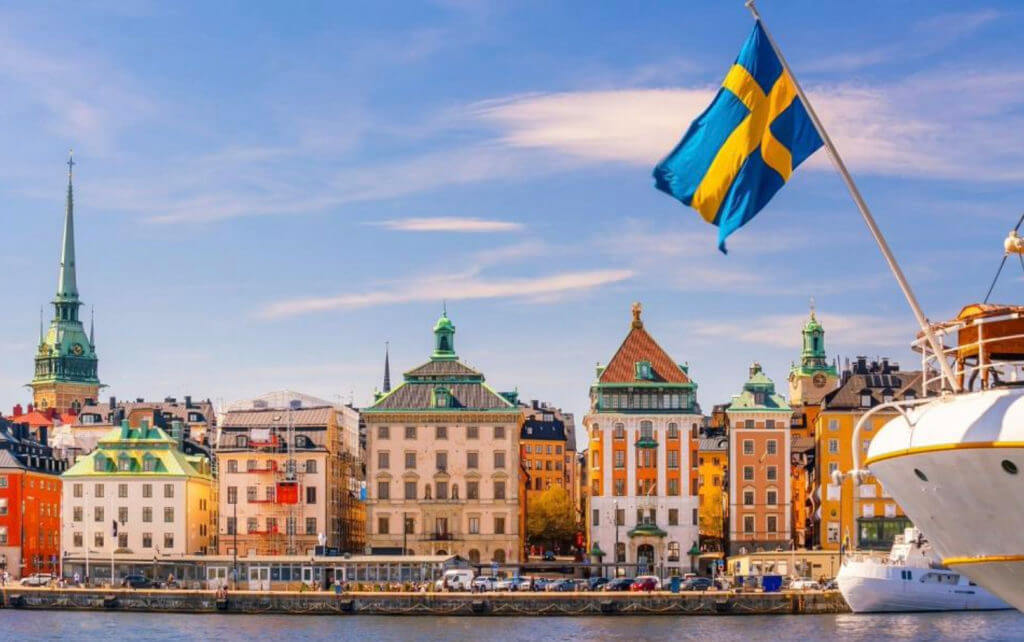
Today we will explore the extraordinary life of Ivor Thord-Gray. Thord-Gray was a combat addict. While history and his own memoires might have embellished his experiences somewhat, the places he went and the things he did are amply impressive even when viewed through that lens. His journey began in Stockholm, Sweden.
Origin Story
Ivor Thord-Gray was Swedish. His Viking ancestors would have been proud.
Ivor Thord-Gray was born Thord Ivar Hallström on April 17, 1878. The reasons he changed his name at some point have been lost to history. Ivor was the second son of a primary school teacher named August Hallström and his wife Hilda. He came from gifted stock.
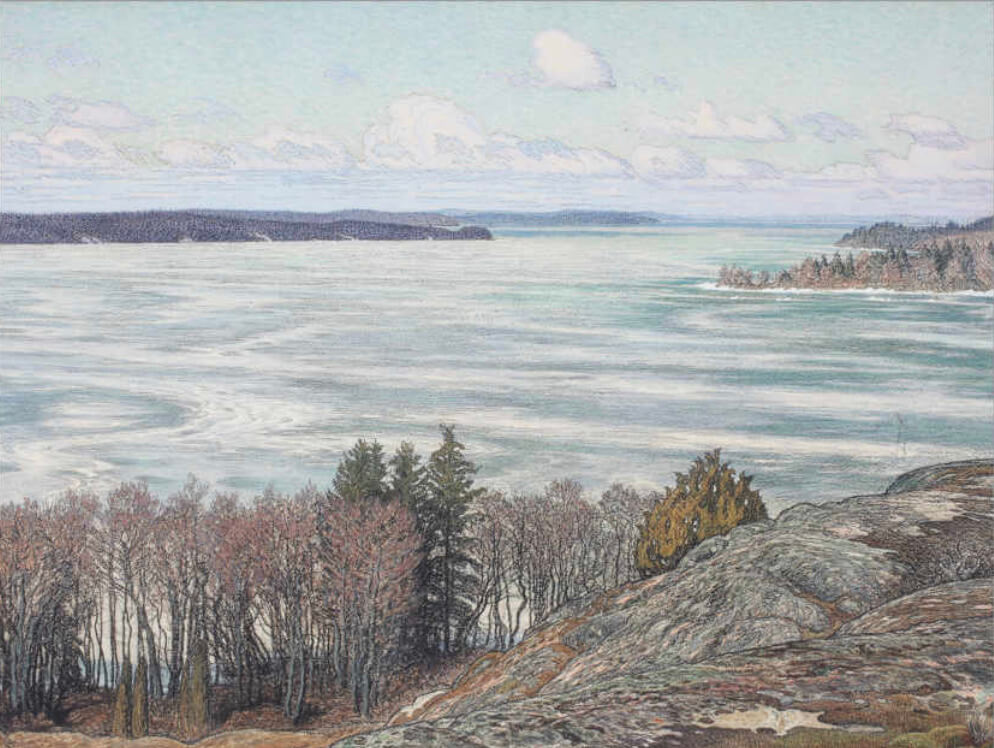
Ivor’s older brother Gunnar was an artist of some renown.
Ivor’s older brother was the esteemed artist Gunnar August Hallström. His baby brother was an accomplished archaeologist named Gustaf. By all accounts, Ivor’s upbringing was typical for his geography and his era. However, from an early age, young Ivor was found to suffer from a most deplorable wanderlust.
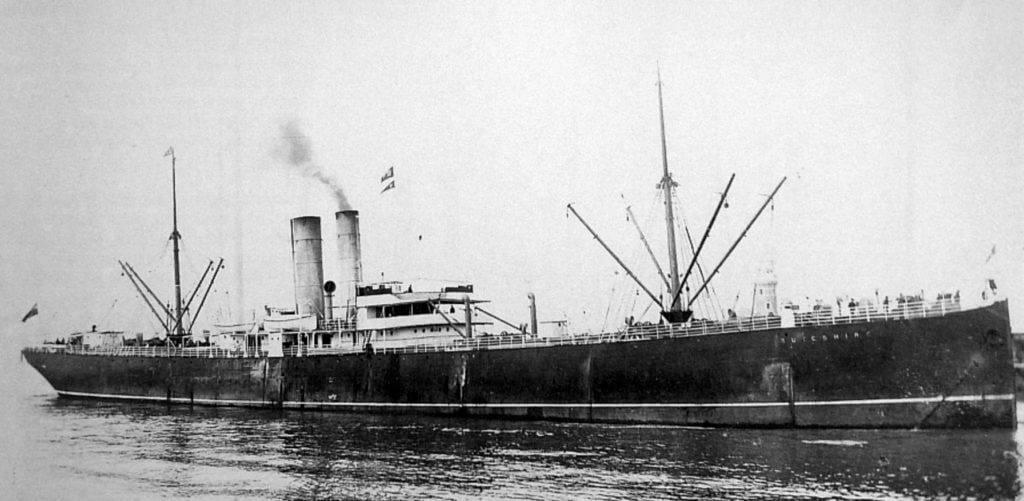
Young Ivor saw the Merchant Marine as his ticket to adventure.
In 1893 at the age of fifteen Thord-Gray enlisted in the Merchant Marine in pursuit of adventure. For the next two years he sailed aboard three ships and explored the world. In 1895 at age seventeen he left the service to settle in Cape Town, South Africa.
Things Get Salty
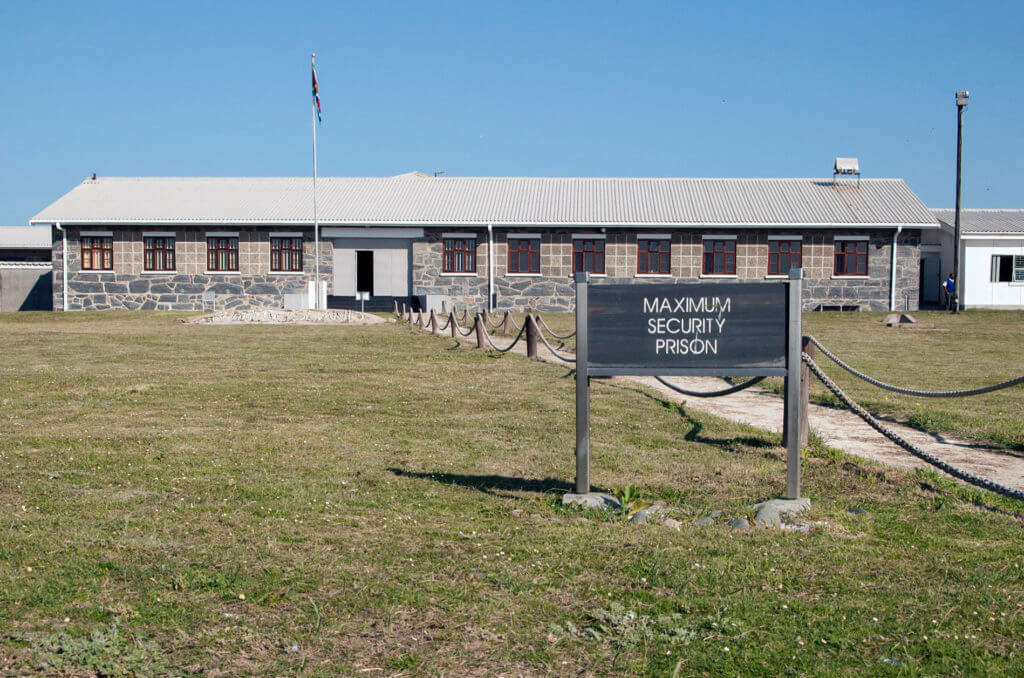
Nelson Mandela served time at Robben Island. It is a tourist attraction today.
In 1896 at age 18 Ivor took a job as a prison guard at the South African prison on Robben Island. I obviously wasn’t there, but I rather suspect the young man got to meet some fascinating personalities in that job. While working at the prison Ivor became both a master fencer and a world-champion archer. The following year Ivor Thord-Gray thought he might try his hand at soldiering.
Ivor served a wide variety of causes. He tended to gravitate toward fighting regardless of the politics.
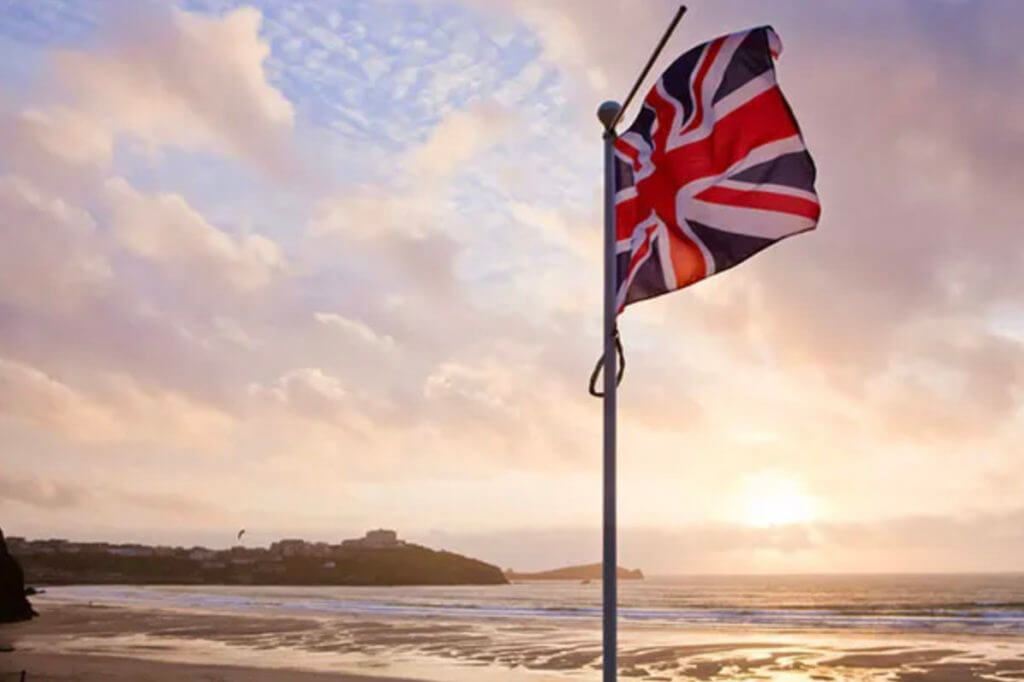
Over the course of the next decade, Ivor Thord-Gray fought in five conflicts. The first and last were under the Union Jack. One stint was served alongside the Germans.
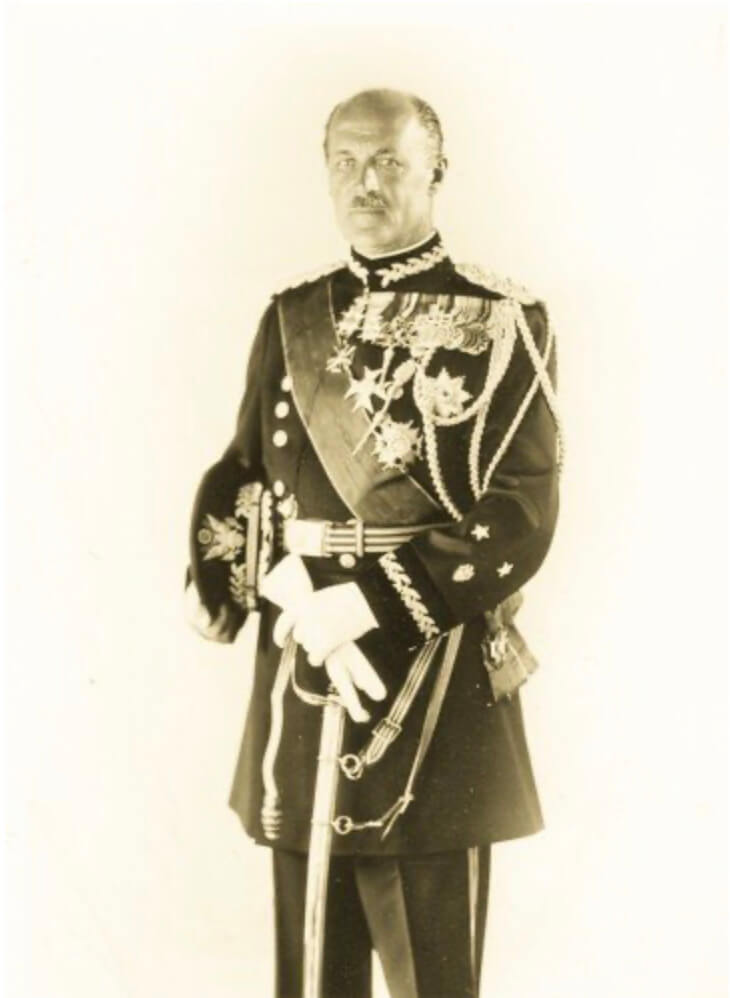
In his prime, Ivor Thord-Gray cut quite the dashing figure.
Thord-Gray first fought as a Private soldier with the Cape Mounted Riflemen during the Boer War. As a native Swede, the argument could be made he really didn’t have a dog in that fight. However, this was his first taste of proper war, and he found he had a knack for it.
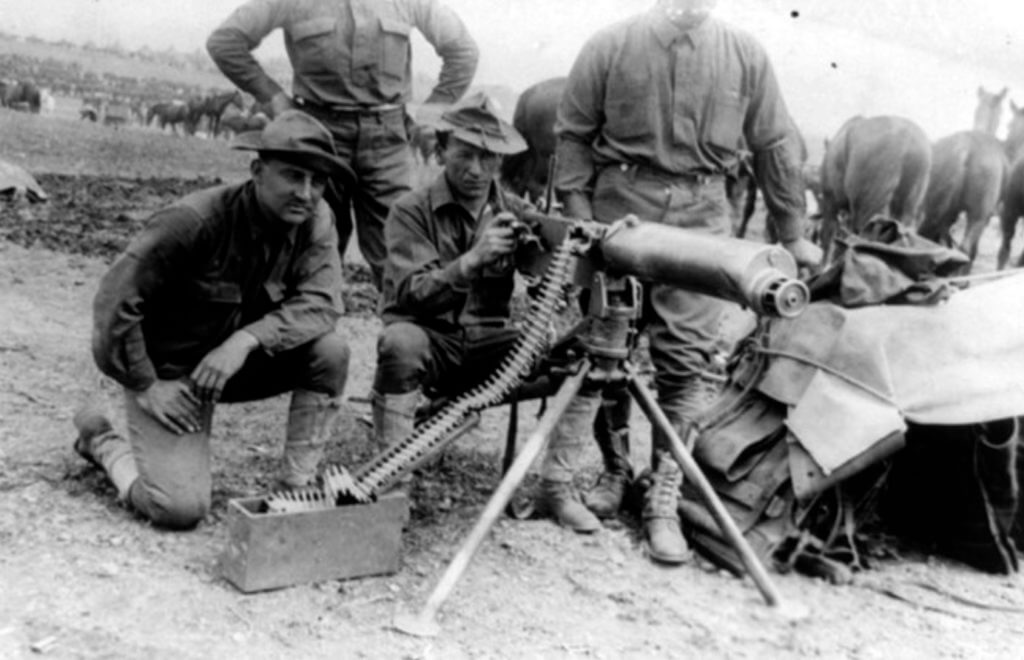
Along the way, Ivor Thord-Gray mastered the Maxim machine gun.
With the formalized violence abating, Thord-Gray found that the weight of a pistol on his belt suited him. He therefore signed on with the South African Constabulary and served as a policeman from 1902 through 1903. During his time in the Boer War and the South African Constabulary, Ivor served as an instructor in the care and feeding of the Maxim machine gun.
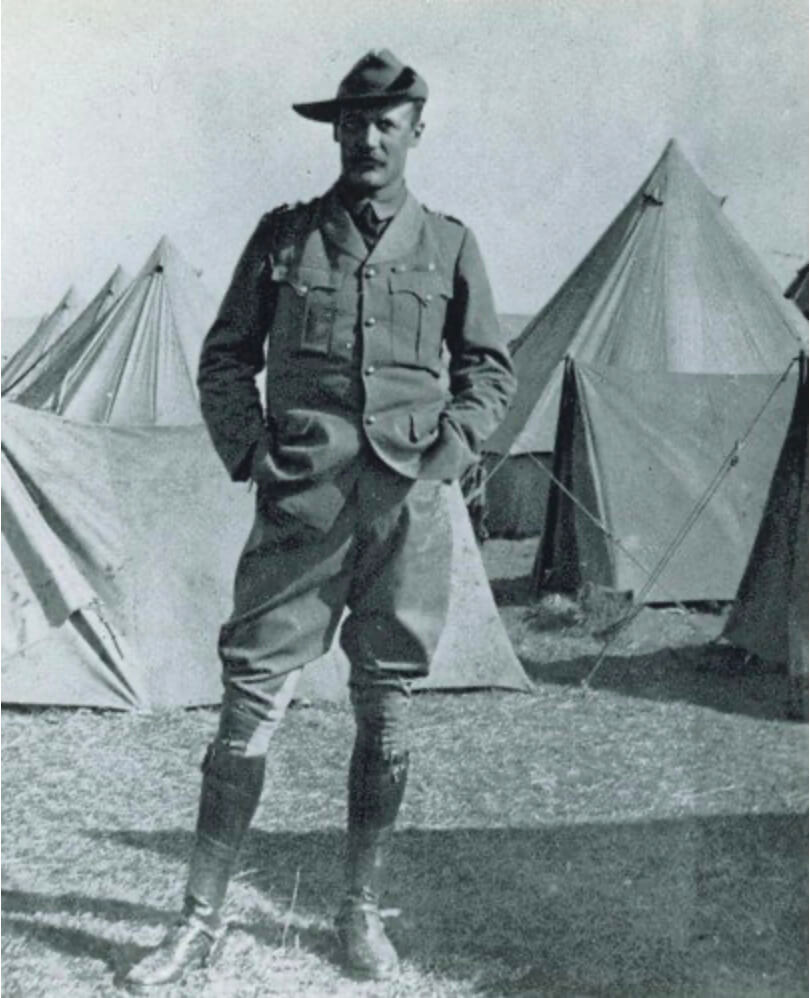
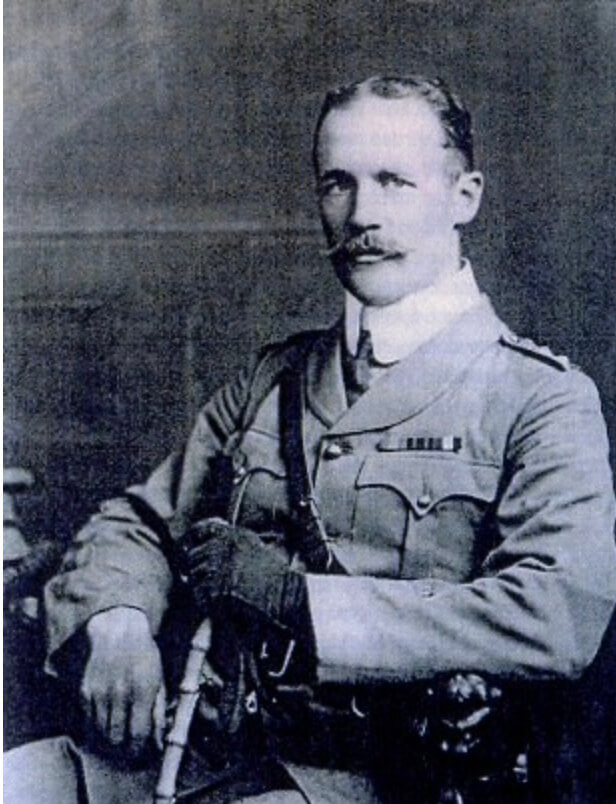
This is CPT Thord-Gray while a member of Royston’s Horse.
Following a brief period in the Transvaal Civil Service, Ivor joined the German Schutztruppe of European volunteers fighting in Africa. During this time he would have at least touched the Namaqua and Herero genocides, the first such travesties of the 20th century in which some 80,000 people perished.
He later joined the Lydenburg Militia, this time as an officer. He fought through the Bambatha Zulu Rebellion as a Lieutenant in Royston’s Horse. He battled the Zulus at Mome Gorge where between 3,000 and 4,000 African warriors fell in battle. During this gory fight, Thord-Gray commanded a battery of Maxim machine guns. The resulting contest between assegai spears and belt-fed machineguns was a proper slaughter.
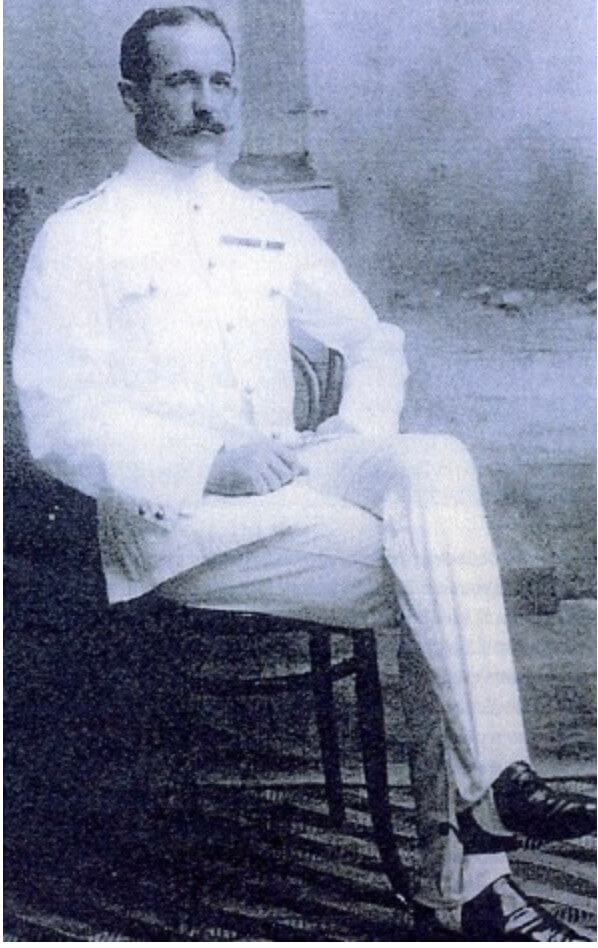
Here we have Ivor Thord-Gray in the uniform of the paramilitary Philippine Constabulary.
There followed a year as a Captain of the Nairobi Mounted Police in Kenya before Thord-Gray grew dissatisfied with the available chaos on the African continent. After an unsuccessful effort to join the Kaiser’s forces fighting in Morocco, Thord-Gray migrated to the Philippines to become part of the US Foreign Legion. By now he was serving as a Captain with the Philippine Constabulary. He was at this point in our tale 30 years old and had already carried a gun under more flags than I can reasonably catalog. It turned out he was just getting started.
Sundry Bush Wars
In 1911 the Italians were fighting the Turks in Libya, so Thord-Gray made his way there looking for trouble.
Ivor tried his hand at farming in Malaya for a couple of years but soon grew bored with it. He joined the French Foreign Legion in the Tonkin Protectorate of North Vietnam in 1909 and fought in Hoang Hoa Tham’s rebellion. He spent 1911 fighting alongside the Italians as they forcibly evicted the Ottomans from Tripoli. By 1913 he was fighting in the Chinese Revolution.
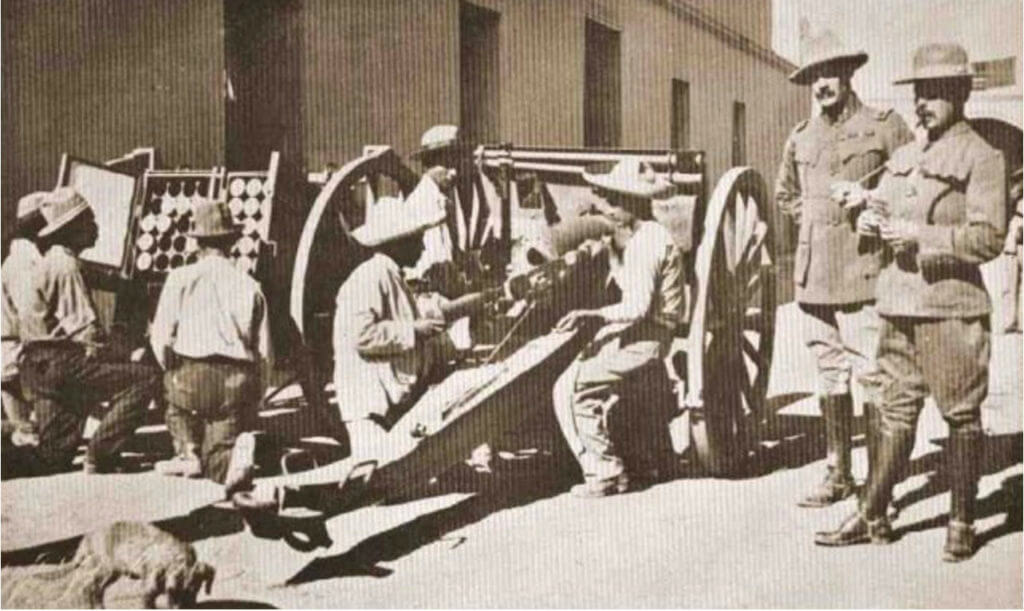
Thord-Gray is second from the right alongside one of his Mexican gun crews. This picture was taken at Hermosillo, Mexico, in December 1913.
From China, Ivor sailed to Mexico to offer his now-extensive martial expertise to Pancho Villa. In short order, he had been appointed a Captain in Villa’s army in charge of the revolutionary’s artillery. At this time Villa and his rebels were supported by the United States against the Huerta political regime, though Uncle Sam obviously soured on Villa in fairly short order.
Ivor repaired disabled guns and smuggled weapons from the United States. Over the next twelve months, he quickly rose through the ranks to Colonel. He ultimately served as Chief of Staff of the 1st Mexican Army. However, it turned out all this was simply preparation for the Main Event. Back in Europe, things were heating up fast.
The First War to End All Wars
Ivor Thord-Gray served as a battalion commander in an esteemed British regiment in combat during WW1. This guy was an epic piece of work.
The British Army was a growth industry in 1914, so Ivor Thord-Gray signed up. His extensive military history secured him the rank of Major in the King’s service. You recall Thord-Gray was still technically Swedish.
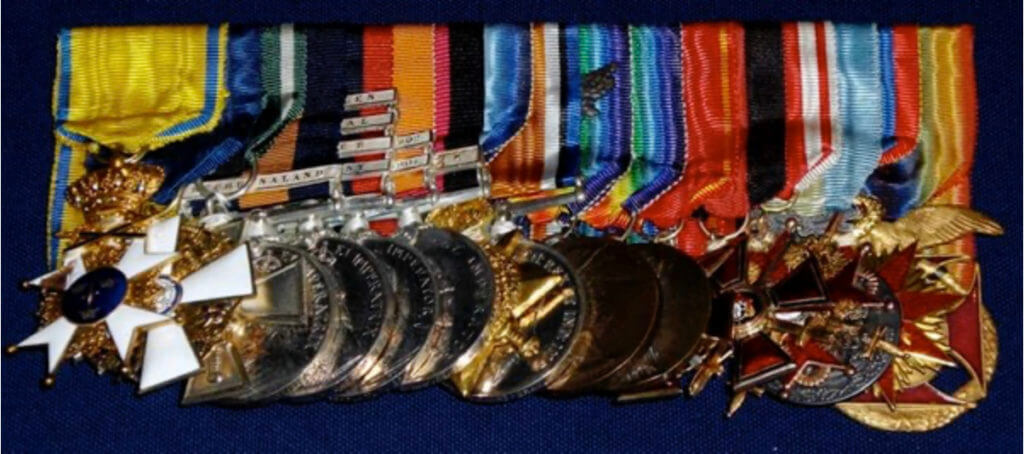
Within a year he was the commander of the 11th Battalion Northumberland Fusiliers. In late August 1914, Thord-Gray and his Fusiliers landed in France ready to scrap. Two weeks later they were on the front line. Before the war finally wrapped up, Thord-Gray had grievously offended his British commanders but had also been awarded the 1914-15 Star, the British War Medal, and the Allied Victory Medal.
After the armistice he wrote the Military Secretary at the War Office as follows, “Would you kindly inform me whether you have any objection to my offering my sword to France, Belgium, or Serbia.” Throughout it all there was a persistent allegation that Ivor Thord-Gray was actually a German spy.
Here we see Ivor Thord-Gray (right) in his Canadian uniform during the war in Russia.
Thord-Gray tried and failed to join the American Army and settled for Canada instead. He served for a time as Inspector of the Imperial Munitions Board in Montreal. He eventually deployed as part of the Canadian Siberian Expeditionary Force to fight in the Russian Civil War.
This is Thord-Gray in his Russian uniform. You could make a decent career out of cataloging this guy’s multinational combat decorations.
Thord-Gray transferred to the Russian “White” Army in the winter of 1919 as a Colonel serving under Admiral Alexander Kolchak. Before the year was out he was a division commander of the 1st Siberian Assault Division.
Less than a year later he was a Major General serving in the Provisional Siberian Government. One of his tasks was to sell gold reserves to foreign banks. Ivor was captured by the Soviets in the winter of 1919 with the capitulation of Vladivostok but successfully concealed the gold receipts in his pocket. One was valued at $146,946, a king’s ransom at the time. With the Communists clearly in their ascendency, Thord-Gray thought he’d just hang onto the cash.
The Golden Years
By 1923 the world was getting smaller, so Ivor Thord-Gray thought he might give making money a whirl.
Finally in 1923 at the age of 45, Ivor Thord-Gray was ready for a break. He returned to Sweden, the country of his birth, and penned a popular tome on Mexican archaeology. Two years later he emigrated to the US and started an investment bank under the flag I.T. Gray and Co in New York City. He used the pilfered Russian gold money as a seed for his new banking endeavor.
This was but a portion of Ivor Thord-Gray’s chest salad.
Thord-Gray’s final mercenary foray saw him serving as a Lieutenant-General in the Army of Venezuela in 1928. While there he fought the dictator General Juan Vicente Gomez but lost. He then returned to Sweden yet again and, in his free time, earned his Ph.D. from Uppsala University.
Here we see Major General Ivor Thord-Gray in his American uniform.
Getting rich in America suited the man. By 1934 he was married and had two children. He settled with his family in Greenwich, Connecticut. In the summer of 1935 Thord-Gray was appointed Major General and Chief of Staff to Florida Governor David Scholtz. By 1942 his primary mission was counter-espionage in Florida.
In his declining years, Ivor Thord-Gray wrote fairly prolifically using his many-splendored exploits as grist for his typewriter. He was ultimately kind-of married five times and penned seven books.
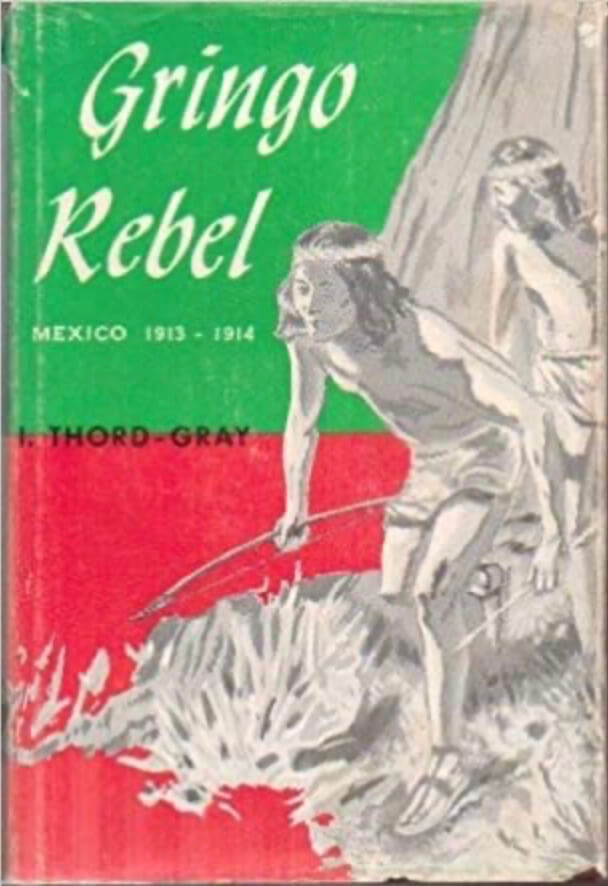
His most popular work was titled Gringo Rebel: Mexico 1913-1914, a tome relating his experiences fighting in the Mexican-American War. Thord-Gray eventually established a winter home in Coral Gables, Florida.
By the end of his life, Thord-Gray had thrived through fully six careers as a sailor, soldier, ethnologist, linguist, investor, and commercial writer. He served in ten identifiable armies across sixteen wars. This remarkable man peacefully shuffled off this mortal coil in the summer of 1964 at the age of 88. His extraordinary life was that of the archetypal war junkie.
Back when I was loading trucks I used to look for this shit in pallets.
I’d snatch a can out and wait until lunch, then I’d go back to the dock about halfway through my break. I’d grab that can and find a trailer that one of my buddies (usually Greg The Whiny Li’l Bitch) was loading, then I’d depress the stem and tape it down before tossing it into the trailer and shutting the trailer door.
All the loaders would come back from lunch and the victim would pop his trailer door and stagger backwards with his eyes watering and screaming “LANE, YOU SORRY MOTHERFUCKER!!!” before shutting the door and stalking off to the shipping office.
Next thing you know, the hostler would pull the trailer away from the dock door about 3 feet, fire up the reefer and open the trailer door to blow that shit out.
The bosses made me quit doing it – not because I was wasting product but because the stench would spread over 150 yards of loading dock, gagging the entire workforce.
The only loader that didn’t mind it was Brotherman Jerome who went to an all black high school in Stockton – said that it reminded him of his first high school dance.
The Sergeant Major was 100% pure unfiltered warrior.
The Sergeant Major was the hardest soldier I have ever met. We respectfully called him Smadge, and he was terrifying. He was comparable parts patriot and psychopath. To understand the Smadge you should appreciate what made him what he was.
Many generations train incessantly for war but practice their art infrequently for real. By contrast, Smadge spent three full years in combat.
For Smadge, killing was a profession. He invested his entire life preparing his mind and body for this mission. Unlike many professional soldiers, however, he found ample opportunity to put his remarkable skills to work.
Smadge really didn’t talk a whole lot. When he did, however, people listened.
Smadge was not a terribly imposing man physically, maybe five-nine in sock feet. However, his was a hard, sinewy form. He held a black belt and seldom spoke above a whisper. However, I never saw anybody, regardless of rank, who did not fall silent and listen when he had something to say.
Experience is everything for a soldier. The entire formalized military rank system orbits around recognizing and promoting its value.
If Smadge was feeling frisky he had a way of greeting young soldiers who encountered him in the hallway. I would nod and wish him a good day. In an instant, he would have me against the wall, his stubby rock-hard fingers around my larynx. He would then smile through tobacco-tainted breath and wish me a good day in return. He treated all of us young studs the same.
An Awkward Social Encounter
When the Smadge was a young man his first tours through Vietnam were with the 101st Airborne.
Smadge did three combat tours in Vietnam. His last was with some kind of spook mob. I never got the details, but he spoke fluent Vietnamese and once told me he looked good in black pajamas. His earlier trips were with the 101st Airborne.
I honestly cannot imagine the chaos of trying to defend a remote firebase in the dark after the enemy had breached the wire.
Smadge’s firebase was once overrun during a night attack. The VC were inside the wire. As a young NCO Smadge ran from position to position distributing ammo and coordinating defenses.
These wiry little guys were some simply superb soldiers.The SKS carbine was a common weapon in the hands of the Viet Cong. This vet bringback example was captured in the A Shau Valley.
Smadge vaulted over a small berm and came face to face with a VC soldier armed with an SKS. Illuminated by the flames from burning fougasse there was a pregnant pause.
The M16A1 was the standard Infantry rifle used by American forces during most of the Vietnam War.
Smadge then snapped his M16A1 rifle up and shot the man eighteen times in the chest. He told me never to load my magazines to their full capacity. Our mags are hugely better today. If I recall correctly, Smadge took home a Silver Star after that night’s work.
The widespread use of helicopters revolutionized warfare in Vietnam.
Another time a distant firebase was under concerted attack and in desperate need of reinforcement. Smadge and his unit assaulted into the outpost via Huey slicks.
Amidst the chaos and confusion of a live air assault a nearby bunker seemed the best refuge.
Smadge said that upon touchdown he reflexively dove into the nearest bunker. The bunker’s sole living occupant was a North Vietnamese soldier with an AK.
The XM177E2 was typically called the CAR15 by those who carried it.
In his own words, “Imagine my surprise. There was Chuck. This wasn’t Chuck’s bunker. I was embarrassed, Chuck was embarrassed. It was awkward, so I shot Chuck in the face with a burst from my CAR15 and didi mau’d.”
Smadge never elaborated much on his third tour in Vietnam. He said he had been on the Ho Chi Minh trail and frequently carried an AK.
Of his time with the spooks, Smadge was much more circumspect. He once told me that only one other member of his small team remained alive and that he ran a gun shop someplace. Smadge said he usually carried an AK47 and once killed a man with his Kabar. He never volunteered details, and I never pushed.
The Guns
Very early M16 rifles like this one struggled in fetid jungle climes.
I once brought Smadge an M1 Garand just to show it off. He had the weapon detail stripped before I could find a chair. However, he still nonetheless respected the M16.
The earliest AR15 rifles had their charging apparatus located within the carrying handle. This Brownells BRN Proto is a remarkably accurate modern day reproduction.
The product of a terribly small enterprise in 1956, that first black rifle was originally a proof of concept of sorts. Gene Stoner, Bob Fremont, Jim Sullivan, and a few others contrived the revolutionary Space Age weapon while in the employ of ArmaLite, a tiny subsidiary of Fairchild Aircraft Corporation.
The ArmaLite AR10 was the gun that started the black rifle revolution. Chambered in 7.62x51mm, the AR10 was indeed a radical weapon for its day.
ArmaLite never meant to build guns in quantity. Theirs was a design enterprise. The original 7.62x51mm AR10 begat the 5.56x45mm AR15. The zippy little .223 cartridge that spawned the 5.56x45mm round was also a Gene Stoner invention. Production of the AR10 was farmed out to the Dutch Company Artillerie Inrichtingen.
This Dutch AR10 rifle was used by Portuguese Special Forces in Africa, demilled, and imported into the US as a parts kit. It was then built into a legal semiauto rifle on a newly manufactured lower receiver.
Dutch AR10 rifles saw service across sundry African brushfire wars. A few made it as far as Cuba. The AR10 was briefly considered during the trials that ultimately led to the M14.
Moving the charging handle from the top to the back was the most obvious change Colt made to the gun. Further alterations to the furniture, front sight base, and lower receiver made the gun more efficient and easier to mass-produce. This is the Brownells BRN-Proto rifle.
In 1959 ArmaLite sold Colt the rights to the AR15. Colt adapted the design for mass production and aggressively marketed the weapon to the military. The most obvious change involved moving the charging handle. The first commercial contract for the resulting M16 was for 300 rifles that went to Malaya in September of 1959.
Early M16 rifles used in Vietnam rocked a three-prong flash suppressor. They demanded meticulous maintenance for reliable operation.
Those earliest M16 rifles lacked a chrome-plated bore and sported some well-documented reliability problems. In 1967 the M16A1 variant was introduced with a chrome-plated tube and an enclosed birdcage flash suppressor. Smadge was an absolute Nazi for weapons maintenance. He said the M16 could be a reliable weapon, even in the jungle, but that it required a great deal of attention to remain so.
Today’s HK416 incorporates attributes taken from those early XM177E2 rifles.The XM177E2 influenced much of today’s modern combat carbine.
Smadge’s CAR15 was technically designated the XM177E2. Designed as part of the CAR Military Weapons System in 1966, the XM177E2 was an effort to turn the M16 rifle into a submachine gun. The collapsible stock and carbine-length gas system of that original XM177E2 can be found in today’s M4 Carbines.
The XM177E2 was the Army’s effort to shrink the M16 down to something smaller and more maneuverable.
These early guns had 10-inch (XM177E1) or 11.5-inch (XM177E2) barrels. The muzzle blast from these stubby tubes was absolutely breathtaking. Now that the revolutionary Pistol Stabilizing Brace allows us mere mortals to run rifle-caliber pistols we all have a chance to taste that sort of chaos.
The moderator on the muzzle of the XM177E2 was designed to mitigate the violence coming from that short stubby barrel. This is a modern reproduction.
Those early XM177 rifles included a flash moderator to help keep the blast in check. These moderators alter the gun’s report enough for the BATF to consider them registerable sound suppressors. Original moderators are rarer than honest politicians today.
Particularly later in the war the AK47 became a common fixture in Vietnam.
Vietnam was dirty with captured AK47 rifles. They came in from a variety of sources and were not uncommonly bartered among American forces.
The AK47 is an exceptionally reliable and efficient combat weapon still used around the world today.
For covert operations, the benefits of the AK47 included ready availability of captured ammunition and a report that was indistinguishable from threat weapons. The AK47 is widely extolled as the world’s most reliable autoloading combat rifle.
A Fine Line
Later in his career the Smadge saw his primary mission as the mentoring of young soldiers like me.
Smadge was a warrior who took his responsibility to mentor young soldiers seriously. Though undeniably intimidating, he remained nonetheless approachable. I once in innocence asked him what it was like the first time he killed somebody. It was a newbie pogue question, but I was a newbie pogue. He quietly responded with, “In the Army or before?”
Smadge was a professional soldier who had become very comfortable with killing.
Smadge grew up without a dad in a big city fraught with violence. His first kill was during a gang fight as a teenager. A bat was his weapon and a garbage can lid his shield. He said his biggest concern at the time was getting caught. When he realized he had literally gotten away with murder he said the experience wasn’t as morally burdensome as he had expected.
The Smadge easily justified killing if the subject of your wrath wished the same upon you.
He told me that when the guy you kill is actively trying to kill you it takes a lot of the moral pressure off. He had twenty-seven confirmed that he knew of from Vietnam. In quiet moments, however, you could tell there was still something unsettled there.
Smadge’s serendipitous discovery in the jungle resulted in some darkly macabre psyops.
Before reading further, keep in mind the circumstances. These guys lived every day in the shadow of violent death. Smadge was on a jungle patrol when he came across the body of a VC soldier leaning against a tree. The unexpected encounter nearly scared him out of his skin. The VC looked asleep. Upon further investigation, the unfortunate Charlie had caught a large-caliber round behind the ear that had taken the back of his head off.
The Death Card was used to send a message to surviving enemy troops.
Seeing inspiration in the moment Smadge produced his Kabar. He carved out the guy’s eye sockets, broke his arms, and stuck the dead man’s own fingers through his eye holes from behind. He carefully arranged a 101st Ace of Spades death card between the fingers and somebody snapped a photograph.
We really shouldn’t send our young soldiers to hell and then second guess their decisions from the comfort of our living rooms. The exigencies of modern war can take a man to a strange moral place.
Smadge thought this hilarious and even sent a copy of the picture home to his wife. People living in comfort, peace, and security shouldn’t pass moral judgment on those who are in the suck. Theirs is a different universe. Sometimes the demarcation between patriot and psychopath can at times seem thin.
The Rest of the Story
It doesn’t matter your branch, experience, or rank, everybody hates the MPs.
The most dangerous thing in the world is a Private with a gun and a badge. Smadge once had a bit too much to drink at the NCO club and was confronted by three MPs while walking home. One of the cops made the mistake of poking him in the chest with a nightstick.
The MPs showed up with reinforcements and took the Smadge into custody.
A friend who was there told me that Smadge put down all three MPs before heading home. The post SWAT team arrived later and took him into custody without a struggle. Smadge was allowed to retire without further incident. Six months later he died of a brain tumor.
Rough men like the Smadge are a necessary evil for a free society. Such men are needed if we hope to prevail in the face of the world’s manifest darkness.
The country needs hard men like Smadge. What they do in their world does not translate well into ours. That’s one of the reasons I think imbedded reporters are a bad idea. Americans in their living rooms don’t need to see what happens downrange. They can never hope to understand.
The Smadge kept me in shape, taught me discipline, showed me how to run a rifle, and started me down the path toward becoming a real soldier myself. A deeply flawed man, he was nonetheless undeniably hardcore.
Smadge was the hardest man I’ve ever known. I wouldn’t trust him around the Dallas Cowboys Cheerleaders, but he’s the guy you’d want alongside you in a fight. An eclectic combination of Chuck Norris, John Wayne, and SSG Barnes from the Oliver Stone movie Platoon, Smadge was every bit the warrior.