Category: A Victory!
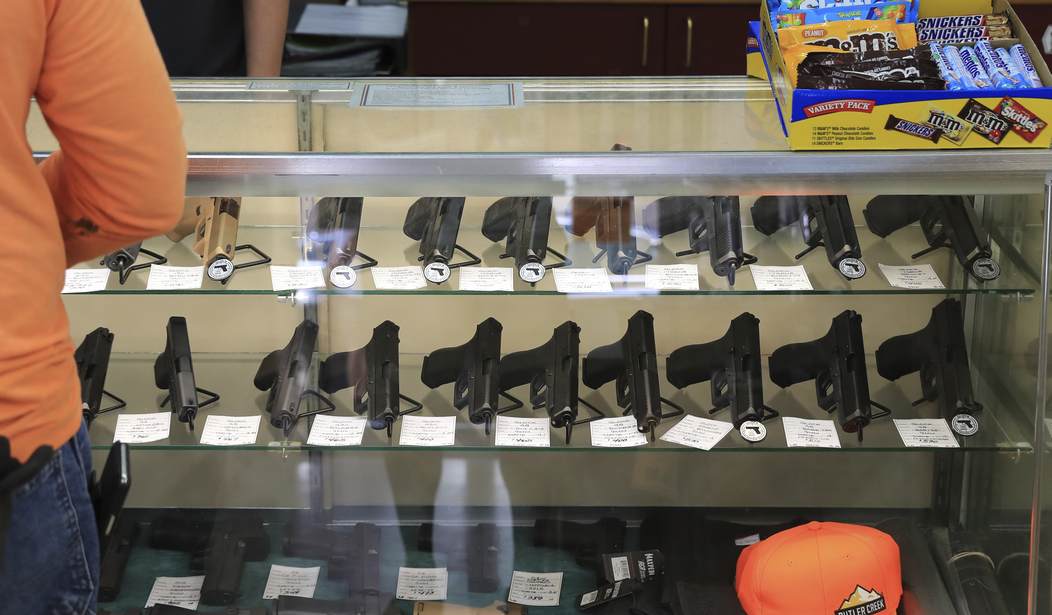
“Magnum P.I.” ran for 162 episodes — 1980 through 1988. Not all episodes had Magnum discharging his Colt MKIV/Series 70 Government Model 1911, but Magnum shot a lot of bad guys with it. I recall this Magnum episode — with Thomas dispensing justice by extinguishing the life of a very bad man.
Although CBS reprised the series, I had no interest in watching it. Tom Selleck is Thomas Magnum. The reality is, if Magnum existed in present-day Oahu and discharged his weapon, even in self-defense, most of the series would have seen Magnum in jail or in court, because he would have been arrested by a bug-eyed police chief who seems to belong in New Zealand, not the USA. In 2024, if you discharge a gun defending yourself or those around you, you will be arrested. At least by this police chief.
The police chief of Honolulu was happy to announce that it didn’t matter if you have “license” to carry a gun and you are defending yourself and, in fact, stop a mass shooting on your own property you will be arrested for murder. A few days ago the following happened:
Three people were killed and two others injured in a shooting at a home stemming from a dispute between neighbors on Saturday night in Waianae, a west Oahu community. The shooter was also fatally shot by a resident, who was arrested on a second-degree murder charge, police said.
Police Chief Arthur Logan (he wants you to call him “Joe”) told the local paper that in the state of Hawaii and in his city, you cannot defend yourself based on “stand your ground” principles. He said:
“In Hawaii, we are a non ‘stand your ground’ state. Even if you have a license to carry, if you’re an individual that discharges a firearm that is involved in injuring another person, … you’re going to be arrested.”
Oh, ok Arthur. The Hawaii Penal Code begs to disagree with Mr. Logan:
§703-304 Use of force in self-protection. (1) Subject to the provisions of this section and of section 703-308, the use of force upon or toward another person is justifiable when the actor believes that such force is immediately necessary for the purpose of protecting himself against the use of unlawful force by the other person on the present occasion.
(2) The use of deadly force is justifiable under this section if the actor believes that deadly force is necessary to protect himself against death, serious bodily injury, kidnapping, rape, or forcible sodomy.
(3) Except as otherwise provided in subsections (4) and (5) of this section, a person employing protective force may estimate the necessity thereof under the circumstances as he believes them to be when the force is used without retreating, surrendering possession, doing any other act which he has no legal duty to do, or abstaining from any lawful action.
Logan had the man arrested although it seems pretty clear that he killed a would-be mass-murderer and was defending himself and others. Logan had the man who stopped a mass-shooting arrested for “second-degree murder.” Logan seems like a man high on his own fumes. The days of “Magnum P.I.” are over. To repeat, “In Hawaii, we are a non ‘stand your ground’ state,” he said. “Even if you have a license to carry, if you’re an individual that discharges a firearm that is involved in injuring another person … you’re going to be arrested.” Arthur will have you handcuffed, perp-walked, booked, photographed for murder. Yes, the man who stopped a mass murder was eventually released, but he will forever be the guy “arrested for murder.”
Nothing like chilling a constitutional right, Arthur.
Short story.
My son had just returned from a deployment in Afghanistan. He and a buddy were with dates. It was 2:00 a.m. They crossed a street midstream and immediately were “lit up” by Honolulu cops for “jaywalking.”
My son was rightfully incensed and asked why he and his buddy were being cited for jaywalking at 2:00 a.m. “It’s dangerous,” replied the overweight cop to the two combat vets. As the cop was writing the citations, two prostitutes jaywalked in front to the cops. My son asked if they were going to cite the women-of-the night for the same thing. The cop just smiled and went back to writing the citations.
I’ve always thought that Hawaii was overrated. I have a choice where to spend my vacation dollars. Hawaii won’t be seeing any.
|
Lt Col John Cary Morgan
United States Army Air Corps United States Air Force |
|
|---|---|

Military photo of John C . Morgan
|
|
| Nickname(s) | “Red” |
| Born | August 24, 1914 Vernon, Texas, US |
| Died | January 17, 1991 (aged 76) Papillion, Nebraska, US |
| Place of burial | |
| Allegiance |  United States of America United States of America |
| Service/ |
Royal Canadian Air Force United States Air Force |
| Years of service | 1941 – 1943 (Canada) 1943 – 1945, 1950 – 1953 (USA) |
| Rank | Sergeant (Canada) Lieutenant Colonel (USA) |
| Unit | 326th BS, 92nd BG |
| Battles/wars | World War II |
| Awards | Medal of Honor Air Medal (3) |
John Cary “Red” Morgan (August 24, 1914 – January 17, 1991) was a United States Army Air Forces pilot in World War II who received the Medal of Honor for his actions during a 1943 bombing run over Germany, which also inspired the character of 2nd Lieutenant Jesse Bishop in the novel and film Twelve O’Clock High.
Background
Born August 24, 1914, in Vernon, Texas, son of attorney Samuel A. Morgan Sr. and Verna Johnson Morgan,[1] Morgan graduated from a military school in 1931 then attended several colleges, including Amarillo College, New Mexico Military Institute, West Texas State Teachers College, and the University of Texas at Austin. While at Texas he learned to fly aircraft, and in 1934 dropped out of college. He worked in the Fiji Islands as a foreman on a pineapple plantation until 1938, when he returned to enlist as an aviation cadet in the U.S. Army Air Corps. However, because of his poor education record, he was refused enlistment. Working at an oil-drilling site for Texaco, Morgan suffered a broken neck in an industrial accident, and as a result was later classified 4-F by the Selective Service System.
Military service
In August, 1941, Morgan joined the Royal Canadian Air Force, and after completion of flight training in Saskatchewan, Ontario, and RAF Church Lawford, England, was posted as a Sergeant Pilot with RAF Bomber Command. On March 23, 1943, he was transferred to the U.S. Army Air Forces as a Flight Officer and assigned to the 92nd Bomb Group‘s 326th Bomb Squadron, RAF Alconbury, England.
Morgan, on his fifth U.S. mission, was co-pilot of a crew flying a B-17F, ser. no. 42-29802, to a target in Hanover, Germany, on July 26, 1943 (not July 28 as reported by his award citation below).[2] It was for his participation in this mission that he received the Medal of Honor (citation shown below in full), which was awarded on December 18, 1943.
Medal of Honor action
Morgan’s experience began as his group formation neared the German coast. The B-17, nicknamed Ruthie II, was attacked by a large number of Focke-Wulf Fw 190 fighters and had part of its oxygen system to the gunners’ positions in the rear of the aircraft knocked out. The first burst of fire also smashed the cockpit’s windshield, damaged the interphone, and split open the skull of pilot Lt. Robert Campbell. The pilot’s upper body slumped over his control wheel, causing it to start out of control. F/O Morgan seized the controls on his side and by sheer strength pulled the plane back into formation.
The disabled pilot continued to try to wrest the controls away from Morgan and smashed at the co-pilot with his fists, knocking some teeth loose and blackening both his eyes. Meanwhile, the top turret gunner was also seriously injured when a 20 mm shell tore off his left arm at the shoulder. He fell out of the turret position, and was found by the navigator bleeding to death. The navigator bailed the gunner out of the aircraft in a successful effort to save his life.
Unknown to Morgan, the waist, tail and radio gunners became unconscious from lack of oxygen and were threatened with death by anoxia. Morgan, unable to call for assistance because of the damaged interphone, had to decide whether to turn back immediately or try to fly all the way to the target and back within the protection of the formation. He also had to decide whether or not to subject Campbell to anoxia by cutting off his oxygen to disable him. In spite of wild efforts by the fatally wounded pilot to seize the controls, Morgan chose to complete the mission and not cut off his pilot’s oxygen supply.

by Lt. Gen. Ira C. Eaker
For two hours he held position in the formation – flying with one hand, fighting off the pilot with the other. At length the navigator entered the flight deck and relieved the situation. The navigator and bombardier secured the dying pilot in the nose compartment of the airplane. F/O Morgan’s B-17 reached the target at Hanover and successfully dropped its bombs. With all his fuel gauges reading empty, Morgan landed the bomber at RAF Foulsham. Lt. Campbell died an hour and half later, and the five surviving gunners recovered from various degrees of frostbite. The B-17 was declared damaged beyond economical repair and never flew again.
Capture
F/O Morgan transferred to the 482nd Bomb Group in October 1943 to fly B-17 H2X radar aircraft and was promoted to second lieutenant in November. He remained on combat duty, flying in 25½ missions.
On March 6, 1944, Morgan, now a first lieutenant, was the co-pilot on a B-17, ser. no. 42-3491, flown by Major Fred Rabo[3] leading the first major USAAF attack against Berlin. The aircraft was shot down and six of the crew were killed.[4][5] In his haste to escape the falling aircraft, Morgan bailed out without pausing to attach his chest-pack-type parachute. Free falling roughly 20,000 feet, he managed to attach the parachute pack and then successfully deploy it only about 500 feet above the ground.[6] Morgan, Rabo and two others were captured.[3][7] Morgan was held in Stalag Luft I, Barth, Germany, for the remainder of the war, the only person to become a POW after being awarded the Medal of Honor.
Post-war career
In 1948 Sy Bartlett and Beirne Lay, Jr. published their novel Twelve O’Clock High and used Morgan as a model for a primary character, Lt. Jesse Bishop. The wording of his actions appearing in his citation was used as dialogue in the script to describe the actions of Bishop under similar circumstances, and like Morgan, Bishop’s character was awarded the Medal of Honor and later became a POW. The circumstances also became a featured part of the 1949 film adaptation.
After the war, Morgan returned to work for Texaco in California selling aviation fuel. Called back to active duty when the Korean War broke out, he took a leave of absence from Texaco (1950–53) and applied for combat duty. The Air Force denied his request but allowed him to fly cargo planes in the United States for two years. He completed his final year on active duty in the office of the Deputy Assistant Secretary of the Air Force. In 1957, he retired from the Air Force Reserves as a lieutenant colonel. Morgan is survived by his only child Sam Morgan, who himself retired from the US Air Force after 20 plus years of service.
Morgan has four grandchildren and three step grandchildren of which two are currently serving in the Army and two others have served. Mark Morgan, the oldest, is a Colonel in the Army and has served several deployments to Afghanistan and Iraq.
Mark began his Military career in the Marine Corps serving in Operations Desert Shield and Desert Storm as well as Operation Restore Hope in Somalia. Wade Ziegler is a Chief Warrant Officer Five, flying helicopters in the Army serving several tours in Afghanistan and Iraq as well as other conflict zones around the world.
Rachel Morgan retired a Captain in the Army serving in Iraq and John Morgan retired a Staff Sergeant in the Marine Corps after having served several tours in Afghanistan and Iraq. Chris Morgan, Kristen and Rachel Ziegler all serve the Country in their own way telling the story of their grandfather to whoever will listen.

Morgan died on January 17, 1991, from complications associated with Alzheimer’s and a stroke. He is buried in section 59 at Arlington National Cemetery.
When questioned of his valor and heroism, Morgan replied, “There’s no such thing as a hero. …I was pushed into circumstances where I was forced to act. You can never say how you’re going to react to something until it happens, but I think most people would have done the same.”
Awards and decorations
[edit]
 |
||
.jpg) |
||
 |
||

|
 |
 |
 |

|
 |
 |
 |
 |


Medal of Honor citation
Citation:
For conspicuous gallantry and intrepidity above and beyond the call of duty, while participating on a bombing mission over enemy-occupied continental Europe, 28 July 1943. Prior to reaching the German coast on the way to the target, the B17 aircraft in which 2d Lt. (sic) Morgan was serving as co-pilot was attacked by a large force of enemy fighters, during which the oxygen system to the tail, waist, and radio gun positions was knocked out.
A frontal attack placed a cannon shell through the windshield, totally shattering it, and the pilot’s skull was split open by a .303 caliber shell, leaving him in a crazed condition. The pilot fell over the steering wheel, tightly clamping his arms around it. 2d Lt. Morgan at once grasped the controls from his side and, by sheer strength, pulled the aircraft back into formation despite the frantic struggles of the semiconscious pilot.
The interphone had been destroyed, rendering it impossible to call for help. At this time the top turret gunner fell to the floor and down through the hatch with his arm shot off at the shoulder and a gaping wound in his side. The waist, tail, and radio gunners had lost consciousness from lack of oxygen and, hearing no fire from their guns, the copilot believed they had bailed out.
The wounded pilot still offered desperate resistance in his crazed attempts to fly the aircraft. There remained the prospect of flying to and over the target and back to a friendly base wholly unassisted. In the face of this desperate situation, 2d Lt. Officer Morgan made his decision to continue the flight and protect any members of the crew who might still be in the ship and for 2 hours he flew in formation with one hand at the controls and the other holding off the struggling pilot before the navigator entered the steering compartment and relieved the situation. The miraculous and heroic performance of 2d Lt. Morgan on this occasion resulted in the successful completion of a vital bombing mission and the safe return of his aircraft and crew.
Hey if old Harry had’nt dropped the two bombs. I probably would not be here as my Dad would of been in the Invasion of Japan! Grumpy

What if your entire professional career distilled down to a single event? Imagine that you have one of the hardest jobs in the entire world. You have worked, struggled, sacrificed, and bled to reach the absolute pinnacle of your particularly grueling profession. You have toiled and trained countless days, weeks, months, and years so that at that one perfect crystalline moment you would be ready. Then out of the darkness, you place your hand on a terrified young woman who is hurt, sick, and hopeless and you say, “Jessica, it’s okay. I know you’re scared, but you’re going to be okay. We’re the American military, and you’re safe now. We’re gonna take you home.”
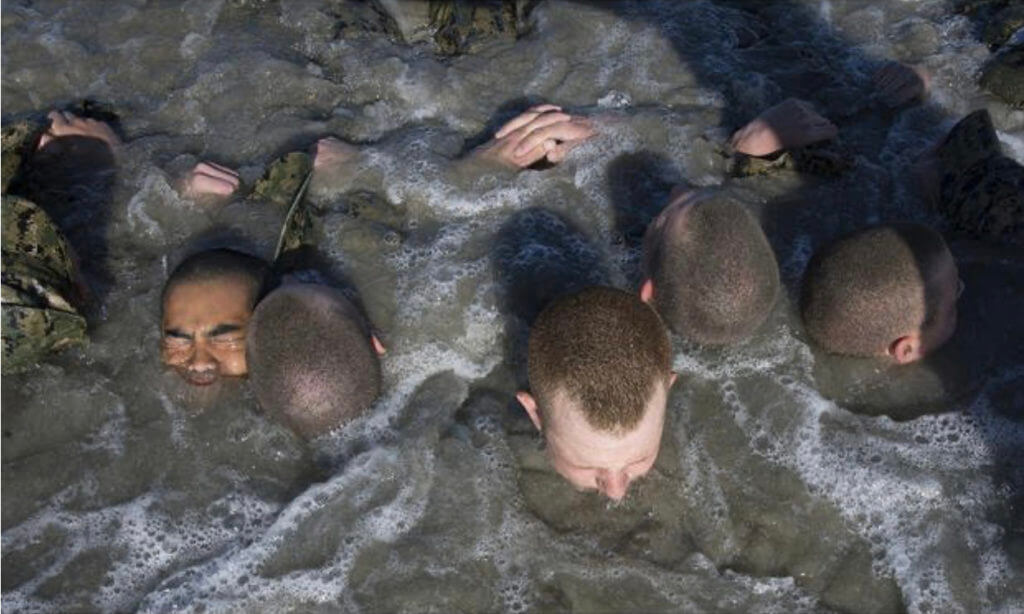
One nameless member of the US Navy’s SEAL Team 6 got to utter those very words on the evening of 25 January 2012. While for Jessica Buchanan that was likely the single most moving thing she had ever heard, that was likely a pretty epic moment for that Navy SEAL as well. Just thinking about it gives me the willies.
The Place
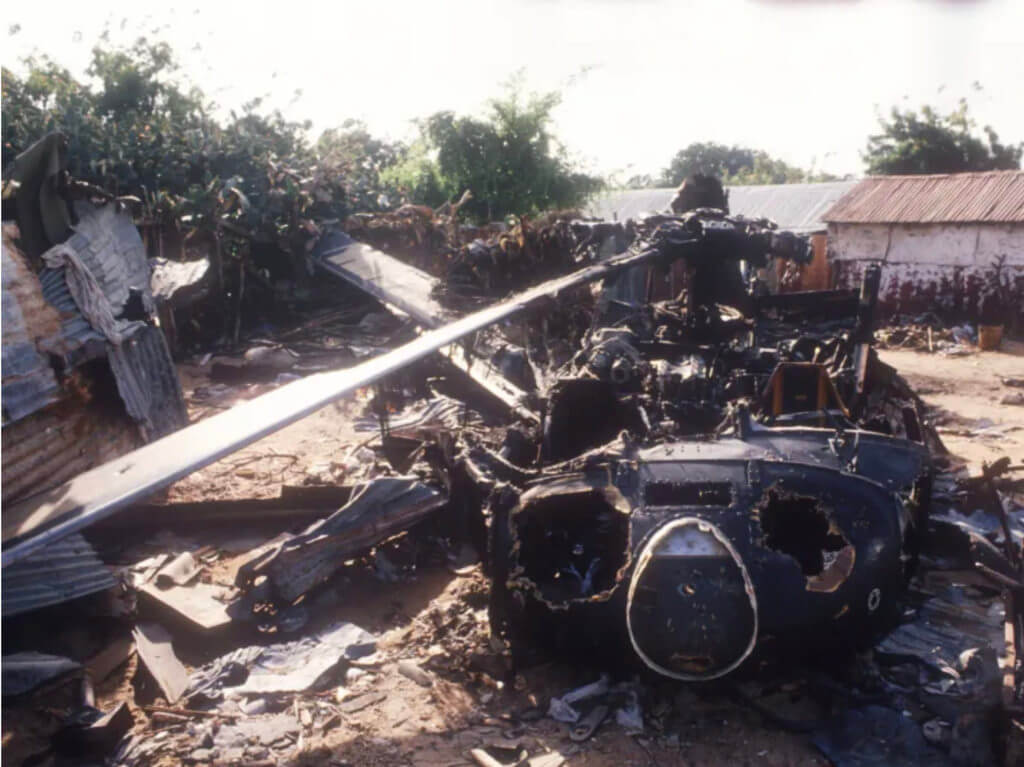
If hopelessness and depravity were minerals you dug up out of the ground, Somalia would be where you’d go to find them. I’m not sure if it is their dark angry religion, their generational legacy of abject squalor, or some heretofore unidentified toxin in the food or water, but something about Somalia just isn’t right. Not meaning to seem all judgy, but we were just trying to keep those people from starving and they fought us like there was no tomorrow. It’s honestly fairly surreal.
The Reality Of It
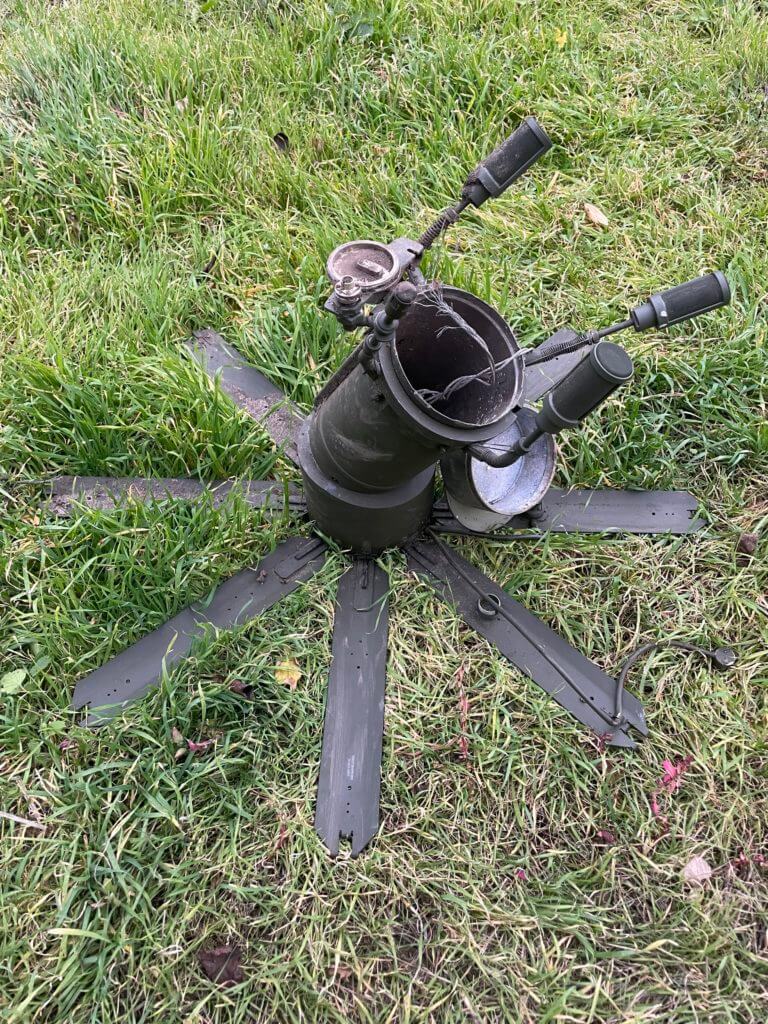
Arguably the greatest scourge in modern warfare is mines. These diabolical monsters are cheap, easy-to-use combat multipliers. It takes literally no talent to sow a decent minefield. Once activated, these things just sit quietly and wait for something juicy to wander by. They kill and maim efficiently, effectively, and indiscriminately. The problem is that in many to most cases there is no way to turn them off.

Mines are emplaced most commonly from a state of desperation. There are seldom accurate maps produced that document their locations. Even if there were, those maps would never be 100% reliable. Older generation mines lack a self-destruct system, so they can remain in place for years if not decades after whatever war that spawned them is complete. At that point, hapless farmers or children playing can trip over the things with predictably horrible results. So it was with Somalia.

Somalia is a simply horrible place in the Horn of Africa. It is home to some 17 million people. The nation’s terribly unfortunate geography synergistically combines with some epically bad governance to produce cyclical famines and friable infrastructure. In 1993 we lost seventeen servicemen killed and another hundred or so wounded just trying to keep local Somali warlords from seizing international food aid and using it to enhance their personal power. Nineteen years later in 2012, you’d think we’d have learned our lesson. However, with the benefit of hindsight, I suppose we didn’t.
The Setting

In October of 2011, American Jessica Buchanan along with a Dane named Poul Hagen Thisted were working through the Danish Refugee Council in Somalia on a wide-ranging demining project. Their stated goal was to teach Somali children how to survive in a mine-rich environment. That seems an honorable pursuit to me. However, one motley contingent of Somali pirates apparently felt otherwise.
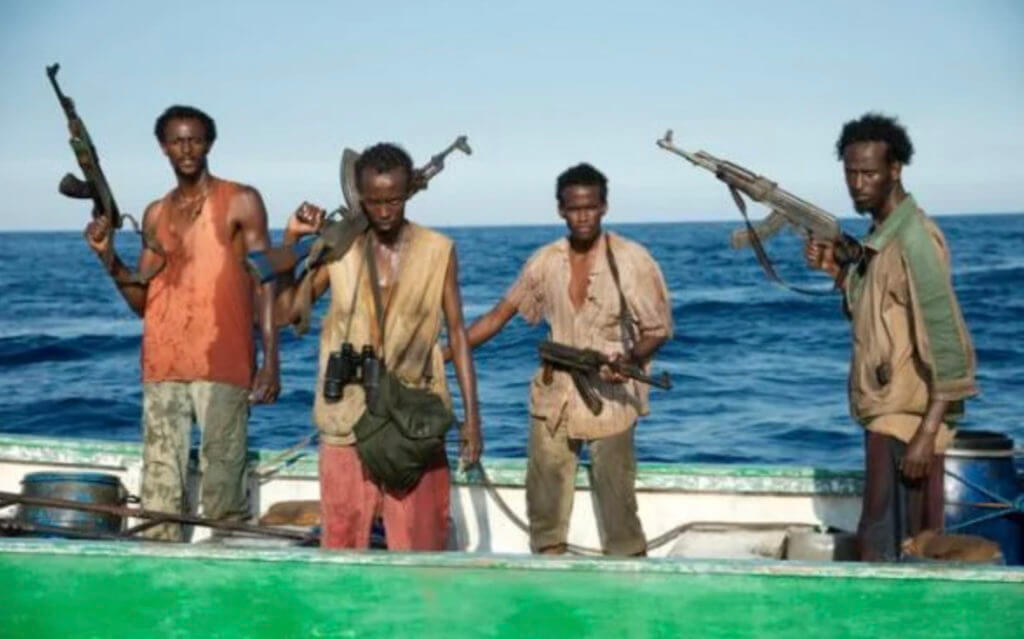
With the uptick in maritime attacks off the eastern coast of Somalia, the free world’s navies began patrolling these pirate-infested waters regularly and aggressively. Shipping companies also posted armed security contractors onboard their transiting vessels. As a result, the pirates’ traditional hunting grounds dried up. In response, these bottom-feeding parasites began prowling inland for Western aid workers like Buchanan and Thisted.

Jessica Buchanan was an English teacher from Ohio out to save the world. While traveling cross country in a trio of land cruisers en route to the city of Galkayo, Jessica’s group was attacked by the aforementioned Somali pirates. These modern-day brigands kidnapped Buchanan and her Danish friend before driving them for hours with weapons pointed at their heads. The two captives were later forced to walk throughout the night to a militarized compound in Galguduud some 90 miles inland from the Indian Ocean. There they remained…for 93 days.
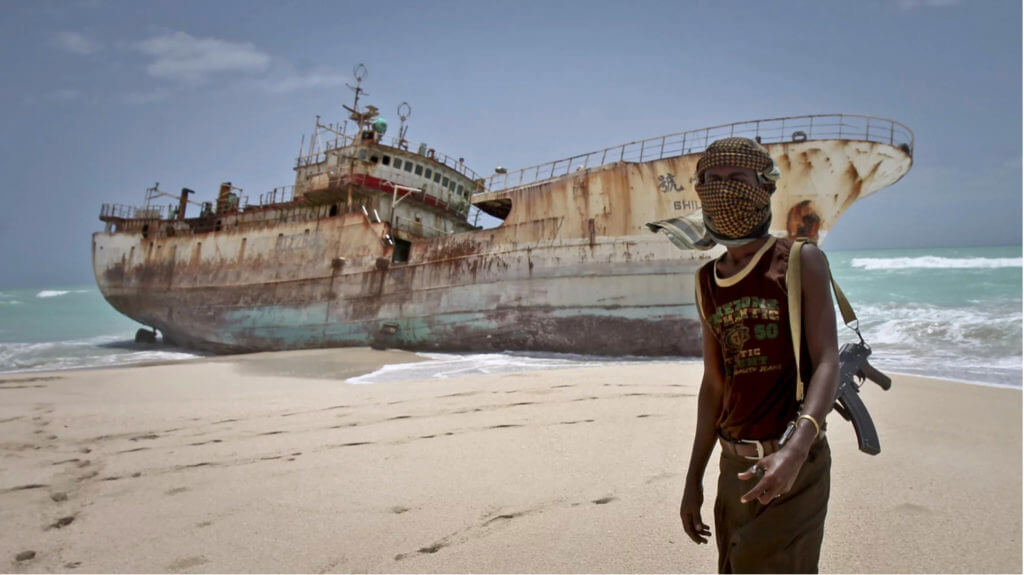
It’s not that the United States government had forgotten about Jessica. It is simply that her captors were a bunch of greedy unwashed psychopaths. They demanded $45 million to release their captives. Negotiations eventually resulted in an offer of $1.5 million cash, but the pirates felt that they could do better. Meanwhile, Jessica was getting sick.

Jessica had a thyroid condition that demanded daily medication she was no longer receiving. In addition to inadequate food and unsanitary water, she developed a urinary tract infection (UTI). Out here in the World, that’s a week’s worth of antibiotics and a little cranberry juice. In the desert wastes of Somalia, an untreated UTI meant a slow miserable death. It eventually became clear that something had to be done.
The Op
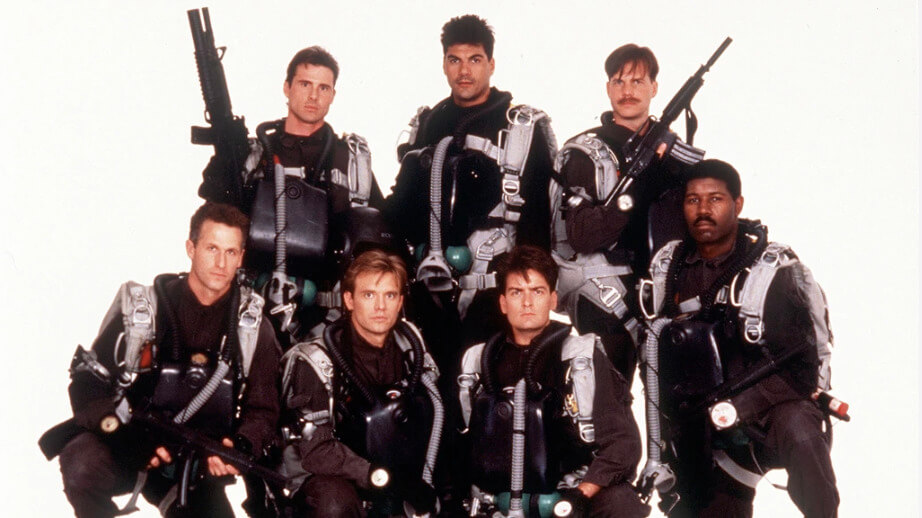
I have it on reliable information that movies are not actually real. However, the rescue of Jessica Buchanan and Poul Hagen Thisted was movie-grade awesome. It all started with a tactical parachute jump out of an American cargo plane.
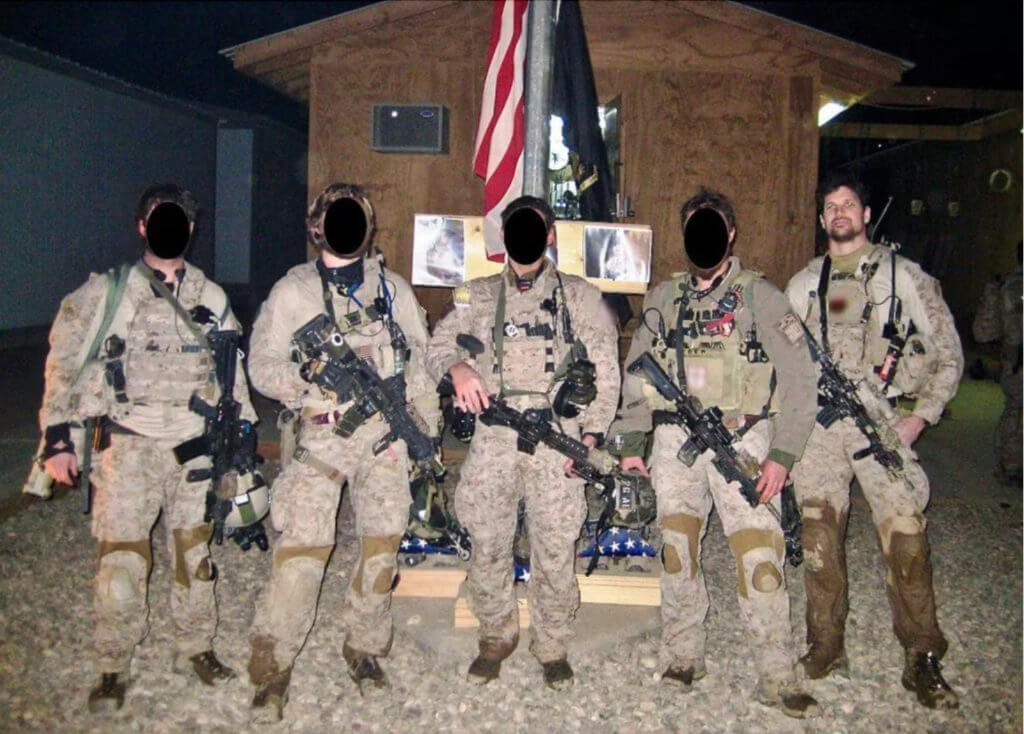
The players were DEVGRU—the US Navy’s SEAL Team 6. These high-speed frogmen were still riding high after having killed Osama bin Laden roughly five months before. Now on the ground in eastern Africa, 24 operators covertly ditched their chutes and formed up for a cross-country march to the Somali pirates’ evil lair.
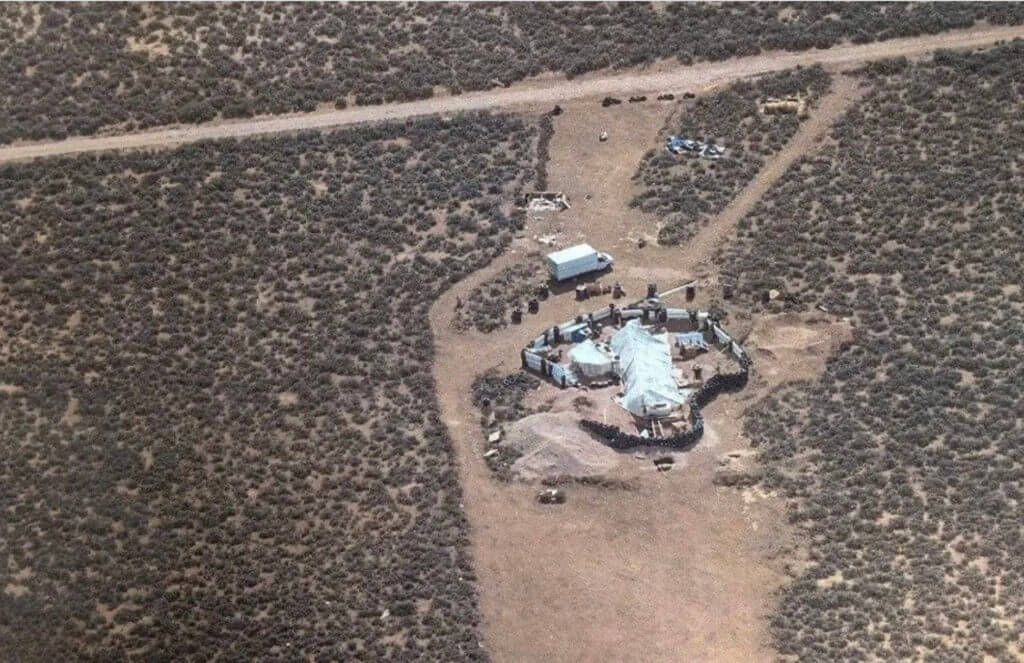
The pirates had done their part to help out. As they were now conducting terrestrial operations, that meant a discrete static compound irrevocably tied to geography. This fact facilitated aerial surveillance. By the time they parachuted out of that airplane, the SEALs knew exactly what they would be facing.
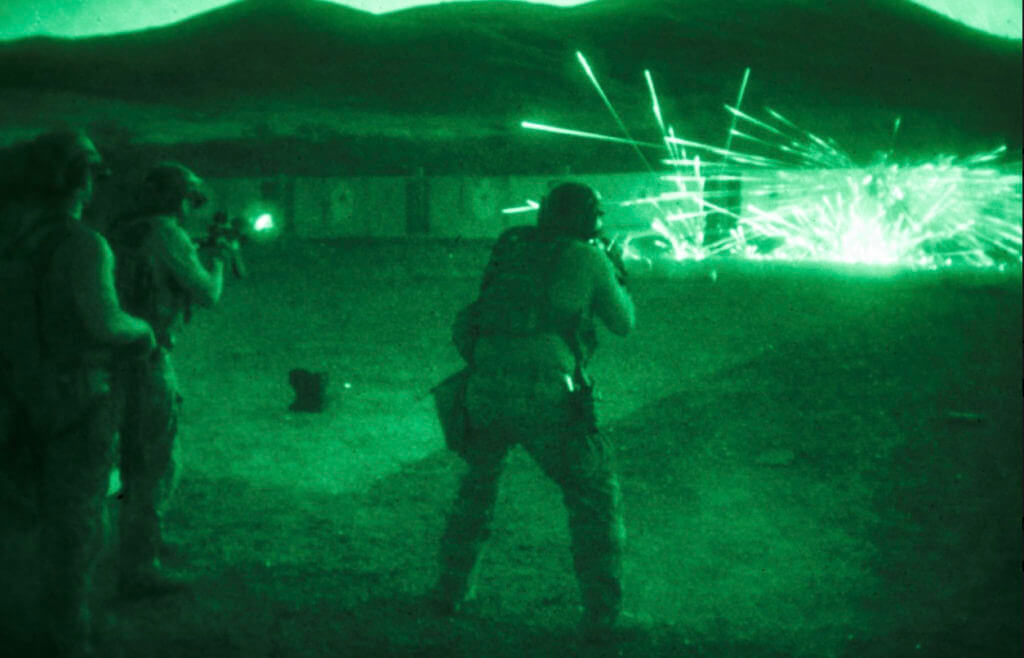
Jessica later said that she and her captors heard what sounded like rodents scurrying in the bush. Her guard shouted an alarm to his comrades, and then the whole world exploded. At this point, Buchanan had no idea that these were American special operators. At the time she feared al-Shabaab terrorists or a rival pirate mob. She later confided that she did not think she could survive being kidnapped yet again.
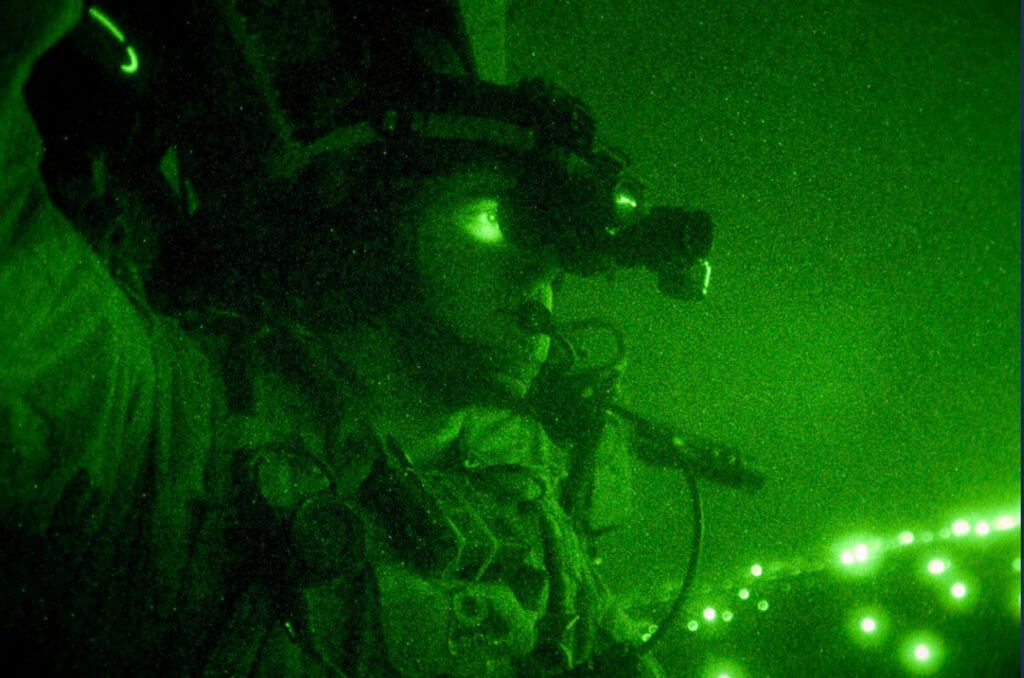
Throughout it all, Buchanan and Thisted just curled up and tried to be small. Now nearly delirious with malnutrition and disease and expecting death at any moment, the American captive heard those words she had long dreamt of hearing. I obviously wasn’t there, but I can guarantee you that whoever first reached Jessica on that horrible chaotic night had trained their entire professional life for that specific moment.
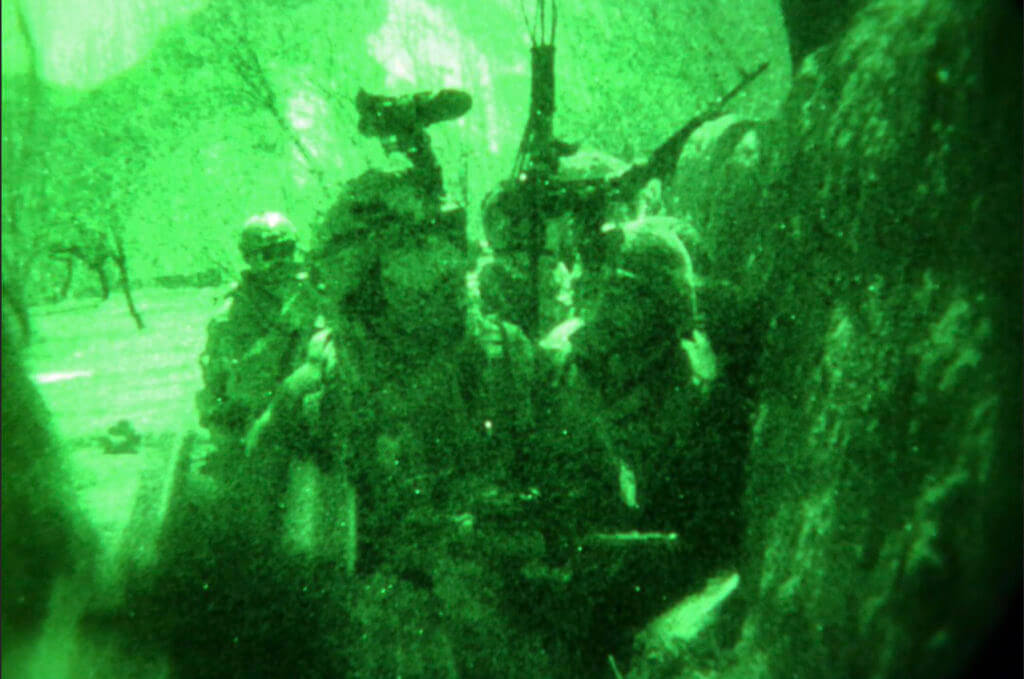
SEALs do their best work at night. The pirates really never had a chance. They unlimbered their AK’s, but the SEALs, equipped with state-of-the-art night vision and the finest intelligence and logistics support on the planet, were an unstoppable force. In moments, the SEALs had killed nine pirates. There were unconfirmed rumors that they might have captured another three, but I couldn’t find any references to what became of them. Piracy as a career path doesn’t offer much of a retirement plan.
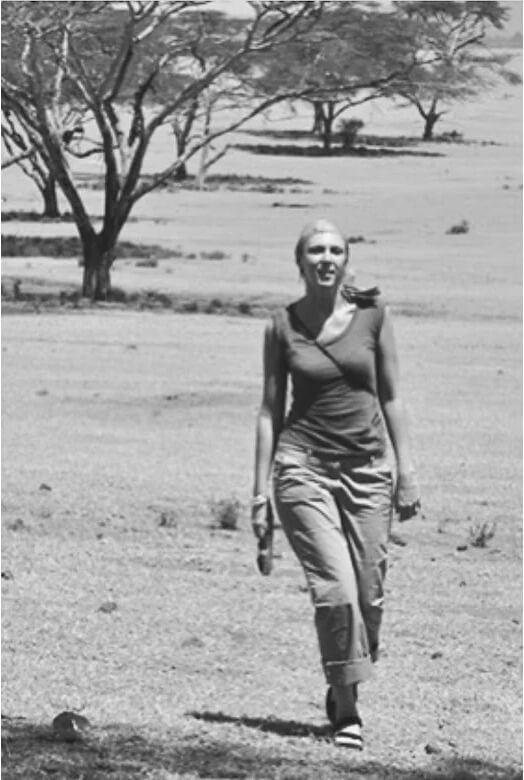
When she was rescued, Jessica was shoeless and unable to walk. One of the burly SEALs just threw the thin woman over his shoulder and jogged to safety. As they waited for the exfil helicopters the SEALs made a circle around the captives. When they heard what they thought were pursuing pirates, the frogmen physically shielded them with their bodies.
Once they were safely aboard the helicopter one of the SEALs gave Jessica a folded American flag. She later said, “I just started to cry. At that point in time I have never in my life been so proud and so very happy to be an American.” I hate to tell you this, but if you can read that without being moved then something about you is broken.
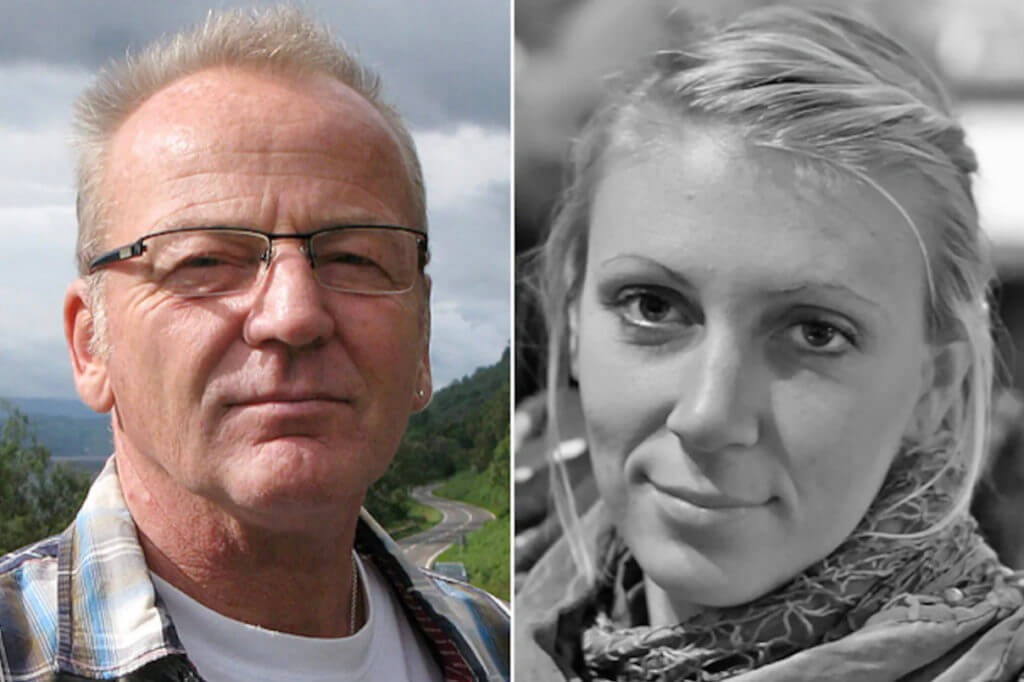
Buchanan and Thisted made full recoveries. Thisted later stated that his lucky break was being captured with an American. None of the attacking SEALs received so much as a scratch.
The Weapons
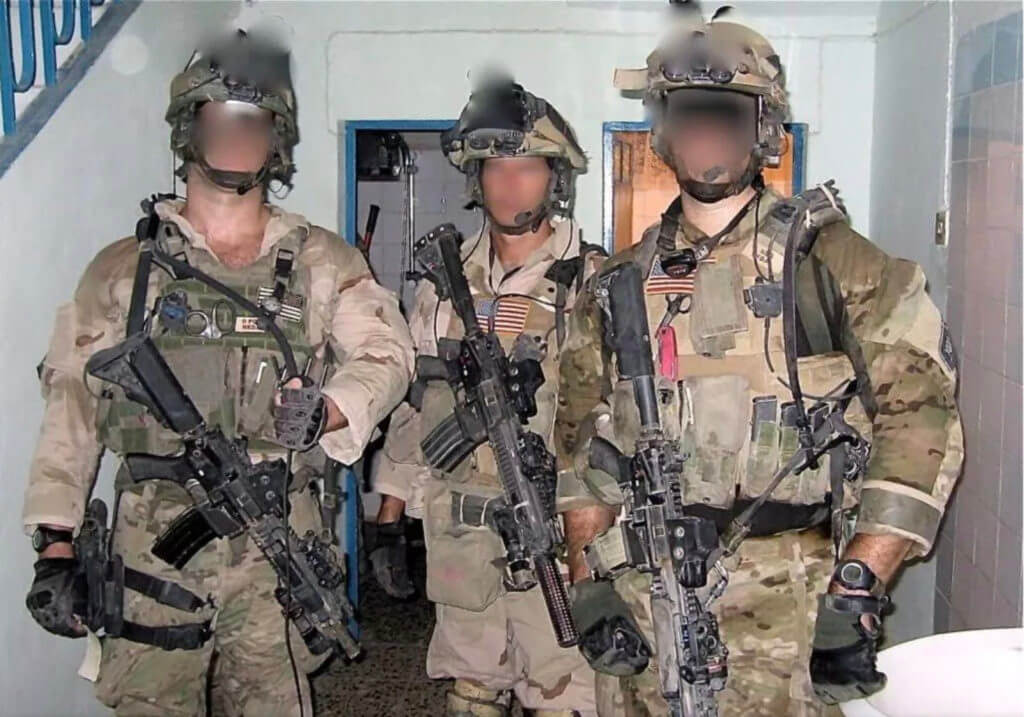
DEVGRU and the Army’s 1st Special Forces Operational Detachment-Delta are our Tier 1 counter-terrorist units. They are as highly trained and exquisitely equipped as our great nation is capable of making them. The end result is the most capable military force in the world. Their standard assault rifle reflects that same rarefied mantra.

The HK416 was a collaborative effort in the late 1990’s between Delta and Heckler & Koch. Representing a holy melding of the M-4 carbine and the short-stroke, piston-driven gas-operated system pioneered in the ArmaLite AR-180, the HK416 combined world-class reliability with superlative ergonomics. The end result changed the game a little bit.
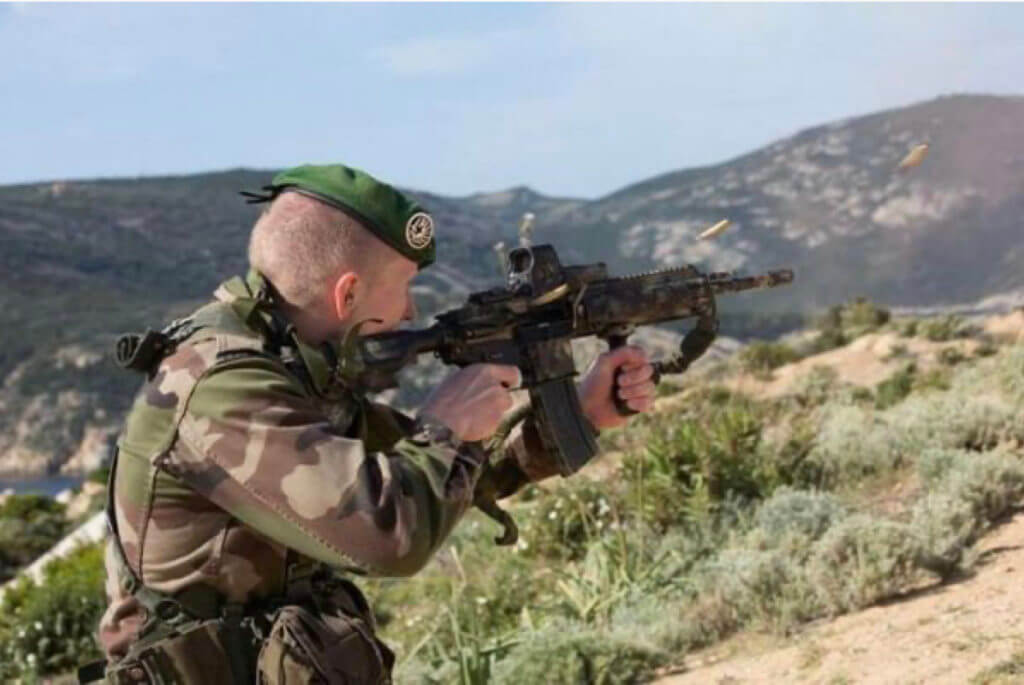
Nowadays the HK416 has been officially adopted by the militaries of France and Norway. The US Marine Corps also fields the weapon in a slightly modified form as the M27 Infantry Automatic Rifle. The HK416 maintains a sterling reputation for accuracy and reliability.
The Aftermath

One of the ways Jessica coped with her protracted captivity was by imagining that she and her husband Erik might someday have a baby. These episodes eventually evolved to the point where she visualized her child, a boy, alongside the two of them in a place of complete comfort and safety. As the weeks stretched into months and her health began to fail this exercise helped keep her strong.


Jessica and Erik were reunited at a military base in Italy. She was thin, emotionally wrecked, and traumatized both mentally and physically. Four weeks later she began throwing up. The nausea got progressively worse until it manifested almost every time she ate. Jessica naturally assumed it was a function of the rich food to which she had become so unaccustomed.
Soon thereafter, she had a positive pregnancy test. 8.5 months after her rescue she and Erik welcomed their son. God’s got a weird sense of humor sometimes, but that strikes me as a pretty cool way to commemorate her rescue.
Categories
APPLIED PYROMANIA
GOOD FUN, UNLESS YOU’RE A BEAVER …

Castor canadensis, the North American Beaver, is a tree-eating machine.
Will noted the industrious little monsters killed 27 of his wife’s dogwood
trees in a single season. One paid the ultimate price …
Trust me, I’m a professional. Blowing stuff up is one of the few marketable skills I retain from the military. While the practical applications for high explosives in both martial and commercial endeavors are well established, such volatile stuff also makes a simply splendid way to kill a lazy Saturday afternoon with your kids.
My rural farm and my wife are the only two good investments I have ever made. I was ever-deployed someplace saving the world, and my bride is a fastidious money manager. As I have never really understood the stock market, we leveraged our nest egg into a modest piece of rural Mississippi dirt.
The farm is a big wooded valley sporting rugged old growth forest. Slicing through the middle is a small year-round creek. This creek was originally subdivided by a dozen robust beaver dams.
The local Soil Conservation Service came out and surveyed the place for free. They told us where to site a permanent dam and divined its manifest geological particulars. Aside from seemingly limitless piles of dead terrorists, this represents one of the precious few examples wherein I got some tangible return on the frankly breathtaking volume of taxes Uncle Sam demands. Now all that remained was to remove the fruits of the beavers’ toil so we could move in with a track hoe and dirt pan.
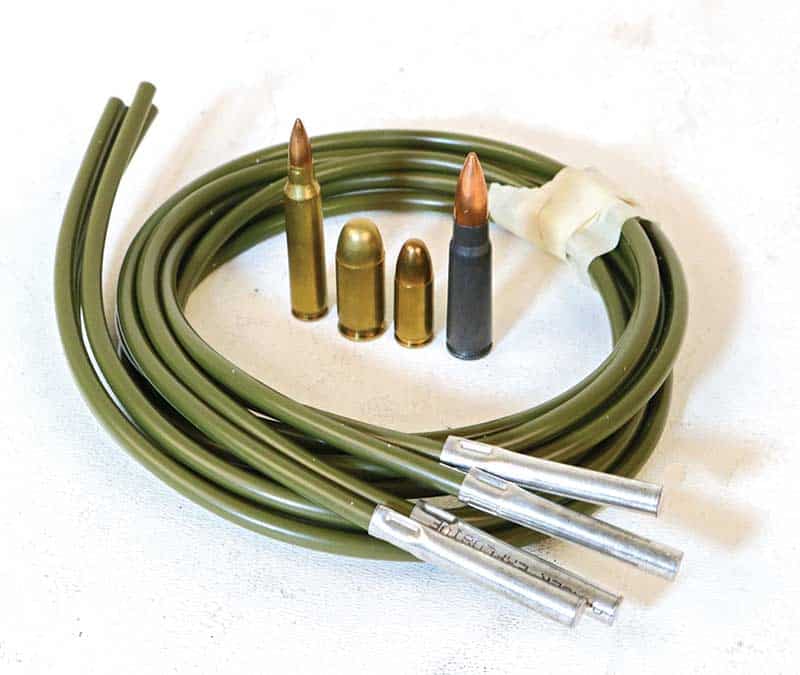
Blasting caps look vaguely like cartridge cases. These are each crimped
onto a length of time fuse, lit — and then the fun starts!
Technical Details
Pre-9/11 it was easier to buy explosives than it was to purchase a handgun. At least in the Deep South, all you needed was a driver’s license and an excuse. A quick trip to a neighboring town to meet a licensed explosives dealer did the trick. No kidding, back then we did the deal, paperwork and all, in the parking lot of a church. Ah, the good old days.
These were binary charges. The solid component came in a green plastic cylinder looking eerily similar to your kids’ bottles of bubble stuff. The liquid bit came in a separate container. When separated these two components were fairly inoffensive. Once onsite you simply opened the screw top off the explosive charge, poured in the liquid and replaced the cap.
A dirty little secret is it’s actually quite easy to improvise explosives from industrial farm chemicals. The challenge is acquiring the material needed to precipitate a high-order detonation. In this case, blasting caps and det cord did the deed.
Blasting caps look vaguely like cartridge cases and can be fired via an electrical current or a length of time fuse. Detonating cord is simply magnificent stuff. Det cord has a PETN explosive core, resembles thick clothesline and is waterproof.
To prep these charges for detonation, you wrap a length of det cord around the charge and secure it in place with duct tape. You then form a bight in the other end of the det cord around a blasting cap and secure it with duct tape as well. We then bored a hole deep into the beaver dam using a hefty steel rod.
You need to get the explosive underneath whatever it is you want moved. You then snake the det cord out someplace dry and affix the cap. Though Nancy Pelosi and Chuck Schumer would likely spontaneously conflagrate at this revelation, my two young sons aged 6 and 10 helped me rig my charges. With meticulous supervision, they even did one each solo. Nonetheless, they remain productive law-abiding adults today.
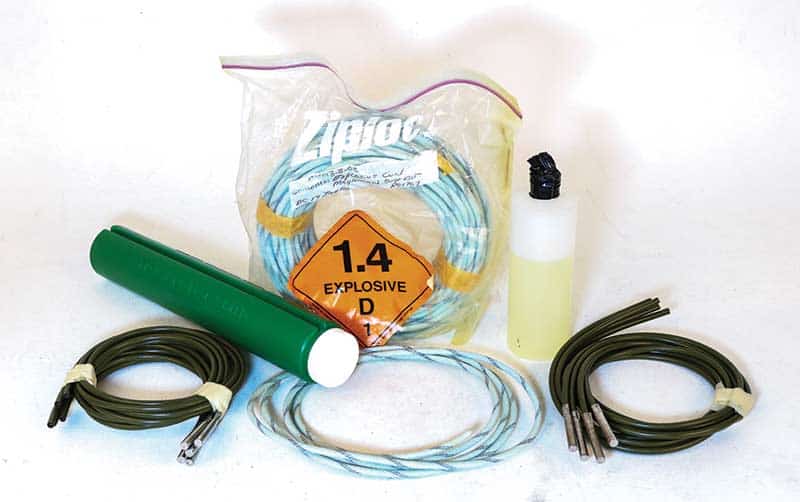
Before 9/11 it was strikingly easy to buy binary explosives, detonating cord and blasting caps. Like everything else in life, it’s massively more complicated nowadays.
Showtime
We always used at least two minutes’ worth of time fuse. You need sufficient time to ignite the fuse and then walk to a safe place while getting a little bit bored. Once the charges detonated the kids were free to run up to the smoking hole and get showered in copious falling mud and goo. A grand time was had by all.
About halfway through this exercise the kids scampered up to the site of our most recent shot and began screaming in glee. I ran over to join them in time to encounter the world’s most profoundly unfortunate beaver. Apparently the poor inquisitive rodent had meandered over to see what all the fuss was about — just as two of our trunkline charges detonated. The resulting blast launched the creature some 30 meters up into the tree line, leaving him most undeniably demised. We laughed until our faces hurt.
Ours has become an awfully soft culture these days. The very mention of guns and the manly arts is adequate to precipitate the screaming habdabs in many of the less durable members of society. However, I can attest an afternoon spent with two little boys, a case of binary explosives and a handful of superfluous beaver dams can make for some mighty fine memories.