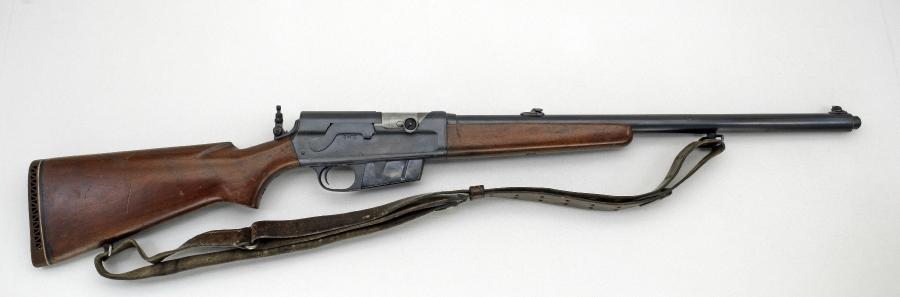
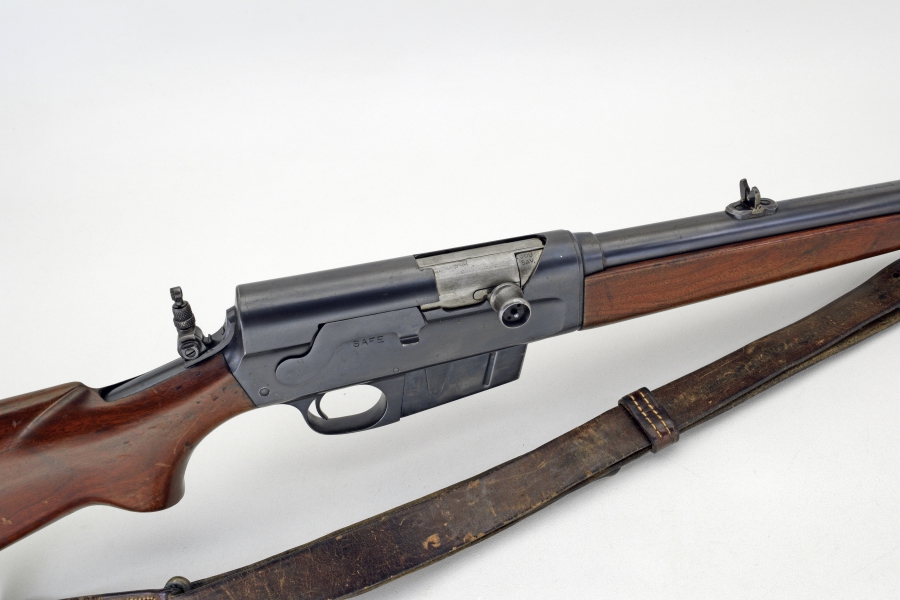
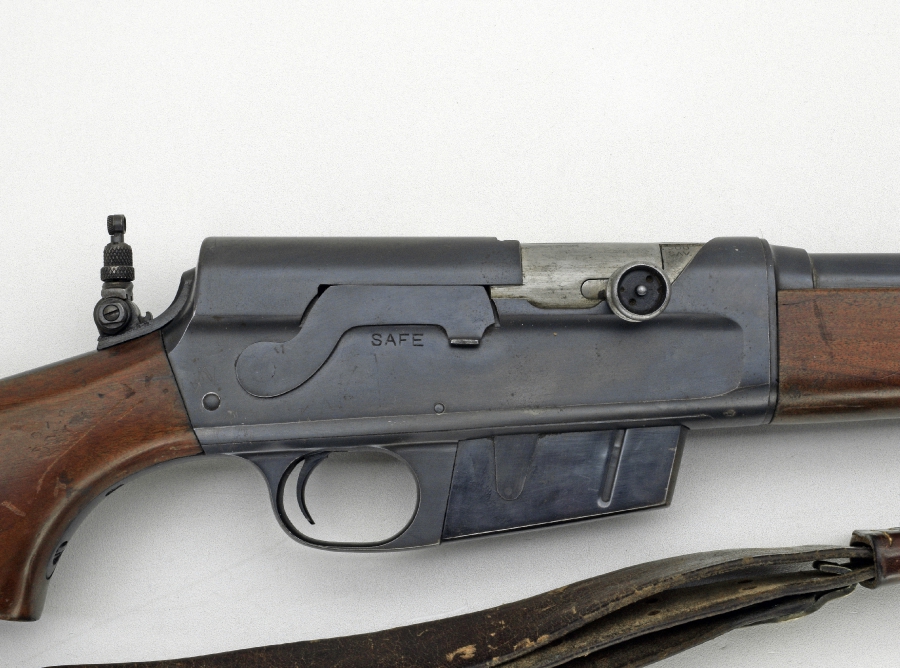
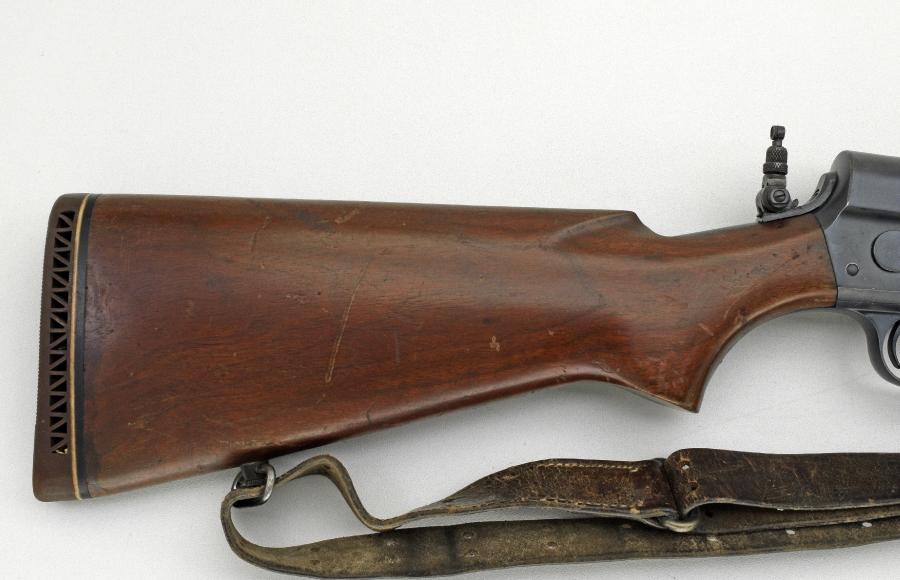
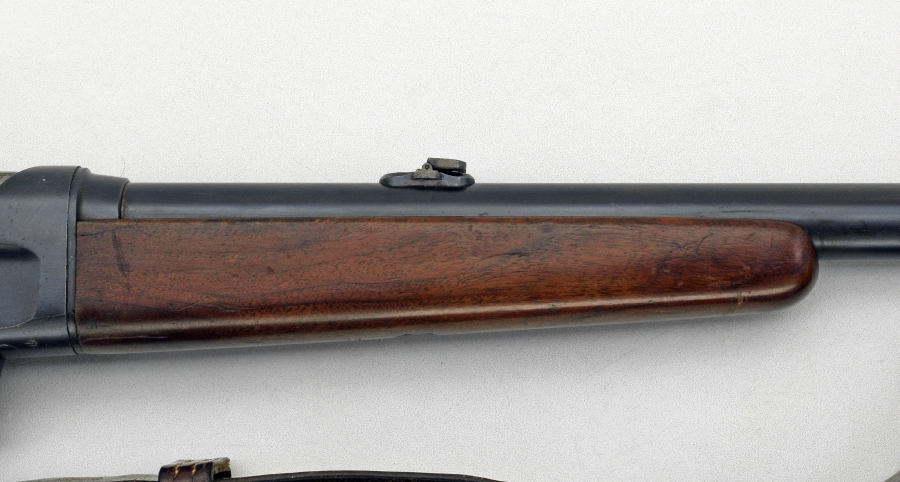
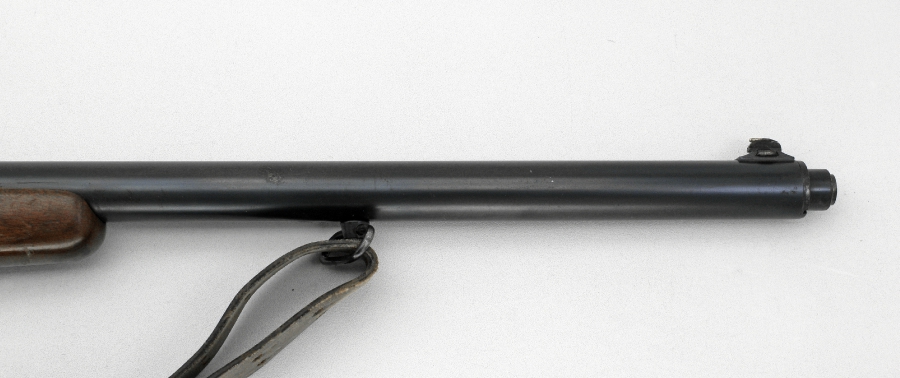
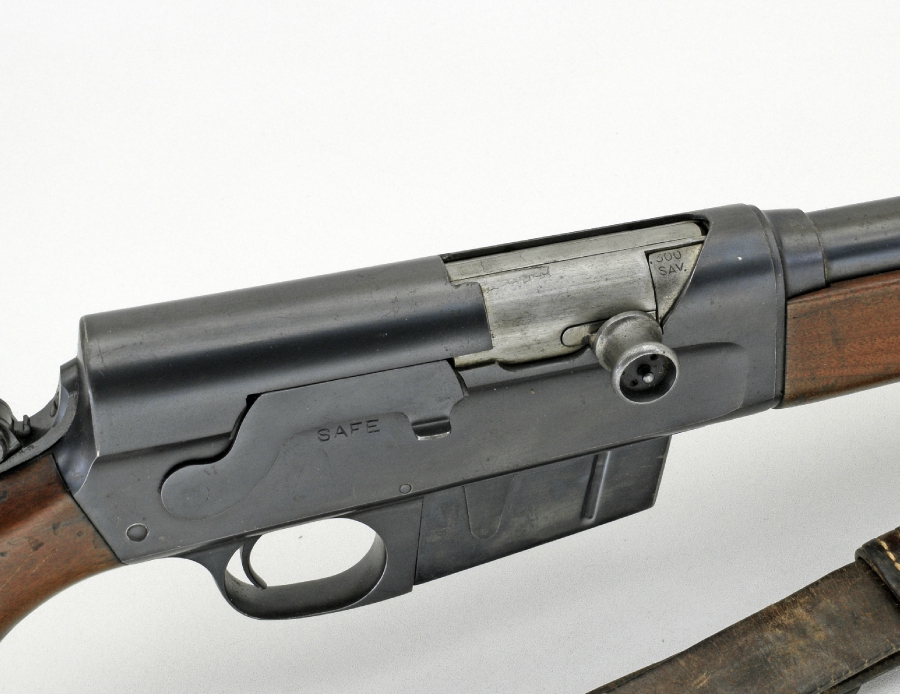
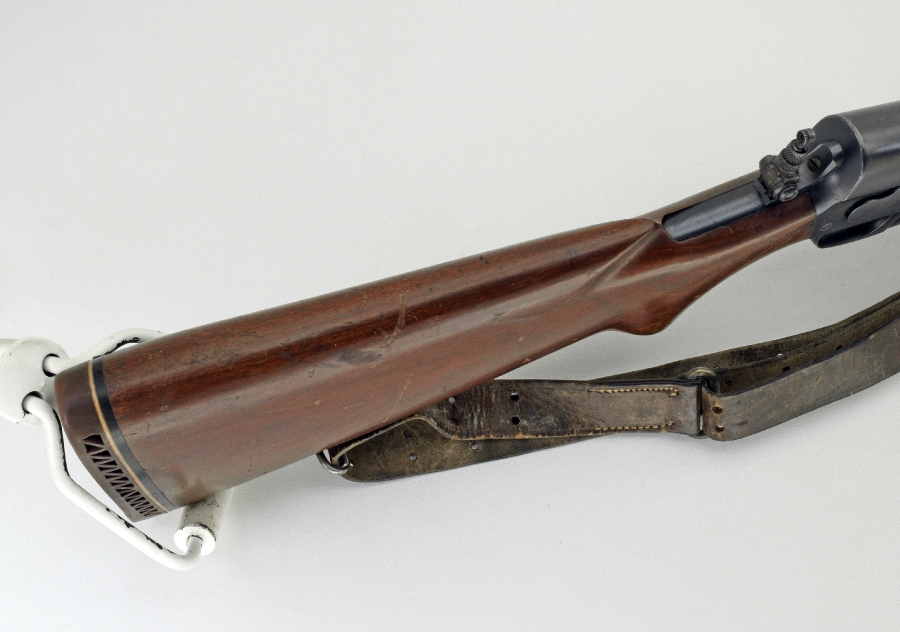
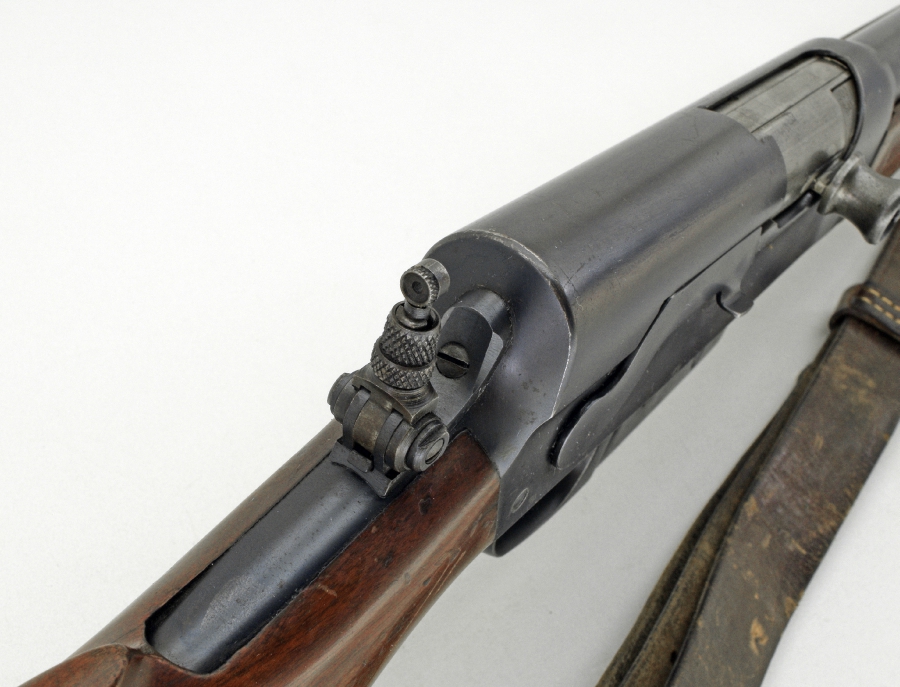
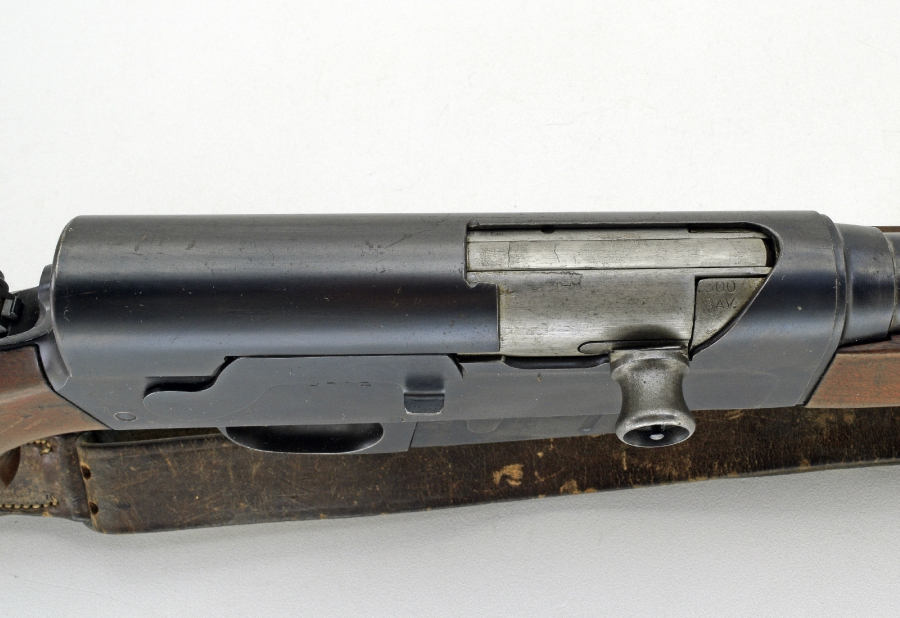
 That is one massive piece of steel there in the form of the bolt!
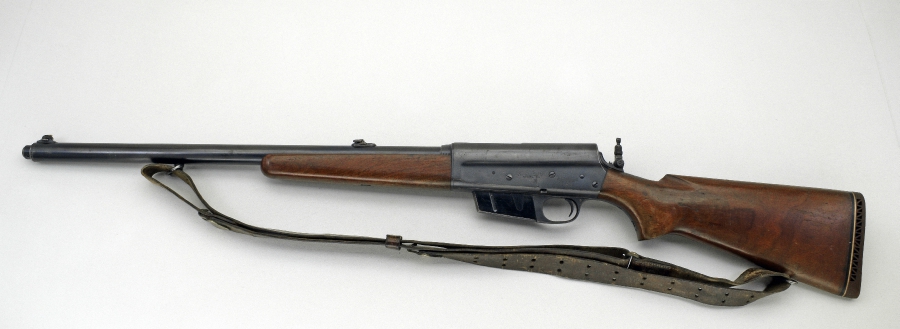
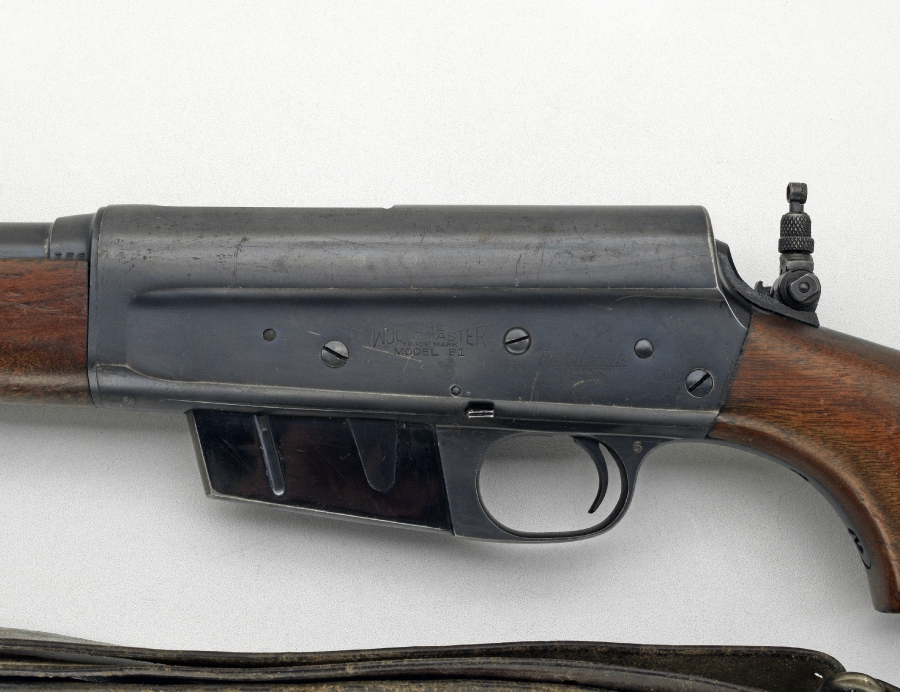
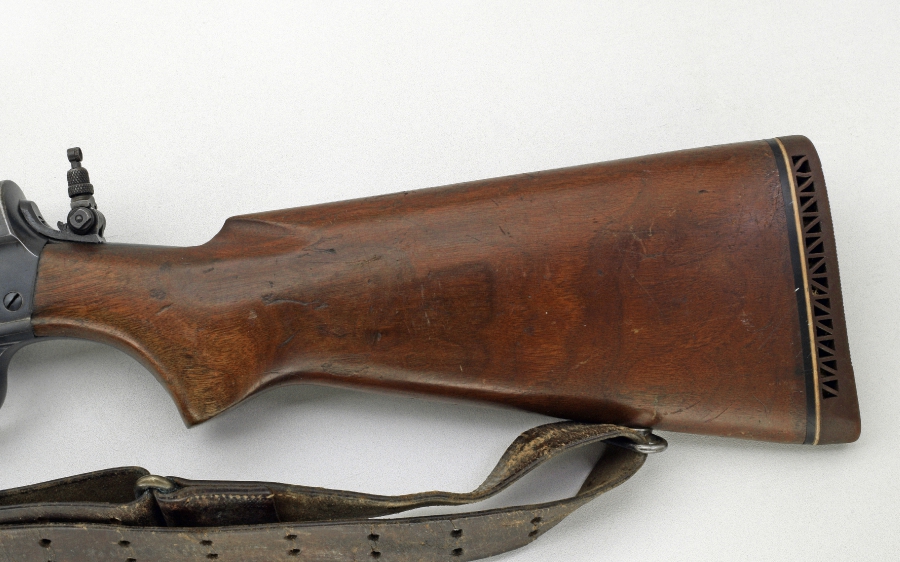
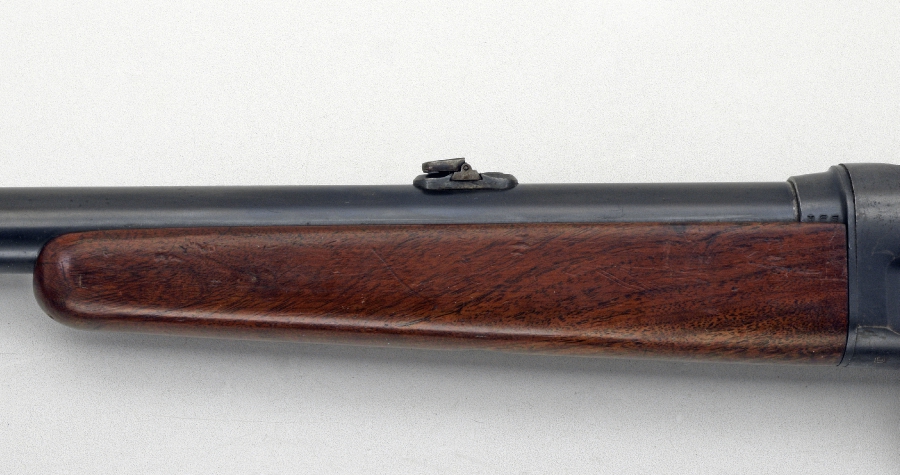
Author: Grumpy
Categories
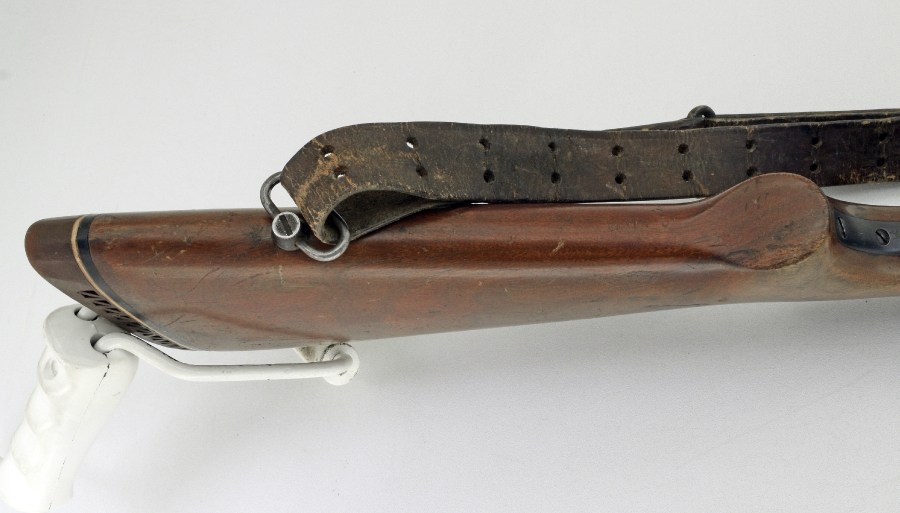
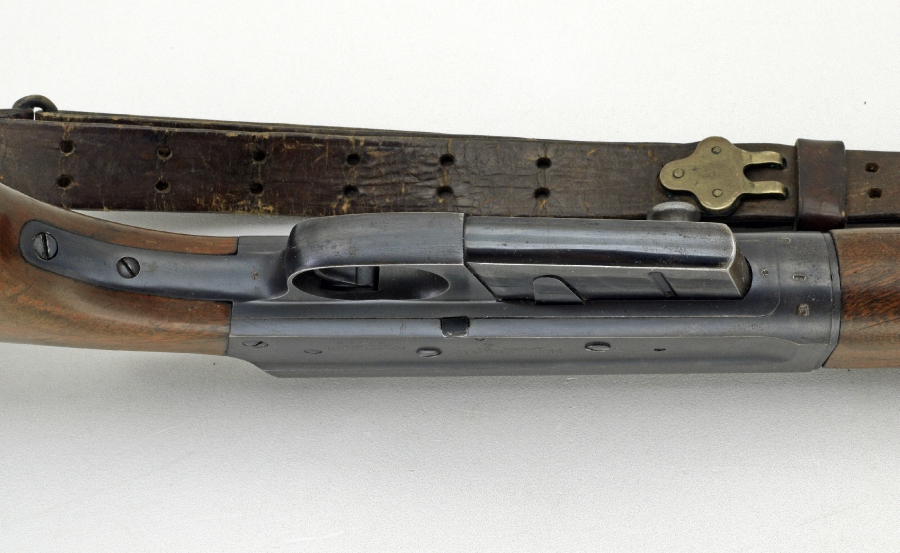
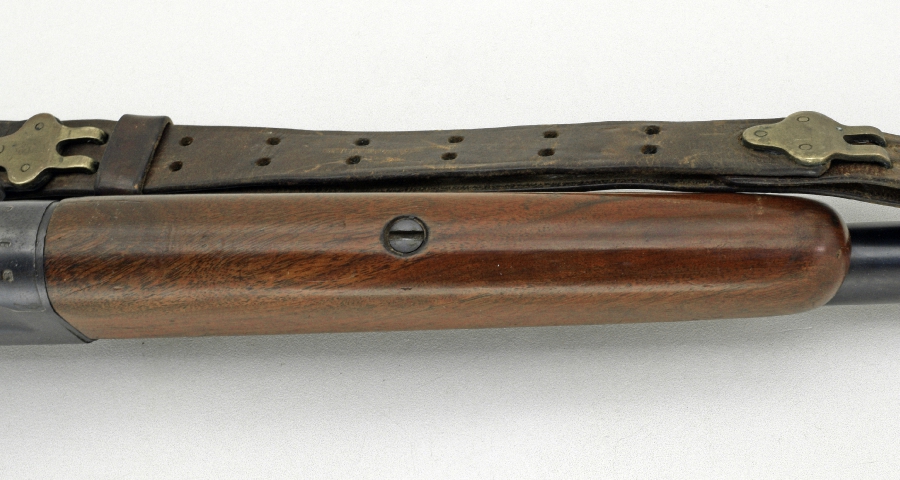
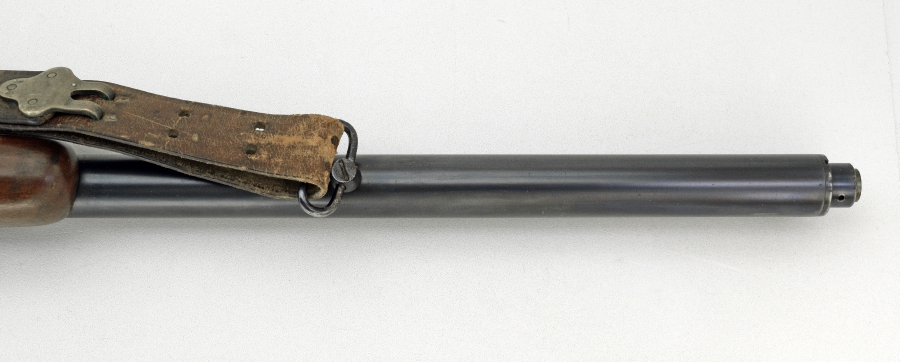
Winchester Model 71

Now I owned one of these Fine Old School Guns a while ago. But as you have no doubt guessed by now. It’s gone! So let us take a break while I kick myself again. OUCH, Okay I am back!

Okay now here is what I have learned from the rifle.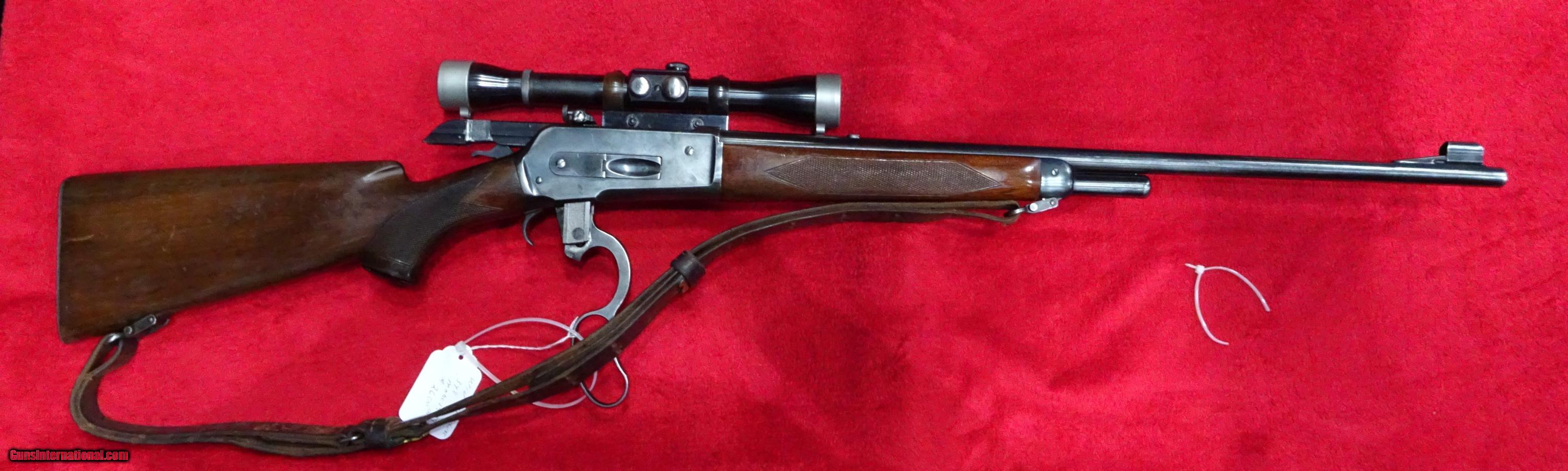
They are very hard to find and get ammo for it. A lot of times in a situation like this. I have to go to the internet. In Order to feed this Puppy.  This round has a good punch & I would use it against anything walking in North America.
Also as is with all Winchester Lever Actions. The major weak point of this rifle.

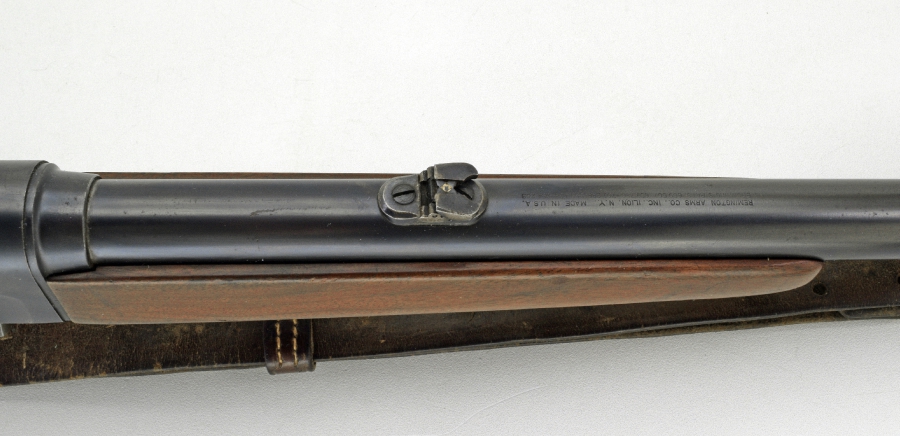
Is the rear sight. I myself had to put on an aftermarket Peep Sight.
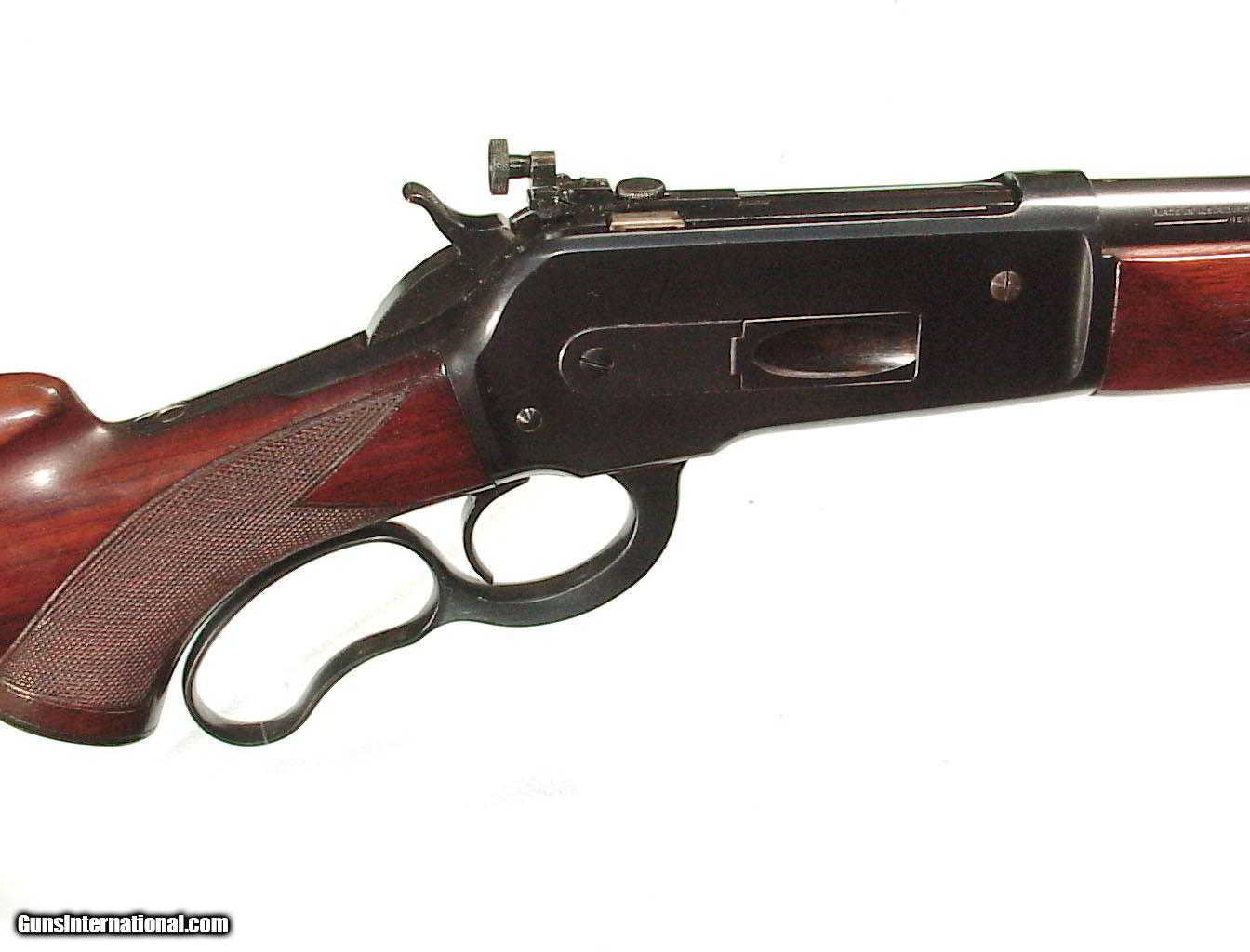
Which made all the difference in my patterns to a much higher level.
Here is some more Information below.
Thanks
Grumpy
The Model 71 is a slightly modified version of the 1886, chambered exclusively in .348, and rarely .33 WCF & .45-70. It was the only rifle ever chambered in .348 (other than 400 rifles chambered for the .348 in the Cimarron 1885 Hi-Wall in 2005-06). The Model 71 is an interesting gun to begin with, and this one even more so because of the pre-WWII production (2nd Year), only 4 guns were made the first year.




Winchester Model 71
| Winchester Model 71 | |
|---|---|
| Type | Lever-action rifle |
| Place of origin | United States |
| Production history | |
| Manufacturer | Winchester, Browning |
| Produced | Winchester: 1935 to 1958, Browning: 1987 (limited edition) |
| Specifications | |
| Cartridge | .348 Winchester |
| Action | Lever-action |
The Winchester Model 71 was a lever-action rifle introduced in 1935[1] and discontinued in 1958.
Description[edit]
A slightly modified version of the Browning designed Winchester Model 1886, it was only chambered for the .348 Winchester round; except for an extremely rare .45-70 Government and .33 WCF it was also (other than 400 rifles chambered for the .348 in the Cimarron 1885 Hi-Wall in 2005-06) the only firearm that ever used that cartridge. The Model 71 was conceived as a replacement for both the Model 1886 and Model 1895 as a complement to the Winchester Model 70 bolt-action rifle and to replace a raft of cartridges (the .33 Winchester, the .45-70, the .35 Winchester, and the .405 Winchester) with just one (the .348 Winchester).[2] The rifle and cartridge were very effective against any North American big game in heavy timber, including the great bears, if using the 250-grain (16 g) bullet. It was once very popular for hunting in Canada and Alaska.
Unfortunately, economics caused the rifle to be very expensive, and with less costly lever action rifles available in common and fairly powerful rounds such as .35 Remington, and the growing popularity of cheap bolt-actions in military and Magnum chamberings, the Winchester 71 with its excellent but unique cartridge was destined for commercial oblivion. The .348 was also the only 34 caliber cartridge ever made by an American manufacturer and essentially the first short magnum cartridge, making it a little problematic for handloaders, as there was never a wide selection of 34 caliber bullets.
Cartridges of the World remarks that factory ammunition was available in 150, 200 and 250-grain (16 g) weights. Only the 200-grain (13 g) weight is still available in factory ammunition.
Browning re-issued the Model 71 as a limited edition in the mid 1980s. The Winchester and Browning versions showed very high degrees of craftsmanship.
As of August, 2013, the Winchester Repeating Arms website again lists model 71s as available, new from the factory.
The Winchester Model 71 still has a loyal following for what is arguably “the finest big bore lever gun that has ever been” as well as being used as a strong and solid platform for various ‘wildcat’ projects.
Categories
Some Motivation for Today! NSFW


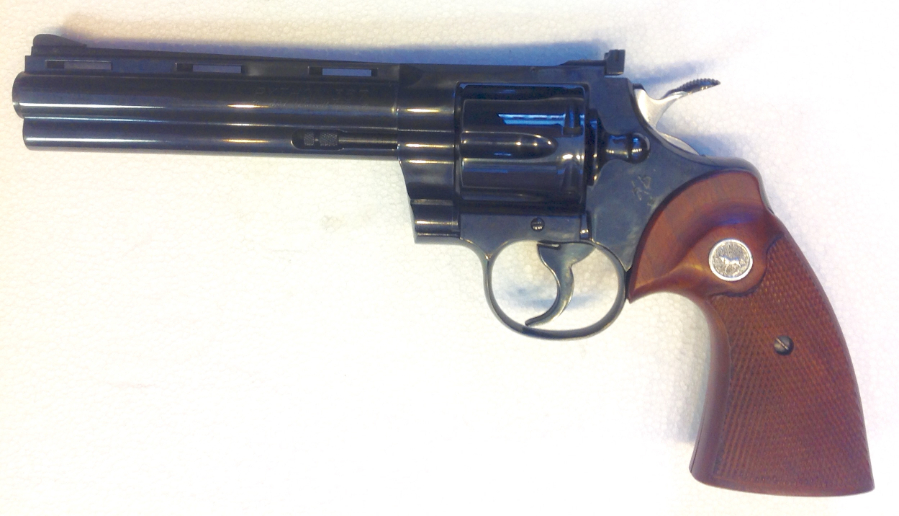
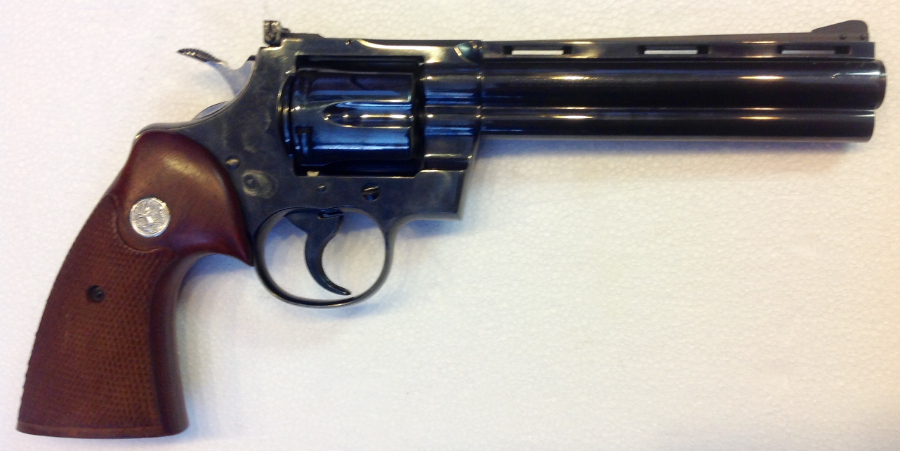
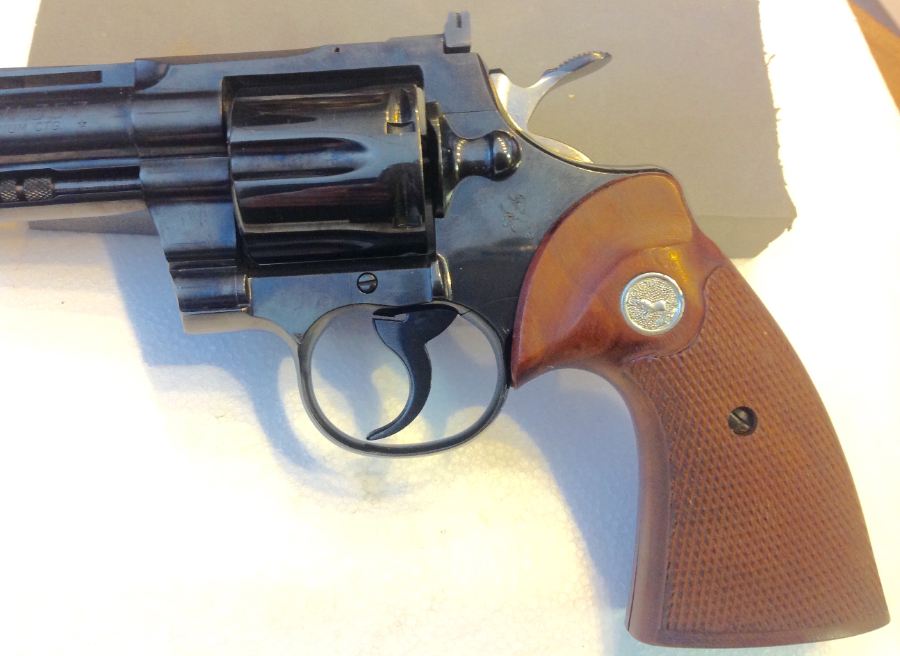
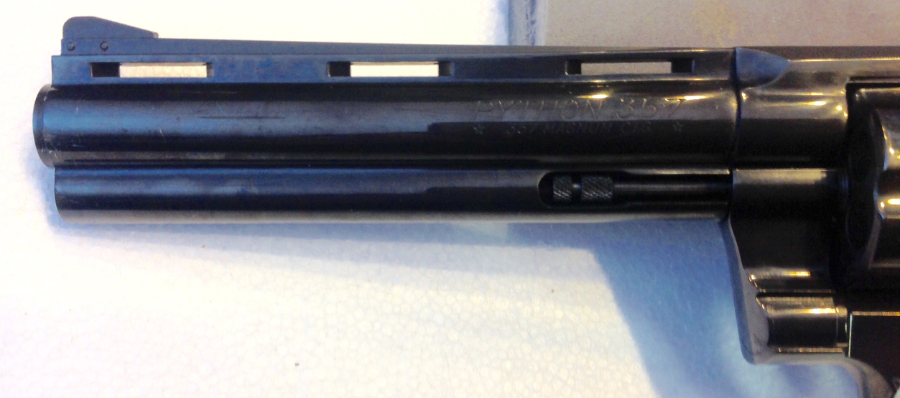
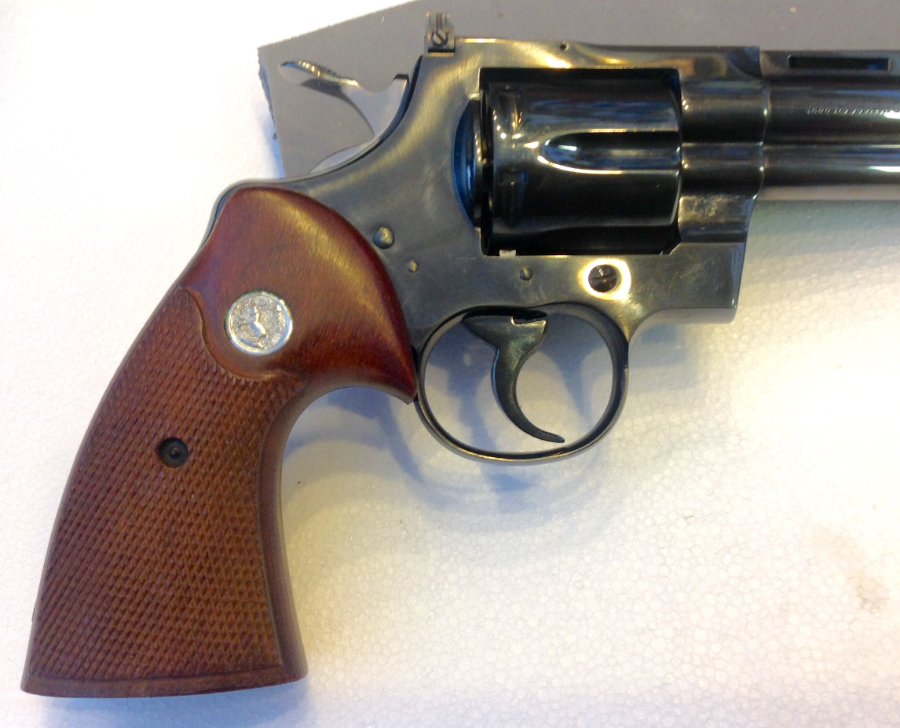
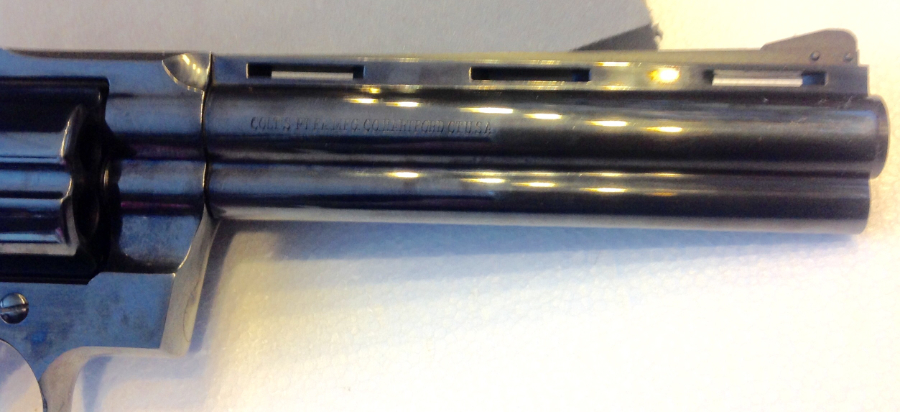
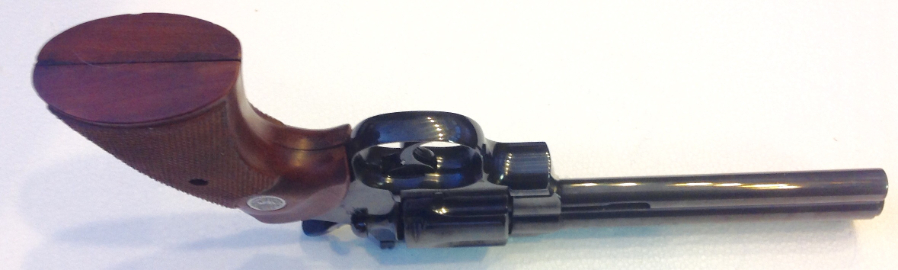
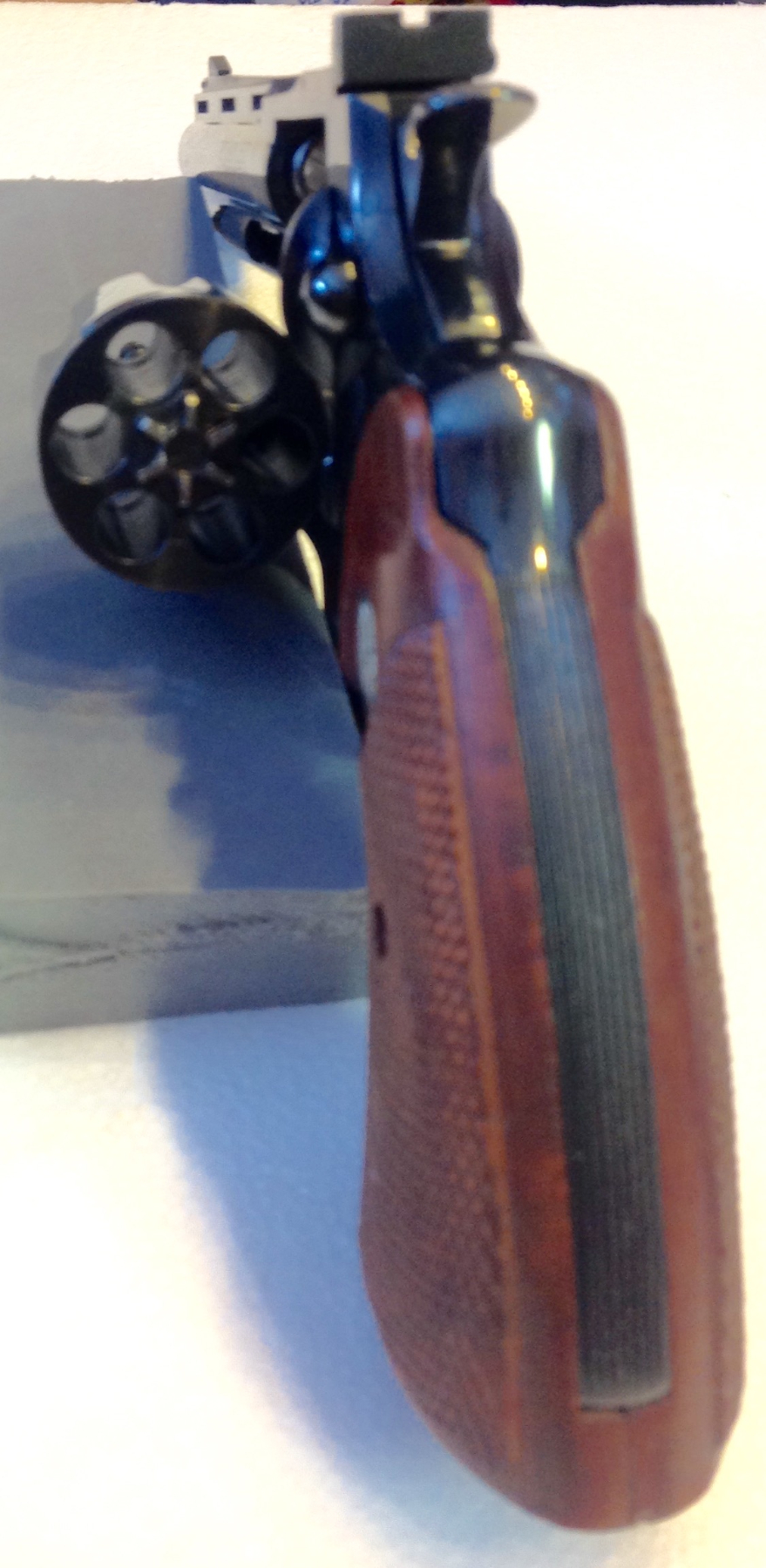
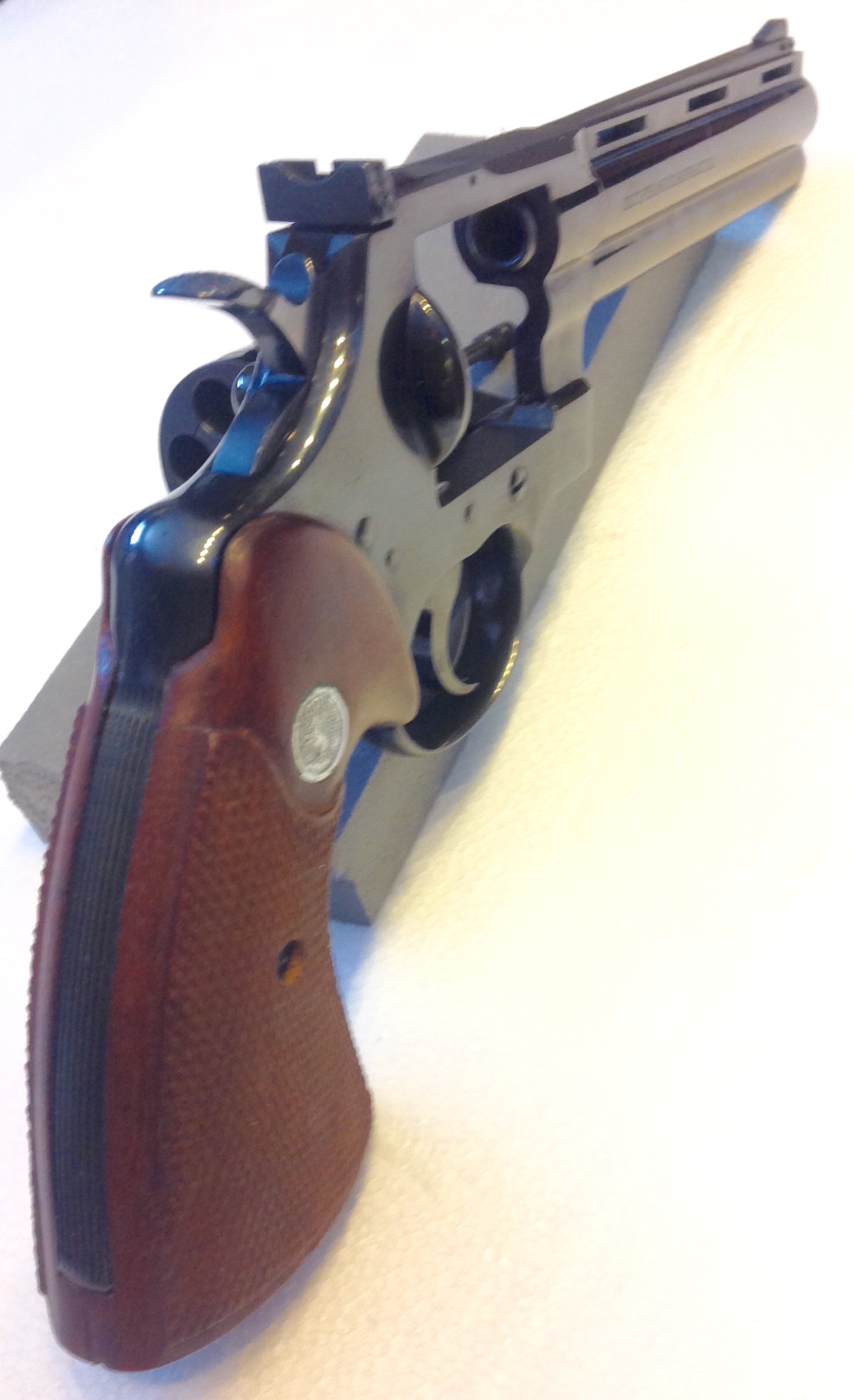
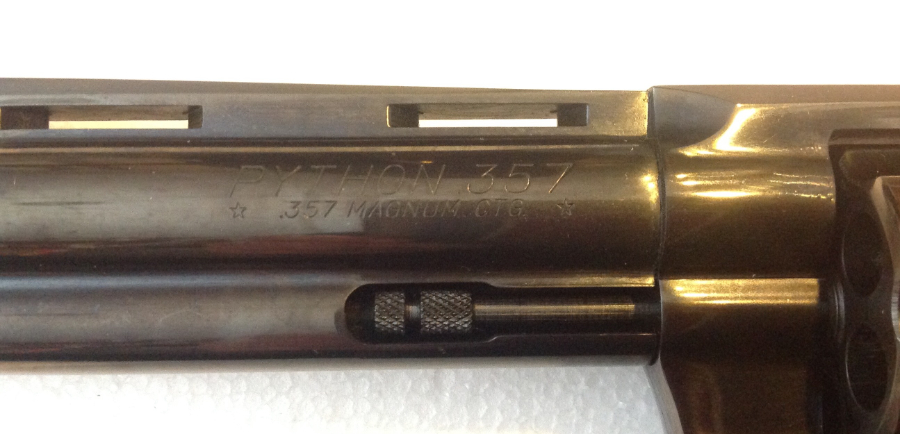 An American Classic Revolver!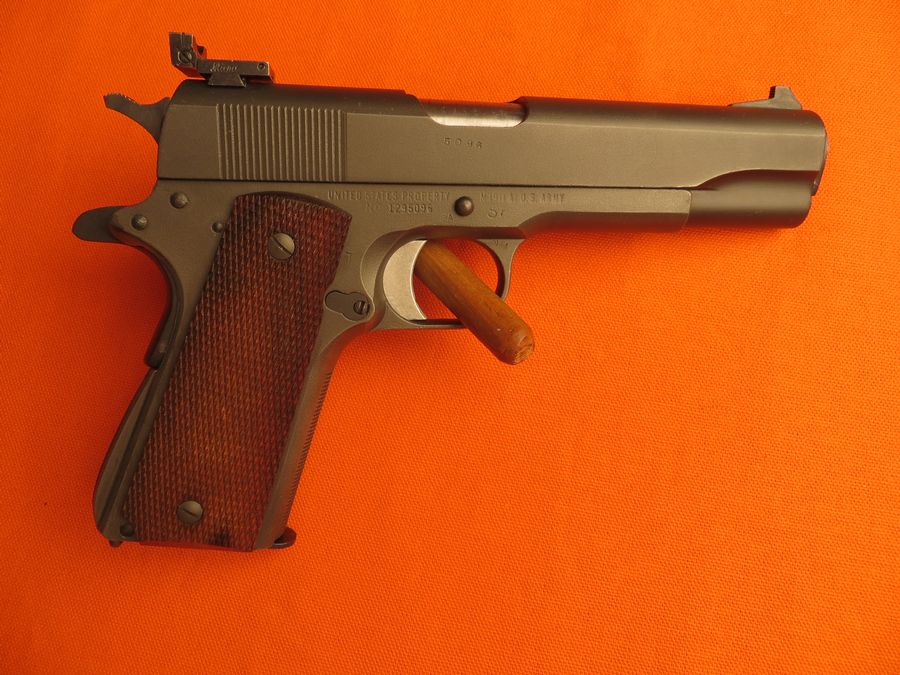
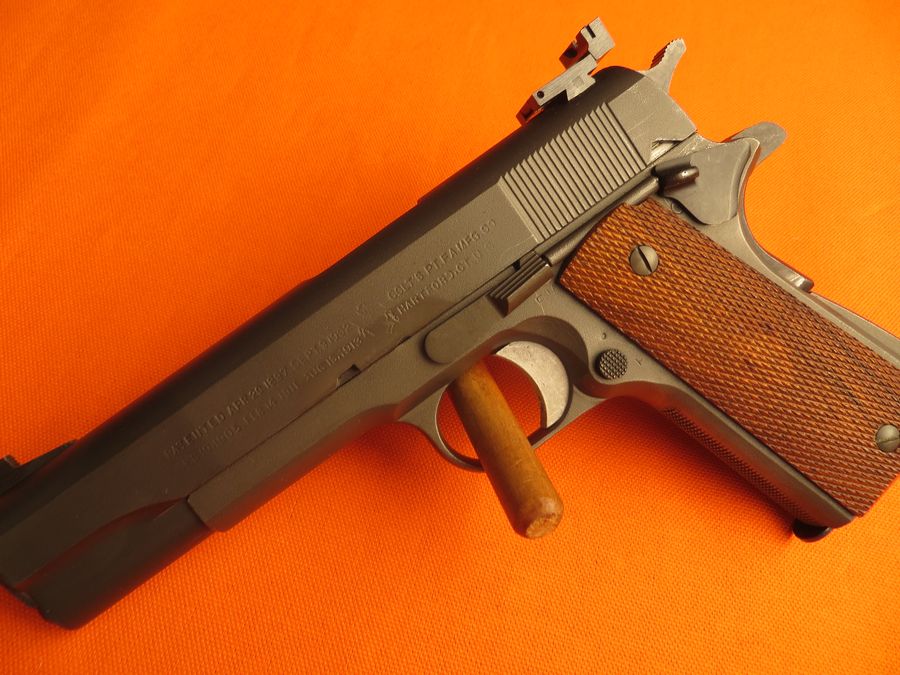
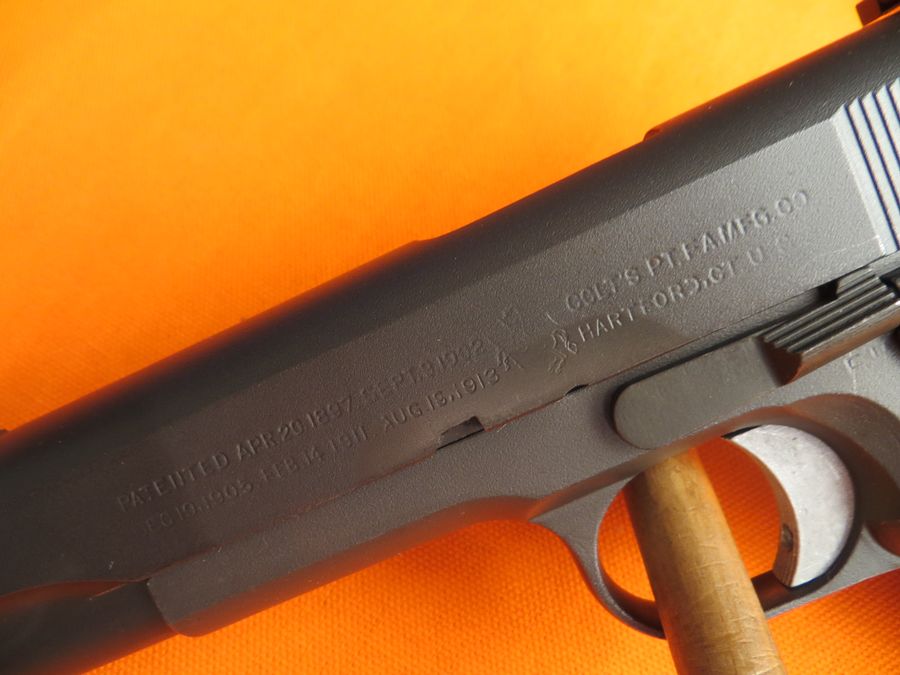
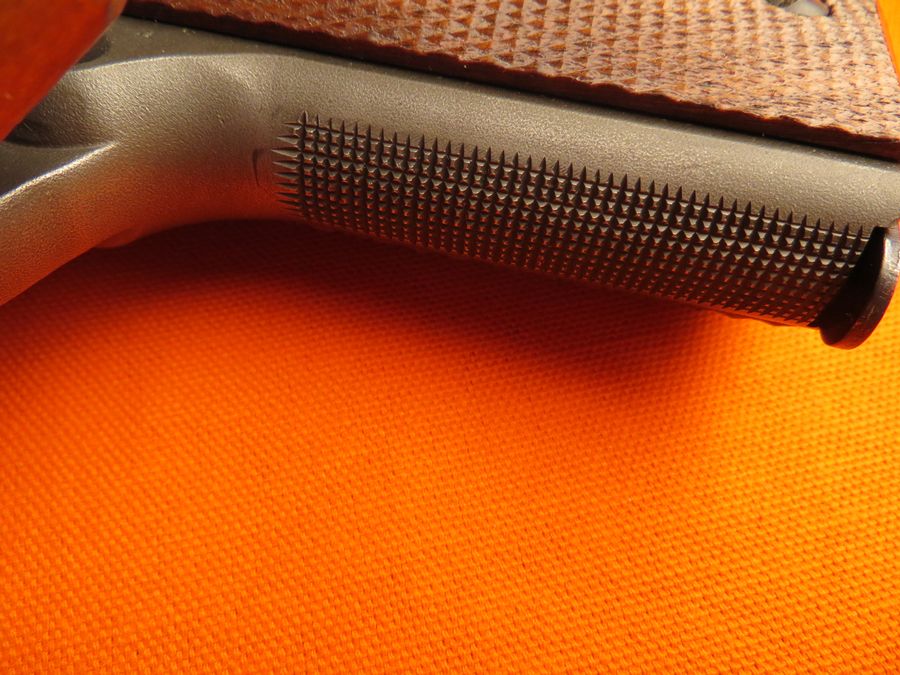
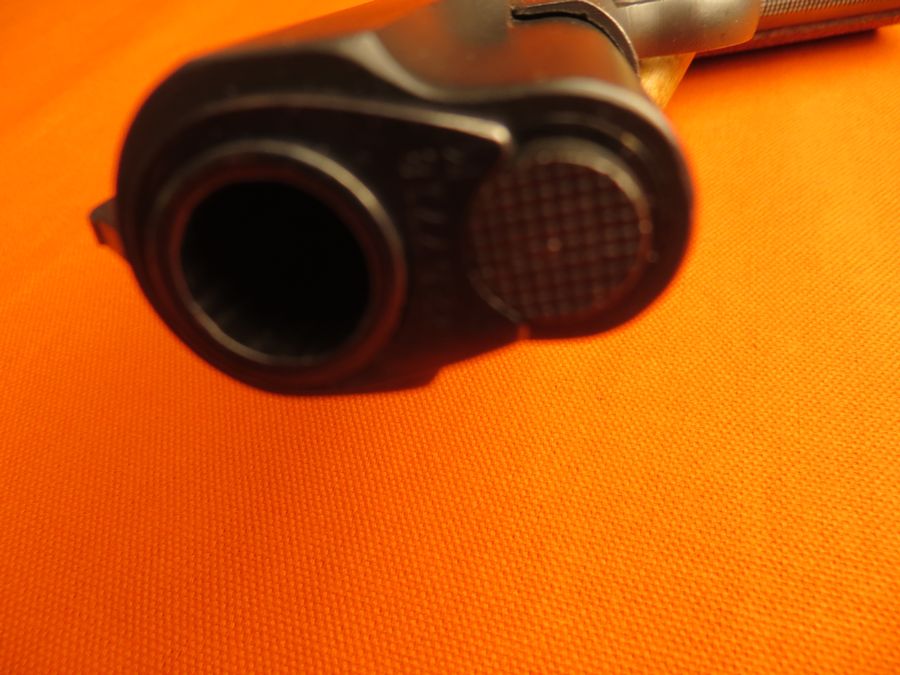
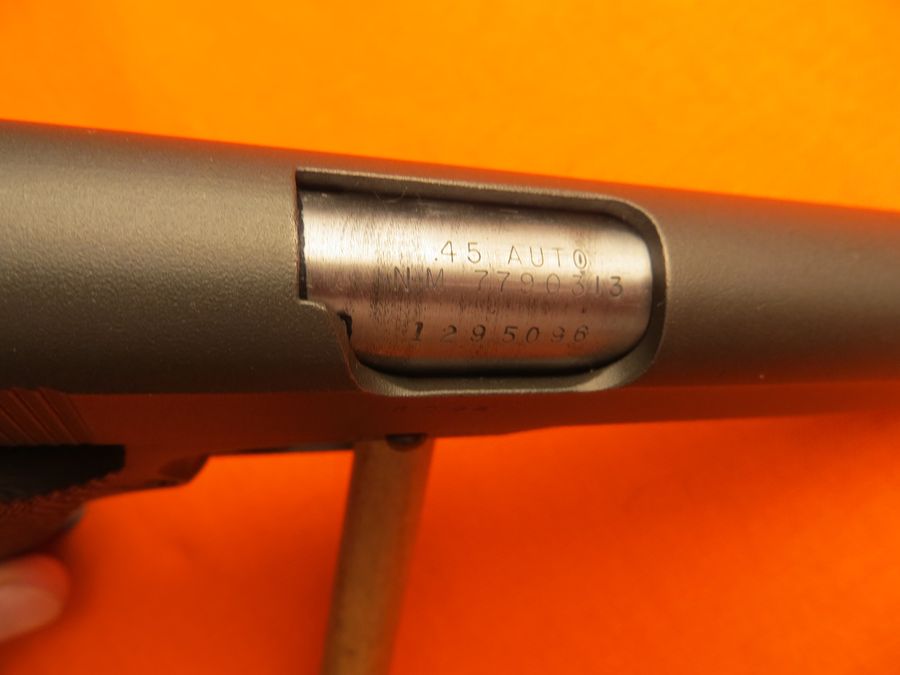
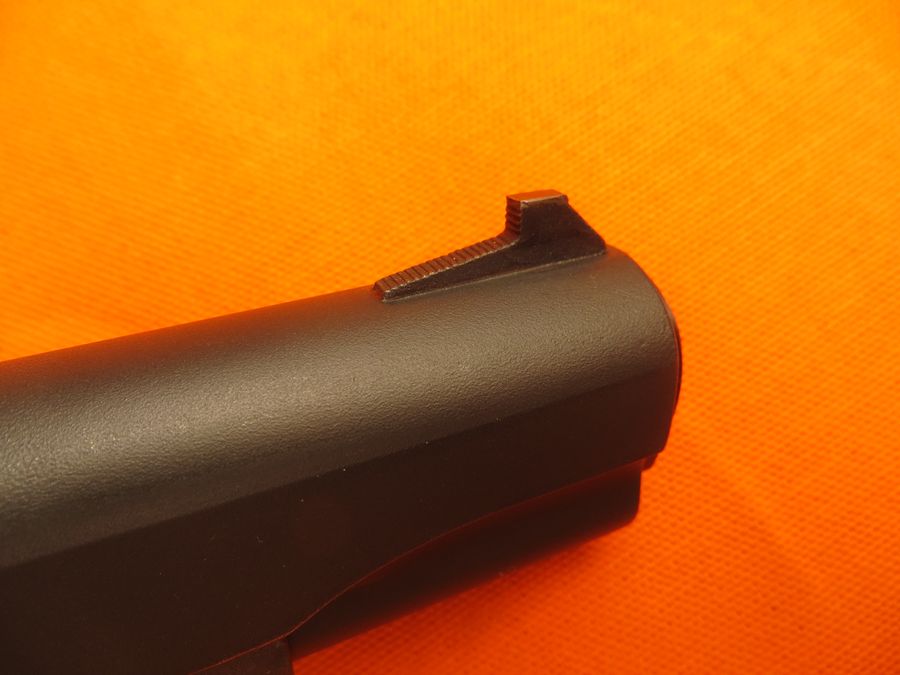
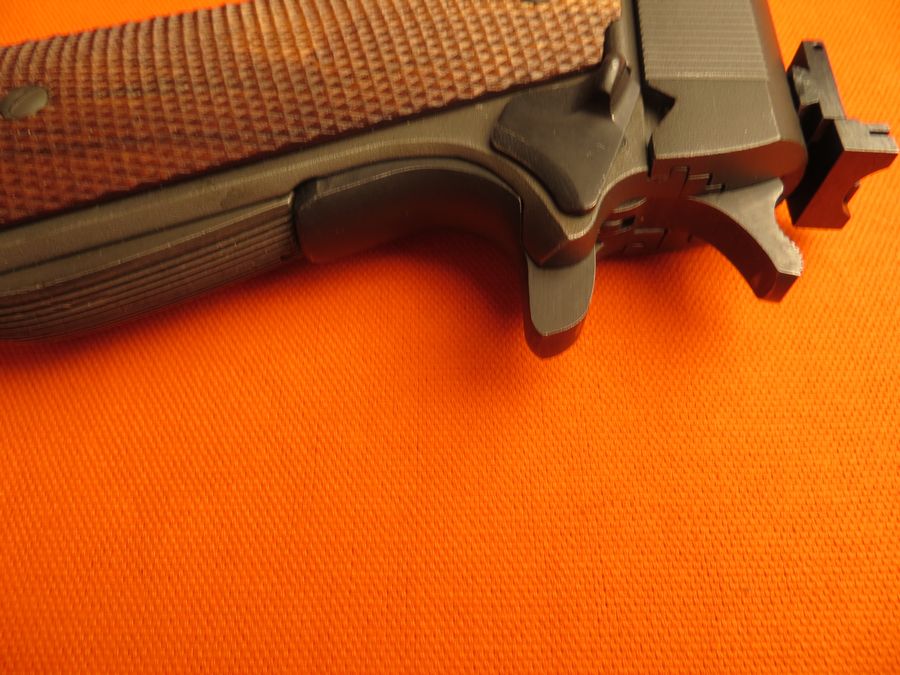
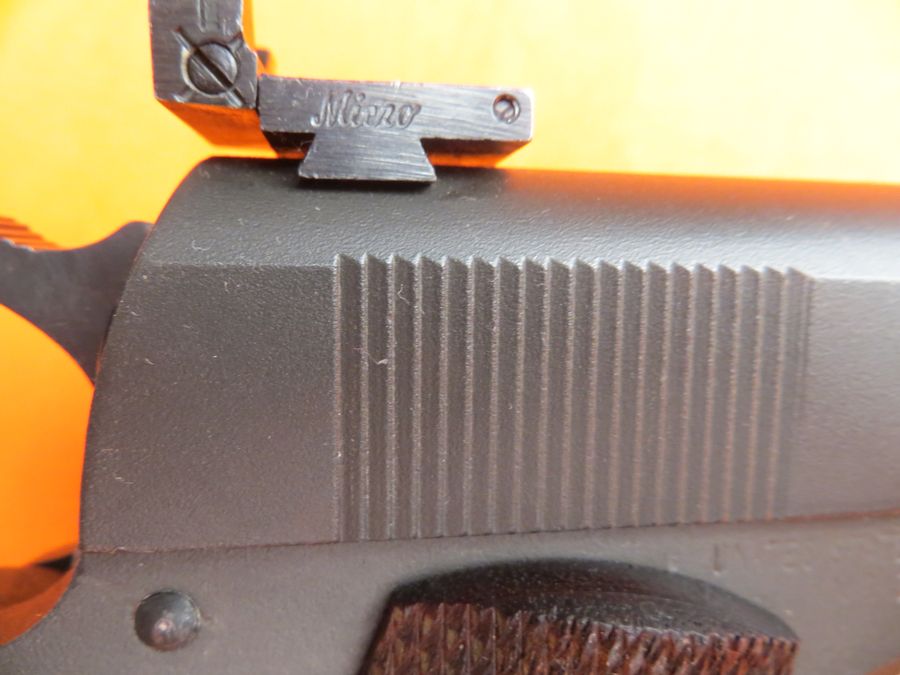
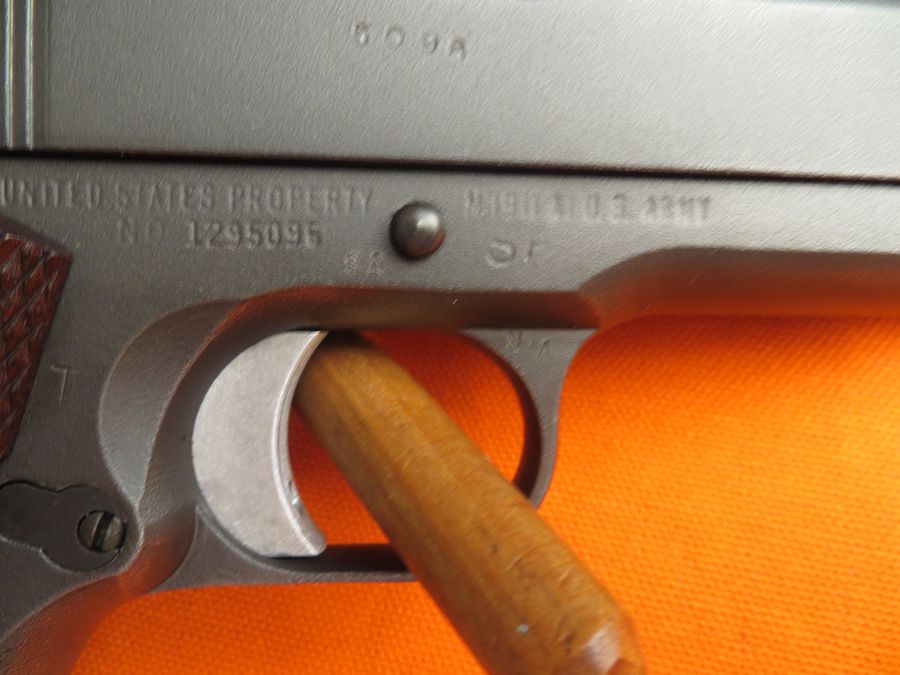
A minty 1911A1 National Match pistol, serial number 1295096, these pistols were designed for Army competitive shooters.
They were made from 1954 to 1967. From 1954 to 1960 the pistols were provided with solid rear sights from 1961 they used Micro, Triangle and Elliason adjustable rear sights.


Categories
.357 Magnum
This is one of my favorite rounds as it has a better track record at least for me of hitting the target than the 45 ACP or the 44 Magnum.
Anyways here is part of its story!
.357 Magnum
| .357 Magnum | ||||||||||||||||||||||||
|---|---|---|---|---|---|---|---|---|---|---|---|---|---|---|---|---|---|---|---|---|---|---|---|---|

.357 Magnum ammunition
|
||||||||||||||||||||||||
| Type | Handgun / Carbine | |||||||||||||||||||||||
| Place of origin | United States | |||||||||||||||||||||||
| Production history | ||||||||||||||||||||||||
| Designer | Elmer Keith, Phillip B. Sharpe | |||||||||||||||||||||||
| Designed | 1934 Introduced 1935 |
|||||||||||||||||||||||
| Specifications | ||||||||||||||||||||||||
| Parent case | .38 Special | |||||||||||||||||||||||
| Case type | Rimmed (R), straight | |||||||||||||||||||||||
| Bullet diameter | .357 in (9.1 mm) | |||||||||||||||||||||||
| Neck diameter | .379 in (9.6 mm) | |||||||||||||||||||||||
| Base diameter | .379 in (9.6 mm) | |||||||||||||||||||||||
| Rim diameter | .440 in (11.2 mm) | |||||||||||||||||||||||
| Rim thickness | .060 in (1.5 mm) | |||||||||||||||||||||||
| Case length | 1.29 in (33 mm) | |||||||||||||||||||||||
| Overall length | 1.59 in (40 mm) | |||||||||||||||||||||||
| Case capacity | 26.2 gr H2O (1.70 cm3) | |||||||||||||||||||||||
| Primer type | Revolvers | |||||||||||||||||||||||
| Maximum pressure | 35,000 psi (241 MPa)[1][2] | |||||||||||||||||||||||
| Ballistic performance | ||||||||||||||||||||||||
|
||||||||||||||||||||||||
| Test barrel length: 4 in (102 mm) (vented) Source(s): Federal,[3] DoubleTap Ammunition[4] |
||||||||||||||||||||||||
The .357 S&W Magnum (9×33mmR), or simply .357 Magnum, is a revolver cartridge with a .357-inch (9.07 mm) bullet diameter.
It was created by Elmer Keith, Phillip B. Sharpe,[5] and D. B. Wesson[5] of firearms manufacturers Smith & Wesson and Winchester.[6][7]
It is based upon Smith & Wesson’s earlier .38 Special cartridge. The .357 Magnum cartridge was introduced in 1934, and its use has since become widespread. This cartridge started the “Magnum era” of handgun ammunition.[8]
The .357 Magnum cartridge is notable for its highly effective terminal ballistics when used for hunting or defense.
Design

Marlin Model 1894C – a carbine in .357 Magnum that is a companion to revolvers.
The .357 Magnum was collaboratively developed over a period in the early to mid-1930s by a group of individuals in a direct response to Colt’s .38 Super Automatic.
At the time, the .38 Super was the only American pistol cartridge capable of defeating automobile cover and the early ballistic vests that were just beginning to emerge in the post-World War I“Gangster Era.”[6][citation needed]
Tests at the time revealed that those vests defeated any handgun bullet traveling less than about 1,000 feet per second (300 m/s). Colt’s .38 Super Automatic just edged over that velocity and was able to penetrate car doors and vests that bootleggers and gangsters were employing as cover.[9]
Though .38 and .357 would seem to be different diameter chamberings, they are in fact identical, as 0.357 inches (9.07 mm) is the true bullet diameter of the .38 Special cartridge.
The .38 Special nomenclature relates to the previous use of heeled bullets (such as the .38 Short Colt), which were the same diameter as the case. Thus, the only external difference in the two cartridges is a slight difference in length, solely for safety purposes.[citation needed]
Much credit for the .357’s early development is given to hunter and experimenter Elmer Keith. Keith’s early work in loading the .38 Special to increasingly higher-pressure levels was made possible by the availability of heavy, target-shooting-oriented revolvers like the Smith & Wesson .38-44 “Heavy Duty” and “Outdoorsman”, .38-caliber revolvers built on .44-caliber frames.
The .38-44 HV load used the .38-Special cartridge loaded to a much higher velocity than standard .38-Special ammunition. The .38-44 revolvers were made by using a .44 Special size gun with the barrel bored to accept .357-caliber bullets (the true bullet diameter of the .38 Special) and the cylinder bored to accept .3801–.3809-inch-diameter (9.65–9.67 mm) cartridges (where the name “38 Special” originated).
Since the frame, cylinder, and barrel were much stronger than the standard .38 Special components, it was capable of withstanding much higher pressures. The .38-44 HV round, while no longer available, was in most cases the equal of the later .357 Magnum, which works at more than double the pressure of standard .38 Special.
The .357 Magnum addresses the safety issues which earlier cartridges had by lengthening the case by approximately 1⁄8 inch (3.2 mm), preventing the high-pressure .357 cartridge from chambering (fitting) in a firearm designed for the shorter, lower-pressure .38 Special.[10]
Elmer Keith also contributed the Keith-style bullet, which increased the mass of bullet located outside the cartridge case, while leaving more room inside the case for powder.
The Keith bullet also employed a large, flat meplat, thus enabling rapid energy transfer for greater wounding properties.
At the same time, this bullet design does not deform like a hollow point, and as a result achieves greater penetration. These characteristics of the Keith bullet make it very suitable for hunting applications as well as for target shooting.

Two .357 Magnum cartridges showing bottom and side views.
In order to reassert itself as the leading law-enforcement armament provider, Smith & Wesson developed the .357 Magnum, with D. B. Wesson leading the effort within Smith & Wesson, along with considerable technical assistance from Phillip B. Sharpe, a member of the Technical Division staff of the National Rifle Association.
The new round was developed from Smith & Wesson’s existing .38 Special round. It used a different powder load, and ultimately the case was extended by 1⁄8 inch (3.2 mm). The case extension was more a matter of safety than of necessity.
Because the .38 Special and the early experimental .357 Magnum cartridges loaded by Keith were identical in physical attributes, it was possible to load an experimental .357 Magnum cartridge into a .38 Special revolver, with potentially disastrous results.
Smith & Wesson’s solution, of extending the case slightly, made it impossible to chamber the magnum-power round in a gun not designed for the additional pressure.[6]
However, both .38 Special and .357 Magnum will chamber in Colt New Army revolvers in .38 Long Colt, due to the straight-walled chambers, but this should not be done under any circumstances, due to dangerous pressure levels, up to three times what the New Army is designed to withstand.
The choice of bullet for the .357 Magnum cartridge varied during its development. During the development at Smith & Wesson, the original Keith bullet was modified slightly, to the form of the Sharpe bullet, which itself was based upon the Keith bullet.
But which had 5/6 of the bearing surface of the Keith bullet, Keith bullets typically being made oversized and sized down. Winchester, however, upon experimenting further during the cartridge development, modified the Sharpe-bullet shape slightly, while keeping the Sharpe contour of the bullet.
The final choice of bullet was hence based upon the earlier Keith and Sharpe bullets, while additionally having slight differences from both.[11]
Performance[edit]

The .357 IMI Desert Eagle, one of the few semi-automatic pistols that fire the .357 Magnum cartridge.
This cartridge is regarded by many as an excellent hunting, metallic silhouette and self-defense round.
With proper loadings it can also be effective against large or dangerous game, such as bear and ungulates, however many consider the larger magnum calibers to be more appropriate such as the .500 Smith & Wesson, .50 Action Express, .44 Magnum, .454 Casull, .41 Magnum as well as other larger magnum rounds.
Comparatively, the .357 Magnum has less energy than the larger magnum revolver loadings but is smaller in diameter with high velocity allowing for excellent penetration properties.
It is a fine small- and medium-game round and is sufficient to hunt deer at reasonable ranges if suitable loadings are used by a competent marksman.
For further comparison, the .357 Magnum has a higher velocity at 100 yards (91 m) than its parent .38 Special has at the muzzle.[12]
The 357 Magnum’s effectiveness on game is similar to that of the .45 Colt, but with a much flatter trajectory due to its higher velocity. It is a very versatile cartridge, and can be used with success for self-defense, plinking, hunting, or target shooting.[13]
Revolvers chambered in .357 Magnum have the significant advantage of also being able to chamber and fire the shorter and less-powerful .38 Special cartridge.
Compared to the .357 Magnum, .38 Special is also lower in cost, recoil, noise, and muzzle flash. The ability to also fire the .38 Special makes .357 revolvers ideal for novice shooters who are not yet used to firing full-strength .357 loads but do not want the expense of buying a second lower-powered gun to train with.
However, .38 Special ammunition should not generally be used with any .357 semi automatic handgun or rifle, since such firearms require the larger recoil produced by firing a .357 Magnum round to cycle properly.
It has also become popular as a “dual-use” cartridge in short, light rifles like the American Old West lever-actions. In a rifle, the bullet will exit the barrel at about 1,800 feet per second (550 m/s).
Making it far more versatile than the .30 Carbineor the .32-20 Winchester. In the 1930s, it was found to be very effective against steel car doors and ballistic vests, and metal-penetrating rounds were once popular in the United States among highway patrol and other police organizations.
The .357 revolver has been largely replaced by modern, high-capacity semi-automatic pistols for police use, but is still very popular for backup gun use, and among outdoorsmen, security guards, and civilians for hunting, metallic silhouette, target shooting and self-defense.
The 9mm Winchester Magnum. Which is also known as the 9×29mm, was developed to duplicate the performance of the .357 Magnum in a semi-automatic pistol, [15] as was the 357 SIG cartridge.
Some common performance parameters are shown in the table below for several .357 Magnum loads. Bullet weights ranging from 110 to 180 grains (7.1 to 11.7 g) are common. The 125 grains (8.1 g) jacketed hollow point loads are popular for self-defense, whereas the heavier loads are commonly used for hunting.[citation needed]
Loads are available with energies from about 400-700 foot pounds of muzzle energy and can be selected for various applications based on desired use and risk assessments.
| Manufacturer | Load | Mass | Velocity | Energy | Expansion | Penetration | PC[16] | TSC[16] |
|---|---|---|---|---|---|---|---|---|
| American | Quik-Shok JHP | 125 gr (8.1 g) | 1,409 ft/s (429.5 m/s) | 551 ft·lbf (747.1 J) | fragment | 9.0 in (228.6 mm) | 2.7 cu in (44.2 cm3) | 47.5 cu in (778.4 cm3) |
| ATOMIC Ammunition | Bonded Match Hollow Point | 158 gr (10.2 g) | 1,350 ft/s (411.5 m/s) | 640 ft·lbf (867.7 J) | 0.71 in (18.0 mm) | 15 in (381.0 mm) | X | X |
| Double Tap | Gold Dot JHP | 125 gr (8.1 g) | 1,600 ft/s (487.7 m/s) | 711 ft·lbf (964.0 J) | 0.69 in (17.5 mm) | 12.75 in (323.8 mm) | 4.8 cu in (78.7 cm3) | 69.3 cu in (1,135.6 cm3) (est) |
| Federal | Classic JHP | 125 gr (8.1 g) | 1,450 ft/s (442.0 m/s) | 584 ft·lbf (791.8 J) | 0.65 in (16.5 mm) | 12.0 in (304.8 mm) | 4.0 cu in (65.5 cm3) | 79.8 cu in (1,307.7 cm3) |
| Remington | Golden Saber JHP | 125 gr (8.1 g) | 1,220 ft/s (371.9 m/s) | 413 ft·lbf (560.0 J) | 0.60 in (15.2 mm) | 13.0 in (330.2 mm) | 3.7 cu in (60.6 cm3) | 30.4 cu in (498.2 cm3) |
| Remington | Semiwadcutter | 158 gr (10.2 g) | 1,235 ft/s (376.4 m/s) | 535 ft·lbf (725.4 J) | 0.36 in (9.1 mm) | 27.5 in (698.5 mm) | 2.8 cu in (45.9 cm3) | 12.9 cu in (211.4 cm3) |
| Winchester | Silvertip JHP | 145 gr (9.4 g) | 1,290 ft/s (393.2 m/s) | 536 ft·lbf (726.7 J) | 0.65 in (16.5 mm) | 14.3 in (363.2 mm) | 4.7 cu in (77.0 cm3) | 33.7 cu in (552.2 cm3) |
Key:
Expansion – expanded bullet diameter (ballistic gelatin).
Penetration – penetration depth (ballistic gelatin).
PC – permanent cavity volume (ballistic gelatin, FBI method).
TSC – temporary stretch cavity volume (ballistic gelatin).
Comparison

Colt Pythons in 8″ and 6″ barrels

1956 made Colt “357” Magnum
The .357 Magnum was a direct competitor with the .38 Super.
In terms of accuracy, the .357 Magnum has at least the same potential for precision shooting as the benchmark .38 Special wadcutter round—indeed. A good .357 Magnum revolver will shoot .38 Special wadcutter ammunition with good results.
It is this accuracy and power, and the versatility of also being capable of using less-expensive, milder .38 Special ammunition, that makes a .357 Magnum revolver an excellent gun for many different disciplines, from 20 yards’ (18 m) precision shooting to long-range falling-plate events.
It is an excellent round for those considering handloading ammunition, as it is economical and consistently performs well.
The .357 Magnum was developed from the earlier .38 Special. This was possible because the .38 Special was originally designed to use black powder, which requires two to five times as much powder, by weight, to produce the same velocity with the same bullet as does the much-more-efficient smokeless powder.
Thus the .38 Special has a relatively large bullet case. The 9×19mm Parabellumwas introduced the same year (1902) but was originally designed for smokeless powder, and for higher pressures (~39,200 psi (270 MPa)).[citation needed]
It therefore produces considerably more energy than the .38, despite its case having less than half the powder capacity. Many 38 Special loads use the same powders, in similar charge weights.
But because the case is so much larger, light-target loads with fast-burning powders may only fill the case perhaps 1/8 full.
Filling the case with slower-burning powders produces much more power, but also much more pressure; far too much pressure for older, smaller-frame revolvers chambered in .38 Special.
It was to accommodate these high-pressure, high-power loads that the longer .357 Magnum, together with the stronger revolvers designed to handle it, were developed.
The .357 SIG that was developed in 1994 was named “357” to highlight its purpose: to duplicate the performance of 125-grain (8.1 g) .357 Magnum loads fired from 4-inch-barreled (100 mm) revolvers, in a cartridge designed to be used in a semi-automatic pistol.
Synonyms[edit]
- .357 Mag
- .357 S&W Magnum
- 9×33mmR (Europe)
See also[edit]
|
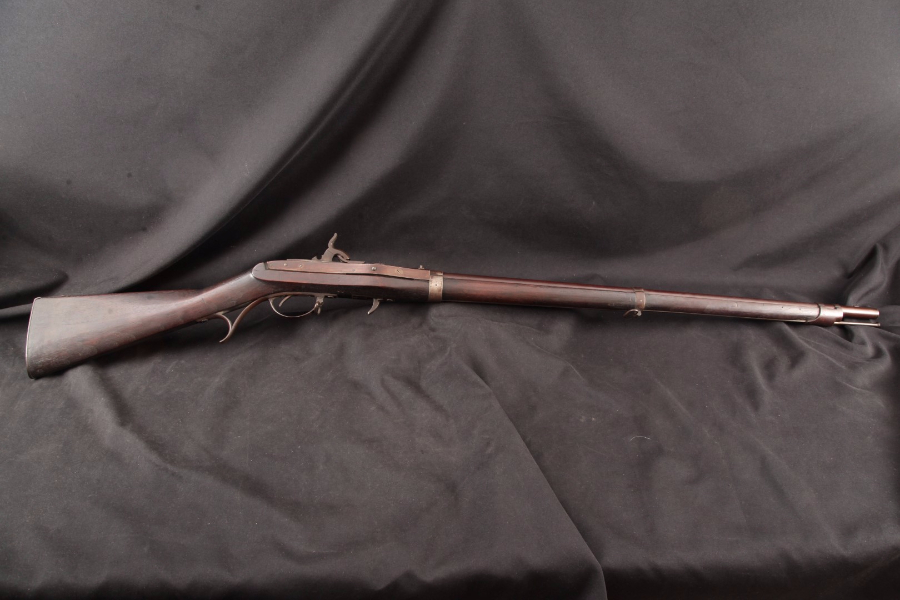
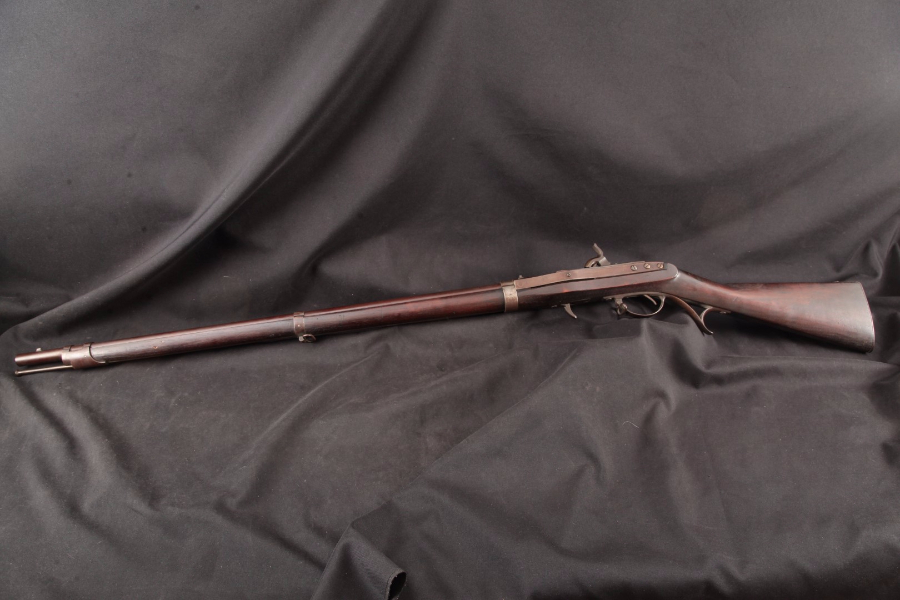
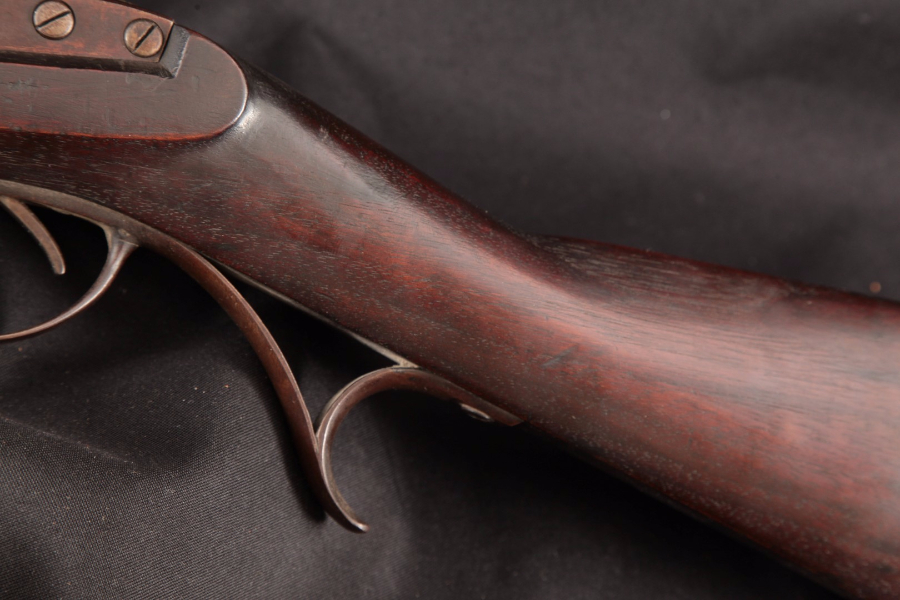
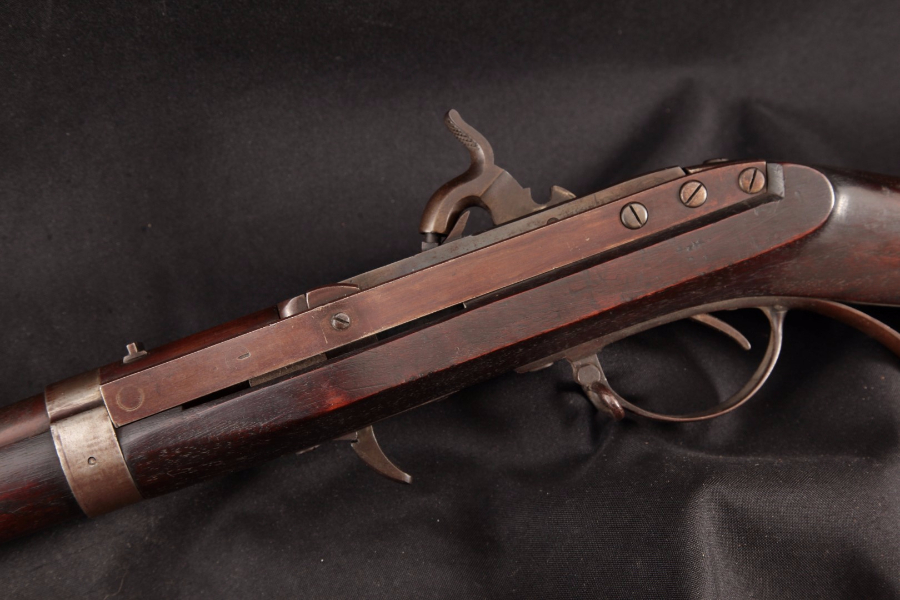
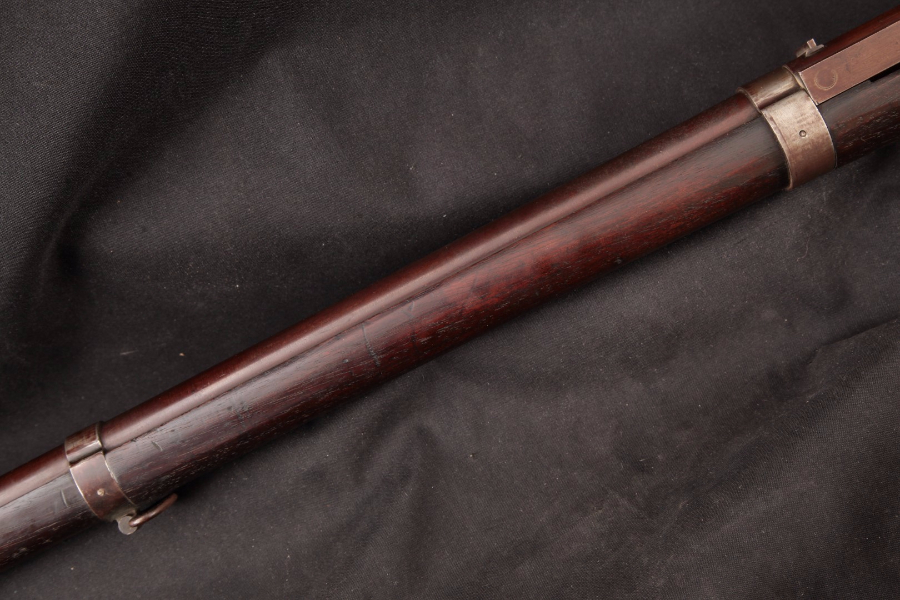
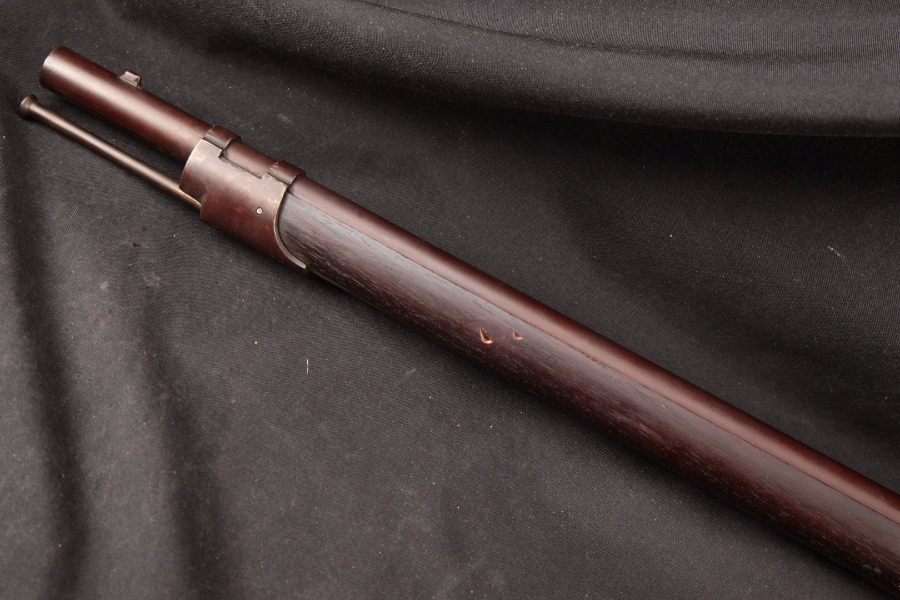
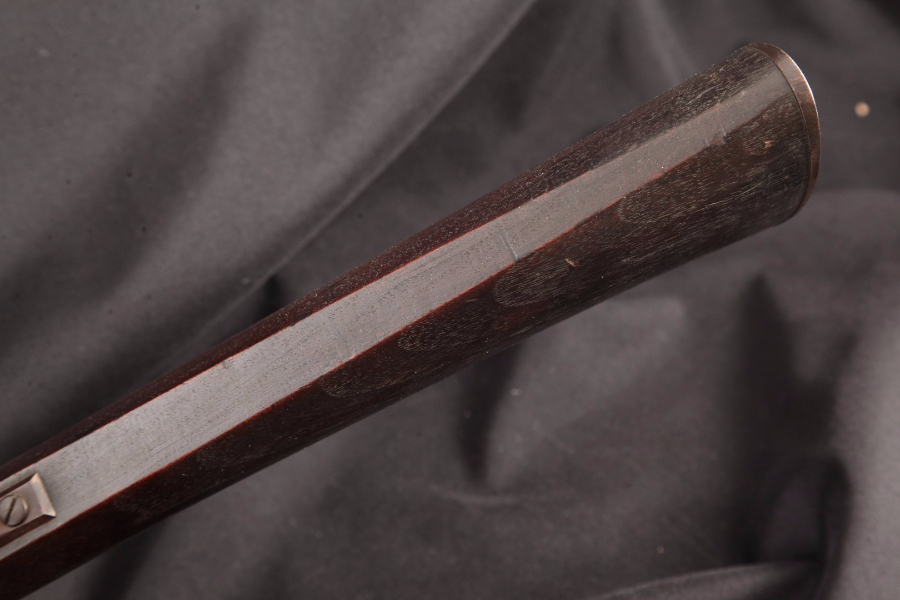
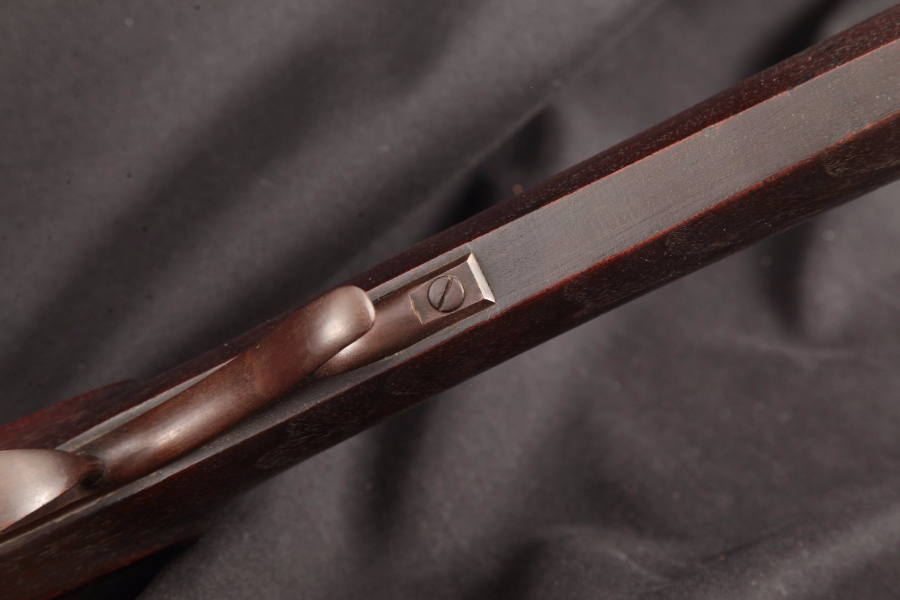
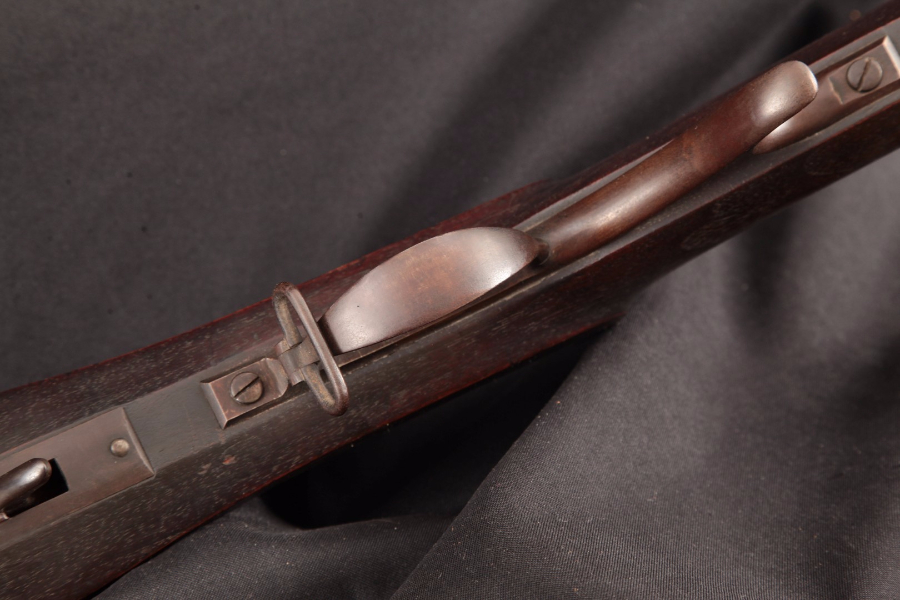
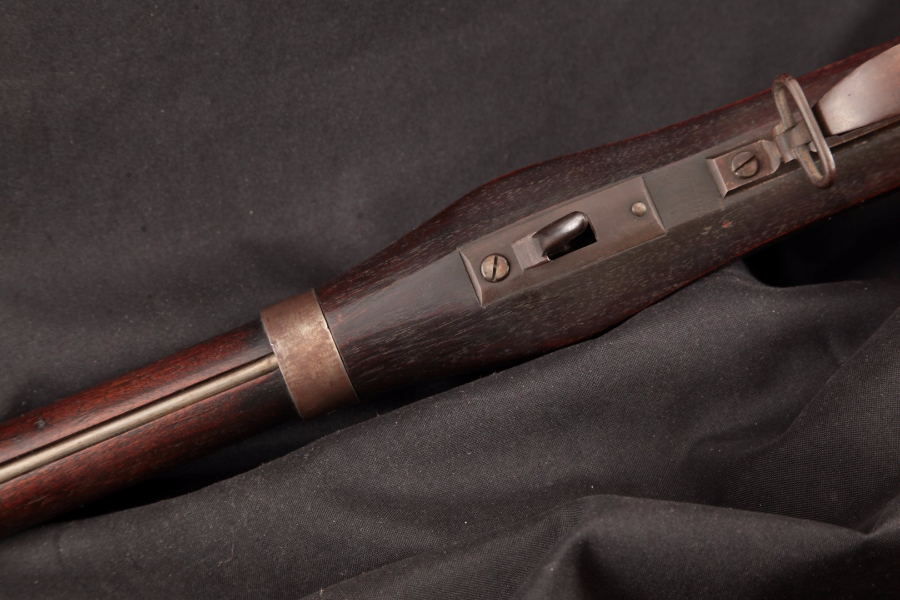
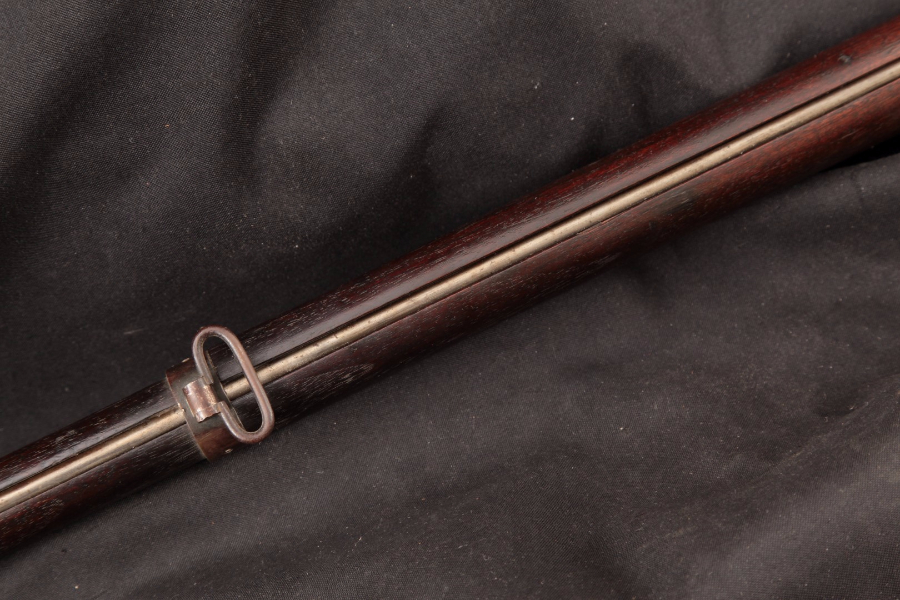
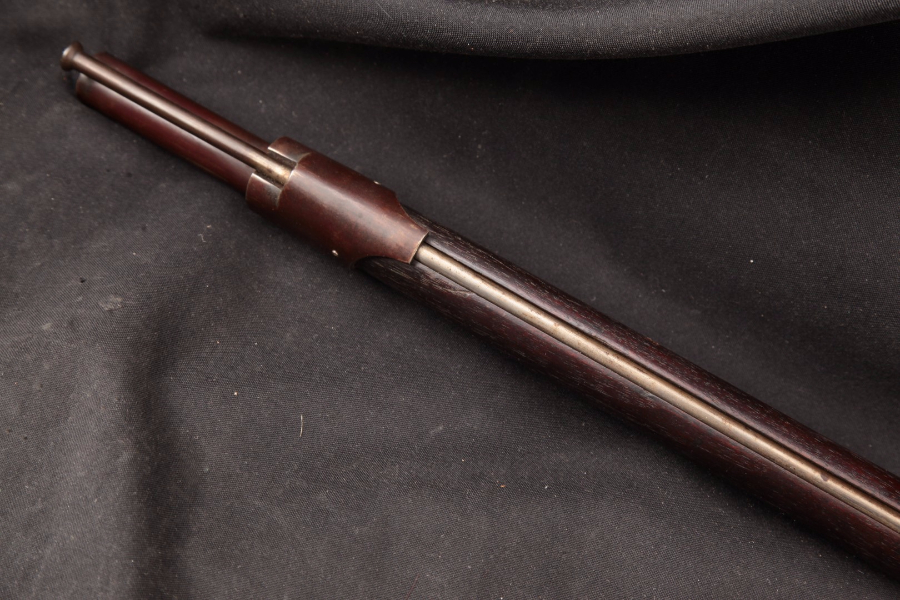
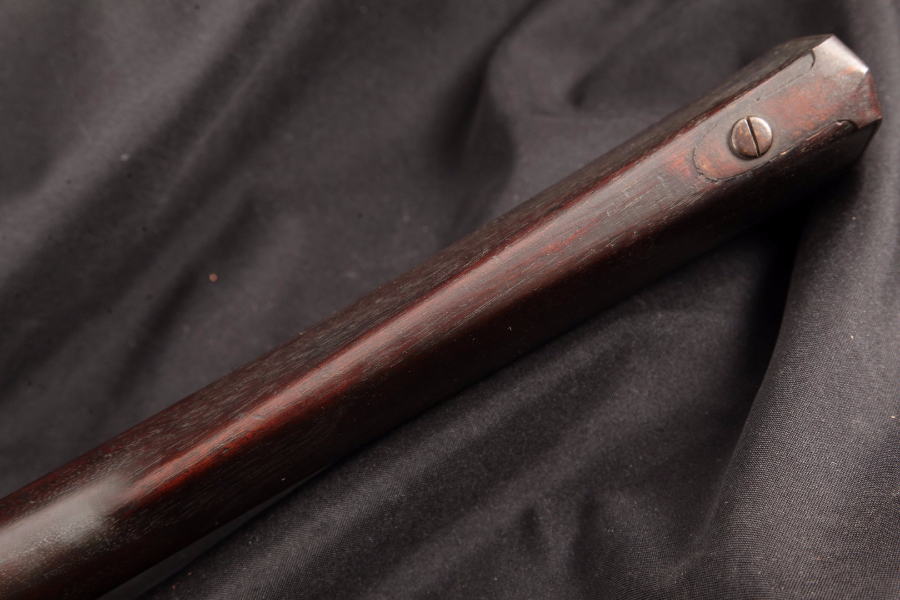
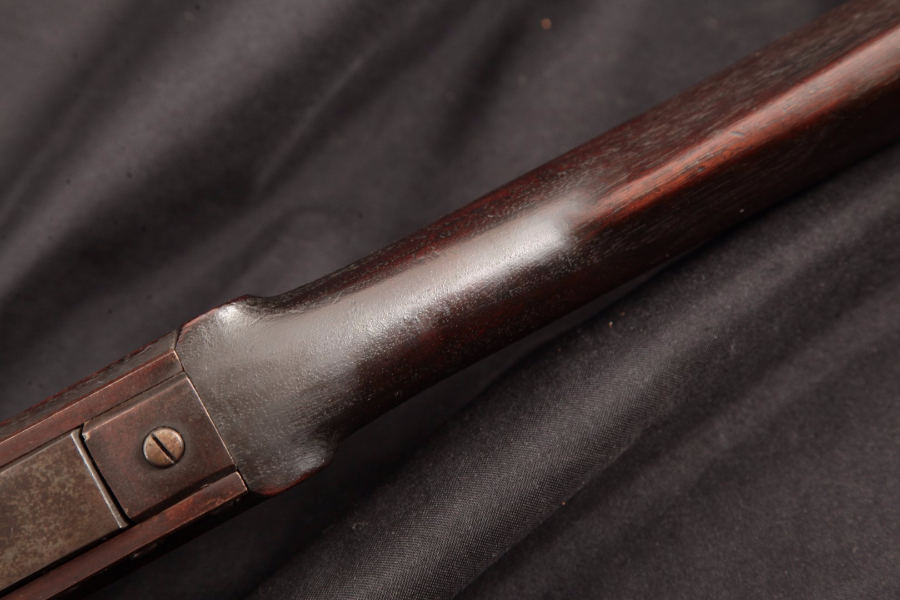
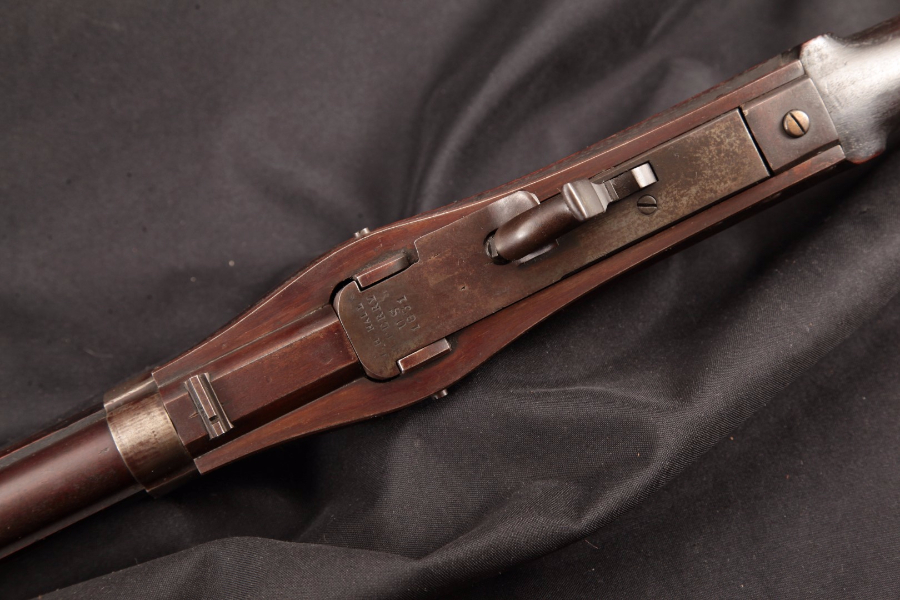
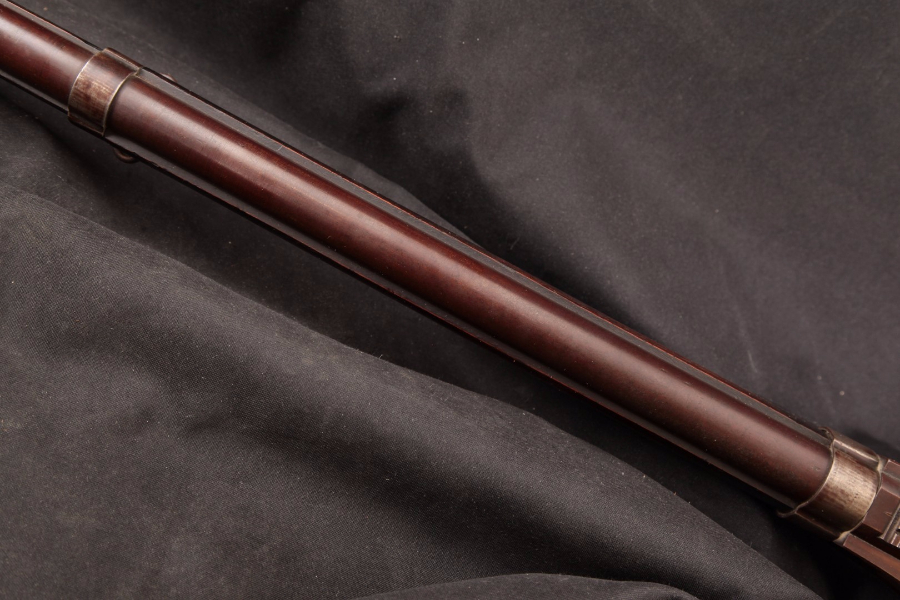
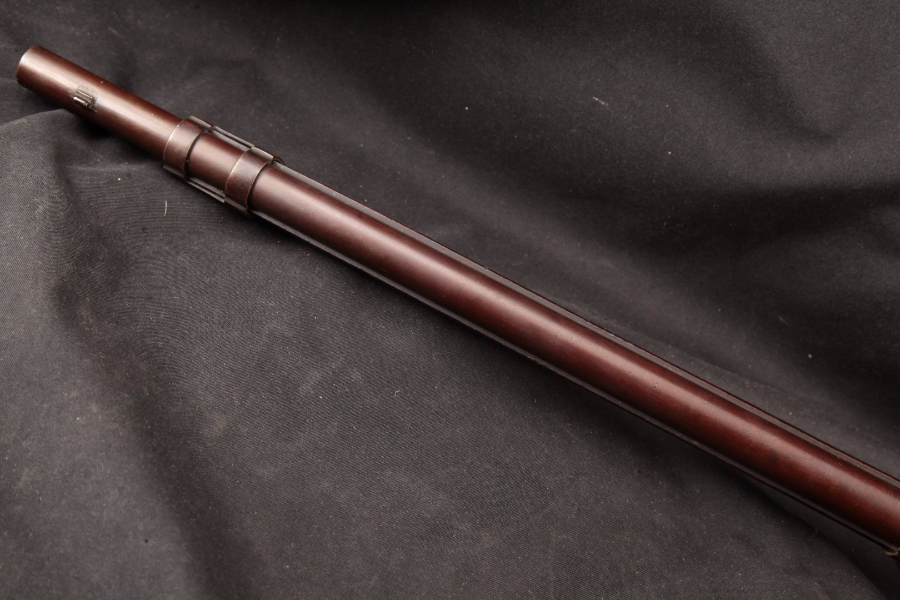
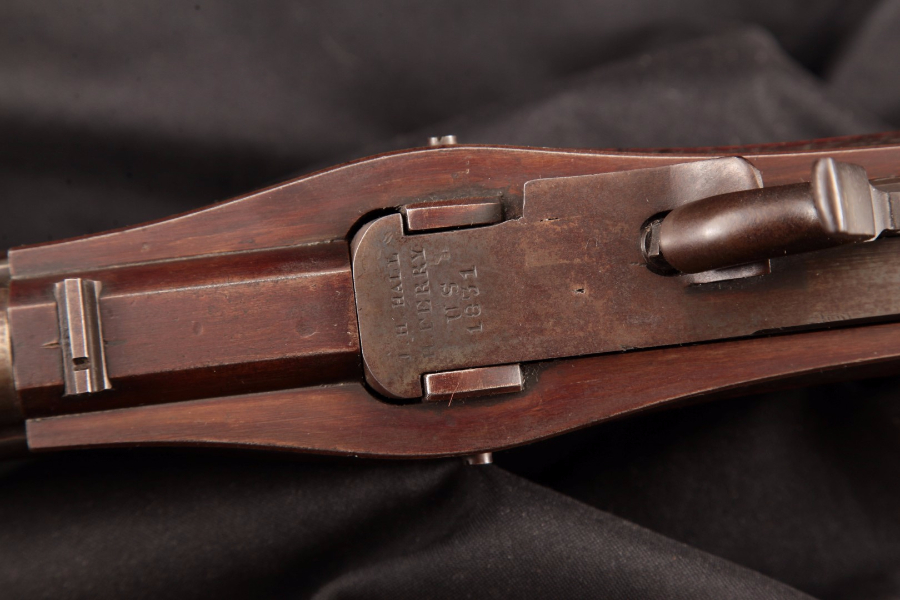
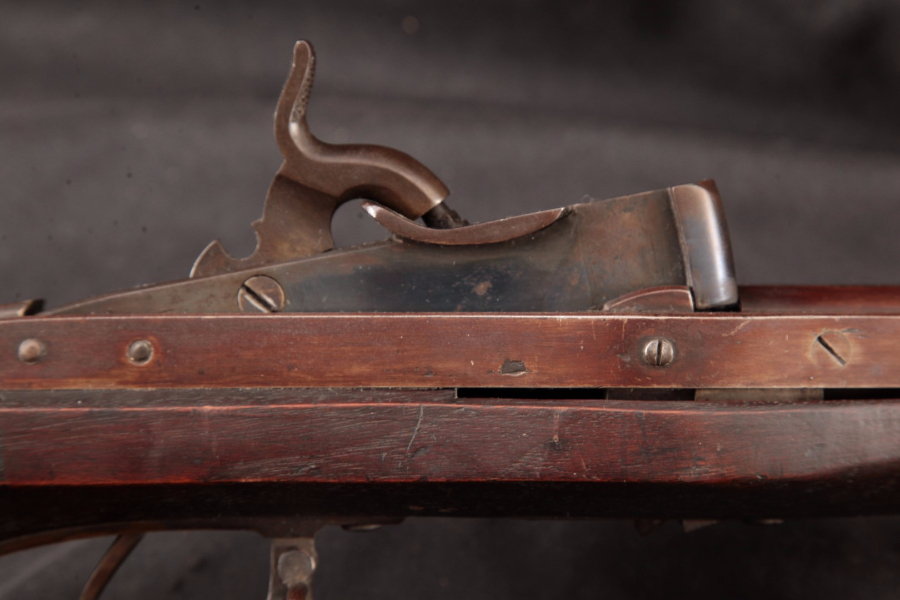
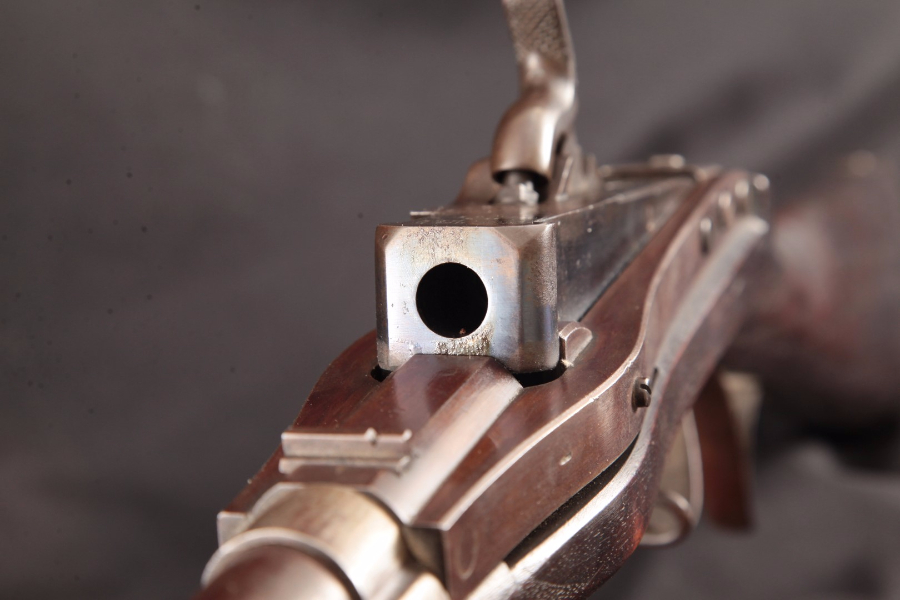
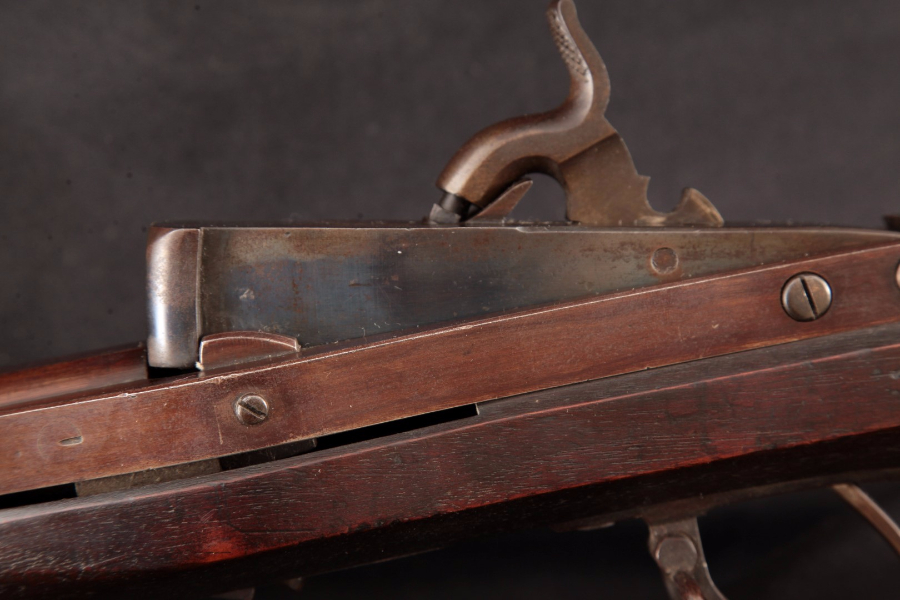
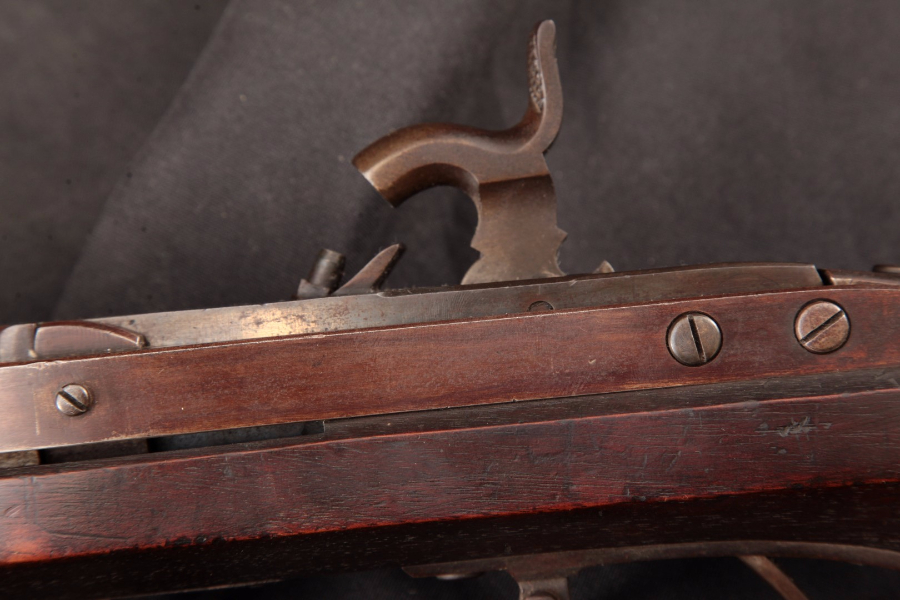
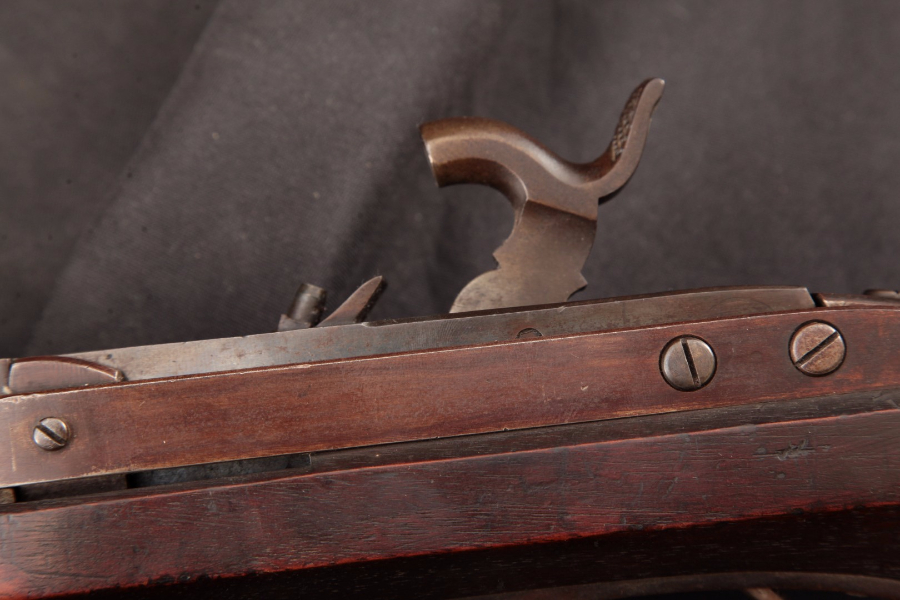
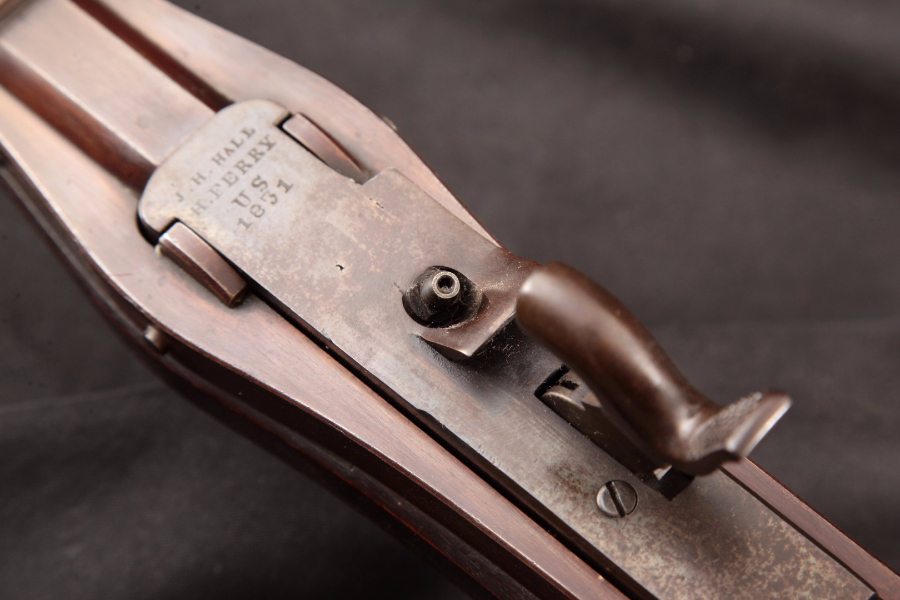
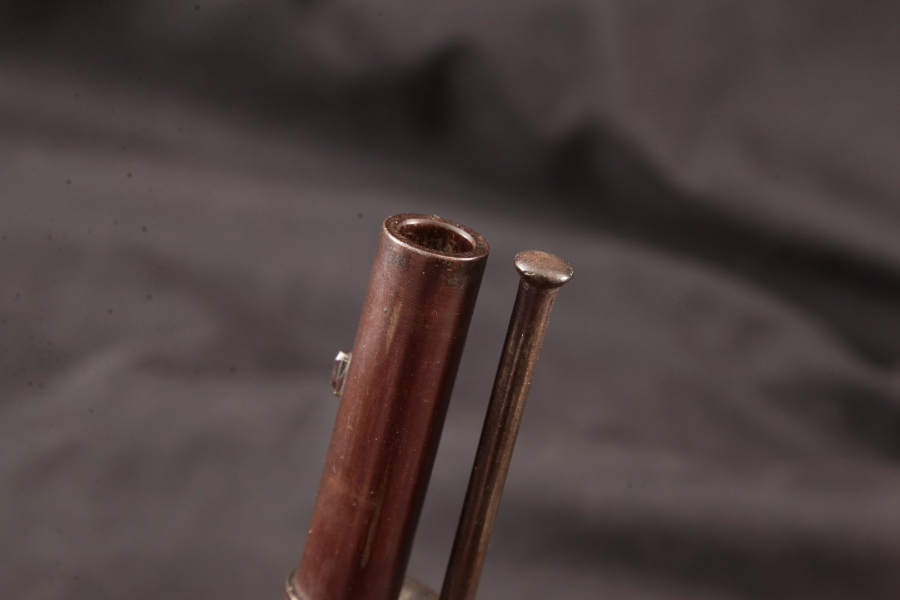
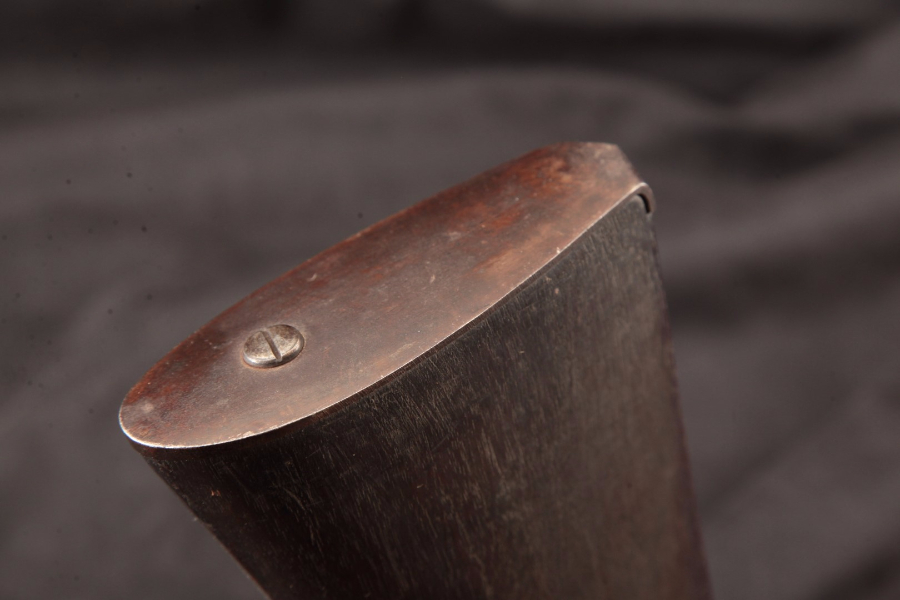
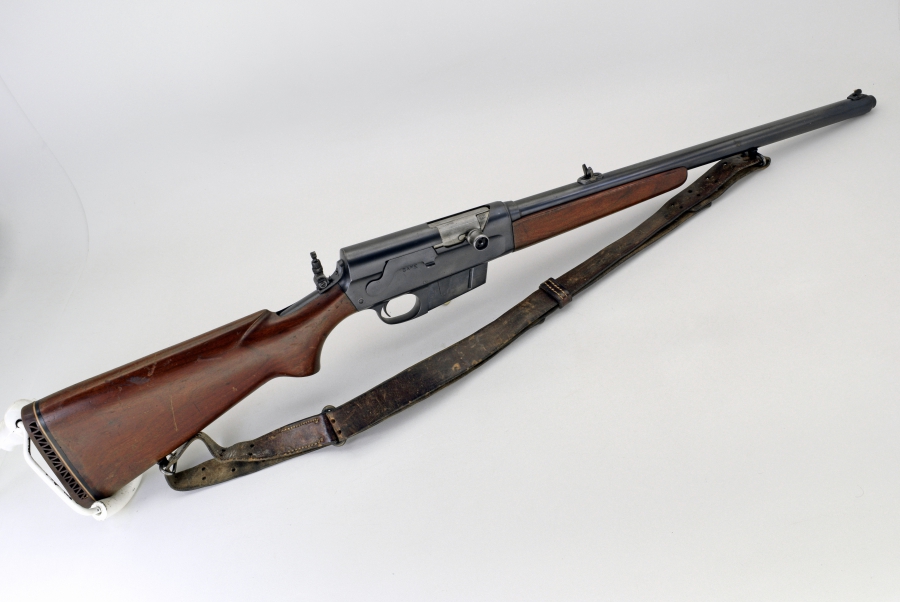
One strange looking rifle!

U.S. Army Prototype Anti-Armor Hand Grenade from 1973 – A Shaped Charge Packed in a Hollowed-Out NERF Football !