Categories
Born again Cynic! Cops

EXCLUSIVE: Exodus Underway as Record-Shattering Surge of Austin Police Officers Leave the Force BY BRYAN PRESTON

Image by Kate Baucherel from Pixabay
After the Austin city council voted unanimously to defund its police department by about one-third of its budget, in August 2020, many predicted that once the cuts kicked in a flood of officers would leave the force as soon as they could. The new district attorney’s policy of re-investigating police officers for closed cases is also expected to cause officers to resign or retire.

The city council’s cuts officially kicked in and have been in place for a few months.

PJ Media reports exclusively that APD is now suffering a huge surge of officer departures putting it on pace to shatter 2020’s record.

In January 2021, sources tell PJ Media 20 officers retired from APD and eight resigned, for a total of 28 departures.

In February 2021, five officers resigned and six retired, according to multiple sources, for a total of 11 departures.

In March 2021, 24 more officers left APD, with 20 officers retiring. Additionally, three officers resigned and one was terminated.

To put this into perspective, 2019 was the last non-pandemic year and the year before the city council cut APD’s budget. APD averages about 50 retirements or separations in a calendar year, and replaces them with cadets who have graduated from the police academy or officers who join APD from another force.

APD saw 46 officers retire with another 22 resigning in 2019, according to local TV news station KVUE.

2020’s numbers were exacerbated by the George Floyd riots; 78 officers departed or retired from APD from the beginning of those riots to the end of 2020, for a total of 89 separations, according to KVUE.

Official 2021 numbers provided to PJ Media by the Austin Police Retirement System (APRS) break down as follows:

    • Prior to 2020, retirements averaged 50-52 per year over the last 5-6 years
    • Record number of retirements in FY 2020: 97
    • First-quarter 2021 retirements: 45

Add to those 45 retirements the 18 resignations or terminations, for a total of 63 separations in just the first quarter of 2021. If the current pace continues, APD could lose approximately 252 officers — about five times the average number of separations for a year. This will impact public safety across the board, and according to the APRS, can impact retirees’ benefits as well. APRS raised the alarm about the impact the city council’s cuts could have in September of 2020.

March 2021’s retirements hit all over the department, including tactical intelligence, gang crimes, narcotics enforcement, investigations, and the bomb squad, according to a full list provided to PJ Media. Traffic enforcement  — both warnings and citations — has declined by more than 60% in the first two months of 2021, a source tells PJ Media.

At the same time, the city council’s cuts have forced the cancelation of police cadet classes. The department is losing experienced officers in droves and is unable to replace them with new officers.

Ken Casaday, president of the Austin Police Association, told PJ Media, “It’s extremely concerning. We’re using overtime and forcing people back to patrol just to be able to keep up with 9-1-1 calls. We fully expect to take 50 more officers off of specialized units just to keep up with patrol.”

“In Austin, Texas, the city council has fallen under the influence of hard-line anti-police activists,” Charley Wilkison, executive director of Combined Law Enforcement Associations of Texas (CLEAT), told PJ Media. “They don’t reflect the mainstream in Austin but they have been very loud.”

Wilkison described how the activists have disrupted the city’s relationship with the police department. “For the first time in modern memory, the city negotiated a contract with the police union, only to have activists storm the city council meeting and demand the contract be turned down, and it was.” Wilkison says the activists called the police every name imaginable and the city council “cratered” to them.

“Mayor Steve Adler wouldn’t be fit to hold the shoes of Austin mayors of the past,” Wilkison said. Wilkison also noted there are police defunding bills filed in the ongoing session of the Texas legislature. Those stand little chance of passage with Republicans controlling both houses and with a Republican lieutenant governor and governor.

Austin is “listening to people who want to change America and make it more like China,” Wilkison added. He warned strongly against Austin reverting to a “political police department” like it had before civil service reforms made hiring and promotion decisions based on merit rather than political patronage. “These are mistakes we don’t have to make,” he told PJ Media.

New city council member Mackenzie Kelly was not yet on the council when Mayor Steve Adler led the defunding vote. She defeated one of the most vocal proponents of the cuts in December 2020. Kelly told PJ Media “We need to look at the root causes of these officers leaving. Not just those that are eligible to retire, but also those just plain quitting.”

Noting the shocking number of officers choosing to leave, Kelly said “We are losing our most experienced officers and the community is suffering because of it.”

Austin’s homicide trend is ominous. 2019 saw 31 homicides in the city. Homicides in Austin increased in 2020 over 2019, to at least 44. Sources confirm Austin has had 21 homicides in the first quarter of 2021, putting it on pace to exceed 2020’s total by some distance. There were three shootings, including one fatality, this morning.

APD chiefs are said to be meeting this week to determine which units will be cut further in order to shore up patrols.


Sadly things are going to get very hairy in Keep Austin Weird Texas. All I can say is God help those folks down there1 grumpy

Categories
All About Guns

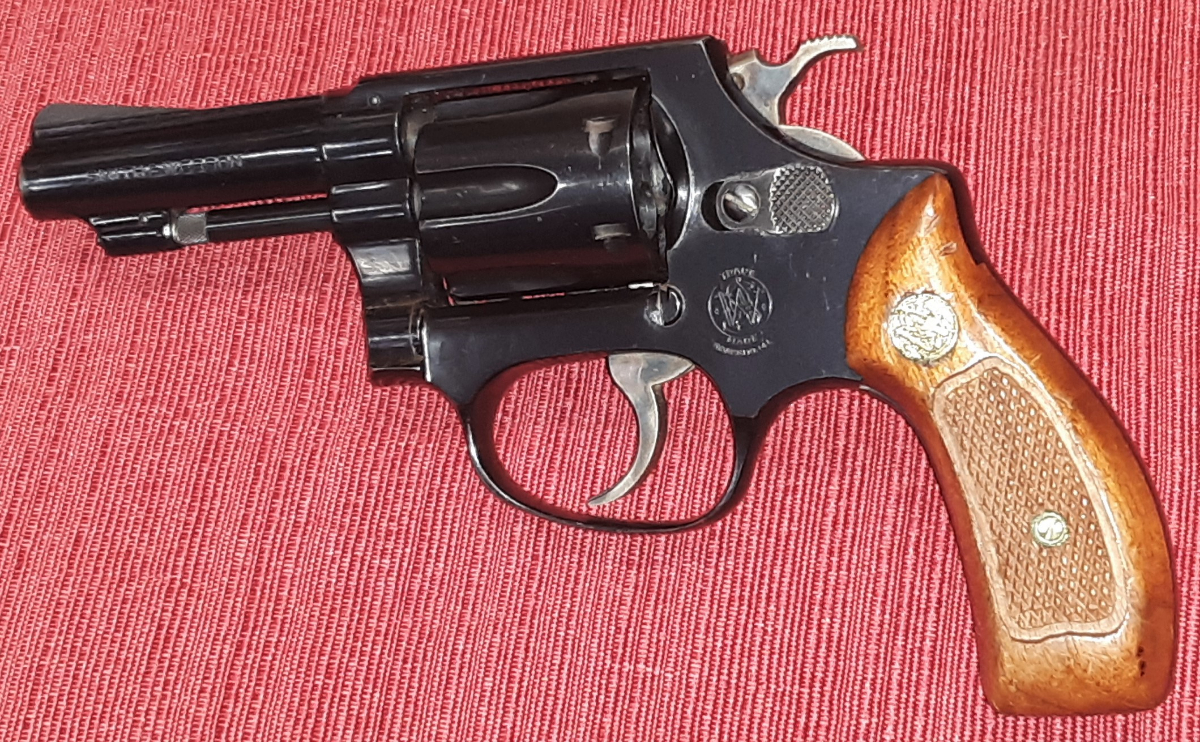
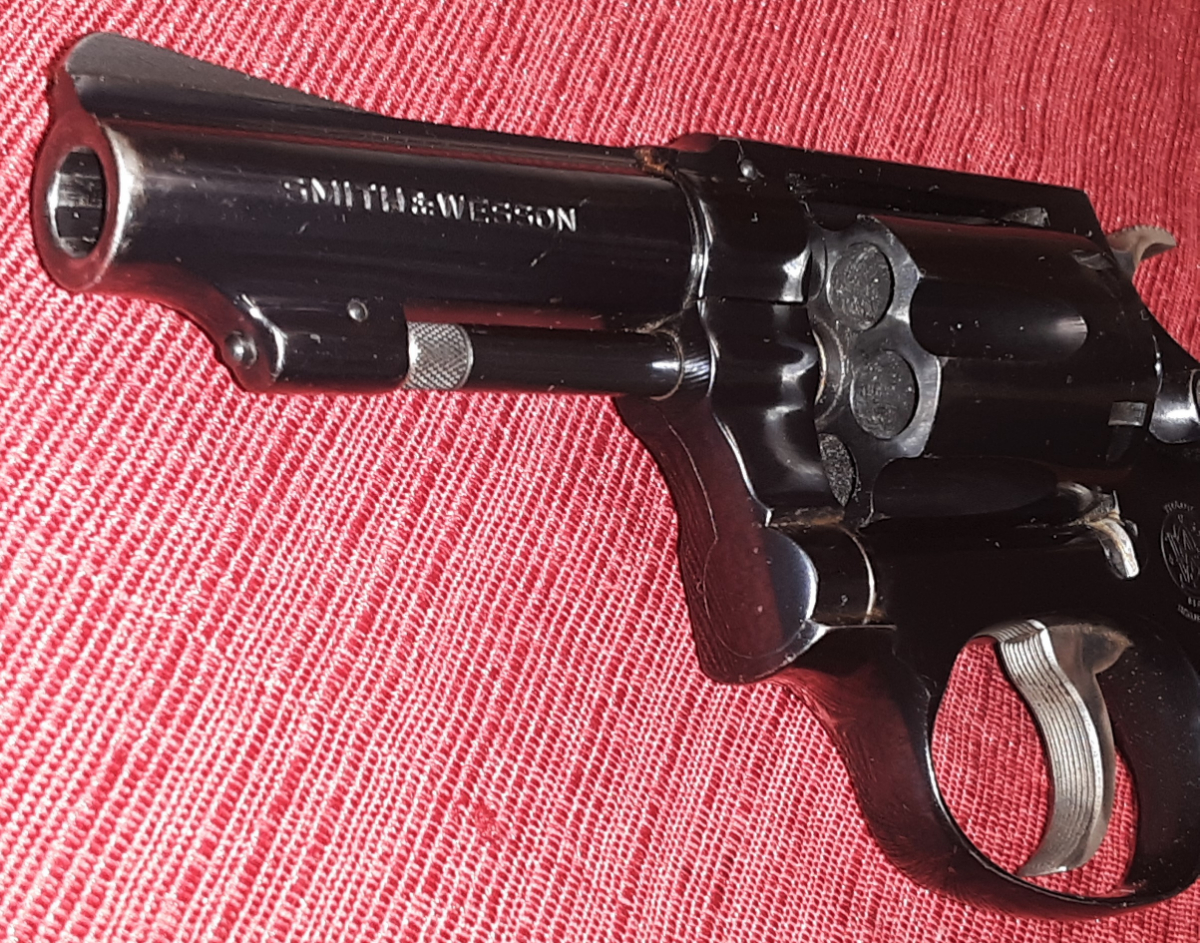
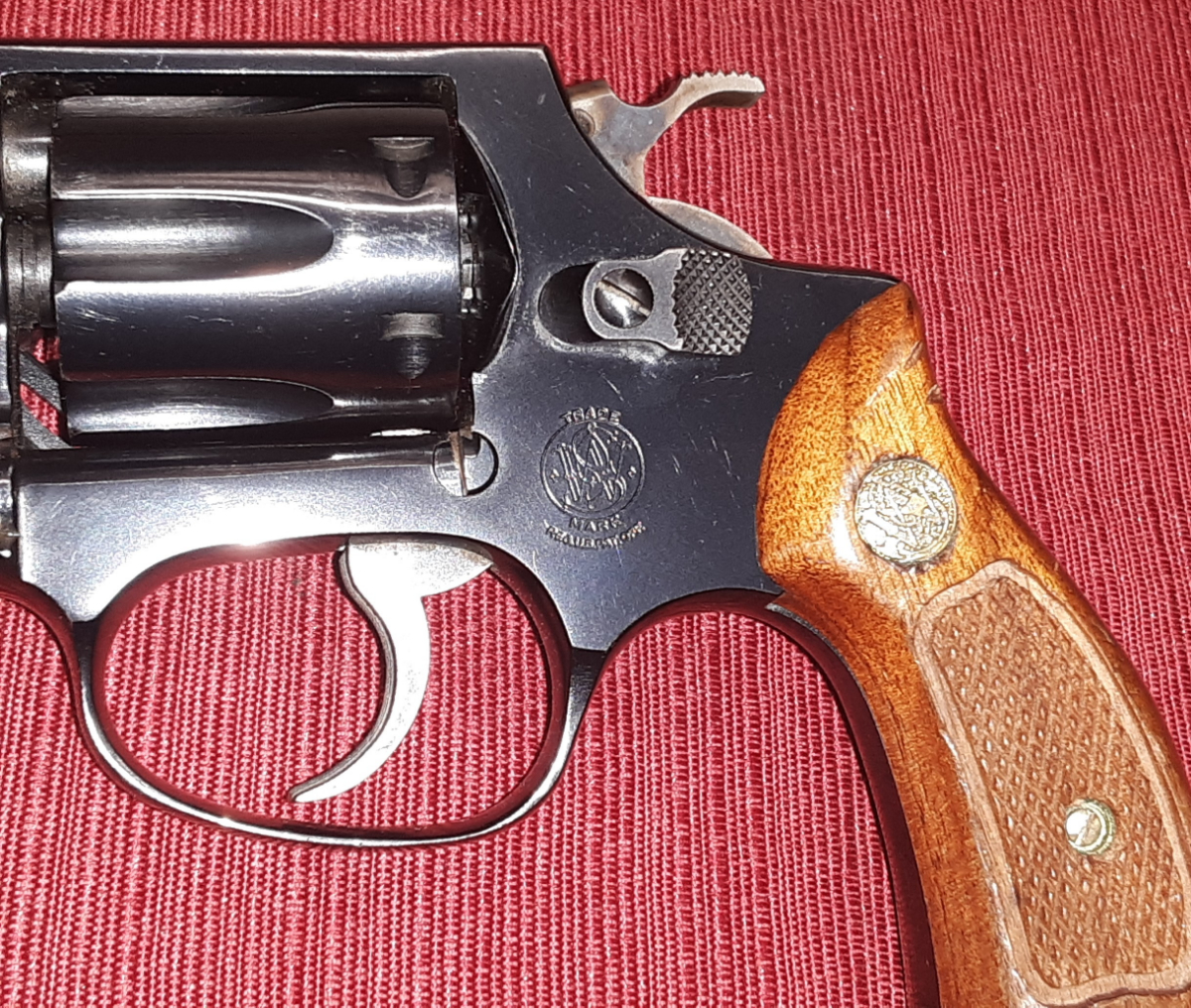
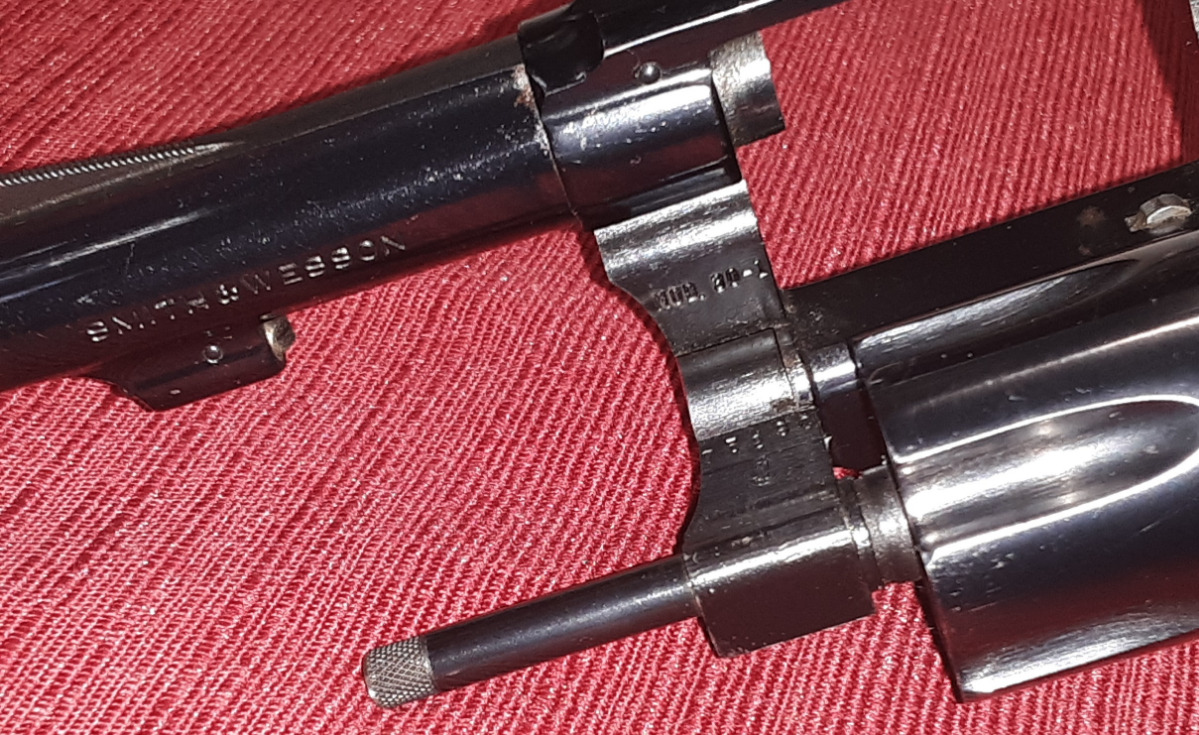
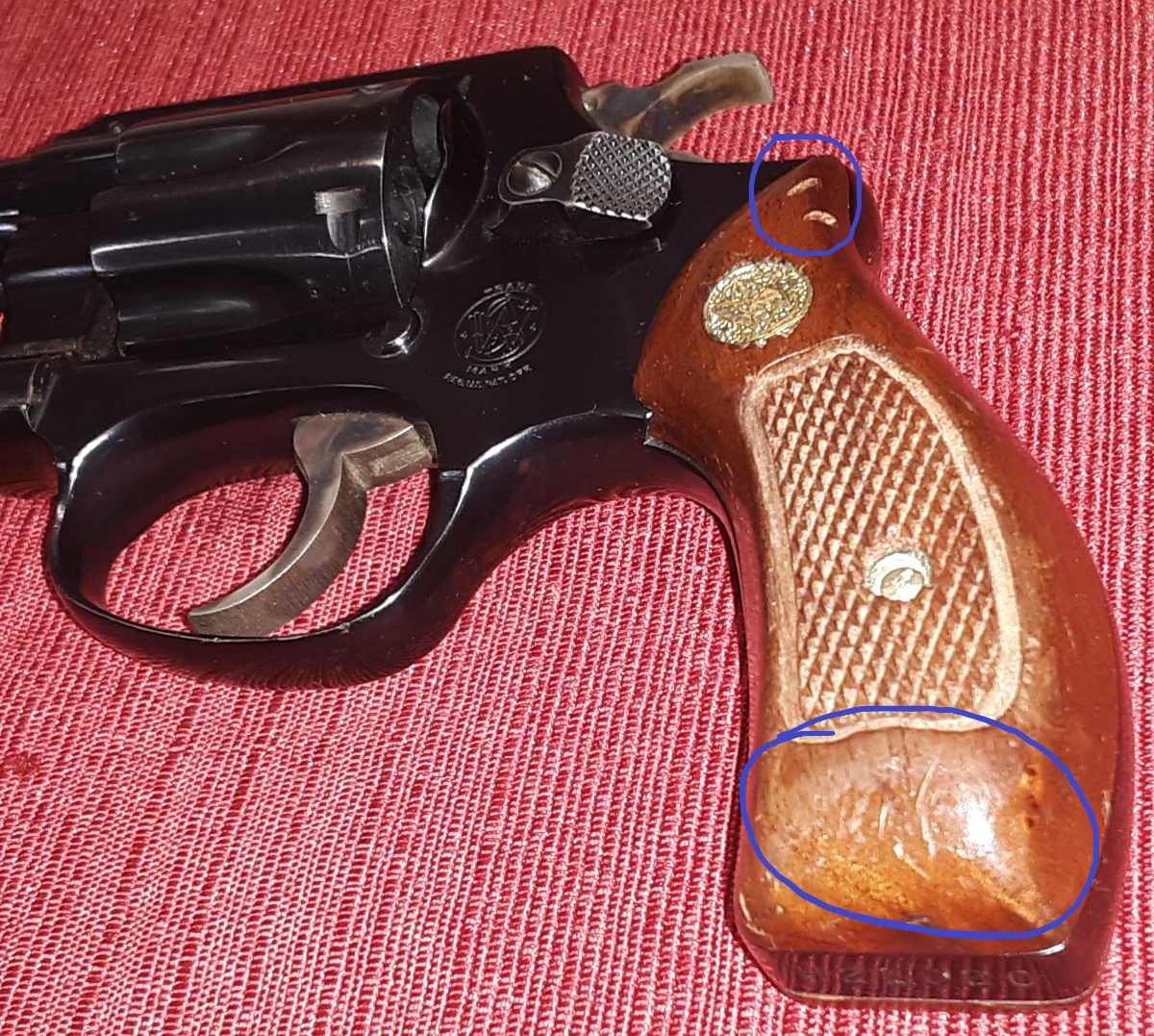
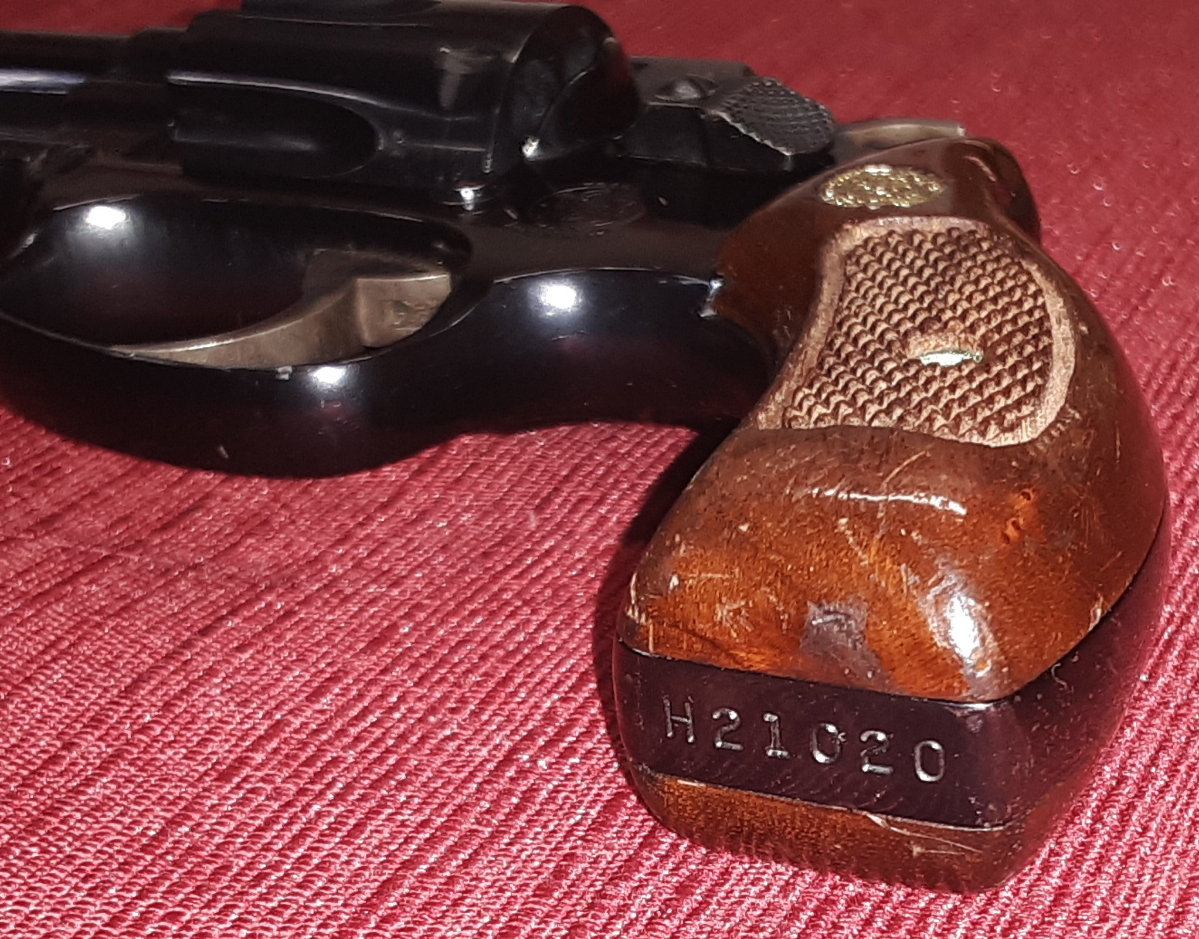
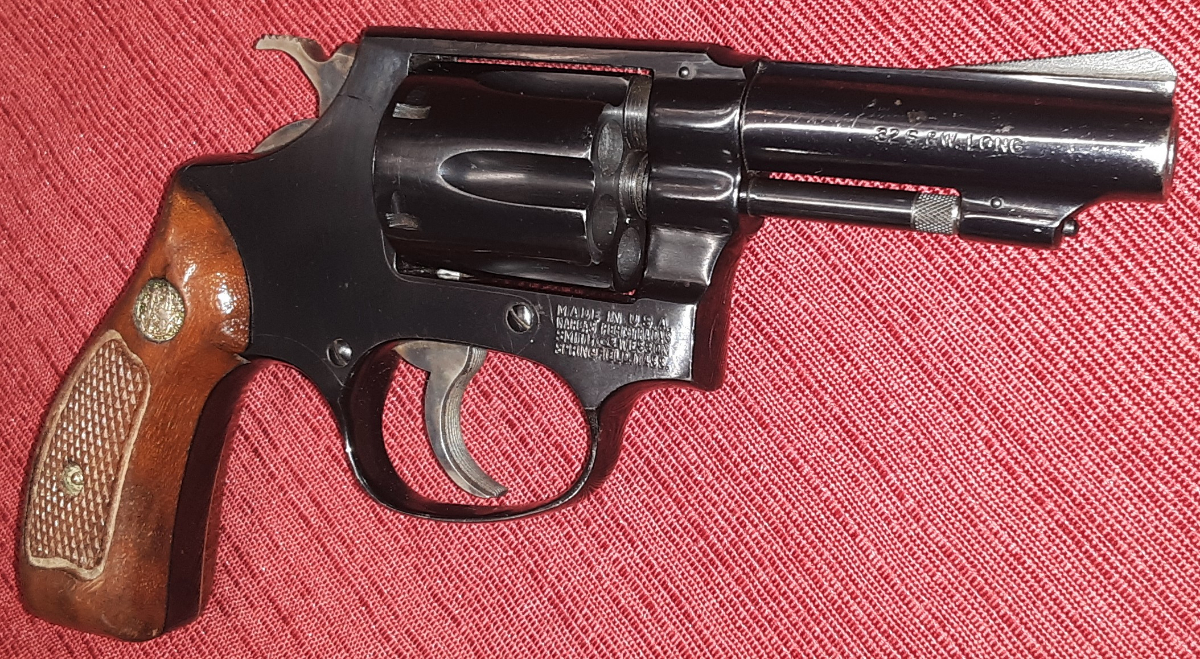
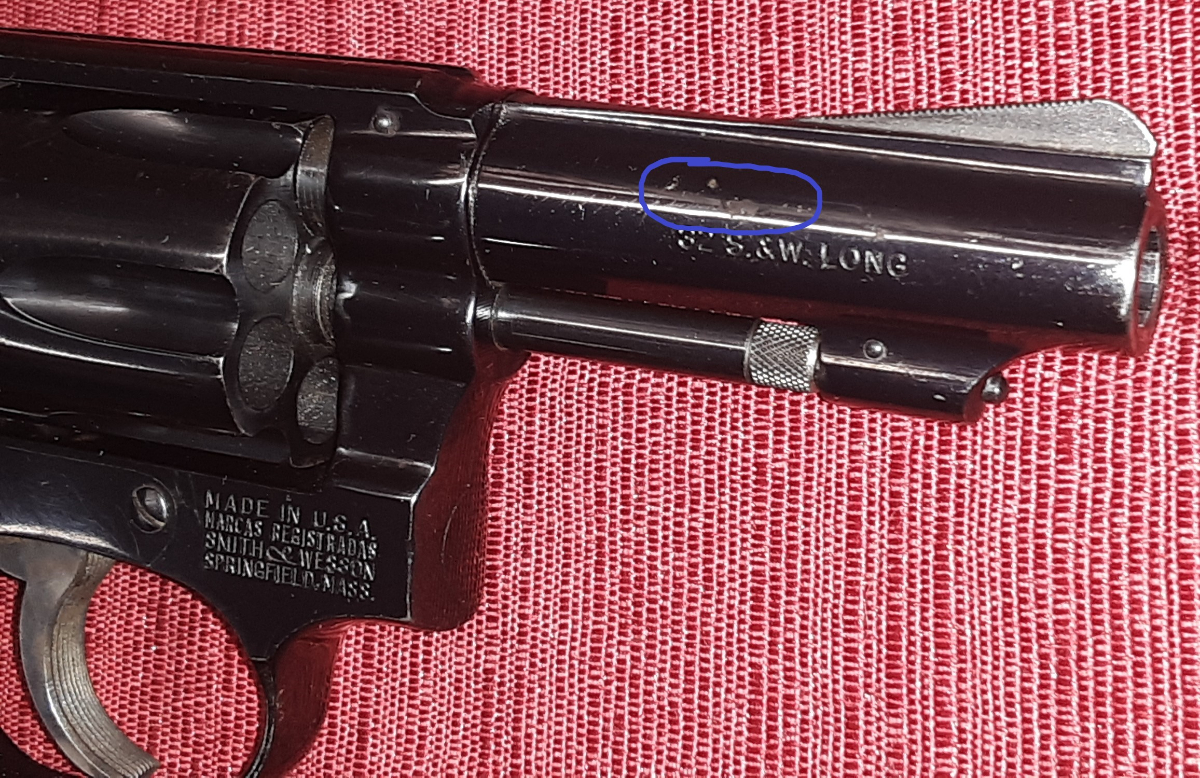
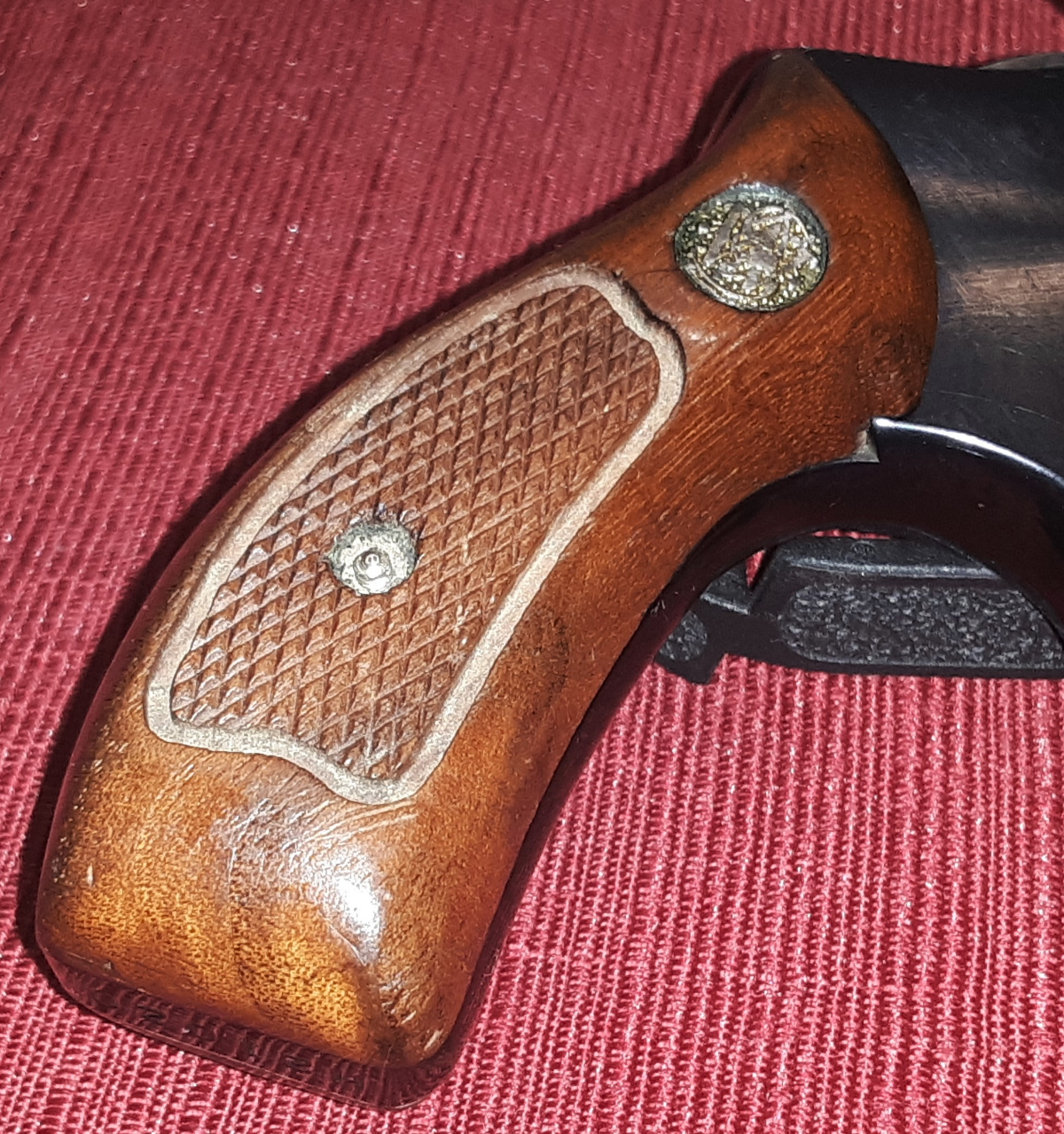
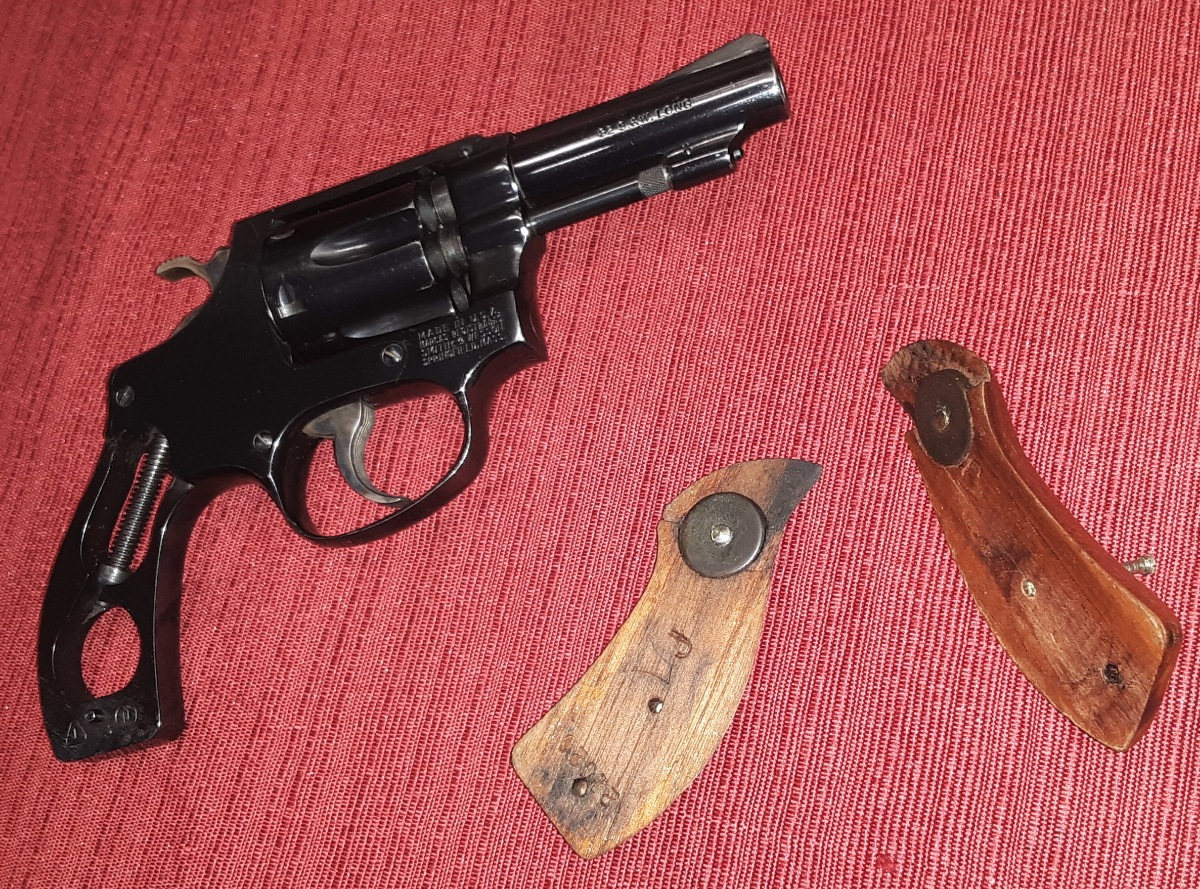
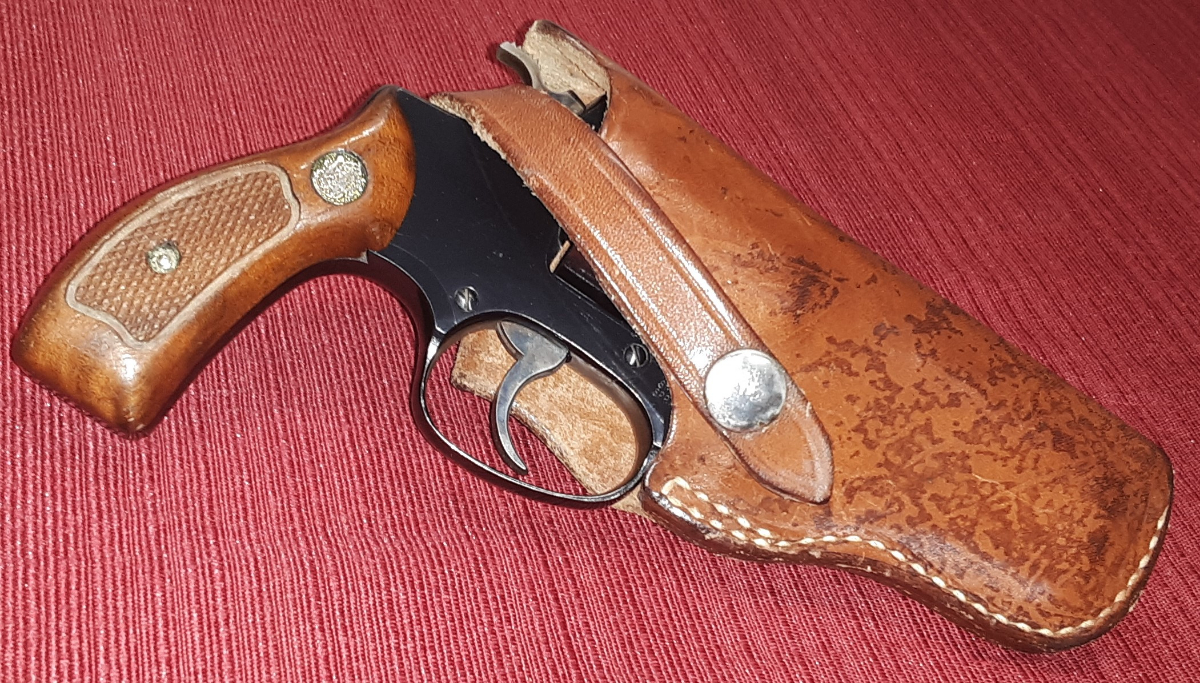
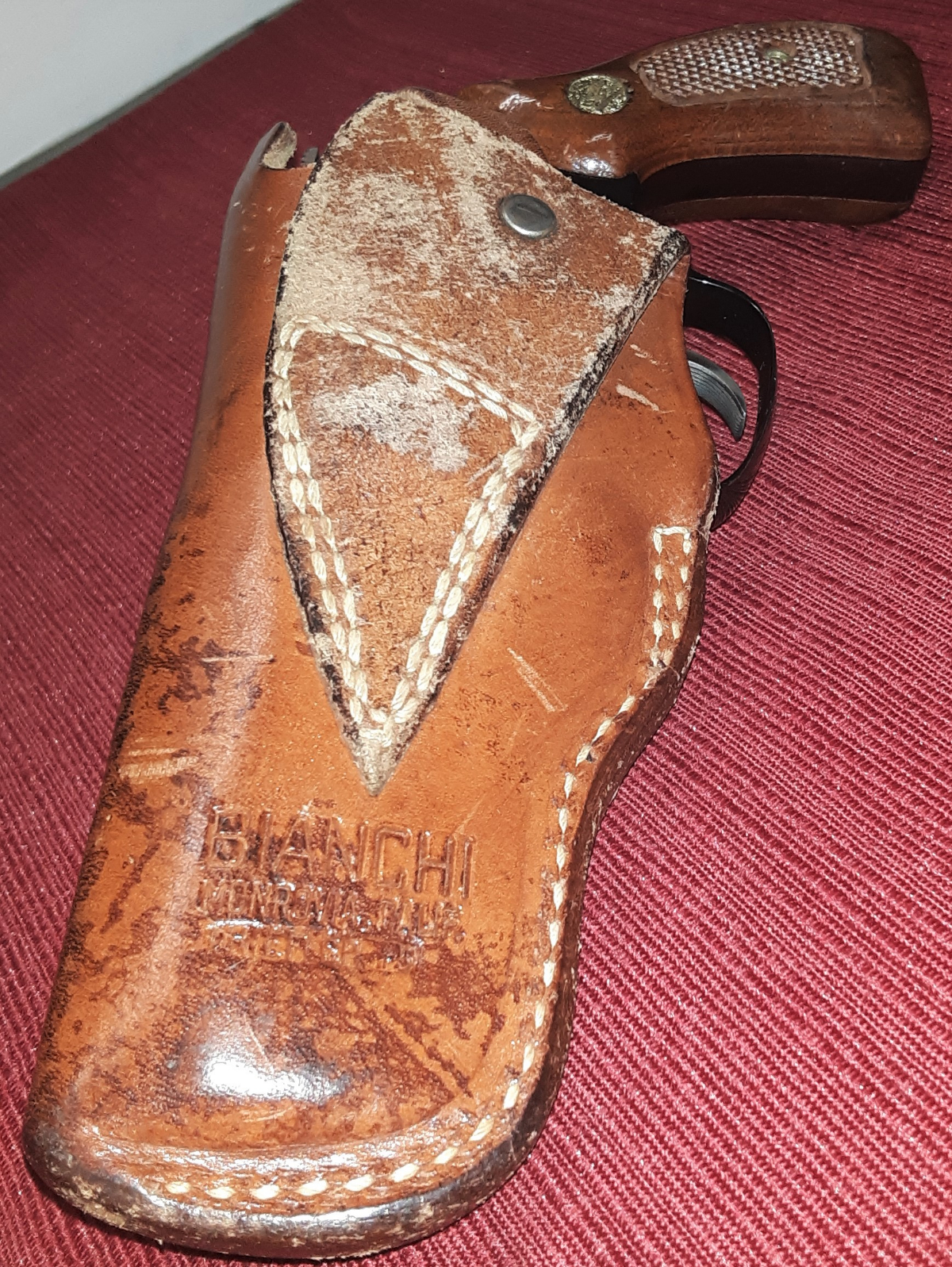
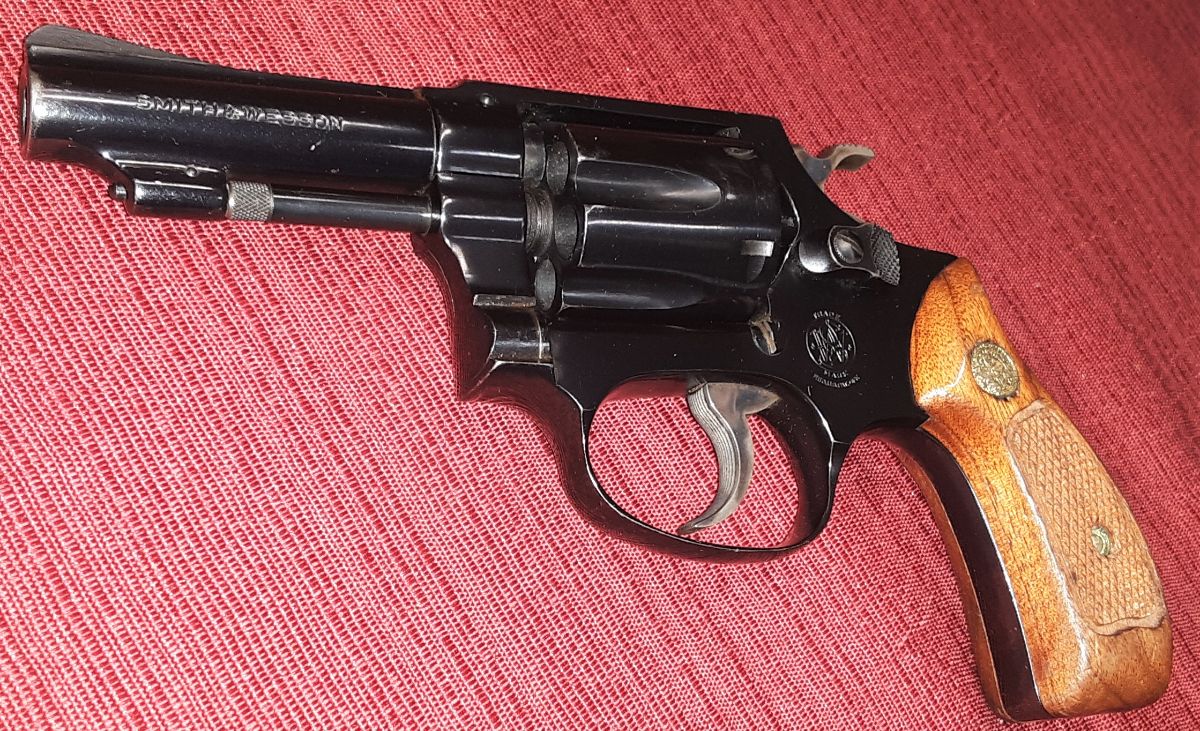
A Smith & Wesson Model 30-1 6-Shot Round Butt J-Frame Revolver in caliber .32 S&W Long

Smith & Wesson Model 30-1 6-Shot Round Butt J-Frame Revolver - 1970 .32 S&W Long - Picture 2
Smith & Wesson Model 30-1 6-Shot Round Butt J-Frame Revolver - 1970 .32 S&W Long - Picture 3
Smith & Wesson Model 30-1 6-Shot Round Butt J-Frame Revolver - 1970 .32 S&W Long - Picture 4
Smith & Wesson Model 30-1 6-Shot Round Butt J-Frame Revolver - 1970 .32 S&W Long - Picture 5
Smith & Wesson Model 30-1 6-Shot Round Butt J-Frame Revolver - 1970 .32 S&W Long - Picture 6
Smith & Wesson Model 30-1 6-Shot Round Butt J-Frame Revolver - 1970 .32 S&W Long - Picture 7
Smith & Wesson Model 30-1 6-Shot Round Butt J-Frame Revolver - 1970 .32 S&W Long - Picture 8
Smith & Wesson Model 30-1 6-Shot Round Butt J-Frame Revolver - 1970 .32 S&W Long - Picture 9
Smith & Wesson Model 30-1 6-Shot Round Butt J-Frame Revolver - 1970 .32 S&W Long - Picture 10


Categories
Allies

Been there, Done that!

image.png

Categories
Dear Grumpy Advice on Teaching in Today's Classroom Gear & Stuff War Well I thought it was neat!

Not of the things that the USN isn't really proud of – The WWII Torpedo's disaster by My daily Kona

The “crappy” Mark 14 Torpedo and the effect it had on the American Sub Force.

.This was supposed to drop this morning, but I got the date wrong.
I had ran across this article on the internet doing research on something else, it discussed the torpedo debacle that the American Submarines had and to a lesser extent, the American Torpedo planes had because they basically were using the same technology and systems.   It was very enlightening to see the bureaucratic  stalling and shafting the sub crews and skippers who tried to tell BuOrd that their torpedoes sucked, whereas the Japanese had the awesome Long Lance torpedoes and their air arm had their own effective air dropped version.                                                                                            The Pics are complements of “Google”.

Fizzling fish, wrong tactics and incompetent commanders — ingredients for disaster simmering below the waves aboard American submarines — how many years did they add to World War II?
A strong case has been made, by authors as varied as Jim Dunnigan, John Keegan and George Friedman, that the leading cause of the eventual defeat of the Japanese in World War II was the choke hold on its commercial shipping achieved by the Allies. Friedman, in his thought provoking if flawed The Coming War With Japan, argues that aerial strategic bombing had little effect on Japanese production capacity. But production capacity is useless without raw materials. US submarines, ranging on the north-south routes from the Indies and along the Japanese coast, systematically interdicted the flow of strategic materials. By the end of the war Japanese imports of bulk commodities such as iron ore and oil had plunged almost 90% from prewar levels. Unable to get the supplies it needed to maintain its armed forces the Japanese were forced to submit to the demand for unconditional surrender. As Friedman points out, the lesson was driven home — the bulk of modern Japan’s Maritime Self Defense Force is devoted to antisubmarine warfare.
For World War II’s submariners it was not a one-sided battle. While American submarines claimed 201 Japanese warships and 1013 merchant vessels (roughly 55% of all tonnage sunk), fifty four American submarines made their final dive to the floor of the Pacific, taking 3500 sailors to a watery grave. The loss rate — 22% — suffered by the Submarine Service was the highest experienced by any force of their size in the war. But the blood and iron lost in the shallows and deeps of the Pacific destroyed Japanese war making ability. It almost didn’t happen that way.
Run Silent, Run Deep
While salvage crews rescued what they could from the twisted wreckage of the Pacific Fleet in the aftermath of the raid on Pearl Harbor, the American Navy scrambled to strike back. Chief of Naval Operations, Admiral Ernest J. King turned to the only branch of the service with the ability to damage the Japanese without risking the few precious carriers — the submarine service.
Before December was out, American submarines had struck back with a ferocity born out of desperation and a grim sense of revenge. One boat alone carried out attacks on six Japanese ships putting 13 “fish” (naval slang for torpedoes) in the water. Overall there were forty-six separate attacks on Japanese shipping, both civilian and military, involving the launching of 96 torpedoes. The scope and number of operations were a tribute to the determination and hunting skills of the submariners. The one problem, from the naval warfare point of view, was that all this activity resulted in the loss of exactly five freighters. Ironically, at the same time the Atlantic German submarine commander Grand Admiral Karl Doenitz was complaining to his captains that it took them took 816 torpedoes to sink 404 ships. Something was terribly wrong in the Pacific.
Commanders, Tactics & Torpedoes
As 1941 faded into 1942, then 1943, three things became obvious: American submarines in the Pacific were commanded by unsuitable commanders utilizing inappropriate tactics and armed with useless torpedoes.
It is axiomatic that those who rise to high command in peacetime are frequently ill-equipped to handle the rigors of battle. Peacetime is a period when competency is judged on skill at personal relationships, office politics and ballroom dancing rather than aggressiveness, battle experience or drive. At the start of the war, many submarine commanders were too old, too poorly trained and unready for the tasks they faced. In one noted instance a sub captain, assigned to his first combat patrol, turned the conn over to his Executive officer and locked himself in the cabin until it returned to port. The Navy recognized the problem and conducted a house cleaning — in 1942 thirty percent of submarine captains were relieved of their commands as unfit for duty. Their places were taken by men with more fire in their bowels.
Tactics were just as poor. Prior to the war American submarine doctrine saw the submarine as a forward scout responsible for the protection of battleships. Combat tactics called for submarines to attack fully submerged using sound rather than their periscopes to attack. It was unrealistic and what was worse, completely oblivious to the lessons of World War I and the naval war to that date. German submarines, employing much more aggressive tactics were on the verge of strangling Great Britain. Before Pearl Harbor the efficiency of the German U-boats had forced President Franklin D. Roosevelt to move warships from the Pacific to the Atlantic and use American vessels to protect British convoys.
The Germans understood the purpose and strengths of submarine warfare. Submarines operate best as aggressive attackers. Like sharks they are efficient killing machines that need to hunt. The role of scout is as poor a one for a submarine as passenger plane is for an F-15.
The American Navy learned quickly. Commanders were replaced and tactics altered. But still the number of Japanese ships sunk was embarrassingly low. Through 1943 the navy expended 14,748 torpedoes against 4,112 Japanese ships — sinking 1,305. At the same time Doenitz was complaining about using two torpedoes to sink a ship, American submarines were expending 11.3 per target sunk.
Torpedo Tribulations
The third problem lies with the submarine’s main weapon — its torpedoes. To start with, there weren’t that many around. The navy had started the war with a few hundred torpedoes; nearly half of which (233) were lost when the Philippines fell and the stockpiles there abandoned. Submarine torpedo production was all of 60 per month at the beginning of 1942. Submarines went to sea with two thirds of their optimum content with orders not to waste them. Ironically, in the middle of a war, submarine commanders were praised for not expending their ammunition on the enemy. The shortage might actually have been a blessing in disguise. There were some problems with the main torpedoes.
American submarines were equipped with two types of torpedoes. The older Mark 10, and the fifteen-years-in-development, top secret Mark 14. The Mark 10 was an adequate torpedo but outdated and not particularly powerful. Only the older S-boats were outfitted with them. The navy had been replacing it with the ultra-modern Mark 14.
Mark 14 Mayhem
The Mark 14 had three separate and distinct glitches. It ran 11 feet deeper than its setting, it had a faulty magnetic detonator which caused premature detonation, and the contact detonator was incredibly fragile. Compounding matters was the attitude of the Navy. Replacing incompetent commanders was done as soon as the problem was noted. Tactics and doctrine were revised when they proved untenable. But the torpedo problem would haunt the submariners for two years before the three problems were admitted to and solved by a hidebound Navy bureaucracy.
Design of the Decade?
The major difference in the models lay in their respective methods of detonation. The Mark 10 torpedo detonation design was as straightforward as a sledge hammer — it hit its target and exploded, opening a hole in the hull at or below the waterline. The Mark 14 was designed to explode while passing under the target’s keel, thus breaking the back of the ship. The magnetic detonator was supposed to explode the device at the exact place it would do the most damage. In theory it was a great idea. The reality was different.

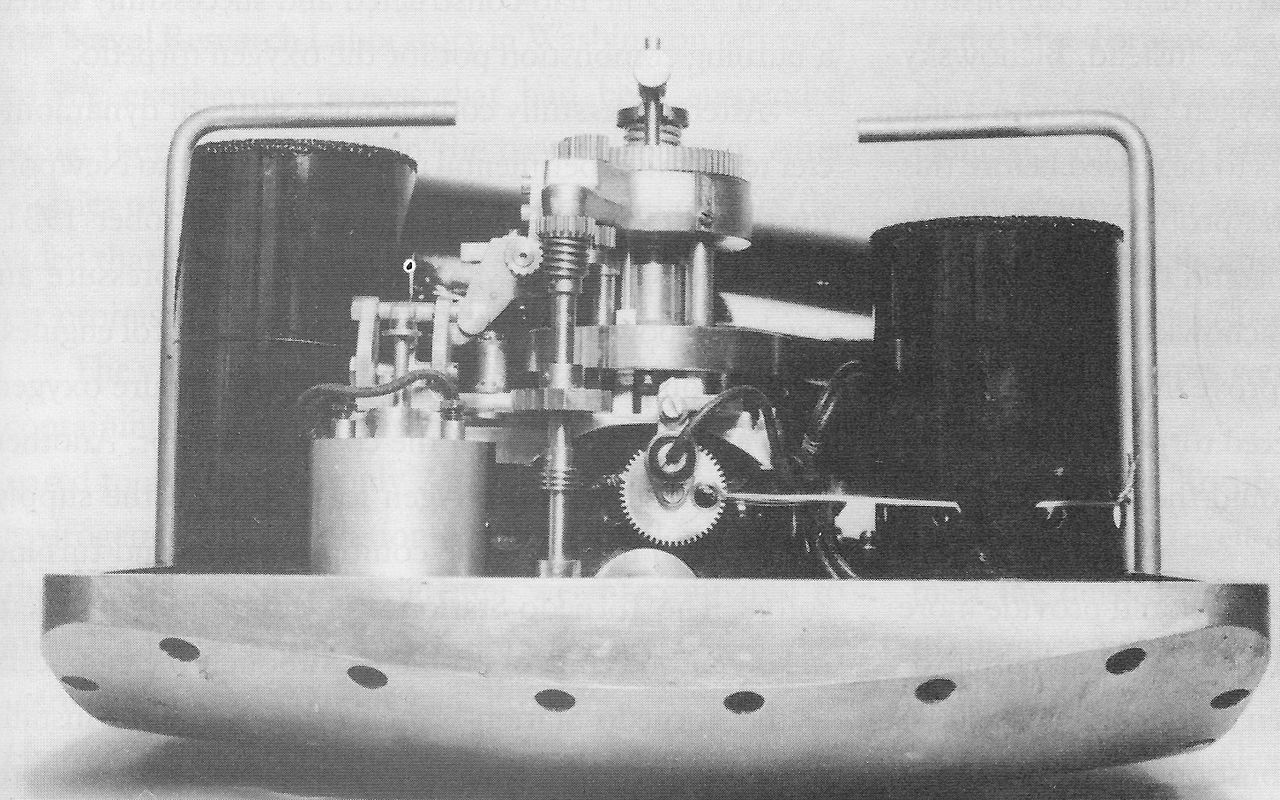
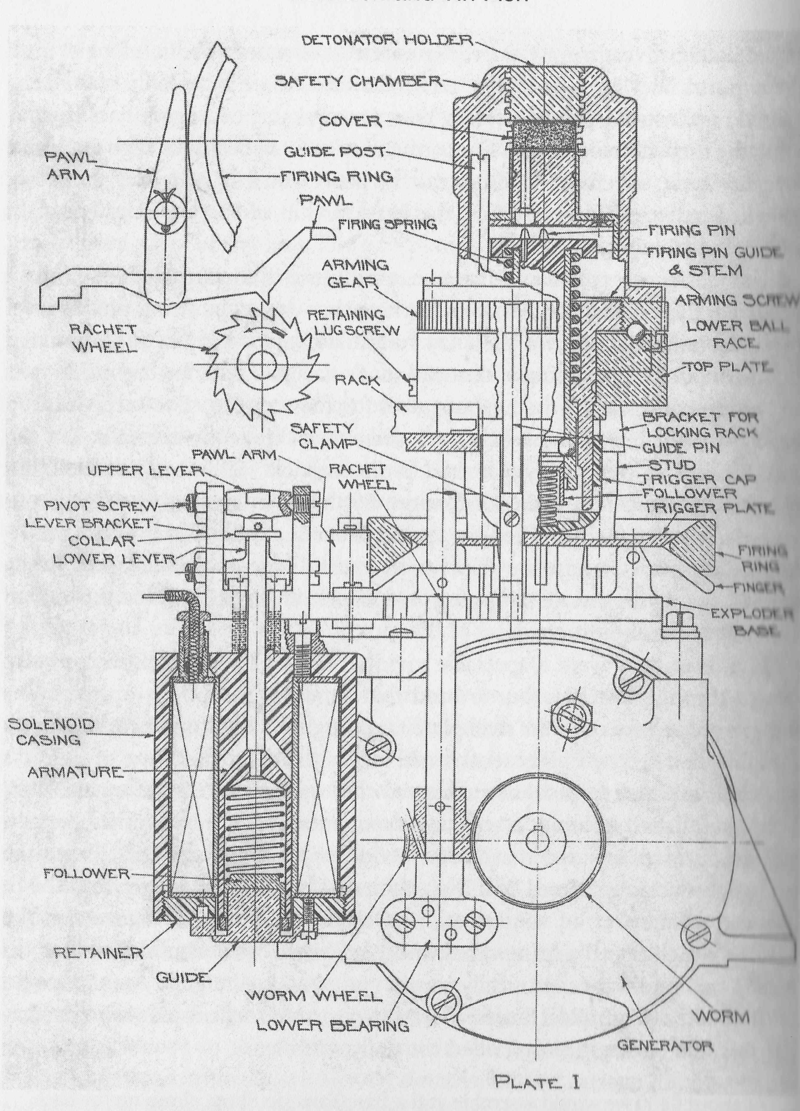
The Mark 14 torpedo looked as if it had been designed by Rube Goldberg in a particularly creative mood. Its 92 pound Mark 6 detonator was a complicated affair complete with chains, spinners and a compass needle. It had poor structural strength and as fragile as a glass watch. To make matters worse the Navy had never really put the Mark 14 through any testing.

Mark VI Exploder Version 1
In the interwar years of severe budgetary restrictions cash for testing was given a low priority. The Bureau of Ordnance (BuOrd) convinced itself that at $10,000 a piece, the Mark 14 was just too expensive to blow up during testing. So the warhead was filled with water and deliberately set to pass under the under the target to preserve both for reuse. A test firing was deemed successful if the exhaust bubbles passed under the target ship. Not a one was ever actually exploded. In the words of the Submarine Operational History: “The war began with an entire generation of submarine personnel none of whom had ever seen or heard the detonation of a submarine torpedo.”
Firing Failures
Seven days after Pearl Harbor the Navy should have recognized they had problems with their torpedoes. An American submarine found a Japanese tanker, put it in its sights and let fly one of the state of the art Mark 14 fish. The torpedo, fired from a range of 1000 yards, sped along straight and true then detonated 450 yards from the target.
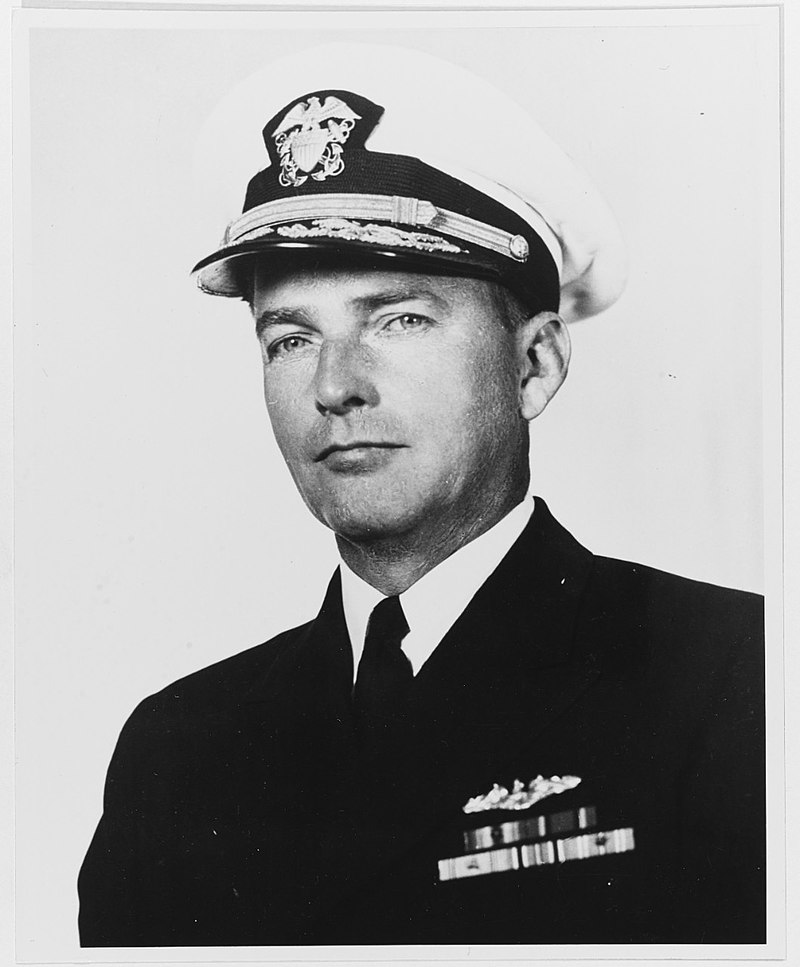
The submarine commander, who had done previous service with BuOrd knew as much about the Mark 14 torpedo as anyone commanding a boat. Suspecting the problem might be the magnetic detonator he deactivated them on his Mark 14 torpedoes. Continuing his patrol he fired a total of 13 torpedoes at six different targets without a hit.
Duds
Once Nimitz’ subs stopped using the magnetic detonating feature it became obvious that most of the torpedoes were duds. One sub reported firing 15 fish at an anchored Japanese Whale Factory. Eleven torpedoes failed to explode though they hit their target. Lockwood ordered more tests, this time of the contact detonators. Mark 14s were fired at a cliff and dropped from a crane in an effort to get to the bottom of the problem.
By September the tests had proven that the Mark 14 contact firing pin was unfit for combat. The pin was so delicate that it would crush without detonating the torpedo on an optimal hit of 90 degrees relative to the target. At 45 degrees, 50% of the torpedoes failed. Lockwood ordered the submariners to target glancing shots at enemy vessels. Yes, he admitted, they were more difficult to make, but they had a chance of being successful while the problem was corrected
Totally frustrated the captain informed the Commander, Submarines, Southwest Pacific1 (COMSUBSOWESPAC) that he had disobeyed orders by disarming the magnetic detonator. Regrettably, he added, even this did not seem to help. He opined that the torpedoes were either running significantly deeper than their setting or the contact detonators were not functioning or both. Aware they had been only tested using a water filled warhead he hypothesized that the actual Torpex explosive, being significantly heavier, was carrying the torpedoes down to a lower depth. He requested that he be allowed to conduct test firings at a fish net to check the depth setting on the torpedo. His request earned him a reprimand and a visit from a BuOrd officer. This officer, after reviewing crew procedures and conducting an inspection of the ship’s remaining torpedoes, placed the blame squarely on the crew.
Still the problem continued. On April 1, 1942 USS Scuplin fired a spread of three Mark 14s at an unescorted cargo ship at 1,000 yards. The captain of the Scuplin was the only thing that exploded as he watched the torpedoes pass harmlessly under the target. By July 5th 1942 Scuplin had fired 45 torpedoes damaging all of seven ships.
Over the next months the misses mounted. USS Spearfish fired and missed with four torpedoes at a Japanese cruiser. USS Skipjack targeted two on a seaplane tender with no hits. Scuplin spent another six days missing three Japanese freighters with nine Mark 14 torpedoes.
Henry Bruton, commander of USS Greenling, fired four Mark 14 torpedoes at a Japanese freighter after a textbook approach. All of them missed. Bruton went ballistic. Ordering the sub to the surface he passed the Japanese ship, setting up for another attack at 1,350 yards. Two fish sped toward the helpless freighter in the bright moonlight. Bruton watched as they missed. Again Bruton ordered Greenling to the surface to set up for a third attack. By now the Greenling had been spotted by the target. During the ensuing battle Bruton fired two more torpedoes. One was clean miss, the other exploded — 500 yards short of the target.
In the late summer of 1942 USS Seawolf ended her sixth patrol having fired 17 Mark 14s to sink two ships. Freddy Warder, Seawolf ‘s captain then loaded his submarine with a combination of the old Mark 10 “sledgehammer simple” and the newer Mark 14 torpedoes. Finding a 8,000 ton transport at anchor with no tide or current he conducted a test. At 1,400 yards he fired 4 Mark 14 torpedoes. The first, set at 18 feet, ran under the target exploding on the beach. The second, set at eight feet, appeared to detonate on the transport’s side while the other two, set at four feet, failed to explode. Warder, with Japanese shells exploding around his periscope, withdrew, reloaded his tubes with Mark 10s and attacked again. Both ran “hot and true” and sank the transport.
Captains complained, but no one seemed to be listening. A number of senior officers had their suspicions but they ran into brick walls.
Lockwood

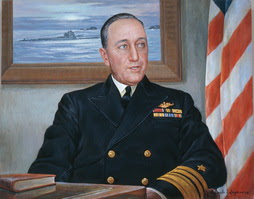
In June 1942, Rear Admiral Charles Lockwood became COMSUBSOWESPAC. After reading the war diaries of his submariners he became convinced that poor torpedo performance was the root cause of fleet’s poor sub kill rate. Lockwood asked BuOrd if they had recently tested the Mark 14. The answer was a curt “No.” Lockwood then purchased a 500 foot long fish net and tested the Mark 14 himself. The results were no surprise to the submarine captains. One torpedo, set at 10 feet, ran through the net at 25 feet, another with the same depth setting passed through at 18 feet. Another, set to ride on the surface, went through the net at 11 feet.
Lockwood notified BuOrd of his results and was told that no reliable conclusions could be drawn from his test. Lockwood then repeated the test with another submarine. Three torpedoes, each set at 10 feet, cut the net at 21 feet. In July, informed of Lockwood’s tests, King, ordered BuOrd to test the Mark 14. In August of 1942 the Bureau completed its tests and formally declared the Mark 14 ran 11 feet deeper than set.
Premature Explosions
Even after this problem was “solved” complaints on torpedo performance continued. Most concerned the issue of premature explosions. Lockwood endorsed these reports and sent them to Washington. Rear Admiral Ralph Waldo Christie, the BuOrd officer largely responsible for the development of the Mark 14 and Mark 6 magnetic detonator, then entered the fray.
When the failure of the attack was blamed on his beloved detonators and torpedoes. Christie wrote Lockwood: “It is not defective torpedoes nor exploders causing the dearth of sunken Japanese ships. It is ineffective submarine crews… and by the way stop your negative reports about the torpedoes.” Lockwood replied, “From the amount of belly-aching it (Lockwood’s note) contains, I assume that your breakfast coffee was scorched or perhaps it was a bad egg. You boys may figure the problem out to suit your favorite theories but the fact remains that we have now lost six valuable targets due to prematures so close to that the skipper thought they were hits.”
Lockwood made his feelings plain at a conference in Washington DC. He ripped into the BuOrd declaring “If the Bureau of Ordnance can’t provide us with torpedoes that will hit and explode, then for God’s sake get the Bureau of Ships to design a boat hook with which we can rip plates off a target’s sides.”
Lockwood was immediately confronted by an old friend, Rear Admiral WHP “Spike” Blandy, the BuOrd Chief. “I don’t know whether it’s part of your mission to discredit the Bureau of Ordnance, but you seem to be doing a pretty good job of it.”
“Well, Spike,” Lockwood retorted, “if anything I have said will get the bureau off its duff and get some action, I will feel that my trip has not been wasted.”
Christie Checks

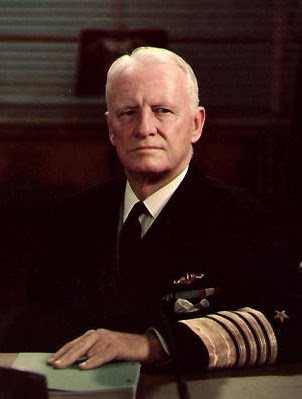
In early 1943 the submarine command structure changed. Lockwood moved from being COMSUBSOWESPAC to COMSUBPAC at Pearl Harbor under Admiral Chester Nimitz, the Commander In Chief, Pacific Fleet (CINCPAC). Christie was named COMSUBSOWESPAC. Far from bowing to the obvious, Christie conducted a vendetta against skippers who slurred his torpedo. When two of his captains questioned the reliability of the Mark 14 they were transferred out. Word spread that to question the Mark 14 in Christie’s command was a sure way of being assigned shore duty.
To forestall criticism, Christie actually went on patrol with his most successful captain in order to observe the Mark 14 in action. Of three fired in the first attack, the first torpedo broke to the surface zigzagged and passed in front of the target while the other two hit and sank the ship. During the second attack on this cruise Christie watched as 18 torpedoes were fired at one ship. Only five hit but none of the blows was a killing one and the Japanese ship steamed off. Christie deemed the operation a success.
Nimitz Takes Action

The missed opportunities continued to mount. In April 1943 the USS Tunny had worked herself into the center of a Japanese carrier formation near Truk. On one side loomed a fleet carrier, on the other two smaller ones. Tunny launched four aft torpedoes at the small carrier and six at the big one at a range of 850 yards. Despite the spread and position only one of the small carriers was damaged while most of the other torpedoes detonated prematurely. Tunny had to flee for her life with little to show for her efforts.
On June 11, 1943 US submarines entered Tokyo Harbor, one of the war’s most daring feats. Salvo after salvo failed to sink any fleet units in the harbor’s confined spaces.
This and other failed attacks were enough for Nimitz. In June 1943, CINCPAC ordered the deactivation of the magnetic warheads on his submarines. Christie, still maintaining his faith in the magnetic detonator, continued their use in his fleet.
A Matter of Physics
Nimitz was right, Christie was wrong. The magnetic detonator on the Mark 6 was not working. After much investigation, it turned out to be a matter of physics. Every steel bottomed ship was encased in a magnetic field that radiated in all directions. Designers presumed that this field extended an equal distance in all directions, forming a perfect hemisphere under the bottom of the ship. But there was flaw in the reasoning. What was not understood (by anyone in the world) was that the magnetic field encasing a ship varied in shape depending in circumstances. Near the equator, this magnetic envelope flattened out until it resembled a thick disk more than a hemisphere. Since the torpedo would enter the magnetic field some distance from the ship it would explode harmlessly.

Drawing of the Mark VI Trigger operation.
The war was now eighteen months old. The Navy had already discovered that its state of the art torpedo was running eleven feet lower than its setting and that the magnetic detonator wasn’t working. What else could go wrong?

Admiral Kincaid

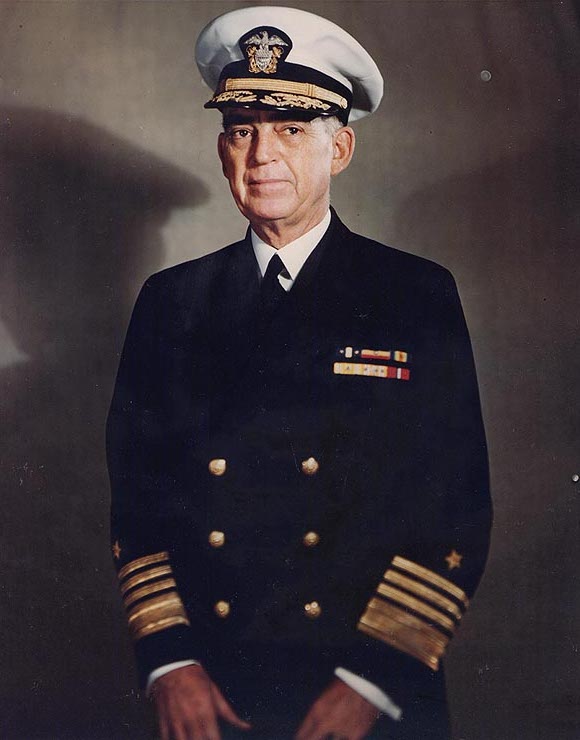
In November 1943 Christie was given a direct order by Vice Admiral Thomas Kinkaid, Commander of the Seventh Fleet to disarm all the magnetic detonators. It was a bitter blow and he refused to accept its logic. “Today,” he wrote in his diary, “the long hard battle on the Mark 6 magnetic feature ends with defeat. I am forced to inactivate all magnetic exploders. We are licked.”
During the same month a fix for the contact pin problem was introduced. Now when the submarines pulled out of port they were finally able to hunt and kill, not shoot fizzling fish.

Categories
All About Guns Some Red Hot Gospel there! Well I thought it was neat!

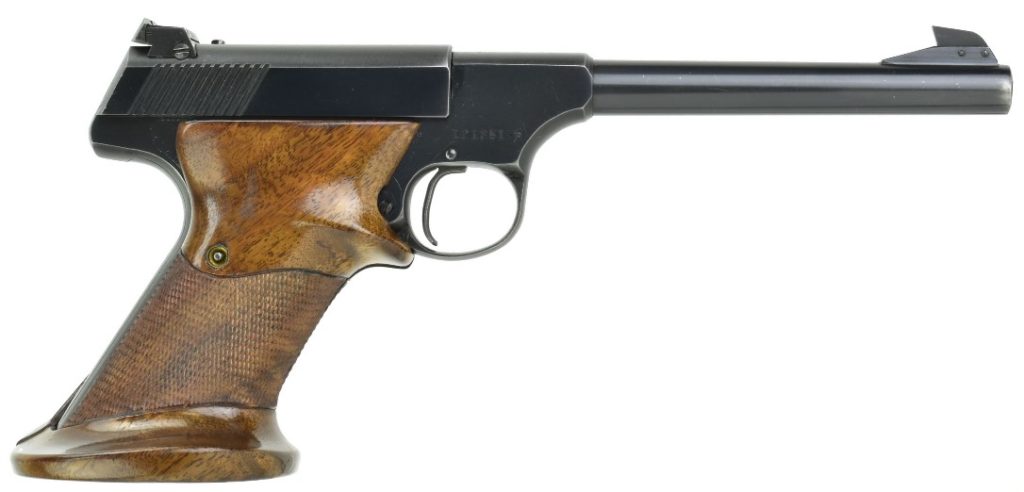
Someday I will be able to find one of these here in the Gun Deserts of California

Its a Colt Woodsman 22 made back before the decline hit!

Categories
Born again Cynic! Dear Grumpy Advice on Teaching in Today's Classroom War Well I thought it was neat!

Stalin's American Air Force – Operation Frantic 1944


Supposedly quite a few GI’s with training in Communications and other high skills were kidnapped by the NKVD and then abandoned  by the brass. Quite a few German POWs that were interviewed by us. Told of seeing American Prisoners in their former Gulag’s & Prison Camps.
Also almost all the Russian Troops that worked with the Americans were imprisoned. For the “Crime” of being exposed to Western Troops and ideas. All in all this operation was just another example of the saying. Sometimes a Good Idea should stay a Good Idea. For more information look up  Operation Frantic om Wikipedia. Grumpy

Operation Frantic 1944

Categories
All About Guns Ammo

World Famous 416 Rigby Dangerous Game Rifle is Back

https://youtu.be/_dp2OfM9C9U

Categories
All About Guns

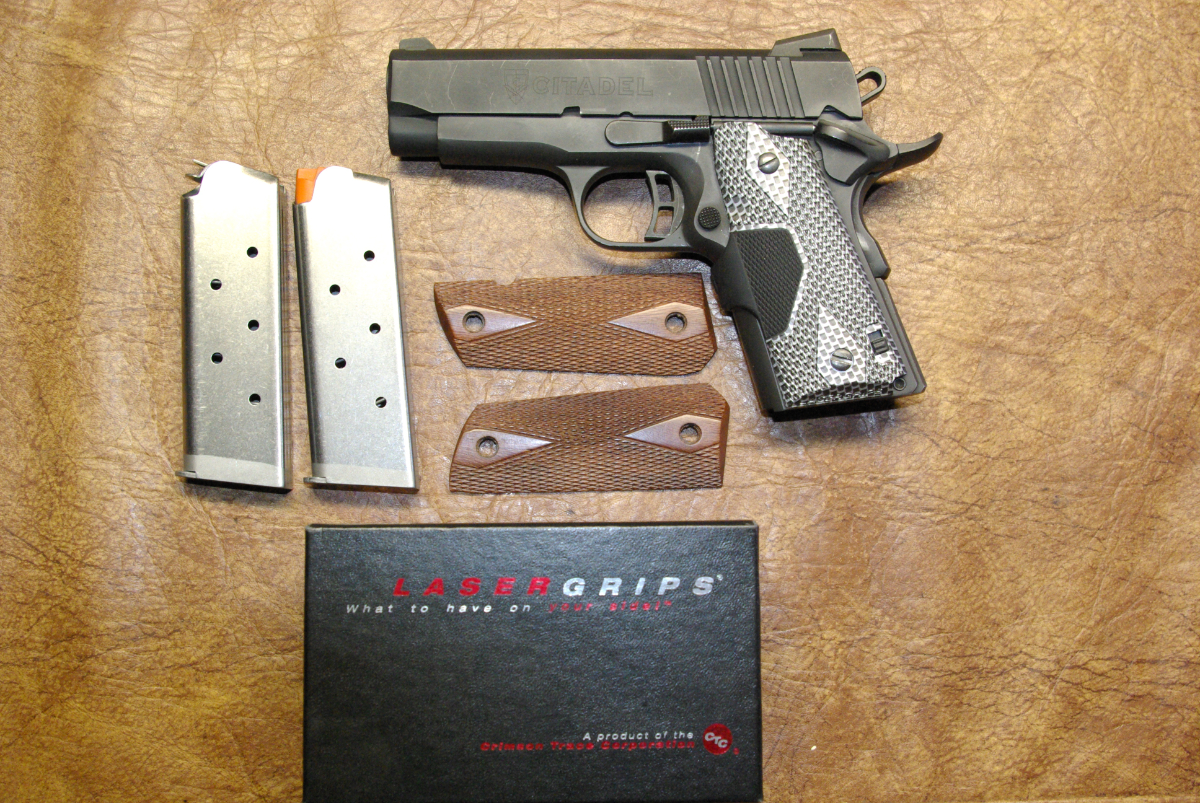
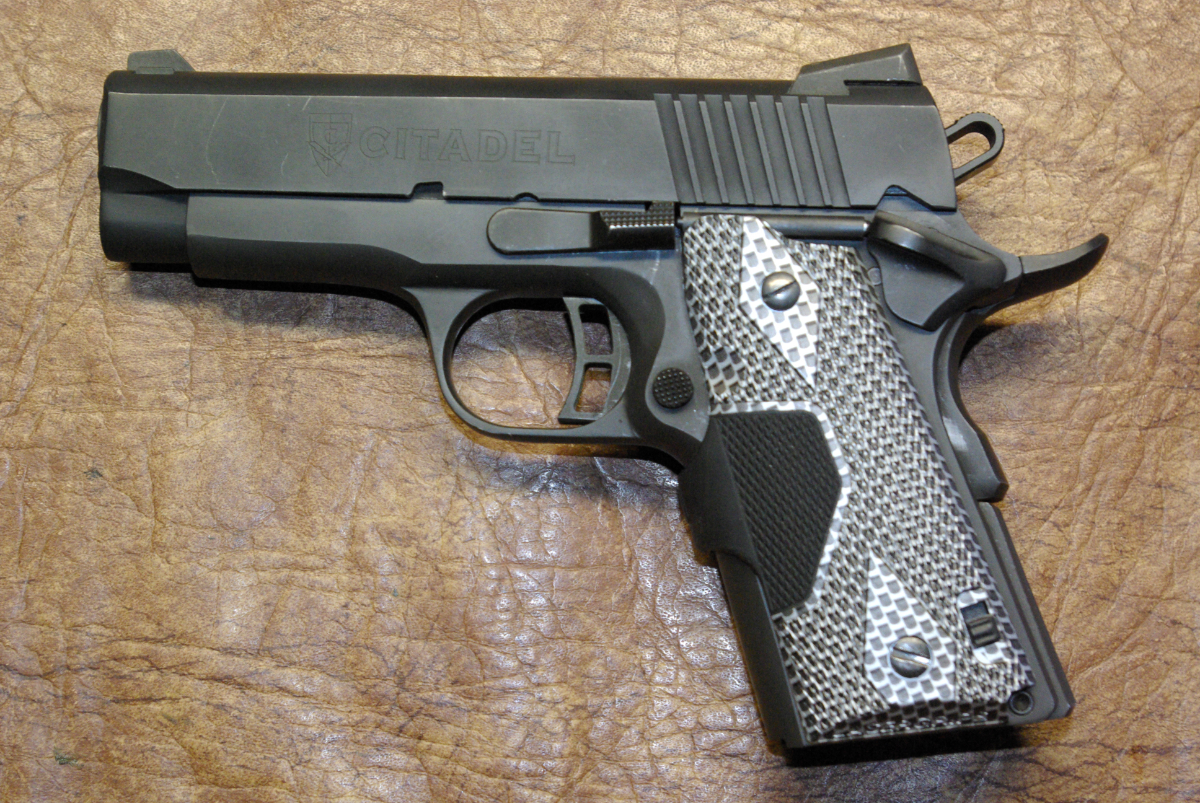
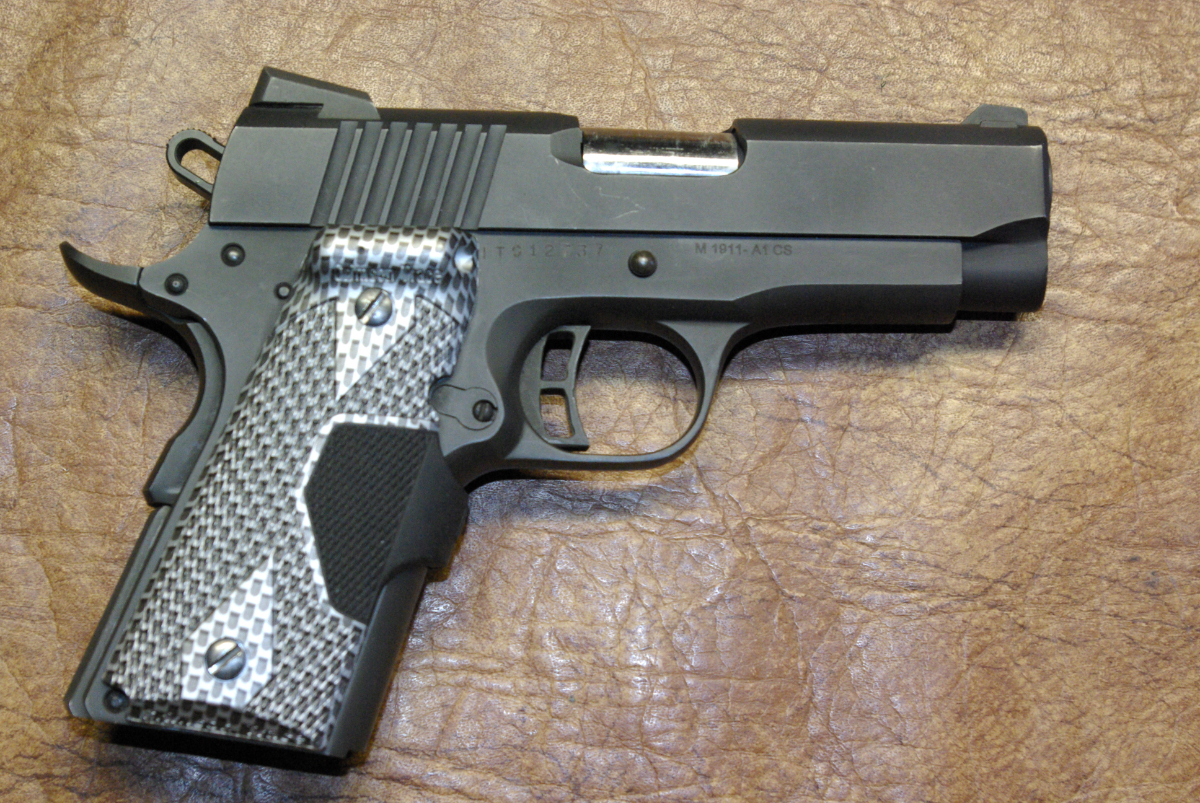
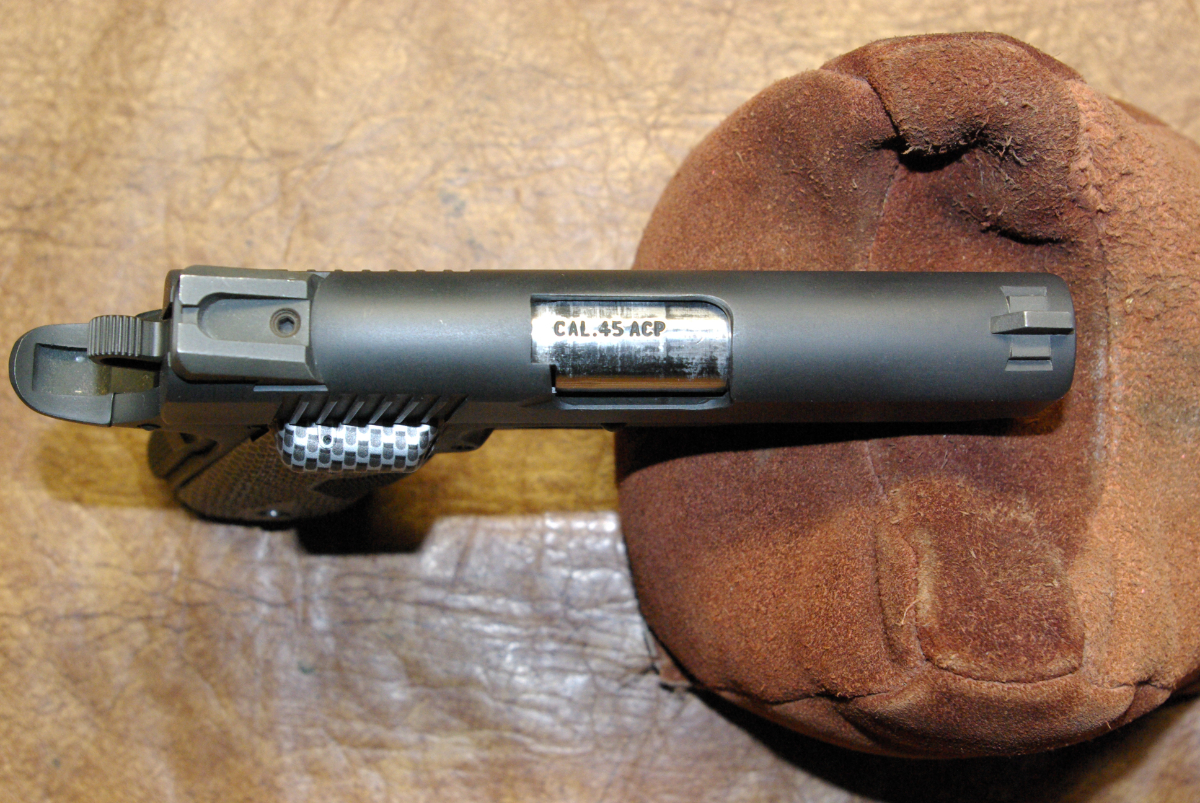
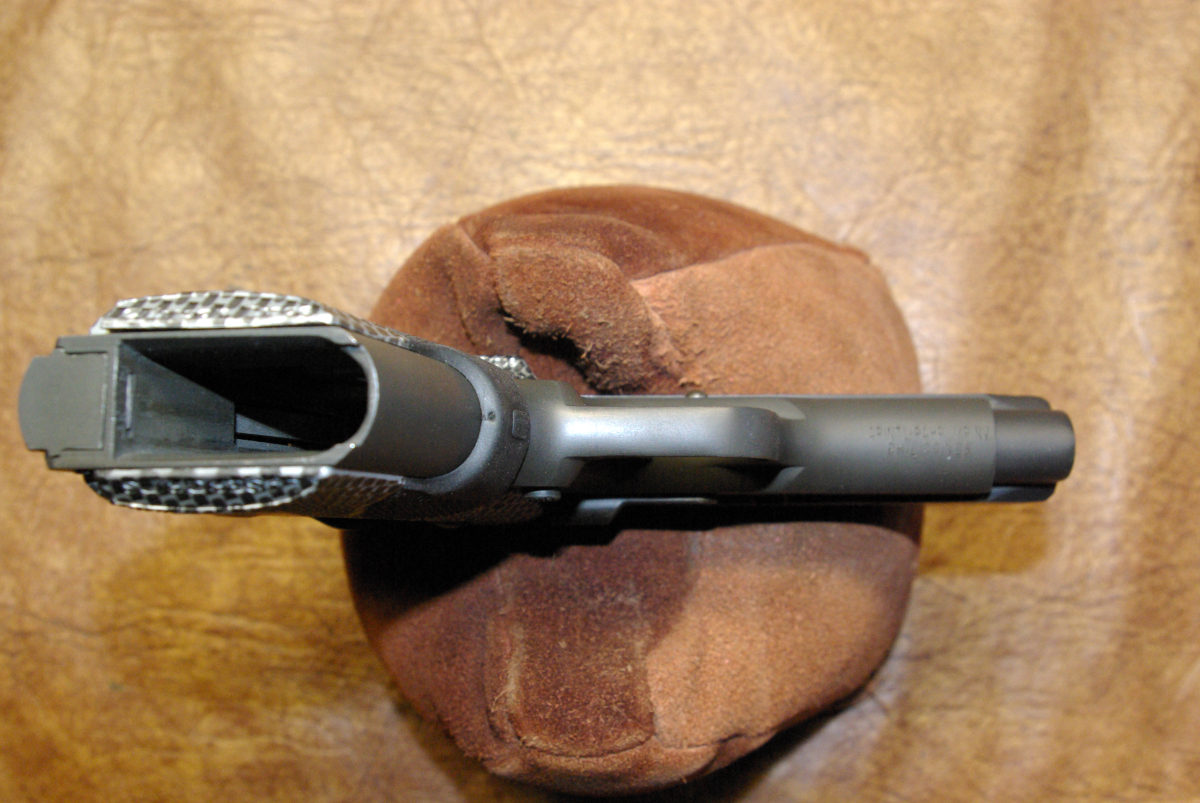
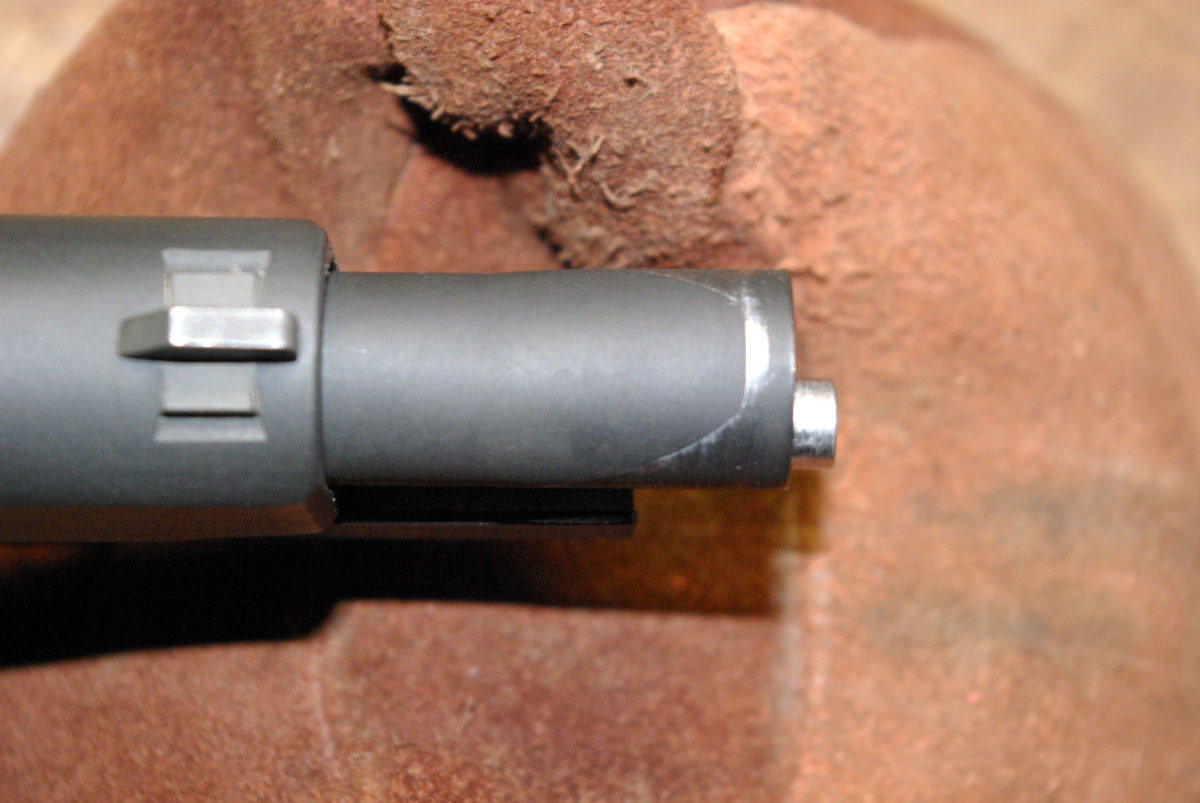
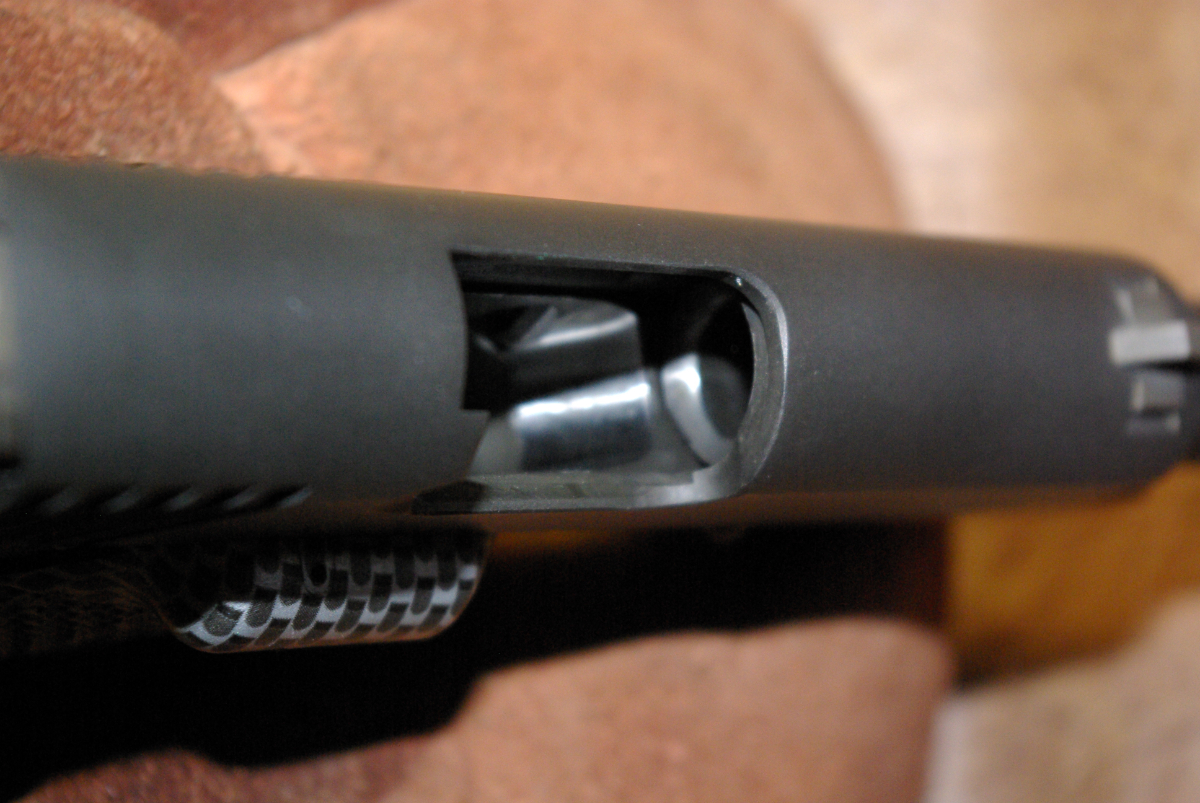
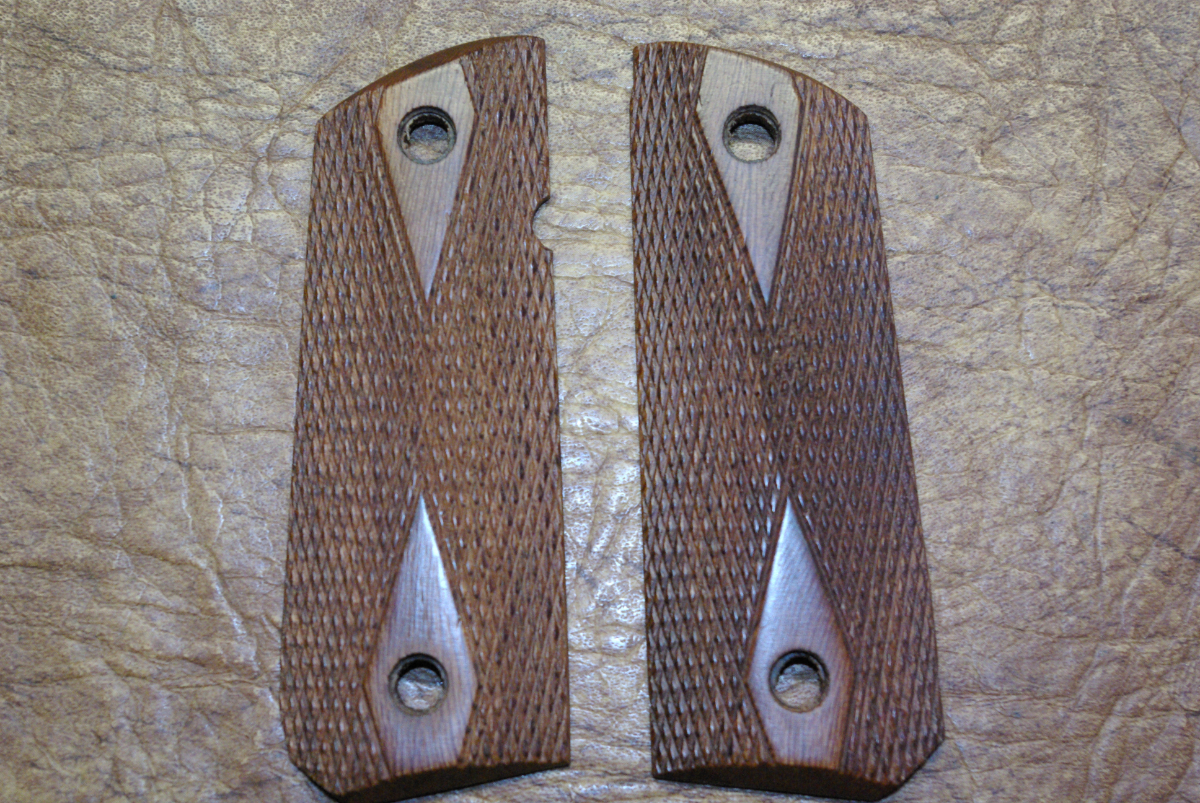
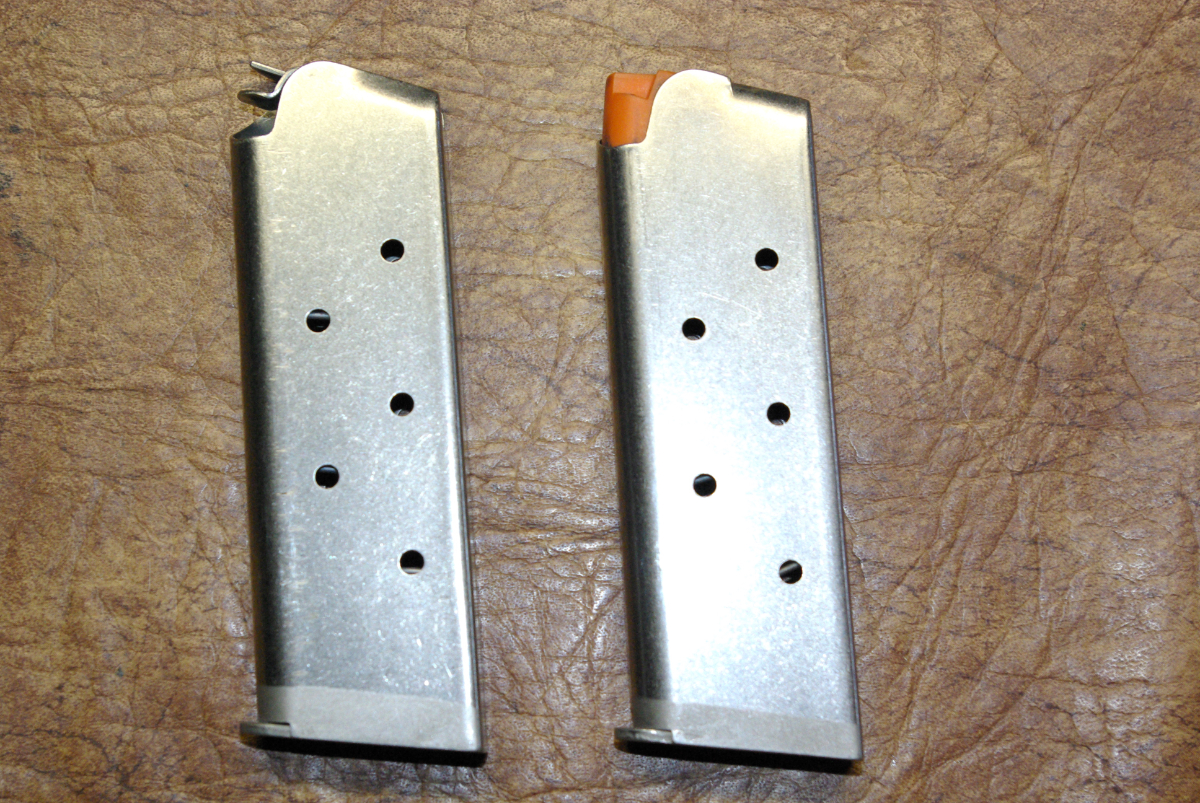
A Citadel M1911-A1CS .45 ACP

Citadel M1911-A1CS .45 ACP - Picture 2
Citadel M1911-A1CS .45 ACP - Picture 3
Citadel M1911-A1CS .45 ACP - Picture 4
Citadel M1911-A1CS .45 ACP - Picture 5
Citadel M1911-A1CS .45 ACP - Picture 6
Citadel M1911-A1CS .45 ACP - Picture 7
Citadel M1911-A1CS .45 ACP - Picture 8
Citadel M1911-A1CS .45 ACP - Picture 9
Categories
All About Guns

Stolen from that Fine Blog My Daily Kona – The Japanese Garand

I have been extraordinarily busy in “the Real World”, I will post about it in a day to ‘splain what is going on….Nothing bad good news actually but it pulled me away from my blog.


I snagged this off “American Rifleman” It was fascinating read.  I thought it was a different take on the Garand, I do know that the Germans had a different opinion on the Garand, the German Army Ordinance people didn’t like the Garand, they hated the sights and they considered the 8 round clip limiting.  But we American considered the Rifle excellent for our needs and the rifle served us well.  I know, I owned one until my untimely Kayak accident *Sniff, Sniff*.

The Japanese Type 4 semi-automatic is one of the most sought-after rifles by military collectors. Interest in it spans the spectrum from those who specialize in Japanese military arms to collectors of U.S. M1 Garand rifles to collectors of military rifles in general.

The Type 4 has been erroneously identified as the Type 5 in recent years. In the past, very little was known about development of the rifle. Model identification was established originally through information in a World War II U.S. Army Ordnance report where basic description, history and designation of the rifle as a Type 5 were presented.

In the same report, however, references were made to recovery of Type 4 semi-automatic rifle drawings at Yokosuka Naval Arsenal, which somewhat muddied the water. The Type 5/Type 4 argument has continued among collectors for some time. Examples marked Type 4 have shown up in recent years, and more information has become available that points to the proper nomenclature being Type 4. That said, the Type 4 is still recognized by collectors as a single variation when, in actuality, five variants of this very rare rifle have been identified.

Development of the Type 4 semi-automatic has its roots in an Imperial Japanese Army (IJA) semi-automatic development program initiated in mid-1931. The Imperial Japanese Navy (IJN) relied on army arsenals as a source of small arms for land-based personnel, so it sat on the sidelines and watched the IJA semi-automatic development program with special interest.

Initially, in the 1931 timeframe, Nambu Rifle Mfg. Co. was issued a development contract for a semi-automatic rifle intended for army use. Later, the program was expanded to include Tokyo Gas & Electric, Nippon Special Steel (NSS) and Tokyo Army Arsenal (Koishikawa). Nambu initiated development work with a gas-operated design featuring the army-specified five-round magazine. Tokyo Gas & Electric reverse engineered the Czech ZH-29 rifle, examples of which had been captured in Manchuria in 1931.

Nippon Special Steel presented a novel gas-operated toggle configuration, and Koishikawa provided a copy of the American-designed Pedersen rifle. In the case of the Pedersen design, J.D. Pedersen had taken his U.S. Ordnance Dept. trials rifle to Japan in the 1935 period seeking additional interest in the rifle. At the time Pedersen presented his rifle to Japanese army ordnance officers, they were not satisfied with progress on rifle development by private companies, and decided the army should develop a competitive rifle based on the Pedersen design. After all, they were being assured that the U.S. and Great Britain were in the process of adopting the configuration for the using services, so the design must be a winner.

The program, which now included the IJA itself as a contender in development of a satisfactory design, continued until 1937, at which time the program was curtailed. Politics were involved in the decision to stop the program, but of primary importance were the facts that military production was stretched to the limit with the expanding war in China, and it was readily apparent that Japan just did not have the production capacity to build the number of rifles required.

first experimental Garand copy

The rear of the receiver on the first experimental Garand copy is flat-faced and faceted. A slot on its underside allows for engagement of a recoil lug.

The semi-automatic program was reinstated in 1941. The using services were demanding more firepower, plus military use of semi-automatic rifles was becoming more and more common throughout the world. Since private industry in Japan was so focused on production for the war effort, the IJA set up a competition between two design groups within the army arsenal system, a unit at Kokura Arsenal and the small arms staff at the research center in Tokyo. The program continued until mid-1943 when it was halted because of similar issues faced previously, plus, very importantly, the failure to develop a satisfactory configuration for production.

diagram

This drawing shows how first- and second-variation Type 4 rifles locked during assembly by way of hooks on the trigger guard that gripped external lugs on the receiver.

The IJN was very disappointed in the IJA’s actions. The IJN needed more firepower for its land-based units, and the naval paratroop command desperately wanted a version of the semi-automatic rifle for its units. Japanese navy development of a semi-automatic rifle probably began in some form or other immediately after the army program ceased in mid-1943. Regardless, the program was included in a list of IJN ordnance action items for Fiscal Year 1944 (April 1943–March 1944) with three naval arsenals scheduled to participate—Yokosuka, Kure and Mazrui.

All three, however, were already working at full capacity, so arrangements were made for rifle development to be done on a spare-time basis at Yokosuka Naval Arsenal only. Development of the new rifle was carried out in the machine gun plant of Yokosuka Arsenal, specifically the third floor of the plant, as a spare-time activity in conjunction with production of 25 mm anti-aircraft cannons, Lewis machine guns and Vickers machine guns. With demand for machine gun production so high, priority could not under those circumstances be given to the semi-automatic-rifle program.

Even though a spare-time activity, the timeline for development of the new rifle remained very short. It has to be assumed that only one rifle was under consideration—the U.S. M1 Garand—because of the short timeline and no evidence of another design being evaluated. Captured samples of the M1 were warehoused at Yokosuka.

Stores of M1s had been found warehoused in Manila after occupation by the Japanese in 1942. Some were transported by the IJN back to Japan. The U.S. M1 represented a successful design in wide use, so IJN engineers decided to modify some of the captured rifles to 7.7×58 mm Japanese, the rimless cartridge standardized for use in the Type 99 bolt-action infantry rifle. In early 1944, 10 rifles were modified to 7.7×58 mm for testing. Functional testing and evaluation proved to be highly satisfactory. This success led to full development of the Garand copy.

front of the receiver

A small 2.5 mm-tall numeral “4” at the front of the receiver identifies this specimen as the fourth iteration in a series of test rifles.


First Variation Experimental Type 4 Rifle (Tool Room Example)

The overall brief development period leaves the impression that design and fabrication of the experimental Garand must have proceeded concurrently with modification of the 10 M1s in the early part of 1944. This was a success-oriented program with a lot of objectives to be met in a very short period of time.

Development from the toolroom example to the initiation of production took place during the first 10 months of 1944. Keep in mind that time must have been allowed during that period for tooling design and development, in addition to locating dedicated machinery. Very importantly, an initial effort had to be made to verify that Japanese ordnance had the capability of manufacturing all components of the rifle, some of which are very complex.

What I believe to be the toolroom rifle, or first experimental M1 copy, is functionally very similar to the M1 Garand; however, there are a few key differences. Attempts at simplification and improvement, those changes to the Garand include:

a.) 10-round integral magazine fed by standard five-round stripper clips instead of the M1’s eight-round en bloc clip.

b.) Ramp-type rear sight.

c.) Recoil lug integral with upper buttstock wrist tang instead of recoil absorption through upper stock ferrule.

d.) Lockup of the rifle through hooks attached to the trigger guard, which engage receiver lugs on back of magazine box instead of entering recesses in the receiver.

e.) Trigger housing retained to buttstock with screws instead of falling free during disassembly of the rifle.

f.) Simplified machining of receiver.

The specimen described has no serial number or markings, so it is thought to be the first and only example of its type that was fabricated. If more than one specimen were fabricated, typically, the rifles would be serialized, if only to prevent the mixing of hand-fitted parts.

Machining of the components of the single specimen known is crude where finish is not important to form, fit or function, and the rifle shows haste in fabrication. For example, the barrel, normally a long-lead item, is from a Type 99 rifle and has been modified to fit the new receiver. The Type 99 rear sight was obviously knocked off the barrel with a hammer during rebuild, leaving screw shanks still embedded in the barrel.

Mauser-style ramp rear sight

The Mauser-style ramp rear sight on this pre-production Type 4 is one of the major differences that are readily apparent when comparing the Japanese and American versions of Garand rifles.


The rifle was originally obtained in an incomplete state. Only the barrel and receiver group was available. To complete the rifle to its original configuration, the buttstock and trigger housing group had to be configured and machined. This wasn’t very hard because features on the barrel and receiver group dictated the design of replacement components.

The original rifle probably failed at some point during testing, and the remaining parts were acquired by a veteran as a souvenir. The magazine well has significant powder residue and shows evidence of extensive firing. Most likely, this is the rifle described in U.S. Army Ordnance reports as being introduced to the paratroop command in March 1944.

Features on the toolroom example, plus subsequent test and production models, were required to meet paratroop requirements by configuration. The paratroop command desired a folding or break-down design, shortened in the stored state for transport in a soldier’s pack or leg bag. The U.S. M1 rifle breaks down into multiple segments, one of which is the trigger housing assembly.

The Japanese version, as designed, breaks down into two segments, the difference being the trigger housing assembly is retained to the buttstock group through the use of screws, plus the upper stock ferrule is retained in place via three small nails. The Japanese Type 2 paratrooper rifle, the mainline paratrooper arm at the time, breaks down into two segments; thus, the Japanese M1 copy meets existing IJN paratrooper command requirements. Very importantly, as development of the rifle progressed to the production design, features “c” and “d” were replaced by the tried-and-true equivalent features on the U.S. M1 rifle. Only the novel features “a,” “b” and “e” remained. 

A U.S. Army Ordnance bulletin put together in late 1945 presents perhaps the most accurate assessment of Washino’s production effort. The report states that the factory had no production machinery, so it was assembling rifles from parts that were most likely furnished by Yokosuka Arsenal.

Second Variation Experimental Type 4 Rifle

As far as we know, the second variation of the experimental Type 4 rifle exists only in drawing form today. High-quality assembly drawings of the rifle have been recovered from the archives of the Japan Self Defense Force (JSDF) in Tokyo. The drawings show most all of the features of the final configuration of the Type 4, including the revised magazine box with external cap integral with the magazine floorplate. The action-locking features of the first variation are retained, which are locking hooks integral with the trigger guard that engage similar lugs on the backside of the receiver magazine box as the trigger guard is rotated to the closed position, thus locking the rifle components together. The drawing is very detailed and appears to be a production-level drawing, not one of an experimental rifle. It is complete to the point of including accessories, such as a cleaning apparatus and paratrooper accessories such as a waist ammunition belt. So, either the design group was jumping ahead without proof of successful testing, or initial testing with the first prototype had exceeded expectations. No examples of the second variation have been reported, so whether this specimen was actually built is unknown.

Third Variation Experimental Type 4 Rifle

It is only a small step to reach the final Type 4 configuration. The drawings for the second variation incorporate most of the changes to reach the final stage except for the locking mechanism. The third variation substitutes the locking features of the U.S. M1 rifle. Locking lugs on the M1 are configured differently, and enter recesses in the receiver. Rotating and latching the trigger guard locks the assembly together. Keep in mind that the Japanese version had heretofore featured locking lugs external to the magazine box. The IJN may have switched to the M1 design simply to guarantee success in a timely fashion by minimizing any unforeseen development problems.

One example of the experimental third variation has been examined. Typical of the Japanese procedure in serializing experimental production, the rifle exhibits only a small numeral “4” on the front top of the receiver. No other components are marked. Only one specimen so marked has been reported. The rifle shows results of extensive testing with serious bore wear.

Type 4 Pre-Production Rifle For Field Test

With the final configuration set for production, the rifle was adopted by the IJN as the Type 4 rifle. Examples were hurriedly fabricated at Yokosuka Naval Arsenal for field testing prior to mass production. They were reportedly shipped to ground units in China, the islands and to the IJN paratroop command within Japan for extended field tests. That plan could involve a sizable number of rifles, but, most likely, only a handful were distributed.

These rifles exhibited model, arsenal of production and serial numbers on the receiver, along with the month and year of production. The receiver markings on the two examined are inconsistent and hand-engraved, showing a lack of overall process control and also illustrating how fast the program was moving. The rifle with Serial No. 6 has the Yokosuka identification on the line with date of manufacture, while Serial No. 5 has the Yokosuka identification on the line with the serial number. Specimen Serial No. 6 had been examined and found to have all parts matched to the serial number. Only two specimens of this type have been reported.

Japanese Garand markings

Receiver stamps on the heel of this Japanese Garand include (from top to bottom): Type 4, Serial No. 6 and Yokosuka 19-10.

Type 4 Production (Washino Factory)

Testing of the prototype rifles revealed problems with parts breakage, insufficient recoil and associated feeding difficulties. Even with these problems, testing was considered successful enough to initiate production. Yokosuka Naval Arsenal was not able to support production, so plans were made to shift the work to a private company: Washino Kikai Co., in Aichi-ken.

A U.S. Army Ordnance bulletin put together in late 1945 presents perhaps the most accurate assessment of Washino’s production effort. The report states that the factory had no production machinery, so it was assembling rifles from parts which were most likely furnished by Yokosuka Arsenal. Furthermore, only 50 rifles had been assembled at the war’s end, even though parts for 150 rifles were on hand. None of the rifles had passed final inspection, and the rifles were found in various stages of completion at the factory.

Production of the rifle had stopped prior to war’s end because of functioning problems identified as insufficient recoil from the less powerful 7.7 mm cartridge to eject and chamber another round from the magazine of tested rifles. At Washino Kikai Co., personnel were production-oriented, and no engineer was on staff to solve test problems that may have been encountered, so the company was awaiting instructions from Yokosuka on how to correct the problem and proceed.

While Type 4 production was at a standstill, new orders were received from the IJN to cease production of the rifle in favor of a new aircraft engine contract. When U.S. Ordnance personnel visited the Washino factory in late 1945 after the cessation of hostilities, they found production in the process of switching to an aircraft engine. Even though the production line was being changed, special machinery was at the same time arriving at the factory for rifle parts production. All this illustrates late-war confusion in Japanese production.

I have catalogued 33 Washino-assembled rifles. None are marked externally, indicating no final inspection, but each has an assembly number on the underside of the receiver to match up parts at the assembly stage. The addition of serial number and final inspection symbols were to be added only after successful testing of each rifle. The highest assembly number recorded is No. 58, and that corresponds nicely with U.S. Army Ordnance reported data showing 50 assembled rifles found at the factory at war’s end.

Categories
All About Guns Manly Stuff War

WW1 – The Trench Shotgun & M1911 Pistol – a short history