Categories
All About Guns

When you really want to reach & touch someone ! The L118 "Light" Gun

Image result for L118 light gun
Related image
Image result for L118 light gun
Related image
Image result for l118 Cartridge
Image result for L118 light gun
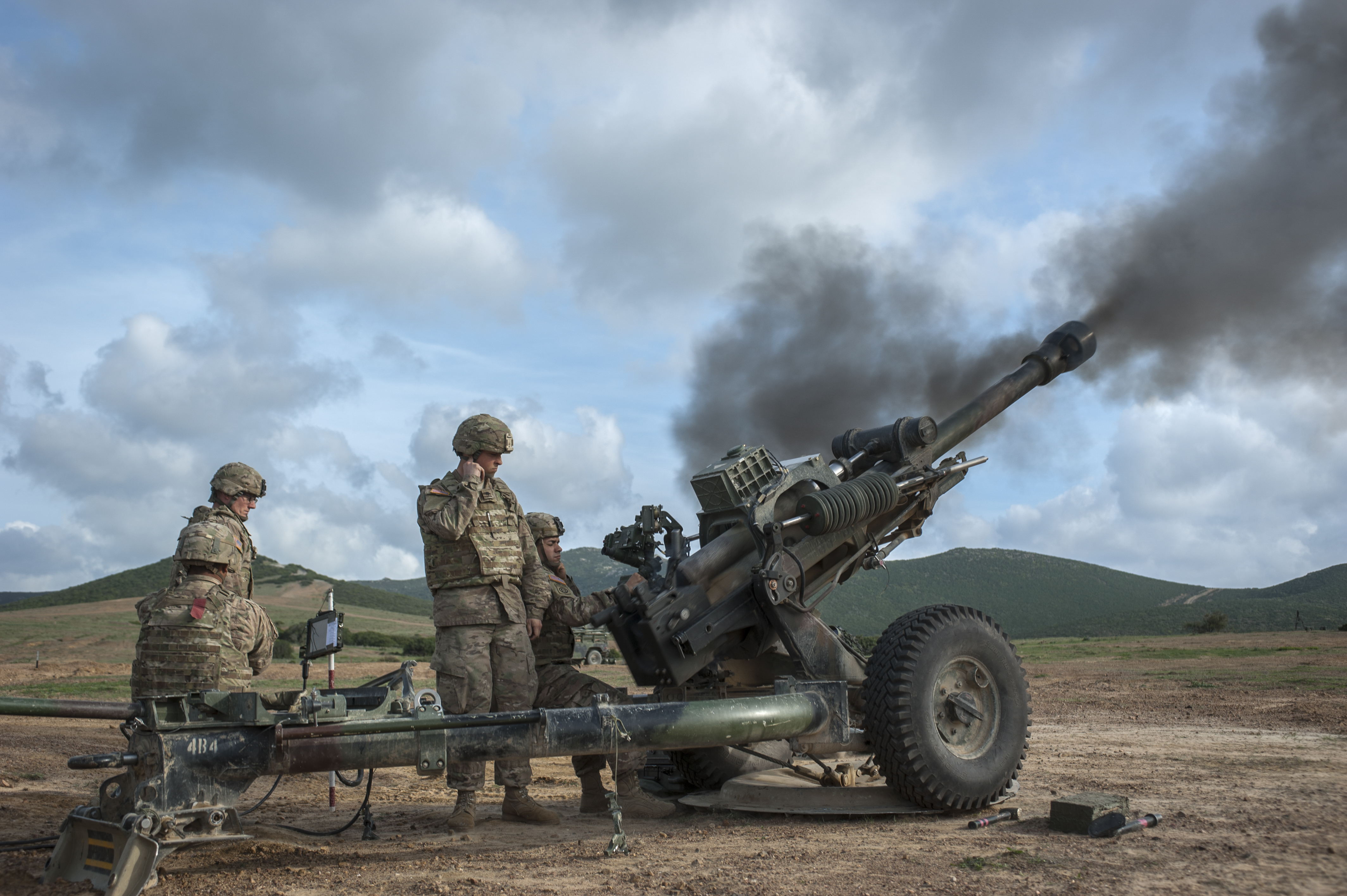
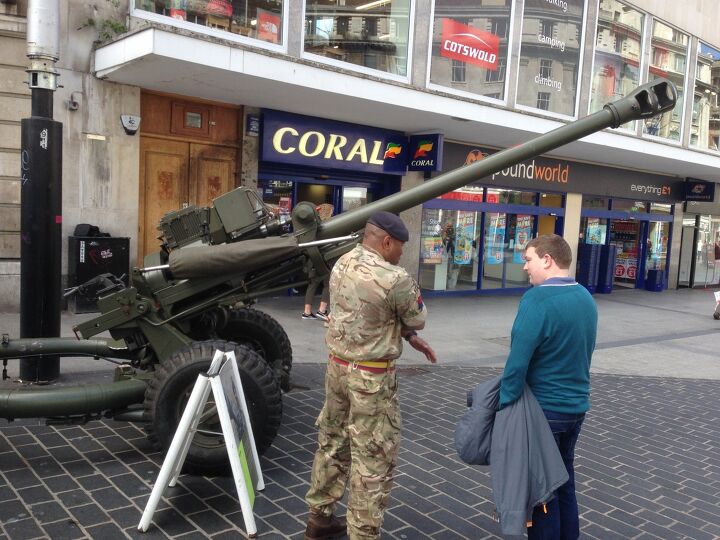
The L118 light gun is a 105 mm towed howitzer.
It was originally produced for the British Army in the 1970s and has been widely exported since, including to the United States, where a modified version is known as the “M119 howitzer“.
The proper name for it is “gun, 105mm, field, L118” but it is almost always called the “light gun”.

History[edit]

Development[edit]

From 1961 until the mid-1970s, the British Army used the 105 mm pack howitzer L5 with L10 ordnance (OTO Melara Mod 56) as its light artillery weapon, variously replacing the 75mm howitzer4.2 inch mortar and 25-pounder gun in some eight regular artillery regiments.
It fires the US M1 type ammunition (called “105 mm How” in the UK).
This widely used howitzer was originally designed in Italy for the Alpini, and is light enough to be lifted by Westland Wessex helicopters or towed by Land Rovers.
However, it lacked range (making it potentially vulnerable to counter-battery fire), was not notably robust, had poor sights and was not entirely popular.
In 1965, a general staff requirement was approved for a new 105 mm weapon system because the pack howitzer “lacked range and lethality”.[2]
Key characteristics included 6400 mil (360°) traverse by one soldier, maximum weight of 3,500 pounds (1,600 kg), dimension limits imposed by internal carriage in Chinook helicopters and Andover transport aircraft, and the ability to fire immediately after being under water for 30 minutes.
The ammunition to be used was the 105 mm Fd Mk 2 ammunition used in the L13 ordnance of the gun equipment 105 mm L109 (better known as the “Abbot self-propelled gun“).
This ammunition uses electrical instead of percussion primers and is an entirely different design from the US M1 type ammunition as used in the L5 pack howitzer.
The two types are not interchangeable. An early requirement was for the new weapon to use 105mm Fd Mk 1 ammunition, which uses the M1 shell, in training.
However, in 1968, this was changed to allow a different version of the weapon, which subsequently became the L119, to fire US 1935 pattern (i.e. M1) ammunition.
The new gun, soon designated ‘light gun’, was designed by the government Royal Armament Research and Development Establishment (RARDE), Fort Halstead, Kent. Prototypes were tested in 1968.
However, it soon emerged that some increase in weight was needed for a gun with the requisite robustness, and several assemblies were substantially redesigned.
Original production, which was authorised in late 1975, was by Royal Ordnance FactoryROF Nottingham, which has since been incorporated into BAE Systems Land and Armaments. Deliveries started in 1976.

In British service[edit]

The light gun entered service with the British Army in 1976.
The new weapon was heavier than its predecessor, but new, more capable helicopters such as the Puma and Westland Sea King, which could carry the new weapon, were entering service at the same time.
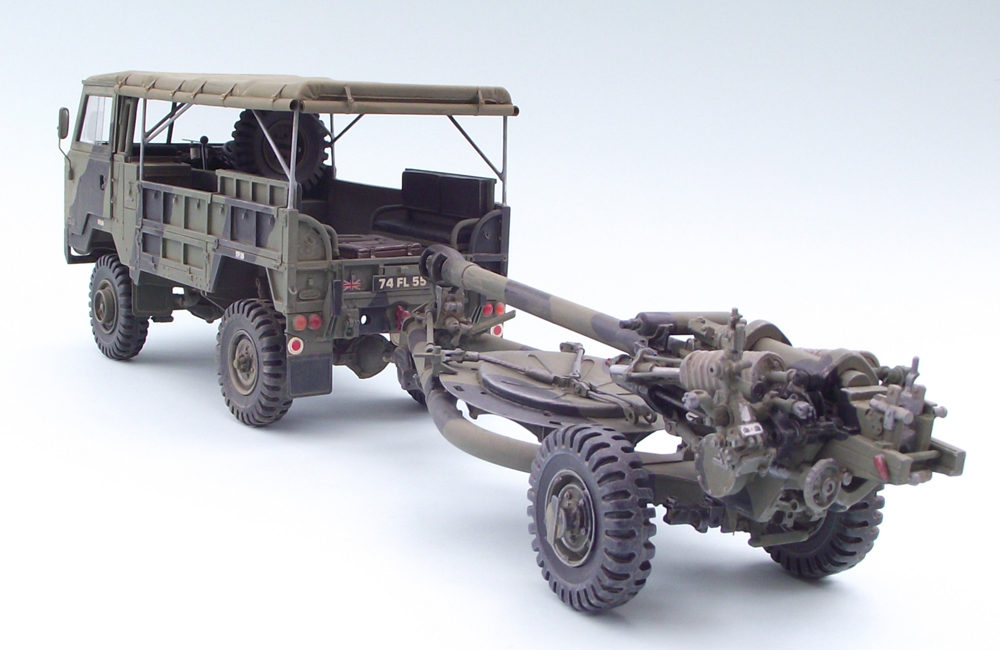
A new vehicle, the Land Rover 101 Forward Control (“Land Rover, one-ton”, was designed as the prime mover in the field for the light gun (and the Rapier air-defence missile launcher).
Since the end of the 1990s, the British Army has used Pinzgauer ATVs as their gun tractors. In Arctic service, and elsewhere, the gun is towed by the Hägglunds Bv 206 and is fitted with skis when over snow.
In 1982, the light gun saw use in the Falklands War. Five batteries (30 guns) were deployed to the Falkland Islands.
During the final phases of the battles around Port Stanley, these guns were firing up to 400 rounds per gun a day, mostly at “charge super”, the most powerful propellant charge for which they were designed.
They were a significant factor in the British victory. Since then, British forces have used the light gun in combat in the BalkansSierra LeoneIraq and Afghanistan.

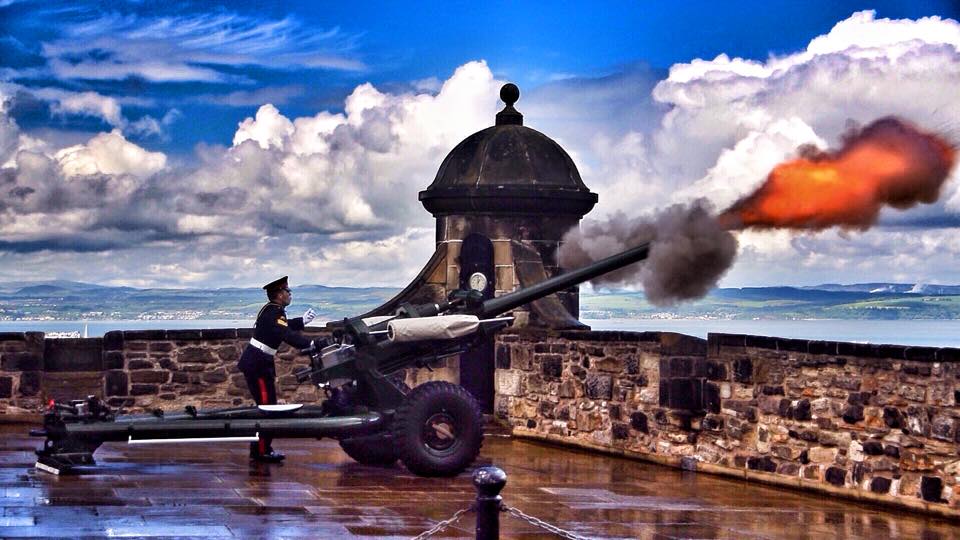
The One O’clock Gun firing at Edinburgh Castle

At present, the British Army has four light gun regiments: 3rd Regiment Royal Horse Artillery4th Regiment Royal Artillery7th (Parachute) Regiment Royal Horse Artillery, and 29 Commando Regiment Royal Artillery.[3]
Other regiments are temporarily equipped with it for service in Afghanistan. The 14 (Training) Regiment Royal Artillery uses it for training at the Royal School of Artillery.
Two regiments of the Army Reserve 103 (Lancastrian Artillery Volunteers) Regt. RA and 105 Regt. RA) are also equipped with the light gun.[4]
Those University Officer Training Corps with “gun troops” train with the L118.
On 30 November 2001, an L118 light gun replaced a 25-pounder as the One O’Clock Gun in Edinburgh Castle.
By tradition, this fires every day at one o’clock, except on Sundays, Good Friday and Christmas Day. The light gun is also fired by 14 (Training) Regiment Royal Artilleryon Remembrance Sunday and Armistice Day each year.[5]

Design[edit]

The L118 uses the L19 ordnance on the L17 carriage. The L19 ordnance is slightly shorter than the L13 used by the Abbot and hence has a slightly shorter maximum range. Also, unlike the Abbot, the barrel is autofrettaged and hence lighter.
The light gun appears to owe a number of its features to the QF 25 pounder, unsurprisingly since RARDE was the successor to the design department, Woolwich Arsenal.
Among these features are its vertically sliding block breech, and a box trail instead of a split trail; a traversing platform is normally used with it.
Its comparatively light weight is also attributed to the nature of the steel used in the carriage and ordnance, and other weight-reducing features, including its narrow wheelbase.
The narrow wheelbase prevents the ordnance rotating the 3200 mil (180°) required to ‘unfold’ the gun.
Because of this, the gun features a knock-off hub on one side allowing the ordnance to be rotated by removing one wheel.
With a well trained gun crew, this contributes approximately 30 seconds to the time required to deploy the gun. In British service, rotating the barrel for towing is optional.
When being towed in the unfolded position, the A-frame is fitted to the front transom in order to support the elevating mass.
A recent modification makes it possible to keep the gun in this position indefinitely at speeds up to 40 mph (64 km/h). For long distance transport or traversing rough terrain, the barrel is reversed and clamped to the end of the trail.
For storage, the gun is in the unfolded position with the barrel elevated to an angle that balances the elevated mass on the yoke and therefore relieves pressure on the elevating gears.
When first introduced in the British Royal Artillery, the L7 or L7A1 dial sight and its carrier, incorporating an integral elevation scale and internal lighting powered by Trilux nuclear light sources, was used to aim the gun for indirect fire.
The L7 sight is a modified version of a German Leitz instrument. Since the light gun entered service after the introduction of field artillery computer equipment (FACE), it never, unlike the Abbot, had gun rules (large slide rule like instruments used at each gun to convert range in metres to tangent elevation in mils, taking account of muzzle velocity).
Therefore, it has a single quadrant elevation scale. These optical indirect fire sights are now only used in recruit training.
The guns also have a direct fire telescope and were originally issued with a night telescope using image intensification.

Ammunition[edit]

Slung from a RAF Merlin at RAF Benson

The 105 mm Fd Mk 2 ammunition has two propelling cartridges and a blank cartridge (for saluting purposes). The normal cartridge has six propellant increments (charges one, two, three and four) plus 4½ and 5 increments. Charge 4½, which is charge five with the blue charge three bag removed, is only used for high angle fire. It is peculiar to the light gun. A separate “charge super” cartridge is used for firing to maximum range.
Both charge five and charge super project beyond the end of the metal cartridge case. Unlike the M1 ammunition, which is ‘semi fixed’ and loaded as a complete round, 105 mm Fd is ‘separate’; the shell is loaded and rammed by hand, then the cartridge is loaded.
By the time the L118 entered service, propellant sub-zones A and B originally used with the Abbot had been replaced by an aerodynamic spoiler (a ring slipped over the nose of shell to lodge on the ogive) to reduce the minimum range at high angle fire when this was required.
The 105 mm Fd Mk 2 projectiles were the same as used with Abbot when the L118 was first introduced. The ammunition types originally or subsequently in UK service include:

  • L31 high explosive (HE) filled with 2.5 kilograms (5.5 lb) of RDX/TNT. Conventional impact L32, L85 and L106, L27 CVT and L33 mechanical time fuzes were originally used and some are still available. The L116 multi-role (electronic) fuze is available for operations but is due to be replaced by a new multi-function fuze L166.
  • L45 smoke base ejection. This contains three canisters filled with hexachloroethane, which are ejected from the base of the shell in flight by a mechanical (L92) or electronic time fuze (L132 being replaced by L163). On falling to the ground, they generate dense white smoke for 60 seconds.
  • Target marker. These generate dense orange (L38) or red (L37) cloud (produced by a mixture of PETN HE and coloured dye) bursting in the air or on impact, and are used to designate targets e.g. for air strikes.
  • L43 illuminating. Provides a parachute flare base ejected by time fuze (L81) at about 400 metres above the ground and burns for 30 seconds.
  • L42 high explosive squash head. Used for direct fire against armoured targets or buildings, has a base fuze with tracer.
  • L41 PRAC. Inert practice shell used in training instead of HESH.
  • L50 HE. This new HE shell is slightly longer than the older shells, uses 2.9 kilograms (6.4 lb) of ROWANEX insensitive plastic bonded explosive and provides significantly greater lethality, which the supplier claims is equivalent to the 155 mm HE M107
  • L52 contains four canisters filled with red phosphorus smoke.
  • L54 ‘black light’ illumination, using the same configuration as L43, to assist observation through night viewing devices.
  • L83 drill. An inert shell for non-firing training purposes.

A white phosphorus smoke shell has never been adopted by the UK for L118. A base bleed insensitive HE shell, with a maximum range of 20.6 kilometres (12.8 mi) has been developed.

Subsequent enhancements[edit]

Australian and British gunners with L118 in Afghanistan, 2009

During the early 1990s all UK L118 were fitted with a muzzle velocity measuring device (MVMD), a radar, and its power supply.
In 2002 the British Army’s L118 guns completed replacement of their optical sights with the LINAPS artillery pointing system (APS) mounted above the barrel.
This is a self-contained system that uses three ring laser gyros to determine azimuth, elevation angle and trunnion tilt angle. It also includes facilities for navigation and self-survey using a global positioning system, inertial direction measurement and distance measurement.
All this can be used anywhere in the world to lay the gun without external references. The outputs and inputs for APS are through the touchscreen layer’s display and control unit (LCDU) that replaced the conventional dial sight and its mount.
The LCDU enables the layer to lay the gun by moving the barrel until the LCDU displays no difference between the ordered firing data and where the barrel is pointing as determined by the LINAPS sensors.
A capability enhancement program that started delivering improvements to UK guns in 2007 aimed at reducing weight and improving some components.
Weight reduction measures include the replacement of some steel components by titanium, however, only some elements entered UK service. The MVMD is also more tightly coupled with the LCDU, reducing electrical power requirements.
Around 2010, new direct fire sights for longer range use were introduced for service in Afghanistan.
These comprise a sniper’s telescopic sight and a new nightsight.
At the end of 2011, a new LCDU with a slightly larger touchscreen was ordered. It may enable data transfer from FC-BISA and include the NATO armament ballistic kernel (NABK) for direct fire shooting.

Variants[edit]

L119[edit]

The L119 variant has a different barrel (a slightly shorter L20 ordnance with a percussion firing mechanism) for firing the ubiquitous US M1 type ammunition (UK 105 mm How), giving the gun a max range of 11,400 metres (12,500 yd).[6] In British service, the L119 was used only for training at the Royal School of Artillery while stocks of 105 mm How lasted, and the last British L119s were retired in 2005. However, the L119 is popular with many export customers who still rely on M1 ammunition.

M119[edit]

Main article: M119 howitzer

The L119 was further modified and produced under licence for the United States Army. The most recent version is the M119A3 introduced in 2013 with a digital fire-control system and GPS-aided inertial navigation unit using software derived from the M777A2.

Other variants[edit]

During the 1970s a third variant, with the L21 ordnance, was developed and prototypes produced. This was for Switzerland and used Swiss pattern 105 mm ammunition. It did not enter service.
The Indian 105 mm light field gun appears to share many features with the UK equipment. In the late 1960s India introduced the Value Engineered Abbot variant with the 105 mm Fd ammunition; this led to the 105 mm field gun (India), which appears to have some light gun features in its elevating mass, although its platform is 25-pr like. The 105 mm light field gun is much more like L118, although somewhat heavier.
In the 1990s, the gun was manufactured under licence in Australia for the Australian and New Zealand armies using mostly Australian produced components.The Australian military call it the “Hamel gun”. Plans to produce 105 mm field ammunition were shelved.
105 mm saluting gun: The British Army has a number of dedicated saluting guns for ceremonial purposes. Based on the standard L118, these saluting guns are modified to exclusively fire blank cartridges, are not fitted with the APS system and are easily distinguished from the field gun variant by their distinctive bronze green paintwork, chromed muzzle brake and breech.

Operators[edit]

Map with L118 operators in blue

Current operators[edit]

105mm L119 light gun of the Spanish Legion‘s Artillery Group

Former operators[edit]

Categories
All About Guns

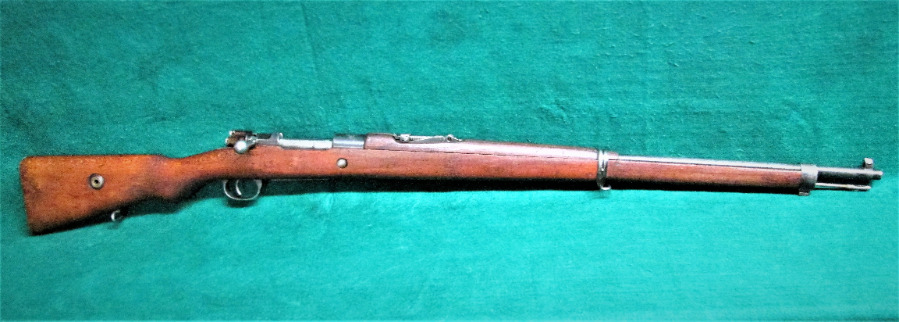
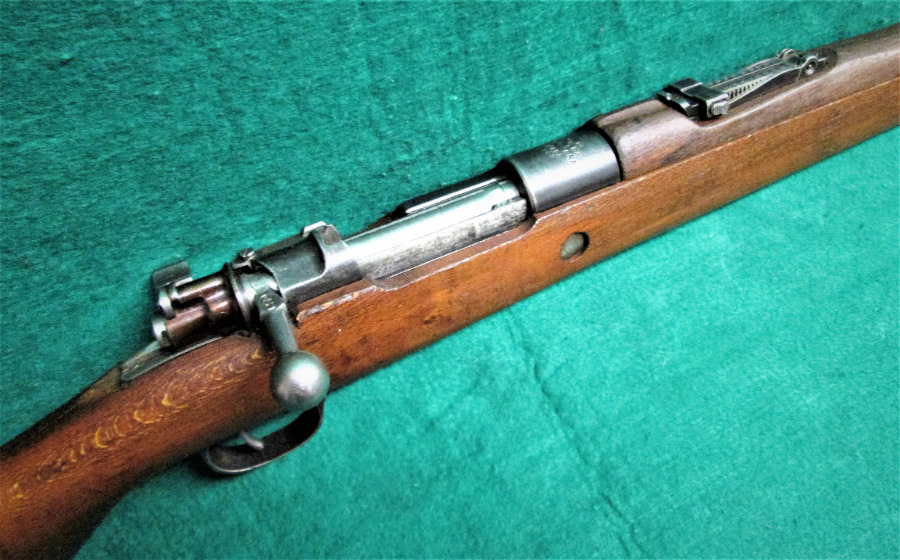
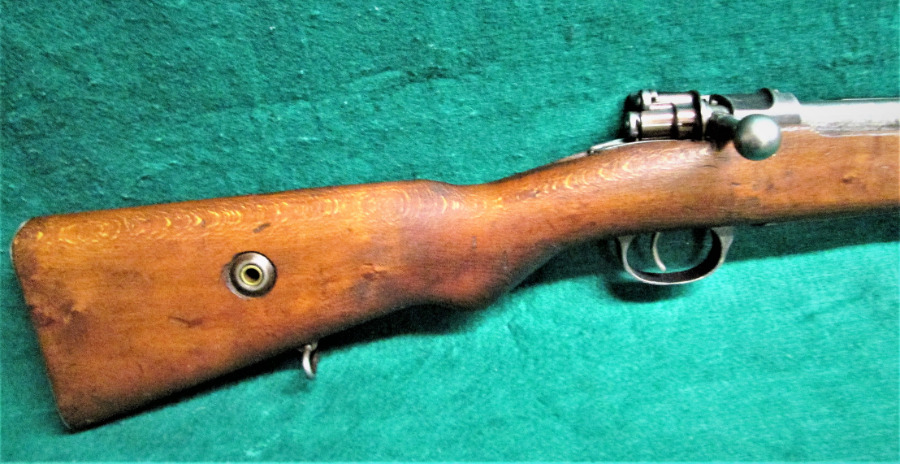
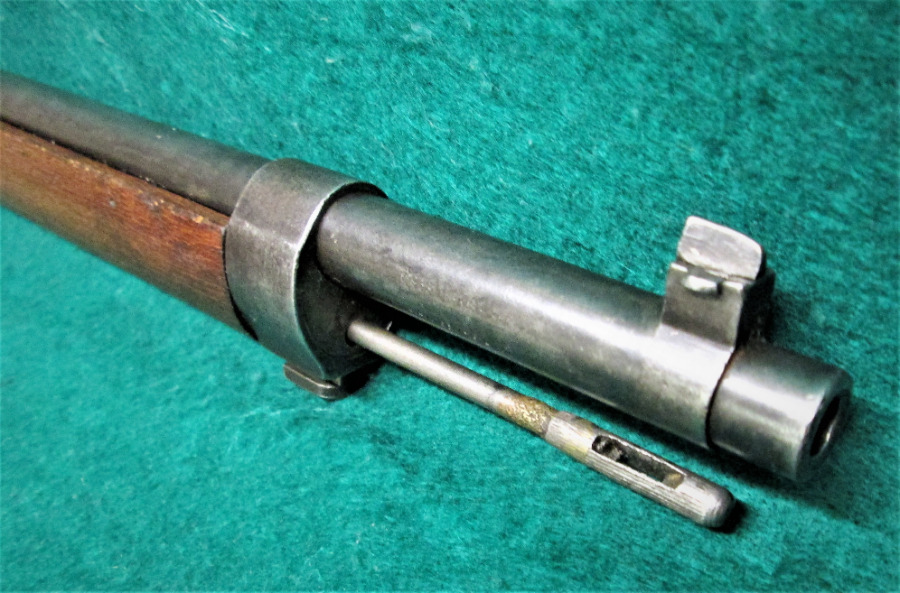
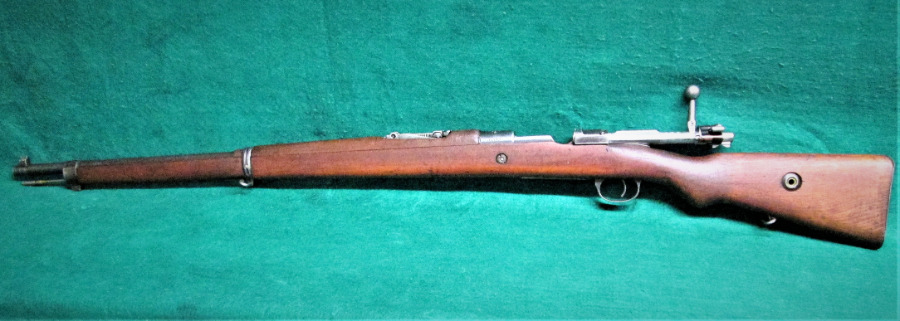
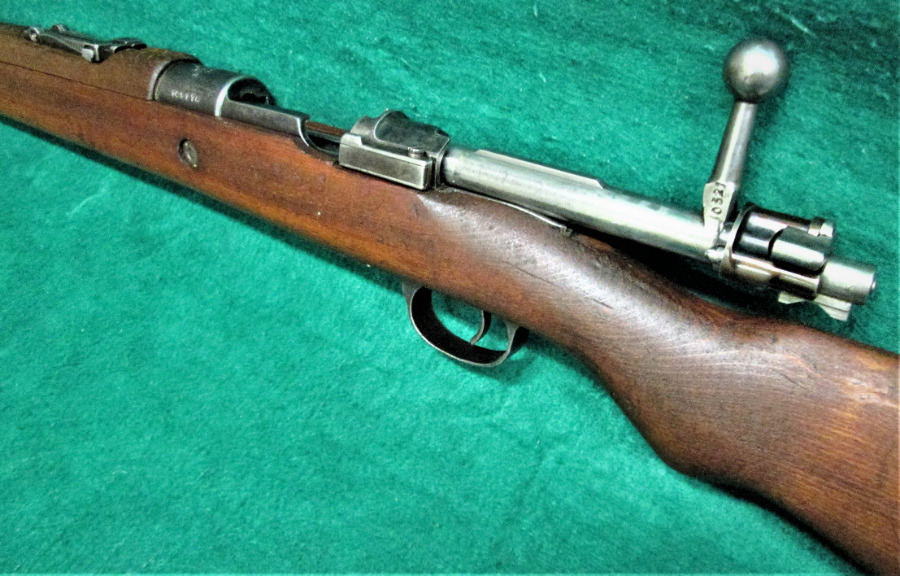
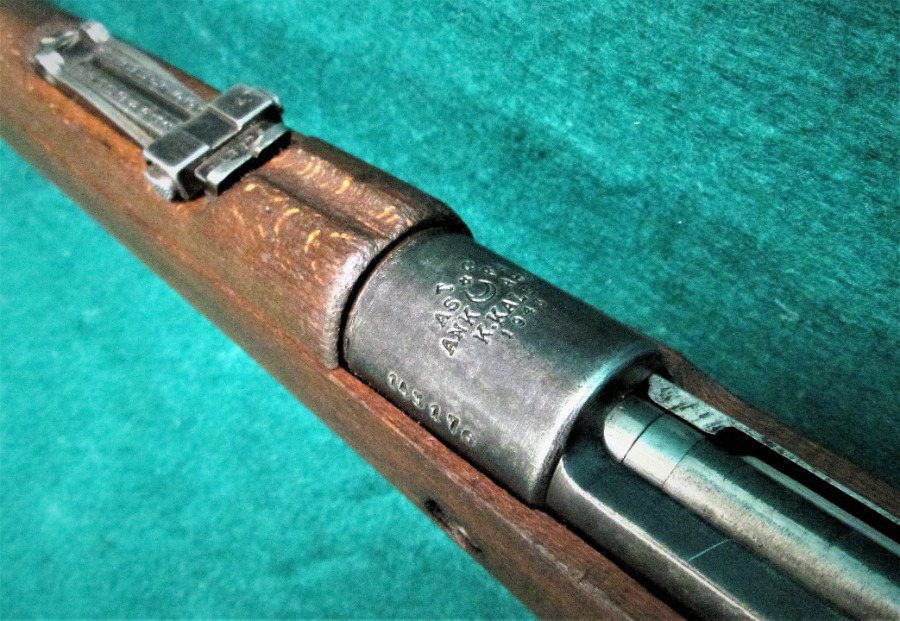
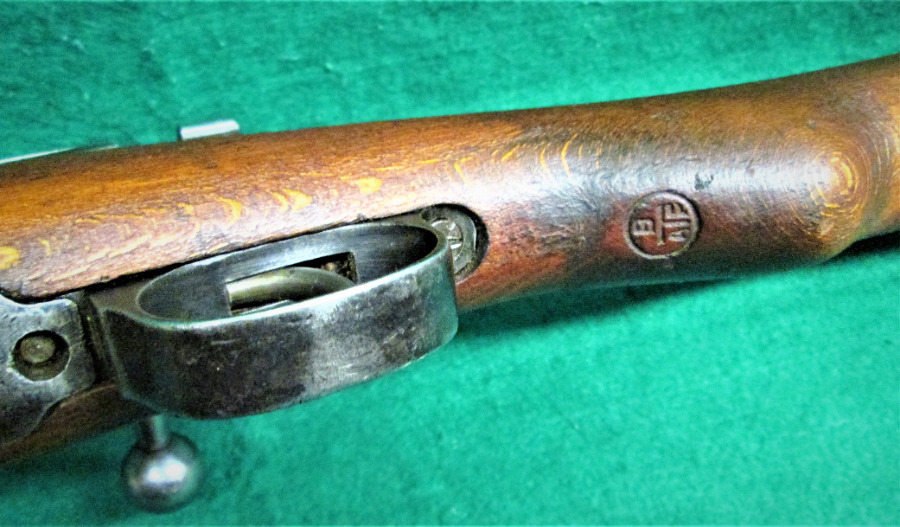
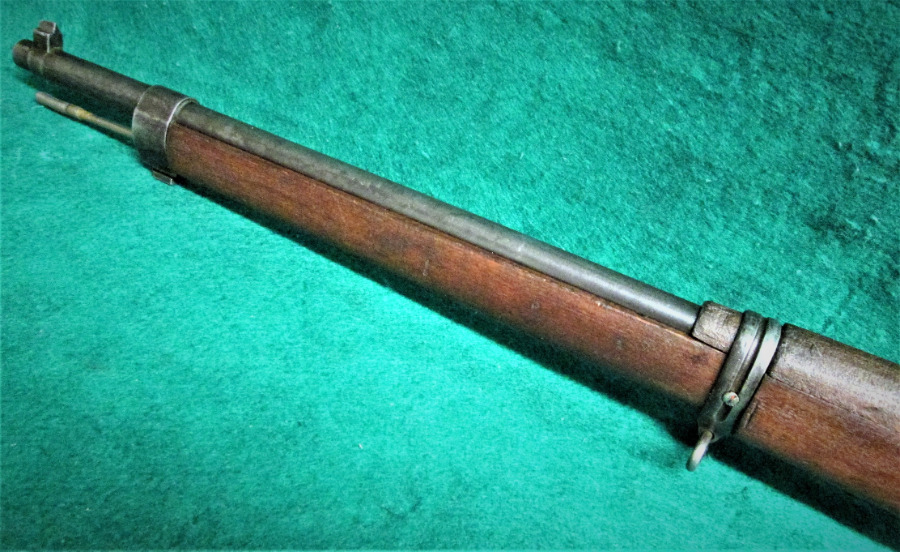
Turkish Mauser – C.A.I. IMPORT MOD 1938 MILITARY MADE WWII 1943 W/30-INCH BARREL 8mm Mauser

Turkish Mauser - C.A.I. IMPORT - MOD 1938 MILITARY MADE WWII 1943 W/30-INCH BARREL
Turkish Mauser - C.A.I. IMPORT - MOD 1938 MILITARY MADE WWII 1943 W/30-INCH BARREL - Picture 2
Turkish Mauser - C.A.I. IMPORT - MOD 1938 MILITARY MADE WWII 1943 W/30-INCH BARREL - Picture 3
Turkish Mauser - C.A.I. IMPORT - MOD 1938 MILITARY MADE WWII 1943 W/30-INCH BARREL - Picture 4

Turkish Mauser - C.A.I. IMPORT - MOD 1938 MILITARY MADE WWII 1943 W/30-INCH BARREL - Picture 6
Turkish Mauser - C.A.I. IMPORT - MOD 1938 MILITARY MADE WWII 1943 W/30-INCH BARREL - Picture 7
Turkish Mauser - C.A.I. IMPORT - MOD 1938 MILITARY MADE WWII 1943 W/30-INCH BARREL - Picture 8
Turkish Mauser - C.A.I. IMPORT - MOD 1938 MILITARY MADE WWII 1943 W/30-INCH BARREL - Picture 9
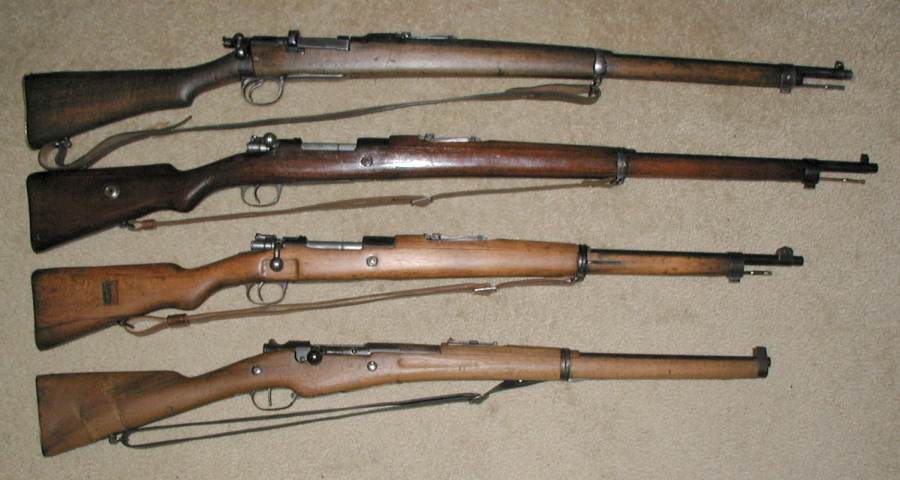
Image result for Turkish Mauser sporterized
I also found this great site on the net about the Turks. Here is the address.
http://www.turkmauser.com/models.aspx
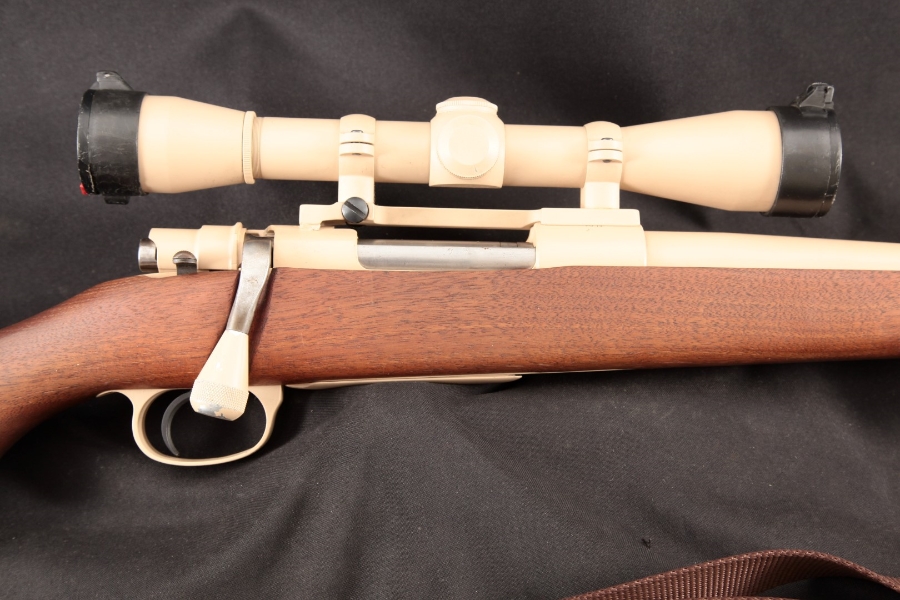
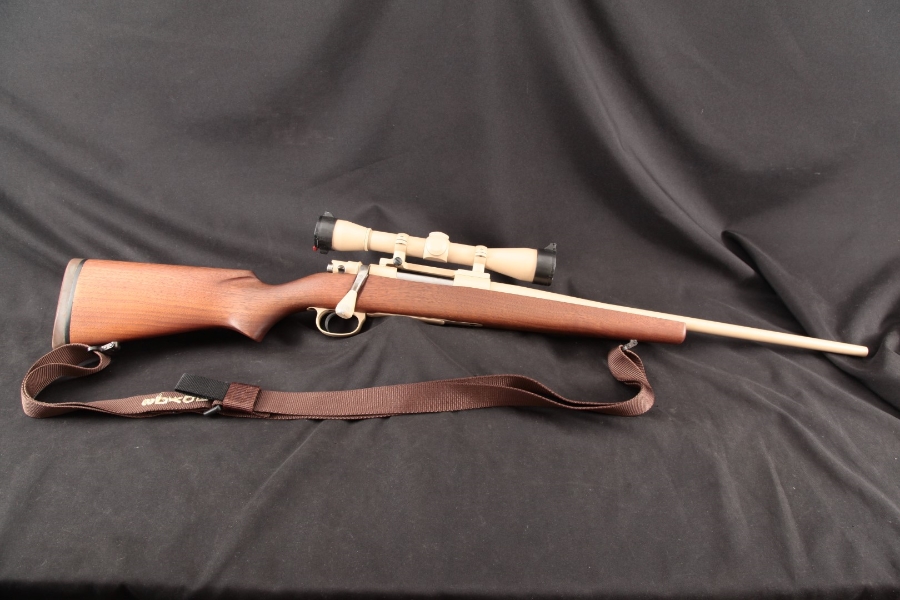
I have also seen some great sporterized Turks out here in the West. I have been told that they are pretty easy to do if you have a good gunsmith.Turkish Mauser Model 1938, Custom M38, Leupold Scope, Desert Tan 21” - Sporterized Bolt Action Rifle MFD 1933-40 - Picture 4
Turkish Mauser Model 1938, Custom M38, Leupold Scope, Desert Tan 21” - Sporterized Bolt Action Rifle MFD 1933-40 - Picture 7
Related image

Flag Mausers of Turkey and The Ottoman Empire
Skip Navigation LinksHome > Models

Models

The Turkish contract models

1887

The Ottomans placed there first order with Waffenfabrik Mauser for 550,000 rifles patterned after the Gew. 71/84 bolt action rifle. This black powder rifle was to be chambered for the 9.5x60R military round. The Ottomans eventually terminated this contract and made the switch to smokeless powder after accepting 270,000 of these rifles.

1890

This rifle was somewhat similar to the German Imperial Army Gew. 88, in that it had a charger loaded, 5 round, single stack internal magazine. However, this was completely a Mauser design. It was chambered for Mauser’s new 7.65×53 smokeless powder cartridge. The Ottomans received 280,000 1890 rifles, the remainder of the 1887 contract.

1893

As soon as the Ottomans saw the Spanish Modelo of 1893, they placed an order for 201,00 rifles in the new configuration. Chambered for 7.65×53, it was virtually identical to the Spanish model, except for the magazine cutoff. Those that remained in Turkish hands were converted to 8mm in the 1930’s.

1903

Again, the Ottomans kept pace with the German army and ordered new rifles in the pattern of the Gew. 98. These were chambered for 7.65×53 and had a few other changes that kept the rifles similar to their previous purchases. These are intermediate length actions and a bit shorter than the standard 7.92, 98 action. This is a large ring small shank (LRSSM) rifle. The straight bolt handle has a distinctive tear-drop shape. The stock will have a pistol grip. The rear receiver bridge will have a “high hump” at the clip loading point. This hump was necessary to support the unique stripper clip used at the time. There was also two carbine versions of this rifle with 21.65 and 17.72 inch barrels. When converted to 8mm this is often called an 03/38.

Turkish Standardized models

The model names given to these classifications are likely to be factually incorrect. However, these are the current common names used in print and are usually what the importers are calling their rifles.

Model 1938

The Turkish Republic updated their old rifles to a common configuration commonly know as the Model of 1938 and all in 8×57 Mauser. While actually starting the conversions in 1933 any rifle converted to this standard is commonly called Model 38. It appears that every rifle they had was converted to 8mm including Gew.88,  Gew.98, 1893 and 1903.

1938/K.Kale

As they became isolated during WWII they began assembling their own rifles from accumulated parts. While little is publicly known about this, it appears that all Turkish assembled rifles are marked K. Kale, for the arsenal where they were assembled. It also seems to be the case that, for the first time, receivers and parts were made in Turkey and assembled starting in 1940. This is a large ring small shank (LRSSM) rifle.

38/46 Short Rifle K.Kale

Another standardization rifle that is the same as the 1938 standard, but in a short rifle length. See Sample

03/38 Short Rifle

Another standardization rifle that is the same as the 1903 conversion to the 1938 standard, but in a short rifle length. These will not always have a turned down bolt. See Sample

1954 ATF Marked Rifles

The Turks rebuilt a bunch of rifles in 1954 using some WWI Gew 98’s. These have had the receiver ring shortened to make a hand guard holder. These may not be the safest rifles to shoot due to the shortened receiver but I’ve not heard of any problems.

Other common models used

GEW 88

Germany provided her ally, the Ottoman Empire, with thousands of Gew. 88 rifles during WWI. While technically not a Mauser rifle, the Gew. 88 is often treated as if it were of Mauser design.

GEW 98

Germany and Austria also provided the Ottoman Empire, with thousands of Gew. 98 rifles during WWI. After WWI Turkey bought new 98 pattern rifles from CZ. And, after WWII Turkey acquired Kar 98K rifles on the open market.

Kar. 98AZ

A carbine length 98 style rifle that was commonly given to Turkey in WWI. These appear to have been reworked a bit and are often sold as Model 38/46 Short rifles.

Kar. 98K

After WWII, the Turks must have acquired quite a few K98K rifles and reworked them. These will also be sold as Model 38/46 Short rifles.

Enfield

The Ottomans must have captured quite a few Enfields from the “visiting” British Empire forces at Gallipoli. Some of these were converted to 8mm by the Ottomans and Turks and they called these “tufiki ingilizi” or “English rifle”.

“Pseudo” M1903

The Ottomans and Turks appeared to have acquired a fair number of these rifles. These are very similar to the Model of 1903, except they do not have a real high hump on the receiver bridge, but rather a nicely made piece of metal that is attached with screws to give it that high hump look. These are certainly made from some of the various South American contract rifles made before WWI.

Czech 98/22

The Turks bought quite a few of these rifles which were mostly compatible with the M1938 standard. These are going to be large ring large shank receivers, and marked with either the Czech Army crest or the BRNO 3 line stamp. The Crest information explains how to tell the difference between an original Czech Army 98/22 and a BRNO contract rifle which was produced a few years later and sold to Turkey, China and others. Rifles with the 3 line BRNO markings are the commercial model 98/22 built for resale. When the Czech Army had an adequate supply of newer short rifles (VZ 23’s and VZ 24’s) to outfit their troops, they sold their older 98/22 s to the Turks. See Samples

Categories
All About Guns Gun Info for Rookies

Marksmanship – The ABC’s by Col Townsend Whelen

Recently, when thinking about putting down on paper some ideas about basic marksmanship skills the expression ‘only accurate rifles are interesting‘ passed through my mind and I immediately thought the person who coined that expression – Col. Townsend Whelen – probably had something to say on the matter.
Five minutes later I had found an article written by this legendary shooter, hunter and marksman and quickly figured out two things – firstly, what the good Colonel wrote was better than anything I could have written and, secondly, his words were as relevant today as when penned nearly one hundred years ago.
So, without editing at all, here – in the words of Col Whelen himself – are the ABC’s of Marksmanship from his 1918 book The American Rifle.
Rifle shooting is almost entirely a matter of intelligent practice. Practice alone, without head work, will not get one very far.
To illustrate, take the case of the man who made the highest score in the course in rifle shooting of the 10,000 men attending the Plattsburg training camp of 1916.
He was a man of about thirty years of age, and had never fired a rifle before in his life. He had only about four days of preliminary instruction, perhaps two hours a day, before going on the range, but he stated that he paid particular attention to the instructions of his officers, and tried to follow them as closely as possible.
On the other hand, in my work in the Army I often come across men of a rather low order of intelligence whom no amount of practice will teach to shoot, chiefly because they have never learned how to use their brains.
Any man of ordinary intelligence, who is not physically handicapped, can become a good shot. To become an expert shot requires both a good body and a good brain.
Most persons have the idea that eyesight is the important factor. Fair eyesight is of course essential, and may be obtained either naturally or by the aid of well-fitted glasses.
There are five essentials which must be attained in order that one may be able to shoot accurately. All instruction in rifle shooting is aimed at perfecting one’s knowledge and execution of these five essentials. These are as follows:
1. Aiming. One must be able to aim consistently, aiming each shot exactly the same. This requires the training of the eye in the correct alignment of the sights and target until the view or picture that they form becomes so indelibly impressed upon the retina of the eye that whenever the aim is the least bit incorrect it will be noticed at once.
2. Holding. One must be able to hold the rifle steadily in the various firing positions. First, a good, well-balanced position must be learned, and then this must be practiced until it becomes perfectly natural, and one acquires steadiness in it. Usually this takes longer to learn than the other essentials.
3. Trigger squeeze. It matters little how accurately one aims, and how steadily one holds, if, just as the rifle is discharged, one gives a convulsive jerk to the trigger which deranges both aim and hold. The trigger must be squeezed so that the rifle is not disturbed, does not move a particle, before the recoil comes.
4. Calling the shot. Literally calling to the coach the exact spot where one’s sights were aligned on the target at the instant that the rifle went off. Of course one tries to hold steadily, but absolute steadiness is beyond the ability of most riflemen.
The sights bob around a little with the best of us. We must catch with our eye the exact place on the target where the sights were aligned at the instant that the recoil blots out clear vision. This spot is where we expect the shot to strike.
If the shot does not strike close to the point of call it shows that there is something the matter with either rifle, ammunition, or sight adjustment. If one has a good rifle and ammunition it indicates that a change in the sight adjustment is necessary.
5. Sight adjustment. The sights of the rifle must be adjusted so that the bullet will strike close to where one aims. Owing to factors which will be discussed later, almost all men require slightly different sight adjustment.
Thus a rifle sighted in by one man is by no means correctly sighted for others, and rifles sighted in at the factory are never more than approximately correct. One must be able to adjust his sights so that the bullet will strike where his rifle is aimed; that is, where the shot was called.
Finally, one must learn to co-ordinate all these five essentials. He must learn to aim accurately, and at the same time hold the rifle steadily.
While he is doing this he must be gradually increasing the pressure on the trigger, so that when the aim seems best, and the hold the steadiest, he can squeeze on the trigger the last ounce or so of pressure which will discharge the rifle.
And while doing this he must not forget to catch the point where the sights were aligned at the instant that the rifle goes off. He must learn to concentrate his mind, and every bit of his will power on doing these four things, and doing them perfectly.
The secrets of good shooting are:
1. Know your rifle. Get a good rifle and stick to it. Do not be changing your rifle all the time. Never change to a new arm until you know the old one as perfectly as it is possible to know it. There is a very true saying, ” Beware of the man with one rifle.”
2. Pay the closest attention to every little detail.
3. Be careful. Lots of good scores are spoiled, and lots of game escapes, through carelessness alone.
4. Be accurate. You are handling an instrument of precision, but it will not avail you if you be not accurate yourself.
5. Don’t get excited. An excited man cannot hold a rifle steadily, nor will his aim be accurate. Excitement usually comes from a lack of confidence; that is, from a lack of practice.
6. Go slow. Especially at first, go slow. Many men who have been shooting for years will never make really good shots because they do things so fast, or so impulsively, that they do not get the required steadiness or accuracy.
Do not attempt rapid fire until you have mastered the slow fire. Skill in slow fire never makes a man a poor rapid-fire shot; it is lack of practice in rapid fire.
Some men soon acquire a remarkable ability to shoot the rifle, but it must be remembered that to be really expert one must have his lessons so drilled into him that even when excited he will still continue to shoot well.
This means that one must practice until shooting becomes second nature before he can really call himself expert. In every case where anything important is at stake in rifle shooting there will be a certain amount of excitement, physical exertion, and necessity for speed.
Let the novice not think that because he has made a score which equals the record he is an expert. Let him try to duplicate his work after a hard climb up a steep mountain when a mountain sheep suddenly leaps up and is about to disappear over a ledge.
Or again, on the battlefield, when he must beat the other fellow to it with a perfectly placed bullet or go under. Most beginners can become good shots after several weeks of daily intelligent practice. To become a real expert requires years of practice, study, and experience. If it were not so the game would not be worth the candle.
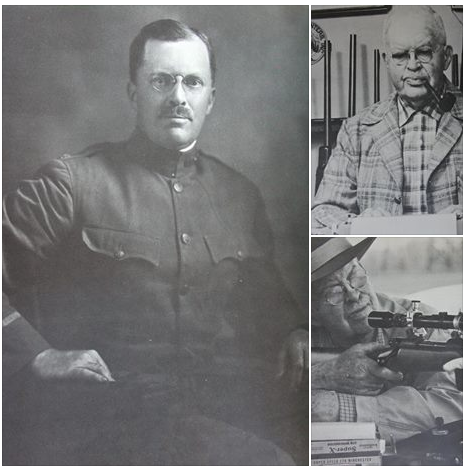
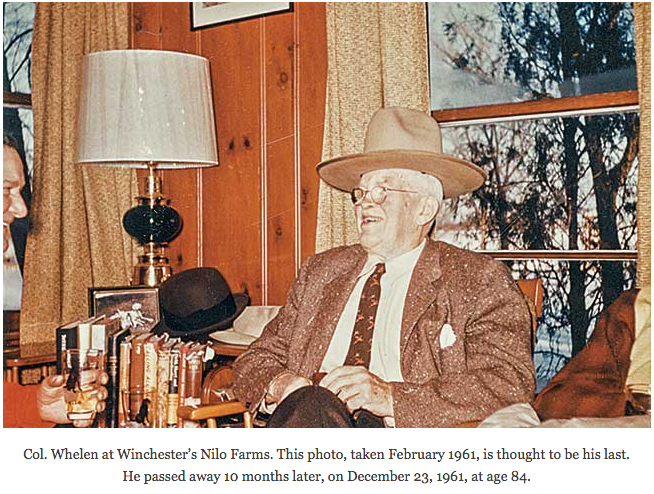
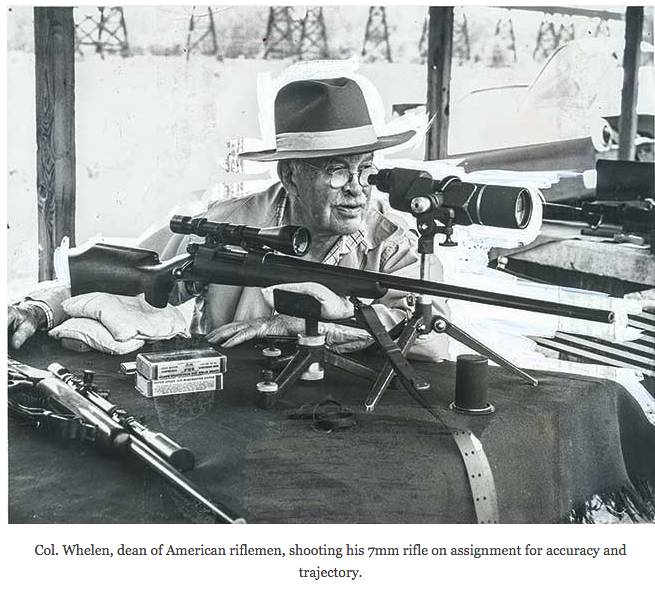
Col Townsend Whelen who was born in Philadelphia on March 6, 1877 and died on December 23, 1961 was a career soldier, outdoorsman, hunter, marksman cartridge inventor and prolific writer whose ideas about all things to do with shooting are as valid today as they were when written.
whelen3
whelen2

Categories
All About Guns Hard Nosed Folks Both Good & Bad

A Nation of Riflemen


Whelen, if he were still around today, would likely care less if that just offended you as he cared little about ego and more about the condition of the country. But more importantly, how a Rifleman fits in.
Like our Founders, Whelen was concerned for our posterity. He was committed to these and operated from a point of urgency.  
More on his thoughts on that below.
Whelen served many years in the army (also as an instructor) and at one time was Springfield Armory’s director of research. 
In the article below, Whelen announces the arrival of a new era in rifles, sights and ammo in which he helped bring to fruition.
The idea was that this new era would usher in a higher standard of marksmanship. Whelen specifically advises that “hunter riflemen” qualify on the AQT.
Whelen was a true visionary for his time in regards to freedom and liberty and how “a nation of Rifleman” relates to a “prosperous country.” Whelen (or known as “Townie” by his friends) was known by some shooters as “Mister Rifleman”.
Today, because we are predominately, a nation of casual plinkers and “internet warriors”, current manufacturers have given us rifles (not in all cases though) that reflect that standard and which must be modified in many cases to allow even a modicum of marksmanship skills to be taught efficiently.
Ask yourself, are we that nation of Riflemen that CTW wanted to create? It says something about our Nation today when the graves of men like this are neglected, overgrown, and forgotten, instead of well maintained and much visited. Even Wicki gives him a short shrift.
Tradition based on our heritage, is the rudder that holds a nation on course.
Here is Whelen’s article, snipped/streamlined only a bit for efficiency. The original is not online since it was before the age of the cut and paste Internet.
TG/Dan Bradford

A Message to Hunters and Rifleman of the United States-Col. Townsend Whelen, May 1932.

“I am trying to make our country a Nation of Rifleman who will forever command peace, who will preserve the sanctity of our homes, and who will conserve our game for the sportsmanship use of themselves, their sons, and their grandsons.”-Col. Townsend Whelen, May 1932.
“Gentlemen, in the past, I have tried to help you worry along with the obsolete, mediocre, quite inefficient factory rifles which our large manufacturers chose to provide for us as hunter riflemen. You came to me with your problems and I did my best to tell you how you could improve those poor arms by fitting good sights, smoothing up the trigger, modifying the stock, fitting sling swivels and making slings for them.
There was nothing else we could do because there was nothing else on the market available to us except the custom made rifles, which were far too expensive for most of us. But thank goodness, times have now changed or are about to change.

There have been available to members of the National Rifle Association for a number of years the unexcelled Springfield military rifle, and the most excellent sporting type modification of it.
In the past two years, there have also been produced two excellent, high-grade super-accurate bolt action rifles for high-intensity cartridges the Winchester Model 54 and the Remington 30-S and for small bore rifle shooting we have two excellent rifles in .22 caliber.
The Winchester Model 52 and the Springfield M1922 M1. There is one really good .22 caliber boy’s rifle on the market, the Winchester Model 57.

Within a few months I will be able to announce to you other new rifles. These rifles will have modern sights, sling swivels, fine shooting rifle slings and good clean trigger pulls-and the price will be within reach of everyone. We will even have another fine little boy’s rifle, which will embody all these improvements.
(My side note: Notice how he addresses not just some of the features a Rifleman needs, but 22 rifles. No doubt, as an Army instructor himself, Whelen knows the value 22’s serve in marksmanship. The mention of the boy’s rifle addresses the passing on the Rifleman tradition; an asset to what he calls “a Nation of Rifleman”.)
With all these fine and suitable weapons available, I will never again have to write to you about these obsolete arms; with which in their original condition no one can shoot well or learn to shoot well; and which are difficult and so expensive to remodel into halfway decent form.
I want you to have rifles that you can really shoot well; and can always use with utmost effectiveness and confidence. I shall never again recommend rifles fitted with obsolete sights that are slow to catch aim with, that have large errors of aim, that are impossible for older eyes and that shoot a foot differently at 100 yards when the sun is shining on their right side from what they do when the sun is shining on their left side. 
I shall never again recommend to you a rifle with a miserable, old-fashioned stock with a comb so low that you can’t rest your cheek firmly on it to hold your eye steady in the line of aim, that has crescent-shaped butt plate that can be shot only in a cramped standing position on level ground, or that has a boy sized shotgun butt plate placed on the rifle at such an angle that it slips off the shoulder every time the rifle is operated in rapid fire. Such stocks also greatly increase the effect of recoil. They cannot be used effectively.
When we train a man or boy to a high degree of excellence in marksmanship, he simply will not use such a stock. Why should I give the ordinary man an idea he can shoot well or learn to shoot well or get satisfaction from a rifle with such a stock? He cannot.

(My side note: Many “stock” rifles, from mainstream manufacturers, especially 22’s still come with this crappy design, lack of sling swivel studs for a sling and dismal iron sights. We are repeating history in more ways than one. There is a very unflattering reason for this. The answer was above.)
Here is exactly what Whelen was talking about: There are 4 worthless features on this particular entry level 22 shown below.
Whelen addressed 3 of them above. Otherwise the internals are rock solid.  Also note that Appleseeders can rejoice in the fact we designed a “training” rifle in the spirit of Whelen.   :bow:

About a year ago, I explained to my readers the very great advantage that came from using a sling. It gives absolute steadfastness of aim and moreover it enables one to aim steadily even when he is trembling from exertion, cold or excitement. Given two shooters of equal skill, and equal rifles, let one use the rifle sling while the other shoots without it. The man without the sling will be seriously handicapped. I am not going to recommend such a rifle, as it will handicap you because it does not have a sling or sling swivels. I certainly would not use such a rifle.
(My side note- speaking of slings: you’ll find that “history does indeed repeat itself” – that the sling was originally a mere carrying strap, that thanks to efforts of people like
Whelen it was made a shooting aid which none of us would voluntarily forgo, that the M1907 military sling was adopted by the US Army in 1907 to provide its troops with a fine shooting aid Later the simple but effective GI web sling was used.
But for most shooters, the sling now is again relegated to being a mere carrying strap. Ignorance, apathy, and laziness in action, and no doubt the failure to remember how to squeeze max accuracy out of a rifle via sling usage.)
I have been working hard for 30 years for this day. It was just 30 years ago that I wrote my first article for Outdoor Life recommending accurate rifles with adjustable aperture sights, shooting slings, large flat butt plates and the use of accurate cartridges.
The day has at last come when such rifles are available to everyone.
(My note-now that he has the rifle part handled, he moves on to the making “a Nation of Riflemen”.)
Using a modern rifle and training by modern methods, any man with fair physique and fair eyesight, with or without glasses, can quickly teach himself to: Place four out of five of his shots in a 10 inch bull’s-eye at 200 yards or a 2 ½” bull’s-eye at 50 yards from 12 to 20 seconds.
(My note-quick, how many minutes does his standard vary from a 4MOA rack grade “Rifleman” standard?)
Surely place his bullet into a vital spot on a deer or similar game at 250 yards using iron sights, or 350 yards, using a scope, with a rifle shooting a high intensity cartridge of a very flat trajectory.
(My note-as opposed to the slower velocity cartridges still in use at CTW’s time)
Catch sure aim quickly on running or jumping game.
Qualify as Expert on the Army Qualifying Course.
(My side note- many rifle marksmanship schools do this, we shoot this standard at Project Appleseed. Expert is a minimum 210 points out of 250.)
He cannot do these things with obsolete, poorly sighted, poorly stocked rifles with poor trigger pulls and without a sling no matter how hard he tries. 

Gentlemen we are again about to become a Nation of Riflemen, and having become that, we shall command peace for ourselves and for our posterity. 
See to it you use the grandest of rifles properly as a gentleman and American should; that you never take life-human or animal-needlessly or thoughtlessly; that you never endanger the lives of others; that you kill painlessly and humanely with a single shot; that you learn to hold steadily, aim accurately and squeeze the trigger easily; that you become nail-driving marksman.
(My side note: One simply needs an ego free teachable attitude. Then if you persist, as a Rifleman does, it’s easy to score “Expert” as Whelen demands.)
And then you teach your boys to do likewise.
Give them an even break. Don’t handicap them with a cheap, unsuitable, obsolete rifle. Neither you nor they nor our country will get anywhere with such weapons. 
A good rifleman plus a good rifle will shoot, see straight, think straight and will run our country straight.”-Col. Townsend Whelen-May 1932
Let’s not forget Col. Townsend Whelen’s words.
Remember, “Liberty is not a cruise ship full of pampered passengers. It is a man of war and we are all crew.”-Boston T. Party
TG/
Dan Bradford


More here: https://www.findagrave.com/cgi-bin/fg.cgi?page=gr&GRid=49337296
http://www.gunsandammo.com/ammo/rifle-ammo/the-35-whelen-story/

Categories
Dear Grumpy Advice on Teaching in Today's Classroom

Some more ideas about Classroom Discipline

Related image
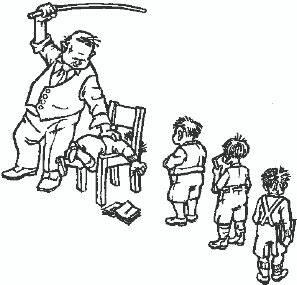
Ah the good old Days, Sadly though this has gone the way of the Dodo! But that is just the way it is.
So what is today’s teacher suppose to do? Especially when you get called to the office to “talk” to your supervisor. About their “concerns” of your classroom management.
(Yes Teachers also get sent to the office for screwing up!)
Here are a few thoughts of mine that you might want to ponder upon.
Almost everyone at school does NOT want to be there! Shocking huh? I myself could rattle off a dozen or so things or places that I rather be & or doing. But since I have these horrible habits of paying my bills & eating. Guess what!
School can be & is extremely boring most of the time! Plus we teach a lot of stuff that nobody will most likely never use. I am retired now so I can safely say this heresy.
Most students only go to school to see their friends & not get hassled by their parents. (If the parents actually care which most Thank God do!)
So here we go!

  1. Learn to make deals with your students! If you do this & is then I will do this and this in return.
  2. No student is a like but they all have some things in common.
  3. That is respect, fair dealings and reasonable standards
  4. They all have something to give & will give it if you give them a chance.
  5. There is going to a good chance that you will be the only REAL Adult that they will see & deal with all day. Scary huh?
  6. You represent the State & Authority. Which can cause  a lot resentment for no reason whatsoever. Who ever said life was fair was lying & an idiot too!                                                                                                                                                                                                         So what does this mean in the Queen’s English you say?

Deals – Now in real life a Teacher has really got zero juice when it comes to real power. But the Kids generally do not know this.
So here are a few things that worked for me. “If the student shows up and does not screw the pooch for say the week. Then I am prepared to do this….(Call the parent & say Junior is really doing well this week. Write a positive letter to them or commendation, give out a reference for a job etc etc.)”
I myself had a student of the week / month program & good grams based on GPA & behavior/ That worked pretty good.
Student Contracts – Where both you & the student agree that WE are going to do our best! Strangely this really works!
Some more stuff later on!

Categories
All About Guns

Some other worthy Tomes to read

Now a few decades ago God am I getting old! The Brits put out a series of Book about the wars of the 20th Century. They were at the time very cheap and some of them were absolute gems. Who were just packed with lots of great photos, diagrams and some way above writing in them.
So on that note here we go.
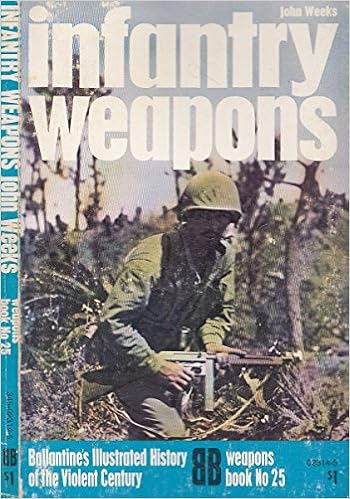
Infantry Weapons by John Weeks
Image result for infantry weapons by john weeks
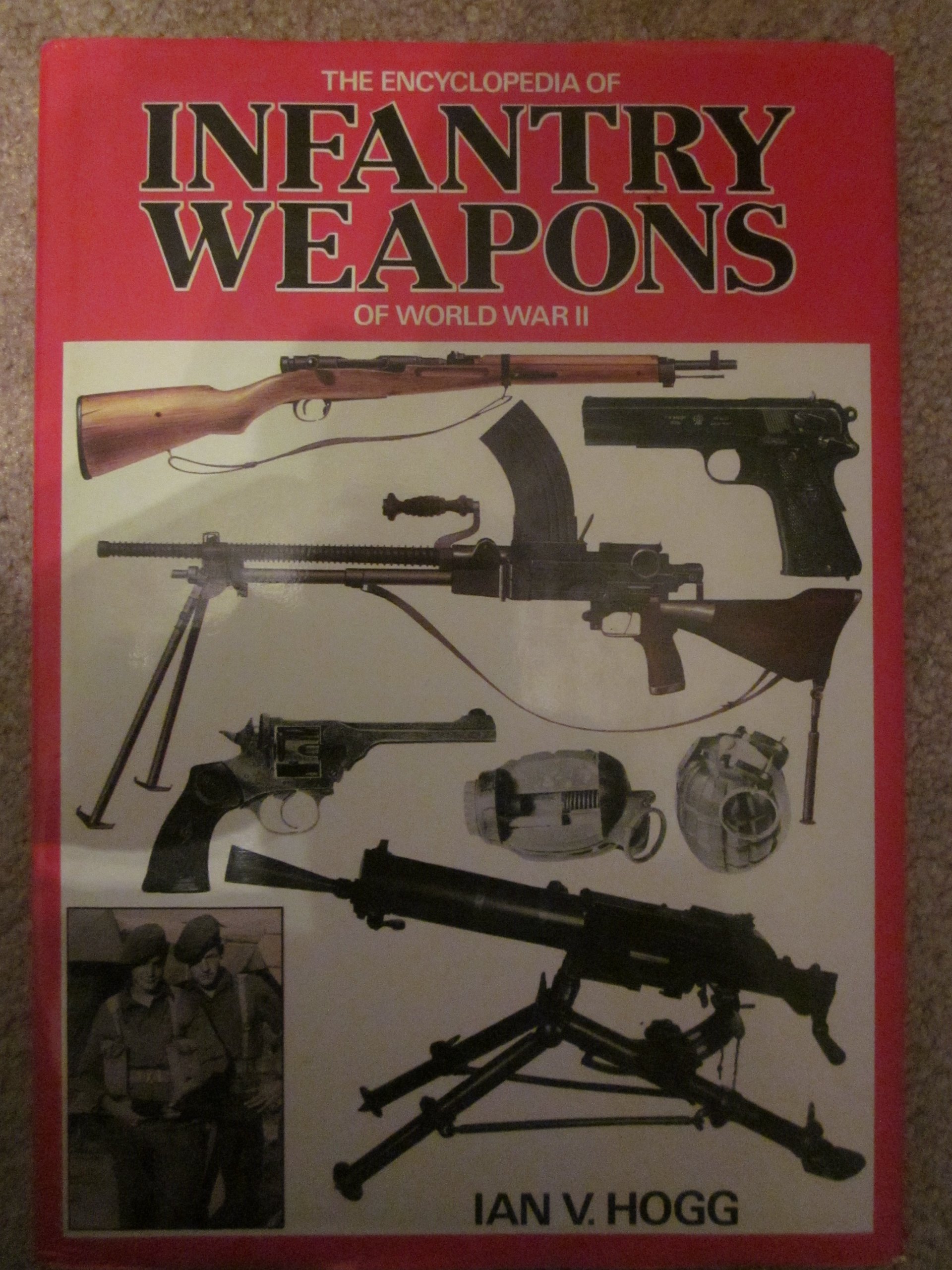
If you want some very good book about what all the Grunts of WWII had to carry. Then here is what you might like to consider getting. Usually Ebay has some for sale at a reasonable price
Image result for books by Ian Hoggs
Image result for Ian V. Hogg
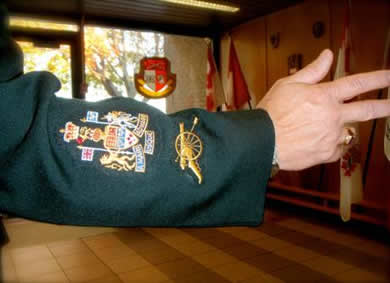
The Author Ian Hoggs was a very interesting Man indeed. He was with the Royal Artillery during WWII in the E.T.O. and then did Active service in the Korean war. He also rose to the Highest Enlisted Rank in his Regiment before Retirement.
 (Master Gunner at the Royal Military College of Science)
Image result for Master Gunner at the Royal Military College of Science
Which says a lot about him as the Brits were & still are very stringent about promotions for the Enlisted Ranks.
He has also written several other books about Guns. I most highly recommend them to you. As the Old Boy could really write and write well.Image result for Ian V. Hogg
He also can be seen on YOUTube once in awhile also.
Categories
Dear Grumpy Advice on Teaching in Today's Classroom Hard Nosed Folks Both Good & Bad

The key to the Bastille

Image result for The key to the Bastille

Portrait of Marquis de Lafayette, Charles Willson Peale, 1779 (Washington-Custis-Lee Collection, Washington and Lee University, Lexington, VA)

With his military experience from serving during the American Revolution, the thirty-two year old Marquis de Lafayette quickly assumed a prominent role in the opening chapter of the French Revolution.

After the Bastille fell, Lafayette was placed in command of a local national guard formed to keep order throughout France. 
The Bastille main prison key was turned over to Lafayette shortly after the Bastille was stormed on July 14, 1789 by angry citizens rioting in the streets of Paris.
Long a symbol of royal despotism, the Bastille was a natural target when violence erupted after severe shortages of bread led the populace into the streets.
Lafayette was optimistic about the fate of the revolution when he prepared to ship the Bastille key to George Washington in March of 1790.
Several months passed before the gift finally arrived at its destination. On the first leg of the journey Lafayette entrusted the key to Thomas Paine, well-known for his participation in the American Revolution.
The actual presentation to George Washington late in the summer of 1790 was an honor that fell to John Rutledge, Jr., a South Carolinian returning to the United States from London.
The principal key to the Bastille is made of wrought iron and weighs one pound, three ounces.
Washington’s prominent display of this celebrated souvenir in the presidential household illustrated his appreciation to his French pupil as well as recognition of its symbolic importance in America.
Shown first at a presidential levee in New York in August, the key continued to be showcased in Philadelphia when the seat of government moved there in the fall of 1790.

The Key to the Bastille (Mount Vernon Ladies’ Association)

Shortly before Washington’s retirement from the presidency in 1797, the key was taken to Mount Vernon and given a place of honor in the first floor passage. Washington’s death in 1799 brought little disturbance of the Mansion‘s interior.
However, that changed upon Martha Washington‘s death in 1802. With her passing, only a few original furnishings—those acquired by Bushrod Washington—were left in the mansion. The key remained in place in the mansion’s passage during the next three generations of Washington’s who occupied Mount Vernon.

The key to the Bastille prison hanging in the central hall of the Mount Vernon mansion. (Mount Vernon Ladies’ Association)

In 1824 a special reunion took place at Mount Vernon. The Marquis de Lafayette and his son George Washington Lafayette began a year-long tour of the United States.

At Mount Vernon they found the principal key of the Bastille. For Lafayette it was a highly charged moment of sentimental reflection on past events of international significance and personal triumph. 
Lafayette and his son were but two of the thousands of pilgrims who made their way annually to Mount Vernon to view the home and tomb of George Washington.
This tribute was an ever-increasing burden to the Washington family who frequently accommodated their domestic comfort to visitors’ schedules. In 1858, John A. Washington III, the last of the family to reside at Mount Vernon, sold the property to the Mount Vernon Ladies’ Association.
His gift to the Association of more than a dozen objects once owned by George Washington included the Bastille key that held such a prominent place in the mansion and amongst Washington’s possessions.
 
Bibliography:
Clary, David A. Adopted Son: Washington, Lafayette, and the Friendship that Saved the Revolution. New York: Bantam Books, 2007.
Gaines, James R. Liberty and Glory: Washington, Lafayette, and Their Revolutions. New York: W. W. Norton & Company, 2007.
Categories
Dear Grumpy Advice on Teaching in Today's Classroom

Classroom Discipline or How to control the Chaos that is today's Classroom

Related image
If it only so easy! All right now let us begin to look at this issue.Related image
Now as a Teacher running a class is not as easy as it looks. Everyday will bring new challenges and issues that will try to turn your classroom into a jungle.
So what to do? Let us start off with some ideas and dreams that a lot of folks have.  But have not worked at least for me.
Here is the 1st One – The Army Drill Sgt. ModeRelated image
Having been in the US Army. I can tell you that at times. That this works a little but not for long. In that you get tired very quickly and the Students are quickly turned off!
Plus this can happen now in the Age of Helicopter Parents & Cell Phones.Image result for teachers being friends with students
Or how about being your Students friends. Nah I do not think so! As it is another great way to end your teaching career!Image result for teacher going to jail memes
Okay so what do you propose instead?
Glad that you asked! So here goes on what I learned in 24 years of teaching in an inner city classroom.

  1. Most Students want to know where they stand and what is expected of them.
  2. Yes they are some spawns of Satan out there. But not too many fortunately.
  3. Most kids want to learn something but not everything that you want to teach.
  4. Your most powerful tool is your mouth & it is also your worst enemy.
  5. Your mantra should be firm, fair & consistantancy.
  6. You must set the example for your students to follow.
  7. Your rules for OUR classroom should be clear, simple and understandable.
  8. You will be tested on this everyday. But if you can stand the gaff, then you will slowly win over the majority of your students.                                                                                                             More later Grumpy


Categories
All About Guns

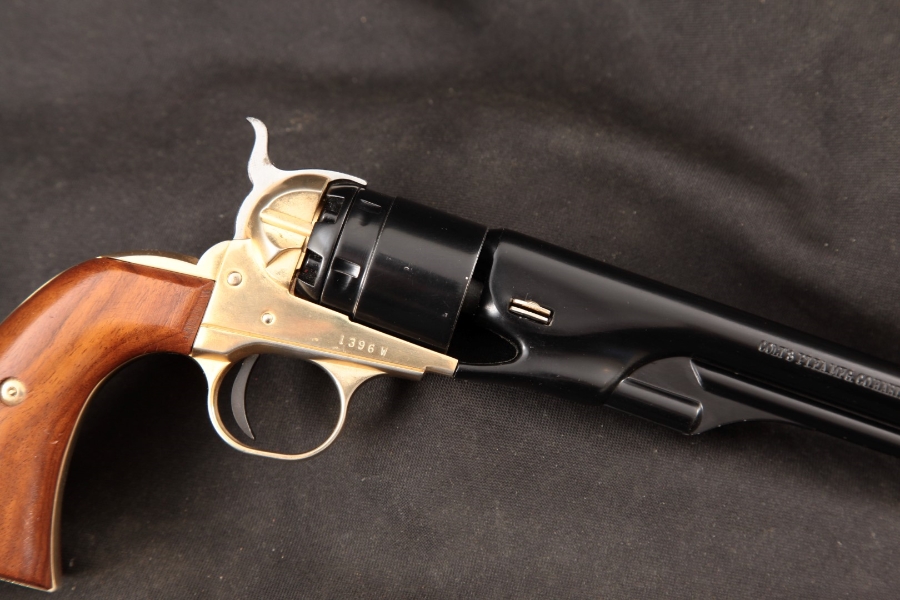
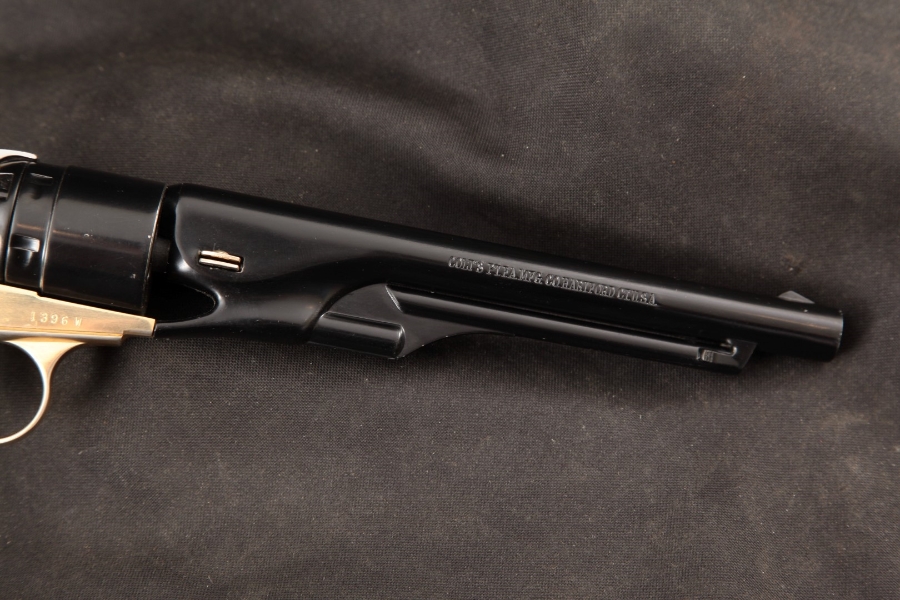
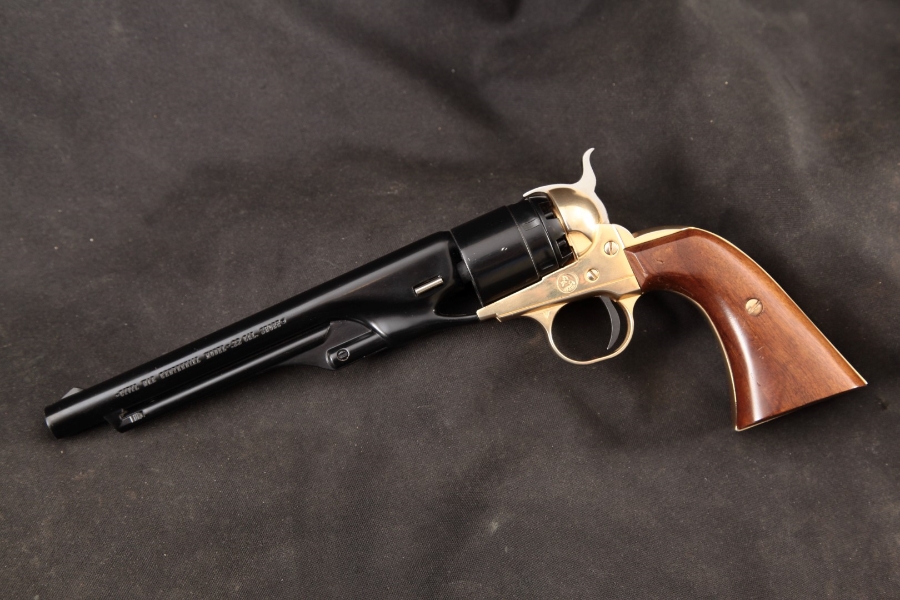
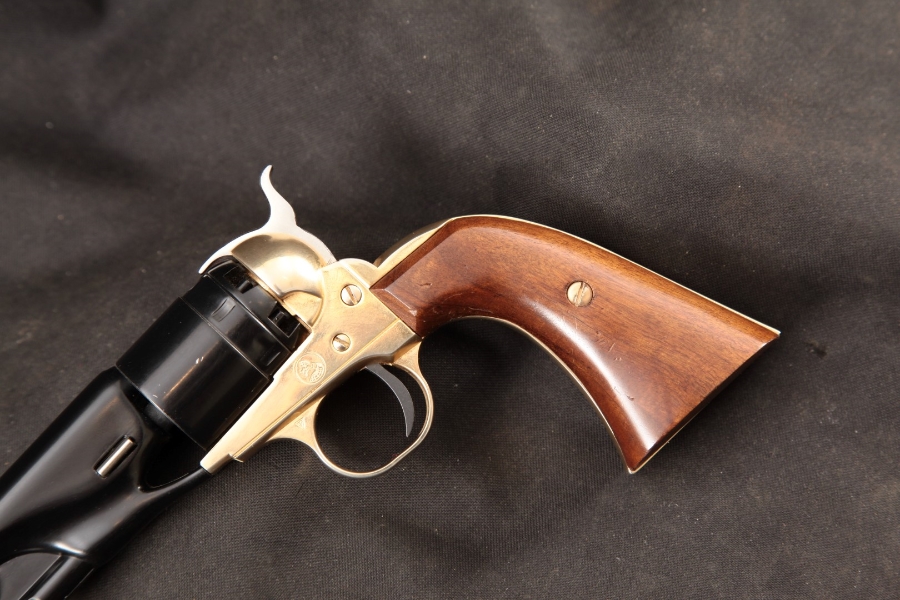
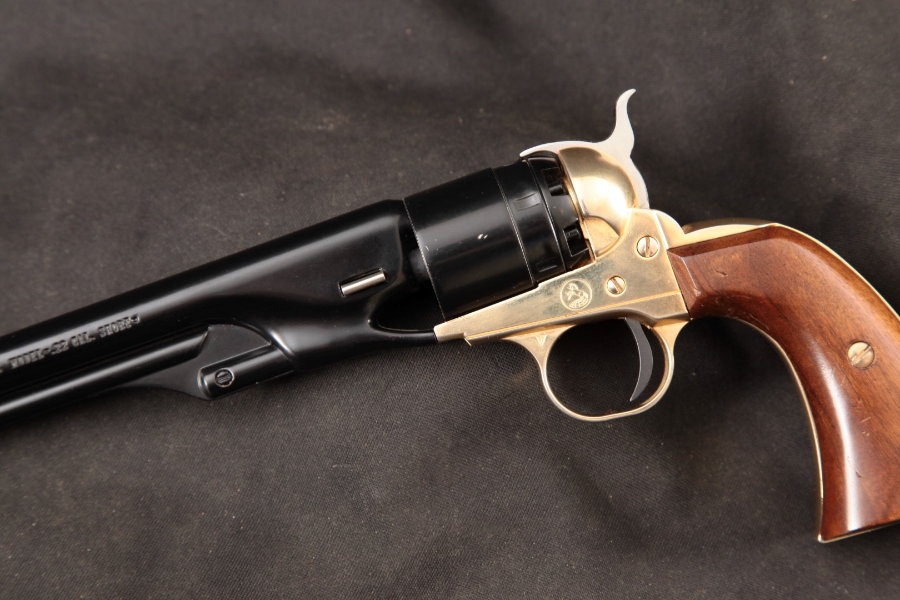
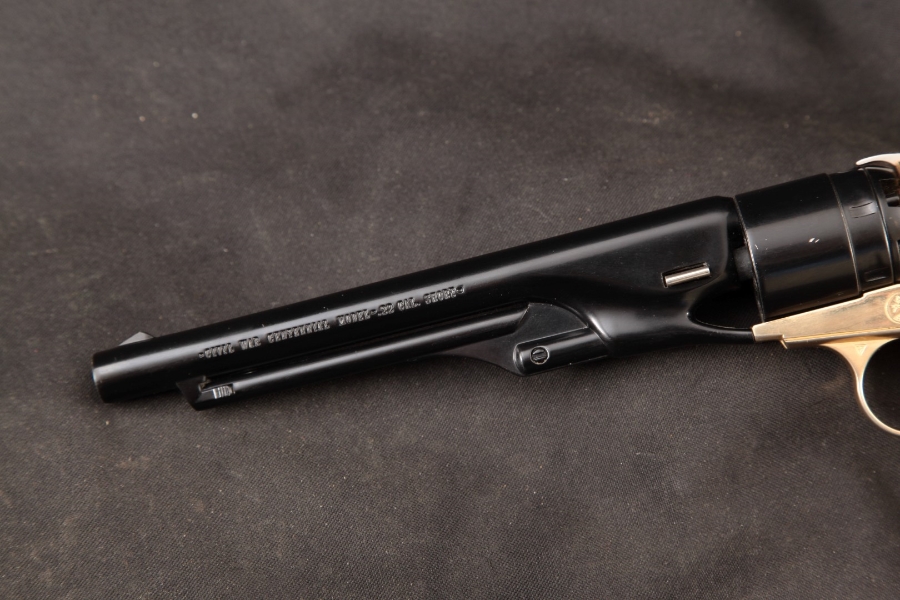
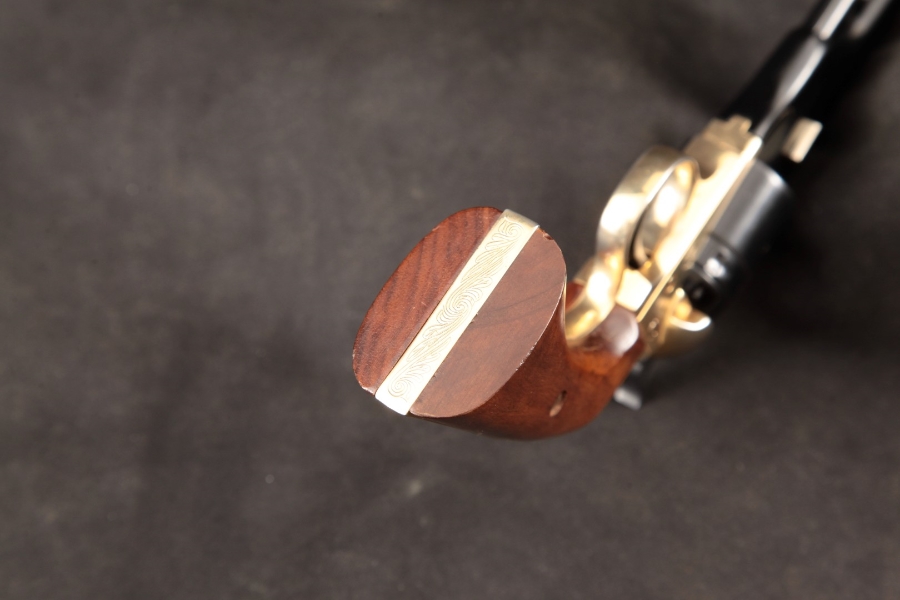
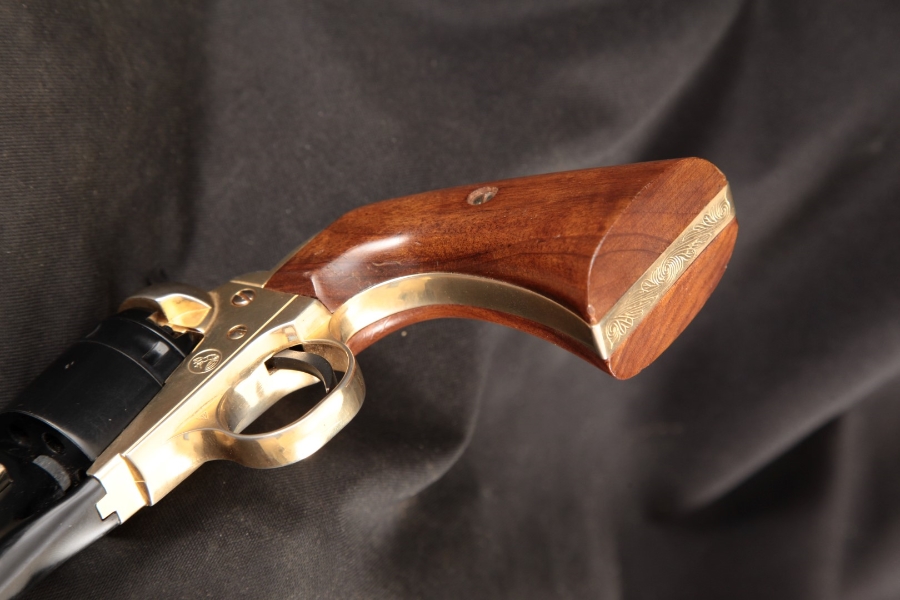
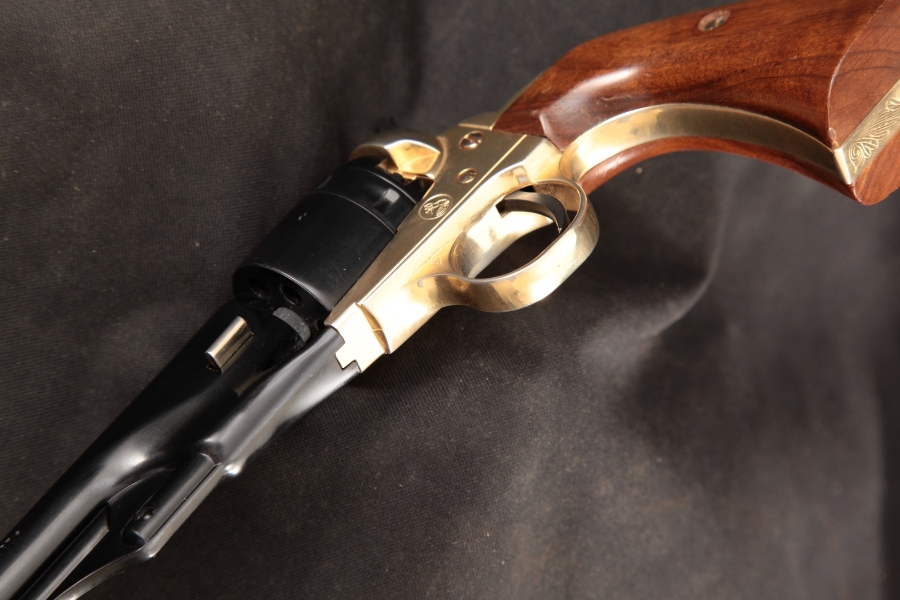
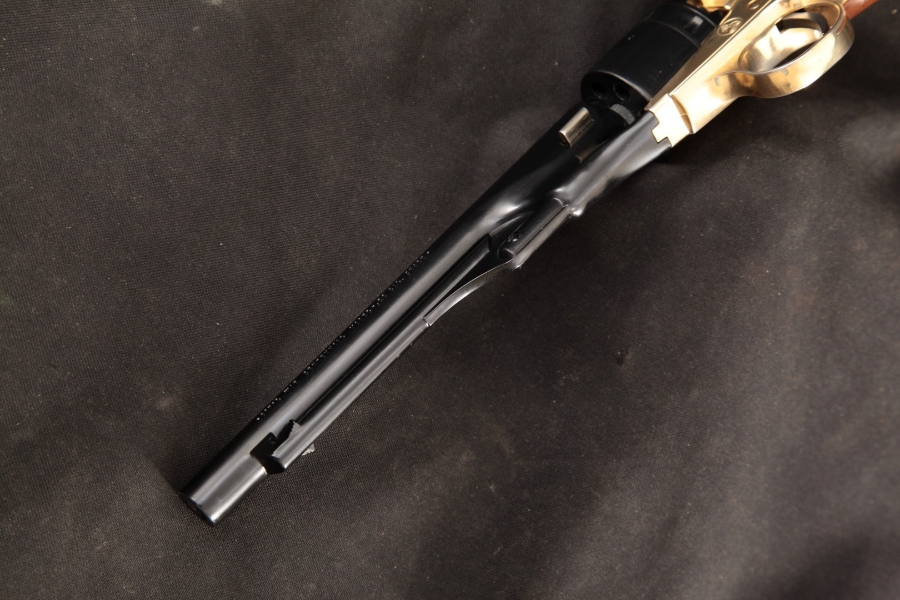
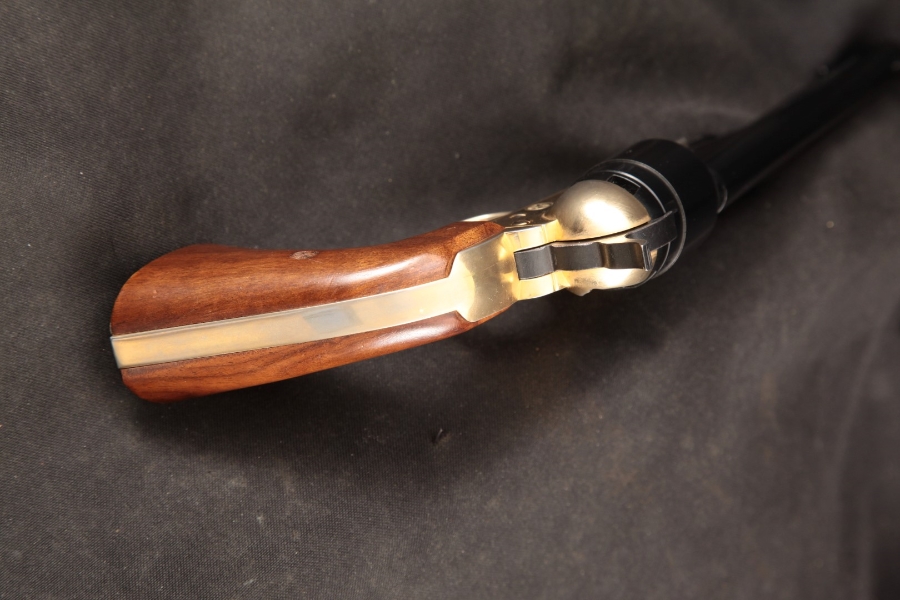
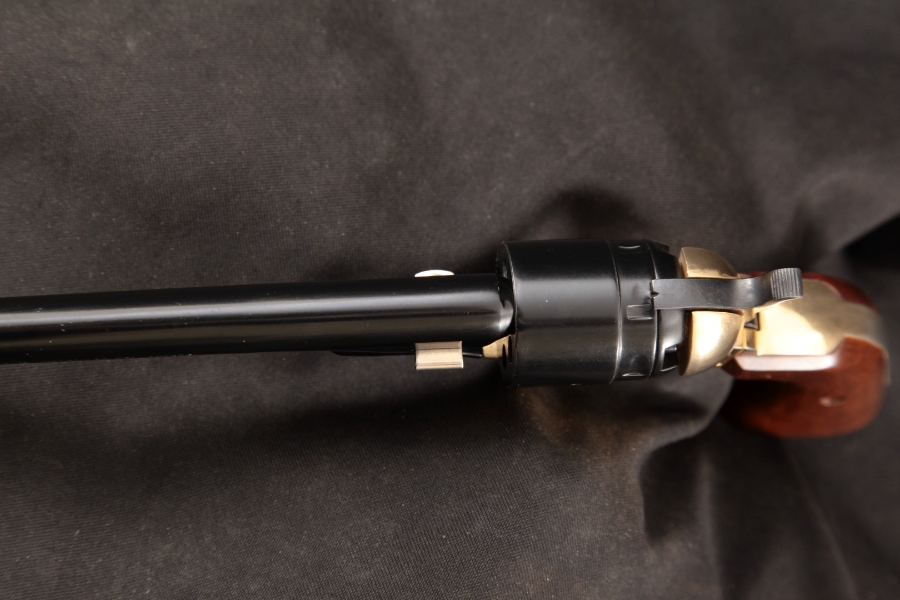
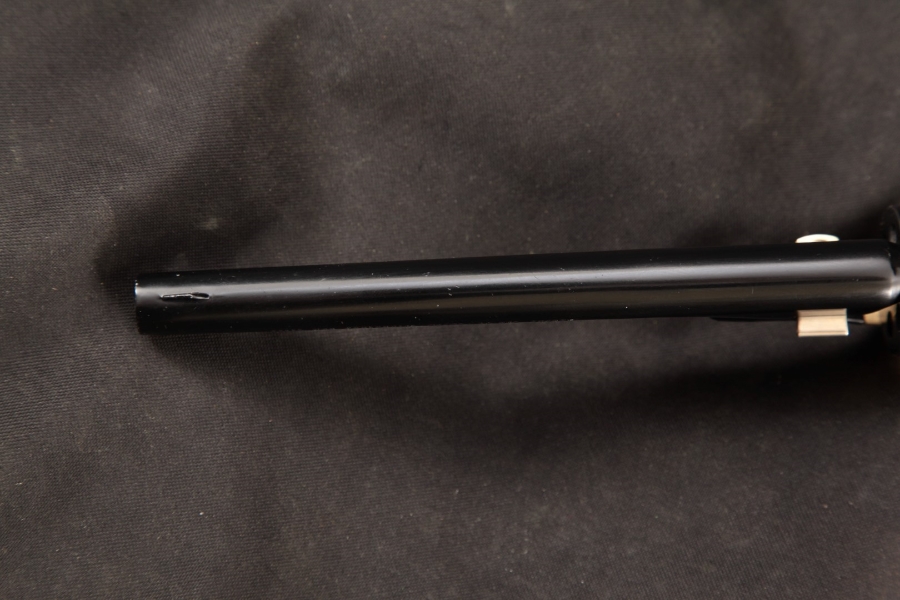
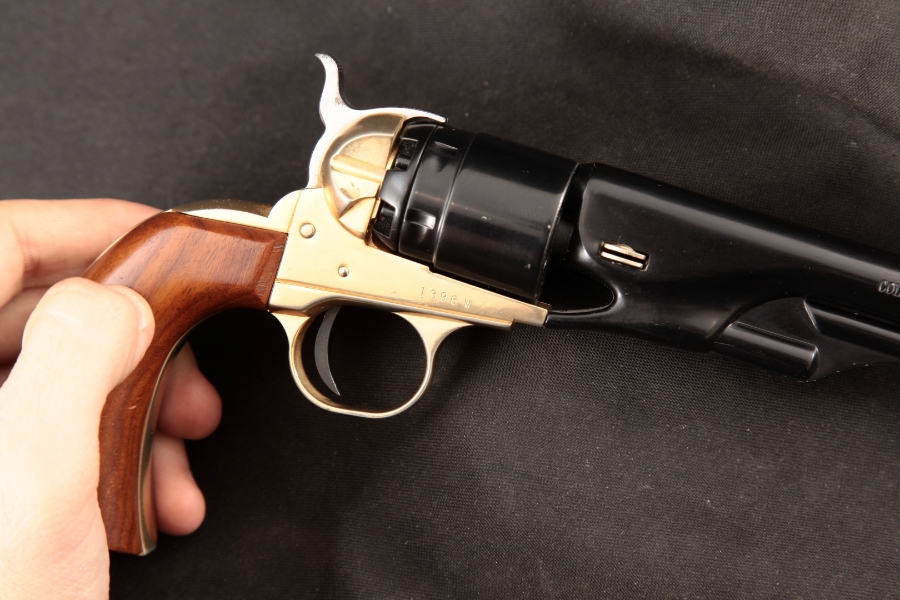
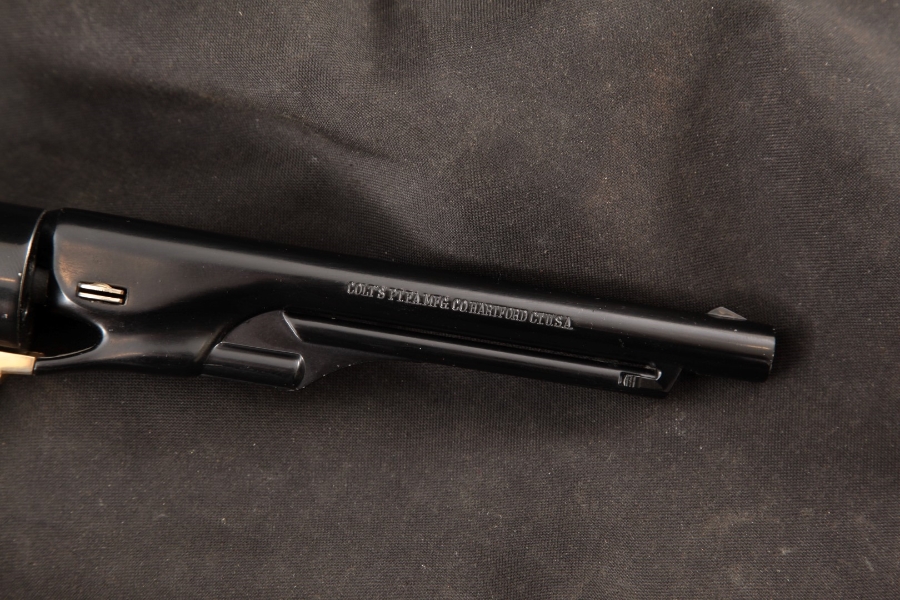
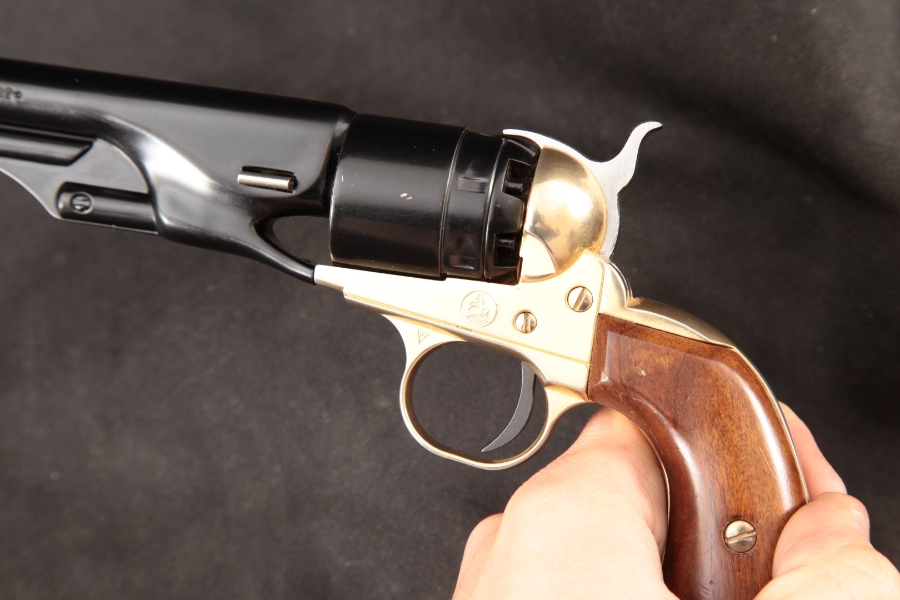
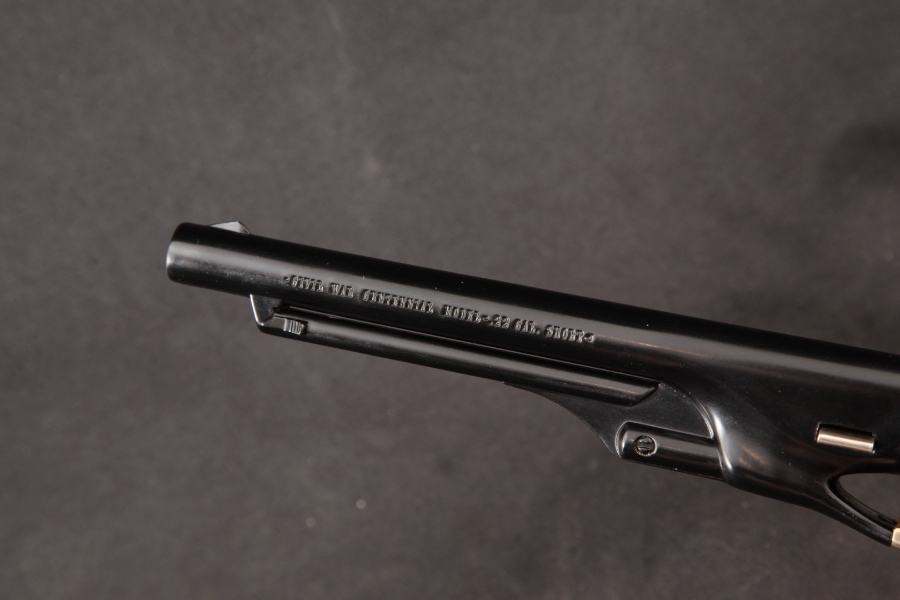
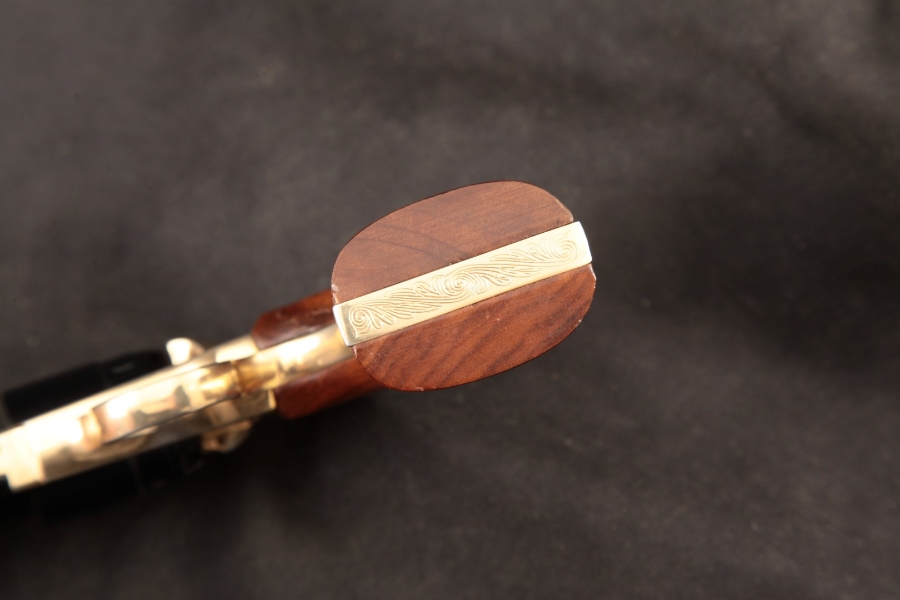
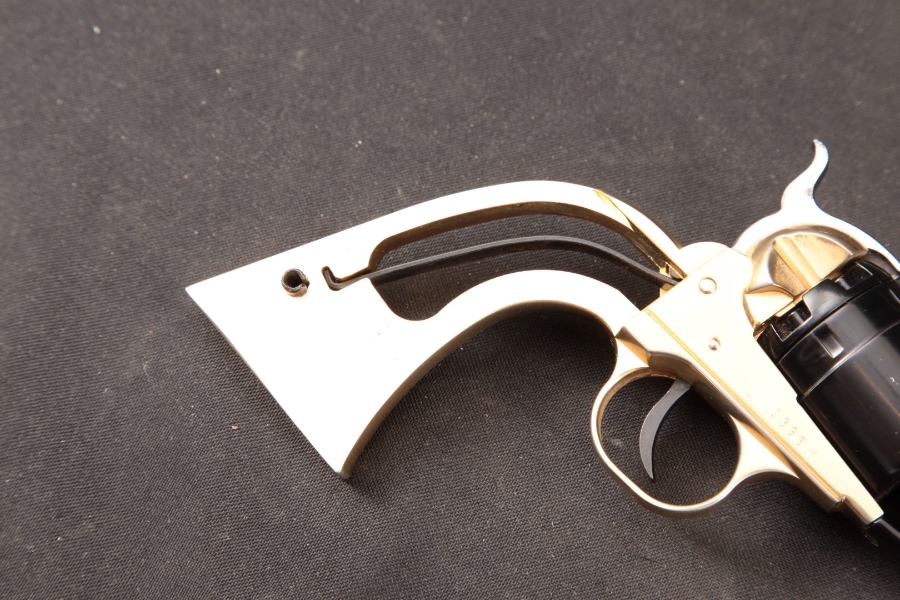
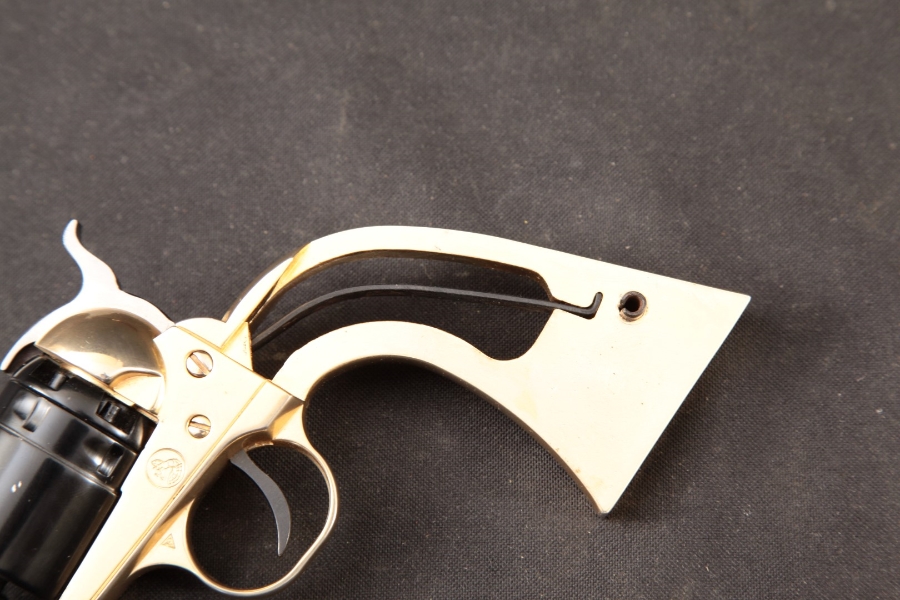
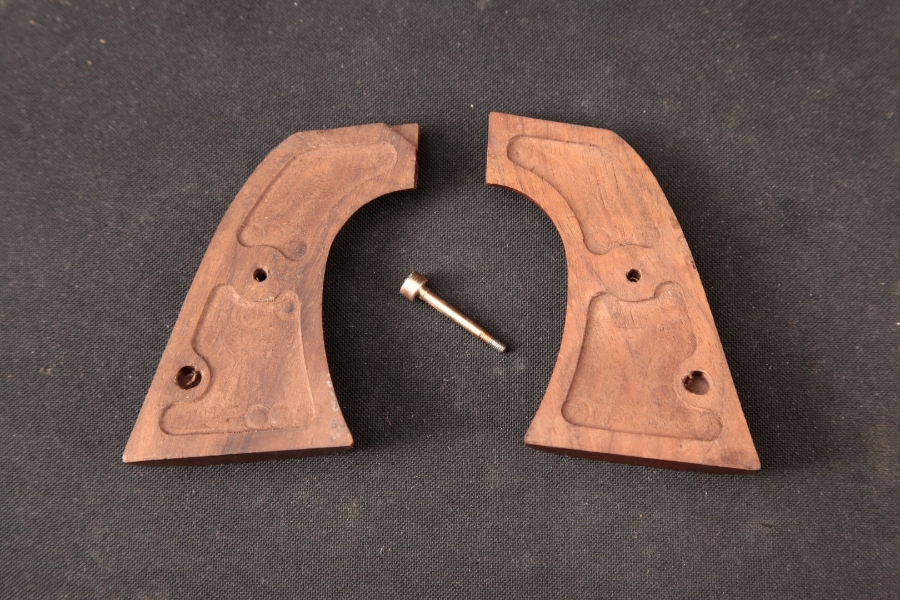
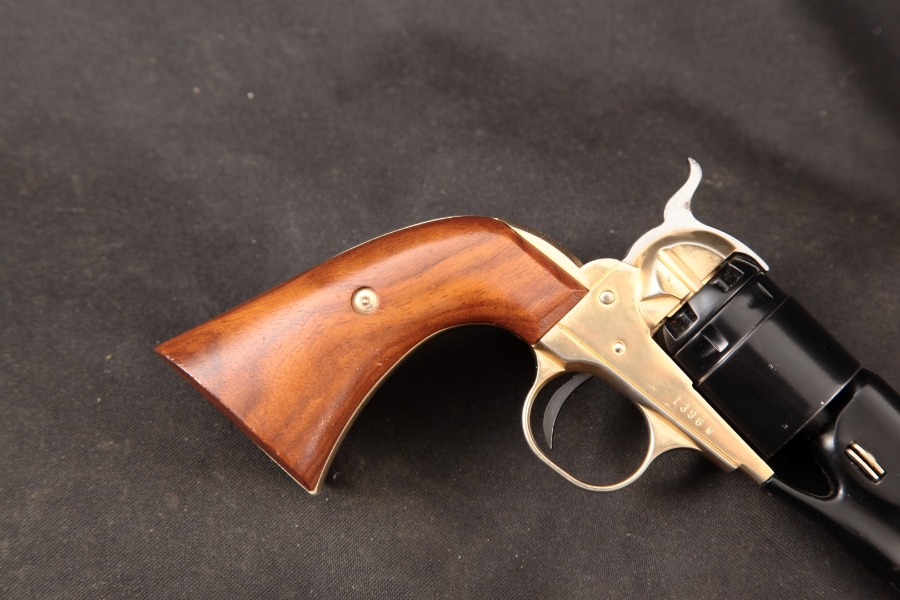
Colt Civil War Centennial Model 6, Black & Gold Plated 6" Single Shot Revolver

Image result for Colt Civil War Centennial Model 6
Colt Civil War Centennial Model 6, Black & Gold Plated 6


“The American Civil War was a boon to firearms manufacturers such as Colt’s, and the company thrived during the conflict.
Sam Colt had carefully developed contacts within the ordnance department signing the very first government contract for 25,000 rifles.
Colt’s Factory was described as “an industrial palace topped by a blue dome” and powered by a 250-horsepower steam engine.
During the American Civil War Colt had 1,500 employees who produced 150,000 muskets and pistols a year. In 1861 and 1863 the company sold 107,000 of the Colt Army Model 1860, alone, with production reaching 200,500 by the end of the war in 1865.”
This is a 100th year anniversary of the American Civil War, made by Colt, in the form a miniaturized 1860 Army revolver. The pistol is single shot and chambered for .22 Short, sporting black and gold plated finish.

Categories
All About Guns Anti Civil Rights ideas & "Friends" Born again Cynic!

Some more idiocy from Florida- Stuff like this just keeps stirring the pot!

Dick's

Dick’s Sporting Goods is not a magnet for carnage, despite what the author of the op-ed posits. (Photo: Wikipedia)

Selling firearms at shopping malls is a horrible idea, argues Rick Christie, a staff writer from the Palm Beach Post.
“You can purchase a lot of things at the mall nowadays, from candles to cars,” he opines in a recent op-ed. “But a hunting rifle? No. Too many targets. Too little security. And too much individual instability.”
What led him to sound off on the subject is news that Dick’s Sporting Goods might move into The Gardens Mall, in Palm Beach. Dick’s, as we all know, sells firearms and ammunition.
Christie’s argument hinges on various tired anti-gun arguments. To give you the rundown: There is “just something wrong about this,” it has a “disregard for public safety,” makes it “easier” for bad guys or careless gun owners to hurt people, “a criminal could smash the window and grab it,” it’s harder on security officers, and concealed carriers might get confused and shoot a gun purchaser.
My favorite is the last one because it takes the absurdity to a whole new level. Christie actually quoted local Police Chief Stephen Stepp to make that point.
“You go with an expectation at the mall that you’re not going to see somebody walking through the mall or walking through the parking lot with firearms,” said Stepp.
Stepp went on to explain the mindset of concealed carriers who see folks purchasing or returning long guns at Dick’s. “They may say, ‘Hey, I’m going to be the hero’ and take out this guy they perceived as a threat.”
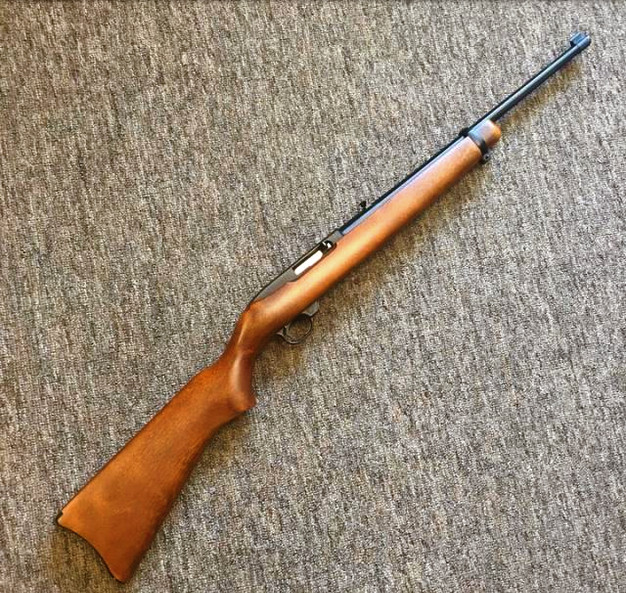
That is so detached from reality it is laughable. Pretend a father is walking into Dick’s to return a Ruger 10/22, accompanied by his young son. Now, I’m just going to go up and shoot them both in the face because they are a “threat” and I want to be a hero. Give me a break!
For the vast majority of concealed carriers, a gun is a defensive weapon. Not an offensive one. Something to deploy only when things go (to use Clay’s phrase) pear-shaped. If there’s even the slightest bit of unease about a potential individual, or situation, the goal is to get outta dodge ASAP. Call the cops. Be a good witness, as they say. The notion that every gun owner wants to be Wyatt Earp is part of the pathology of anti-gunners.

SEE ALSO: Small Town in Tizzy over Gun Store Name

Most people, regardless of there experience carrying, understand the basics of threat assessment. Intuitively, they know the difference between a casual shopper and “Hey, there’s something off about that guy.” They also know the difference between a guy carrying a newly purchased rifle in a box and a crazed psycho loading, pointing, aiming and shooting one in public.  The latter situation requires some sort of intervention, the former does not.
The only people that are going to have trouble with guns being sold at Dick’s are the hoplophobes. Those with an irrational fear of guns. Those who see a gun, any gun, and think, Oh my god! This father and his ten-year-old boy are dangerous. But thankfully, they’re so afraid of guns that we don’t have to worry about them shooting anyone or trying to take matters into their own hands.
With over 600 Dick’s stores nationwide, many of which presumably sell guns and are close to malls and shopping centers, there is no evidence to suggest that these retail outlets are magnets for carnage or reckless vigilantism. None whatsoever. Like every other anti-gunner out there, Christie’s fears are widely overblown.