








Sounds like some good advice to me!







Thanks for your Support! For those who do not know about it. I have a working Paypal Button below.
Thanks!
Grumpy

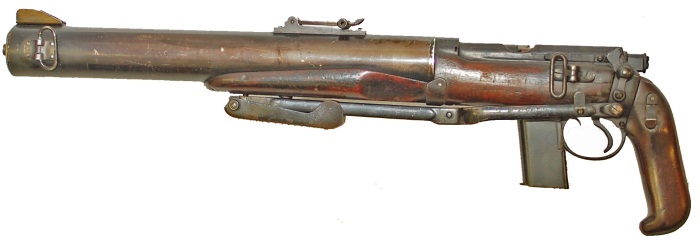


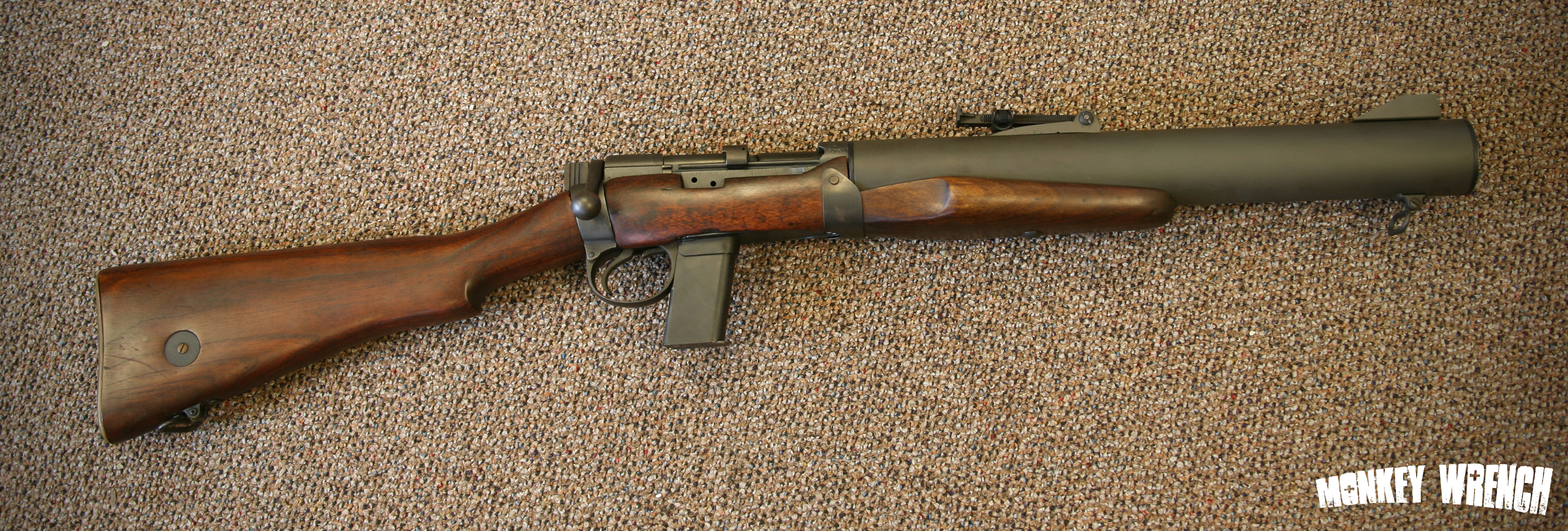


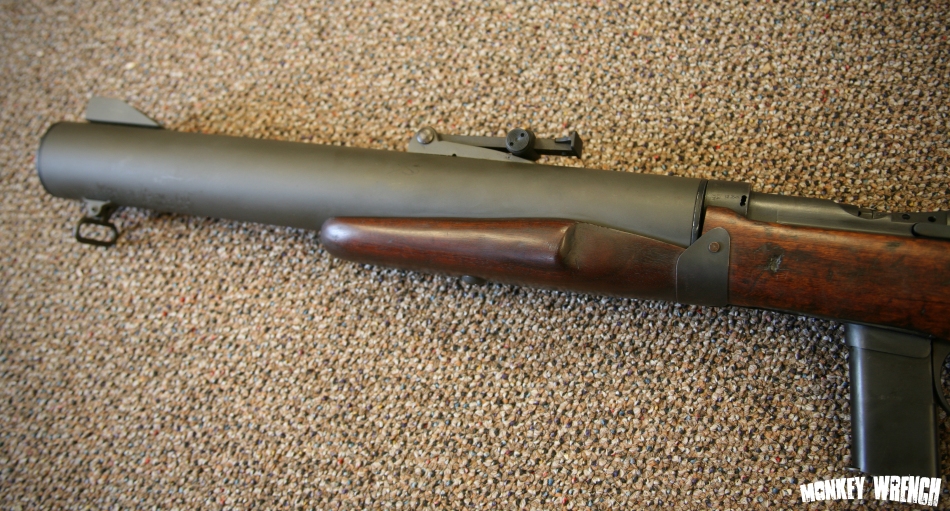
| De Lisle Commando Carbine | |
|---|---|

 De Lisle Carbine. Top, with wooden stock. Bottom, with folding stock from a Sterling submachine gun
|
|
| Type | Carbine |
| Place of origin | United Kingdom |
| Service history | |
| In service | 1943–1965 |
| Used by | United Kingdom |
| Wars | World War II, Korean War, Malayan Emergency |
| Production history | |
| Designer | William G. De Lisle |
| Designed | 1942 |
| Manufacturer | Ford Dagenham (17 prototypes) Sterling Armaments Company |
| Produced | 1942–1945 |
| No. built | 129 |
| Variants | Ford Dagenham Prototypes Folding stock Parachute Carbine, only one example produced |
| Specifications | |
| Weight | 7 lb 8 oz (3.74 kg), unloaded [1] |
| Length | 35.3 in [2] |
| Barrel length | 8.27 in (210 mm) [1] |
|
|
|
| Cartridge | .45 ACP (11.43×23mm) |
| Calibre | .45 |
| Action | Bolt action |
| Rate of fire | 20–30 rounds/minute |
| Muzzle velocity | about 830 ft/s (250 m/s) |
| Effective firing range | 200 yd (185 m) |
| Maximum firing range | 400 yd (365 m) |
| Feed system | 7 or 11-round detachable magazine |
| Sights | Ford Dagenham: Winchester rifle sight at rear, simple ramp with modified P-14 front sight protector at front. Sterling models: Lanchester Mk I rear sight (later changed to Lanchester Mk I*), windage adjustable front sight. Airborne model: Lanchester Mk I rear sight, windage adjustable front sight |
The De Lisle carbine or De Lisle Commando carbine was a British firearm used during World War II that was designed with an integrated suppressor. That, combined with its use of subsonic ammunition, made it extremely quiet in action, possibly one of the quietest firearms ever made.[3]
Few were manufactured as their use was limited to specialist military units.
History
The weapon was designed as a private venture by William Godfray de Lisle (known as Godfray), an engineer who worked for the Air Ministry.[4]
He made the first prototype in .22 calibre; this he tested by shooting rabbits and other small game for the table, near his home on the Berkshire Downs.[5]
In 1943, he approached Major Sir Malcolm Campbell of Combined Operations with his prototype; this was informally tested by firing the weapon into the River Thames from the roof of the New Adelphi building in London. This was chosen to discover if people in the street below heard it firing – they did not.[5]
Combined Operations officials were impressed with the weapon and requested De Lisle produce a 9mm version.
However, this was a failure. A third prototype, using the .45 ACP cartridge that was favoured by de Lisle, was much more successful. Tests of this showed the weapon had acceptable accuracy, produced no visible muzzle flash and was inaudible at a distance of 50 yards (46 m).[2]
Subsequent official firing tests recorded the De Lisle produced 85.5 dB of noise when fired.[6] As a comparison, modern testing on a selection of handguns has shown that they produce 156 to 168 dB when firing without a suppressor, and 117 to 140 dB when firing with one fitted.[7]
The de Lisle’s quietness was found to be comparable to the British Welrod pistol. However, the Welrod was useful only at very short range and used fabric and rubber components in the suppressor that required replacement after a few shots.
The de Lisle was able to fire hundreds of rounds before the suppressor required disassembly for cleaning.[8]
Combined Operations requested a small production run of De Lisle carbines and an initial batch of 17 were hand–made by Ford Dagenham, with Godfray De Lisle himself released from his Air Ministry duties so he could work full-time on the project.
this initial batch was immediately put into combat use by the British Commandos.[6] In 1944, the Sterling Armaments Company was given an order for 500 De Lisle carbines, but eventually only produced around 130.[6]
The Sterling version differed in a number of details from the earlier, Ford Dagenham model. Two prototypes of a further version, for Airborne forces, were made. These had folding stocks, similar to those fitted to the Sterling submachine gun.[9]
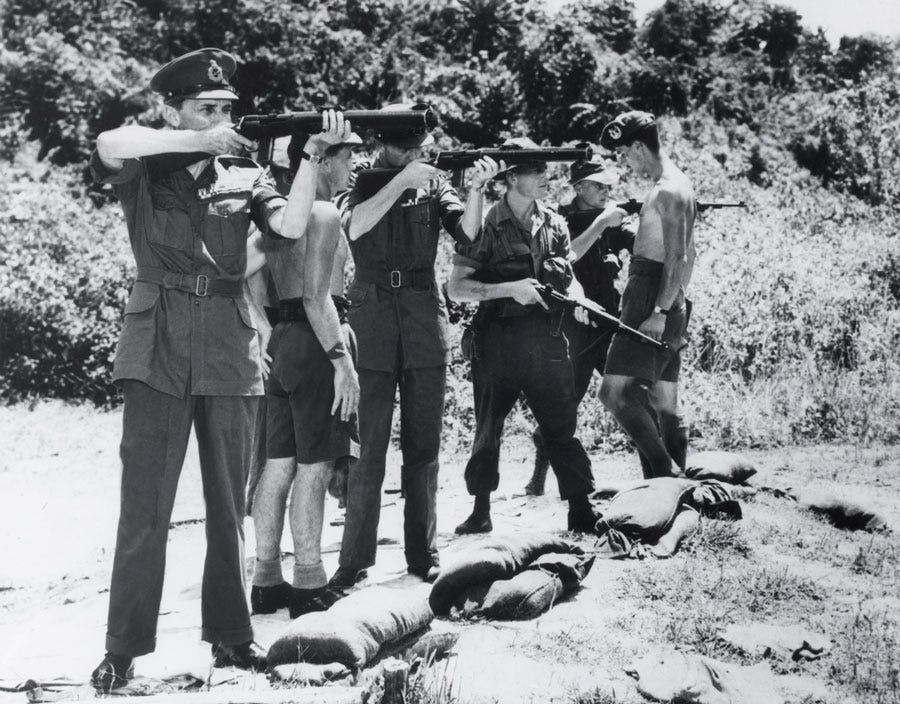
During the remainder of World War II, the De Lisle carbine was mainly used by the Commandos, although they also saw some use by the Special Operations Executive (SOE).[10]
E. Michael Burke, the American former commander of a Jedburgh Team, stated that a De Lisle was used by them to assassinate two senior German officers in 1944.[10]
A number of De Lisles were shipped to the Far East and used during the Burma Campaign. The De Lisle would also be used during the Korean War and the Malayan Emergency.[10]
It has been claimed the weapon was also used by the Special Air Service during the Northern Irish Troubles.[10]
Description

The initial wooden-stocked De Lisle with a fitted suppressor
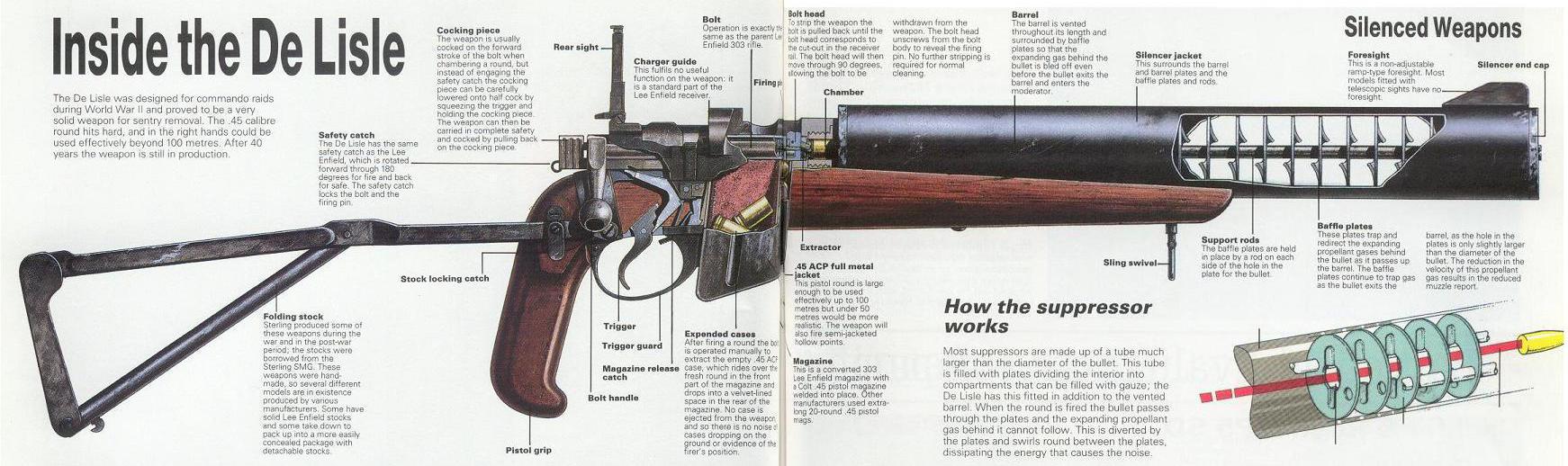
The De Lisle was based on a Short Magazine, Lee–Enfield Mk III* converted to .45 ACP by modifying the receiver, altering the bolt/bolthead, replacing the barrel with a modified Thompson submachine gun barrel (6 grooves, RH twist), and using modified magazines from the M1911 pistol.
The primary feature of the De Lisle was its extremely effective suppressor, which made it very quiet in action. So quiet that working the bolt (to chamber the next round), makes a louder noise than firing a cartridge.[11]
The .45 ACP cartridge was selected as its muzzle velocity is subsonic for typical barrel lengths. As such, it would both retain its full lethality and not require custom-loaded ammunition to use with a suppressor.
Most rifle rounds are supersonic, where the bullet generates a “sonic boom” like any other object traveling at supersonic velocities, making them unsuitable for covert purposes.
The Thompson gun barrel was ported (i.e. drilled with holes) to provide a controlled release of high pressure gas into the suppressor that surrounds it before the bullet leaves the barrel.
The suppressor, 2 inches (5.1 cm) in diameter, went all the way from the back of the barrel to well beyond the muzzle, making up half the overall length of the weapon.
The suppressor provided a very large volume to contain the gases produced by firing; this was one of the keys to its effectiveness.[12]
The MP5SD and AS Val are among other modern firearms that use the same concept.
The Lee–Enfield bolt was shortened to feed the .45 ACP rounds; the Lee–Enfield’s magazine set-up was replaced with a new assembly that held a modified M1911 magazine.
The bolt operation offered an advantage in that the shooter could refrain from chambering the next round if absolute silence was required after firing.
A semi-automatic weapon would not have offered this option as the cycling of the bolt coupled with rearward escaping propellant gas and the clink of the empty case against any hard surface would produce a noise with each shot.[13]
As silent as the carbine was, it was not very accurate.[14]
De Lisle’s own .22 prototype was given to the National Army Museum in London, but it was subsequently lost and its present whereabouts are unknown.[8]
A reproduction of the .45 calibre carbine is manufactured by the American company, Valkyrie Arms.[15] Another company, Special Interest Arms, has announced limited production of a De Lisle replica which incorporates an improved magazine adapter system that allows the use of unmodified M1911 magazines and also fully supports the barrel chamber in the action.[16]
See also
Notes
- ^ Jump up to:a b Peterson, Philip (2011). Standard Catalog of Military Firearms: The Collector’s Price and Reference Guide. Iola, Wisconsin: F+W Media. p. 220. ISBN 978-1-4402-2881-0. Retrieved 29 July 2013.
- ^ Jump up to:a b Rome, p.28
- Jump up^ Special Service Lee Enfields: Commando and Auto Models by Ian Skennerton. Published by Ian D Skennerton, PO Box 80, Labrador 4215, Australia, 2001. ISBN 0-949749-37-0. Paperback, 48 pp, 50 plus b & w drawings and photos, 210 x 274 mm
- Jump up^ Rome, p.31
- ^ Jump up to:a b Rome, p.27
- ^ Jump up to:a b c Rome, p.29
- Jump up^ Silvers, Robert (2005). “Results”. Retrieved 2009-03-09.
- ^ Jump up to:a b “The De Lisle “Commando” carbine”. U.K. N.R.A. Historic Arms Resource Centre. Retrieved 22 September 2012.
- Jump up^ Rome, p.30
- ^ Jump up to:a b c d Rome, p.32
- Jump up^ Hogg, Ian; John Weeks (1977). Military Small Arms of the 20th Century. Arms & Armour Press. p. 128. ISBN 0-85368-301-8.
- Jump up^ Bishop, Chris (2002). The Encyclopedia of Weapons of World War II. Sterling Publishing Company, Inc. pp. 220–221. ISBN 978-1-58663-762-0.
- Jump up^ “LRDG Weapons”. The LRDG, Long Range Desert Group. BlindKat Publishers. Retrieved 5 June 2011.
- Jump up^ Dockery, Kevin (2007). Stalkers and Shooters: A History of Snipers. BERKLEY Publishing Group. pp. 226–227. ISBN 978-0-425-21542-5.
- Jump up^ “DeLisle Commando Carbine”. Valkyrie Arms. 22 September 2011.
- Jump up^ “Enfield .45 Carbine and kits”. Special Interest Arms. Retrieved February 21, 2012.
References
- Rome, Robert (June 1984). “WWII Silent Killer Still Lives” (PDF). Gung Ho: 26–32.
- Skennerton, Ian, SAIS No. 13: Special Service Lee-Enfields… Commando & Auto Models, Arms & Militaria Press, 2001, ISBN 0-949749-37-0
Categories
WINCHESTER Porn






There is nothing more American than more horsepower. Not mom, not apple pie, not a bald eagle clutching a baseball whilst curb stomping a commie and humming Yankee Doodle Dandy. While the Euro-weenies ( and our current FBI) are enamored with 9mm, us red-blooded John Wayne disciples developed the 45 ACP, 44 Magnum, and 10mm. While they made lighter sports cars with 2 and 3 liter engines, we created things like the Super Sport and Shelby Cobra. So it is with giddy anticipation this week that I present a gun that sounds like it came off the set of “ The Expendables 7: Everyone Gets Shot in the Face.”

The NEMO Omen has been around for a while, but this is the first time I got my grubby mitts on one. When I heard semi-auto and 300 Winchester Magnum, I assumed the gun had to be gigantic. It is large, but not Micheal Bay oversized. At first glance, you can see the DNA shared with an AR-15. There are a few changes to accommodate the caliber, but it keeps the things I find important.
First off, the caliber choice is uber-manly. 300 Win Mag might not be the best in class for efficiency, but it does bring the pain. You can tell the thought process of the cartridge designers back in 1963. What if we took the 30 caliber bullets Americans are so fond of and made them go ludicrously fast? Good idea Jim! How are we going to do that? Simple. We put a metric ton more powder behind it.

What a 300 Win Mag lacks in ballistic coefficient, it makes up for in anger. Pushing a 190-grain bullet, it will kill anything in North America, and most things in Africa. And for putting Jihadi’s in the ground, accept no substitute. If you want to see a tango cartwheel out of his flip flops, this is the one for you.
So on to the rifle. I have shot a lot of 300 Win Mag out of a bolt action, and I find it to my liking. But for most combat situations, semi-auto is better. Much better. So this is like finding a unicorn for me. The rifle shares all the ergonomic greatness of an SR-25, to include a Magpul PRS stock. The controls are in the same place, with the Omen also sporting an ambi mag release and safety. For the massive round it shoots, the rifle is surprisingly well balanced and light. I tested the Omen Match 3.0, which has a 22-inch barrel. It weighs in at a svelte 11.2 pounds and is perfectly balanced. Small details like a titanium muzzle break and take down pins for example make the difference. Carrying this gun around, it could easily be mistaken for a 308.

The real magic of the NEMO system is the bolt. The Omen was a nexus for the creation of the collapsing bolt system, a patented recoil reducing technology. It sounds like hype, but it really does work. The felt recoil of the Omen was less than most 308 rifles, by a margin. Not only does this give you a longer training day, but it allows you to spot your own impacts at range. That is a massive advantage on the battlefield, where spotters are usually in short supply. To test this, I actually did a mag dump at CQB range. Now granted, I spent 9 dollars. But not only was it fun, I was easily able to keep the gun on target at speed. Not that you would need a double tap with a 300 Win Mag, but you could.


The Omen is a side charger, with a reciprocating bolt handle. That is something I normally dislike in assault rifles, such as the FNH SCAR. But given the role of the Omen, I don’t count it as a negative. The handle is well thought out and secure and stayed put even during the aforementioned stupidity testing.
Reliability wise, the Omen ate everything I threw at it. It features a 4 position gas block, 2 for suppressed, 2 for unsuppressed. Even at the lighter setting of 3, I had no problems with a mountain of Gold Medal Match.

Besides being a side charger, the Omen has an obvious change to the magazine well. Since there is nothing else like it, NEMO had to craft magazines from whole cloth. The outer shell is polymer, with a Nickel Boron coated steel follower. Currently the gun ships with a 14 round magazine, which is P for plenty on most things.
The Omen Match has a barrel cut from a Bartlein blank, though a Proof Carbon Fiber is also offered in the Omen Watchman. Accuracy wise, it performed as you would expect for the price. It easily shot ¾ MOA groups, though, given the single shot that kept it from ½ MOA, it may be capable of more. To be fair, my break in period consisted of eating a sandwich on the way to the range.

The Omen is like nothing else, and it is going to be hard to give back. If our military had any sense, a couple pallets of these would be on the way to our boys in Afghanistan.
MSRP $4900
Visit Nemo Arms by clicking Here

Pity that this rifle has seen some hard service. But with a little TLC. It could easily come back to be a holder of Best in show in the Gun Safe!
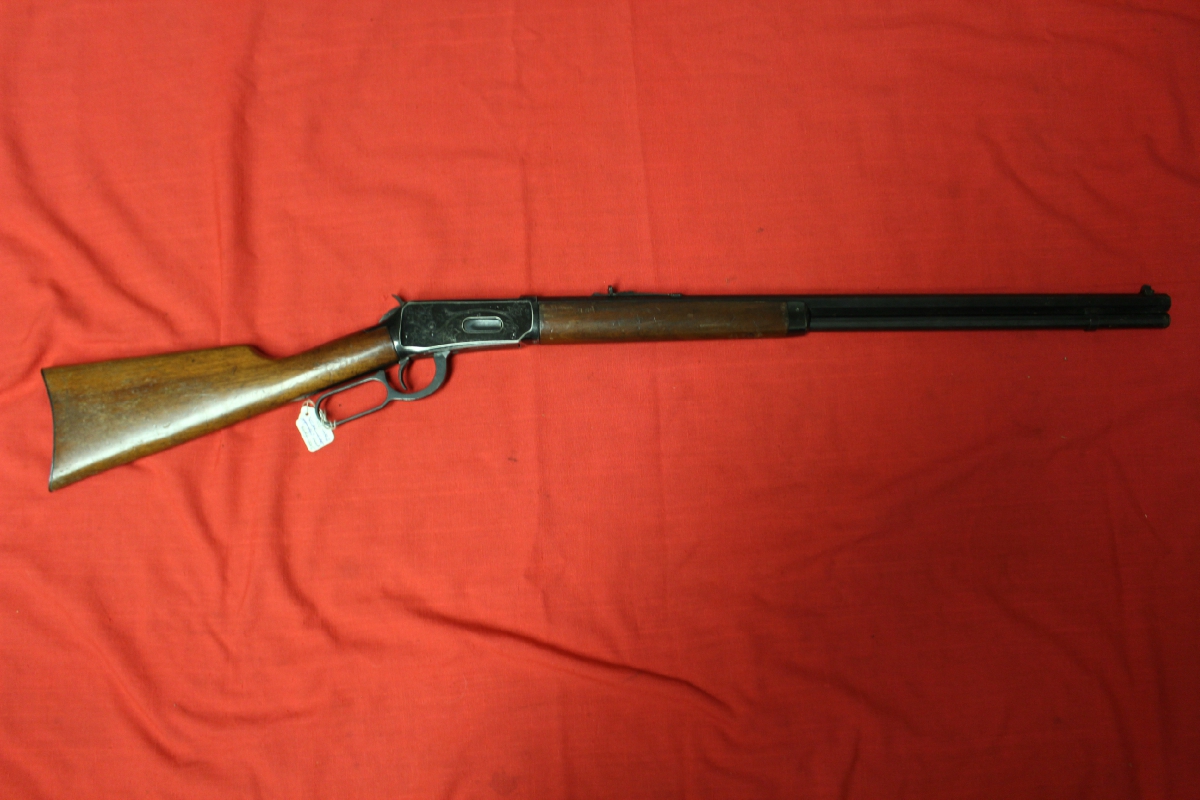
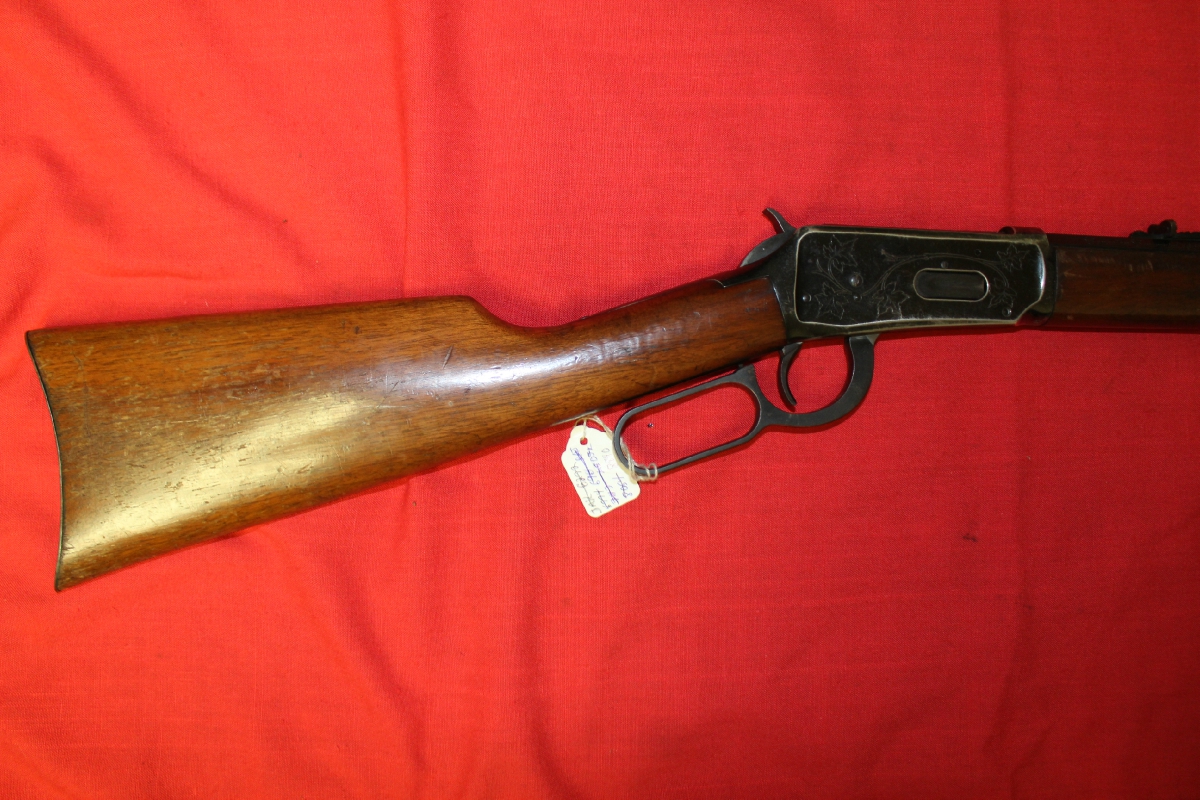
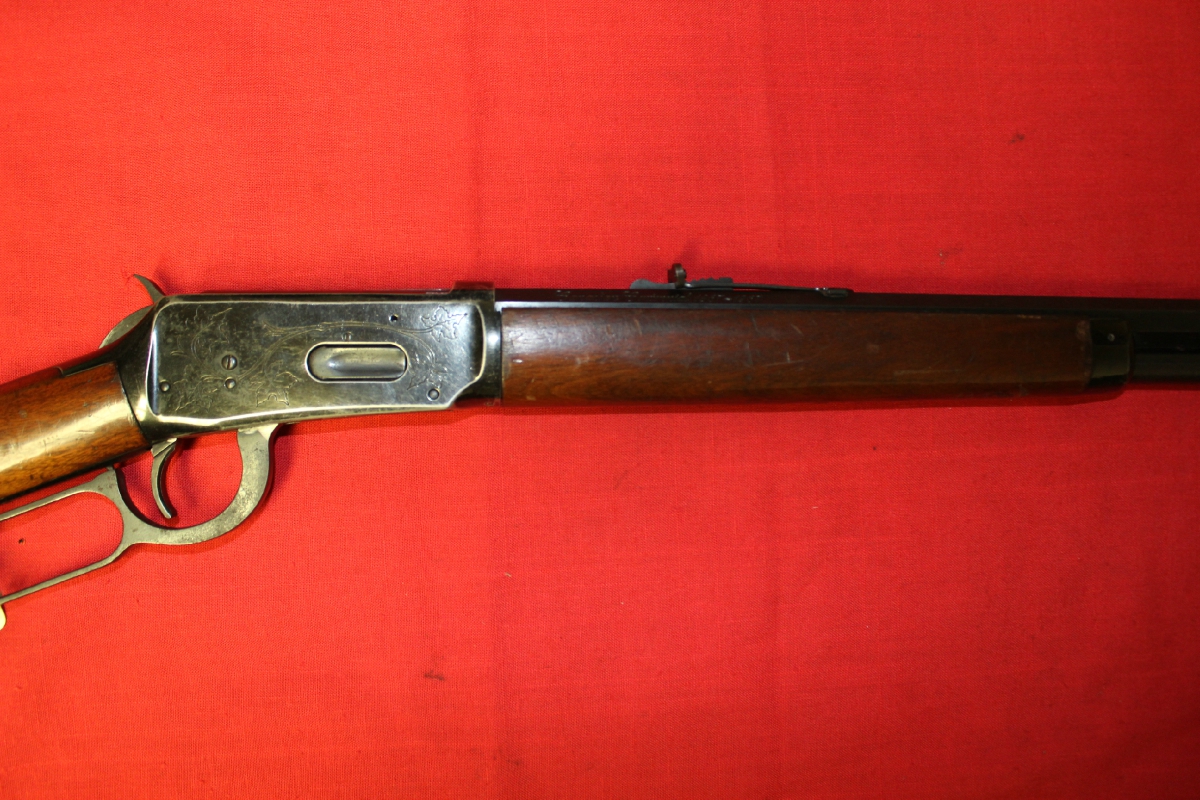
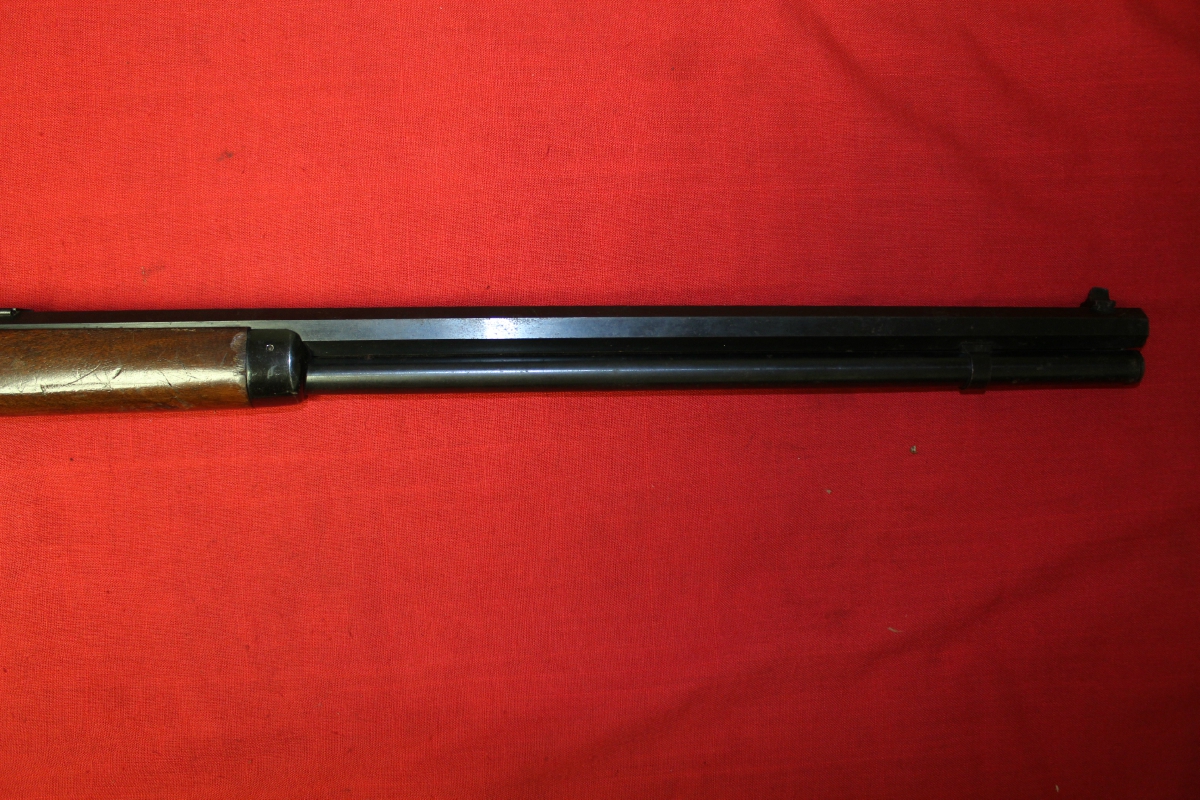
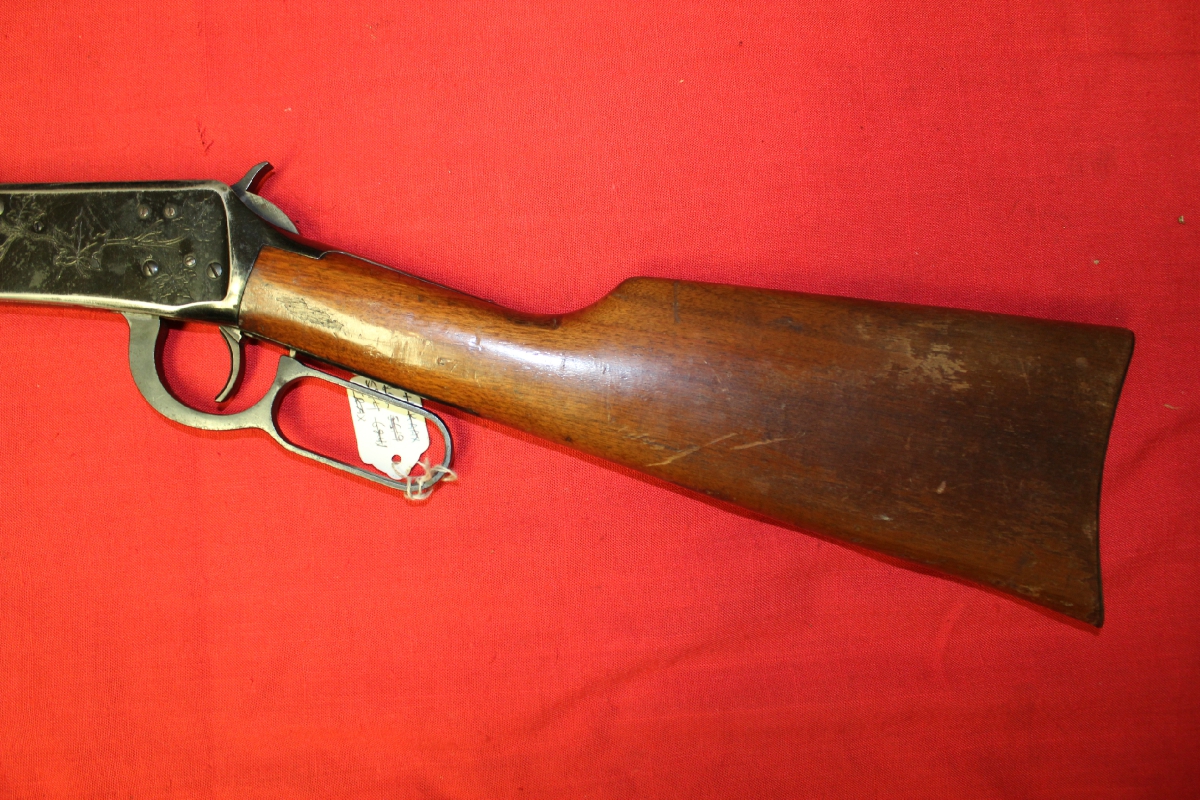
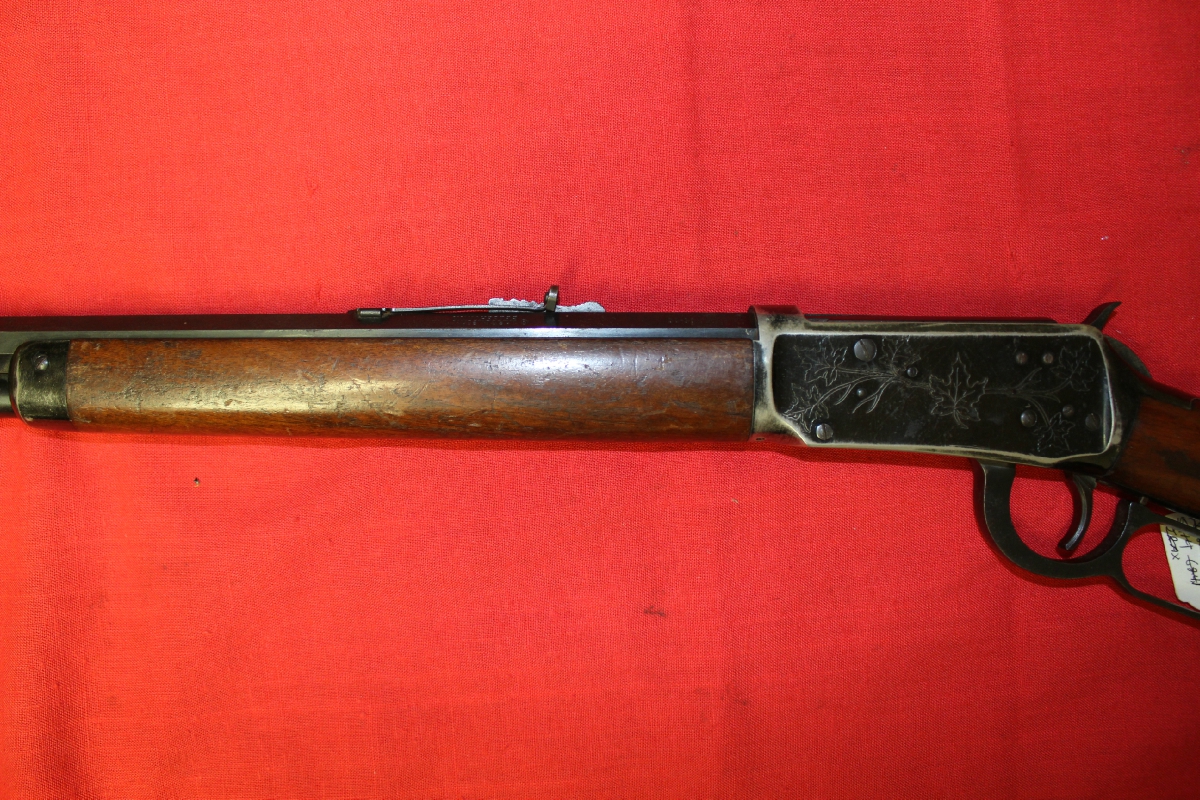
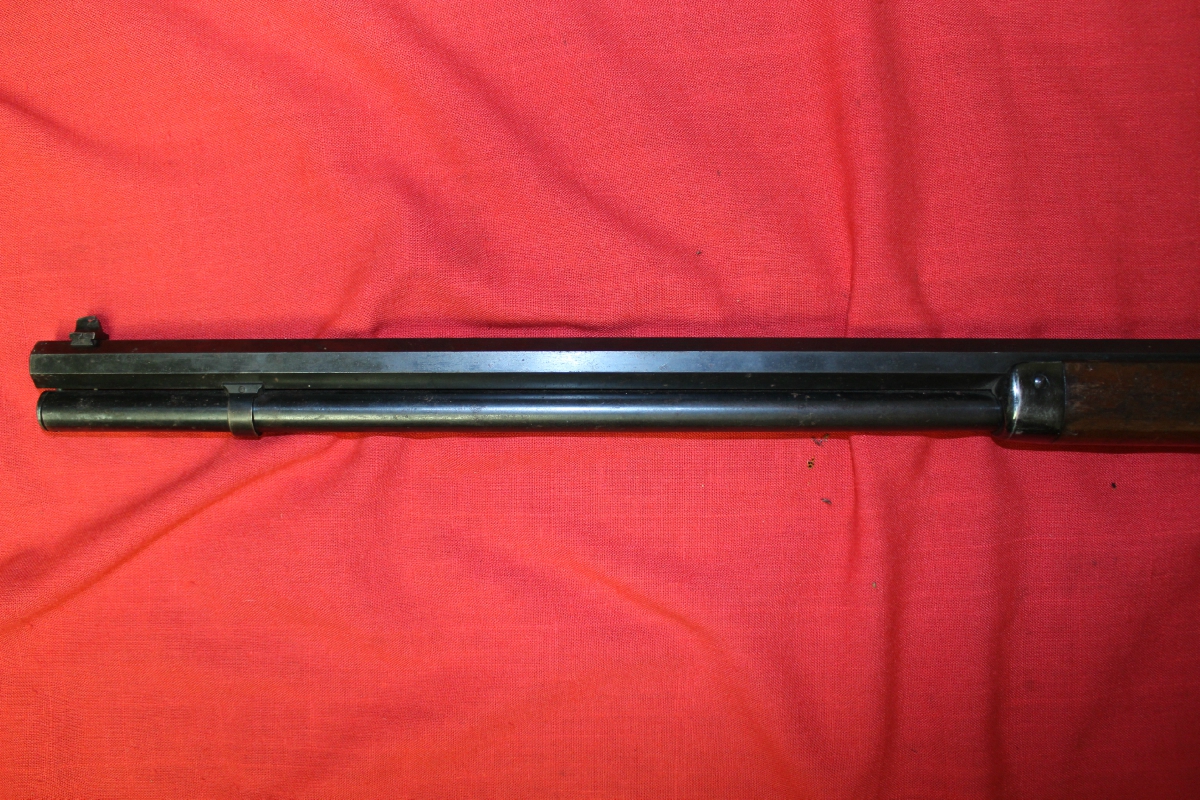
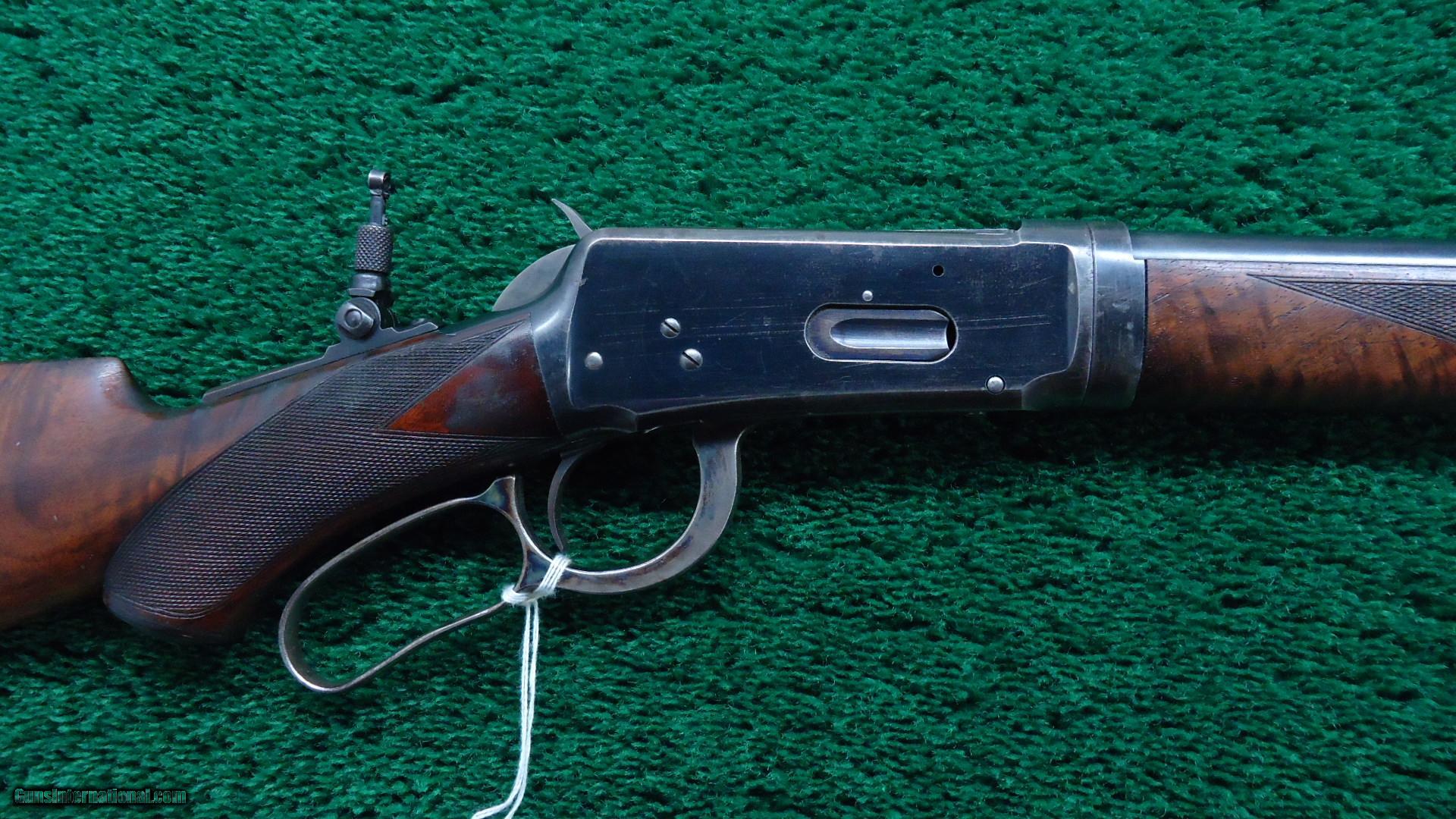
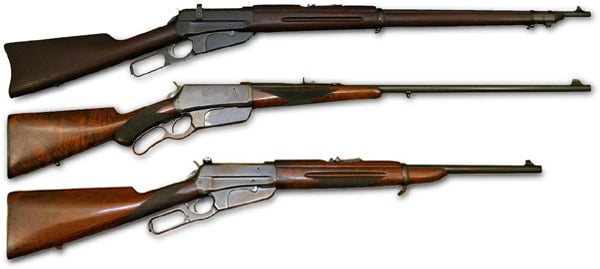
Pity that Winchester flooded the Market with these rifles. So it took a lot of gaul to try and pass the whole series as a so called “Collectable group”.
Now back in the Dark Ages when I was a little Turd. Pasadena had a Civil Defense area.
Which had a great little small bore Range. It came collect with underground passages to the Target pits. There were a couple of them Where you could raise or lower your target without needing a cease fire being called.
It also had a rack of these fine Old Rifles that could be rented. The staff there also gave informal lesson for the want to be marksman / Mark Person now I guess.
Anyways,my Dear Old dad took me there as often was possible. It was easily one of the bright spots in my youngster years.
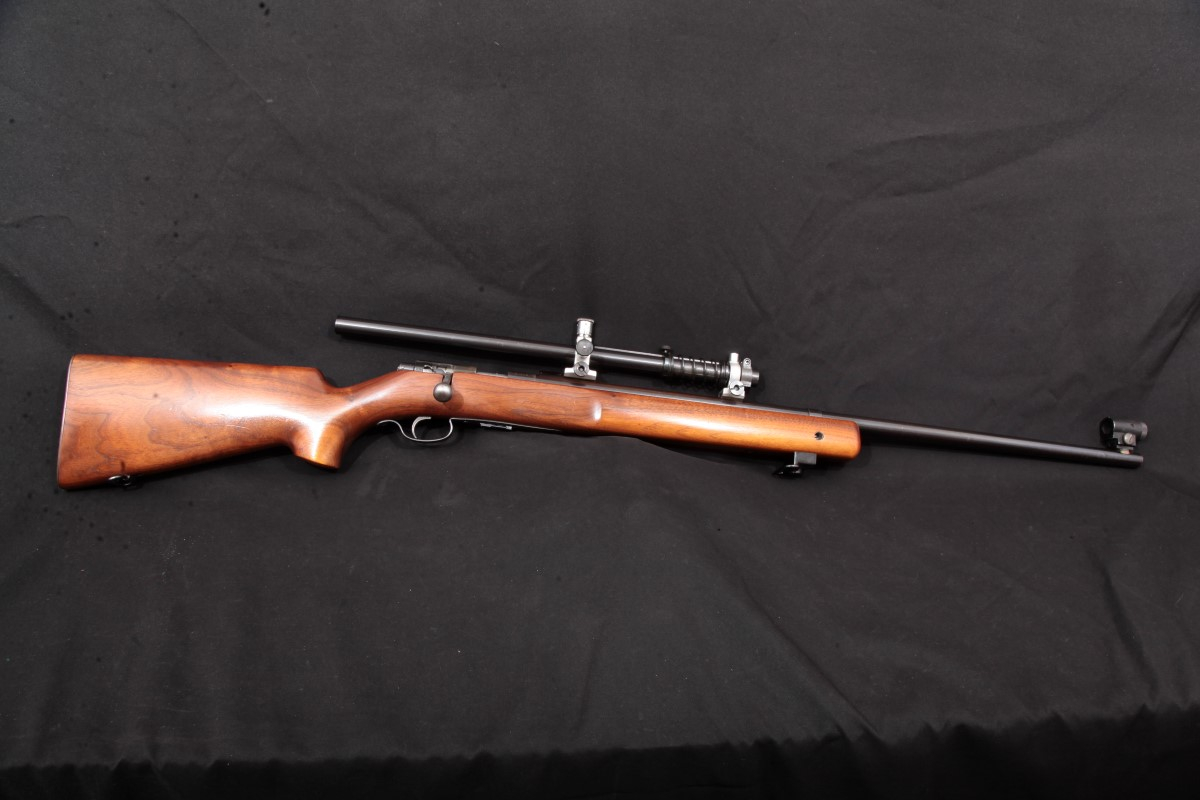
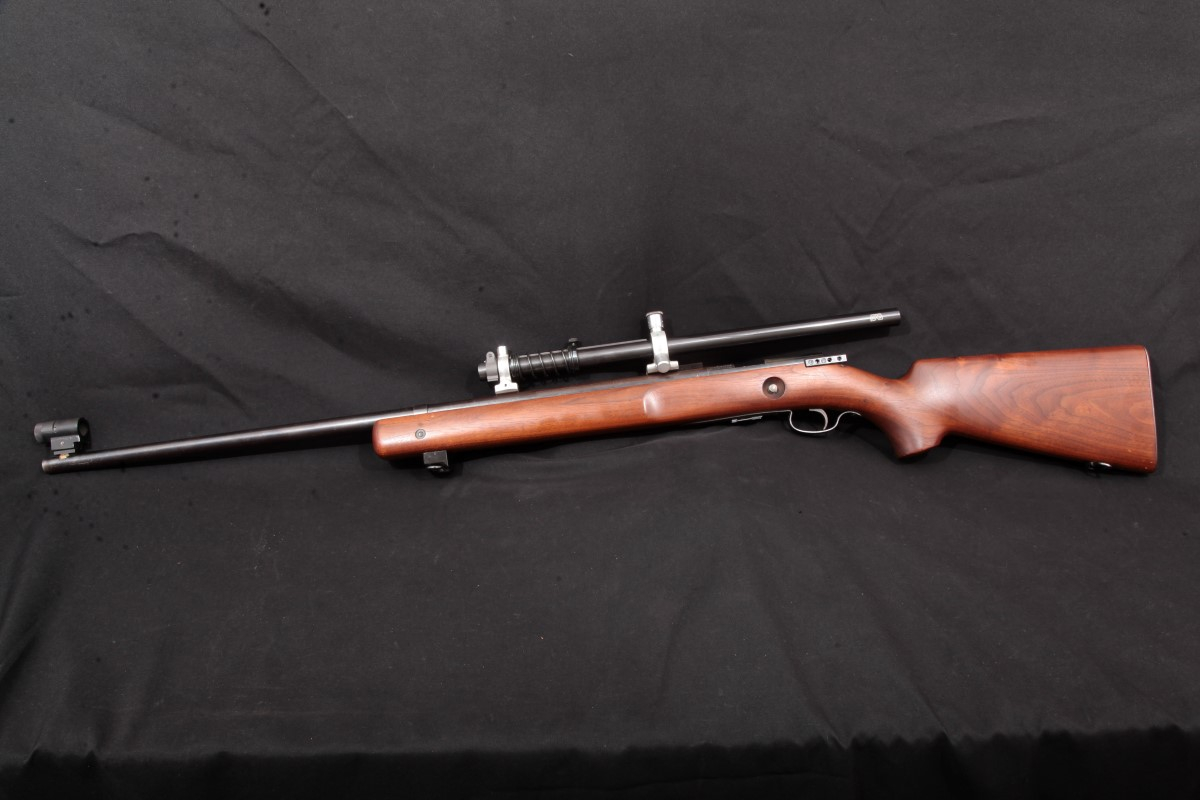
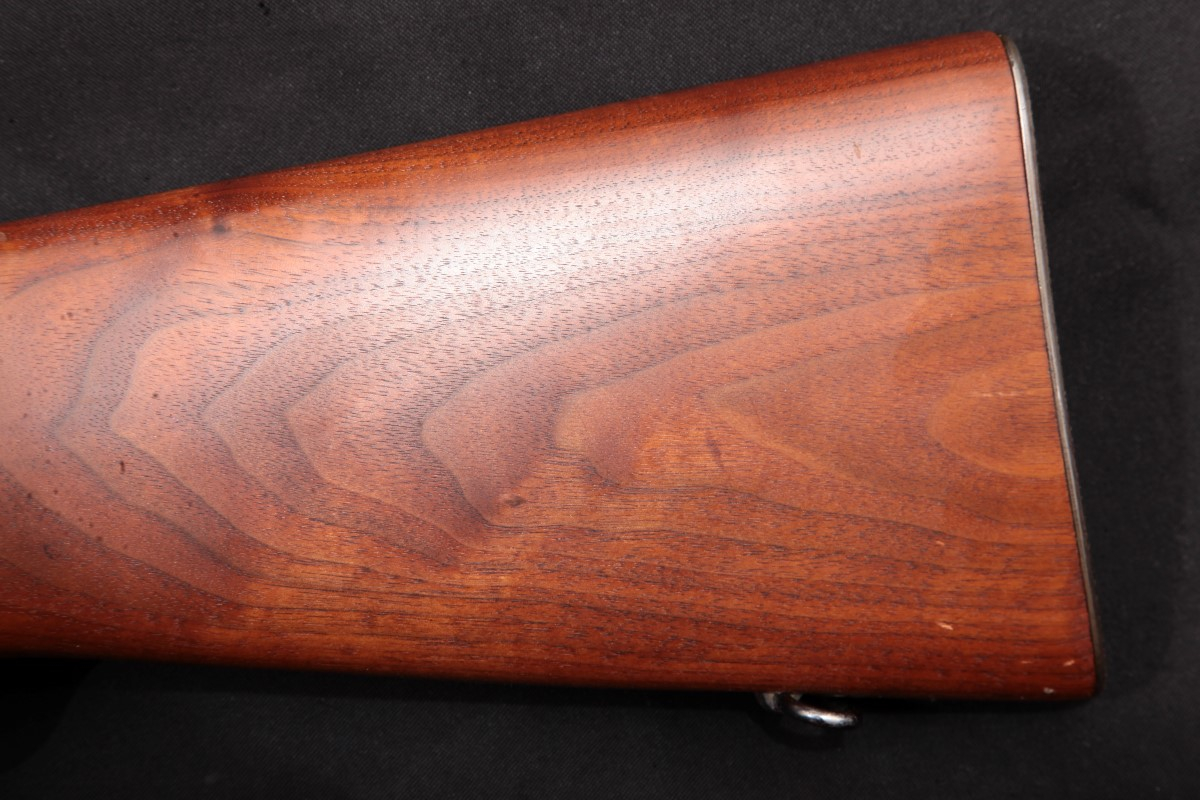
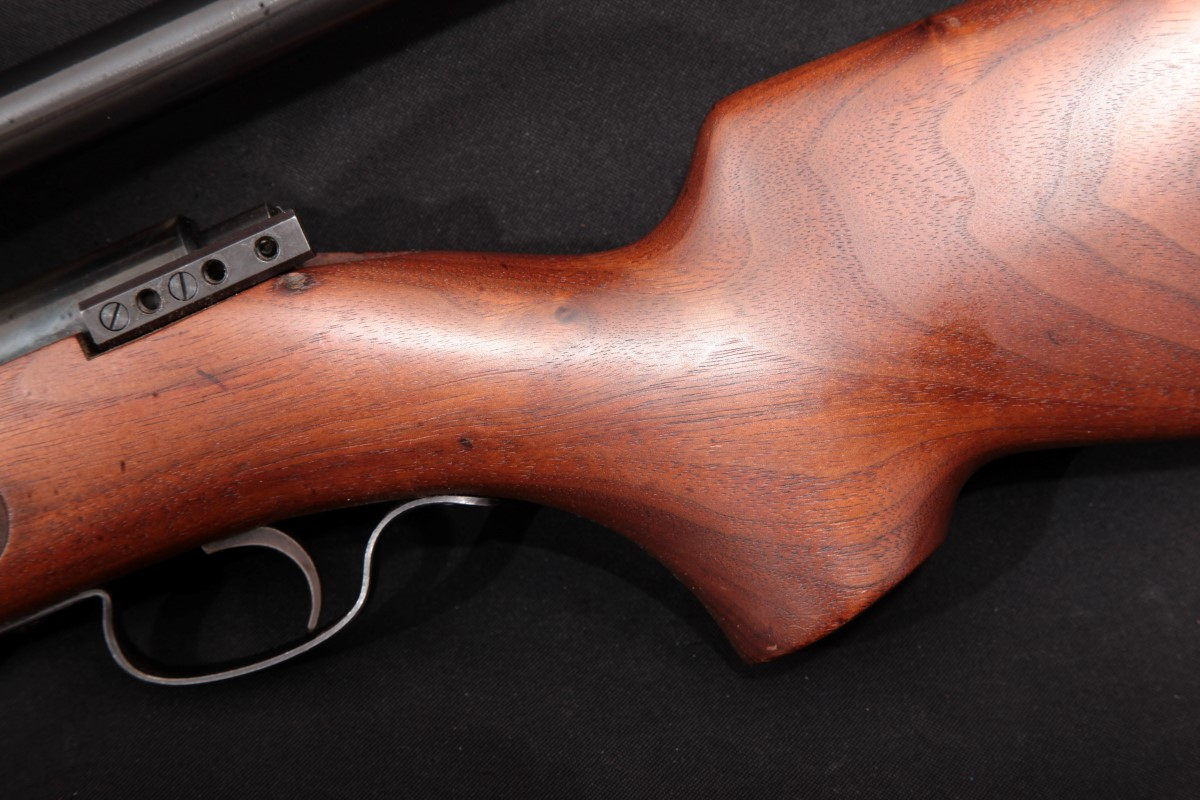
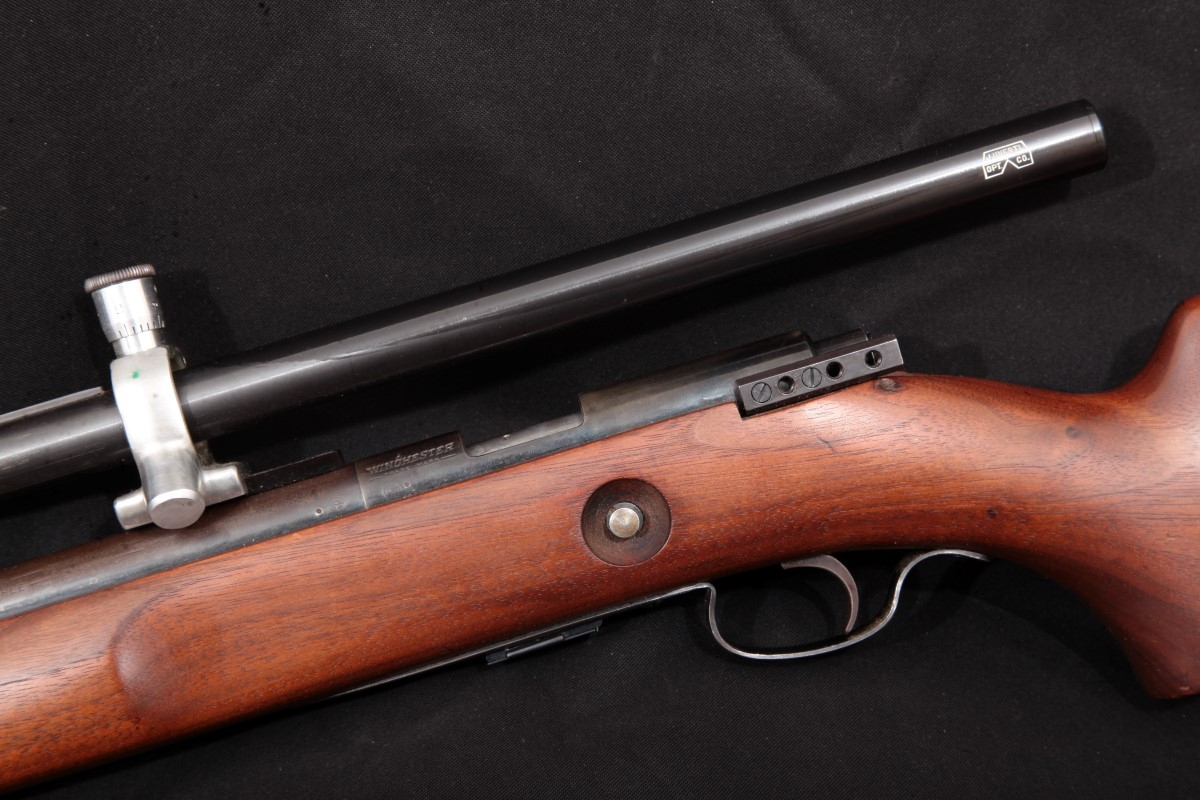
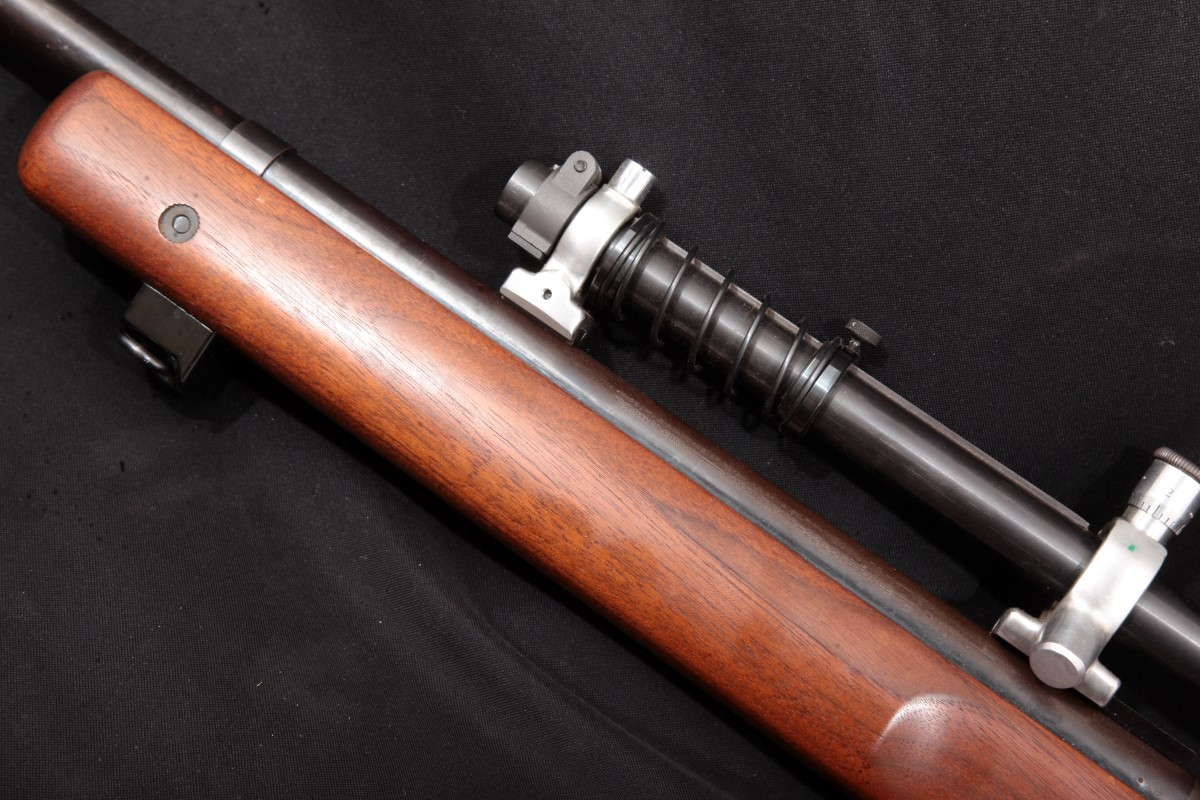
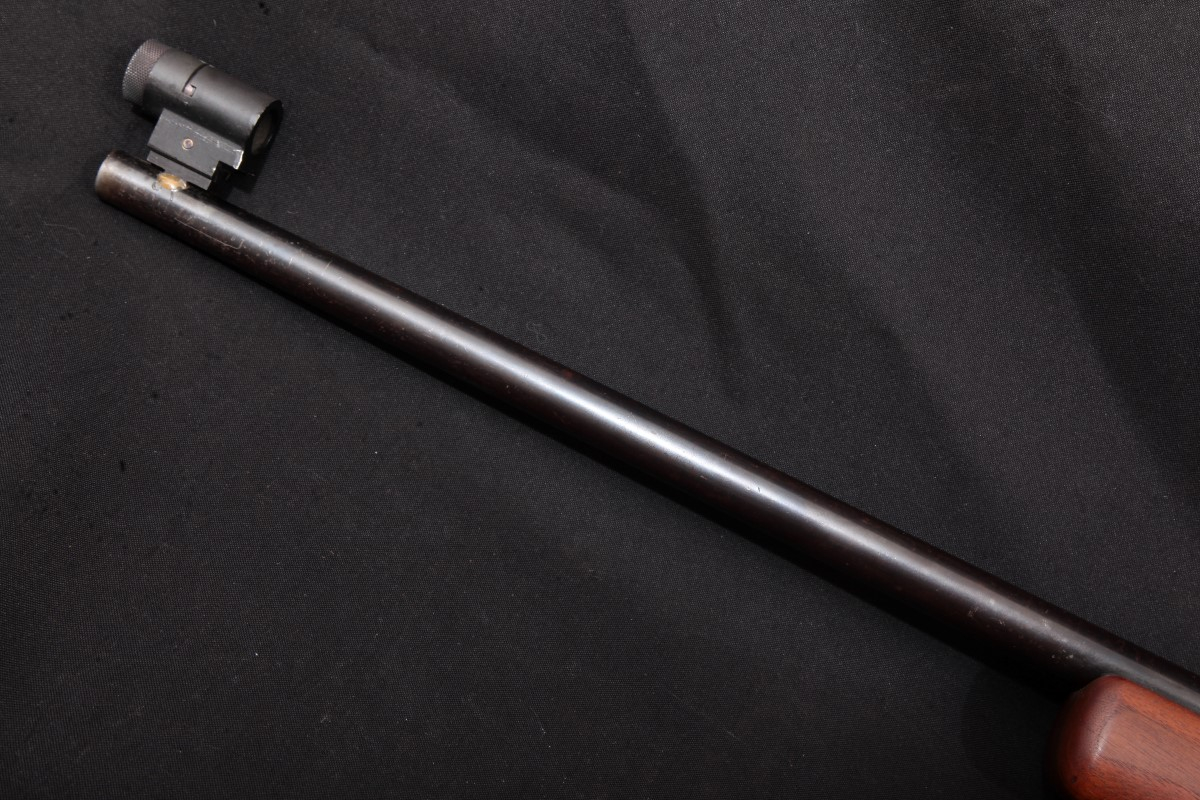
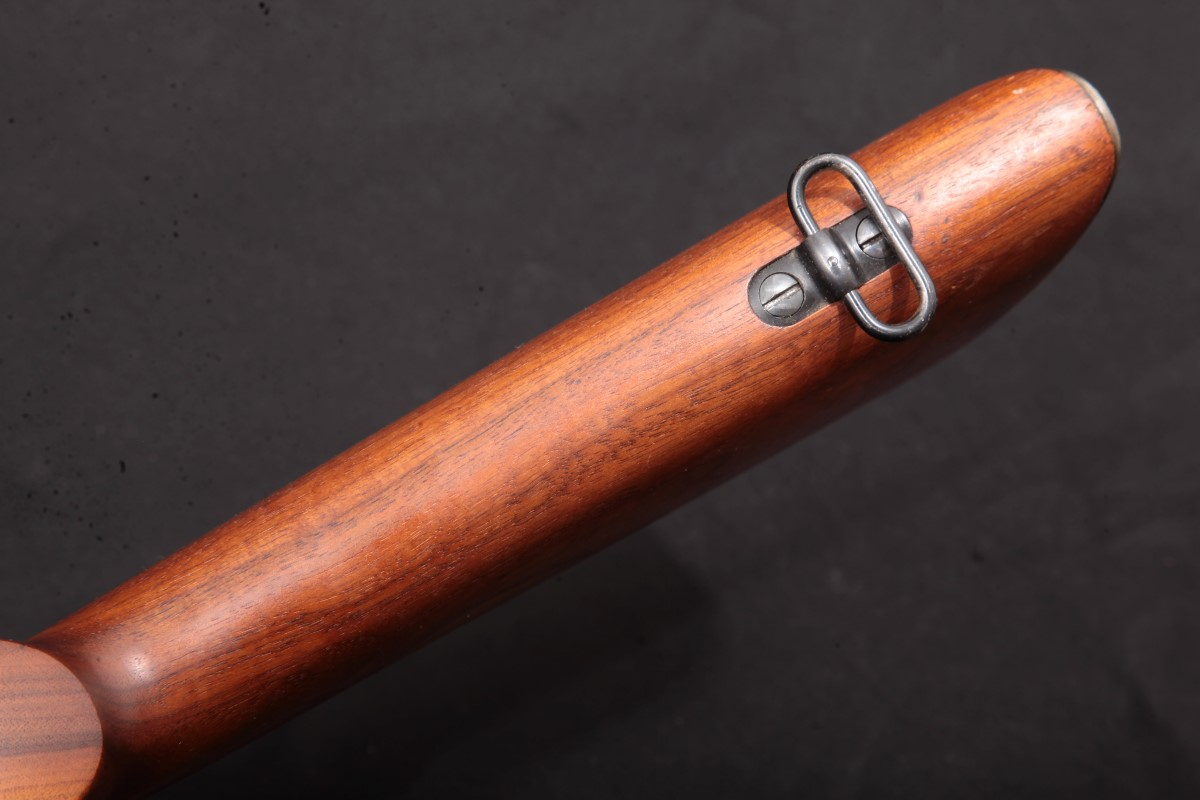
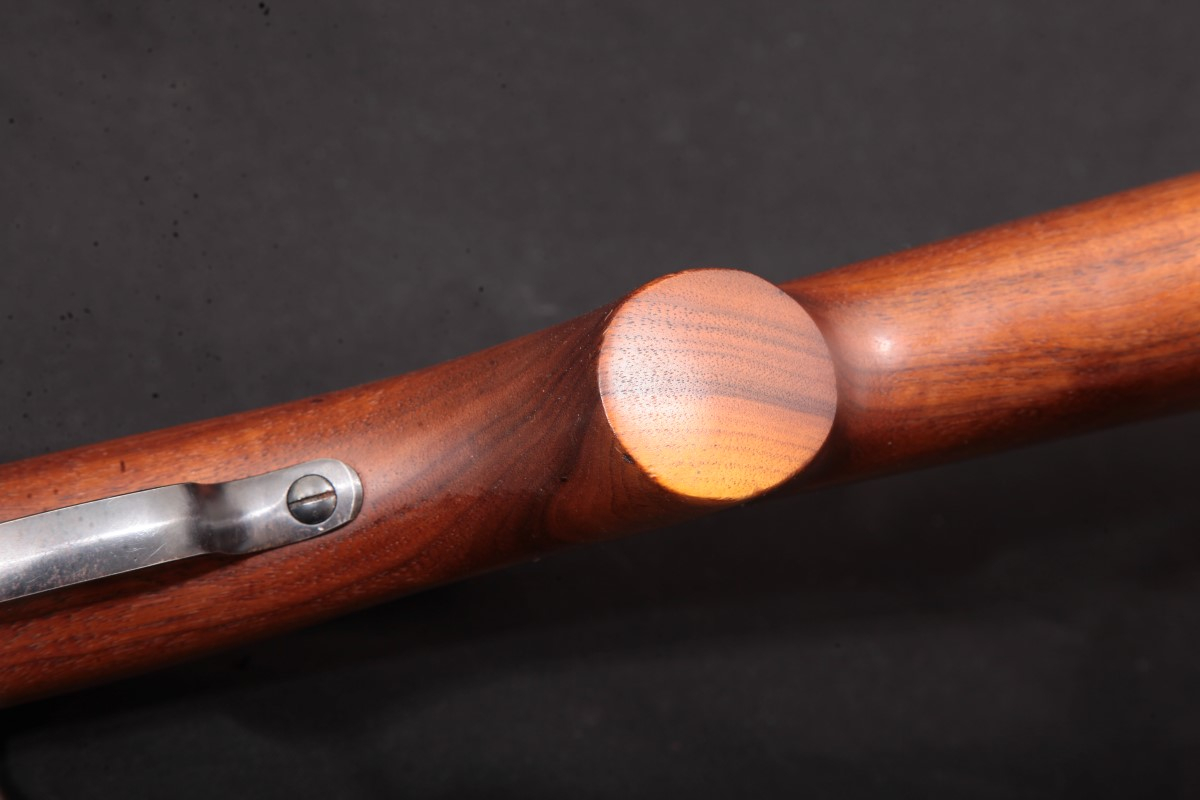
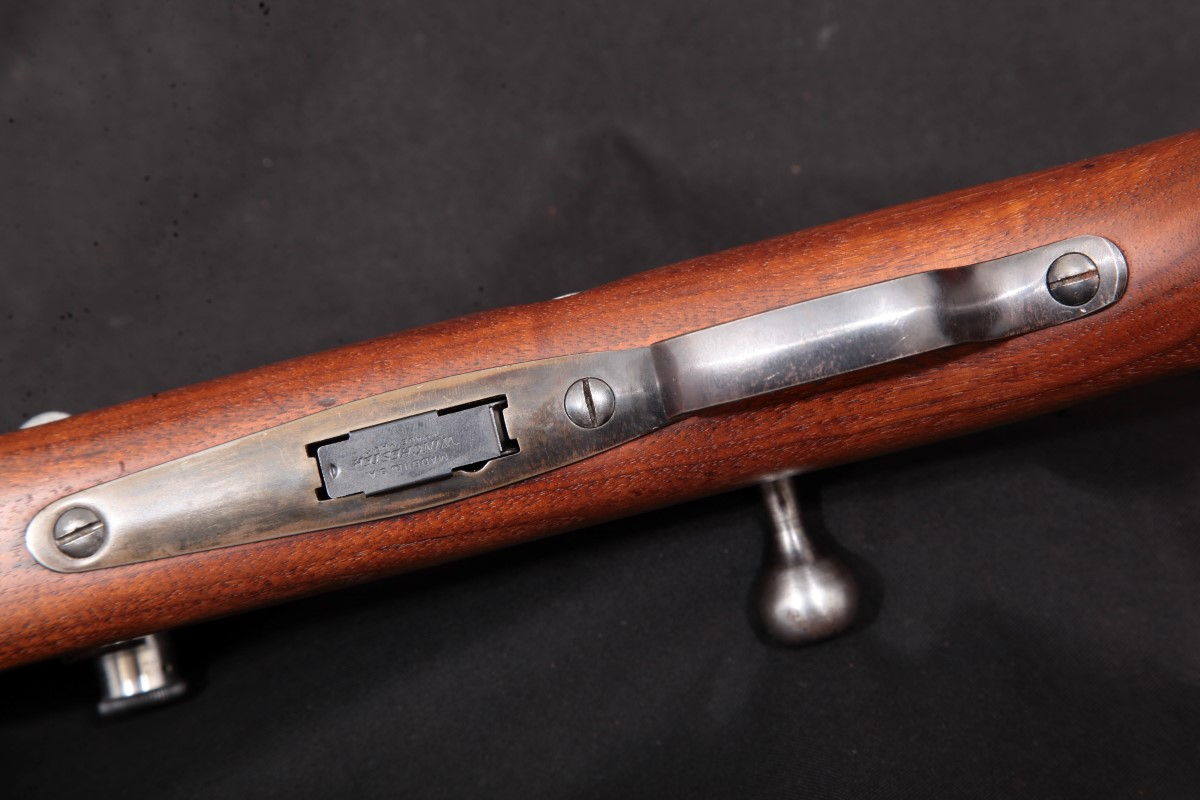
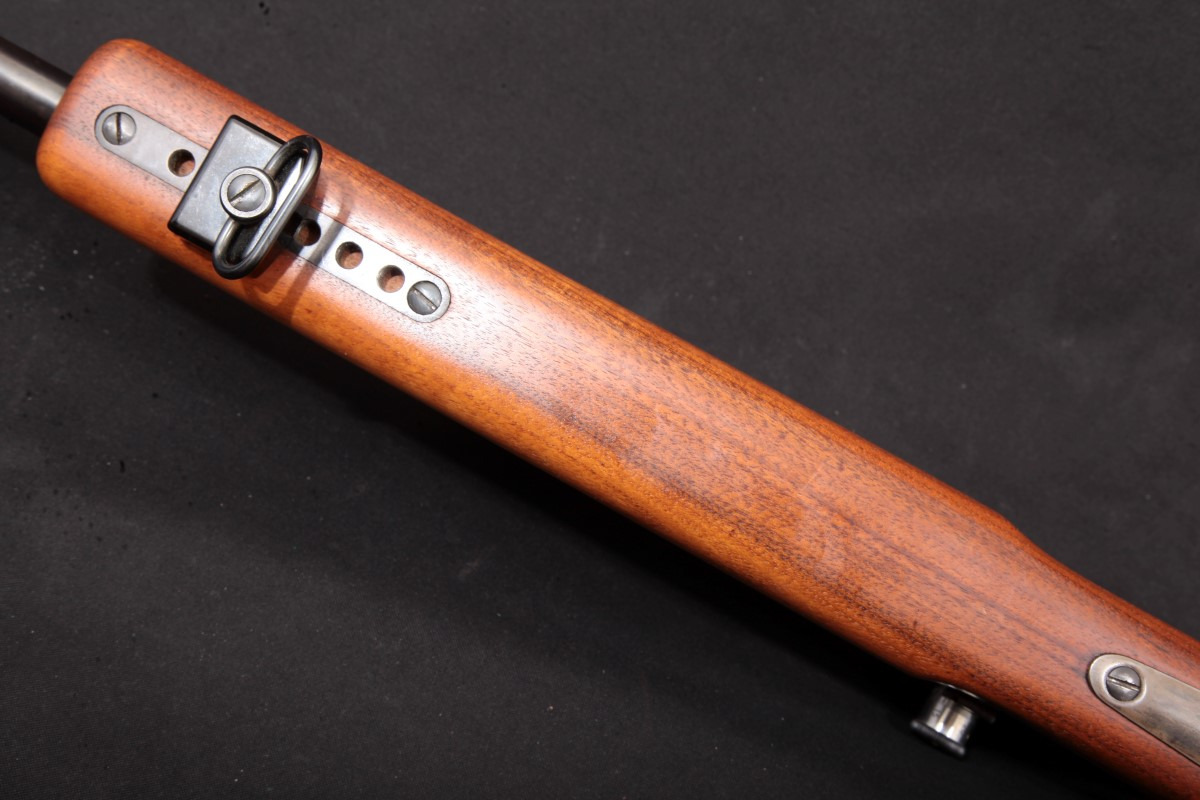
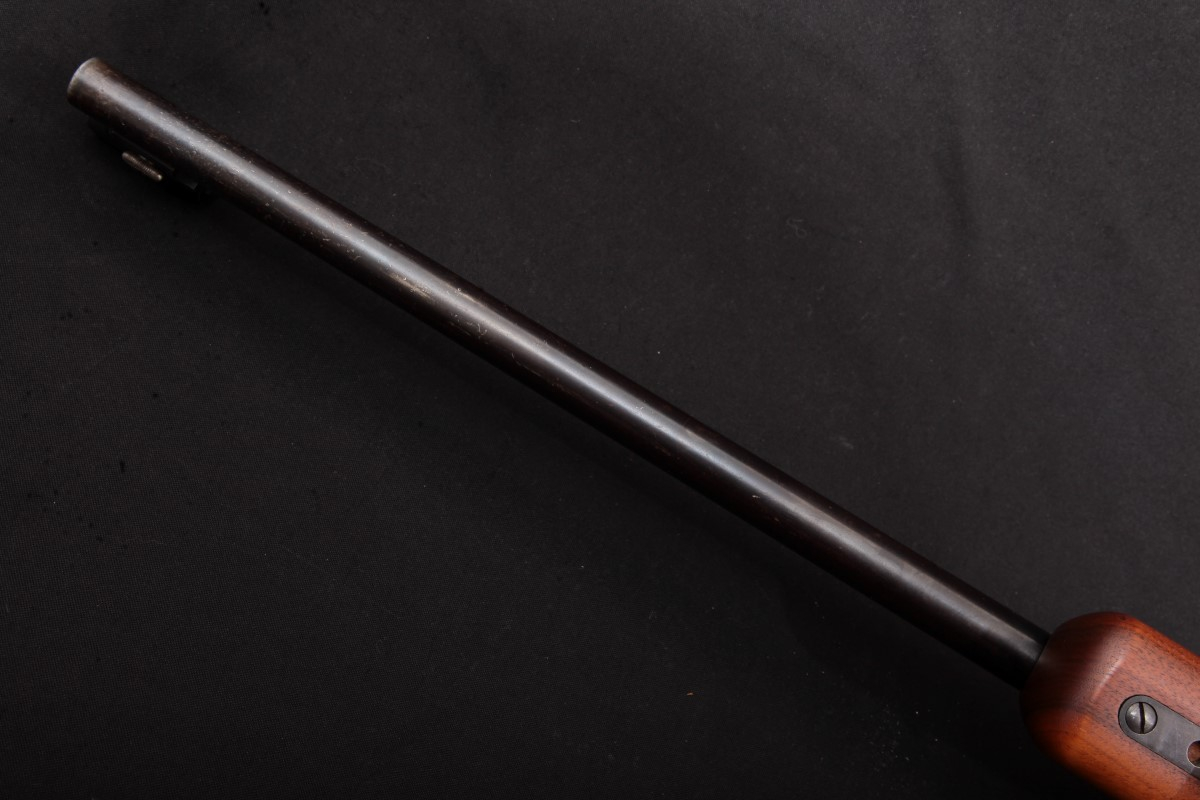
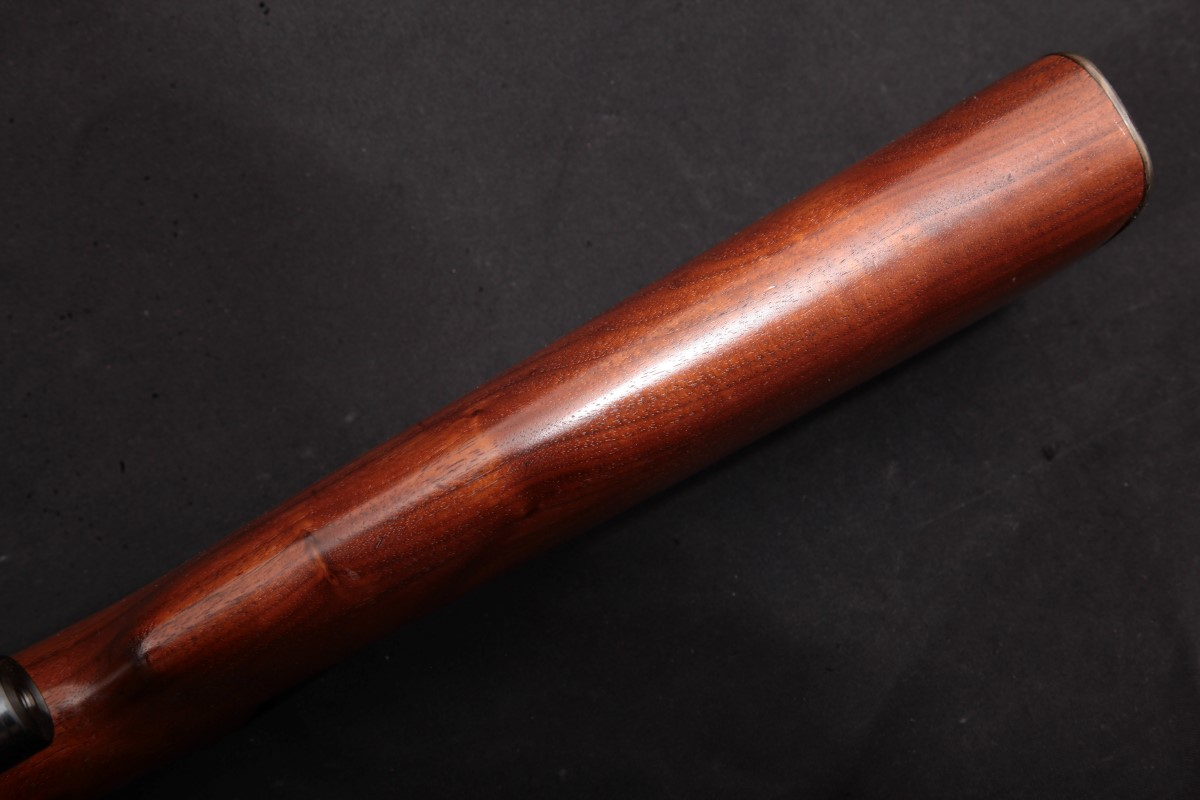
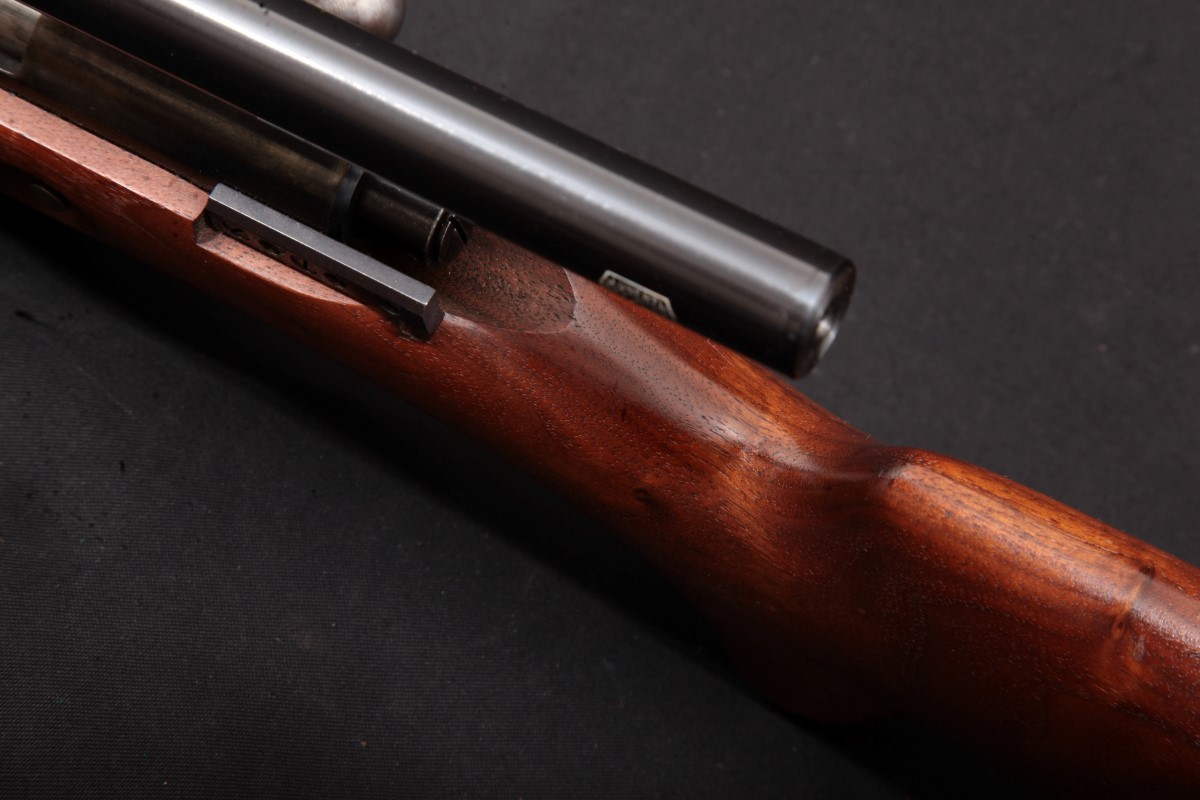
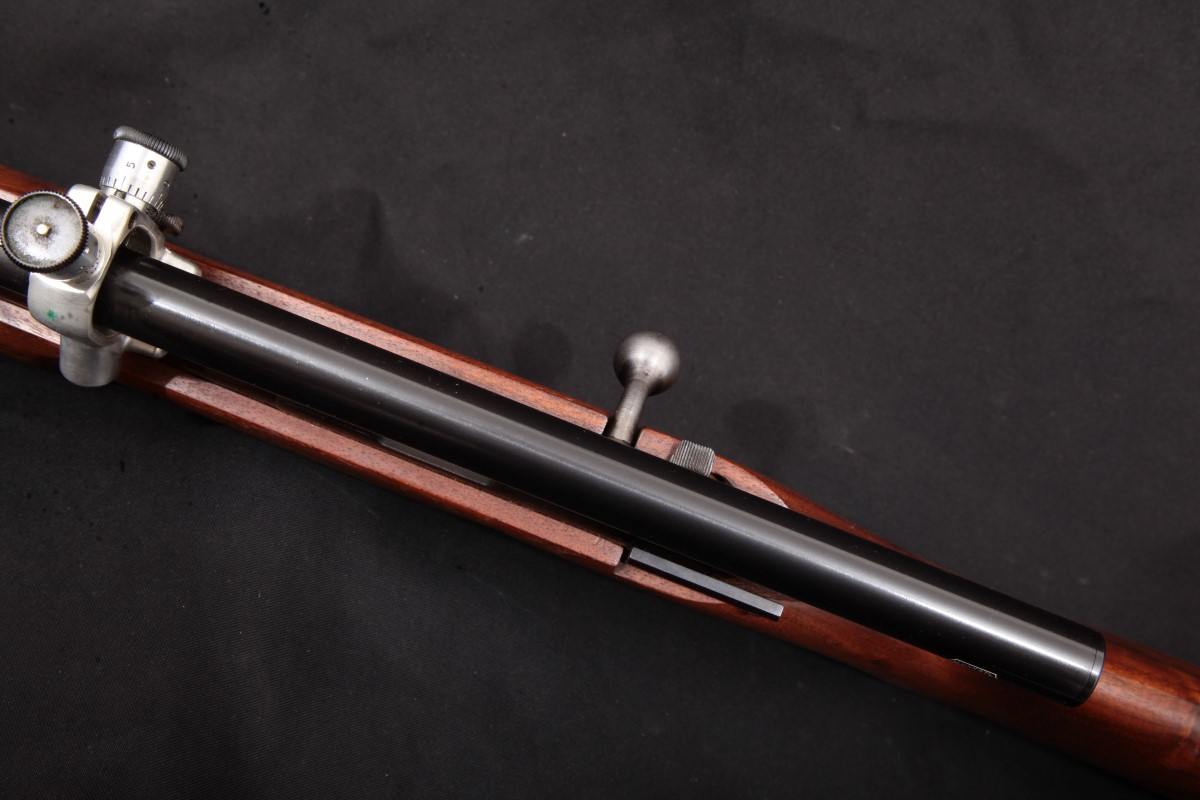
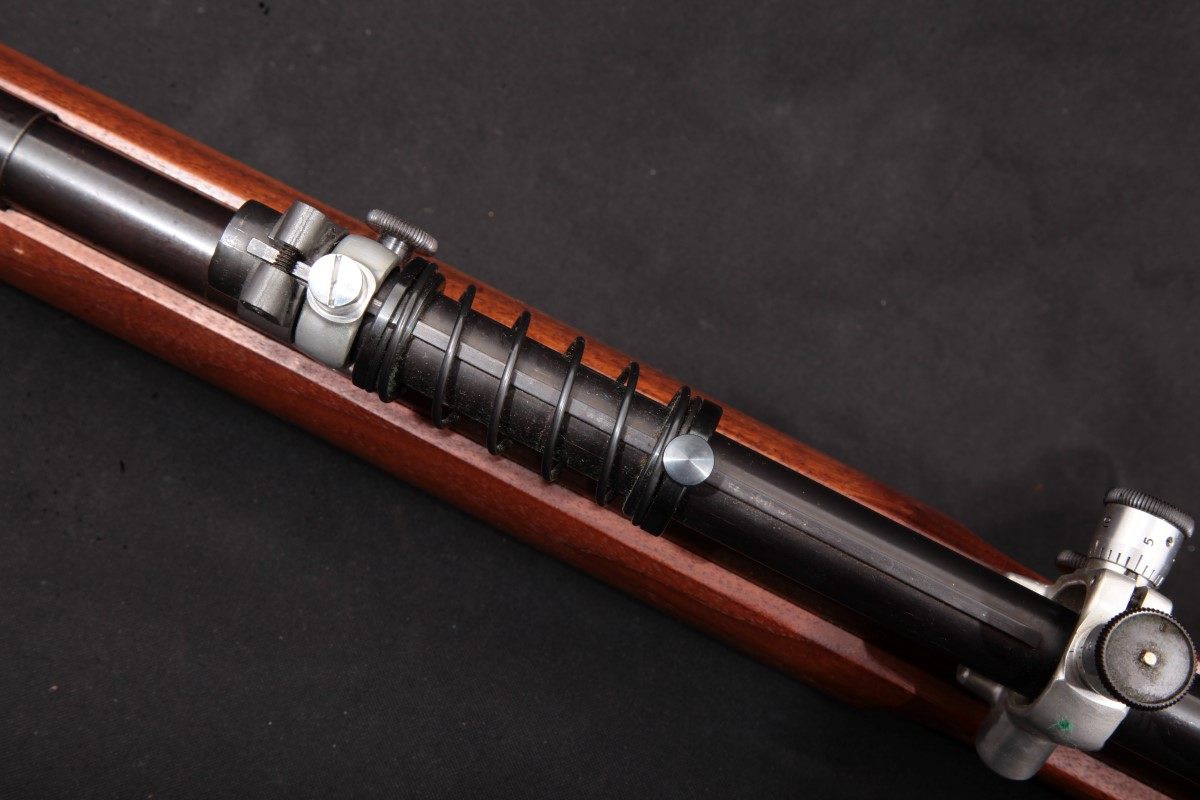
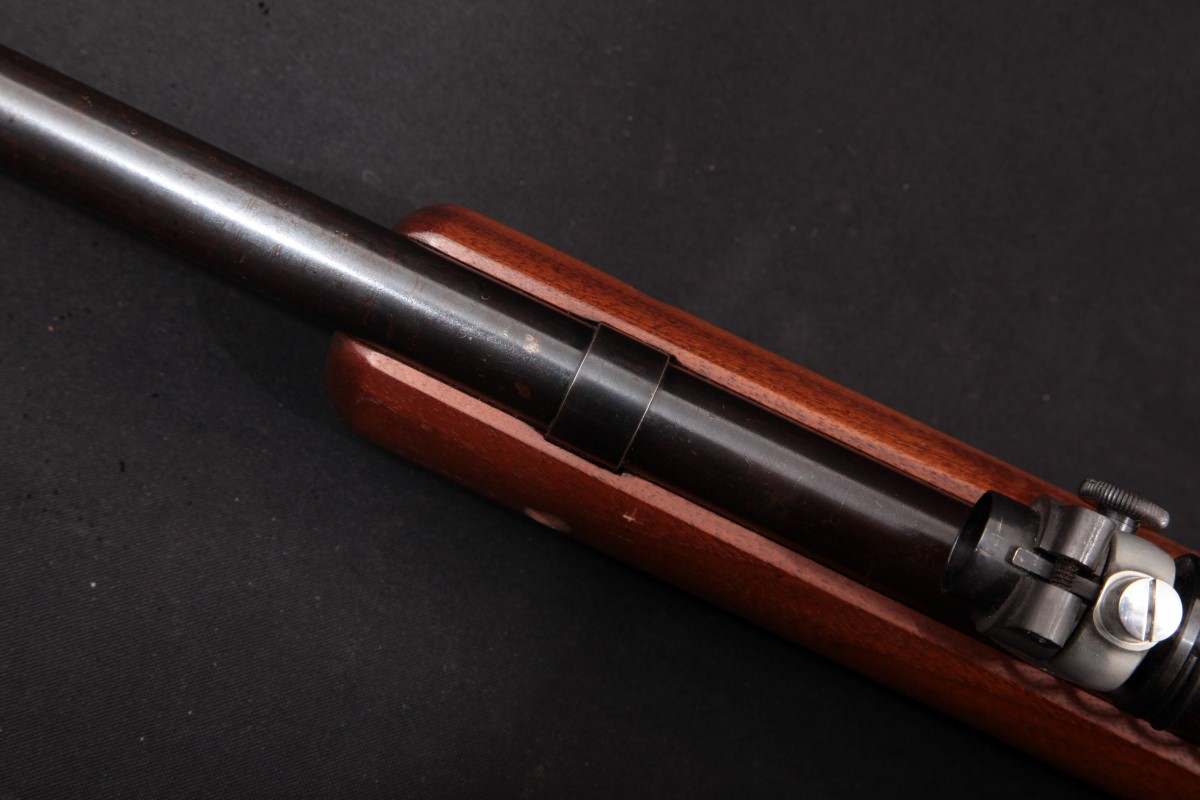
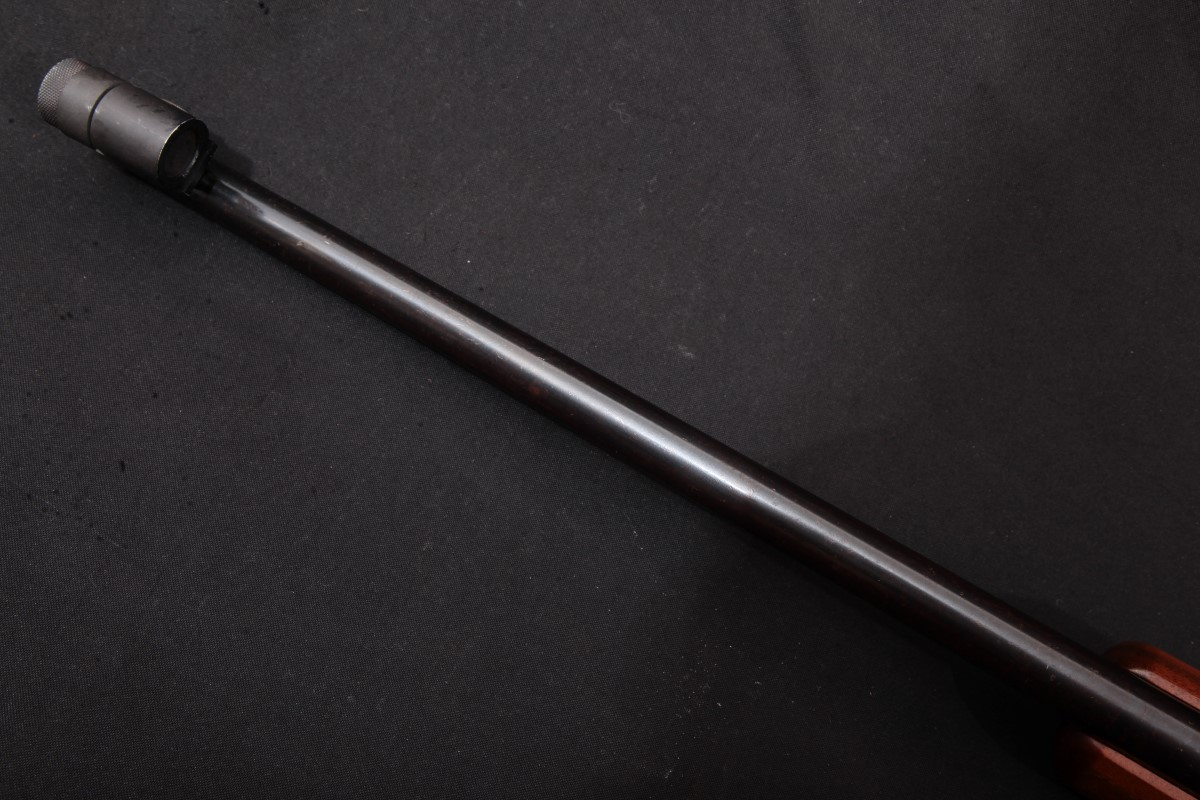
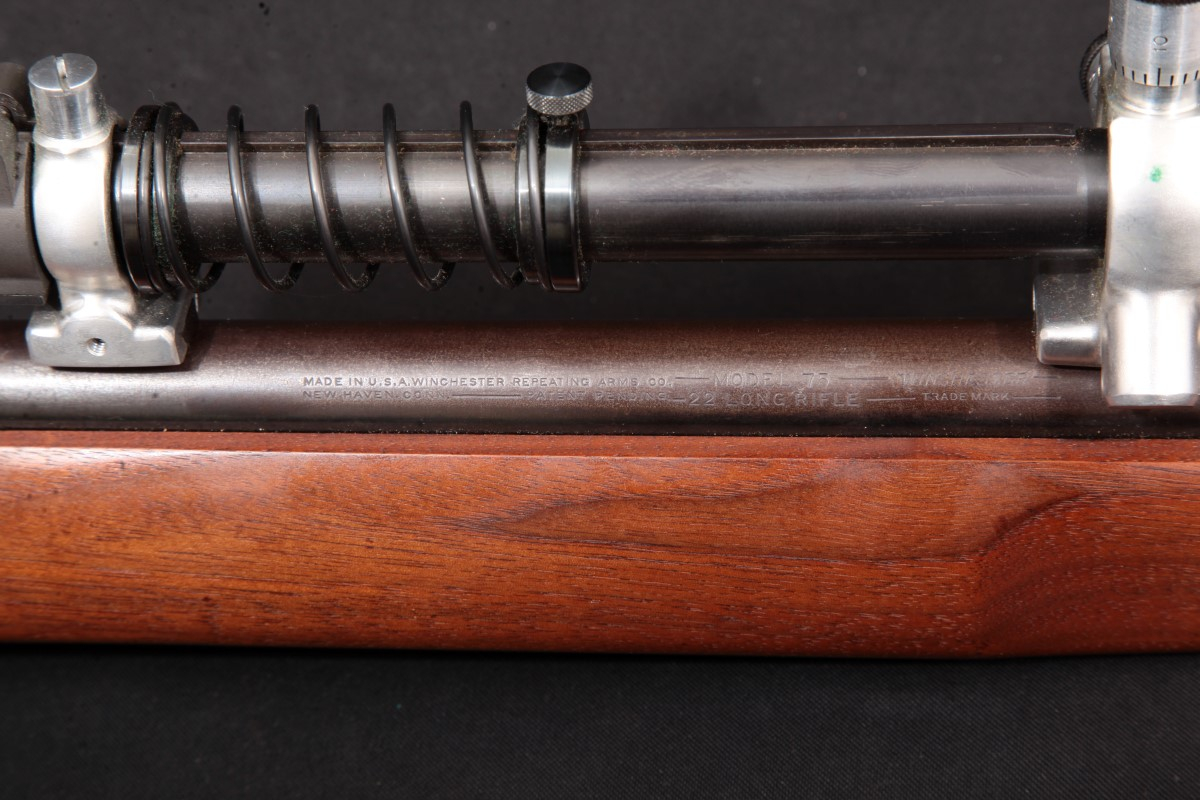
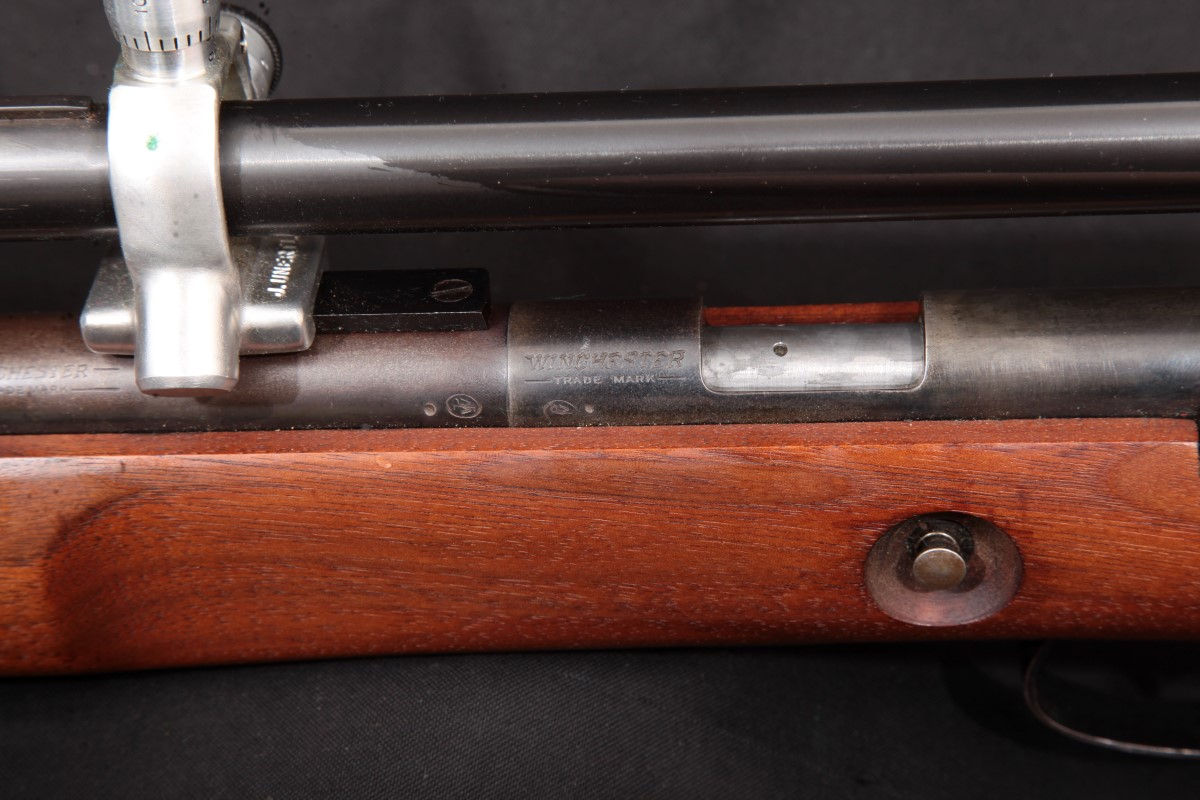
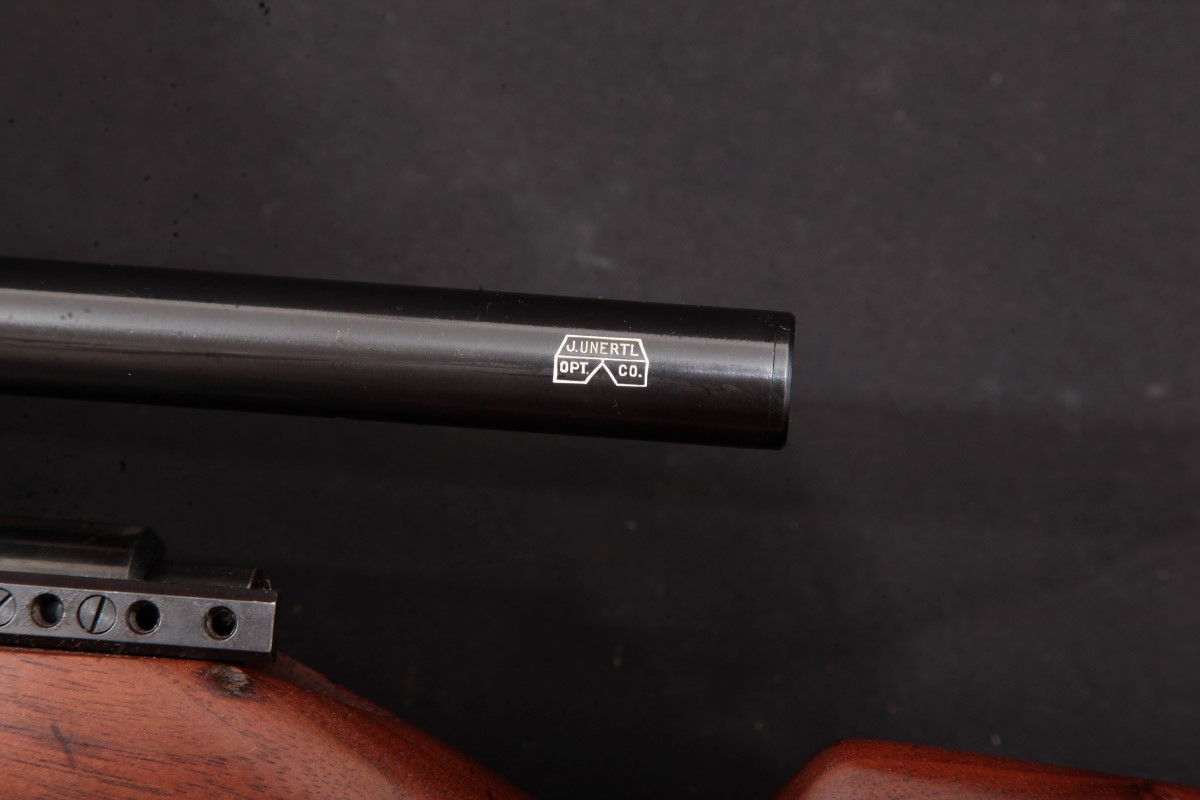
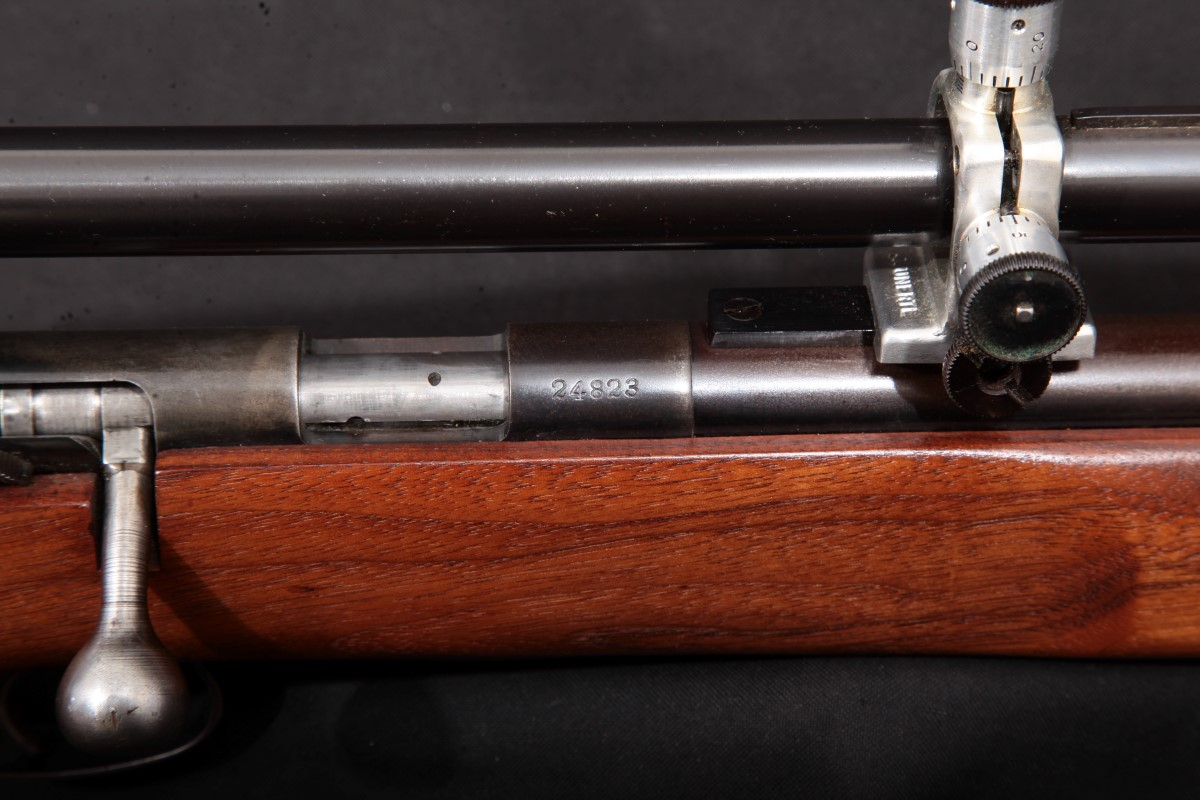
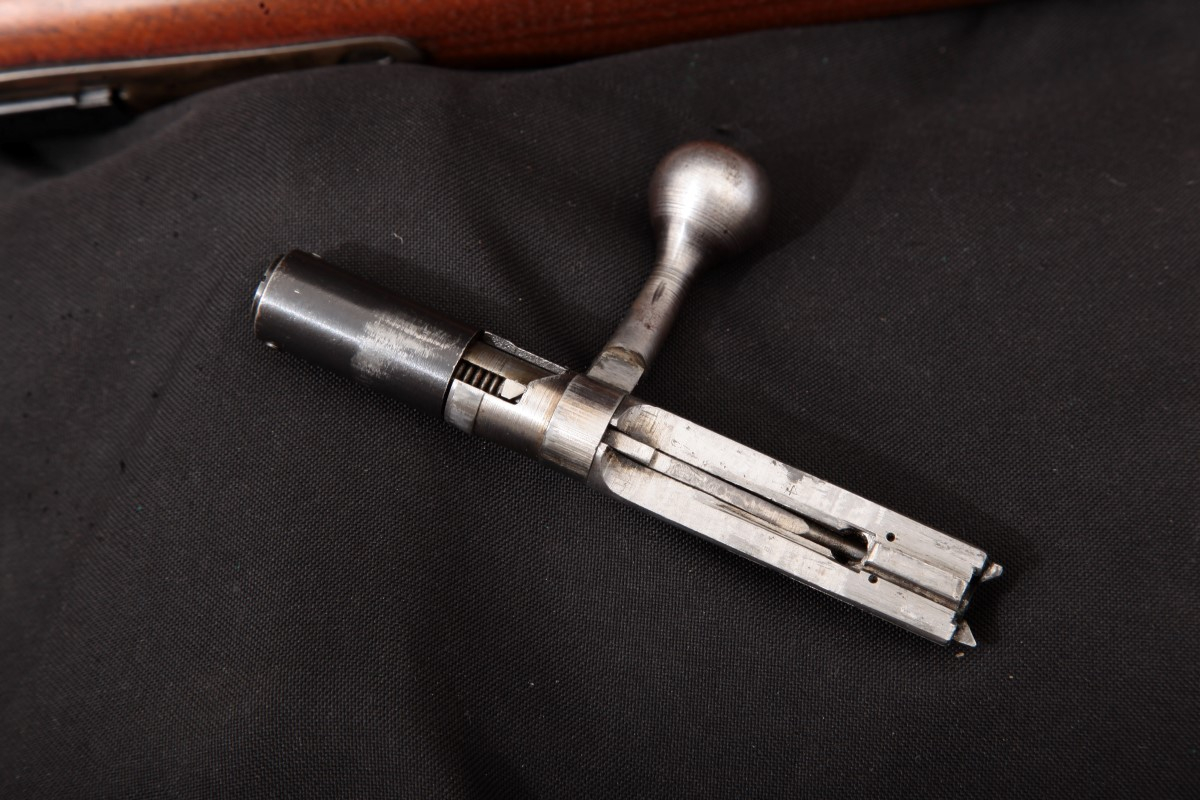
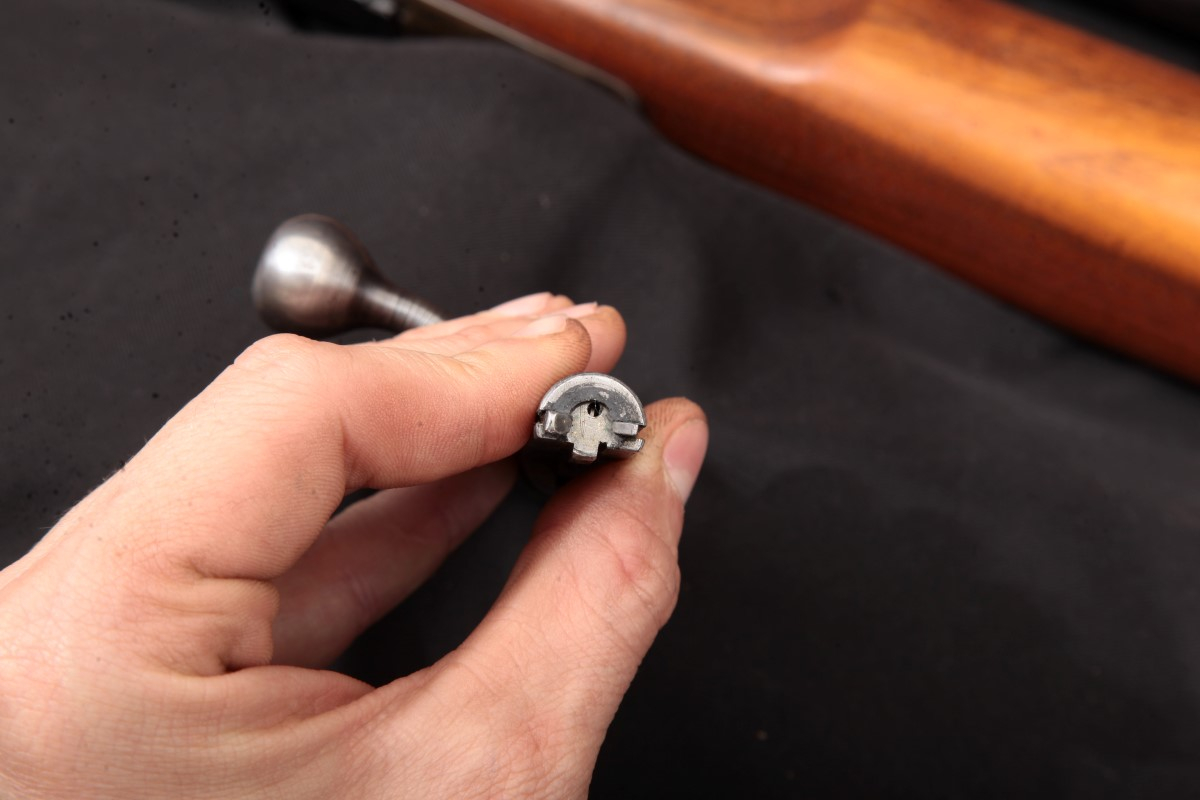
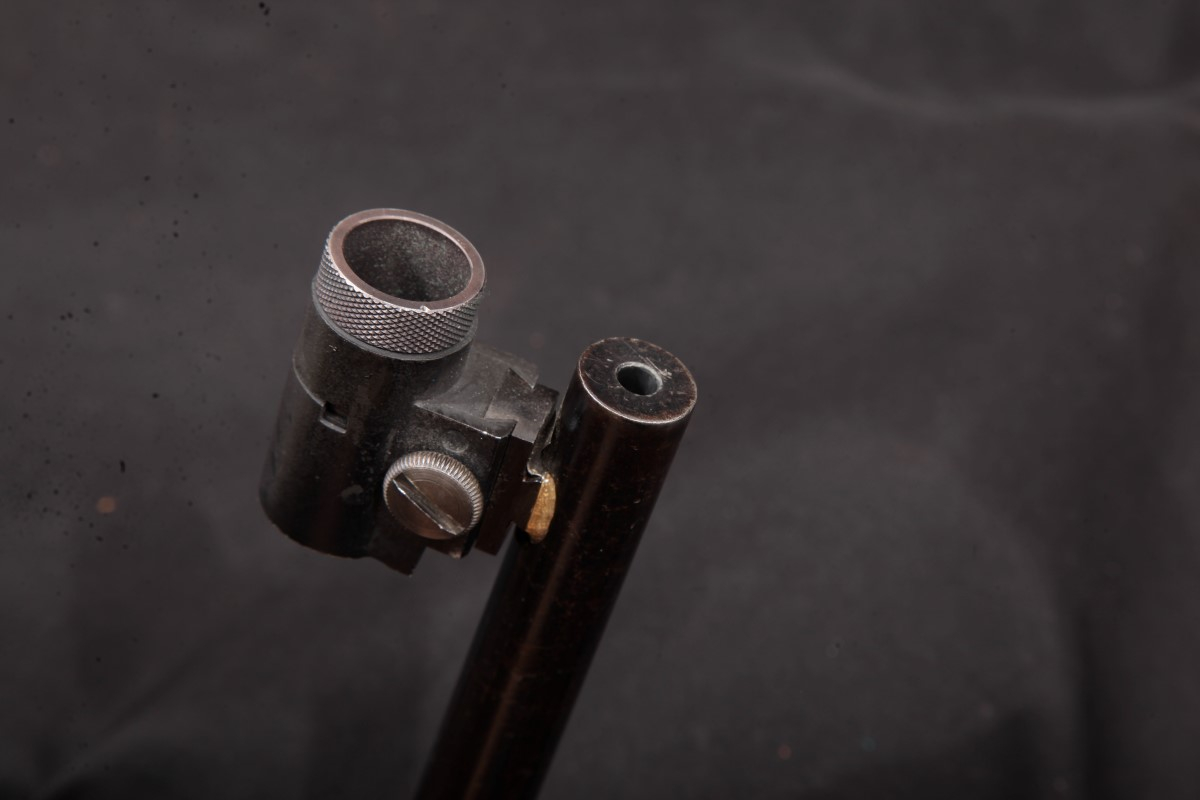
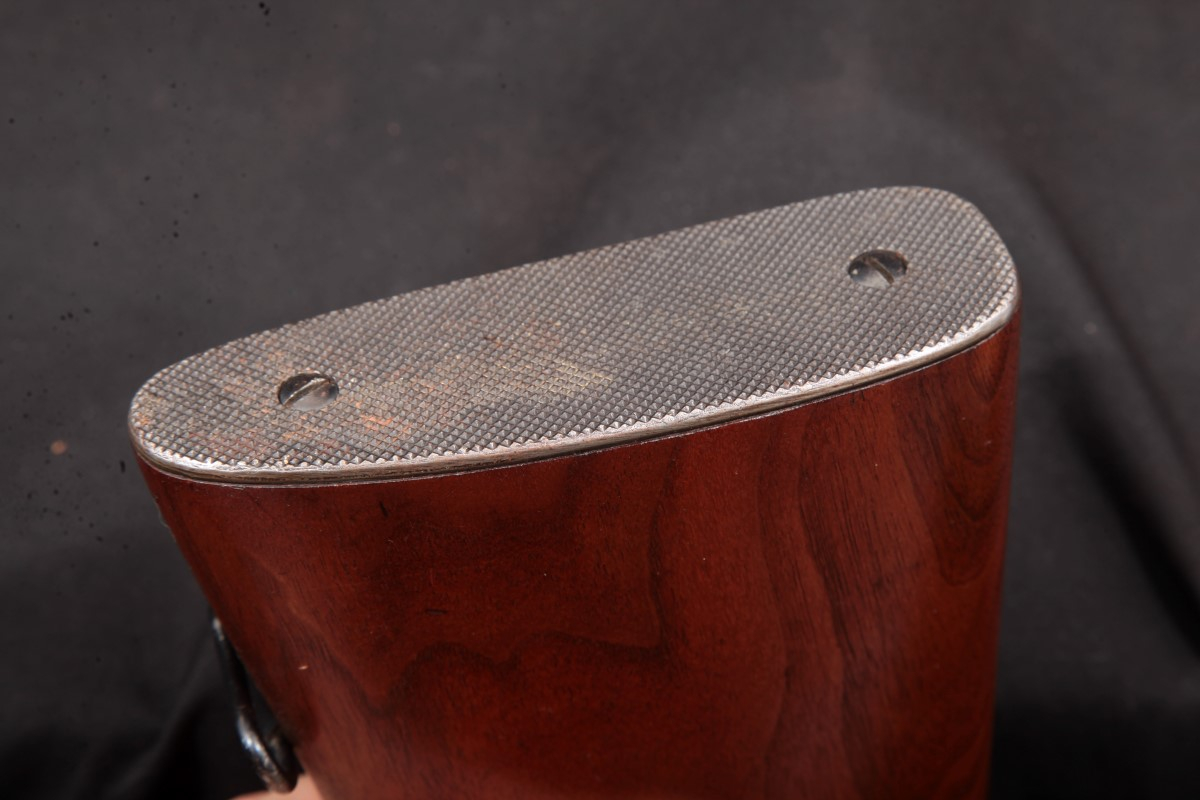
In the late 1930s, the management at Winchester Repeating Firearms Company were faced with a dilemma. They had been building a really outstanding .22 target rifle (the Model 52) since 1919.
It was the one of the unquestioned leaders in the small-bore target rifle world. However, it was not really designed around younger shooters who were just beginning to compete in rifle matches, or for use by the military and ROTC units.
It was a heavy rifle (about 10 pounds), and expensive. There was a void that needed filling – a moderately priced target rifle expressly made for beginning shooters, yet accurate enough to win matches when used by more experienced competitors.
Winchester had been producing an excellent mid-priced .22 sporter (the Model 69A) since 1937, and it had a number of advanced features. Winchester’s engineers were accordingly tasked with crafting a great yet relatively inexpensive target rifle, building it around the exceptional Model 69A speed-lock action.
The Model 75 was the result, with production beginning in 1938, with a Sporter model following in 1939.


Then, as today, customers—both civilian and military—pine for a firearm that is light in weight to lessen the burden of carrying it constantly. They also want it to be powerful enough to be effective, and they want it to be easy to shoot and hit the mark.
Those of us who have been around guns for some time know the contradictions, but people still want a 4 oz. gun that hits like a .44 Mag. and is as easy to shoot accurately as a .22 LR target pistol. The companies, alas, continue to try to accommodate this dream.
Colt had already developed the concept of a double-action or trigger-cocking revolver back in 1857. Its first successful double-action revolver was the Model 1887 Lightning. These first revolvers countered Colt’s reputation for ruggedness and were rather fragile. The Model 1887 Thunderer was a similar piece in a heavier caliber, .41 Colt.
Then, utilizing William Mason’s 1865 patent for a swing-out cylinder with simultaneous ejection, Colt brought out the Model 1889 Navy, a.k.a. New Navy DA Model of 1889.
Three years later the less-than-stellar Model 1892 Army debuted, followed by the beefy and robust New Service in 1898. Customers liked the New Service for its performance, but, again, pined for something easier to carry all day long every day.
Smith & Wesson continued to nip at Colt’s heels, spurring the Connecticut gun maker to relentlessly pursue improving its design. Colt responded in 1896 with its New Police Revolver, a relatively small frame double-action revolver with a swing-out cylinder holding six rounds of .32 Colt cartridges.
The frame was derived from Colt’s New Pocket Revolver that was introduced the year before. New York Police Commissioner Theodore Roosevelt chose the New Police Revolver to be the first standard issue revolver to the NYPD in 1896.
After getting its nose bloodied by Smith & Wesson in 1898 with its Hand Ejector Model, Colt hurried to add a device to allow its revolver to be safely carried with all six chambers loaded.
The Police Positive debuted in 1907. “Positive” was derived from Colt’s nomenclature for the internal hammer block safety device.
The marketing guys at Colt had to do something to gin up the enthusiasm beyond a safety device so they latched onto the notion of a clockwise-rotating cylinder, claiming that it was stronger and less wearing on the crane than Smith & Wesson’s counter-clockwise-rotating cylinder.
Never letting a good marketing notion go to waste, they further made the unsubstantiated claim that the clockwise-rotating cylinder was more accurate.
The Police Positive did find a lot of favor, especially with door-rattler cops who shot relatively little but carried daily.
It carried on the .32 Colt chambering but added the .38 Colt New Police (a.k.a. .38 S&W) chambering for added punch. Sights were a fixed groove in the topstrap and a half-moon blade up front. Barrel lengths were 2 1/2″, 4″, 5″ and 6″. Grips were checkered hard rubber until 1924 when checkered walnut became standard.
Finish could be blue or nickel. In 1908 the frame was lengthened a bit to accommodate longer cartridges. Chamberings included .32-20 WCF and .38 Spl.
These were named the Police Positive Special. Colt’s D-frame was further beefed up in 1928, and they began serrating the top strap to reduce glare. These revolvers are known as Police Positive Second Issue.
A target version chambered in .22 LR with adjustable sights became available in 1910. Later iterations of the target model were chambered in .22 WMR, .32 Long (and Short) Colt, and .32 Colt New Police (.32 S&W Long).
Today the target variation carries an 80 percent to 90 percent premium over standard fixed-sight models in the collectors’ world.
In 1926 Colt paired down the D-frame slightly and offered the revolver with a 2″ barrel chambered in .38 Spl. This was the famous Detective Special and became the mainstay for many plainclothesmen police officers throughout much of the 20th century.
Overall during its 88-year run, more than 750,000 Police Positive and Police Positive Special revolvers were made. The paradigm shift from revolvers to semi-automatic pistols fueled its demise in 1995.
The Police Positive is one of the very few Colt revolvers not commanding an extraordinary premium today—except for the aforementioned target version.
Nonetheless, it is a solid, accurate and serviceable revolver that doesn’t wear out the user who carries it daily, and in .38 Spl. still has enough punch to take the fight out of many bad guys.
Image from Wikimedia Commons, Michael E. Cumpston

Why do you own guns? For most of us, there are multiple reasons, but our go-to answers tend to be pretty serious; self-defense, hunting, self-sufficiency, etc.
Even though we may get a great deal of enjoyment out of shooting, we don’t usually think of “fun” as being the main reason we own guns.
But I think every shooting enthusiast should own at least one gun that’s universally fun — the kind of gun that puts smiles on people’s faces at the range.
It doesn’t have to be expensive or novel, but it should be something you can get excited about and get others excited about.
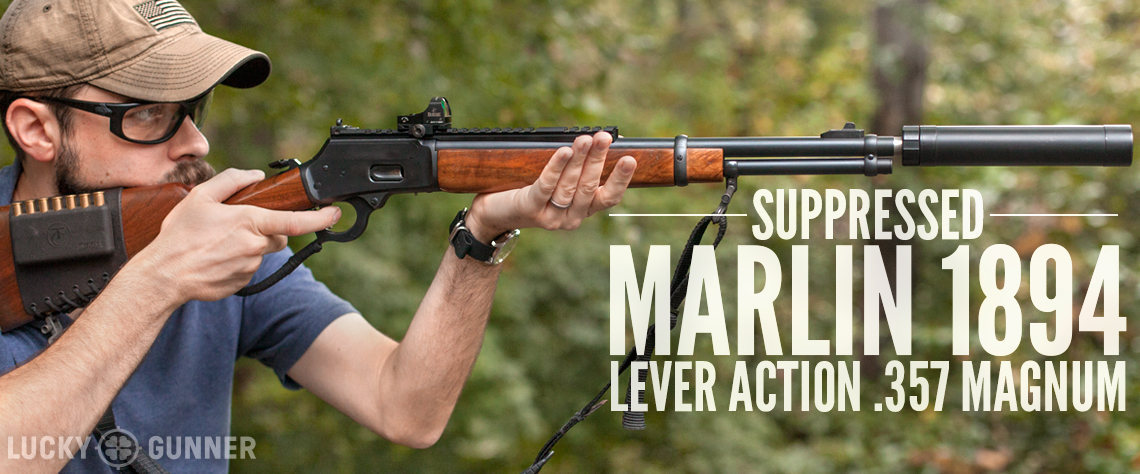
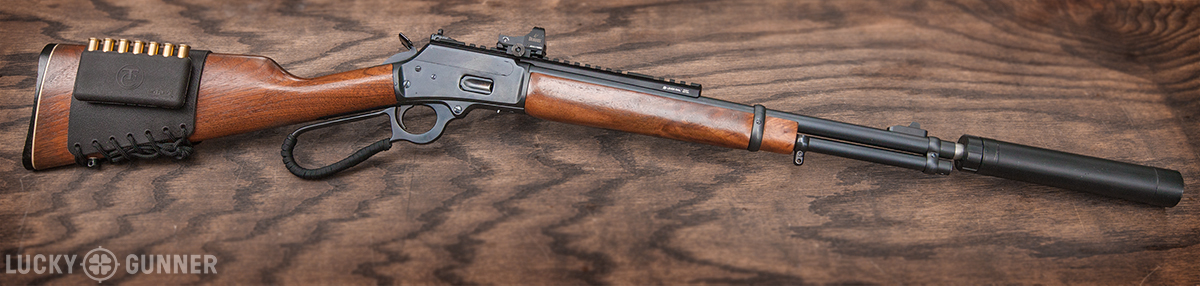
My “fun gun” is the Marlin 1894 .357 magnum lever action. Sure, I have other guns that are enjoyable to shoot, but that’s more of a side benefit than a primary reason for owning them.
The sole reason I have the 1894 is for its entertainment value. To be perfectly honest, I originally bought the 1894 for my own entertainment, but I quickly found that my guests at the range were just as enamored with it. I made a quick video this week with some details on this rifle…
Even though we may get a great deal of enjoyment out of shooting, we don’t usually think of “fun” as being the main reason we own guns.
But I think every shooting enthusiast should own at least one gun that’s universally fun — the kind of gun that puts smiles on people’s faces at the range.
It doesn’t have to be expensive or novel, but it should be something you can get excited about and get others excited about.
My “fun gun” is the Marlin 1894 .357 magnum lever action. Sure, I have other guns that are enjoyable to shoot, but that’s more of a side benefit than a primary reason for owning them.
The sole reason I have the 1894 is for its entertainment value. To be perfectly honest, I originally bought the 1894 for my own entertainment, but I quickly found that my guests at the range were just as enamored with it. I made a quick video this week with some details on this rifle…
Video: Suppressed Marlin 1894 .357 Magnum Lever Action
Years ago, somewhere online I saw a picture of a lever action rifle with a suppressor and decided I needed to have one. That may sound like a novel idea, but Teddy Roosevelt was hunting with a suppressed Winchester 1894 over 100 years ago, so the concept is not as anachronistic as it may seem.
My Marlin 1894 has been worked over by Grizzly Custom Guns with, among other things, a threaded barrel so I can mount my AAC Tirant 9 suppressor.
The report of .38 special subsonic ammo with this setup is quieter than the sound of cycling the action. I can’t put my finger on why, exactly, but shooting this Marlin is about as much fun as I’ve ever had pulling a trigger.
What’s Your Fun Gun?
Most people who are nervous or apprehensive about firearms just haven’t had a good experience shooting before — they are often completely unaware of the recreational and social value of an afternoon at the range.
Having that experience is sometimes that’s all it takes to catalyze a transformation of their attitude toward guns and gun owners.
If you — the responsible and safe gun owner — invite someone to the range and make sure that them having a good time is your number one priority, that’s progress. They don’t have to catch the shooting bug, but if they enjoy the experience, we’re one step closer to winning over an ally.
So even if you primarily shoot for competition or for self-defense or whatever else, it’s wise to have a gun in your collection that can be easy and fun to shoot, even for a complete novice.
Whether you mean for it to happen or not, there’s a good chance you’re going to end up being an “ambassador of shooting” for someone in your life, and it never hurts to be prepared