Categories
Related Topics

HOW TO KEEP YOUR KNIVES BLAZING SHARP

Dull knives are more than just an annoyance, they’re a safety hazard. Don’t believe me? Fine. I dare you to use a dull knife for an entire month. If you actually do this, what you’d find is that a dull knife requires more pressure to get the job done compared to a sharp knife.
And because you’re applying more pressure, you’re at a greater risk of cutting yourself. The safest knife is a knife that does the work for you, not the other way around.
So, what can you do to achieve a hair-splitting knife edge? Well there’s 3 things: honing, sharpening, and stropping. Do these 3 things and dull knives will be a thing of the past! Let’s discuss each of these 3 in greater detail, shall we?

Hone, Hone, Hone Away!

Just what the hell is honing anyways? Without getting too technical, honing is the process of aligning a misaligned knife edge. So, you’re probably wondering how a knife’s edge gets misaligned to begin with. Every time you use your knife to slice, chop, or cut something, you knock your edge off alignment ever so little.
A knife edge is extremely delicate, and even the action of chopping up vegetables can over time result in an edge that is folded over (AKA misaligned). The thing is, we can’t prevent misalignment; we can only correct it. Honing is the process of correction.

This Is What A Honing Rod Looks Like. Make Sure You Get One!

I’m not going to get into the details of how to hone a knife, because that’s a discussion in and of itself. Instead I suggest you check out my honing 101 instructable. It explains how to hone a knife in 3 simple steps.

Get Yourself A Sharpener!

I said it before and I’ll say it again, dull knives are a safety hazard. If you have any reason to never use a dull knife ever again, let that be motivated by the safety of you and your loved ones. Without ranting on too much, my point is this: dull knives suck, so we need to sharpen them. Knife sharpening is an interesting topic. It can be as simple or complicated as you make it to be. I prefer simple. It is the process of slowly abrading material (steel), with the purpose of achieving as sharp an edge as possible. When it comes down to it, you have 3 choices as far as knife sharpeners are concerned:
Electric Knife Sharpeners
Electric knife sharpeners take away most of the skill and technique required to sharpen an edge. They’re typically the most expensive of the three types of sharpeners.

Work Sharp Ken Onion Edition Is One Of The Best Electric Sharpeners On The Market

What I Like:

  1. It’s All About Quick Results—Good electric knife sharpeners can get your blade from dull to finger cutting sharp in about a minute!
  2. Anyone Can Use Them—So easy, even grandma and grandpa can work these. Once you know the basics of knife sharpening, it’s literally plug and play.

What I Dislike:

  1. Can Cost Quite A Bit Of Money—The good ones can be quite expensive. I’m talking in and around the range of $140-250.
  2. Electronics Malfunction—Compared to the other three sharpeners, the electric variations are the least durable.

Pull Through Sharpeners
If you’re looking for the most bang for your buck, pull through sharpeners are your best bet. You can find some awesome ones that cost less than a McDonald’s combo meal!

Brod & Taylor Is The Crème De La Crème Of Pull Throughs!

What I Like:

  1. Not Hard On The Wallet—Unlike the electrics, pull through sharpeners are very reasonably priced. That’s not to say you can’t find a $150 pull through. Price range is about $5-150.
  2. Perfect For Outdoorsmen—The fact that they’re portable, lightweight, manual (no batteries or electricity required), and easy to use, make them the ideal sharpener for camping, hunting, fishing, and hiking trips. You can even toss one in the car!

What I Dislike:

  1. Results Are Average—The only caveat with this are the results are average. It sharpens an edge to the point where you should be able to get the job done, but nothing more.
  2. Wouldn’t Trust Them On My Expensive Knives—Pull throughs are perfect for whipping up a beater knife into shape (I say this from experience). I wouldn’t use them for my expensive collection, and I don’t recommend you do either.

Stone
Old is gold. No seriously, old is gold! It’s no surprise that this ancient sharpening technique is still relevant even today.

You Can Sharpen Just About Anything On This. Talk About Versatility!

What I Like:

  1. You Can Expect Professional Results—If used correctly, sharpening stones can produce results similar to a professional service. Of course, this depends on several different variables: stone quality, sharpening technique etc.
  2. Most “Natural” Way To Sharpen—One thing I dislike about electric and pull through sharpeners is that they can be a little too aggressive on a knife edge, and they strip off too much steel. With sharpening stones, you have full control over how much steel is abraded.

What I Dislike:

  1. Takes Time To Learn—Sharpening using stone requires a little bit of a technique and understanding. In that sense, it’s not everyone’s cup of tea.
  2. Confusing For The Newbie—Sharpening stones are a completely different ball game. Diamond (continuous and non-continuous), water, ceramic, and oil stones are what you can expect to find these days. This is just high level though. The deeper you dive, the more detailed it gets!

Last But Not Least, Stropping!

Stropping is something I usually do after I sharpen. To strop is to polish, coat, and align your edge. Think of it as the final step in achieving maximum sharpness. Wondering how to strop? Here’s an instructable I wrote on the topic. Check it out!

You should be honing every two weeks. When honing is no longer effective, then and only then should you sharpen (and strop).

Categories
All About Guns Allies

Somebody should go & Ring the Liberty Bell & Here's Why!

Inventor Wins Free Speech Battle with DOJ to Distribute 3D-Printed Gun Designs

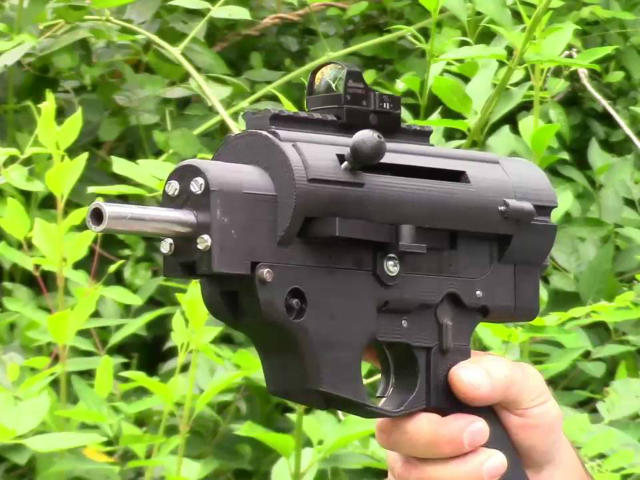
This latest version has the charging handle moved to the opposite side. The Gluty lower has had over 3000 rounds fired with it. The new upper has had 1200 rounds fired through it.
Screenshot

Cody Wilson’s Defense Distributed and Second Amendment Foundation (SAF) reached a settlement with the Department of Justice allowing unfettered publication of 3D gun files and other information in a case centered on free speech.

Breitbart News reported that SAF filed a suit on behalf of Defense Distributed on May 6, 2015, seeking to free Wilson from a federal mandate that he not post blueprints for The Liberator pistol online.
Over three years later, the announcement comes that Wilson and SAF won

SAF sent a press release to Breitbart News, explaining details of settlement, saying, “The government has agreed to waive its prior restraint against the plaintiffs, allowing them to freely publish the 3-D files and other information at issue. The government has also agreed to pay a significant portion of the plaintiffs’ attorney’s fees, and to return $10,000 in State Department registration dues paid by Defense Distributed as a result of the prior restraint.”
SAF founder and executive vice president Alan Gottlieb said, “Not only is this a First Amendment victory for free speech, it also is a devastating blow to the gun prohibition lobby. For years, anti-gunners have contended that modern semi-automatic sport-utility rifles are so-called ‘weapons of war,’ and with this settlement, the government has acknowledged they are nothing of the sort.”
Gottlieb added, “Under this settlement, the government will draft and pursue regulatory amendments that eliminate ITAR control over the technical information at the center of this case. They will transfer export jurisdiction to the Commerce Department, which does not impose prior restraint on public speech. That will allow Defense Distributed and SAF to publish information about 3-D technology.”
Breitbart News spoke with Cody Wilson after the settlement was reached. He said, “Our culture will not just be preserved, but will have a new life in the Internet. The age of the downloadable gun has formally begun.”
AWR Hawkins is an award-winning Second Amendment columnist for Breitbart News, the host of the Breitbart podcast Bullets with AWR Hawkins, and the writer/curator of Down Range with AWR Hawkins, a weekly newsletter focused on all things Second Amendment, also for Breitbart News. He is the political analyst for Armed American Radio. Follow him on Twitter: @AWRHawkins. Reach him directly at awrhawkins@breitbart.com. Sign up to get Down Range at breitbart.com/downrange.

Categories
Cops

How not to react with the cops!

https://youtu.be/QoX-RHjs0jA

Categories
All About Guns

Some advice on the Remington 700 -Video

Attachments area
Preview YouTube video Gunsmithing – How to Assemble a Remington 700 Presented by Larry Potterfield of MidwayUSA

Categories
Allies The Green Machine War

Now that is one hell of a Dog! From The Daily mail (UK)

Hero SAS dog saves the lives of six elite soldiers in Syria by ripping out jihadi’s throat while taking down three terrorists who ambushed British patrol

  • The dog had been out on patrol in northern Syria with a team of six crack troops 
  • As the soldiers left their armoured convoy they were hit with a frenzied ambush
  • A source said the unnamed Belgian Malinois took out three jihadis on its own 
  • The SAS commander in charge credited the dog with saving all his men’s lives

By GEORGE MARTIN FOR MAILONLINE

An SAS team was saved after a brave military dog fought off a jihadi who attacked a patrol in northern Syria.

The unnamed Belgian Malinois, a fierce breed of sheepdog known for its bravery, had been out on a routine patrol with a team of six crack soldiers from the SAS.

They had just entered a small village in a convoy of armoured vehicles when they got out to continue the recce on foot.

But soon after they left the safety of the convoy, they were attacked on all sides by waiting jihadis in what was described as a ‘360 degree ambush’.

Scroll down for video 

The team had been on patrol with a Belgian Malinois (pictured), a breed known for their bravery [file photo]

The team had been on patrol with a Belgian Malinois (pictured), a breed known for their bravery [file photo]

The SAS men returned fire but the jihadis began closing in and tried to outflank them.

The animal was said to have leapt to the defence of the struggling British soldiers, tearing the throat of on gunman who was firing at the patrol. 

It then turned on two other

A source told the Daily Star: ‘The SAS found themselves in a 360-degree ambush.

‘The initiative was with the terrorists and the only hope for the British was to try and make a run for it.

‘The handler removed the dog’s muzzle and directed him into a building from where they were coming under fire.

‘They could hear screaming and shouting before the firing from the house stopped.

The small SAS troupe had been out on a routine patrol in a small village in northern Syria [file photo]

The small SAS troupe had been out on a routine patrol in a small village in northern Syria

‘When the team entered the building they saw the dog standing over a dead gunman.

The incident was said to have taken place two months ago, but details of the dog’s bravery can only be made public now for security reasons.

‘His throat had been torn out and he had bled to death,’ the source continued, ‘There was also a lump of human flesh in one corner and a series of blood trails leading out of the back of the building.

‘The dog was virtually uninjured. The SAS were able to consolidate their defensive position and eventually break away from the battle without taking any casualties.’

The SAS commander in charge of the patrol credited the dog with directly saving the lives of all six of the men.

****One Dog that deserves a Huge Steak in my Humble opinion- Grumpy*****

The team had been on patrol with a Belgian Malinois (pictured), a breed known for their bravery [file photo]

 Read more:
Categories
All About Guns The Green Machine War

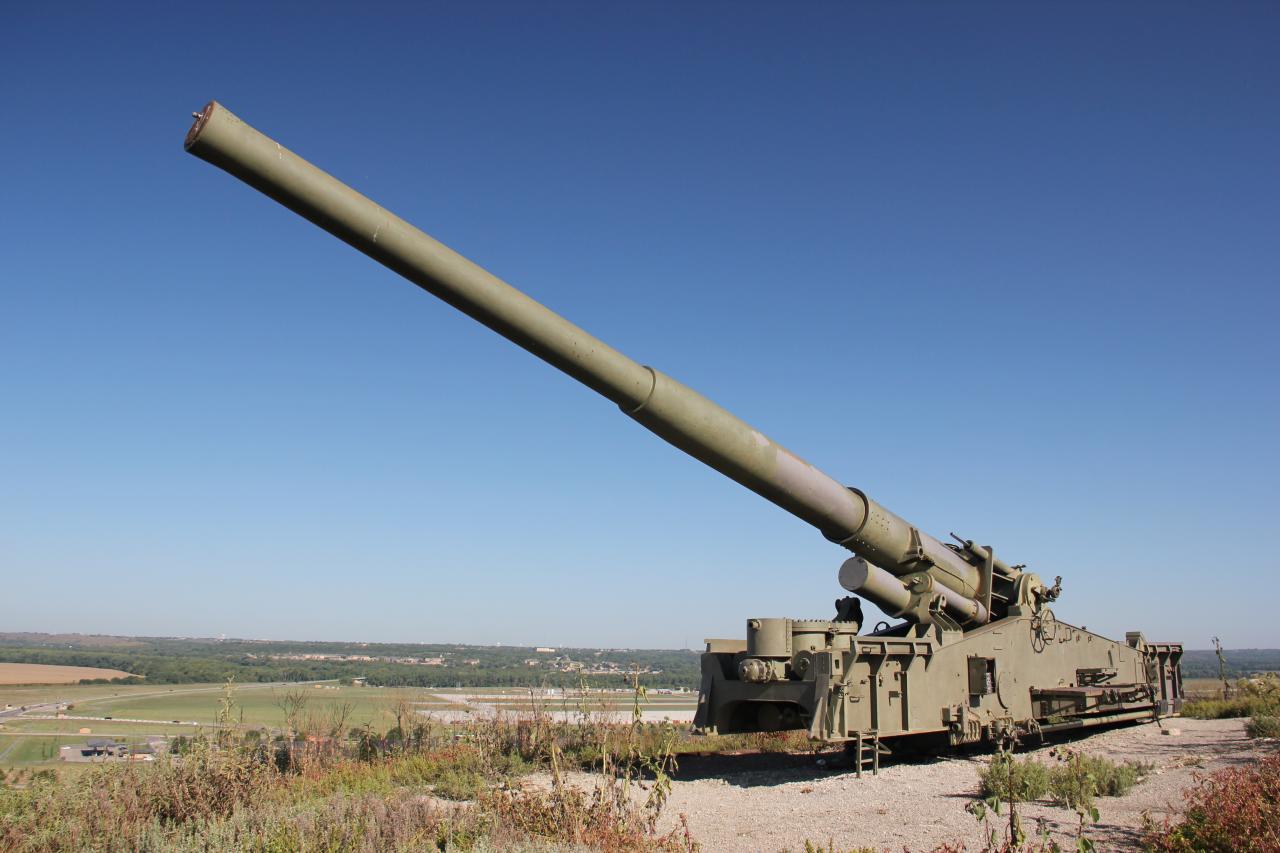
I would not mind owning one of these! Atomic Annie — The M65 Atomic Cannon

Designed in 1949 by the American Engineer Robert Schwarz, the M65 “Atomic Annie” was inspired by German railway guns used during World War II.  The M65 however, was designed to deliver a nuclear payload to its target.
The gun and carriage itself weighed around 85 tons, was manned by a crew of 5-7, and was transported by two specially designed towing tractors.
At 280mm in caliber and capable of firing a projectile over 20 miles, the gun was certainly powerful enough as a conventional weapon, but the Atomic Annie was certainly no conventional weapon.
In 1953 it was tested for the first time at the Nevada Test Site, where it fired a 15 kiloton nuclear warhead, creating a blast similar in size to the bombs dropped on Hiroshima and Nagasaki.
After the successful test, 20 M65 cannons were produced for the US Army and deployed in Europe and Korea.  They were almost always in constant motion so the Soviets never knew where they were and could not target them.  Image result for M65 Atomic Cannon 
While an interesting weapon, the Atomic Annie suffered from limited range, especially after the development of ballistic missiles which could strike a target from thousands of miles away.
The last M65 Atomic Cannon was retired in 1963.  Today only 8 survive, and are displayed in museums across the country.
Image result for M65 Atomic Cannon
You have a fire Mission? Okay, one on the way!
I stole this from that Fine Blog – The Daily Time Waster
Categories
N.S.F.W.

A Random NSFW Picture Dump


Image result for friday meme
Categories
Dear Grumpy Advice on Teaching in Today's Classroom War

The $$$$$$$$$$$ Cost of the US Wars

Image result for The Cost of the us Civil War

Categories
All About Guns

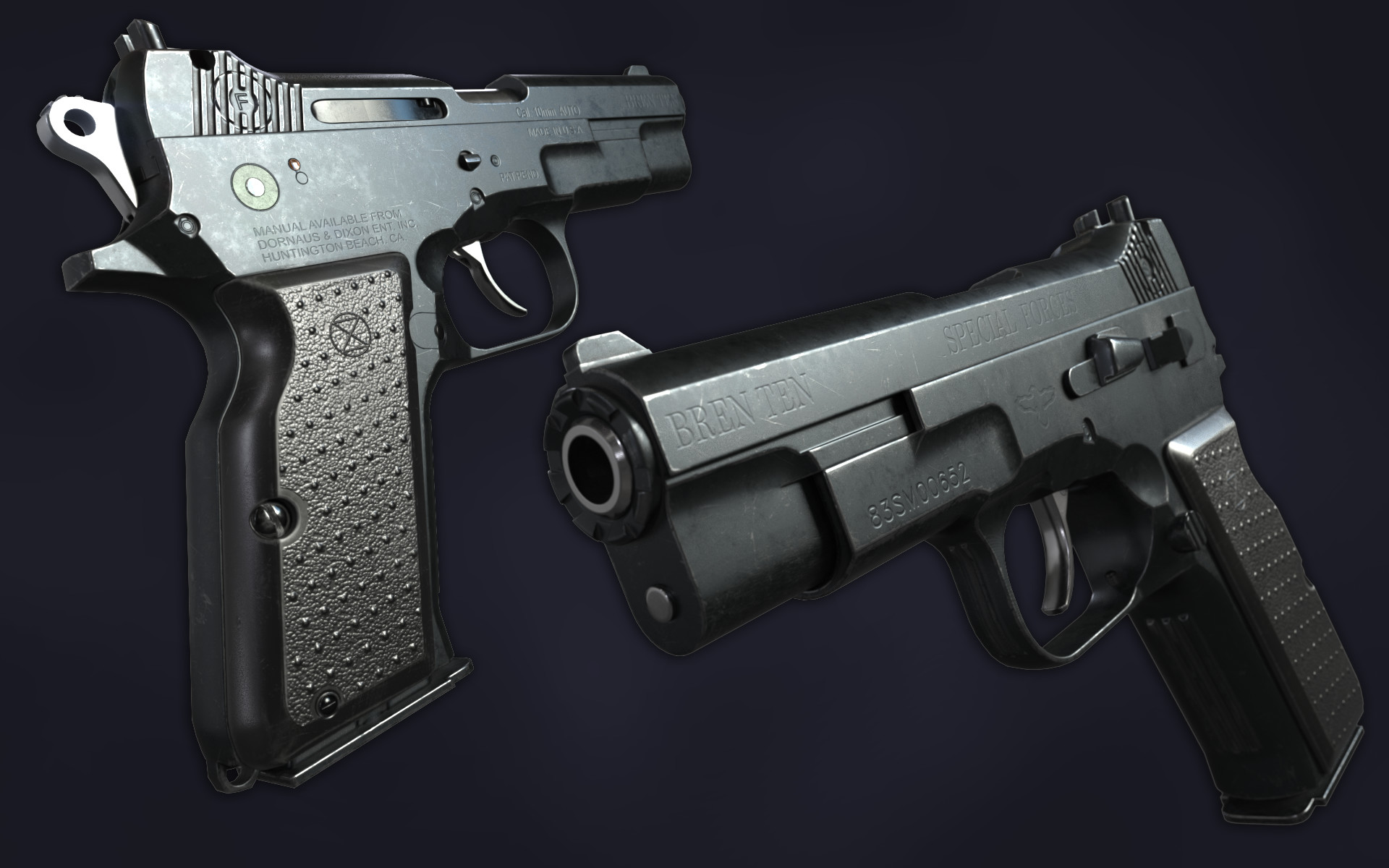
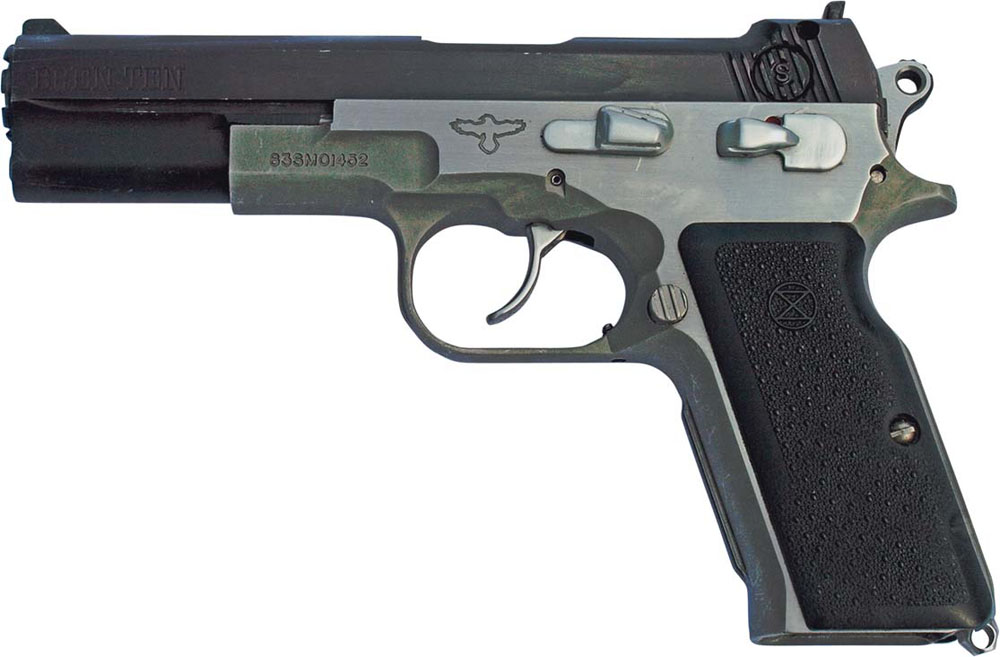
The rare & very elusive Bren 10 pistol

Related image

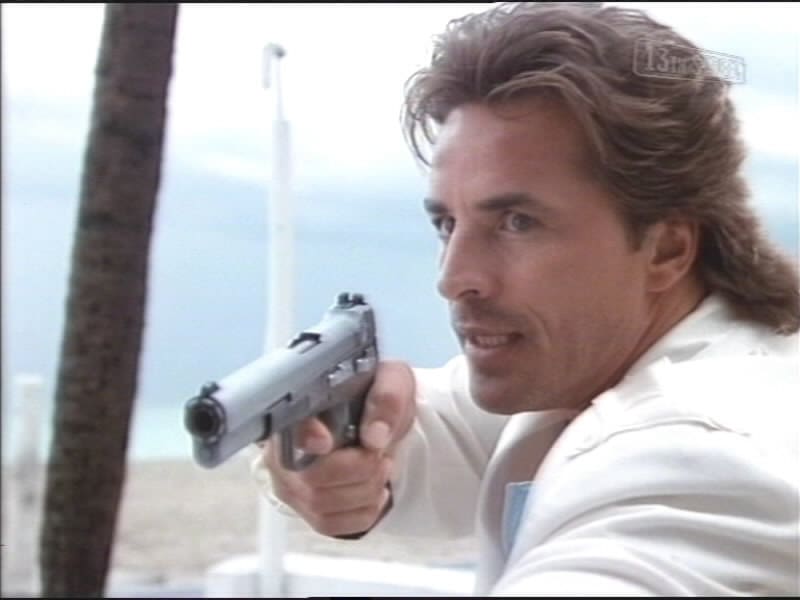
 Now I think that almost anyone with a pulse that was around in the ancient days of 1980’s saw at least once. The Cop show called Miami Vice.
Now it was very hip show with some great music in it. But in my mind the real star was the Bren 10 pistol. That seemed to be in almost every scene of the series.
The only major problem that I have with this pistol is that it is a very rare bird indeed to find. Let alone to shoot one or God Forbid buy one! (They only made about 1500 of them all told. So I have a better chance of getting hold of a Colt Boa!)
But as I have been told by folks that seem to have their shit together. It is a great pistol that help launch the 10mm pistol round fad.
Go figure!
Grumpy
Image result for Bren 10

Bren Ten

From Wikipedia, the free encyclopedia
Bren Ten
Bren Ten Special Forces.JPG

Bren Ten pistol by Dornaus & Dixon
Type Semi-automatic pistol
Place of origin United States
Production history
Designer Michael Dixon, Thomas Dornaus
Designed 1983
Manufacturer Dornaus & Dixon Enterprises, Inc.
Produced 1983–1986
No. built 1,500
Variants Bren Ten Compact Models
Specifications
Weight 38 oz (1,100 g) (Standard Models)
33 oz (940 g) (Compact Model)
Length 8.75 in (222 mm) (Standard Models)
7.75 in (196.9 mm) (Compact Models)
Barrel length 5.00 in (127.0 mm) (Standard Models)
4.00 in (101.6 mm) (Compact Models)
Width 1.25 in (31.8 mm) (Standard Models, Compact Models)
Height 5.75 in (146.1 mm) (Standard Models, Compact Models)

Cartridge 10mm Auto
.45 ACP (11.43×23 mm)
Action Browning short recoil, vertically tilting barrel
Effective firing range 50 m
Feed system 8 or 10 round box magazine
Sights Adjustable 3-dot type; rear notch, front blade

The Bren Ten is a semi-automatic pistol chambered for 10mm Autothat was made by Dornaus & Dixon Enterprises Inc. from 1983 to 1986.
While the Bren Ten’s design has an appearance similar to the 9×19mm Parabellum CZ-75, it was larger and stronger with several unique design elements that made it a distinctly separate firearm.
The design was produced only in small numbers before the company went bankrupt. Subsequent attempts to bring the firearm back into production have been unsuccessful.
The Bren Ten remains a weapon of some controversy. Many enthusiasts consider it to be one of the best pistols of its era, and the 10mm Auto is one of the most powerful semi-automatic pistol rounds.
Issues reported with the gun when it was in its original production run included some of the units delivered with missing or inoperable magazines.
Spare magazines were hard to find and were relatively expensive. The 10mm Auto caliber was at first unique to this pistol, and produced initially by FFV Norma AB of Åmotfors, Sweden.

History

In the 1970s the police and some military forces used a mix of semi-automatic designs and revolvers.
Automatics offered high rates of fire and quick reloading, but generally used small rounds that would neither overstress the mechanism nor the shooter.
Revolvers were offered in calibers with considerably more power than the automatics, but held only a small number of rounds and were fairly slow to reload. Neither could be considered ideal.
On December 13, 1979, Thomas Dornaus and Michael Dixon decided to start the development of a new semi-automatic pistol to address the gap between revolvers and automatics.
What was needed, they believed, was a semiautomatic pistol with its greater ammunition capacity and faster reloads, but one that would deliver power exceeding both the .45 ACP and the .357 Magnum. They hoped the new design would become as popular as the then-aged Colt 1911.
On January 15, 1980, they went seeking advice from the most knowledgeable sources available. This effort led to Jeff Cooper.
Upon seeking his advice, the two discovered that he had already been working on such a pistol. The trio combined their efforts: Dornaus and Dixon provided the engineering, development, manufacturing, and marketing, while Cooper provided conceptual design criteria and technical advice.
The company was formally incorporated as Dornaus & Dixon Enterprises Inc. on July 15, 1981 in California, and a new factory was set up in Huntington Beach.
The pistol, meanwhile, was adapted from the CZ-75 but heavily modified, including a stainless steel frame, easily visible sights, and various other features that would normally only be found on heavily customized arms.
The original prototype named CSP-80 was chambered in .45 ACP. Jeff Cooper however insisted that the new gun be chambered in what he termed the .40 Special. His ballistic requirements were that a 40 caliber 200 grain FMJTC bullet fired from a 5″ barrel have a minimum target impact velocity at all reasonable combat ranges out to 50 meters of 1,000 FPS.
Because of this and the fact that the CSP-80 was chambered in .45 ACP, the shorter cased concepts such as the .40 G&A were abandoned and work began on the .45 ACP length .40 Special using shortened .30 Remington rifle brass.
The resultant wildcat cartridge was then renamed the 10mm Auto. Jeff Cooper took this and renamed the Combat Service Pistol 80 the Bren Ten.
Production of the Bren Ten ran from 1983 to 1986, with a production run of fewer than 1,500 total pistols according to some sources.
They had started taking orders in 1982, forcing them to ship out examples as soon as possible, before any sort of in-depth testing could be done.
The first batch of pistols was sent out to the customers with one magazine from a pre-serial batch. The much needed magazines could not be available on the US market for two years because Italy prohibited their export and customs seized them as war material.
Customers cancelled their orders and in 1986 Dornaus & Dixon Inc. was forced to file for bankruptcy.

Design details

The Bren Ten models borrow some traits from the famous CZ-75 pistol design, however the “Ten” is not a clone of the CZ line of firearms.
The Bren Ten was offered in several variants in full sized and compact pistol frame sizes, made out of stainless steel. The slides were made out of carbon steel and had a blued or hard chromed finish.
A .45 ACP conversion kit was available for all full size Bren Ten variants. All full sized models contain a dual head screw driver built into the recoil spring guide rod which fits all screws used in the pistol and serves as an emergency tool for performing field repairs.
The nose of the magazine base plate serves as a wrench used to remove the castellated barrel bushing. Very early guns feature rear sights adjustable for windage with opposing tension set screws. Later guns have click adjustable rear sights.
The Bren Ten is a short recoil operated, locked breech semi-automatic pistol that uses a Browning Hi-Power style linkless system.
The pistol has the capability of being fired single– or double action and feature a reversible frame-mounted combat thumb manual safety that locks the sear so the trigger cannot be moved rearward as well as an internal firing pin block safety which stops the firing pin from traveling forward.
The manual safety allows the pistol to be carried with the hammer back, ready for use just by switching the safety off, a configuration known as condition one.
The Bren Ten has adjustable iron sights with three dots for increased visibility. The Bren Ten standard grips are made by Hogue from black textured nylon.

Magazines

The capacity of the detachable box magazines of the Bren Ten pistols varies from chambering to chambering and the exact Bren Ten variant.
Technically the length of the magazine well in the grip frame dictates the shortest possible magazine length and accompanying minimum ammunition capacity. The manufacturer offered the following default factory magazine capacities:

Model / Chambering 10mm Auto .45 ACP
Full size and 10mm compact models magazine capacity (in rounds) 10 8
Pocket model magazine capacity (in rounds) 8 –

Variants

Standard Models

The Bren Ten Standard Model is the basis for the entire line of Bren Ten pistols. Basically, the only differences between the Standard Model and the rest of the Bren Ten line deal with finish, barrel length and chambering.
In the case of the Dual-Master and Initial Issue/Jeff Cooper Commemorative other extras include special engraving, a special walnut presentation case and, for the Dual-Master, an extra slide and barrel.
Basically, these guns were Standard Models with added window dressing. The Bren Ten Standard Models could combine a stainless steel frame and a blued carbon steel slide, though some collectors/owners opted for aftermarket hard chroming factory blued slides to make the pistols look like the Miami Vice Bren Tens.
The full size models were made in the following variations:

  • Bren Ten Standard Model (SM) – the basis for the entire line of Bren Ten pistols.
  • Bren Ten Military/Police (MP) – targeted law enforcement and military contracts.
  • Bren Ten Dual-Master Presentation Model – 10mm Auto and .45 ACP included two upper assemblies.
  • Bren Ten Initial Issue/Jeff Cooper Commemorative – listed at $2,000 in the 1984 wholesale price list.
  • Bren Ten Marksman Special Match – .45 ACP non-catalogued item (250 pistols made).
  • Bren Ten API – Standard Models with special serial numbers made for the American Pistol Institute.
  • Bren Ten Original Prototype – manufactured from billet steel.
  • Miami Vice Bren Tens – .45 ACP blanks firing pistols with hard chromed slides for better low light television scenes visibility (2 pistols made).

Compact Models

The Bren Ten Special Forces Models are basically short barreled versions of the full sized Bren Ten.
The Special Forces Bren Ten Model was offered in two variants; L (Light) with a hard chromed slide and D (Dark) with a matte blued slide. Both were introduced at the 1984 SHOT Show.

Pocket Model

The Bren Ten Pocket Model is a subcompact short barreled Bren Ten variant with a special compact frame that deviates from the Standard and Compact models.
Further it retained many of the features of the Bren Ten Standard Model. No production models were ever made. A hand made working prototype built by Tom Dornaus was used for advertising graphics.

Accessories

Factory accessories included extremely rare white Hogue nylon grips, smooth and checkered walnut grips by Herrett, and a very few and therefore rare 6″ 10mm barrels. Factory accessories cataloged but never built include .22LR conversion kits and ambidextrous safeties.
A black Cordura nylon carrying case was commissioned by the Marksman Shop for the non-cataloged Marksman Special. System Ten Associates produced a line of accessories not endorsed by Dornaus & Dixon, Inc. .
These included posters, silk screened T-shirts, baseball caps, jacket patches, tie tacs/lapel pins, web Para Belts and brass belt buckles.

Bren Ten resurrection

In 1986 after Dornaus & Dixon Enterprises Inc. closed, entrepreneur Richard Voit purchased all intellectual and certain physical assets from the bankruptcy courts and established The Bren Ten Corporation.
This entity eventually became Peregrine Industries. Models included the Peregrine Falcon and Phoenix. Peregrine Industries, however, fell victim to the Savings and Loan scandals of the early 1990s and saw their lines of credit disappear.
Consequently, while many Falcon and Phoenix 1st articles were produced for testing, none were launched.
On February 1, 2008, Vltor Weapon Systems of Tucson, Arizona, announced that they would be resurrecting the Bren Ten with the launch of their Vltor Fortis pistol project.[1]
The blog hinted that the project would involve a more modern version of the Bren Ten design, but offered little other information. On July 27, 2009, Vltor announced they obtained the rights to use the Bren Ten name and “Circle X” logo for the production version of the Fortis project and intend to release the pistol as the Vltor Bren Ten in May 2010.[2]
In January 2015 the company released a letter stating that their efforts to produce the firearm had not met quality standards but that they were still committed to the project and predicted going into full production in 2016.[3]
However, as of 1 September 2017 no production guns are available and no projected release date is available from Vltor.

In film and television

The Bren Ten is notable for having been one of Sonny Crockett‘s pistols in the television series Miami Vice. Excluding the pilot episode, he wore the pistol during the first and second seasons of the show.[4][5]

See also

References

  1. Jump up^ Vltor blog about the Fortis
  2. Jump up^ [1]
  3. Jump up^ https://www.vltor.com/2015/02/06/bren-ten-2015-update/
  4. Jump up^ Ayoob, Massad (2008). The Gun Digest Book of Concealed Carry. Gun Digest. p. 177. ISBN 978-0-89689-611-6.
  5. Jump up^ Sweeney, Patrick (2003). The Gun Digest Book of the Glock. Gun Digest. p. 148. ISBN 978-0-87349-558-5.
Attachments area
Preview YouTube video Bren Ten 10mm “Miami Vice” Pistol

Categories
All About Guns

S&W M&P 10 Sport Rifle

Smith & Wesson Adds M&P10 SPORT Rifle to the Popular M&P Lineup

smith & wesson, Smith & wesson M&P10 sport rifle, m&p10 sport, rifle, guns
Photo courtesy of Smith & Wesson

The M&P10 SPORT Rifle is the latest addition to Smith & Wesson Corp’s award-winning M&P10 rifle lineup.
The M&P10 SPORT rifle features a popular 16″ barrel with a .30 caliber A2-style flash suppressor. Chambered in .308 WIN/7.62×51 NATO caliber, the Sport is optics-ready  and equipped with ambidextrous controls for both right and left handed shooters.

Image result for S&W M&P 10 sport rifle

Related Stories: Binge Watch GetZone’s New Original Series: American Nomads
Specifications & Features:

  • Chambered in .308 WIN/7.62×51 NATO
  • Mid-length gas operating system for lower felt recoil
  • Semiautomatic
  • Medium-contour 16″ barrel
  • 5R rifling for increased accuracy
  • 6-position telescopic stock
  • Corrosion resistant Armornite finish on barrel interior & exterior
  • Optics-ready with picatinny top rail and gas block
  • 20 round Magpul PMAG
  • MSRP: $1,049

Related Stories: Smith & Wesson Introduces the M&P M2.0 9mm Semi-automatic Pistol
“In 2013, Smith & Wesson introduced the award-winning M&P10 rifle, which quickly became a popular choice with consumers.
Today, we’re proud to expand the M&P10 line of modern sporting rifles with the release of the M&P10 SPORT rifle in .308 WIN.
The SPORT rifle offers consumers a top performing modern sporting rifle at a competitive price, and is well suited for target, hunting and competitive sport shooting,” said Jan Mladek, General Manager of Smith & Wesson and M&P brands.
For more information, visit www.smith-wesson.com.