Categories
This gun could really mess up some jerks day in the right hands!
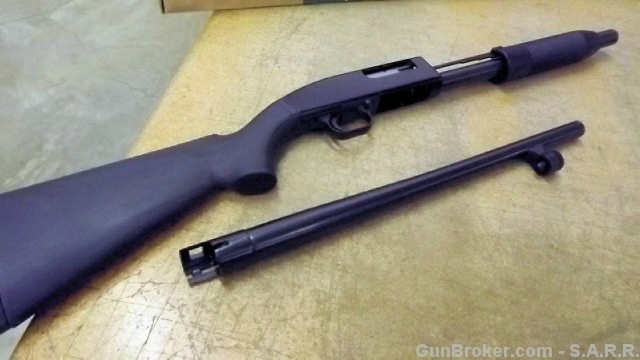
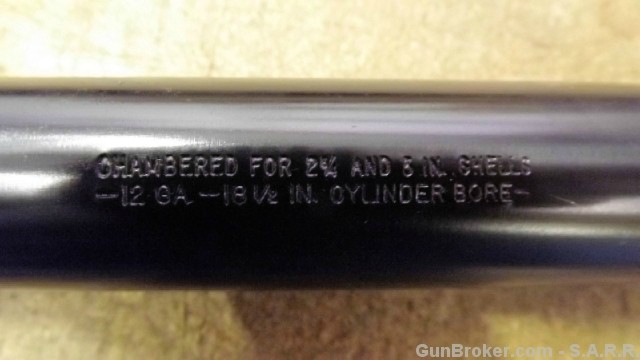
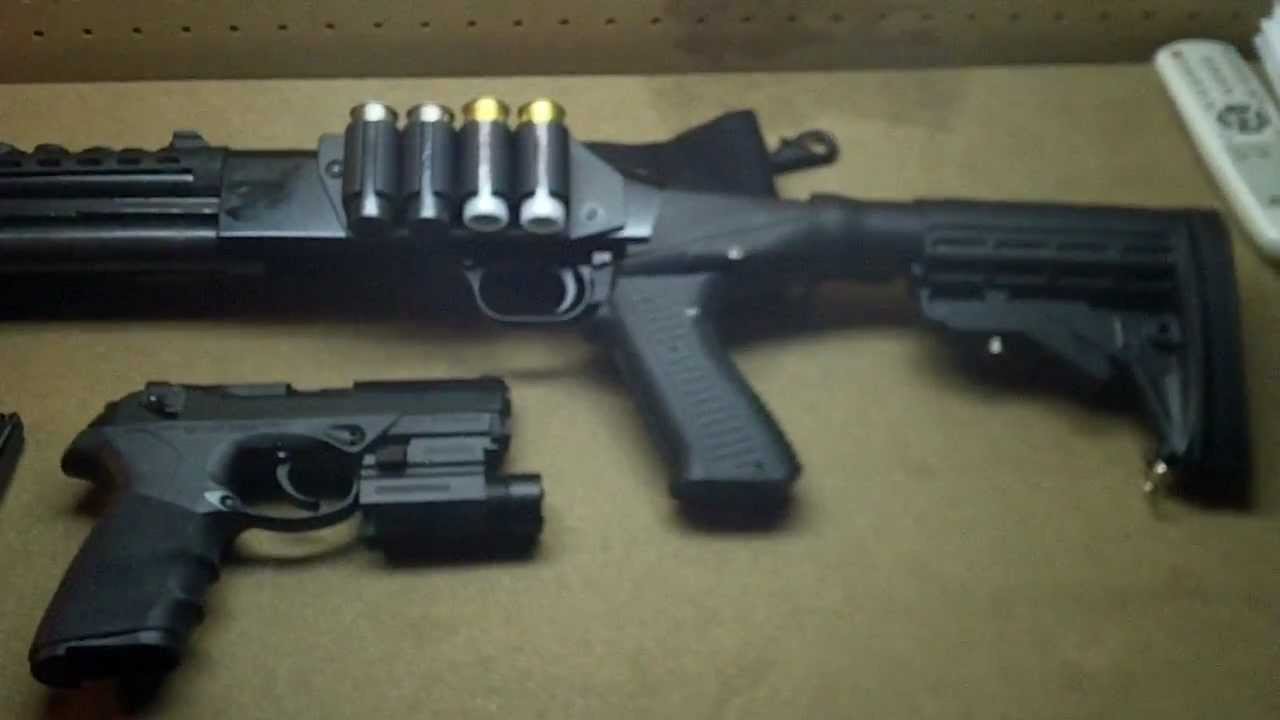
All I know is that most folks are very allergic to facing one of these scatterguns. The usual reaction is to turn tail & run. If not the treatment of a couple of blasts of Double OO buck usually works. If not then I highly suggest that the operator turns around and run like a striped ass baboon!
What follows any controversial deadly encounter caught on camera is a barrage of opinions from keyboard commandoes and wannabe legal experts claiming to know “the truth” about the circumstances surrounding the shooting, about whether the use of force was justified, about what will happen to the defendant, etc. etc. etc.
While it’s fine for average Joes to weigh in, it’s quite another when they attempt to pass off their opinions as real expertise.
In an attempt to elevate the level of discussion out here on the Interwebs, GunsAmerica reached out to two attorneys to get actual professional insight on that fatal shooting in a Florida parking lot last month that has everyone talking (see video above).
One is a defense attorney who specializes in all things 2A-related and who regularly handles firearms criminal defense cases; the other is a 2A-friendly prosecutor with tons of jury trial experience prosecuting murders and an Iraq war vet.
Both asked that we not disclose their identities because they’d rather not deal with butthurt Internet trolls messaging them at their offices.
The Q&A:
Question 1. To start, let’s forget Florida law and the specific details of the case for just a moment, and just ask a general question. Under what circumstances, if any, is one justified in using deadly force against an individual who just shoved him or her to the ground?
Seems to me that if there’s not a glaring disparity of force in play, like maybe a grown man violently shoving a fragile 90-year-old woman to the ground and seriously injuring her, then it’s hard to think of a situation when a shove warrants the use of lethal force. Your thoughts?
Defense Attorney: I agree. I think it’s really a stretch to think there’s ever a time that you could simply shoot someone for just pushing you to the ground. Usually, to justify using deadly force you need to have a reasonable belief that you are going to be seriously injured or killed.
Being pushed just doesn’t get you there. I’m not sure that a disparity of force would even get you there unless you reasonably believed the violence was going to continue and that this was your only chance to survive being killed.
If we want to get creative, we could argue that a push could be deadly if it was over a cliff, or into a speeding car, raging river, etc. Even that is different from the facts here because in those examples it’s not the push that will cause you the imminent harm, it’s the landing.
Prosecutor: Let me put it this way. Unless you are made of glass and your bones will shatter from the fall, you do NOT have the right to use deadly force from a mere shove to the ground. The jury is not going to buy that as a reasonable use of force in any state.
Question 2. Turning to the case, the available facts indicate that 47-year-old Michael Drejka shot and killed 28-year-old Markeis McGlockton in July after McGlockton shoved Drejka the ground. What prompted McGlockton to push Drejka was the fact that Drejka had confronted McGlockton’s girlfriend who had parked in a handicap space at a convenience store in Clearwater, Florida.
Pinellas County Sheriff Bob Gualtieri initially announced that he would not arrest Drejka because the shooting “is within the bookends of ‘stand your ground’ and within the bookends of force being justified.” He added, “I’m not saying I agree with it, but I don’t make that call.”
We found out this week, however, that Pinellas County State Attorney Bernie McCabe is charging Drejka with “manslaughter.”
“I went through it all and made the legal decision that that is the charge that we could prove,” McCabe told NBC News.
There’s a lot to unpack here, but is it common for there to be such a disconnect between the way law enforcement analyzes a case and the way prosecutors analyze a case? I mean there’s a huge gap between “That shooting was lawful, so no arrest” and “Nope, that’s manslaughter,” right?
Defense Attorney: It’s actually pretty common for law enforcement to get this stuff wrong. This is complicated stuff. Remember that most of the time law enforcement aren’t lawyers, they didn’t go to law school or pass the bar. They get trained and taught by lawyers and, let’s face it, even lawyers get stuff wrong regularly.
Most people don’t know but there is a prosecutor on call in most counties all night long to answer legal questions for police officers.
In fact, if law enforcement didn’t ever make mistakes there’d be almost no need for defense attorneys. Also, the prosecutor, in this case, had time to review the video, read the police reports, study the law, and make a decision on what he feels he can prove to a jury.
The police had to decide on the scene what to do without the benefit of hindsight, and they chose not to arrest.
I’m sure the reason Drejka is being charged with manslaughter rather than murder is because there’s a defense to murder if provoked by a hit or a push called the “heat of passion” wherein you have an uncontrollable state of mind. It doesn’t usually get you off, but often will reduce a charge from murder to manslaughter.
Prosecutor: I’m finding it very hard not to criticize law enforcement on this. They should have been able to see the video immediately at the scene, and we depend on them to understand the basics.
It was patently the wrong call. “Within the bookends of stand your ground?” BZZZZ! Wrong! Stand your ground means that Drejka did not have to run away. It did not (and would not in Florida or any other state) relieve Drejka of the need to “reasonably believe[] that such force is necessary to prevent imminent death or great bodily harm to himself” before he shoots! Florida Code 776.012, 776.013.
That reasonable belief that deadly force is needed to save is written into every self-defense law in the nation, including Stand Your Ground states. Any presumption of innocence in this case was clearly rebutted by the video depiction of the crime. Yeah, the cops got it wrong. Embarrassing.
Question 3. Speaking of Stand Your Ground, which states in part, “A person is justified in using or threatening to use deadly force if he or she reasonably believes that using or threatening to use such force is necessary to prevent imminent death or great bodily harm to himself or herself or another or to prevent the imminent commission of a forcible felony…” does it apply to this case?
Defense Attorney: I think that you’re looking at the wrong part of the statute. What you’re looking at are the requirements to use deadly force or to threaten someone with deadly force. We often call those the requirements for self-defense.
If you don’t meet those requirements and you use deadly force you could be charged with murder, manslaughter, attempted murder, or aggravated battery. If you don’t meet those requirements and you threaten someone with deadly force you could be charged with aggravated assault, or brandishing.
Generally, “stand your ground” literally means that you don’t have a duty to retreat or run if you’re in a place that you are legally and lawfully allowed to be in. In plain English, you don’t need to run if you aren’t breaking any laws or if the conflict isn’t your fault.
It does not give you the right to use deadly force. The only the time a person can use deadly force is if that person, “reasonably believes that using or threatening to use such force is necessary to prevent imminent death or great bodily harm to himself or herself or another or to prevent the imminent commission of a forcible felony…”.
Imminent death would be death that is just about to happen, death on the verge of happening, death that is going to happen at any moment, etc.
Great bodily harm would be things like, loss of a limb or organ, brain damage, rape, etc.
The majority of states have Stand Your Ground laws. When you combine Stand Your Ground with the Self Defense laws it allows law-abiding citizens to protect themselves or others from people that would kill or seriously injure them and removes the requirement to run away from danger. It’s that simple.
Also, in this situation, I think you could make a case for McGlockton having the right to stand his ground and protect his girlfriend. The facts, as I understand them, are that Drejka was harassing McGlockton’s girlfriend for parking in a handicapped parking space.
Drejka is not law enforcement and has no right to be enforcing the law. There’s a possibility, depending on the level of harassment, that McGlockton was legally defending his girlfriend when he pushed Drejka.
Prosecutor: Agreed. Stand Your Ground laws meant that Drejka did not have to run away. But that doesn’t mean he could blow this guy away without any reasonable fear for his life. Leftists like to treat this case like Stand Your Ground actually allows the use of deadly force here. That is misinformation, and when misinformed conservatives agree with it, they are playing into liberal hands.
Question 4. It appears from the video that McGlockton made no further attempt to physically harm or attack Drejka. Yet, Drejka drew his gun and fired anyhow. Supposing that’s the gist of it and there’s nothing else to contradict that analysis, does that rise to the level of imminent death or great bodily harm?
Defense Attorney: I certainly think that Drejka made a huge mistake. I didn’t see any actions from McGlockton that made me think Drejka was in imminent danger of death or bodily harm. McGlockton had no weapon and his body language wasn’t aggressive after the push. It looks to me like he wanted Drejka to leave his girlfriend alone. I don’t know what was said but usually it takes more than words to create imminent danger.
I’m a huge believer in self-defense, stand your ground, and the Second Amendment. I would struggle with being Drejka’s defense attorney in this case because I think he took a life that he wasn’t justified in taking.
Prosecutor: This video just flat-out convicts Drejka. It’s just so hard to justify shooting someone as they walk away. It just makes it impossible to effectively argue that Drejka had a reasonable belief of imminent death or great bodily harm.
Question 5. Lastly, what advice would you give to concealed carriers who find themselves in a situation where they notice someone breaking the law, assuming it’s not a forcible felony?
Defense Attorney: Most of the time my advice is to call 911, be a good witness, take notes, pictures, or video and try not to get involved. If it’s a forcible felony (rape, kidnap, murder, etc.) or someone is in imminent danger of serious injury or death, then you have a harder decision to make. Proceed with caution, be skeptical, and avoid shooting your gun unless it’s absolutely necessary. If it is necessary, make sure you hit what you are aiming at. Afterward, don’t talk to the police or anyone else until you’ve consulted an attorney.
Prosecutor: For misdemeanors, don’t try to be the police – call them instead. If someone is being attacked, just remember that you have to reasonably believe that they are in imminent danger of death or great bodily harm before you use deadly force. And remember you have to live with your decision long term.

Categories
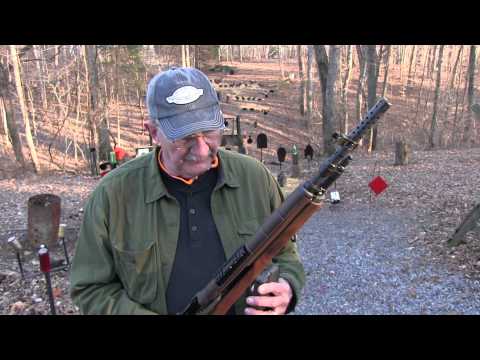
Springfield M1A Scout Squad Rifle

November 1934
If you want to visit the place where the world’s finest rifle barrels are made, you have to climb four flights of fire-escape stairs zigzagging up the face of a red brick warehouse in Jersey City, N. J. At the top, you knock at a begrimed door bearing the faint letters: H. M. POPE.
Behind that door, for more than a quarter of a century, Harry Pope has been turning out precision barrels that have made him famous. A dozen times they have won hi the Olympic Games. Again and again they have smashed world’s records. When Gustave Schweizer, not long ago, ran up the phenomenal record of eighty-seven bulls-eyes at 1000 yards in a Peekskill, N. Y., match, it was a Pope barrel that directed the bullets at the distant target. When the five-man American team captured the international rifle match at Milan, Italy, a few yean ago, defeating crack shots from Europe and South America, it relied upon Pope barrels to carry it to victory.
Harry Pope never advertises. Yet, orders come from all over the United States, from most of the countries of Europe, and from as far away as Australia, India, and China. Wherever lovers of fine guns meet, the name Pope is familiar.
Several minutes pass after you knock. Then you hear the shuffling of feet, the lock clicks, and the door opens. A stooped little man with a long white beard, a black mechanic’s cap perched on the back of his head, and two pairs of spectacles—a gold-rimmed over a silver-rimmed pair—resting on his nose, peers out and invites you in. He is Harry Pope, an old-time craftsman in an age of mass production.
Inside the shop, you follow him down a narrow lane between dust-covered boxes, trunks, papers, yellowed magazines, toolkits, sheaves of rifle barrels, hogsheads of dusty gun stocks. A worn black leather couch is half buried under odds and ends. A small table, piled high with papers, looks like a haycock, white at the top and yellow toward the bottom. Pinned to it is a printed sign: “Don’t lean against this table. If these papers are spilled, there will be Hell to pay.”
The only flat object in the room that is not loaded down is a single board. Pope keeps it standing upright in a corner. Over two boxes, it forms an emergency table where he can lay his tools when working.
“You might think this is confusion,” he says as you reach his workbench, almost hidden under odds and ends, “but what looks like order to other people looks like contusion to me. This room is like a filing cabinet. I can put my hands on anything in it, even if I haven’t seen it for ten years. But if anybody moves something as much as three inches, it’s as good as lost.”
In the twenty-seven years he has been in the same building, he has washed his windows twice. He believes the accumulation of grime diffuses the light and enables him to see better. One of his windows he never will wash. It is covered with penciled notes. Half a dozen years ago, data he bad placed on a scrap of paper blew out the window. Afterwards, he made it a rule to jot down important notes on the walls or window where they can’t blow away.
Over his workbench hangs a sign, various words underlined in red. It reads:
“No delivery promised. Take your work when well done or lake it elsewhere. When? If you must know when I will be through with your work, the answer is now. Take your work away. I don’t want it. I have no way of knowing when. I work seventeen hours a day. Daily interruptions average IVi hours. Dark weather sets me back still more. I’m human. I’m tired. I refuse longer to be worried by promises that circumstances do not allow me to keep.”
The lower edge of the sign is smudged with greasy fingerprints, records of the many times he has jerked the pasteboard from the wall to hold before non-observant customers who persisted in knowing when. In fact, most of the guns that come in are now accepted with the express understanding that they will be fitted with new barrels when and if Pope ever gets time to do it. More orders are turned down than are accepted, yet between 200 and 300 guns are piled up ahead of him. At seventy-three, he is working seventeen hours a day and answering correspondence after ten o’clock at night. He makes barrels for pistols and revolvers when he has to. But what he wants to do is make rifle barrels.
After hours, when the warehouse is closed, customers who know the procedure stand on the street corner below and yell: “Pope! Hey, Pope!” until he paddles down and lets them in. Everybody in the neighborhood knows him and when you set up the shout they all join in until he pokes his head out the window four stories above. He never has had a telephone and he frequently brings a supply of food and sleeps in his shop until his grub gives out.
Not long ago, a man brought him a gun he wanted fixed. He found Pope bent over a vise filing on a piece of steel. When he started to explain what he wanted, he was told: “Don’t talk to me now!” A little later, he broached the subject of his visit a second time. Pope shouted: “I said don’t talk to me now!” By the time Pope laid down his file, the customer was packing up his things and muttering something about “a swell way to treat a customer.”
It was an obvious statement. But, what the man did not know was that Pope had been working for two solid weeks making a special too! to rifle the barrel of an odd-caliber gun. He had filed it down to two ten-thousandths of an inch of its exact diameter and the light was just right for finishing it. If an interruption had made him file a hair’s breadth beyond the mark, his whole two weeks’ labor would have been lost.
All his rifling is done by hand. He judges what is going on inside the barrel by the feel and the sound of the cutting took. To rifle out the inside of a .22-caliber barrel takes about seven hours. The cutter is fitted with a wedge and screwhead so the feed, or depth it cuts, can be varied from time to time. The steel shaving removed from the grooves at first is about l/5000th of an inch thick. Later, when the end of the work is near and there is danger of cutting too far, less than 1/40,000 of an inch is removed during a “pass.” It takes about 120 passes to cut each of the eight grooves within the barrel. All his rifle barrels are drilled from solid stock, special oil-tempered fine-grain steel being employed. For fifteen years, he has been getting his steel from the same company after trying almost every kind on the market. Some batches of steel cut more easily than others and he has to “humor the stock.” The worst steel he ever got came during the last days of the World War. It was so full of grit and cinders he had to sharpen a reamer fourteen times to get through one barrel. Ordinarily he can get through twelve on a single sharpening.
When he nears the end of a job, he pushes a bullet through the barrel and with a micrometer measures the exact depth of the grooves recorded on the lead. Sometimes it is two weeks before he is satisfied with a barrel he has produced. To him, they are almost like children and he will never do another job for a customer who abuses one through ignorance or neglect. On the other hand, he has made as many as nine barrels for a single individual who appreciated fine guns.
The high-pressure, smokeless ammunition and jacketed bullets used today are especially hard on the inside of barrels. Three or four thousand rounds is all they can stand. Owners of Pope barrels usually save them for important contests and practice with other rifles. In contrast, Pope has a .33-caliber black-powder rifle that has been fired 125,000 tunes and is still in almost as good condition as it was in 1892, when it was first made.
All told, Pope has turned out more than 8,000 hand-tooled barrels, fitting them on almost every make of gun produced in America and on many of those manufactured abroad. Most of the demand now is for .22- and .30-caliber barrels with only an occasional .32 or .38.
Thirty years ago, Pope records for off-hand shooting were almost as famous as Pope barrels. Once over a period of several days, he made 696 consecutive bulls-eyes at 200 yards and another time he placed fifty consecutive shots all within three and three fourths inches of dead center. His fifty-shot record, made shortly after the turn of the century, was 467. Today it is only 470. His hundred-shot record was 917. Today, the record is only 922.
But for a fluke during a match at Springfield, Mass., on March 2, 1903, Pope would still hold the world’s record for 200 yards on the standard American target. He was putting bullet after bullet into the bulls-eye, when a spectator disturbed him by asking questions. He forgot to remove the false muzzle, a one-inch auxiliary barrel placed on the end of the gun to protect the real barrel when the bullet was rammed home, and did not see it when aiming through the telescope sight. The shot blew the false muzzle off and counted as a miss. In spite of this break in luck, he ran up a score of 467 for the fifty shots, was high man for the day, and advanced the existing record four points! Some time later, after his gun had cooled off and conditions had changed, he tried an extra shot just to see what his score might have been without the miss. He scored an eight. If that could have been added to his mark for the day, the total would have been 475, five points beyond the world’s record in 1934!
As he tells you of these old-time matches, he fishes yellowed score cards from the inner pockets of an ancient wallet or digs into a pile of odds and ends like a squirrel finding a nut buried in a forest and brings forth a crumbling target riddled by his fire decades ago.
From time to time, as he ‘illcs, he lights a cigarette with a cigar lighter. But it is no ordinary lighter. It is e glass syrup jug a foot high filled with soaked cotton batting and having a flint wheel soldered to its top. One filling win last a year.
As long as he can remember, Pope has been interested in guns. He was born in 1861 at Walpole, N. H. By the time he was ten years old, he was running errands for a firm in Boston. Every noon he would duck up alleys from one sporting-goods store to another to gaze at the firearms in the windows. When he was twelve, he had one of the largest collections of free catalogs in the world. He wrote to European as well as American manufacturers for pamphlets and price lists.
In 1881 he graduated from the Massachusetts Institute of Technology with an engineering degree. For twenty-three years afterwards he was in the bicycle business, ending as superintendent of a plant at Hartford, Conn.
While he was turning out bicycles, he worked with guns on the side. At least twice a week, he used to get up at three o’clock in the morning, climb on his high-wheel bicycle, and pedal out to a target range, his muzzle-loader over one shoulder and a fish basket filled with ammunition and targets slung over the other. After shooting for two hours, he would pedal back uphill to town and be ready for work at seven.
When he traded in his .40-caliber Remington for a new .42-40 which had appeared on the market, he found himself confronted with a mystery which led him into making barrels of his own. His shooting dropped off as soon as he began to use the new gun. He blamed himself at first. Then he began making tests of various loads, bullets, and powders. He built a machine rest for the gun to take the human element out of the experiments. In the end, he discovered that the trouble lay in the pitch of the rifling. The twist was so slow it didn’t spin the lead fast enough to keep the bullet traveling head-on. The slug was actually turning somersaults.
Working nights on an old foot lathe in his basement, he turned out his first gun barrel in 1884, and fitted it to the defective gun. His shooting scores not only equaled his old marks with the Remington but exceeded them. Some of his friends at the local gun club wanted barrels on their guns. Immediately, their scores jumped. The records made by the club attracted attention all over the country and letters of inquiry began coming in. In 1895, Pope took a few outside orders. In two weeks, he had enough to keep him busy nights for six months.
A few years later he headed for California. San Francisco was then the center of shooting interest in the United States. He set the opening day of his gun shop for the eighteenth of April. 1906. At five o’clock in the morning, the great earthquake and fire struck the city and wiped out his shop and everything it contained. Returning east, he settled down at 18 Morris Street, Jersey City, in the building he still occupies.
Only once in his half-century of handling guns has he had an accident. A friend asked him to fit a rifle barrel to one side of a double-barreled shotgun so he could hunt deer with the rifle side and ducks and small game with the shotgun side. Pope finished it just in time to catch a train for a week-end visit and hunting trip without being able to give it shop tests.
The next day, he took the curious combination gun out for a trial. On the first shot, the rifle side drove the firing pin bade out of the gun almost with the speed of a bullet. Only the fact that it struck the stock a glancing blow and a cross grain deflected its course kept it from striking Pope squarely in the right eye. As it was, the spinning piece of steel, an inch long and a quarter of an inch thick, hit flat just above his left eyebrow, burying itself in the bone. After a surgeon extracted it. Pope went on with his hunting trip and bagged the first buck shot by the party.
It is just fifty years this spring since Pope made his first gun barrel. After half a century of machine-age progress in which most manufacturing has been turned over to automatic mechanisms. Pope remains a New England mechanic. Still using home-made tools, still employing time-worn methods, he is producing still, in his high-perched little workshop, gunbarrels that lead the world.
I bet that this puppy kicks with that 30 carbine ammo!
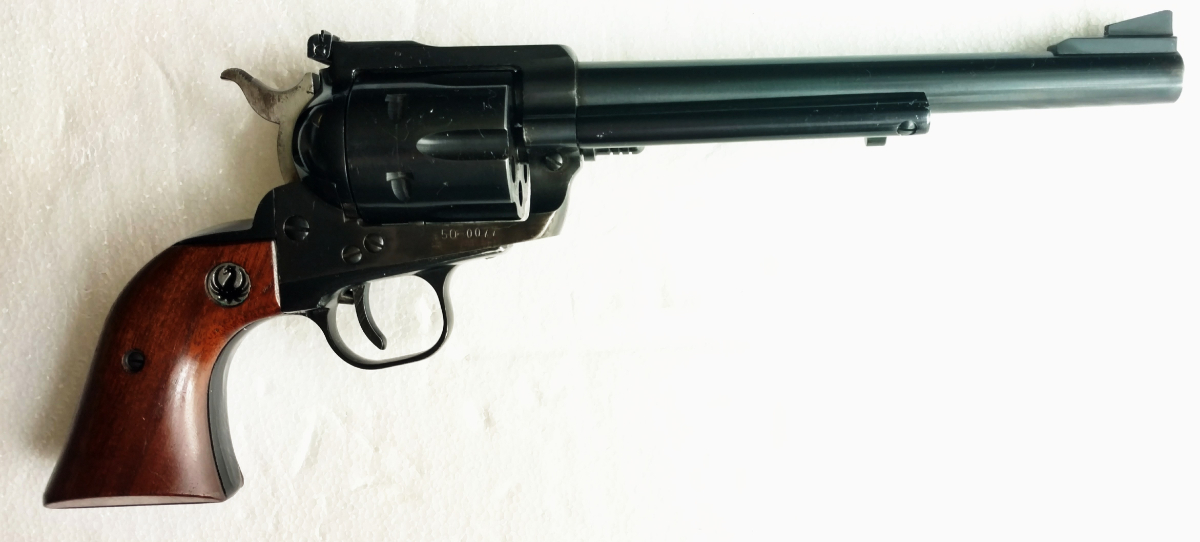
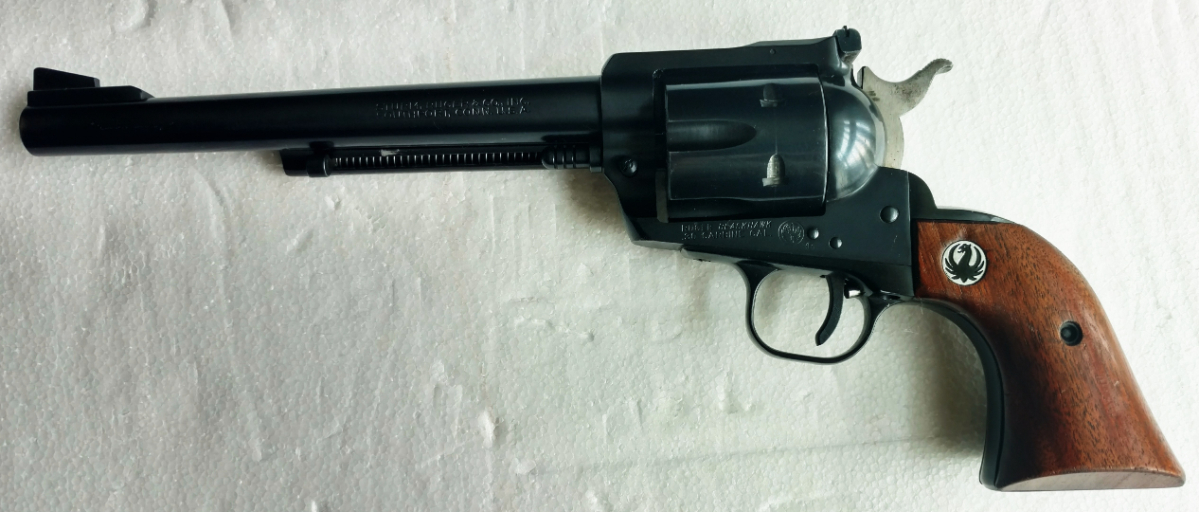
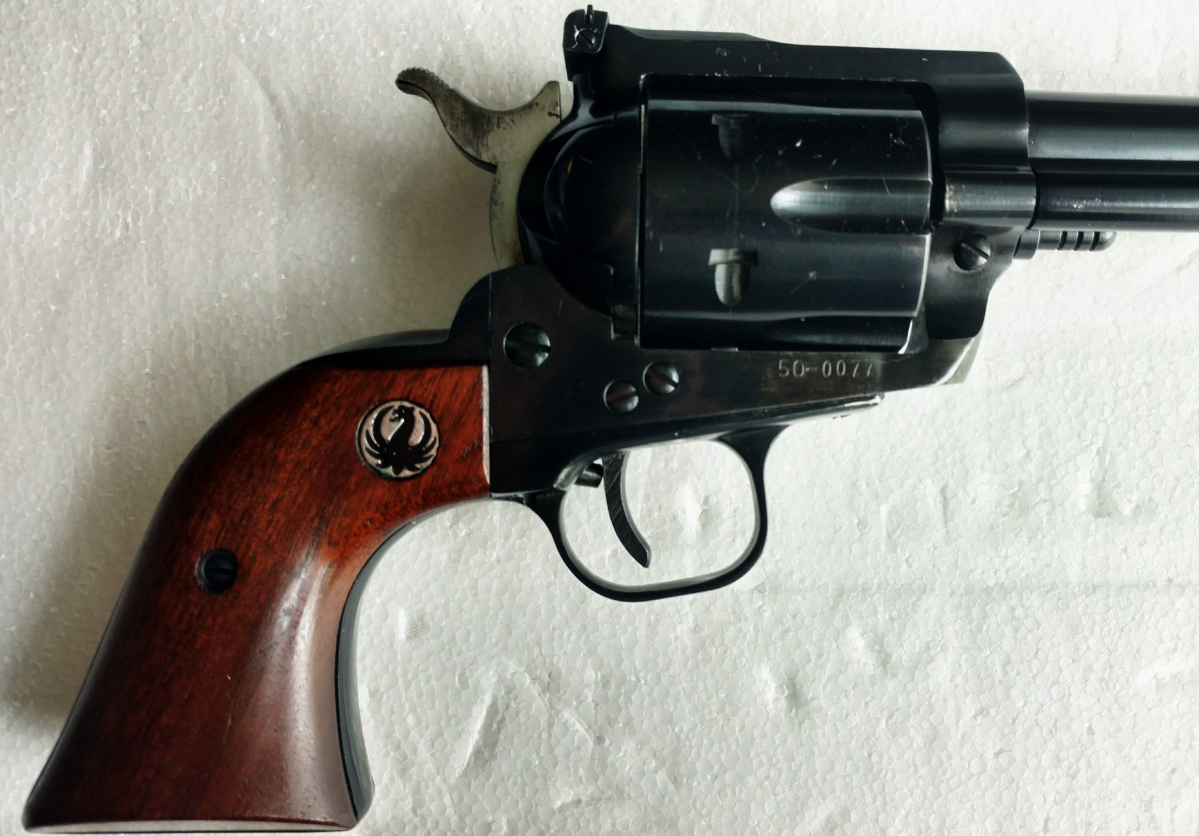
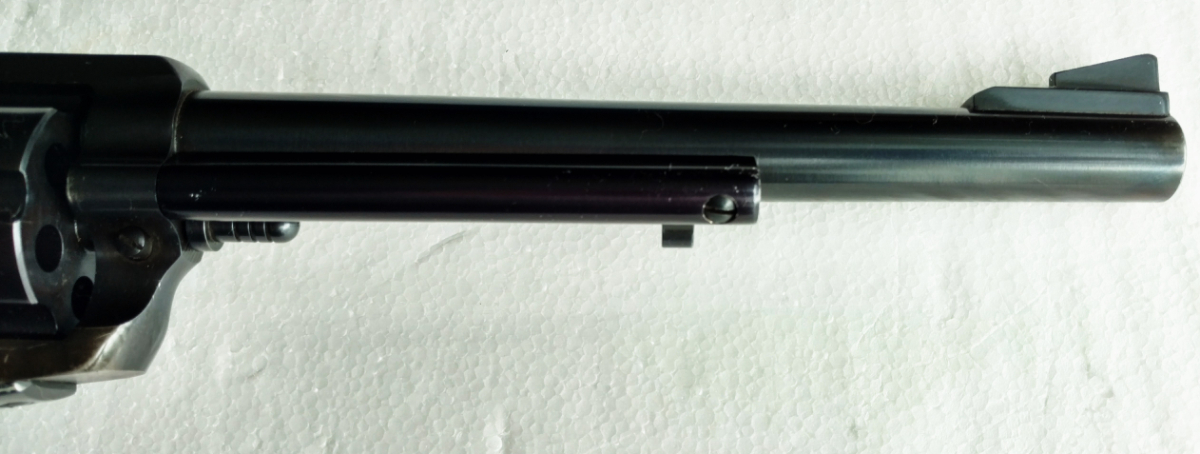
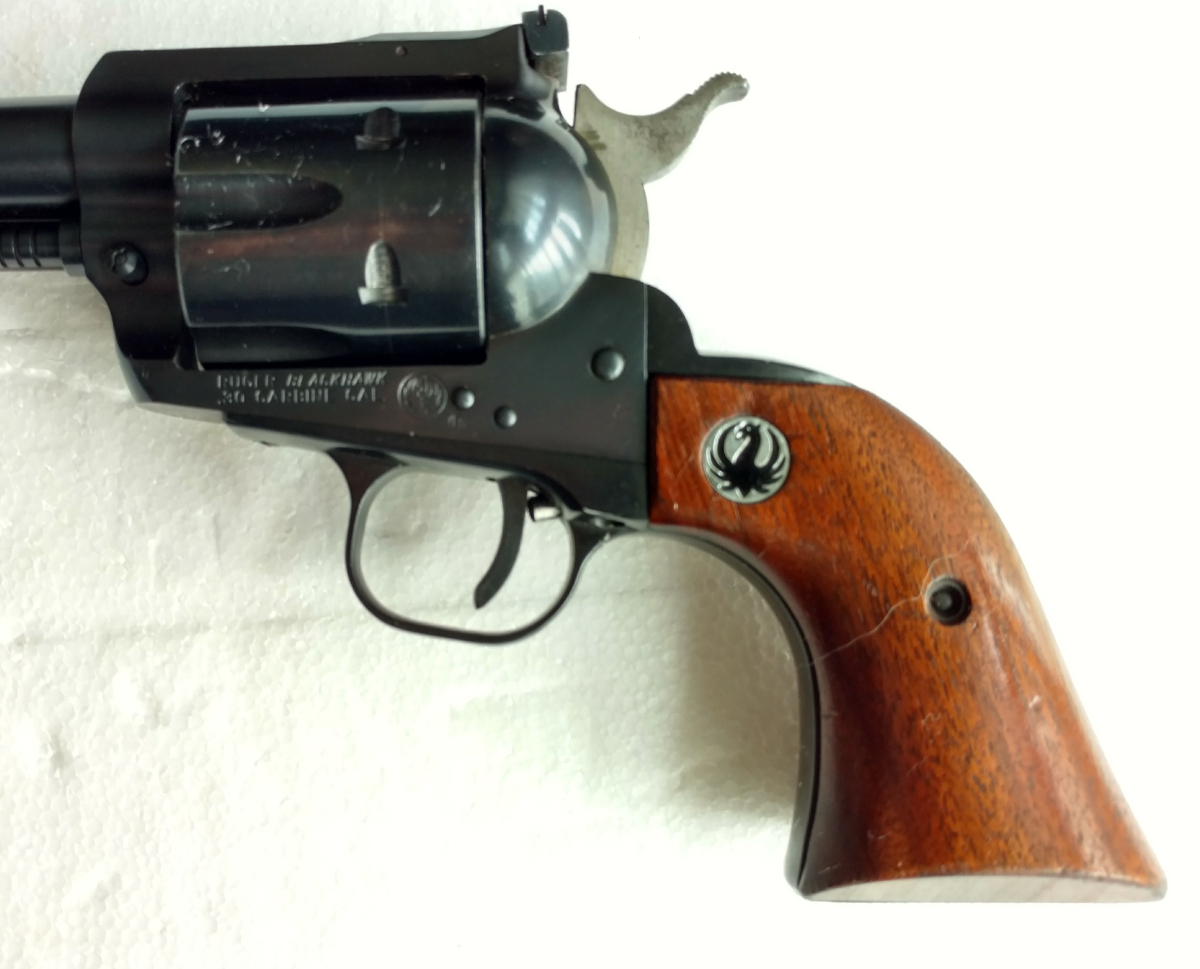
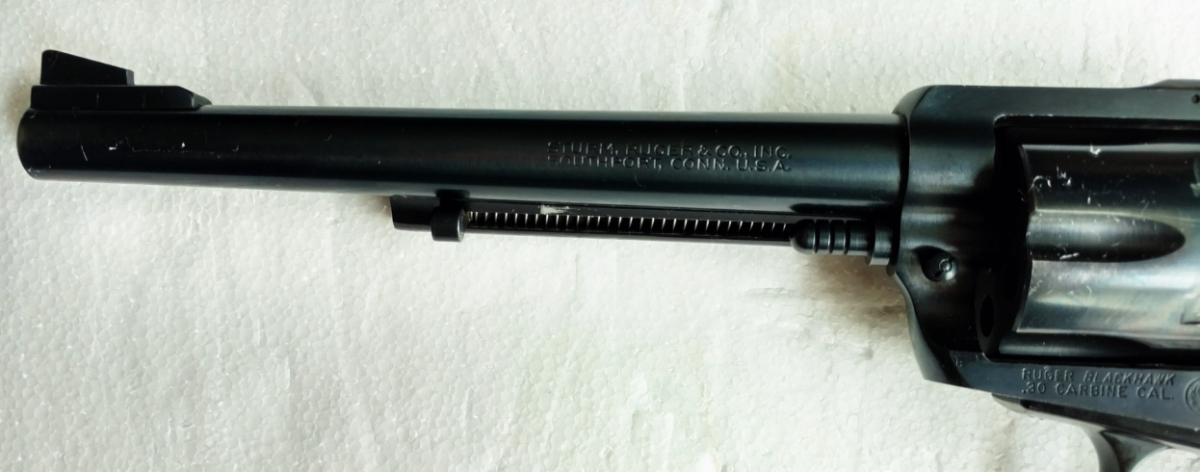
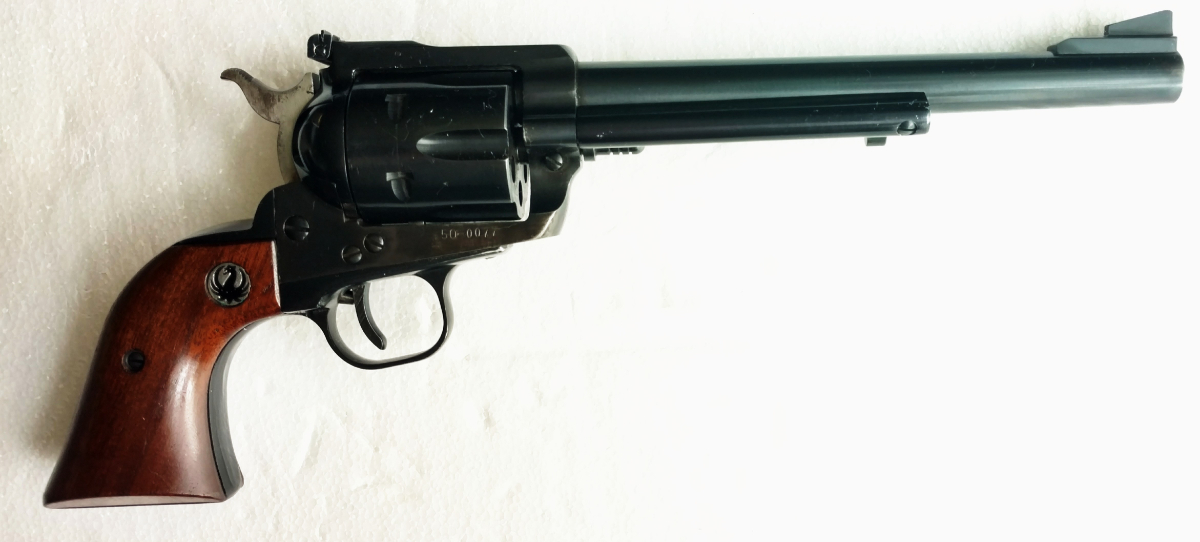
Nonetheless the Blackhawk & Super Blackhawk is one fine shooting gun. Based on my experience of shooting them a couple of times over the years!
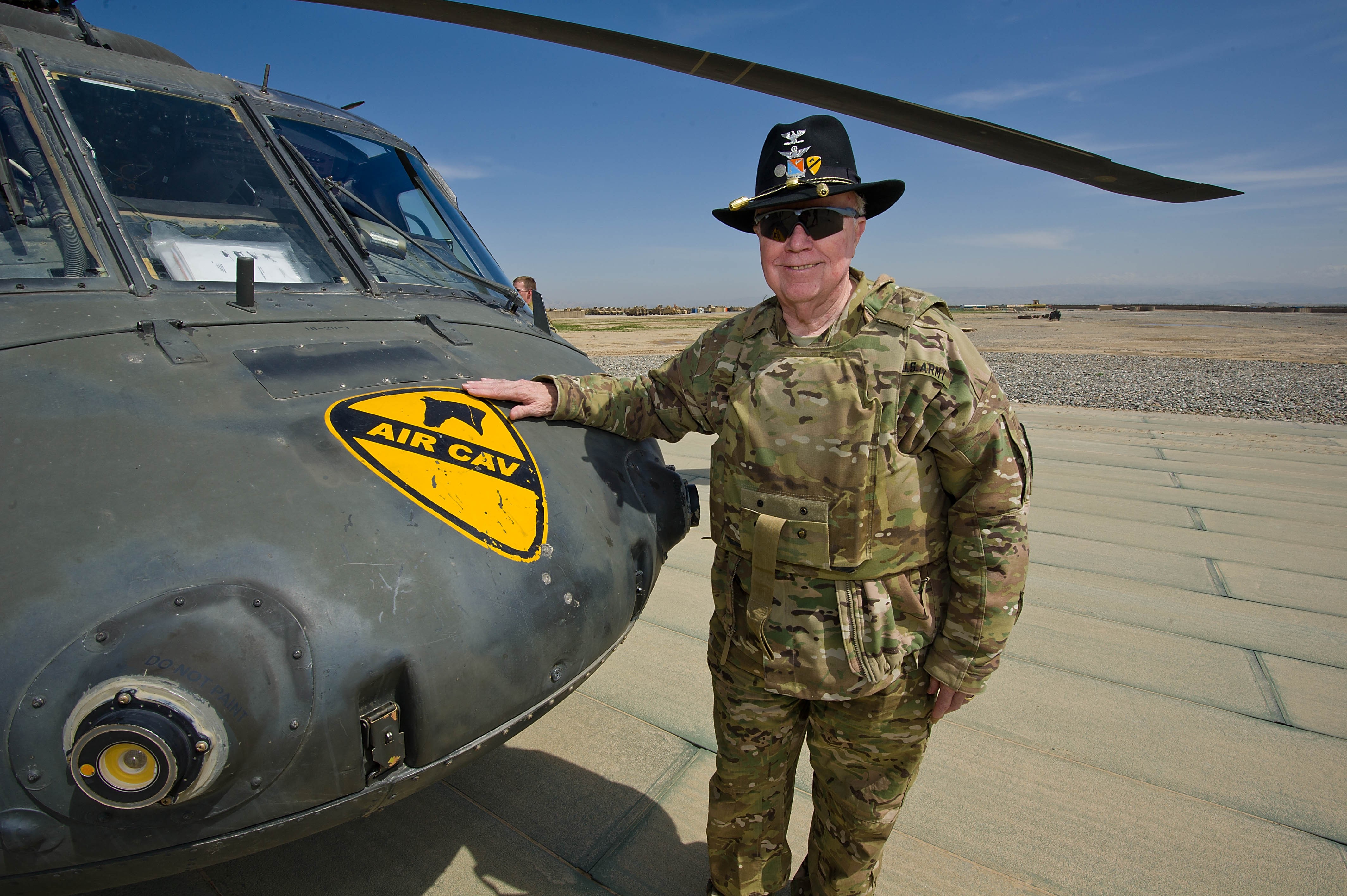
I have also been told that Army Helicopter Pilots in the Vietnam War, packed these, especially the Guys stationed with Cavalry Units!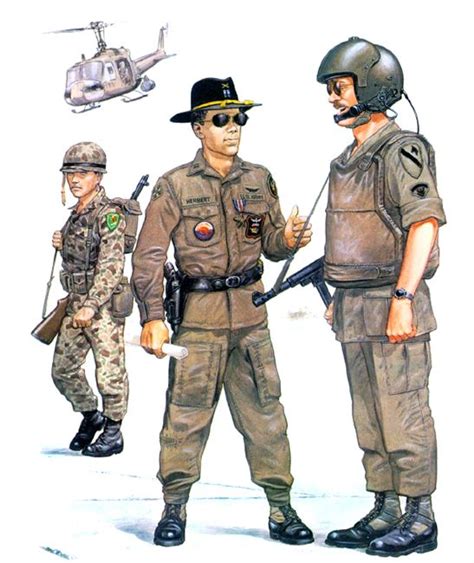

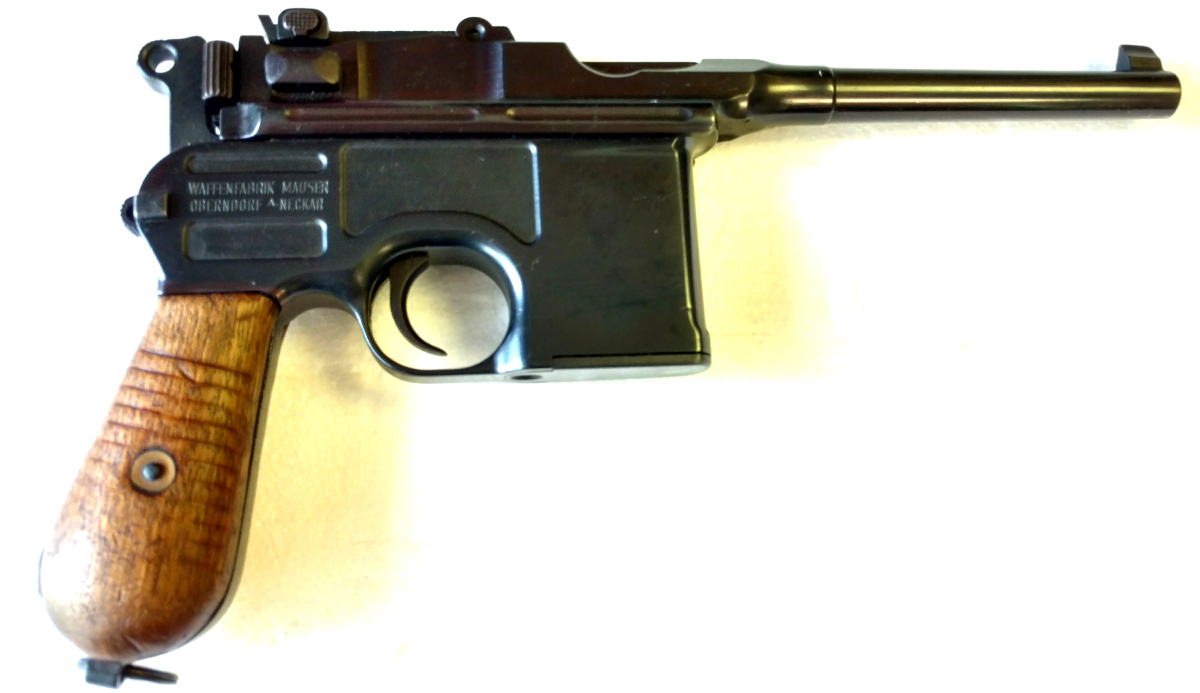
I see here that somebody got ambitious & built themselves a Rebuilt Broomhandle. It looks to these tired old eyes. That they did a pretty good job of it. 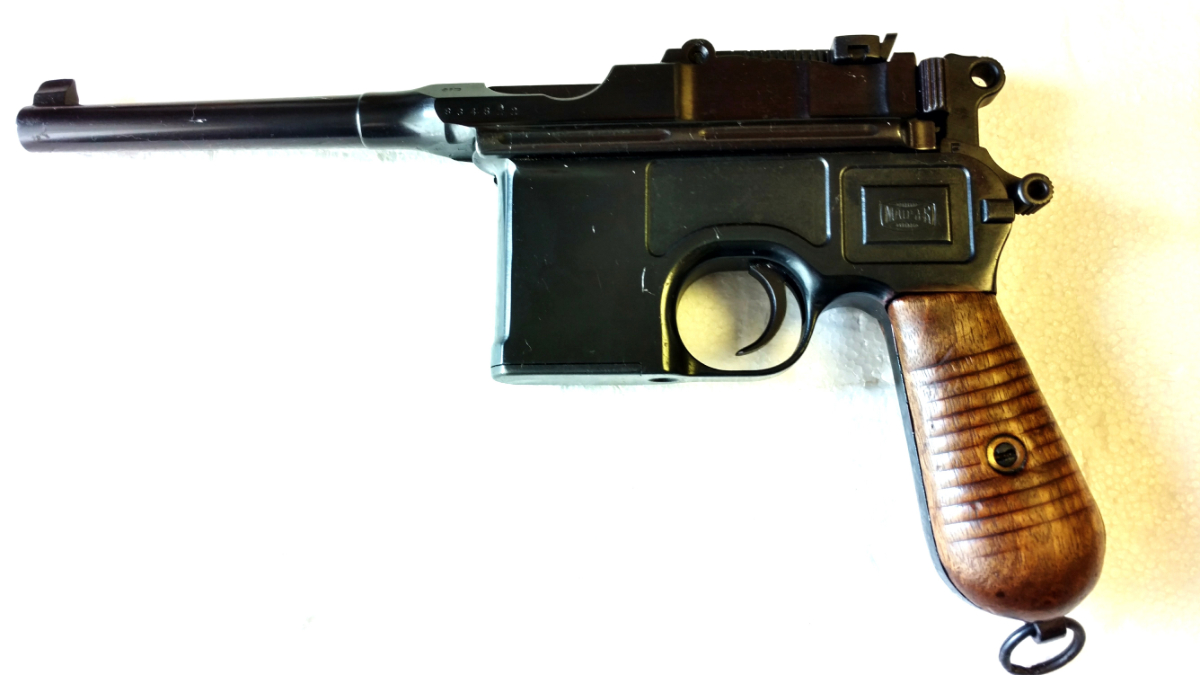
Hopefully someday, I will be able to buy something like this soon! As while they are as ugly as sin. They are a good shooter! Ask Sir Winston Churchill as he packed one in the Sudan War.
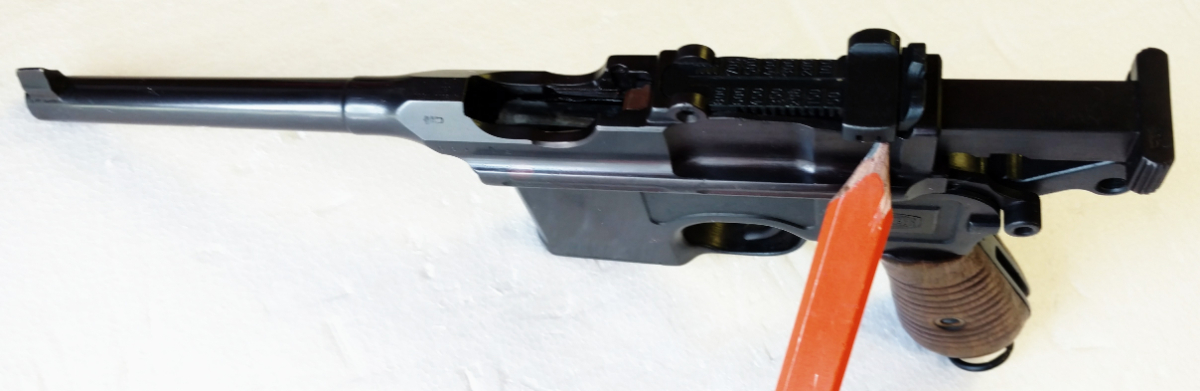
The only thing that I would want different. Is that I would like one in 9mm. The only reason why is that 9mm is cheaper & easier to find out here in the Wilds of PC California!
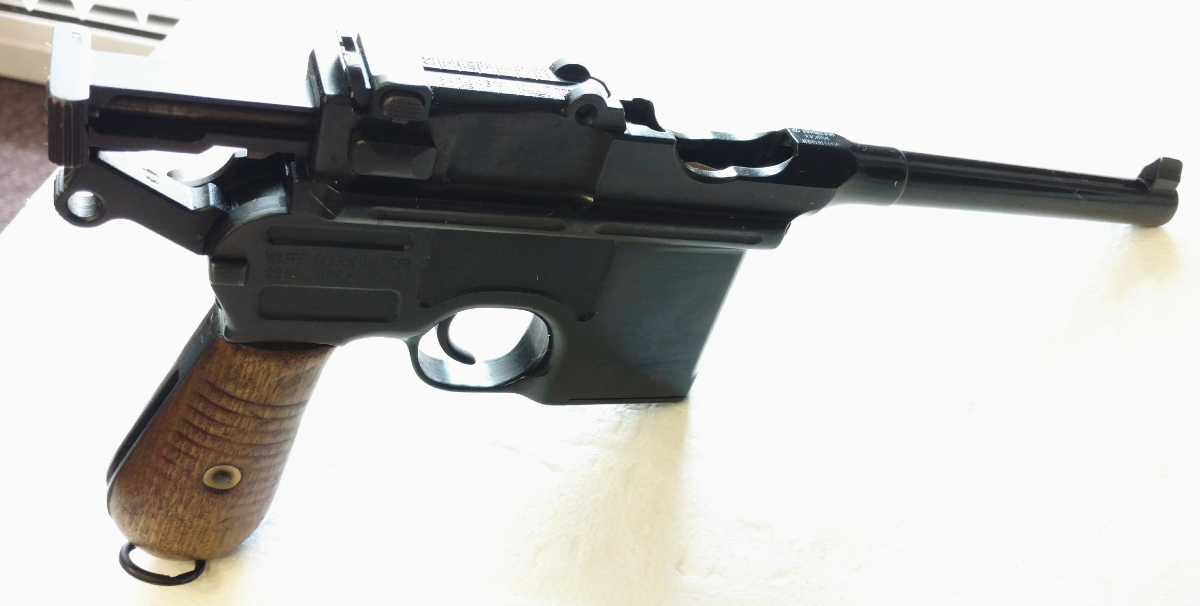
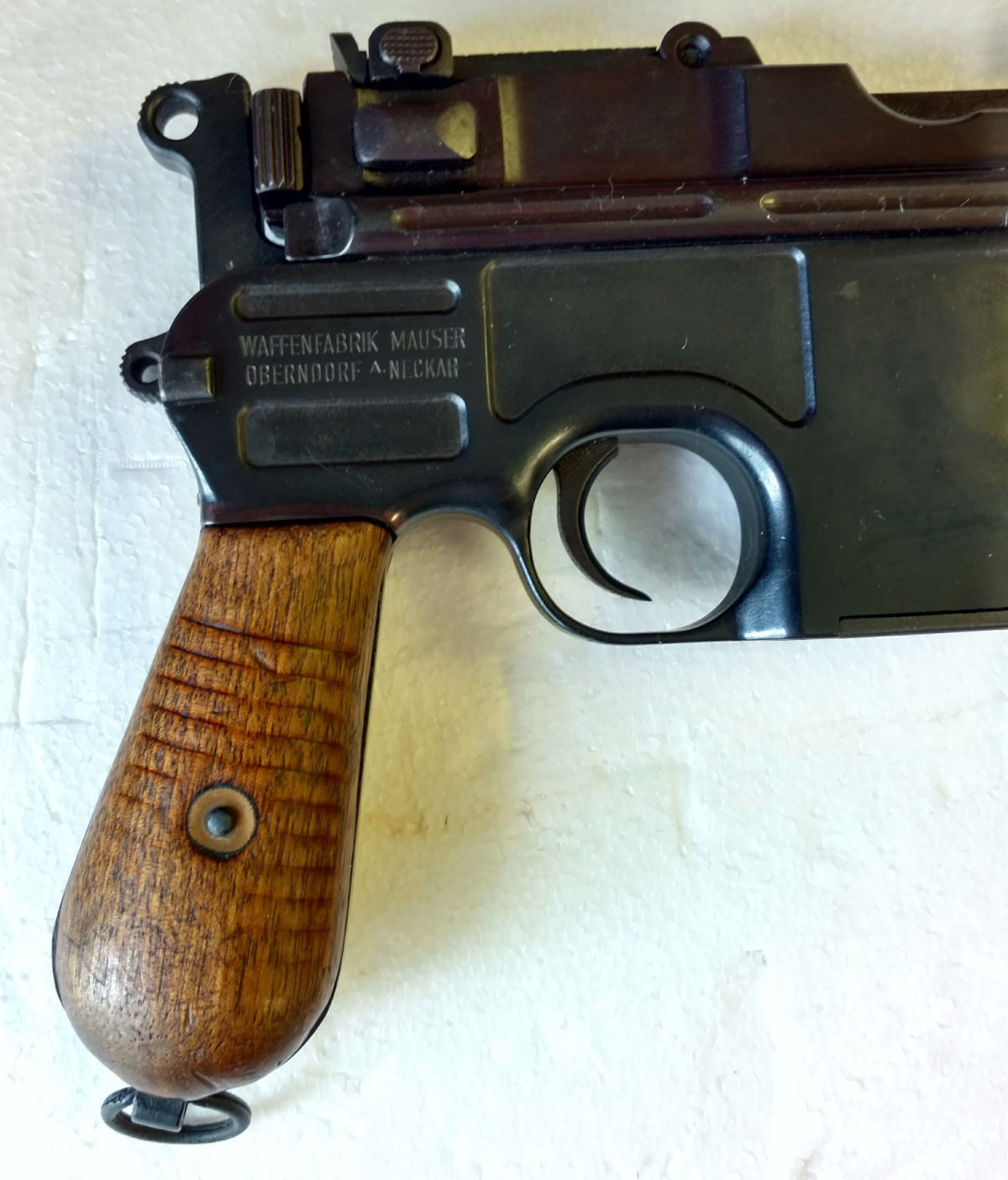
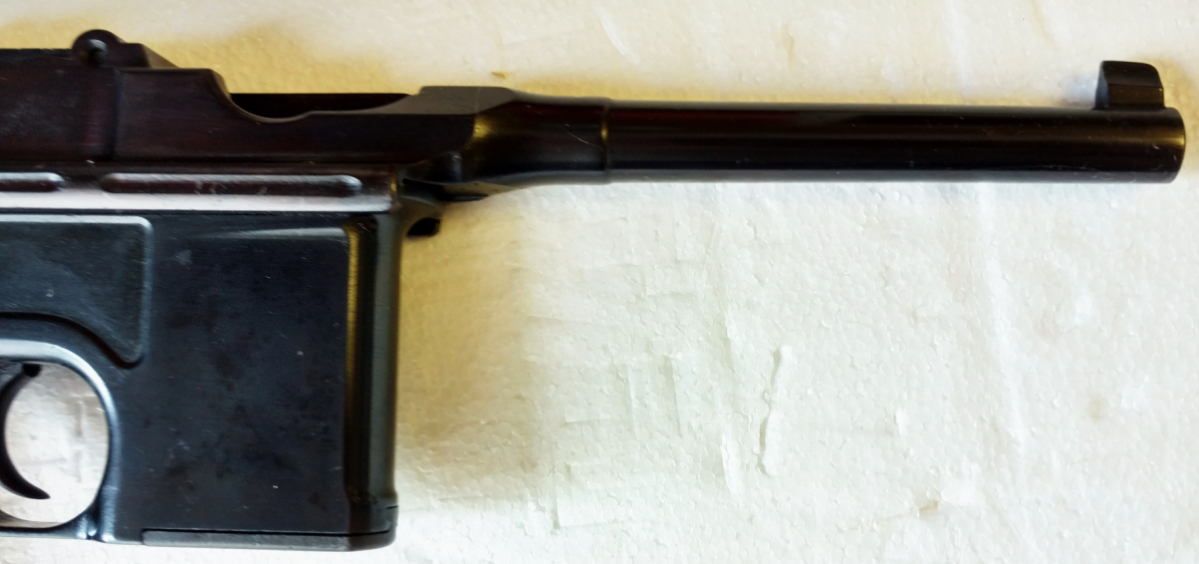
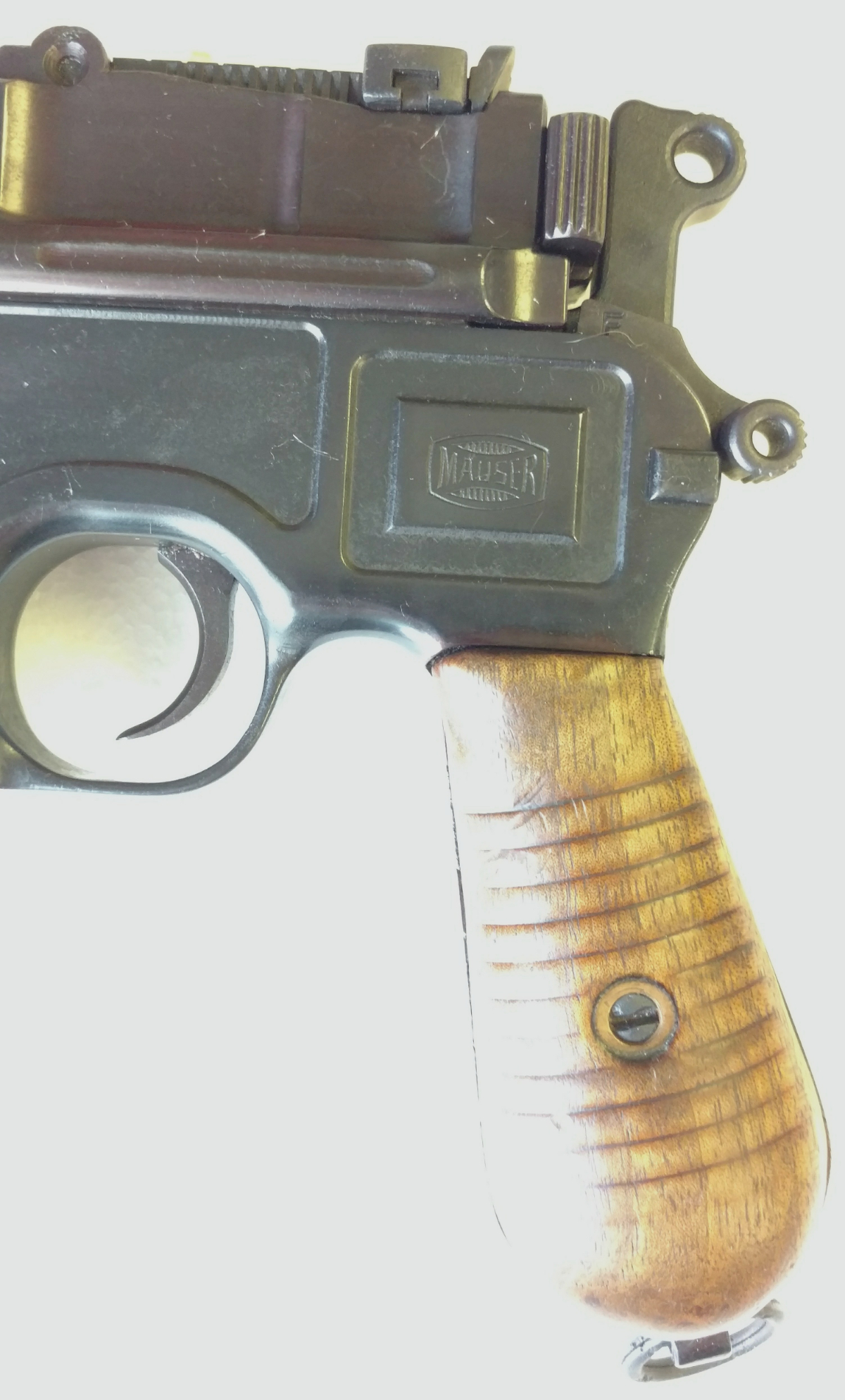
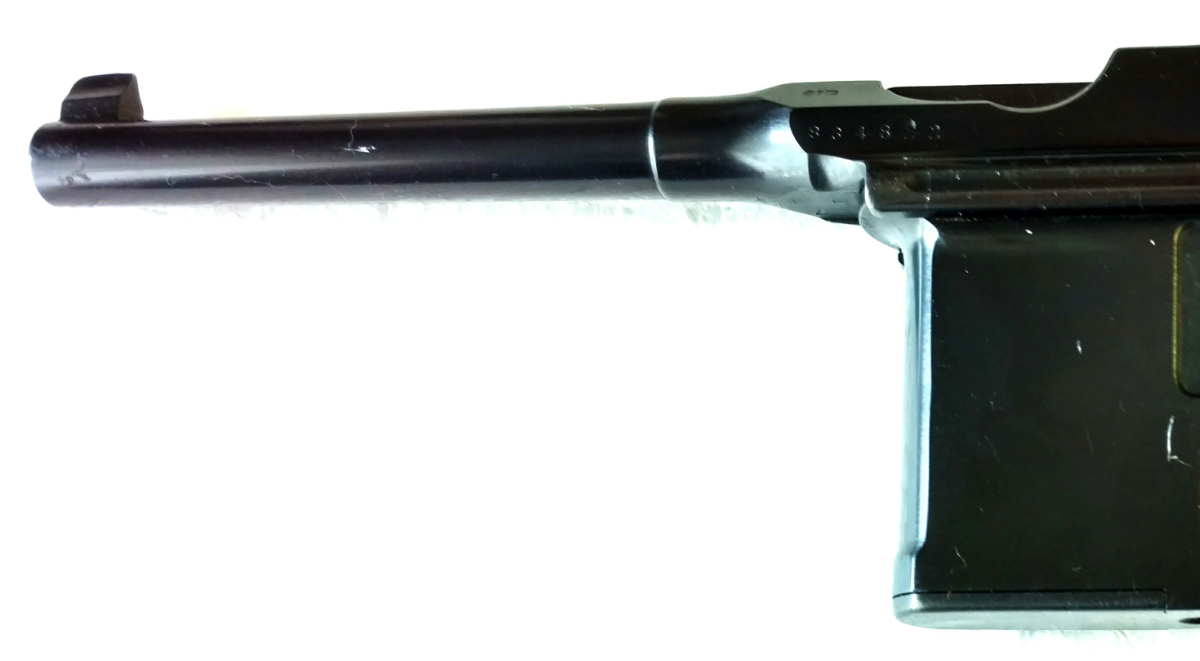
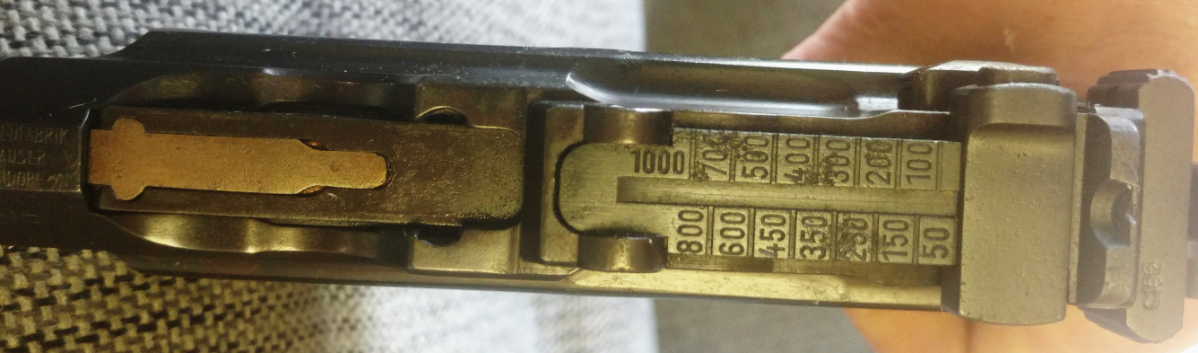
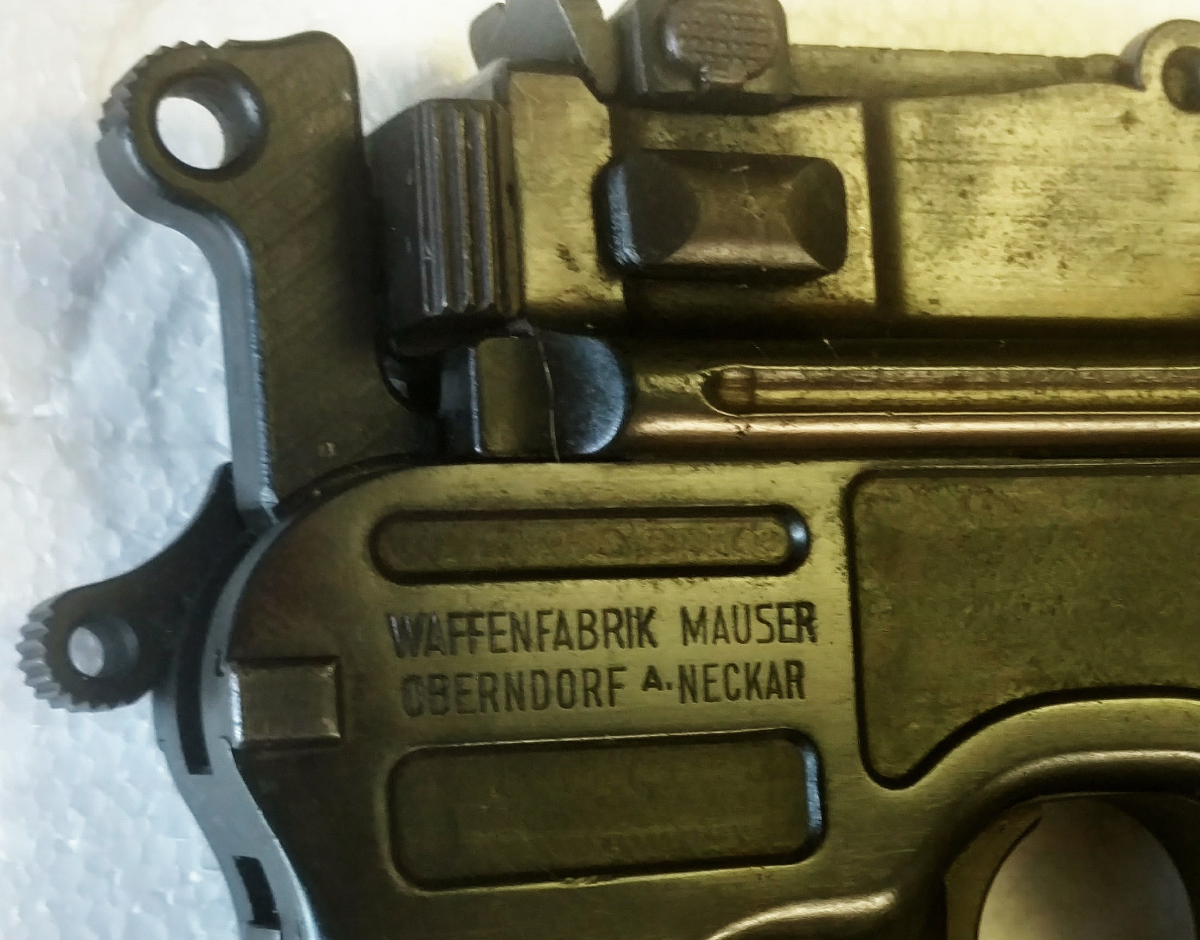
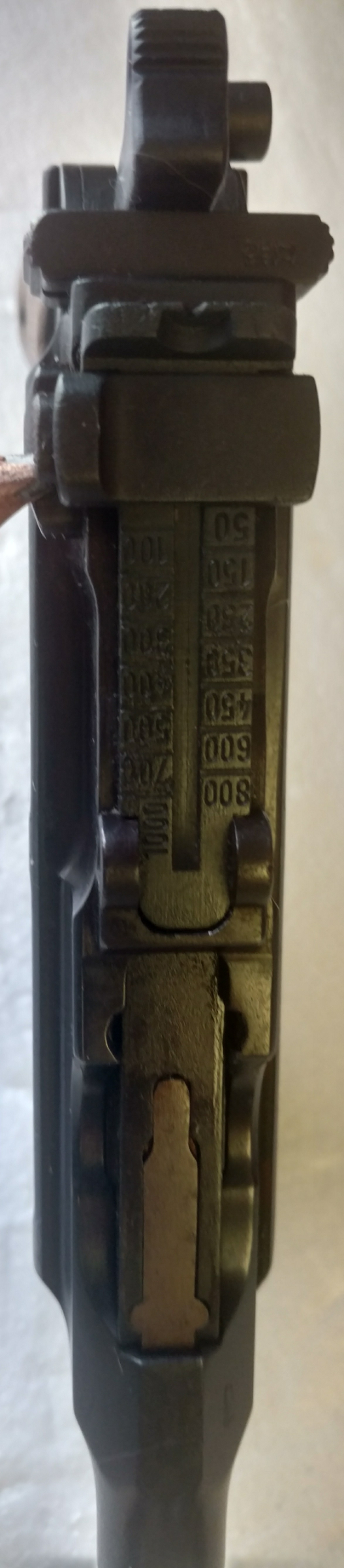
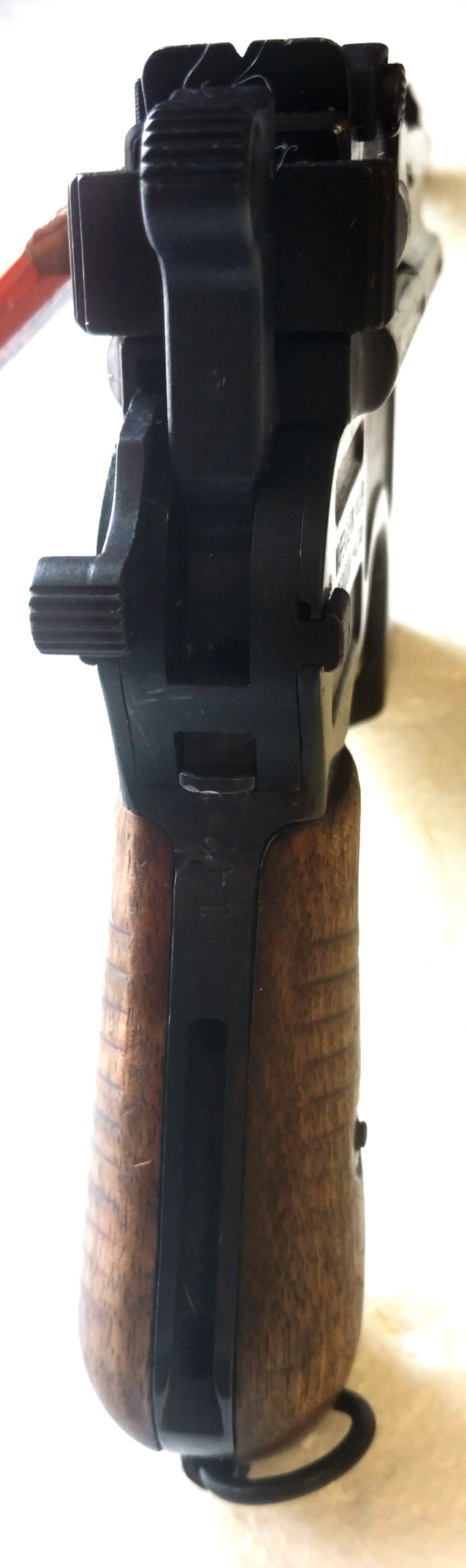
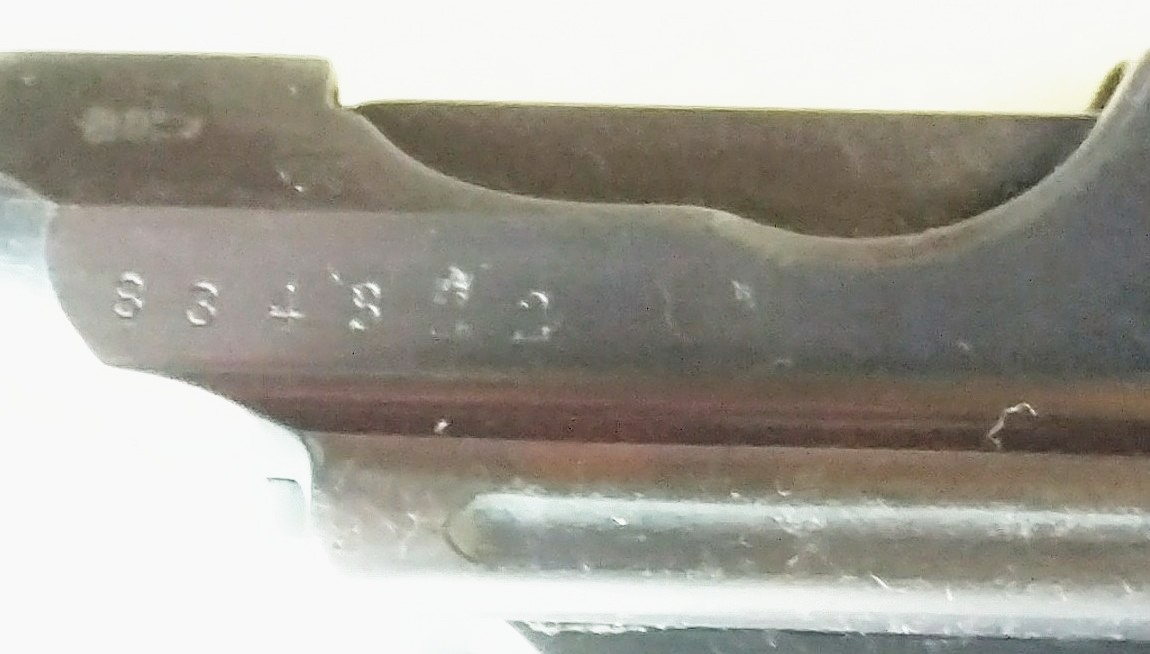
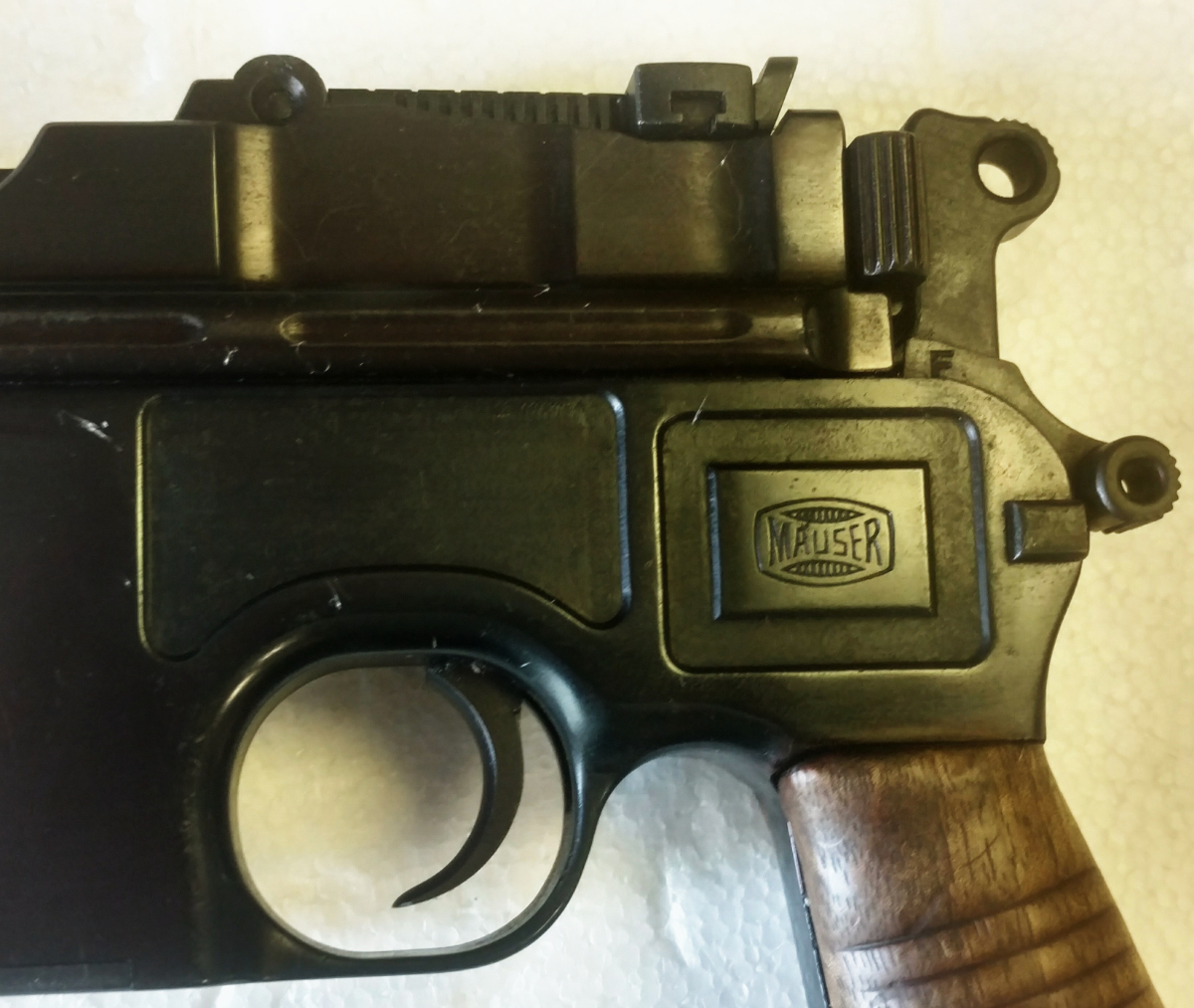
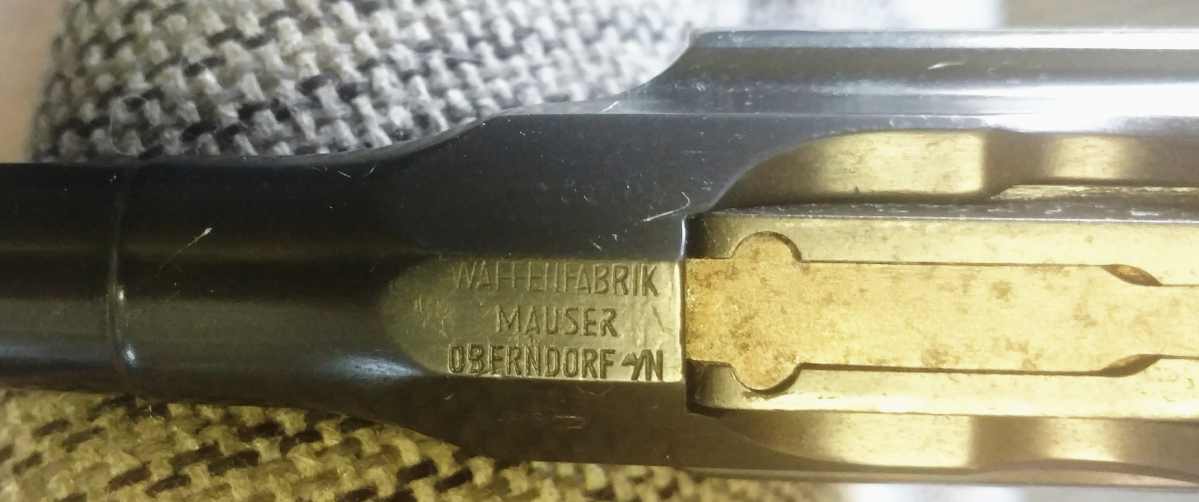
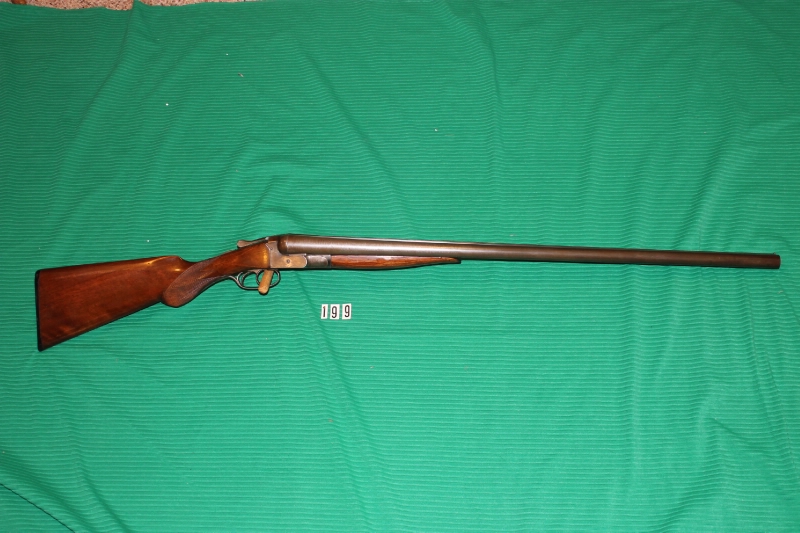
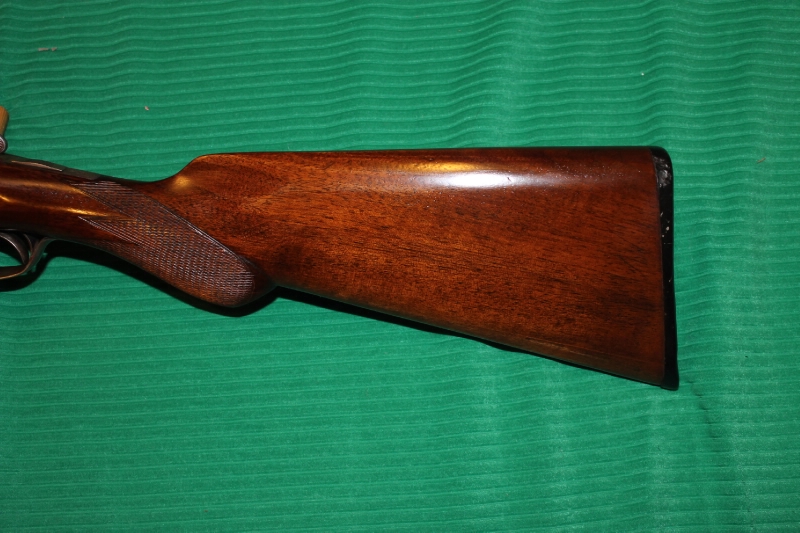
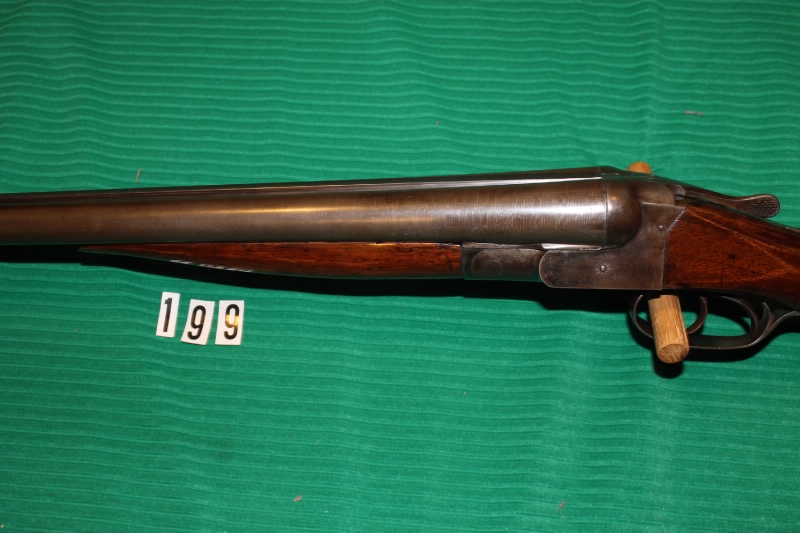
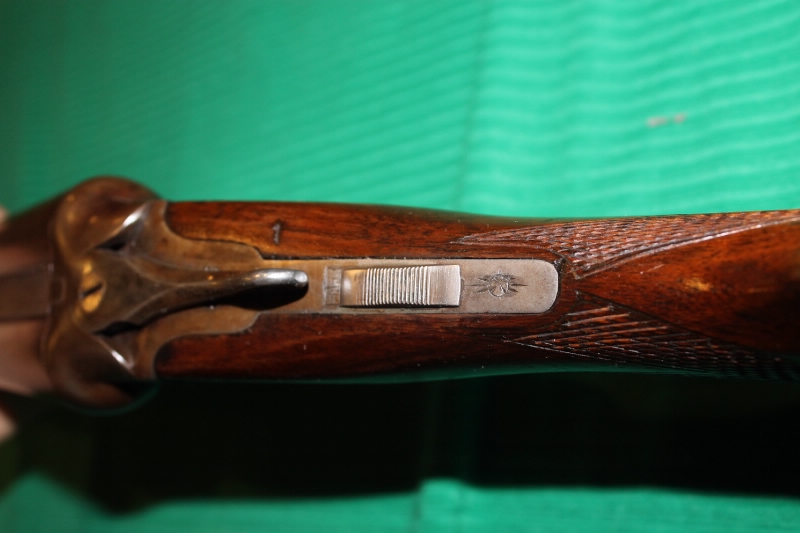
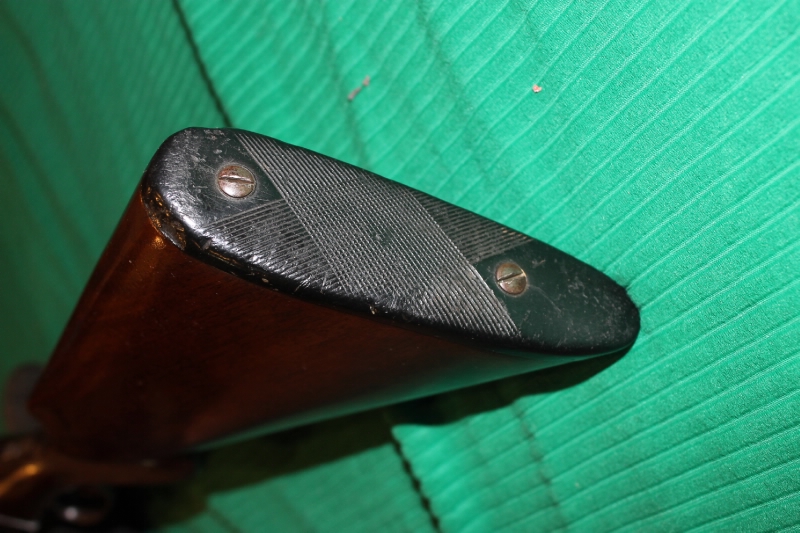
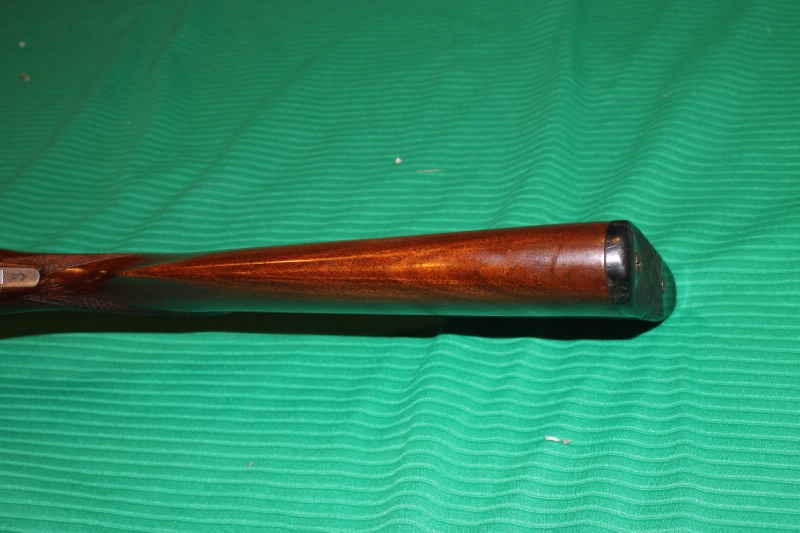
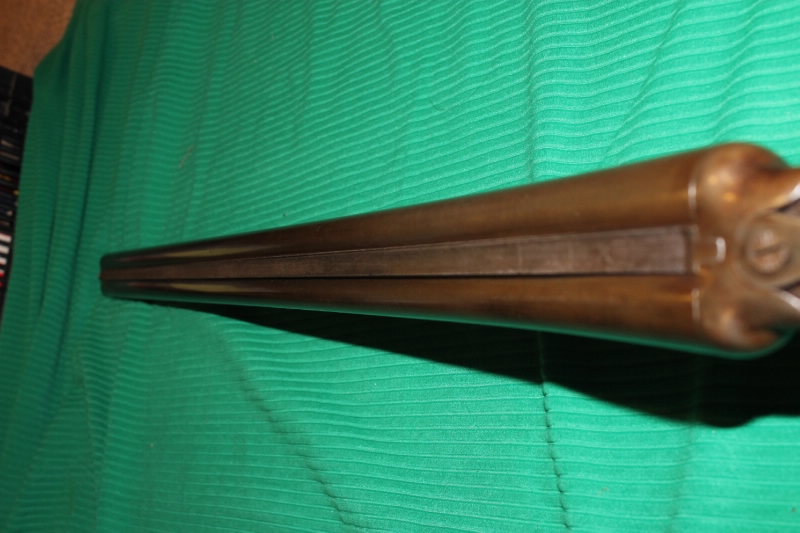
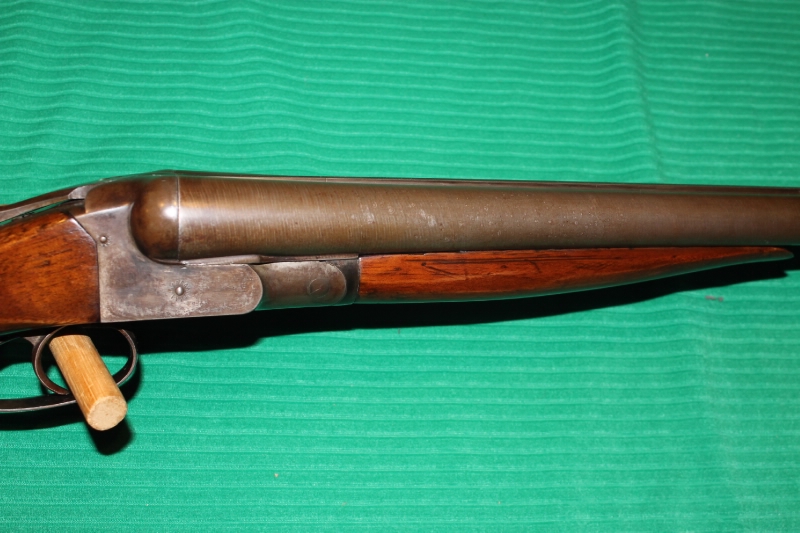
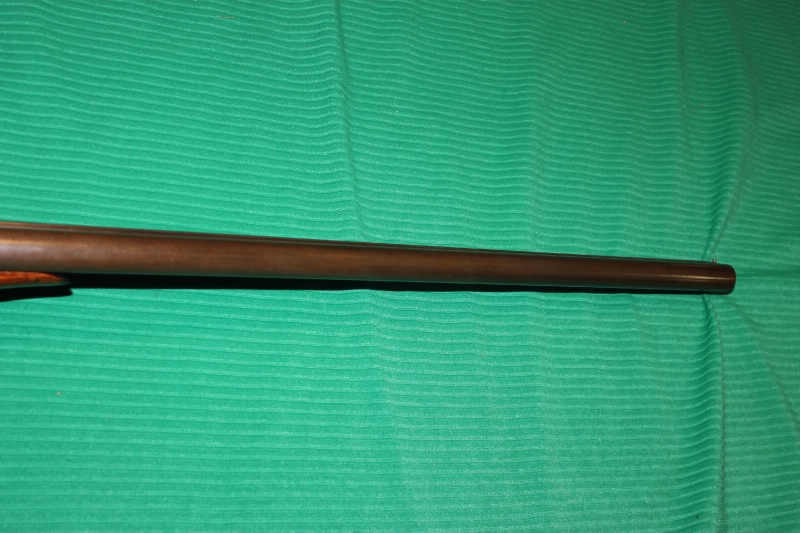
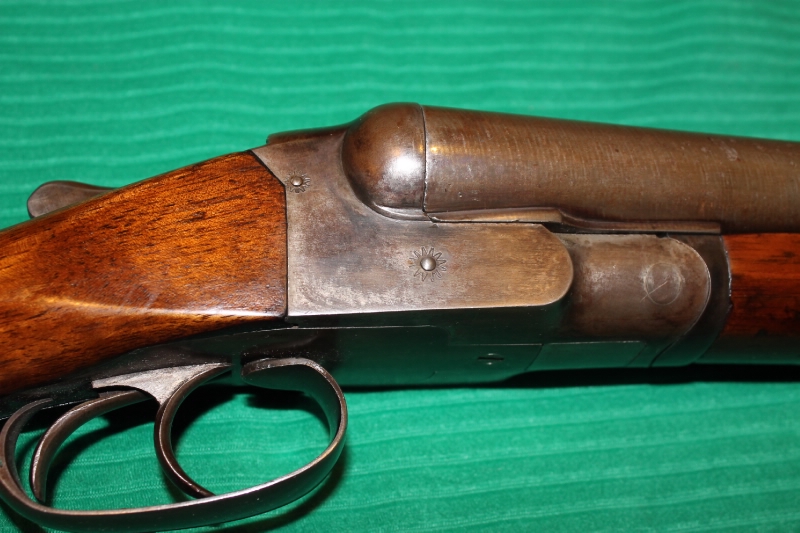
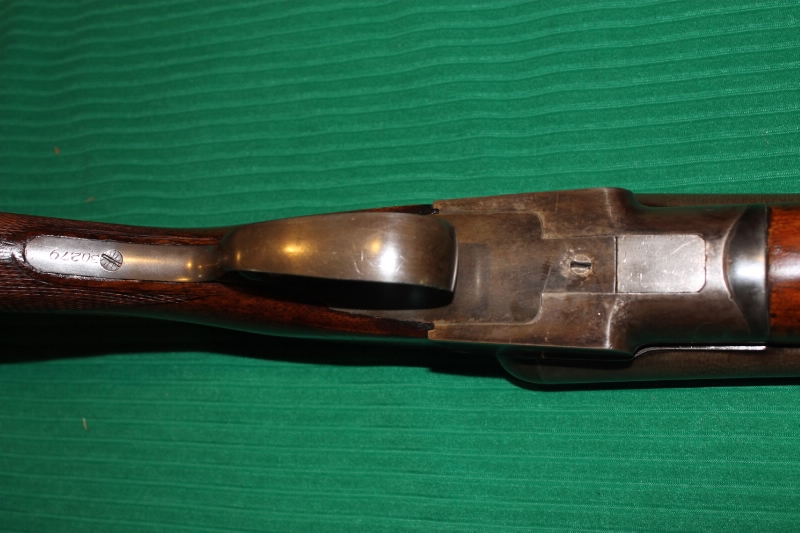
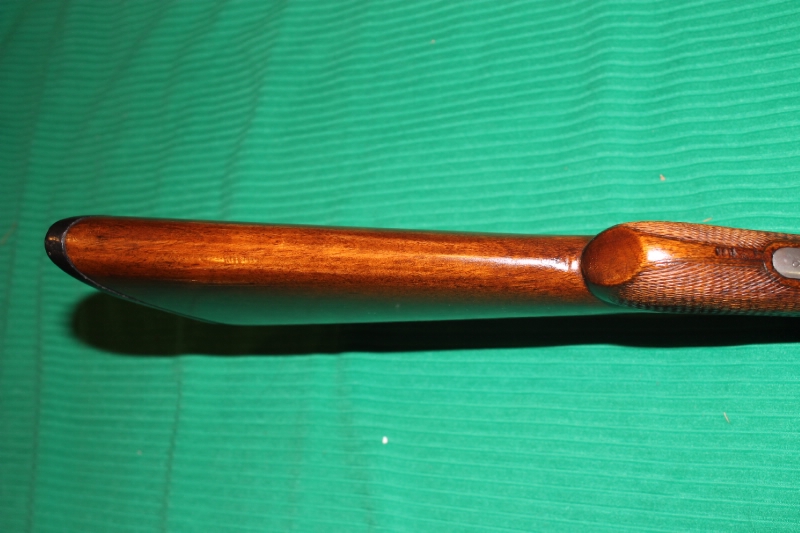
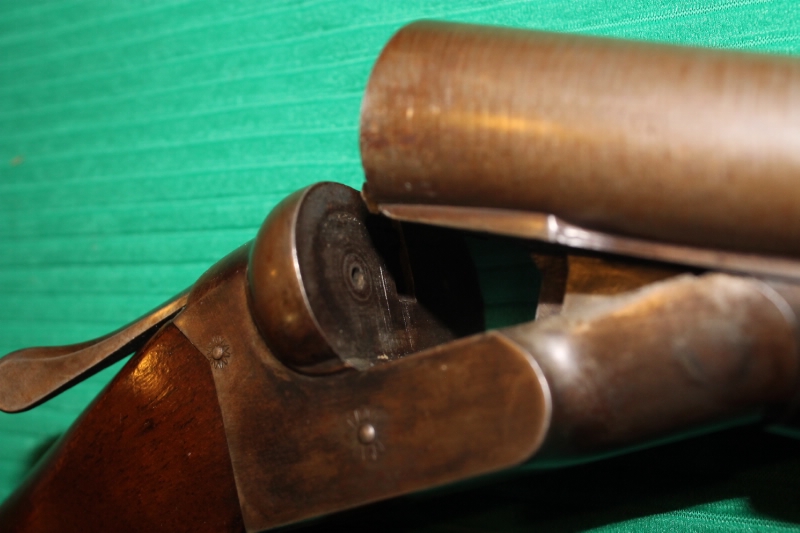
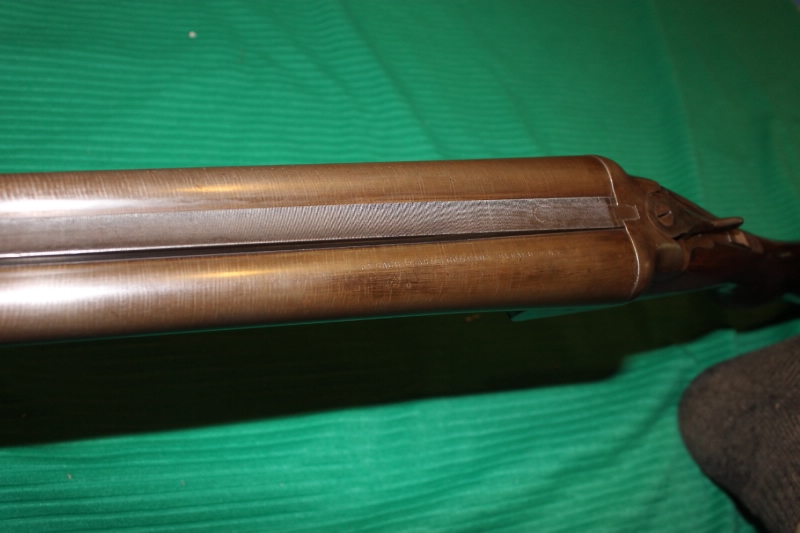
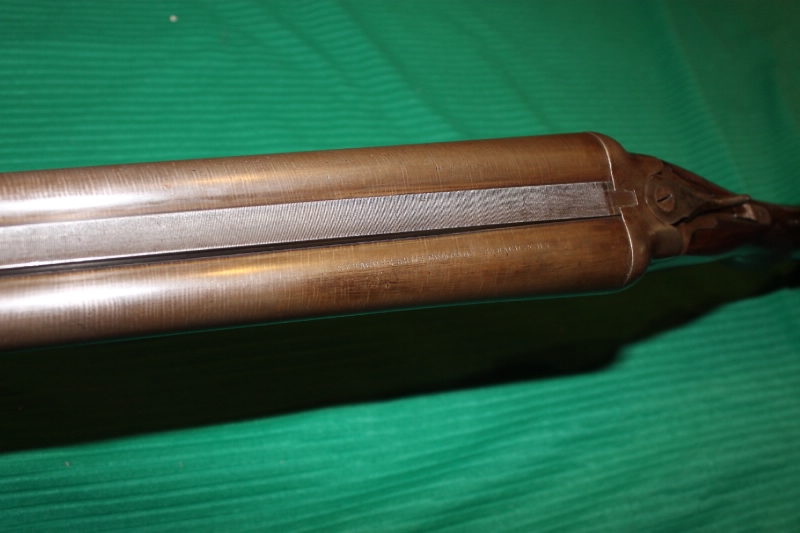
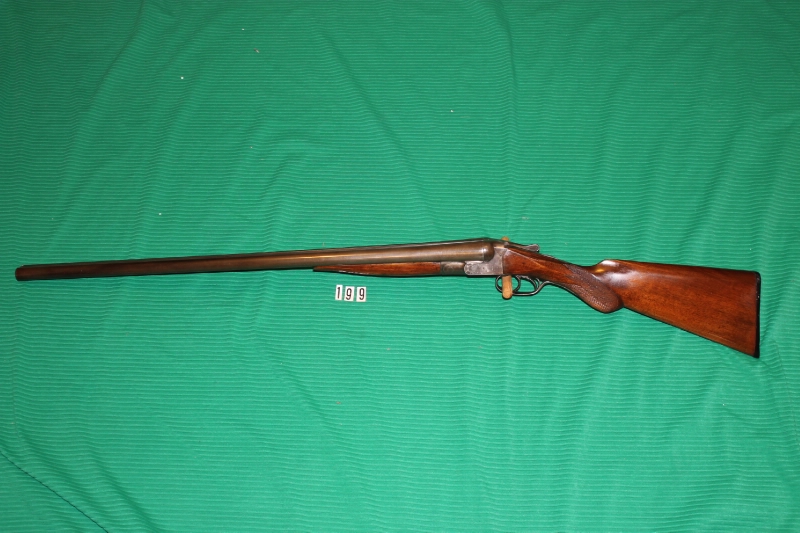
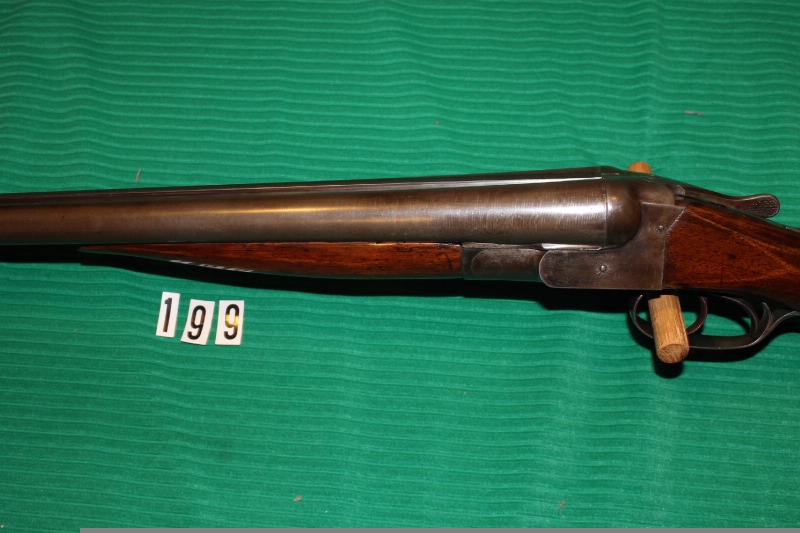
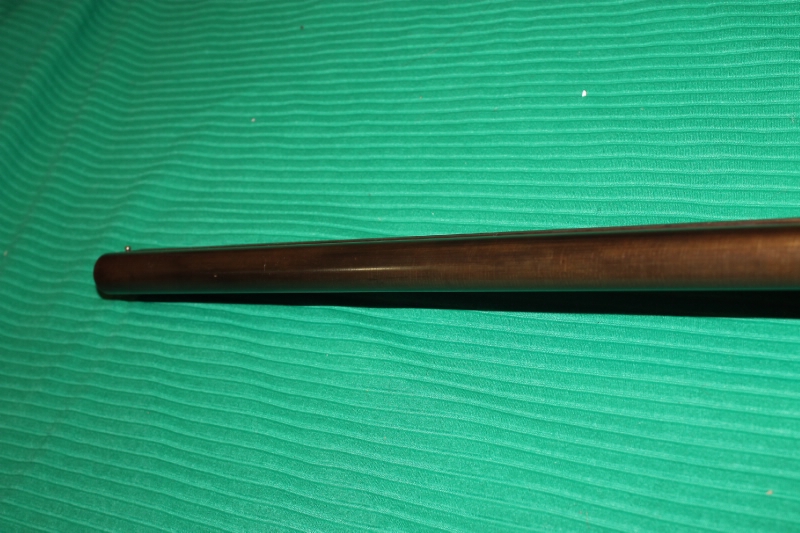
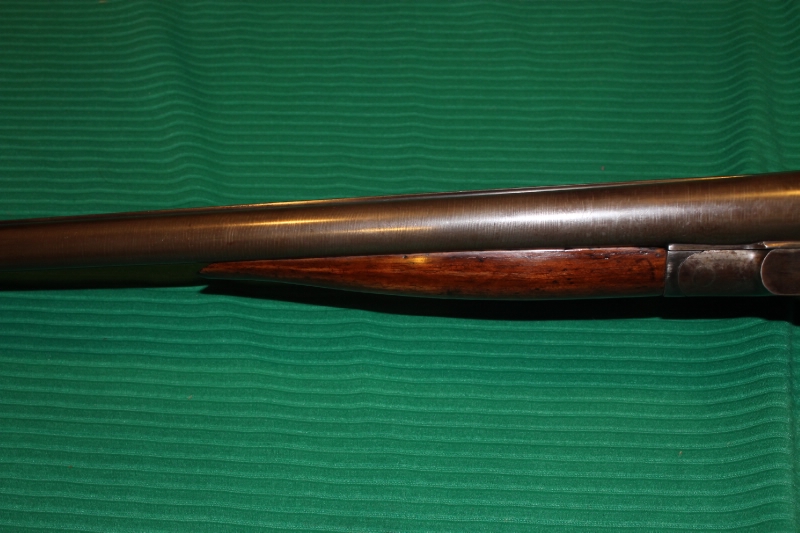
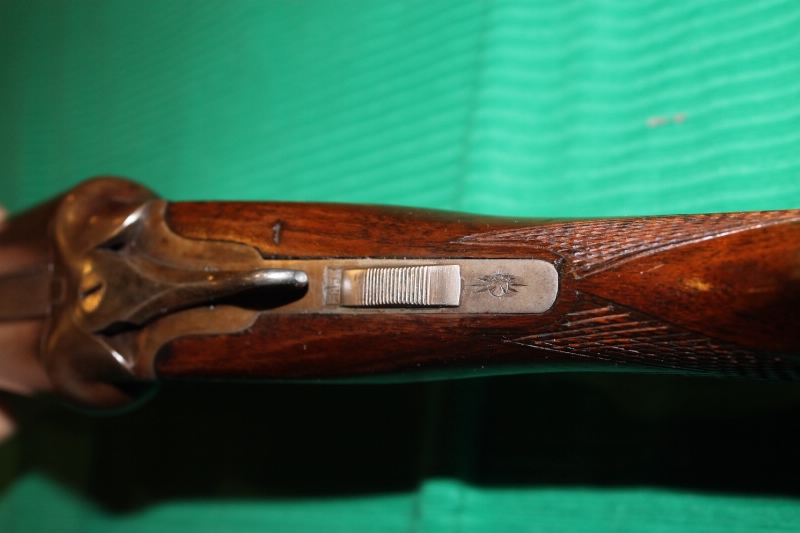
Hopefully soon this Old Timer will get some well earned TLC!
As I think that it would make for a great project gun for some Lucky Gun Nut out there! Grumpy





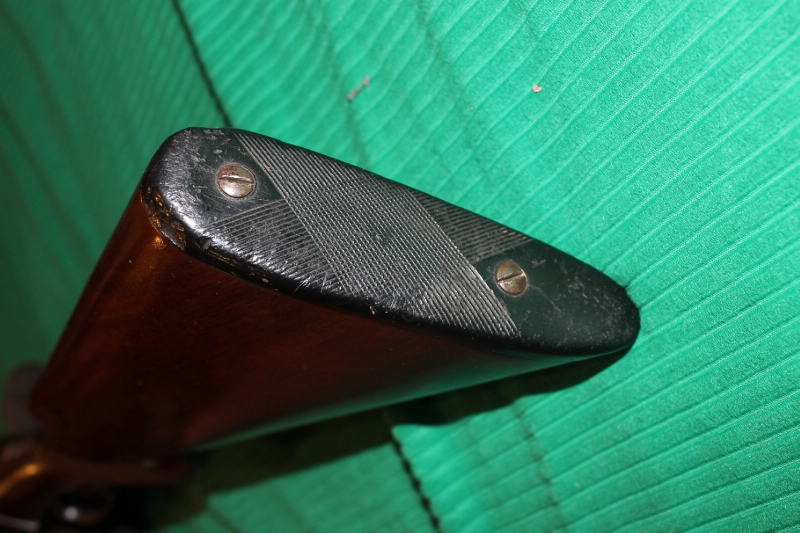
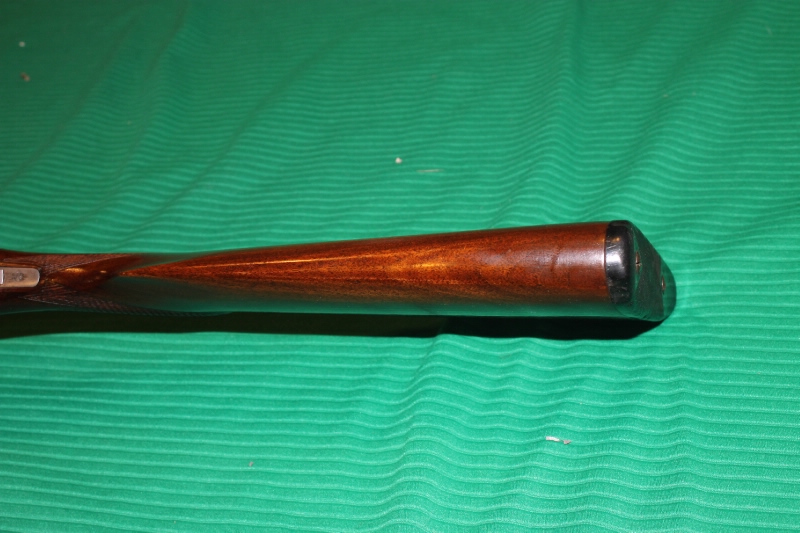
https://youtu.be/a2gCFOtaZPo
I miss Gunny!