Categories
Dear Grumpy Advice on Teaching in Today's Classroom Hard Nosed Folks Both Good & Bad Leadership of the highest kind Soldiering Stand & Deliver The Green Machine This great Nation & Its People War Well I thought it was neat!

What I call a REAL STUD!

Medal of Honor, Vietnam War Robert Howard Medal of Honor: Oral Histories Medal of Honor: Oral Histories

SOG’S FIERCEST WARRIOR: COLONEL ROBERT L. HOWARD

Medal of Honor, Vietnam War Robert Howard
Medal of Honor: Oral Histories


By Maj. John L. Plaster, USA (Ret)
RECON COMPANY AT COMMAND AND CONTROL CENTRAL
In 1968, Robert L. Howard was a 30-year-old sergeant first class and the most physically fit man on our compound. Broad-chested, solid as a lumberjack and mentally tough, he cut an imposing presence. I was among the lucky few Army Special Forces soldiers to have served with Bob Howard in our 60-man Recon Company at Command and Control Central, a top secret Green Beret unit that ran covert missions behind enemy lines. As an element of the secretive Studies and Observations Group (SOG), we did our best to recon, raid, attack and disrupt the enemy’s Ho Chi Minh Trail network in Laos and Cambodia.
UP THERE WITH AMERICA’S GREATEST HEROES

Robert Howard
Robert Howard

Take all of John Wayne’s films—throw in Clint Eastwood’s, too—and these fictions could not measure up to the real Bob Howard. Officially he was awarded eight Purple Hearts, but he actually was wounded 14 times. Six of the wounds, he decided, weren’t severe enough to be worthy of the award. Keep in mind that for each time he was wounded, there probably were ten times that he was nearly wounded, and you get some idea of his combat service. He was right up there with America’s greatest heroes—Davy Crockett, Alvin York, Audie Murphy, the inspiring example we other Green Berets tried to live up to. “What would Bob Howard do?” many of us asked ourselves when surrounded and outnumbered, just a handful of men to fight off hordes of North Vietnamese.
To call him a legend is no exaggeration. Take the time he was in a chow line at an American base and a Vietnamese terrorist on a motorbike tossed a hand grenade at them. While others leaped for cover, Howard snatched an M-16 from a petrified security guard, dropped to one knee and expertly shot the driver, and then chased the passenger a half-mile and killed him, too.
One night his recon team laid beside an enemy highway in Laos as a convoy rolled past. Running alongside an enemy truck in pitch blackness, he spun an armed claymore mine over his head like a lasso, then threw it among enemy soldiers crammed in the back, detonated it, and ran away to fight another day.
Another time, he was riding in a Huey with Larry White and Robert Clough into Laos, when their pilot unknowingly landed beside two heavily camouflaged enemy helicopters. Fire erupted instantly, riddling their Huey and hitting White three times, knocking him to the ground. Firing back, Howard and Clough jumped out and grabbed White, and their Huey somehow limped back to South Vietnam.
CONSIDER THE RESCUE OF JOE WALKER
“Just knowing Bob Howard was ready to come and get you meant a lot to us,” said recon team leader Lloyd O’Daniels. Consider the rescue of Joe Walker. His recon team and an SOG platoon had been overrun near a major Laotian highway and, seriously wounded, Walker was hiding with a Montagnard soldier, unable to move. Howard inserted a good distance away with a dozen men and, because there were so many enemy present, waited for darkness to sneak into the area. Howard felt among bodies for heartbeats, and checked one figure’s lanky legs, then felt for Joe’s signature horn-rimmed glasses. “You sweet Son of a Gun,” Walker whispered, and Howard took him to safety.
What’s all the more remarkable is that not one of these incidents resulted in any award. Howard was just doing what had to be done, he thought.
“HOPELESS” WAS NOT IN HIS VOCABULARY
Unique in American military history, this Opelika, Alabama native was recommended for the Medal of Honor three times in 13 months for separate combat actions, witnessed by fellow Green Berets. The first came in November 1967. While a larger SOG element destroyed an enemy cache, Howard screened forward and confronted a large enemy force. He killed four enemy soldiers and took out an NVA sniper. Then, “pinned down…with a blazing machine gun only six inches above his head,” he shot and killed an entire NVA gun crew at point-blank range, and then destroyed another machine gun position with a grenade. He so demoralized the enemy force that they withdrew. This Medal of Honor recommendation was downgraded to a Silver Star.
The next incident came a year later. Again accompanying a larger SOG force, he performed magnificently, single-handedly knocking out a PT-76 tank. A day later he wiped out an anti-aircraft gun crew, and afterward rescued the crew of a downed Huey. Repeatedly wounded, he was bleeding from his arms, legs, back and face, but he refused to be evacuated. Again submitted for the Medal of Honor, his recommendation was downgraded, this time to the Distinguished Service Cross.
Just six weeks later, Howard volunteered to accompany a platoon going into Laos in search of a missing recon man, Robert Scherdin. Ambushed by a large enemy force, Howard was badly wounded, his M-16 blown to bits—yet he crawled to the aid of a wounded lieutenant, fought off NVA soldiers with a grenade, then a .45 pistol, and managed to drag the officer away. Having been burned and slashed by shrapnel, we thought we’d never see him again. But he went AWOL from the hospital and came back in pajamas to learn he’d been again submitted for the Medal of Honor. This time it went forward to Washington, with assurances that it would be approved.
Howard did not know the word, “hopeless.” Many years later he explained his mindset during the Medal of Honor operation: “I had one choice: to lay and wait, or keep fighting for my men. If I waited, I gambled that things would get better while I did nothing. If I kept fighting, no matter how painful, I could stack the odds that recovery for my men and a safe exodus were achievable.”
Although eventually sent home, he came back yet again, to spend with us the final months before his Medal of Honor ceremony. By then he had served more than 5 years in Vietnam. Why so much time in Vietnam? “I guess it’s because I want to help in any way I can,” Howard explained. “I may as well be here where I can use my training; and besides, I have to do it – it’s the way I feel about my job.”
THE WARRIOR TRADITION
The warrior ethic came naturally to Bob Howard. His father and four uncles had all been paratroopers in World War Two. Of them, two died in combat and the other three succumbed to wounds after the war. To support his mother and maternal grandparents, he and his sister picked cotton. He also learned old-fashioned Southern civility, removing his hat for any lady and answering, “Yes, ma’am.”
He also possessed a deep sense of honor and justice, and lived by his unspoken warrior’s code, with the priorities mission, men, and his own interests coming last. He absolutely fit the bill as a leader you’d follow through hell’s gates – IF you could keep up with him. A hard-charging physical fitness advocate, he even had our Montagnard tribesmen running and doing calisthenics.
After draping the Medal of Honor around Howard’s neck, President Nixon asked him what he wanted to do the rest of that memorable day – lunch with the president, a tour of the White House, almost anything. Howard asked simply to be taken to the Tomb of the Unknown Soldier to share his thoughts with others who had gone before him. Tragically, the U.S. media, reflecting the anti-war sentiments of that period, said not one word about Howard or his valiant deeds, although by the time he received the Medal of Honor he was America’s most highly decorated serviceman.
5x7 howardHIS FRAME OF REFERENCE WAS SOG—HARD COMBAT
Despite the lack of recognition, Howard went on serving to the best of his ability. He was the training officer at the Army’s Airborne School, then he was a company commander in the 2nd Ranger Battalion at Ft. Lewis, Washington. He continued to excel at everything he did, making Distinguished Honor Graduate in his Officer Advance Course class.
As the officer-in-charge of Special Forces training at Camp Mackall, near Ft. Bragg, N.C., and later, commanding the Mountain Ranger Training Camp at Dahlonega, Georgia, he did his utmost to inspire young students. Howard’s frame of reference was SOG—hard combat, the toughest kind against terrible odds with impossible missions. He knew good men would die or fail in combat without martial skills, tactical knowledge and physical conditioning. He was famous for leading runs and long-distance rucksack marches— stronger than men half his age, usually he outran entire classes of students. A whole generation of Army Special Forces and Rangers earned their qualifications under his shining example, with some graduates among the senior leaders of today’s Special Forces and Ranger units.
His highest assignment was commander of Special Forces Detachment, Korea. He might have gone higher but he dared to publicly suggest that American POWs had been left in enemy hands, and was willing to testify to that before Congress in 1986. After he retired as a full colonel, he went through multiple surgeries to try to correct the many injuries he’d suffered over the years.
But he could not stop helping GIs. He spent another 20 years with the Department of Veterans Affairs, helping disabled vets. He had a reputation for rankling his superiors as an unapologetic advocate of veterans.
THIS HUMBLE KNIGHT BELONGS TO HISTORY
His spirit never waned. In 2004 I sat with Green Berets of the 1st Special Forces Group at Ft. Lewis, Wash., who laughed and cheered when he joked about still being tough enough to take on any two men in the audience—not one raised his hand. After retiring from the VA, Col. Howard often visited with American servicemen to speak about his combat experiences, making five trips to Iraq and Afghanistan. In the fall of 2009, he visited troops in Germany, Bosnia and Kosovo.
Despite increasing pain and sickness, on Veterans Day 2009 he kept his word to attend a memorial ceremony, but finally he had to seek help. He was diagnosed with terminal pancreatic cancer and given a few weeks to live.
In those final days old Special Forces and Ranger friends slipped past “No Visitors” signs to see him. When SOG vets Ben Lyons and Martin Bennett and a civilian friend, Chuck Hendricks, visited him, Howard climbed from his bed to model the uniform jacket he would be buried in, festooned with the Medal of Honor and rows upon rows of ribbons. A proud Master Parachutist and military skydiver, he showed them the polished jump boots he’d been working on, and asked Bennett to touch up the spit shine. Though his feet might not be visible in his coffin, he wanted that shine just right.
As they left, Col. Howard thanked Bennett, and then saluted him and held his hand crisply to his eyebrow until Bennett returned it. Bob Howard passed away two days before Christmas.
This great hero, a humble knight who was a paragon for all, belongs to history now. He is survived by his daughters Denicia, Melissa and Rosslyn; an Airborne-Ranger son, Robert Jr., and four grandchildren.

@SOLDIER OF FORTUNE MAGAZINE COPYRIGHT    Use only with permissions and credits

Categories
N.S.F.W.

Hopefully I am 60 years Old Today (I posted this earlier) So here is my Birthday Gift to you! NSFW

Categories
All About Guns Ammo

CAN The 264 WINCHESTER MAGNUM RISE FROM DEAD? BY RON SPOMER

Image result for 264 Winchester Magnum

The 264 Winchester Magnum is a 6.5mm cartridge that was ahead of its time when created in 1958. It slipped into a coma in the mid-1960s and has been at death’s door ever since.
But it could revive, perhaps even thrive because it produces better ballistics than all but one or two of the current crop of 6.5mms.

Given today’s mania over all things 6.5mm, the 264 Winchester Magnum should be a top performer in these long-reach hunting rifles everyone seems to covet. This belted magnum cartridge bests the 6.5 Creedmoor by about 400 fps.
That’s like stepping from a 308 Winchester to a 300 Winchester Magnum in performance improvement. If you want a 6.5mm with flat trajectory, maximum power, and minimum wind deflection, you want a closer look at the 264 Win. Mag.
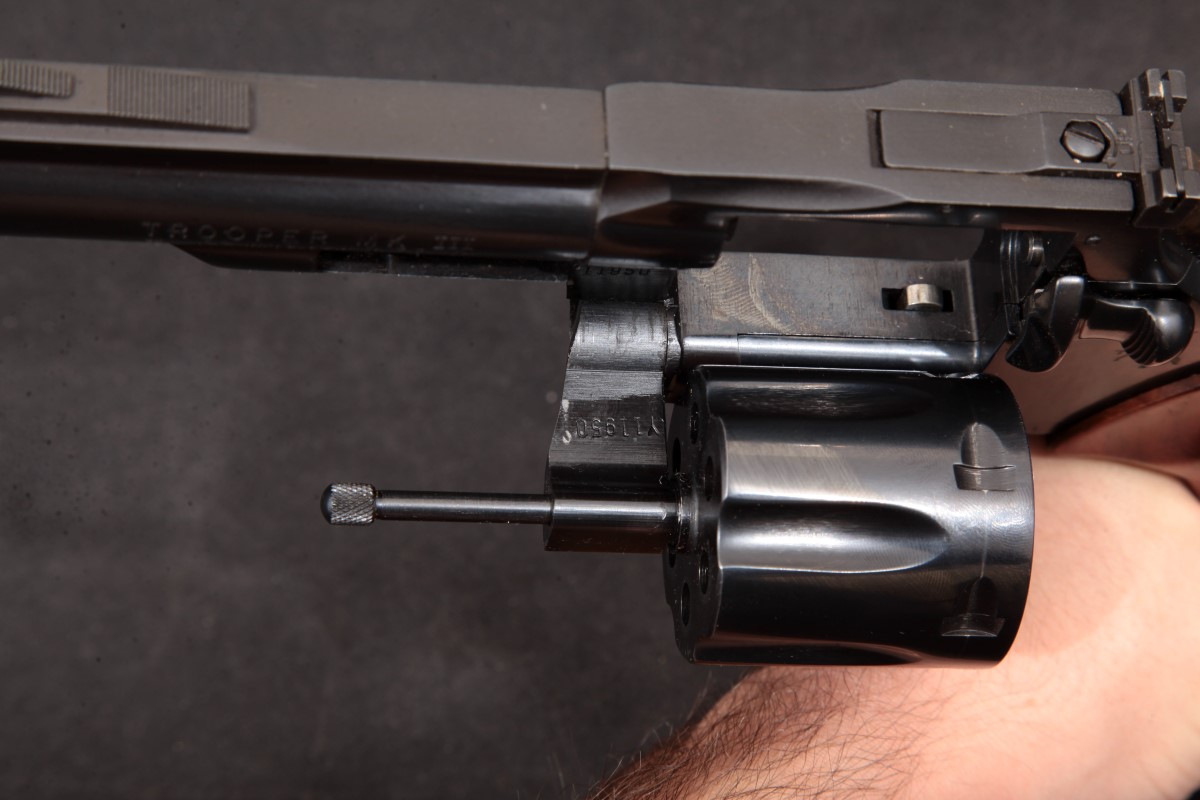
Photo shows several 264 Winchester Magnum cartridges atop a gray box of ammunition.
Winchester, alas, makes but one load for its under-appreciated 264 Winchester Magnum.

Despite it’s 21st century ballistic performance, the 264 Win. Mag. is old. Many would say doddering. They’d be wrong. With today’s powders and bullets, it could finally realize its rich potential. Before that can happen, however, more shooters need to understand the cartridge.

And more ammunition manufacturers need to begin loading to reach that potential. Currently Winchester doesn’t even come close, limiting its 264 Win. Mag. to just one load, a 140-grain Power Point (B.C. .384) at 3,030 fps. Nosler does a much better job with a variety of great loads featuring bullets from 100-grains to 140-grains. Hornady has one load pushing a 140-grain InterLock with a B.C. of .465.

This is an adequate start, but a good handloader will get the most from the 264 Win. Mag. because, ballistically, anything the 6.5 Creedmoor can do, the 264 Winchester Magnum can blow out of the water.

The quickest route to appreciating the 264 Winchester Magnum is through the 7mm Remington Magnum. Both cartridges were formed from the belted 375 H&H Magnum case.

You can nit pick and say it was the 300 H&H Magnum case, but that was itself squeezed down from the 375 case. What matters is the head diameter, that belt around it, and the basic body diameter. You can easily reshape the length, neck diameter, shoulder angle, and taper of a case, but not its head diameter.

See the family resemblance? The 264 Winchester Magnum may have been cut and squeezed to shape from a 300 H&H or 375 H&H, but it hardly matters. The belted head diameter is its foundation.

The belted .532-inch head of Holland & Holland’s 375 of 1912 is considerably wider than the .473-inch head of the 30-06 Springfield, which is what the 6.5 Creedmoor stands on. The 264 Win. Mag. case is .58-inch longer than the Creedmoor, too. It fits the same actions as the 270 Win. and 30-06. Bigger case, more powder… Boom. There you go.

Roy Weatherby mined this volume beginning with his 270 Wby. Mag. in 1943. Winchester came to the 375 belted magnum party in 1956 with the release of its 458 Win. Mag. They straightened the 375’s walls and cut its length to 2.5” for an easy fit into Model 70 magazines.

In 1958 they necked this big case down to create the 338 Win. Mag. and then necked it even smaller to make the 264 Win. Mag. Few hit the streets until 1959, but then…

When the 264 Winchester Magnum first appeared, Winchester’s ammo boxes looked something like this. Yeah, it’s an old cartridge.

Right away this “overbore” belted magnum created a stir. It came in a M70 Westerner rifle with a 26-inch barrel. Winchester advertised muzzle velocity at 3,200 fps with a 140-grain, .264” diameter bullet. SAAMI specifications for the cartridge allowed it a maximum pressure of 64,000 psi, same as the 300 Win. Mag. which came later.

Winchester is again chambering its CRF, Sporter M70 in 264 Winchester Magnum. I just wish they’d load high B.C. bullets. 

With these numbers, the 264 Winchester Magnum was the immediate long-range, high-velocity, flat-trajectory answer to the western hunter’s prayers. And it came in affordable M70 rifles. The cartridge and rifle enjoyed immediate success and everyone was happy until…

Remington unleashed its 7mm Rem. Mag. It was 1962, the same year the first Wal-Mart opened, John Glenn first orbited the Earth, Marylin Monroe died, and Decca Records turned down the Beatles.

Nobody appeared to turn down the 7mm Rem. Mag. Here was the same belted magnum case, same length, and same shoulder slope as the 264 Winchester Magnum. Just a slightly wider neck, one that would hold a .284” bullet. Subtract .264 from .284 and you enjoy a mere .020” diameter advantage with 7mm Rem. Mag. bullets.

Doesn’t seem like much, but Remington wisely offered its new 7mm magnum with bullets as heavy as 175-grains. To hunters familiar with 150- to 180-grain bullets in 270 Winchesters and 30-06 Springfields, that sounded like serious elk, moose, and bear medicine. Winchester’s heaviest (140-grain) .264 bullet didn’t quite match up.

It probably didn’t help that Remington was chambering its new 7mm in its equally new M700 rifle advertised as “the world’s strongest” (three rings of steel surrounded the cartridge head.) If you didn’t mind a push-feed bolt action, the 7mm Rem. Mag. was an easy pick. Throw in the more convenient 24-inch barrel of the 7mm and it was no contest.

If you can detect any dimensional differences between these cartridges other than neck diameters and bullets, you’re imagining things. Remington put the 264 Winchester Magnum out to pasture by mounting .284 bullets onto the same belted magnum case and calling it the 7mm Remington Magnum.

At about this same time so many bullets had already scorched the barrels of 264 Winchester Magnums that shooters began to notice early accuracy declines. Many were shooting the rifles fast and furiously at various rodents. After all, the 264 Win. Mag. could fire 85-grain hollow points 3,700 fps and 100-grain projectiles 3,600 fps.

With such light bullets, recoil wasn’t bad in an 8-pound rifle, just 15.4 f-p of free recoil energy compared to 20 f-p of punch with a 140-grain bullet. There’s nothing like blasting big doses of hot powder down a narrow bore in rapid succession to encourage throat erosion. The 264 Winchester Magnum got branded a barrel burner and was soon placed on life support.

But that was then and this is now. The incredible popularity of the 6.5 Creedmoor has inspired interest in any and all cartridges that spit a .264” bullet. Today we have the 26 Nosler and 6.5-300 Wby. Mag. Both of these burn much more powder in much larger cases than does the 264 Win. Mag. This gives them roughly a 100- to 150-fps muzzle velocity advantage over the 264 Win. Mag. But they also raise an important question…

If the 264 Winchester Magnum is a “barrel burner,” what should we call these larger cartridges? Barrel vaporizers?

While we are questioning speed, powder consumption, and barrel life, let’s address this issue with the 264 Winchester Magnum versus the 6.5 Creedmoor. One of the major selling points of the CM is its conservative consumption of powder and concomitant light touch on bores.

On average 6.5 CM barrels are supposed to maintain stellar accuracy through 2,000 to 3,000 shots, depending on the barrel steel and how “hot” the barrel was shot. In comparison some 308 Win. barrels have been reported to remain acceptably accurate for 5,000 shots, some 243 Winchesters just 2,000 shots, 25-06 Rems. 1,500 to 2,500 shots.

I’ve heard claims of 600 to 1,000 shots for the 26 Nosler, 1,000 to as many as 2,500 for 264 Win. Mags. This all varies depending on the barrel, whether it was cryo-treated, and how quickly subsequent shots are sent down the tube. The hotter you shoot them, the faster they deteriorate.

If the 264 Winchester Magnum was a barrel burner, imagine what the 26 Nosler in the middle might torch. Then think about necking that full-length 300 Wby. Magnum to fit the .264 bullets beside it and really frying some steel. Truth is, stainless steel barrels, cryo-treated and fired judiciously, reportedly retain hunting accuracy for 600 to as many as 1,500 rounds with these flame throwers.  Bullets are 140-gr. Berger VLD and Hornady 147-gr. ELD-X. 

Obviously, shooters must ask themselves what they value most in a rifle. If you want to shoot 20 rounds in a minute and 200 rounds in a day, you don’t want a fire-breathing magnum.

If you want the flattest trajectory, least wind deflection, and most downrange energy for terminating bucks and bulls, you do want the larger powder capacity magnum. One to three shots at game every few weeks each fall aren’t going to destroy rifle accuracy until you’ve put a decade or more of hunting behind you.

By then you should have saved up enough $ for a replacement barrel. They make those by the thousands. Someone once compared throttling back bullet speed to driving your truck 20 mph so the tires would last longer. 

Another consideration is how far you wish to target game and whether or not you use a laser rangefinder. Our ability to precisely measure distance-to-target contributes more to the success of long range shooting than the fastest magnum and highest B.C bullets.

What do we care if we dial an extra few MOA or select sub-reticle 6 instead of 4 to score on a long poke? Now, if you’re old school and like to hunt with MPBR, the flattest shooting magnum can make a big difference.

With a 6.5 Creedmoor sending a B.C. .529 bullet at 2,700 fps, you can aim dead center on a 10-inch target and hit it clear out to 334 yards. Send that same bullet 3,021 fps from a 264 Win. Mag. and you stay on target all the way to 372 yards.

By the way, all these 6.5mm cartridges shoot the same (.264”) bullets. The only differences among all them are powder capacity, head and body size, Cartridge Overall Length, and cost.

Go with the short ones if you find benefit in a short bolt throw and lighter, more compact rifle at lower cost per loaded box. Go with the long ones if you want maximum ballistic performance and hang the cost. Go small and short if you want long barrel life, big and long if you want  – you guessed it — maximum ballistic performance.

The good news about our 6.5mm cartridges is they all shoot those high B.C. bullets. You just have to decide how much powder you want to burn to do it. The old 264 Win. Mag. looks pretty middle-of-the-road compared to the little Creedmoor and oversized 26 Nosler. 

Stated another way, when shopping for ballistic performance in a 6.5mm hunting cartridge, the main thing to compare are average muzzle velocities with any bullet weight.

Today’s fashion is to fling the longest projectile with the highest B.C.s, so let’s compare some MVs using a reasonably high B.C. Nosler Custom Competition 140-grain match bullet. There are some 2- to 7-grain heavier hunting bullets out there, but this is close enough for consistent comparisons.

We will take this opportunity to gently chide our bullet makers to raise the weight limit on high B.C. .264-caliber bullets so we can enjoy the long range possibilities with our higher velocity 6.5mms. 

If they can stretch .284 (7mm) bullets to 180-grains, surely they can get .264s to 160-grains. In conformations like Berger VLD’s, Hornady ELDs or Nosler AccuBond LongRanges, B.C.s might approach an incredible .700.

But I’m a hunter, not a metallurgist/bullet maker. Perhaps they can’t draw jackets long enough for that. Longer bullets will require faster twist barrels. You might want to order your 264 Win. Mag. with a 1:8 or even 1:7 twist barrel. Sierra recently announced an exciting new 150-grain Hollow Point Boat Tail MatchKing.

It needs a 1:7.5 twist or faster. Matrix Ballistics recommends 1:8 twist for both its VLD 150-grain Match bullet and its 160-grain hunting bullet. Wait a minute! 160-grain? They can build one! And it’s rated B.C. .685. That would be one to try on a 264 Win. Mag. Serious elk, moose, kudu hammer.

Do be aware that some magnum 6.5 shooters are reporting extreme copper fouling with some bullets. They’re also seeing disintegration of light, thin-jacketed bullets at extreme velocities. When you start playing the extreme velocity game, you can find yourself skating thin ice. 

If you need to dial long distance, why not hire a service that will carry your call? 264 Win. Mag.

For comparison purposes, here are some popular 6.5 cartridges showing muzzle velocities with 140-grain bullet (B.C. 529) taken from Nosler Reloading Guide 7. Barrel lengths vary. All zeroed at 250 yards. 500-yard ballistic performance data includes 10 mph right-angle wind.

Other Reloading Guides may list different top end velocities. Recoil energies are calculated in an 8-pound rifle. Shooters should realize that these top MVs can vary as much as 100 fps from barrel to barrel, rifle to rifle, but this should provide a good basis for comparison.

Cartridge                    M.V.              500-yd drop “ /Drift “ /Energy fp.      Free Recoil Energy/fp

6.5 Creedmoor          2730                    -38/16.2/1252                                          12.34 fp

6.5×55 Swede            2790                    -36/15.7/1316                                           14.19 fp

260 Rem.                   2830                    -35.2/15.3/1359                                       13.24 fp

6.5-06                         2906                    -33/14.7/1444                                          14.59 fp

6.5-284 Norma         2953                    -32/14.4/1497                                          15.30 fp

6.5 PRC                      960                      -31.8/14.4/1505                                       16.96 fp

264 Win. Mag.          3021                    -30/14/1576                                              16.95 fp

6.5 Rem. Mag.           3059                   -29.6/13.7/1621                                        17.37 fp

26 Nosler                    3300                   -25/12.3/1918                                           26.25 fp

6.5-300 Wby. Mag.  3395                    -23.5/11.9/2041                                       26.40 fp

Some of today’s 6.5s: Grendel, Creedmoor, 260 Rem., Swede, 248 Norma, 6.5-280 Imp., 6.5 Rem. Mag., 264 Win. Mag. and 26 Nosler.

As always, burning ever more powder behind a given diameter bullet increases costs in ammo, recoil, noise, and barrel life. But it also maximizes ballistic performance.

It’s up to each individual shooter to determine what works for him or her. From where I sit, the old 264 Win. Mag. is starting to look like a pretty reasonable, middle-of-the-road cartridge in the 6.5mm cartridge line up.

If you’re not fixated on extreme barrel life, short-action rifles or joining the 6.5 Creedmoor flock, the under-appreciated 264 Win. Mag. might be your baby. Just don’t expect to find rifles or ammo on every corner or at discount prices. Check premium brands and semi-custom rifles like Fierce, Bergara, Rifles, Inc., Cooper, Hill Country Rifles, Bansner, etc.

The 264 Winchester Magnum is a cartridge  for serious riflemen/women who appreciate its power and reach in the pursuit of big game.

I wouldn’t call it a good option for plinking or high-volume target shooting. If I found a used rifle in good condition at a good price and it was chambered 264 Win. Mag., I’d probably buy it, especially if it was a pre-64 Winchester M70. (You can read about another great 6.5mm option, the 6.5-284 Norma, in this article. )

Much as author Ron Spomer admires the 6.5mm cartridges, he’s used them the least for his hunting. He hopes to change that over the next few seasons. 

Categories
All About Guns

All I want for my Birthday please!

Categories
Well I thought it was funny!

President Trump Sex Photo!

Inline image 1

Categories
Art

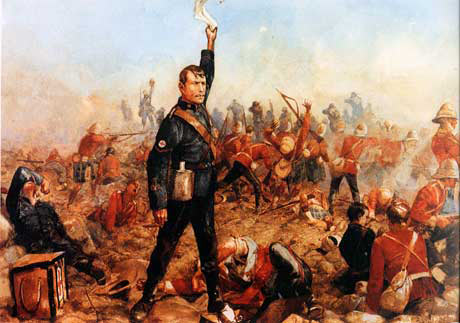
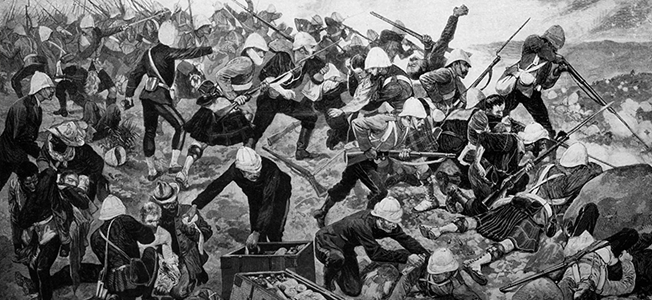
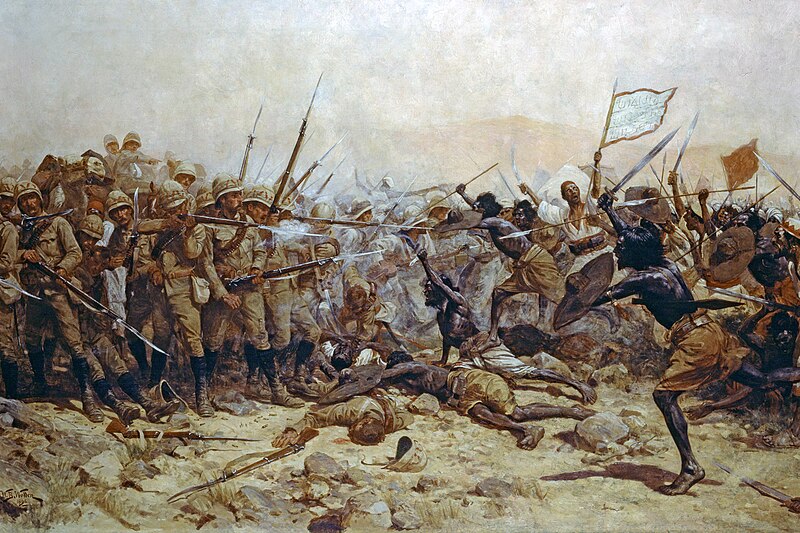
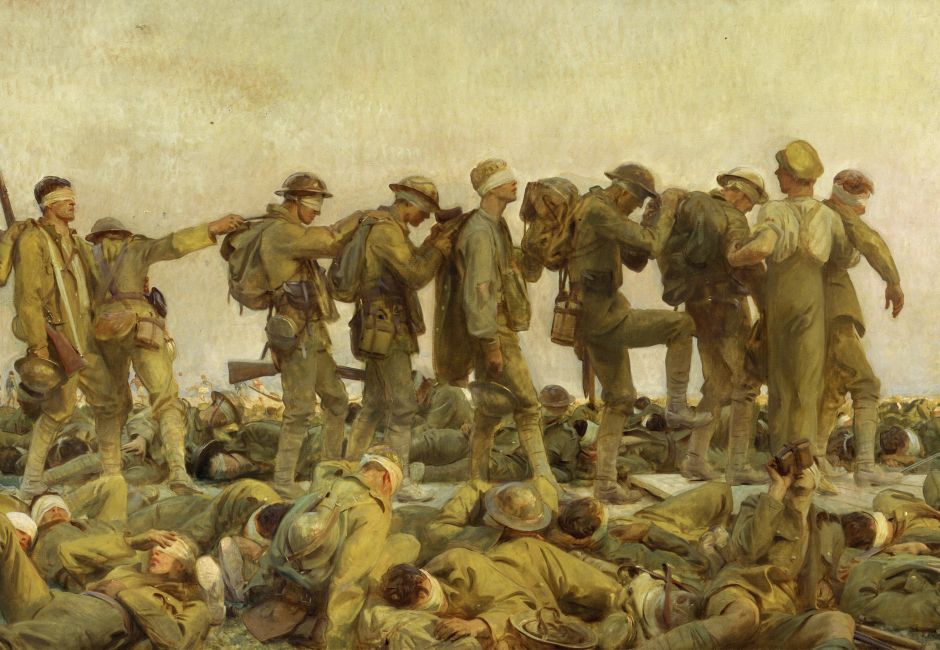
Some war art I found

The Battle of WaterlooRelated image
The Charge of the Light Brigade in the Crimean warRelated image
The Zulu WarRelated image
The Battle of MaiwandRelated image
The Boer WarInline image 8
Inline image 6
Inline image 5
Inline image 3
Inline image 4
Inline image 2
Majuba Hill,The Beginning of the End of the British Empire
Image result for majuba hill
Image result for battle of majuba hill
Image result for majuba hill
The SudanRelated image
WWIInline image 1
Image result for wwiwar art
Related image
Related image


Categories
All About Guns

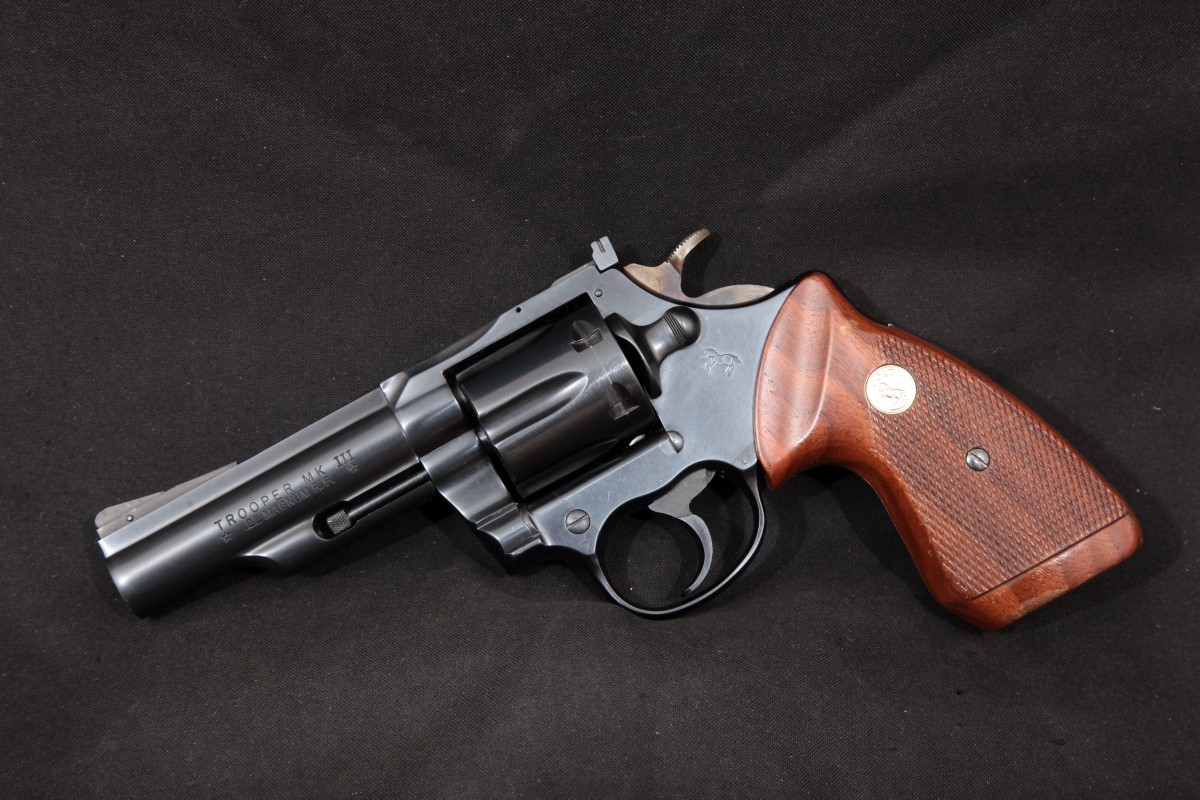
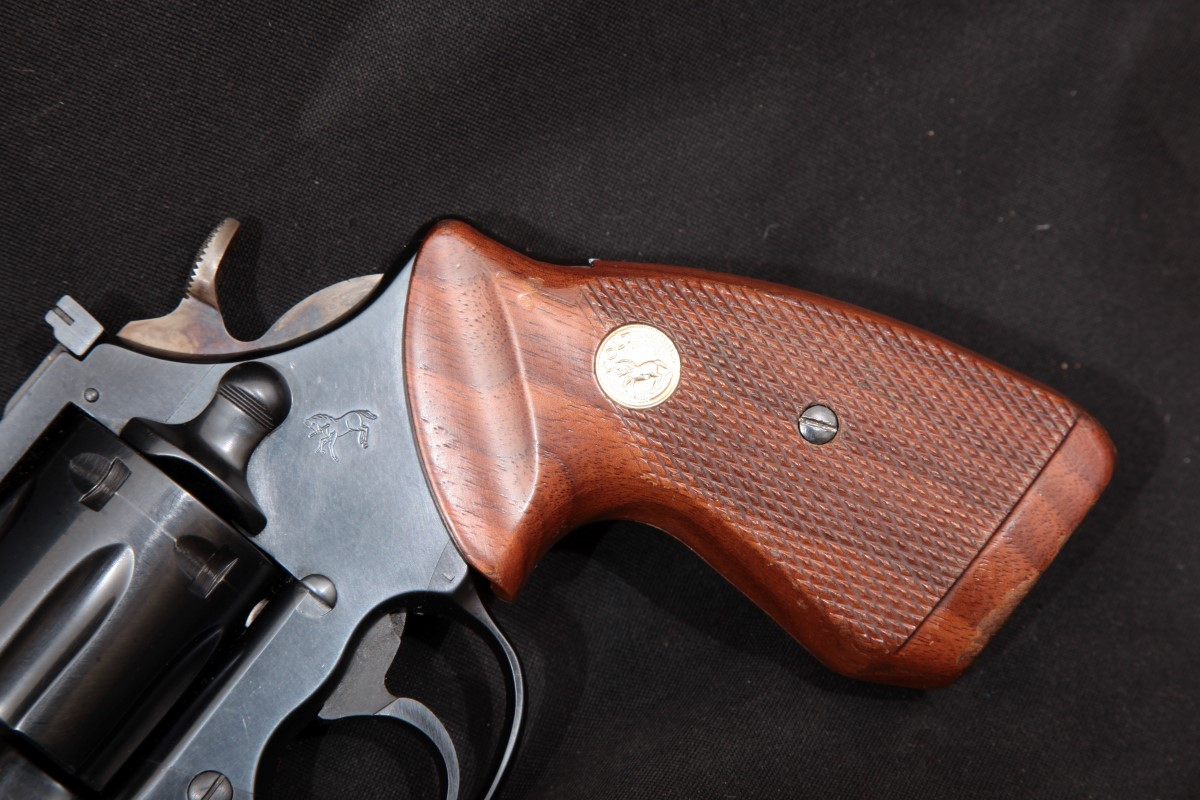
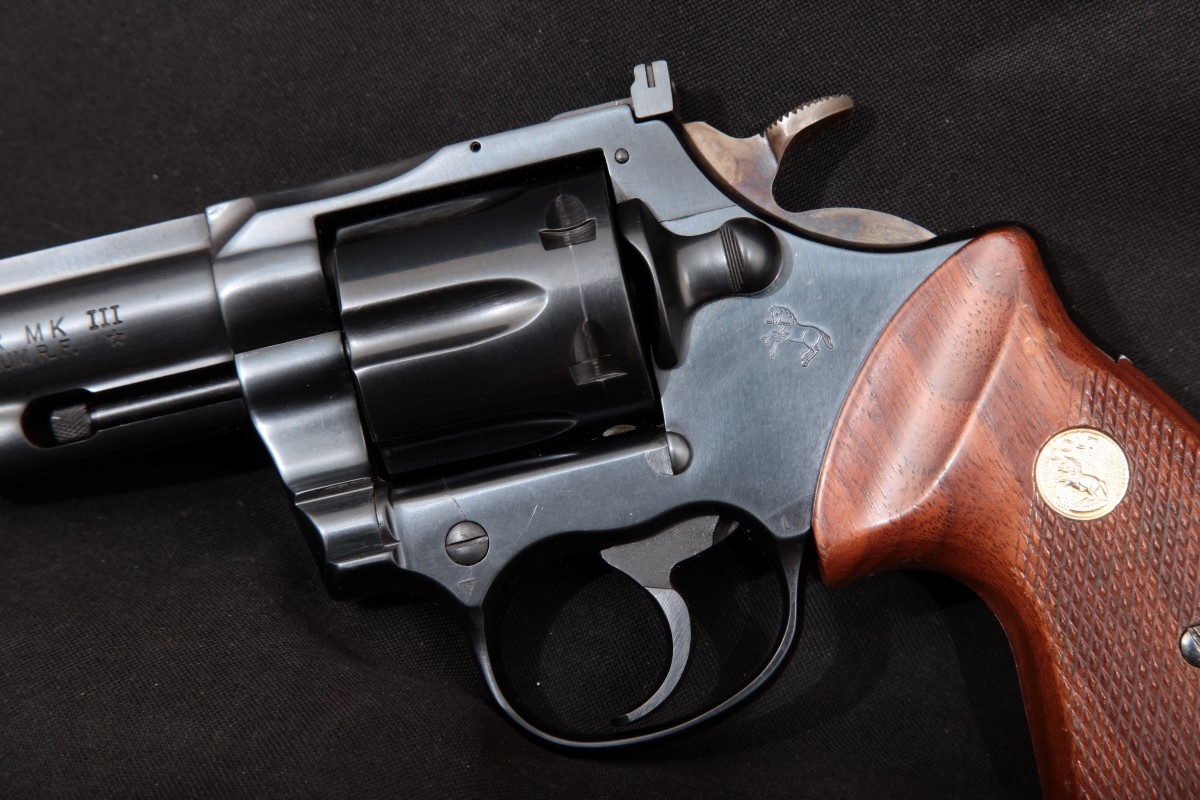
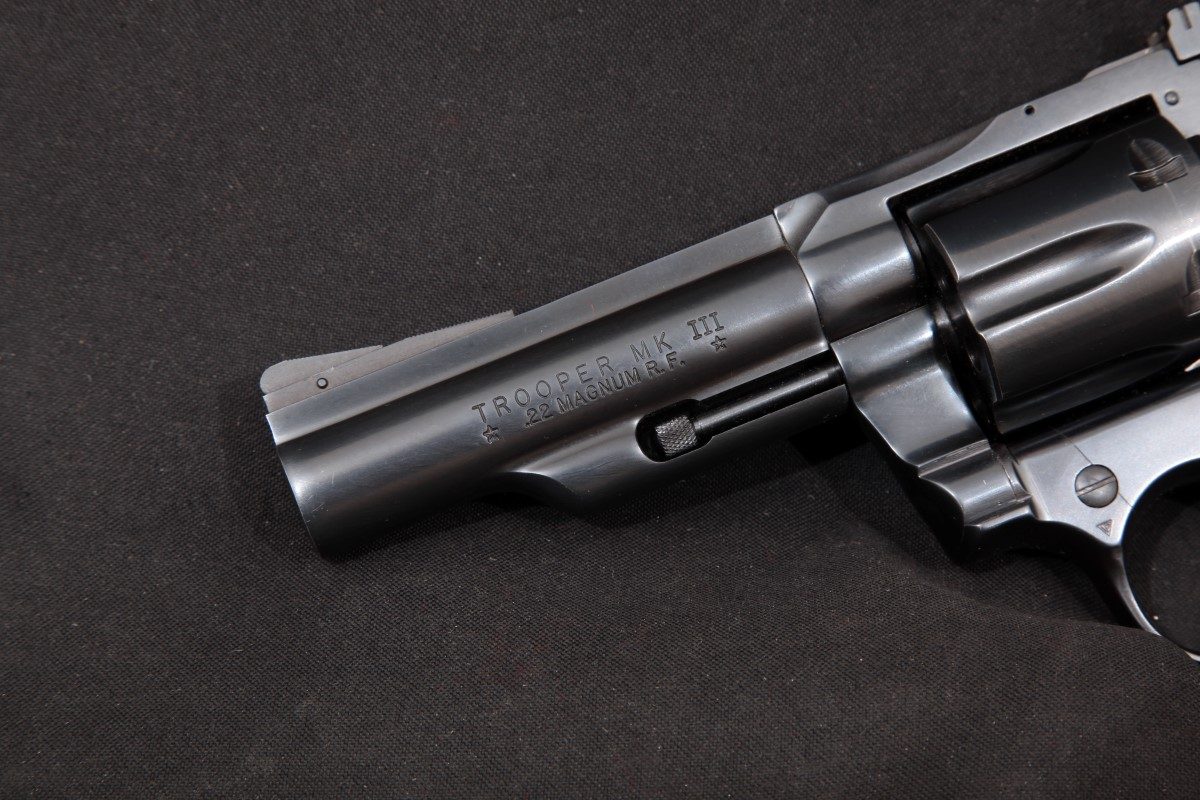
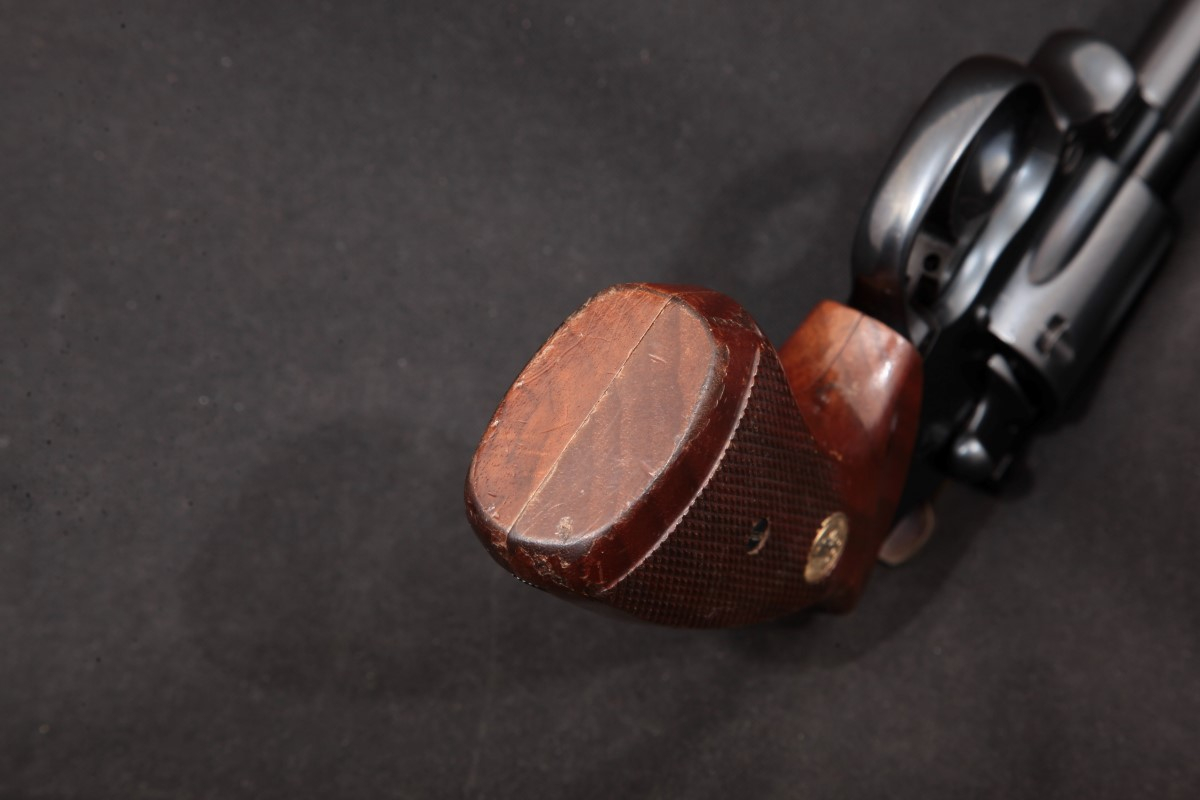
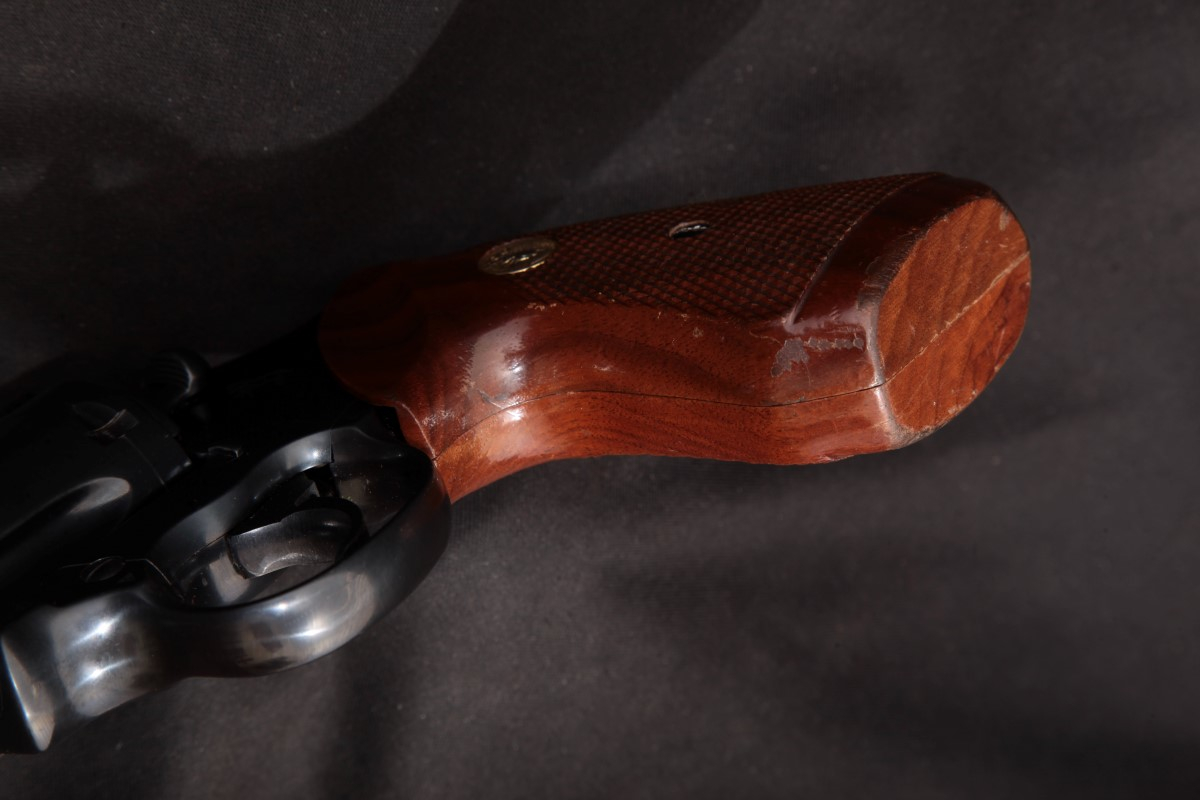
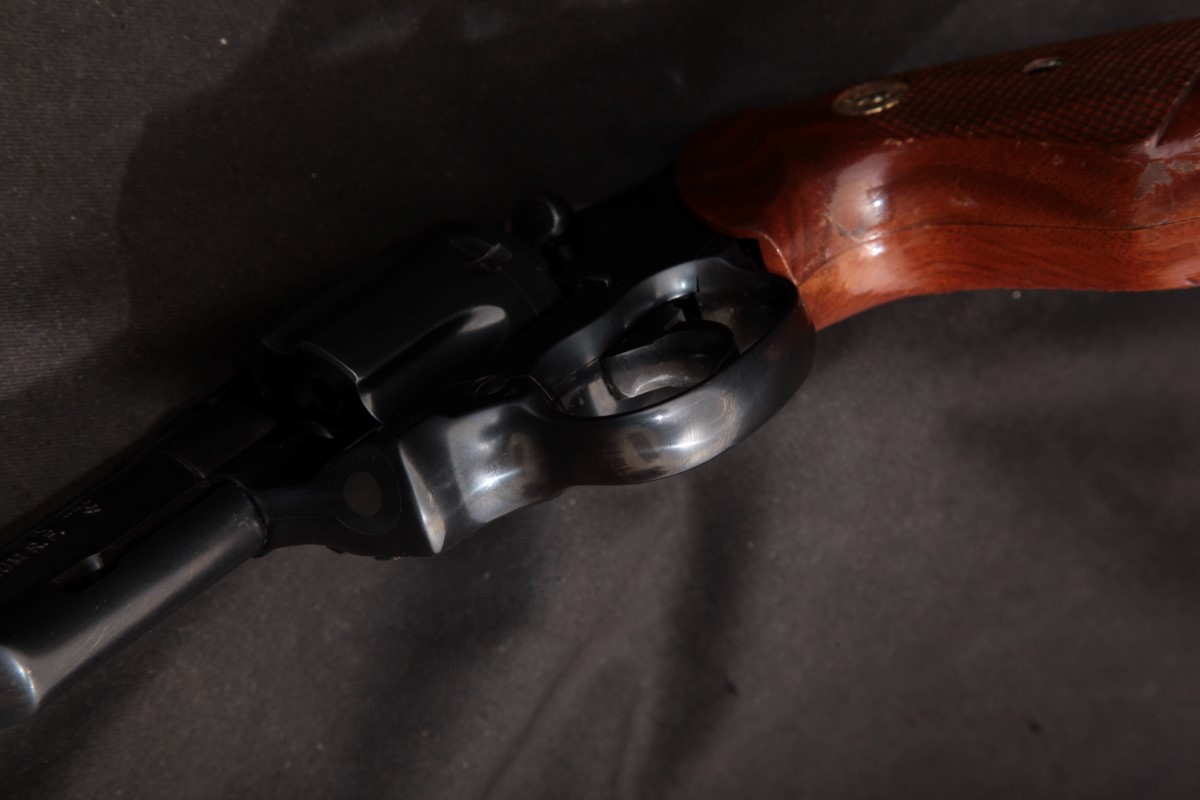
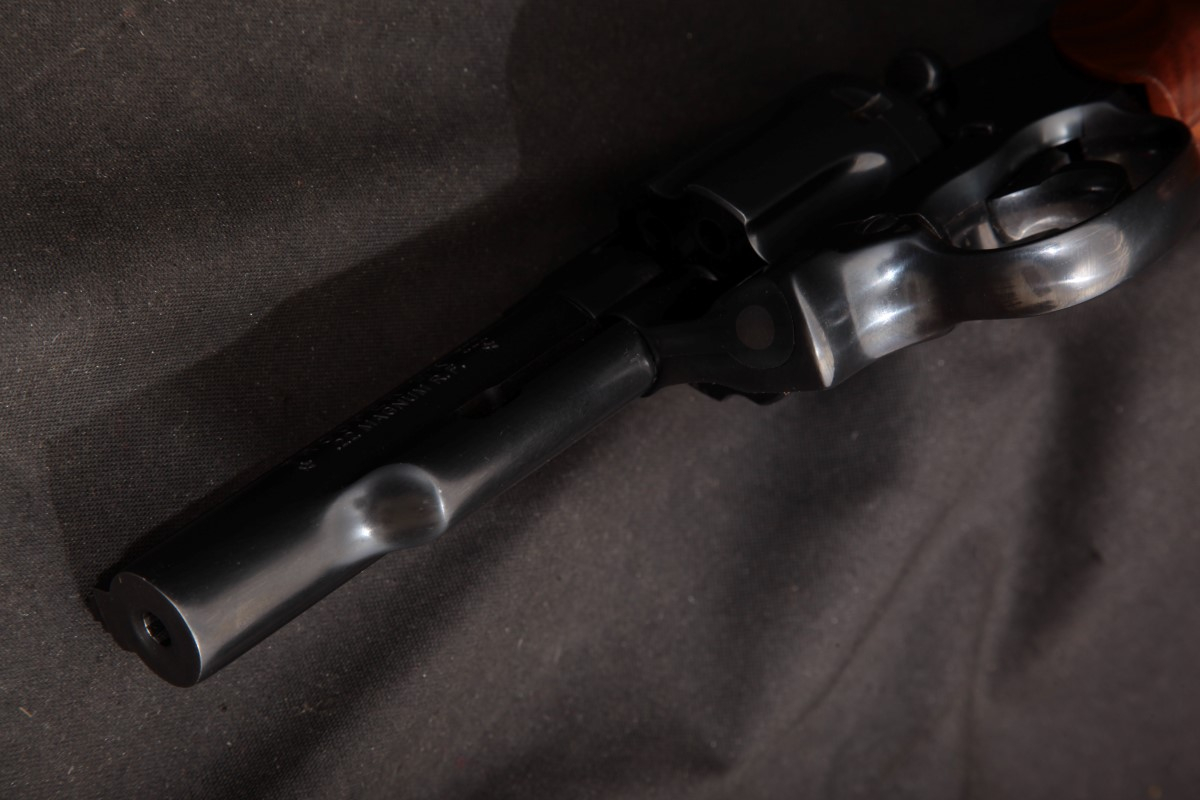
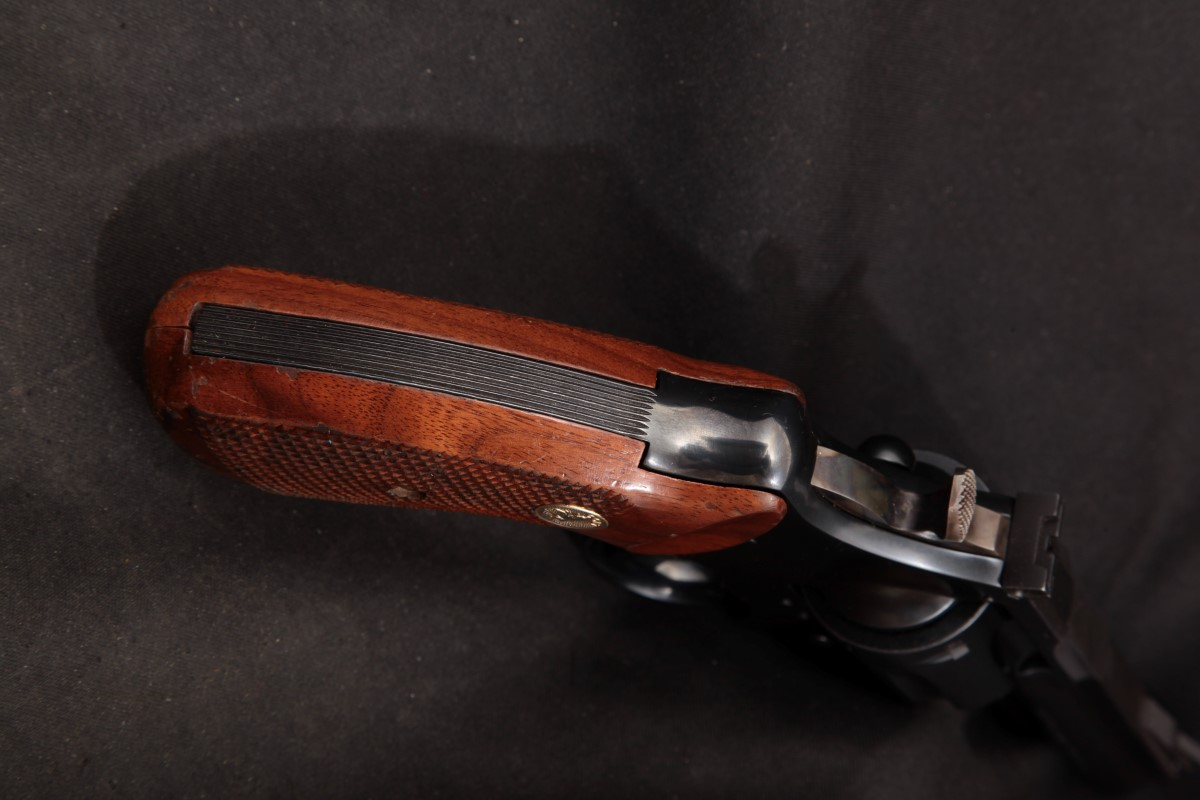
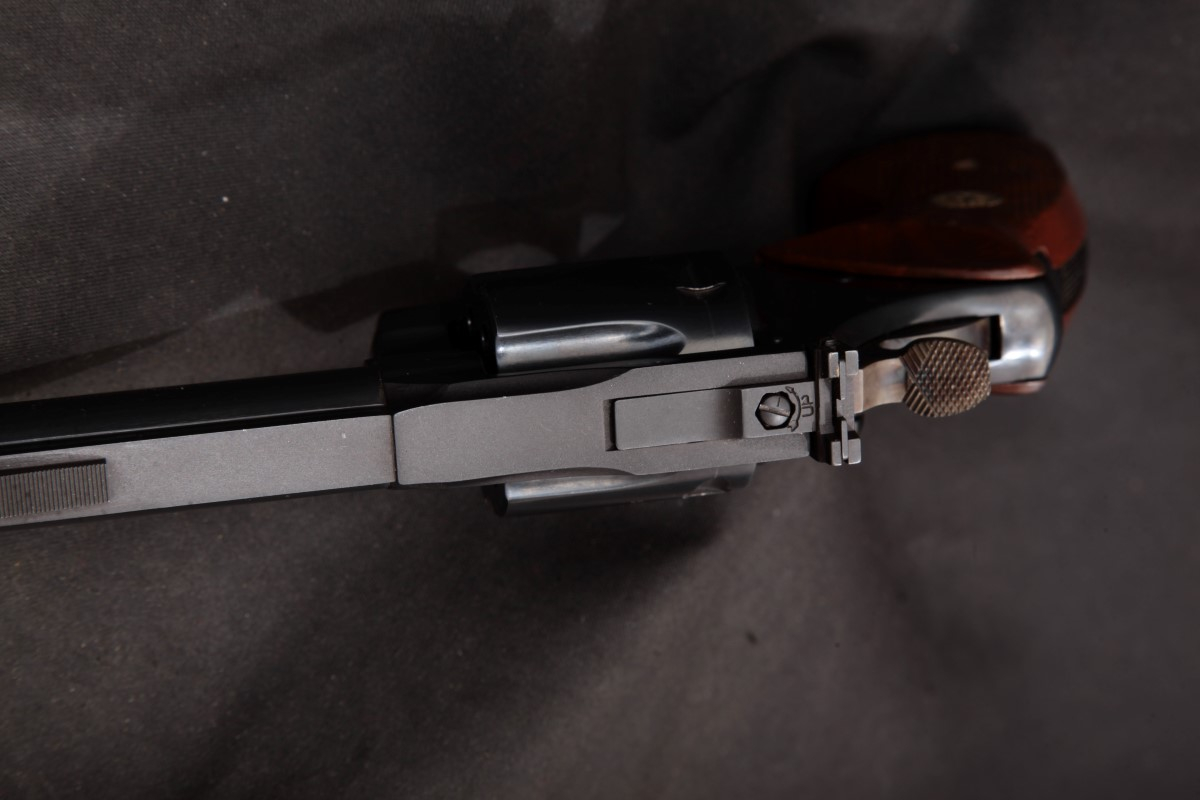
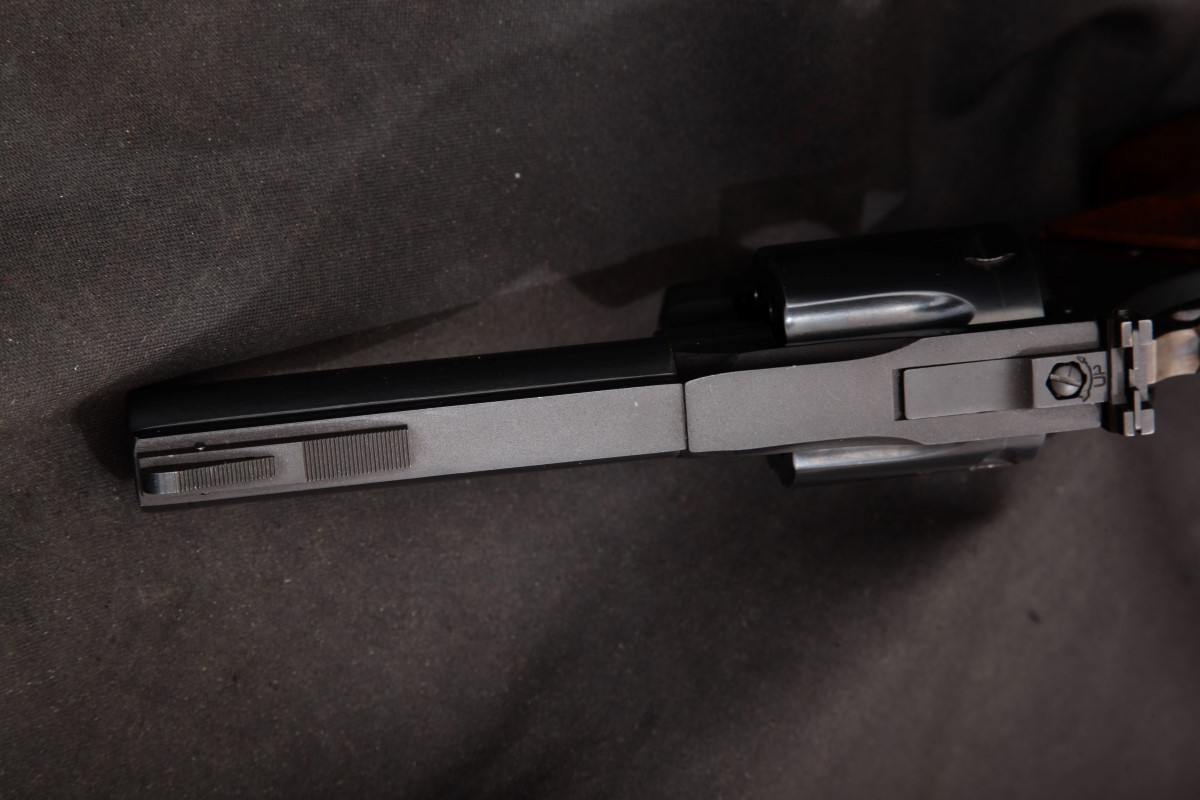
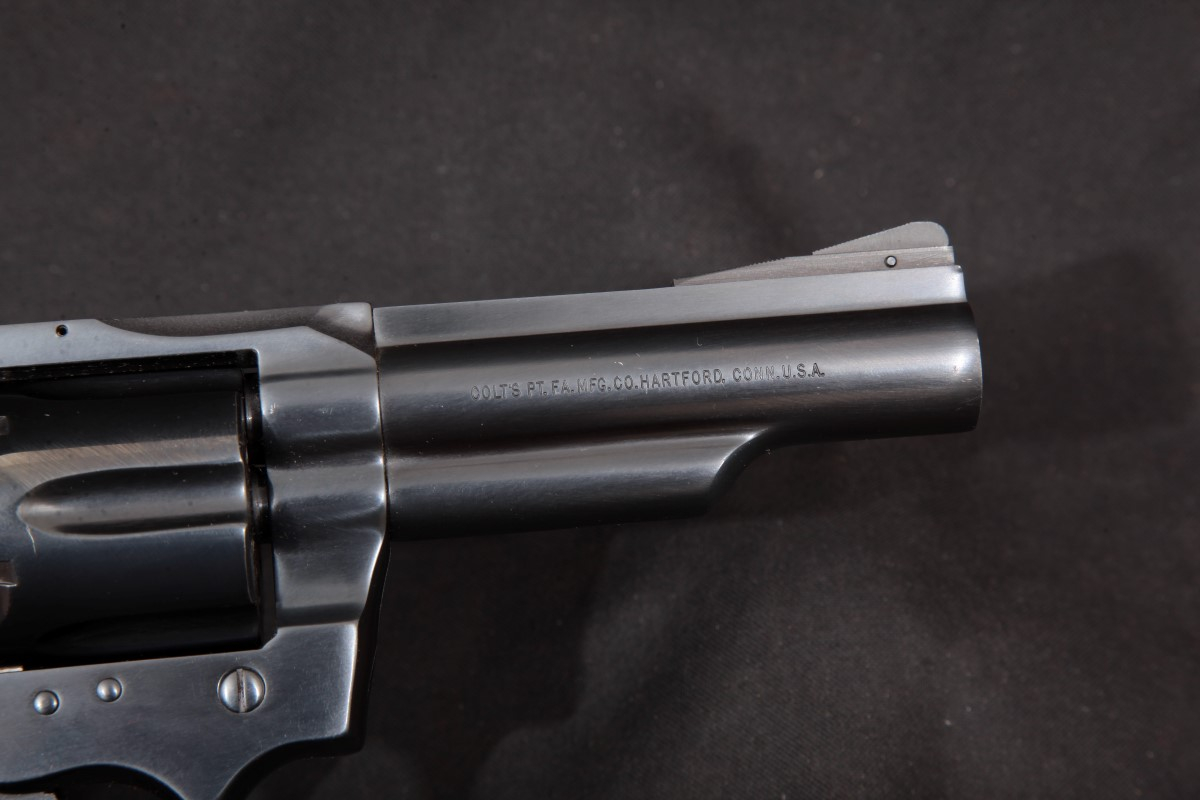
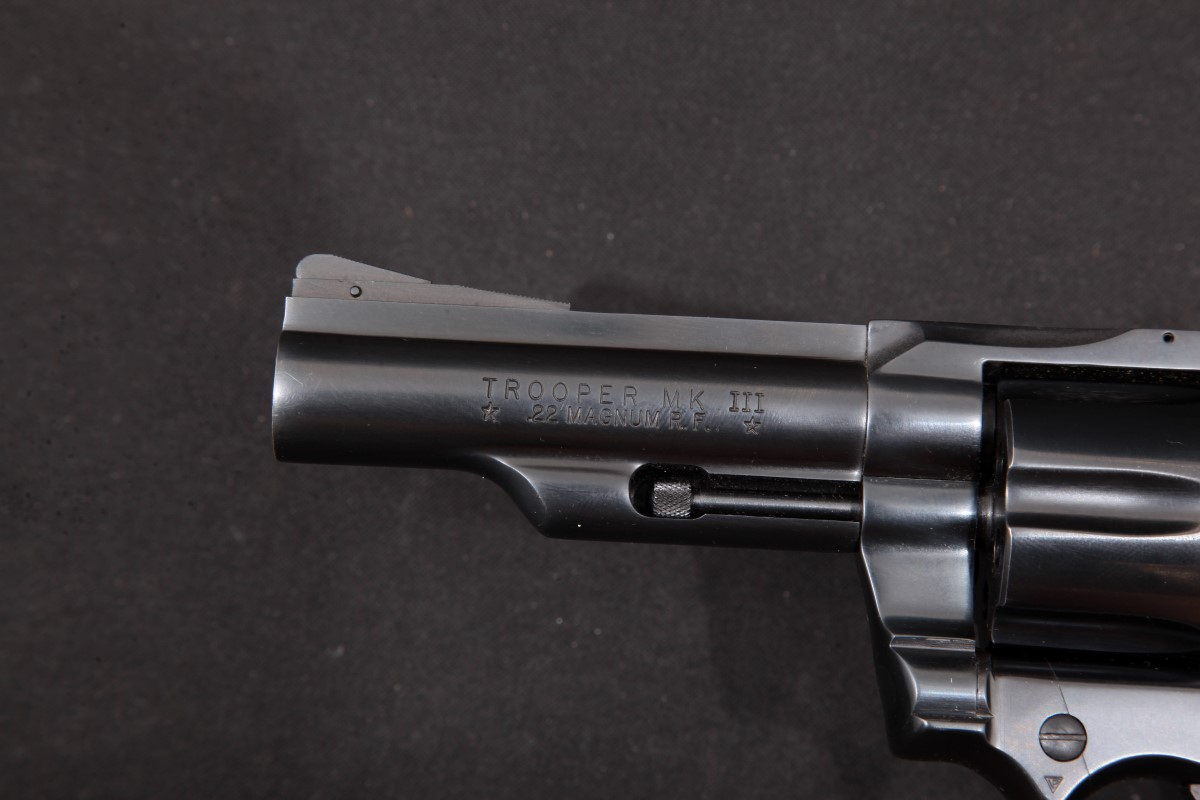
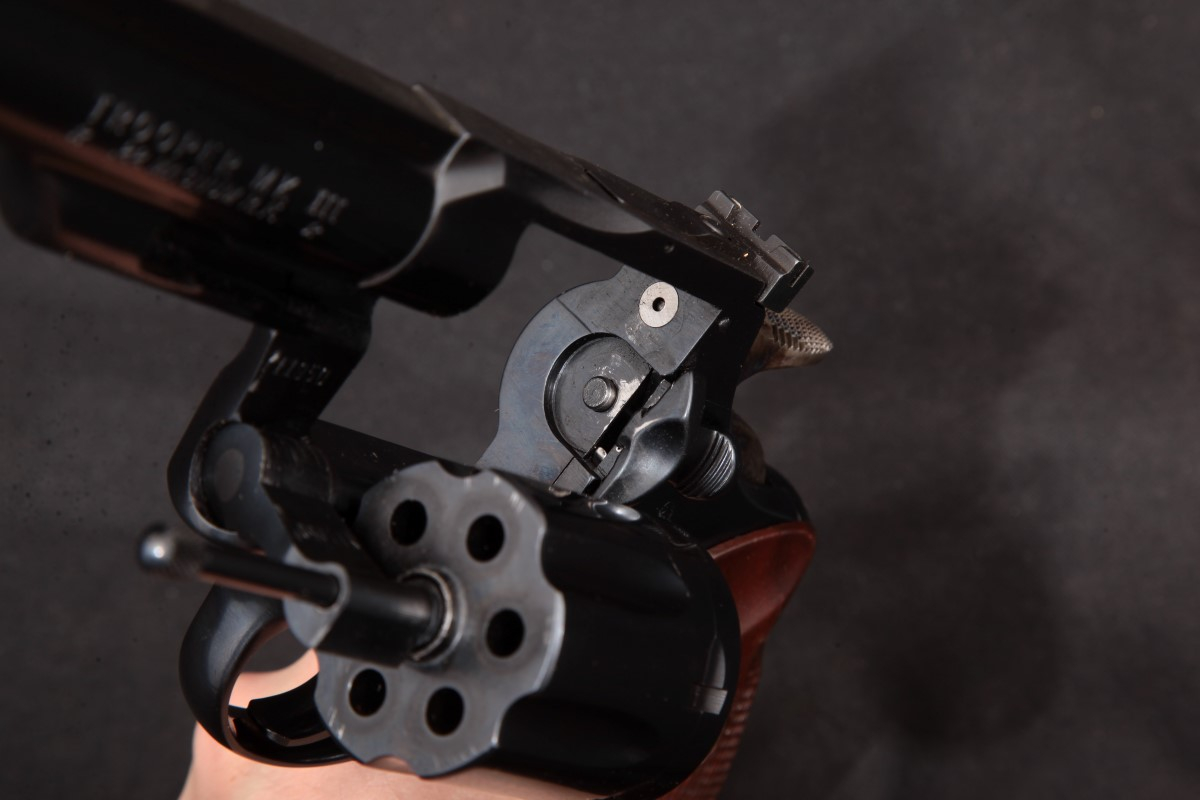
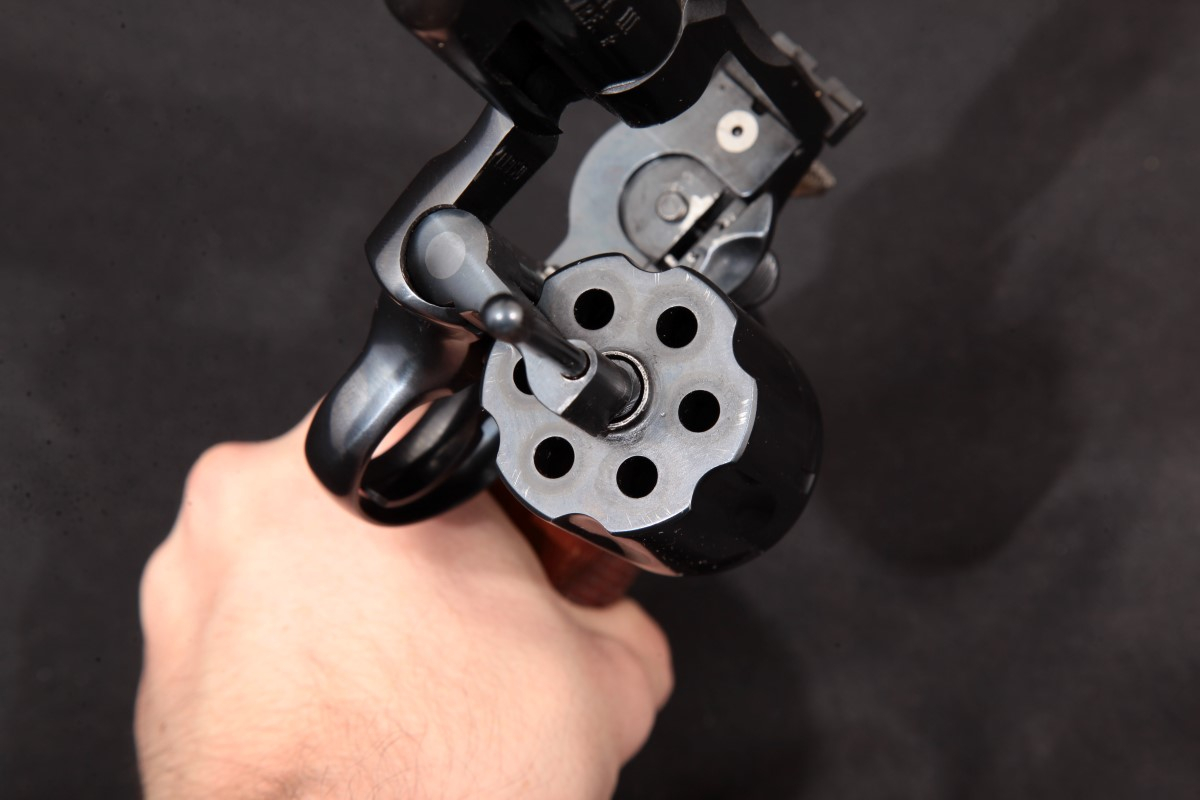
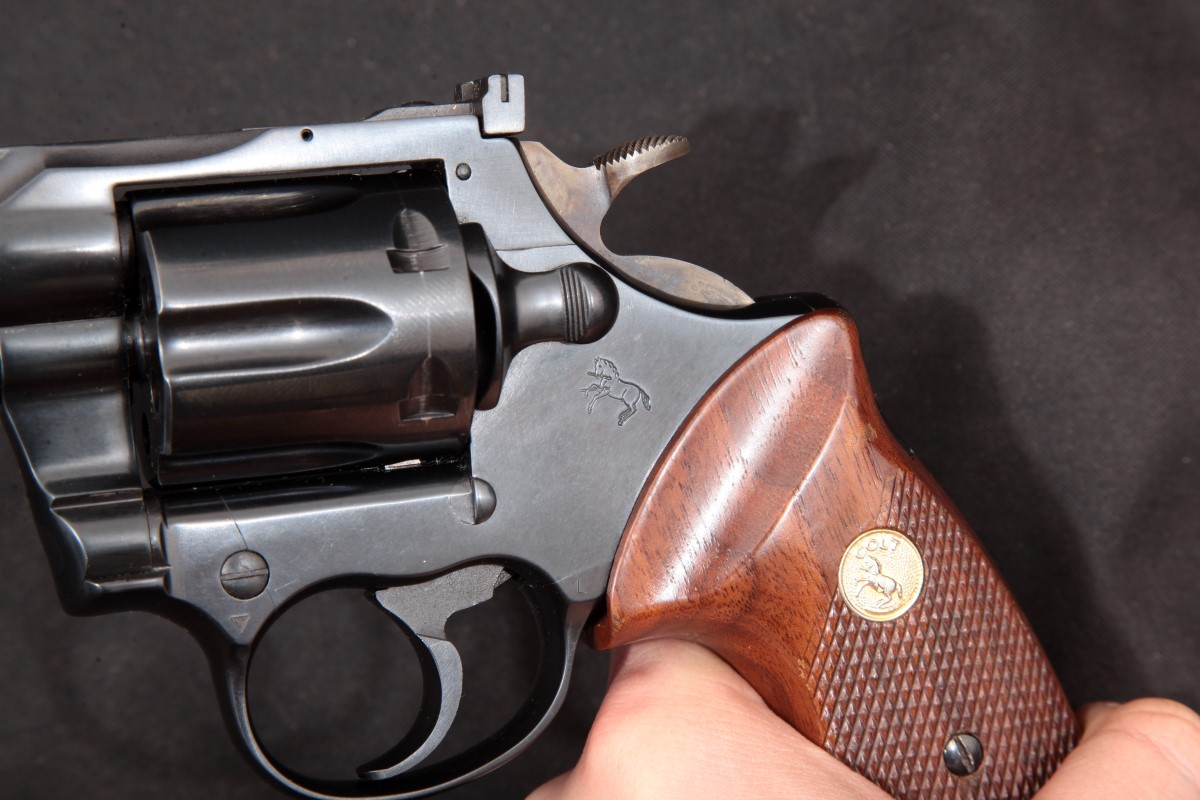
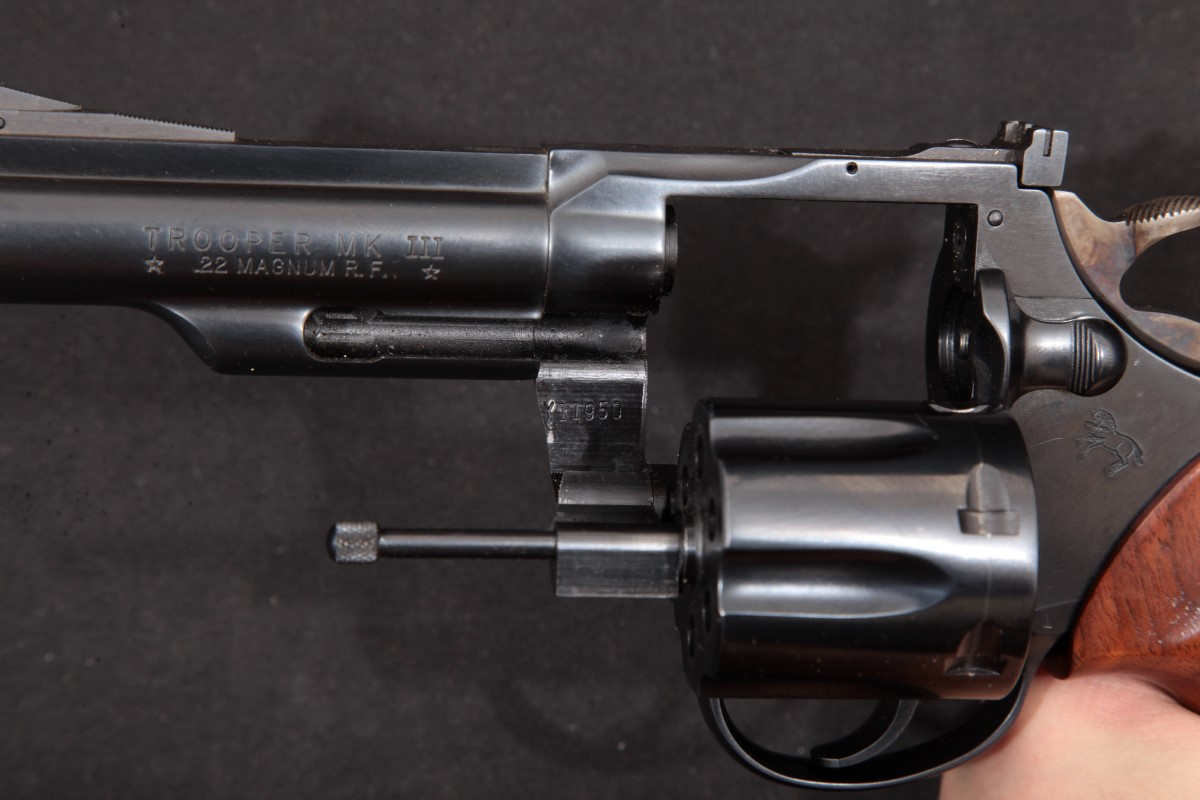
A Pretty Rare – a Colt Model Trooper Mark III, Blue, 4 inch barrel in 22 Magnum

Colt - Rare Model Trooper Mark III, Blue, 4”  SA/DA Double Action Revolver, MFD 1980 - Picture 5
Colt - Rare Model Trooper Mark III, Blue, 4”  SA/DA Double Action Revolver, MFD 1980 - Picture 6
Colt - Rare Model Trooper Mark III, Blue, 4”  SA/DA Double Action Revolver, MFD 1980 - Picture 7
Colt - Rare Model Trooper Mark III, Blue, 4”  SA/DA Double Action Revolver, MFD 1980 - Picture 8
Colt - Rare Model Trooper Mark III, Blue, 4”  SA/DA Double Action Revolver, MFD 1980 - Picture 9
Colt - Rare Model Trooper Mark III, Blue, 4”  SA/DA Double Action Revolver, MFD 1980 - Picture 10


I would never say no to one of this puppies. But I am afraid that its fate is to become a safe queen for some rich Colt Collector!


In the early 1950’s, Colt realized that they were behind the times and didn’t have a revolver chambered for the .357 Magnum.
The previous New Service model had been discontinued during WWII, and was a heavy frame, too heavy for constant carry use. Colt brushed off their medium E frame, changed it to add an internal spring-loaded firing pin and heat treated it to increase its strength, calling its new creation the “I” frame.
The new gun was ready for production in 1953 and Colt called it “The Colt 357”. Colt outfitted the revolver with adjustable sights and gave it a more carefully fitted and tuned action.
Then Colt used the old E frame for the Trooper, and gave it adjustable sights as well, chambered for .38 Special and .22 L.R.
When Colt came out with the Python, shooters who had the money went to the new Python and those who didn’t mostly bought the Trooper, leaving the Colt .357 in limbo.
It was discontinued in 1961 after only 15,000 had been produced, at which time Colt moved the Trooper to the I frame and offered it in .357 Magnum as well as .38 and .22.
This Colt Trooper MK III is a six shot revolver chambered for .22 WMR and built on the heavier I frame.

Categories
Being a Stranger in a very Strange Land Born again Cynic!

Why that's me too Old Boy!

Categories
All About Guns

Smith & Wesson Model 915

Inline image 1

Inline image 5
Inline image 6
Inline image 7
Inline image 4Inline image 2

 
Here is some more information about this fine Semi Automatic Pistol that I once owned & shot a lot! For which I am VERY sorry that I had to sell years ago!
Grumpy

Attachments area

Smith & Wesson Model 910

From Wikipedia, the free encyclopedia
Smith & Wesson Model 910 and 915
Type Semi-automatic pistol
Place of origin United States
Production history
Manufacturer Smith & Wesson
Produced 1992–2006
Specifications
Weight approximately 28 ounces
Length 7  3⁄8 inches
Barrel length 4 inch barrel

Caliber 9×19mm Parabellum
Action Short recoil DA/SA
Feed system 10- or 15- round detachable box magazine
Sights Fixed three-dot; night sights available; one variant of the Model 910 produced with a fiber-optic front sight.

The Smith & Wesson Model 910 and 915 are two similar full-sized, 9×19mm Parabellum (9mm Luger), short-recoil-operateddouble-action/single action (DA/SA) semi-automatic pistols with a four-inch barrel and an aluminum alloy frame and a carbon steel slide. The S&W Model 915 was produced from 1992-1994. The S&W Model 910 was introduced in 1995 as a replacement for the Model 915 and was manufactured through 2006.

History[edit]

Both the Model 915 and the Model 910 were part of the “Value Series” pistols made by Smith and Wesson, and incorporated several features to cut the costs associated with manufacturing “3rd Generation” Smith and Wesson pistols.[1]
Both the Model 915 and Model 910 were made with only one safety/decocker lever (left side) in order to save costs. The Model 915 was made with all-metal parts, while the follow-on Model 910 substituted a plastic rear sight, plastic recoil guide rod, and plastic magazine release button to further save on manufacturing expenses.[2] The earlier Model 915 also reportedly has a lug on the barrel and a corresponding cut in the slide for tighter lock up. The later 910 has no lug on the barrel, nor a slide cut, reportedly affecting its inherent accuracy compared to the earlier 915. Both models have a reputation as reliable and robust.[3]
The Model 915 was sold with a 15 shot double-stack magazine. The S&W Model 910 was initially sold with a 10 shot double-stack magazine to comply with the Violent Crime Control and Law Enforcement Act of 1994; the 910 was upgraded to a 15-round double-stack magazine in 2005, when that law was sun-set. Magazines for the 915 and 910 are the same overall design as those used in the 59XX-series pistols and are interchangeable.[4]

References[edit]

  1. Jump up^ Page 360-361, The Standard Catalog of Smith and Wesson, 4th Edition, by Jim Supica and Richard Nahas, published by Gun Digest Books and Krause Publications, Iola, WI, 2016.
  2. Jump up^ Page 360-361, The Standard Catalog of Smith and Wesson, 4th Edition, by Jim Supica and Richard Nahas, published by Gun Digest Books and Krause Publications, Iola, WI, 2016.
  3. Jump up^ Numerous postings from the Smith & Wesson Forum, search term “915” or “910,” at http://smith-wessonforum.com/smith-wesson-semi-auto-pistols/
  4. Jump up^ Page 360-361, The Standard Catalog of Smith and Wesson, 4th Edition, by Jim Supica and Richard Nahas, published by Gun Digest Books and Krause Publications, Iola, WI, 2016.
Categories
Anti Civil Rights ideas & "Friends" Born again Cynic!

How true!