
Sunday, December 16, 2012
Wheel gun carry: .38 Special Vs .357 Magnum

Despite the staggering number of choices amongst semi-auto pistols for personal protection, there are still a large segment of the population who prefer revolvers. Even those who swear by one auto or another often have a small revolver as a backup.
Why? Because they work. It’s not new technology. Most are not fancy. Almost none have any kind of external safety to remember under stress. They just….. work. Pick up a double action revolver, squeeze the trigger, and if it’s loaded there will likely be a Bang. If not, squeeze the trigger again and try the next hole.

Revolvers have been around the personal defense scene for many generations, and for concealed carry, the shooting public seem to have settled on the snub-nose for everyday carry. Short, small, relatively light, and utterly dependable, a snub nose has been in the pocket or holster of many an officer or shopkeeper since the 1940’s. Even earlier, lawmen were cutting down larger pistols and making their own snubbies, the easier to pack some protection as they patrolled city streets. J. Edgar Hoover required his agents to be armed at all times, and demonstrate proficiency with the little snubby on a regular basis.
There’s a wide range of caliber choices for those packing a wheel gun, but two still hold the position of top dogs by a very wide margin. The .38 Special, a round that’s been chambered in pistols since 1900, and has been in wide use since the 1930’s. The other, the .357 magnum, developed from a desire for a more powerful version of the .38 special, and that’s exactly what it is.
Dimensionally almost exactly the same as the .38, the .357 is made just a little longer so it will not chamber in a .38 Special hand gun. This prevents the high pressure .357 round from being mistakenly fired from a .38 special gun…. and also gives us a wonderful choice. This closeness in dimensions means any firearm chambered in .357 will also shoot the .38 Special, allowing the shooter to have a much cheaper, quieter, and gentler round to practice with and enjoy. While point of impact will change quite a bit between the two rounds, this is of little concern at typical self defense practice ranges of 30-50 feet.

More to the point, for our discussion, the .357 offers a substantial boost in velocity and energy when compared to the .38 Special. Even the ‘+P’ version of the .38 made for modern pistols does not come close to equaling the power available from the .357 loaded to full pressure.
The higher pressures of the .357 Magnum requires a somewhat beefier build to the pistol, but weight and size comparisons between snubbies of both calibers show them nearly the same.
The choice facing us is not really one of weight or dimension, but power. Control ability and muzzle blast come into play, as does recoil. The .357 does not get it’s nearly doubled energy over the .38 Special without a cost. While a .38 snubby might be relatively comfortable to shoot for most people, the same pistol in .357 has a ….. ‘snappy’…. recoil that nobody sneers at for long. Perhaps that’s why so many revolver shooters enjoy the ability to practice with .38 ammunition, but carry defensively with .357 Magnum rounds in the chamber.

This is a point Carteach agrees with. Given the choice between the same pistol in .38 Special and .357 Magnum, it only makes sense to buy the magnum version. One can then always shoot the lighter .38 loads, and even carry them if desired. I consider it a cost-free option, as the magnum pistols are generally no larger or heavier than the .38 version these days.
As for ‘stopping power’, that has always been a nebulous term. The fact is…. pistols don’t generally knock people over. They punch holes in them, and if nerve centers or major bones are hit, the fight is generally over. Otherwise, pistol level rounds just punch holes and mess things up. Yes, they will eventually knock down just about everyone…. but that notion of a bad guy hit with a bullet from a pocket pistol, and immediately doing a double backflip over the railing and falling into the volcano…. only in the movies.
 That same reality holds with both .38 Special and .357 Magnum. The only real difference between the two is velocity and energy. Both, kept to proper bullets for their velocity, have excellent track records in self defense. The .38 Special holds it’s defensive position well when stocked with the old FBI load….. a 158 grain hollow point lead semi-wadcutter bullet. This bullet punches holes, and messes things up, and that’s all that can be expected.
The .357 Magnum, with it’s higher velocity and energy, makes bigger holes and messes up more stuff. As simple as it sounds, this difference is significant. Very significant. As a result, the .357 Magnum has a substantially better first shot drop record in defensive shootings.
If one can deal with the recoil, muzzle blast, and control issues of the .357, there is no reason not to choose it over the .38 Special. As said….. one can always just stoke the pistol with .38’s instead of .357’s. That said….. The Fat Old Man would not feel undergunned with the ancient .38 Special, given an understanding of it’s limitations. There’s been a representative sample in his collection for many, many years indeed. It fills a niche nicely, serves it’s purpose without fanfare, and has the most important feature possible in any defensive weapon….. it works.

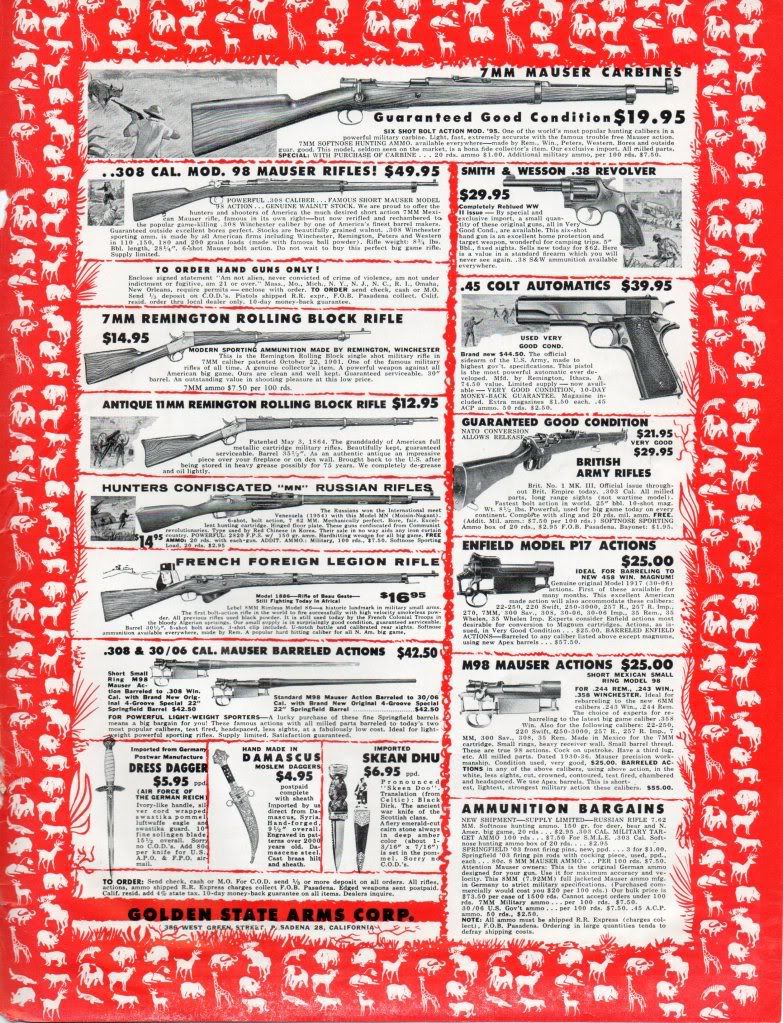 This just makes me sick looking at it!(Yeah I know this was before inflation really took off) But it seems that I was born too late.
Now I got into this just about when California really started into the massive anti gun control. When they had a store like it down in South El Monte. Where they had a huge number of Surplus rifles, odds & sods.
![Image result for Golden State Arms Co., Santa Fe Division [Pasadena, CA]](https://webpages.uidaho.edu/stratton/(T)Model.JPG)

![Image result for Golden State Arms Co., Santa Fe Division [Pasadena, CA]](http://www.m1carbinesinc.com/santafe2page.gif)

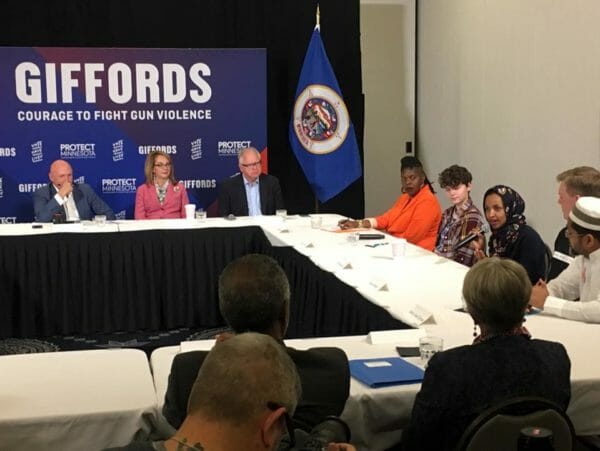 Mark Kelly and GabbyGiffords look on approvingly as Ilhan Omar explains how Americans can be made just as helpless and dependent on others as the people she left behind when her family fled murderous factions in Somalia. (Ilhan Omar for Congress Facebook photo)
U.S.A. – -(Ammoland.com)- “Ilhan Omar will be sworn into the U.S. House of Representatives at a time when liberal-leaning newcomers like her are pushing for more influence in shaping the party’s agenda,” the Star Tribune reports. The Congressional Progressive Caucus, “the largest voting bloc among House Democrats,” is turning up the pressure to wield more power and advance its agenda via committee assignments.
That should surprise no one. For all its phony egalitarian posturing, the overtly socialist wing of the Democrat party rejects the ultimate political power-sharing that can only be possible with an armed citizenry. As such, they embrace gun bans and due process-denying prior restraints. And that’s just what they admit to.
They have close ties to the Democratic Socialists of America, the domestic arm of Socialist International, which doesn’t reveal all of its cards, either. Case in point, they’d just as soon you not see their songs of solidarity (now only available via the Internet Archive) that include such inclusive lyrics as:
And when the revolution comes,
We’ll kill you all with knives and guns
So it’s also no surprise that “gun control legislation” is a priority for Omar. The Founders considered a citizen militia to be the one thing “necessary to the security of a free State.” She wants to render those citizens disarmed and thus incapable.
Some might find that curious considering Omar and her family were admitted to this country as refugees from Somalia. Rather than embracing the freedom that made America a place to run to, she’s intent on reshaping the Republic into something alien where all one can do against murderous factions is flee from them or die.
And she’s allegedly not above playing fast and loose with the rules to make the changes happen. Still unresolved are accusations of “using state resources and state staff time to conduct her private business activities” and reports of bigamy (with her brother) and immigration fraud, which she refuses to discuss and tries to dismiss by accusing those calling for answers of being racists and anti-Islamic.
Omar has been able to exploit manipulated demographic changes to obtain political power and thus puts a face on the ideological and cultural transformation that will ultimately prove to be the greatest threat against gun owner rights. Most in the “gun community leadership” ignore that and some even deny that observation, but none will present verifiable facts to refute it.
It’s not bigotry or xenophobia to observe that importing dependent populations with foreign political beliefs and making them “voting citizens” benefits disarmament-demanding political factions. It’s also self-evident that the Founders intended the Constitution “to secure the Blessings of Liberty to ourselves and our Posterity,” with all that implies about who gets admitted and what the expectations for them should be.
About David Codrea: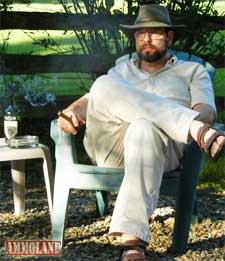
David Codrea is the winner of multiple journalist awards for investigating / defending the RKBA and a long-time gun owner rights advocate who defiantly challenges the folly of citizen disarmament.
He blogs at “The War on Guns: Notes from the Resistance,” is a regular featured contributor to Firearms News, and posts on Twitter: @dcodrea and Facebook.
One hell of a good looking scattergun, just look at the wood furniture on it!






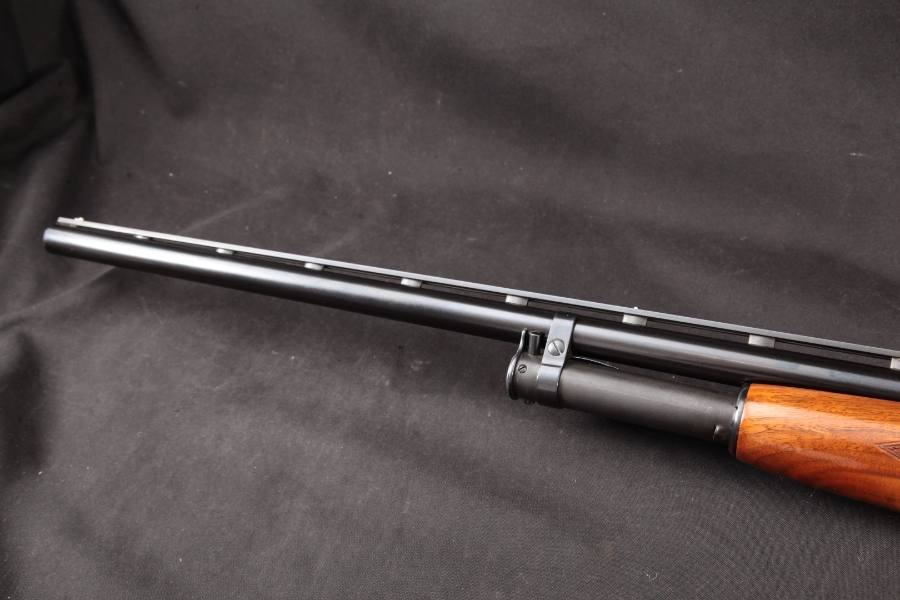
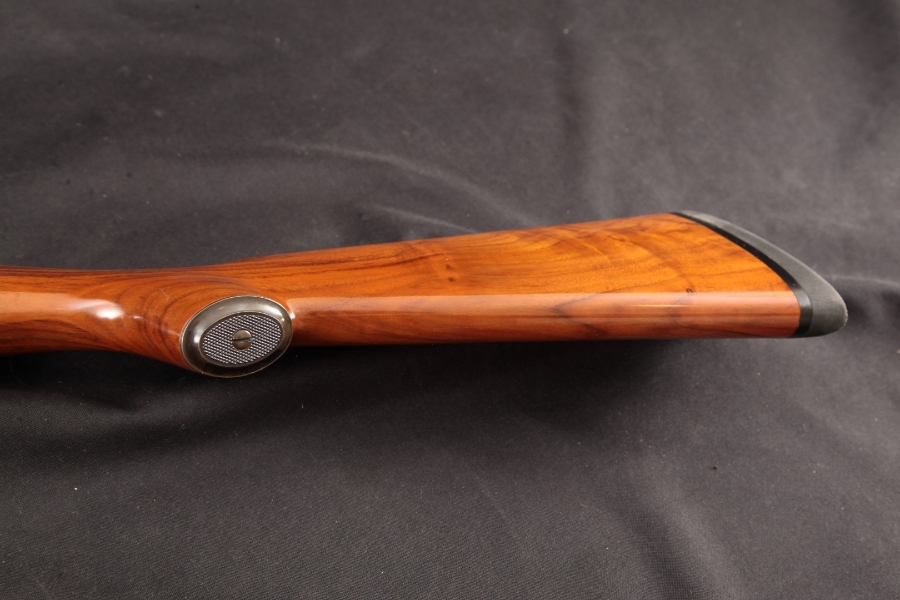



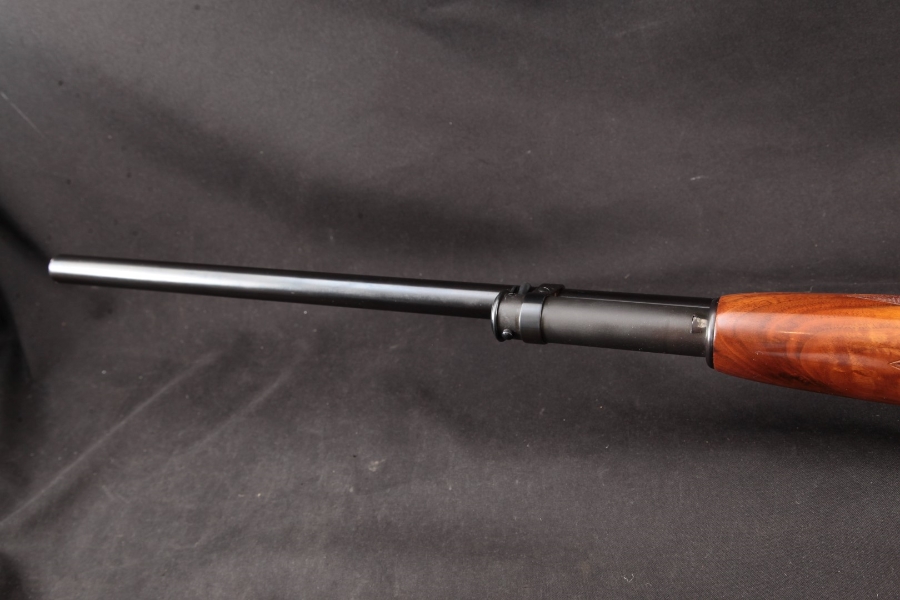
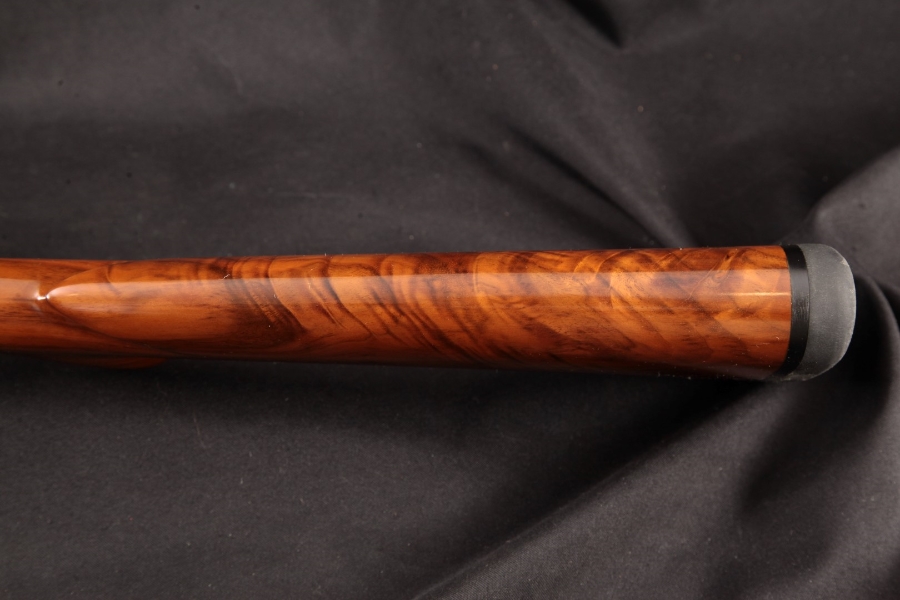
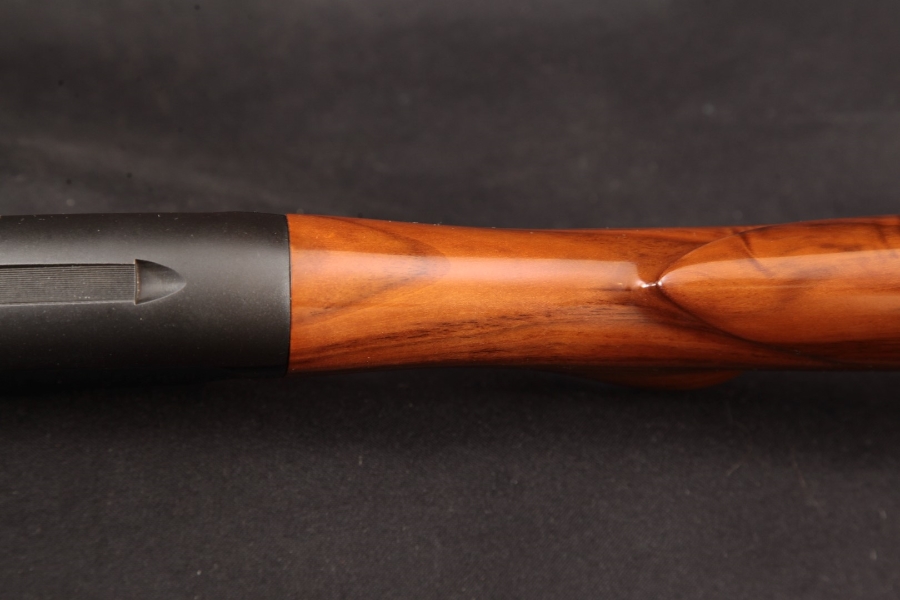
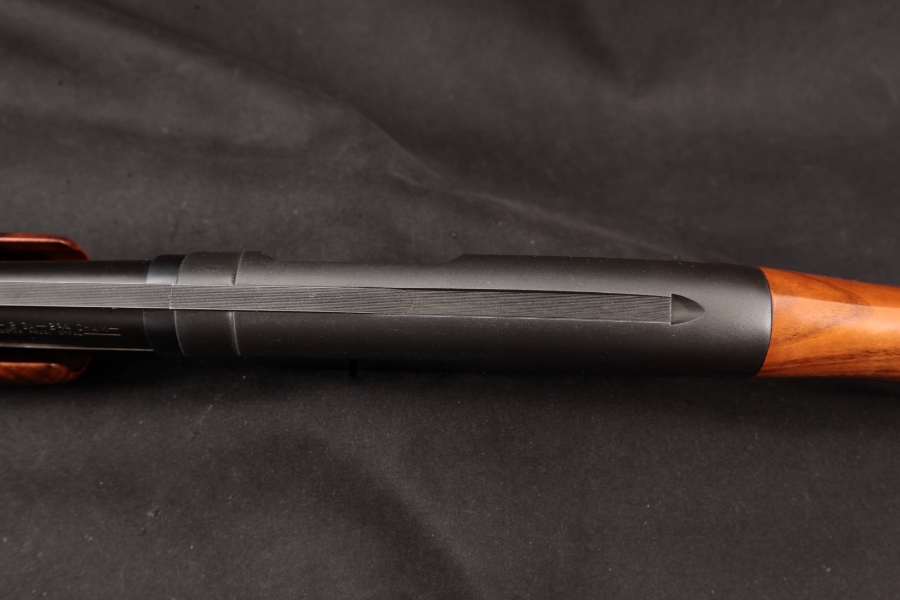

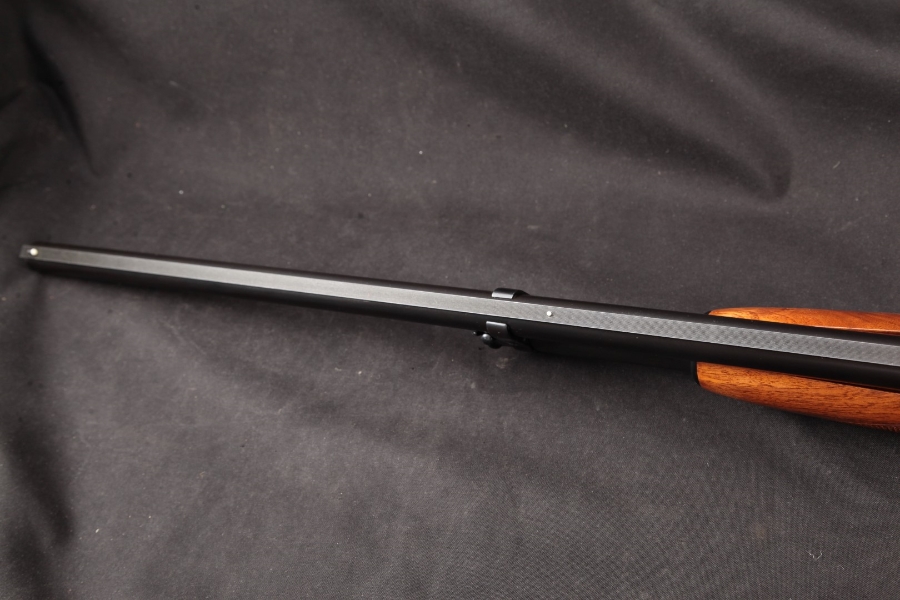

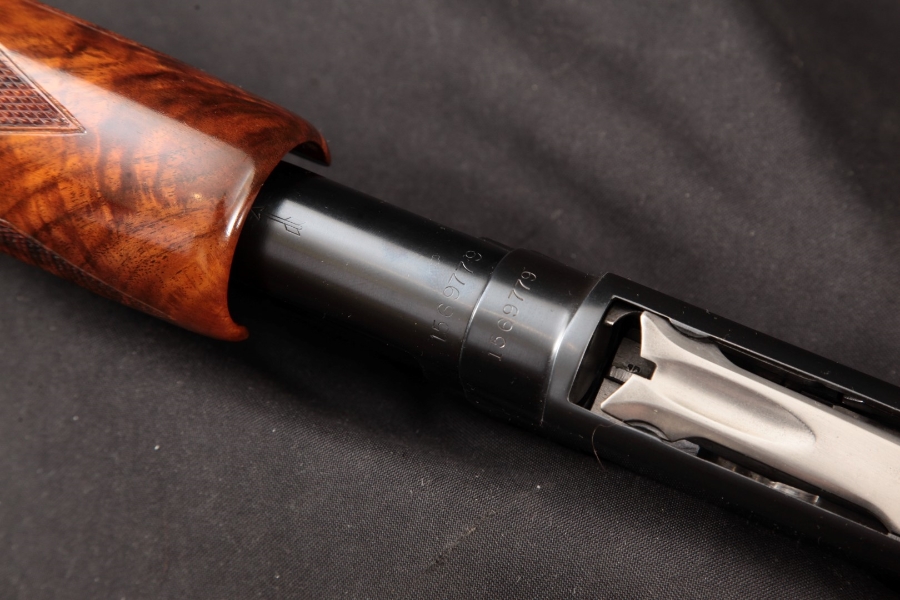

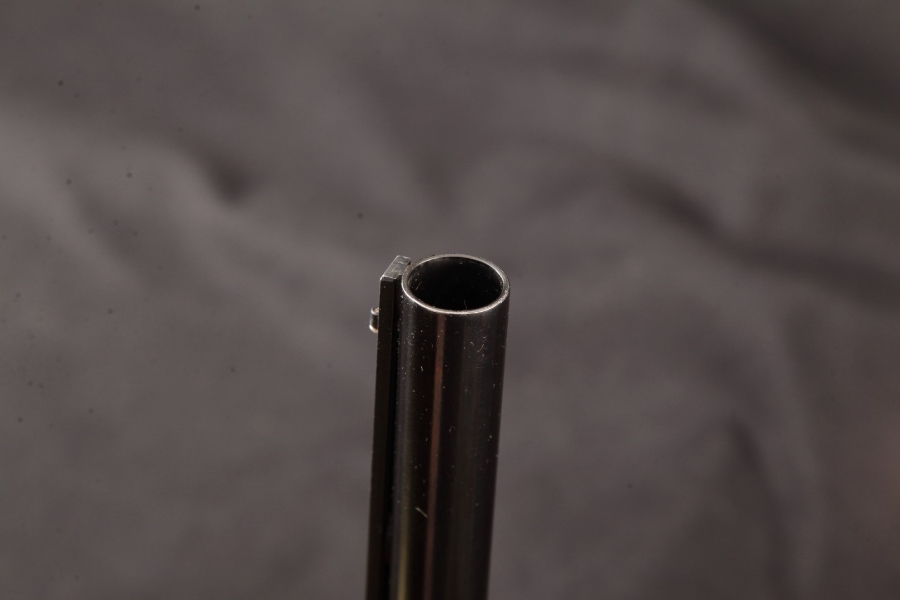
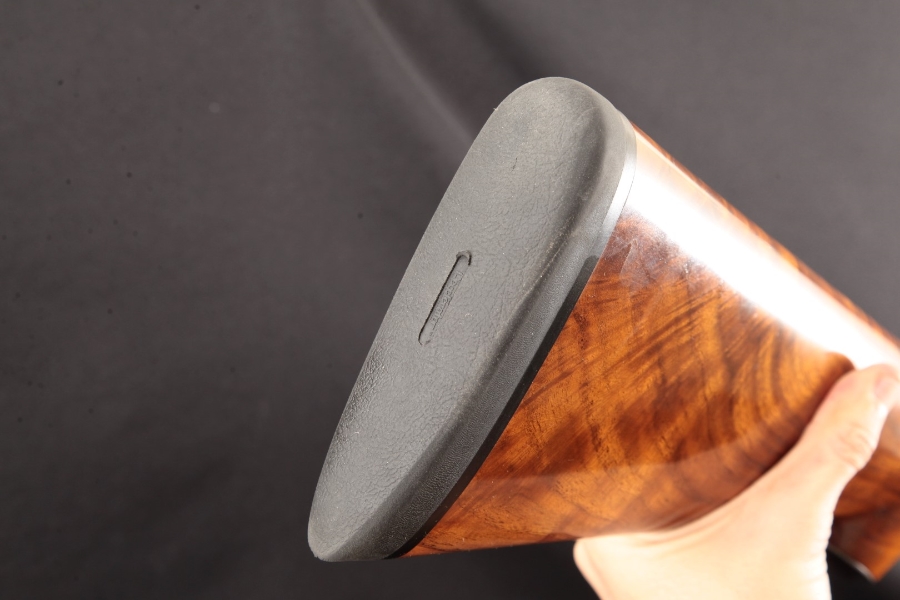
Coupled with the facts that this is probably one of the best series of shotguns ever made by Winchester. They are extremely well built & an absolute disaster for anything that gets in front of it. (It is deadly accurate in English for any Yankees out there!)
Categories
The once Great City of San Francisco
Night Fishing in San Francisco

Strolling the streets of San Francisco, the nation’s leading open air exhibition of failed social policies, never fails to instruct one in the infinite disabilities of social utopianism. Although large sections of this city still retain their charm in the far or middle distance — the swooping helicopter pan shot in from the Golden Gate; the brightly painted Cable Car cresting a backlit hilltop — most soon lose all charm in close-up.
Example: A clear and crisp dawn in a small side street near Laguna and Hayes. Plantings in all the window boxes, well but not fussily painted facades. A few, very small, very well kept front yards. Clean curtained windows.
All in all a pretty and quiet moment in the city’s morning. Then, between two of the cars on the street and a bulging shopping cart on the curb, I noticed a man who has obviously slept rough for at least 200 consecutive days turning in a slow pirouette and gazing intently at the ground. Then he lowered himself delicately down between an Audi and an SUV.
Seeing no real reason not to stroll on past, I did and noted that the man, pants to his ankles, was relieving his bowels. I was to see this behavior twice in a single day in San Francisco. And I was in the better neighborhoods.
In the course of a random walk of four hours through the most touristed sections of the city, this scene was only the most unhappily memorable of a serious of disturbing moments.
Perhaps they only disturbed because they were playing out against the postcards of my memories of San Francisco during the six years I had lived and worked there in the early 70s; against even deeper images of the city in the Summer of 1968.
Against memory any present day moment would pale as nostalgia took its toll. You’d be prepared, at the least, to be disappointed since feeling that the past is preferable to the present is a common human instinct.
What you’re not prepared to be is disturbed but yet not shocked. After all, you’ve read and heard about it for years. No matter. The actual San Francisco of the present is a clear reminder that the rap is not the territory.
The extent to which the homeless, the hard-core unemployed, the drunk and the addicted, and general shabby personalities of all kinds are deployed about the city is something to bring even the most hard-core liberal from elsewhere up short.
If the myriad policies and millions man-years of effort, coupled with untold billions of dollars in funding deployed in San Francisco over the last four decades have created the current visible result, something is seriously askew with the city’s basic social engineering.
It is as if the entire region has spent 40 years and 400 billion building a replica of the Golden Gate Bridge on Ocean Beach intending to span the Pacific. A good intention, but a city’s gotta know its limitations.
Strolling the streets of San Francisco
— past the blanket wrapped souls that sleep upright in bus shelters
— past the ad-hoc shanty towns of clustered shopping carts
— past lone men swaddled in sleeping bags on a stretch of stained concrete with only a fence and a warning between them and a few meager blades of grass
— gives one a deep sense of unease and unmitigated tragedy after the 20th exposure. After the 50th they all just fade into the background body count, one more item of the city’s detritus
— sudden sirens, condom stuffed litter sloshed about by the wet wind, hysterical graffiti, crass billboard ads announcing yet another source of 24 hour lap dancing, blather of schizophrenic panhandlers; all just part of San Francisco’s rich tapestry of diversification through stupefaction.
Seeing so many driven so low
— and this in what still passes as ”the better neighborhoods”
— you have to wonder what happened to, and what is still happening to, the billions of public funds being compulsively shoved at this problem. Where has the money and time and good intentions all gone? Where, indeed, have all the flowers gone?
The best that can be said is that tsunami of free money has provided lifetime employment in various government and private agencies for those who would otherwise be part of the problem they have sworn to solve.
Although it is commonly thought that poverty creates homelessness, it is also as correct to say that agencies set up to combat homelessness have a deep and abiding interest in preserving homelessness.
This interest and these agencies are now such a permanent feature of our government that there is virtually no chance of disbanding or eliminating them. Ever.
The best that can be done is to slow, if possible, the growth of their funding since increased funding primarily swells the size of their employee pool and thus perpetuates and enhances their power.
A cynical person might believe that THISF ( “The Homeless Industry of San Francisco)”, which recently merged with the Free Schizophrenics Movement (FSM), exists not to curtail suffering but to expand its scope.
After all, were the number of the homeless to actually diminish in San Francisco, the number of those serving the insatiable needs of this group would also be expected to fall.
A cynical person would believe that an institutionalized, unionized group with excellent benefits and a fine pension plan would never knowingly d o anything that would lower its customer base.
Indeed, it would be much more likely to make the description of its customer increasingly complex so that ever more people would be discovered to be lacking in basic social services.
A cynical person would believe that the industry’s customer base in San Francisco was booming. Booming to the extent that this year, and the next, and the years that come after the years after, the nation, state and city will all require more and more money from the citizens to continue to not solve homelessness.
But I am not that cynical person. I see hope in the small things, the little signs on the street that not all the homeless wish to remain so; that some of them still possess the classic American entrepreneurial spirit.
Example: At night in the same day as dawn above. I am walking down Laguna Street towards Hayes with an old friend. We have just been to a party and to drinks after and are feeling very in charge of the night. As we walk down the block I can see we are coming up on a parking lot behind a chain-link, razor-wire capped fence. I notice something odd in the fence.
When we get up to it I can see it is a used — very used — fishing rod of uncertain vintage and battered aspect. Instead of fishing line, rough brown twine comes up through the line loops on the rod and dangles down from the tip about 11 feet above the sidewalk.
On the end of the twine, is a used — very used — large Starbucks coffee cup. The twine is very carefully woven into the lip of the cup. On the cup itself a grimy 3×5 card is taped. Printed on the card in hasty letters is the word “Please.”
That’s it. Just hanging there in the middle of the block panhandling for its owner well out of standard pan handling hours. We glance inside and it’s working. There’s about three dollars in change at the bottom.
Cynical men would have emptied it out to feed the parking meters for their Escalades. Not having Escalades we just chipped in and strolled on by.
Still, it was nice to know that somewhere in the vast and increasing army of the homeless now occupying The Streets of San Francisco was at least one soul who pushed aside total dependency and chose, instead, innovation in his or her chosen field of endeavor.
You’d think that the vast apparatus that exists to keep people from begging on the street could learn a bit about begging from this constituent. But then again, why should they? Getting more money to do less from San Franciscans these days is like shooting fish in a barrel; a large barrel and a lot of very fat-headed fish.