


I have one of these and it’s a fine little pistol. I thought at first that it would have a nasty recoil. But I was wrong about that.
But it does have a sharp report (Noise) when I squeeze one off.
Also it printed out a very nice pattern at about 12 feet on paper at least for me. Just do NOT use Plus P ammo in it as it was NOT designed for it!
None the less I am very happy that I bought it when I had a chance. As it is a fine walking around gun.
Categories
I have seen this stunt pulled too!


Zorba the Greek (film)
| Zorba the Greek | |
|---|---|

Original film poster
|
|
| Directed by | Michael Cacoyannis |
| Produced by | Michael Cacoyannis |
| Screenplay by | Michael Cacoyannis |
| Based on | Zorba the Greek by Nikos Kazantzakis |
| Starring |
|
| Music by | Mikis Theodorakis |
| Cinematography | Walter Lassally |
| Edited by | Michael Cacoyannis |
| Distributed by | Twentieth Century-Fox |
|
Release date
|
|
|
Running time
|
142 minutes[1] |
| Country |
|
| Language |
|
| Budget | $783,000[2] |
| Box office | $23.5 million |
Zorba the Greek (Greek: Αλέξης Ζορμπάς, Alexis Zorba(s)) is a 1964 British-Greek comedy-drama film written, produced, edited, and directed by Cypriot Michael Cacoyannis and starring Anthony Quinn as the title character. Based on the 1946 novel of the same name by Nikos Kazantzakis, the film’s cast includes Alan Bates, Lila Kedrova, Irene Papas, and Sotiris Moustakas.
Contents
[hide]
Plot[edit]
Basil is a half-English, half-Greek writer raised in Britain who bears the hallmarks of an uptight, middle-class Englishman. He is waiting at the Athens port of Piraeus on mainland Greece to catch a boat to Crete when he meets a gruff, yet enthusiastic Greek Macedonian peasant and musician named Zorba. Basil explains to Zorba that he is traveling to a rural Cretanvillage where his father owns some land, with the intention of reopening a lignite mine and perhaps curing his writer’s block. Zorba relates his experience with mining and convinces Basil to take him along.
When they arrive at Crete, they take a car to the village where they are greeted enthusiastically by the town’s impoverished peasant community. They stay with an old French war widow and courtesan named Madame Hortense in her self-styled “Hotel Ritz”. The audacious Zorba tries to persuade Basil into making a move on the much older Madame Hortense, but when he is understandably reluctant, Zorba seizes the opportunity, and they form a relationship.
Over the next few days, Basil and Zorba attempt to work the old lignite mine, but find it unsafe and shut it down. Zorba then has an idea to use the forest in the nearby mountains for logging (although his specific plan is left ambiguous), however the land is owned by a powerful monastery, so Zorba visits and befriends the monks, getting them drunk. Afterwards, he comes home to Basil and begins to dance in a way that mesmerizes Basil.
Meanwhile, Basil and Zorba get their first introduction to “the Widow”, a young and attractive widowed woman, who is incessantly teased by the townspeople for not remarrying, especially to a young, local boy who is madly in love with her, but whom she has spurned repeatedly. One rainy afternoon, Basil offers her his umbrella, which she reluctantly takes. Zorba suggests that she is attracted to him, but Basil, ever shy, denies this and refuses to pursue the widow.
Basil hands Zorba some money, and sends him off to the large town of Chania, where Zorba is to buy cable and other supplies for the implementation of his grand plan. Zorba says goodbye to Basil and Madame Hortense, who is by now madly in love with him. In Chania, Zorba entertains himself at a cabaret and strikes up a brief romance with a much younger dancer. In a letter to Basil, he details his exploits and indicates that he has found love. Angered by Zorba’s apparent irresponsibility and the squandering of his money, Basil untruthfully tells Madame Hortense that Zorba has declared his love to her and intends to marry her upon his return – to which she is ecstatic to the point of tears. Meanwhile, the Widow returns Basil’s umbrella by way of Mimithos, the village idiot.
When Zorba eventually returns with supplies and gifts, he is surprised and angered to hear of Basil’s lie to Madame Hortense. He also asks Basil about his whereabouts the night before. That night, Basil had gone to the Widow’s house, made love to her and spent the night. The brief encounter comes at great cost. A villager catches sight of them, and word spreads, and the young, local boy who is in love with the Widow is taunted mercilessly about it. The next morning, the villagers find his body by the sea, where he has drowned himself out of shame.
The boy’s father holds a funeral which the villagers attend. The widow attempts to come inconspicuously, but is blocked from entering the church. She is eventually trapped in the courtyard, then beaten and stoned by the villagers, who hold her responsible for the boy’s suicide. Basil, meek and fearful of intervening, tells Mimithos to quickly fetch Zorba. Zorba arrives just as a villager, a friend of the boy, tries to pull a knife and kill the widow. Zorba overpowers the much younger man and disarms him. Thinking that the situation is under control, Zorba asks the Widow to follow him and turns his back. At that moment, the dead boy’s father pulls his knife and cuts the widow’s throat. She dies at once, as the villagers shuffle away apathetically, whisking the father away. Only Basil, Zorba and Mimithos show any emotion over her murder. Basil proclaims his inability to intervene whereupon Zorba laments the futility of death.
On a rainy day, Basil and Zorba come home and find Madame Hortense waiting. She expresses anger at Zorba for making no progress on the wedding. Zorba conjures up a story that he had ordered a white satin wedding dress, lined with pearls and adorned with real gold. Madame Hortense presents two golden rings she had made and proposes their immediate engagement. Zorba tries to stall, but eventually agrees with gusto, to Basil’s surprise.
Some time later, Madame Hortense has contracted pneumonia, and is seen on her deathbed. Zorba stays by her side, along with Basil. Meanwhile, word has spread that “the foreigner” is dying, and since she has no heirs, the State will take her possessions and money. The desperately poor villagers crowd around her hotel, impatiently waiting for her demise so they can steal her belongings. As two old ladies enter her room and gaze expectantly at her, other women try to enter, but Zorba manages to fight them off. At the instant of her death, the women re-enter Madame Hortense’s bedroom en masseto steal her valued possessions. Zorba leaves with a sigh, as the hotel is ransacked and stripped bare by the shrieking and excited villagers. When Zorba returns to Madame Hortense’s bedroom, the room is barren apart from her bed (where she lies) and the bird in her cage. Zorba takes the birdcage with him.
Finally, Zorba’s elaborate contraption to transport timber down the hill is complete. A festive ceremony, including lamb on a spit is held, and all the villagers turned out. After a blessing from the priests, Zorba signals the start by firing a rifle in the air. A log comes hurtling down the zip line at a worrying pace, destroying the log itself and slightly damaging part of the contraption. Zorba remains unconcerned and gives orders for a second log. This one also speeds down and shoots straight into the sea. By now the villagers and priests have grown fearful and head for cover. Zorba remains unfazed and orders a third log, which accelerates downhill with such violence that it dislodges the entire contraption, destroying everything. The villagers flee, leaving Basil and Zorba behind.
Basil and Zorba sit by the shore to eat roasted lamb for lunch. Zorba pretends to tell the future from the lamb shank, saying that he foresees a great journey to a big city. He then asks Basil directly when he plans to leave, and Basil replies that he will leave in a few days. Zorba declares his sadness about Basil’s imminent departure to England and tells Basil that he is missing madness. Basil asks Zorba to teach him to dance. Zorba teaches him the sirtaki and Basil begins to laugh hysterically at the catastrophic outcome. The story ends with both men enthusiastically dancing the sirtaki on the beach.
Cast[edit]
- Anthony Quinn as Alexis Zorba (Αλέξης Ζορμπάς), a fictionalized version of the mine worker, George Zorbas (Γιώργης Ζορμπάς 1867–1942).[3]
- Alan Bates as Basil
- Irene Papas as Widow
- Lila Kedrova as Madame Hortense
- Sotiris Moustakas as Mimithos
- Anna Kyriakou as Soul
- Eleni Anousaki as Lola
- George Voyadjis as Pavlo
- Takis Emmanuel as Manolakas
- George Foundas as Mavrandoni
- Pia Lindström (deleted scenes) as Peasant girl
- George P. Cosmatos as acne-faced boy
Categories
Dear Santa…..

Categories
Always a Bad Idea!

Categories
Dear Santa, I WANT ONE!!!! Grumpy
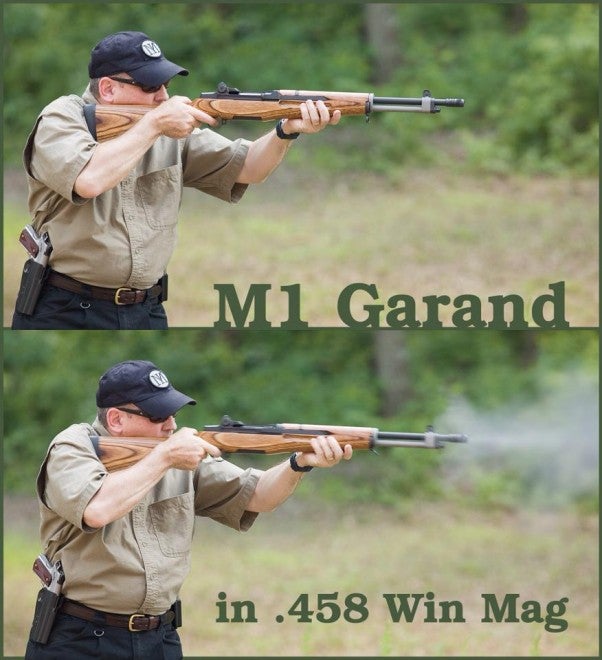
Back in early 2000’s, McCann Industries (known for their M1 Garand Gas Trap Adjuster) manufactured an M1 Garand in .458 Winchester Magnum.
Not made anymore after the passing of McCann’s primary gunsmith, the rifles are a fine example of ingenuity and practicality applied to big-game hunting.
At first, I flinched just thinking about it, but the few videos of it shooting shed some light on how this big-game cartridge is tamed.
While the base rifle was identical, McCann added an aggressive muzzle brake and a mercury cylinder to the stock to absorb and deflect the recoil.
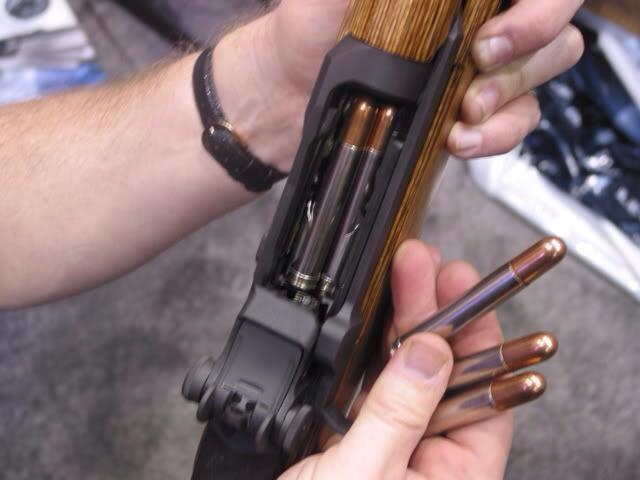
Not made anymore after the passing of McCann’s primary gunsmith, the rifles are a fine example of ingenuity and practicality applied to big-game hunting.
At first, I flinched just thinking about it, but the few videos of it shooting shed some light on how this big-game cartridge is tamed.
While the base rifle was identical, McCann added an aggressive muzzle brake and a mercury cylinder to the stock to absorb and deflect the recoil.
This poor thing obviously has seen some really hard service over the years.
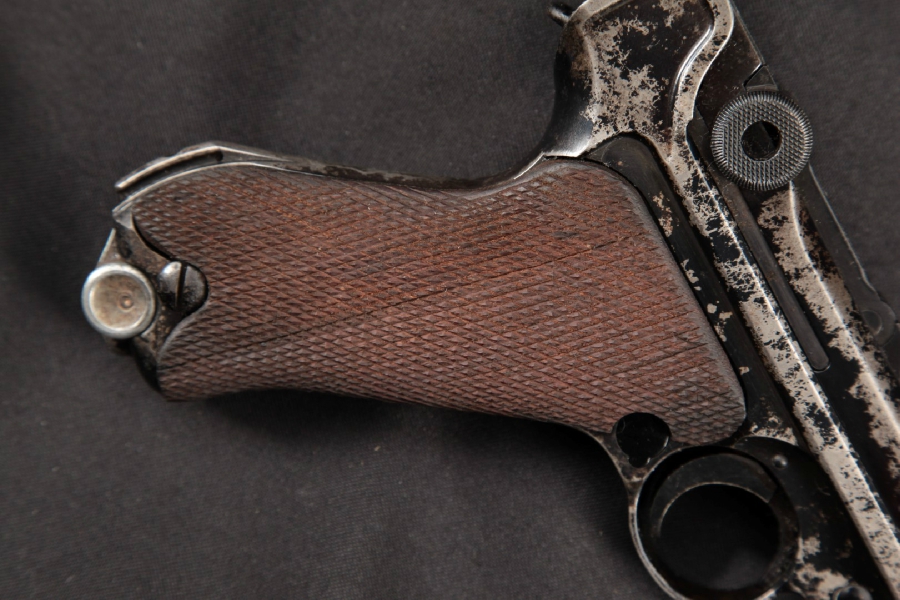
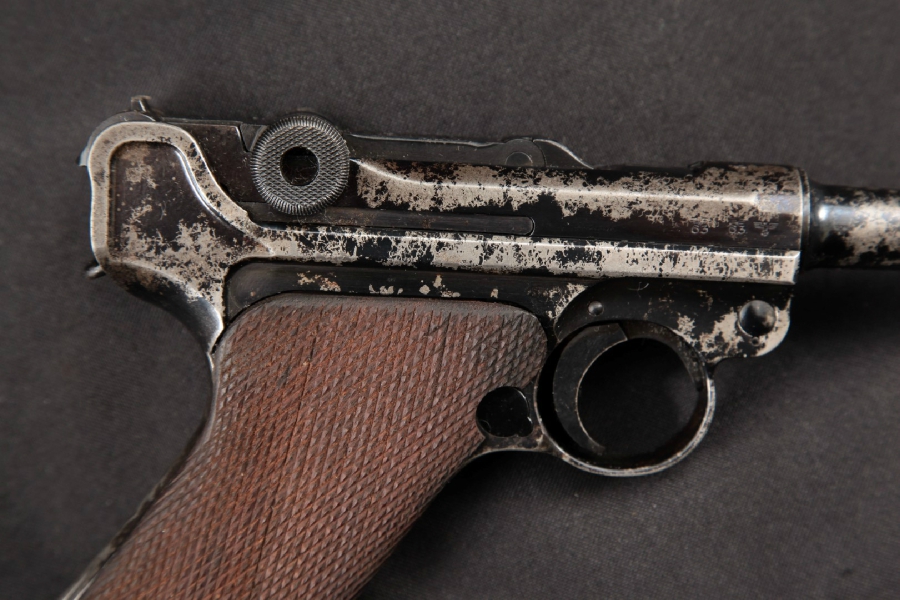
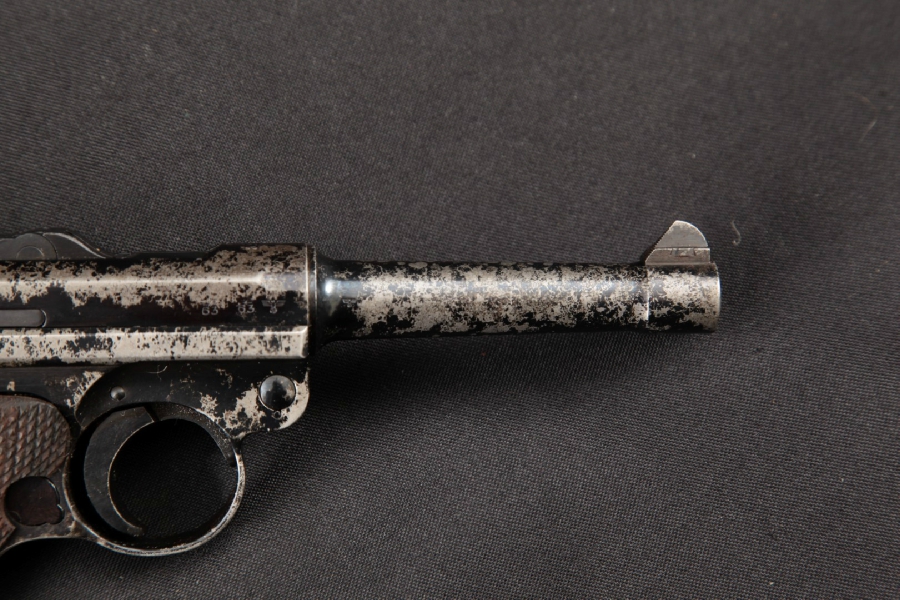
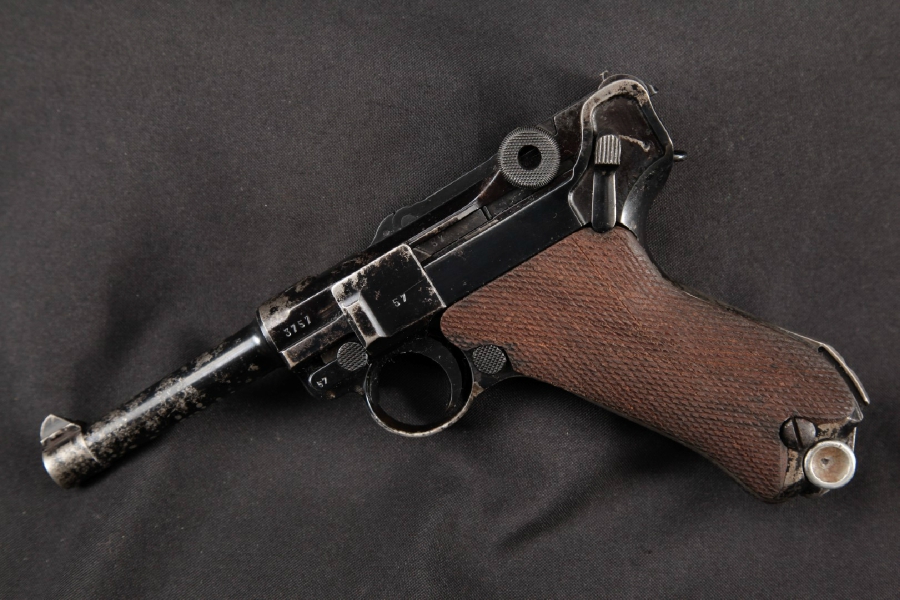
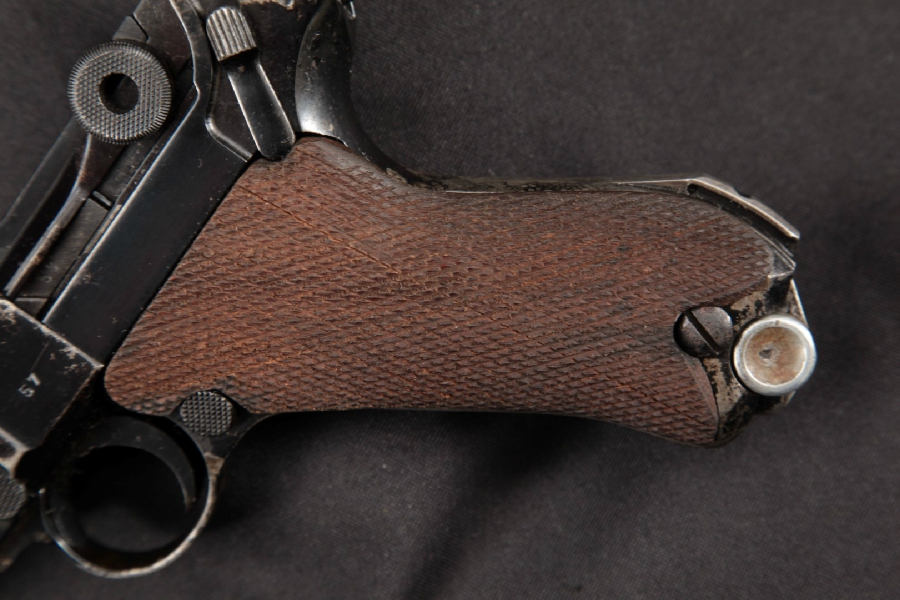
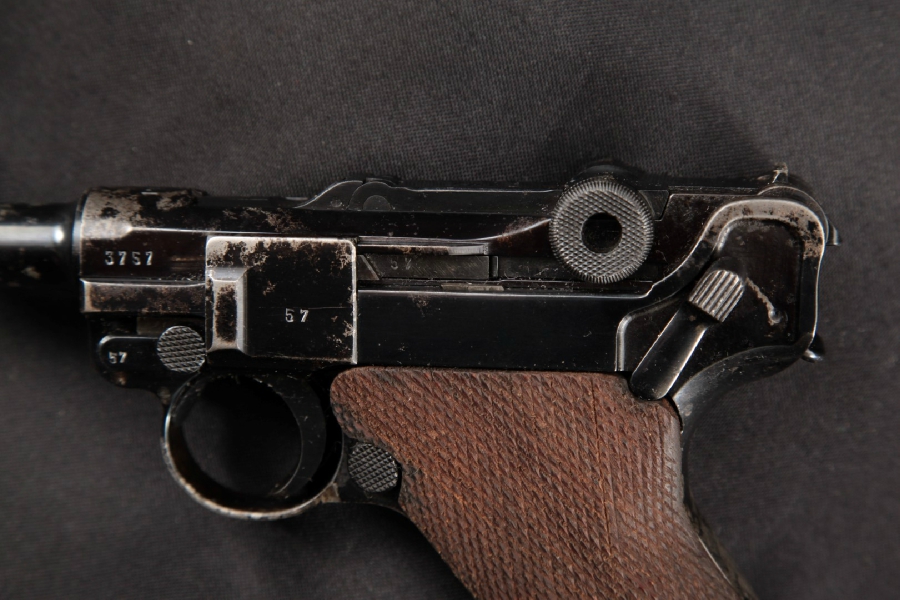
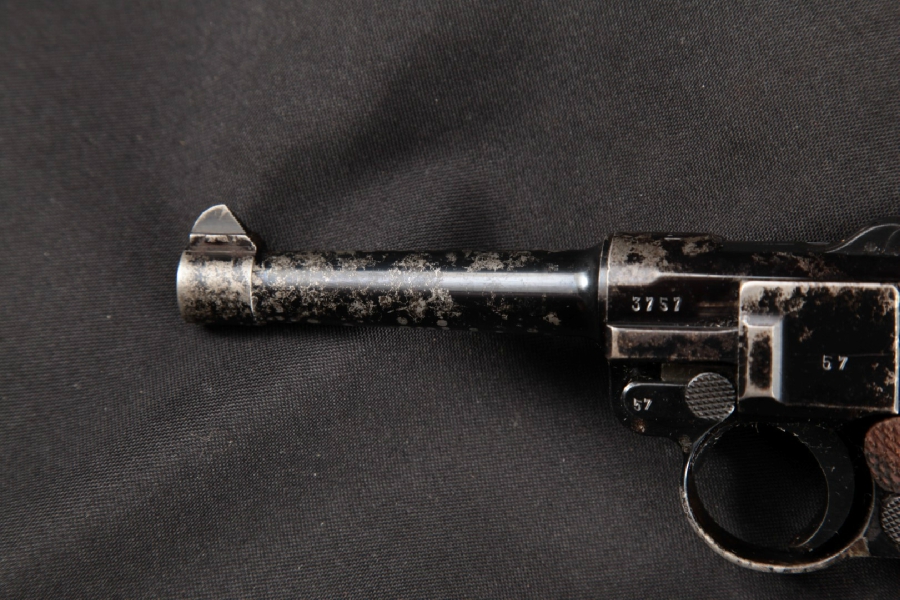
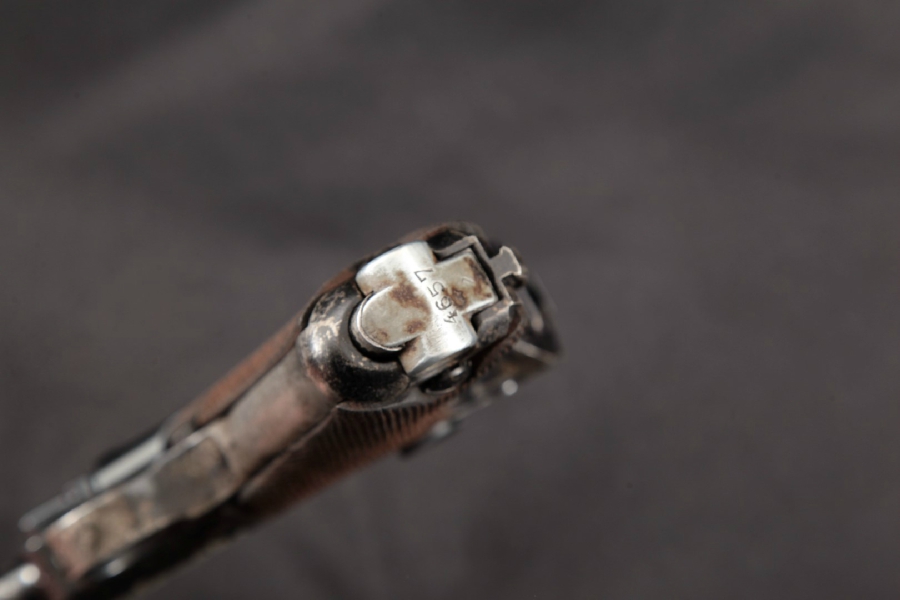
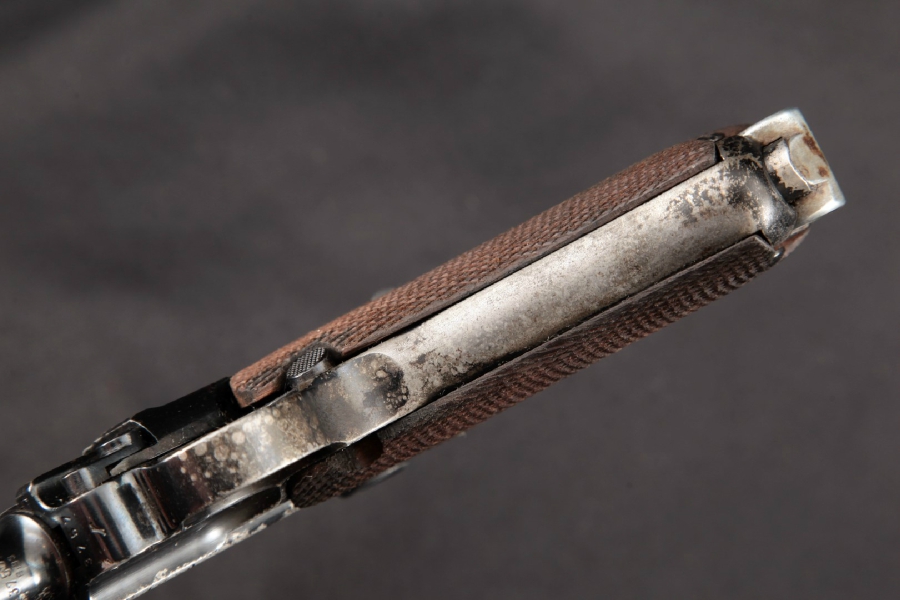
This gun also just goes to show us. The following, that guns are pretty tough and that the Germans just love stamping numbers on every part that the can.
I have been saving a few of these photos for a while. So I think that now is a good time to share them .
I hope that you like them!
Grumpy


I think that this a Drilling Gun


Your Best Hunting Partner!


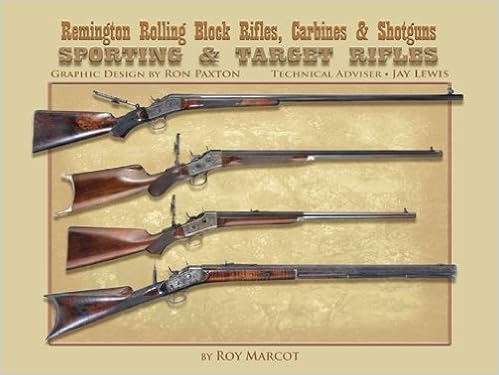
After the War between the States ended for the time being. A lot of Gun companies went belly up due to canceled Government contracts & demands.

For example – The US Army shrunk from over a Million men in 1865 to less than 40,000 in less than a couple of years. But then that was when we had some adults in the Government. Who took the Federal Budget as serious business.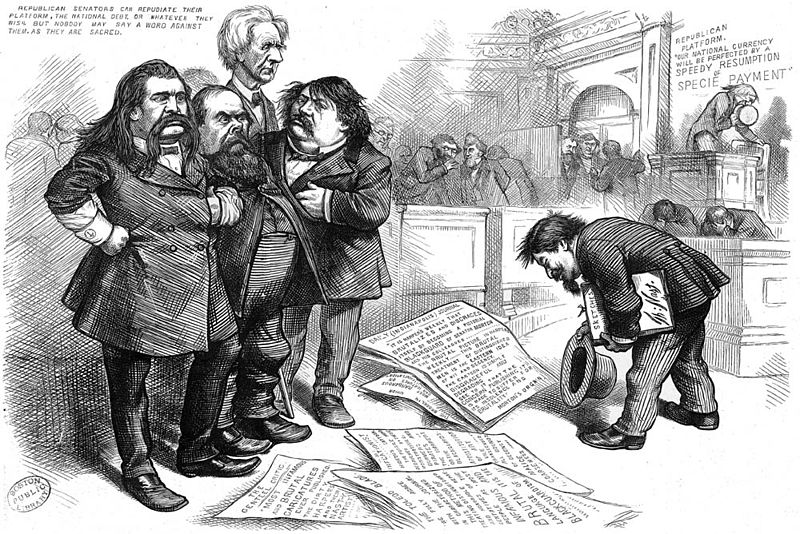

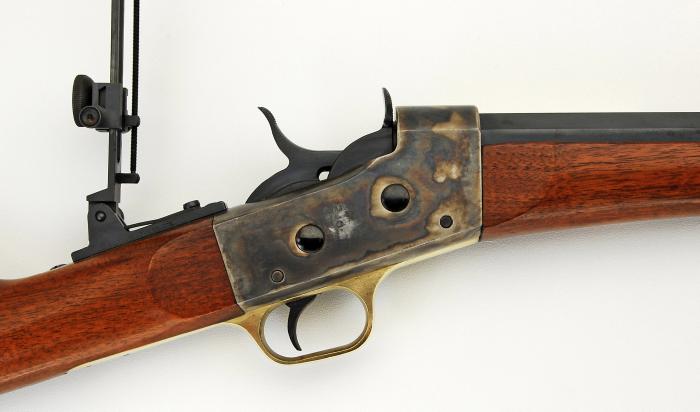
So what to do? Well Remington got very lucky and came up with the rolling block rifle / pistol. Heres some stuff about this tough, accurate gun.



Attachments area

Remington Rolling Block rifle
| Remington Rolling Block rifle | |
|---|---|
.jpg) |
|
| Type | Rolling block rifle |
| Place of origin | United States |
| Service history | |
| In service | 1867–1918[citation needed] |
| Wars | American Indian Wars, Franco-Prussian War, Russo-Turkish War, War of the Pacific, Philippine Revolution, Philippine-American War, Mexican Revolution, World War I, Italo-Turkish War |
| Production history | |
| Designed | 1864 |
| Manufacturer | Remington Arms Company |
| Specifications | |
| Weight | 9.25 lb (4.20 kg) |
| Length | 50.4 in (1,280 mm) to 53.3 in (1,350 mm) |
| Barrel length | 35.7 in (910 mm) to 37.4 in (950 mm) |
|
|
|
| Cartridge | .58 Berdan .50-70 .50-45 Carbine 12.7×45mmR Pontificio 12.17×42 mm RF 12.17×44mmR .45-70 .43 Spanish .43 Egyptian 10.15×61mmR 8×58mmR Danish Krag 8×50mmR .303 British 7.65×53mm Argentine .30-40 Krag 7.62×54mmR .30 Remington 7×57mm Mauser 6.5mm Daudeteau No. 12 .236 Remington 11 mm Danish Various Target/Sporting/Hunting Calibers |
| Action | Rolling block, Breech-loading, single-shot |
| Sights | Rear ramp & leaf sight, blade front sight |
The Remington Rolling Block rifle was a breech-loading rifle produced from the mid-1860s into the early 20th century by E. Remington and Sons (later Remington Arms Company). The action was extremely strong, and could easily withstand the increased pressure of the new smokeless powders coming into use by the late 1880s.
It was made in a variety of calibers, both rimfire and centerfire, including the 12.17×42 mm rimfire, 12.17×44 mm rimfire and 12.17×44 mm rimmed centerfire Swedish and Norwegian cartridges, .43 Spanish (11.15x58mmR), .50-70, .40-70, .45-70, and later in .22 caliber. Later models were produced in .30-06 Springfield, 7×57mm Mauser, and 8×50mmR Lebel.
Service rifle[edit]
In 12.17x42mmRF and 12.18x44mmRF (two cartridges that were interchangeable), and towards the end of its service life also 8x58mmR Danish Krag centerfire, it served as the standard service rifle of the Swedish Army from 1867 to the mid-1890s (when it was replaced by the Swedish Mauser) and in Norway as the standard service rifle from 1867 to the mid-1880s (when it was replaced by the M1884 Jarmann). In .43 Spanish it was the chief service arm of the Spanish Army from 1870–1893, and was used by reserve and militia forces for many years thereafter. Many Rolling Block rifles were used by Argentina before being replaced in 1891 by the new 7.65mm Mauser, and were also widely used by Egypt and Mexico. The Remington rolling block also became the standard service rifle of the Danish Army. During the Franco-Prussian War, France acquired 210,000 Rolling Block rifles to make up for a shortage of the standard-issue Chassepot.[1]

Remington Rolling-Block breech
Sweden and Norway (at that time in a union, the United Kingdoms of Sweden and Norway) adopted the rifle in 1867, being among the very first nations to adopt the Remington rolling block as their standard military rifle, and large numbers of Remington rolling block rifles and carbines were produced under license in Sweden and Norway. Around 250,000 military rifles and carbines and 85,000 civilian rifles in Sweden, were produced by Carl Gustafs Stads Gevärsfaktori (a government arsenal) and Husqvarna Vapenfabriks Aktiebolag, and about 53,000 military rifles in Norway by Kongsberg Vaapenfabrik.
During World War I, the British Royal Navy purchased 4,500 Rolling Block rifles in 7mm Mauser from Remington’s leftover stock after production had ended, issuing them to the crews of minesweepers and Q-ships.[2] In November 1914, production of the Rolling Block was resumed, in the form of a French contract for rifles in 8×50mmR Lebel, designated by France as “Fusil Remington modèle 1914”. 100,291 such rifles were delivered by 1916, and used to equip rear-line troops.[3]
Civilian use[edit]
Along with the Sharps rifle it was one of two rifles probably used more than any other by the buffalo hunters who hunted the American bison herds in the 1870s and 1880s.
Civilian Remington rolling block rifles, and later surplus military rifles, became very popular among hunters in Scandinavia, particularly for moose hunting, with ammunition for the rifles being commonly available on the civilian market into the 1920s-1930s.
Military users[edit]
 Argentina[1]
 Austria-Hungary[1]
 Belgium
 Brazil[1]
 Canada
 Chile[1]
 China[1]
 Colombia[1]
 Cuba[1]
 Denmark[1] ( 1867-1889 )
 Dominican Republic[1]
 Khedivate of Egypt[1]
 El Salvador[1]
 France[1]
 Kingdom of Greece[1]
 Guatemala
 Haiti
Haiti Honduras[1]
 Persia[1]
 Kingdom of Italy[1]
 Jamaica
 Japan[1]
 Mexico[1]
 Monaco: Compagnie des Carabiniers du Prince[4]
 Netherlands[1]
 Nicaragua
 Norway[1]
 Panama
 Papal States[1]
 Paraguay
 Peru[1]
 Puerto Rico[1]
 Philippines (1899): Katipunan[1]
 Spain[1]
 Sweden[1]
 United Kingdom[1]
 United States[1]
 Uruguay[1]
 Trinidad and Tobago
 Venezuela
 Yemen
Yemen
