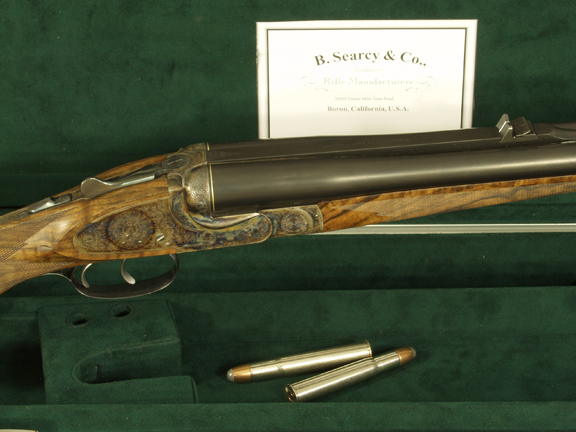

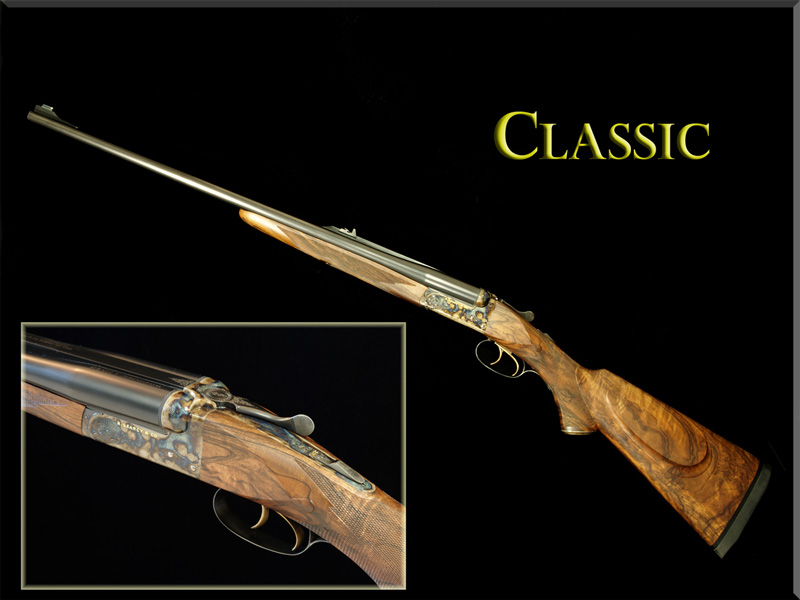
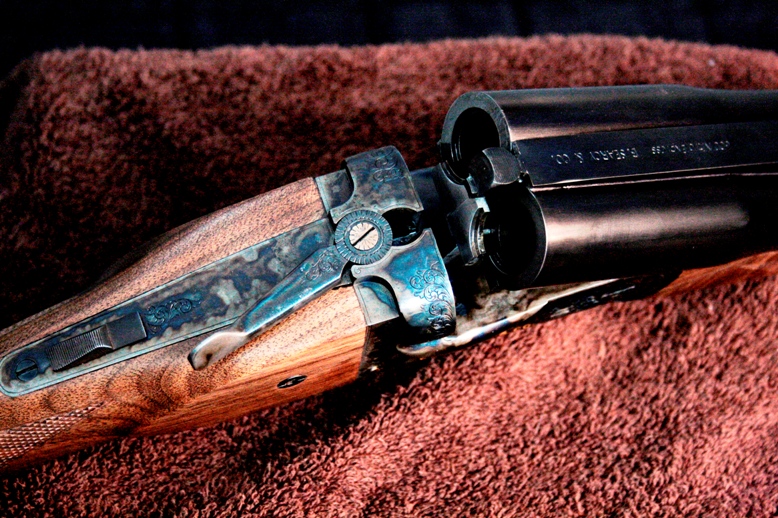
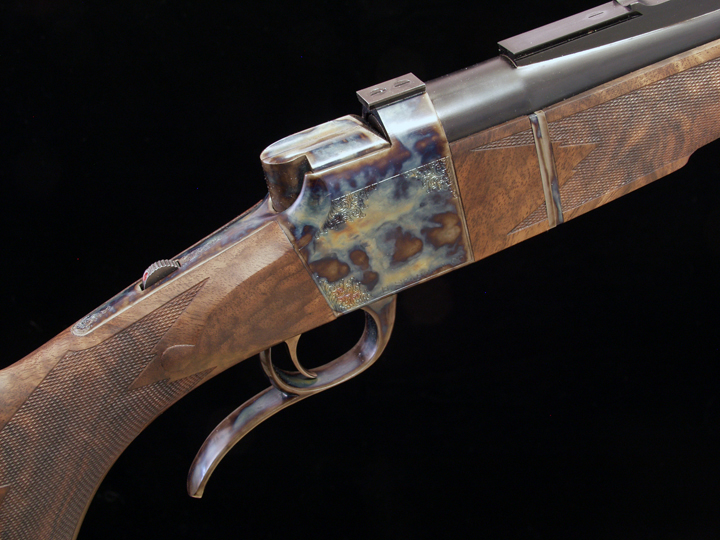
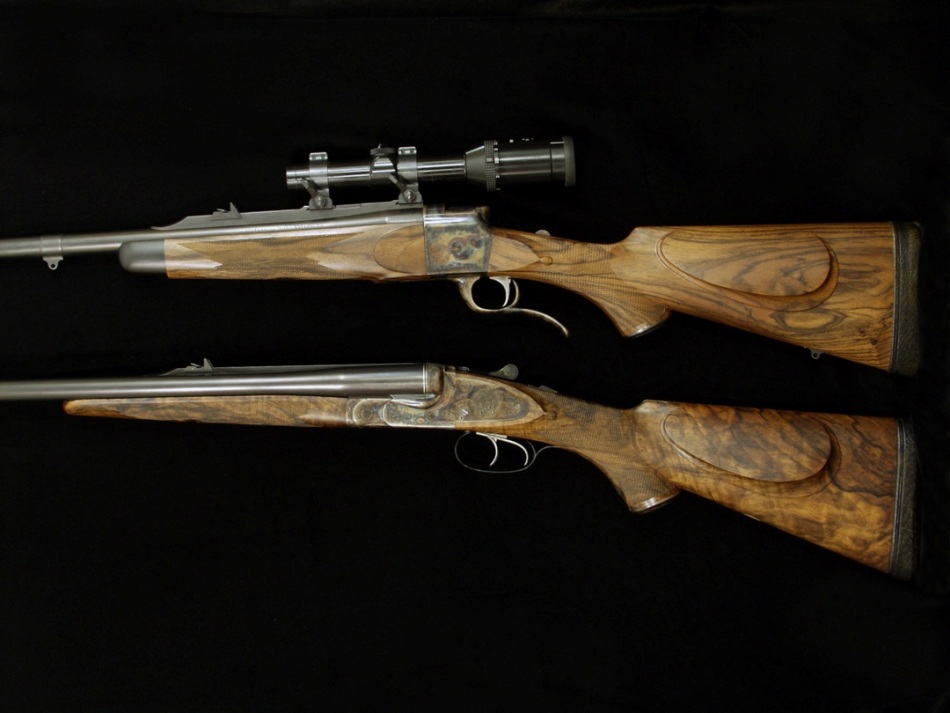
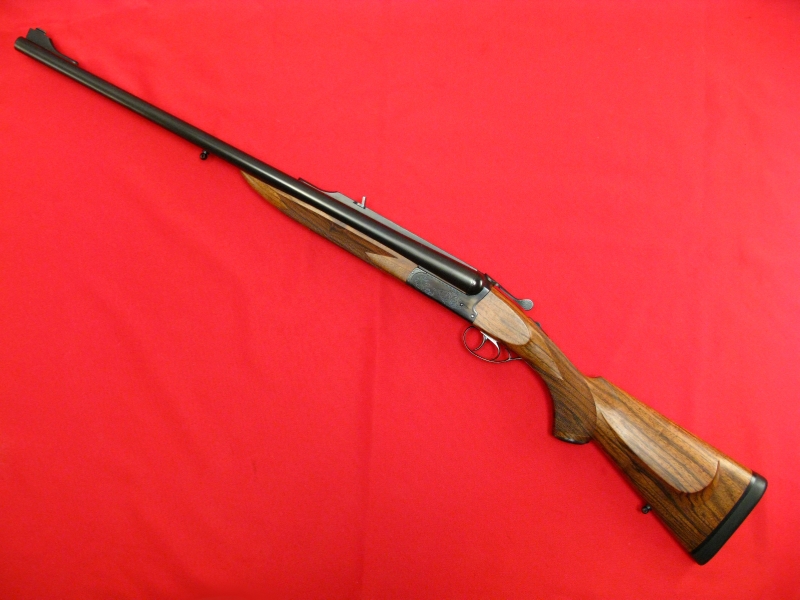
In my humble opinion this is some just fantastic work here. That & this outfit is located here in the High Deserts of California! I gotta get up there one day.
Categories
In my humble opinion this is some just fantastic work here. That & this outfit is located here in the High Deserts of California! I gotta get up there one day.
I never heard of this rifle before now! Grumpy
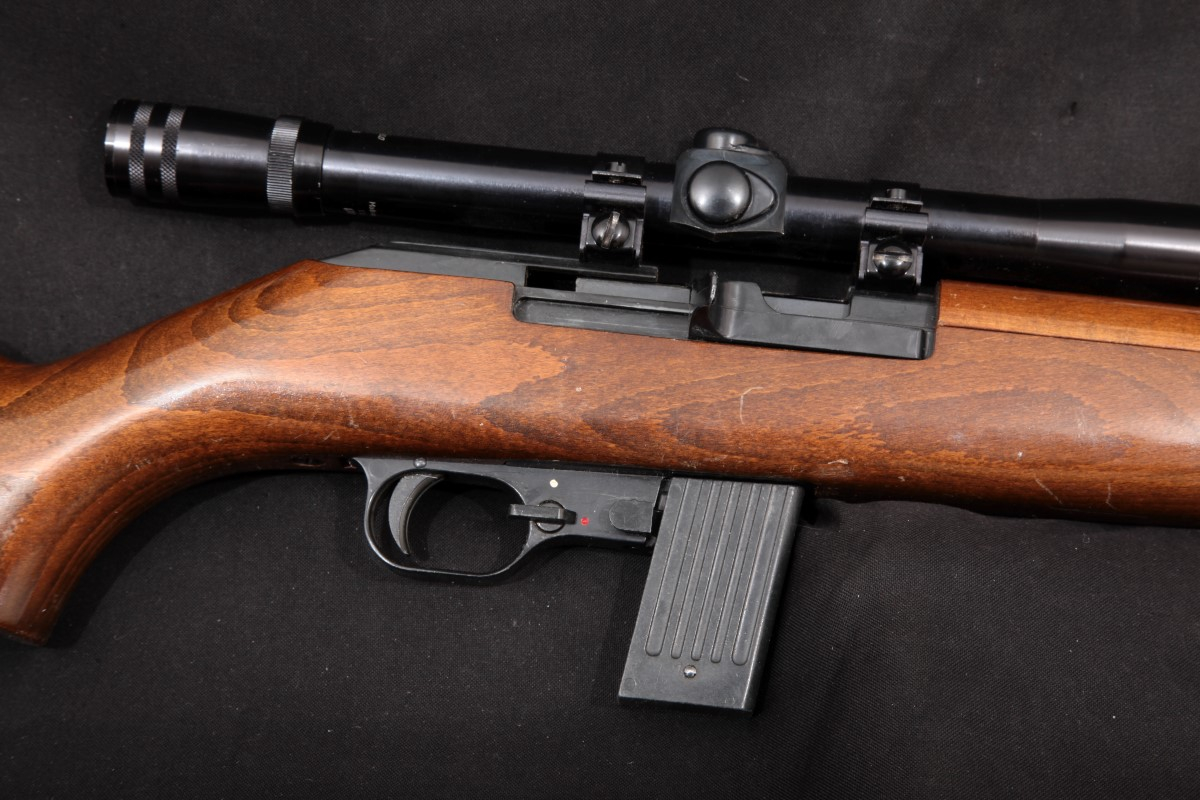
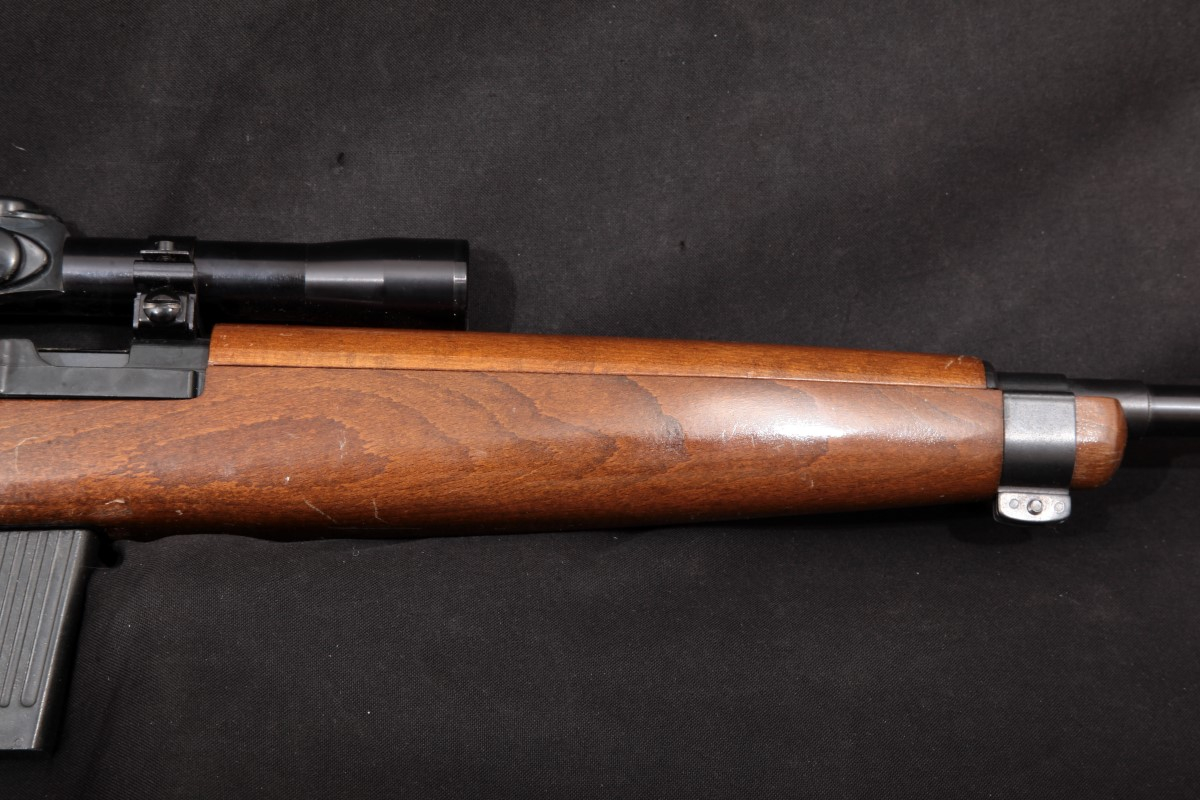
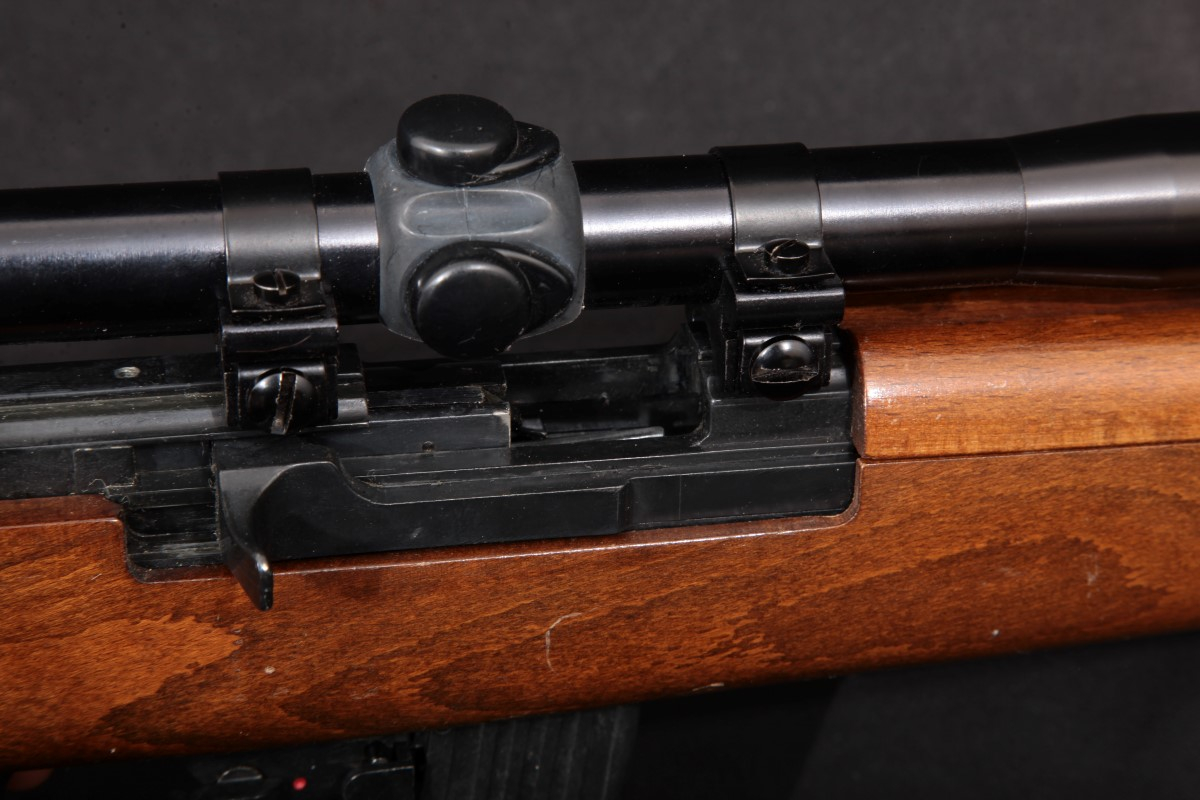
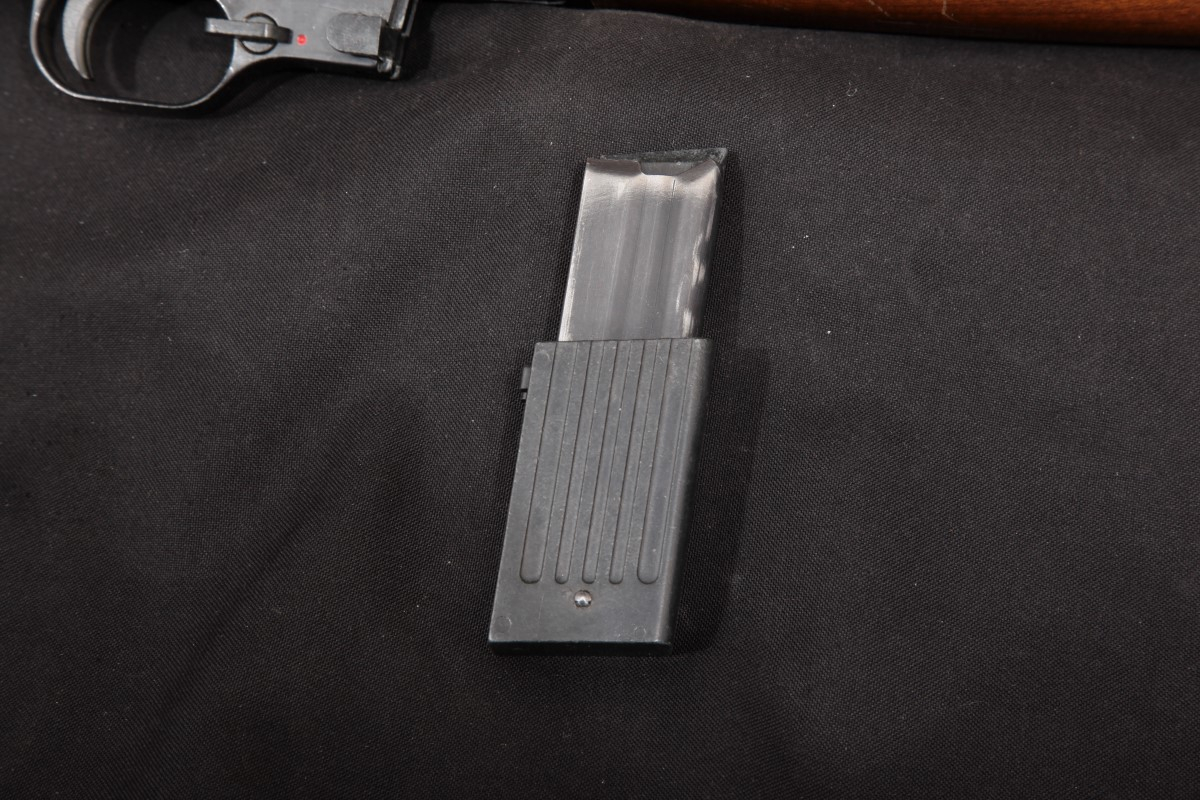
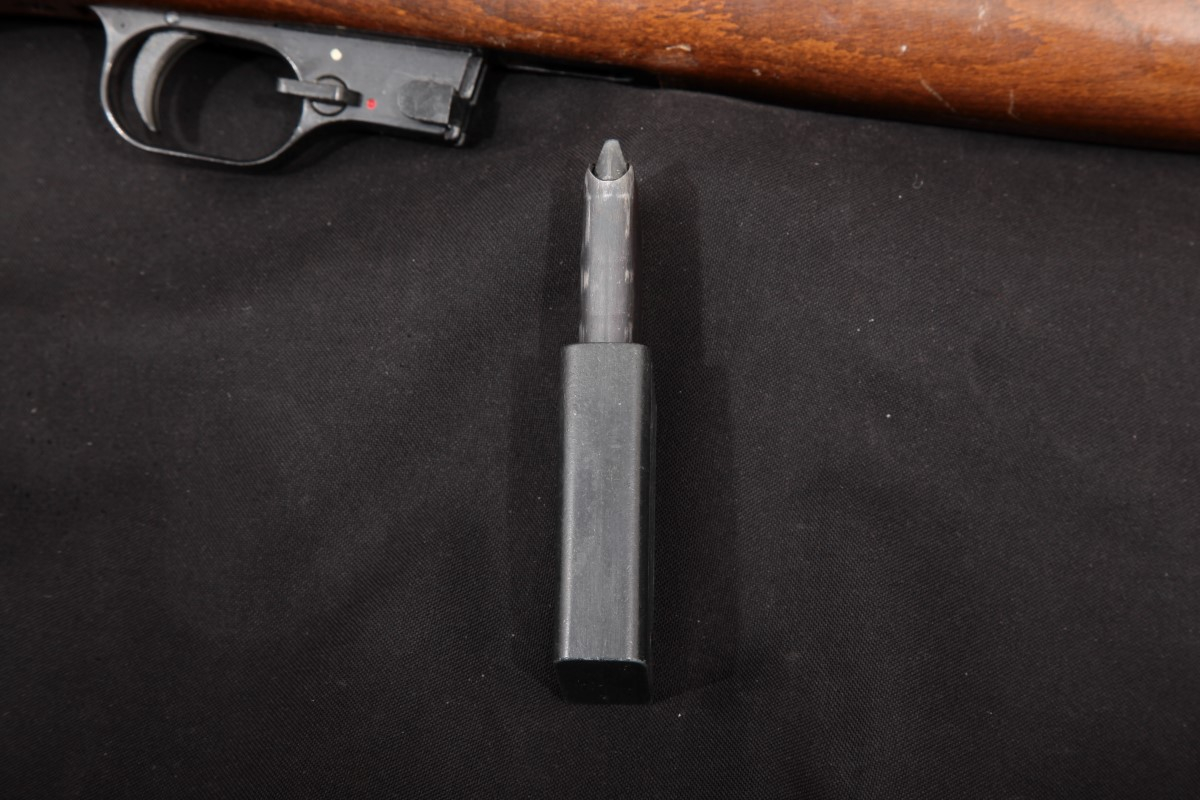
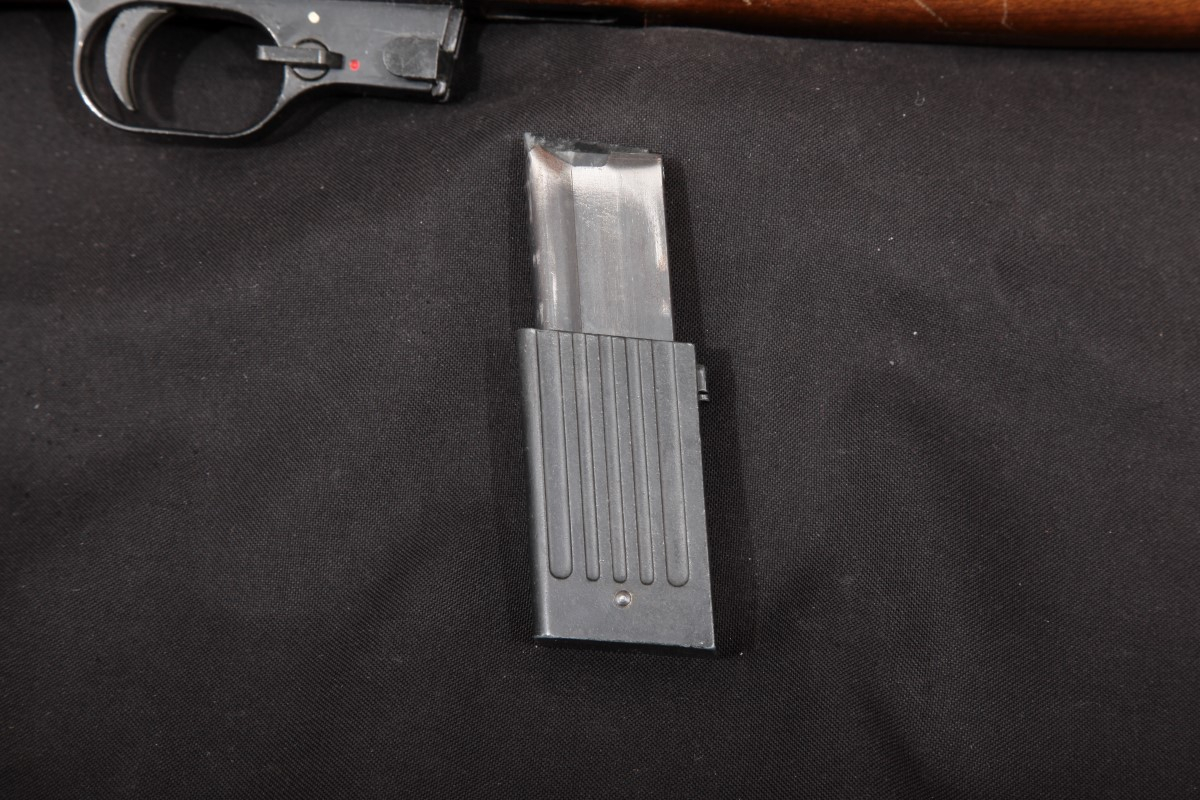
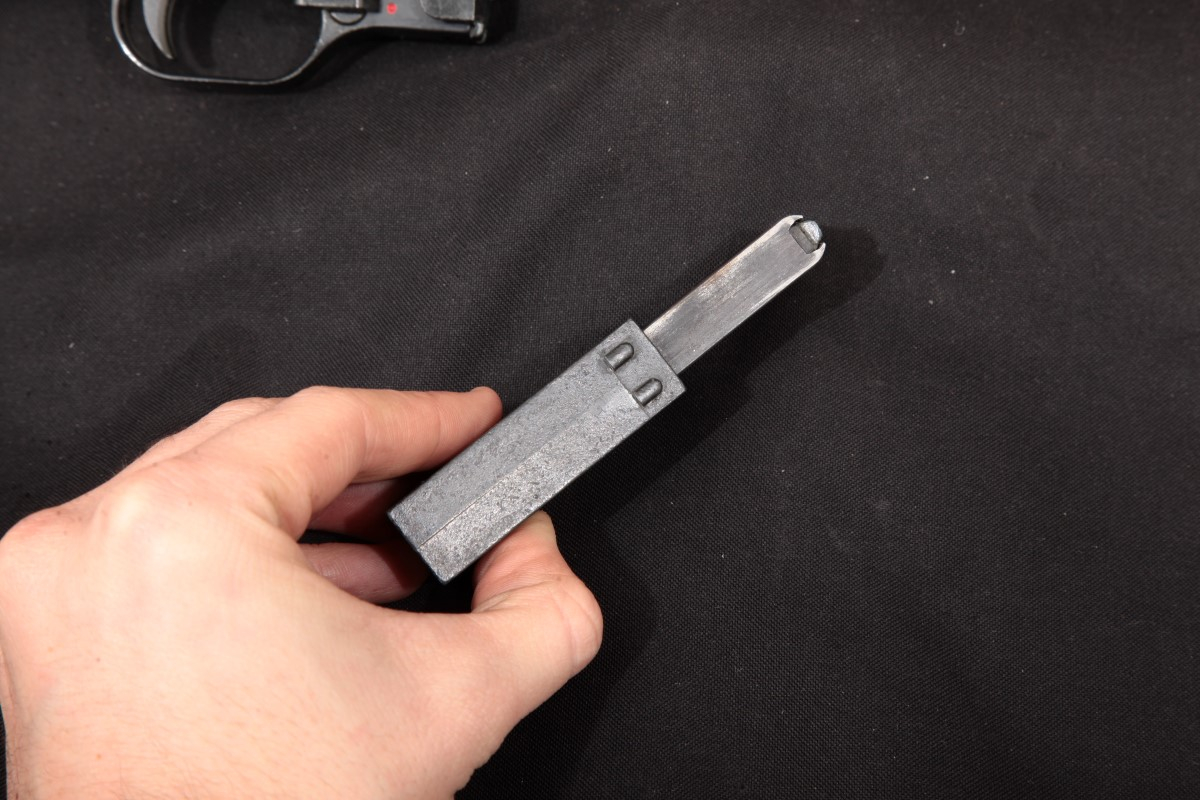

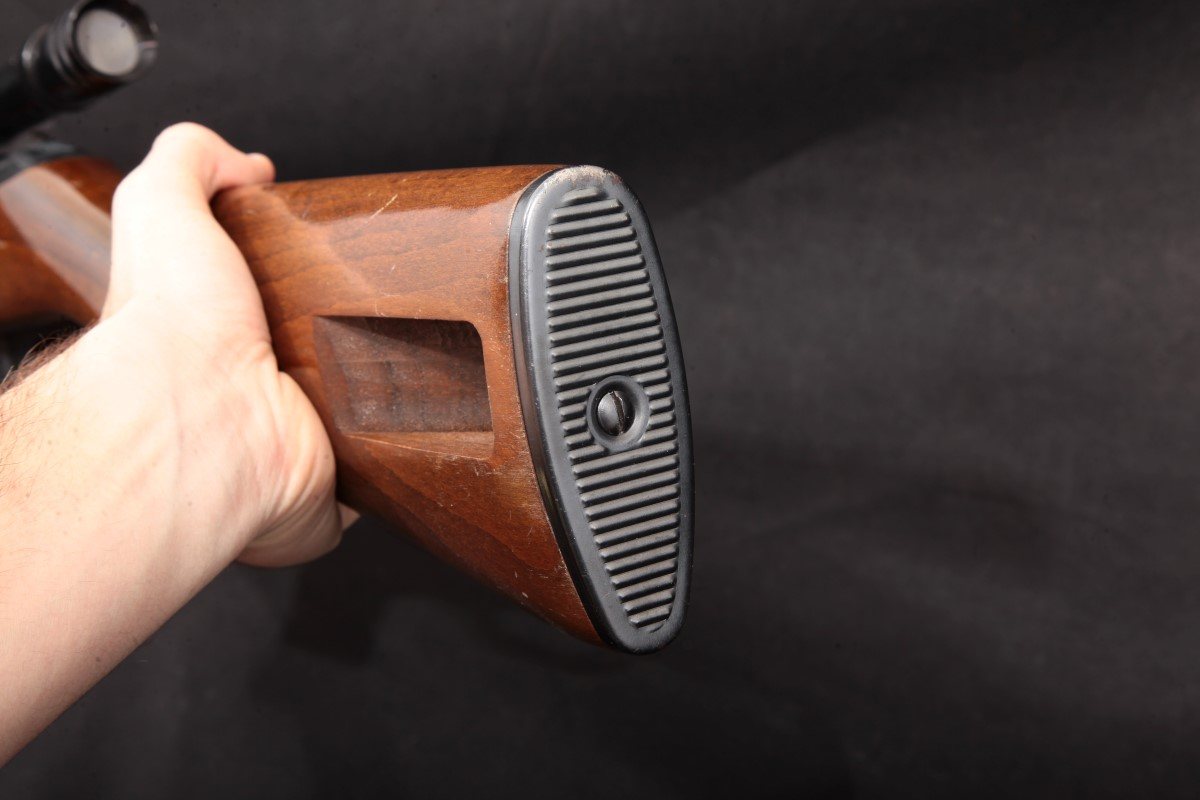
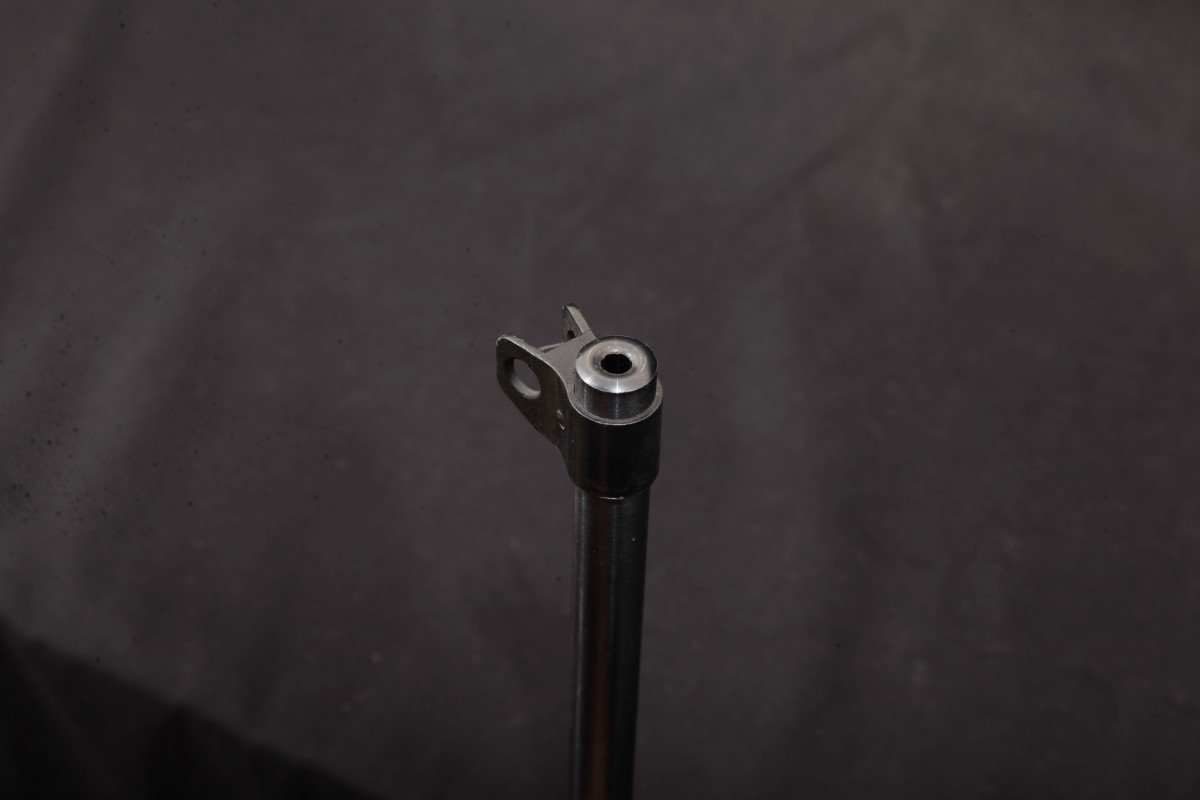


The “Ruby” pistol is the result of France’s desperate need for arms in the early days of the Great War. By 1915, much of the French industrial heartland was under German control, and what remained under allied control was producing critically needed material such as rifles, machine guns, and artillery.
As the conflict grew beyond even the most pessimistic expectations, the sheer volume of troops sent into battle literally exhausted the meager stores of small arms.
To meet this rising demand for pistols for the trenches, the French contracted with the Spanish firm of Gabilondo y Urresti-Eibar for their Ruby semiauto pistol.

The Ruby made use of a prewar design largely copied (without license) from the Browning Model 1903. Among the changes are the deletion of the grip safety and a relocation of the manual safety closer to the trigger guard.
The resulting Ruby is a direct blowback pistol chambered in 7.65 (.32 ACP). The pistol features an internal hammer and a frame-mounted safety that goes down for “FIRE.” The original magazine capacity was nine rounds.
The original contract called for the firm to produce 10,000 pistols a month, but the insatiable French demand for handguns saw the production numbers increased in stages until the incredible target of 50,000 pistols a month was set.
THIS IS WHERE THE STORY of the Ruby gets messy. Since Gabilondo y Urresti-Eibar could not hope to meet that production quota, they licensed out manufacture of the pistol to other companies.
Although only four other manufacturers were originally contracted to produce the pistol, the firm eventually partnered with seven companies to meet French demand.
At the same time, French purchasing agents were individually contracting with other Spanish firearms makers to also produce the guns.
By the time all the contracts were signed, roughly 50 companies were producing the pistol, either for Gabilondo y Urresti-Eibar or directly for the French. Soon, multiple companies (both legally and otherwise) were producing the pistol across the continent, making it a truly European weapon.
The result was chaos. The quality of the pistols produced varied widely from manufacturer to manufacturer. Some were good, others substandard, while others yet were simply unsafe to fire.
At first the French tested every pistol, but soon went to batch lot testing instead. Even among the pistols deemed acceptable to issue, problems would arise after the guns broke in with use. Some references list the expected service life of the Ruby at only 500 rounds.

A left-side view reveals the manufacturer’s barrel markings (including the “GU” for “Gabilondo y UrrestiEibar” beside the grip) and the occasionally problematic safety lever.
As you can imagine, parts interchangeability – so vital for a service weapon – was lost as the number of manufacturers involved grew.
Parts and magazines from one manufacturer would not work in another manufacturer’s pistol, and often parts would not interchange even within pistols made by the same manufacturer.
Features such as barrel length and magazine capacity also varied from source to source as different manufacturers put their own spin on the design.
All in all, the Ruby became a textbook example of what not to do for small arms weapon procurement.
Still, the pistols were desperately needed, and almost as fast as they were produced they were sent to the front to be engulfed in the horrors of trench warfare.
Records show that the French military had accepted an estimated 700,000 to 900,000 pistols by war’s end.
The large number of pistols produced has made the Ruby available in the U.S. collector’s market for decades. Some came home as souvenirs after WWI or WWII, while others found their way across the ocean in various import lots over time.
The modern U.S. collector is unlikely to know the exact origin of his pistol, as many were imported prior to import marks became mandatory in 1968.
ALTHOUGH I’VE NEVER OWNED a Ruby pistol, I’ve had several opportunities to fire them. Their best attribute is their simplicity. Unlike other pistols from the same time frame they are a “modern” design with a one-piece slide and breech block and what we would consider conventional controls.
The safety lever is relatively easy to use, as is the European-style heel mag release. The pistol does not have a slide stop/slide release. On some examples I have seen, a rivet was installed to keep the safety from moving to the “safe” position. My understanding is that this is a post WWI French military modification.
The gun in the accompanying photos is an actual Gabilondo y Urresti-Eibar-produced pistol and owned by a friend. Recently, I was able to fire several magazines of modern-production .32 ACP FMJ through this particular pistol. Surprisingly (based on reputation alone), the pistol fired 100 percent of the time, with no misfires, failures to feed, or failures to eject.
This is not always the case with these little pistols as, in addition to their hurried manufacture, they have by now seen an additional 100 years of often hard use.
Obviously, it is important to have a qualified gunsmith check out any Ruby-type pistol before attempting to fire it. Besides the original manufacturing issues listed above, other problems may have arisen in the decades since these pistols were produced.
The condition of the original magazine is especially important, as a bad feed lip or worn-out springs will cause problems. Since most pistols only come with one mag, and magazine interchangeability is spotty at best, a bad mag can deadline an otherwise functional pistol.
The tiny sights make the pistols better suited for point shooting than precise aimed fire. The combination of the steel frame and low-powered .32 ACP cartridge reduces the felt recoil considerably.
I was not able to bench test this particular pistol, but we were able to keep a full magazine inside a paper plate out to 10 yards. Accuracy began to drop considerably at 25 yards, and the best either of us could do was to keep about half the shots on a plate at that distance. The tiny sights and gritty trigger on this particular pistol made us work for even those results.
Although not rare by any means, except in certain variants, the Ruby pistol remains an interesting historical artifact. And even though it was hurried into production to meet insatiable wartime needs, the gun I tested still functioned as intended a century after it was produced.
If nothing else, shooting a Ruby pistol is a way to make a tangible connection to the time when the French struggled to survive during “the war to end all wars.” ASJ
Here’s a review from Youtuber MilSupPros.
Posted in History Tagged with: European, Pistol, Rob Reed, Ruby, World War I, W

Now a couple of divorces ago, I got my grubby little hands on one of these fine pistols for a song. I think it was about $175 or so. If not then I am going to blame my CRS. (Can’t Remember Shit disease)
Which I then took the new toy very promptly. (As I could in The People’s Republic of California that would “allowed” me.) off to the pistol range.
Now it did not shoot as well as some of my other handguns. But all things considered. (My so-so skills with a pistol, cheap ammo and any other excuse that I can think of.) It did a really good job at the range.
In that it went thru about 200 plus rounds on the time that I took it out. With no short recoils, failure to load, biting my fingers, stove piping etc etc.  Nope not with this Polish / Nazi hand cannon!
It also gave for me a decent pattern of about 4 square inches of hits in the black area. Which is not bad for a WWII survivor with fixed sights.
Another good point about this gun is the ease of cleaning it. I found it a lot easier to clean than say the 1911 and it’s slide pin & shifting barrel hinge.
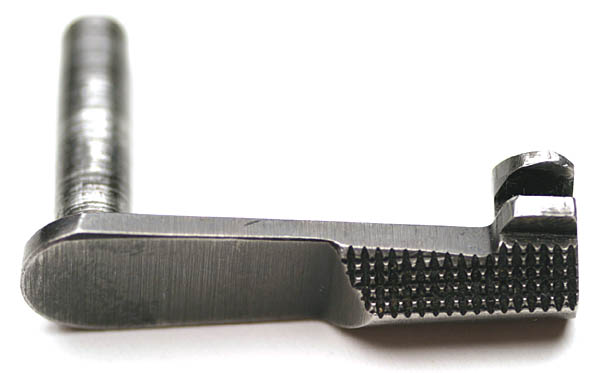

My only minor complaint was that it only came with one magazine. Which being in the time before Ebay or the internet made it hard for a man to find such rare gun parts.

Oh well! As usual the Germans put serial numbers everywhere on it
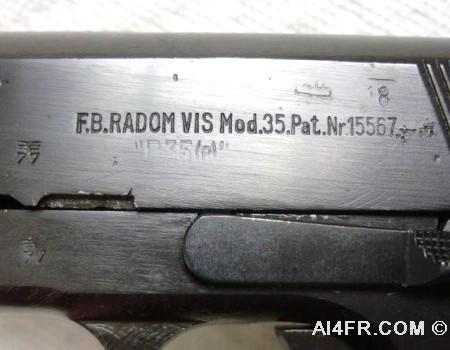
I am just sorry that I had to sacrifice this solid gun to the Gods of Divorce in order to gain my FREEDOM! But it was worth it! I just hope that it got a good home.
Here is 2 of the whole issue kit with cleaning rod, some ammo and the clamshell holster.
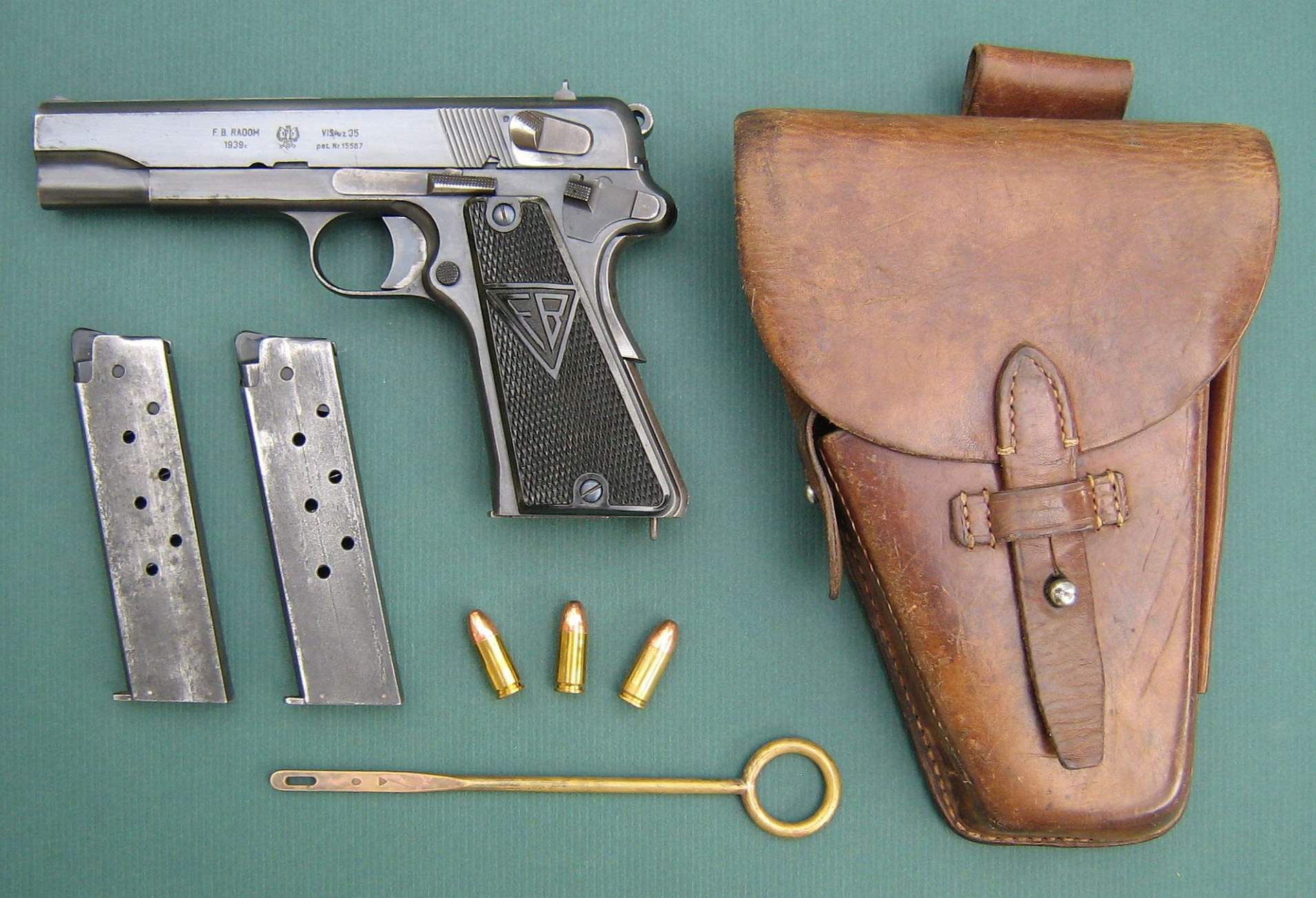
Bottom line – If you see one for sale & if you are in the market for a solid 9mm pistol. Then you just might want to think about this gun.
Grumpy
Here is some more technical information about this pistol:
———————————————
| Pistolet wz. 35 Vis | |
|---|---|
.jpg)
Pistolet wz. 35 Vis
|
|
| Type | Semi-automatic pistol |
| Place of origin | Poland |
| Service history | |
| Used by | Poland, Nazi Germany |
| Wars | Invasion of Poland, World War II |
| Production history | |
| Designed | 1935 |
| Manufacturer | FB Radom |
| No. built | more than 360,000 |
| Specifications | |
| Weight | 1.123 kg (loaded) 0.950 kg (unloaded) |
| Length | 205 mm |
| Barrel length | 120 mm |
|
|
|
| Cartridge | 9×19mm Parabellum |
| Action | Recoil-operated, closed bolt |
| Muzzle velocity | 345 m/s (1131.6 ft/s) |
| Feed system | 8-round box magazine |
Vis (Polish designation pistolet wz. 35 Vis, German designation 9 mm Pistole 35(p), or simply the Radom in English sources) is a 9×19mm caliber, single-
Inspired by American firearms inventor Joh
This Polish gun began production at the Fabryka Broni (Arms Factory) in Radom in 1935, and was adopted as the standard handgun of the Polish Armythe following year.
The pistol was valued by the Germans, and towards the end of the war issued to the German paratroopers. As a pistol largely based on the Colt 1911 and using 9 mm rounds, it is highly prized among collectors of firearms.

VIS Pistol construction
The design was generally based on American firearms inventor John Browning‘s Browning Hi-Power, as adapted by Piotr Wilniewczyc and Jan Skrzypiński in 1930 at the Fabryka Broni (Arms Factory) in Radom under Director Kazimierz Ołdakowski.
It operated on the short-recoil principle, with the barrel being cammed down and away from the locking lugs in the slide.
This later John Moses Browning design, unlike the M1911, was not cammed by a link, but by a ledge of sorts, which contacts a portion of the barrel and forces it down as it is moved rearward with the slide by the recoil force.
It shares some similarities to the Spanish Ruby .45 ACP.[2] Like the 9mm Browning GP, a characteristic feature was a triangular grip shape, wider at the bottom, offering good ergonomics and firm grip.[1]
On the right side grip cover, the Polish copy pistol had letters VIS in a triangle, on the left side—FB (for Fabryka Broni—”Arms Factory”).
The handgun was prepared in late 1930, and at the beginning of 1931 the first pistols were ready for testing. Initially it was named WiS (an acronym of the Polish designers’ names), later the name was changed to Vis, meaning “force” in Latin, with the wz.abbreviation for wzór (“model”).[3]
The tests proved that the handgun was very accurate and stable (due to its size and mass, most stresses are absorbed and not passed on the shooter).
While at the same time remaining reliable after firing more than 6,000 rounds.[1] The Vis was generally regarded as one of the best military pistols of that period.
Production started in the state armory Fabryka Broni in Radom in late 1935, and the following year it was introduced as the standard weapon of Polish infantry and cavalry officers.
Successively, other units were to be equipped, and by 1932 all other handguns were scheduled to be withdrawn from service. By mid-1938, it was introduced to the armored and air forces.
Before the Invasion of Poland, approximately 49,400 (out of 90,000 ordered) were delivered to the army.[4]
In addition to the 9mm, there was also a small information series of .45 ACP version, with 7-round magazine, but they were not produced in greater series.[4]
Most probably only for the Argentinian competition the wooden stock-shoulder was issued but it has not survived.[2] A .22 LR variant also existed, but no details are known, and its series was not produced in great numbers.[4]
After the Polish defeat in 1939, the Germans took over the Radom Armory and continued production of the Vis under the new name of 9 mm Pistole 645(p), which was for some reason often rendered as P 35(p) (the suffix “p” means “polnische”)[3] (the German pistols of the first series had inscriptions VIS Mod.35 and P.35(p) on the left side[4]).
Up to 1945, between 312,000 and 380,000 were produced and used by the German paratroopers and police.
Fearing that Polish technicians working in the armory might supply the Home Army with the weapons, the Germans moved production of barrels and final assemble to Steyr-Daimler-Puch in the “Ostmark” (Austria).
However, underground production of Vis barrels was started in Warsaw and Kielce-based Huta Ludwików, and several hundred Vis pistols were assembled of parts smuggled from the factory, delivered to the Home Army and used extensively during the Warsaw Uprising, among others.
Vis pistols made after 1939 were issued in four different series, each with small modifications to simplify production.
In late 1944, all production was moved to the Steyr works in Austria, where the last simplified model of the fourth series was produced (with no inscriptions at all, apart from bnz signature).
The Vis remained in production until April 1945. Generally, the wartime Vis were of much lower quality than the original, and further degrading towards the end of the war.
After the war, production of the pistol was not continued, as the Army of the People’s Republic of Poland used the SovietTT-33 pistol, produced in the former Fabryka Broni in Radom due to Warsaw Pact regulations.
It was considered much inferior to the Vis, especially in ergonomics and reliability,[1] but political considerations and Soviet influence were decisive.
In August 1997, the Łucznik Arms Factory in Radom reintroduced the Vis pistol and produced a small series of some 27 pistols[1] on the basis of the original plans and specifications, mainly for the US collectors’ market.
But it differed from the original pre-war pistols with the shape of the rear sight notch and the Eagle on the slide.[2]
In 2010 another short series was manufactured.[5] In 2012 IWA Radom Factory has presented the piece dated 2010 that was chromium coated instead of proper bluing.
The Vis pistol is a single-action, hammer-fired, locked-breech design. The control on the slide is a decocking mechanism that releases the hammer while camming the firing pin up into the slide.
There is a grip safety blocking the sear unless fully compressed, but the control in the same position as a thumb safety on a Browning Hi-Power or M1911-style pistol is not a safety.
The take-down lever is used to lock the slide back (as the Browning Hi-Power safety is used) during disassembly to allow removal of the slide release lever.
In later variants, this lever is omitted and the slide must be manually aligned to remove the slide release lever. Once the slide and frame are aligned (by the disassembly lever or manually), the recoil guide is pulled forward to release the slide release lever and allow it to drop free. The slide will then be free to run forward and be removed from the frame.
The magazine catch is to the rear of the trigger guard and not at the heel of the grip in the typical European fashion of the time. A pistol lanyard is installed in the heel position for pistol retention. There is no magazine safety.

Back when I was in Mr. Reagan’s Army. I was able to sneak a peek at our Regimental Colours. I was in the HHT 1/18th US Cavalry

By the way. A Flag goes up & down the pole. A Colour does not according to my Squadron Sgt. Major. A person even our Colonel was slightly afraid of.
Anyways, I was very impressed by them. So I am going to show a few things about them.

Display of streamers from the Flag of the United States Marine Corps

Display of Streamers on US Army Flags, Colors and Guidons
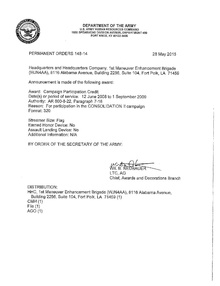
Consolidation II campaign streamer awarded for deployment to Afghanistan from 12 June 2008 to 1 September 2009 for the 1st Maneuver Enhancement Brigade
The United States Army established campaign streamers in 1920, the United States Marine Corps in 1939, the United States Air Force in 1956.
The United States Coast Guard adopted battle streamers in 1968, with the United States Navy following suit in 1971.[1][2]
Many of the practices relative to streamers and their display are similar among the services.
There are, however, differences, particularly regarding the number of streamers and use of embroidered devices.
The Army carries a separate streamer for each important action in all wars in which that service has participated, each embroidered with the name of the action commemorated.
Currently, the Army allows 187[3] streamers, and the Air Force, employing the Army system, carries more than 60.
Unlike the Army-Air Force practice, the Marines and Navy use one ribbon for each war, campaign, or theater of operations.
Specific actions or battles are highlighted by bronze and silver stars embroidered on the ribbon.
The Marine Corps shows more than 40 streamers, the Navy 32, and the Coast Guard uses 43, unadorned by either stars or lettering. Stars on the Marines and Navy streamers follow the practice initiated during the World War II period for ribbons and medals—that is, a bronze service star for each action, and a silver star in lieu of five bronze stars.
The Navy applies stars to appropriate ribbons throughout its history, whereas the Marine Corps uses stars to commemorate service starting from 1900.
The Navy’s Presidential Unit Citation, Navy Unit Commendation, and Meritorious Unit Commendation streamers each carry a red number rather than stars, representing the number of times that the respective award has been conferred upon Navy units.
Generally, streamers are 3 feet (0.91 m) long and 2.75 inches (7.0 cm) wide. Where a medal has been awarded for a particular war or service, the coloring and design of the streamer are the same as the ribbon from which the medal is suspended.
Conflicts and operations for which no medal was issued have ribbons specially designed for use as streamers.
Campaigns


Additionally, units that have been awarded citation or decoration may carry the associated streamer. Foreign awards are last in precedence.
Current US Army policy allows the display of fourrageres and lanyards during ceremonial occasions on the flagstaff of those units authorized.[4]
A foreign unit award medal may also be pinned to the applicable foreign award streamer during ceremonial occasions.[5]






















Also here is something to piss off the SJW Folks!


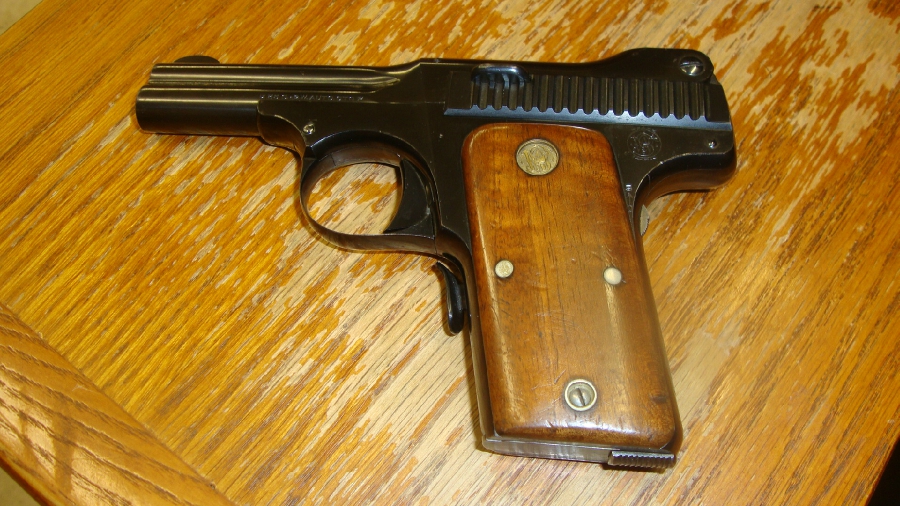
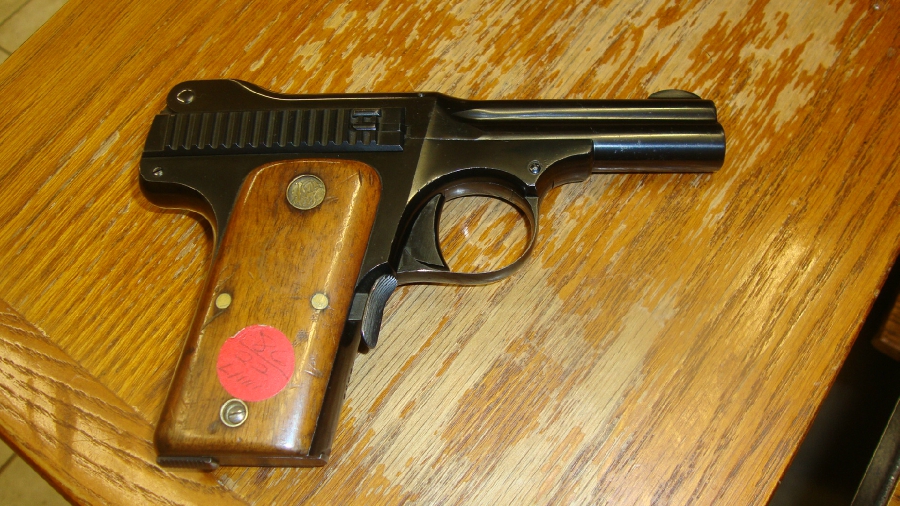
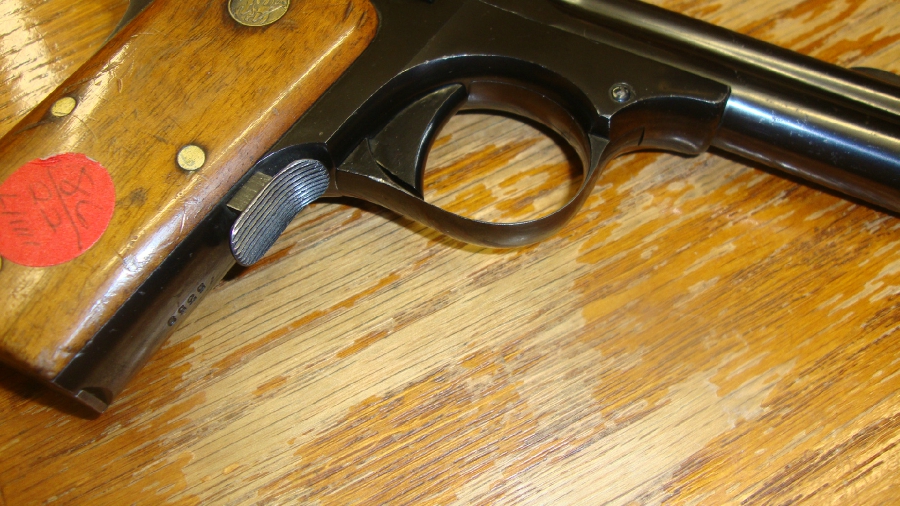
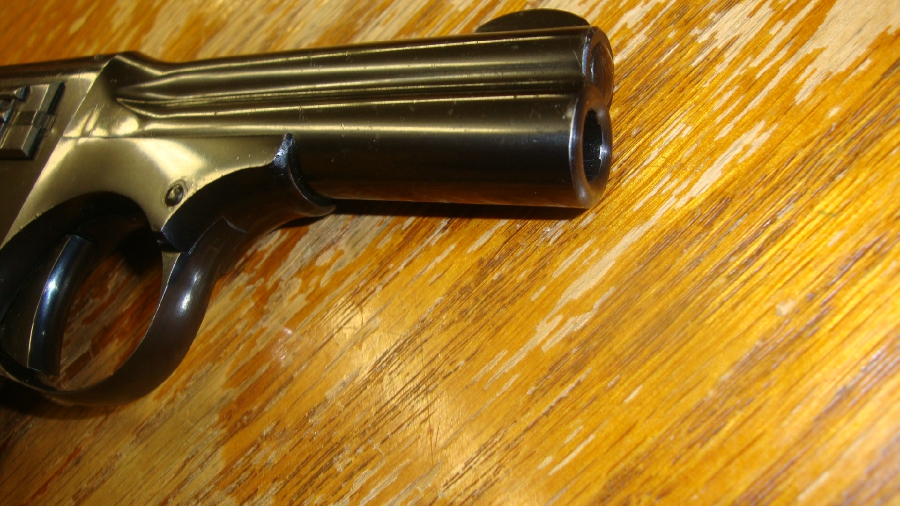
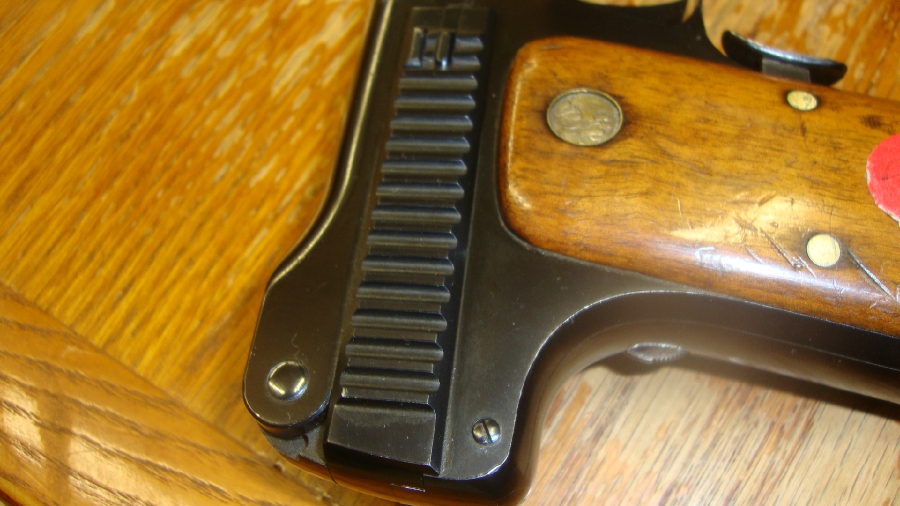
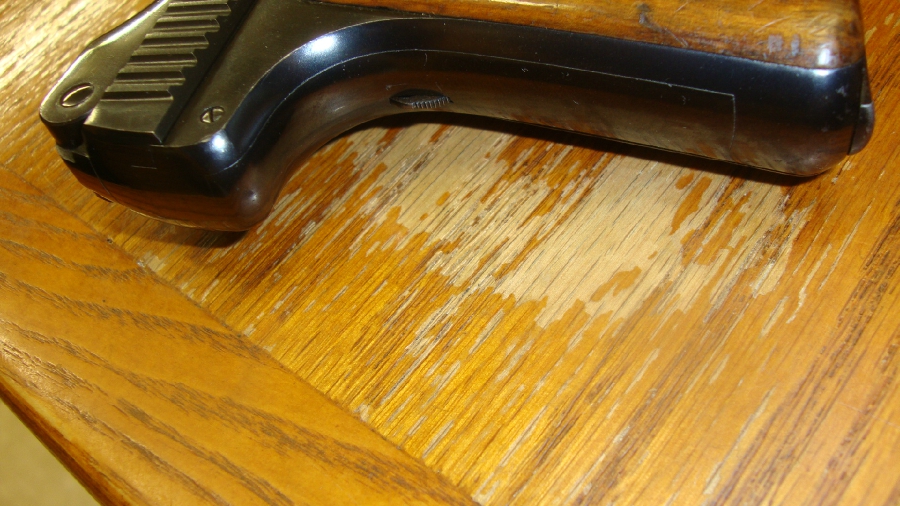
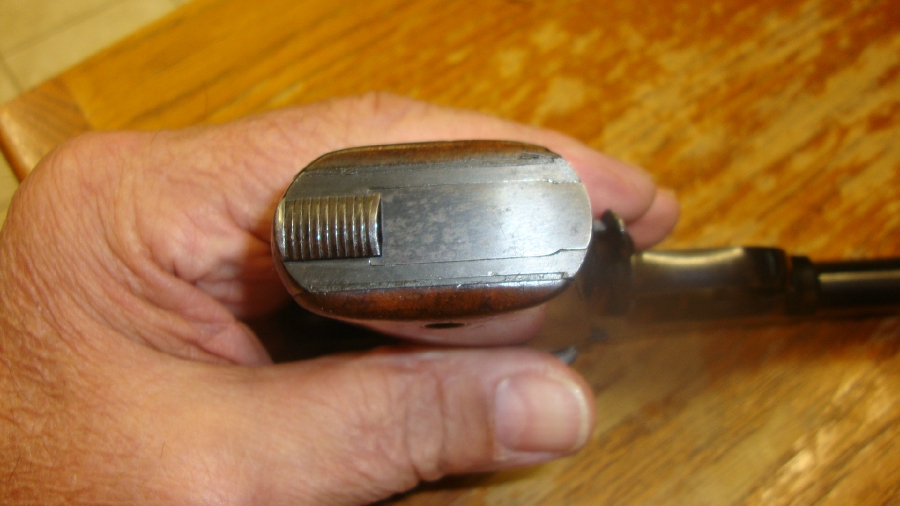
For me this looks like an ideal “Belly Gun” to these tired old eyes.
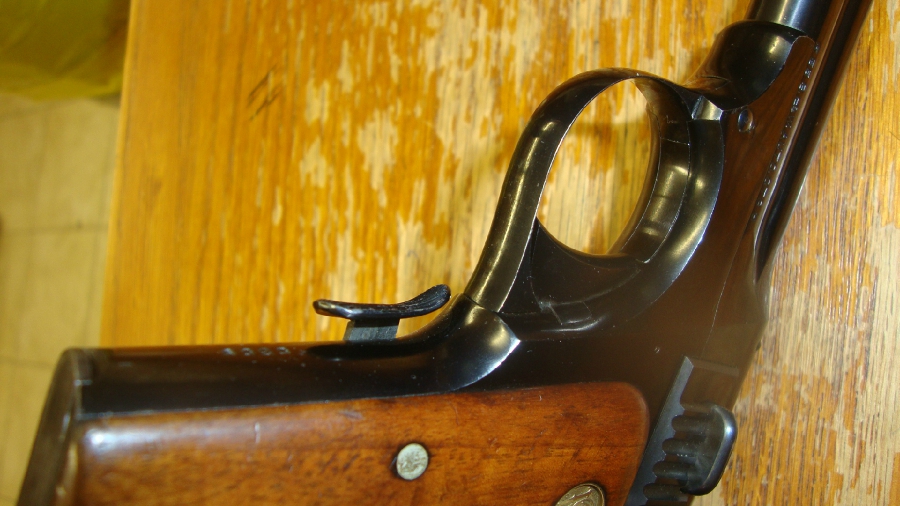
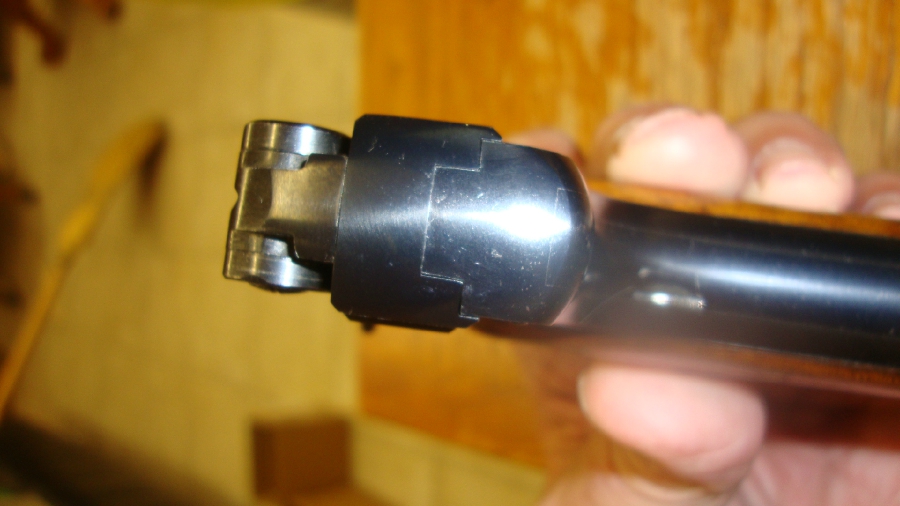
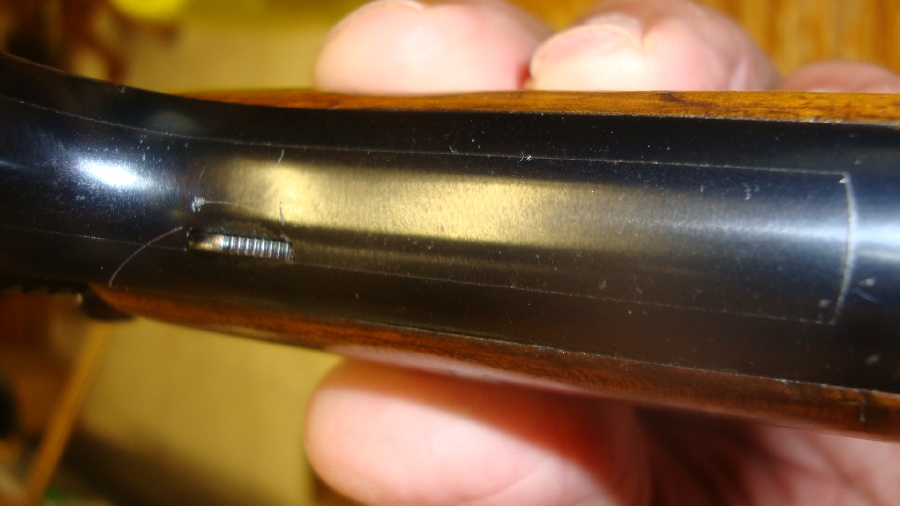


| .35 Smith & Wesson | ||||||||
|---|---|---|---|---|---|---|---|---|
| Type | Pistol | |||||||
| Place of origin | United States | |||||||
| Production history | ||||||||
| Designed | 1912 | |||||||
| Manufacturer | Smith & Wesson | |||||||
| Produced | 1913- | |||||||
| Specifications | ||||||||
| Case type | Rimless, straight | |||||||
| Bullet diameter | .32[1] | |||||||
| Ballistic performance | ||||||||
|
||||||||
| Source(s): “Textbook of Automatic Pistols” [2] | ||||||||
The .35 Smith & Wesson (S&W) is a centerfire pistol cartridge developed in 1912 for the newly designed Model 1913 self-loading pocket pistol intended to compete with the Colt Model 1903 Pocket Hammerless .32 ACP and Model 1908 .380 ACP pistols.
The .35 caliber name implied a cartridge of diameter directly between those two popular calibers. Actual bullet diameters were .312 for the .32 ACP and the .35 S&W,[3] and .355 for the .380 ACP.
Despite possible reliability problems, .35 S&W pistols can fire .32 ACP ammunition.[3]The advanced features of the Model 1913 failed to compensate for the earlier availability of the Colt pistols.
Gun purchasers were skeptical about a non-standard cartridge when .32 ACP ammunition was widely available.[2] Approximately 8350 Model 1913 had been made when production stopped about 1921.
Smith & Wesson shifted production to their Model 32 self-loading pistol chambered for the .32 ACP from 1924 to 1937. No other firearms were chambered for the .35 S&W, and the cartridge is considered obsolete.
The bullets are rather unusual with a full diameter un-jacketed lead-alloy surface enclosed within the case, and a sub-caliber jacket encasing the exposed nose with a rounded form for reliable loading


Scared you huh? Just kidding!
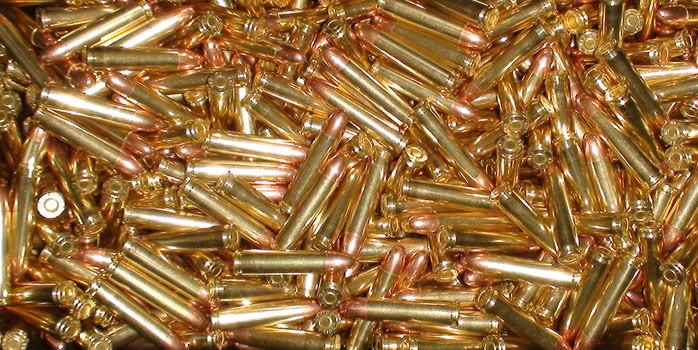
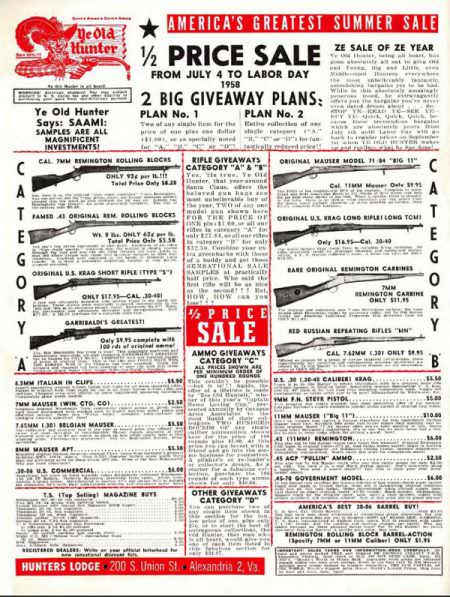
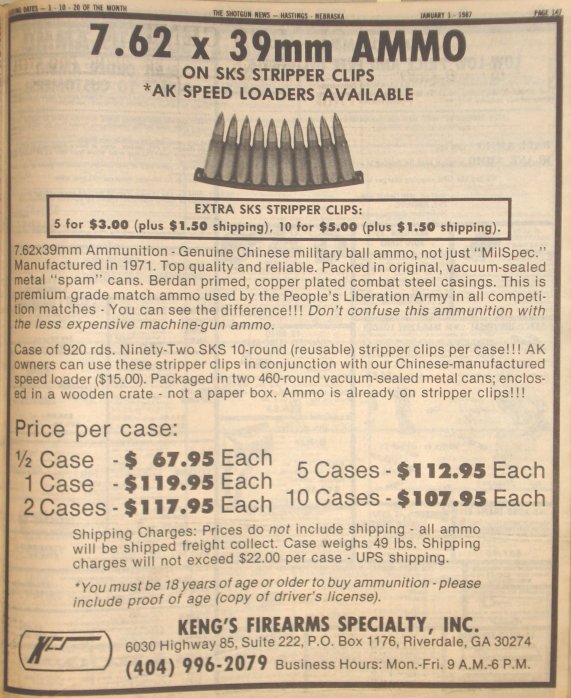
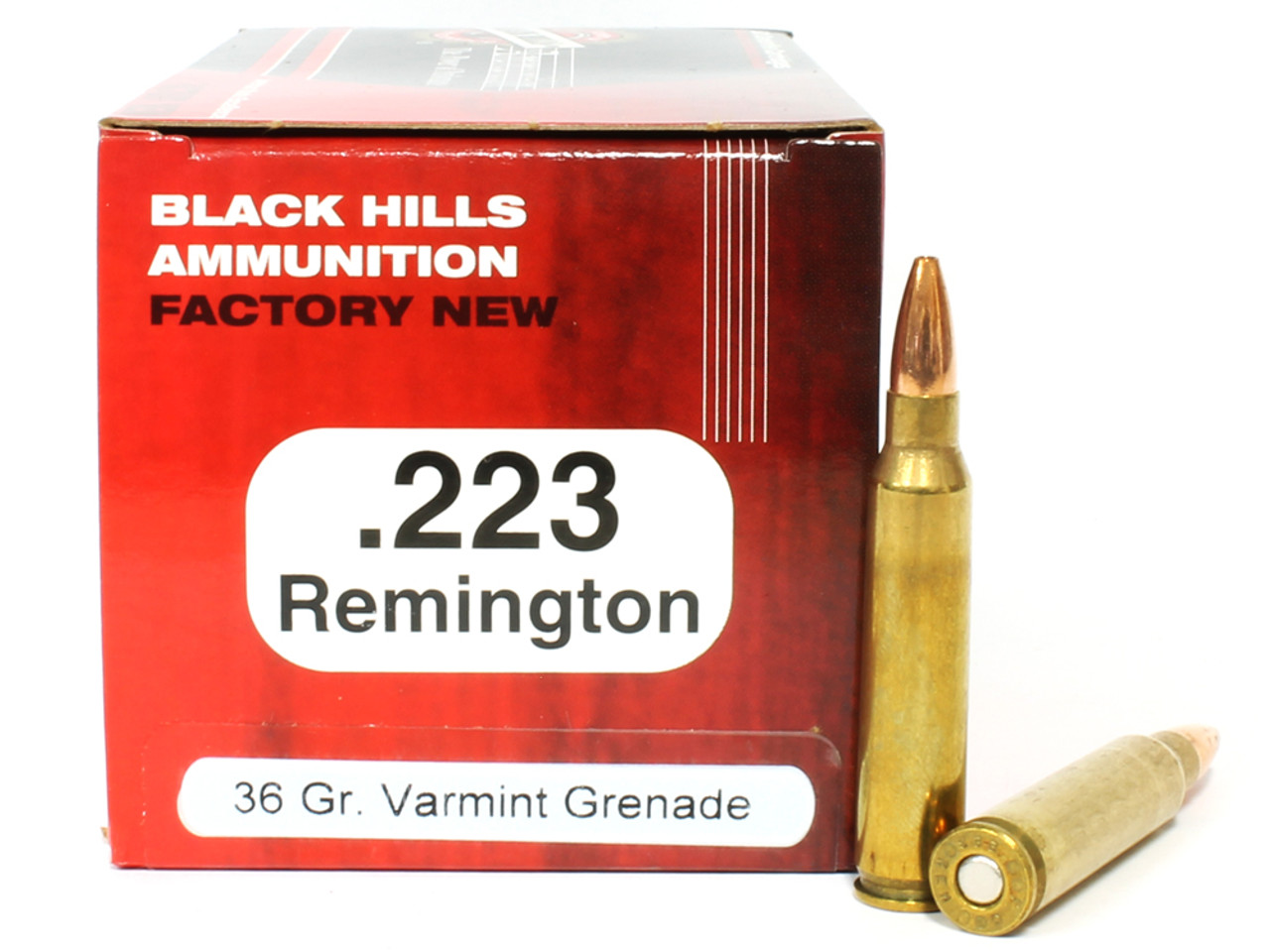
Now in spite of the recent attempt of the Anti Gun Folks effects to give us a hard time lately. (I have to give them credit thou. It was pretty crafty to go after the Ammo Supply. You Sneaky Bastards!)







.png)


_Streamer.jpg)


_Streamer.png)


