Categories

Translated into English Vierling means that “Sorry Grumpy but you will never be able to buy me!”
Categories
Well I liked them!







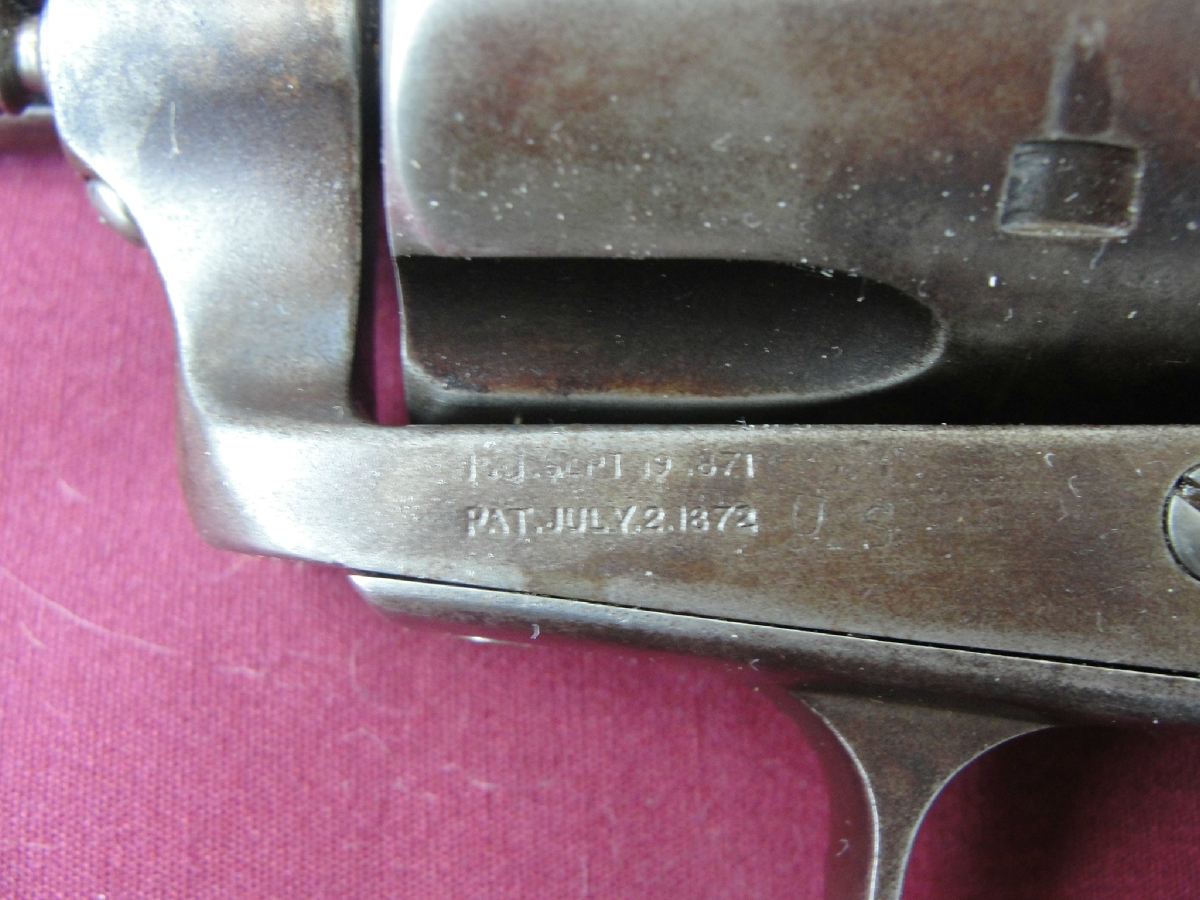
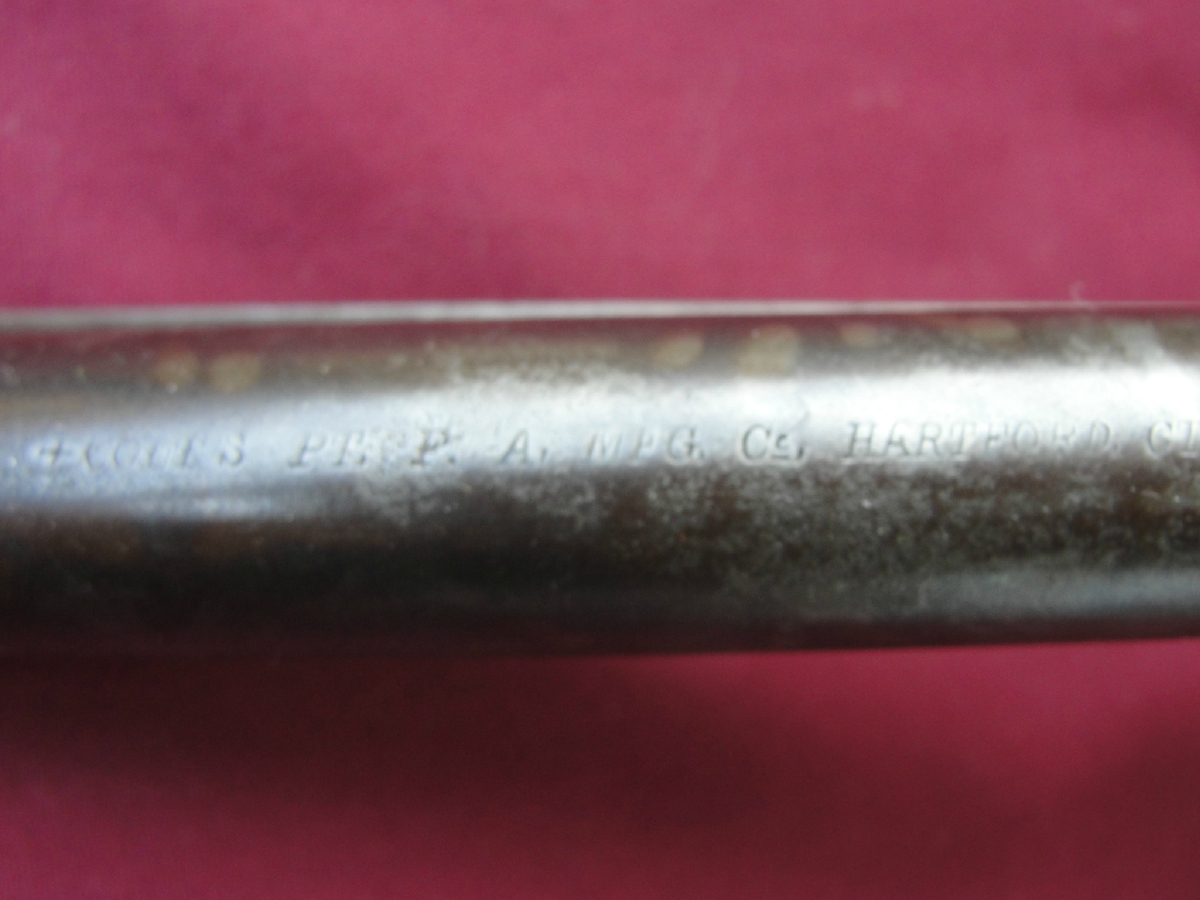
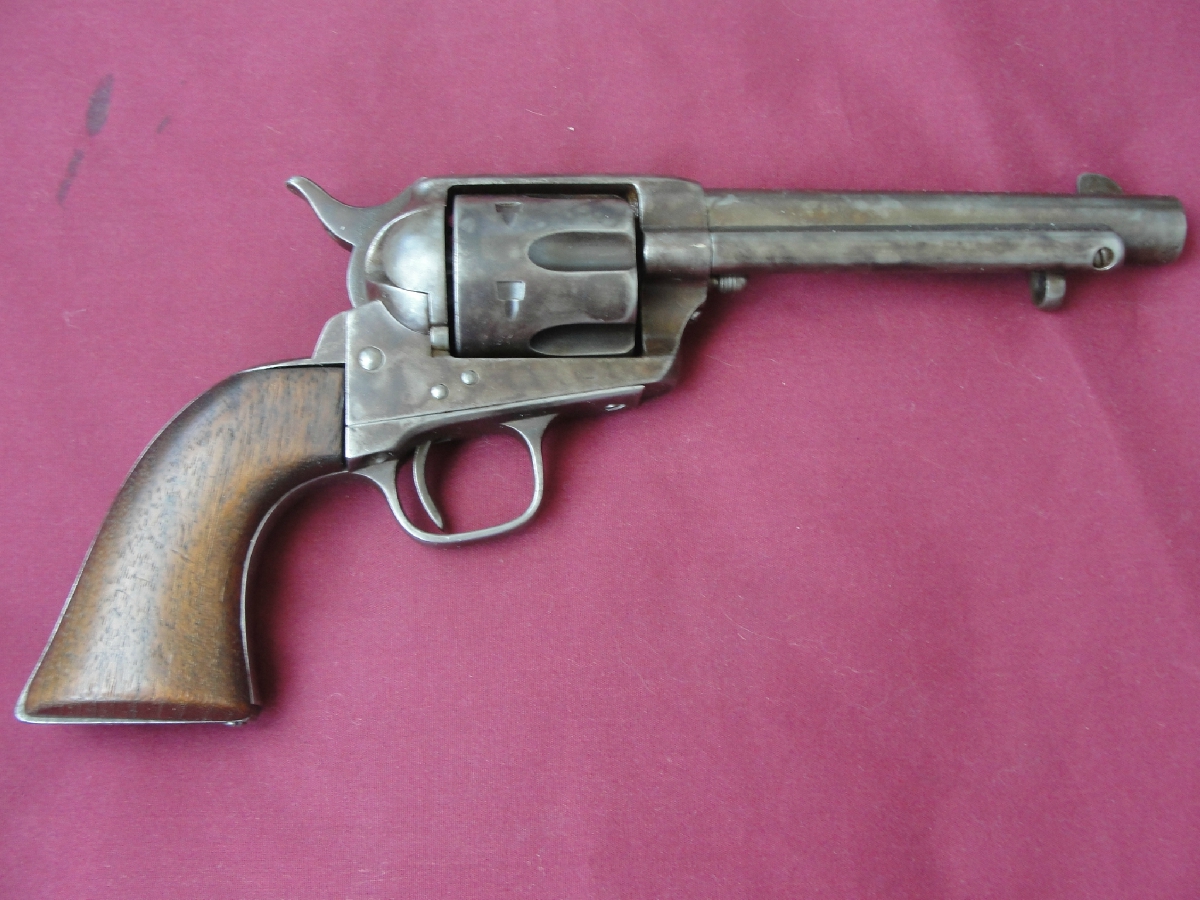 Somebody or somebody’s really rode this poor puppy hard and left it wet. But imagine the stories this piece could tell about its Army and later life! That & I bet it could still put a BIG hole in somebody or thing. Grumpy
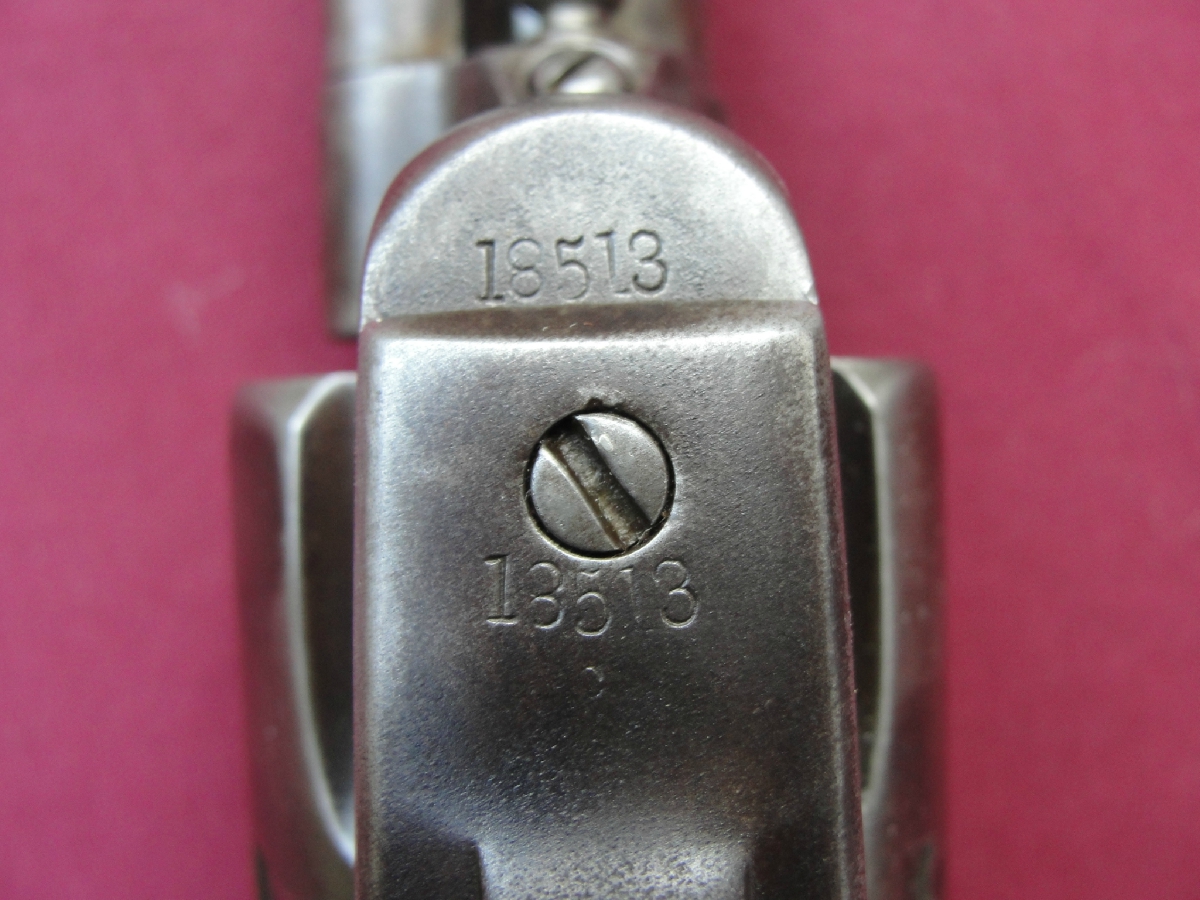
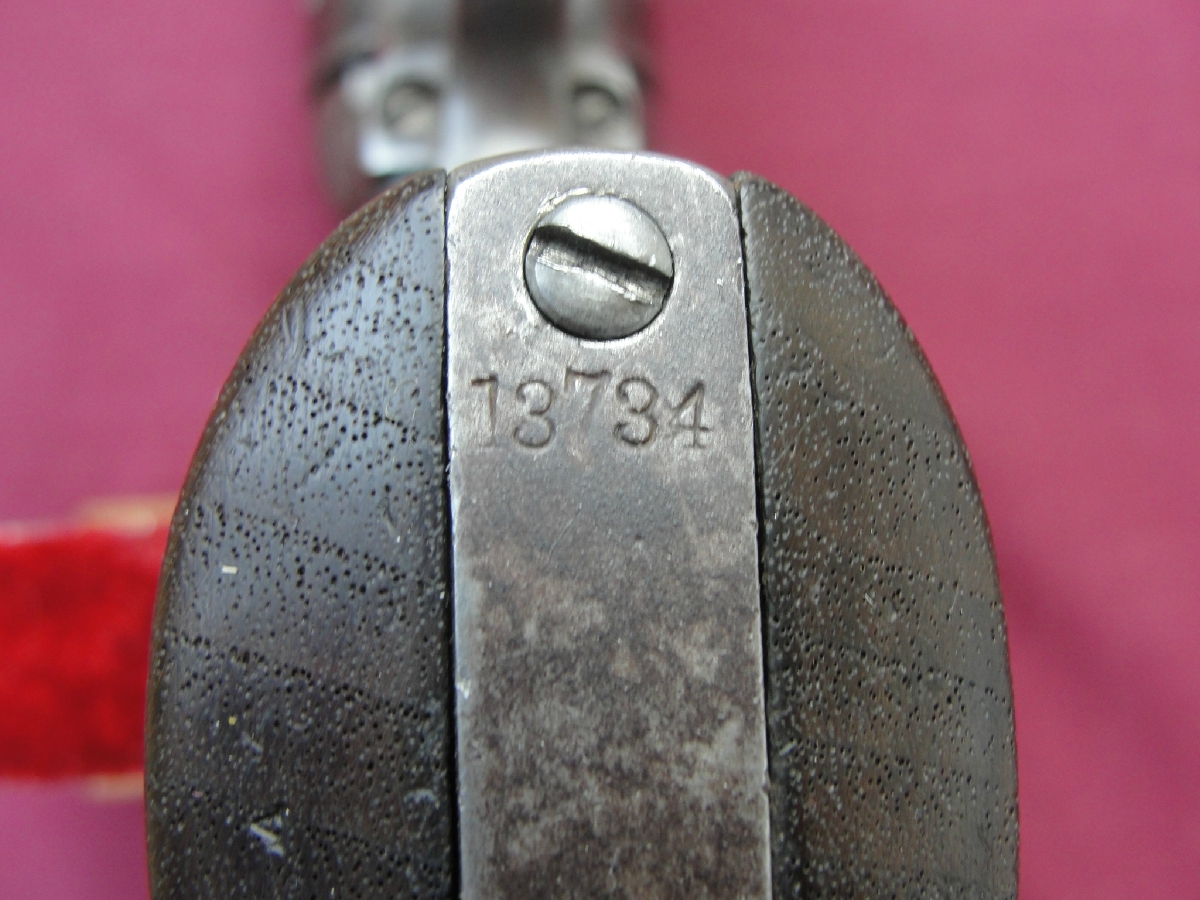
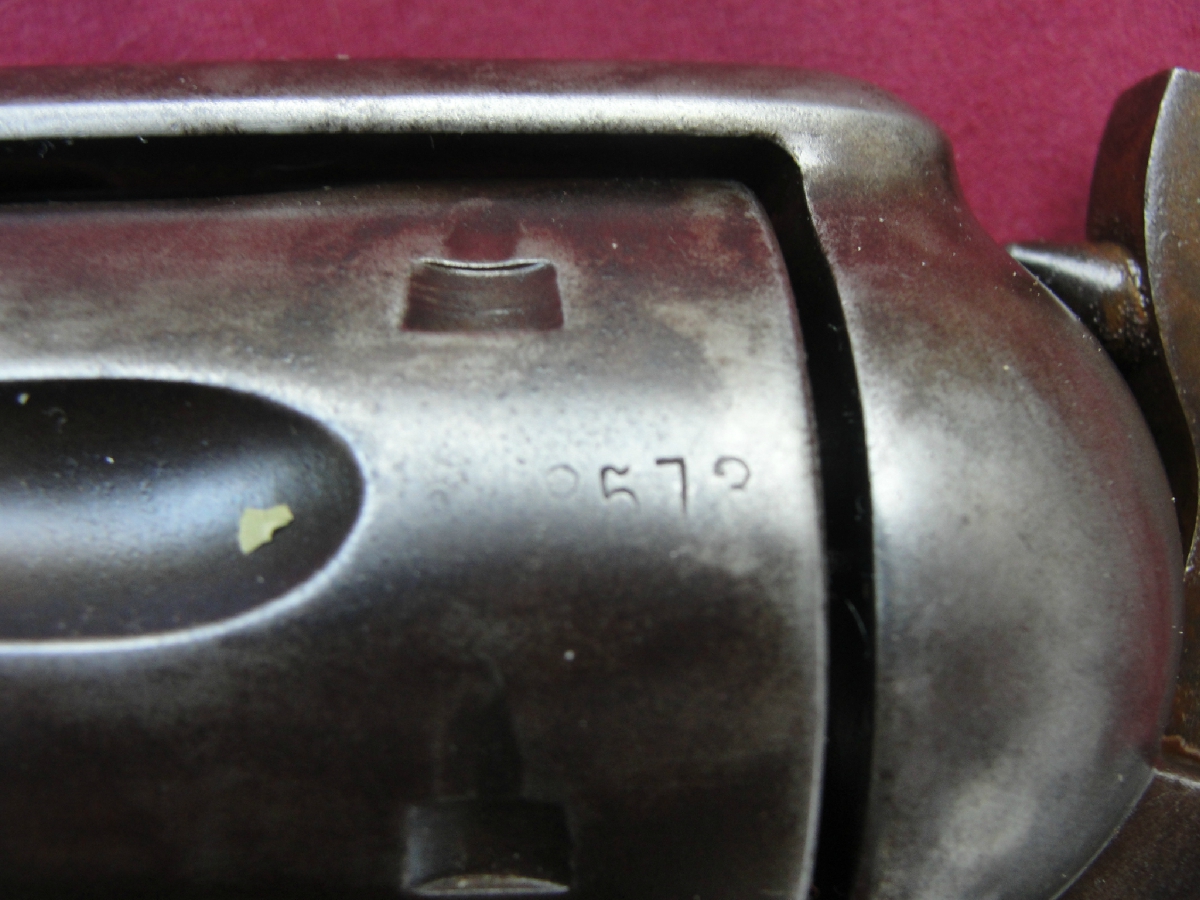
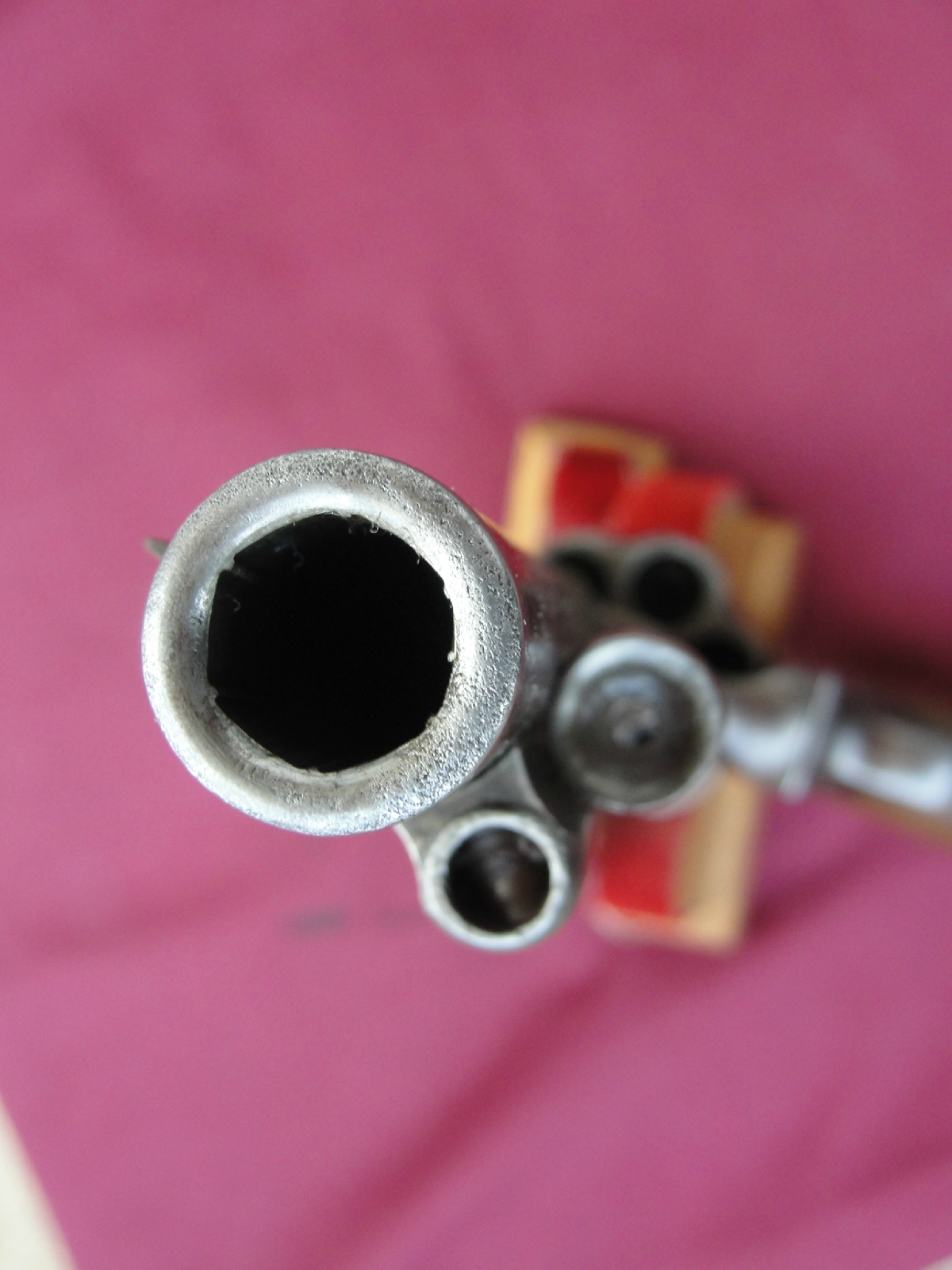
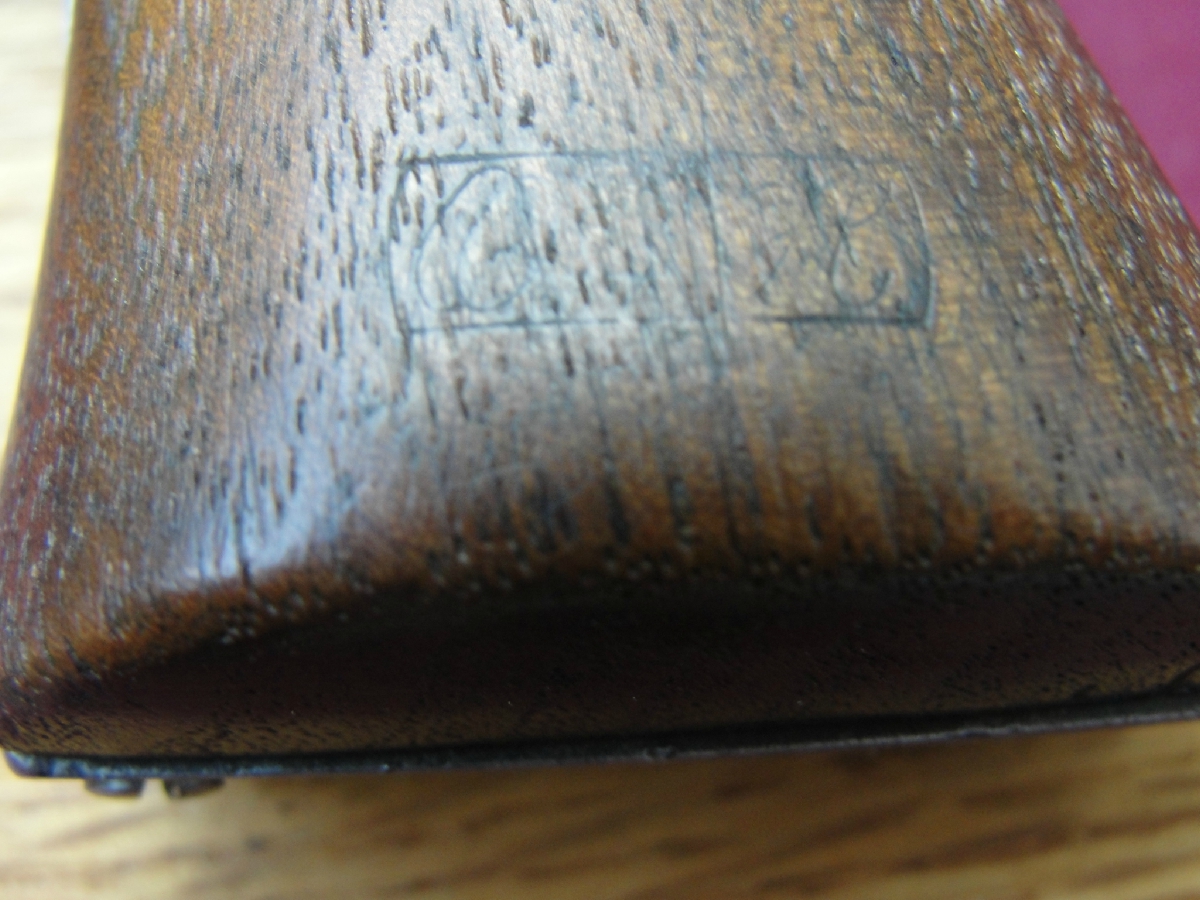
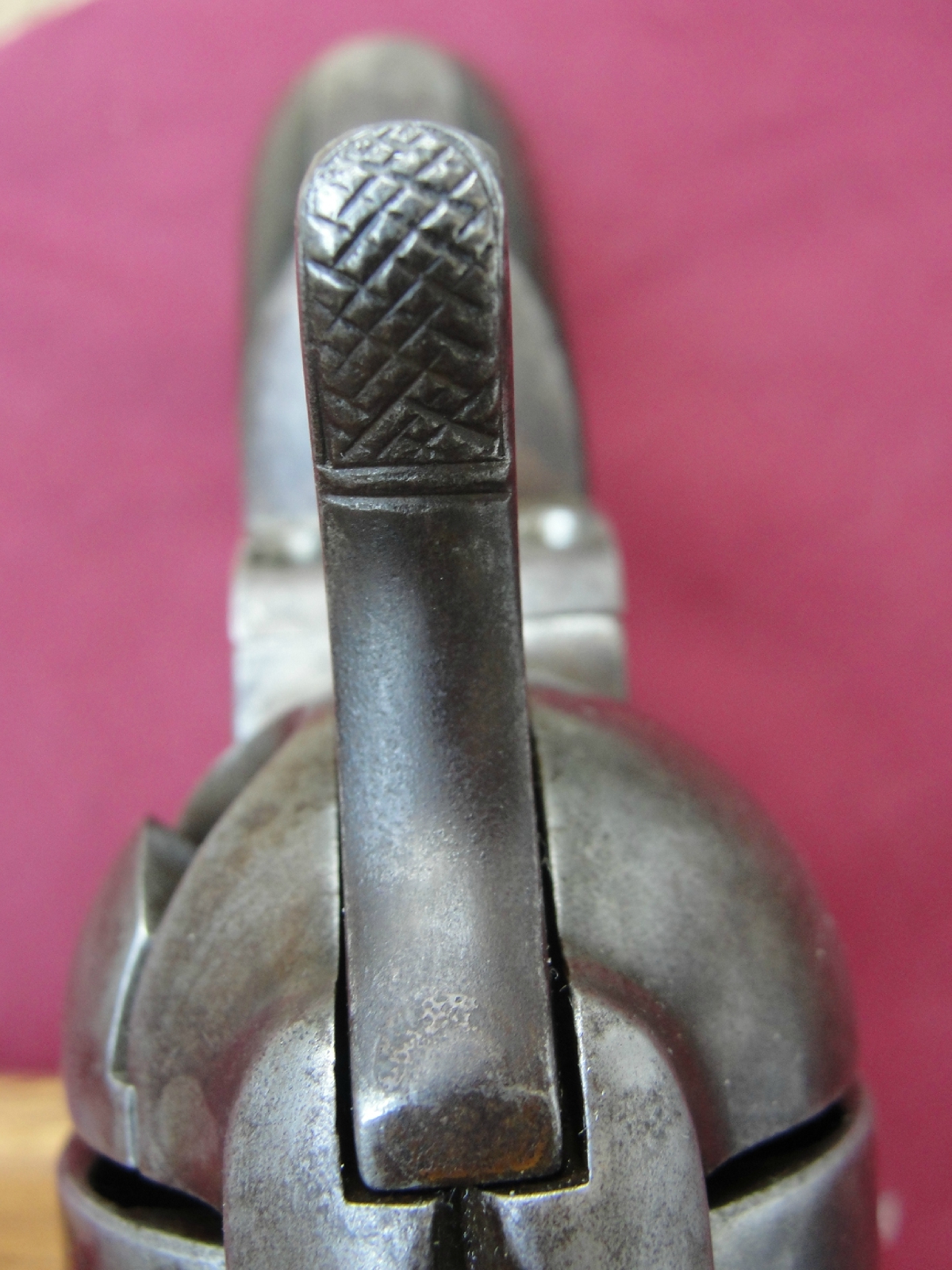

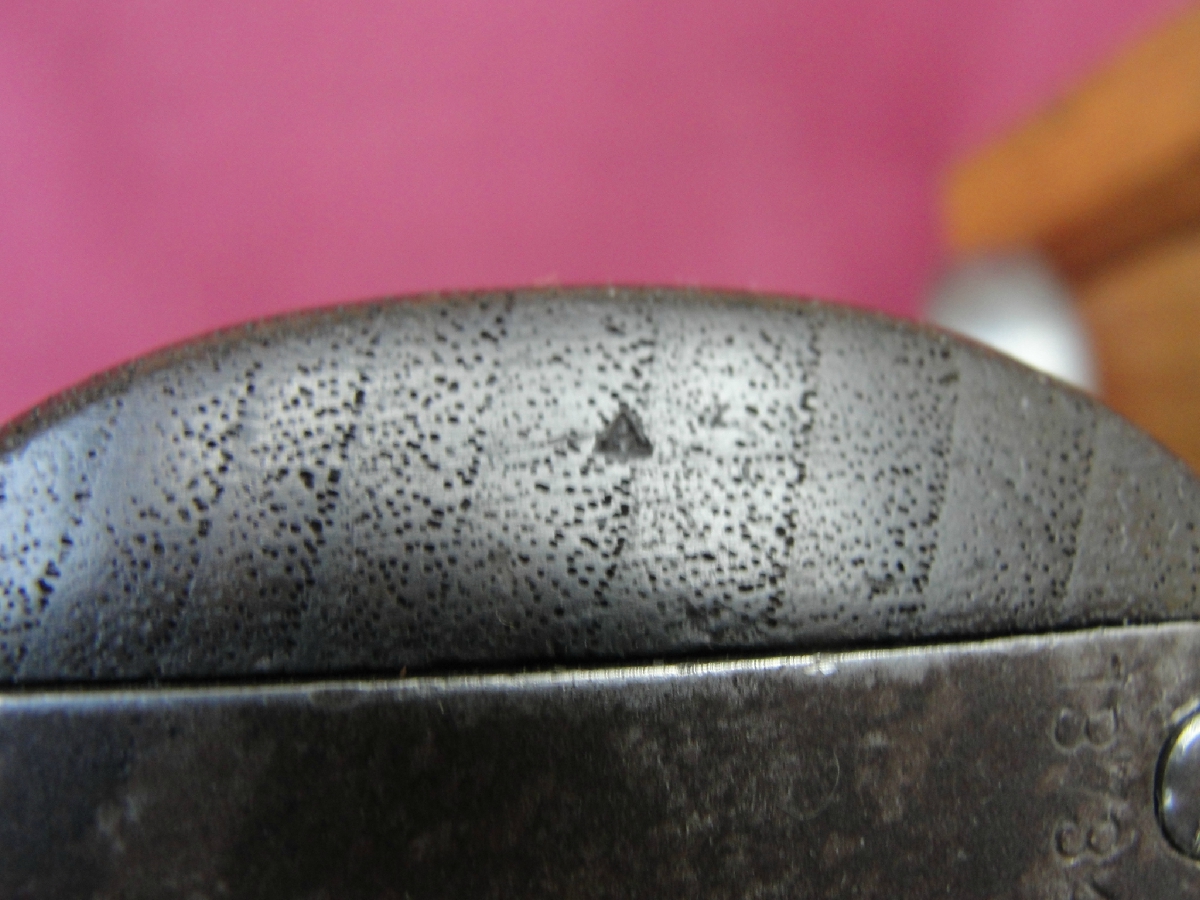
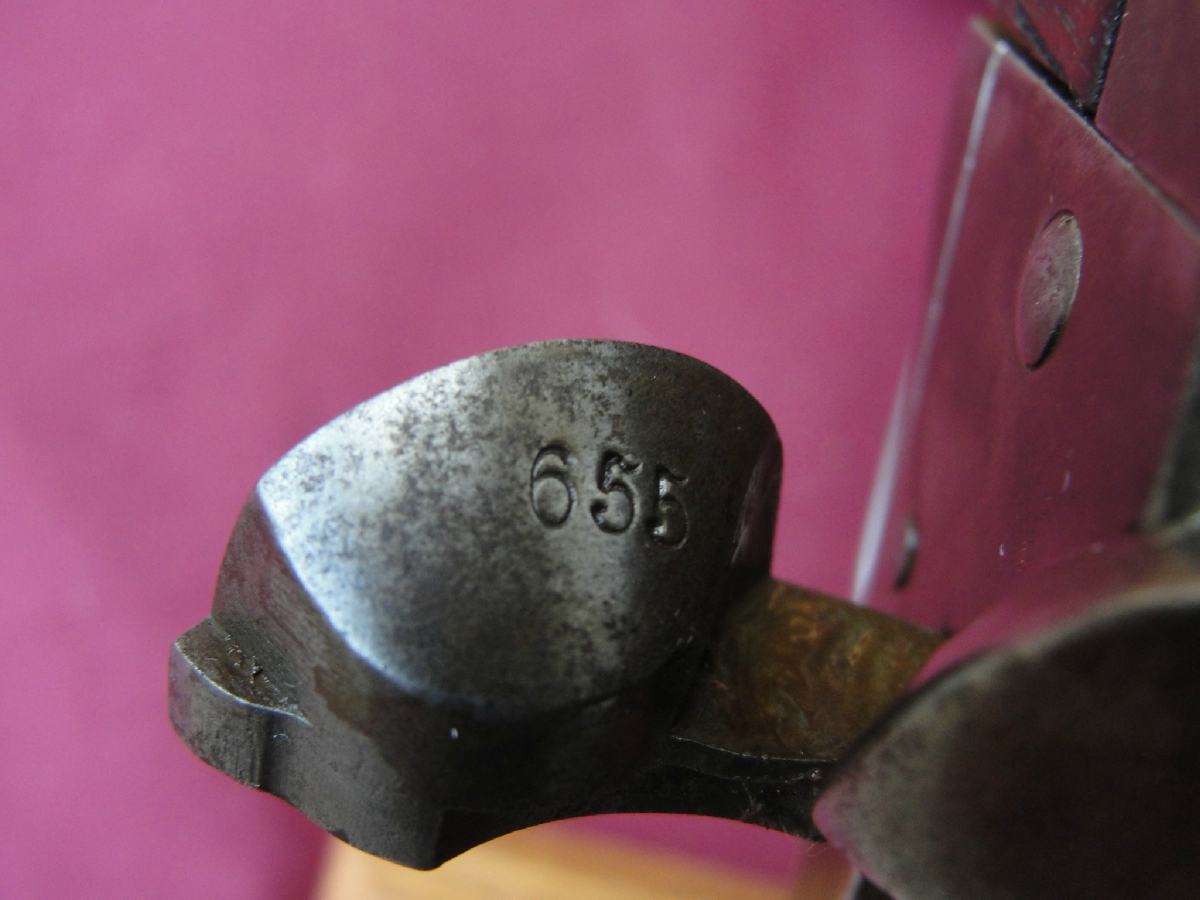

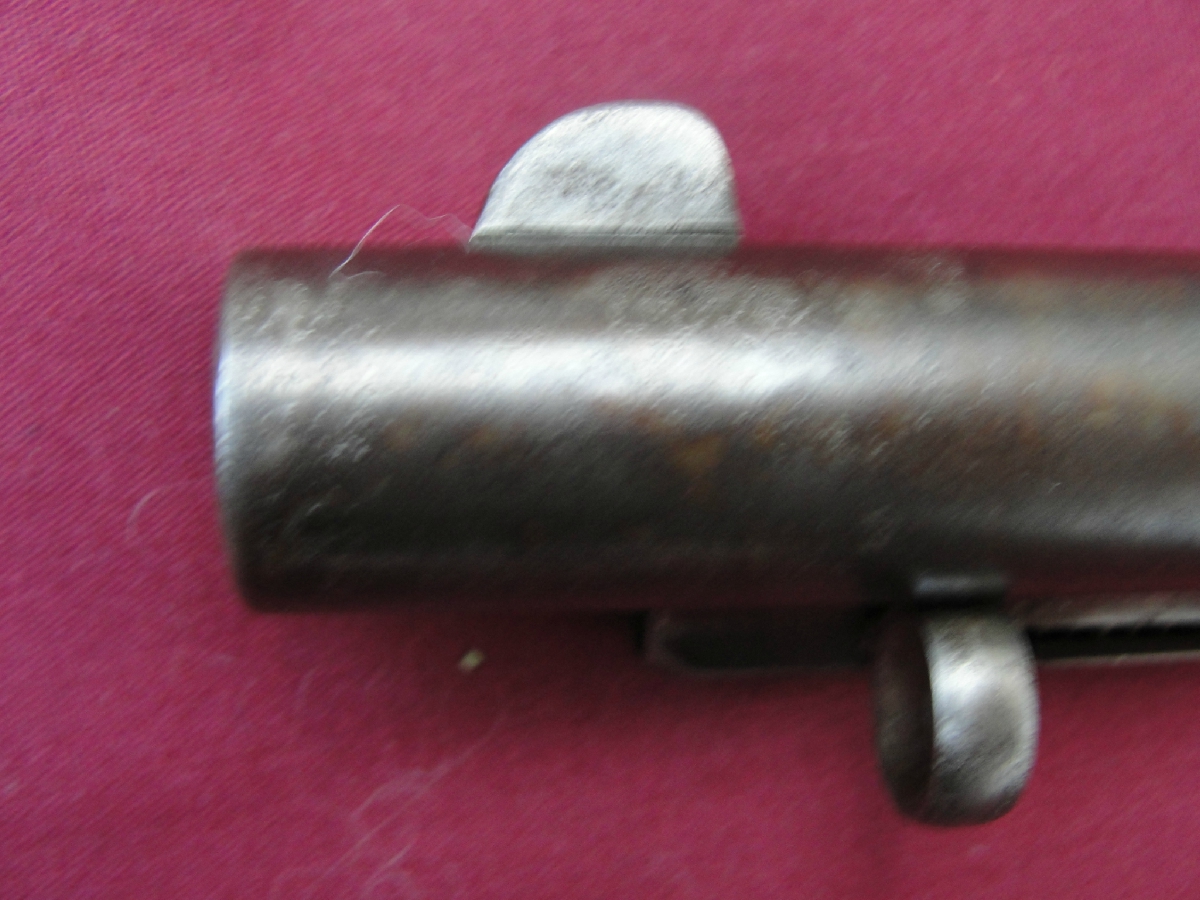
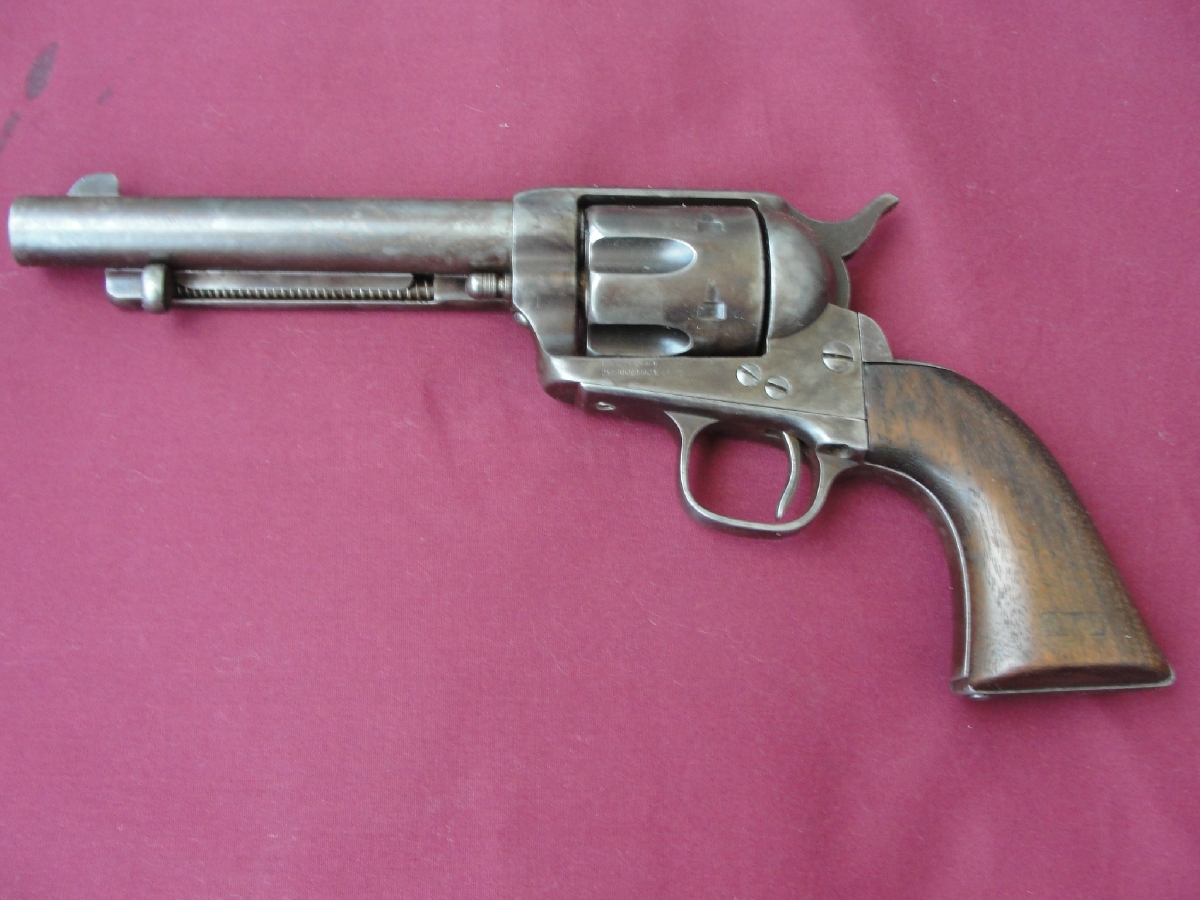

Many good ideas have come along in the field of armaments, but some of them stand out. A few endure for decades. Lately, I’ve been reflecting on a particularly attractive style of handgun that has been a good idea since World War I.
I’m referring to the Model of 1917 revolver, as made in typical versions by Colt and Smith & Wesson and chambered for the .45 ACP cartridge. Many handgunners are familiar with this model, but let’s review the details for those late to the party. In 1911, we developed and adopted the excellent Colt service semi-automatic pistol in a new caliber.
It was the now-famous .45 ACP. Rimless—in order to run smoothly through a single-column, seven-round magazine—the .45 ACP actually did have a rim. It was no wider than the body of the cartridge, but had a circumferential groove for the pistol’s extractor to pull the fired cartridge out of the chamber. This cartridge and its extractor groove positively impacted the quick development of the 1917 revolver.
There would have been no need for this type of revolver if there were enough 1911s to meet the demands of the American Expeditionary Force (AEF) in World War I.
Sadly, the number of handguns needed could not be met by America’s total manufacturing capability at the time. The Springfield Armory had to stop making 1911 pistols and convert the factory to produce M1903 Springfield rifles.
There is also that persistently repeated story that the 1911 magazine was made from a special imported tubing, which became unavailable as the war progressed and America entered it in 1917. We might have been able to build more, but they would have been useless without magazines—allegedly built from a special tubing made in Germany.
So, the Ordnance guys came up with a good idea. Both Colt and Smith & Wesson had working production lines, capable of spitting out thousands of large-frame revolvers in big calibers. In short order, the two legendary competitors had made a few necessary tooling changes and pressed the GO buttons on their production lines. Over the next few months, each factory produced and delivered slightly more than 150,000 rugged, rough-finished, DA/SA, six-shot revolvers.
They fired the same cartridge as the .45 semi-automatic pistol. The thing that made it work was a crescent of thin, but strong, sheet steel with three recesses, spaced to match three adjacent chambers in the revolver’s cylinder. Two of these so-called half-moon clips held a total of six rounds. Tens of thousands of these sturdy revolvers were used in the various battles of The Great War. My late father carried one—a Smith & Wesson 1917. I fondly recall him finding a half-moon clip in an old desk at the armory where he worked and patiently explaining its history to his gun-struck son.
In the inter-war years, many of the 1917-model .45 revolvers found their way into civilian hands. The Border Patrol used some of them, as did many (low-paid) peace officers of the Depression era. Both makers actually built post-World War I, civilian-finished versions of the same 5.5-inch, large-frame wheelguns.
For those who were fussy about loading the sharp-edged moon clips, Peters Cartridge created the .45 Auto Rim cartridge. This interesting round put a thick rim on the .45 ACP cartridge, so it could be used in a ’17 revolver without the clip. In the late 1930s, Auto Rim ammunition was popular enough to be loaded by Winchester, Western, Peters, Remington and U.S. Cartridge. It was another good idea for a sometimes near-forgotten type of gun.
A few of the 1917s were used to good effect in World War II, but more were relegated to use with Guard and reserve troops. After the war, Colt chose to cease production of its large-frame New Service model revolvers, including the .45 ACPs. Smith & Wesson underwent a total overhaul of its product line and came out with a series of new models. It was a period of dynamic expansion for the old-line gunmaker. In an effort to fill the demand for a bullseye target gun, Smith & Wesson created the 1950 Target model.
It was a target-sighted version of the same basic revolver as the 1917. An even fancier (and heavier) version came along in 1955. That model is still in limited production, and the company has made the same basic revolver in a number of different barrel lengths and configurations. The guns have been well-received, largely because of yet another good idea.
In the mid-1970s, a small Mid-western company called Ranch Products began making some new variations of the half-moon clip. Its first was a two-round “third-moon” clip that police officers liked. These little pairs slipped easily into the dump pouches on their duty belts. But, the small firm hit the jackpot with the full-moon clip, which holds all six rounds needed for a speedy reload.
Compared to the wide variety of speedloaders that were coming into common use at the time, the .45 ACP in full-moon clips was a superior performer. It was more compact, lighter and went into the gun faster. As the shooter needed to eject his empties, a stroke of the ejector rod forced a single object—the clip with spent cases—out of the gun as a unit.
Still, the single-biggest reason I like the Smith & Wesson .45 revolvers is because they are Smith & Wesson .45 revolvers. They have the same general trigger action as so many other wheelguns I have carried and used. The cartridge delivers all the power that I really need in a defensive firearm. Guns from the 1950s have that classic five-screw, tapered barrel, long-action style of the company’s Golden Age. My favorite is a 1950 Target out of Sam Fowler’s shop in Orange, CA. It has what I call a “hard way” action job—cycled and fired tens of thousands of times. Recently refurbished with a recut forcing cone after it began keyholing shots, it’s like a new gun.
Unknown adventures await this fine example of fightin’ iron.
Categories
Well I thought it was funny!



Read more: https://www.ammoland.com/2021/03/nyc-queens-plea-for-unarmed-citizen-intervention-shows-elitist-arrogance/#ixzz6pdHpQ3xR
Under Creative Commons License: Attribution
Follow us: @Ammoland on Twitter | Ammoland on Facebook

U.S.A. – -(Ammoland.com)- “After ‘Defunding The Police,’ NYC First Lady Pleads For Citizens To Intervene In Violent Crimes As Assaults Spike,” The Daily Wire reported Monday. The story noted a series of tweets from Chirlane McCray, wife of New York City Mayor Bill de Blasio urging citizens to place themselves at potential physical risk in the face of hostility and escalating violence.
“As attacks on Asian American communities continue, we’re asking New Yorkers to show up for their neighbors and intervene when witnessing hateful violence or harassment,” McCray pontificated. “I know that can be frightening when you aren’t sure what to do or say, but you can learn.
Intervene against who, exactly?
“Authorities” are keeping who the hate crime perpetrators are close to the vest, making it especially dangerous to get involved if for no other reason than fear of being smeared as a racist for defending against a minority aggressor.
“Fear is a normal feeling when stepping into a confrontation, but being prepared can help,” McCray continues, undeterred by anything so mundane as reality. “I’ll share @iHollaback ‘s 5 D’s, which are easy to remember tactics that we can all use to de-escalate a situation. D is for Distract, Delegate, Document, Delay, and Direct.”
Entitled sociopaths who will punch, stab or shoot you because they feel like it will justify it internally by viewing iHollaback’s wholly unqualified “street harassment” response advice with a “D” of their own, for “Disrespect.” Come to think of it, McCray should have added another “D” for “Duck.”
That’s because her advice doesn’t seem very prudent in a city marked by shootings that had “doubled in 2020 and were up 75 percent last month compared to a year prior.” Big Apple citizen disarmament edicts guarantee the “law-abiding” will be at an extreme disadvantage.
Consider the Sullivan Law, and subsequent New York State edicts and specialized New York City prohibitions. Look at what’s required just to get “permission” to own a gun in that town. Forget about carrying one “legally” unless you’re rich and connected or a celebrity.
Not that Queen Chirlane needs to concern herself with that. She doesn’t need to worry about being “street harassed” or to depend on the kindness of (unarmed) strangers should she find herself being threatened. McCray, hubby, and their royal brood are protected 24/7 by armed security details, and that includes outside the city limits.
Back when he was sticking his toe in presidential waters, de Blasio and the Mrs. were guarded by “at least 10 detectives, including two supervisors, who stayed at the same hotels and ferried the couple around Iowa, South Carolina and other early primary states.” Hizzoner even assigned one of his bodyguards to accompany their son to Yale and “ordered NYPD Executive Protection Unit to move his daughter out of a Brooklyn apartment.”
The curious thing is, between the mayor’s phony budget cuts and his wife’s wholly political pandering, information about reductions in protective detail costs appears to be as guarded as they are. Anybody hear her demand to defund her own security? Or say getting rid of that part of NYPD would be “utopia”?
As for the hapless citizens who pay for it all (and yet somehow always seem to elect elitist violence monopolists to rule over them), the demand that they be rendered defenseless yet still put themselves in harm’s way — to do the job NYPD’s gun law enforcers can’t do — is stunning in its elitist arrogance. It recalls nothing so much as Marie Antoinette’s apocryphal quote when told the people had no bread:
“Let them eat cake.”
You gotta wonder if at any point a people who have welcomed their freedom to be so abused will wake up and repurpose some of those horse-drawn carriages the mayor tried to ban as tumbrels.