 Courtesy of Big Game Hunting Adventures
Congratulations! After investing a great deal of time, energy and money, you finally bagged the trophy of a lifetime. The best way for you to preserve the memories of this hunt forever, while at the same time paying proper respect to the animal, is to take a good trophy photo.
Most of us have limited space for taxidermy in the house, but photographs are cheap and take up almost no space. Unfortunately, taking a good trophy photo is a task that countless hunters mess up each year, wasting a precious opportunity to capture the moment.
On your next hunting trip, make sure you follow these tips on how to take a good trophy photo, and I guarantee that you will appreciate the results. Courtesy of Steve Myers
 Courtesy of Matthew Acosta
 Courtesy of Kevin McAdams
 Courtesy of Kok & Seyffert Big Game Hunting
 Courtesy of Kok & Seyffert Big Game Hunting
Most of us have limited space for taxidermy in the house, but photographs are cheap and take up almost no space. Unfortunately, taking a good trophy photo is a task that countless hunters mess up each year, wasting a precious opportunity to capture the moment.
On your next hunting trip, make sure you follow these tips on how to take a good trophy photo, and I guarantee that you will appreciate the results.
Carry the right equipment
Courtesy of Steve Myers
The best time to take a trophy photo is immediately after recovering the animal. The animal will look more “fresh” in the photographs and will be easier to move around before rigor mortis sets in. However, this means that you must either be carrying all of the proper equipment necessary to take the photograph or have it quickly accessible.
The most important piece of equipment you’ll need to take a good trophy photo is a good camera. Though carrying a high-quality camera is great, there is not necessarily anything wrong with using a cellphone to take pictures with, just make sure you use one with a good camera.
I cannot emphasize this enough: No matter what camera you decide to carry, make sure you know how to use it. Trying to take a good trophy photo of the buck of your dreams is not the time you should be learning how to use your camera. It does you no good to take the time and create the perfect setting for your trophy photo if the camera isn’t focused properly or the flash won’t go off.
Additionally, try to use a camera that has either a timer setting or a remote. This is especially important when hunting alone, and there is nobody around to photograph you with the animal. However, this can still be helpful when hunting in a group as it will allow you to photograph the entire hunting party at once.
As I’ll discuss later, some of the best trophy photos are those taken from an extremely low angle, which often necessitates laying on the ground. A poncho or other piece of waterproof gear can be helpful by keeping the photographer dry if the ground is wet or muddy.
Finally, if at all possible, carry a small tripod with you as well. This will help ensure that the camera is held steady and level during shooting and greatly assist when taking a group photo.
Prepare the animal and the scene
Courtesy of Matthew Acosta
Remember: the animal (not the hunter) should be the focus of any good trophy photo and that all trophy photos should be taken in a manner respectful to the animal. Whenever possible, take your trophy photos in a natural setting (preferably in the area the hunt occurred).
Whatever you do, ensure that there is nothing distracting or inappropriate in the background of the photograph. Also, please do not take a photograph of an animal in the back of a truck.
One of my favorite poses is to place the animal in a bedded-down position with the legs folded up underneath the body. Then, use a stick, rock or your hand to support the animal’s head during the photographs.
If possible, position the animal so that the horns or antlers are silhouetted against the sky. Remove vegetation or other objects from in front of or behind the animal that may cause a distraction in the photo.
Additionally, take your trophy photos from a low angle. This emphasizes the size of the animal. The two photos below are of the same buffalo, but notice how much more impressive it looks when the photograph was taken from a low angle.
Courtesy of Kevin McAdams
Before taking the photograph, do your best to ensure that you remove excess blood from the animal. Depending on the situation, I like to either use water or dirt to wash away or obscure the blood.
In addition to the actual bullet or arrow wound, don’t forget to clean up the mouth and nose of the animal. Finally, stick the tongue back in the animal’s mouth before taking the trophy photograph.
The photograph below is, in my opinion, almost perfect. The animal is clean and sitting in a dignified position near the area where the hunt occurred. For the most part, the horns are silhouetted against the sky, and the background enhances the beauty of the animal without being distracting. The only thing I can think of to improve this trophy photograph would be to remove the blades of grass that are in front of it.
Courtesy of Kok & Seyffert Big Game Hunting
Don’t forget about preparing yourself for the photograph as well. Avoid wearing sunglasses in trophy photographs. The same goes for hats, since they will often cast a shadow across your face.
Generally speaking, it is best to position yourself either next to, or behind the animal in a trophy photo. Make sure you are close enough to touch the animal, but are also positioned off to the side of the antlers/horns.
Take a variety of shots
Luckily, digital photos are free, and you can take literally hundreds of trophy photos with no problem. Take photos with different settings on the camera, both with and without a flash, or even in black and white or sepia tone.
Take photographs from different angles of different poses as well. Also, don’t be afraid to try out a nontraditional pose or some candid shots. There is a good chance that a pose or camera setting that you did not initially think to try actually ends up being a great trophy photograph.
Keep in mind that you’re trying to tell the story of the hunt with your trophy photograph. Especially if the hunt would not have been successful without the efforts of someone other than the hunter, like the dog in the photo below (who was essential in recovering the impala), make sure you include that member of the team in the trophy photo.
Courtesy of Kok & Seyffert Big Game Hunting
I know that it all sounds really complicated and difficult. Luckily, taking a good trophy photograph is just like anything else: the more you do it, the easier it gets.
Take a critical look at some of your recent trophy photos and choose one or two things to improve on next time you go hunting. I guarantee that down the road, you that you will appreciate taking a little bit of extra time to take some high-quality trophy photos.
 A 9.3x62mm cartridge (left) compared to a 7.62x51mm (right).
Today I want to discuss a lesser known, yet potent and versatile hunting cartridge: the 9.3x62mm Mauser. While relatively popular in southern Africa and Europe, relatively few hunters in the United States utilize this outstanding cartridge, usually relying on the more common .375 H&H Magnum instead when hunting large and dangerous game.
While the .375 H&H is an outstanding cartridge, the 9.3x62mm can provide 85-95 percent of the power (dependent on the exact load) with less recoil and with the added bonus of being able to fit in a rifle with a standard-length action instead of the magnum-length action required by the .375 H&H. This makes the rifle shorter, lighter and cheaper overall and a great choice for hunting big game all over the world.
Before I really get started, please understand that this article is not about bashing the .375 H&H. It is an excellent cartridge and is widely used the world over for good reason: it works. This article is merely trying to describe some of the advantages of a less popular, but comparable cartridge and why it may be appropriate to explore the 9.3x62mm in further detail.
Designed in 1905 for the Mauser Model 1898 rifle, the 9.3x62mm soon became popular among German settlers in Africa. The cartridge rapidly acquired a reputation for providing sufficient power to cleanly take all species of plains and dangerous game in Africa. This, combined with the fact that it was available in a reasonably priced magazine-fed rifle, led to an explosion in popularity among hunters in Africa and Europe.
Modern 9.3x62mm factory loads generally fire a 220-320gr bullet at velocities between 2,200 and 2,650 feet per second. However, a 286gr bullet at approximately 2,350 feet per second is probably the most popular load. This load produces over 3,500 foot-pounds of energy and is a deadly combination for deer, elk, moose, bear and large plains game species like kudu and eland.
The 9.3x62mm can also work as a great cartridge when hunting dangerous game like buffalo and elephant where legal. Though some countries, like Tanzania, have a minimum caliber of .375 for dangerous game hunting (the 9.3mm is .366 caliber), Mozambique has no minimum caliber and Zimbabwe has a minimum caliber of 9.2mm.
While it is the absolute smallest cartridge I would recommend using on buffalo and elephant, the 9.3x62mm will do a great job when using an appropriate controlled expansion or solid bullet that is placed properly. Indeed, many thousands of buffalo and elephant have fallen to the venerable 9.3x62mm over the last century. That being said, the cartridge is not the best choice for following up a wounded buffalo or elephant in heavy cover, but then again, neither is the .375 H&H.
One of the reasons the 9.3x62mm cartridge performs so well on large and dangerous game is because it penetrates deeply and consistently. This is partly due to the fact that the bullet has a high sectional density (a measure of the ratio of the diameter of a projectile to its mass).
All other things equal, a heavier projectile of a given caliber will be longer and therefore have a higher sectional density and consequently penetrate deeper than projectiles with a lower mass and sectional density. As an example 286gr and 293gr 9.3mm bullets have sectional densities of .305 and .312 respectively. This compares favorably to 270gr and 300gr .375 caliber bullets (the most popular weights for that caliber) which have sectional densities of .274 and .305 respectively.
Another advantage that the 9.3x62mm has is the relatively light (for a medium-bore dangerous game rifle) recoil that it generates. While the exact amount of recoil generated depends on the load used (more powerful loads generate more recoil) and the weight of the rifle (heavier rifles have less recoil), the 9.3x62mm generates between 65-85 percent of the recoil of the .375 H&H. For comparison, this is only 20-30 percent more recoil than a typical rifle chambered in .30-06.
 A 9.3x62mm cartridge with a recovered 286gr Swift A-Frame (left) and 286gr Woodleigh FMJ (right).
A manageable amount of recoil is important for hunters, especially those who are smaller framed or who are just more sensitive to recoil. Lighter recoil typically increases accuracy on the initial shot as well as enabling the hunter to make a rapid follow-up shot. As has been said over and over again, where an animal is hit is much more important than what it is hit with, so an accurately placed 9.3mm bullet is much more effective than a poorly placed .375 or .458 caliber bullet.
Perhaps the biggest advantage of the 9.3x62mm over a .375 H&H is the significantly lower price of rifles chambered for it since the cartridge can fit in a standard-length action. Among other manufacturers, Sako, Steyr and CZ all produce rifles chambered in 9.3x62mm. Of these, CZ produces perhaps the least expensive, yet still excellent quality example in the Model 550 American which starts at $850 MSRP. Compare that to an MSRP of $1419 for a Winchester Model 70 in .375 H&H, $1450 for a Remington Model 700 in .375 H&H.
Additionally, there is a large selection of high-quality ammunition available for the 9.3x62mm. Nosler, Hornady, Norma, Federal, Barnes, Remington, Woodleigh, Swift, A-Square and Prvi Partizan are all major manufacturers that produce bullets and/or loaded ammunition for it. Furthermore, the German munitions company RWS also produces excellent quality 9.3mm bullets and ammunition, but they are expensive and hard to come by in the United States. These manufacturers produce a wide variety of bullets that range from light, rapidly expanding bullets for use on white-tailed deer to heavy, controlled expansion and solid bullets for buffalo and elephant.
With a premium rifle chambered in 9.3x62mm, one could legally and ethically hunt virtually every species on Earth from white-tailed deer to elephant. I cannot think of many other calibers that would allow a hunter to pursue such a wide variety of species without breaking his or her shoulder or bank account while doing so.
However, in addition to the previously mentioned shortcomings against stopping a dangerous game charge, the 9.3x62mm is not really suitable for long-range shots over about 300 yards like one might encounter on a Marco Polo Sheep hunt. Other than those few exceptions, the caliber fits the bill nicely for the vast majority of big game.
In short, the 9.3x62mm is a fantastic cartridge that can fill a number of different roles for a big-game hunter virtually anywhere in the world — especially for a hunter who only wants one rifle to hunt a wide variety of big game. John “Pondoro” Taylor summed the 9.3x62mm up pretty well when he said in his book “African Rifles and Cartridges” that, “There isn’t really a great deal to say about it. Everybody found it so generally satisfactory that there wasn’t anything to start a discussion.”
Is it a perfect cartridge? No, but I think the 9.3x62mm comes about as close to a “one size fits all” solution as you can reasonably expect to get.
“Africa’s Most Dangerous” by Kevin Robertson, “African Rifles and Cartridges” by John Taylor, “The Reloader’s Nest,” and “The African Hunter” were all used as references for this article.
Even though many people treat the .223 Remington and 5.56x45mm NATO cartridges as interchangeable rounds, this can be a dangerous practice under the wrong circumstances.
It is true that the two cartridges are quite similar. However, there are some subtle, yet important differences between the .223 Remington and the 5.56x45mm cartridges. Today, I’ll go over some of the differences between the two rounds and some good practices to follow when using them.
As you can see in the photo below, .223 rounds are virtually identical in size to 5.56mm rounds. This means that the majority of the time, .223 ammunition will chamber and fire in a 5.56mm chamber and vice versa.
However, the biggest difference between the two is that 5.56x45mm ammunition is loaded to a significantly higher pressure than .223 Remington ammunition. Correspondingly, 5.56mm chambers are designed and built to withstand the increased pressure, while .223 Remington chambers generally are not.
 A 5.56x45mm NATO round (center), flanked by .223 Remington bullets.
Additionally, .223 Remington chambers have a shorter leade (the distance between the mouth of the cartridge and the point where the rifling engages the bullet) with a steeper angle than 5.56mm chambers. Generally speaking, a shorter leade results in increased accuracy at the expense of increased pressure and decreased velocity, while a longer leade produces increased velocity with lower pressures at the expense of reduced accuracy
Originally designed as a military cartridge, the 5.56mm NATO was meant to be used with a longer leade with a shallow angle. In addition to producing increased velocity, this also had the advantage of improving reliability by allowing more buildup of carbon and other “gunk” without adversely affecting the function of the rifle.
All other things being equal, a shorter leade results in increased pressure when compared to a longer leade. This means that firing 5.56mm ammunition (which is already loaded to a higher pressure) out of a .223 Remington chamber can produce dangerous amounts of pressure.
Yes, it is true that not all chambers are the same, and the same is true for ammunition. For this reason, it is absolutely possible to fire 5.56mm NATO ammunition out of .223 Remington chambers with no issues.
However, combine ammunition that is toward the top end of acceptable safety limits with hot summer temperatures and a little too much fouling in the chamber, and you stand a good chance of running into some serious trouble. The rifle probably won’t blow up, though it is possible.
More likely, it will blow the primer out of the primer pocket on the case and it will end up somewhere in the internal workings of the rifle. Obviously, this is not good and can result in a frustrating and dangerous situation.
To avoid this, ensure that you only fire the appropriate ammunition in your rifle. First, find out if your rifle is a .223 Remington or 5.56mm NATO.
On an AR-15, look on the top of the barrel near the muzzle. On most other rifles, look on the receiver or the side of the barrel near the chamber. If it says “.223 Remington,” then you can be pretty sure that is what you have.
However, if it says “5.56mm,” that does not necessarily mean that it is safe to fire all variants of 5.56mm NATO out of. Unfortunately, not all 5.56mm rifles are created equal, and the only way to be 100 percent sure is to either measure the throat size yourself, or get a reputable gunsmith to do it for you. Until then, it is best to only fire .223 Remington ammunition in the rifle.
How do you determine if a particular type of ammunition is .223 Remington or 5.56x45mm NATO? If the ammunition is packaged as M193 or M855 (or a variant of those), it is definitely 5.56mm.
If you don’t have access to the packaging, or it doesn’t say, look at the headstamp on the base of the bullet. If the headstamp says “5.56x45mm” or is 2-3 letters and 2-3 numbers (such as “LC 13” in the photo below), and has a cross inside a circle, then that ammo is 5.56mm.
If the headstamp says something like “Hornady 223 Remington,” then it is .223 Remington. If you are still not sure after looking at the headstamp, treat the ammunition as 5.56mm just to be on the safe side.
 Don’t fire this ammunition in a .223 Remington chamber.
In summary: .223 Remington ammunition may be shot safely in either a .223 Remington or a 5.56mm chamber. However, you should only shoot 5.56mm ammunition in a rifle with a 5.56mm chamber or you are risking a potentially catastrophic (and dangerous) incident.
As a result, if you’re looking for a rifle to shoot the widest variety of ammunition, get one chambered in 5.56x45mm (and verify that it does indeed have a 5.56mm chamber) as this will let you shoot both cartridges safely.
The American Rifleman and Guns & Ammo Network were both used as references for this article.
Categories
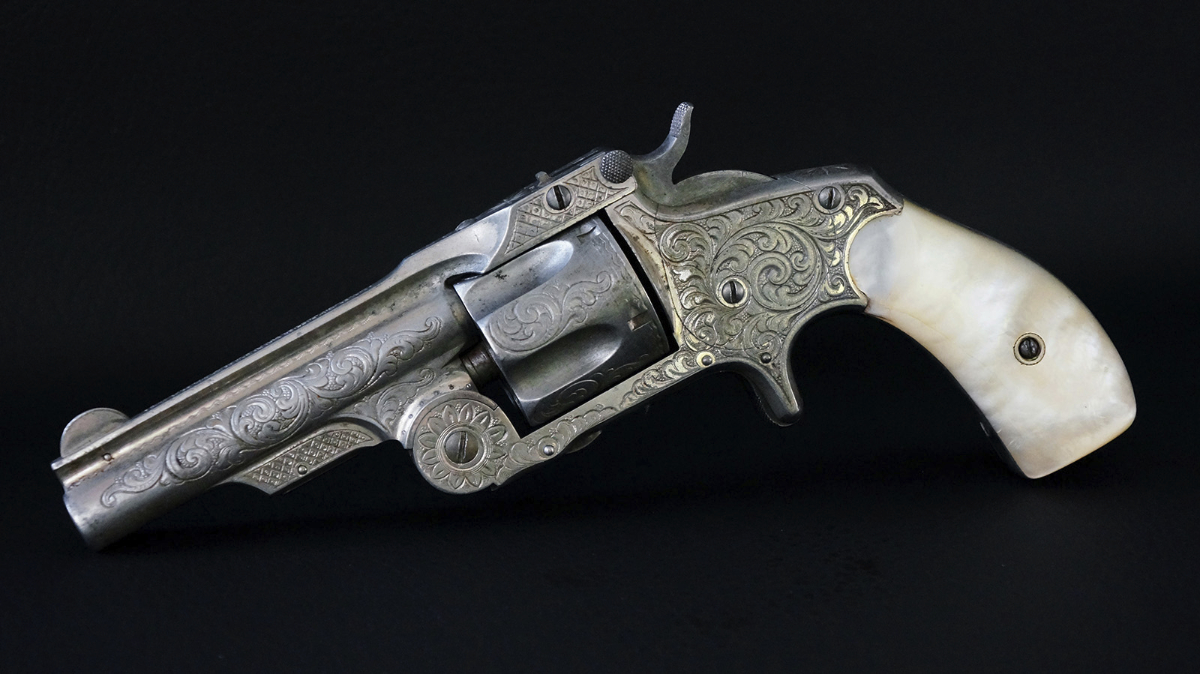
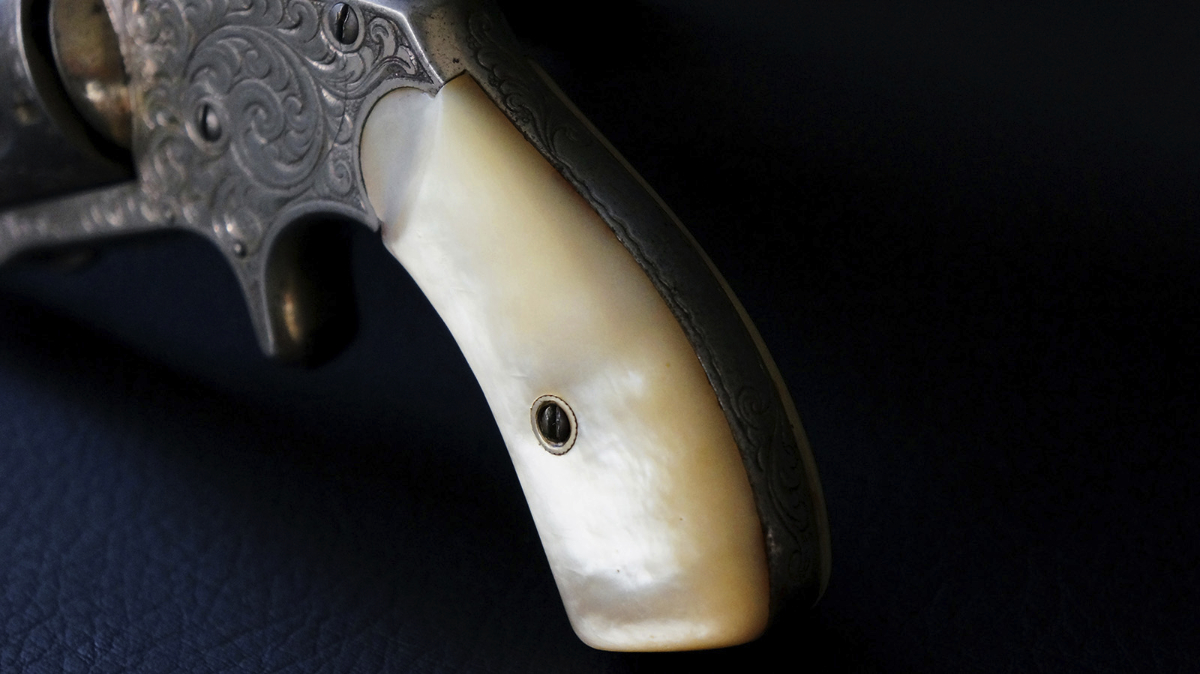
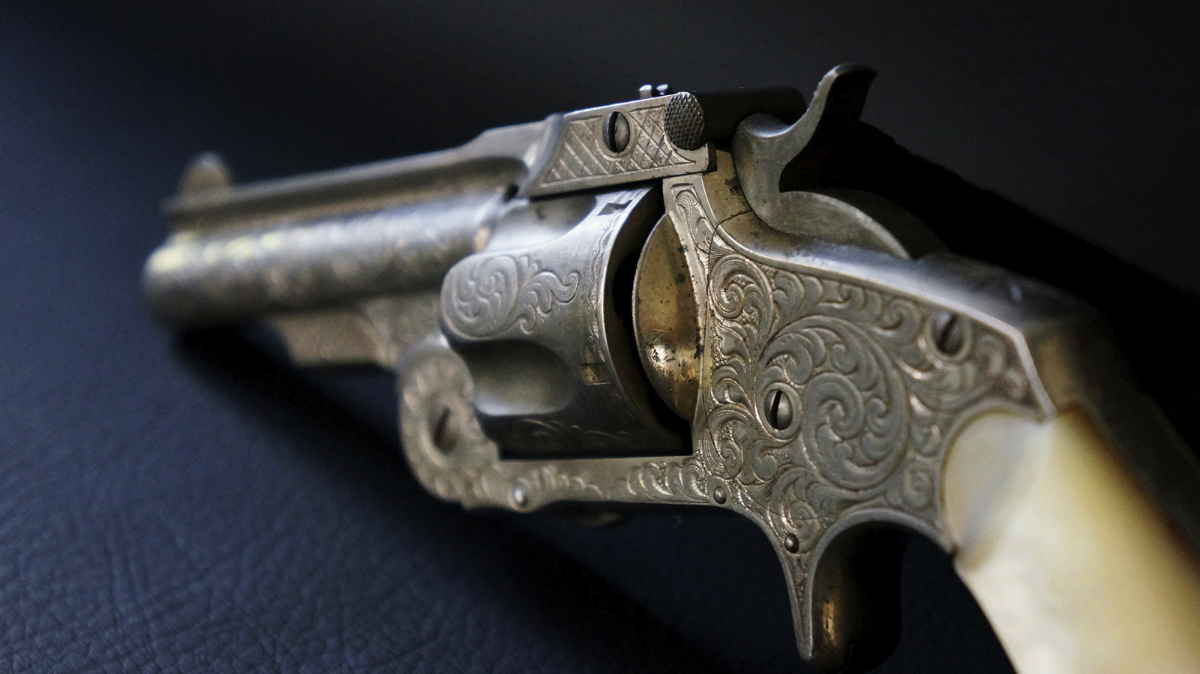
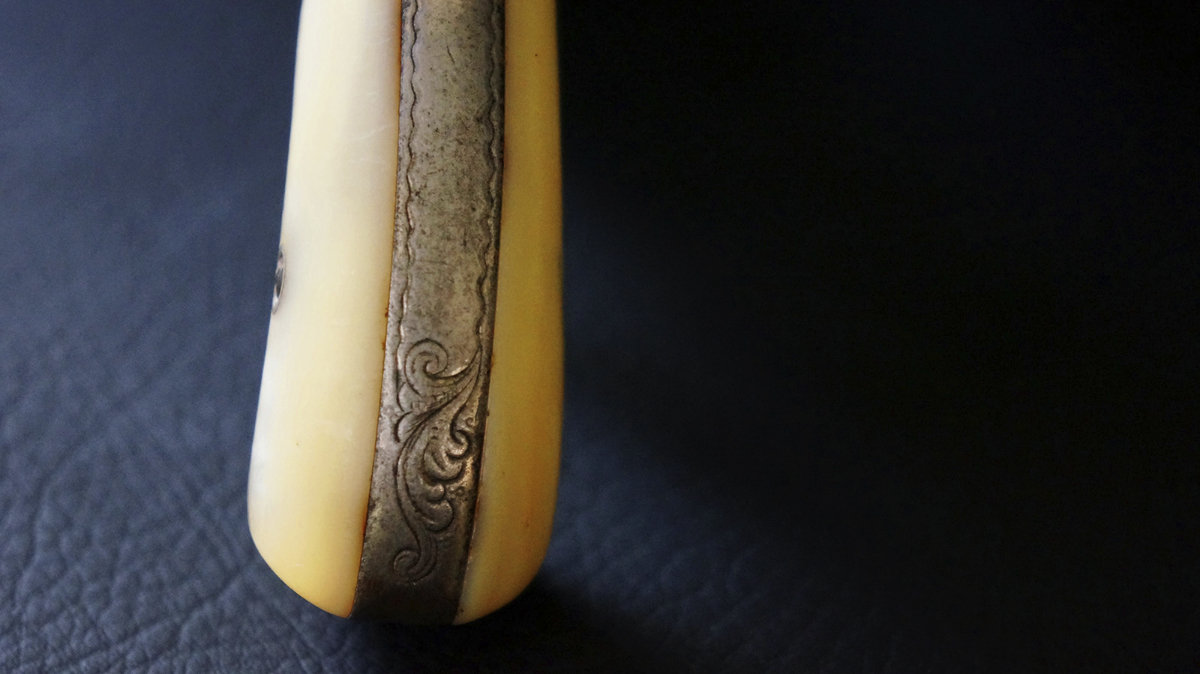
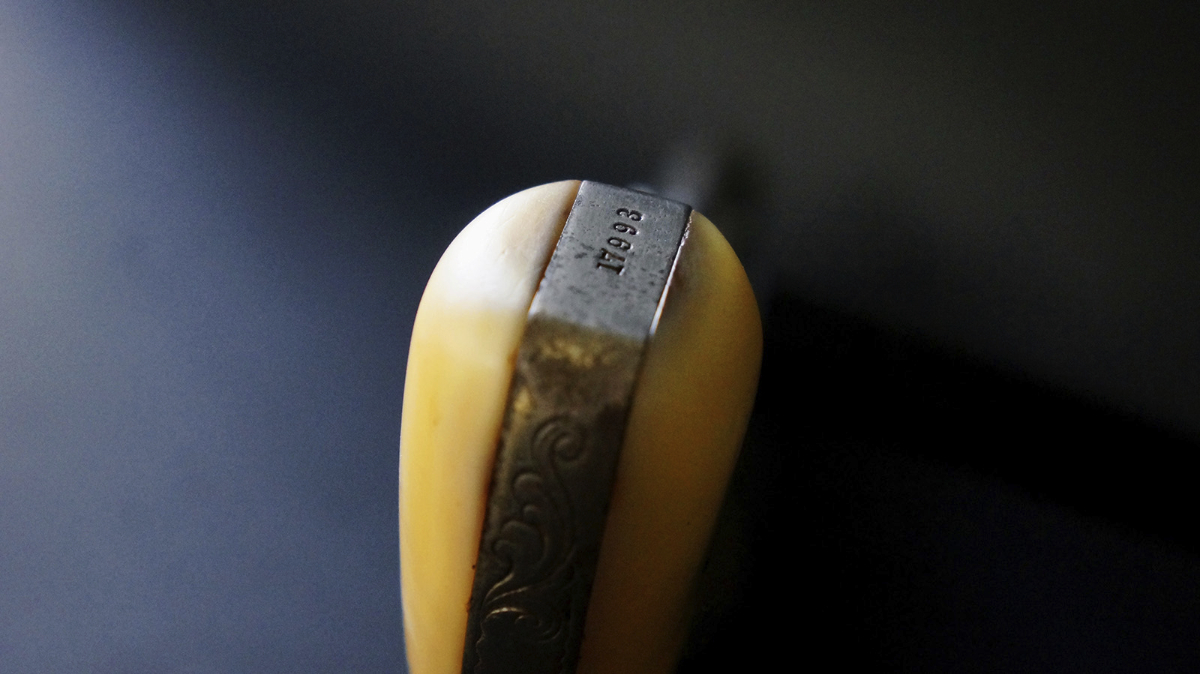
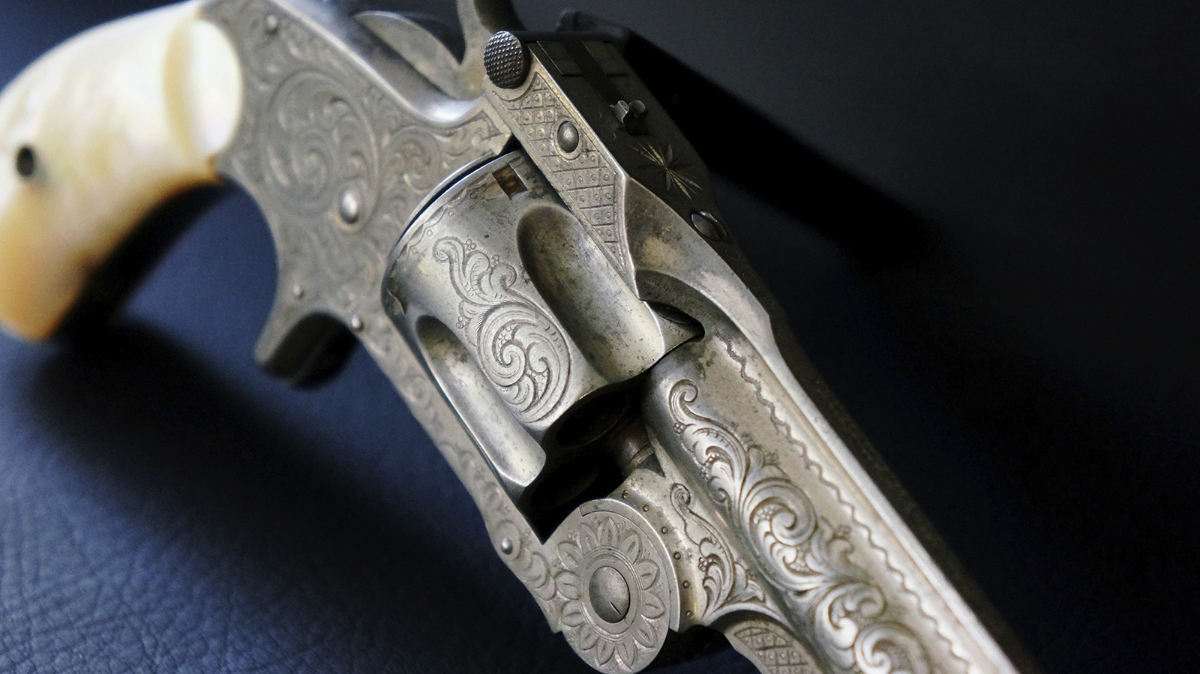
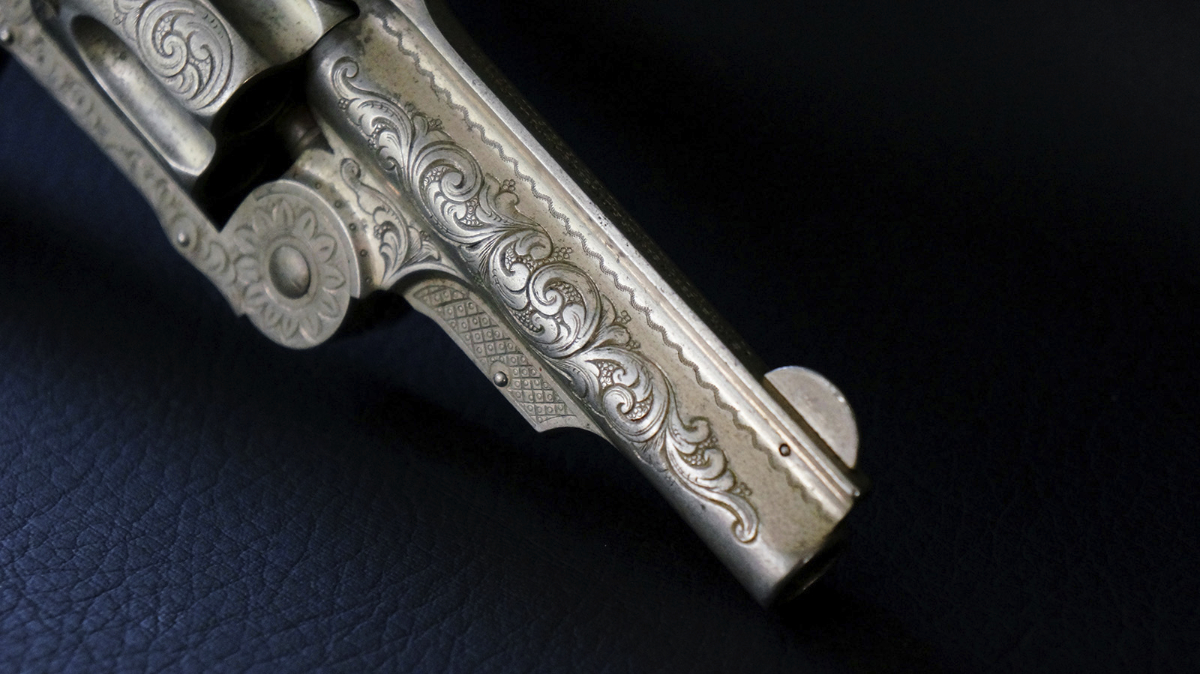
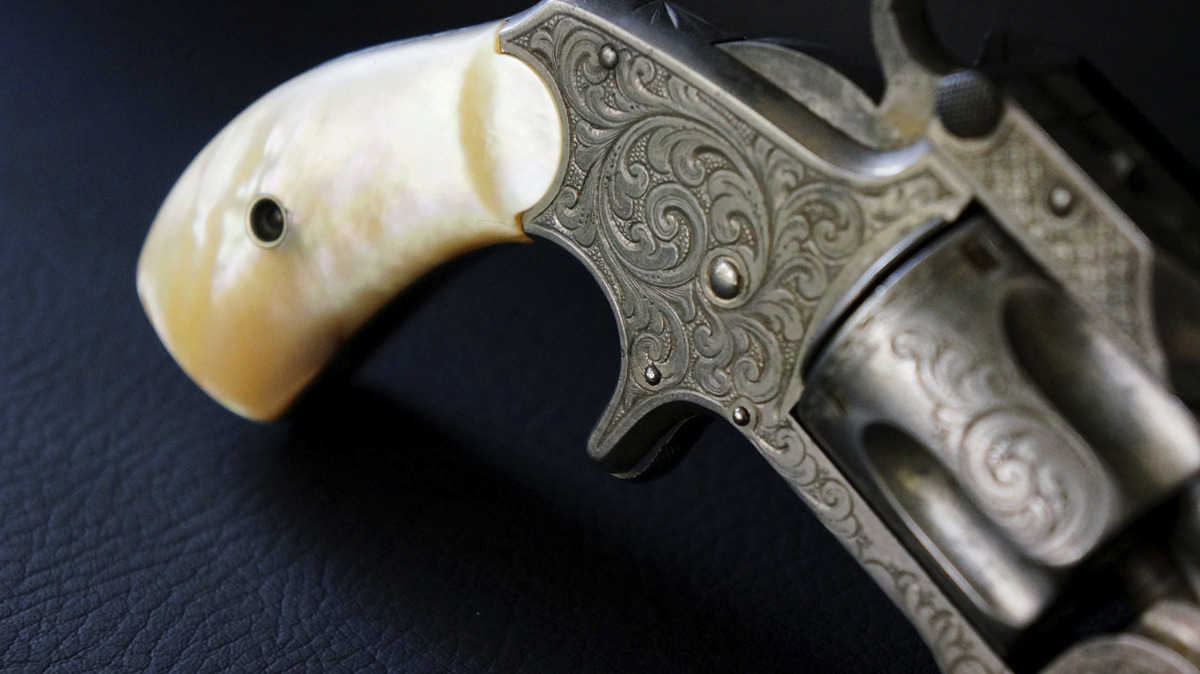
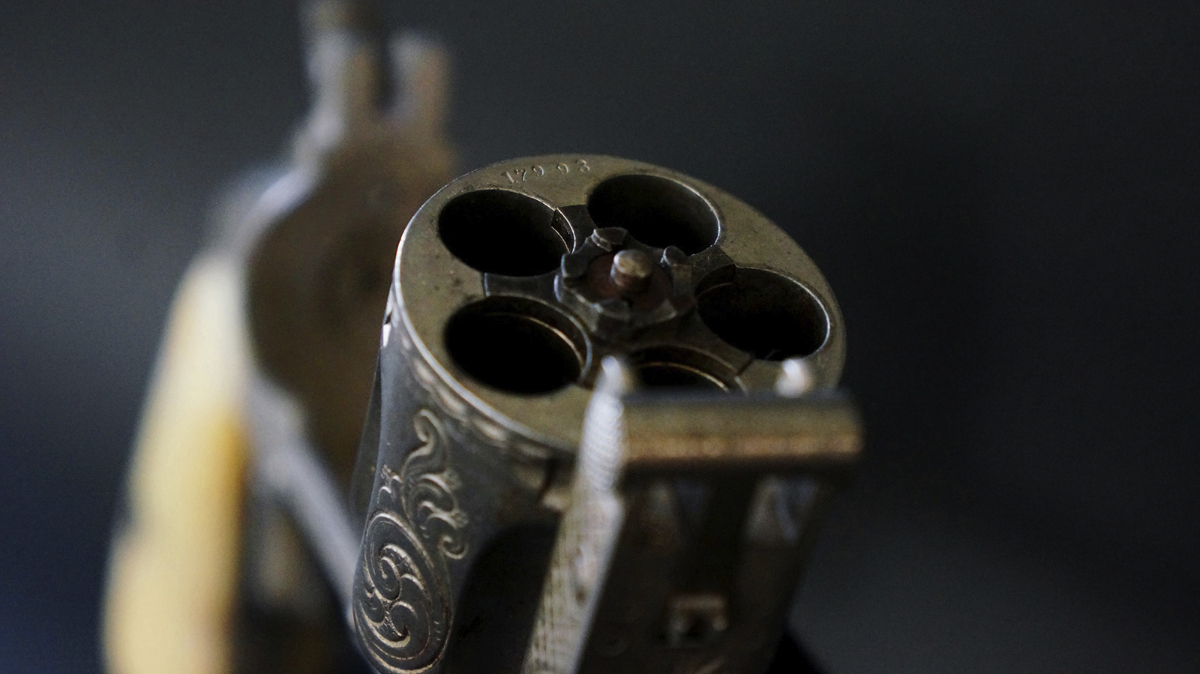
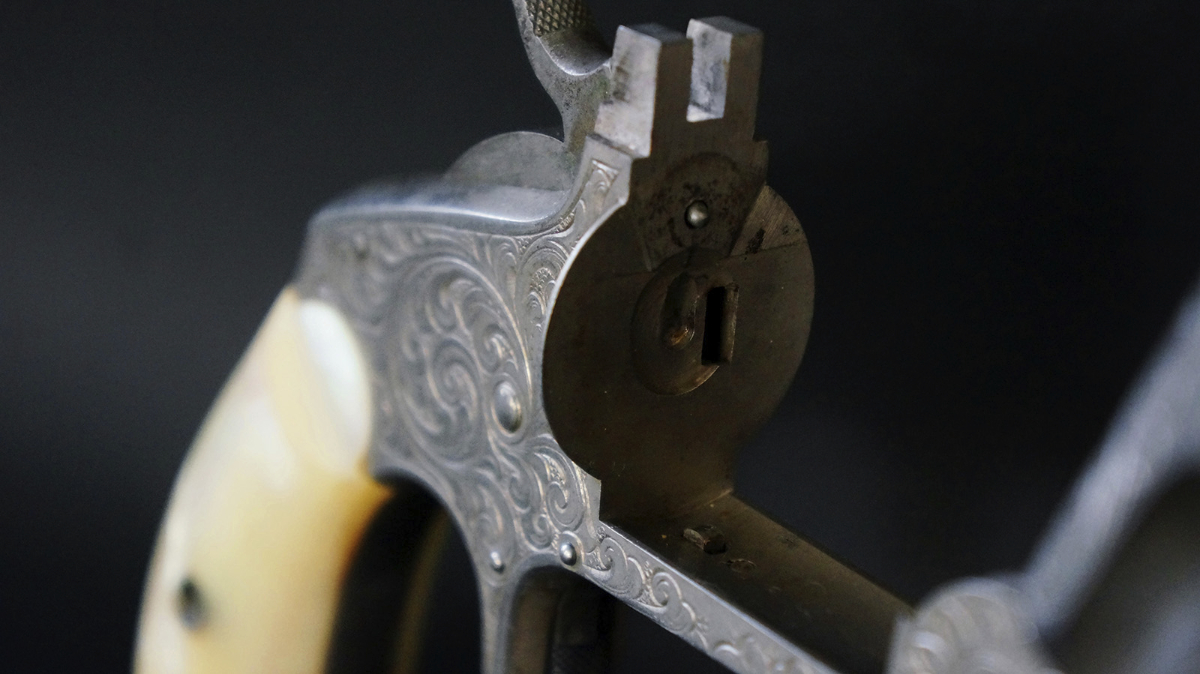
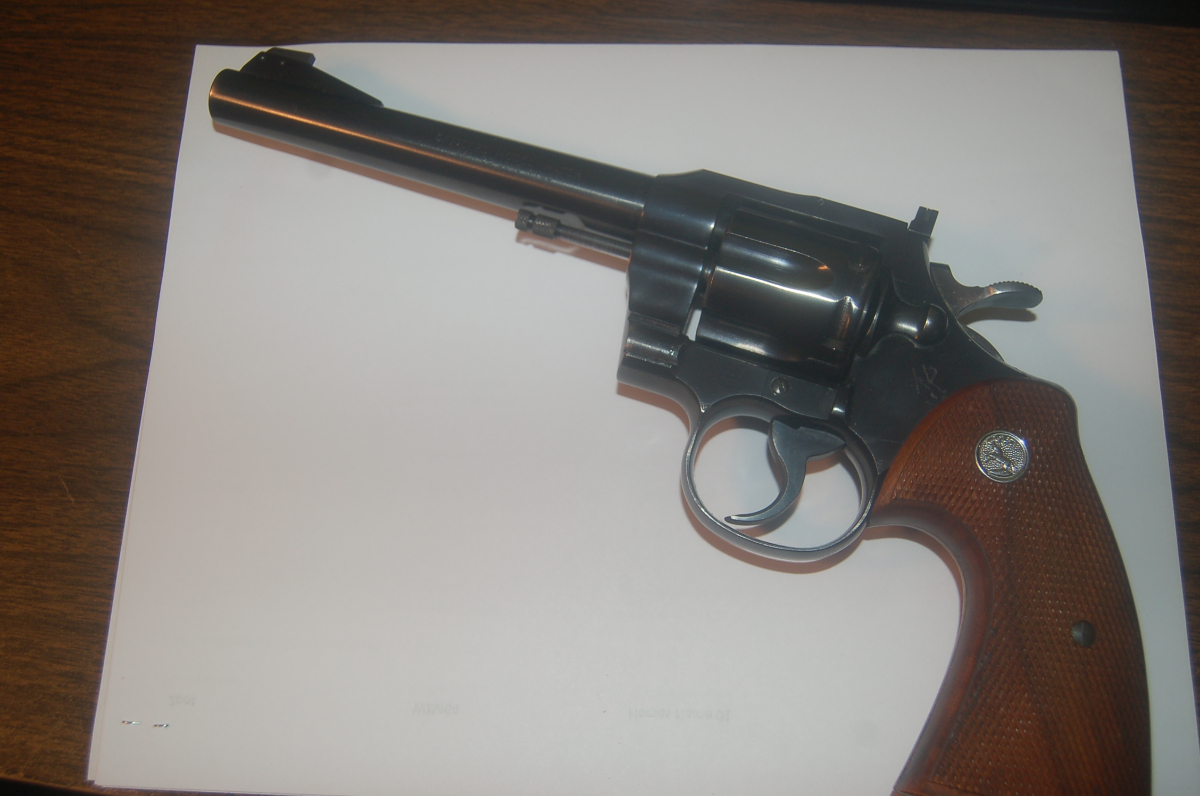
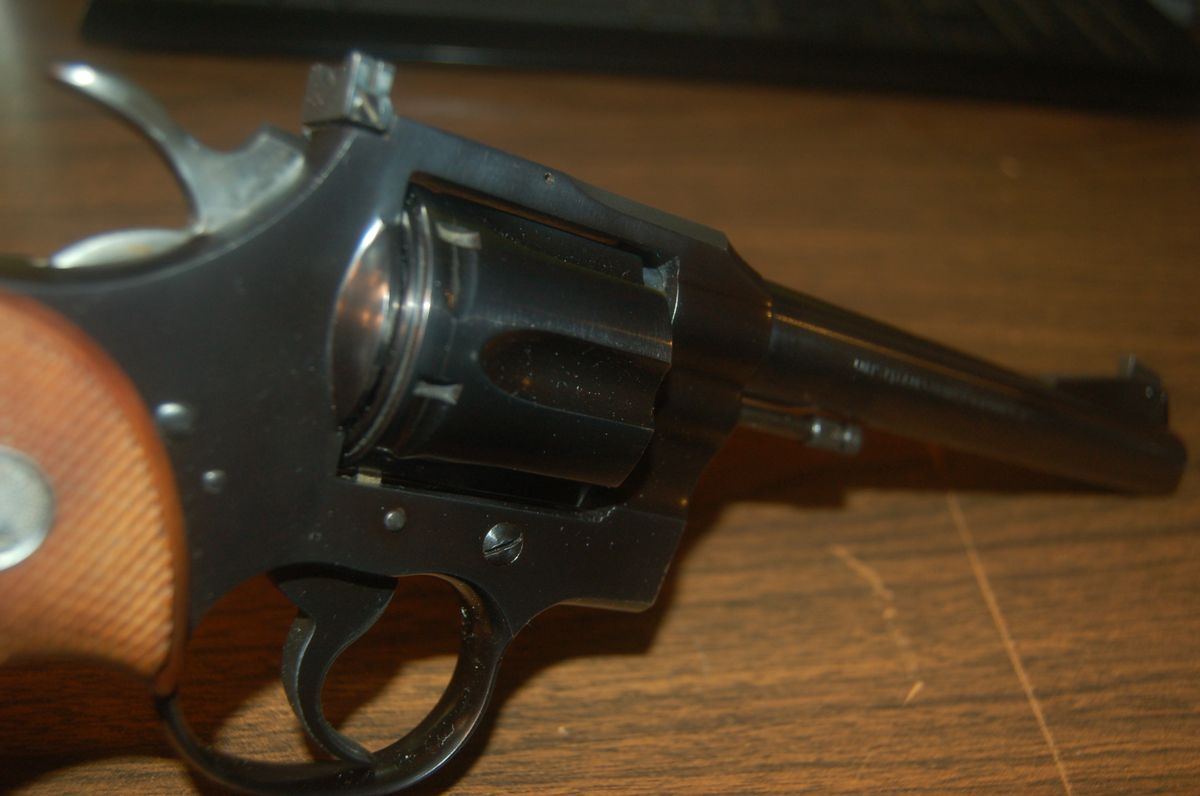
Some more Colt SAA porn
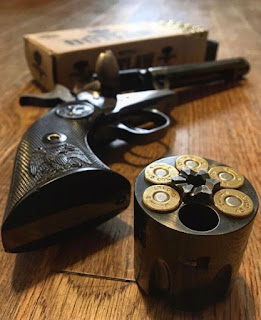
I still think that this fine Pistol will always be remembered and Associated with this Great Country of ours! That and a humble Thank you to MR. Sam Colt! Grumpy

The city council’s cuts officially kicked in and have been in place for a few months.
PJ Media reports exclusively that APD is now suffering a huge surge of officer departures putting it on pace to shatter 2020’s record.
In January 2021, sources tell PJ Media 20 officers retired from APD and eight resigned, for a total of 28 departures.
In February 2021, five officers resigned and six retired, according to multiple sources, for a total of 11 departures.
In March 2021, 24 more officers left APD, with 20 officers retiring. Additionally, three officers resigned and one was terminated.
To put this into perspective, 2019 was the last non-pandemic year and the year before the city council cut APD’s budget. APD averages about 50 retirements or separations in a calendar year, and replaces them with cadets who have graduated from the police academy or officers who join APD from another force.
APD saw 46 officers retire with another 22 resigning in 2019, according to local TV news station KVUE.
2020’s numbers were exacerbated by the George Floyd riots; 78 officers departed or retired from APD from the beginning of those riots to the end of 2020, for a total of 89 separations, according to KVUE.
Official 2021 numbers provided to PJ Media by the Austin Police Retirement System (APRS) break down as follows:
-
- Prior to 2020, retirements averaged 50-52 per year over the last 5-6 years
- Record number of retirements in FY 2020: 97
- First-quarter 2021 retirements: 45
Add to those 45 retirements the 18 resignations or terminations, for a total of 63 separations in just the first quarter of 2021. If the current pace continues, APD could lose approximately 252 officers — about five times the average number of separations for a year. This will impact public safety across the board, and according to the APRS, can impact retirees’ benefits as well. APRS raised the alarm about the impact the city council’s cuts could have in September of 2020.
March 2021’s retirements hit all over the department, including tactical intelligence, gang crimes, narcotics enforcement, investigations, and the bomb squad, according to a full list provided to PJ Media. Traffic enforcement — both warnings and citations — has declined by more than 60% in the first two months of 2021, a source tells PJ Media.
At the same time, the city council’s cuts have forced the cancelation of police cadet classes. The department is losing experienced officers in droves and is unable to replace them with new officers.
Ken Casaday, president of the Austin Police Association, told PJ Media, “It’s extremely concerning. We’re using overtime and forcing people back to patrol just to be able to keep up with 9-1-1 calls. We fully expect to take 50 more officers off of specialized units just to keep up with patrol.”
“In Austin, Texas, the city council has fallen under the influence of hard-line anti-police activists,” Charley Wilkison, executive director of Combined Law Enforcement Associations of Texas (CLEAT), told PJ Media. “They don’t reflect the mainstream in Austin but they have been very loud.”
Wilkison described how the activists have disrupted the city’s relationship with the police department. “For the first time in modern memory, the city negotiated a contract with the police union, only to have activists storm the city council meeting and demand the contract be turned down, and it was.” Wilkison says the activists called the police every name imaginable and the city council “cratered” to them.
“Mayor Steve Adler wouldn’t be fit to hold the shoes of Austin mayors of the past,” Wilkison said. Wilkison also noted there are police defunding bills filed in the ongoing session of the Texas legislature. Those stand little chance of passage with Republicans controlling both houses and with a Republican lieutenant governor and governor.
Austin is “listening to people who want to change America and make it more like China,” Wilkison added. He warned strongly against Austin reverting to a “political police department” like it had before civil service reforms made hiring and promotion decisions based on merit rather than political patronage. “These are mistakes we don’t have to make,” he told PJ Media.
New city council member Mackenzie Kelly was not yet on the council when Mayor Steve Adler led the defunding vote. She defeated one of the most vocal proponents of the cuts in December 2020. Kelly told PJ Media “We need to look at the root causes of these officers leaving. Not just those that are eligible to retire, but also those just plain quitting.”
Noting the shocking number of officers choosing to leave, Kelly said “We are losing our most experienced officers and the community is suffering because of it.”
Austin’s homicide trend is ominous. 2019 saw 31 homicides in the city. Homicides in Austin increased in 2020 over 2019, to at least 44. Sources confirm Austin has had 21 homicides in the first quarter of 2021, putting it on pace to exceed 2020’s total by some distance. There were three shootings, including one fatality, this morning.
APD chiefs are said to be meeting this week to determine which units will be cut further in order to shore up patrols.
Sadly things are going to get very hairy in Keep Austin Weird Texas. All I can say is God help those folks down there1 grumpy

Categories