Categories
Dear Grumpy Advice on Teaching in Today's Classroom Gear & Stuff This great Nation & Its People Uncategorized

How did Coca-Cola become so popular in WWII (Stolen from My Daily Kona)

I live in the Atlanta Area, and there are 2 iconic images from Atlanta, one is Delta Airlines, the other is “Coke”,   They say that babies are nursed on this stuff and if you don’t drink Coke, then you must be a carpetbagger or some Yankee sympathizer.  The locals take their “Coke” seriously, so seriously that every carbonated drink here in the south is called “Coke”.

The Coca-Cola trademark remains one of the most iconic brands in history, and the company behind it remains one of the wealthiest corporations in the world. The secret formula for the original flavor that makes this beverage so distinct is guarded with maximum security, as enthusiasts all over the world try to copy it.
It first started as an alcoholic drink, similar to vermouth, but switched to its non-alcohol taste which we know today in 1886, when John Pemberton, the inventor of the patent, had to step down from alcohol production due to legislative circumstances in Atlanta, where the company was seated.
But how did the brand become so influential?
Well, part of the success of the Coca-Cola company lies in its cunning use of marketing and its even more cunning use of investments. When the U.S. entered the World War II, Coca-Cola made sure to be the official drink of every GI Joe on the field. In 1941, a subsidy for servicemen was introduced, making the price of a coke bottle 5 cents, which was more than affordable at the time.
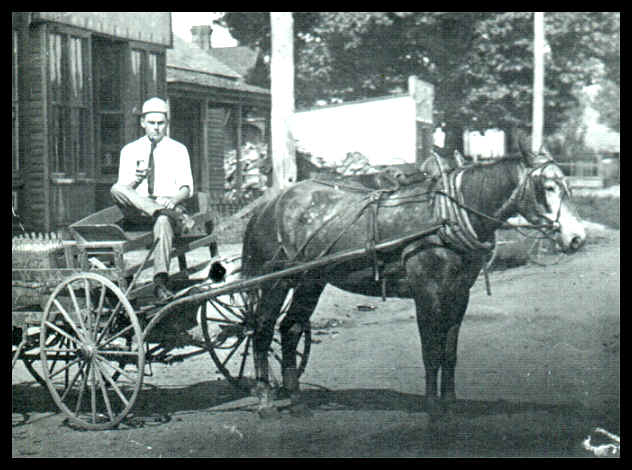
Coca-Cola horse drawn delivery wagon on the Boulevard in Leaksville, North Carolina, 1909.

Also, Coca-Cola briefly turned its investments into weapons manufacture, operating a propellant ammunition loading plant in Talladega, Alabama.
An average of 30 railroad cars of ammunition per day was reportedly produced from their Coosa River Ordnance Plant until closure in August 1945.
The subsidy and the munition production made the company immune to war-time sugar rationing, therefore leaving the production level at its normal rate and even blossom, while their reputation skyrocketed.
The conscripted Coca-Cola employees were also used to operate the 64 newly-formed bottling factories which supplied the military with the beverage. As a result, many of the employees were granted Technical Observer status and were called the Coca-Cola Colonels, never stepping on the battlefield, due to their expertise.
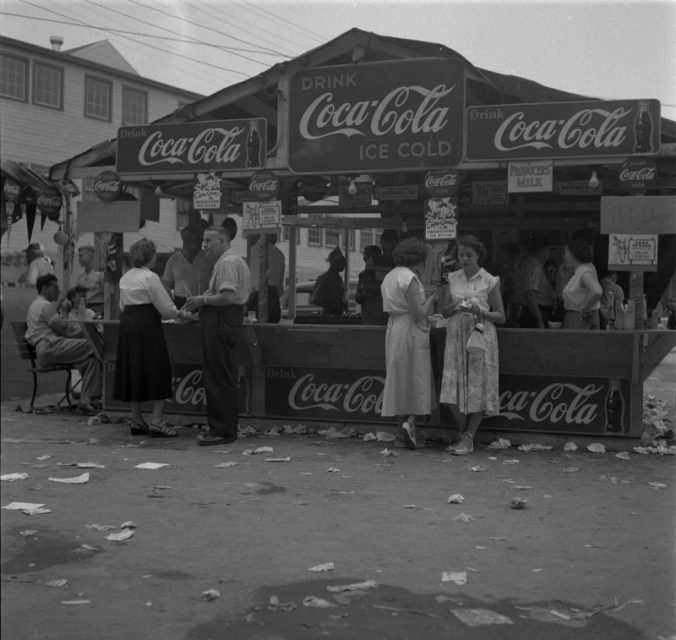
People Gathered By Coca-Cola Stand. Photo: Credit: Rosemary Gilliat Eaton / Library and Archives Canada..

They would go on to produce and distribute 10 billion Coke bottles to Allied military bases and fleets in Europe, Africa, and the Pacific.
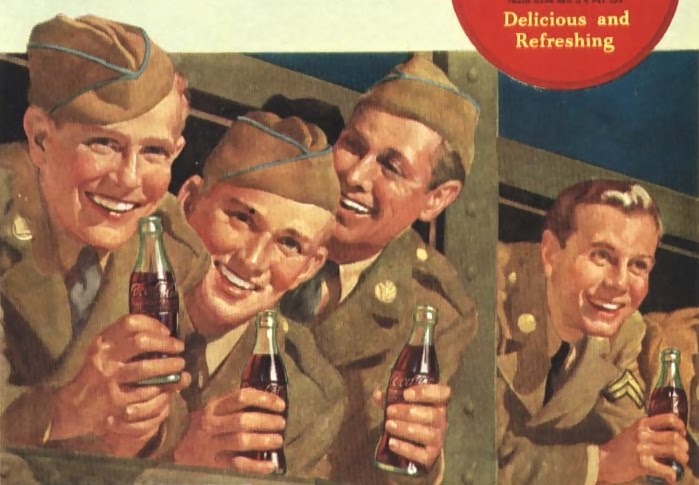
Speaking of Africa, while fighting on the North African front, Germans would come across the typical American soft drink. Even though it was forbidden for German soldiers to consume the treat of their enemies, Coca-Cola soon earned its popularity among the members of Wehrmacht, and especially the Luftwaffe.
Allegedly, pilots would wrap Coke bottles in towels while on their sorties and attach them to the underwings of their BF109 fighter planes. This was truly an ingenious cooling method, as the altitude cooled the drink to almost freezing, which was a true refreshment in the desert sun.
A similar method was used by the American pilots in the Pacific Theater of War. They would freeze an ice-cream mixture in mid-air, and upon their return, voila―an excellent icy treat!
As for the Germans, they relied on captured Coca-Cola bottles, which reached an incredible price as contraband goods in the soldier’s black market. The flavor was truly adored by German soldiers, but this was in part due to the fact that Coca-Cola had a factory in Germany prior to the war, and the Germans weren’t all that unfamiliar with the tasty beverage.
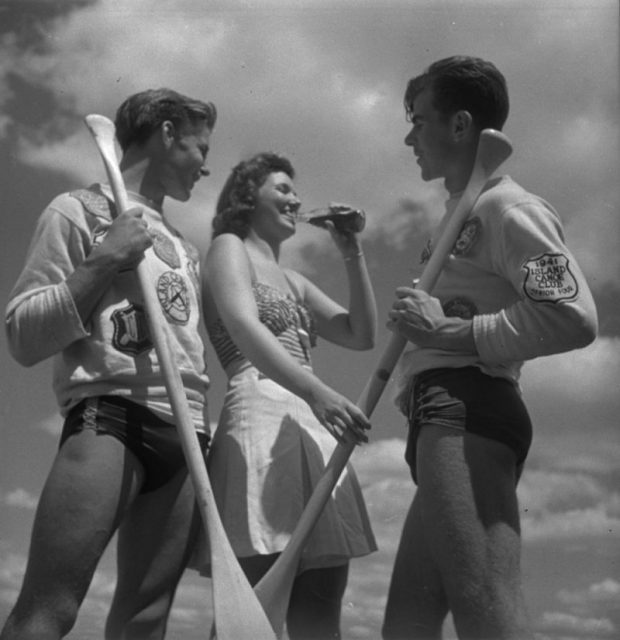
Coca Cola advertising. Photo: Karsh, Malak/Library and Archives Canada

For a decade before the war broke out in 1939, the Coca-Cola Company in Germany operated uninterrupted. Once the two countries declared war on each other, the import of the syrup necessary for production was prevented by the embargo. Germany’s new Coca-Cola factory director, Max Keith, then decided to use the potential of the factory and produce a local soft drink that would serve as an equivalent to Coca-Cola.
He gathered the experts to make a combination of fruit pomace and whey―which were ingredients classified as “leftovers”―and thus Fanta was born. The name came from the German word for “fantasy,” as it really took an imaginative effort to make anything tasty from the given ingredients.
The drink was distributed to soldiers, but due to war rationing, its flavor was often used by military and civilians alike to sweeten their food instead of sugar, which was a wartime luxurious commodity.
After the war, Coca-Cola regained its factory in Germany and continued to produce Fanta under its trademark.
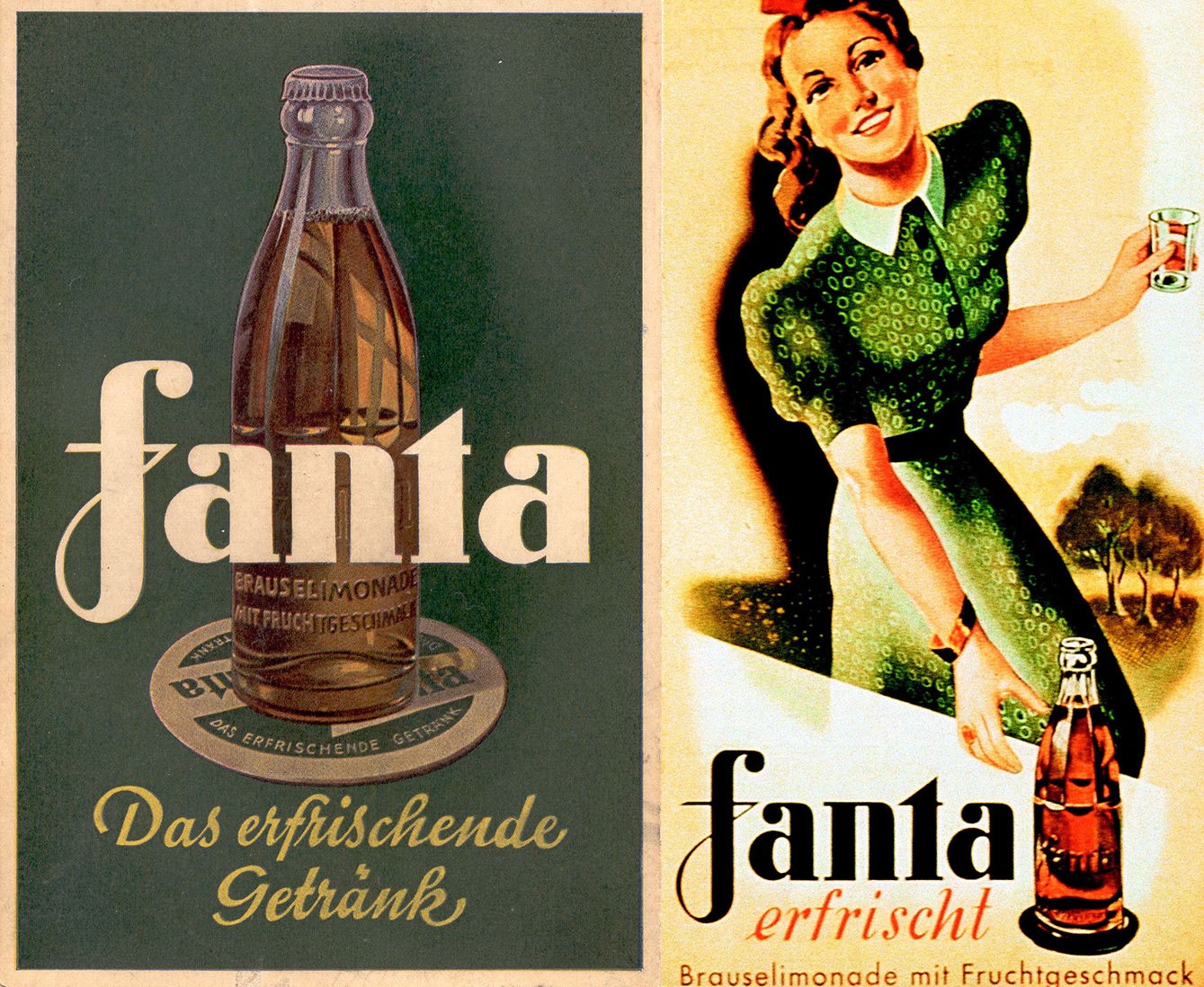
During WWII, a trade embargo was established against Nazi Germany – making the import of Coca-Cola syrup difficult. To circumvent this, Max Keith, the head of Coca-Cola Deutschland (Coca-Cola GmbH) decided to create a new product for the German market, using only ingredients available in Germany at the time, including whey and apple pomace—the “leftovers of leftovers”, as Keith later recalled. The name was the result of a brief brainstorming session, which started with Keith’s exhorting his team to “use their imagination” (Fantasie in German), to which one of his salesmen, Joe Knipp, immediately retorted “Fanta!”
The plant was effectively cut off from Coca-Cola headquarters during the war. After the war, The Coca-Cola Company regained control of the plant, formula, and the trademarks to the new Fanta product—as well as the plant profits made during the war.
During the war the Dutch Coca-Cola plant in Amsterdam (N.V. Nederlandsche Coca-Cola Maatschappij) suffered the same difficulties as the German Coca-Cola plant. Max Keith therefore also put the Fanta brand at the disposal of the Dutch Coca-Cola plant, of which he had been appointed the official Verwalter (caretaker). Dutch Fanta had a completely different recipe from German Fanta, elderberries being one of the main ingredients.
Fanta production was discontinued when the German and Dutch Coca-Cola branches were reunited with their parent company. Following the launch of several drinks by the Pepsi corporation in the 1950s, Coca-Cola competed by relaunching Fanta in 1955. The drink was heavily marketed in Europe, Asia, Africa and South America.

Categories
All About Guns Allies

Stolen from My Daily Kona -Canada retires the Lee-Enfield after 114 years of service.

I shamelessly cribbed this from the “National Post”.  I didn’t know that the Enfield was still in front line service with the Canadians.  I really like the Enfields, I have 2 of them.

They are from front to back, my 303 Enfield, my Springfield 03A3 and my 308 Enfield.
My Enfield was made at the Ishapore Royal Armory in India in January 1945, She is a  Number 1 Mark III.  My other Enfield is a “308” enfield made in 1968 for the Indian Police.  Both were made in the same arsenal.  I thought that was pretty neat.

I have copied the entire article through the magic of “Cut and Paste”.  I thought that this was a really cool article for us people that like history and rifles.  I am using “Chrome” to do this article. so the fonts are a bit different.

It has killed Germans in two world wars, shown up on both sides of the Arab-Israeli conflict and has turned up in the hands of Taliban fighters. Easily one of the deadliest rifles in history, it once protected nearly 50 national armies.
Canadians carried it on D-Day, at Vimy Ridge, through Ortona and in the defence of Kapyong.
Now, after 114 years, the Canadian Armed Forces is becoming the last national military in the world to retire the Lee-Enfield rifle from front-line service.
They even put the gun on their official badge. Wikimedia Commons
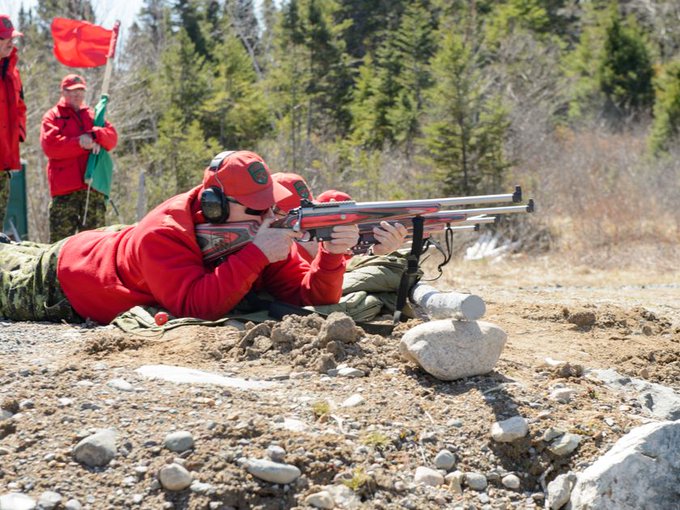
Since 1947 the Lee-Enfield has remained the main service weapon of the Canadian Rangers, a part-time force mainly devoted to Arctic patrols. This week, the Canadian Rangers began replacement of their Lee-Enfields with the specially commissioned Colt Canada C19.
Unlike many other antique items in the Canadian military, the Lee-Enfield didn’t hang on for so long out of apathy or tight budgets. Rather, it’s because it’s still one of the best guns to carry above the tree line.
The Lee-Enfield’s powerful .303 cartridge was famous for killing enemy soldiers with one shot, and it’s equally good at stopping a charging polar bear.
Its wood stock makes it uniquely resistant to cracking or splitting in extreme cold. The rifle is also bolt-action, meaning that every shot must be manually pushed into place by the shooter. This makes for slower firing, but it also leaves the Lee-Enfield with as few moving parts as possible.
“The more complicated a rifle gets … the more prone you are to problems with parts breaking or jamming in a harsh environment,” said Eric Fernberg, an arms collection specialist at the Canadian War Museum.
“It might seem old-fashioned … (but) the retention of the Lee-Enfield by the Canadian Rangers was a wise choice for their role and environment.”
In this 2016 photo from Whitehorse, Yukon, Prince William, Duke of Cambridge is greeted by Canadian Rangers and Junior Rangers carrying Lee-Enfields. Photo by Mark Large – Pool/Getty Images
The Lee-Enfield was developed as a standard-issue British infantry weapon at the close of the 19th century. Given that this was the height of the British Empire, the gun was soon being used to arm troops in virtually every corner of the globe.
“It has been used in every conceivable theatre of war … and its high build quality and tough construction made it all but indestructible,” wrote the historian Martin Pegler in a book about the Lee-Enfield.
And while it can’t shoot as fast as modern automatic rifles, a well-trained British soldier could fire and reload quick enough to squeeze off 30 rounds per minute from a Lee-Enfield.
Two First World War Canadian soldiers wearing gas masks examining a Lee-Enfield rifle.Library and Archives Canada
Canadian militias first picked up an early version of the Lee-Enfield in 1896 and Canadian volunteers would carry them in the Boer War. The more familiar short-muzzled Lee-Enfield came out in 1904.
When the First World War broke out, Canadians initially went into battle carrying the Canadian-made Ross Rifle. However, the Ross was so prone to malfunction that Canadians were soon scavenging Lee-Enfields from dead British soldiers.
From then on, the Lee-Enfield remained the weapon of choice for Canadian soldiers right up until the 1950s. Of the more than 118,000 Canadians who have been killed in foreign wars, most would have been issued a Lee-Enfield.
Although Brits stopped using the Lee-Enfield right around the time they dissolved the Empire, the Lee-Enfield became the English-speaking world’s version of the ubiquitous Soviet-made AK-47. With thousands of the rifles turned over to the surplus market after the Second World War, they were soon making cameo appearances in dozens of conflicts, skirmishes and civil wars.
Canadian Ranger Ernestine Karlik armed with a Lee-Enfield in 2014. Pamela Roth/Edmonton Sun/QMI Agency
Lee-Enfields were wielded by IRA terrorists in The Troubles. They were among the mish-mash of guns that Israelis used to fend off Arab armies in 1948. Bangladeshis used them to gain independence from Pakistan.
In the 1980s, the United States funnelled massive shipments of antique Lee-Enfields to Afghanistan for use by Mujahedeen fighters against the Soviet Union. It’s for this reason that Lee-Enfields continue to show up in the hands of Taliban fighters, often as a sniper rifle.
In 2010, writer C.J. Chivers analyzed a cache of weapons seized from the Taliban and found a British-made Lee-Enfield from 1915.
And while they were no longer taken by uniformed soldiers into battle, Lee-Enfields are still in the arsenals of several police forces in the developing world.
In Canada the guns had a more peaceful afterlife as a hunting rifle. Cheap and able to fell large game, Lee-Enfields are responsible for the antlers and taxidermied animal heads on countless Canadian roadhouses. “No other rifle could be more reliable,” reads one glowing review of the Lee-Enfield published in March.
Orillia Legion Public Relations Officer, Colin Wackett sit with a Lee-Enfield rifle that was donated to the Legion by the family of WWI veteran Joseph Leyland. Postmedia File
This was part of the reason why the rifle was an easy choice for the Canadian Rangers in the first place; it was a gun that most Northern hunters already trusted.
“A lot of us grew up using the old .303s … it was a good gun, it was a gun you could depend on,” Northwest Territories MP Michael McLeod told CBC this week.
It’s a testament to the Lee-Enfield’s reliability that replacement is strikingly similar.
The Colt Canada C19 is still bolt-action, still has a wood stock and still fires 10 shots. The main differences are that it’s lighter, more accurate and has several cold weather modifications, such as a larger trigger guard to accommodate gloved hands.

Canadian Army

@CanadianArmy

The .308 calibre C19 replaces the Lee-Enfield .303 rifle which the Canadian Rangers have used since 1947. The C19 is lighter, shorter, more precise, and more reliable in below-freezing temperatures. http://ottawacitizen.com/news/national/defence-watch/new-canadian-ranger-rifle-being-put-through-its-paces 
Although the Lee-Enfield spent years as one of the cheaper offerings in Canadian gun shops, the rifle’s advancing age and increasing rarity has recently caused it to climb in price.
Some current listings for used Lee-Enfields put the gun at between $700 and $900 — a price comparable to a brand new higher-end bolt-action rifle
However, the gun’s retirement from the Canadian Rangers will mark the final time that a major batch of Lee-Enfields will be released to the private market.
According to the Department of Defence, some 9,500 will be turned over to cadets for use in target practice while 5,000 will be offered as gifts to Canadian Rangers holding valid gun licences.
Prime Minister Stephen Harper shoots .303 Lee Enfield rifle’s in Gjoa Haven, Nunavut on Tuesday, August 20, 2013. The Canadian Press/Sean Kilpatrick
Categories
Dear Grumpy Advice on Teaching in Today's Classroom Hard Nosed Folks Both Good & Bad

Medieval Chivalry Wasn’t Just Knights and Valor

Medieval Knights are viewed as moral do-gooders.

Medieval Chivalry Wasn’t Just Knights and Valor

By Kathleen McGarvey University of Rochester
Our popular ideas of the chivalric world are off base, according to historian Richard Kaeuper. The gallant knights on horseback and banners unfurling before exciting tournaments largely come from people in the 19th century who saw the Middle Ages through a romantic haze.

The term “chivalry”—unlike “feudalism”—is a medieval one, and an essential concept for the age. It denotes “deeds of great valor performed by knights,” he says.
But it also refers to the collective body of knights present in an action and—most important—a set of ideas and practices. He writes that “virtually every medieval voice we can hear accepts a chivalric mentalité and seems anxious to advance it (and often to reform it toward some desired goal) as a key buttress to society, even to civilization.”
Chivalry is “pretty much a French creation,” and then it moves through Western Europe . The English, the Italians, the Spanish, and the Germans not only adopt it but also make it their own.

He identifies three phases of chivalry. The first, he calls “knighthood before chivalry”—the beginnings of the military profession in the period before kings and other noblemen would have called themselves knights.
In the second period, such high-born men begin to cultivate
And in the third phase, which he calls “chivalry beyond formal knighthood,” the influence of chivalry pervades society. By then, it’s a “set of ideas that organizes thought and behavior.”

Dressage by e_monk encapsulates the image of a chivalrous knight on horseback. (CC BY-NC-SA 2.0)

Dressage by e_monk encapsulates the image of a chivalrous knight on horseback. ( CC BY-NC-SA 2.0 )

Kaeuper uses five “model” knights to guide readers through the concepts of his book: cross-Channel, 13th-century hero William Marshal ; 14th-century king of Scotland Robert Bruce ; 14th-century French knight and author Geoffroi de Charny; late 14th-century Castilian warrior Don Pero Niño; and 15th-century English knight and author Thomas Malory, still famous for his Le Morte d’Arthur.
All the figures—whose lives illustrate changes over time in chivalry and its geographical range—are the authors or subjects of a major textual work. “They’re active participants” in the chivalric world, he says.
As a historian, Kaeuper finds enormous value in literary texts. “I use a lot of miracle stories, as well as standard imaginative literature,” he says. “They’re important—because they are imaginative, because they show what people are worried about, what they’re hoping for.”

Young Knight in a Landscape by Vittore Carpaccio. (Public Domain)

Young Knight in a Landscape by Vittore Carpaccio. ( Public Domain )

Lessons for today?

The title of his book is deliberate because Kaeuper wants to emphasize that what he is examining is medieval chivalry, not post-medieval chivalry or neo-Romantic chivalry.
Describing his task as “cutting a path through the thickets of Romanticism,” Kaeuper says that people in the 1800s in England and continental Europe, and to a lesser extent, the United States, looked back to the Middle Ages in a search for national identity and in an effort to escape problems of modernity.
“Far from dark,” he writes, “the medieval past was not only colorful and fascinating, but too important and too useful to be ignored. The romantic revivers did not and perhaps could not recognize that they were altering the original drastically and investing it with meanings that would have surprised its first practitioners.”
According to Kaeuper, the chivalric world resonates still—and he feels its power as it touches on issues of violence, religion, governance, and more.
“It’s a scary subject, because it’s so serious,” he says. “The editor of one of my books wrote to me and said, ‘This isn’t just about the Middle Ages. This is a modern book.’ That’s not the goal. My goal is to understand the Middle Ages. But you can see how it applies.
“If you start thinking modern as you go into the past, you distort the past. If you start with the past and see if it informs the present, I think you’re on the right path.”
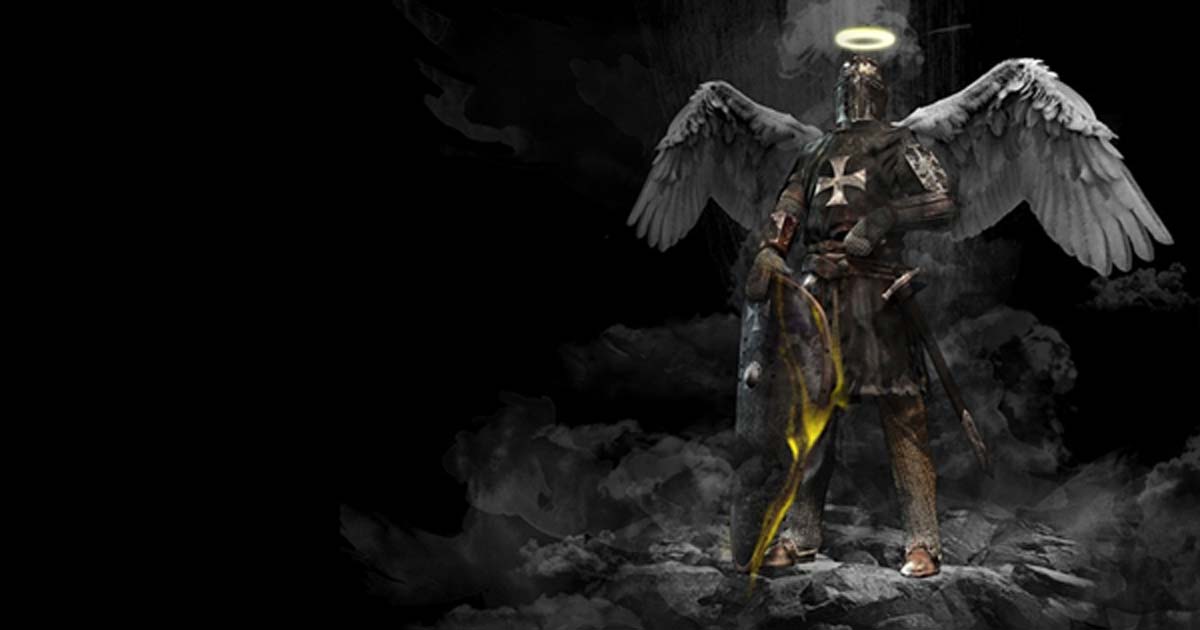
Top image: Medieval Knights are viewed as moral do-gooders. Source: Public Domain
The article ‘ Medieval chivalry wasn’t just knights and valor’ by  Kathleen McGarvey-University of Rochester  was originally posted on Futurity and has been republished under a Creative Commons license.
Source: University of Rochester

Categories
Born again Cynic! Well I thought it was funny!

Well I thought it was funny!

Related image
image.png
image.png
image.png
If you want something funny then check this out!
https://heyjackass.com/

Categories
All About Guns

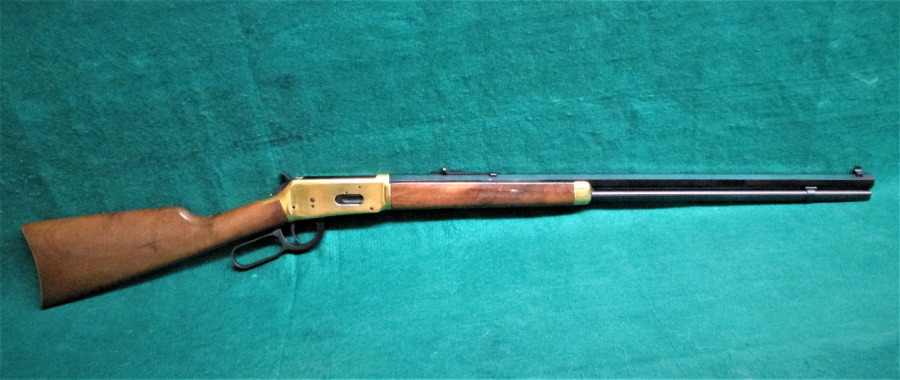
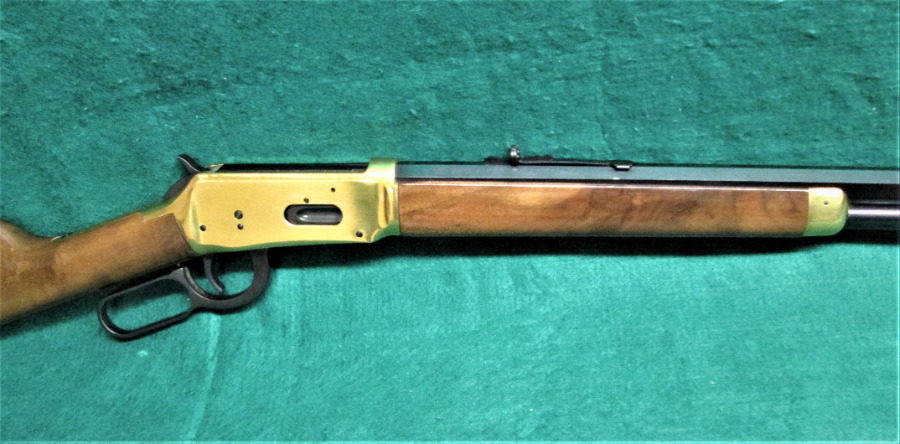
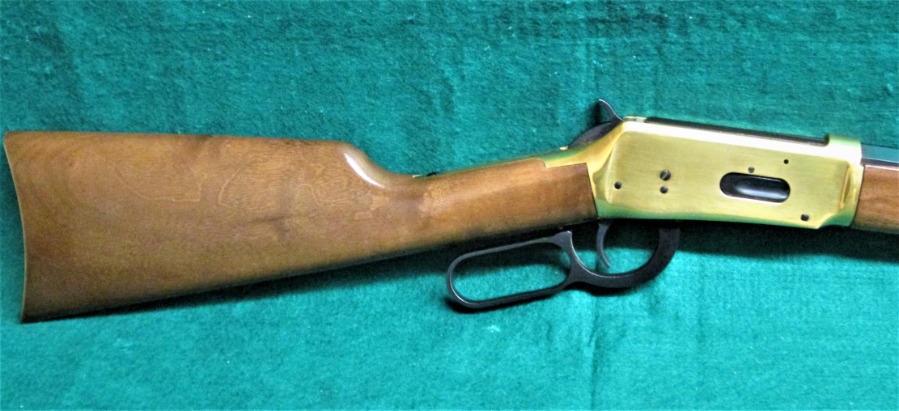
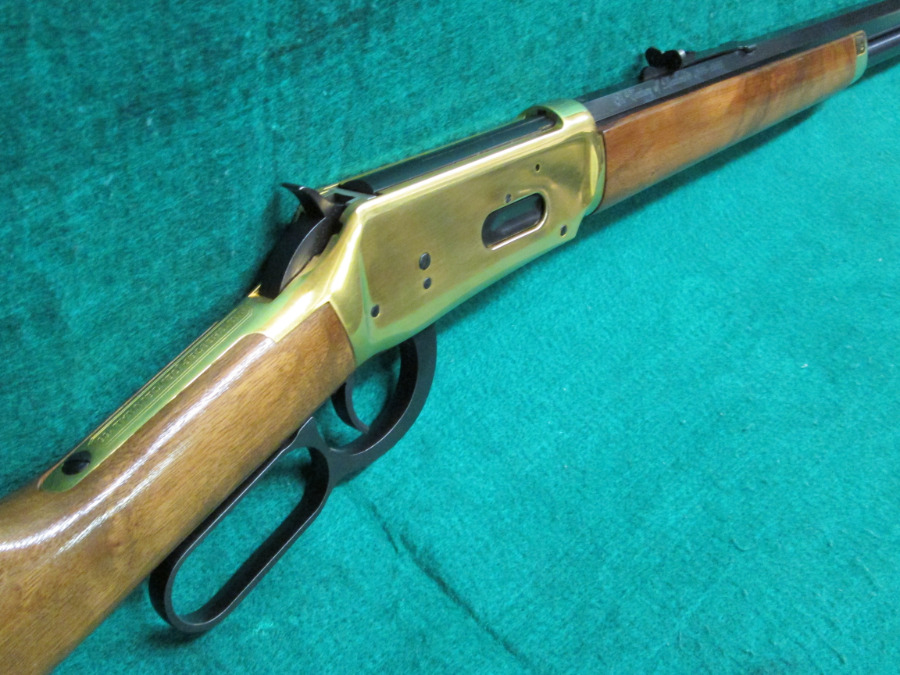
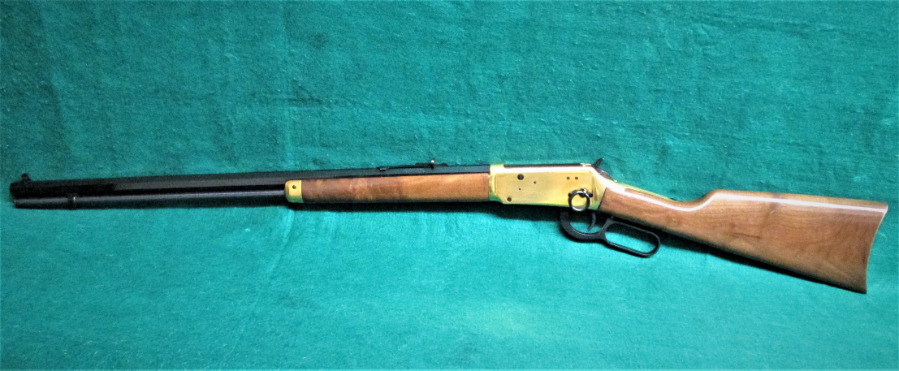
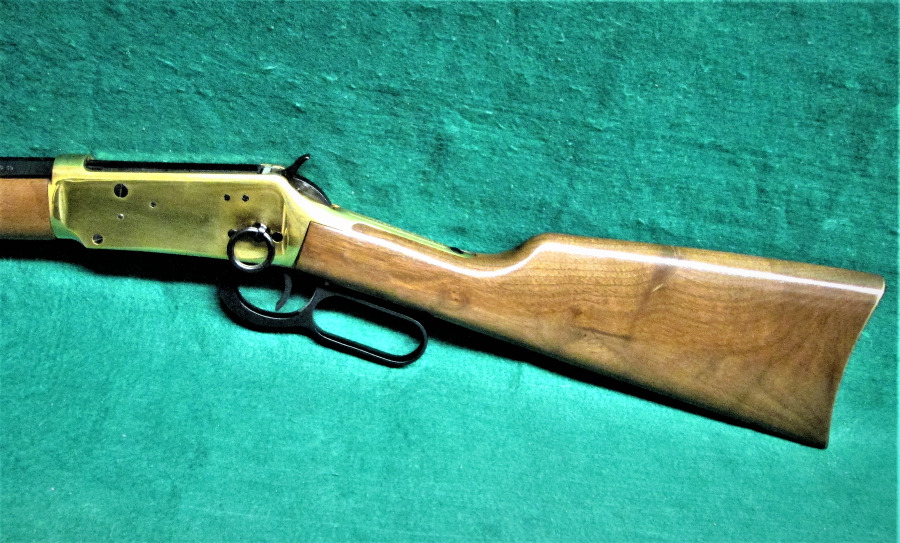
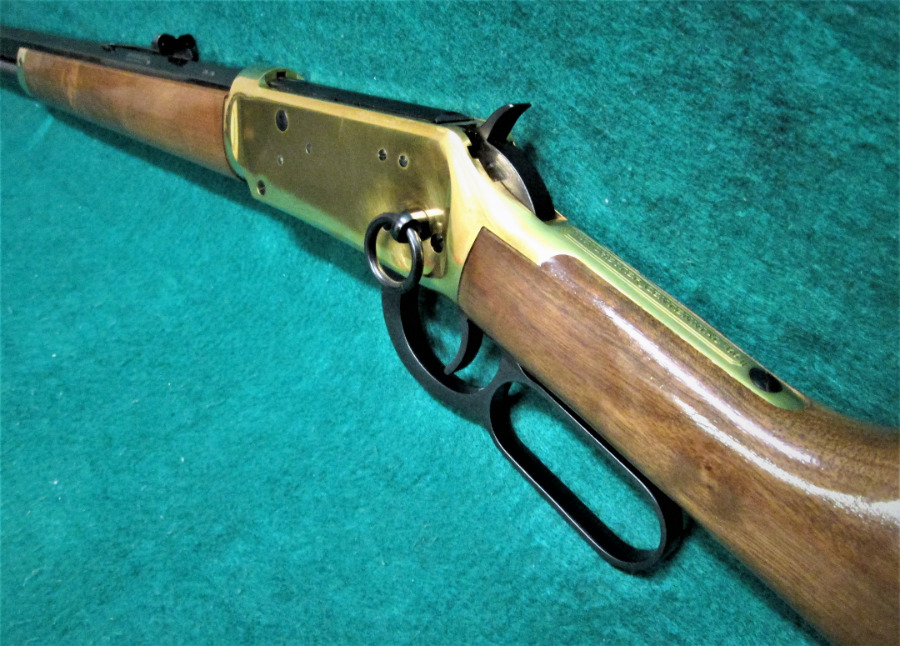
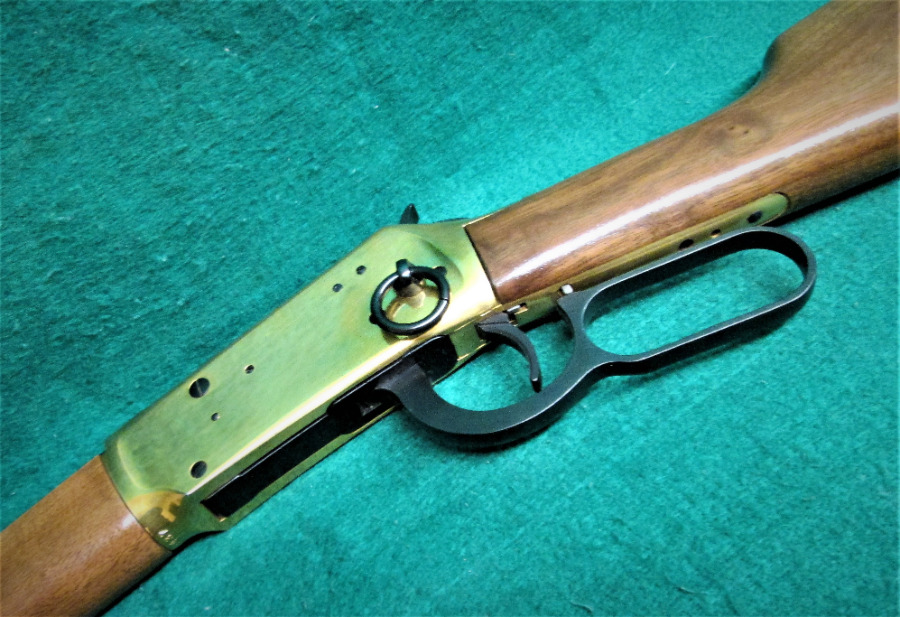
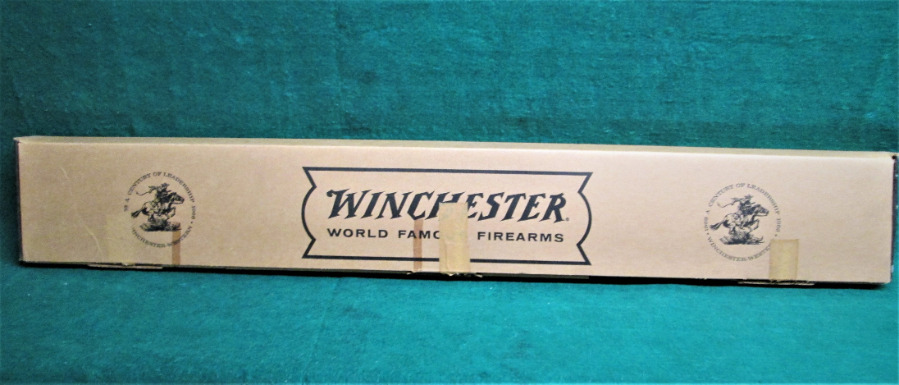
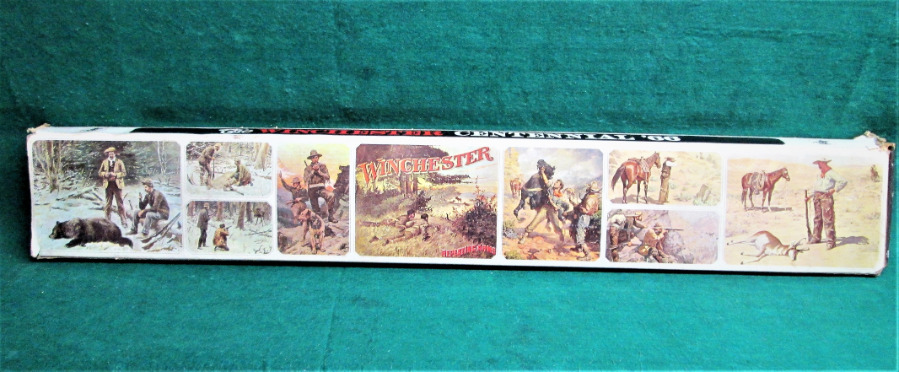
Winchester Repeating Arms Company Mod. 94 Centennial 66 W/26 Inch Octagon Bl

Its a pity that Winchester made so many. Because it negated the actual investment value of them. But they still make good shooters!

Winchester Repeating Arms Company - MOD. 94 CENTENNIAL 66 W/26 INCH OCTAGON BL IN BOX! - Picture 1
Winchester Repeating Arms Company - MOD. 94 CENTENNIAL 66 W/26 INCH OCTAGON BL IN BOX! - Picture 2
Winchester Repeating Arms Company - MOD. 94 CENTENNIAL 66 W/26 INCH OCTAGON BL IN BOX! - Picture 3
Winchester Repeating Arms Company - MOD. 94 CENTENNIAL 66 W/26 INCH OCTAGON BL IN BOX! - Picture 4
Winchester Repeating Arms Company - MOD. 94 CENTENNIAL 66 W/26 INCH OCTAGON BL IN BOX! - Picture 5
Winchester Repeating Arms Company - MOD. 94 CENTENNIAL 66 W/26 INCH OCTAGON BL IN BOX! - Picture 6
Winchester Repeating Arms Company - MOD. 94 CENTENNIAL 66 W/26 INCH OCTAGON BL IN BOX! - Picture 7
Winchester Repeating Arms Company - MOD. 94 CENTENNIAL 66 W/26 INCH OCTAGON BL IN BOX! - Picture 8
Winchester Repeating Arms Company - MOD. 94 CENTENNIAL 66 W/26 INCH OCTAGON BL IN BOX! - Picture 9
Winchester Repeating Arms Company - MOD. 94 CENTENNIAL 66 W/26 INCH OCTAGON BL IN BOX! - Picture 10

Categories
All About Guns

Winchester Early Model 1894, 30-30 Win with shorten magazine Tube

Imagine the stories this piece could tell!

Winchester - Early Model 1894 94, Blue 26


Categories
Gun Info for Rookies

How to Clean Your Rifle

You are only as good as your gear! Which I found to be really the truth in life!

Categories
All About Guns

Bullpup

Now having been a Cavalry Scout many years ago. I can see how this is a good idea for mounted heavy infantry. Who has to work out of a armoured vehicle. As it gets mighty cramped in there.
But like all things there is a trade off. In that the shortened rifle can lose some velocity / range. Which can be a problem if you get under long range rifle fire.
Especially when your Tanks & Tracks have either disappeared or been brewed up. Leaving you w/o any heavy fire power to talk back with. It is then when your net gets very busy calling for support.
SVU-AS, a bullpup rifle with the action located behind the trigger.
SVDS, a conventionally configured rifle using the same action.

bullpup is a firearm with its action behind its trigger group. This configuration permits a shorter overall weapon for a given barrellength. This maintains the advantages of a longer barrel in muzzle velocity and accuracy, while improving maneuverability and reducing weight.
The origin of the term “bullpup” for this configuration is unclear. In 1957, the word was reported to denote a target pistol, particularly one with a fancy stock.[1]

Description[edit]

The bullpup design places the gun’s action behind the trigger, usually in front of a short buttstock.[2] The entire magazine is often also located behind the trigger group,[2] though it is only necessary for the weapon’s feed location to be located there for it to be classified as a bullpup; in some designs such as the Heckler & Koch G11 and Neostead the magazine or magazines extend forward rather than downward.[3]

The FN P90 uses the bullpup layout in conjunction with a unique top-mounted feeding system, making it the most compact submachine gun with a fixed buttstock

Benefits and drawbacks[edit]

  • The primary benefit of a bullpup weapon is that the weapon’s overall length can be significantly decreased without reducing the barrel length. This allows a bullpup weapon to be maneuvered in tight spaces and concealed more easily than a conventional weapon with a similar barrel length.[4]
  • Because bullpups are held closer to the body, they cause less arm fatigue and allow a faster reaction time from a lowered position.
  • In a bullpup weapon, the user’s face is much closer to the action. This increase noise issues, can cause spent bullet casings to be ejected into the face of left-handed shooters and renders it difficult for a right-handed shooter to “off-hand” the weapon. [2] For weapons with reciprocating charging handles, there is also the risk of the charging handle striking a left-handed user. As a result, bullpups often require unusual ejection mechanisms in order to allow ambidextrous operation. This is solved on some designs with ejection downward (FN P90, Kel-Tec RDB) or forward (FN F2000,[2] Kel-Tec RFB).[5]
  • In weapons which have reversible bullpup actions, propellant gas can escape from the blanked-off side of the action. In the event of a catastrophic weapon malfunction, the user is more likely to be injured.
  • Bullpups tend to have more weight concentrated rearwards than conventional weapons. As a result, they often lack balance, inducing muzzle rise and inaccurate automatic fire.
  • The shorter weapon length often results in a shorter sight radius, impairing accuracy at distance, as well as reducing bayonet effectiveness in close combat. However, since bullpups are more frequently used in close-quarters combat, modern rifles tend to use optical sights over iron sights, and bayonets are rarely used in modern combat, this is generally not a huge issue.
  • Due to the forward assembly and the necessary trigger linkage, bullpups tend to have less precise triggers. Thus, bullpup trigger pull characteristics are often criticized.[6]
  • Due to the unusual placement of the magazine and controls, shooters accustomed to conventional firearms will take longer to adjust to the manual of arms of a bullpup than they would a different conventionally laid out rifle. In particular, AK-type bullpups can be difficult to load due to their “rock and lock” mechanism. Bullpups often do not have adjustable stocks.
  • Some weapons, such as the M16, use the space in the buttstock to store cleaning kits and other tools/accessories. For bullpup designs, these must be stored elsewhere or carried separately.

History[edit]

The concept was first used in bolt action rifles such as the Thorneycroft carbine of 1901, although the increased distance from hand grip to bolt handle meant the decreased length had to be weighed against the increased time required to fire. It is known to have been applied to semi-automatic firearms in 1918 (6.5 mm French Faucon-Meunier semi-automatic rifle developed by Lt. Col. Armand-Frédéric Faucon), then in 1936 a bullpup machine pistol was patented by the Frenchman Henri Delacre.[7]

EM-2, an experimental British assault rifle of the 1950s.

After World War II, Western engineers drew inspiration from the German Sturmgewehr 44 assault rifle, which offered a compromise between bolt-action rifles and submachine guns. Among them, Kazimierz Januszewski (also known as Stefan Janson), a Polish engineer who had worked at the Polish national arsenal during the 1930s. After being mobilized during World War II he escaped German and Russian forces and made his way to England, where he was a part of the “Polish design team” at Enfield Lock‘s Royal Small Arms Factory. The factory was run by lieutenant colonel Edward Kent-Lemon. As Januszewski was developing a new rifle, the “Ideal Calibre Board” was searching for a replacement for the .303 cartridge. The Board decided on an optimal 7 mm cartridge on which Januszewski and the two teams working at Enfield had to base their designs. One design team led by Stanley Thorpe produced a gas-powered rifle with a locking system based on the Sturmgewehr. The design used steel pressings which were difficult to obtain, and the design was scrapped. The result of the Polish design team’s efforts was the EM-2, which broke significant new ground.[8]
The EM-2 contained some similarities to the Soviet AK-47, although Januszewski had never seen the Soviet rifle. The first significant bullpup assault rifle came from the British program to replace the service pistols, sub-machine guns, and rifles. In the two forms of the EM-1 and the EM-2, the new rifle concept was born as a result of the experience with small arms that was gained during the Second World War.[8]
It was obvious that the modern warfare would require the infantry to be armed with a light, selective fire weapon, with effective range of fire much longer than that of a submachine gun, but shorter than that of conventional semi-automatic or bolt action rifles. The bullpup design was seen as a necessity to retain the accuracy at range while reducing overall length. The EM-2 was adopted by the U.K. in 1951 as the world’s first (limited) service bullpup rifle, but was promptly displaced by the adoption of the 7.62×51mm NATO (0.308 in) cartridge, to which the EM-2 was not easily adapted. The decision was rescinded and a variant of the more conventional FN FAL was adopted in its place.[9]

7.62×39mm M43 calibre experimental assault rifle was developed by German A. Korobov in the Soviet Union around 1945, and a further development, the TKB-408 was entered for the 1946–47 assault rifle trials by the Soviet Army, although it was rejected in favour of the more conventional AK-47. The United States briefly experimented in the same year with the integrally-scoped Model 45A bullpup, which never progressed beyond the prototype stage; John Garanddesigned his T31 bullpup, abandoned after his retirement in 1953.
After these failures of the bullpup design to achieve widespread service, the concept continued to be explored (for example: a second Korobov bullpup, the TKB-022PM).

Adoption[edit]

The Steyr AUG was one of the first bullpup rifles to enter widespread use.

FAMAS rifle.

The SAR 21 with the attached Round Corner Firing (RCF) module

The L85A2 rifle, variant of the SA80 series of weapons.

The Steyr AUG (selected in 1977) is often cited as the first successful bullpup,[10][11][12] being in service with the armed forces of over twenty countries, and becoming the primary rifle of Austria and Australia. It was highly advanced for the 1970s, combining in the same weapon the bullpup configuration, a polymer housing, dual vertical grips, an optical sight as standard, and a modular design. Highly reliable, light, and accurate, the Steyr AUG showed clearly the potential of the bullpup layout. The arrival of the FAMAS in 1978, and its adoption by France emphasized the slide from traditional to bullpup layouts within gun designs.[12]
The British resumed their bullpup experiments with the L85, which entered service in 1985. Following persistent reliability problems, it was redesigned by the then British-owned Heckler & Koch into the L85A2, and it is now a reliable weapon.[13]
Having learned from extensive combat experience, Israel Military Industriesdeveloped a bullpup rifle: the Tavor TAR-21. The Tavor is light, accurate, fully ambidextrous and reliable (designed to stringent reliability standards to avoid malfunctioning in desert conditions), and is in increasing demand in other countries, notably India.[2] The Tavor shares many similarities with the SAR 21and the South African Vektor CR-21.[2] Other bullpups have been recently adopted by the Islamic Republic of Iran Army and the Chinese People’s Liberation Army: the KH-2002 and the QBZ-95 respectively.[14]
Some sniper rifles such as the American Barrett M95 and XM500,[15] German Walther WA 2000 and DSR-1,[16] Chinese QBU-88, Russian SVU, and Polish Bor use the bullpup layout. It is also used for combat shotgun designs such as the Neostead and Kel-Tec KSG.[17]
Bullpups adopted for current standard issue by various armed forces:

Categories
The Green Machine War

Angry Staff Officer, "The Military "Give a Crap" spectrum

The Military “Give a S**t” Spectrum
Let’s face it: the Army can be a place that wears you down, both physically and mentally. It takes a special kind of person to be able to take the brand of crazy that the Army pushes year after year and walk away from it relatively unscathed. As such, it seems like you usually get several different types of people that manage to make it to that ten-year mark of service.

First off, you’ve got the overly-motivated person who’s still acting as though it’s their first day in the military. They’re the majors or sergeants first class that still wear high and tights, own Army-themed apparel, and don’t understand why people leave the military.
Their enthusiasm is nauseating and one suspects that when they go home at night they enter their home, sit down facing a blank wall, and simply stare at it all night until they reboot for the next day.
Next you get the ones who probably *shouldn’t* still be in uniform. In normal society we call these people “crazy.” In the Army they’re called “seasoned.” Whether they’ve been on too many deployments or not enough, they use lingo like “we’re gonna go in there and stack bodies,” which should make you wonder just how they envision an operation going.
Polite people refer to them as the “break glass in time of war” type of person, while the rest of us would like to see them behind glass or at least out of uniform before they do something colossally illegal/stupid.
Then you have the incredibly talented, intelligent, and passionate officers and NCOs that have been bashing their heads against the brick wall of military bureaucracy for ten years. They fight for every hill and for every soldier.
They are amazing leaders who inspire their troops and are beloved by them. However, at the ten year mark, they realize that they are getting promoted and recognized at the same pace as the mouth-breathers and window-lickers.
After all this time of fighting, they are burnt out and exhausted. And so they leave.
Which leaves us…
The most dangerous ones: the ones that have seen all the stupidity that comes with ten years of military service and decide that they’re okay with it.
They are not only immune to the “hurry up and wait” mentality but seem to thrive off it. They are not motivated in any way, they are just…there. They have no special talents to speak of, are not noted leaders, and don’t often care about the troops they lead. They simply exist.
However, since they can tolerate the BS and have remained when the talented troops are gone, they get promoted. And then promoted again. And unless they’re caught, they rise to levels of rank not commensurate with their mediocrity.
Lastly, you’ve got the rest of us. Neither dull nor brilliant, we simply muddle our way through, attempting to avoid the poor leaders and stay close to the ones that shine.
Often our motivation is simply spite: the desire to hang on long enough to get to a point where we can make some changes and hopefully watch those bad leaders retire.
And we spend our days in fear of becoming the very people that we despise. Which is why we’re all cynical, jaded, and have turned to sarcasm as our weapon of choice. We can’t believe we’re gonna try to do ten more years of this.
Categories
Dear Grumpy Advice on Teaching in Today's Classroom This great Nation & Its People

For the Football Fans out there!

1920: Professional football is born

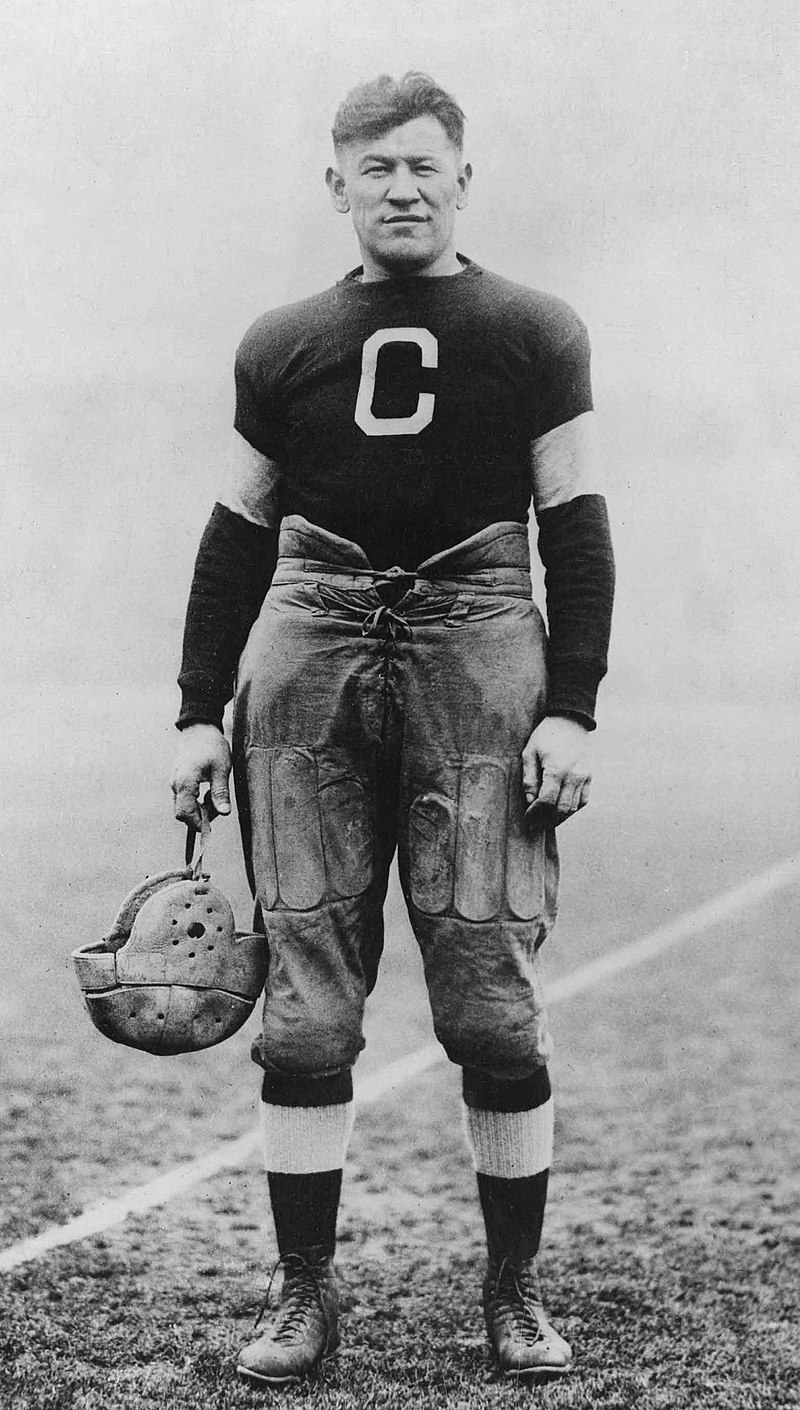
Men like this do not play
professional football anymore.
If they did, I’d still be a fan.

On this day in 1920, seven men, including legendary all-around athlete and football star Jim Thorpe, meet to organize a professional football league at the Jordan and Hupmobile Auto Showroom in Canton, Ohio. The meeting led to the creation of the American Professional Football Conference (APFC), the forerunner to the hugely successful National Football League.
Professional football developed in the 1890s in Pennsylvania, as local athletic clubs engaged in increasingly intense competition. Former Yale football star William “Pudge” Heffelfinger became the first-ever professional football player when he was hired by the Allegheny Athletic Association to play in a game against their rival the Pittsburgh Athletic Club in November 1892. By 1896, the Allegheny Athletic Association was made up entirely of paid players, making it the sport’s first-ever professional team. As football became more and more popular, local semi-pro and pro teams were organized across the country.
Professional football first proved itself a viable spectator sport in the 1910s with the establishment of The Ohio League. Canton, the premiere team in the league, featured legendary decathlete and football star Jim Thorpe. From his play with the Carlisle School to his gold medal in the decathlon in Stockholm in 1912 and his time in the outfield with John McGraw’s New York Giants, Thorpe was an international star who brought legitimacy to professional football. The crowds that Thorpe and the Canton team drew created a market for professional football in Ohio and beyond. Still, the league was struggling due to escalating player salaries, a reliance on college players who then had to forfeit their college eligibility and a general lack of organization.
On August 20, 1920, the owners of four Ohio League teams–the Akron Pros, Canton Bulldogs, Cleveland Indians and Dayton Triangles–met to form a new professional league. Jim Thorpe was nominated as president of the new league, as it was hoped Thorpe’s fame would help the league to be taken seriously. On September 17, the league met again, changing its short-lived name to the American Professional Football Association (APFA) and officially electing Jim Thorpe as the league’s first president.
The APFA began play on September 26, with the Rock Island Independents of Illinois defeating a team from outside the league, the St. Paul Ideals, 48-0. A week later, Dayton beat Columbus 14-0 in the first game between two teams from the APFA, the forerunner of the modern NFL.