
The stories that this gun could probably tell us!
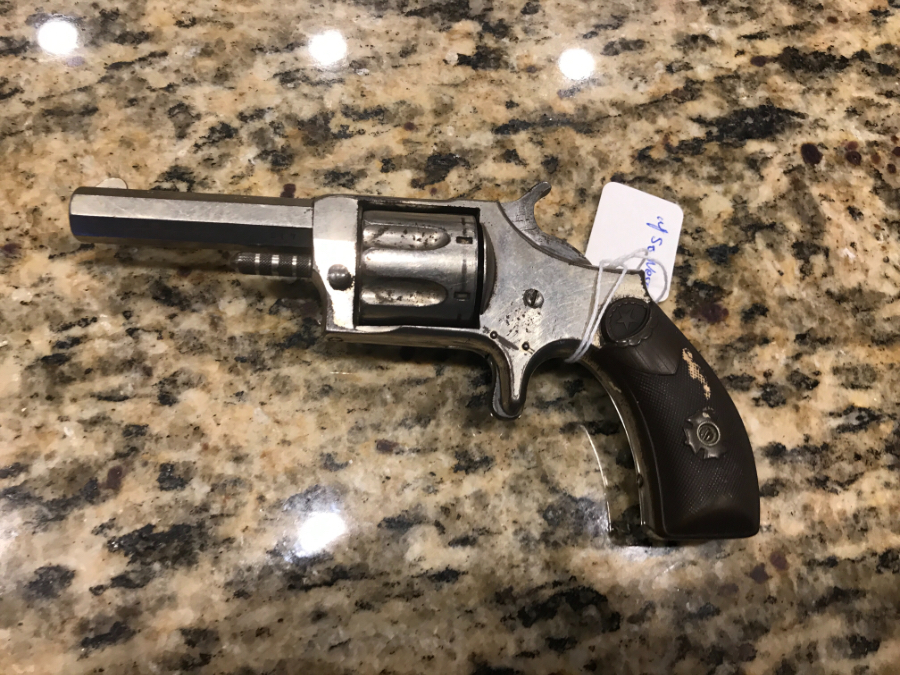


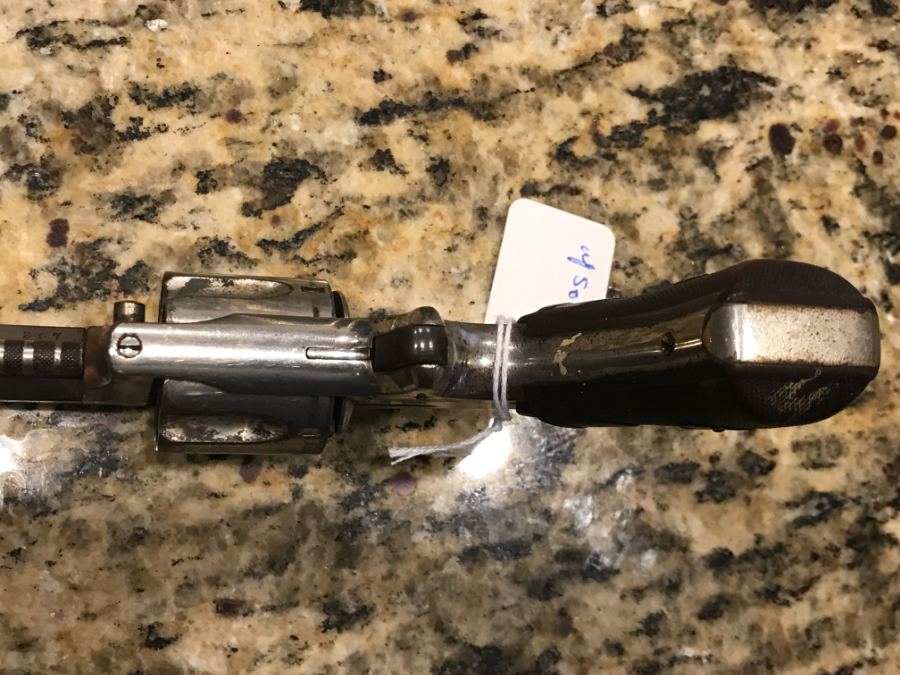
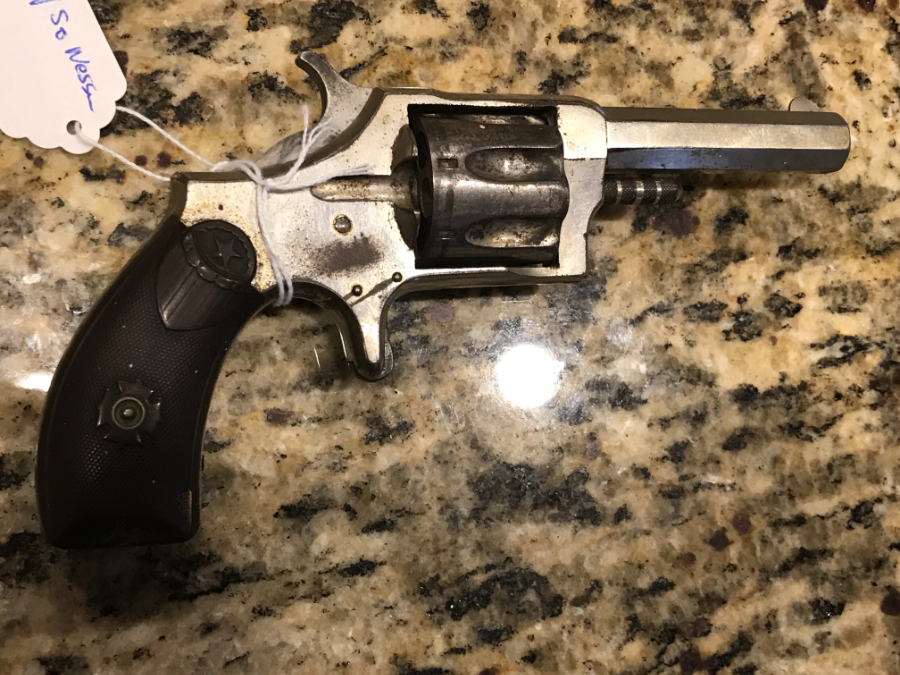

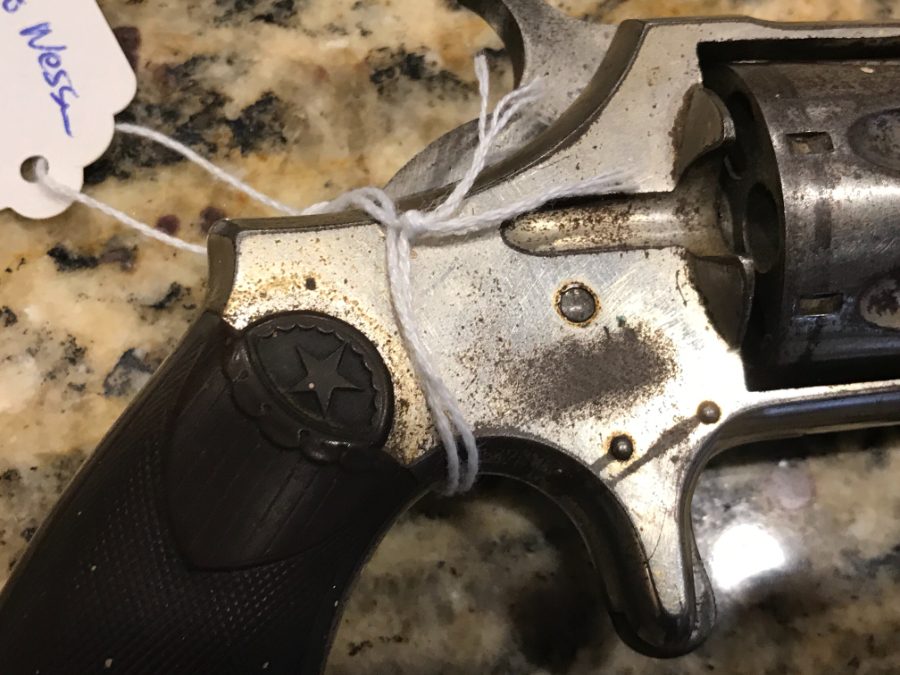
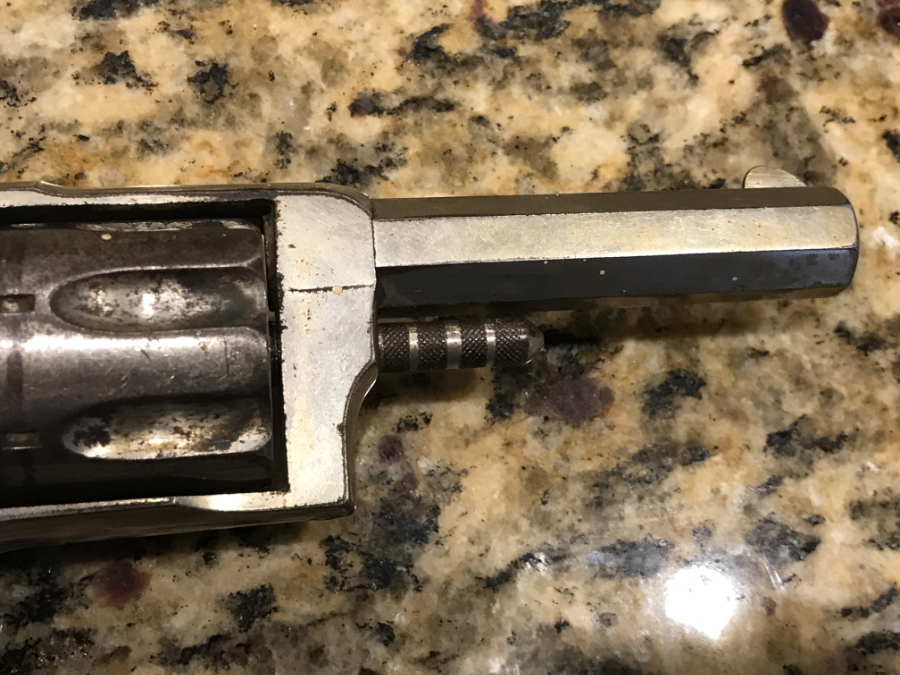
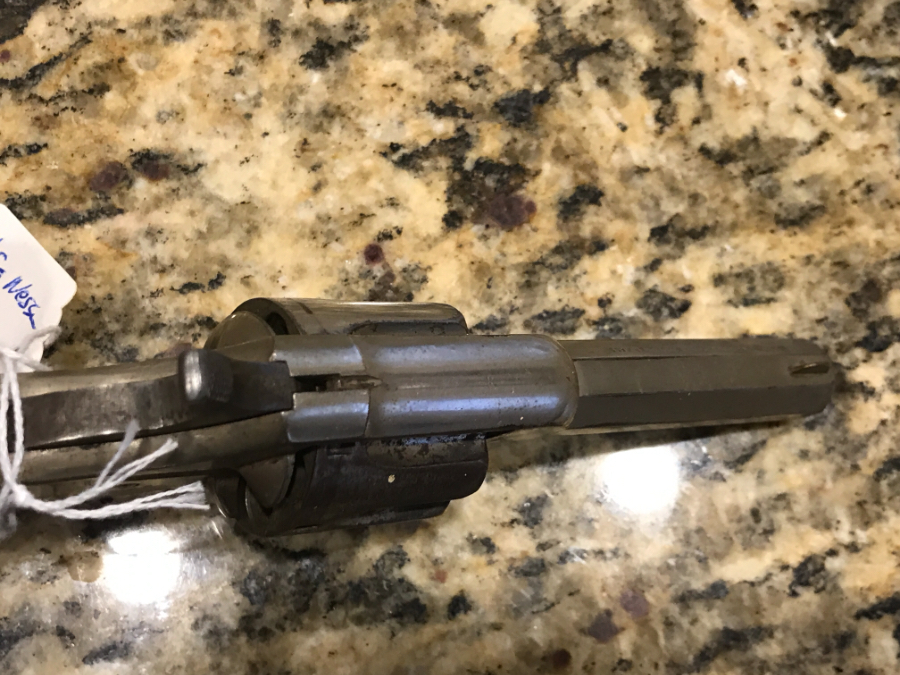
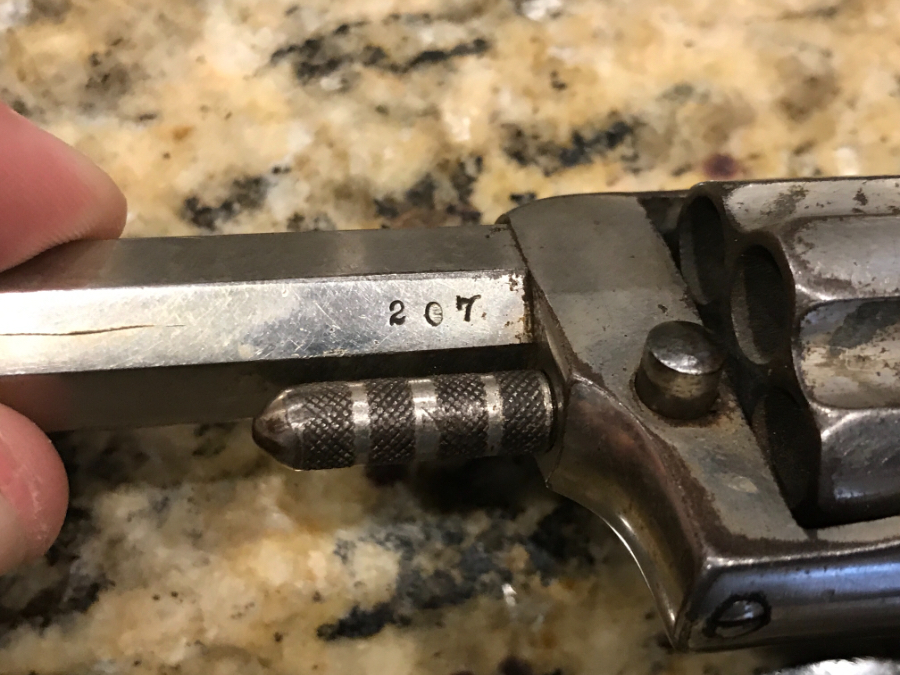

Seven shots huh!?!
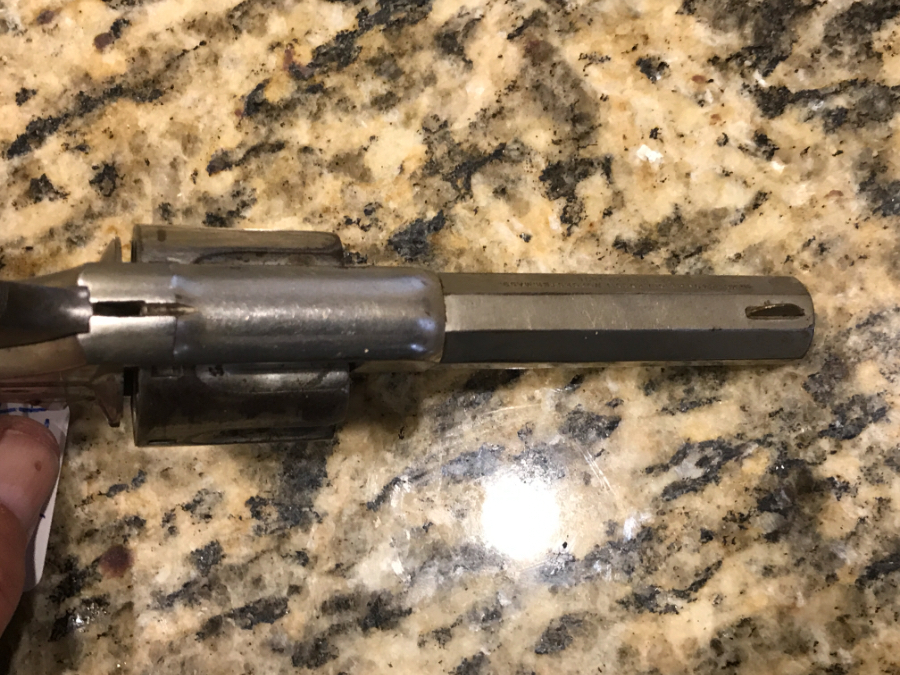

https://youtu.be/_qD9NmhMF8o
One weird looking Light Machine Gun to these tired old eyes!

Well I liked it!
Grumpy


The Germans were trying to find themselves after 12 years of rule under the Nazi’s. The communist and socialist parties were having a rebirth during this time, and there were many Germans that joined those groups.
There was a worry about a 5th column assisting the Soviets if they decided to invade especially when the United States earlier had disarmed their military after WWII, then got involved in Korea.
GERMAN VETERANS CREATED ILLEGAL ARMY
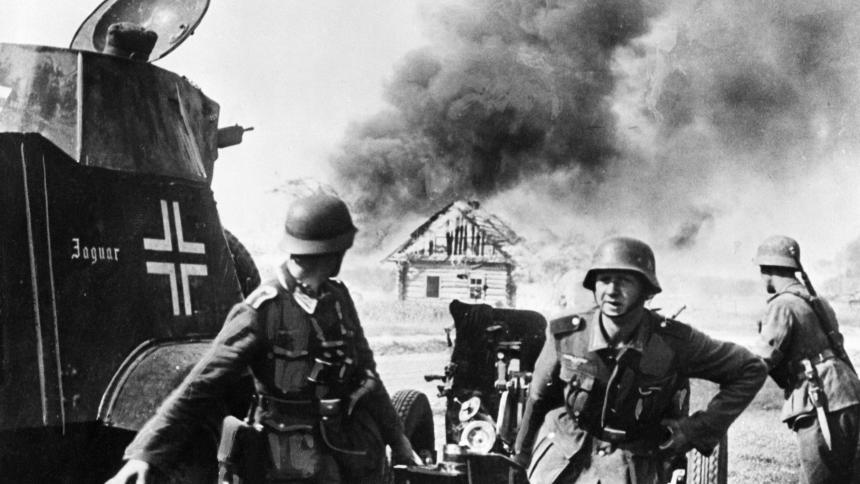
For nearly six decades, the 321-page file lay unnoticed in the archives of the BND, Germany’s foreign intelligence agency — but now its contents have revealed a new chapter of German postwar history that is as spectacular as it is mysterious.
Kesselring uncovered the documents, which were given the strange title of “Insurances,” while trying to determine the number of workers employed by the BND.
Instead of insurance papers, Kesselring stumbled upon what can now be considered the most significant discovery of the Independent Historical Commission. The study he wrote based on the discovery was released this week.
An Ease in Undermining Democracy
The file is incomplete and thus needs to be considered with some restraint. Even so, its contents testify to the ease with which democratic and constitutional standards could be undermined in the early years of West Germany’s existence.

According to the papers, German Chancellor Konrad Adenauer didn’t find out about the existence of the paramilitary group until 1951, at which point he evidently did not decide to break it up.
In the event of a war, the documents claimed, the secret army would include 40,000 fighters. The involvement of leading figures in Germany’s future armed forces, the Bundeswehr, are an indication of just how serious the undertaking was likely to have been.
Among its most important actors was Albert Schnez. Schnez was born in 1911 and served as a colonel in World War II before ascending the ranks of the Bundeswehr, which was founded in 1955.
By the end of the 1950s he was part of the entourage of then Defense Minister Franz Josef Strauss (CDU) and later served the German army chief under Chancellor Willy Brandt and Defense Minister Helmut Schmidt (both of the SPD).
Statements by Schnez quoted in the documents suggest that the project to build a clandestine army was also supported by Hans Speidel — who would become the NATO Supreme Commander of the Allied Army in Central Europe in 1957 — and Adolf Heusinger, the first inspector general of the Bundeswehr.
Kesselring, the historian, has a special connection to military history: His grandfather Albert was a general field marshal and southern supreme commander in the Third Reich, with Schnez as his subordinate “general of transportation” in Italy. Both men tried to prevent Germany’s partial surrender in Italy.
In his study, Kesselring lets Schnez off easily: He doesn’t mention his ties to the right-wing milieu, and he describes his spying on supposed left-wingers as “security checks.”
When asked about it, the historian explains that he will deal with these aspects of the file in a comprehensive study in the coming year. But the BND has recently released the “Insurances” files, making it possible to paint an independent picture.
The army project began in the postwar period in Swabia, the region surrounding Stuttgart, where then 40-year-old Schnez traded in wood, textiles and household items and, on the side, organized social evenings for the veterans of the 25th Infantry Division, in which he had served. They helped one another out, supported the widows and orphans of colleagues and spoke about times old and new.
Fears of Attack from the East
But their debates always returned to the same question: What should be done if the Russians or their Eastern European allies invade? West Germany was still without an army at the time, and the Americans had removed many of their GIs from Europe in 1945.
At first, Schnez’ group considered allowing themselves to be defeated and then leading partisan warfare from behind the lines, before relocating somewhere outside of Germany.
In the event of a sudden attack from the East, an employee with the Gehlen Organization would later write, Schnez wanted to withdraw his troops and bring them to safety outside of Germany. They would then wage the battle to free Germany from abroad.
To prepare a response to the potential threat, Schnez, the son of a Swabian government official, sought to found an army. Even though it violated Allied law — military or “military-like” organizations were banned, and those who contravened the rules risked life in prison — it quickly became very popular.
The army began to take shape starting at the latest in 1950. Schnez recruited donations from businesspeople and like-minded former officers, contacted veterans groups of other divisions, asked transport companies which vehicles they could provide in the worst-case scenario and worked on an emergency plan.
Anton Grasser, a former infantry general who was then employed by Schnez’ company, took care of the weapons.
In 1950, he began his career at the Federal Interior Ministry in Bonn, where he became inspector general and oversaw the coordination of German Police Tactical Units in the German states for the event of war. He wanted to use their assets to equip the troop in case of an emergency.
There is no sign that then Interior Minister Robert Lehr had been informed of these plans.
Schnez wanted to found an organization of units composed of former officers, ideally entire staffs of elite divisions of the Wehrmacht, which could be rapidly deployed in case of an attack.
According to the lists contained in the documents, the men were all employed: They included businesspeople, sales representatives, a coal merchant, a criminal lawyer, an attorney, a technical instructor and even a mayor.
Presumably they were all anti-Communists and, in some cases, motivated by a desire for adventure. For example, the documents state that retired Lieutenant General Hermann Hölter “didn’t feel happy just working in an office.”
Most of the members of the secret reserve lived in southern Germany. An overview in the documents shows that Rudolf von Bünau, a retired infantry general, led a “group staff” out of Stuttgart.
There were further sub-units in Ulm (led by retired Lieutenant General Hans Wagner), Heilbronn (retired Lieutenant General Alfred Reinhardt), Karlsruhe (retired Major General Werner Kampfhenkel), Freiburg (retired Major General Wilhelm Nagel) and many other cities as well.
Schnez’s list wasn’t passed on, but the documents state he claimed it included 10,000 names, enough to constitute the core staff of three divisions. For reasons of secrecy, he inducted only 2,000 officers.
Still, Schnez had no doubts that the rest would join them. There didn’t seem to be any dearth of candidates for the units: After all, there was no lack of German men with war experience.
It remained to be determined where they could relocate to in case of emergency. Schnez negotiated with Swiss locations, but their reactions were “very restrained,” the documents state he later planned a possible move to Spain to use as a base from which to fight on the side of the Americans.
In his search for financing for a full-time operation, Schnez requested help from the West German secret service during the summer of 1951.
During a July 24, 1951 meeting, Schnez offered the services of his shadow army to Gehlen, the head of the intelligence service, for “military use” or “simply as a potential force,” be it for a German exile government or the Western allies.
A notation in papers from the Gehlen Organization states that there had “long been relations of a friendly nature” between Schnez and Reinhard Gehlen.
The documents also indicate that the secret service first became aware of the clandestine force during the spring of 1951. The Gehlen Organization classified Schnez as a “special connection” with the unattractive code name “Schnepfe,” German for “snipe”.
Did Adenauer Shy Away?
It’s likely that Gehlens’ enthusiasm for Schnez’s offer would have been greater if had it come one year earlier, when the Korean War was breaking out. At the time, the West German capital city of Bonn and Washington had considered the idea of “gathering members of former German elite divisions in the event of a catastrophe, arming and then assigning them to Allied defense troops.”
Within a year, the situation had defused somewhat, and Adenauer had retreated from this idea. Instead, he pushed for West Germany to integrate more deeply with the West and for the establishment of the Bundeswehr. Schnez’s illegal group had the potential to threaten that policy — if its existence had become public knowledge, it could have spiraled into an international scandal.
Still, Adenauer decided not to take action against Schnez’s organization — which raises several questions: Was he shying away from a conflict with veterans of the Wehrmacht and the Waffen-SS?
There were misgivings within the Gehlen Organization, particularly surrounding Skorzeny. According to another BND document seen by SPIEGEL, a division head raised the question of whether it was possible for the organization to take an aggressive stance against Skorzeny. The Gehlen Organization man suggested consulting “the SS”, adding, the SS “is a factor and we should sound out opinions in detail there before making a decision.”
Apparently networks of old and former Nazis still exercised considerable influence during the 1950s.
It also became clear in 1951 that years would pass before the Bundeswehr could be established. From Adenauer’s perspective, this meant that, for the time being, the loyalty of Schnez and his comrades should be secured for the event of a worst-case scenario.
That’s probably why Gehlen was assigned by the Chancellery “to look after and to monitor the group.”
It appears Konrad Adenauer informed both his American allies as well as the political opposition of the plan at the time. The papers seem to indicate that Carlo Schmid, at the time a member of the SPD’s national executive committee, was “in the loop.”
Little Known about Disbanding of Army
From that point on, Gehlen’s staff had frequent contact with Shnez. Gehlen and Schnez also reached an agreement to share intelligence derived from spying efforts. Schnez boasted of having a “particularly well-organized” intelligence apparatus.
From that point on, the Gehlen Organization became the recipient of alert lists including the names of former German soldiers who had allegedly behaved in an “undignified” manner as Soviet prisoners of war, the insinuation being that the men had defected to support the Soviet Union. In other instances, they reported “people suspected of being communists in the Stuttgart area.”
But Schnez never got showered with the money he had hoped for. Gehlen only allowed him to receive small sums, which dried up during the autumn of 1953. Two years later, the Bundeswehr swore in its first 101 volunteers. With the rearmament of West Germany, Schnez’s force became redundant.
It is currently unknown exactly when the secret army disbanded, as no fuss was made at the time. Schnez died in 2007 without ever stating anything publicly about these events. His records on the “Insurance Company” have disappeared.
What is known stems largely from documents relating to the Gehlen Organization that made their way into the classified archive of its successor, the BND.
It appears they were deliberately filed there under the misleading title “insurances” in the hope that no one would ever find any reason to take interest in them.
