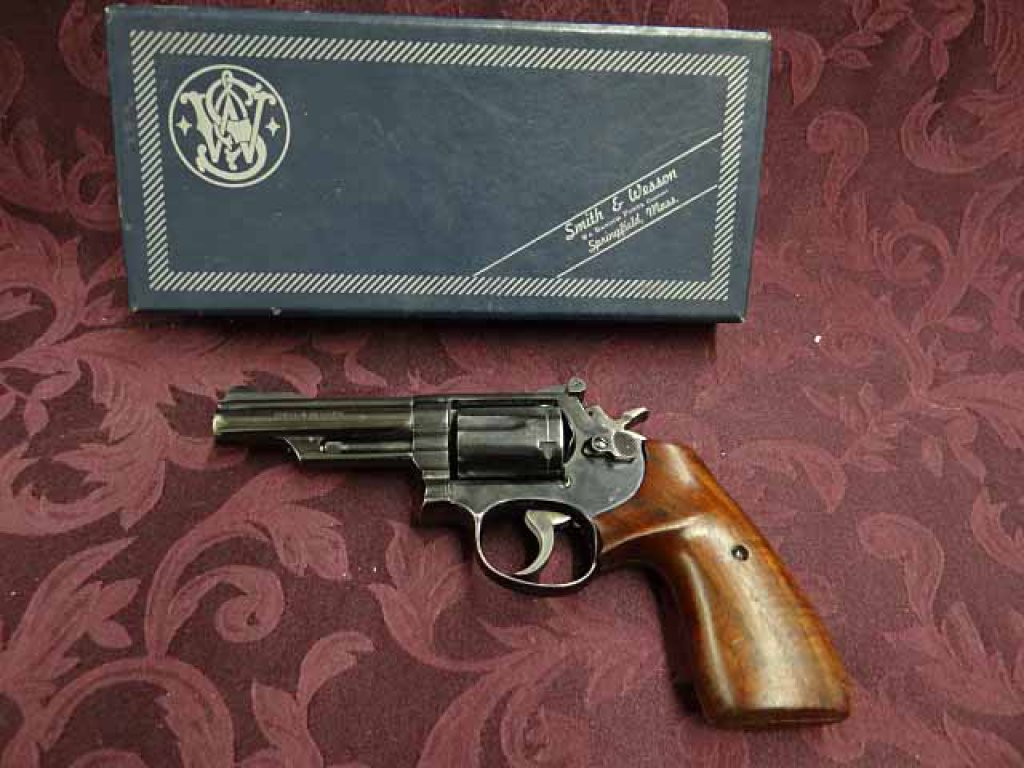
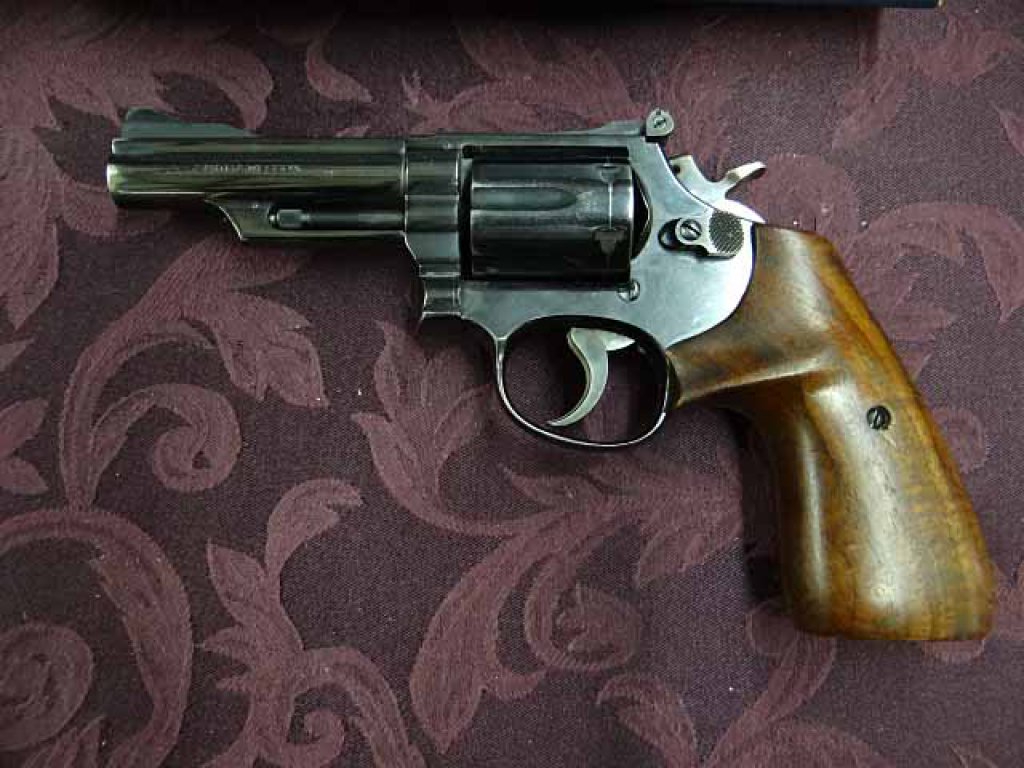
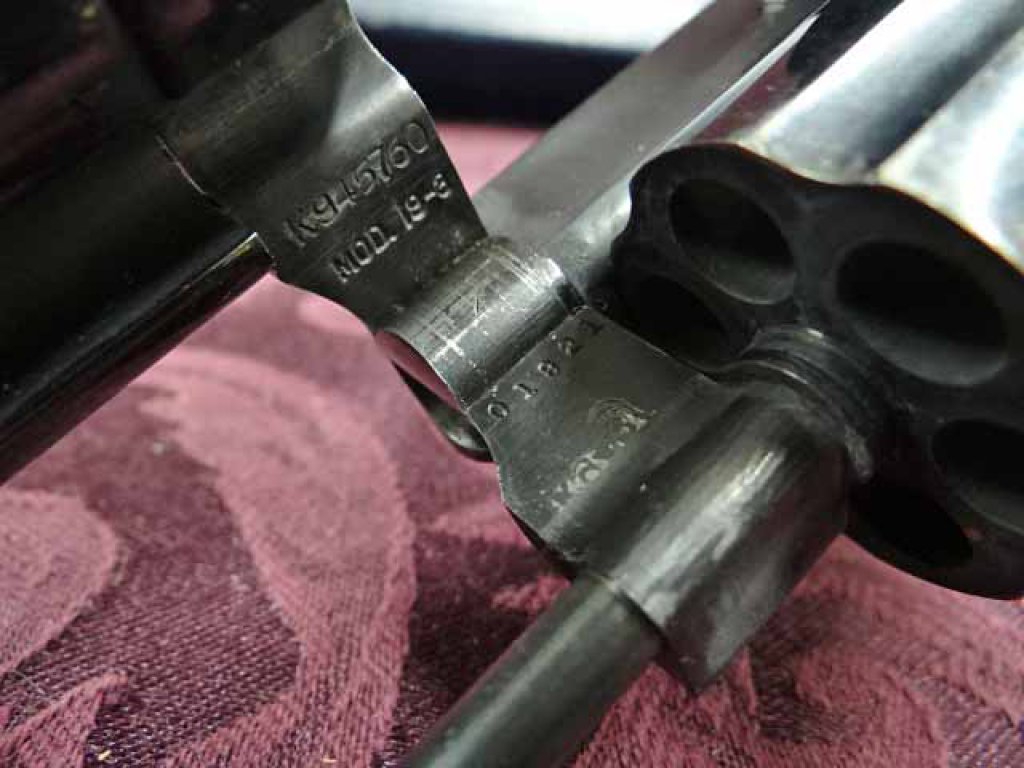
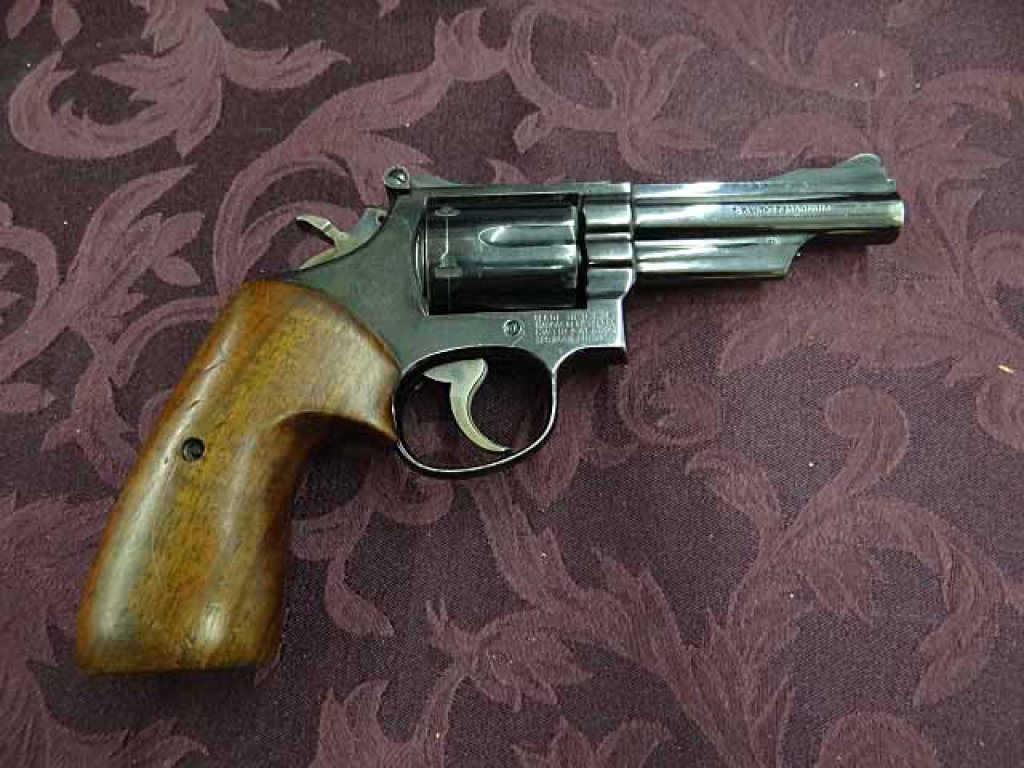
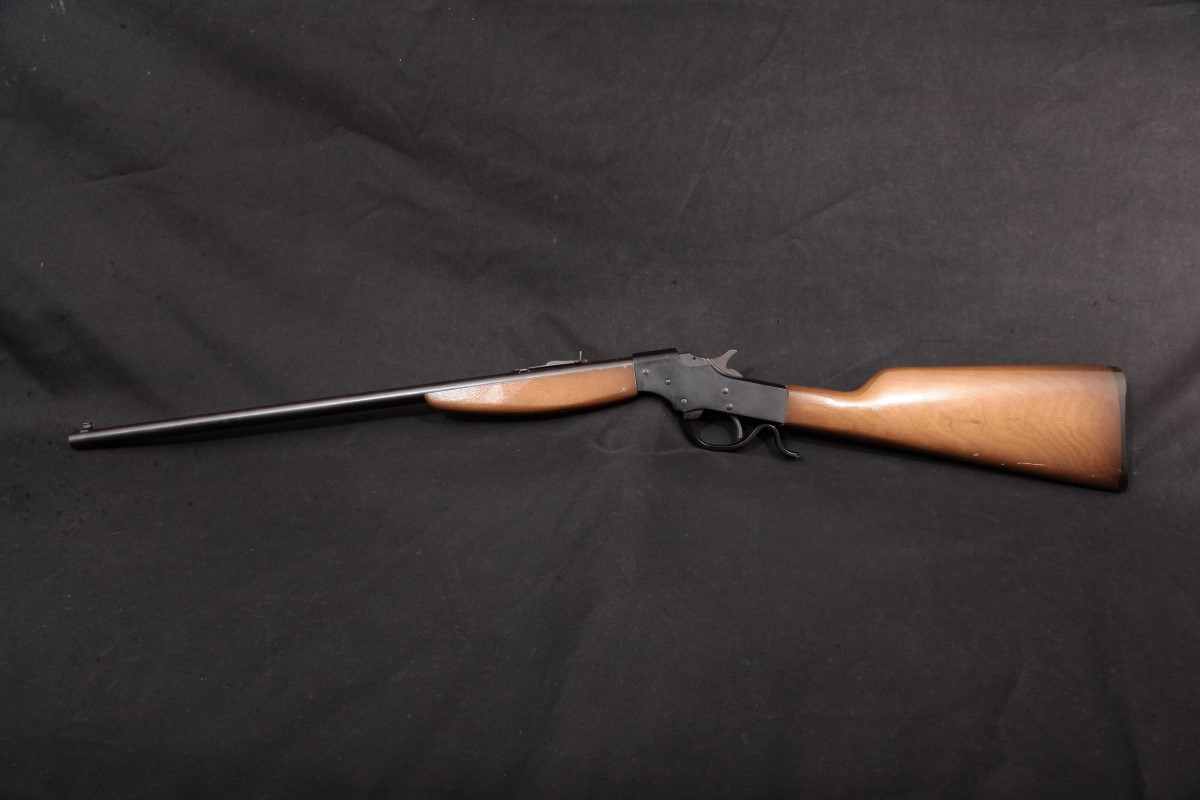
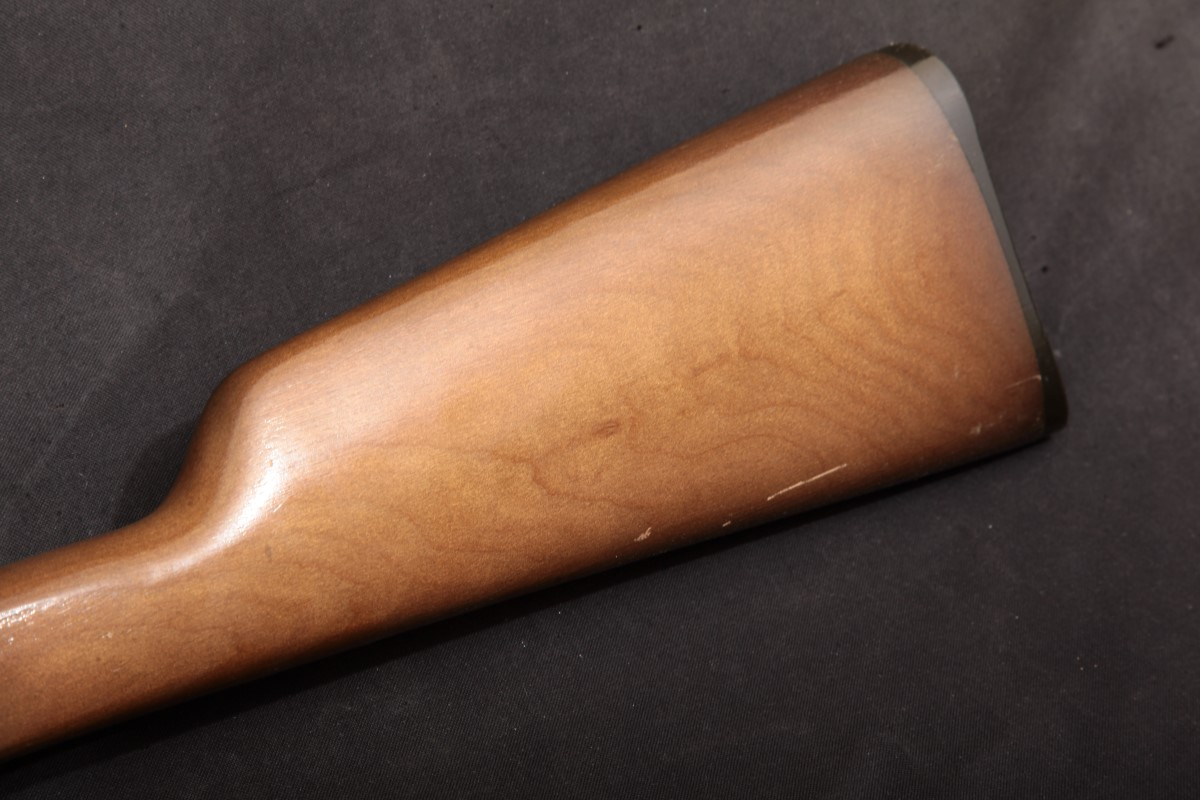
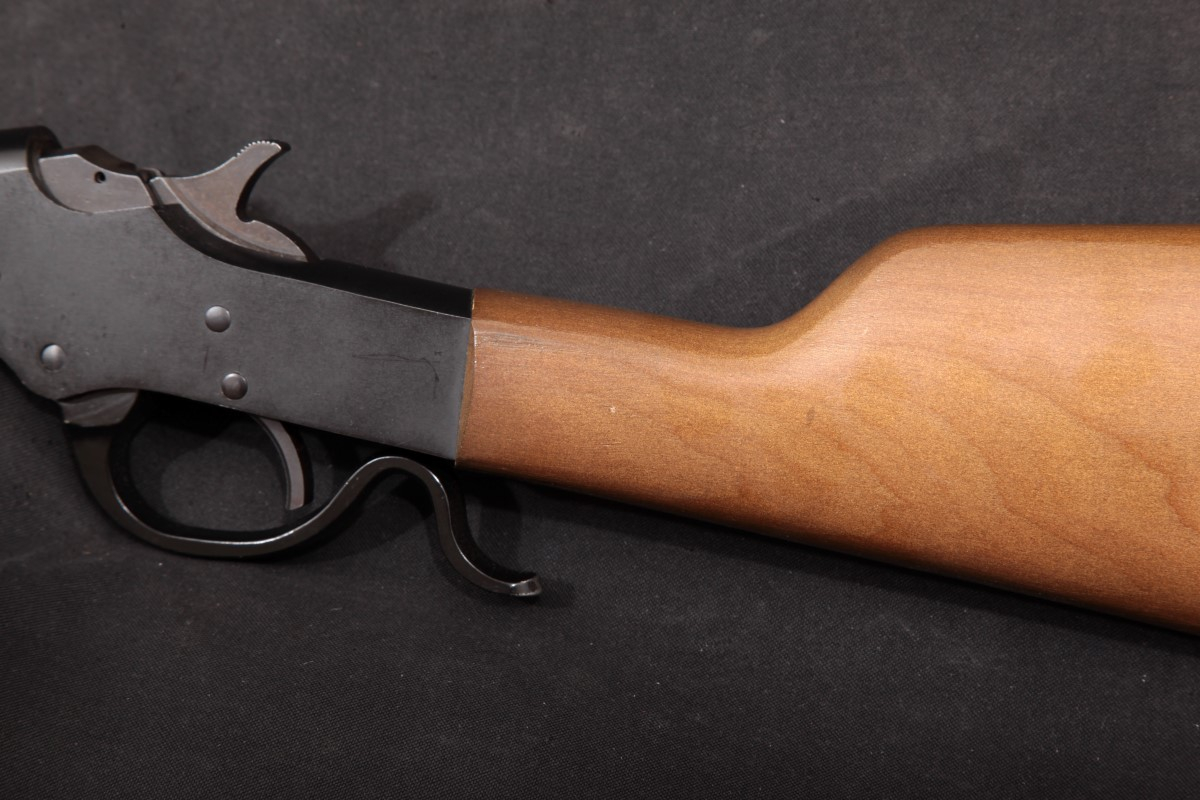
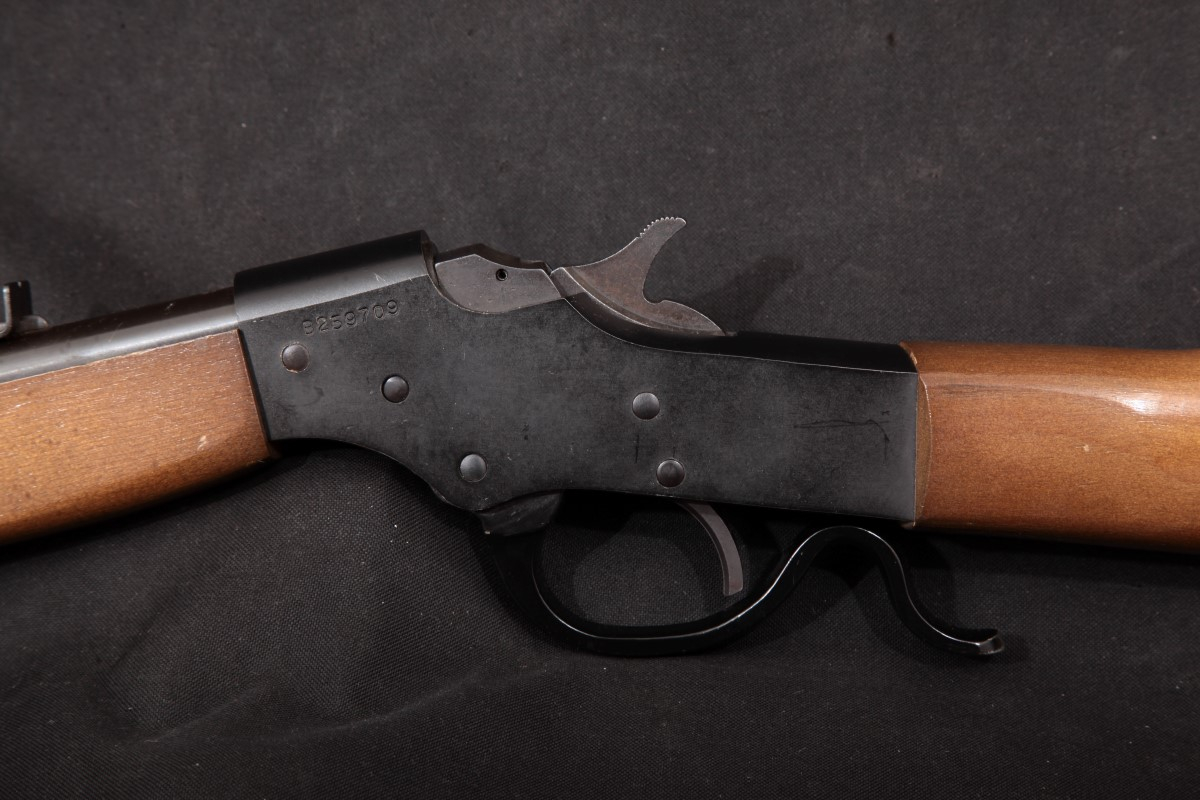
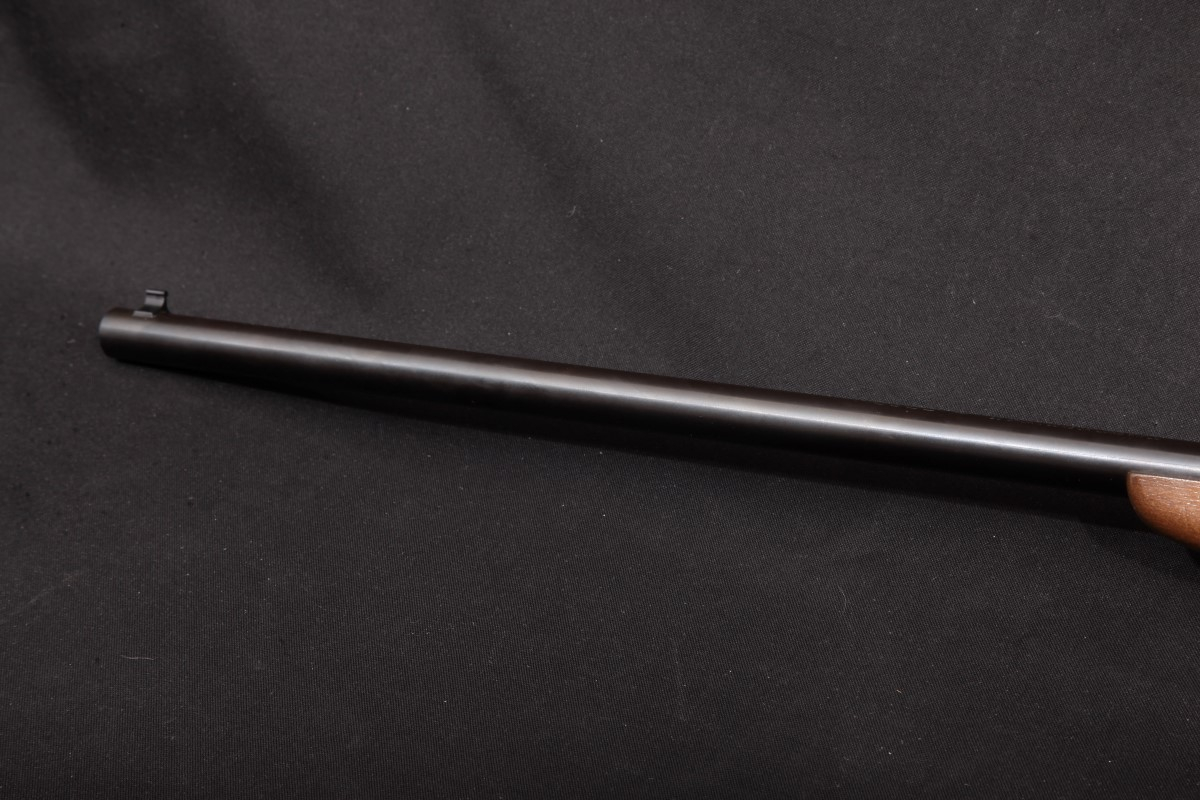
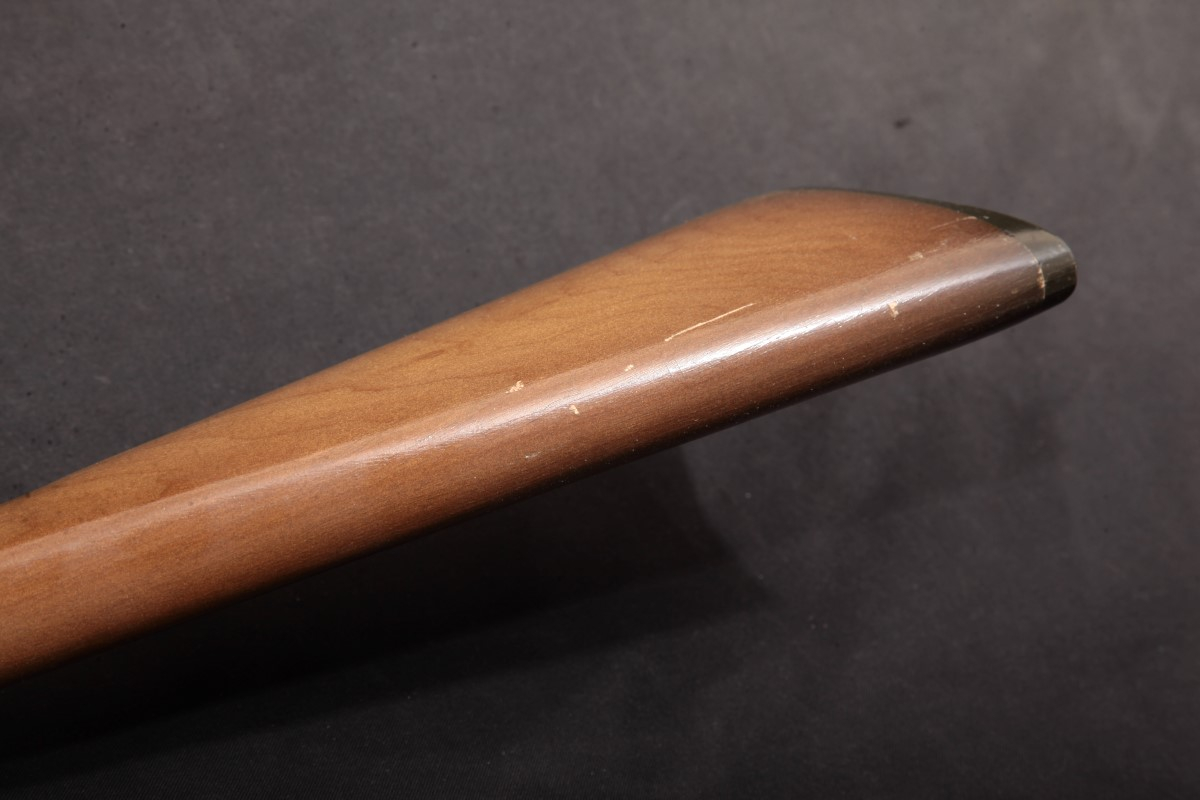
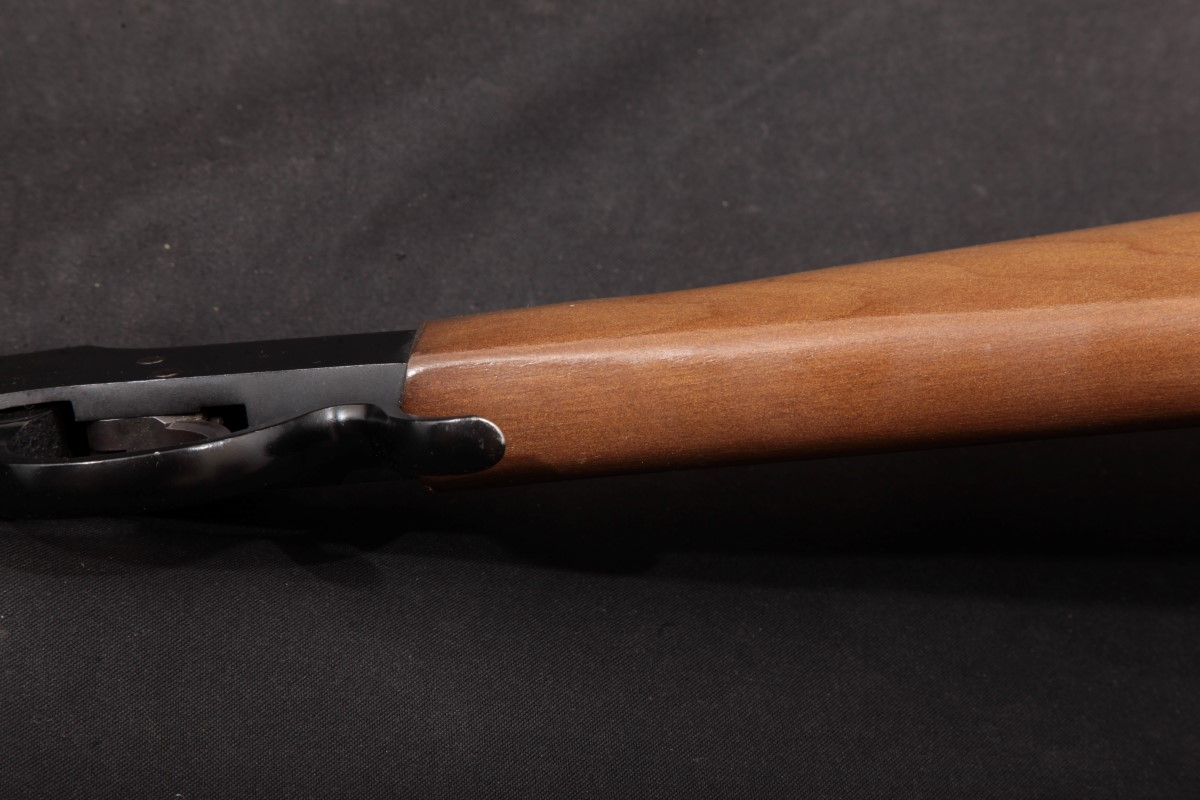
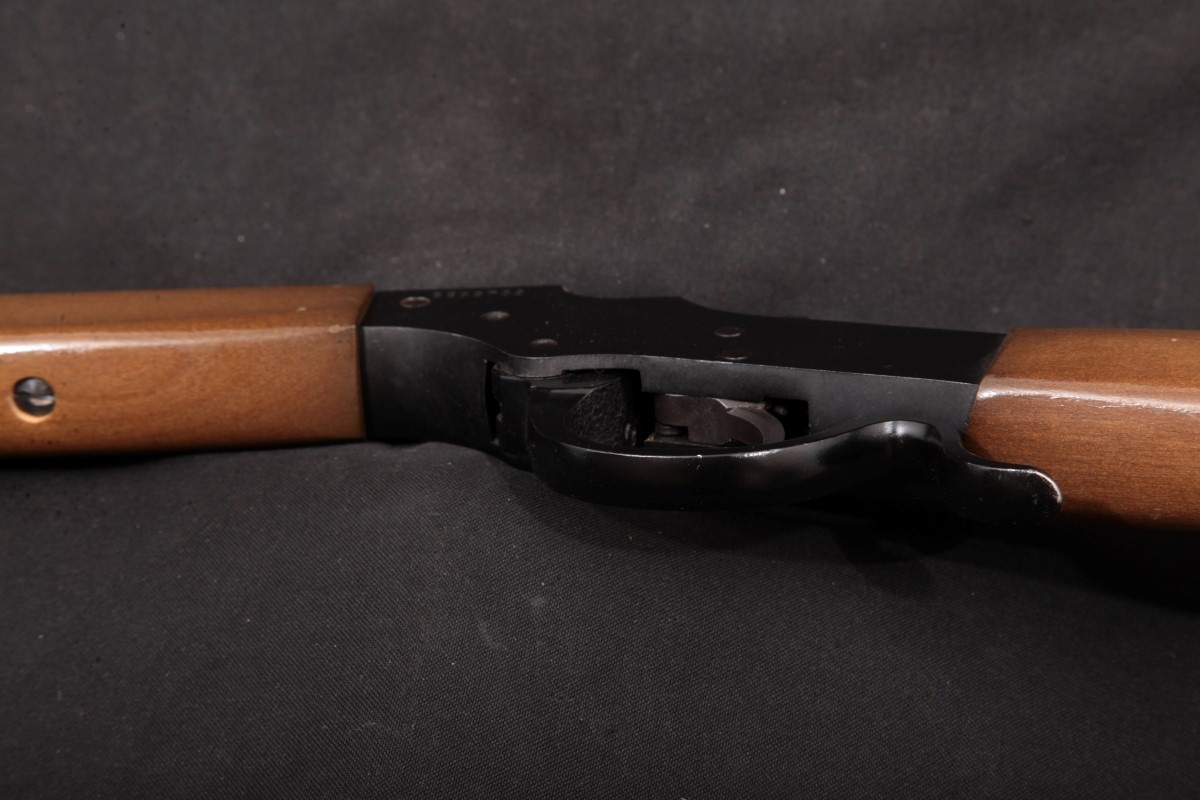
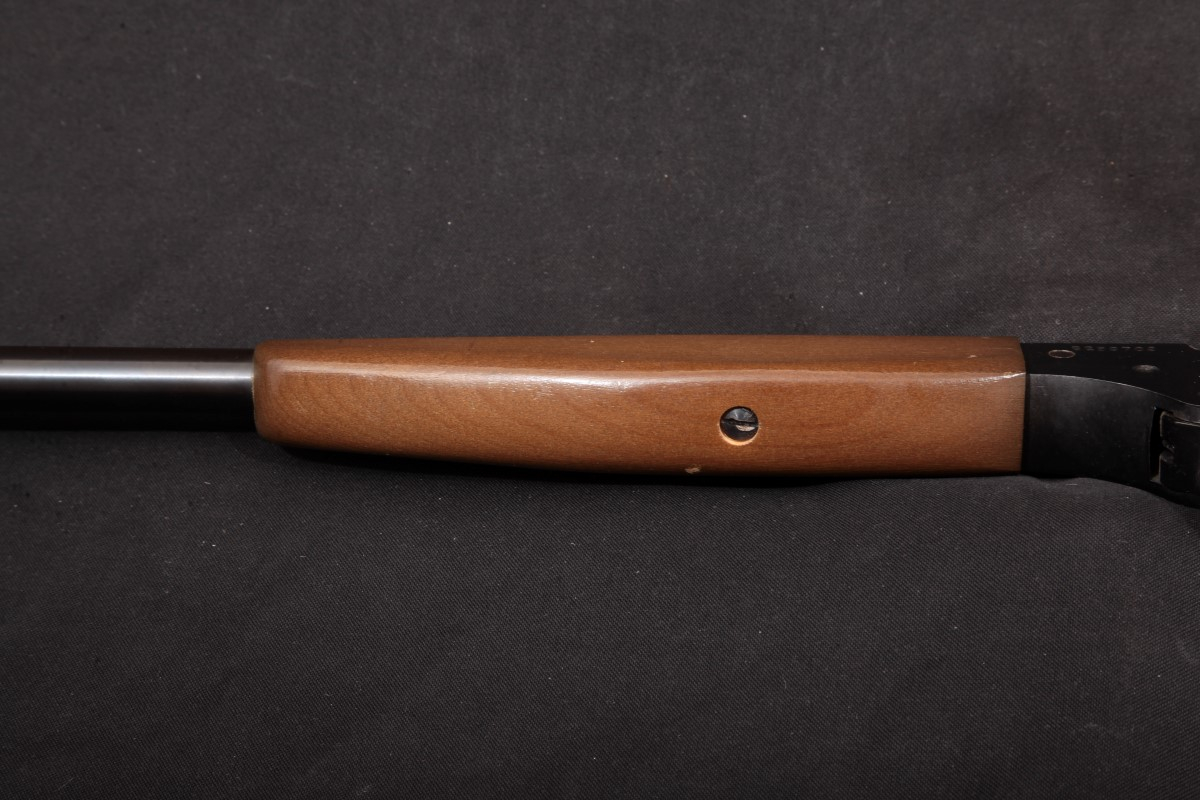
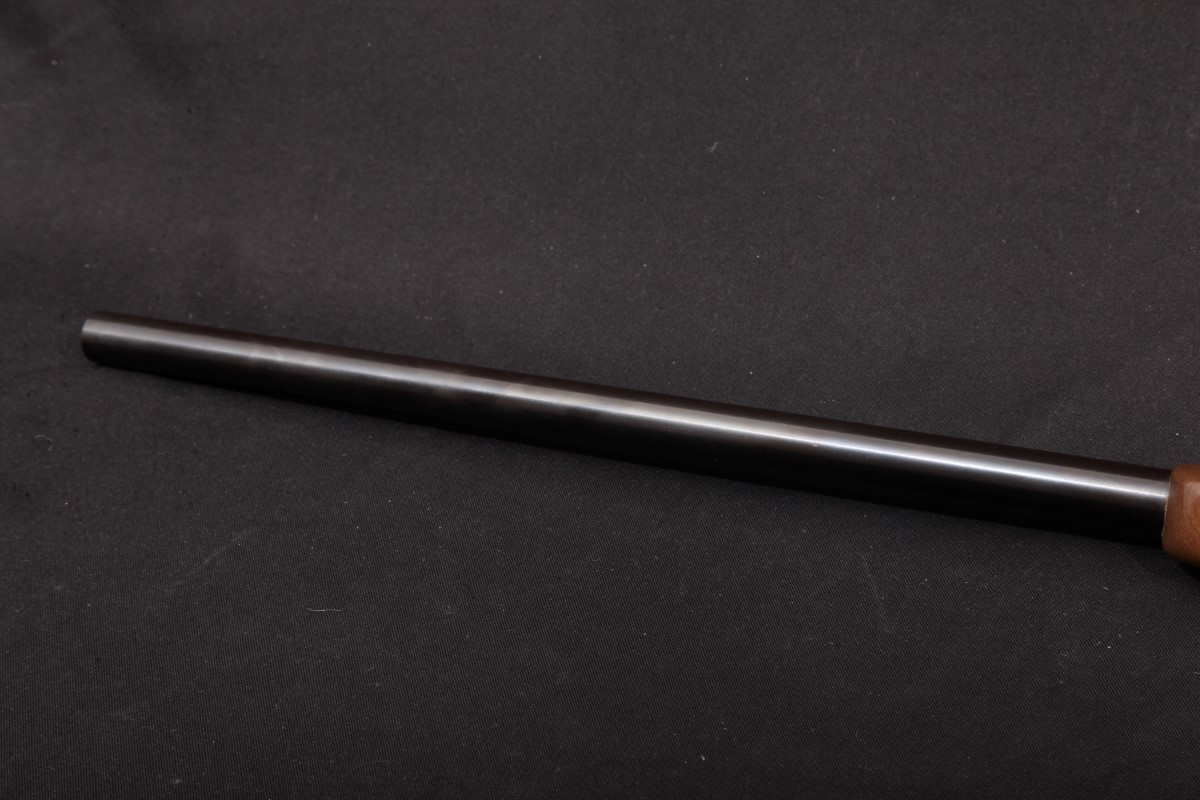
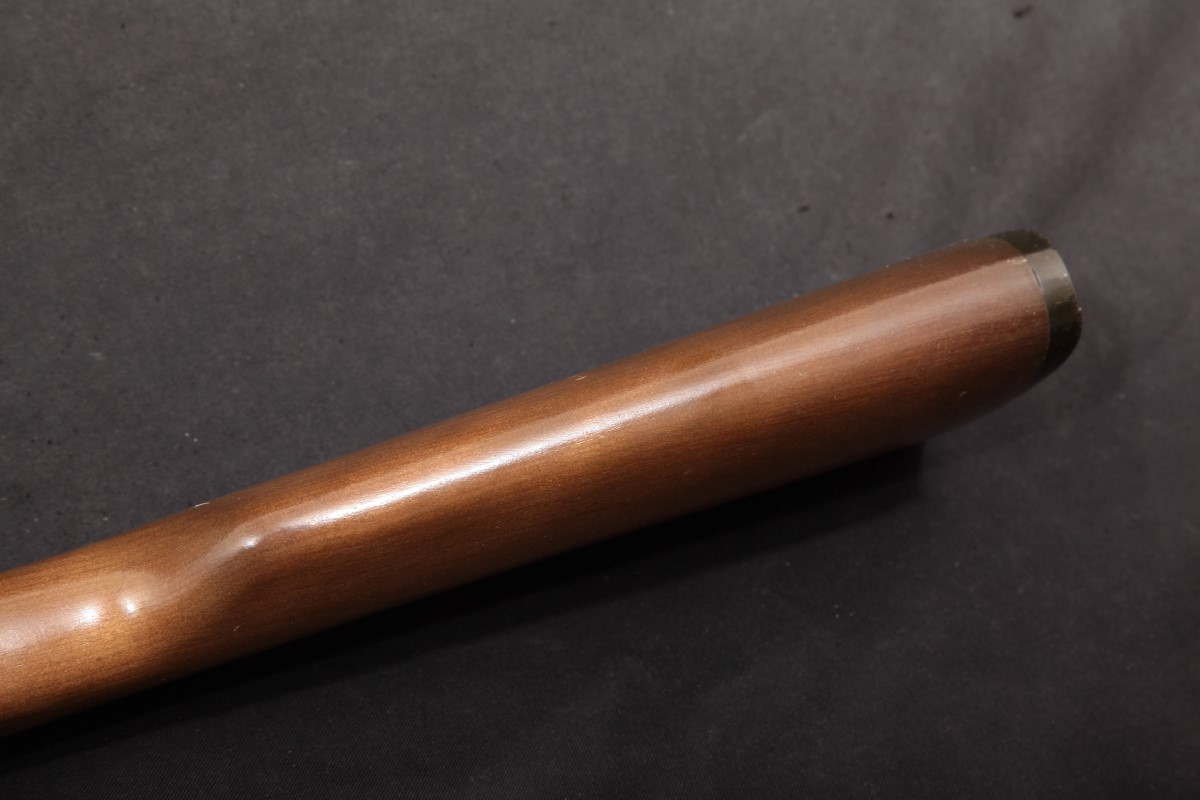
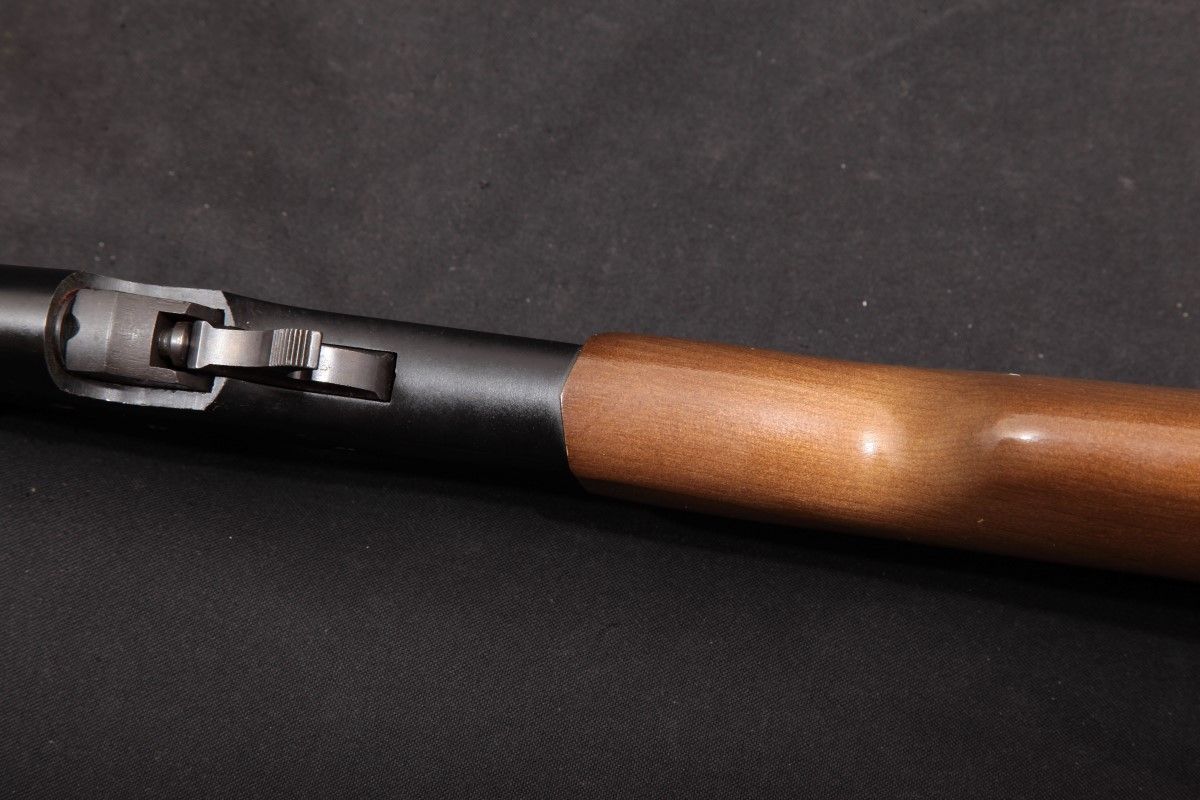
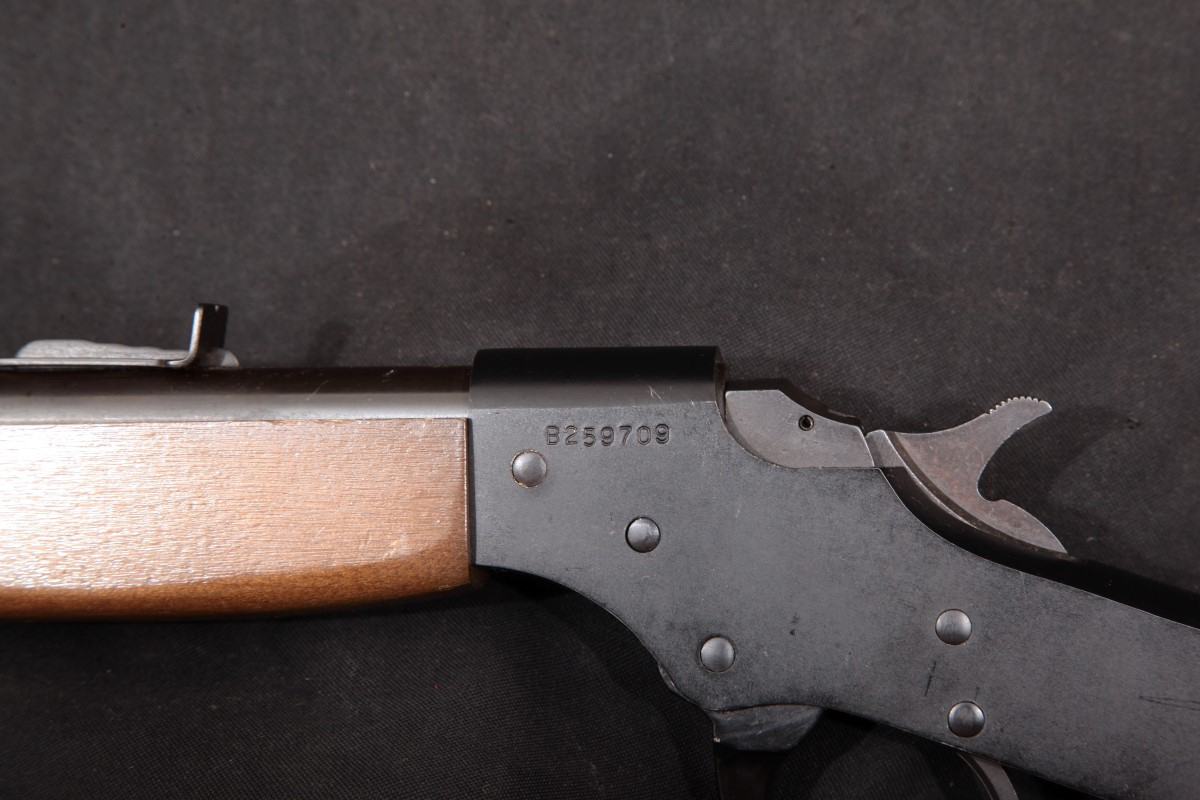
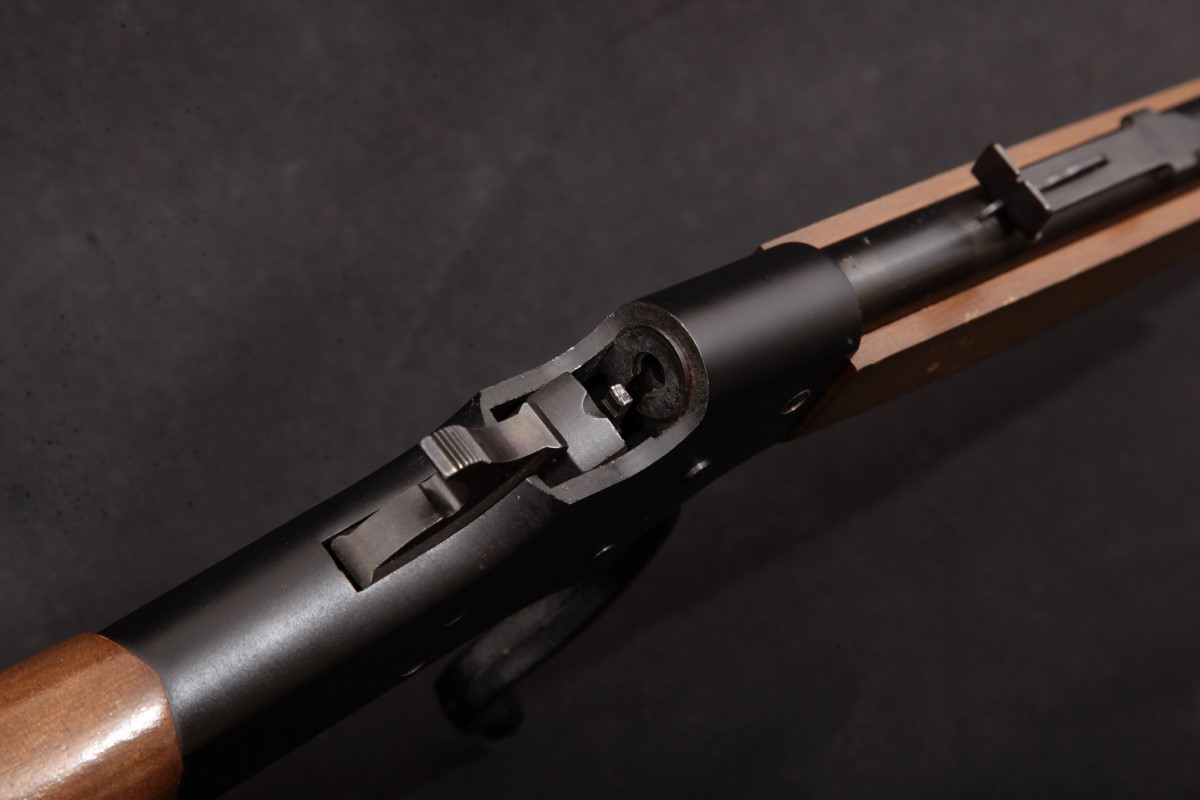
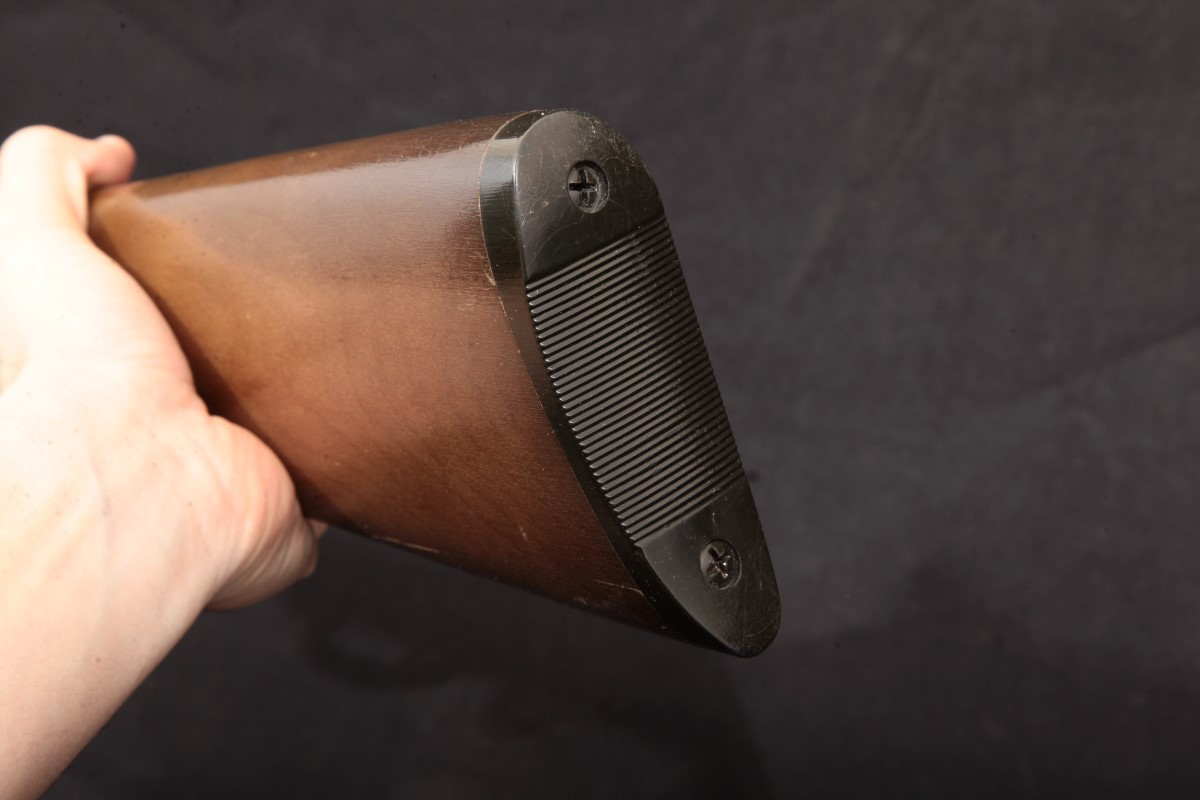
A very Handsome looking Piece!
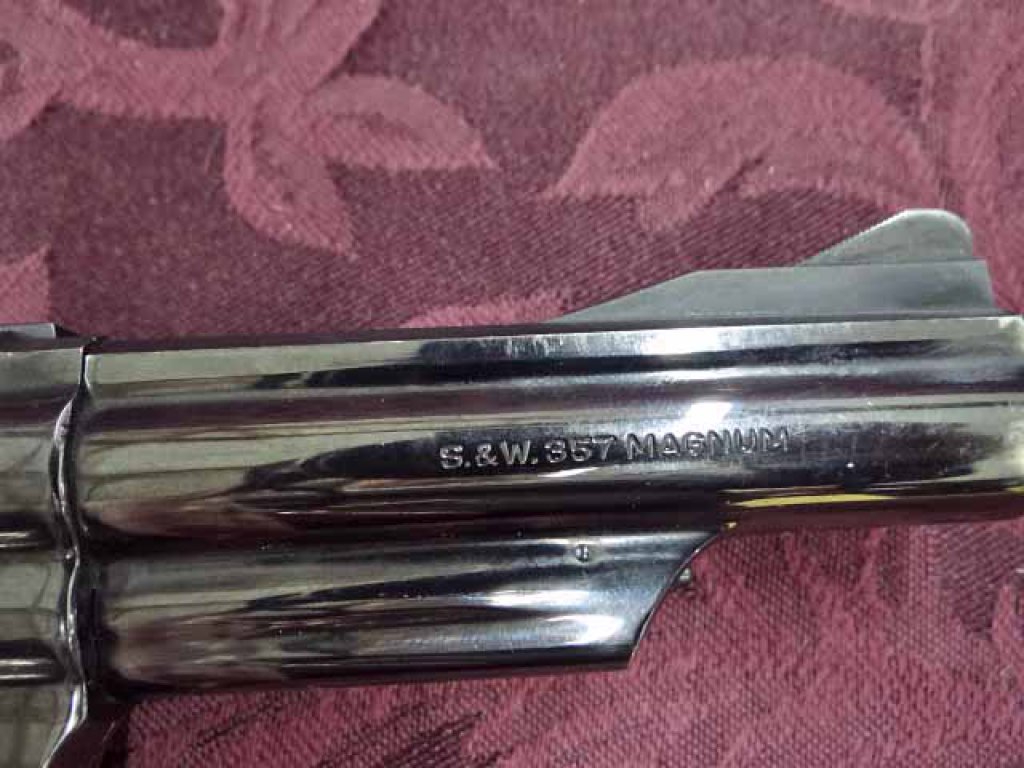
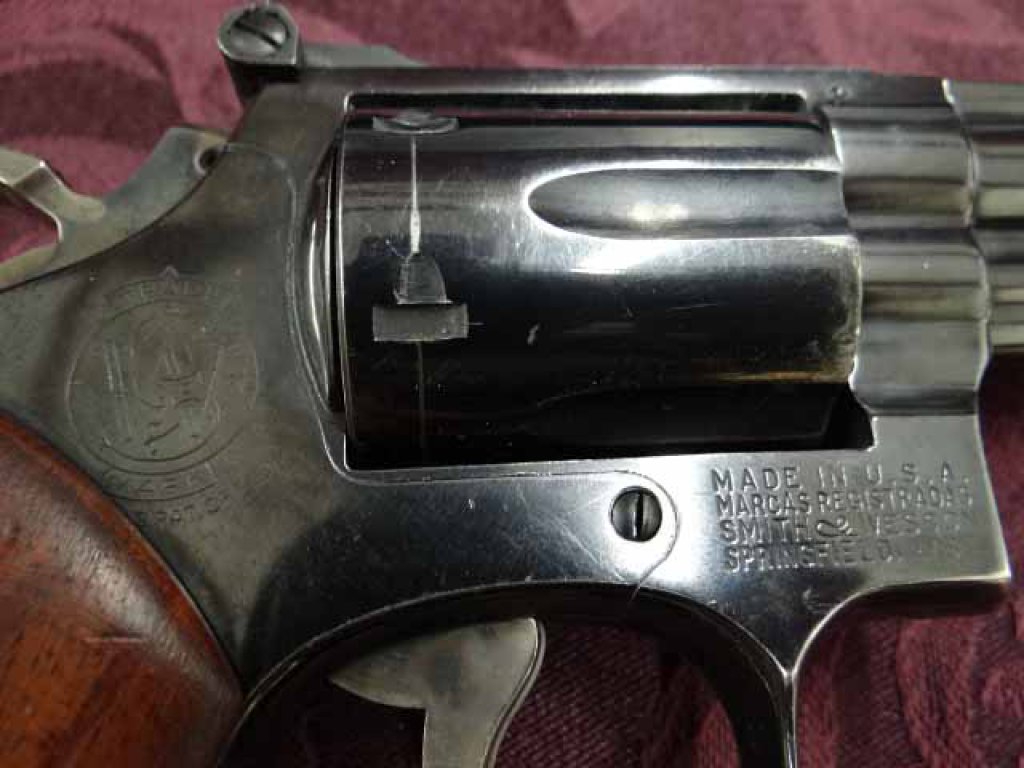

A very Handsome looking Piece!




The SIG MPX PSB is a pistol variant of the MPX series and features a “wrist brace” attachment.
SIG Sauer seems poised to take over the world these days. It seems like they have a winner in every market segment except kitchen sinks, and they are probably working on kitchen sinks right now. A huge win for SIG has been the MPX family of pistol caliber carbines (PCC), and this week we got our hands on one to test.

The SIG Sauer MPX PSB ran reliably and functioned flawlessly with the SIG Elite Performance ammo. Photo Courtesy: SIG Sauer
Our version of the MPX was actually the MPX PSB (pistol stabiliizng brace) pistol version, which I guess makes it the pistol caliber pistol? The not an SBR but totally a semiautomatic 9mm sub gun? What the MPX represents is a leap forward in real sub-machine guns, with many flavors of semiauto, civilian-legal variations. The controls are all AR-15 in style, but this isn’t just another AR scaled to fit pistol bullets. The MPX was designed from the ground up as a new platform, with a retention of the design characteristics from an AR that it made sense to steal. This cuts the learning curve to zero, and also fits the MPX nicely into applications where a rifle is too much, but a pistol is too little.

Anyone familiar with the AR’s manual of arms will be right at home with the MPX series.

The firearm features ambidextrous controls for ease of use with either hand.
The pistol version ships with the ubiquitous SIG “Arm Brace”, with a slightly extended length from other versions I have seen. It is about 3 inches longer that the AR versions, classic SIG sticking it to the man every chance they get. Because the MPX doesn’t require a buffer, this brace isn’t also a buffer tube. More on that in a minute. The brace is attached to a folding hinge, which mounts on the MPX via a Picatinny rail on the back of the receiver. The folding hinge bolts to the Picatinny for a rock-solid joint. When you shoot the MPX with, uh, the arm brace velcroed in place, there is no movement in the stock, which is awesome. The hinge is a little tight, it takes some force to unlock, but it works great.
Article Continued Below:
The receiver set looks very similar to an AR, and it is fully ambidextrous including the charging handle. Your welcome, wrong handers. The magazine release button has gotten a little redesign, it is about twice the size of a normal AR-15 on the right side, and the paddle on the left is about the size of a regulation normal one.
The safety selector is AR similar on the left, and little shorter that your old familiar controls on the right. The left side bolt release has an added bit of length to the bottom, making it ¾ inches wide, very easy to press for locking the bolt back. The right side bolt release is absolutely massive, and you can easily reach it with your trigger finger. Only the left side will lock the bolt to the rear, but both sides release it with ease.
The magazine well is slightly flared, which really helps facilitate quick reloads. The MPX runs on a proprietary Sig magazine, which gave me zero problems. The magazine is clear plastic with steel feed lips, and runs buttery smooth. Loading the magazine is easy, no Uzi magazine problems for this little guy.
We only had one magazine for testing, the factory standard 30 rounder. I was very happy with how easy the magazine came apart for the installation of my Taran Tactical Innovations +10 extension. TTI had just shipped the new aluminum extension in Coyote Bronze, and it ran like a champ.
This extension does not require a new spring, which also tells me SIG was serious on spring tension. Adding 10 rounds is no small feat, so the factory 30 round was absolutely meant to work in all conditions, for a very long time.

The MPX PSB is a compact and capable firearm and feeds from a proprietary magazine system.

The author equipped the magazine with a Taran Tactical Innovations (TTI) magazine extension to bring total capacity to 40-plus-one capacity.
The upper and lower come apart with just like an AR, with a takedown pin front and rear of the receiver. This is where the similarities end though. The MPX doesn’t use a scaled-down AR bolt, though both are cam based locking with rotating lugs. The MPX has two springs on top of the bolt that recoil against the receiver, and push the bolt back into the chamber. This cuts down on the overall size of the bolt, and also means the MPX works normally with the stock folded or taken off in the pistol variant. No nubby buffer tube required. At the back of the receiver is a large polymer ring, which absorbs the impact of the bolt, and keeps your steel bolt from smacking the aluminum receiver.
The action is neither direct impingement or blowback, it is a short stroke piston system. This keeps most of the filth from pistol rounds out of the receiver and has proved to be very reliable. The barrel on the pistol version is 8 inches, but has the new MPX quick barrel change system just like the carbine. If you push out the front takedown pin, the handguard pulls straight off. This exposes two hex screws, pull those out, and the barrel comes right off. This makes barrel changes a snap, and in the future caliber conversions will be easy as the day is long. One of my only complaints, SIG put a 13.5×1 metric thread pitch on the barrel. If you use direct thread suppressors, better make sure you can get an adaptor.
The MPX doesn’t ship with iron sights, but this is a pretty easy fix. We are talking about SIG after all. For testing, we were also provided a Romeo5 1x20mm compact red dot sight. This optic features a 2 MOA red dot with 10 illumination settings, 8 for daylight and 2 for night vision. This sight also features MOTAC, motion activated illumination system, which powers up when it senses motion, and powers down when it doesn’t.
The dot is very bright; I had no trouble finding a setting for broad daylight. The controls are a bit different, but it worked just like an Aimpoint. In the box are mounts for both low and 1.41 inch co-witness bases, which is a nice touch. I liked the high mount for the MPX pistol, and will try the low mount next week on a rifle 45-degree offset.

The author also had an opportunity to try out Sig’s air gun variant of the MPX as well.
In keeping with the SIG complete package, what could possibly make this any better? How about a training tool to go with it? Also available from SIG, we received an MPX airgun and target system. SIG has really come out swinging on this front; they have introduced several airgun systems over the last year.
The MPX air comes with a real buttstock since it isn’t a firearm, but is otherwise identical to the MPX pistol. The airgun runs off of CO2 cartridges and fires .177 caliber steel pellets. This is no child’s toy, as the pellets reach up to 600 feet per second (fps). It even comes with an incredibly similar red dot sight.
Big applause to SIG Sauer on this one, replica airsoft or pellet guns are a fantastic training tool to round out a system. The savings in ammunition cost are staggering, and it isn’t hard to set up an airsoft range in your garage. Can’t say the same for 9mm, that is a certainty.

Note the ambidextrous AR-style safety lever and the enlarged trigger guard.
This is the first time I have ever had optics, gun, and ammo all made by the same manufacturer, which is pretty wild to consider. If I had a better license, I could have gone ahead with a suppressor as well. A training replica gun is pretty awesome as well, and pellets are arguably a better option than a .22 LR conversion. Have you tried to buy .22 recently? The MPX ran like a sewing machine and had zero malfunctions. Magazines aren’t cheap, but they are available, and it’s nice to have aftermarket support already from places like Taran Tactical Innovations. A 40 round sub gun magazine is pretty hard to argue with. There was a lot of winning with this system. The SIG 115 grain ran like a champ.

The SIG Sauer pistol stabilizing base allowed the author to accurately engage steel targets and allowed for fast follow-up shots. Photo Courtesy: SIG Sauer
So what was the bad? I only have a couple of complaints. One is the trigger, which is less than good. To be fair, it is about like a Mil-Spec AR. The big problem is a replacement. I don’t believe in bad triggers, especially after I pay $2,000 for a gun. AR-15 triggers fit the MPX, but SIG says the new gun is very hard on fire control systems.
Secondly, I would have much rather had this gun for testing in the carbine variant. I understand why SIG makes a pistol version, some people are really in love with this and don’t want to SBR. But for a shake out of a weapon, it is a lot easier with a real stock and a grown up barrel. A 16-inch carbine version is on the market right now, and that is a much better choice for most consumers. Even in the pistol version though, I would have preferred to see an 11-inch barrel. This has nothing to do with velocity, and everything to do with the hand stop. On the 8-inch barrel, even with the hand stop installed, it is entirely too easy to get a finger near the muzzlebrake. I have seen this happen with an MP5, and the result isn’t pretty. If you buy the pistol version, be extremely careful.

Although the author found the 8-inch barrel a little too short for his taste, the barrels are user changeable for in-field adaptability. Simply remove the barrel and A2 muzzle device and swap for the desired length. Photo Courtesy: SIG Sauer
For more information, visit https://www.sigsauer.com/store/sig-mpx-psb.html .
To purchase an MPX on GunsAmerica.com, click this link: https://www.gunsamerica.com/Search.aspx?Keyword=MPX.
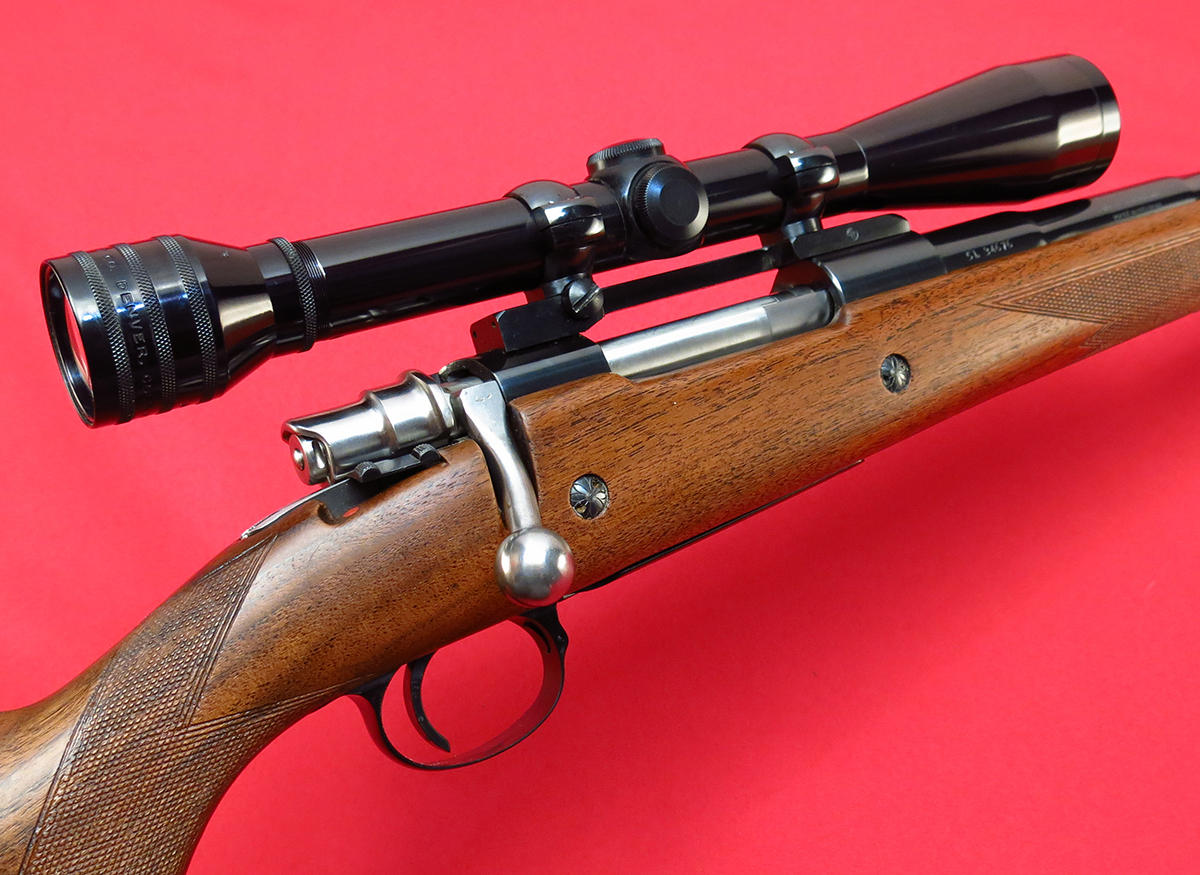
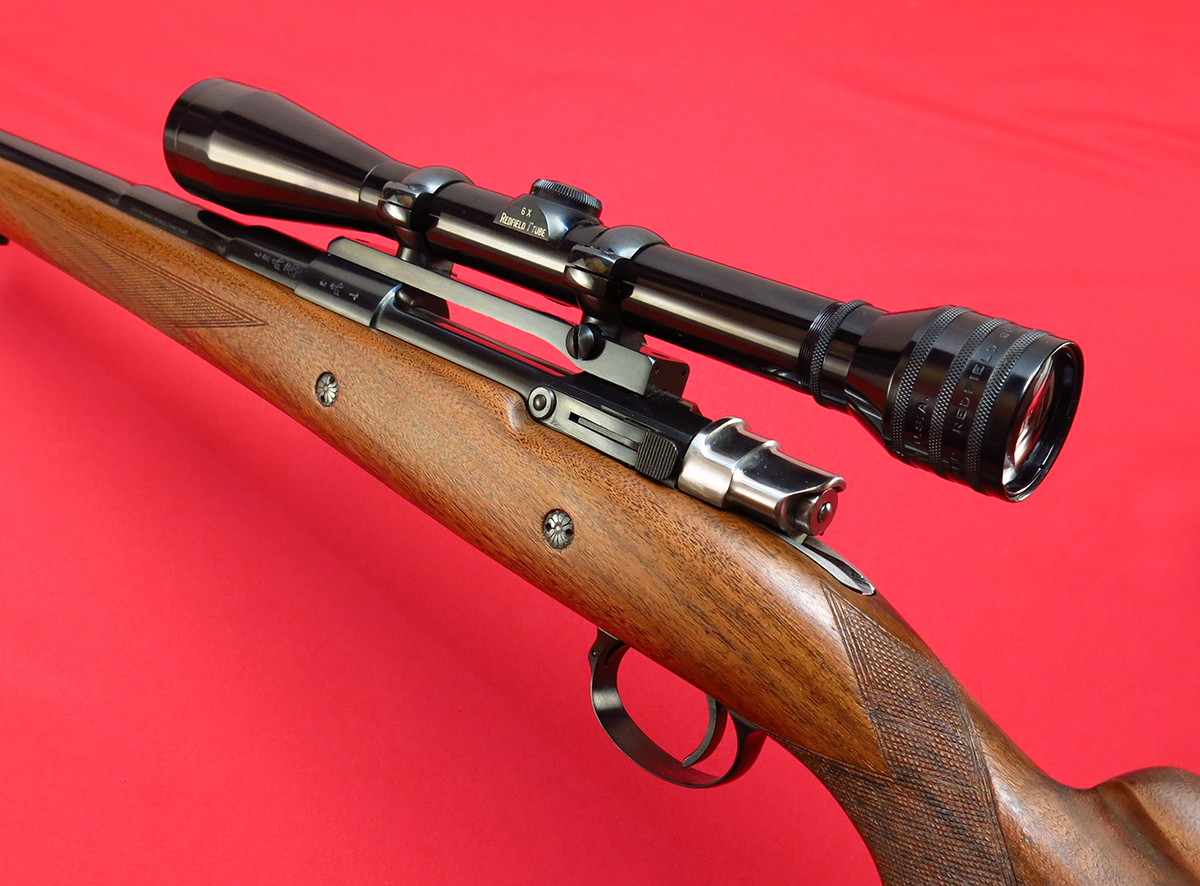
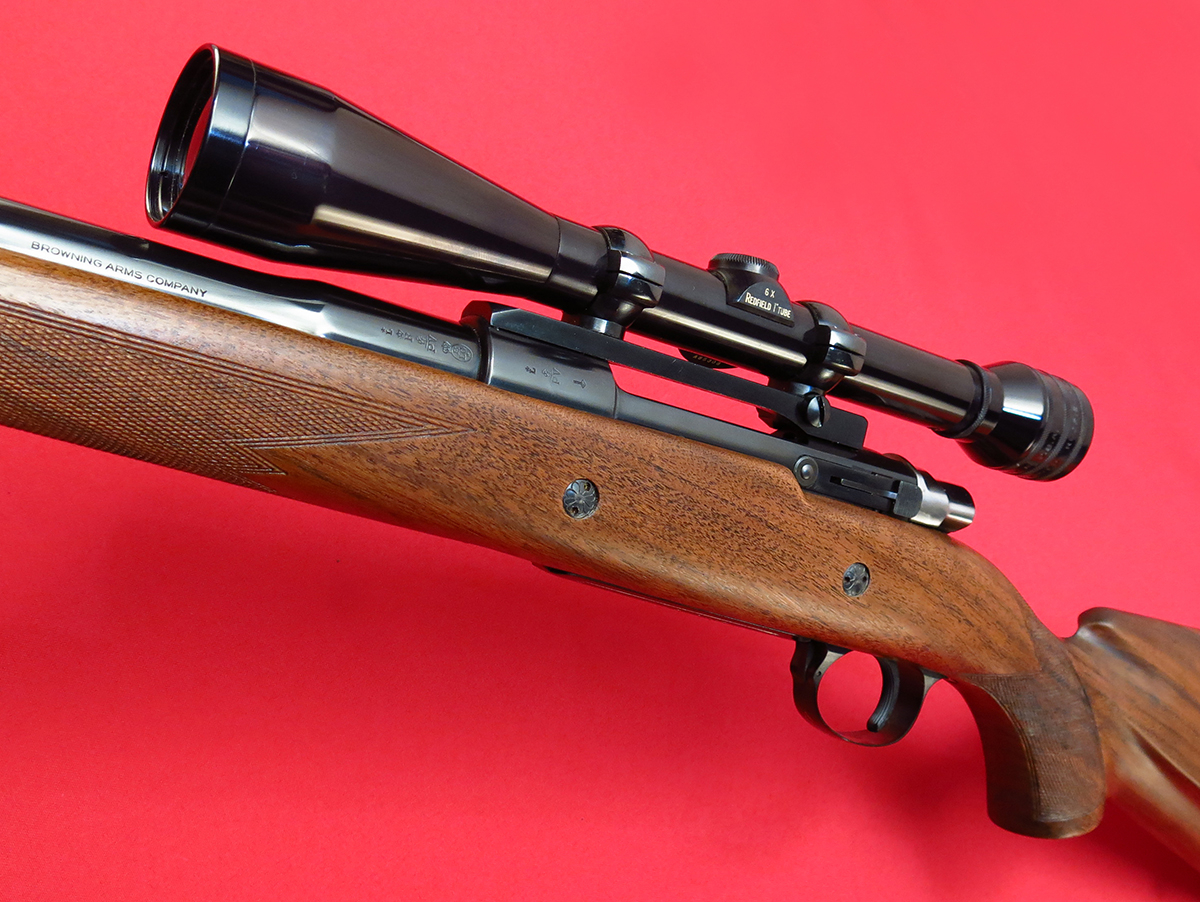
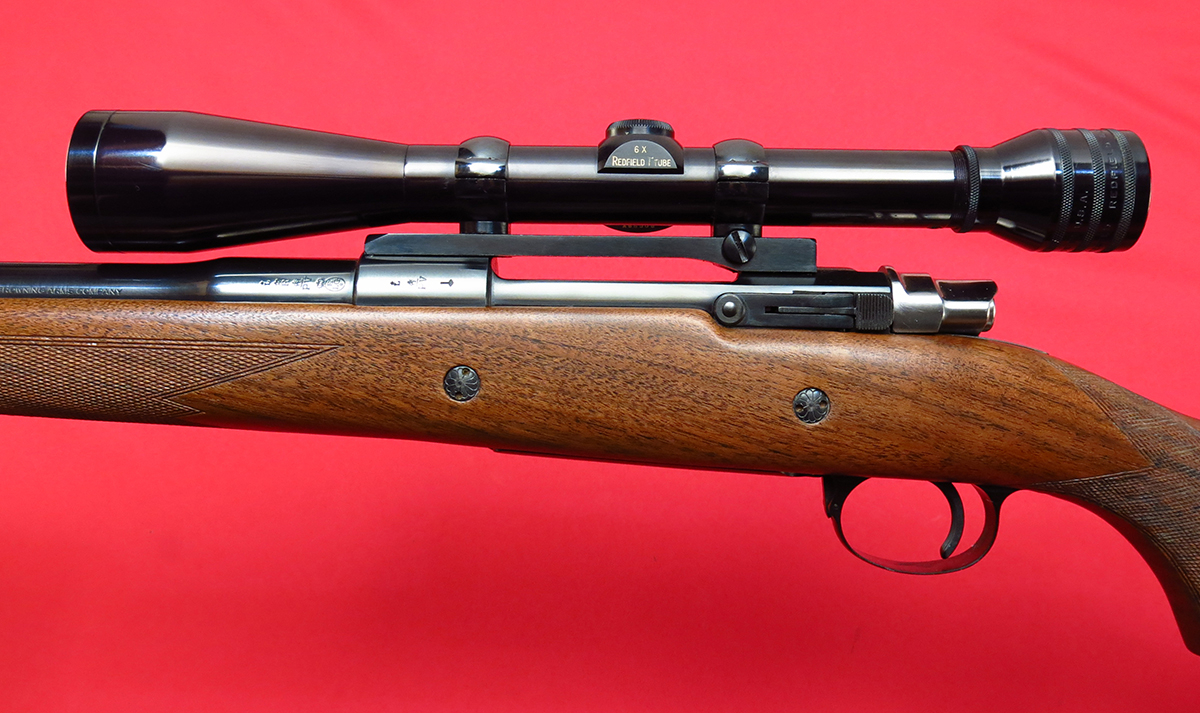
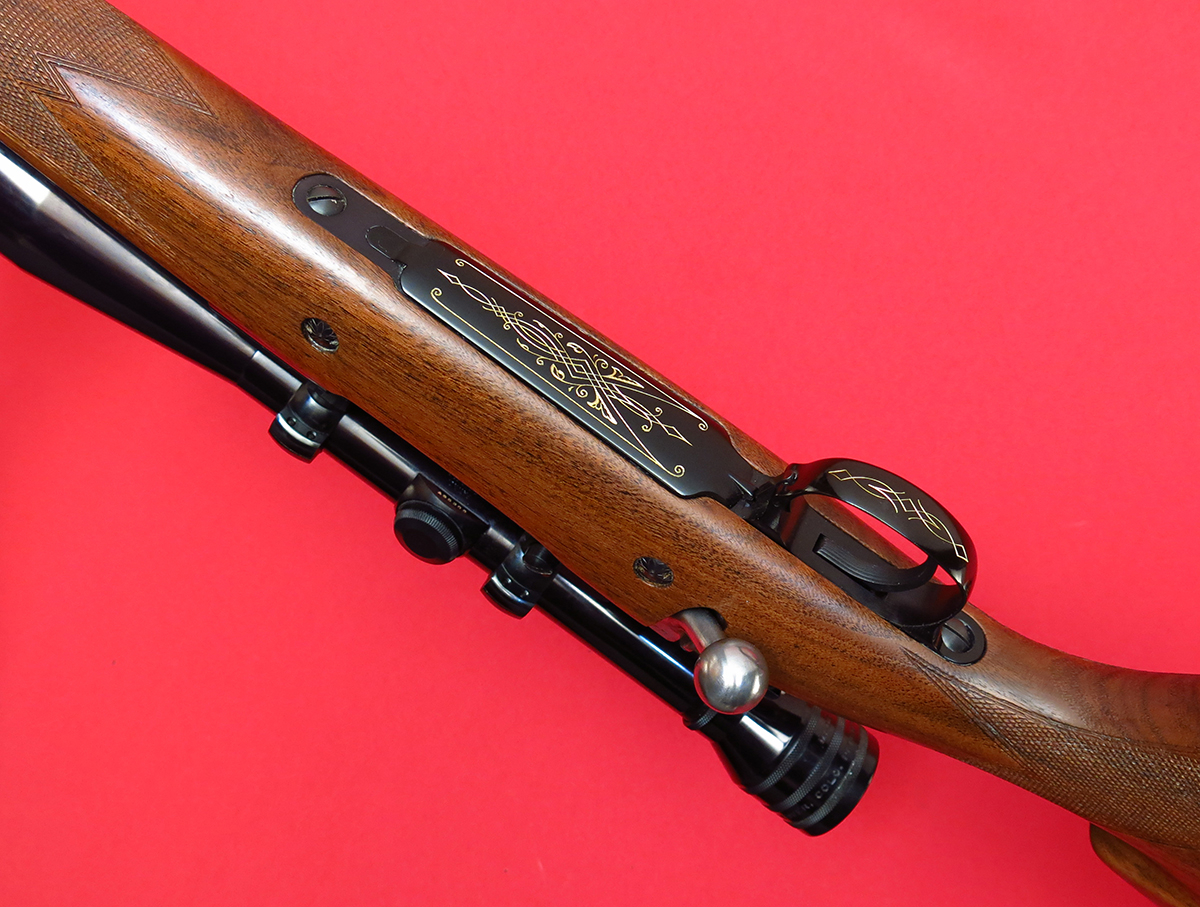
One hell of good looking rifle! Grumpy
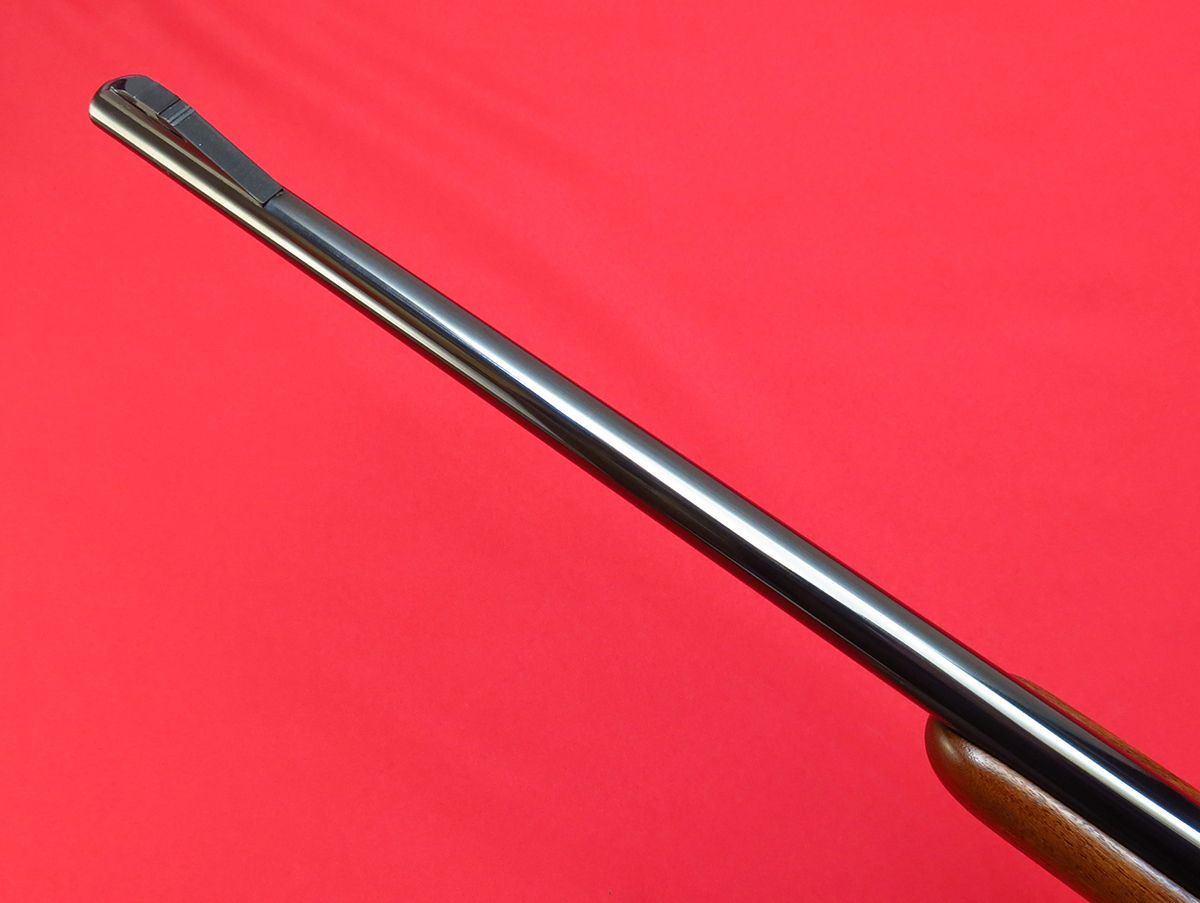

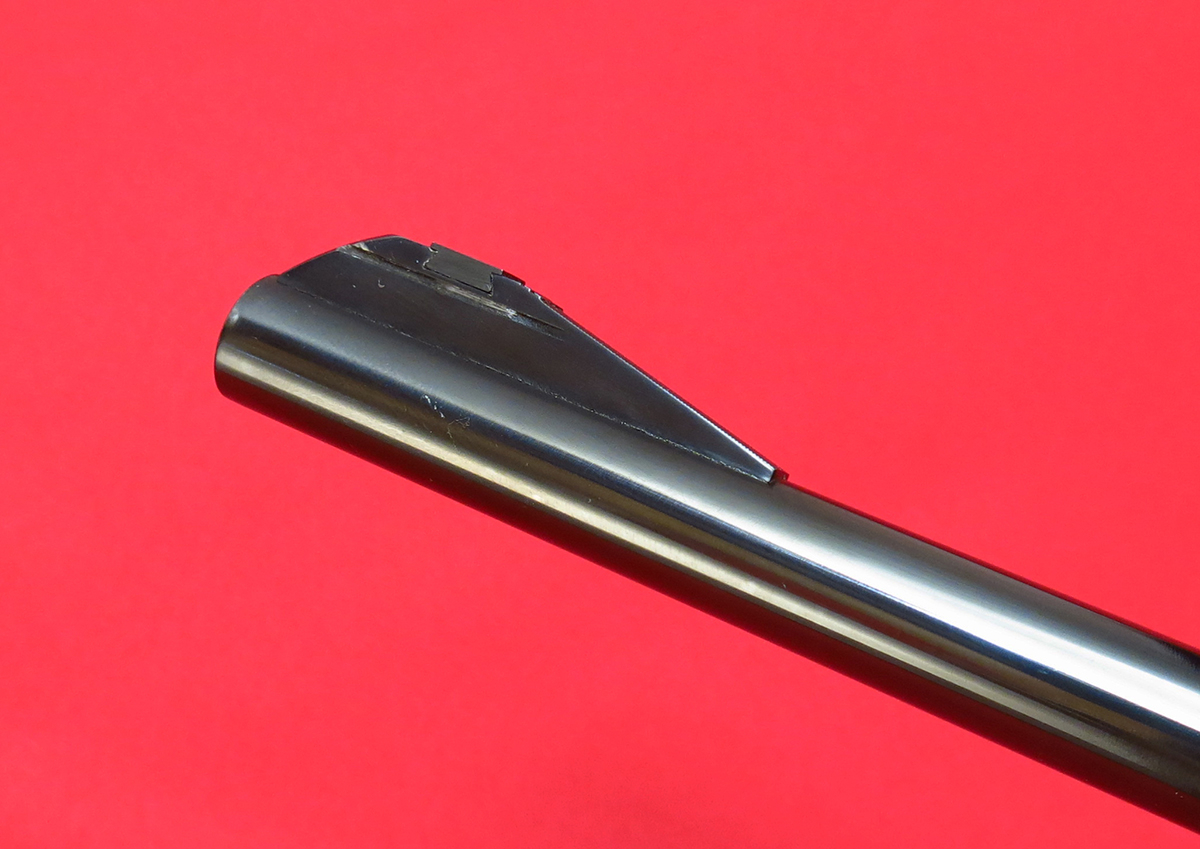
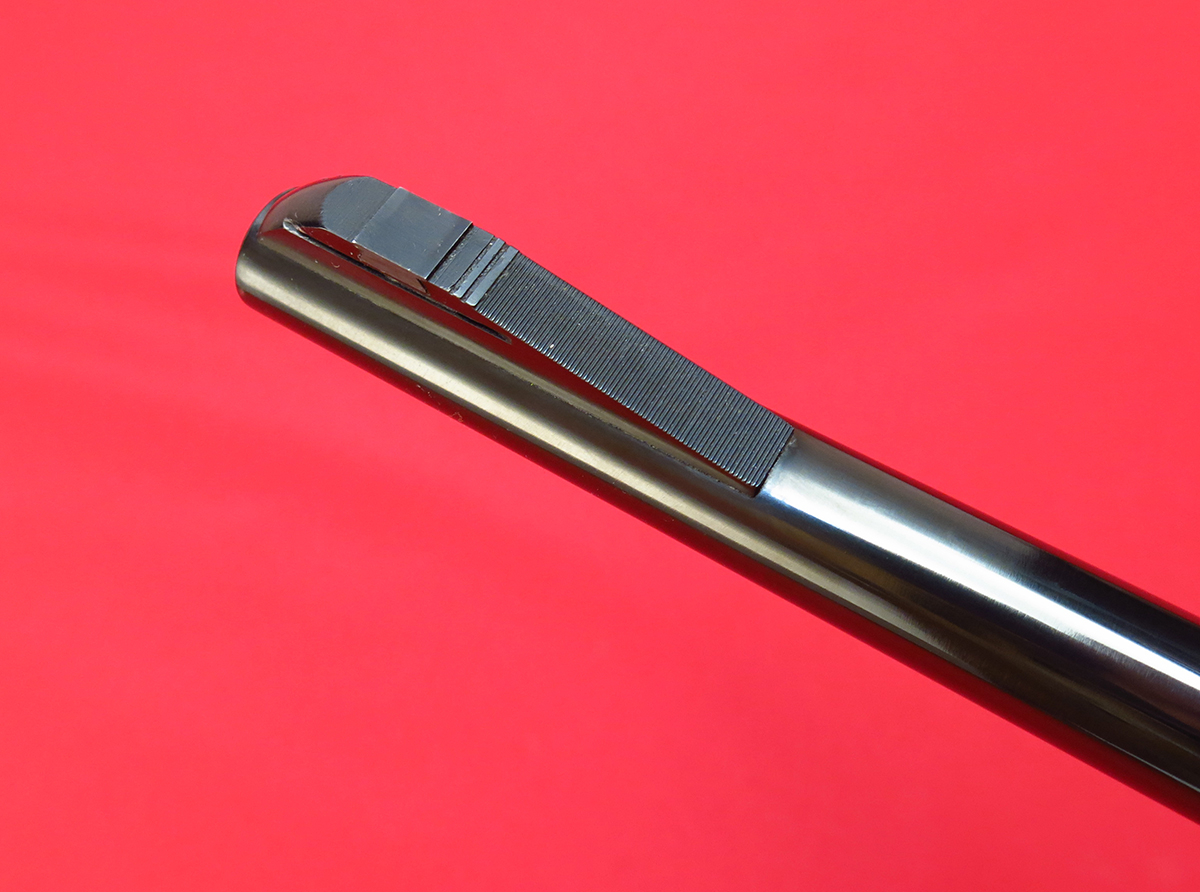
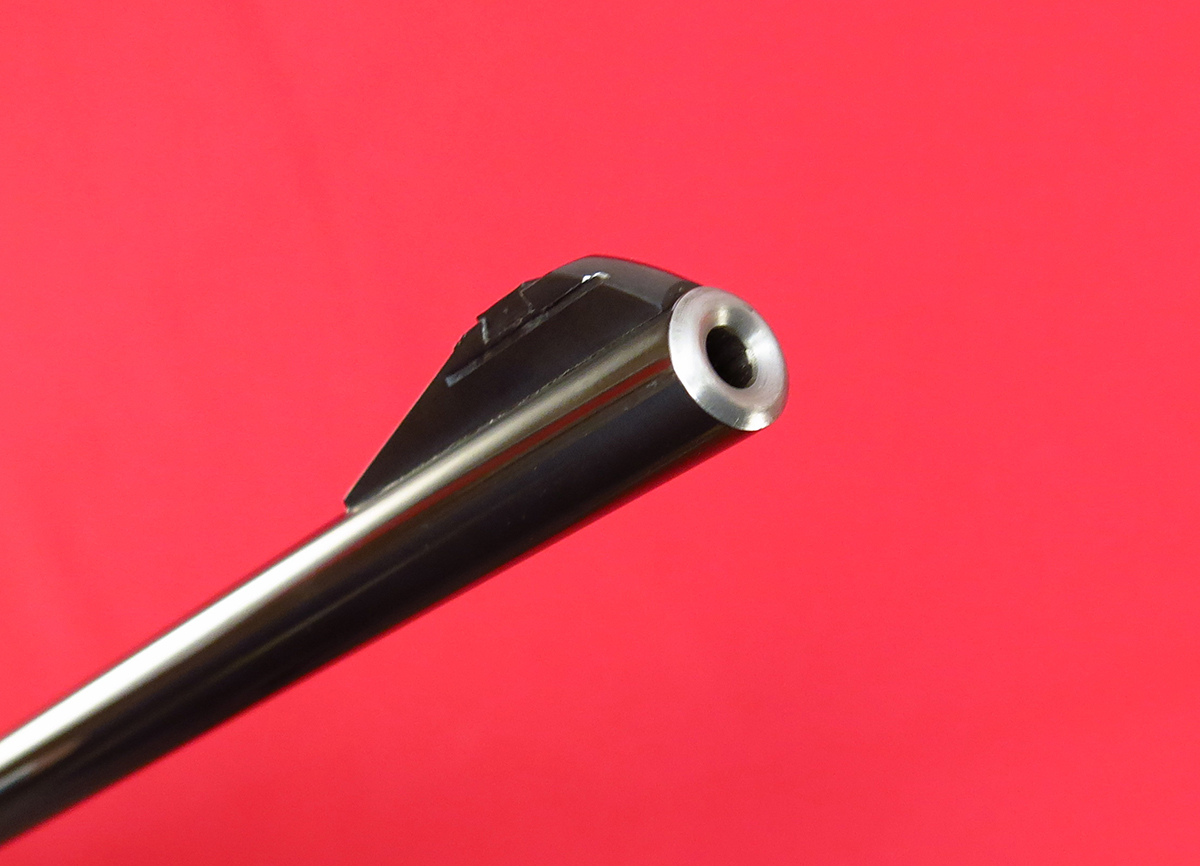

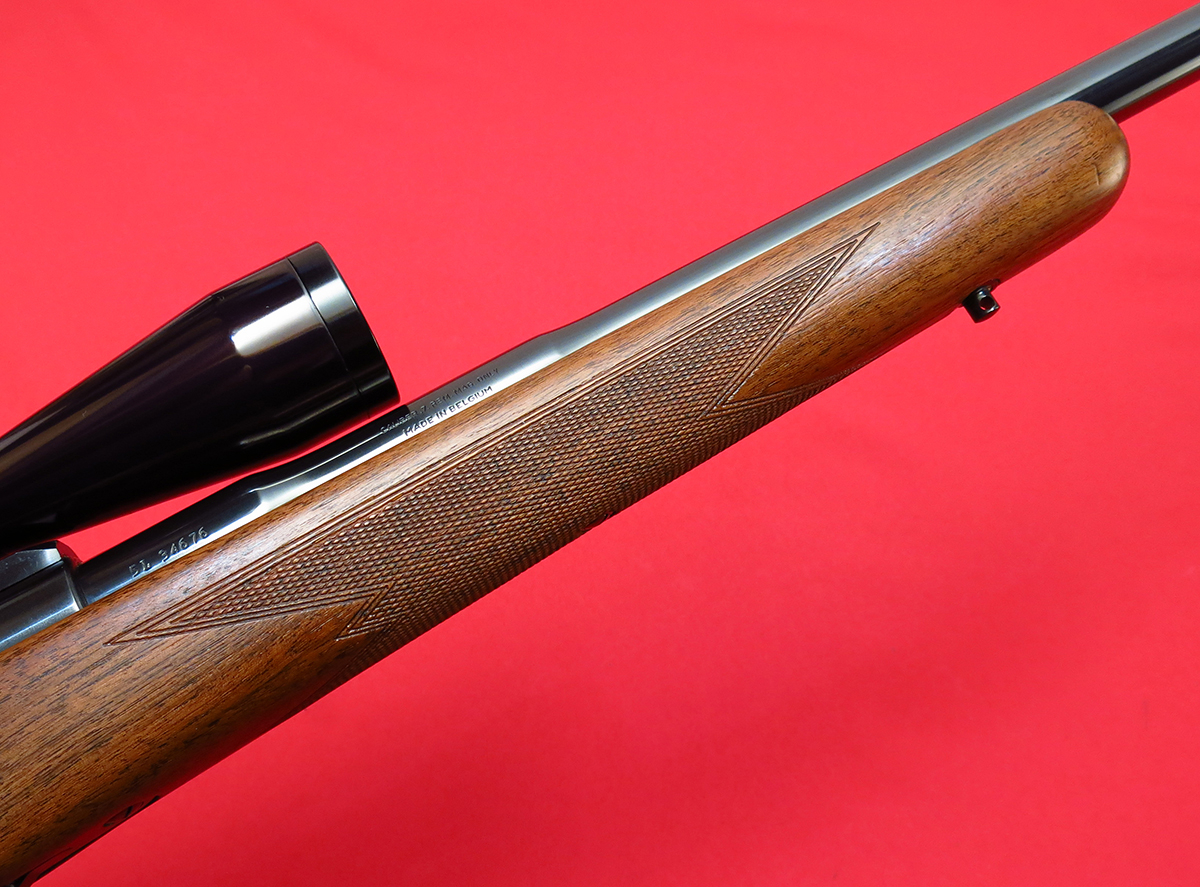
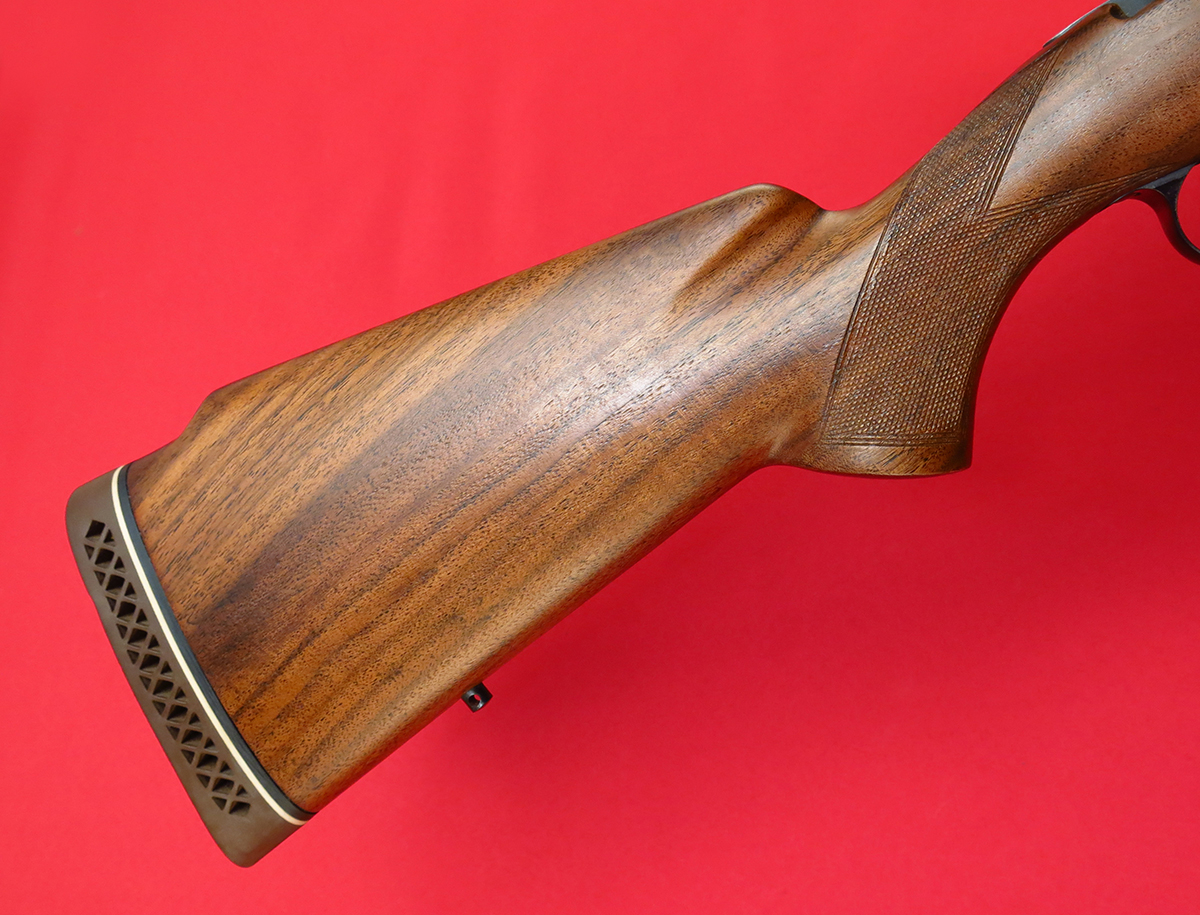
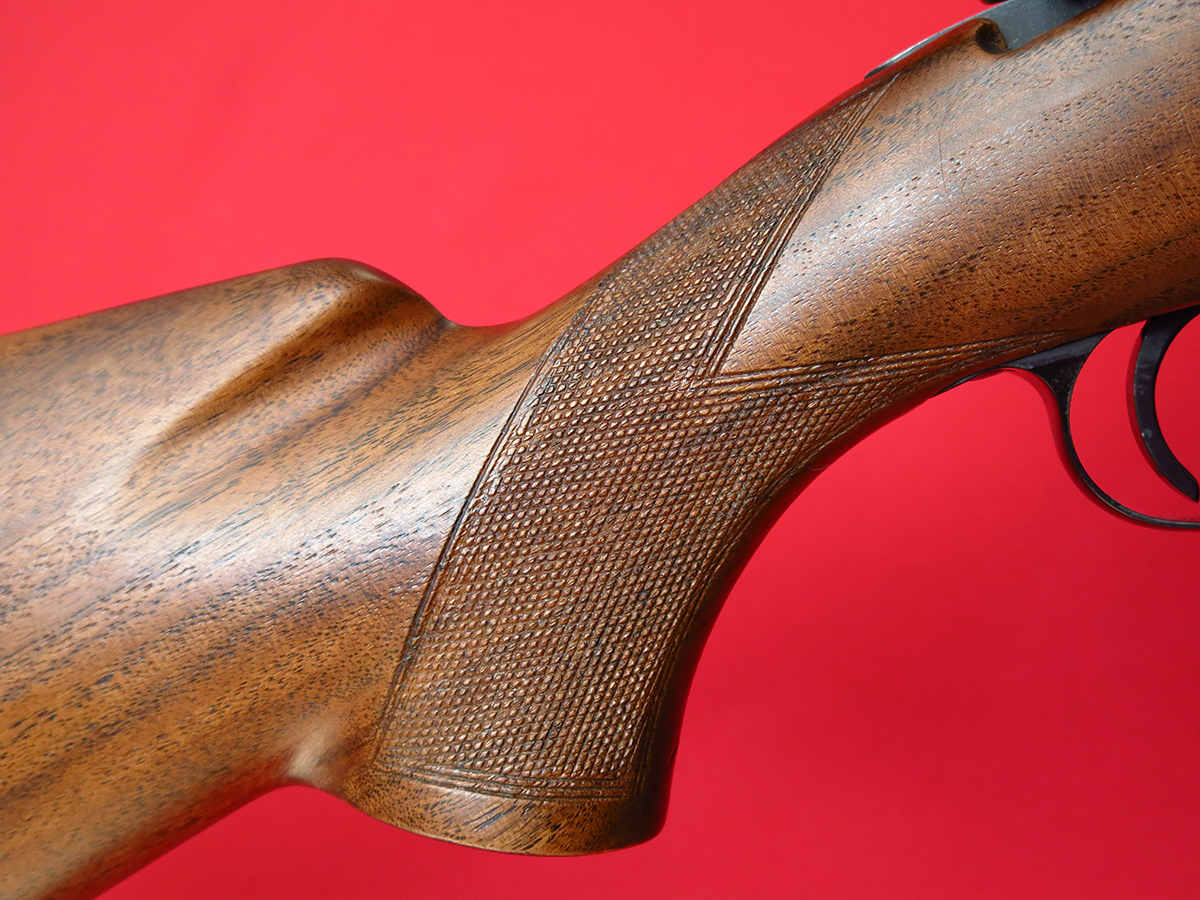
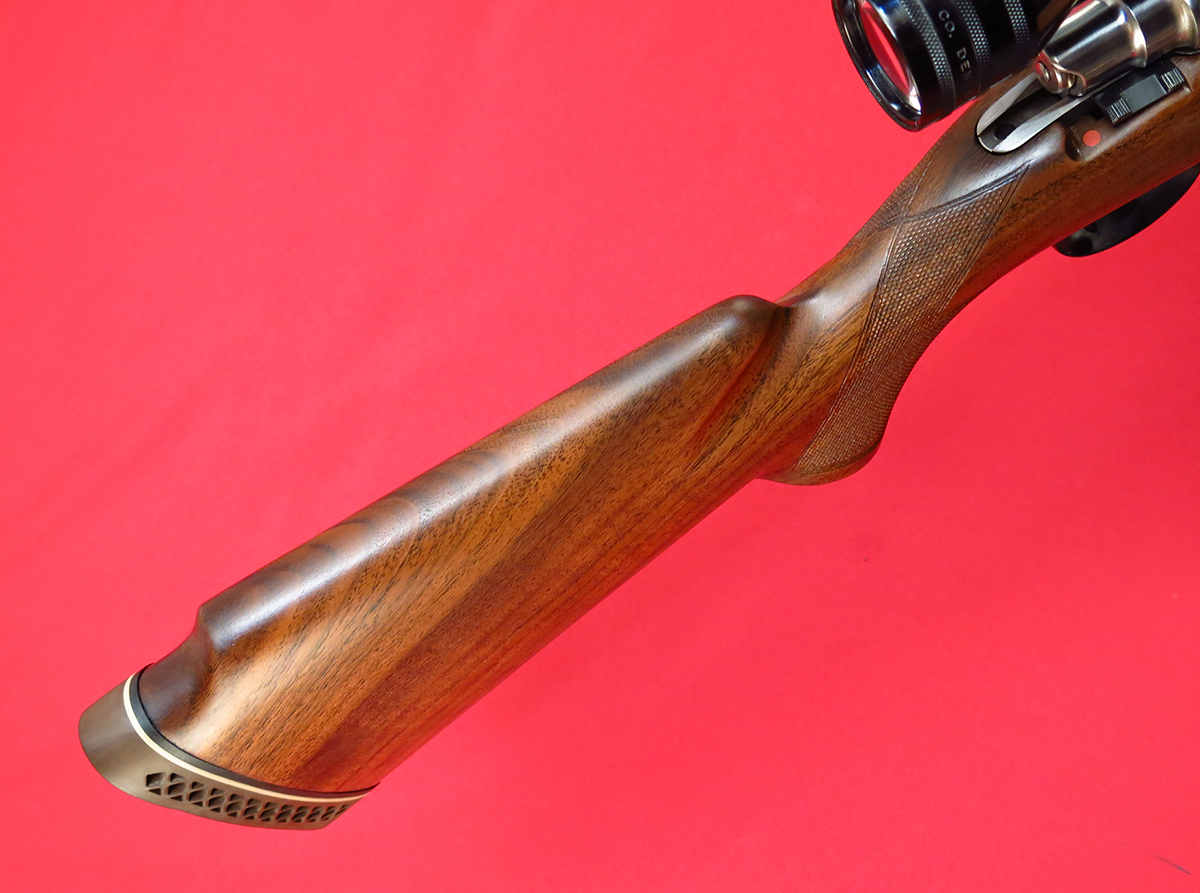

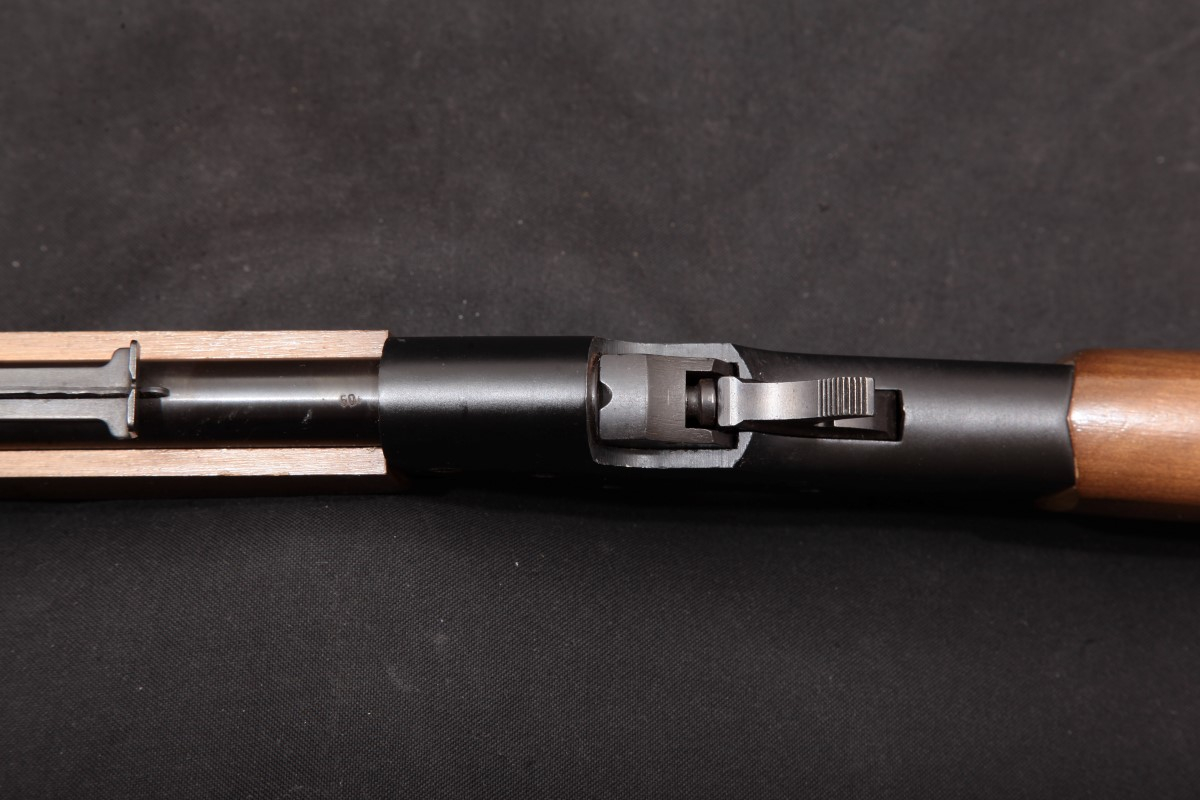
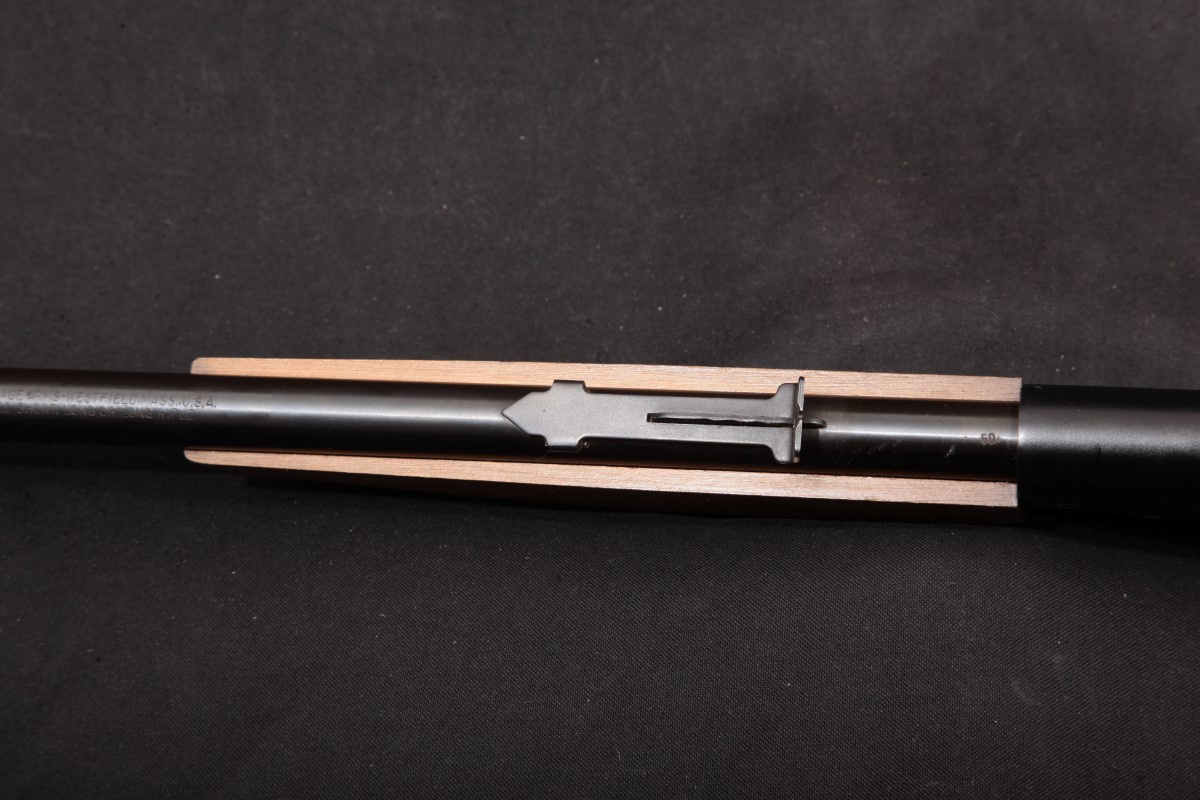
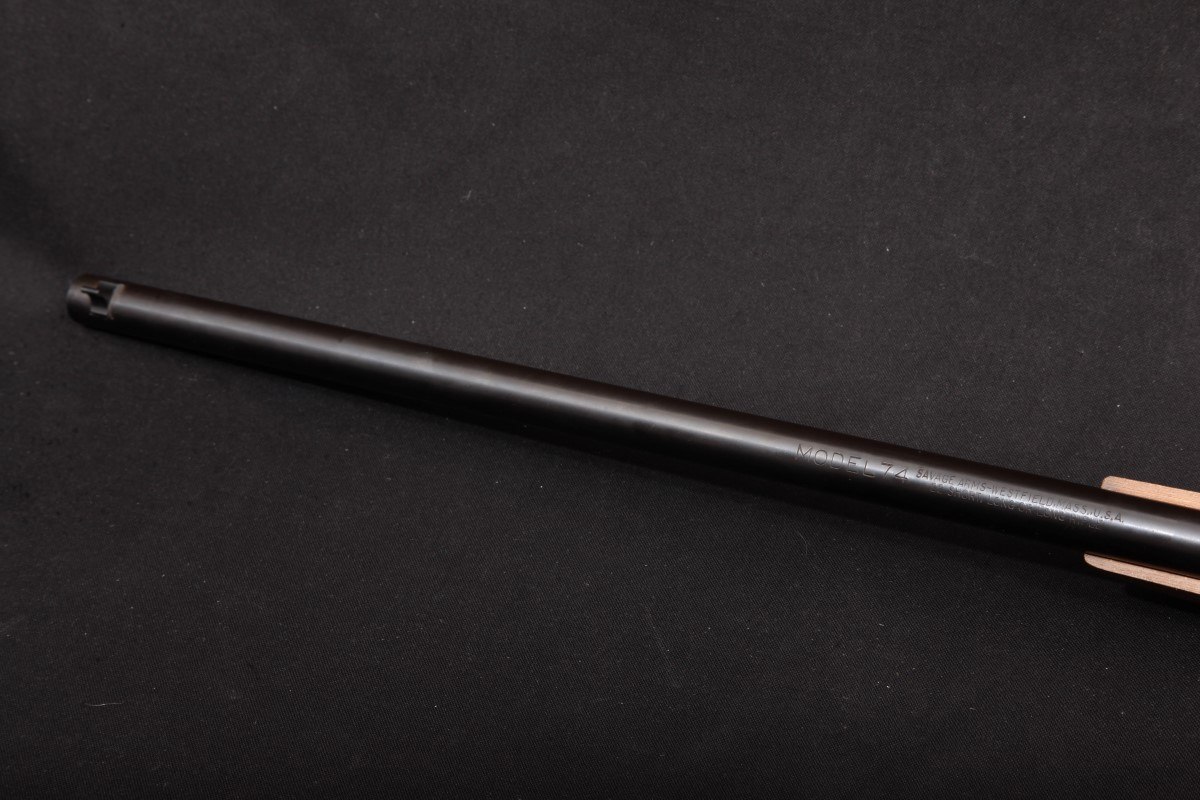
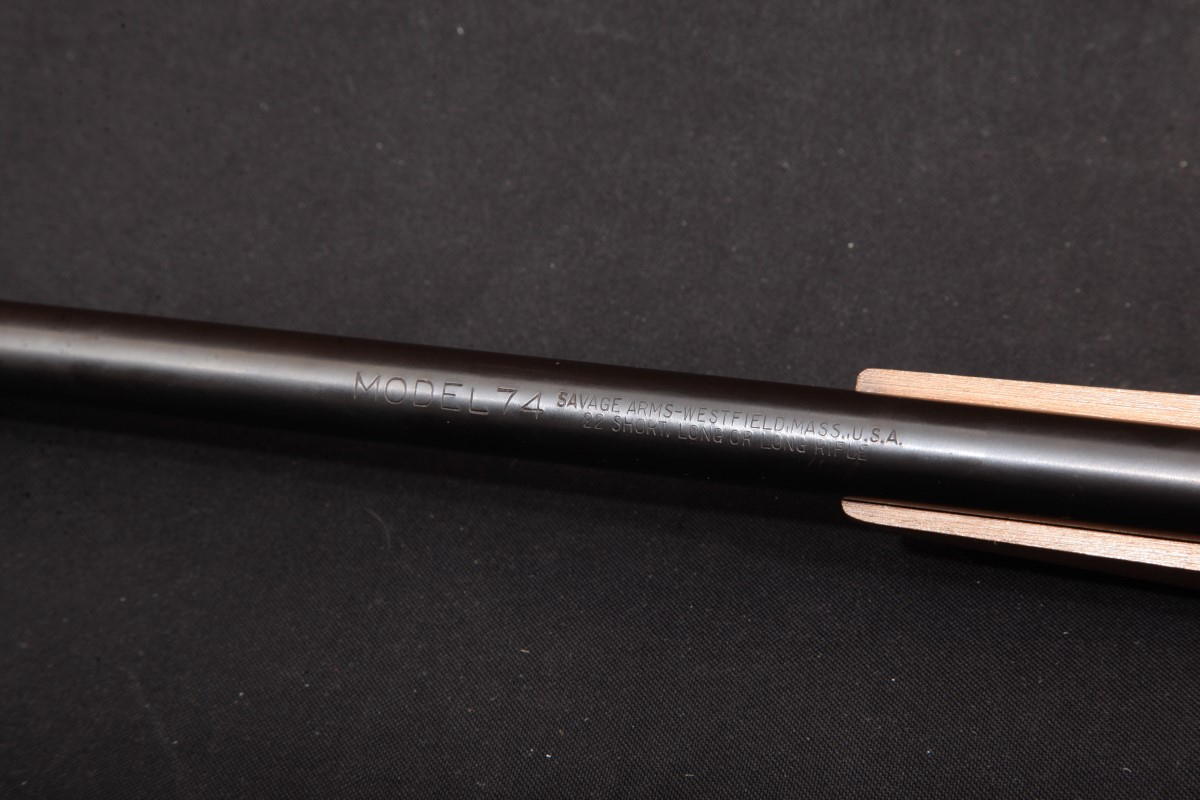
by Dave Campbell – February 5, 2015


The British are a nation of shotgunners, so it is no surprise that the shotgun reached its highest level of perfection there under the patronage of its wealthy aristocrats. The classic game gun is a 12-bore side-by-side double weighing between 6 and 7 pounds with a straight stock, splinter fore-end, and a whopping-big price tag that puts off the uninformed.
Americans question the high price and insist that they can kill just as many birds with a cheap gun. Well, they can’t kill as many birds with a cheap gun stocked for the “average man” instead of hand-fitted to you personally, and the price is justified as you are getting everything you paid for and more, as this article will show.
The big price is because these guns are not just handmade, they are made to the highest standards of human achievement by the small number of men with the skill to do this. The term “Best Quality” means just that – the best that money can buy.
I have stood there and watched as a raw forging was filed to shape and fitted to tolerances of under one ten-thousandth of an inch entirely by hand. Parts are blackened with smoke then tried and the high spots marked by the smoking carefully brought into line for perfect functioning.
I have watched the barrels “being struck,” which means that they are not only filed round to shape instead of lathe turned but also contoured, swamped, etc. The end product is carefully hand-polished and finished to the highest standards. No machine-made gun has ever been made with this much precision, and attempts to duplicate this level of quality by machines have always failed.
This is artistry of the highest form – functional art at the highest level of human skill producing items of unsurpassed grace and beauty.
You are also getting reliability and longevity. This is why the early explorers of Africa and Asia carried Best Quality guns, for there were no gunsmiths in uncharted territory. While a pump shotgun is doing exceptionally well to last 10,000 rounds and a semi auto will not even do that well, the Best Quality guns last into the millions of rounds.
Imperial Chemical Industries fired a Best Quality sidelock 1.25 million rounds testing their ammunition. At the end of this, the gun was completely disassembled and all parts measured for wear. None was found.
How many cheaper guns would you have to buy to shoot that many rounds? Regular replacement of worn-out guns becomes the norm when you shoot a lot.
The so-called cheap gun suddenly costs more than the Best Quality gun. There is an old saying that the young man buys a Best Quality double for his grandchildren because they will be using it after he is gone. No other heirloom is as valued or used as much as this.
HANDLING QUALITIES OF these jewels borders on the legendary, with a lot of that stemming from the fact that the gun is hand-fitted to the user. The customer’s measurements are taken with a try gun, which has a stock that can be adjusted to 1/16 inch in all directions.
The gunfitter will stay at this until the shotgun unerringly points where the shooter is looking when the gun is mounted without the shooter having to adjust himself to the gun. When getting a gunfitting, do not show off how you can hit the bird no matter what.
Let the gun miss until it is brought in line where you are looking. That’s the whole purpose of this.
The gun must have a straight gripped stock or at most a semi-pistol-grip stock, as you cannot hit incoming grouse directly overhead consistently with a full pistol-grip stock. The fore-end should be a splinter fore-end, as a beavertail fore-end can kill the liveliness of a gun and it prevents the necessary grip.
You hold the barrels with your left thumb laid alongside them. This aids in proper pointing and the simple expedient of laying the thumb alongside of the barrels is sufficient to block the left eye’s view of the barrels to prevent it from fighting for master eye dominance.
When the left eye succeeds, you mysteriously miss to the side. Your master eye is the one whose view of the position of a finger held at arm’s length does not change when you shut the other eye.
If you are one of the rare ones who are right-handed and shoot from the right shoulder but have a dominant left eye, you must shut the left eye when shooting.
An over/under shotgun can never handle as well as a side-by-side, as the grip is deeper, preventing a proper grip, and you are conscious of the increased wind resistance to its moving.
The most damning feature of the over/under is that the right eye can see only the top rib, while the left eye sees the great mass of both barrels, setting off a serious bout for master eye dominance with each shot and the resultant random misses to one side when the left eye wins.
The over/under came first but was discarded in favor of the better handling and pointing side-by-side. It was reintroduced by the gun trade as a ploy to sell an extra gun or two to their clients.
It caught on in America because the phrase “single sighting plane” hit a note with the American practice of trying to aim a shotgun like a rifle, instead of pointing it like a shotgun should be. The desire to be fashionably in style is more important than performance to most people, so the over/under is popular today.
A lot more credit is given to balance than it is due. A Best Quality gun and a cheap double can have the same balance point and yet the Best Quality gun will feel lively in the hands while the cheap gun won’t.
The proper balance point varies with the individual. Generally it is around the hinge pin somewhere. For me, it is best 4 inches in front of the front trigger. The important thing is that the majority of the weight is between the hands and both hands are lifting equal amounts when mounting the gun.
A gun properly balanced for an individual will feel 20 percent lighter in the hands than it actually is.
Where the weight is distributed factors in also. I remember once when too much weight was added to a gun’s butt. All of a sudden, a formerly lively gun went dead in the hands. Longer barrels have leverage aside from weight, which can be used to the advantage of big men.
The last 9 inches will be thinned on these guns to improve the dynamics of this. Big men like myself are best served by 30-inch barrels, while small men can benefit from barrels as short as 25 inches.
Gunmaker Robert Churchill liked 25-inch barrels on his guns and promoted them for everyone, but as one of his workmen once said to me, “Robert was a little shortass.” Shorter barrels’ benefits have been overstated a bit. At 5-foot-2, my Betty did just fine with 27-inch barrels and had no need for anything shorter.
The saying among the gun trade has always been “Big man, big gun. Little man, little gun.” Just plain old common sense.
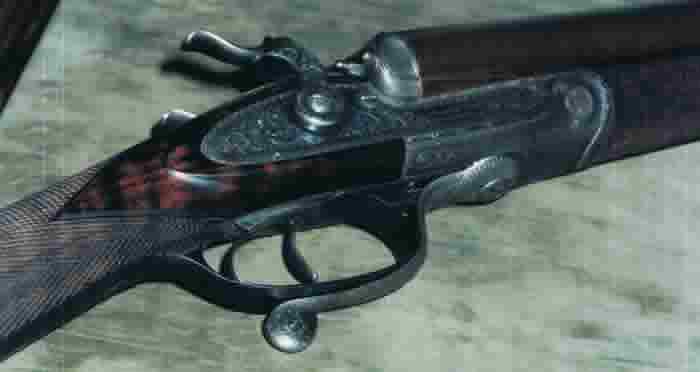
THE RESULT OF all these factors is called “liveliness” in a gun. A Best Quality gun fitted to the shooter will seem to unerringly mount and fire itself with no effort from the shooter.
At the moment of firing, man and gun are one in a mystical zen-like experience that is the highest moment in shooting skill. In my opinion, no matter how good you are, you will never experience what I am talking about with any other type of gun except a fitted Best Quality side-by-side double.
The spare ammunition is carried loose in a shell bag in Scotland and England and the possibility of a smaller gauge shell finding its way into the bag can have serious consequences.
In the heat of shooting fast-flying birds, a smaller shell can drop unnoticed past the chamber to lodge in the forcing cone to be followed by chambering the proper size shell. When fired, this blows up the gun.
General Franco of Spain blew up a new Purdey this way. Therefore, for safety’s sake, the British and Scottish gunmakers standardized the 12-gauge double and made it in three different action sizes for different loads and weights instead of making multiple gauges.
This is the reason most of these guns are 12-gauge, though they will make any gauge on request.
In order to prevent excessive recoil, the rule is that a shotgun should weigh 96 times the weight of the shot charge thrown. Thus a gun shooting 1 ounce of shot should weigh 6 pounds.
It is very important not to exceed the shot charge the gun is proofed for.
The gun won’t blow up, but it will soon suffer damage. The action bar will spring, causing the barrels to be loose in the receiver and the barrels will suffer “riveling,” wavy lines of distortion as the excessive shot charge deforms the barrels that have been thinned for liveliness. If you want to shoot heavy loads, get a waterfowl gun that is proofed for them.
Personally I have never needed anything more than 1 ounce of No. 6 shot backed by 3 drams of powder for everything from grouse to turkeys.
This used to be America’s most popular load back when the farmer’s single-barrel 5-pound shotgun was so common, but now the big ammo companies no longer load this one. I got Estate Cartridge Company to load a bunch of these for me some years back.
It should be noted that a 12-gauge will throw a better pattern with a light load than a 16- or 20- or 28-gauge with the same load.

THE SCOTTISH AND English style of shooting is designed for easy, effective use, while permitting a shooting instructor to quickly spot errors and get you out of a hitting slump.
Basically, the eyes are locked on the target and the gun is brought up as levelly as possible while always pointing the muzzle at the bird. There should be no rocking back and forth of the butt and the muzzles as the gun is lifted.
The whole body turns like a gun turret following the bird instead of just moving the gun. When turning to the right you push off with the left foot and when turning to the left you push off with the right foot.
The gun is fired as soon as it is cheeked without ever seeing the barrels or looking at anything but the bird. If your gun is stocked to fit you after a proper Scottish or British gunfitter has taken your measurements with the try gun, then your gun will be pointing exactly where you are looking and hitting is assured with proper form.
A gunfitting and a shooting lesson can be had for a very reasonable price at the West London Shooting School outside of London, the Yeaveley Estate Shooting School in Derbyshire, and the John Dickson & Son Shooting School in Edinburgh, Scotland.
Once you have your measurements, you can have a new gun built to them or have a second-hand gun stock altered to them. The gunsmiths in the British Isles are extremely skilled at altering gun stocks, even bending them to shape under hot oil.
The American Army Quick Kill Instinct Shooting method also works with a fitted game gun and the fitted gun makes it even more effective.
The classic game gun comes in several action types. The London gun trade leans toward the hammerless sidelock and its elegant lock plates offer the largest surface for engraving. The hammerless sidelock is the invention of the Rogers lockmaking firm, which was a principal supplier of gun locks to the trade.
The boxlock was invented by Anson & Deeley, two Westley Richards workmen who gave it their name. It is the most common action type in the world now.
The Greener Facile Princeps action looks outwardly like a boxlock but is simpler inside and deserves to be more popular today.
The Dickson Round Action has the mechanical parts located on the trigger plate. It was widely copied in Germany, where it is known as a Blitz action. The Round Action’s springs are flexed less than the other designs and are practically unbreakable, making this the one you want in sub-Arctic and Arctic regions where the cold makes steel more brittle.
The Dickson Round Action also has the best weight distribution for liveliness of all the action types and the firm has always exploited this, pushing liveliness in the hands to the maximum when building their guns.
While a big maker’s name ensures quality, as they must maintain their reputation, these guns are the product of skilled workmen and the best individuals may or may not be at the big name gunmakers.
I remember a few years back when the workmen at the bench considered the then best living gunmaker to be a toss-up between John Wilkes, if you paid him extra, and Peter Nelson. David Perkins was also mentioned.
Wilkes was a fifth-generation gunmaker with a small shop. Nelson started his own shop and had a small group of appreciative clients that kept him busy. Perkins bought the Lancaster Gun Co. name, as he was unknown and had trouble selling under his own name.
It should be noted that the most elaborate Best Quality gun of the 20th Century came from gunmaker Giles Whittome. Whittome is a former Tanganyika elephant control officer who now specializes in the highest grade of Best Quality guns.
He is most famous for his mighty 2-bore rifles, the most powerful sporting guns in history. His Paragon was a nitro-proofed Damascus barrel masterpiece with every extra feature the gun trade could lavish on a gun. It was gold inlaid to the maximum amount permitted by good taste.
The finest feature to my eyes is the disappearing flush lock detaching lever. Instead of a projecting lever that can snag and loosen on brush, this one is flipped up by the thumbnail and unscrewed. Upon replacing the locks, it is flipped down again and the lock plate is flat once more.
The double triggers can be used as double triggers or as a single trigger gun, if desired. The list goes on, but space does not permit listing all.
DO NOT WORRY if your gun has Damascus barrels. It will be safe for the loads it was proofed for. In British Government Proof House tests, the best Damascus proved 3 points stronger than the best fluid steel barrels.
Damascus barrels were slandered by the big American gunmakers after World War I when they could no longer get Damascus barrels in sufficient quantity due to the skilled workforce that made them having been largely shot up as cannon fodder in The Great War.
Before that, they were putting them on their highest grade guns for all black powder and smokeless powder shells. The American government had abruptly canceled all wartime contracts at the end of the war, leaving those who had a factory full of war goods in desperate financial straits.
The big gun companies hit on the idea that they could sell everyone in the country a new shotgun if they could convince them that their old one was unsafe, so they started buying every Damascus gun with damaged barrels but not showing the fluid steel barrels with the same damage.
A look at these barrels today often shows the cause at a glance. Bore obstructions included a barrel plugged with mud or snow; a 20-gauge shell loaded in front of a 12-gauge shell; the common problem of the day of someone loading the new Infallible powder, now known as Unique powder, bulk for bulk with black powder; barrels damaged by severe denting; or boring out pits leaving the barrel paper thin.
All these things will blow up any barrel, but only Damascus barrels were shown.
The truth is that Damascus barrels routinely sail through the proof house getting new nitro proof. I have seen a Purdey muzzle loader converted to a breech loader easily pass nitro proof, as did an 1867 John Dickson breech loader.
According to British and European proof house records, no Damascus barrel “in proof” (which means it’s not overly pitted or bored out and still in the condition it was in when proof tested) has ever burst with the loads that it was proofed for.
This is in stark contrast to fluid steel barrels that have occasionally done so. I personally know two men who had their hands injured by fluid steel barrels bursting. Fluid steel may have a slag inclusion or even an air bubble that can become a crack during firing, resulting in a blow up. Rare, but it has happened.
In Damascus steel, an internal crack stops at the next layer and you keep on safely shooting. Even with a bursting situation, Damascus will often bulge instead of bursting outright like fluid steel.
Talk of cheap inferior grades of Damascus barrels is a brazen lie. While Damascus barrels can be found on cheaper guns, the barrels themselves are always of the highest quality. The Damascus barrel makers had a spotless reputation and they jealously guarded it.
Aside from their beauty, Damascus barrels also shoot better shot patterns. Some of the famous turn-of-the-century English shooters even had to have their new fluid steel barrel guns rebarreled in Damascus before they could get the perfect patterns they required.

Steel shot is never to be fired in any gun not specifically made for it, whether it is a cheap gun or a Best
Quality gun. Steel shot has more recoil and less power than lead shot.
It has sprung water tables on the receivers, leaving the barrels loose, ironed out chokes until the thick
metal of the choke was on the outside of the barrel instead of the inside, separated ribs, scored barrels, and generally totally wrecked guns.
That’s fine with the big mass-production American gun companies that always want you to have to get a new gun. Planned obsolescence is the corporate way, you know.
But if you appreciate the finer things in life and love guns and hunting, you owe it to yourself to get a classic Best Quality side-by-side game gun fitted to you. It will vastly improve your hitting and take your pleasure in hunting to the highest level. It is the ultimate game shooting experience.
Story and Photographs by Jim Dickson