Categories
Grumpy's hall of Shame

A tragic lesson in the reality of self-defense

A fatal crime underlines once again the reality that you can’t always rely on the police to defend you, even when they’re already on the scene.  Some threats are so sudden, so violent, that unless you’re in a position to do something about them yourself, right there and then, you’re going to die.

A 27-year-old teacher at a New Jersey charter school was shot dead in front of her home late Friday in front of a police officer she had flagged over as she argued with the father of her child, authorities said.

There’s more at the link.  Bold, underlined print is my emphasis.

This is a ghastly situation overall.  A young mother is dead and her child is orphaned, and a cop who couldn’t act fast enough to stop a killer will likely live with post-traumatic guilt for a long time, perhaps for the rest of his life.  The fact remains, that policeman was not able to act fast enough to stop the killer.  At point-blank range, action beats reaction most of the time in almost every scenario.

I don’t know whether the young woman could have moved fast enough to save her own life, if she’d been armed.  Perhaps she couldn’t.  Nevertheless, her tragic example proves that even when the police are on the scene, they can’t always prevent violence and murder.  She chose to enter a relationship with a man who ultimately killed her, and didn’t withdraw from it at what must have been earlier signs that he wasn’t a good choice.  Judgments like that are as much a part of your defensive reality as weapons and tactics . . . and sometimes more important.

Your security and safety are ultimately in your own hands.  You can’t delegate that responsibility.

May Ms. Latrena May rest in peace.

Peter
Categories
All About Guns

Buffalo Guns!

Categories
Soldiering

The Royal Afghan Army – “Prussians of the Orient”

Categories
All About Guns

In Memory Of Kalashnikov: 700 Round AK Burn

Categories
All About Guns

NFM Treasure Gun – Martini Rifle Presented to George Wingate

Categories
War

DIFFERENT WAR TACTICS WW1 & WW2

https://youtu.be/u5xlbimqwMA

Categories
All About Guns

CAN I BEAT THE FACTORY TARGET? CZ 457 VARMINT MTR .22lr

Categories
Uncategorized

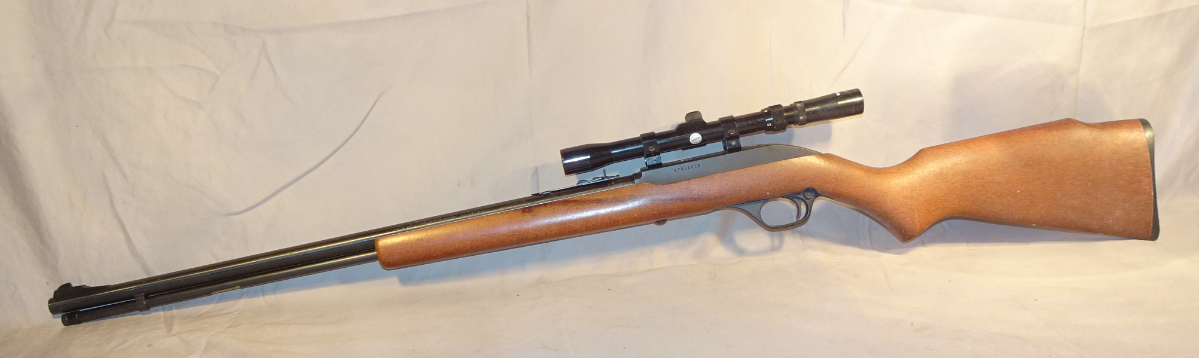
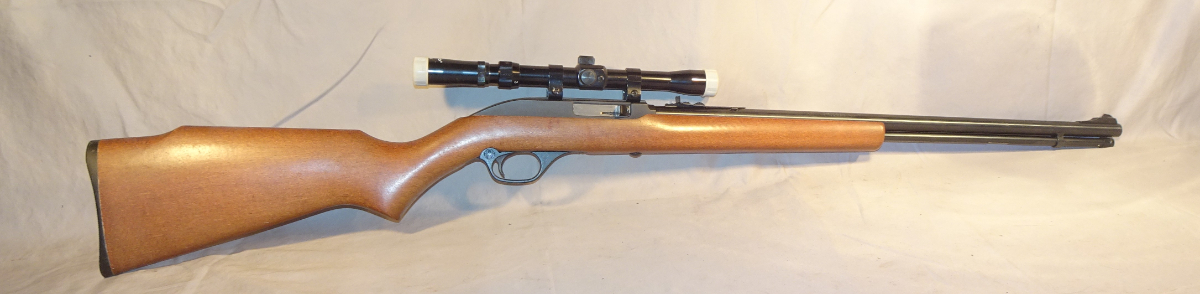
A Marlin Model 60, 22 long rifle caliber

Marlin Model 60, 22 long rifle caliber, semi-auto, with a small Tasco 3x7x scope .22 LR - Picture 2

Categories
All About Guns

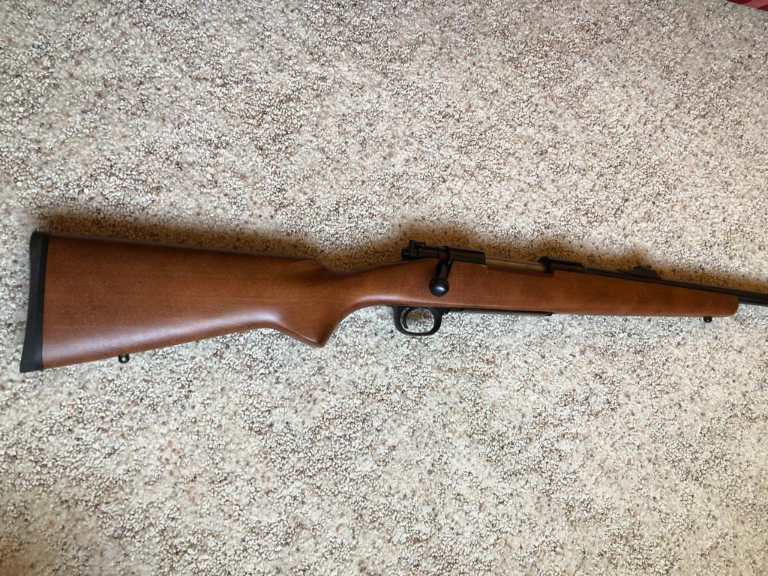
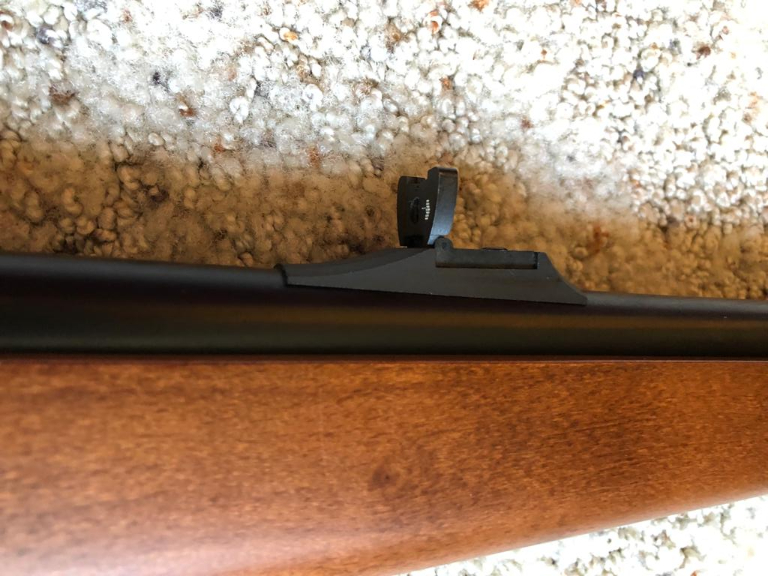
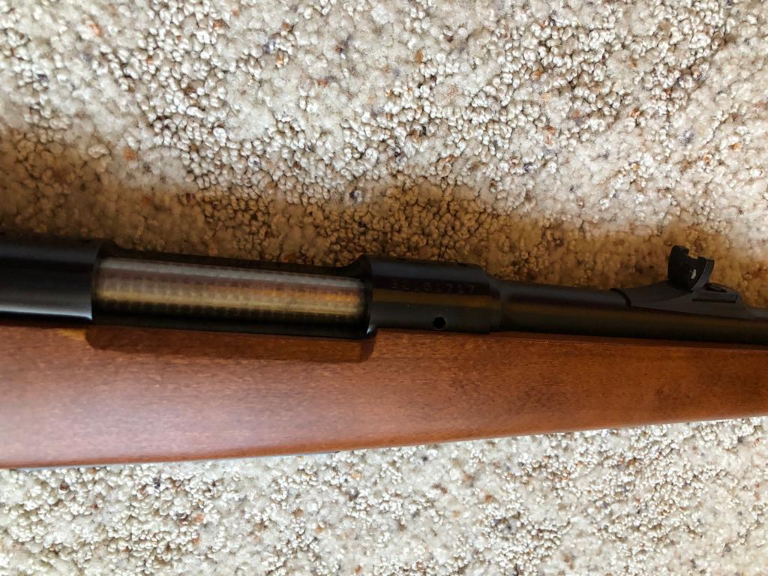
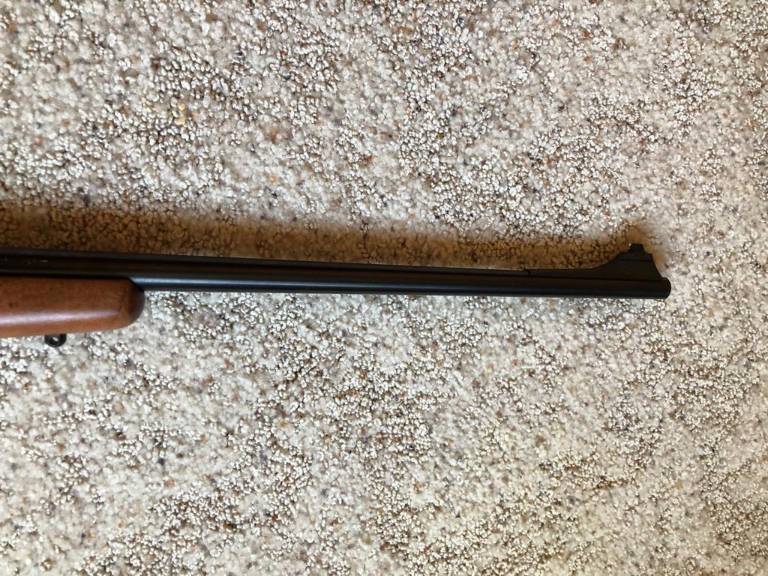
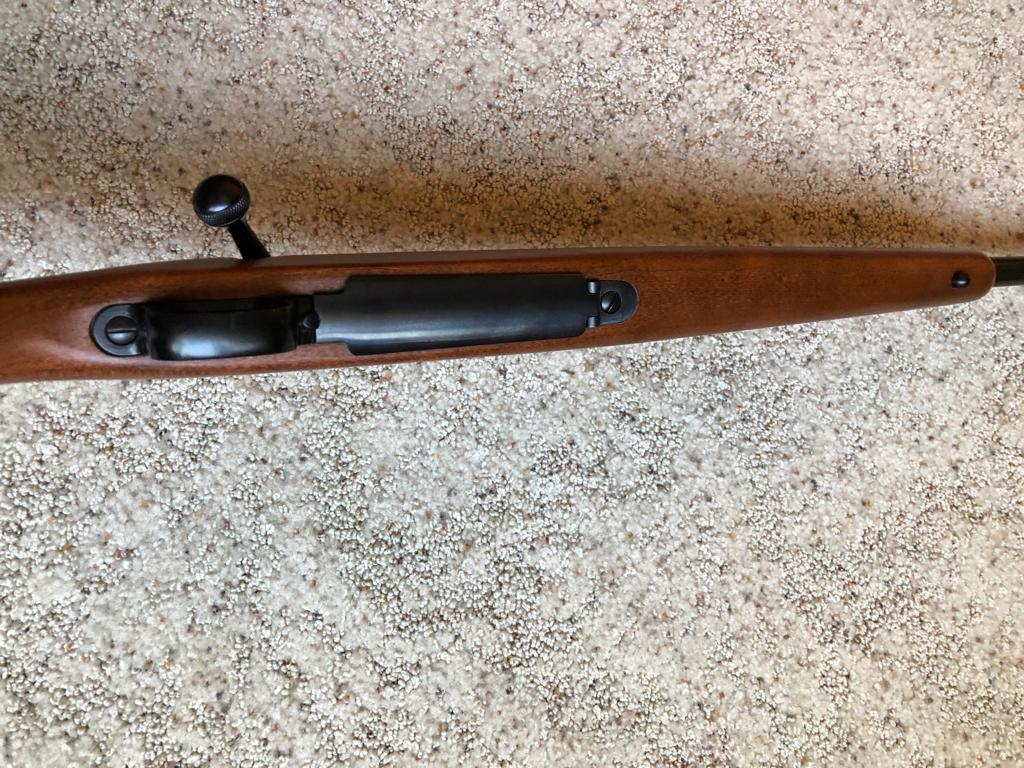
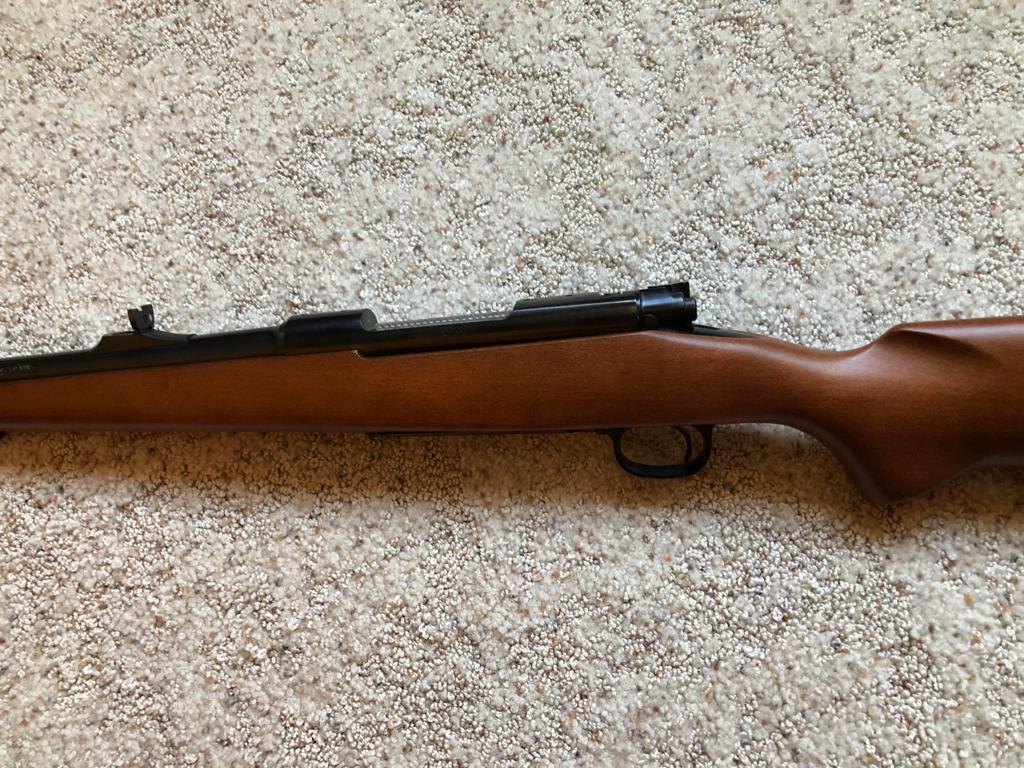
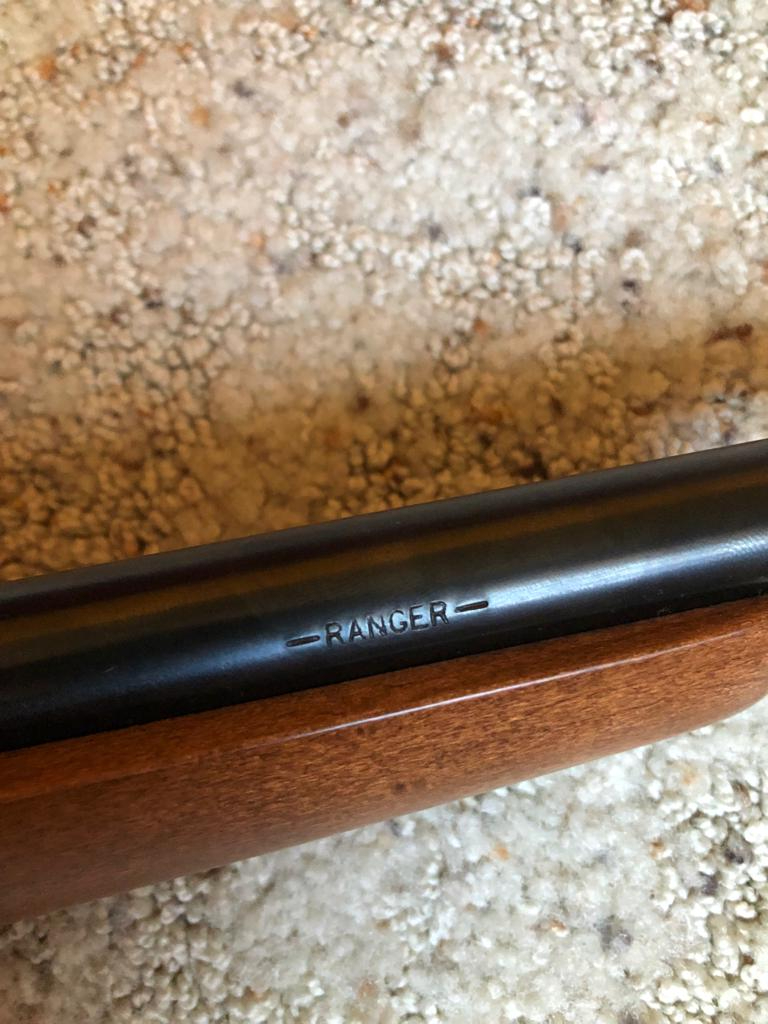
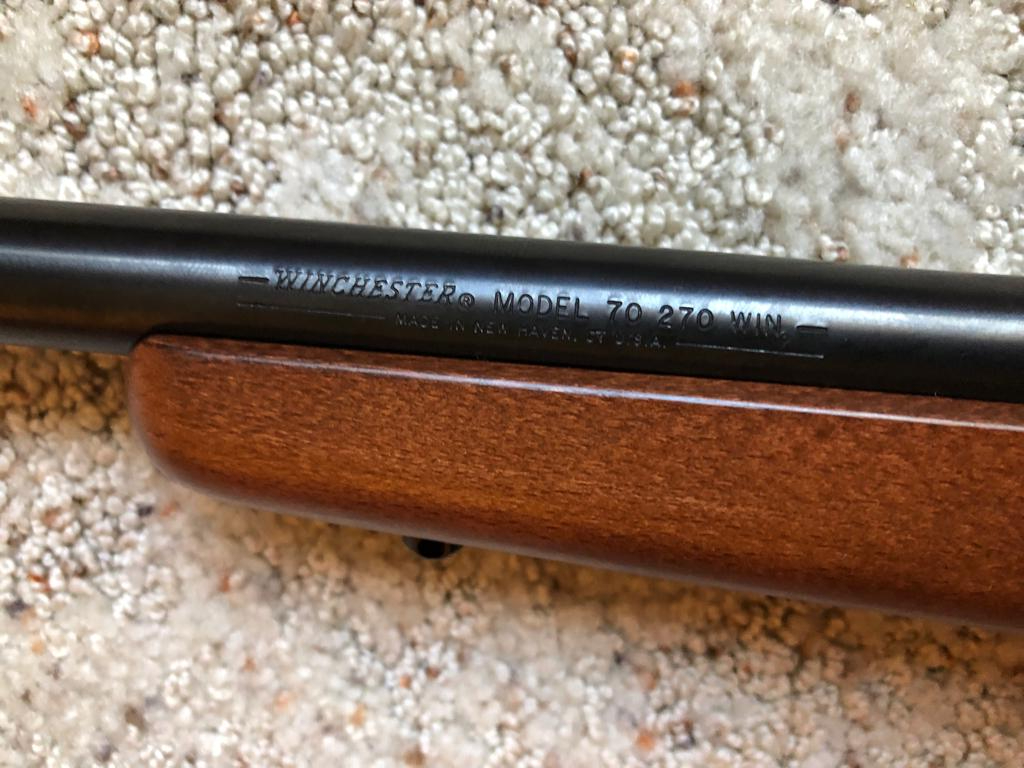
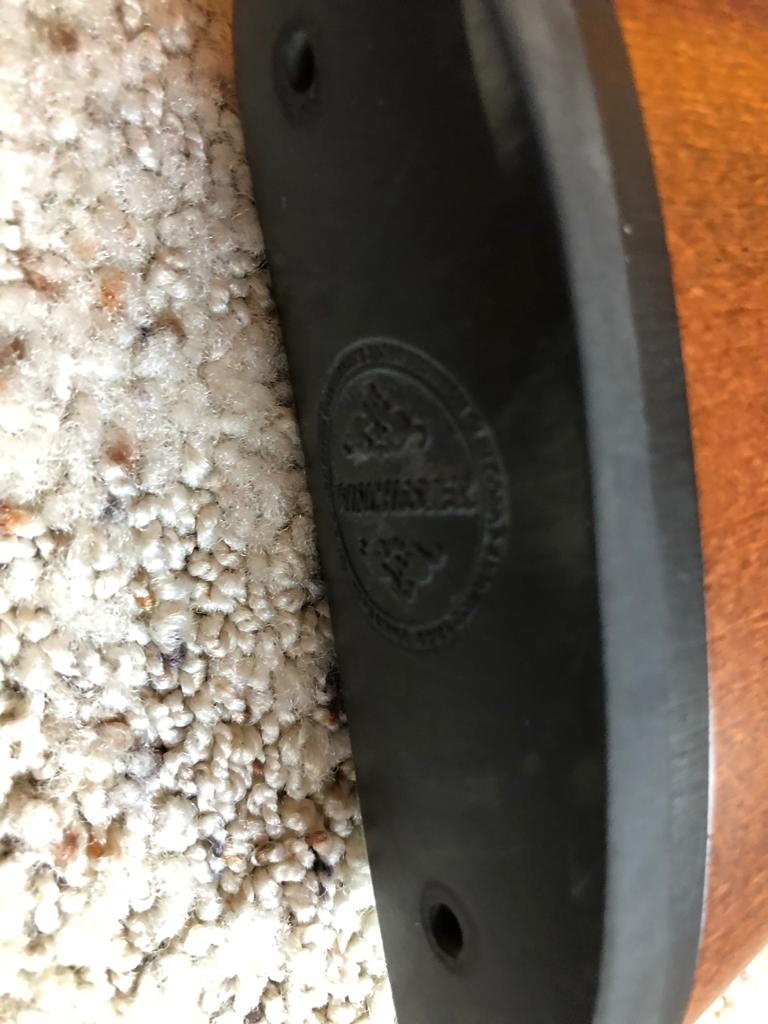
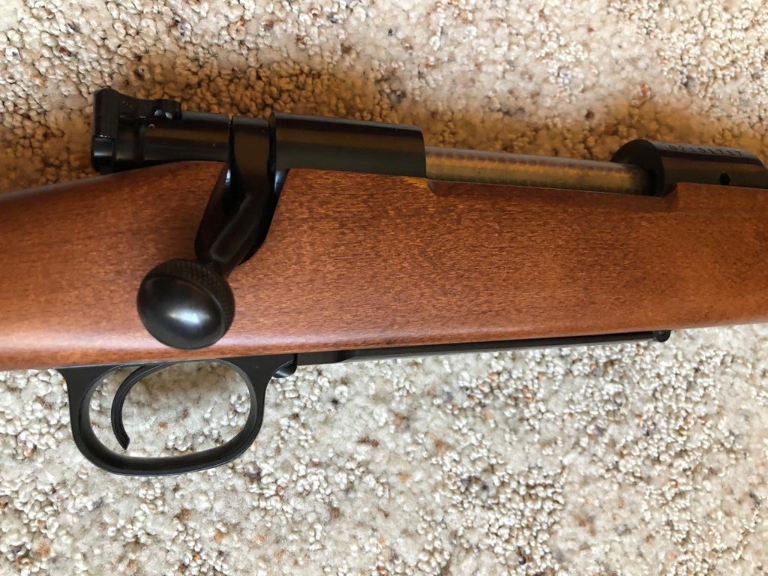
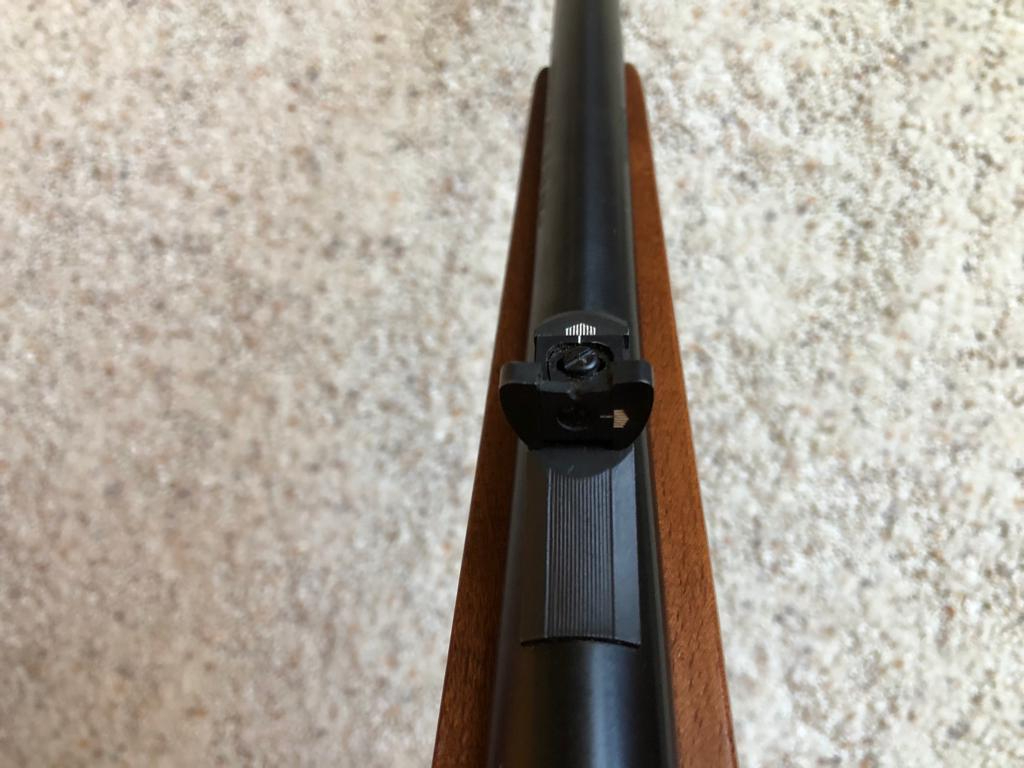
A Winchester Model 70 Ranger in caliber .270 Win

Winchester Model 70 Ranger .270 Win Bolt Rifle .270 Win. - Picture 1

Winchester Model 70 Ranger .270 Win Bolt Rifle .270 Win. - Picture 2
Winchester Model 70 Ranger .270 Win Bolt Rifle .270 Win. - Picture 3
Winchester Model 70 Ranger .270 Win Bolt Rifle .270 Win. - Picture 4
Winchester Model 70 Ranger .270 Win Bolt Rifle .270 Win. - Picture 5
Winchester Model 70 Ranger .270 Win Bolt Rifle .270 Win. - Picture 6
Winchester Model 70 Ranger .270 Win Bolt Rifle .270 Win. - Picture 7
Winchester Model 70 Ranger .270 Win Bolt Rifle .270 Win. - Picture 8
Winchester Model 70 Ranger .270 Win Bolt Rifle .270 Win. - Picture 9
Winchester Model 70 Ranger .270 Win Bolt Rifle .270 Win. - Picture 10


Categories
Uncategorized

WHY POWDER COAT? WRITTEN BY JEFF “TANK” HOOVER

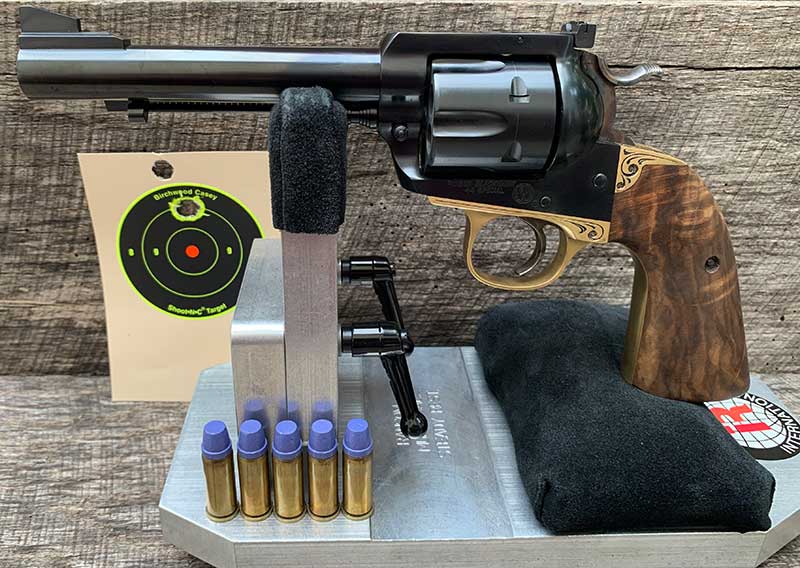
Shooting almost one-hole groups is possible when everything
comes together — bullet size, powder coat, load and a steady rest.


For those who regularly pray to the silver stream from the melting pot, there’s a fairly new technique that is either loved by some or hated like the plague by others. There appears to be no in-between. Of course, we’re talking about powder coating cast lead alloy bullets. Powder-coated lead bullets have been in the United States for approximately 10 years, with many believing it originated in Australia. I’m not sure but I am just grateful it came about.

There’s nothing mystical about powder coating. It involves applying polymer, in powder form, to cast bullets through static electricity. The bullets are then baked, melting the powder, encapsulating the lead projectile in a polymer coating. This coating acts as the lube as your bullet travels down the barrel of your gun.


Why?


I first heard about powder coating from longtime friend and cast bullet shooter Dick Thompson. He heard about it while wintering in Arizona around 7-8 years ago. I’ll admit, like many, I was skeptical at first.

Why would I want to sway away from traditional lube/sizing? Hadn’t it worked totally satisfactorily the past 20+ years? I already had my RCBS Lub-A-Matic and all the sizing dies I needed, along with plenty of bullet lube.

Being recently retired from the police department, I had plenty of time on my hands and decided to experiment with powder coating. I did a simple test by casting a batch of RCBS .32 98 rain SWC bullets. I powder coated half and lube/sized half, both to .314 inches in diameter. I loaded both bullets with the same dies, powder weight and set-up during the same session.

The results were interesting. The powder-coated bullets were slightly faster, more accurate and left my barrel immaculate of any lead residue. There was no sign of it anywhere. The lube/sized loads shot well, just not as accurately, and were slightly slower. My barrel after shooting the lubed bullets showed a slight lead wash. I knew from experience the lead wash would get worse as I continued shooting.

I was starting to rethink lube/sized bullets. If I could figure out a way to speed up powder coating my bullets, I’d be a true convert.


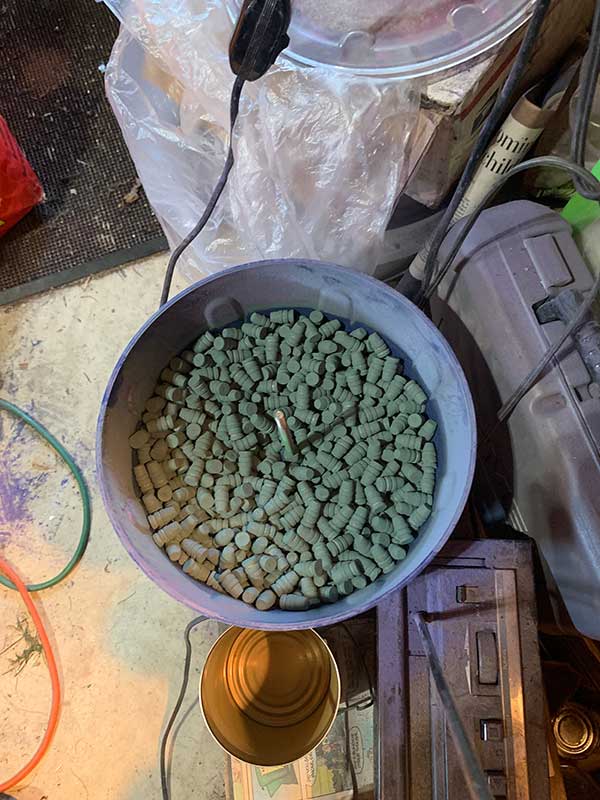
By using a brass tumbler, more cast bullets can be easily
powder coated to speed up the process.

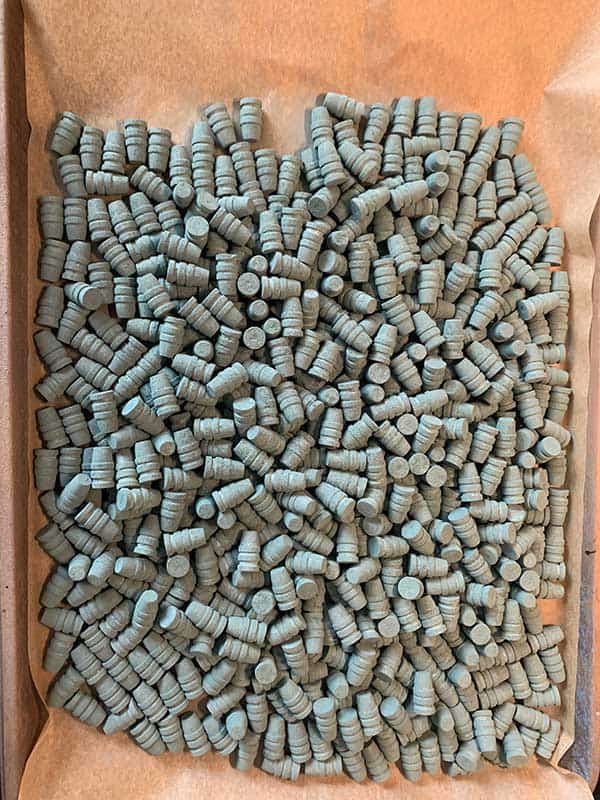
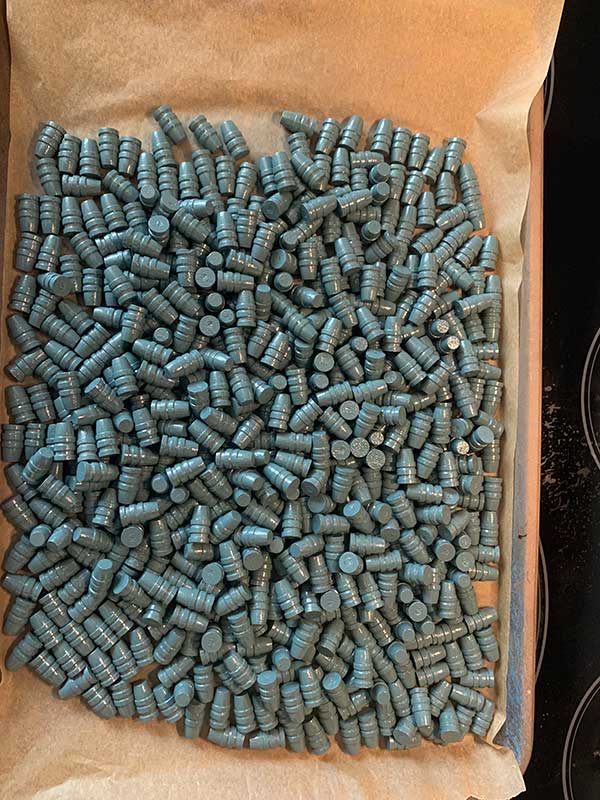
Once bullets are coated, they are dumped into a wire fry basket so excess powder can be shaken off. Then, they are placed on a baking tray with parchment paper.

Bullets are baked at 400 degrees for 20 minutes.

Lazy Man Ways


If you want to know the easy way of doing something, ask a lazy man. I started tumbling my bullets in my brass tumbler. I’d add 500 bullets with a couple teaspoons of powder coat and tumble them for 20 minutes. If more powder was needed, I’d add it. If the bullets were totally coated, I’d stop and dump them in a wire fry basket. Then, I’d shake the excess powder off, collecting it on a newspaper to be reused again.

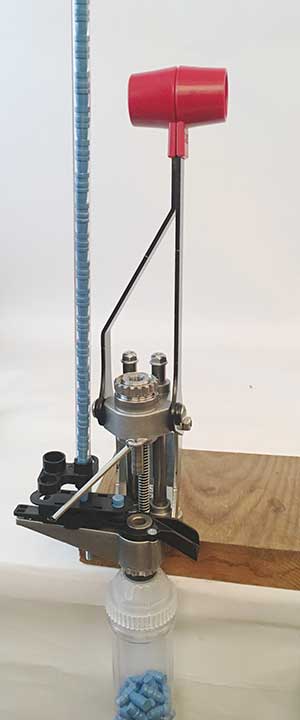
Then, I baked the bullets at 400 degrees for 20 minutes. I didn’t stack my bullets; I dumped them on the tray lined with parchment paper. The bullets broke apart freely from shaking off excess powder. I then sized my bullets with Lee push-through sizing dies. I now use the Lee Automatic Processing Press for sizing, feeling it is the fastest, most economical way of sizing powder-coated bullets.

I can cast, powder coat and size 500 bullets in about an hour. This is much easier and faster than using traditional lube/size equipment.


The Lee Automatic Processing Press is the fastest
and easiest way to size your bullets.

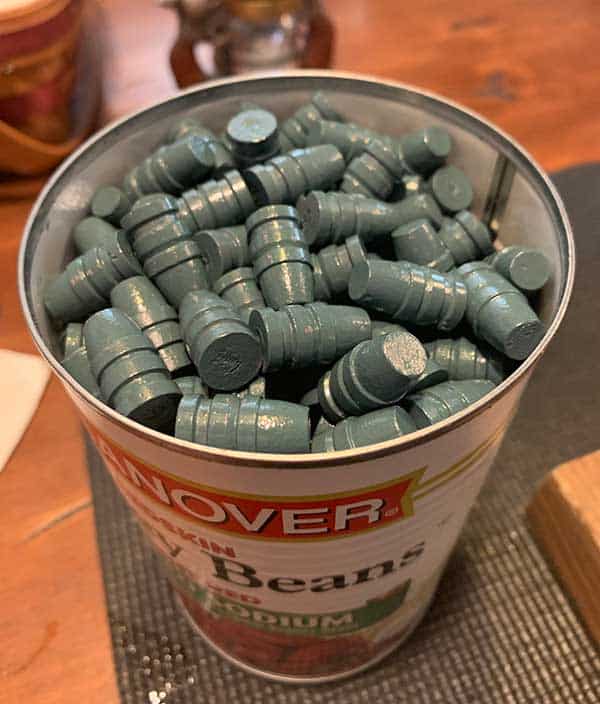
Nothing better than a full can of “beans” for your wheelgun.

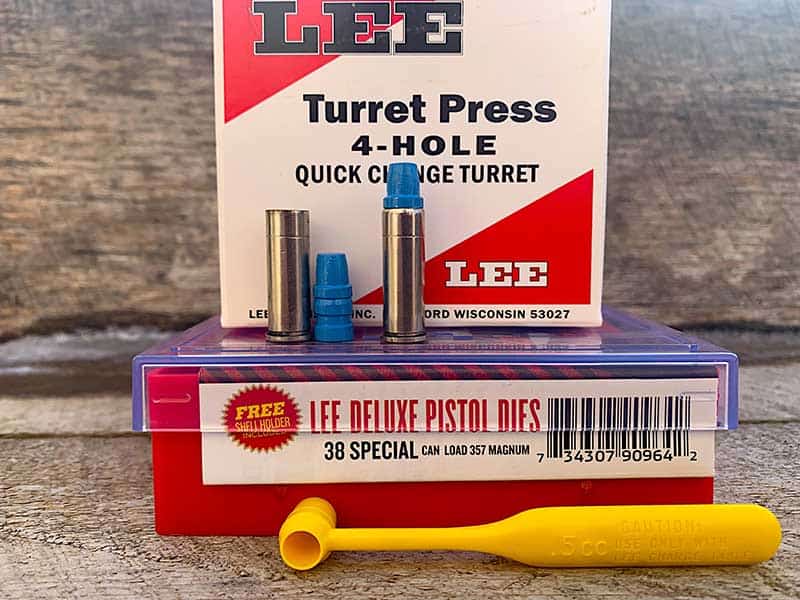
Using different colored powder coat allows you to “color code”
your loads for easy identification.

The “Real” Bonuses of Powder Coating


Clean Hands/Dies: Powder-coated bullets are very clean handling. There’s no more gunky fingernails, hands and fingers from handling lubed bullets. This also applies to your dies with no lube contamination. There’s no need to re-adjust your seating stem as bullets get seated deeper and deeper from residual lube build-up inside the seating die.

Clean Barrels: I have guns I’ve shot several thousand rounds of powder-coated slugs through without a hint of leading showing. Although lubed bullets weren’t too bad, after shooting that many rounds a lead wash would surely ensue. Not so with powder-coated bullets.

Nix the Oxidation: If you like casting bullets well in advance like I do, storing them over a long period of time can lead to oxidation — the white crusty stuff that accumulates on lead. When your cast bullets are powder coated, oxidation is a thing of the past.

Color Coding: Ever wonder what load is in your hand when you pluck it from your pocket? It can be the handloaders curse for sure. Fear no more with powder coating. Now you have the option of using different colored coded loads to know at a glance what load is in your hands. Maybe use blue for a cool, light load or red for something hotter? You get the idea.

Smoke Free: Powder-coated bullets are smoke free when shooting them. If you use alox-based lubes, this is especially nice as your sinuses won’t burn from the residual alox smoke. Dare I say powder-coated bullets are a healthier version to shoot? If your sniffer isn’t sucking up noxious vapor, I’d say yes. All I know is my sinuses don’t burn when shooting them.

Cheaper: Most handloaders are frugal by nature. It’s one of the reasons we started handloading to begin with. A pound of powder coat is enough for several thousand cast bullets. You get a lot more mileage from powder coat than traditional lubes.

Seat Deeper: With traditional lubed bullets you must keep seated bullets contained within the neck of the cartridge brass to prevent powder contamination of lube. During hot weather bullet lube melts, contaminating powder. Not so with powder-coated bullets. Seating your bullets as deep as you want makes them more versatile for different loads.

As you can see there are many reasons to powder coat your cast bullets. I love the advantages and haven’t sized/lubed cast bullets in years. I’m not trying to convince anyone to convert to powder-coated bullets, but rather sharing why I chose to do so. I’m sure there’s other reasons, but this covers the gist of them.