Categories
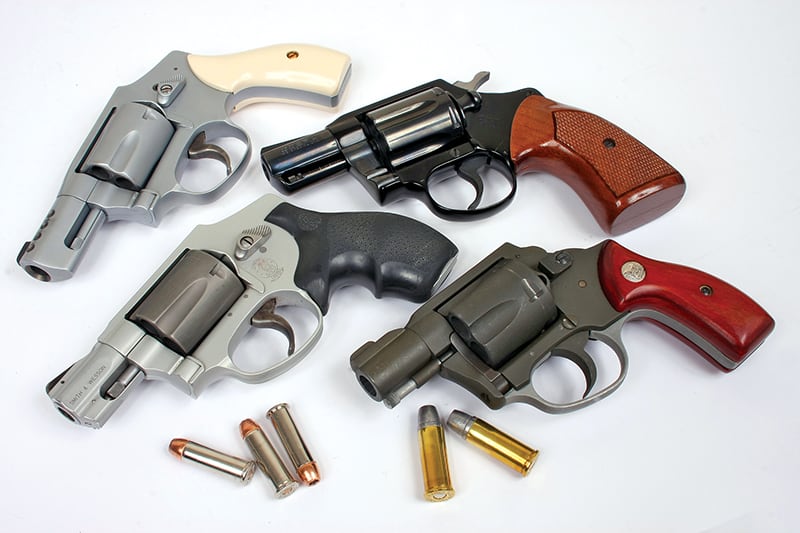
Don’t let ‘em fool you — these are guns are for experts!
Top to bottom: S&W Custom 640 by Gemini Customs, classic Colt Agent,
Roy’s beater S&W 340 and an old cut-down Charter .44 Special.
Yeah, I know, we all have one or more of them, and there’s nothing wrong with that. In experienced hands — and I mean near-expert hands — they are effective, accurate, reliable and highly concealable. But frankly, too many inexperienced shooters have them, and in most of their hands, the small revolver is an inadequate tool with the potential for being a real problem if called upon to be used.
It’s been my experience most who carry a small-frame revolver can’t shoot it worth beans, and hardly ever (maybe never?) shoot it anyway. In their mind’s eye they have themselves whipping it out, engaging a bad guy, the bad guys does down with solid, centered hits, and the good guy is a hero.
In reality most people shoot poorly with these little guns, don’t carry a reload, can’t manipulate them well and have little or no idea of the gun’s true abilities. They’re a potential danger to themselves and everyone around them.
Why do we seem to think we can buy one of these guns, load it, and for some magical reason — suddenly know everything about it?
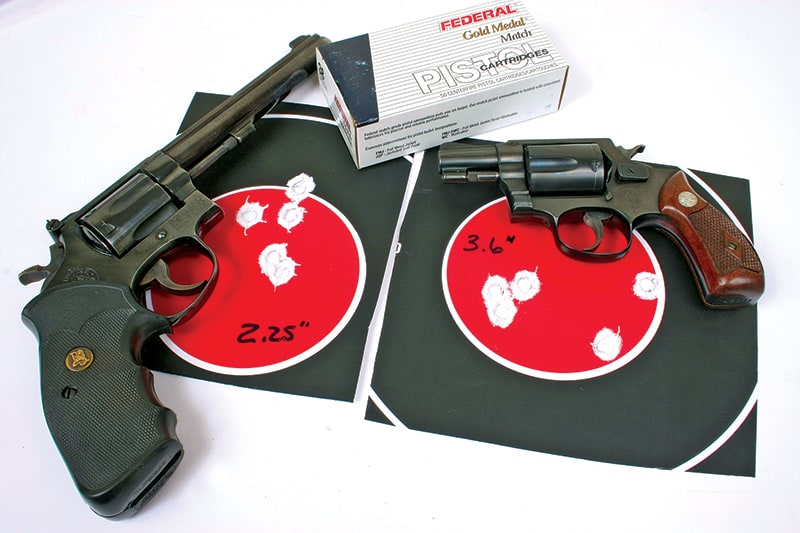
A S&W 6″ Model 14 and a 5-screw 36 on the right. At a lasered 37 yards,
using Federal .38 Special148 gr. Match wadcutters the 14 gave 2.25″ and the 36 about 3.6″.
Not bragging — just showing the little guns can shoot if you know what you’re doing.
Astoundingly enough, the J-frame was spot-on (a rarity) and I favored
the top of the red zone as I shot, dropping the shots right in.
The Problem At Hand
Are small-frame revolvers actually expert’s guns? Absolutely. But, they’re alluring because they’re easy to carry. Few are willing to compromise with comfort, and are drawn to the lightweight and small size of these appealing little shooters. But is that bad?
It’s not — if you take the time to learn to run these tiny terrors. If a gun-store-counter-commando talks you into buying one for your wife or yourself, there’s more to the game than simply loading it and putting it into your pocket. Much more.
Don’t be fooled though — the guns are inherently accurate, and I’ve actually shot old-time PPC courses (a form of police target shooting out to 50 yards) and used a 2.5″ Model 19 .357 K-frame. You’d be stunned at the groups possible at 50 yards, and a tuned gun in good hands can deliver 5″ or 6″ — and better! — easily at that range. The scary thing is so can some J-frames in good hands.
Not long ago at Gunsite, with a crew from S&W, we shot 2″ to 5″ J-frame .38s out to 100 yards, making regular hits on man-sized steel. But these were experienced shooters, and most importantly, everyone knew how to run a double action revolver, staging the trigger to get accuracy at the same level you can get shooting single action. And that’s the biggest secret to these little guns (or any gun) — trigger control.
More Secrets
Like anything small, a J-frame or equivalent can be fumbly so you have to train your fingers to work smaller grips, smaller triggers, harder actions, cylinder releases tending to be sticky and tiny cylinders. Not to mention those usually inadequate sights and short sight radius. But, if you seek the training you should, from people who understand these guns, you’ll find them to be elegant compromises when it comes to personal protection working guns. If you’re willing to work at it.
As we’ve chatted about before in these pages, sight picture is important, but trigger control is paramount. It’s especially true with these little guns, as the slightest wobble can toss a round into the next county. If you gain control over the stagy-hard-gritty trigger on many of these guns, you’ll be rewarded with accuracy sure to surprise you.
When I was a range officer for a short time on the police department, we would have detectives attempt to qualify with their various 2″ guns. This was the very early 1980s and wheelguns were the backbone of police work. Plus, wearing a Colt Detective or Chief’s Special was the hallmark of a detective. Call it their badge of office.
However it was the rare bird who could actually shoot one. Most would show up with their old duty belt and 6″ Model 10 and shoot that. I would cry foul, but at the time, it was allowed. But now and again, I’d see one try with a 2″ and snort in disgust, “This is a piece of crap and it won’t hit a thing at this distance!”
“This distance” was usually seven to 15 yards. “Can I borrow it for a sec?” I’d ask. They’d hand off, making harrumphing noises of disgust. I would load with five and, taking a comfortable stance and staging the trigger, could usually place the five in a neat group in the head or center torso of the B27 target. I would then hand the gun back and say something witty and charming like, “Gosh, the gun seems to shoot fine. Perhaps you need to learn how to shoot it? I’d be happy to teach you,” delivered with a big, toothy grin.
I also bought a lot of small guns, cheap, right then and there, and used to keep a $100 bill in my wallet just for that purpose. And it’s too bad, as 15 minutes of training might have had most of them on-target — if they’d only wanted to learn.
And that’s the key, right there in front of us. You need to want to learn. It’s the only way you’ll be safe with these guns. And, it’s the only way you’ll be able to use one and enjoy just how remarkable these little “expert’s guns” truly are. Honest.

It’s not law-abiding gun owners who are to blame for San Francisco’s violent crime, in other words, but that’s not stopping some supervisors in the city from pointing the finger at concealed carry holders in response to several recent shootings in the city, including one in which nine people were injured last weekend. On Tuesday Supervisor Catherine Stefani and City Attorney David Chiu rolled out a new ordinance that would prevent the handful of people with active permits from lawfully carrying in many publicly accessible places, including virtually all commercial establishments by default.
Flanked by Chiu and several members from gun safety advocacy groups Moms Demand Action and United Playaz, a local violence-reduction group, Stefani took aim at the controversial ruling, calling it a “dangerous step backwards and a gross misinterpretation of the Constitution” by a “rogue” Supreme Court.
“Every day gun violence takes lives, devastates families and destroys communities across our nation,” she said. “I’m tired of thoughts and prayers. I’m tired of the memorials. I’m tired of the inaction by those who are beholden to the gun lobby. The Second Amendment is not a suicide pact.”
Stefani’s ordinance marks another likely clash between advocates for gun safety and Second Amendment activists.
The legislation would make it a misdemeanor punishable by up to six months in jail and/or a $1,000 fine to carry concealed firearms in so-called “sensitive spaces,” such as city buildings, hospitals, schools, churches, banks, playgrounds and parks, as well as private businesses whose owners bar firearms — dramatically expanding existing bans. Stefani planned to introduce the legislation to the Board of Supervisors at Tuesday’s meeting.
If gun control could stop “gun violence” San Francisco would be the safest place in the United States. The city has blocked gun stores from operating inside the city limits, there are no public gun ranges in the city, and it’s smack-dab in the middle of the state with the most restrictive gun laws in the nation.
Despite that, San Francisco still sees its share of gun-involved crime, including the aforementioned shooting in the Mission District. Police aren’t looking for a concealed carry holder in that case; instead, they’re looking for a convicted felon who has multiple arrests for drugs and weapons and who has been able to largely escape consequences for his previous criminal acts thanks to the soft-on-crime attitudes of state and local lawmakers and prosecutors.
While retailers are closing up shop due to rampant theft and residents are searching for safer pastures outside the city limits in order to escape the progressive dystopia, supervisors like Stefani are now trying to make it impossible for those who remain to defend themselves with a firearm beyond the confines of their home.
The inevitable lawsuits to come will almost certainly end up with most of these “gun-free zones” tossed out, but the anti-2A ideology that’s behind their introduction will remain in place, and it’s going to take years of activism and engagement before San Francisco is forced to recognize the fundamental nature of our right to keep and bear arms.
—————————————————————————————- Clint Eastwood was a prophet in his own land. When he made the Dirty Harry Films oh so long ago! Where he decried the early signs of rot in his hometown. As it is you could not pay me to visit Sodom by the bay! Grumpy
It’s a fact of life that we live a large part of our lives inside of our vehicles. From a daily commute to grocery runs to heading out for a night on the town, a vehicle of some sort is a part of our daily lives.
Which can be a problem, because road rage is a thing. Carjackings are a thing. And armed robberies in parking lots or gas stations is definitely a thing. Tom Givens, the noted firearms trainer and chief instructor at Rangemaster, says that for the armed citizen, there is no such thing as “street crime,” there is “parking lot crime.” The kinds of crime that worry the average armed citizen tends to happen in what are known as “transition spaces.”
Those are the places where we transit from one location to another, such as going from a store to our car, or places where different elements of society rub up against each other, such as theaters, shopping malls and public parks.
There are plenty of firearm courses out there to help you deal with the threats outside of your home (the NRA, in fact, has a class dedicated to just this). The problem I’ve found is that most classes which teach protecting yourself in and around a vehicle tend to cater to law enforcement.
Which makes a lot of sense, because patrol officers pull over people in cars all the time, so knowing how to fight with a gun in and around a car is a useful skill for people who write a lot of traffic tickets. However, I don’t do traffic stops. I have to deal with navigating parking lots late at night, or deal with drivers who have a, ah, creative interpretation of the rules of the road.
This is where John Murphy’s Vehicle Encounter Skills and Tactics class comes in. John is the owner of FPF Training, and his two-day Street Encounter Skills class is one of the best classes out there for people who are new to the concealed carry lifestyle. The one day long Vehicle Encounter Skills class is similar, but deals with the reality of carrying concealed in and around a vehicle.
You’ll note that I said “CARRYING concealed” and “in and AROUND” a vehicle. A gun inside of your car does you little good if you are attacked while filling up the tank of your vehicle, nor does it help you if you’re jumped in a parking lot. Take a lesson from law enforcement, and carry your sidearm with you, rather than leaving it in your car.
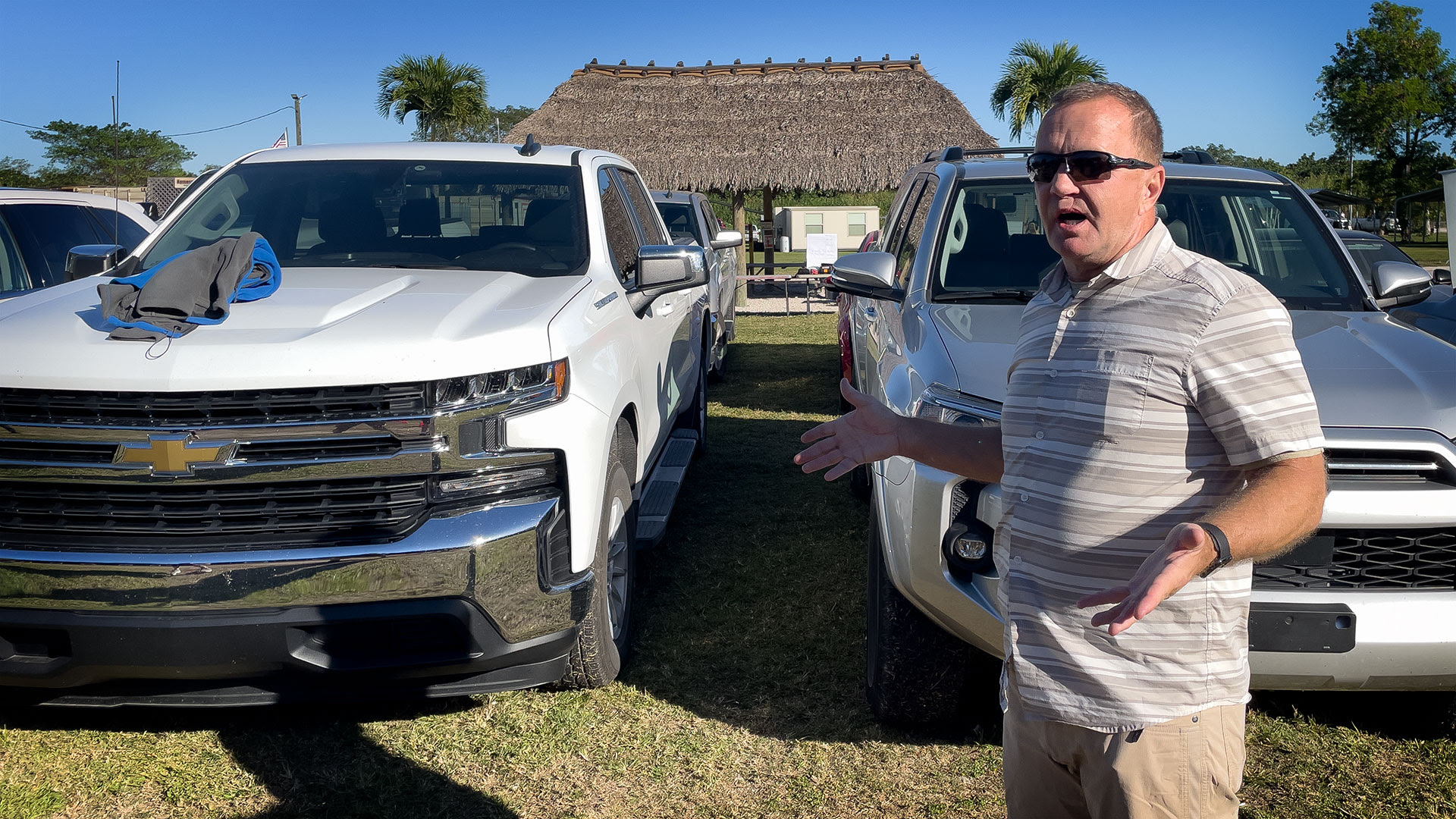
A parking lot can be a terrific place for an ambush.
The class started off with a quick lesson on how to use pepper spray, and then moved on to how to manage unknown contacts, which are both useful skills for when people approach you as you’re outside of your vehicle. Other topics were learning how parked cars can be used as vision and movement barriers in your favor or how they can work against you, then we moved on to getting your gun into play as you are seated in your car.
Accessing a firearm on your waistband while wearing a seatbelt is fast and easy if you use the proper technique. For people who carry up front in an appendix holster, simply blouse your cover garment over the seat belt after you buckle up and then do your normal draw when you need your gun. For people who carry on the hip, it’s easy to hit the belt release with your support hand as you begin to clear your cover garment, and then continue your draw.
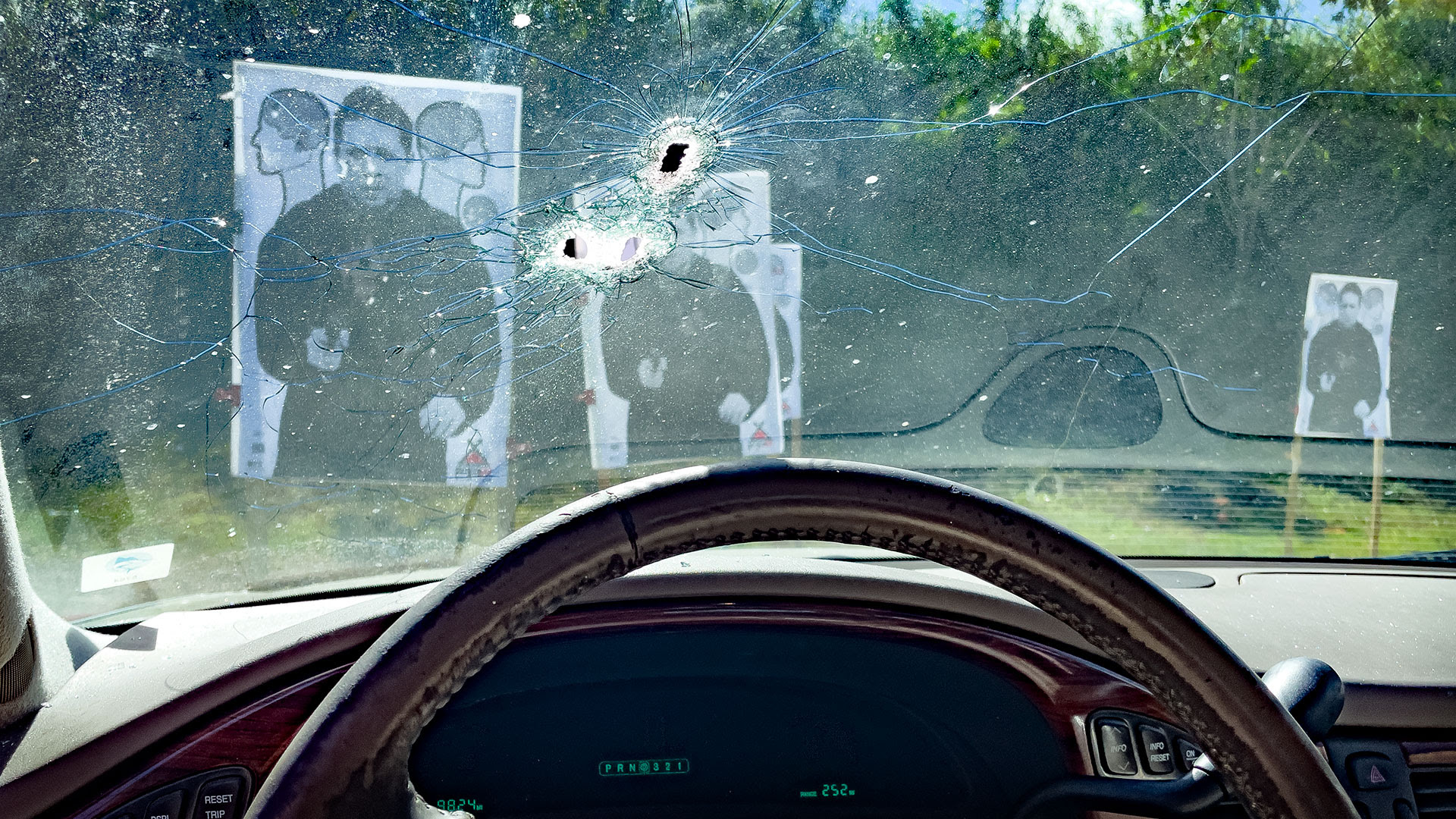
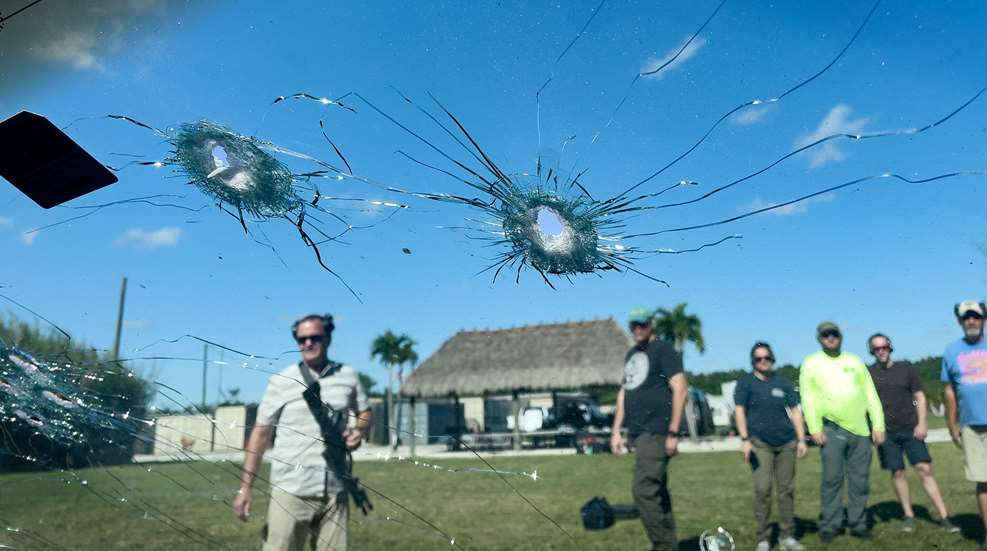
Those rounds are not going to wind up where you think they will.
Then it was time to investigate how pistol bullets interact with a typical vehicle, and the results were fascinating. I found that when I fired my 9mm Tisas Stingray through the laminated glass of the front windshield, my rounds would head off in just about any direction instead of where I was aiming. This was because the plastic and glass sandwich of the windshield buckles and moves as the bullet hits it, changing the trajectory of the bullet in all sorts of interesting ways.
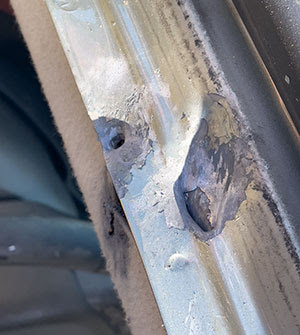
The pillars that hold up your roof can stop pistol rounds, but not rifle rounds.
This is not true of the glass on the sides and rear of a vehicle, though. Rounds that hit that part of a car or truck will go right through with little change in where they are headed. However, the pillars on the sides of a car that hold the doors in place are made of steel folded in on itself over and over again, and as a result, (and somewhat to my surprise), they will stop a pistol round. Rifle rounds are another matter, but if you’re facing an attacker armed with a pistol, the steel of “B” pillar by the front door of your car is probably a safer place to be than huddling inside the car or hiding behind the trunk.
My biggest takeaway from this class was that dealing with lethal force when you’re around a vehicle requires unique skills, such as knowing how to draw while in your car or what your bullets do when it hits different parts of a vehicle. However, it also requires skills that you already know, such as keeping people at an appropriate distance from you and using the sights and trigger to get hits on target when they really matter. If you carry concealed on a regular basis, I urge you to take Murphy’s class or something similar that will help you apply your range skills to the open road.

WASHINGTON, D.C. — FBI whistleblowers have come forward with damning allegations against Bank of America (BoA). According to Representative Thomas Massie (R-KY) and Rep. Jim Jordan (R-OH), the banking giant has been revealing information to the FBI about its customer’s gun purchases without a warrant. Now the pair has sent letters to other banks to see if they also violated the privacy rights of their customers.
After the protest at the U.S. Capitol on January 6, 2021, Bank of America provided the FBI with a list of customers who made transactions in or around Washington, D.C., purchased a flight to the Nation’s Capital, or booked a hotel room in the Washington D.C. metropolitan area. Most of Bank of America’s customers that attended the large rally never entered the Capitol Building, and the FBI did not have probable cause to allow the law enforcement agency to get a court order for the bank to surrender the documents.
When the FBI approached BoA about turning over the records, the bank complied without requesting a court order.
The megabank would put anyone in or around D.C. and purchase a gun on the top of the list. By simply being in or around D.C. on January 6 and purchasing a firearm using a BoA product, the FBI would mark you for investigation. The FBI investigated many BoA customers without a court order and with the full cooperation of Bank of America.
“In a transcribed interview, retired FBI Supervisory Intelligence Analyst George Hill testified that BoA, ‘with no directive from the FBI, data-mined its customer base’ and compiled a list of BoA customers who used a BoA product during a specified date range. Mr. Hill further noted that ‘on top of that list, they put anyone who had purchased a firearm during any date.’ Mr. Hill also testified that the list that BoA provided targeted transactions in Washington D.C., and the surrounding area,” the letter reads.
The letter was sent to JPMorgan Chase & Co, Citigroup, Truist Financial Corporation, Wells Fargo, U.S. Bancorp, and PNC Financial Services. The Congressmen are asking the banks to provide any documents or communications about the release of customer data from the January 6, 2021, timeframe to the FBI or any other federal law enforcement agencies.
This request is to see if the other major banks of similar size leaked the same customer information to the federal authorities that Bank of America released.
“Congress has an important interest in ensuring that Americans’ private information is protected from collection by federal law enforcement agencies without proper due process. The Committee and Select Subcommittee must understand if, how, and to what extent financial institutions, including PNC Financial Services, worked with the FBI to collect Americans’ private data,” the letter reads.
Many are concerned that the FBI is becoming overtly political and weaponized against anyone the Biden regime considers enemies. We have seen the weaponization of the Internal Revenue Service (IRS) against conservative non-profits. The FBI has also used documents like the discredited “Steele Dossier” to get FISA warrants to surveil political opponents. Some of those concerned about the weaponization of government agencies are serving in Congress.
It should concern all Americans (not only gun owners) that big business is working hand and hand with big government. Instead of protecting its customers’ data, it turns it over to the surveillance state without a fight. Gun owners now know that Bank of America is not protecting their data from an ever-encroaching government. The only question now is how far the rot goes.
About John Crump
John is a NRA instructor and a constitutional activist. John has written about firearms, interviewed people of all walks of life, and on the Constitution. John lives in Northern Virginia with his wife and sons and can be followed on Twitter at @crumpyss, or at www.crumpy.com.
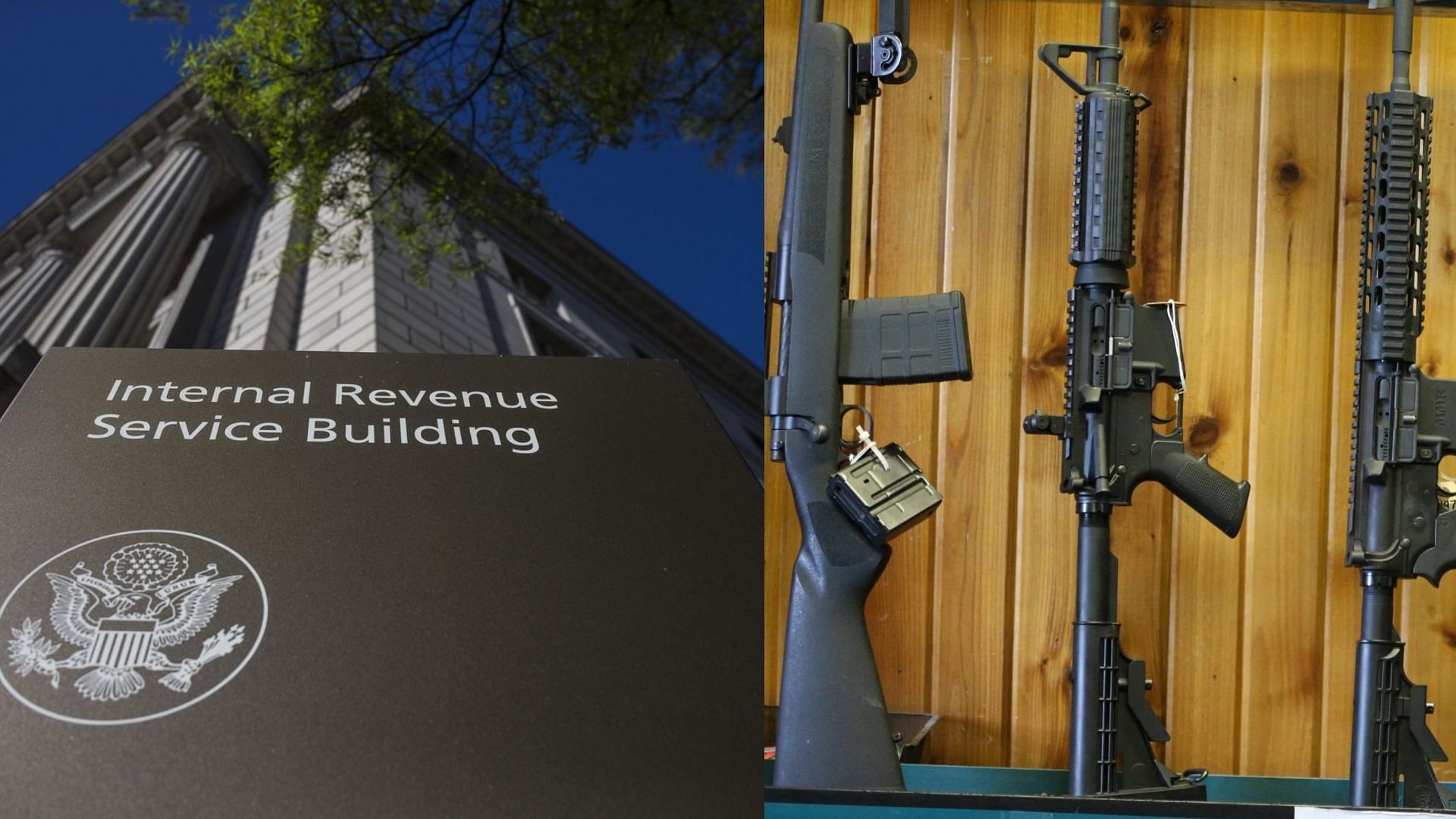
An investigation conducted by the Internal Revenue System (IRS) on a Great Falls, Montana, gun dealer has sparked outrage online. On June 14, twenty fully armed agents from the IRS and the Bureau of Alcohol Tobacco and Firearms raided a gun shop called Highwood Creek Outfitters, based in Great Falls, where reportedly, the feds spent hours searching records.
While ATF denied answering any questions, the agency confirmed the happening of an investigation at Van Hoose’s gun shop.

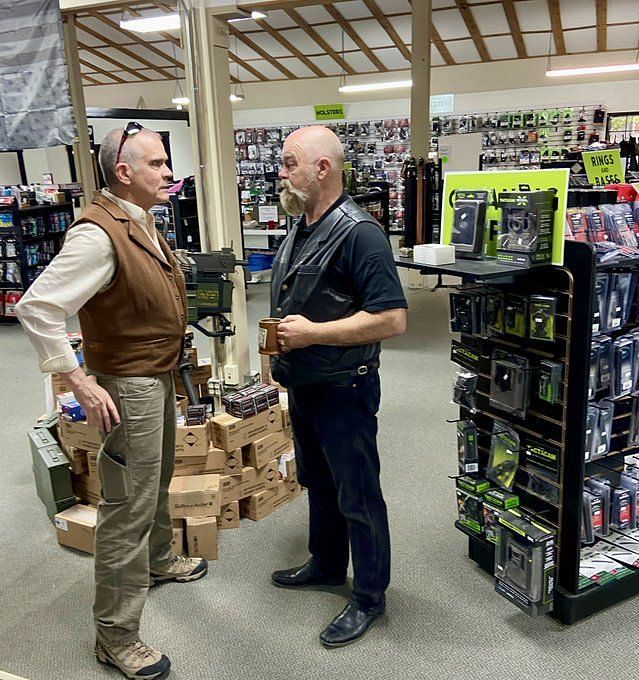
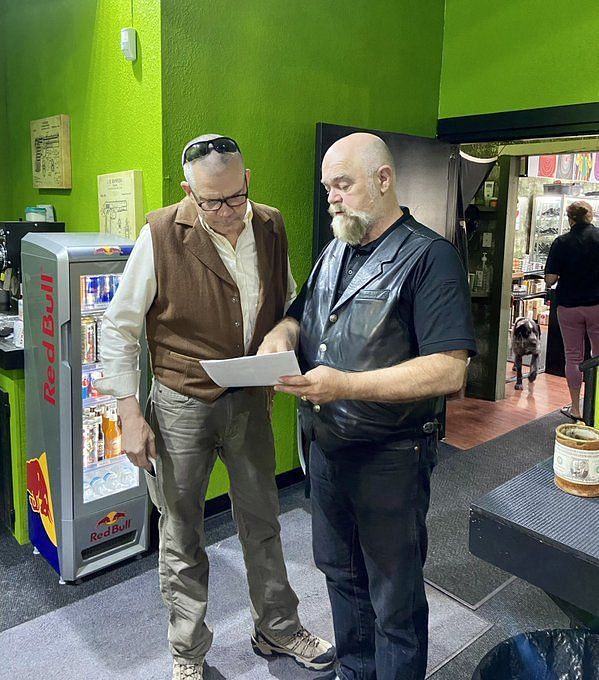
While speaking to media outlet The Truth About Guns, Hoose said that the agents had been summoned from as away as Idaho and Denver just to issue a warrant for his financial records.
Discussing the alleged reason for the warrant, Van Hoose said that the IRS claims that he had under-reported his income and failed to make them aware of his millions of dollars of revenue. He denied the allegations stating anyone who runs a guns retail business knows there isn’t much extra revenue at the end.
Matt Rosendale sent a strongly worded letter to the IRS and the ATF

While speaking to The Truth About Guns, Van Hoose said that his shop remained closed on June 14 while the agents copied information from his computer. He also added that the IRS and the ATL agents seized 4473 forms – used to conduct a NICS background check – dating back to 13 years and noted down his gun acquisition and disposition diary.
The incident infuriated U.S. Rep. Matt Rosendale who sent a letter to IRS Commissioner Daniel Werfel and ATF Director Steven Dettelbach and called it “outrageous.” The letter further read:
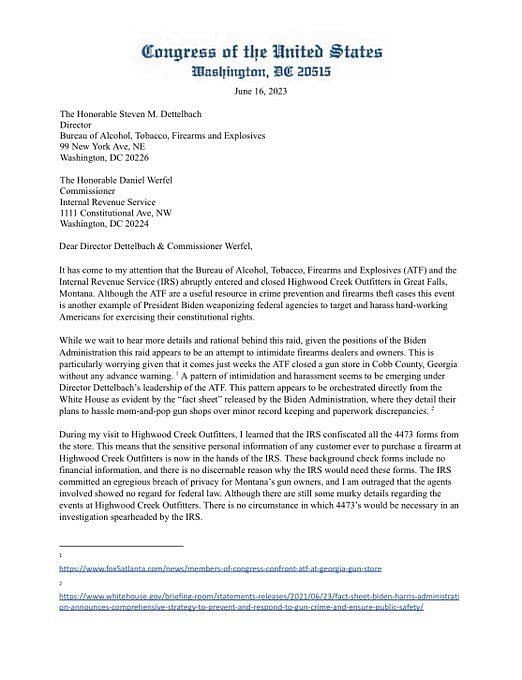
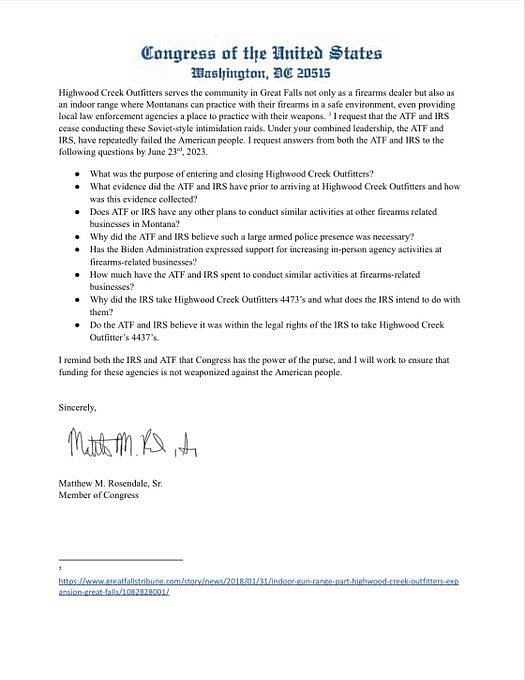
“Under Director Dettelbach’s leadership of the ATF, a pattern of intimidation and harassment against hardworking Americans has emerged – Montanans will not tolerate these political witch hunts. I remind both Director Dettelbach and Commissioner Werfel that Congress has the power of the purse, and I will ensure that funding for these agencies is not weaponized against the American people,” Rosendale said in his letter. I request that the ATF and IRS cease conducting these Soviet-style intimidation raids.”
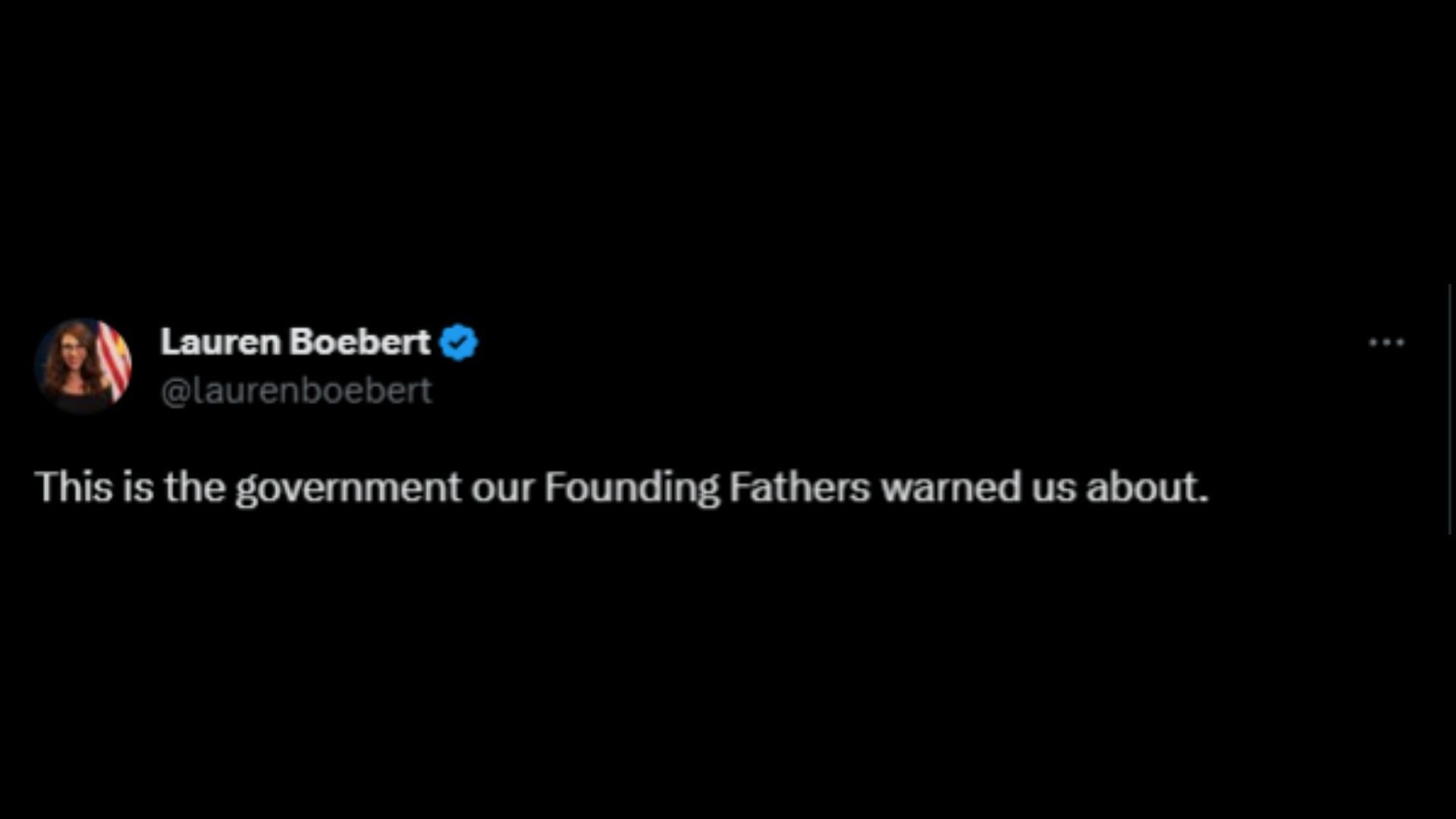
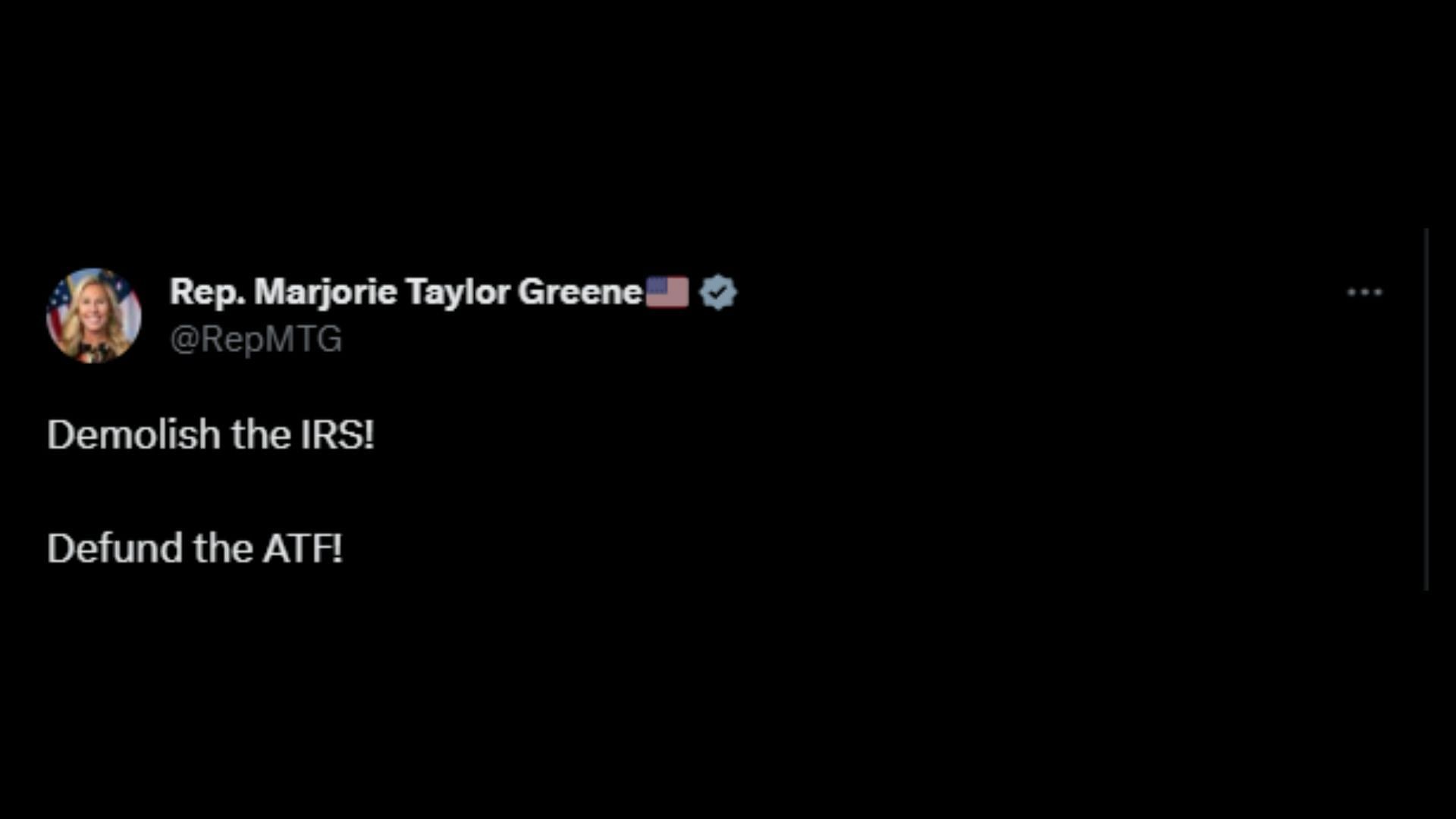
After the news of Van Hoose’s firearm shop being raided by the feds went viral, Twitterati was furious. Several politicians slammed the federal agencies and Joe Biden‘s administration for funding the branches to conduct abrupt research.
Others also joined the bandwagon of the above-mentioned politicians and criticized the federal agencies.
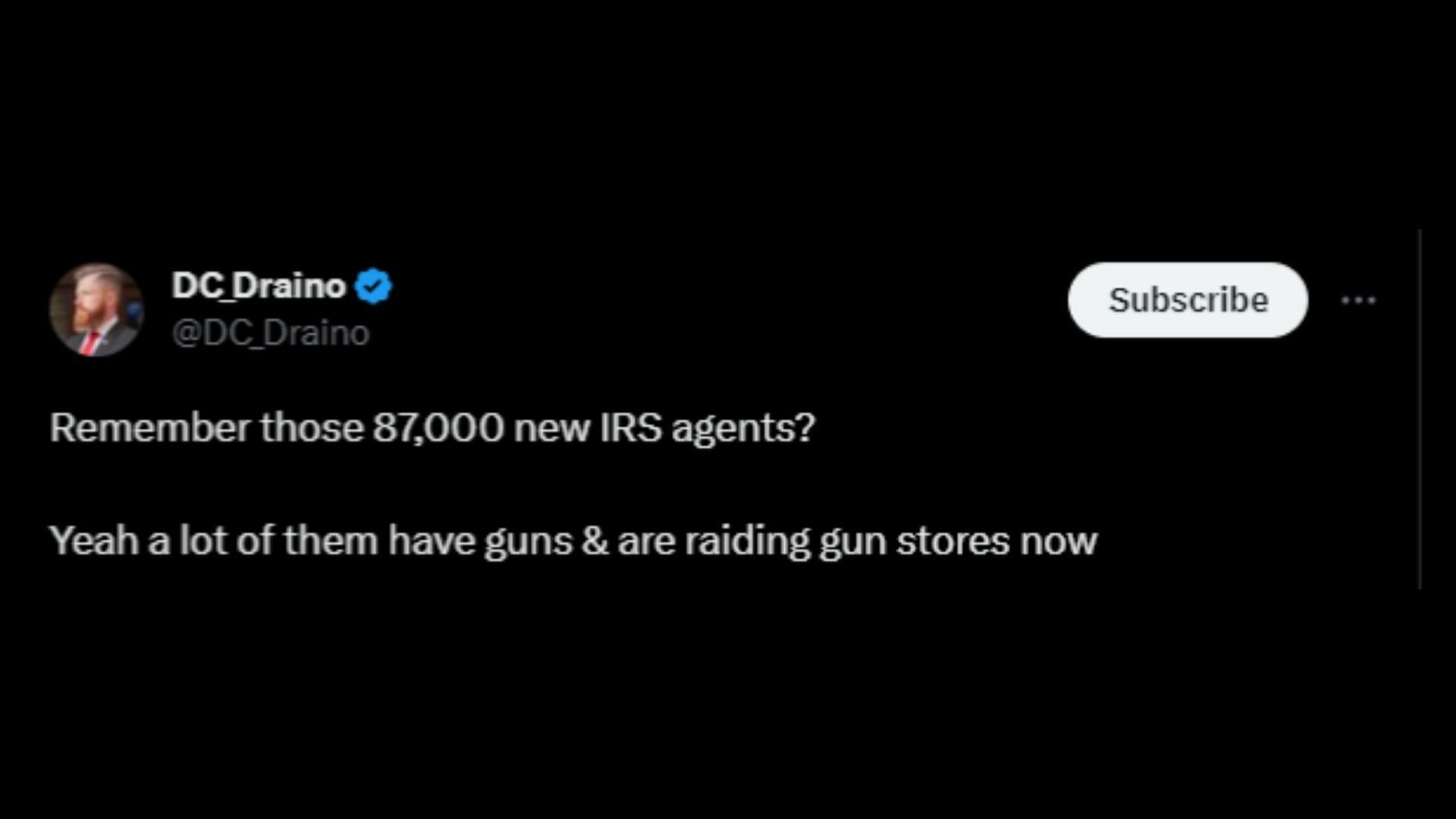
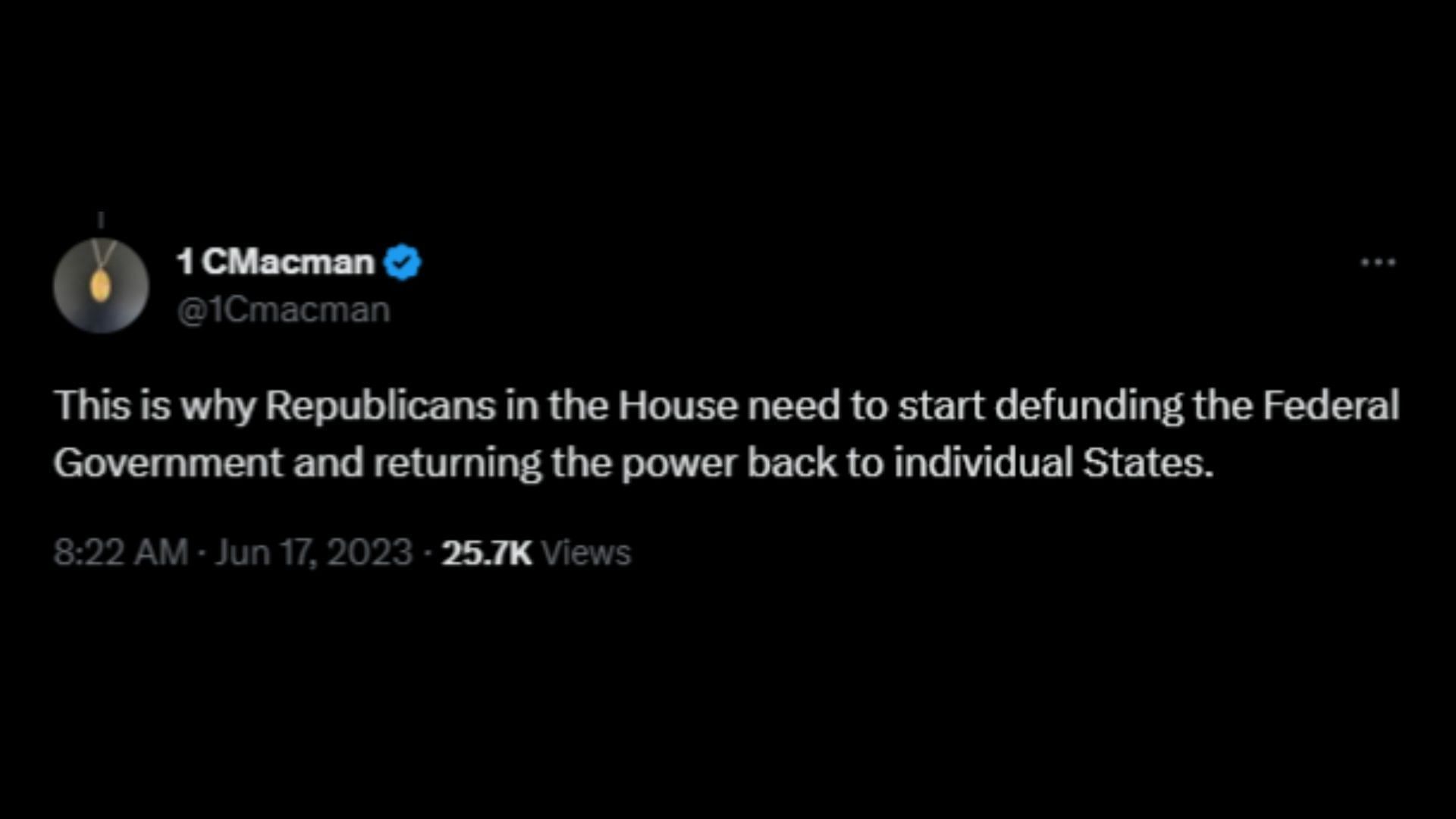
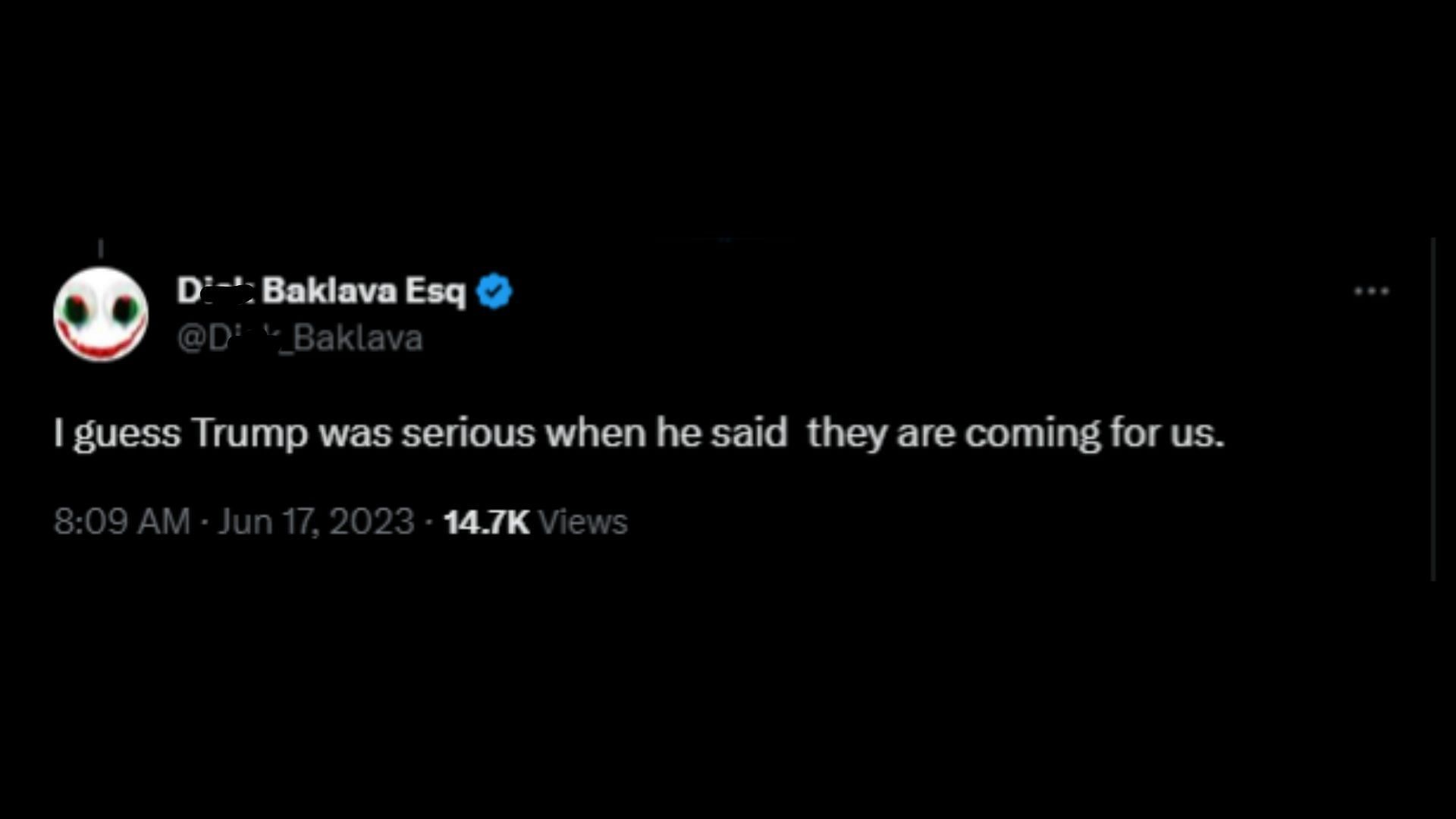
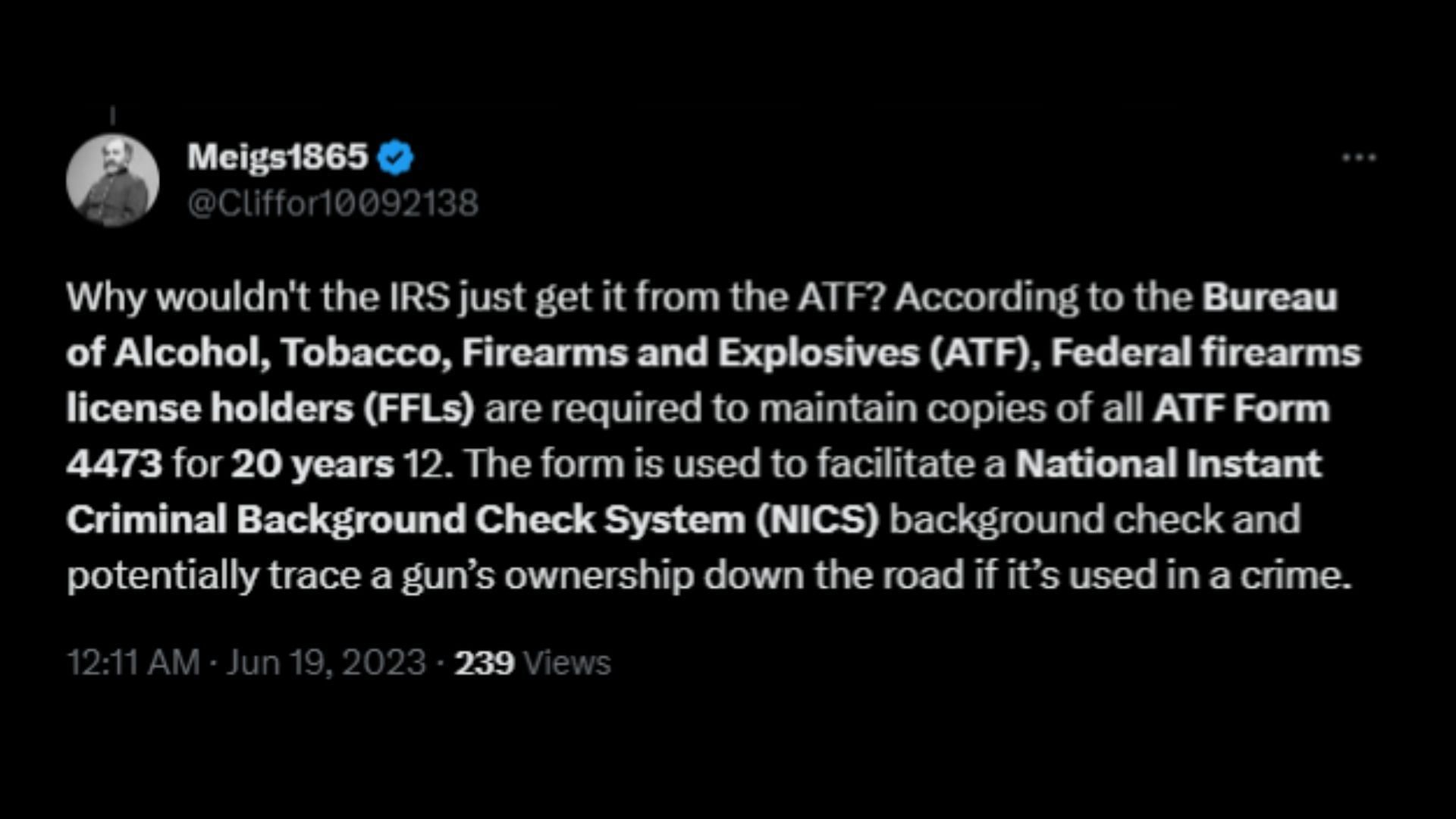
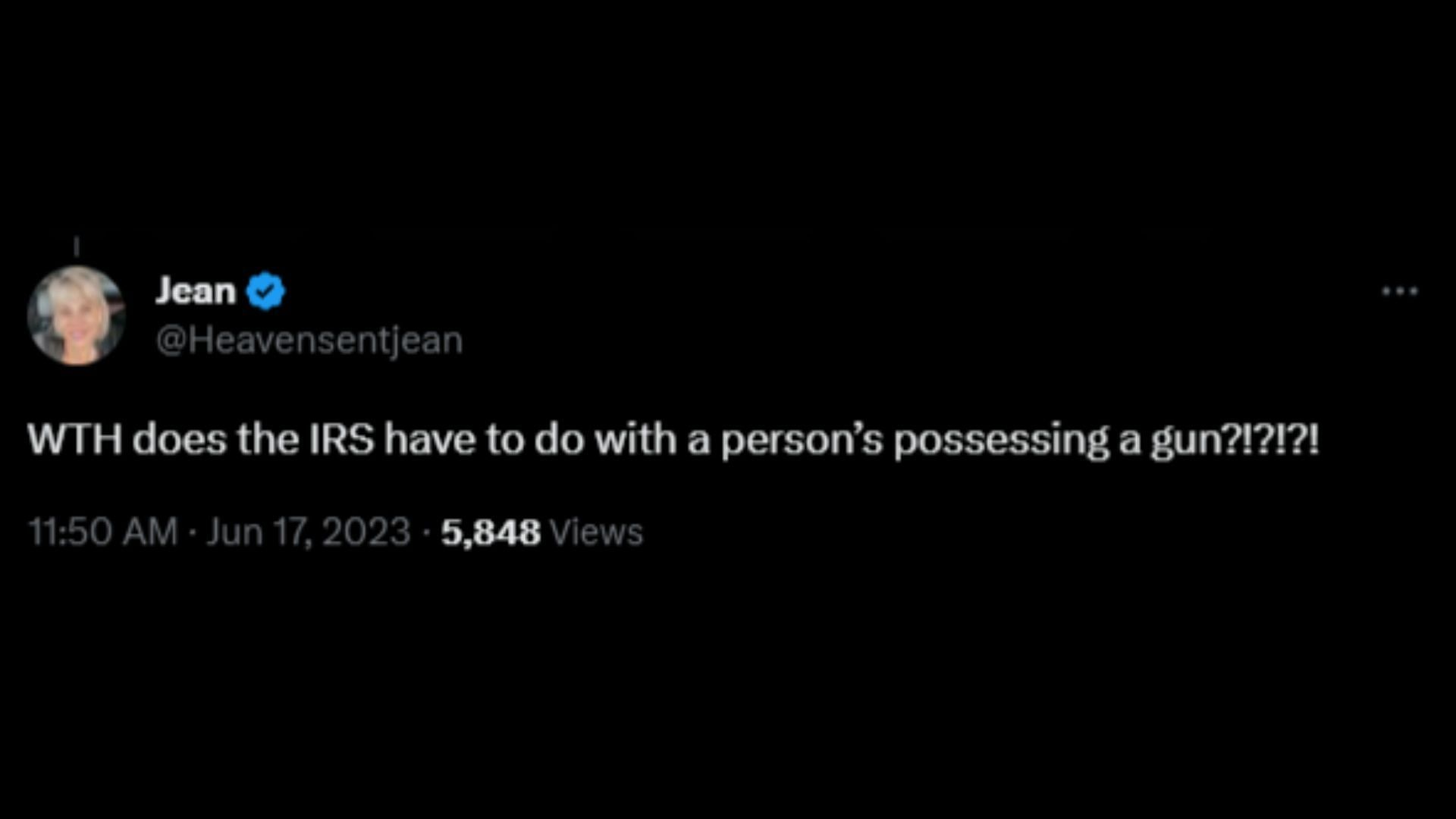
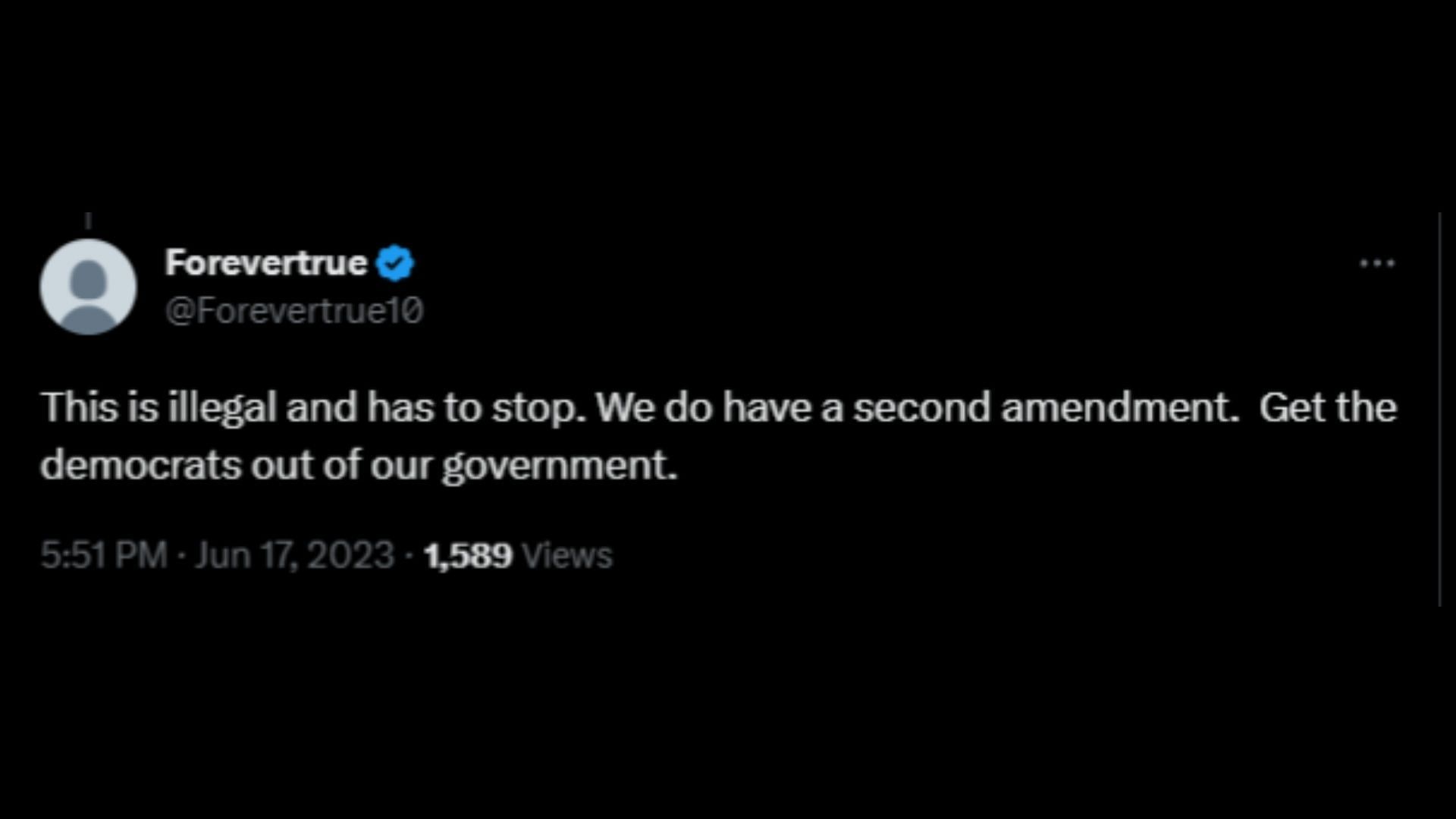
As per the Truth about Guns, Van Hoose’s shop was up and running the day after the investigation.
BIDEN: "Made it harder for people buy stabilized brief— braces. Put a pistol on a brace, it turns into a gun, makes it more, you can have a higher-caliber weapon, higher-caliber bullet coming out of that gun." 🤔 pic.twitter.com/97si7QLrr8
— RNC Research (@RNCResearch) June 17, 2023
Categories
From The view from Lady Lake

Participants of the 5th Solvay Conference on Quantum Engineering, 1927.
Albert Einstein, Marie Currie, Nils Borr and others
17 of the 29 participants were or became Nobel Prize winners, including Marie Curie, who alone among them, has won Nobel Prizes in two separate scientific disciplines.
28 of the 29 in this picture are noble prize winners
Standing up (from left):O Pikar , E. Envy, P. Ernfest, E. Erzen, T. De Dotte , E . Schrodinger, Z -And. Versailles, North Paulie, B. Heisenberg , R . X. Fowler, L. Brilliant.
Middle row (from left): P. Debay , M . Knownsen, OH. L. Bragg , X . A. Kramers, P. A.M. Durak , A. X. Compton , L . de Broly, M. Born, N. Bor.
First row (from left): I. Lanmoor , M Plank, M. Currie , X . A. Lorentz, A. Einstein, P. Lanzeven, S. -And. G , T . T. P. Wilson , O . G. Richardson.