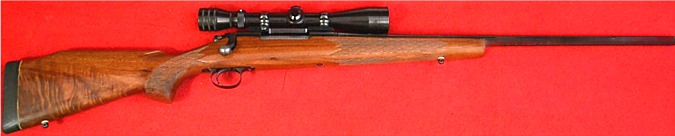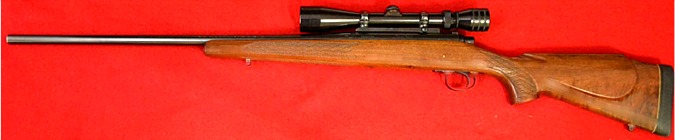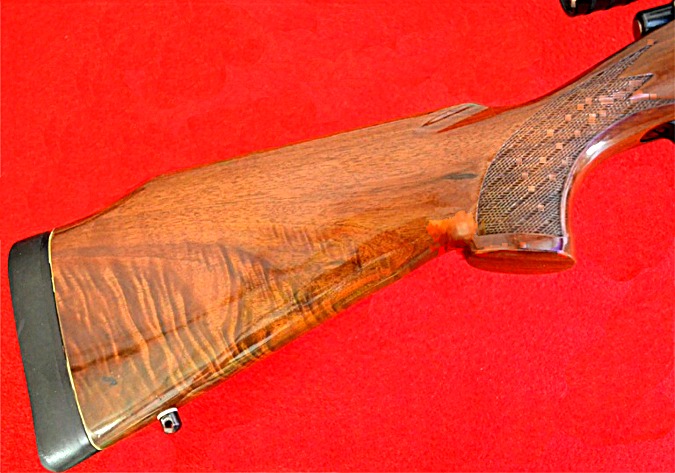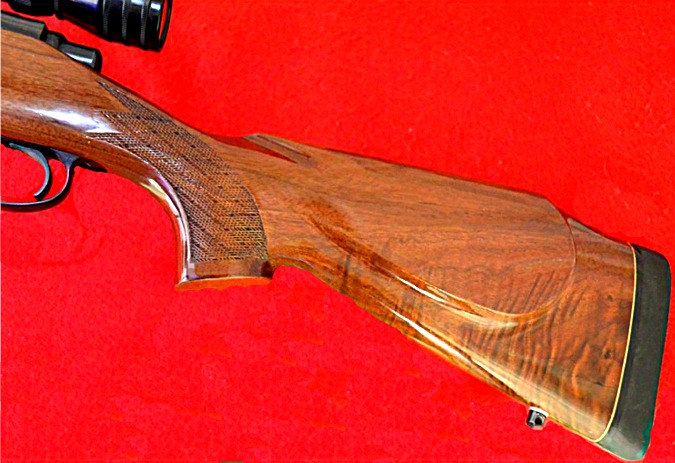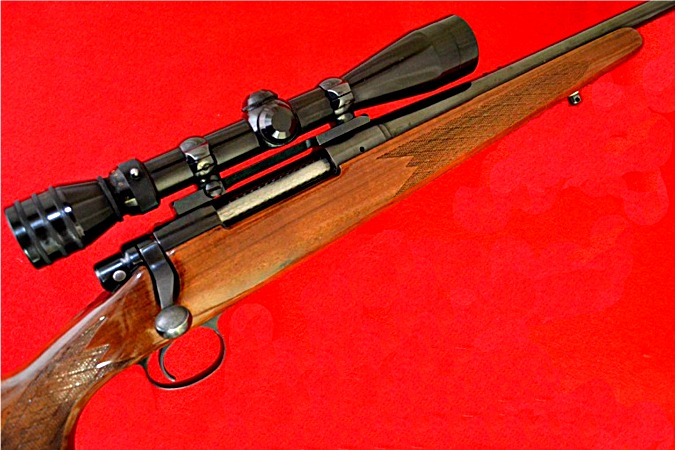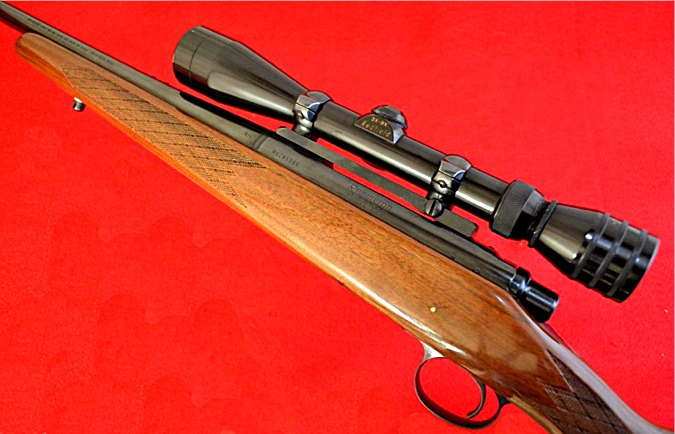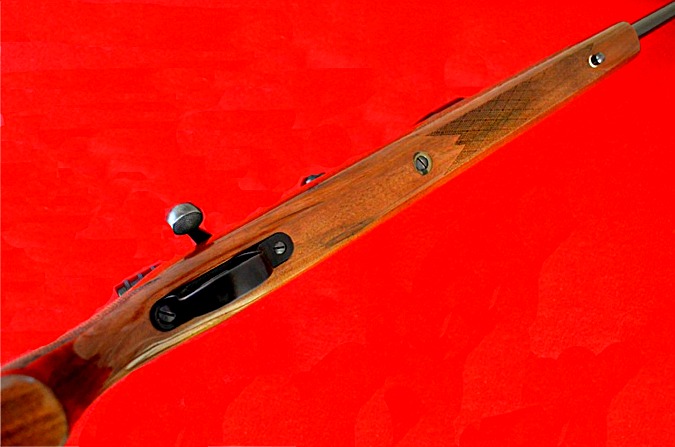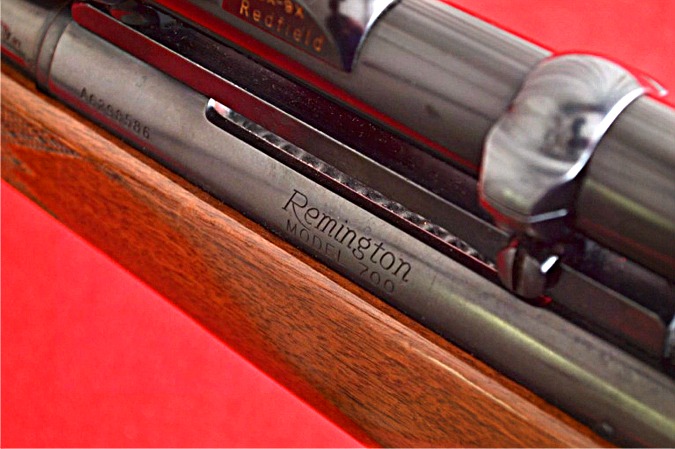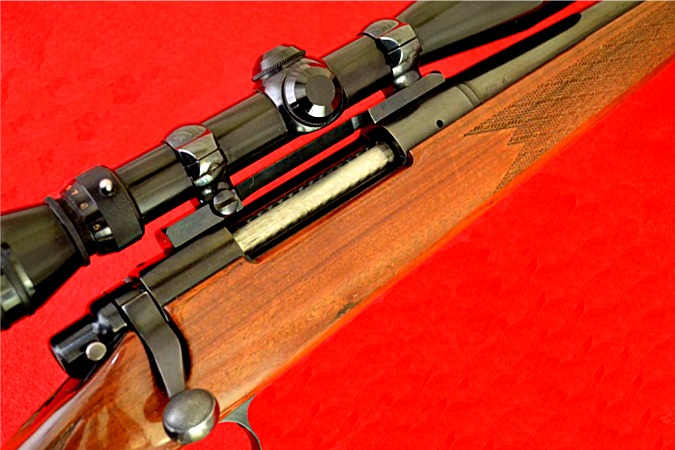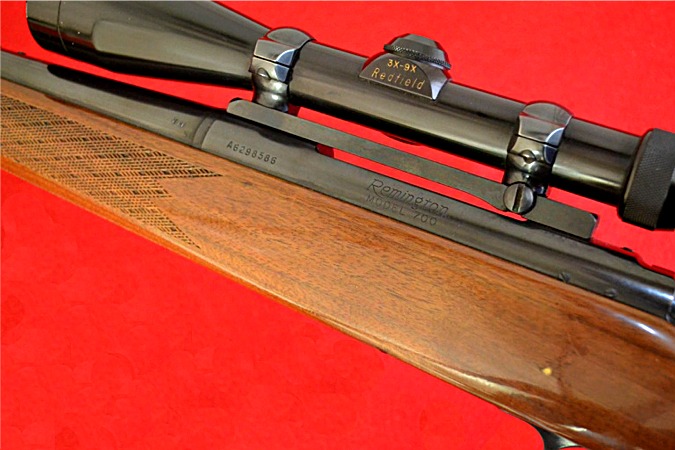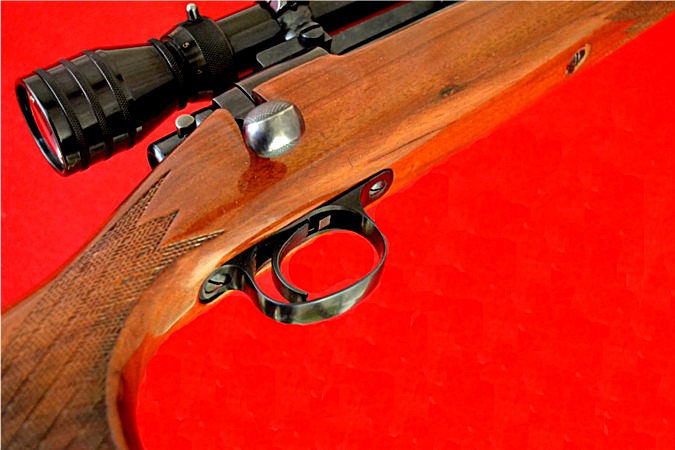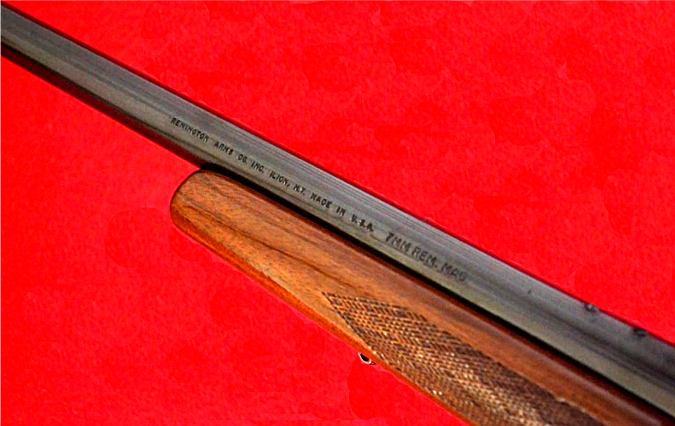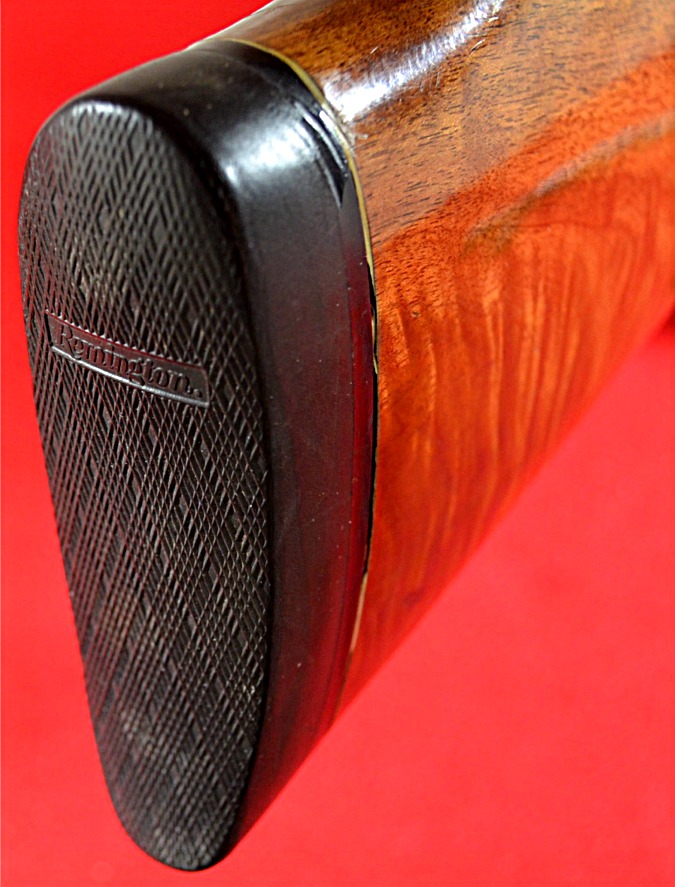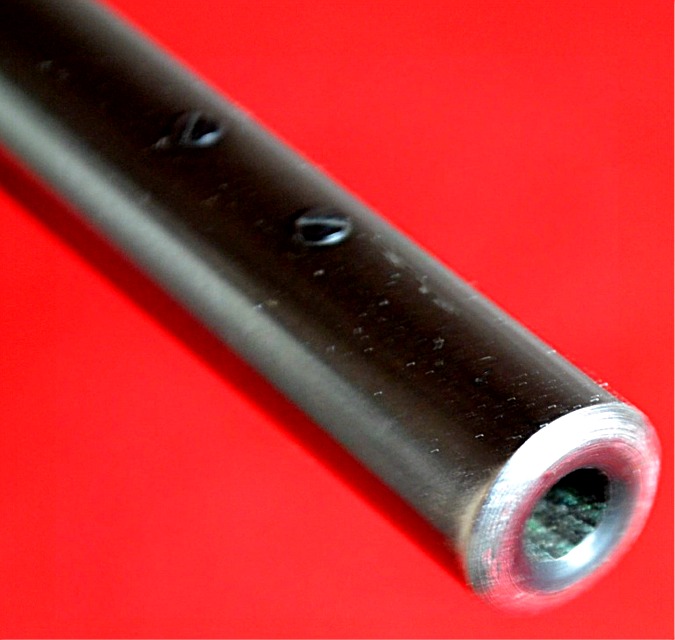
Yeah I heard about the English Disease, so here you go !!! As for the rest of the world, enjoy Grumpy


GOD SAVE THE KING!!!
Yeah I heard about the English Disease, so here you go !!! As for the rest of the world, enjoy Grumpy
GOD SAVE THE KING!!!

QUANTICO, Va. — U.S. intelligence analysts examining the wreckage of the Chinese surveillance balloon shot down earlier this year by an Air Force F-22 made an early and surprising discovery: the balloon was stitched together largely with classified documents.
“It’s got a little bit of everything in here,” said Master Chief Petty Officer Brian O’Leary, who helped pull the balloon’s skin from the waters off South Carolina. “Pol-mil assessments, threats of the day, internal training slides. Geez, that’s a lot of classified.”
The surveillance balloon was over 200 feet tall, roughly the size of a MAJCOM Class Six. To construct it required thousands of pages of classified documents, or roughly one Mar-A-Lago.
“What is this?” asked Navy Lt. Patricia Harlow, pulling up several sheets of laminated paper from the wreckage. “It looks like a daily intel briefing from…2016? I swear our intel guy briefed the exact same intel last week.”
Despite the surprise makeup of the balloon, some national security observers have said the use of easily acquired American classified documents meant this sort of thing was only a matter of time.
“Supply chains kinks have caused the price of traditional materials to skyrocket for everything except the seemingly endless supply of US top secret documents,” said Special Agent George Peppard, who is coordinating the exploitation of the balloon. “While not as elastic or stretchy as latex and neoprene, U.S. classified documents are far more common and readily available.”
“Well, I guess you can stretch some of it pretty far,” he added, after noticing a page from an Iraq WMD assessment on top of one pile.
Despite insisting that the country’s classified material remains secure, the Biden administration has vowed to lead efforts toward an international U.S. classified documents non-proliferation treaty.
“We’re hearing reports that U.S. classified materials are being smuggled into Russia for use as fuel to keep homes warm during the winter,” said White House Press Secretary Karine Jean-Pierre. “And while that proves the effectiveness of Western sanctions against Russia are working, we obviously don’t want Russia to know whether Syria’s political stability is forecasted to be Red, Yellow, or Green. That’s something that belongs in a SCIF or at least the President’s garage.”
W.E. Linde (aka Major Crunch) writes a lot. Former military intelligence officer, amateur historian, blogger/writer at DamperThree.com. Strives to be a satirist, but probably just sarcastic. Post.news @welinde
Friends and elected officials decried the death of Jordan Neely on Wednesday, insisting the homeless busker didn’t deserve to die. Neely, 30, was a familiar sight around town, performing in Times Square and on subways as Michael Jackson.
“NYC is not Gotham,” city Comptroller Brad Lander tweeted. “We must not become a city where a mentally ill human being can be choked to death by a vigilante without consequence. Or where the killer is justified & cheered.”
When asked on Wednesday if the Marine should be criminally charged, Gov. Hochul said she had just seen the video and needed to find “whether the state has a role” in the investigation.
“There’s consequences for behavior,” she said, although it wasn’t immediately clear if she was referring to Neely or the Marine. “That was deeply disturbing and it causes a lot of fear in people.”
Neely was on an F train heading toward the Broadway-Lafayette stop in NoHo when he began acting erratically around 2:30 p.m. Monday, passengers told police. He yelled and threw garbage at commuters, prompting an argument with the 24-year-old Marine, cops said.
The quarrel turned into a brawl as the train entered the station.
During the fight, the Marine put the victim in a chokehold and tried to restrain him.
A video of the confrontation shows the Marine, who lives in Long Island and is currently in between deployments, with his left arm around Neely’s neck as they struggle.
A second man helped restrain Neely, who turned on his side and continued kicking his legs until he finally stopped moving about two minutes into the disturbing video.
Neely fell unconscious on the train as the Marine held him in the chokehold. A conductor called for police, the video shows. First responders took Neely to Lenox Hill Hospital, where he died.
“(He) was a very good Michael Jackson impersonator,” said Mike Cole, who created a GoFundMe page for Neely’s family. As of Wednesday afternoon, nearly $1,000 had been raised for the impersonator’s funeral expenses.
“Over the years multiple videos have been seen across the internet of him emulating the King of Pop garnishing thousands of views,” Cole said. “He was a natural raw talent who touched a lot of people’s lives. Jordan was a very loving and caring individual who did not deserve to have his life taken like this.”
An autopsy into Neely’s death was inconclusive, a police source family with the case said Wednesday.
Further tests have to be done on the muscle tissue in the performer’s neck to see if he had been strangled or if the chokehold played a role in his death, the source said.
Police and Manhattan prosecutors are awaiting the results of the autopsy before determining if criminal charges should be filed. A spokeswoman for the city Medical Examiner said the autopsy results were pending Wednesday.
Critics charge that the Marine, based on his training in hand-to-hand combat, should have known how dangerous it could be to keep Neely in a chokehold for several minutes.
Years ago, the NYPD banned cops from using chokeholds like the one seen in the video.
Neely has a documented mental health history with the NYPD, had been arrested more than 40 times and was a suspect in a 2021 assault, authorities said.
Friends and fans of the Michael Jackson impersonator said Neely was homeless and hungry when he acted out on the Manhattan train.
Rafael Shimunov, co-host of the radio show Beyond the Pale on WBAI, said that all Neely did was throw his jacket to the ground and ask straphangers for food and water.
“(He was) a hungry New Yorker choked to death by a grinning Marine who is being celebrated as a hero by NYPD and press,” Shimunov tweeted. “His offense? ‘Aggressive speech.’”
The Marine was taken in for questioning but released without charges as the investigation continues. As he held the victim in the chokehold he asked witnesses to call 911, police sources said.
When reached by phone, the Marine declined to comment.
“I’m not answering any questions,” he said. “I appreciate it, but I’m not answering any questions.”
Coalition for the Homeless Executive Director Dave Giffen said Neely’s death was the result of “Gov. Hochuls’ and Mayor Adams’ complete failure to provide the critical mental health services desperately needed by so many people in our city.”
“The fact that someone who took the life of a distressed, mentally ill human being on a subway could be set free without facing any consequences is shocking,” Giffen said. “This is an absolute travesty that must be investigated immediately.”
____
(With Molly Crane-Newman and Michael Gartland)



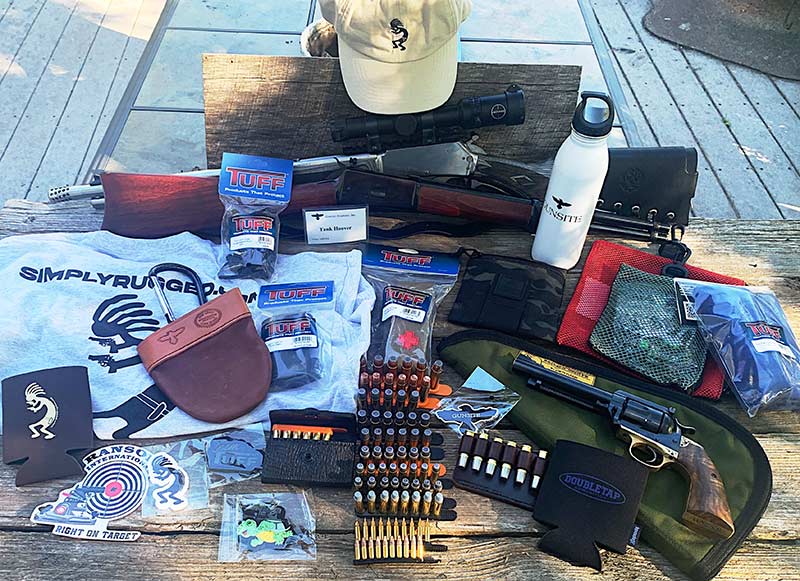
There was plenty of product to go over from the participating vendors.
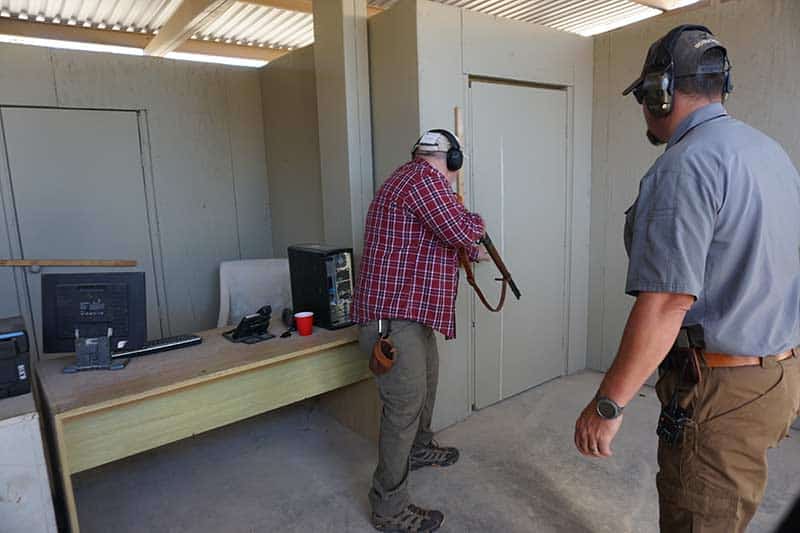
“I hear you knocking, but I can’t let you in..” is how the song goes. Tank has other ideas.
Walking along the narrow Billy goat like trail, the sun was frying my exposed skin. I was smart enough to wear a long sleeve shirt and ball cap, but my face and neck felt like it was being nuked from radiation exposure. Ambient temperature was triple digits. The dry desert mountain air evaporated my sweat before it ever surfaced my pores. Parched, I was looking for the next shooting station, thinking, “What twisted position would I contort my body for the next few shots?”
Scrub juniper has a way of letting you enter its confines, but then swallows you whole when trying to exit. But it does a dandy job of locking your body tight making your forward mounted scout scope reticle settle easier. Peering through it, I locate the steel silhouette targets. It’s amazing how far and accurately you can shoot with just a 2X scope. But, shoot we did. Walking the Military Crest trail was by far my favorite shooting activity of the series.
It’s a great training aid for hunters and shooters to get creative in what shooting position they can twist their bodies into while doping where to hold on targets 160-370 meters away.
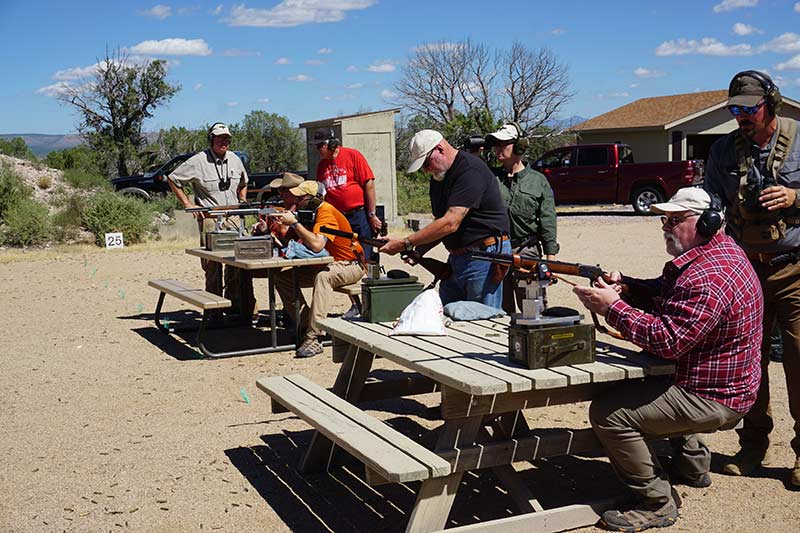
Sighting-in under the watchful eyes of Lew Gosnell, Aimee Grant and Schylar Cloudt.
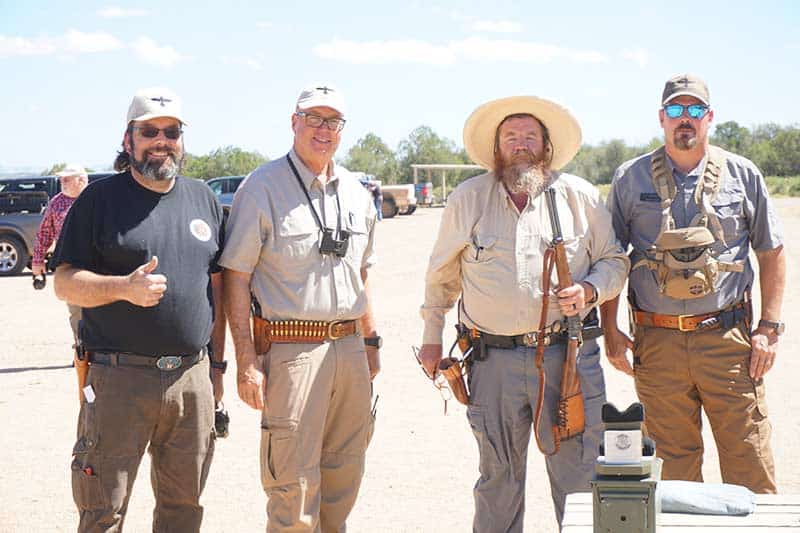
Rob Leahy looking like a stand-in for “The Wild Bunch.”
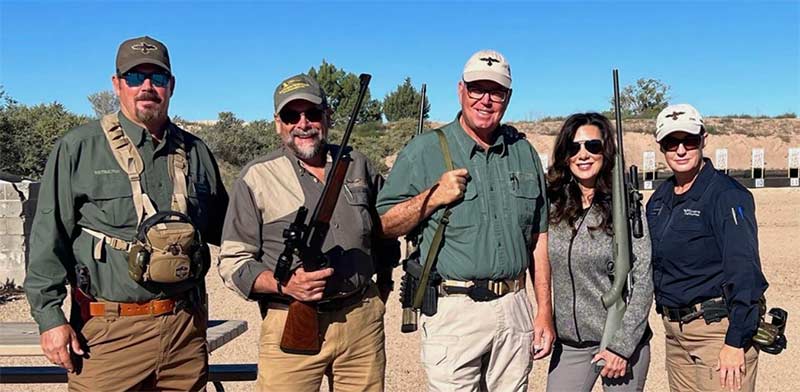
Where was all this fun at? Why a media event hosted by Rob Leahy of Simply Rugged and Andy Larsson of Skinner Sights, and of course, Gunsite Academy. We were treated to Gunsite’s training principles in the use of revolver, lever gun and scout rifle. The last day comprised of Col. Jeff Cooper’s thoughts on the Scout rifle.
The first day representatives from Tuff Products, Wilderness Tactical Products, Ransom Rest, and Doubletap Ammunition went over their products. This carried us to lunch and then it was to the range where Gunsite instructors Lew Gosnell, Aimee Grant and Schylar Cloudt gave us an introduction to the pistol craft. We all used revolvers, paired with Simply Rugged leather gear. We went over firearm safety, gun presentation, and holstering your gun, along with several shooting drills.
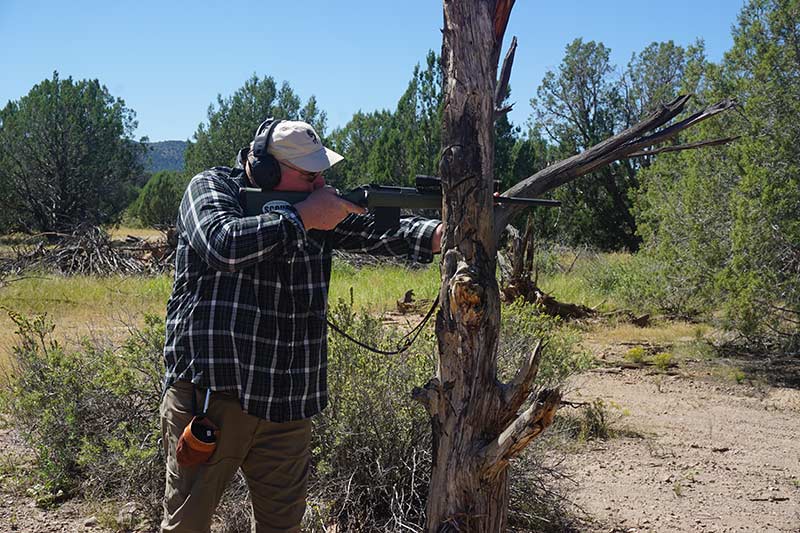
Whenever possible, it’s always easier to use a rest as Tank is doing here.
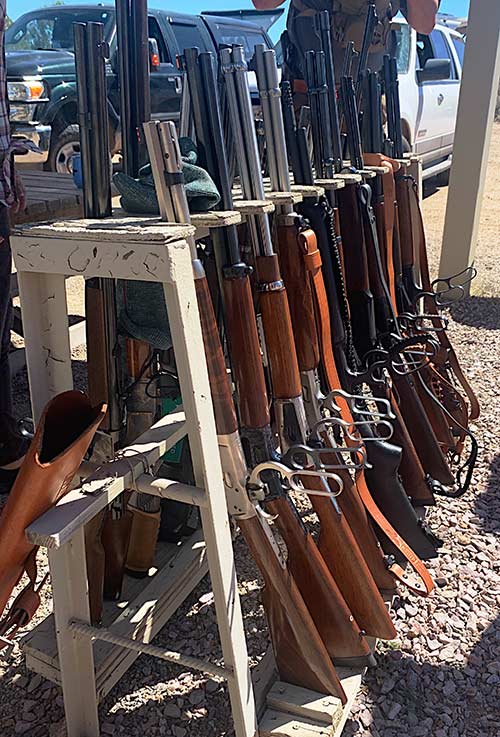
Rack ‘em! There was a great representation of leverguns at the York range.
The second day was leverguns. After hearing from Rob Leahy and Andy Larsson tell us what was new with their businesses, we went over the basics of loading and unloading leverguns. We also covered gun safety, high ready and low ready positions, as well as room clearing in the fun house and walking the Donga trail.
Rifle zeroes were checked with assigned leverguns outfitted with Skinner Sight Peep Sights and Simply Rugged slings and ammo carriers. Then it was off to the range. Everyone enjoyed the levergun portion, and you can’t blame them. After a full day of shooting, we called it a day.
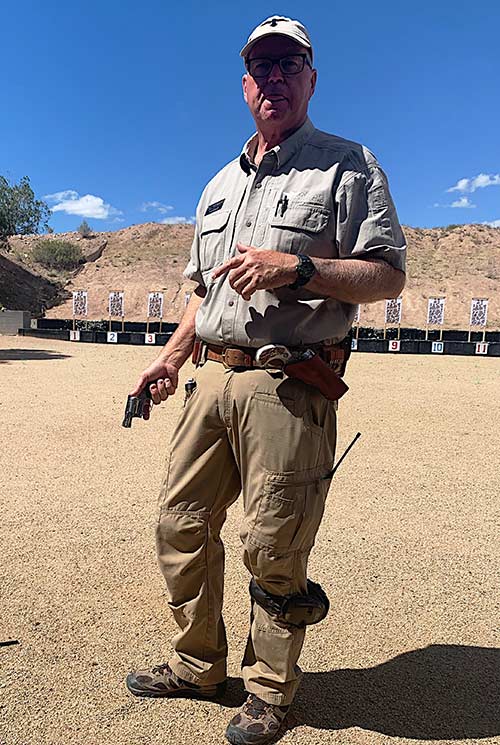
Lew Gosnell doing what he does best, instructing!
Former Border Patrol Agent and Gunsite favorite, instructor Ed Head, was to help instruct this event. Unfortunately, Ed succumbed to a brief illness on the eve of the event. His guns were compassionately sold during his illness to support his wife, Jean, at Ed’s request. They were quickly bought by close friends, one of which was Ed’s scout rifle. The event proceeded, as we all knew Ed would have wanted it this way. So, we did, and we shot. And shot a lot! Ed would’ve been happy.
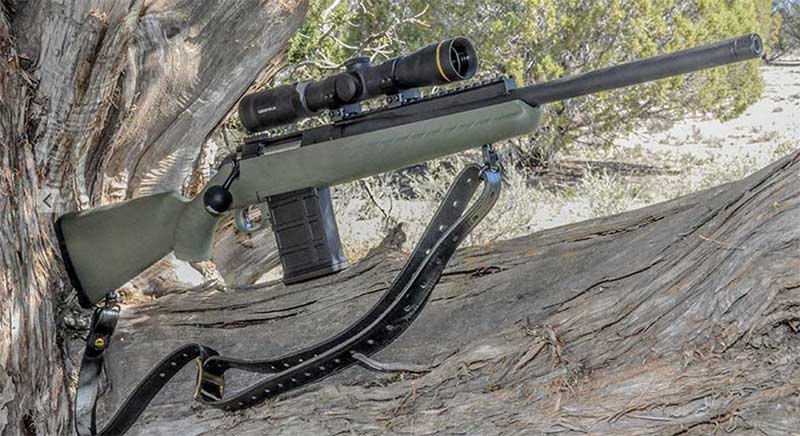
A picture of Ed’s Scout Rifle, now belonging to Matt Olivier, and
the one Tank used on the Scrambler and Military Crest trail.
The rifle was converted from a Ruger American Ranch rifle in .308 caliber. A Skinner Sights Scout rail was installed, along with a Leupold long-eye relief Scout scope. The Scout rail incorporates an M4 A2 front sight and Skinner peep sight for iron sight capabilities. Ed also installed a Hornady over-sized bolt knob and Andy Langlois sling rounding out the build. Ed’s rifle was purchased by his close friend, Matt Olivier.
Rather than turn the rifle into a safe queen, or wall hanger honoring Ed, Matt unselfishly allowed me to borrow the rifle to participate in the “Scrambler” and “Military Crest” shooting trails. It’s a testament to Ed’s and Matt’s way of thinking, it’s a gun, so let’s shoot it!
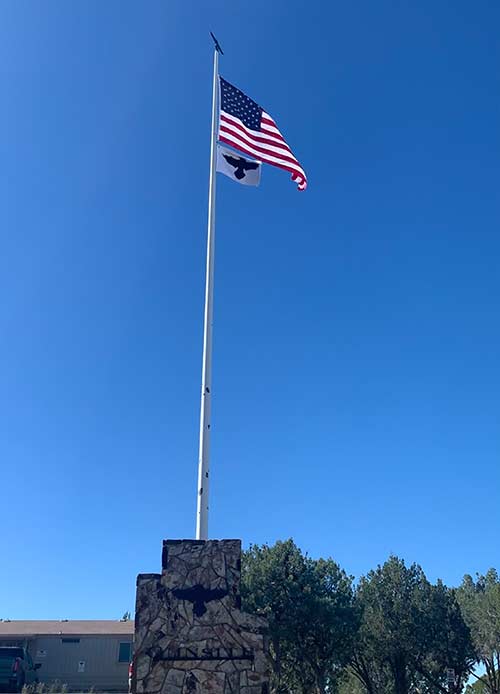
When are you going to visit Gunsite?
The Scrambler is, as the name states, a speed event where contestants run from one station to the next utilizing different shooting positions to steady their rifle while aiming. Next, was the Military Crest Trail which I described in the beginning.
The final event was a personal one. Seven members at the event, who also happen to be Shootists, honored Ed with a 21- gun salute shooting .44 Special revolvers. The volley of three rounds of seven shots echoed across the high desert terrain as winds helped wisp away the sorrow. Spent brass was collected for further dispersion and projects in honoring Ed.
Over time I will go into further detail with you about the vendors’ products, sharing my thoughts on them in future articles. Gunsite is a fantastic fighting school to learn how to safely fight with any gun you have, be it semi-auto, revolver, rifle, levergun, scout rifle or shotgun. If it shoots, learn how to shoot it, to your advantage, by being safe and efficient with it.
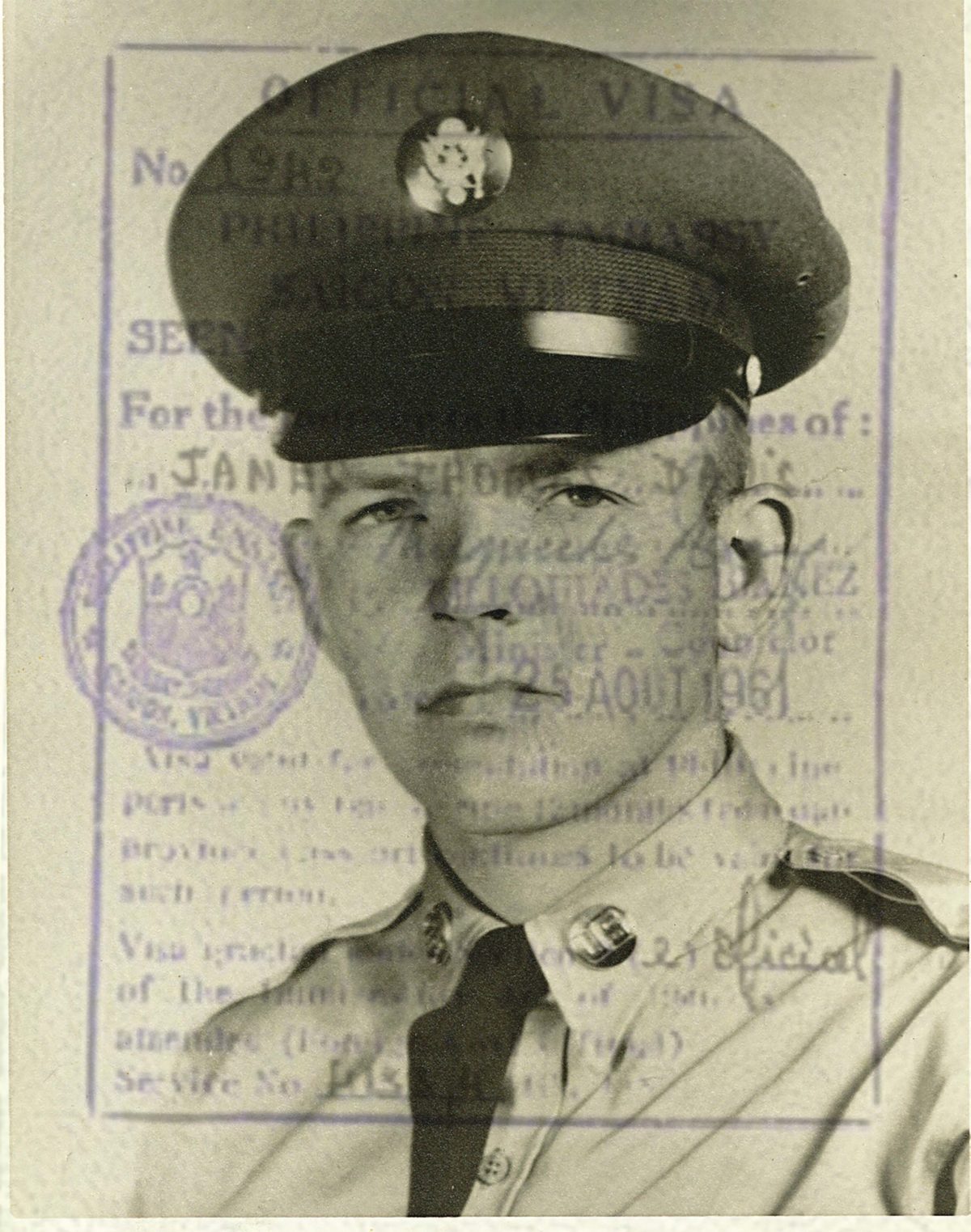
On the morning of Dec. 22, 1961, three trucks carrying members of the 3rd Radio Research Unit, their intelligence counterparts in the Army of the Republic of Vietnam and an ARVN security detail rolled out the gate of their compound at Tan Son Nhut Air Base on the outskirts of Saigon. This compound was a high-security area surrounded by barbed wire fences. Only people with a legitimate reason for being there and “a need to know” were admitted. The small convoy was embarking on a mission west of Saigon.
When it ended, all but one member in the third truck would be dead. Among the casualties was Spc. 4 James T. “Tom” Davis, age 25, the first American to die in a ground combat action in Vietnam.
Davis grew up in the small town of Livingston, Tennessee, about 100 miles northeast of Nashville. It was a rural area with lots of mountains, streams and woods. According to his family, Davis was an “outdoor person” who spent most of his time fishing, hunting, trapping and roaming the woods. After high school, Davis attended Tennessee Polytechnic Institute but left to enlist in the Army.
When he completed basic training Davis was sent to Fort Devens, Massachusetts, for Morse intercept training at the Army Security Agency. Afterward he was selected for radio direction finding school, where the Army sent its most promising ASA students to learn how to locate enemy communications signals.
In early 1961, under increasing pressure from communist guerrillas, the South Vietnamese government requested additional assistance, including military support from the United States. On Saigon’s wish list were equipment, personnel and training to support an intelligence program to monitor the communications of the North Vietnamese-backed Viet Cong.
In response to this request, the U.S. Army sent radio receivers as well as AN/PRD-1 direction finders. Shortly thereafter, the ASA formed the 3rd Radio Research Unit. The term “radio research” was chosen to disguise the unit’s secret connection to the ASA. The troops needed for this deployment were assembled and equipped at Fort Devens within three days after President John F. Kennedy signed an executive order establishing the unit on April 27,1961.
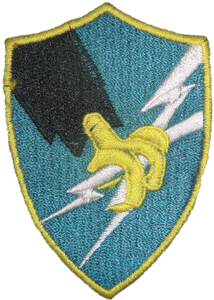
The newly formed ASA radio research unit developed plans for two operations. Operation Whitebirch was a 77-man unit established to target Viet Cong communication transmitters. The second operation, Sabertooth, would field a 15-man team to train ARVN communications intelligence operators. The highly skilled, highly trained and highly secret 92-man contigent of the 3rd Radio Research Unit arrived at Tan Son Nhut on May 13, 1961.
It was the first entire Army unit to deploy to Vietnam, although the men who got off the plane wore civilian clothes, a reflection of their secretive assignment. Previously, members of the military arrived as individuals and were placed in units after they were in-country. U.S. personnel in Vietnam in May 1961 were assigned to Military Assistance Advisory Group-Vietnam, formed in November 1955. The U.S. had approximately 3,000 military personnel in Vietnam at the time.
For several months during the fall of 1961 intelligence reports indicated a significant increase in enemy troop strength and activity around the town of Duc Hoa in Hau Nghia province, some 15 miles west of Saigon. That area had a history of communist insurgency dating back to French colonial days. By late fall Viet Cong activity had increased significantly. The ARVN command, their American MAAG-V counterparts and U.S. and South Vietnamese intel specialists suspected the Viet Cong had established a battalion headquarters and communication center in the vast expanses southeast of Duc Hoa.
By December, teams from the 3rd Radio Research Unit had begun to make forays into that area searching for a suspected communist transmitter. The most recent mission took place on Dec. 18 when the unit detected very strong radio signals from the suspected transmitter. The radio research troops were confident that they had acquired an accurate “fix” on its location.
Spc. 4 William Bergman, a member of the radio research unit, said in email correspondence with this article’s author, “The sad thing about the ambush is, that four days earlier on Dec. 18, we had obtained a fix on the enemy’s transmitter. On the mission of the 18th, I was in the lead unit, and we had set up just off the edge of the road. When their transmitter came up, it nearly blew out my eardrums.” The transmitter appeared to be sited in vast pineapple fields south of the villages of Cau Xang and Chau Hiep.
Even though the Americans had obtained what they considered accurate and actionable intelligence, ARVN commanders in Saigon ordered yet another mission to reconfirm the transmitter’s location, now designated as Target 627-C. They refused to commit their troops on an operation without another confirmation. Thus on Dec. 22, members of the 3rd Radio Research Unit and their ARVN counterparts set out yet again to confirm the transmitter’s location.
The troops on the mission were divided into three separate radio direction finding teams. Each team consisted of one American, several ARVN radio technicians and a small detachment of ARVN security personnel. While the teams normally operated out of three-quarter-ton trucks, essentially pickup trucks, this time they requested three bigger 2½-ton cargo trucks to carry a larger security group, a response to an ambush earlier that month near Duc Hoa. Only two 2½-ton trucks arrived the morning of Dec. 22.
One team had to use a three-quarter-ton truck—and thus fewer security personnel. That was Davis’ team.
Team 1 was headed by Bergman, a radio direction technician who took the front passenger seat in the cab of a 2½-ton truck. In the second large truck was Pvt. Richard Simpson and his team. The three-quarter-ton truck brought up the rear, with Davis in the front passenger seat.
The teams headed to the Cau Xang-Chau Hiep area, about 9 miles west of Saigon in the vicinity of Duc Hoa. The road, Highway 10, was narrow, rough and dusty, but it was the highest elevation for miles in all directions and provided an excellent view. As the three-truck convoy moved west the terrain changed from dry, lightly populated uplands to marshy emptiness as far as the eye could see, spreading south into the Mekong Delta and westward to the Cambodian border. The countryside consisted mostly of rice paddies and reeds, interlaced with hundreds of canals and a few scattered patches of woods. The rest was the old French Thieng Quang pineapple plantation. The three teams were nearing their destination by midmorning with the villages of Cau Xang and Chau Hiep just ahead.
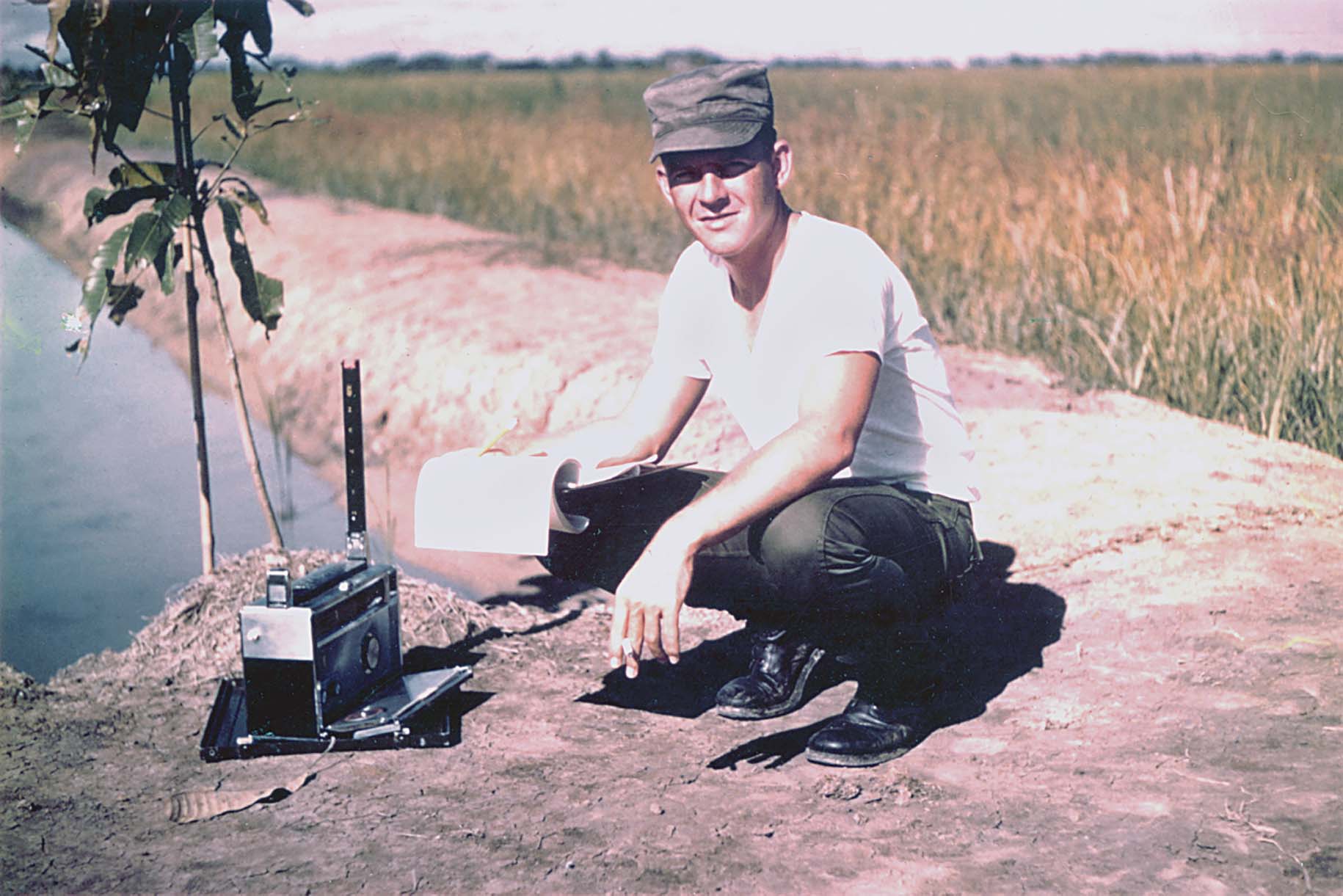
The teams on the Dec. 22 mission had figured out the enemy radio transmission schedules on previous missions and planned to use those schedules to confirm the location of the transmitter. Radio direction finding teams preferred to take bearings from several different directions, but this area’s extensive wetlands and the lack of roads made that impossible. The radio technicians would have to make calculations from only three positions along the same road. The teams established a 3-mile baseline along Highway 10 near Cau Xang and waited for the Viet Cong transmissions to begin.
In the typical process, once the transmissions begin an operator shoots a bearing using a radio direction finder, a receiver that picks up the transmitter’s signal and determines the direction it’s coming from. The operator draws a line on a map from his location outward in the direction of the signal. This process is conducted simultaneously at each of the other two teams’ locations. Once completed, notes are compared. The point at which the three lines intersect should be the location of the enemy transmitter.
Two teams believed they were at good signal detection points, but “Tom was not satisfied with the quality of his signal and had made a request by radio to Control Net for permission to move to a better location,” Bergman recalled. Davis needed to move quickly, however, because the next transmission was scheduled to take place shortly.
The similar operations conducted by radio research teams in recent weeks had not gone unnoticed by communist forces in the area. The three Dec. 22 teams needed to complete their mission and get out as fast as possible.
The lead truck with Bergman was parked on the north shoulder of the road at an old French fort a hundred feet or so west of the Cau Xang Bridge when Davis’ request for one more transect came over the radio about 11:30 a.m.
Shortly after Davis got the go-ahead, his truck came over the bridge and drove past Bergman’s to get a better location for that last bearing. Bergman watched as Davis proceeded west on the road. About two minutes later, “I saw a black plume rise vertically from the roadbed,” Bergman said. “Then I heard and felt the explosion and the sound of automatic weapons…then silence.”
Bergman’s team raced to help Davis and the 10 ARVN troops in his team. By the time Bergman’s men arrived, the engagement was over, and the enemy had vanished. The sole survivor of the ambush was Davis’ ARVN driver.
According to the driver’s account, recalled by Bergman, the Viet Cong had set off a remotely detonated mine (later determined to be a Czechoslovakian-made artillery shell) buried in the road. The mine was triggered a little late and exploded just after the truck passed over it. Even so, the explosion disabled the vehicle, which continued down the road about 30 yards, then rolled into a ditch. Intense small-arms fire from Viet Cong ambushers hiding alongside the road ripped into the vehicle. All nine ARVN soldiers in the truck’s cargo area died from the explosion or the subsequent VC gunfire.
Davis survived the explosion unscathed. He grabbed his M1 carbine and scrambled off the truck, taking with him a satchel containing secret communication codes and other classified materials. He immediately threw the satchel into the water to keep it out of enemy hands and returned to the truck as small arms-fire cracked all around him. He pulled his wounded ARVN driver from the vehicle, while still under intense fire, and shoved the man into a culvert to hide him from the Viet Cong.
Davis then ran west on the gravel road, turning and firing his carbine to draw enemy fire toward himself and away from other team members. He ran a short distance, turned and fired on the ambushers again. Davis was hit and fell, some 50 feet or so from the vehicle. The Viet Cong, no longer receiving any return fire, rushed to the wounded Davis. They shot the American in the head, killing him.
According to the driver’s testimony, the attackers searched Davis for anything of value including his watch. However, Davis, an experienced radio direction finder, kept his watch in a breast pocket so it would not interfere with the direction-finding process. The Viet Cong didn’t have time to search his body any further. Bergman’s team and an ARVN relief force were rapidly approaching from the east. The attackers quickly fled.
A radio call was made to ASA headquarters at Tan Son Nhut. Within an hour an officer from the 3rd Radio Research Unit and a member of the ARVN general staff were dispatched to the ambush scene. Arriving by helicopter, they picked up the wounded driver and retrieved the bodies of Davis and the nine dead ARVN soldiers. All were returned to Saigon on an aircraft that was part of the 57th Transportation Company (Light Helicopter), which had arrived in Vietnam less than two weeks earlier.
On Dec. 11, 1961, the carrier USS Core docked in downtown Saigon with 32 Army Piasecki CH-21 Shawnee helicopters and 400 men belonging to the 57th Transportation Company (Light Helicopter) from Fort Lewis, Washington, and the 8th Transportation Company (Light Helicopter) from Fort Bragg, North Carolina. This event was the first major symbol of American combat power in Vietnam and the beginning of a new era of airmobility in the U.S. Army.
The morning following the Dec. 22 ambush, 30 CH-21s of the 8th and 57th Transportation companies were loaded with several hundred troops from ARVN’s elite Airborne Brigade. Using fresh intelligence from Davis’ outfit, the 3rd Radio Research Unit, they headed west to attack the Viet Cong at the Thieng Quang pineapple plantation in Operation Chopper, the first helicopter assault of the Vietnam War.
Already in place along a canal south of the target was an ARVN blocking force to prevent a VC escape. The lead helicopter in the formation was piloted by Chief Warrant Officer Bennie Potts of the 57th Transportation His co-pilot was Capt. Emmett Knight, the operations officer of the 57th and the man responsible for planning the aviation component of the mission. “We were looking for a large sugar mill near the distinctive ‘Y’ intersection with the An Ha and the Kinh Xang canals,” Knight, who retired as a colonel, said in an interview with this article’s author. “From there, we were to bank to the left and begin our descent to the LZ about 5 clicks [kilometers/3 miles] to the south. We flew in at 500 feet and initiated a 500 foot per minute decent.”
The location of a radio transmitter suspected to be part of the Viet Cong command center for the Saigon region had been verified by Davis and the two other radio direction finding teams the previous day and was one of the assault’s targets.
As the choppers headed south along the Kinh Xang canal they flew over portions of the pineapple plantation and passed a huge statue of Buddha sitting only a half-mile south of Cau Xang. Later in the war and for many decades beyond, this would be known as The Lonely Buddha.
The choppers landed about 3 miles south of of Cau Xang. Reports indicated the Viet Cong were completely surprised by the speed with which the ARVN airborne troops surrounded them. The radio transmitter was put out of operation and an unknown number of Viet Cong killed and captured.
Operation Chopper’s success was directly attributed to the Americans of the 3rd Radio Research Unit and their Vietnamese counterparts, who diligently searched for and located the transmitter—for which Davis and nine ARVN soldiers paid the ultimate price.
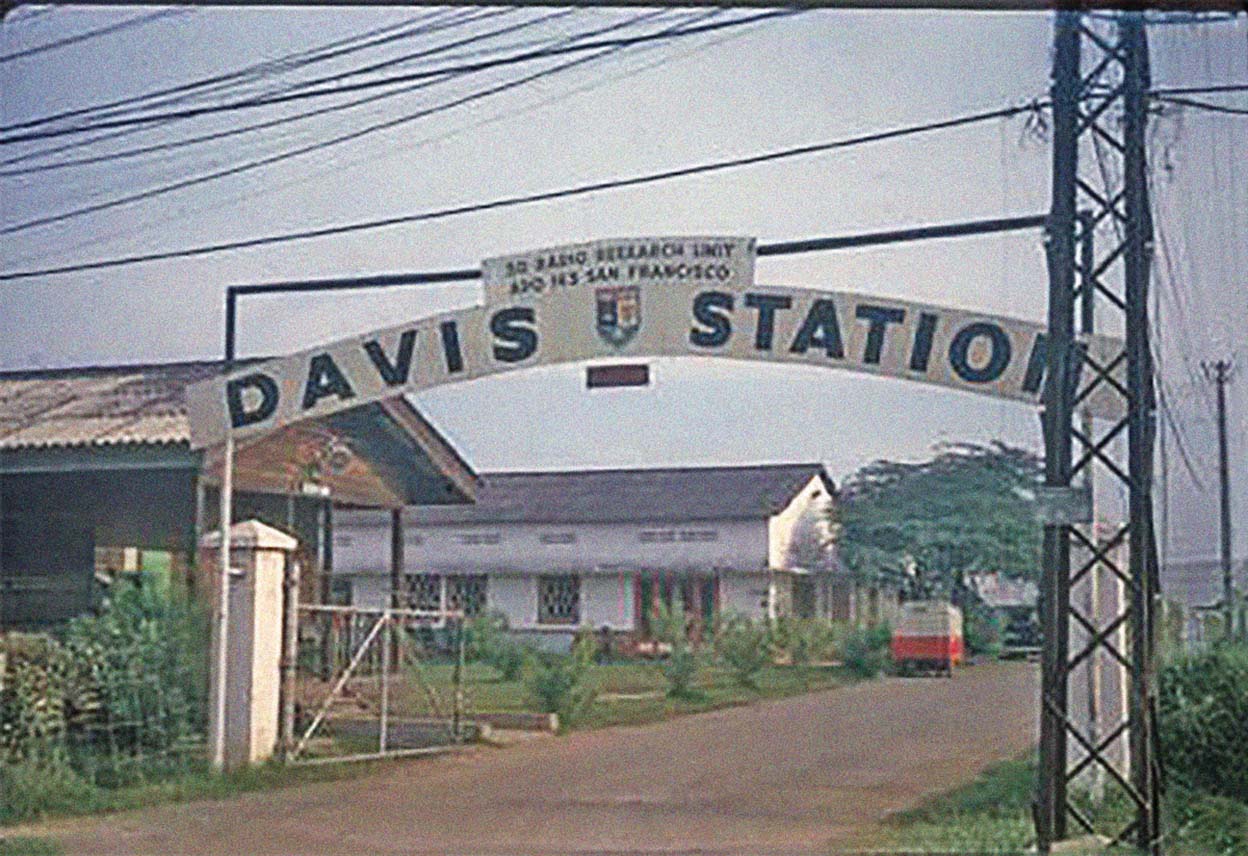
Davis was buried in his hometown at Livingston’s Good Hope Cemetery on Jan. 3, 1962. On Jan. 10, less than three weeks after his death, the Army Security Agency officially named the 3rd Radio Research Unit’s Tan Son Nhut compound “Davis Station.” V
Mark D. Raab served in Vietnam February 1970-March 1972 as a specialist 4 in the 277th Field Artillery Detachment, 23rd Artillery Group, II Field Force. A student of Southeast Asia and the Vietnam War, he has returned to Vietnam four times beginning in January 1989. He retired as a superintendent of Natural Resources in Howard County, Maryland, in 2015. He lives in Reisterstown, Maryland.
I don’t usually share emails, but this one is so good about the types of Americans who legally own guns, and why we need those guns, that I couldn’t resist.
Again, I didn’t write this. I don’t know who did. It’s clearly been making the rounds for a long time:
My old Grandpa said to me, “Son, there comes a time in every man’s life when he stops bustin’ knuckles and starts bustin’ caps and usually it’s when he becomes too old to take a whipping.
I don’t carry a gun to kill people; I carry a gun to keep from being killed.
I don’t carry a gun because I’m evil; I carry a gun because I have lived long enough to see the evil in the World.
I don’t carry a gun because I hate the government; I carry a gun because I understand the limitations of government.
I don’t carry a gun because I’m angry; I carry a gun so that I don’t have to spend the rest of my life hating myself for failing to be prepared.
I don’t carry a gun because I want to shoot someone; I carry a gun because I want to die at a ripe old age in my bed and not on a sidewalk somewhere tomorrow afternoon.
I don’t carry a gun to make me feel like a man; I carry a gun because men know how to take care of themselves and the ones they love.
I don’t carry a gun because I feel inadequate; I carry a gun because unarmed and facing three armed thugs, I am inadequate.
I don’t carry a gun because I love it; I carry a gun because I love life and the people who make it meaningful to me.
Police protection is an oxymoron: Free citizens must protect themselves because police do not protect you from crime; they just investigate the crime after it happens and then call someone in to clean up the mess.
Personally, I carry a gun because I’m too young to die and too old to take a whoopin’!
A LITTLE GUN HISTORY…
PLEASE DON’T THINK FOR A MOMENT, THAT THIS COULDN’T HAPPEN IN OUR COUNTRY ALSO !!!
———————–
In 1929, the Soviet Union established gun control: From 1929 to 1953, about 20 million dissidents, unable to defend themselves, were rounded up and exterminated.
———————–
In 1911, Turkey established gun control: From 1915 to 1917, 1.5 million Armenians, unable to defend themselves, were rounded up and exterminated
———————–
Germany established gun control in 1938: From 1939 to 1945, a total of 13 million Jews and others who were unable to defend themselves were rounded up and exterminated.
———————–
China established gun control in 1935: From 1948 to 1952, 20 million political dissidents, unable to defend themselves, were rounded up and exterminated.
———————–
Guatemala established gun control in 1964: From 1964 to 1981, 100,000 Mayan Indians, unable to defend themselves, were rounded up and exterminated.
———————–
Uganda established gun control in 1970: From 1971 to 1979, 300,000 Christians, unable to defend themselves, were rounded up and exterminated.
———————–
Cambodia established gun control in 1956: From 1975 to 1977, one million educated people, unable to defend themselves, were rounded up and exterminated
———————–
56 million defenseless people were rounded up and exterminated in the 20th Century because of gun control.
———————–
You won’t see this data on the US evening news, or hear politicians disseminating this information.
Guns in the hands of honest citizens save lives and property and, yes, gun control laws adversely affect only the law abiding citizens
With guns, we are ‘citizens’; without them, we are ‘subjects’.
During WW II, the Japanese decided not to invade America because they knew most Americans were ARMED!
Gun owners in the USA are the largest armed forces in the World!
If you value your freedom, please spread this anti-gun control message to all of your friends.
The purpose of fighting is to win. There is no possible victory in defense. The sword is more important than the shield and skill is more important than either.
SWITZERLAND ISSUES A GUN TO EVERY HOUSEHOLD!
SWITZERLAND’S GOVERNMENT ISSUES AND TRAINS EVERY ADULT IN THE USE OF A RIFLE
SWITZERLAND HAS THE LOWEST GUN RELATED CRIME RATE OF ANY CIVILIZED COUNTRY IN THE WORLD!!!
IT’S A NO BRAINER! DON’T LET OUR GOVERNMENT WASTE MILLIONS OF OUR TAX DOLLARS IN AN EFFORT TO MAKE ALL law abiding CITIZENS AN EASY TARGET.
I’m a firm believer in the 2nd Amendment!
If you are too, please forward this. If you’re not a believer, please reconsider based on these true facts.
This is history; not what’s being shown on TV, sanctioned by our illustrious delusional leaders in Washington.