
AmmoLand News partnered with data scientist Wes Scoggin to analyze the public comments on the proposed rule that would redefine who the Bureau of Alcohol, Tobacco, Firearms and Explosives (ATF) considers a “gun dealer.”
The new rule is a backdoor to universal background checks. Anyone who sells a gun and makes a profit could potentially require a federal firearms license (FFL). Also, the ATF could consider anyone selling more than one of a single type of firearm to be a gun dealer. The ATF claims that the Bi-partisan Safer Communities Act (BSCA) gives them the authority to change the rules surrounding dealers.
The BSCA was a bill passed through Congress with the support of Republicans such as John Cornyn and was signed into law by President Joe Biden. It has been the centerpiece of the President’s gun control agenda. Republicans ignored warnings from pro-gun groups that the Democrats would exploit the law.
The comment section of previously proposed ATF rules has been overwhelming pro-gun. This time, support of the proposed rule is lopsided in favor of the ATF change. Currently, over 96% of the comments implore the Government to enact the new rule.
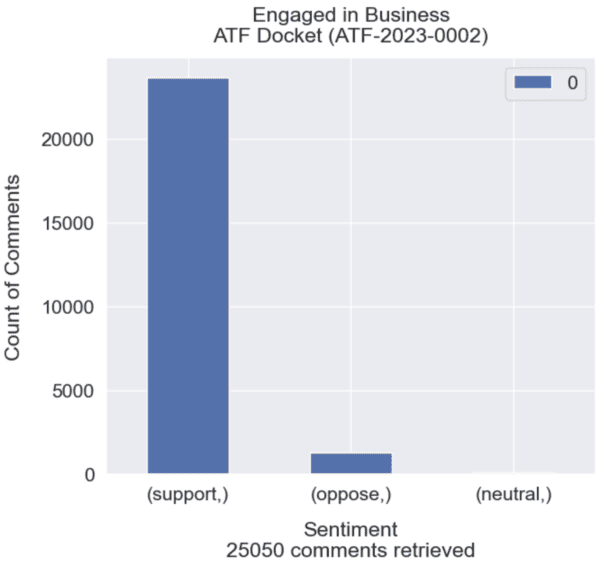
The disparity between the comments for the proposed rule and those against the new rule could be for a few different reasons. One reason could be that gun owners do not believe their comments will make a difference. Although a great majority of public comments on the last two ATF rules opposed the changes, the ATF ignored many of the concerns and enacted new restrictions on the rights of Americans.
Mr. Scoggin and AmmoLand News investigated the comments to see why the statistics are so lopsided in favor of the new rule. The discovery shows that the vast majority of the comments favoring the ATF proposed rule were identical.
We tracked down the text of the comments to an Astroturf campaign by Brady United. Ninety-eight percent of the comments backing the change read:
“I strongly support the proposed rule to ensure that individuals who are ‘engaged in the business’ of selling firearms are licensed, thus requiring them to complete background checks for all firearm sales and maintain records of those transactions, and that dealers who have lost their licenses may no longer sell firearms to the public. A recent study found that more than 1 in 5 gun sales in the U.S. are conducted without a background check, amounting to millions of off-the-books gun transfers annually; many of these transactions are facilitated by individuals who profit from the repetitive sale of firearms yet avoid the necessary oversight required of licensed dealers.
“This is a public health and safety issue, and I urge the Department of Justice and the Bureau of Alcohol, Tobacco, Firearms and Explosives to finalize the rule in order to prevent firearm transfers to prohibited purchasers and ensure that individuals who are selling guns for profit are licensed, regulated, and engage in responsible business practices.”


The anti-gun group launched an email campaign on September 9, which coincides with the bump to the pro-gun control comments.
The email contains a link that allows anyone on its mailing list to submit a comment to the Federal Register by just filling out their name and clicking a single button. Brady runs the campaign through a website plugin called “fastaction.” The whole process takes the user less than 30 seconds to complete.
“It seems that this go-round that the anti-gun organizations are showing up early to flood the comments on the new ATF docket,” Scoggin told AmmoLand. “With their ‘fastaction’ branded one-click comment scheme, it would seem there is an effort to outpace any opposing comments to the rule change.
There seemed to be an emerging trend at the end of last year’s public comment window for the Frame and Brace dockets. We saw a spike in what appeared to be canned responses from these same groups, and that seems to be the case from the very beginning of this docket posting last year in the gun-related docket comment periods that have accelerated from the beginning of the comment window.”
The rule will most likely happen no matter what the final statistics show. The danger of not commenting is that the Biden Administration will exploit the lopsidedness of the comments to argue in court that most Americans support the change. Even though interest balancing is supposed to be a thing of the past after the Bruen decision, judges might still be subconsciously or even consciously persuaded by the statistics.
Not all hope is lost. The comment period is still open, and gun owners can make their voices heard. AmmoLand News strongly encourages its readers to send a message to the ATF and the Biden Administration that the rule should not go into effect. We might not be able to stop the change, but we can take away a talking point from the anti-gun side and prevent the Brady Astroturf campaign from succeeding in cooking the books.
AmmoLand has prepared a comment that readers can submit to the ATF. If you choose to write your own comment, remember to stick to the facts, as they are always on gun owners’ side.
“I strongly oppose the proposed rule that redefines who is “engaged in the business” of selling firearms. The new rule will burden American gun owners by creating a grey area where they can inadvertently break the law.
The new requirement circumvents Congress by creating a de facto universal background check rule. Congress has chosen to leave background check laws for private gun sales to the state governments. This rule will override the authority of the states with overburdensome federal regulations and strip state’s rights.
The regulation will not make us any safer. The vast majority of guns used in crimes are stolen. States that have enacted universal background checks did not see any reduction of crimes committed with firearms. I strongly encourage the government to work on real solutions to solve the epidemic of violent crime and stop using firearms as a scapegoat for failed policies.”
About John Crump
John is a NRA instructor and a constitutional activist. John has written about firearms, interviewed people of all walks of life, and on the Constitution. John lives in Northern Virginia with his wife and sons and can be followed on Twitter at @crumpyss, or at www.crumpy.com.
Categories
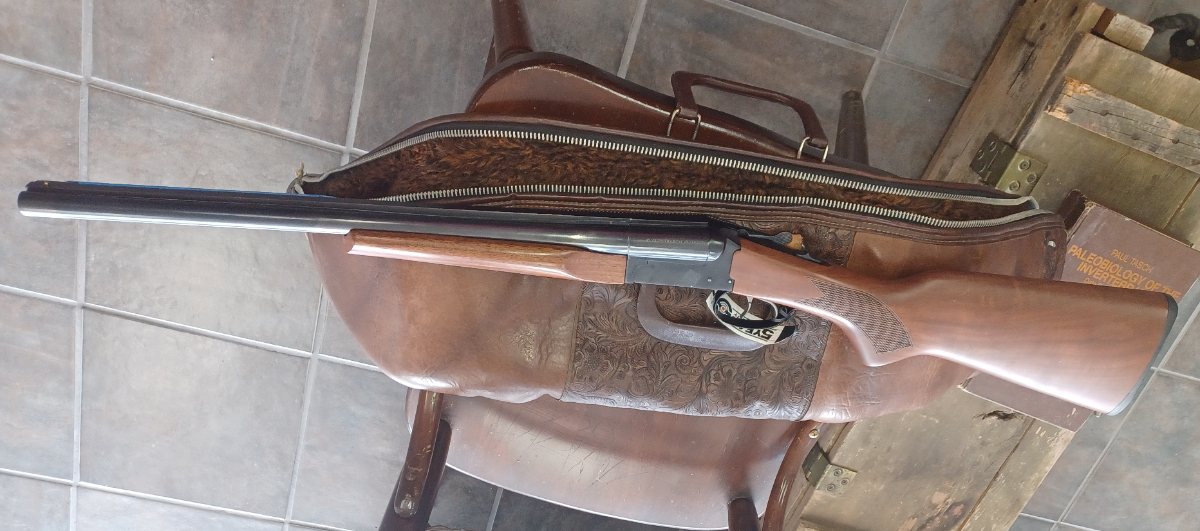
A Stoeger coach gun in 20ga
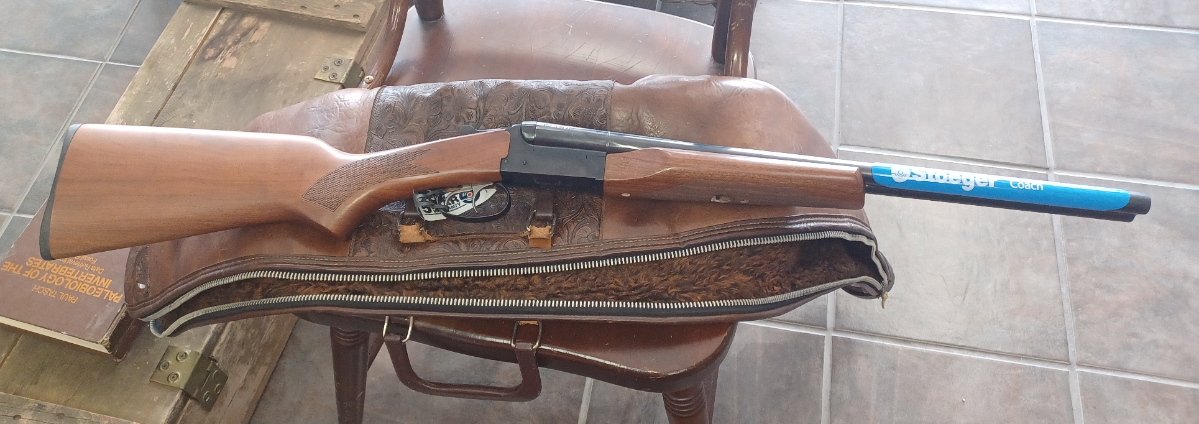
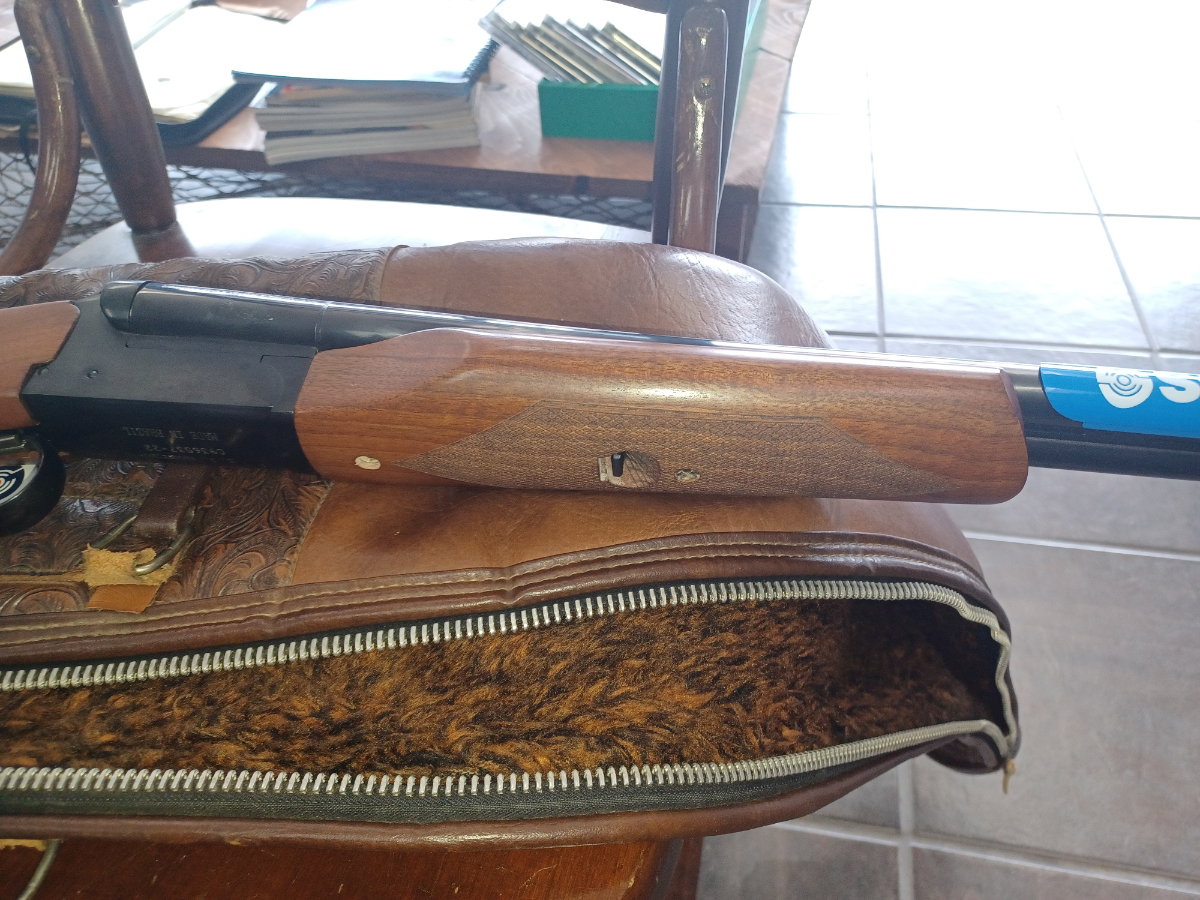
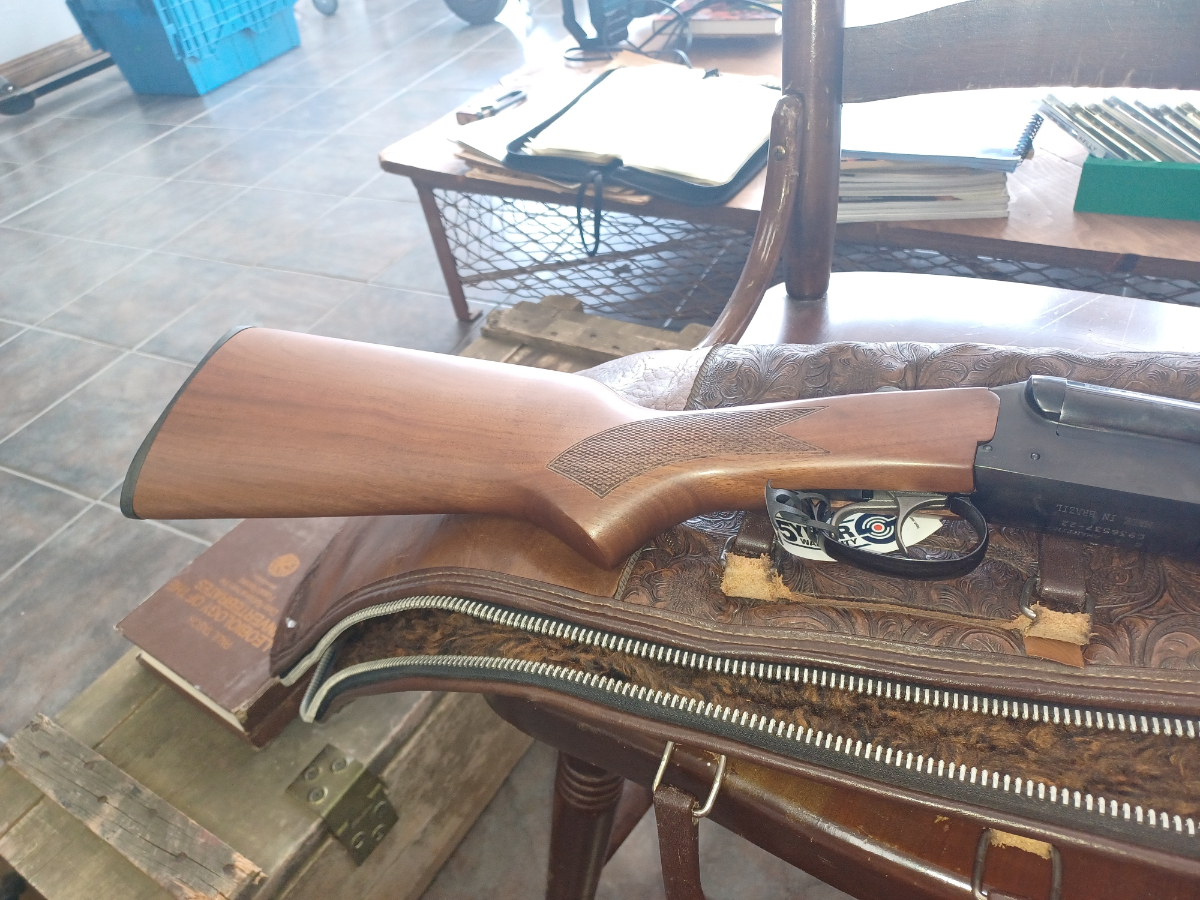
Owning a Winchester 1897 isn’t a cheap or easy venture. Owning a solid, shootable variant of an OG 1897 in the configuration I want just isn’t going to happen. I’ve been waiting on Cimmarron to finish their new Trench Gun variant of the Winchester 1897, but that still seems like it is fairly far out. So when I saw a Norinco 1897 trench gun for sale, I scooped it up about as fast as possible.
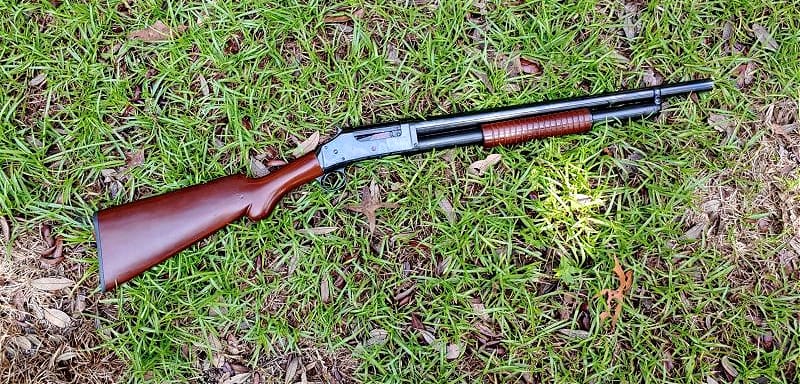
For a long time, those of us searching for a Winchester 1897 in an affordable configuration that’s completely shootable were satisfied by Norinco. However, even those imports have dried up, and companies like I.A.C. and Century Arms have moved away from the classic cowboy guns. While not as rare as an OG Winchester, the Norinco 97 shotguns can be fairly hard to get.
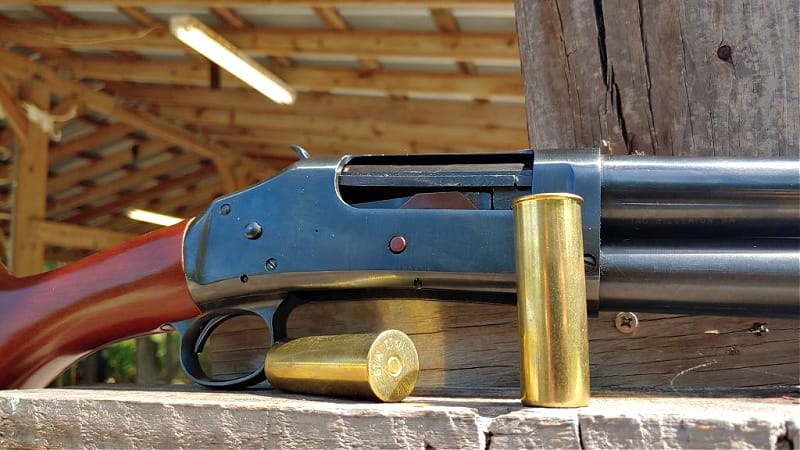
I bought one out of desperation, not knowing if they were worth a damn. The internet was still fairly divided over the guns, with some working fine and others falling apart. It seemed tough to determine if these lower-priced alternatives were even worth their modest sums. With one at hand and an internet connection, I decided to get to the root of the Norinco 97.
The Deep Lore of the Norinco 1897 Trench Gun
Norinco 97s have been imported into the states on and off for decades now. It seems like a batch comes from across the ocean every few years, and that’s it. In my research into the Norinco 97, I found that Canada seems to get regular shipments, which makes sense since Canada still gets general Norinco imports.
The United States and Chinese arms manufacturers, however, don’t have a great relationship. George Bush the First made a temporary ban on imported semi-auto rifles with certain features permanent in the late 1980s. These so-called assault weapons featured the typical gun grabber wish list of cosmetic and functional features. The typical folding stocks, threaded barrels, standard cap magazines, and more were banned.
China-made neutered rifles, like the MAK-90, saw their way into the United States with all the offending features removed. Kind of. You see, the Chinese didn’t always remove the offending parts. This led Clinton to the ’94 Norinco ban which banned most rifles and pistols but allowed some ‘sporting’ weapons through, especially in the shotgun department.
When it comes to batches of Norinco 97 shotguns, the different batches are attached to different importers, and the importer can determine the quality. The most highly sought are the imports from I.A.C. In researching this article, I kept running across a story that I.A.C. sent a Winchester expert to Norinco to perfect the design.
The So-Called Expert
I can’t confirm or even find the name of the supposed expert, but in every conversation regarding the various Chinese Norinco 97s, the I.A.C. models are routinely brought forth as the best. I got fairly lucky with my Norinco 1897 trench gun in the fact that it’s an I.A.C. model.
I.A.C. imported various Norinco 97 configurations, including the trench gun variant with heat shield, a bayonet, a sporting variant with a 26-inch barrel, and even chrome variants for SASS style shooters.
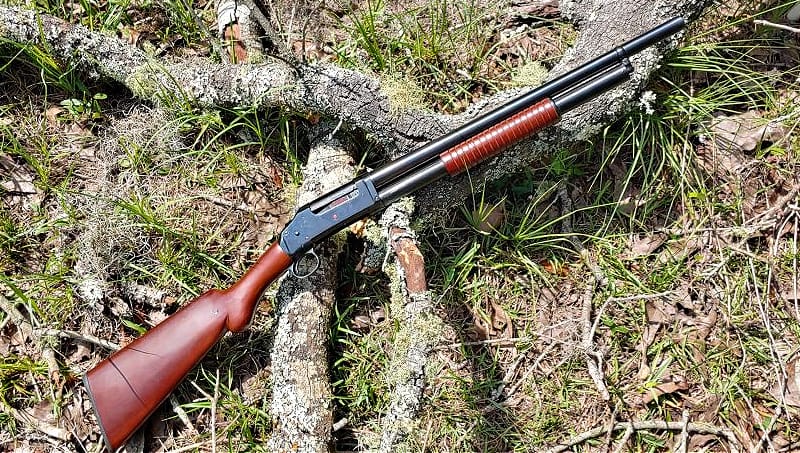
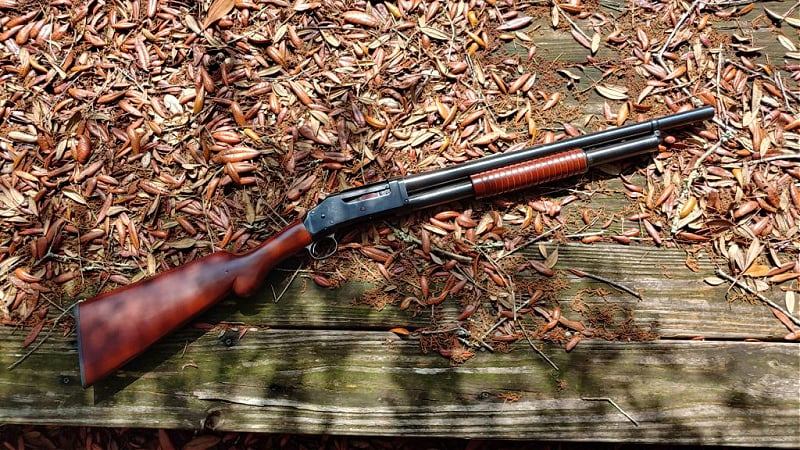
The one we see here is the ‘Riot” configuration. The Riot variant seems to be the most commonly imported, and that’s likely due to the fact that the most demand comes from SASS shooters in the Wild Bunch category.
Now that I have a Norinco 97 from I.A.C. I planned to figure out if these claims were true.
A Rundown of the Norinco 1897 Trench Gun
If you’ve never seen a Winchester 1897, the M1897, or the classic stereotypical WW1 trench gun, this portion of the article is for you. We are going to break down the basics of the Norinco 1897 trench gun and largely describe the Winchester M1897 as well.
What makes the Winchester 1897 and, therefore, the Norinco 97 so unique was the rather novel design the firearm used. First, it’s one of the very few pump-action shotguns to feature an exposed hammer, not the only one but it is the most famous.
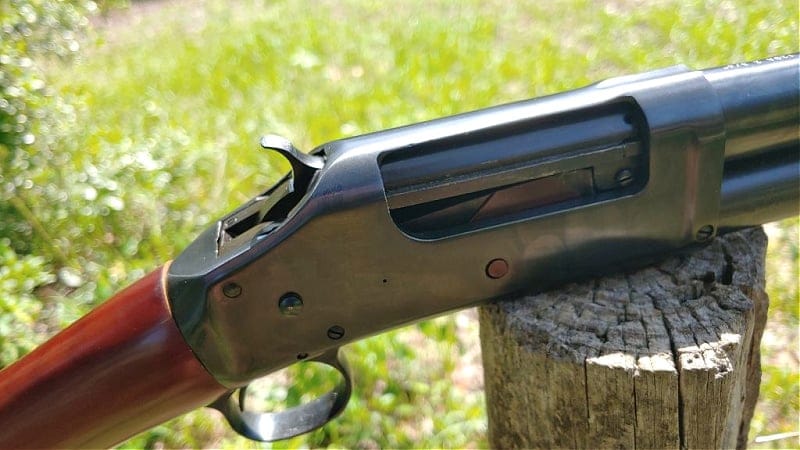
It feeds from a five-round tubular magazine and was only made for 2.75-inch shells. Those big 3-inch magnums weren’t around at the time. The shotgun ejects out the right side of the gun and feeds from a port on the bottom of the gun and in front of the trigger.
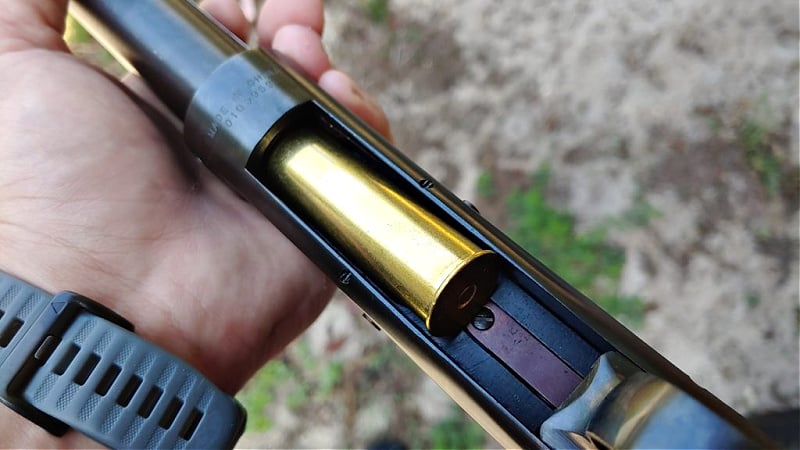
This riot variant uses a 20-inch barrel that’s fairly light and thin. A simple gold bead sits at the tip of the barrel for sighting purposes.
The Winchester 1897 wasn’t the first pump-action but was the first successful design. Browning designed it before there was a standard for pump-action guns. This gives it a unique design that plants it half in the world of the wild west and half in the modern world.
Rock, Roll, and Load
I loaded the Norinco 97 with great anticipation. I’ve wanted an 1897-style shotgun to use and abuse for years and finally had one. So I started with a few rounds of Wally World cheap birdshot and let loose. The action is surprisingly smooth, and it’s on par with Mossberg 500 shotguns with a little slop and a little grit as it glides rearward.
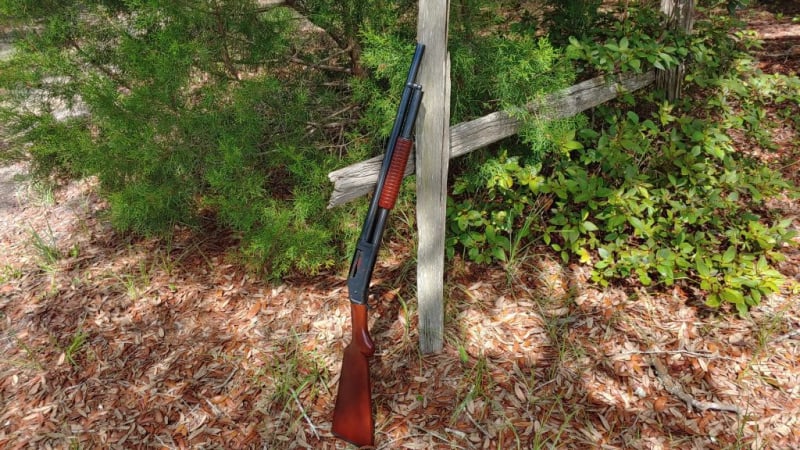
The bead sight at the end of the gun is good enough but far from fancy. Nevertheless, it works fine at standard shotgun ranges, and out to 25 yards, you’ll have no problems putting buckshot where you want it. Speaking of buckshot, after a hundred problem-free rounds of birdshot, I grabbed a couple of boxes of buckshot and took it for a spin.
With the bead mounted directly to the barrel, I expected the gun to appear to shoot high. That’s a common issue with these sight setups, but I was wrong. Point of aim and point of impact wasn’t an issue.
Admittedly the old-school design makes it fairly tough to use modern recoil mitigation techniques to tame the gun. The hard plastic butt plate doesn’t do much to help reduce recoil. The pump is of the corncob variety so that you can hold onto it, but getting a good push-pull is tough, and your hands tend to slip and slide all over the gun.
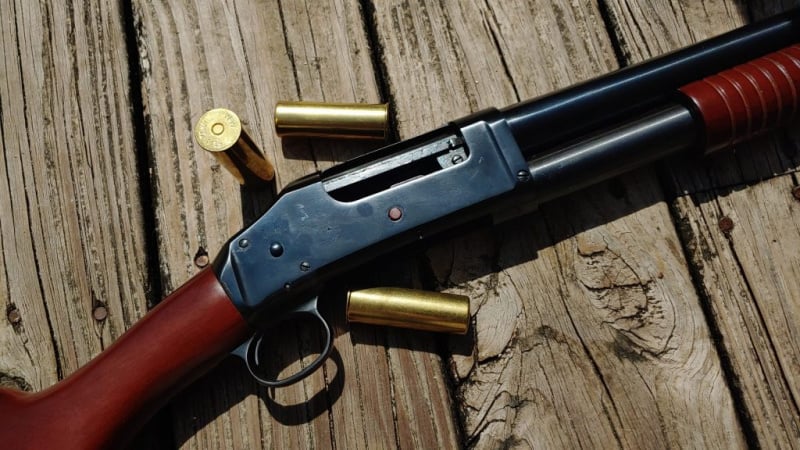
You take a good thump from the Norinco 1897 trench gun, but it’s not exceptionally bad. Moving from buckshot to slugs proved to be a little tricky. The tiny bead sight-mounted low made longer-range accuracy tough. I can ring a 10-inch gong at fifty yards, but man, I’m hitting all over that ten inches.
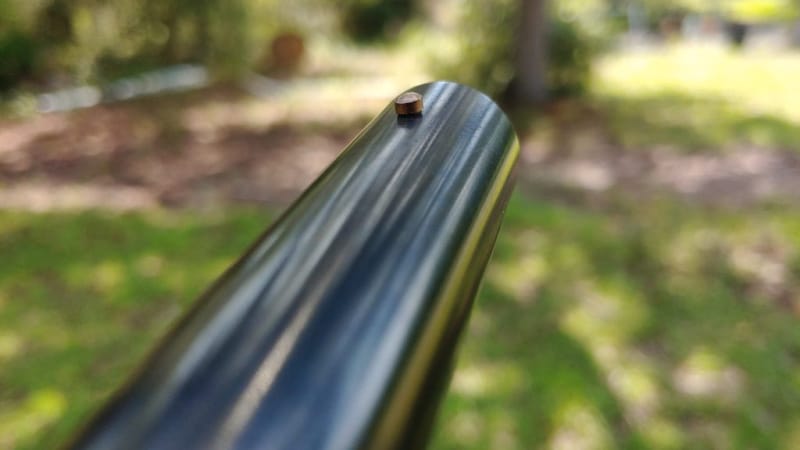
One thing to watch out for as you rack that action is the bolt carrier coming out the rear and cocking your hammer. If your hand is too close, you’ll pop yourself with it and lose some skin when you start shooting fast.
Does it slamfire?
I’m no expert in machining or Winchester 1897s, but I don’t think you can design an 1897 clone with a working hammer that can’t slam fire. Yes, the Norinco 97 slam fires, but that doesn’t make it somehow more efficient. If you want to somewhat quickly empty your gun and miss most shots, then slam fire is for you.
People talk a lot about why slam fire is great and why it made the Winchester 1897 such a mighty trench broom. In reality, slam fire isn’t faster if you actually plan to hit your target. It is fun, though.
So Are Norinco 1897 Trench Guns Good to Go?
After 200 rounds of birdshot, 100 rounds of buckshot, and 25 slugs, I can say the gun runs. I had one failure to eject. The rim was stuck into the extractor and required a little maneuvering to loosen up. The finish remains solid, everything clicks and pops easily enough, and nothing has come loose or deformed.
I can’t say that all Norinco 97s are good guns, but the reputation of the I.A.C. guns remains strong. The gun works, and I’m very thankful to finally have one of these replicas of a classic. If anyone ever imports more on the cheap, I plan to make a No Country for Old Men clone. But until then, I’ll stick to what I have.
Biden to Launch Federal Office for “Gun Violence Prevention” by
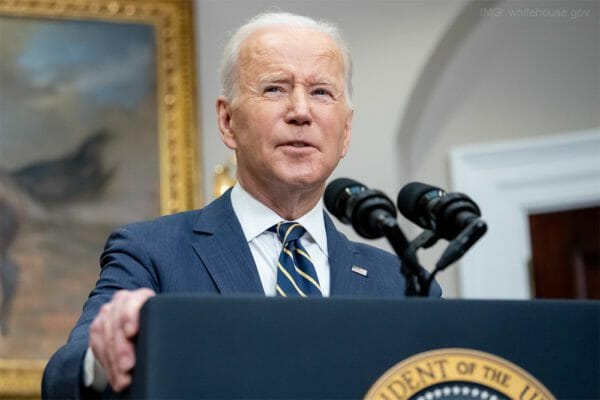
Anti-gun Democrat President Joe Biden will reportedly announce this Friday the creation of what Fox News is calling “of the first-ever federal office of gun violence prevention,” ironically on the same day the 2023 Gun Rights Policy Conference opens in Phoenix, Arizona.
The Hill reports that the new White House office will have the formal name “Office of Gun Violence Prevention.” We have yet to see whether it actually prevents so-called “gun violence” or merely pushes more restrictive gun control schemes.
Co-sponsored by the Second Amendment Foundation and Citizens Committee for the Right to Keep and Bear Arms, the 38th annual GRPC will convene at the Marriott Phoenix Airport Hotel, and this year’s theme is “Road to Liberty.”
But Second Amendment activists see Biden wanting to travel down a different road, one headed into a mire of gun bans, so-called “expanded background checks,” licensing and training mandates, and other machinations that would ultimately lead to gutting the Second Amendment and turning the right to keep and bear arms into a government-regulated privilege.
As noted by Politico, “The new office will present an opportunity for the president to point to his action on gun safety at a time when Congress is unlikely to pass additional legislation, potentially increasing enthusiasm among key voting blocs, including young people.”
Translation: It’s a campaign gimmick, as well as an ominous indication of a ramped-up war on gun rights.
Press reports say the effort is being led by White House Staff Secretary Stefanie Feldman, described as “a longtime Biden aide with expertise on firearms issues.” Additionally, the Washington Post reports that gun control proponents, such as Greg Jackson, executive director of the Community Justice Action Fund, and Rob Wilcox, senior director for federal government affairs at Everytown for Gun Safety, will participate.
But will this new Biden administration office actually produce any reduction in violent crime involving firearms? Buried in the Politico report is one possible answer. Recalling last year’s passage and signing of Biden’s “Bipartisan Safer Communities Act,” which strengthened background checks and “helped states implement red flag laws,” Political noted the bad news from the Gun Violence Archive: “Nevertheless, there have been 504 mass shootings in which four or more people were injured or killed during 2023 alone.”
Just how far anti-gun-rights Democrats want to push their agenda was best illustrated earlier this month when New Mexico Gov. Michelle Lujan Grisham declared a “public health emergency” in Albuquerque and surrounding Bernalillo County and decreed a 30-day ban on the open or concealed carry of firearms. It took a half-dozen federal lawsuits and criticism from members of her own party, plus the granting of a temporary restraining order by a judge to force the governor to pull back, but only a little bit.
Biden rode into the White House with a political agenda that included major gun restrictions. He has shown no sign of moderation, and many view the creation of this new office as a way to get around Congressional reluctance to adopt new measures.
Fox News is reporting that Congressman Michael Cloud (R-TX) has re-introduced legislation to “prohibit the president and the Department of Health and Human Services (HHS) from declaring public health emergencies to enforce gun control measures.” It appears to be in reaction to Lujan Grisham’s effort.
“That is unacceptable, and it is Congress’ duty to prevent it,” Cloud reportedly said, according to the Fox report. “The Biden administration, Gov. Grisham, and others have exercised extraordinary executive power to push their liberal agenda and expand the power of the government. My bill would push back against any infringement on the Second Amendment and prevent the federal government from gaming the system to implement sweeping gun control regulations.”
Participants will likely discuss all of this during this weekend’s Gun Rights Conference. There will be several leading Second Amendment advocates at the event, which will see panel discussions on significant gun rights issues. The conference typically attracts hundreds of grassroots activists from across the country.
The list of speakers includes SAF President Masad Ayoob, National Review’s John Fund, SAF Executive Director Adam Kraut, Nationally-syndicated radio personalities Tom Gresham and Mark Walters, Ammoland founder and editor Fredy Riehl, plus John Lott, author and founder of the Crime Prevention Research Center, several attorneys who focus on Second Amendment litigation, and Robert Cottrol, author and law professor at George Washington University.
While some might view the timing of Biden’s announcement as likely to throw water on the conference, quite the opposite outcome is likely. Perhaps another gun control announcement by a president who devoted much of his Capitol Hill career to championing every restrictive gun control measure would energize the conference attendees more than anything else.
About Dave Workman
Dave Workman is a senior editor at TheGunMag.com and Liberty Park Press, author of multiple books on the Right to Keep & Bear Arms, and formerly an NRA-certified firearms instructor.




Categories
Have a nice Fall! Grumpy NSFW


Categories