Categories
All About Guns Gun Fearing Wussies

Johns Hopkins: More Gun Control Needed to Prevent Second Civil War by Lee Williams

Johns Hopkins: More Gun Control Needed to Prevent Second Civil War, iStock-1267413669

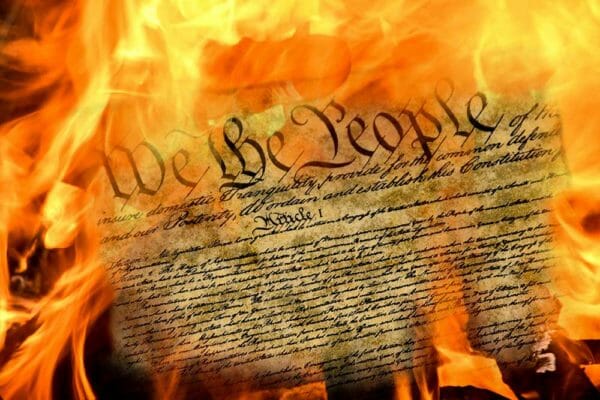
A recent report by the Center for Gun Violence Solutions, which is part of Johns Hopkins (Michael) Bloomberg School of Public Health, conflates private gun ownership with armed insurrection in order to advocate for expanded gun control.

The 32-page study, which is titled “Defending Democracy: Addressing the Danger of Armed Insurrection,” not only revisits and revises the Jan. 6th protest – even though no protesters were armed and the only casualty was 35-year-old Air Force veteran Ashli Babbitt, who was shot and killed by Capitol Police – it resurrects actual armed insurrections from American history, such as Shays’ Rebellion of 1786, the Whiskey Rebellion of 1791 and the American Civil War.

Their authors’ warped message is to be expected, especially when you consider the biased nature of their backgrounds, their sponsors, their sources, and Michael Bloomberg’s school itself. (If you type “gun violence” into the school’s internal search engine, it will yield more than 1,000 results.)

The Center for Gun Violence Solutions admits it uses a “public health approach” to identify gun-control solutions, even though a gun is an inanimate object, not a disease, ailment or disorder. The school further claims it uses “rigorous scientific research to identify a range of innovative solutions to gun violence.” However, the authors’ rigorous scientific research turned out to be nothing more than false claims gleaned from biased stories from the legacy media and other anti-gun organizations that masquerade as actual news websites.

The authors used stories from CNN, ABC News, CBS News, NBC News, PBS, NPR, VOX, The Los Angeles Times, The Atlantic, The Guardian, The Washington Post, USA Today, the Associated Press, PolitiFact, Politico, Slate and the Southern Poverty Law Center. They even used stories from two dedicated anti-gun groups, Giffords and The Trace – the propaganda arm of former New York City mayor Michael Bloomberg’s gun-control empire.

Biased authors

The report was written by Tim Carey, Kelly Roskam, and Joshua Horwitz. Carey is the law and policy advisor at Johns Hopkins Bloomberg School of Public Health. According to his bio, he is responsible for “Drafting legislation, regulations, legal reports, legislative testimony, fact sheets, and other advocacy materials.” Before moving to Johns Hopkins, Carey was the law and policy staff attorney for the Educational Fund to Stop Gun Violence and the Coalition to Stop Gun Violence.

Roskam is the director of law and policy at Johns Hopkins Center for Gun Violence Solutions. Prior to joining Johns Hopkins, she was the general counsel and legal director for the Educational Fund to Stop Gun Violence and the Coalition to Stop Gun Violence. Roskam’s bio also states she interned at the Brady Center to Prevent Gun Violence.

Horwitz is the co-director of the Johns Hopkins Center for Gun Violence Solutions. Before joining Johns Hopkins, he too worked at the Educational Fund to Stop Gun Violence and the Coalition to Stop Gun Violence, serving as executive director.

Biased report

The authors claim their report is both an examination and a warning about the threat that “armed insurrectionism poses to democracy in the United States.”

“The growing presence of firearms in political spaces in the United States endangers public health, safety, and the functioning of democracy,” the report states. “Far from being an outlier, the January 6th insurrection at the United States Capitol was part of a long line of events in which individuals have sought to use political losses to justify violence or threats of violence to disrupt our government and limit civic engagement.”

As stated, the policy recommendations presented by the authors are merely longstanding goals of the gun-ban industry, which would help propel them toward their ultimate goal of total civilian disarmament. The only difference is that now their policy recommendations are presented as necessary to “address the dangers of armed insurrectionism.”

Biased sponsors

“We would like to thank the Joyce Foundation and the Morningstar Foundation for supplying core support for this report,” the authors wrote.

The Joyce Foundation is firmly committed to gun control. According to their website, the Joyce Foundation seeks to:

  • Advance and implement federal, state, and local policies and practices that reduce easy accessibility of guns to those at risk of violence
  • Support policies to reduce easy accessibility of guns to those at risk of violence
  • Reduce the next generation’s exposure to gun violence through education on the risks of gun ownership
  • Litigate to defend evidence-based gun policies and challenge extreme gun rights policies and practices

The Morningstar Foundation is a 501(c)(3) nonprofit founded in 1982. In fiscal year 2017, the Morningstar Foundation reported $16,533,591 in revenue and $14,476,618 in expenditures, which included grants to many left-of-center organizations.

Some of the recipients include:

  • Educational Fund to Stop Gun Violence
  • The Southern Poverty Law Center
  • States United to Prevent Gun Violence
  • Violence Policy Center

In 2001, Johns Hopkins University renamed its School of Hygiene and Public Health to the Bloomberg School of Public Health. The change came after Michael Bloomberg donated more than $100 million to the university – the largest cash gift in the school’s 125-year history.

“I’m grateful and proud to have my name linked with the world’s greatest public health school,” Bloomberg said in 2001. “I’ve always supported Johns Hopkins just because it gives me great personal pleasure to be associated with faculty, researchers. and students who do such tremendous work on issues that really matter. This honor is really icing on that cake for me.”

This story is presented by the Second Amendment Foundation’s Investigative Journalism Project and wouldn’t be possible without you. Please click here to make a tax-deductible donation to support more pro-gun stories like this.


About Lee Williams

Lee Williams, who is also known as “The Gun Writer,” is the chief editor of the Second Amendment Foundation’s Investigative Journalism Project. Until recently, he was also an editor for a daily newspaper in Florida. Before becoming an editor, Lee was an investigative reporter at newspapers in three states and a U.S. Territory. Before becoming a journalist, he worked as a police officer. Before becoming a cop, Lee served in the Army. He’s earned more than a dozen national journalism awards as a reporter, and three medals of valor as a cop. Lee is an avid tactical shooter.
Lee Williams

Categories
You have to be kidding, right!?!

Who would of guessed that Lurch was a pretty good dancer !?!

Categories
All About Guns

1908 Japanese Hino Komura Pistol

Categories
Well I thought it was funny!

I need to get one of these soon

Categories
You have to be kidding, right!?!

Maybe for you perhaps

Categories
All About Guns

HK G3

Categories
All About Guns

S&W 327 2 Inch 8 Shot 357 Magnum Snub Nose Revolver Full Review: Concealed Carry With Style

Categories
All About Guns Ammo

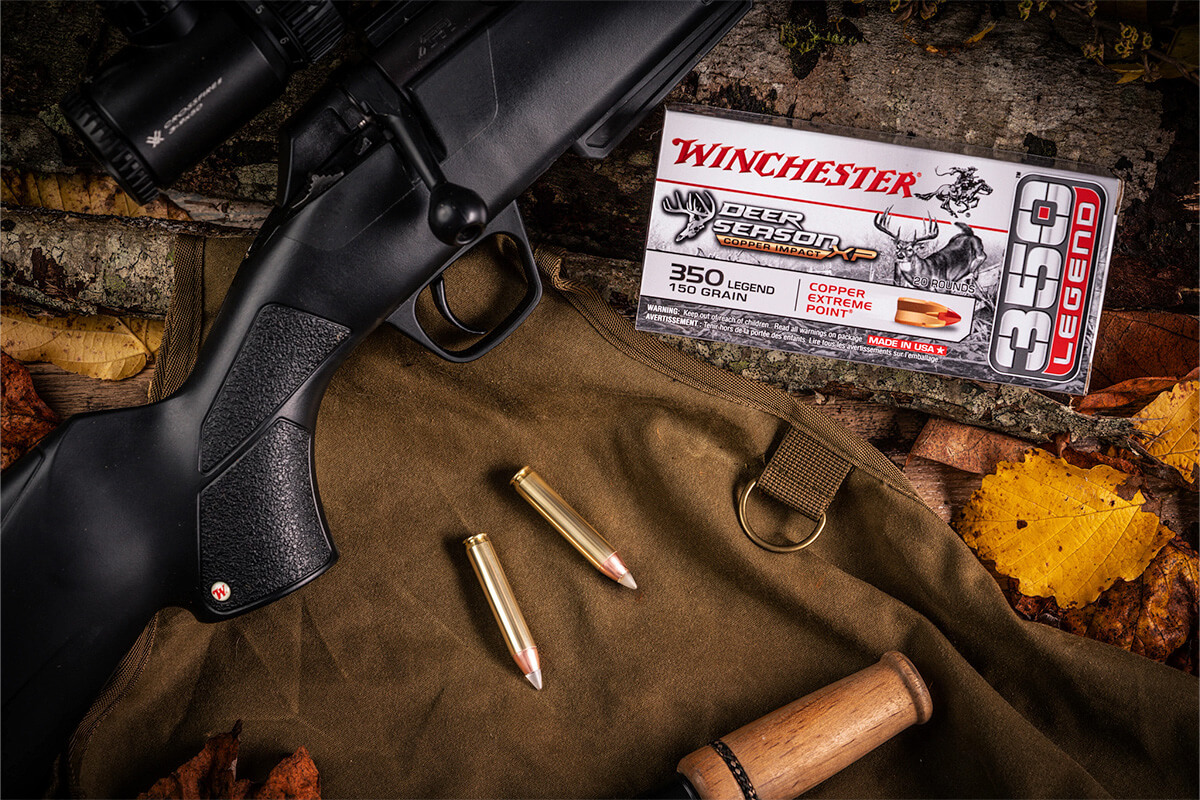
11 Top Hunting Rifles Chambered in .350 Legend By Payton Miller

Hunters are seeing an explosion of rifle models chambered in .350 Legend now that more states have lifted bans on centerfire deer hunting. Here’s a sampling of offerings from most to least expensive.

Several states that had previously not allowed centerfire rifles for deer now permit straight-wall cartridges. Thus, the .350 Legend, introduced in 2019, now has a serious foothold in market—and the rifle models to prove it. It’s tailor-made for light, handy and relatively inexpensive bolt actions, yet is comparatively kind recoil-wise—at least in contrast to the straight-wall rounds such as the .45-70, .444 Marlin, .450 Bushmaster and .458 SOCOM. A typical factory loading—featuring 160- to 180-grain bullets at 2,100 to 2,300 fps—provides plenty of steam for whitetail out to 250 yards.

It’s caught on quickly after three years on the market, and a burgeoning number of rifles chambered to it attest to the fact that several mainstream companies are convinced enough to believe the .350 Legend has the legs to justify chambering so many models for it in such a relatively short time. Here’s a sampling of what’s out there, presented from least expensive to most expensive.

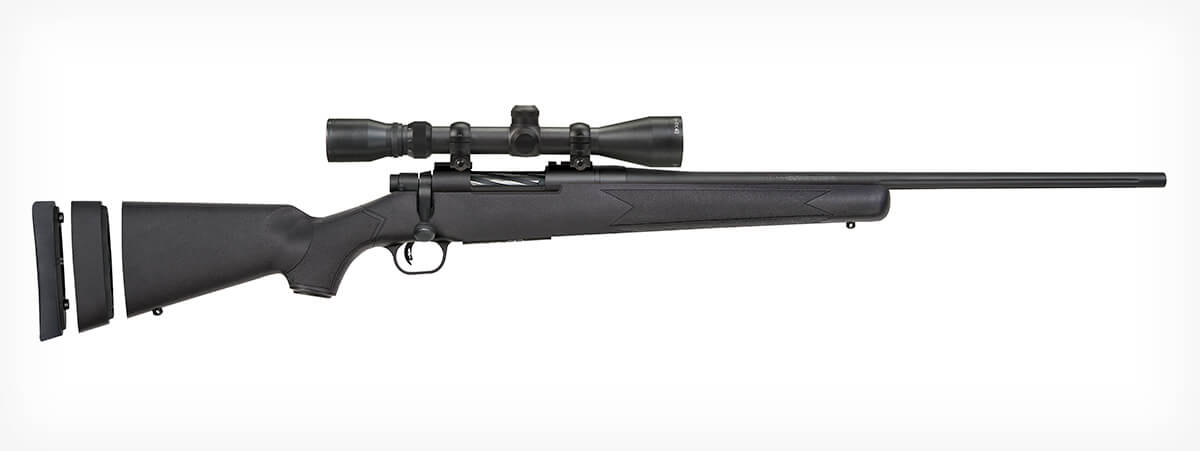
1. Mossberg Super Bantam Scoped Combo

11 Top Hunting Rifles Chambered in .350 Legend

Mossberg’s Patriot Youth Super Bantam scoped combo has a removable spacer in the black synthetic stock so you can change length of pull as the youngster grows.

The .350 Legend is a great choice for young hunters because of its low recoil, and Mossberg’s entry-level package gun has a removable spacer in the black synthetic stock so you can change length of pull as the youngster grows. Plus it comes with a 3-9×40 variable scope mounted in Weaver bases, so you don’t have to go hunting for an optic. The Bantam model sports the same 22-inch fluted barrel and spiral-fluted bolt as the standard model, and it also incorporates the excellent Lightning Bolt Action trigger that’s user-adjustable from two to seven pounds. It feeds from a four-round detachable box magazine. $483, Mossberg.com


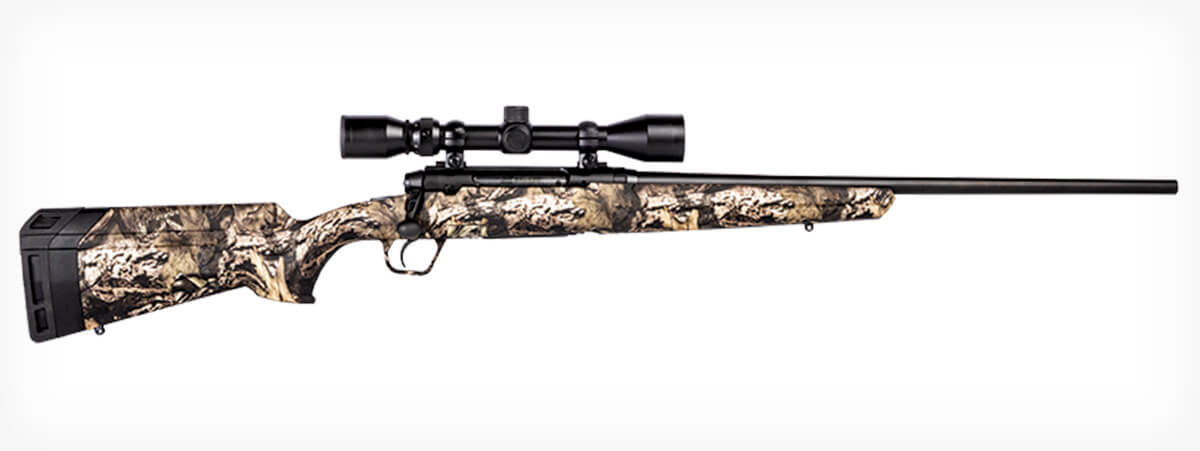
2. Savage Axis XP Camo

11 Top Hunting Rifles Chambered in .350 Legend
The Savage Axis XP comes with a factory-mounted and bore-sighted Weaver 3-9x40mm scope.

The Axis XP is a .350 Legend that won’t break the bank—a great deal since it comes with a factory-mounted and bore-sighted Weaver 3-9x40mm scope. The 22-inch button-rifled barrel is finished in matte blue, and the stock features a good-looking camo pattern. The rifle feeds from a four-round detachable box magazine. Weight is 6.9 pounds. $509, SavageArms.com


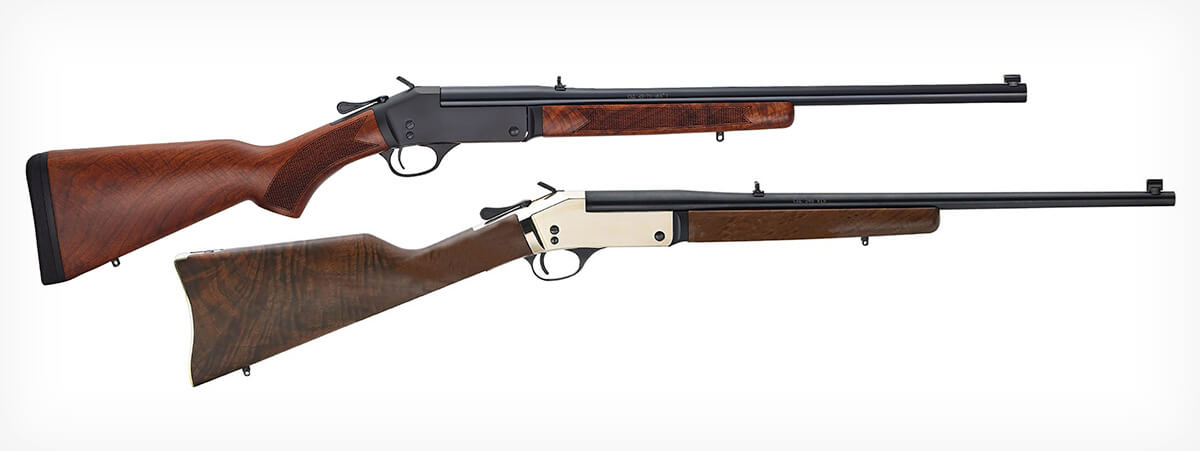
3. Henry H015

11 Top Hunting Rifles Chambered in .350 Legend

Available with a matte steel or highly polished brass frame, this simple yet elegant platform for the .350 Legend features a fully adjustable folding leaf rear sight and brass bead front and are drilled and tapped for scope mounts. The matte steel model features a pistol grip walnut stock and rubber recoil pad. The brass model features a straight wrist. The barrel length is 22 inches. The H015 features an external hammer spur, a non-ejecting case extractor, and a locking lever that can be pivoted right or left to break open the action. $552, HenryUSA.com


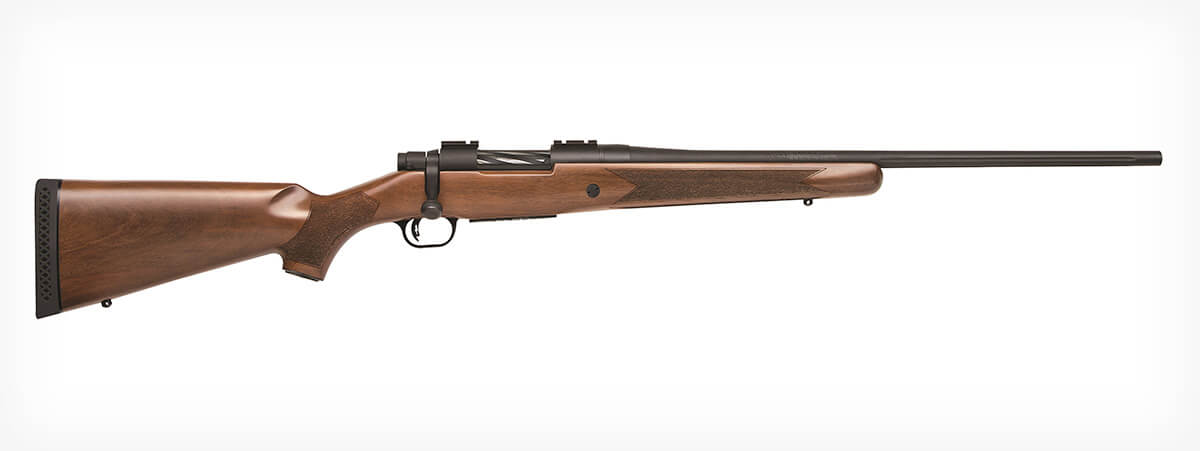
4. Mossberg Patriot Walnut

11 Top Hunting Rifles Chambered in .350 Legend
The Mossberg Patriot Walnut is a full size, classic-style sporter with button-rifled and free-floated 22-inch barrel and LBA trigger.

This full-size, classic-style sporter is now chambered in .350 Legend. It’s a good-looking rifle, with walnut stock and a fluted 22-inch barrel as well as a spiral fluted bolt. But it’s not just looks. The barrel is button-rifled and free-floated with a recessed crown, and the company’s Lightning Bolt Action trigger is fantastic, user adjustable from 2 to 7 pounds. The rifle feeds from a four-round detachable box magazine, and Weaver-style bases come with the gun. Weight is seven pounds. $559, Mossberg.com


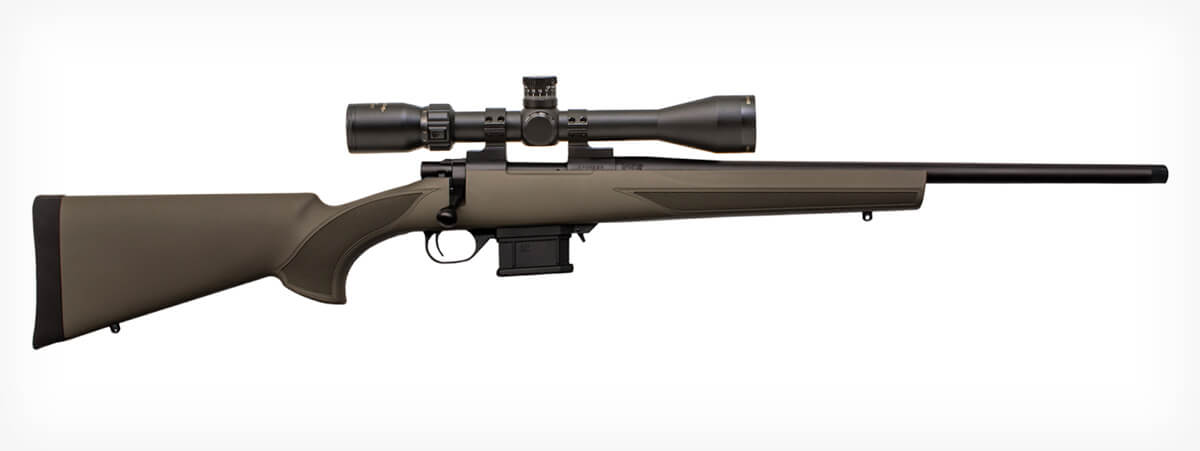
5. Howa Mini Action

11 Top Hunting Rifles Chambered in .350 Legend
Howa’s Mini Action has a 12 percent shorter action than standard short action and has a cold-hammer-forged 16.25-inch threaded barrel and pillar-bedded stock.

The Mini Action, which is imported from Japan by Legacy Sports, has an action that’s 12 percent shorter than the company’s standard short action. It has cold-hammer-forged 16.25-inch threaded barrel and a synthetic pillar-bedded stock in black, OD green or Kryptek Highlander camo. Overall length is 35.75 inches, and weight is 5.8 pounds. Available with or without a Nikko Stirling scope. starting at $559, HowaUSA.com


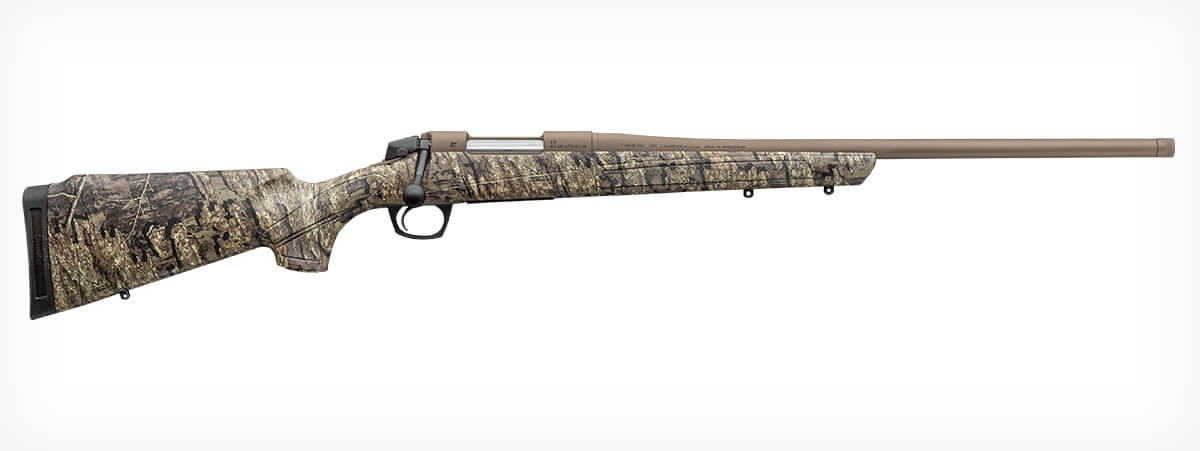
6. CVA Cascade

11 Top Hunting Rifles Chambered in .350 Legend
The CVA Cascade has a 22-inch barrel that’s threaded 5/8×24. The bolt has a 70-degree throw.

Long associated with single-shot rifles and muzzleloaders, CVA has introduced its first bolt-action centerfire—and in.350 Legend no less. It features a 22-inch barrel in matte blue or flat dark earth Cerakote, and it’s threaded 5/8×24. The bolt has a 70-degree throw, and the rifle has a two-position safety. The Veil Wideland synthetic stock has a Soft Touch finish and is adjustable for length of pull. Those who like shooting with bipods will appreciate the dual front swivel studs. The Cascade is compatible with Savage 110 scope bases, and two-piece Weaver bases ship with the rifle. The rifle feeds from a flush-fit detachable magazine. $658, CVA.com


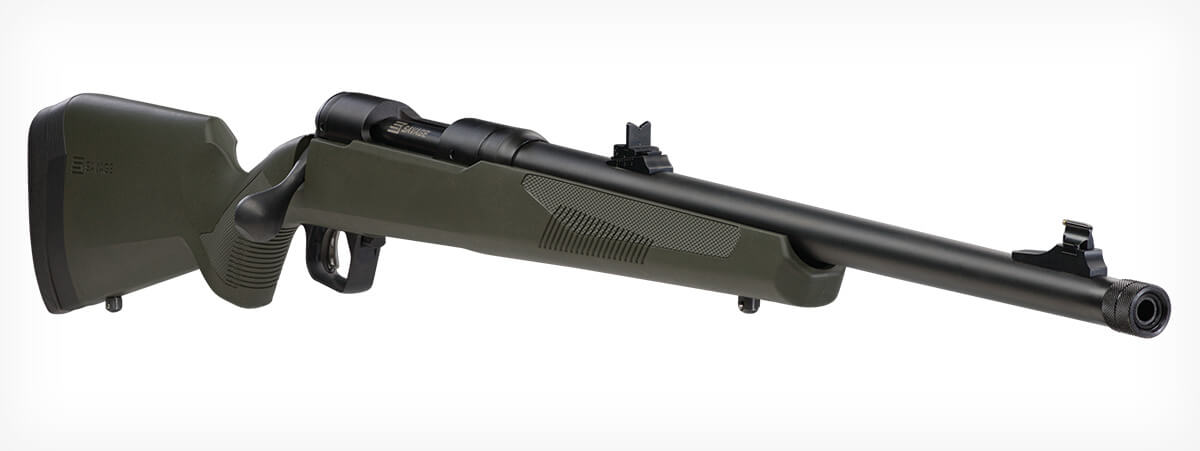
7. Savage 110 Hog Hunter

11 Top Hunting Rifles Chambered in .350 Legend
The Savage 110 Hog Hunter’s stock is adjustable, and the 18-inch medium-contour barrel is threaded and features iron sights.

Built on the famed 110 action, the Hog Hunter allows you to adjust length of pull to fit the shooter, and it comes standard with Savage’s excellent AccuTrigger. The short 18-inch medium-contour barrel is threaded for a suppressor and comes with a thread cap. Unlike other bolt actions in this list, the Hog Hunter comes with iron sights, and of course it’s drilled and tapped for a scope as well. The oversize bolt handle is built for fast follow-up shots, and the stock is a handsome OD green synthetic. The rifle feeds from a four-round detachable box magazine. Weight is right at 7 pounds. $669, SavageArms.com

Categories
All About Guns

Nice !!

Categories
Allies Soldiering War

The Battle of Rorke’s Drift by Regina Jeffers

On 22 January 1879, one of the world’s most remarkable military engagements took place. It was a short, but intense, battle in what is known as the Anglo- Zulu Wars. For two days, some 150 British soldiers defended Rorke’s Drift mission station from an estimated 4,000 Zulu warriors.

The British Empire wished to annex the Zulu Kingdom in South Africa. The entire war lasted only five months. The Zulus decisively won the first of the engagements at the Battle of Isandlwana, but the British knew the final victory. The Battle of Rorke’s Drift occurred some two weeks into the war. 150 British and colonial soldiers spent two days defending their garrison against 4,000 Zulu warriors.

Britain was intent on expanding its territory and influence in South Africa in the 1870s and had declared war on the Kingdom of Zululand. Rorke’s Drift was a mission station — named for James Rorke, an Irish merchant who once ran a trading post there, near the border between the British colony of Natal and the Zulu Kingdom. At the beginning of the war, the British had set up camp there, transforming two bungalows on the site into a supply depot and hospital. When the British troops departed to engage the Zulus in the Battle of Isandlwana, “B” Company was left behind to guard the garrison. Lieutenant Gonville Bromhead was the “B” Company leader. When the Battle of Rorke’s Drift began, though, only 139 soldiers were encamped there. They had no idea how their defense of the mission station would change their lives and history.

Having suffered a devastating defeat at Isanlwana, losing 1300 of the 1800 soldiers involved to an army carrying spears, not guns. Major Henry Spalding and some of those under his command when to look for the British forces when the troops did not return from the battle. He left Rorke’s Drift in the command of Lieutenant John Chard. Unfortunately, for Chard, two British soldiers delivered the news of the British defeat at Isanlwana and the warning that the Zulu Impi (army) was heading for the station. The small company remaining in the mission station had little choice but to set up their defenses. They could not “outrun” the Zulus in their own territory, and it was too dangerous to move the hospital patients. Chard, Bromhead, and other officers at the garrison ordered sacks of corn and biscuit boxes be used to create a crude defensive perimeter, knocked firing holes through the walls of the site’s buildings and barricading the doors with furniture.

As preparations were nearing completion, a group of cavalry on retreat from Isandlwana arrived and offered to take position on a hill near the station in the direction the Zulus would be coming from. They added their numbers to between 100 and 350 foot soldiers from Natal who had been ordered to remain at the garrison to support B Company. At this point there were several hundred men in the vicinity of Rorke’s Drift, including ‘walking wounded’ in the hospital, and Chard felt his force was sufficient to stave off the coming threat.

The site Sabaton provides us with this account of the battle: “But the Zulu force was much larger than feared, comprising 3,000 to 4,000 reserve troops who had not even seen combat in the previous day’s battle and were fresh and fit. The cavalry on the hill engaged the first of the Zulus but, tired and running low on ammunition, they fled. On seeing this, the soldiers from Natal and their commander also turned and ran, leaving B Company and the hospital patients alone. Some members of B Company were so angry that they fired after the deserters, killing one of them.

“With the defending force now down to just over 150 men inside the garrison, Chard ordered a hasty reorganisation of the defences to create a fall-back position for the defenders, and at 4.30pm the first group of 600 Zulus attacked. With few guns, the Zulus resorted to crouching under the defensive wall, trying to grab the British rifles or stab and slash with their spears. In places they climbed over each other’s bodies to try to drive the British off the wall, but were driven back.

“After some time, it was clear the wall could not hold under the sheer volume of attackers, so Chard began pulled his men back toward the inner perimeter and the hospital. A melee ensued, with Zulus grabbing for the British rifles whenever they were put through the firing holes, or trying to fire their own weapons through them into the hospital. At some point the hospital roof was set ablaze. As the entrance to each room in the hospital gave way, the defenders would hack their way through the wall to retreat into the neighbouring room, pulling the hospital patients through with them. Eventually they made it through to the other side and made a break across the yard to the fall-back barricades.

“The Zulus kept up their assault long into the night. The attacks began to subside after midnight but did not cease fully until 2am. By then, the garrison had lost 14 men, with 10 others suffering serious wounds. They had fought for 10 hours and had just 900 rounds of ammunition remaining from the 20,000 that had been stored at the mission.

“Fortunately, when dawn broke, the Zulus were gone; for them it had not been a planned raid but an opportunistic one. As the garrison began picking up the pieces from the night before, another Impi of Zulus suddenly appeared and they rushed to man their positions again. These Zulus, however, had been on the march for days and were carrying wounded comrades, and they left the way they had come. An hour later another group of soldiers appeared and the positions were manned again – but these turned out to be the relief force from the next garrison.

“Eleven of the defenders of Rorke’s Drift were awarded the Victoria Cross, Britain’s highest military honour for bravery. It was the most ever awarded for a single action by one regiment. Some commentators suggested it was a way of drawing the British public’s attention away from the embarrassing defeat at Isandlwana the preceding day, however many more have challenged that assumption, with the battle capturing popular imagination and inspiring generations of artists and authors. The most famous depiction of Rorke’s Drift in popular culture is the 1964 film Zulu, produced by Stanley Baker and starring a young Michael Caine.”

2


According to On This Day, “At 4.20 PM on January 22, 1879 a force of 4,000 Zulu warriors began to lay siege to the station. Their intermittent attacks were to last for almost twelve hours. Fortunately for the British, although some of the Zulus had old muskets and antiquated rifles, most were armed only with a short spear called an assegai and a shield made of cowhide. So in weaponry they were no match for the highly trained soldiers with their (then) sophisticated rifles and firepower. But the manpower advantage lay massively in favour of the Zulus.

“By 4 AM, after nearly 12 hours repulsing wave after wave of attacks involving hand-to-hand combat, a number of British soldiers lay dead. Most of the others were exhausted, rapidly running out of ammunition, and probably in no condition to repel another assault. But they didn’t have to. As dawn broke they saw that the Zulus were gone, leaving behind a battleground littered with the dead and dying. Zulu casualties were around 500, while the British sustained 17 dead and 10 wounded.”

The Victoria Cross is Britain’s highest medal for bravery. Eleven were awarded to the defenders of Rorke’s Drift – the most ever received in a single action by one regiment.

NOTE! The song Rorke’s Drift can be found on Sabaton’s 2016 album The Last Stand. You may listen to the song HERE.