Category: Well I thought it was neat!


Categories
Lets go home!
Rudy Augarten wasn’t a war junkie, but he certainly found his share of war. Augarten flew P-47 Thunderbolts for the U.S. Army Air Corps during World War II. He was shot down over Normandy in 1944 and captured, but ultimately escaped. He then returned to his unit to fly and fight some more, eventually logging more than 90 combat missions. Like countless other American veterans, once the war was over he went home secure in the realization that he had helped rid the world of a vile scourge. However, events brewing in the Middle East were conspiring to put him back in the cockpit of a warplane yet again.

In the aftermath of the world’s bloodiest conflict, the British were ready to divest themselves of some of their more fulminant holdings. I’ll spare you a discourse on the political details, because I frankly do not understand them all that well myself. Regardless, on May 14, 1948, the Israelis acted at the end of the British Mandate for Palestine to declare independence and establish a free-standing state. The following day a military coalition of Arab nations including Egypt, Transjordan, Iraq, Syria, Lebanon, Saudi Arabia, and Yemen declared war.

This was a time of profound desperation for the burgeoning Israeli state. Bereft of serious weapons and stifled by suffocating arms embargoes, they faced the combined organized militaries of seven nation states. Things looked grim, indeed. However, these people were still reeling from the Holocaust and were frankly tired of being pushed around. The stage was set for a proper scrap.

Most of the world opposed them, but the Israelis were understandably driven and well-funded by expatriates overseas. One of the critical components of their early national survival was Operation Velvetta. Also known as Operation Alabama, this was the mission to obtain fighter planes for the nascent Israeli Air Force. The narrative reads like a movie script.

In 1948, Europe was still a wasteland. Amidst the pervasive detritus of global war, Jewish clandestine operatives secretly purchased 60 surplus British Spitfires for $23,000 apiece from Czechoslovakia. After surreptitiously sneaking them into the country, they were destined to join a handful of former-Luftwaffe Messerschmitt Bf-109’s and a smattering of P-51 Mustangs. A short three weeks later on October 16th there were still only ten fully operational fighter planes in the entire country. Some two dozen volunteer fighter pilots had answered the call to man those planes. Rudy Augarten was one of them.

On October 19, 1948, Rudy Augarten was at the controls of a freshly imported Spitfire alongside his wingman, Canadian Jack Doyle. The previous day Augarten had downed an Egyptian Spitfire while at the controls of an Israeli Bf-109. Now Augarten and Doyle were patrolling high above the Negev Desert looking for trouble. Off in the distance they found it in the form of four Egyptian Spits flying in formation.

Outnumbered two to one while flying identical machines, Augarten and Doyle still had a singular advantage. They were a product of the American and Canadian fighter pilot training system. This made them capable, aggressive and competent. Carefully rolling around to put the sun behind them, the two Israeli pilots each picked a target and opened up with their 20mm cannon. The first two Egyptian fighters fell trailing smoke and exploded on the desert floor below. The Israelis damaged the other two Spits before returning to base for fuel and ammo.

Rudy Augarten ultimately downed four enemy aircraft while flying for the newly minted Israeli Air Force. One of his kills was in the Bf-109, two in the Spitfire, and the last at the controls of an Israeli Mustang. Only one other Israeli pilot matched his score. After the war, Augarten remained in Israel to help train the next generation of Israeli aviators. He then returned to the States to complete his college degree at Harvard University. Following his graduation he returned to Israel once again and dug out his old IAF uniform. He spent two years in command of the Ramat David air base and eventually retired as a Lieutenant Colonel.
The Plane
The competitive performance of the Supermarine Spitfire during the Israeli War for Independence illustrates the unique nature of the design. The Spitfire first flew in 1936. During the course of the war it went through 24 successive Marks. Some 20,351 were built. The Israelis got their first copy in 1948.

Twelve years is an absolute eternity in the world of combat aircraft development, particularly during the maelstrom that was the Second World War. However, the Spitfire remained competitive with other machines from start to finish. The basic airframe lent itself to drastic upgrades in both engine power and armament. Few other fighter designs have been so versatile.
The Spitfire was originally designed as a short-range, high-speed interceptor by R.J. Mitchell, the chief designer for the Supermarine Company. The most iconic aspect of the Spitfire’s design was its graceful elliptical wing. Designed to be both thin and strong, this geometry, though fairly difficult to produce, greatly enhanced the plane’s performance.

The original Spitfires sported a 1,030 hp Rolls-Royce Merlin engine. The final Marks featured a Rolls-Royce Griffon producing 2,340 hp, more than twice the output of the original powerplant. Such flexibility speaks to the extraordinary nature of the design.

The graceful semi-monocoque, duralumin fuselage was a bear to build in quantity. The architecture included multiple compound vertical curves that complicated production. The plane’s metal skeleton was built around nineteen separate formers that spanned from behind the propellor to the tail along with fourteen longitudinal stringers and four longerons. Mass production was facilitated by a series of jigs that kept everything in place during assembly.

The landing gear of the Spitfire folded outward and resulted in a narrow ground track. While the narrow track gear on the Messerschmitt Bf-109 has been rightfully maligned, that of the Spitfire is not much wider. However, the Spit’s landing gear deployed into a near-vertical state that was much stronger than that of its German counterpart.
Early Spitfires carried eight .303-caliber Browning machineguns adapted for open-bolt operation. Later Spits were armed with four 20mm Hispano autocannon. Interstitial models carried combinations of these two weapons. A few even incorporated American .50-caliber guns as well.
Impressions
I have actually had the privilege of flying a Spitfire myself. The big 1,600-hp Merlin engine of the one I flew produces a throaty rumble that is simply breathtaking to behold up close. The long nose and conventional landing gear layout conspire to impair visibility on the ground. This means the pilot must S-turn while taxiing to keep the plane pointed in the right direction.

Once in the air the plane is almost too cool to describe. The Mk IX will reach beyond 400 mph, well over twice the top speed of most civil prop-driven aircraft, without breaking a sweat. The Spitfire accelerates very quickly in the dive, and it’s natural agility will ruin you to lesser craft. The cockpit layout and instrumentation are surprisingly crude by modern standards. Rolling inverted in a vintage Spitfire is an incomparable rush.

There are around 70 Spitfires remaining in flyable condition today. Brad Pitt owns one he bought for a cool $3.3 million. If I ever win the lottery and find myself with some serious change burning a hole in my pocket, Brad is the first guy I’m going to call. Perhaps he’s grown tired of his.

Thanks to www.flyaspitfire.com for the opportunity to


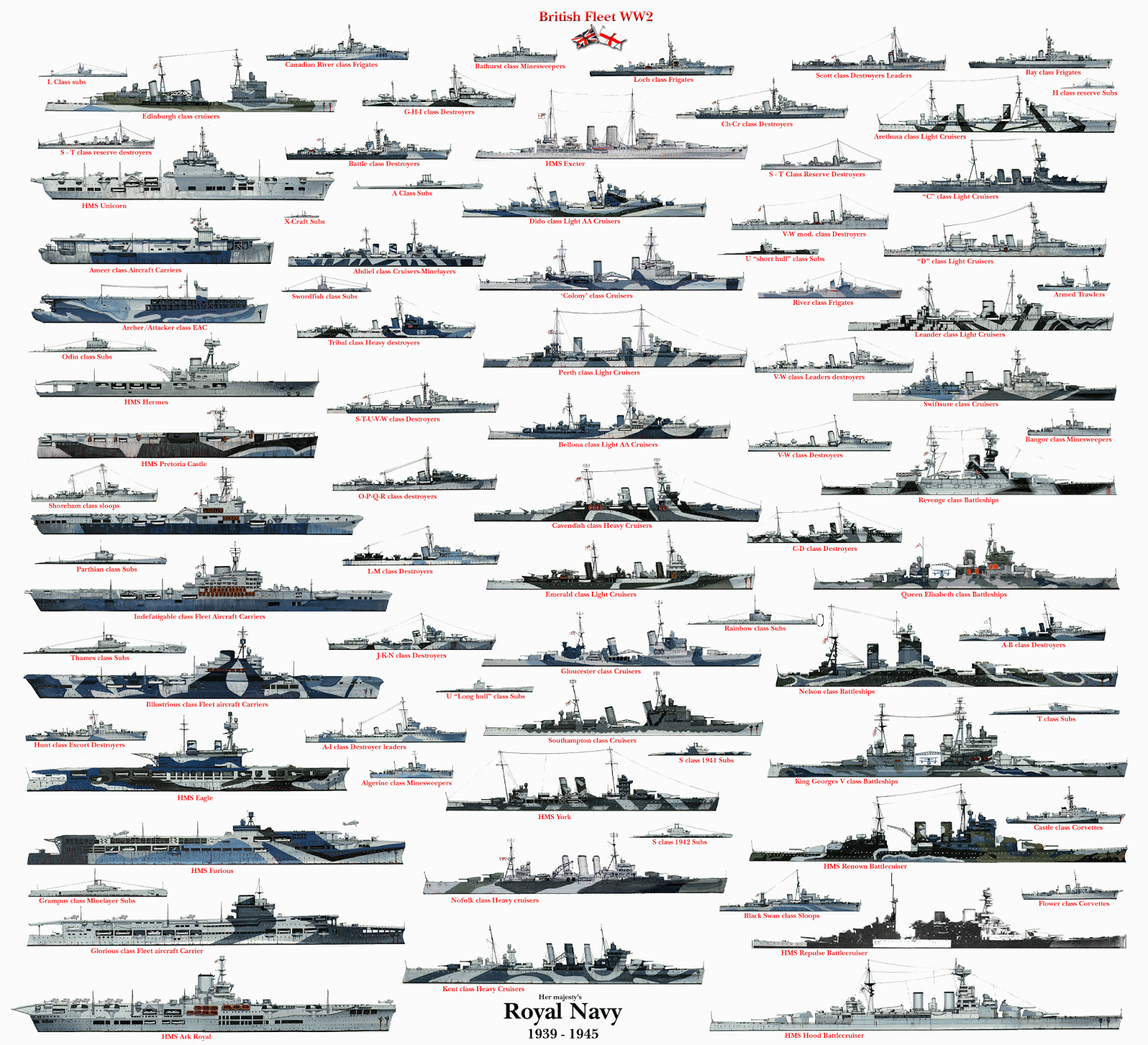
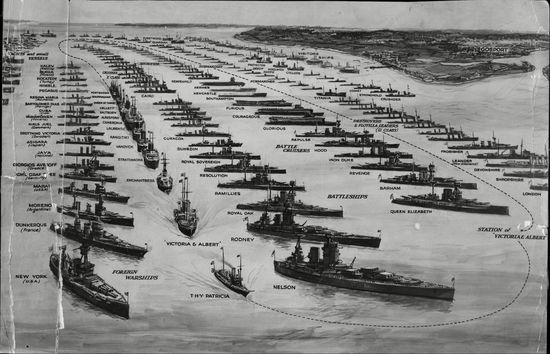
![r/WarshipPorn - Graphic of the Royal Navy during WW2 with the ships in red the ones that were sunk - Truly incredible to see the scale of their force [2744 × 1398]](https://preview.redd.it/8esdcgt9lfx71.jpg?width=960&crop=smart&auto=webp&s=9eebf6d299dc3455aaf5d4c7b47df315cc837f9f) The ones in Red were sunk during WWII
The ones in Red were sunk during WWII

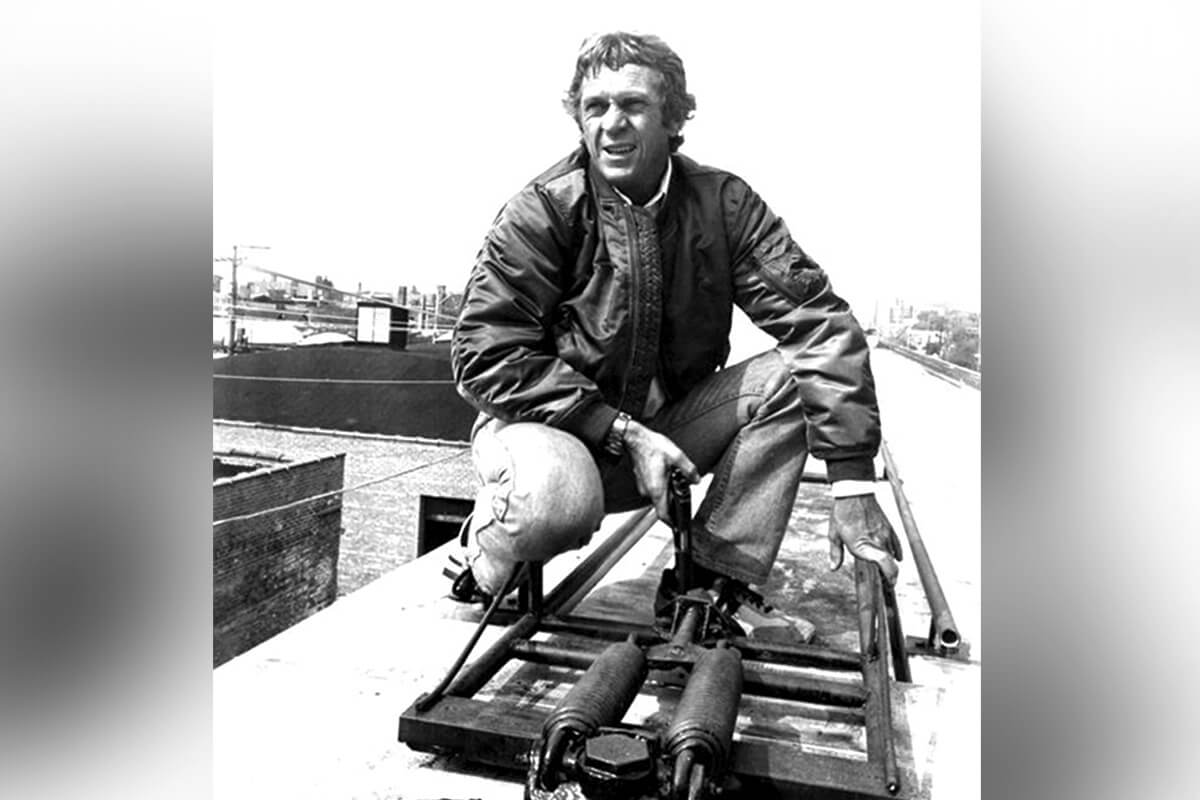
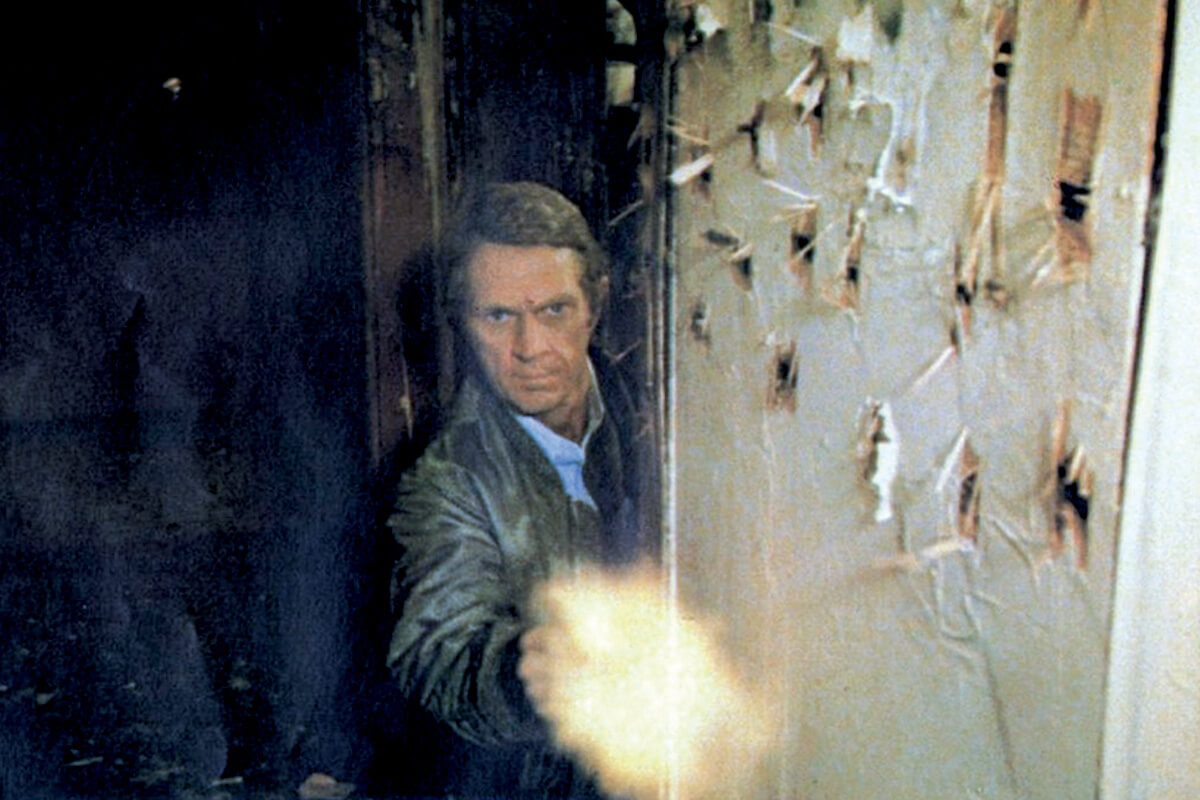
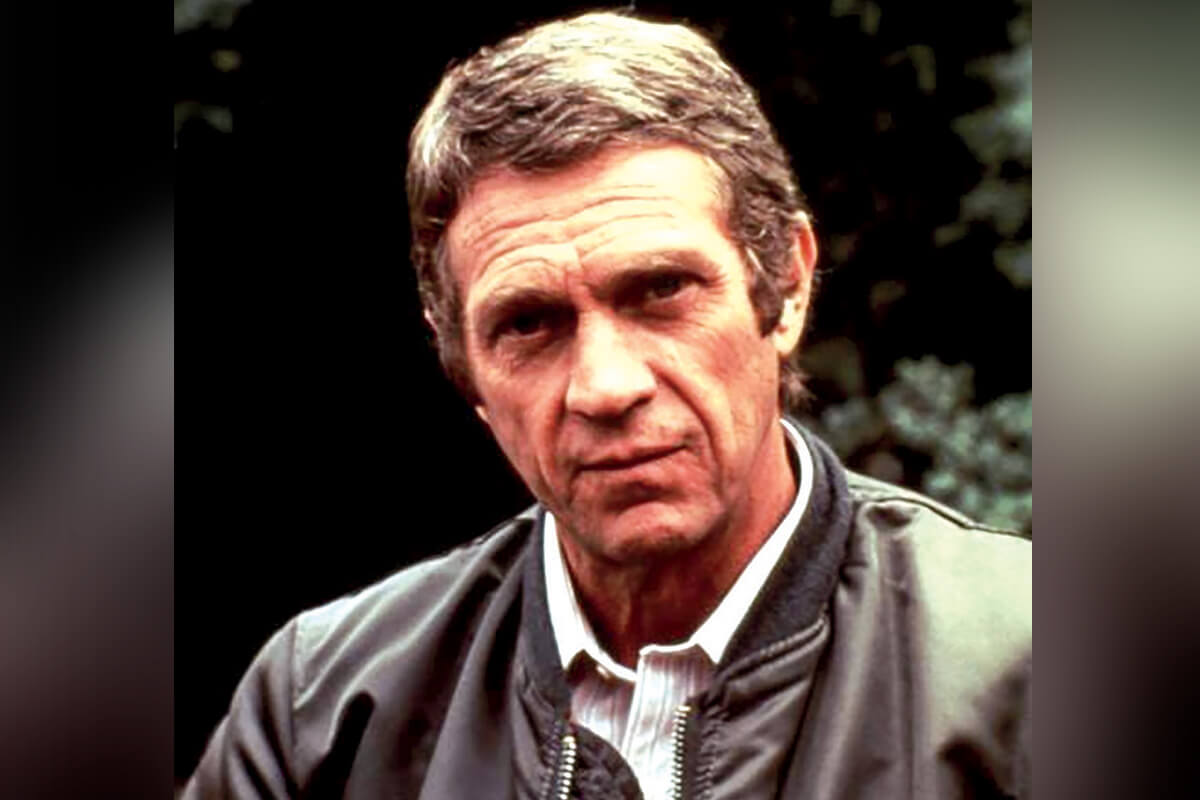
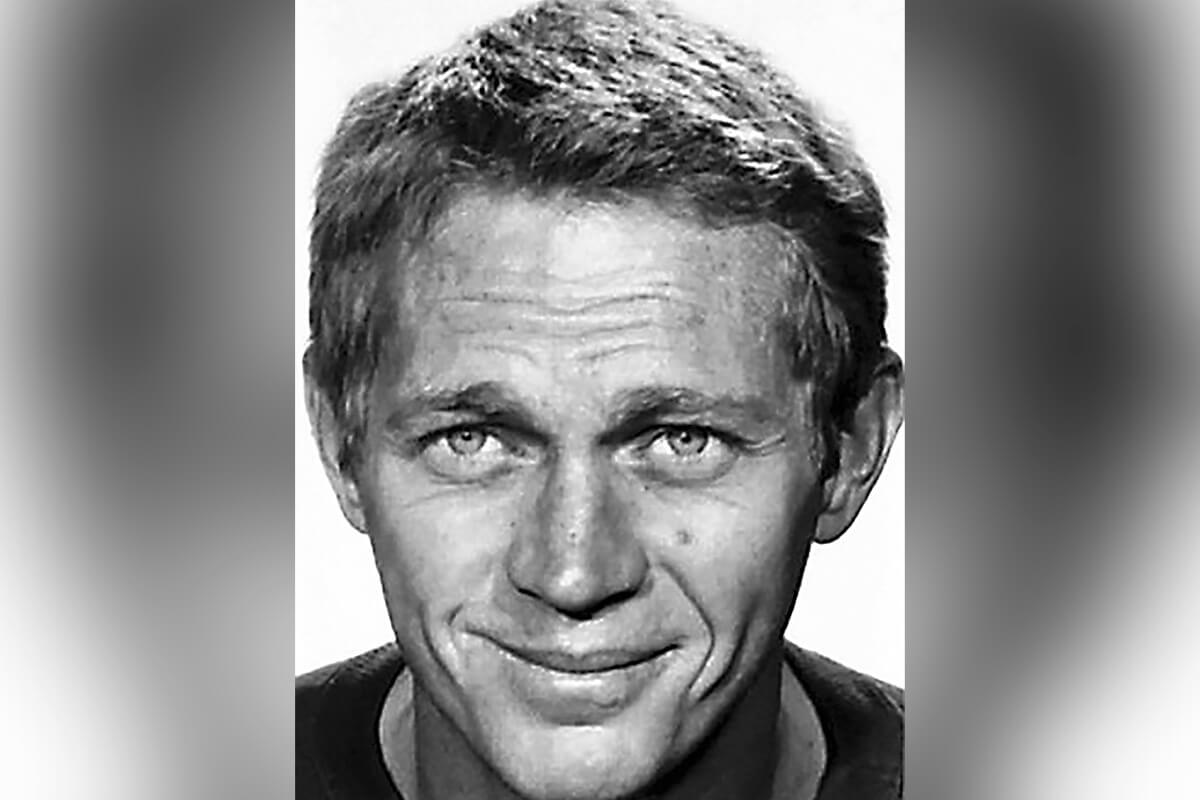
On August 1, 1980, Director Buzz Kulik premiered The Hunter starring Steve McQueen. In his heyday McQueen was the highest-paid actor in the world. His fans knew him as the King of Cool. Three months after the movie launched Steve McQueen died in Mexico of metastatic pleural mesothelioma. He was fifty years old.
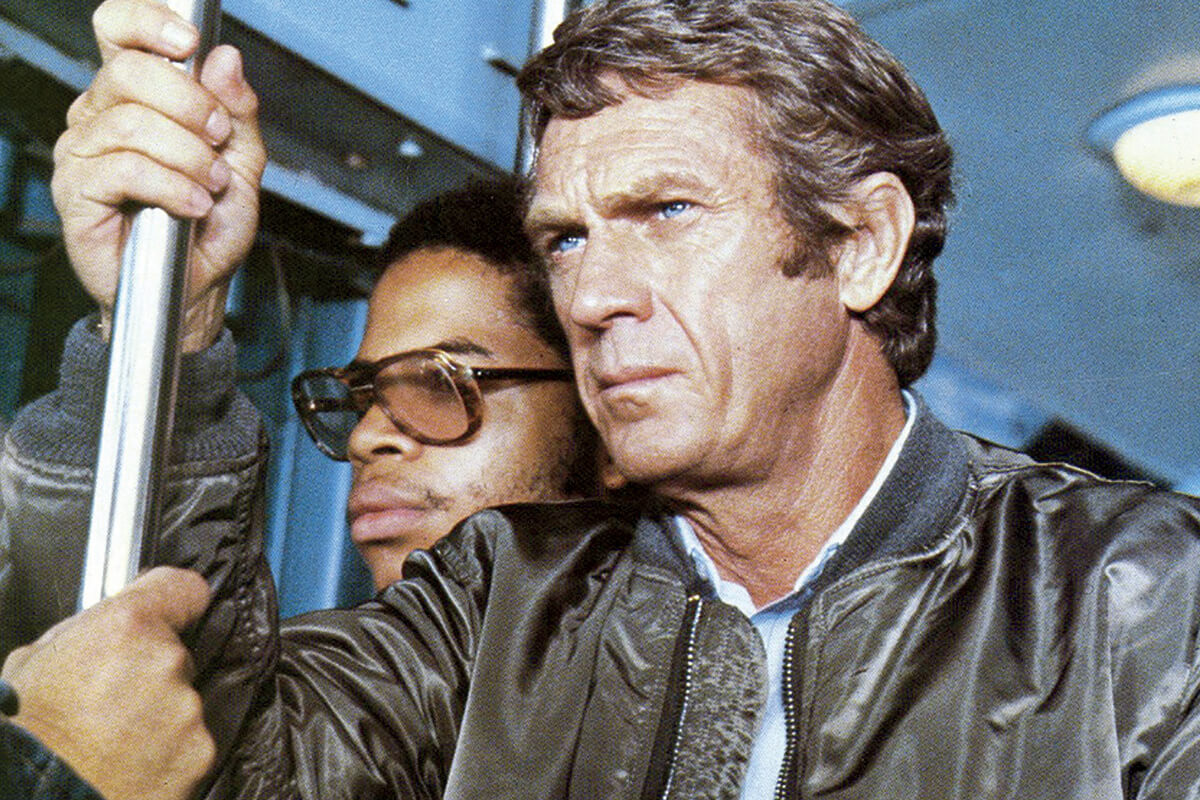
McQueen starred in twenty-nine feature films and fourteen television programs. He played cowboys, sailors, soldiers, cops, and criminals. He fought alien invaders in The Blob and chased Bad Guys in Bullitt. For all of his remarkable breadth of cinematic experience, I still feel that his final role was one of his best. In The Hunter Steve McQueen plays Ralph “Papa” Thorson, a modern-day bounty hunter.
Background
Spoilers ahead. You’ve been warned. The film critic Leonard Maltin described The Hunter as, “McQueen’s last picture and probably his worst.” I’m afraid Leonard and I will just have to disagree on that. As a card-carrying gun nerd, I thought The Hunter rocked.
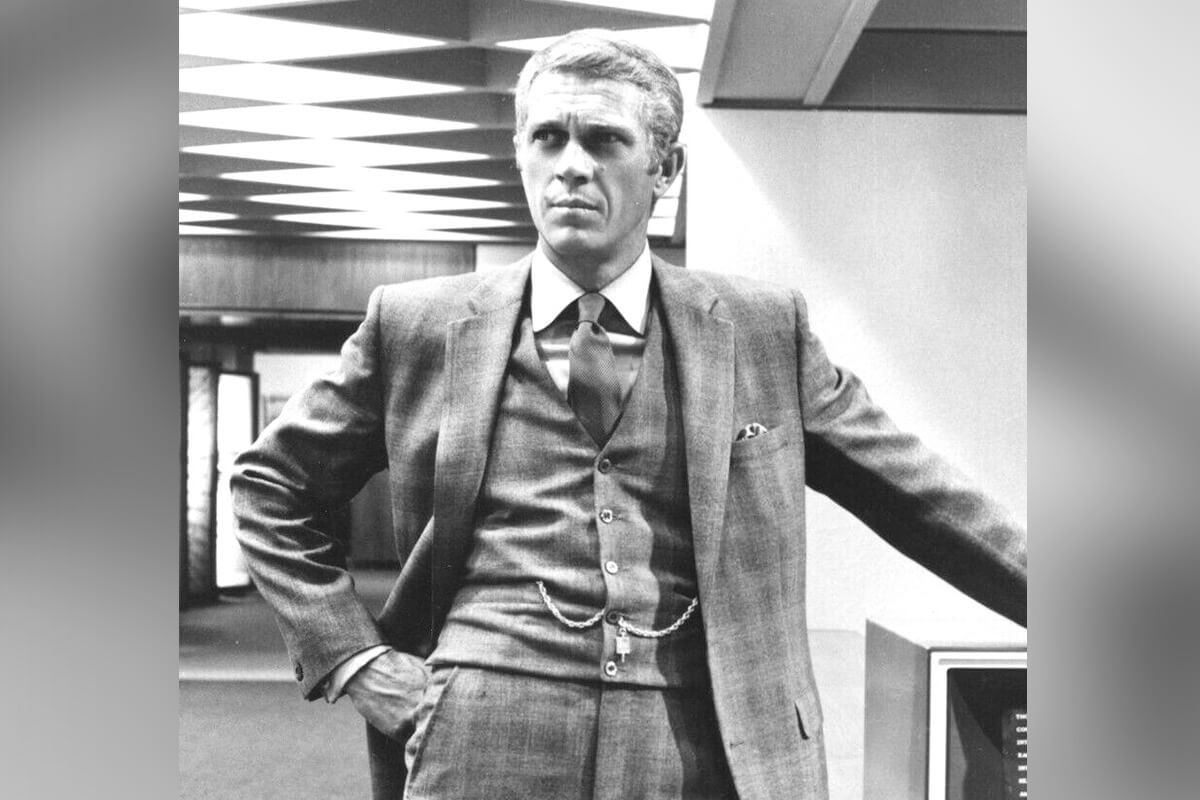
Papa Thorson was an actual guy. He served as a creative consultant on the film and had a small part as a bartender in the movie. His extraordinary real-life adventures inspired the screenplay.
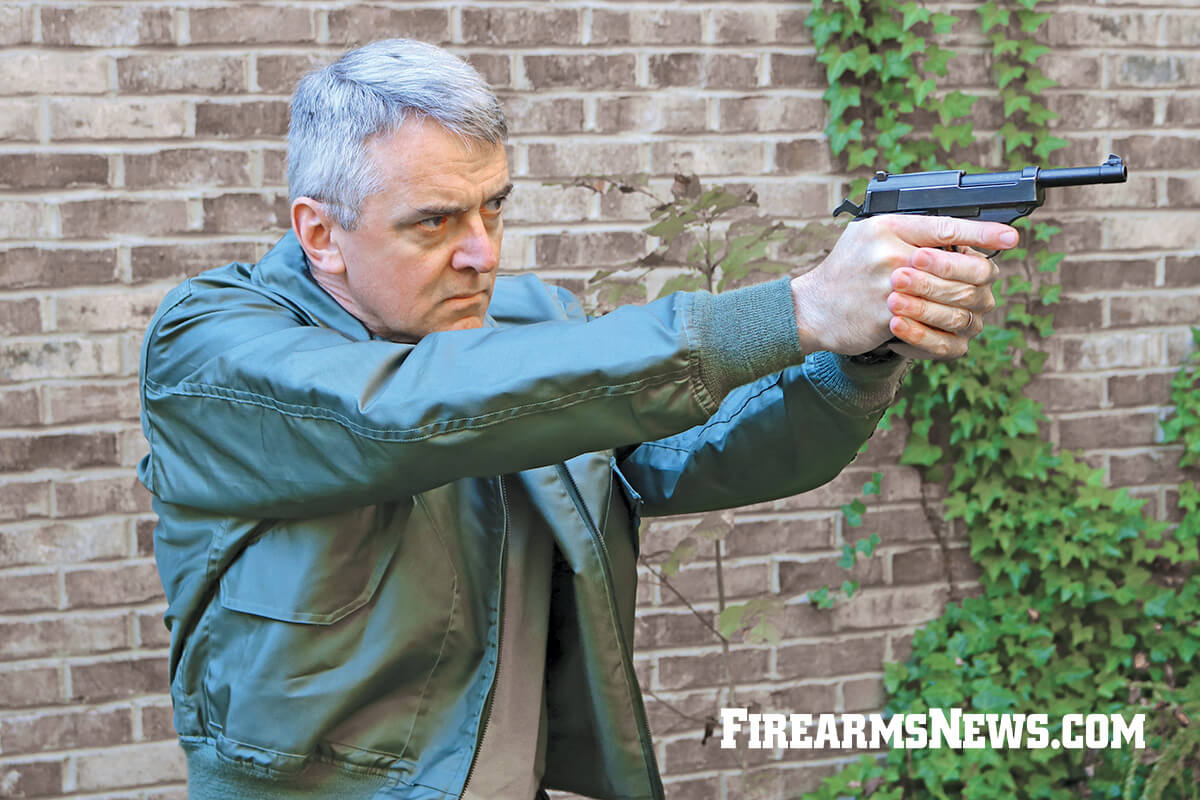
The 1872 US Supreme Court case Taylor vs Taintor established the basis for bounty hunting in the United States. The pertinent verbiage reads: “When bail is given, the principal is regarded as delivered to the custody of his sureties …They may exercise their rights in person or by agent. They may pursue him into another State; may arrest him on the Sabbath; and if necessary, may break and enter his house for that purpose … It is likened to the rearrest by the sheriff of an escaping prisoner.”
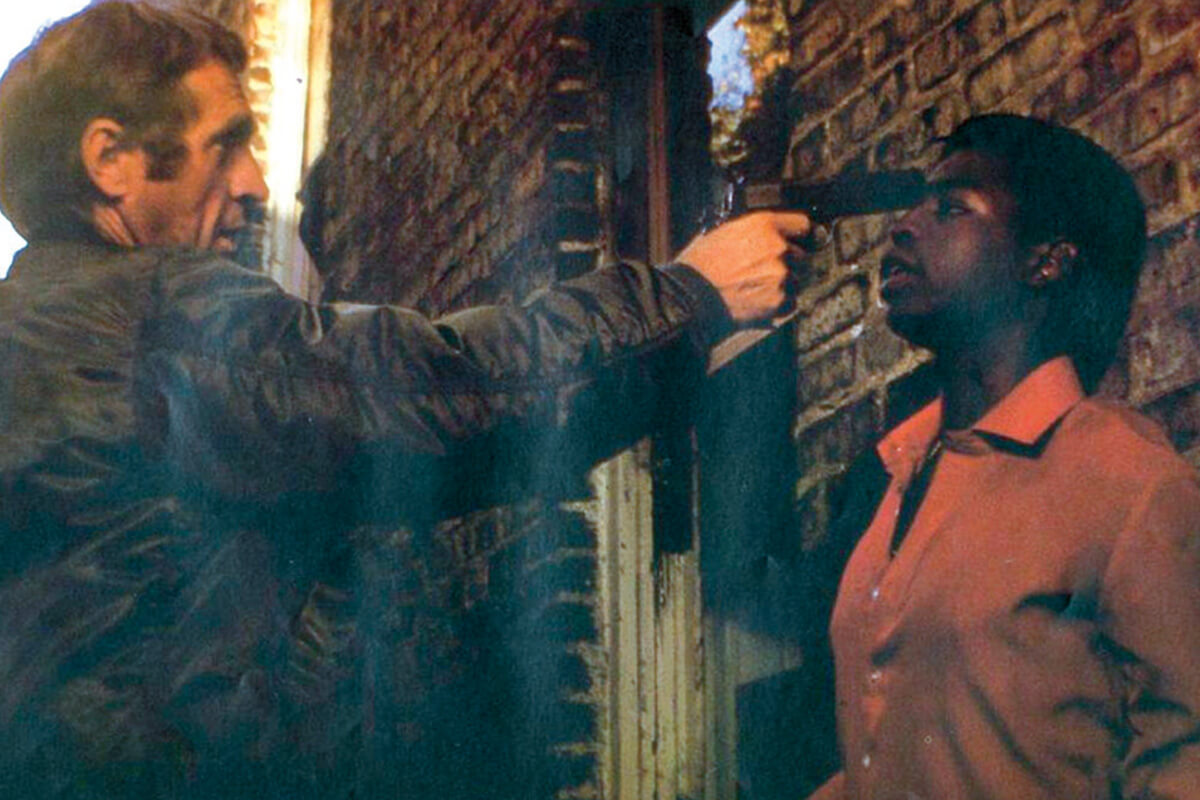
The role of the bounty hunter dates back to the Middle Ages. Kentucky, Illinois, Wisconsin, and Oregon have outlawed the practice, while Wyoming has essentially no regulations governing it. The US and the Philippines are the only countries in the world where bounty hunting remains legal.
Papa Thorsen’s life inspired a biographical book by Christopher Kean. Ted Leighton and Peter Hyams adapted the book into a screenplay. Much of the quirkiness of McQueen’s character in the film was drawn from the real-world personality and exploits of Papa Thorson.
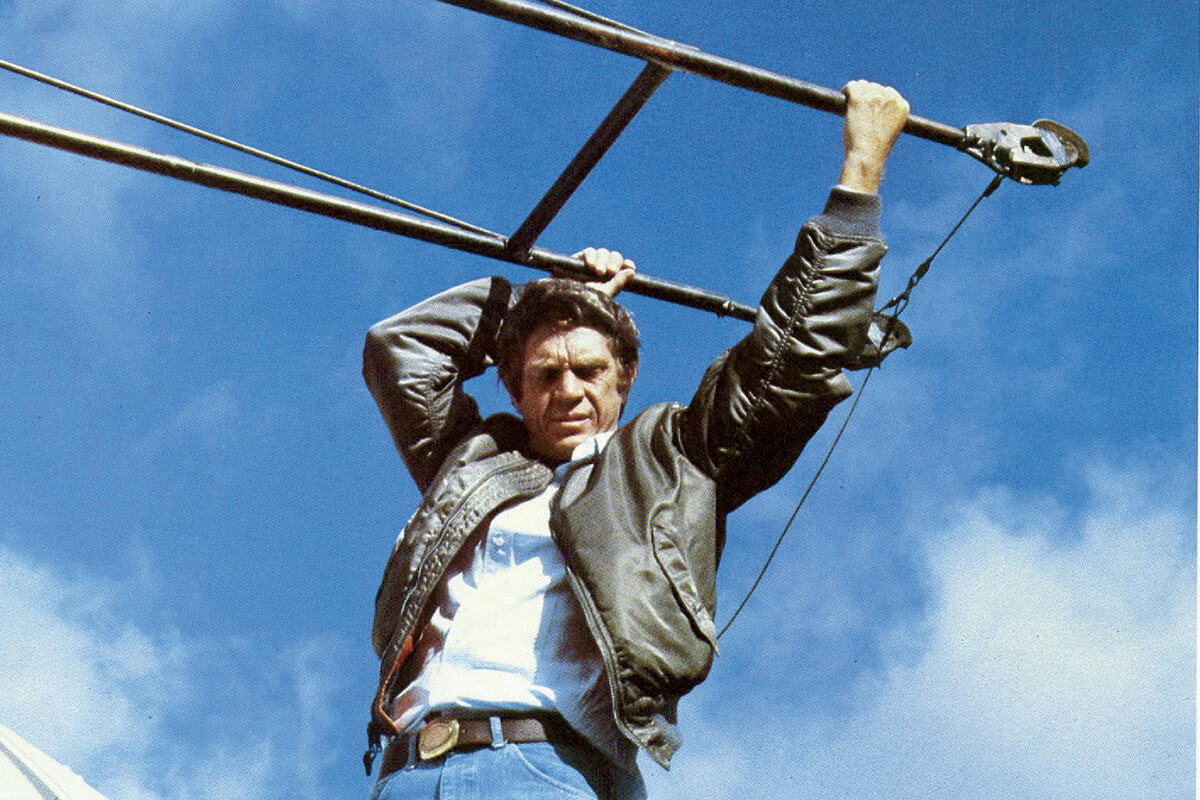
The Movie
The plot of The Hunter orbits around Papa Thorson’s efforts traveling the country and recovering fugitives on behalf of bail bondsmen. Papa is paid a percentage of the bond for each criminal apprehended and brought to justice. Along the way, we gain insights into Thorson’s unique personality.
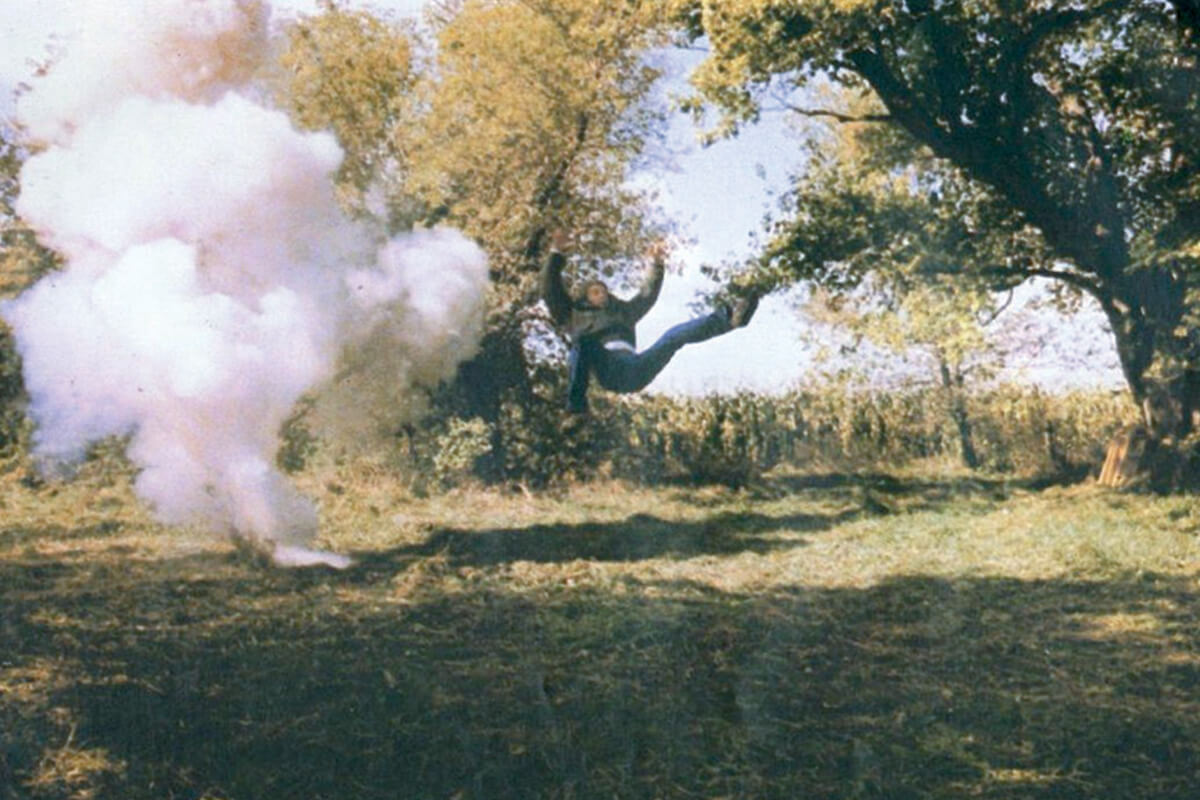
Papa lives with his severely pregnant younger girlfriend. His house is a hive of activity with friends and strangers over playing cards or just hanging out at all hours. Papa makes a sincere effort to be more careful so he can support his girlfriend and pending child. Despite his best intentions, however, Papa courts chaos at every turn.
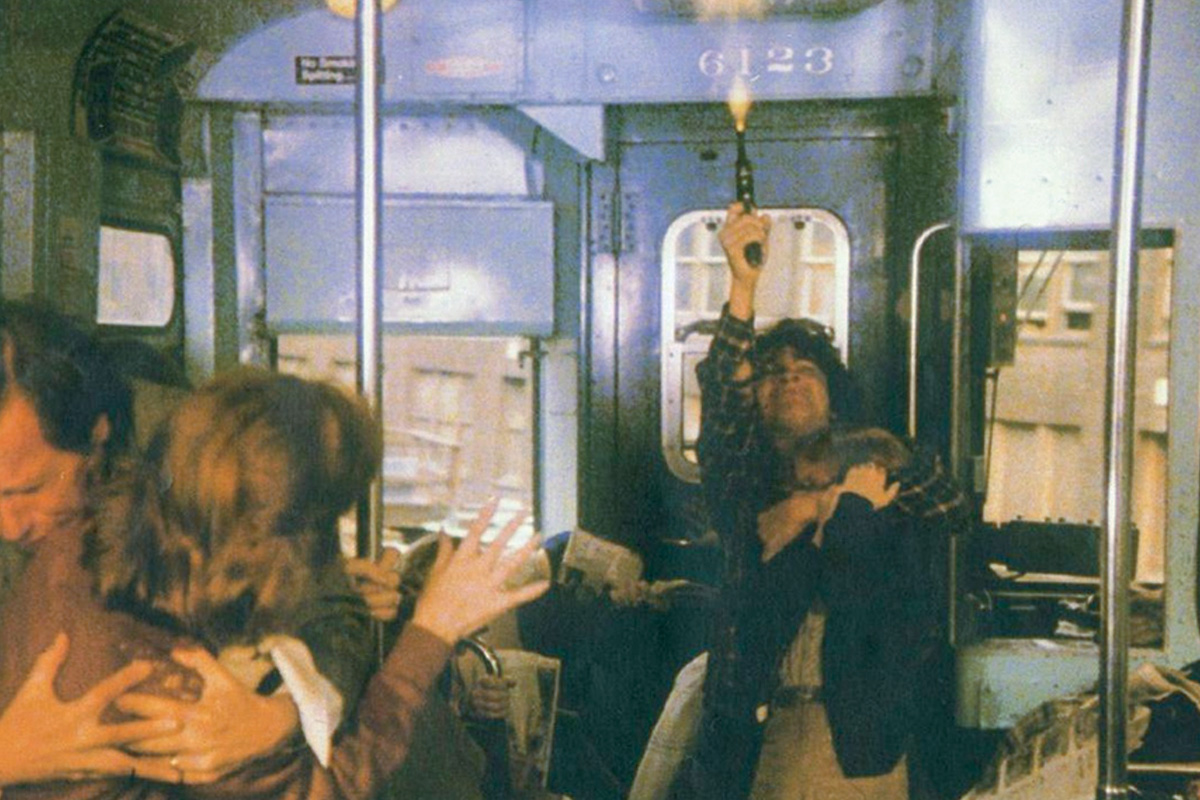
Thorson’s first two bounties set the stage. He captures a young black man played by Levar Burton and then invites the kid into his home and gives him a job. In the original screenplay, this part was to have been a dog. McQueen had been impressed with Burton as an actor and insisted on his being written into the script in this capacity. He also apprehends an enormous redneck Texan after a robust fight that destroys the interior of the big criminal’s houseboat. After the bail jumper gets the better of him physically, Thorson ends the fight with a most curious less-than-lethal beanbag gun.
One of my favorite sequences has Papa pursuing a pair of unwashed pyromaniac brothers in Nebraska. A recurring theme in the movie is Thorson’s affection for old stuff — antique cars, aged toys, and quirky household décor. When renting a car in Nebraska, he is forced to accept an absolutely gorgeous brand new black Trans Am with 78 miles on the odometer. Once he confronts the two fugitive brothers they start throwing dynamite at him, steal his car, and tear off through a mature cornfield in it.
Thorson responds by leaping into a nearby combine harvester and giving chase. The helicopter’s-eye view of the hulking harvester chasing the sports car through the cornfield punctuated by copious dynamite explosions is action movie gold. It breaks my heart to see that classic sports car blown to smithereens, but it makes for a truly epic chase sequence. As an aside, one of the primary Trans Am cars used in that scene was serendipitously discovered in an Illinois barn in 2018.
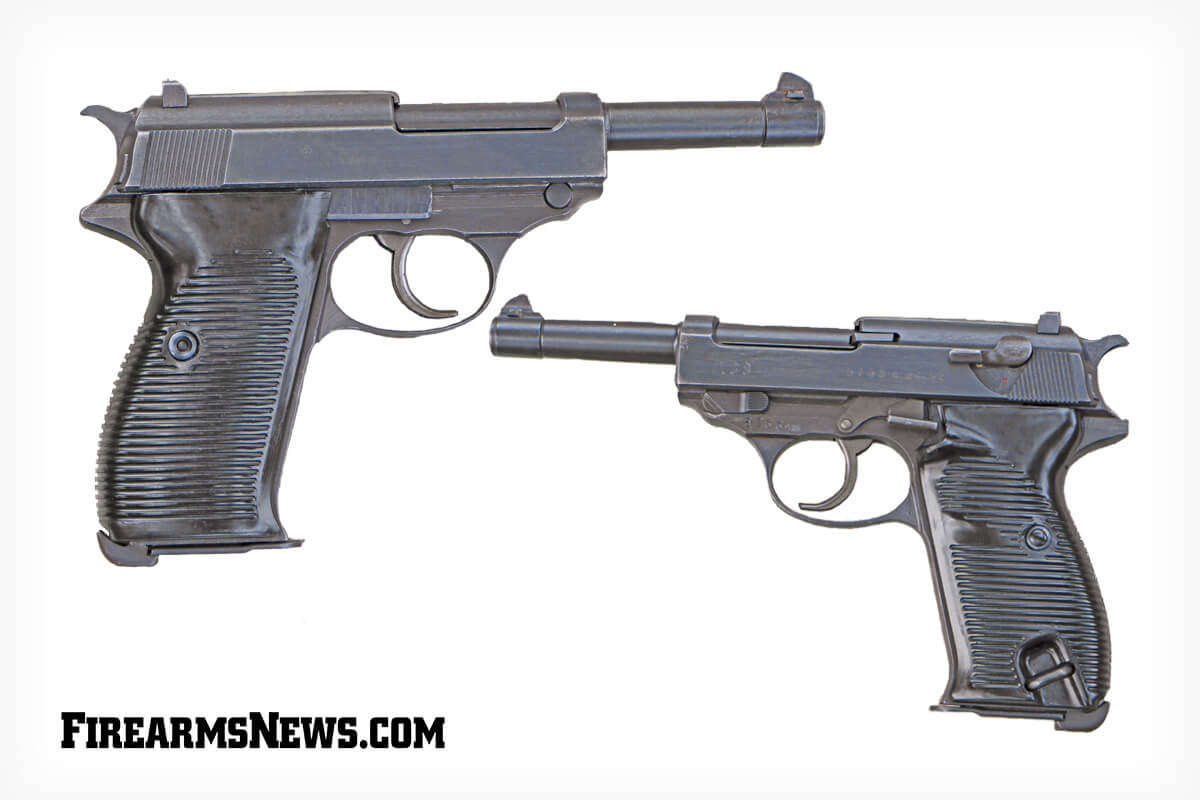
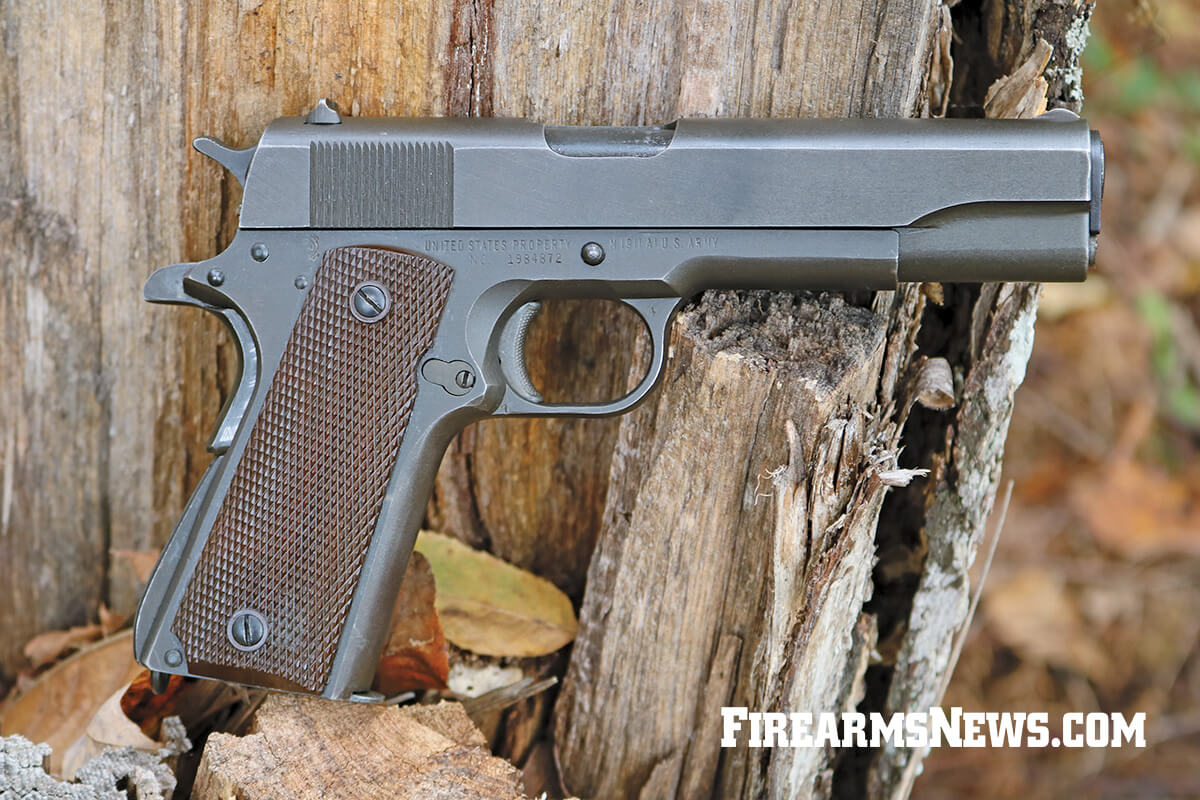
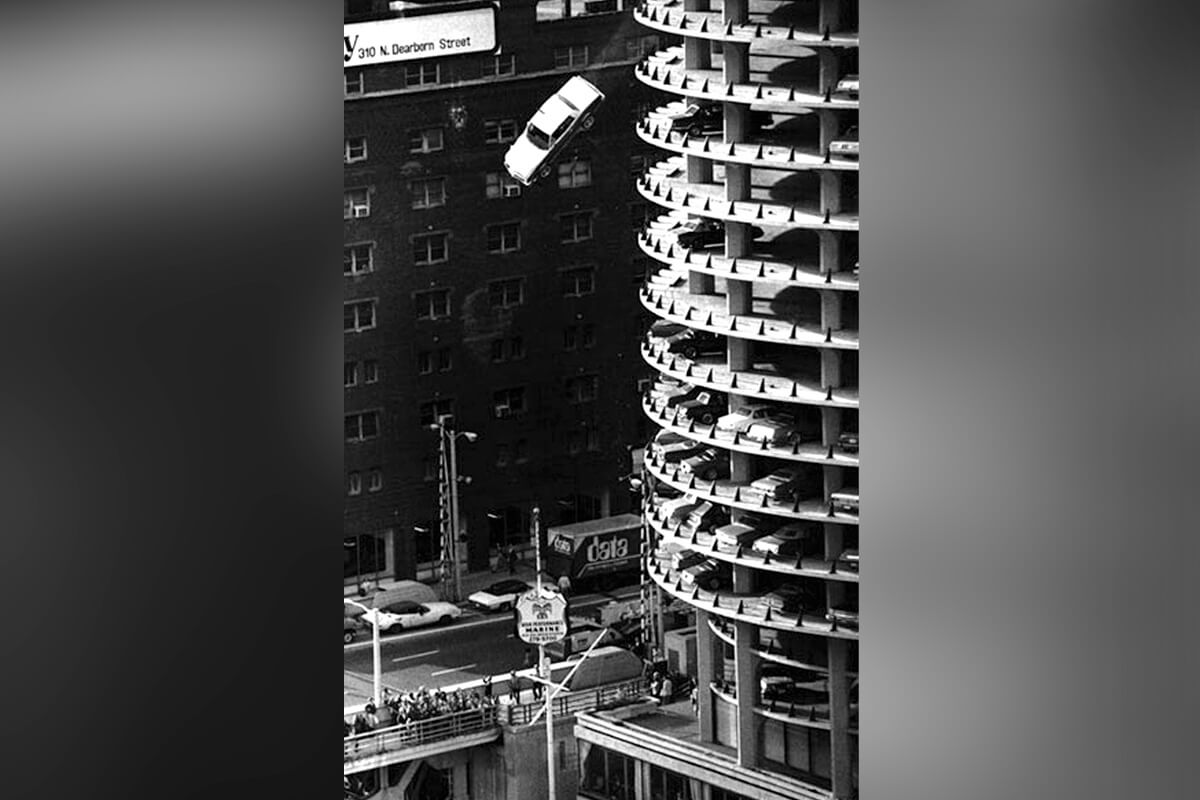
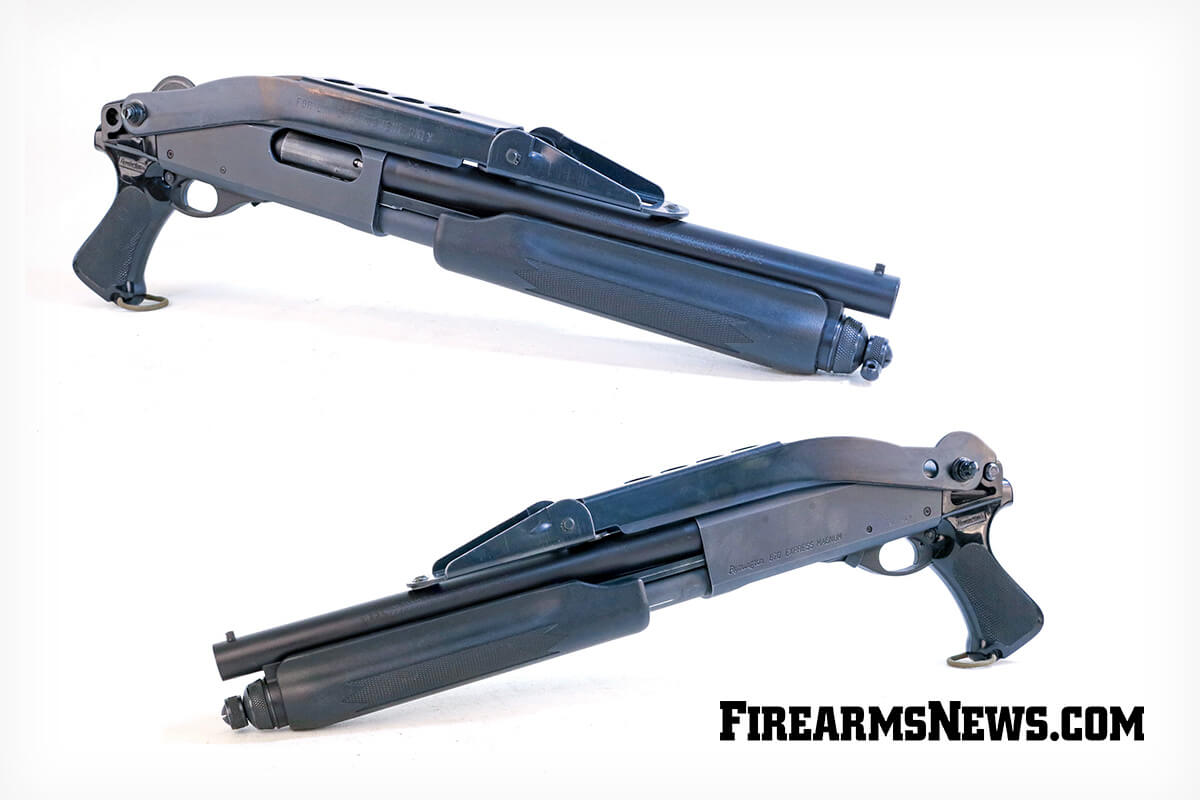
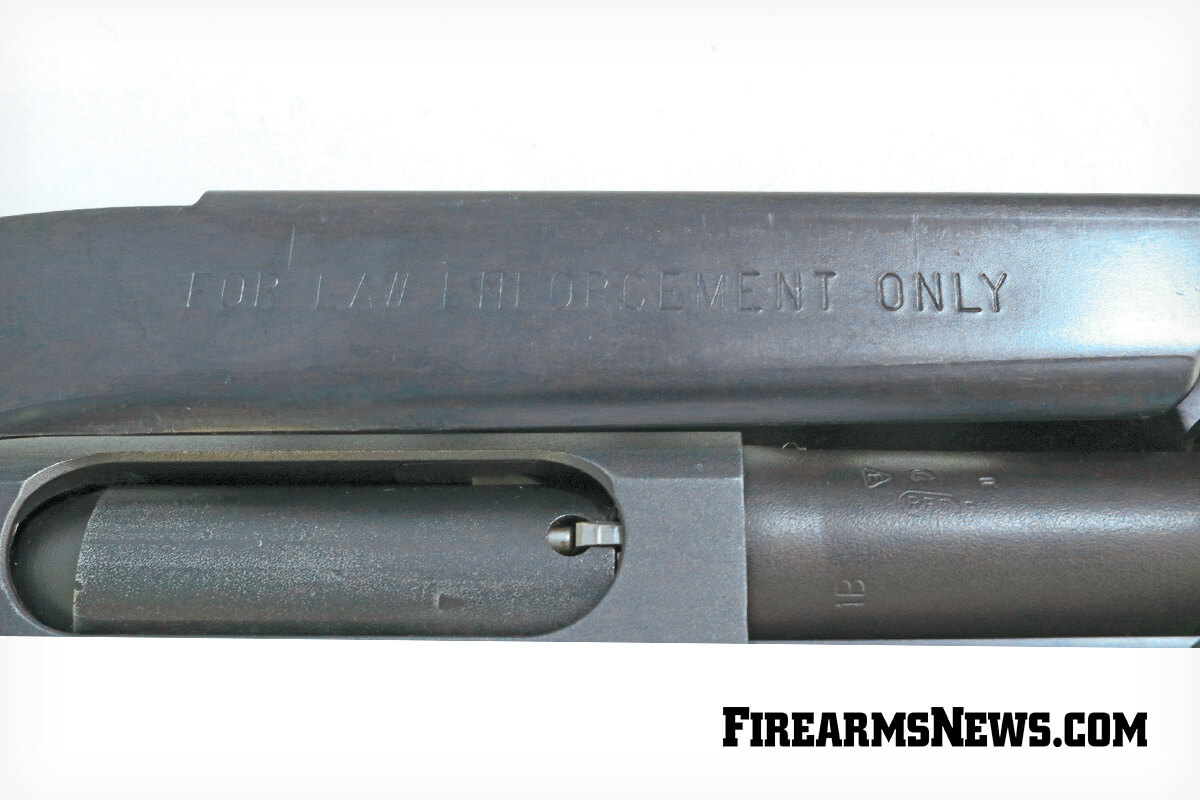
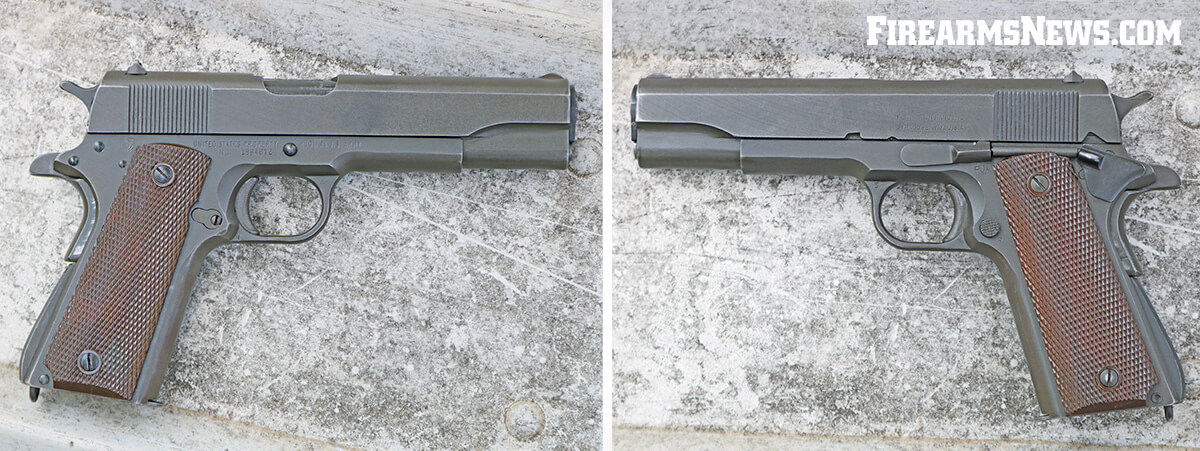
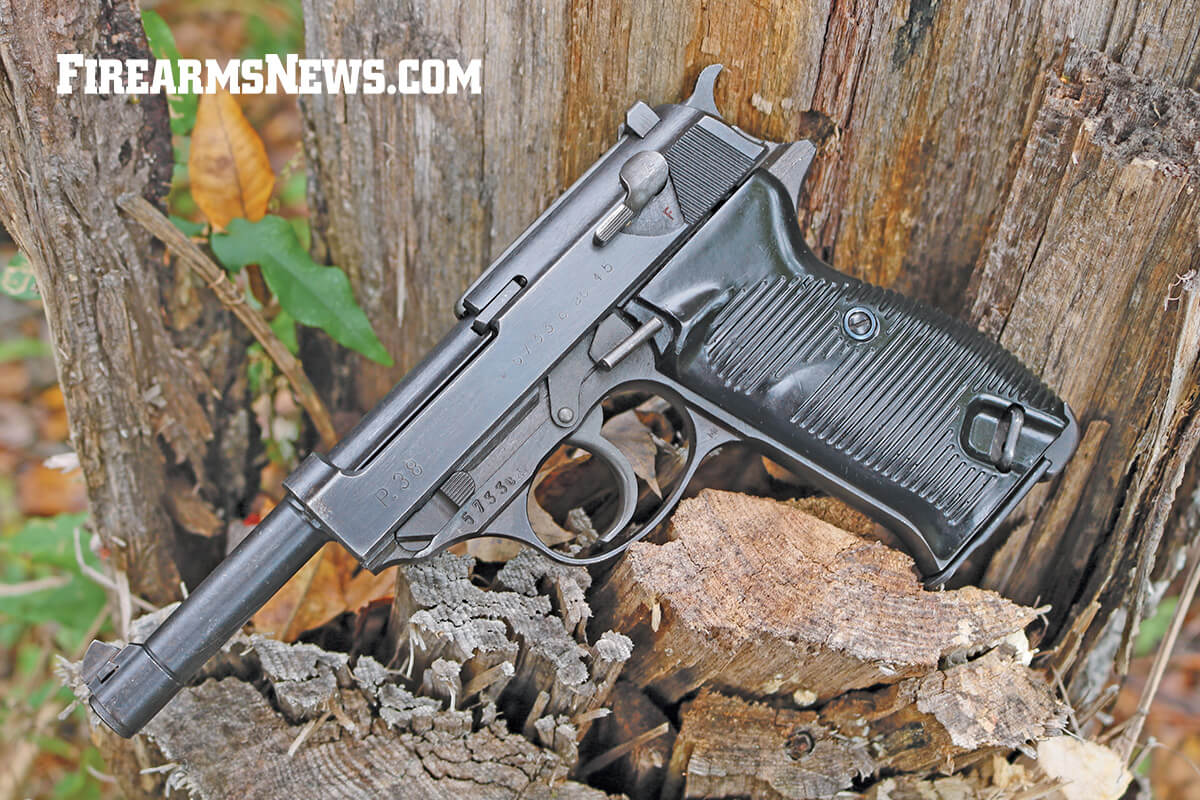
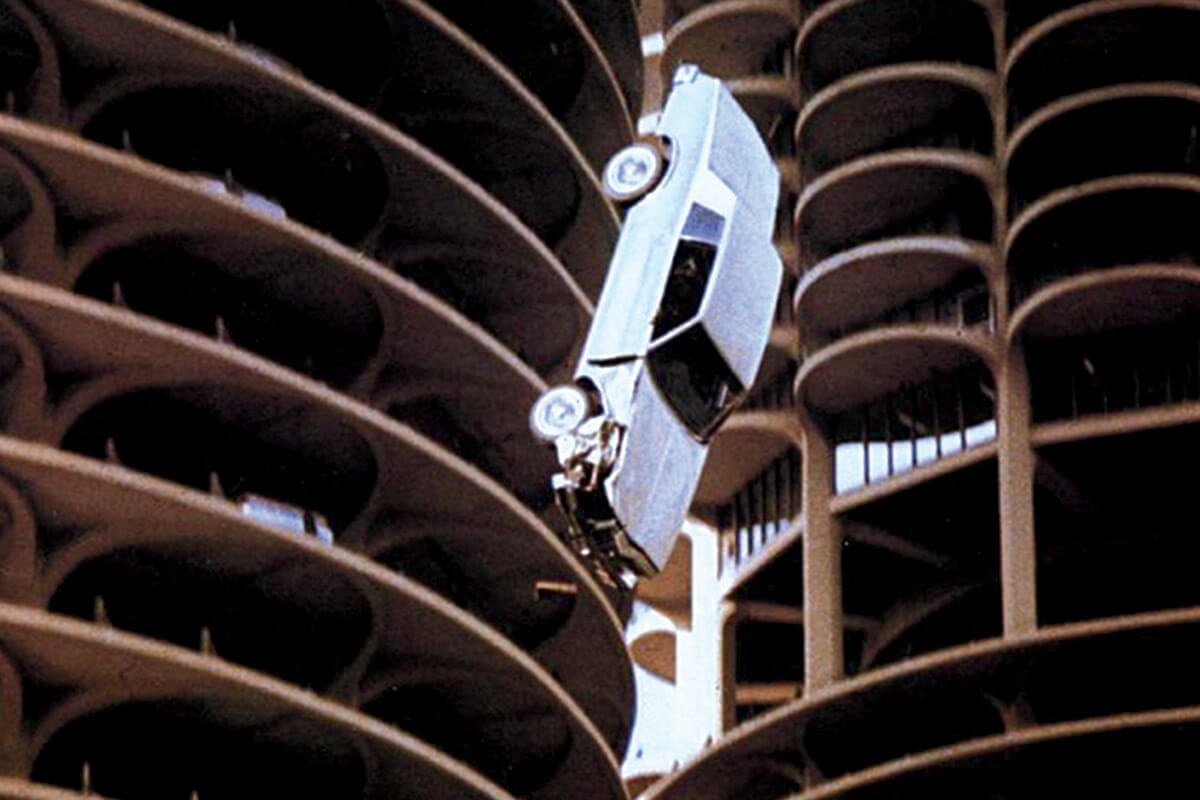
Thorson later gives chase to a gun-happy fugitive in Chicago. Thorson’s primary sidearm is a standard GI-issue M1911A1 automatic pistol. The Bad Guy initiates their exchange with a Remington 870 12-gauge equipped with a “Law Enforcement Only”-marked top-folding stock. He then leads Papa on a merry rooftop chase across Chicago and onto the El all the while shooting it out with a Walther P38 pistol. Papa prevails when he forces the fugitive to drive a stolen car off the top of a high-rise parking garage into the river below. This iconic scene was subsequently recreated some twenty-six years later for an Allstate Insurance commercial.
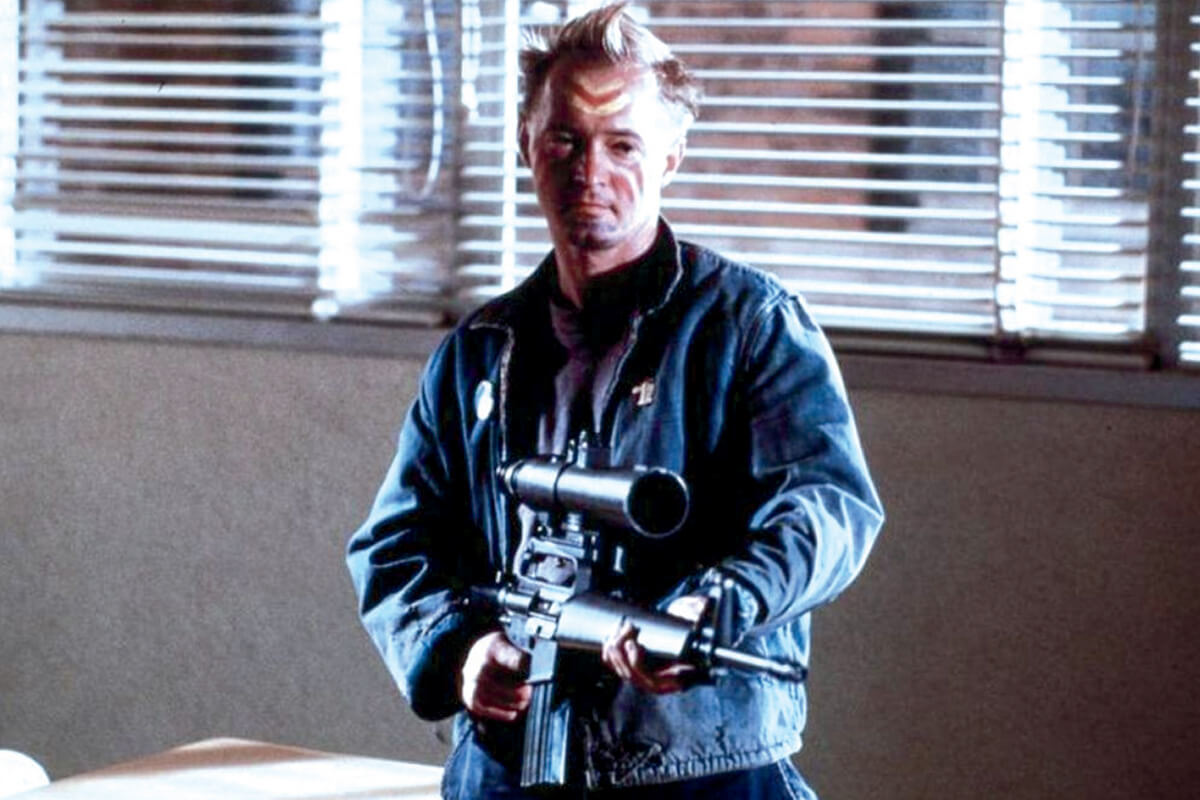
Throughout it all, Papa and his girlfriend are hounded by a creepy maniacal drug addict named Rocco Mason played masterfully by Tracey Walter. There is an intentionally vague backstory concerning Papa’s having taken Mason to jail at some point in the past. Mason is out for revenge and is inexplicably equipped with a full auto M16A1 rifle replete with an AN/PVS-2 starlight scope. Despite being as big as a generous loaf of French bread, the AN/PVS-2 represented the state of the art at the time.
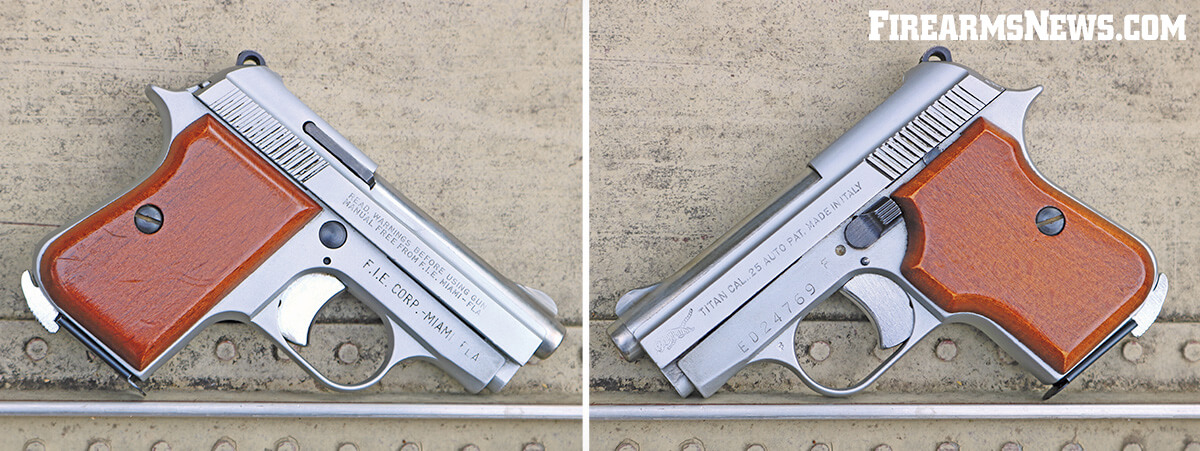
The climactic showdown finds Thorson’s pregnant girlfriend, Dotty, kidnapped and taken to the school where she teaches. Dotty is secured to a chair and used as bait to lure Papa close so Mason can kill him with his M16. Thorson claims to be unarmed but actually has a .25 ACP pocket pistol secured to his ankle. Mason discovers this weapon and forces Papa to discard it.
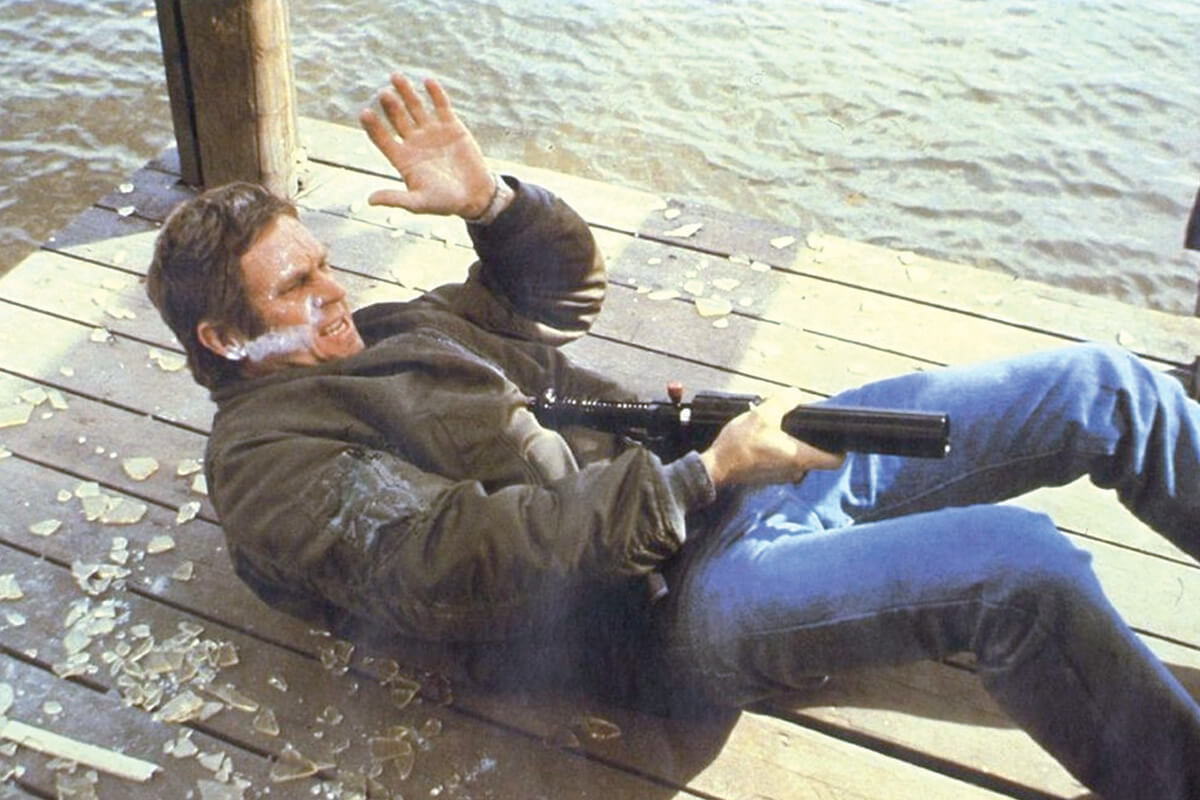
Mason machineguns a security guard and then chases Thorson through the school. Papa leads the lunatic into a chemistry lab after he turns on all the gas taps. The bounty hunter then rolls a laboratory skeleton toward the unsuspecting Mason, causing him to loose a long full-auto burst from the hip. The brilliant muzzle flash from the automatic rifle ignites the gas and blows him to smithereens allowing Thorson to rescue his girlfriend just in time to take her to the hospital so she can deliver her baby. Fade to black.
The Guns
The beanbag gun shown early in the movie was an MB Associates Stun-Bag launcher. This thing looked a bit like a Japanese knee mortar, featured a rifled 36mm heavy plastic barrel, and fired via .22 Ramset blanks. A 12-gauge version was called the Prowlette. MB Associates were the same guys behind the Gyrojet rocket guns. A subsequent gas-powered version called the Trebor Prowler Fouler used high-pressure nitrogen cartridges for power. Standard 12-gram CO2 cartridges could be used for practice.
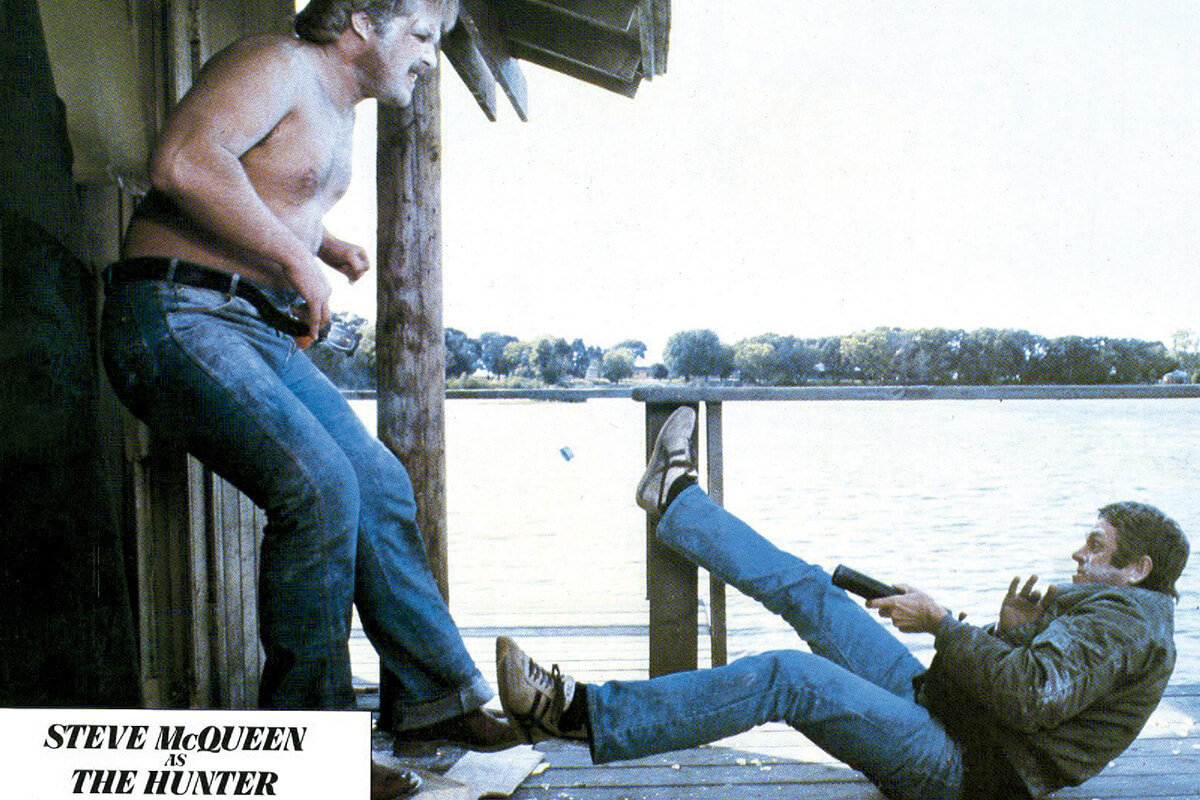
Because it had a large bore, rifled barrel, and gunpowder charge the BATF classified these Law Enforcement tools as Destructive Devices requiring federal registration. The projectiles were pancake-shaped fabric bags filled with lead shot. As a darkly fascinating sidenote, these weapons were tested against baboons and pigs to assess their efficacy. They actually didn’t work terribly well. I can only imagine the poor slob whose job it was to chase angry baboons around trying to shoot them with beanbags.
The Arma 100 Bean Bag gun is essentially the same thing marketed today that runs off of compressed gas. The gas-powered versions are not considered weapons in the eyes of the BATF and are sold through the mail. They run about $200 online.
Dotty’s pocket gun appeared to be a nickel-plated Beretta Jetfire or similar clone. She never fired the gun, but Papa did pop the magazine out and then back in to show her how it works. This little pocket gun utilized a classic Beretta-style slide architecture and carried seven rounds in the magazine. Similar single-action pistols were sold under a variety of trade names such as Targa, Titan, and GT27.
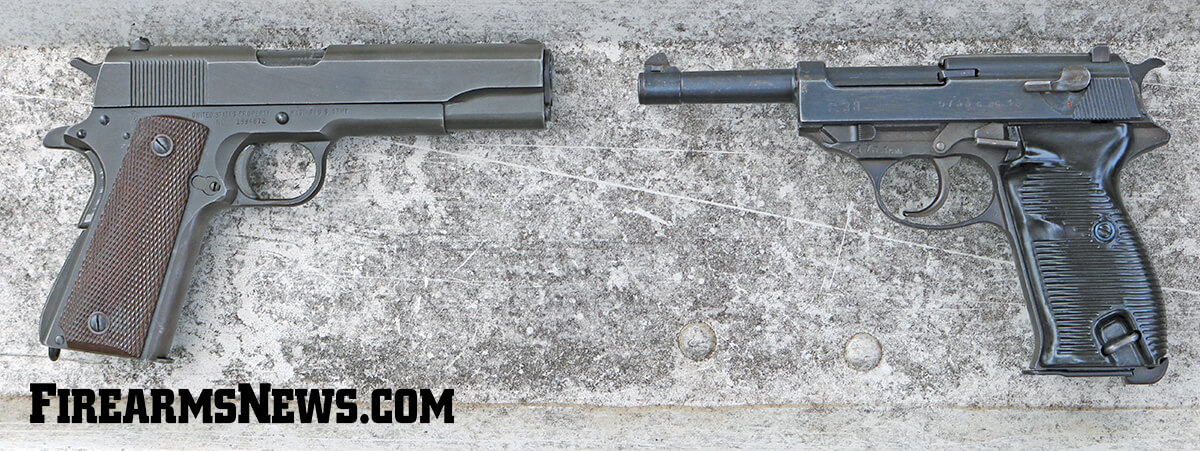
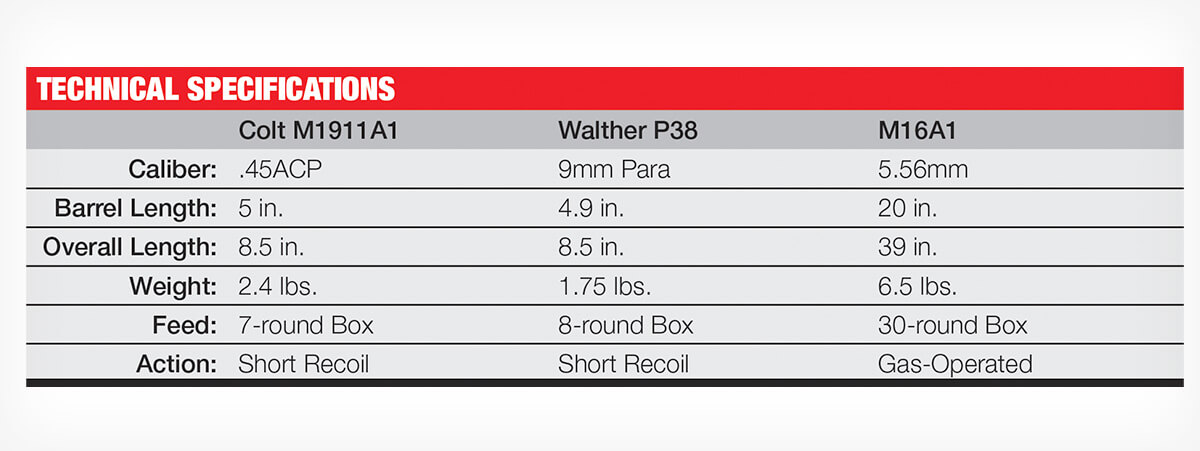
Papa’s M1911A1 was the most remarkable combat pistol of its age. The product of the inimitable mind of John Moses Browning, the M1911 and the .45ACP round it fired changed the way the world used handguns. Heavy, powerful, bulky, and loud, the M1911 reflected the ethos of the nation that birthed it.
The M1911 was a single-action autoloading handgun that fed from a seven-round single-stack box magazine. The gun was recoil-operated and optimized for right-handed operation. A few minor upgrades standardized in 1924 led to the redesignation M1911A1. These pistols served US forces throughout WW2 and into the 1980s. I was issued WW2-era M1911A1 pistols when first I donned the uniform.
The Walther P38 was introduced in, you guessed it, 1938, and pioneered any number of advanced features that are considered commonplace today. The gun fed from an eight-round single-stack box magazine and featured a novel single-action/double-action trigger most commonly found on the wheelguns of the era. The slide-mounted safety dropped the hammer safely over a loaded chamber. In this configuration the gun could be carried with the safety off and fired via a long, heavy double-action trigger pull. Subsequent rounds were fired single-action.
The magazine catch was located on the heel of the grip in the European fashion, and the single-stack magazine limited the gun’s onboard capacity. However, the P38 was a trim and effective combat tool. The P38 is still found in many of your less well-funded war zones even today.
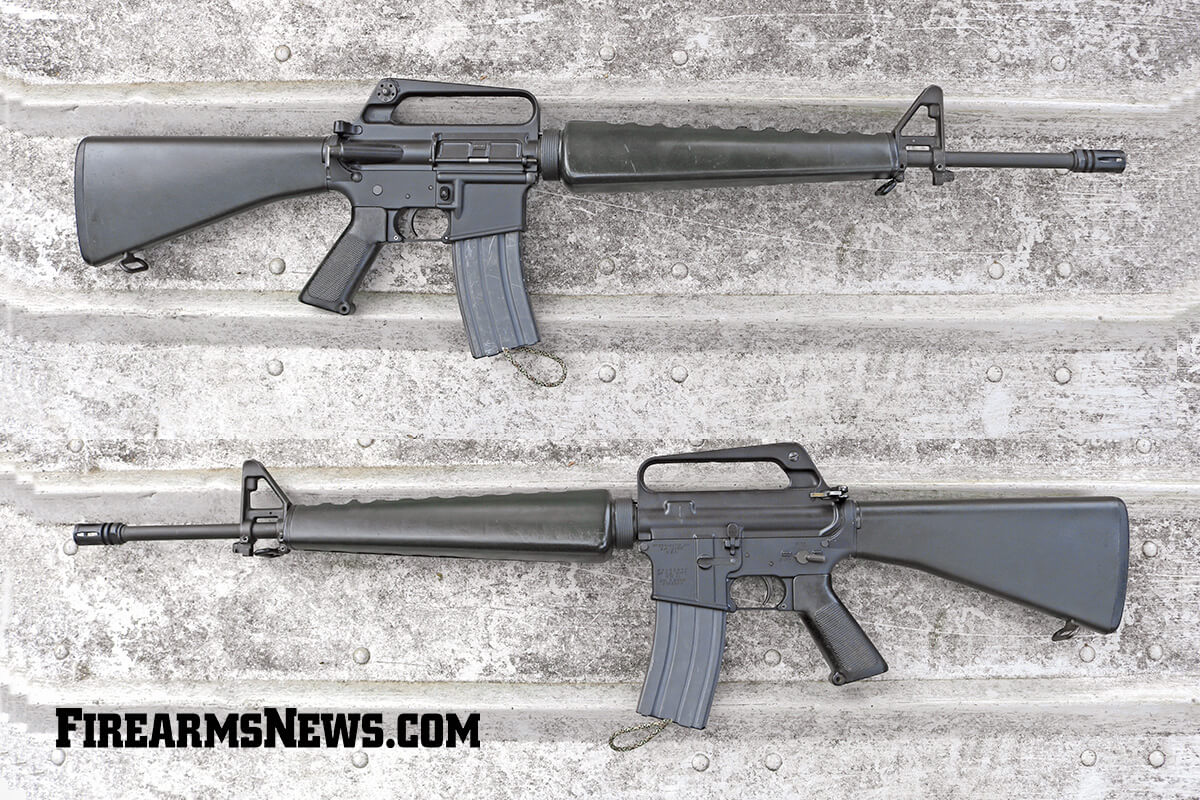
The M16 was originally developed in the late 1950s as a speculative effort by the ArmaLite Corporation. ArmaLite was a tiny little subsidiary of the Fairchild Aircraft Company. Eugene Stoner and a few others adapted state-of-the-art aerospace technology and materials science into a revolutionary combat rifle.
Before we started hanging so much bling on them, those old M16 rifles were quite trim, light, and svelte. A basic M16 only weighed about 6.5 pounds unloaded. These early guns were driven by a radical direct gas impingement system that was both simple and accurate. An M16A1 cycles at around 750 rounds per minute and in competent hands remains quite controllable on full auto.
Hollywood Ordnance
In 1980, digital graphics were not a real thing, so all of the muzzle flashes and gun effects had to be undertaken in the real world. This is done by the cinematographer “over cranking” the film speed to catch the muzzle flash in every frame. When Papa unleashes his beanbag gun we get a slow-motion shot of the beanbag projectile slamming into the belly of a big fat shirtless guy. That looks like it likely hurt. The cinematic effect is to render the perp immediately unconscious.
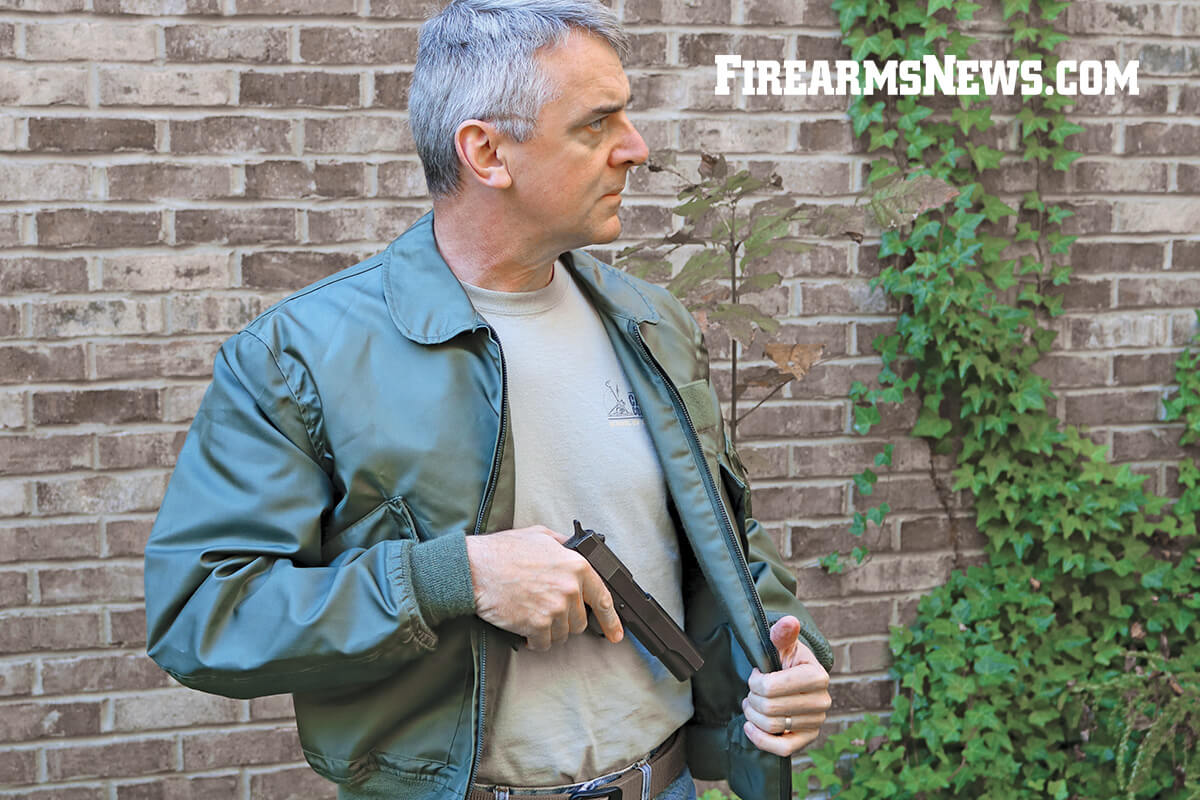
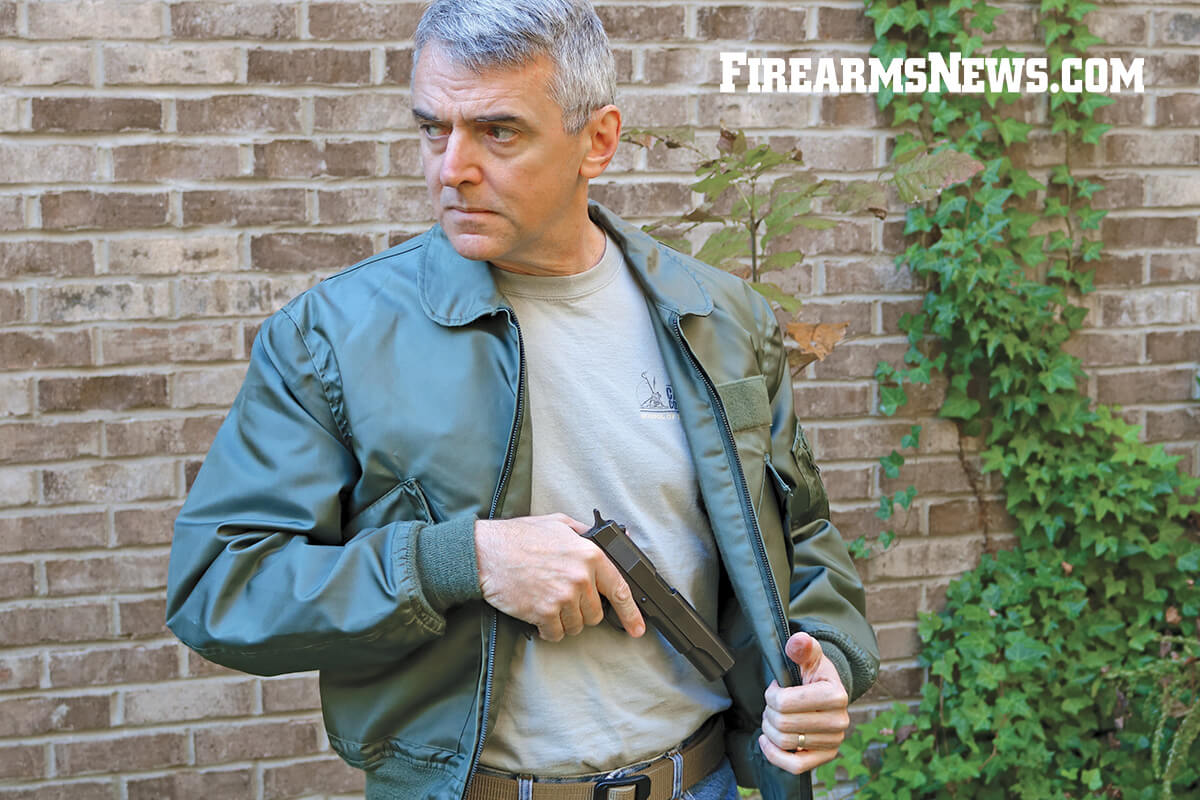
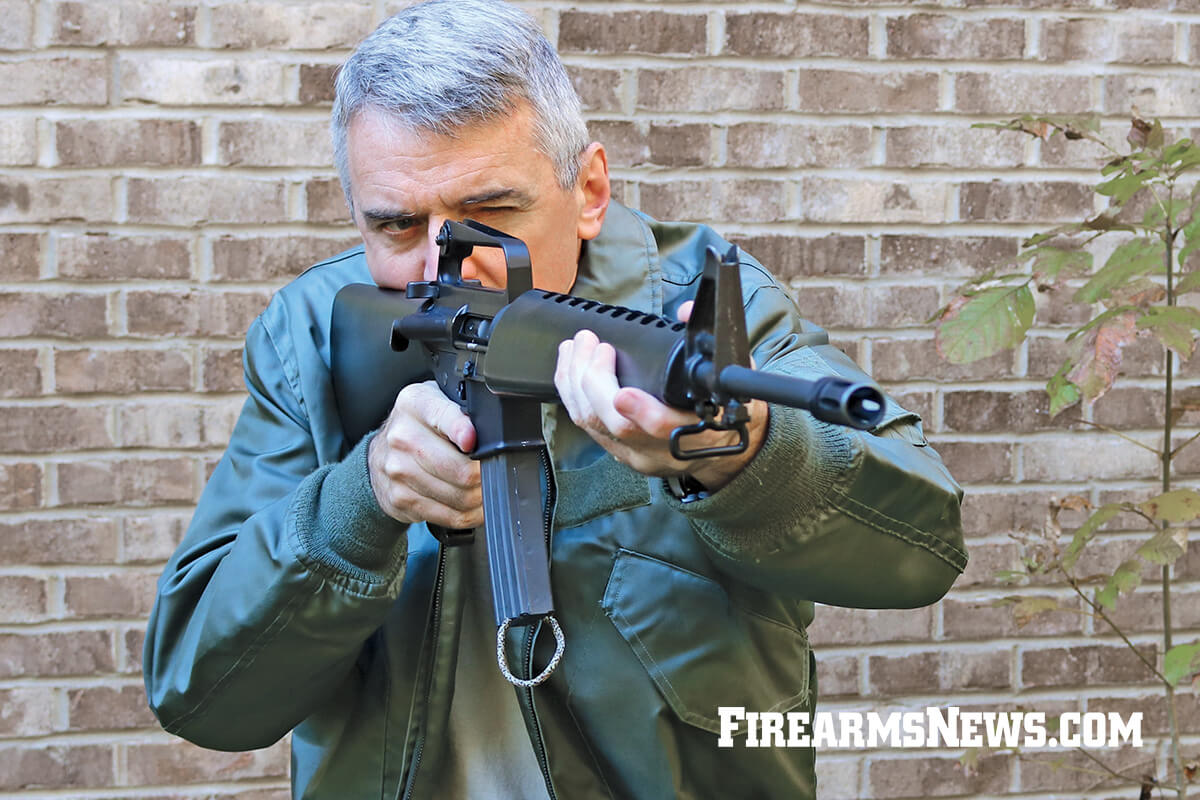
I am ever impressed with the screen presence of a simple unadorned M1911 pistol. Thorson carries his in the internal pocket of a GI MA-1 flight jacket. I’ve carried a gun this way before, and it invariably sags badly. For the scenes wherein he did not need a weapon McQueen’s character clearly was not packing one in his jacket.
The foley sound effects used for Papa’s M1911 are deep and throaty, projecting a great deal of authority. In one scene, Thorson kneels around a corner and empties a magazine from the hip down a hallway. McQueen then executes a textbook magazine change, dumping the empty mag and slamming in a fresh one before dropping the slide via the slide release. McQueen runs his pistol like he knows it and reloads at the right times.
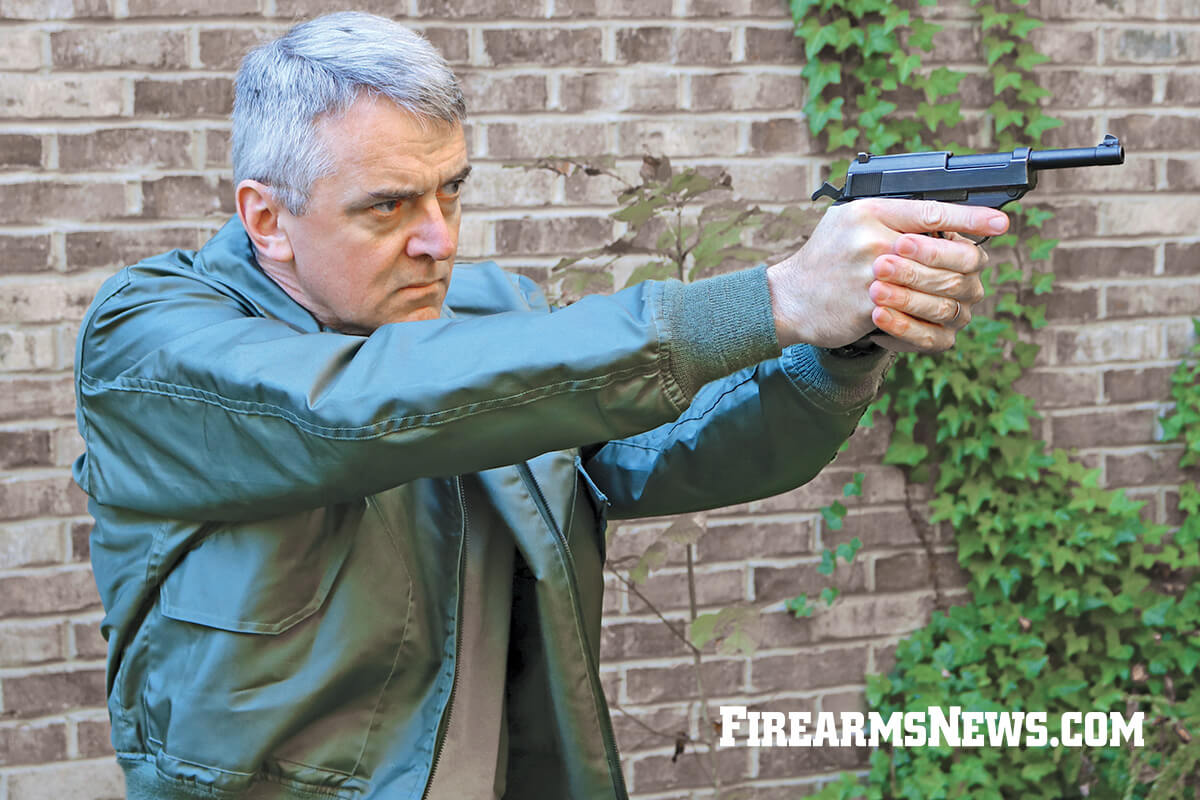
The violent fugitive Anthony Bernardo burns a few rounds through his Remington 870 before abandoning it in favor of his Walther P38. The sound effects for the P38 are not as impressive as are those of the M1911, and he shoots this gun forever without reloading. In close-ups, sometimes the hammer is back and sometimes it’s not.
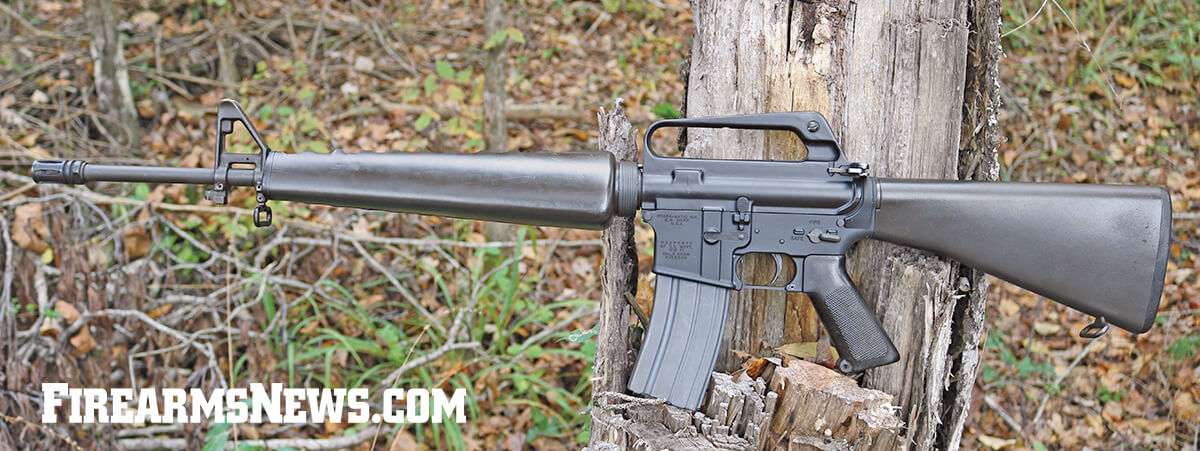
The real gun star of the movie is Mason’s M16A1. A previous non-firing shot involves an early SP1 AR15 with a three-prong flash suppressor. The later live-fire scenes are done with a real-deal full auto M16A1 with a birdcage flash suppressor. Normal people don’t care, but arcane stuff like that is the reason I get up in the morning.
When it is time to rock and roll Mason&rsquo’s M16 spews some simply epic muzzle flashes. The first real burst produces a single big ball of yellow fire. The final scene that touches off the gas in the chemistry lab involves the coolest multi-lobed starburst muzzle flash. Considering they shot that scene in real time I was duly impressed.
Ruminations
While not necessarily as pervasive a gun movie as some others, The Hunter nonetheless showcases some sweet firearms. McQueen was both a Marine and a gun guy (even was the owner of a transferable machinegun; an American 180 which fires .22 LR from a 177-round pan magazine), and his weapons handling skills were spot on. Rocco Mason’s muzzle flashes from his M16 fired on rock and roll warrant running the movie back and forth to appreciate them fully. If you’re looking for a great way to rewind after a hard day at the office or you need something to pass the time while you run your reloader pull it up on Amazon. The Hunter is a personal favorite.
The Remarkable Life of Papa Thorson
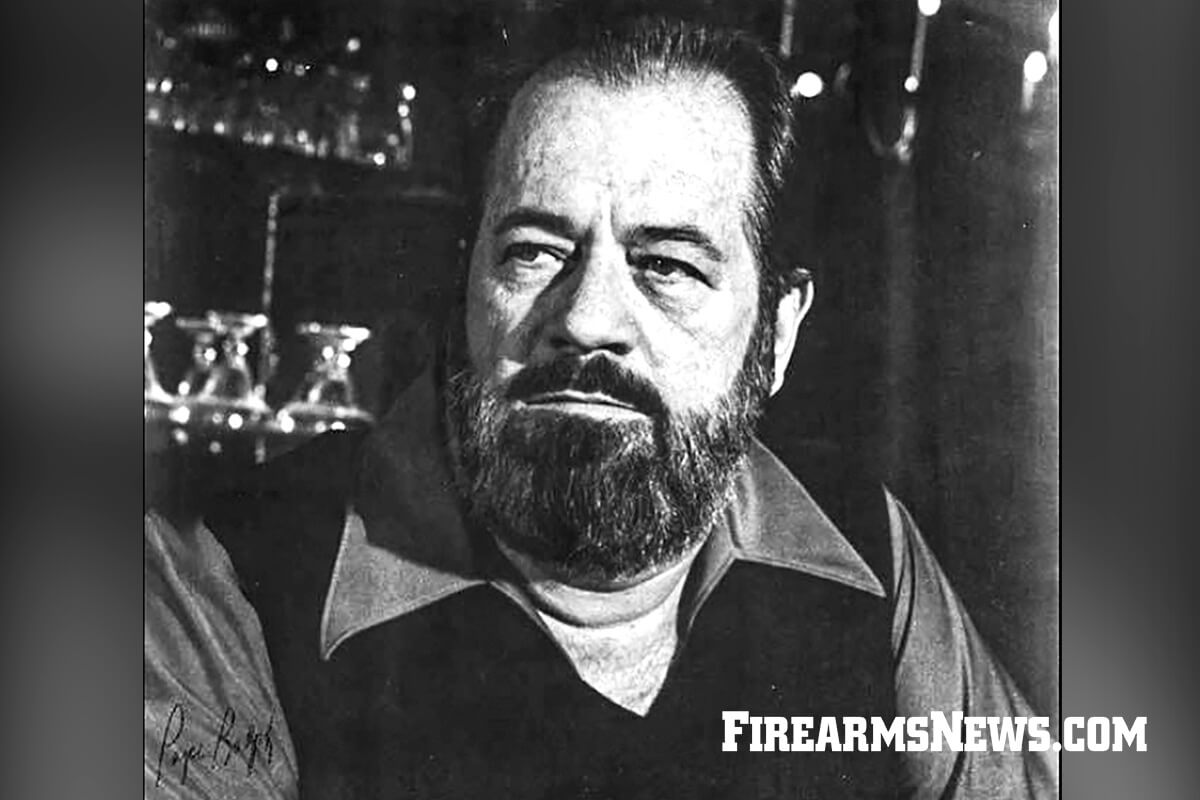
Ralph “Papa” Thorson was described by his biographer as, “The only man I know who can do a bastard’s job with taste and come off looking like a nice guy.” Standing 6’2″ and weighing 310 pounds, this rugged professional bounty hunter was also a champion bridge player, a church bishop, a recognized astrologer, a trained criminologist, a child nutritionist, and an inveterate consumer of classical music.
Thorson received flight training while in the Navy during World War 2 and did indeed live with a longsuffering woman named Dotty as was depicted in the movie. He took in stray people as a matter of course and officiated at weddings in his capacity as a church bishop. In 1968, he lived across the street from Jimmy Doohan, the actor who played Scotty on the original Star Trek. Over the course of his career Papa bagged some 5,000 bounties to include Squeaky Fromme, a member of the Manson Family who was later arrested for attempting to assassinate President Gerald Ford.
Of his peculiar profession Thorson had this to say, “I relied on … a condition … which happens when I confront a situation I’m not exactly sure of, a dream-like state where everything moves in slow motion. Fear is not permitted because the territory around me is my own. I control it. I expect to succeed. I’m sure of it. Not cocky, but convinced. It’s almost as if some secret force jacks up my perceptions. It’s a twilight zone. I enter it just moments before the confrontation. It might be the reason I’m still alive.”
Papa Thorsen was killed by a car bomb in 1991. The specific details were never clearly established.
Steve McQueen
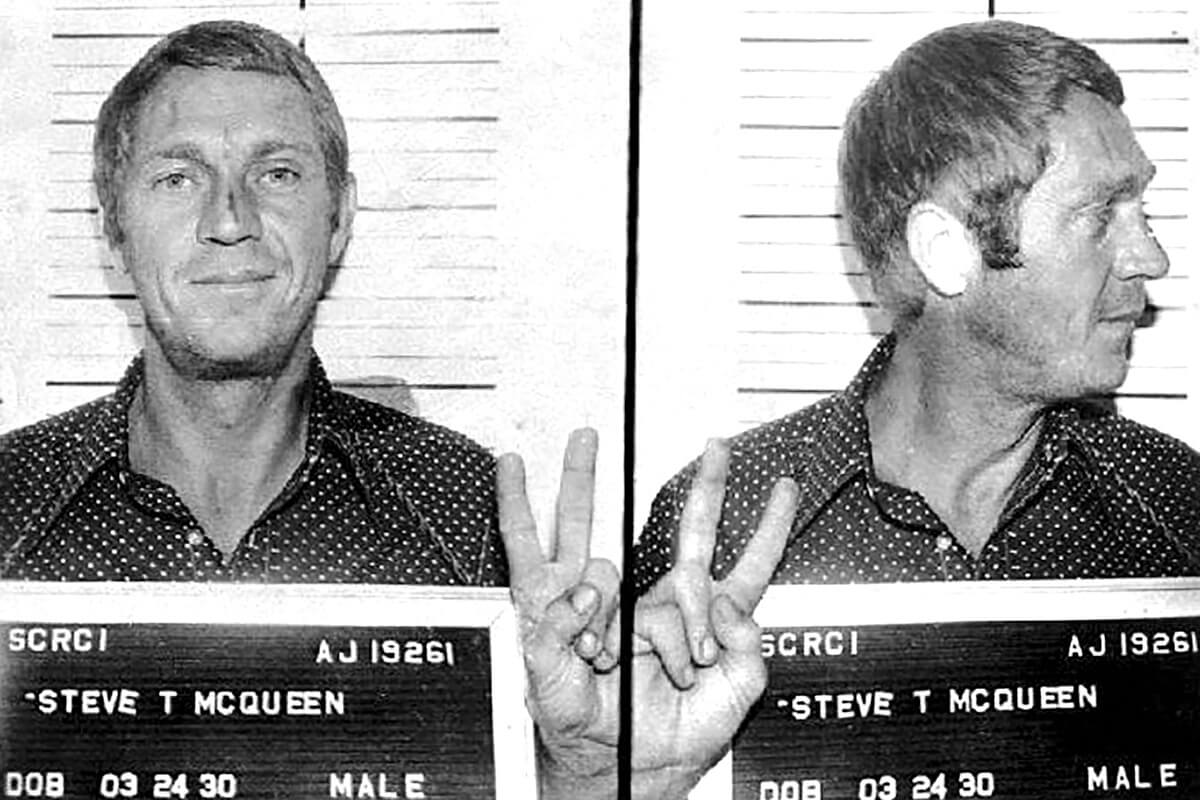
Steve McQueen’s mother was an alcoholic and his father a transient stunt pilot for a barnstorming flying circus. After being shuttled around among sundry family members McQueen became heavily involved in gang activities and petty theft. By age fourteen he was remanded to a California institution for incorrigible boys.
McQueen matured somewhat while there and returned many times after he found success to encourage the students and bring them gifts. He eventually signed on with the Merchant Marine but jumped ship in the Dominican Republic where he supported himself as a bouncer in a brothel. He subsequently drifted from job to job, working as both a carnival salesman and lumberjack in Canada. He was once arrested for vagrancy and spent thirty days on a chain gang.
McQueen enlisted in the Marine Corps at age seventeen and was demoted seven times for behavioral problems. He once went AWOL and subsequently resisted arrest, earning himself 41 days in the brig. After this experience, McQueen seemed to get his life in order, at least a bit. He saved a five-man tank crew during an arctic exercise after their tank broke through the ice and sank. He also served on the honor guard aboard Harry Truman’s Presidential yacht.
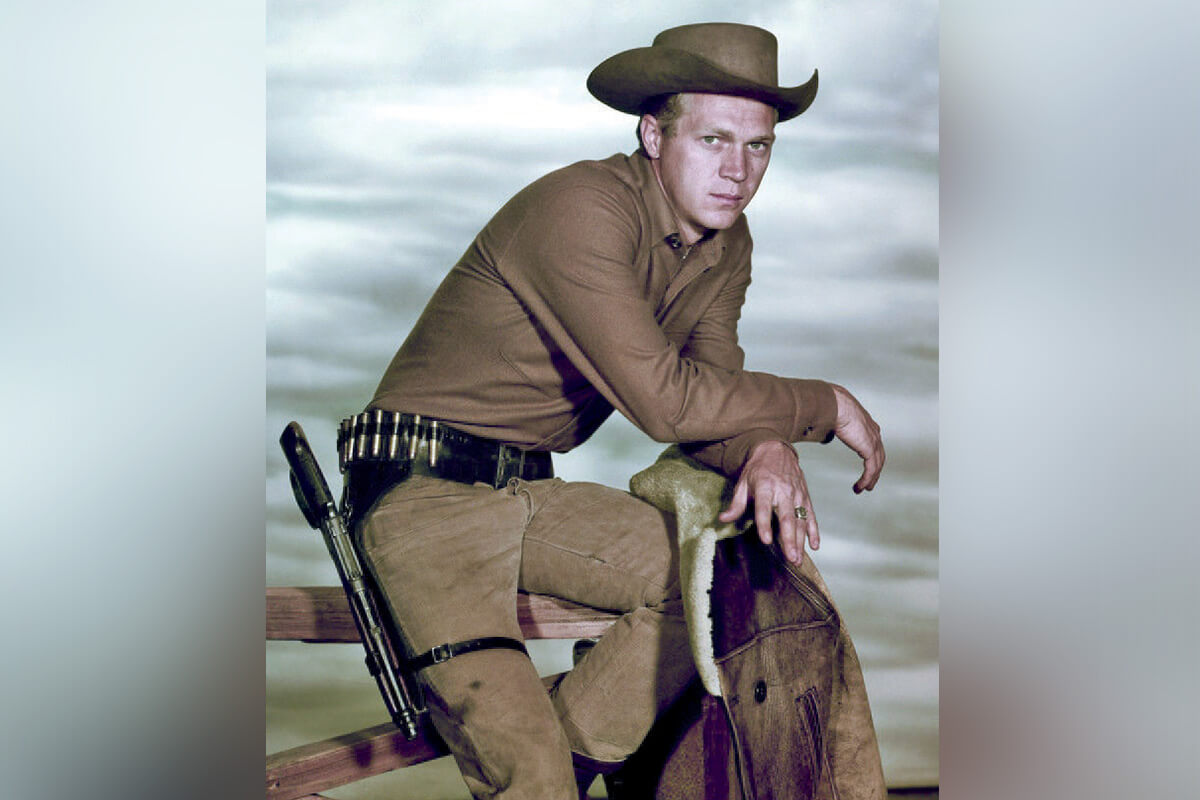
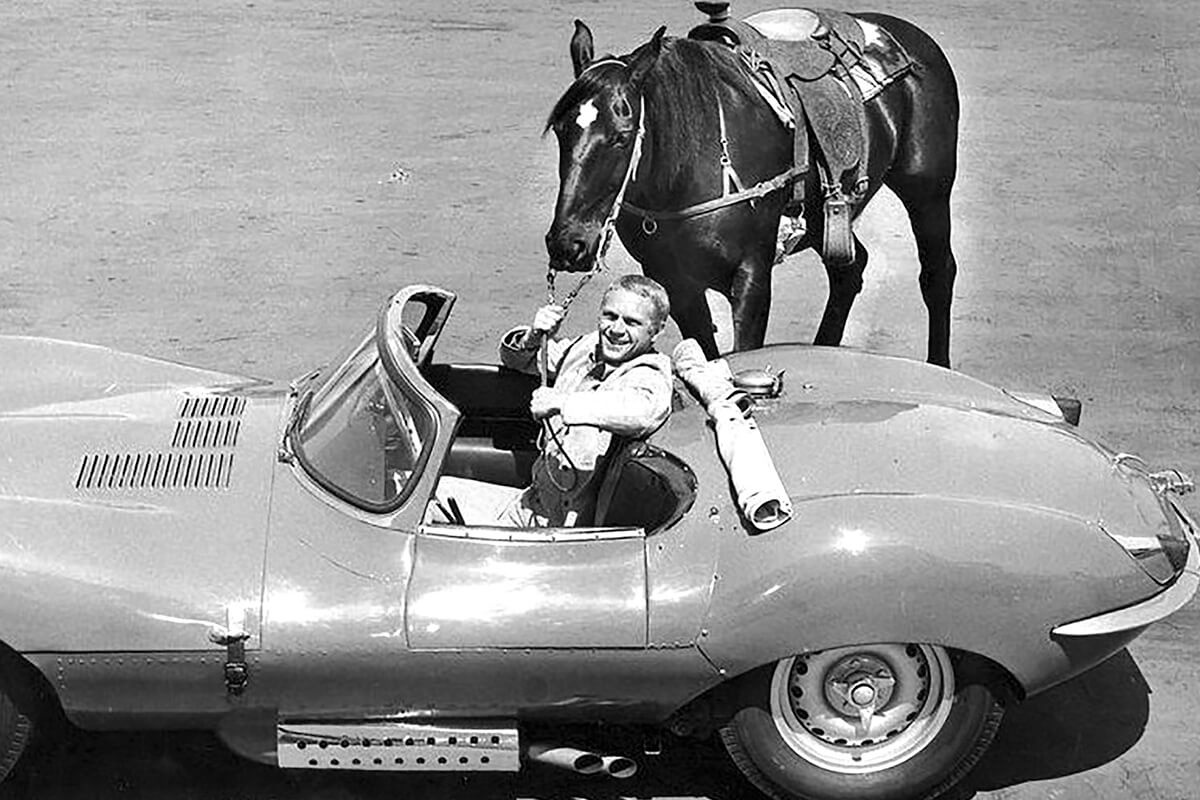
McQueen studied acting via the GI Bill after leaving the Marine Corps and supported himself as a car and motorcycle racer. He did his own stunt driving in his movies, some of which was quite audacious. Playing the lead on the popular TV Western Wanted: Dead or Alive was his breakout role.
The antique toys shown in the movie came from McQueen’s personal collection. McQueen kept the 1951 Chevrolet Skyline he drove in the movie. That car sold at auction in 2013 for $84,000.
After a lifetime spent in empty hedonism, Steve McQueen eventually found Jesus. During his final years, he came to know Billy Graham and was active in the Ventura Missionary Church. His spiritual journey was cataloged in a posthumous documentary titled, Steve McQueen — American Icon. Kenneth R. Morefield of Christianity Today said the film, “offers a timeless reminder that even those among us living the most celebrated lives often long for the peace and sense of purpose that only God can provide.”
About the Author
Movie Guns Editor Will Dabbs, MD is a mechanical engineer who flew UH1H, OH58A/C, CH47D and AH1S aircraft as an Army Aviator. He is airborne and scuba qualified and summited Mount McKinley, Alaska, six times…at the controls of an Army helicopter. After eight years in the Regular Army, Major Dabbs attended medical school. He works in his urgent care clinic, shares a business building precision rifles and sound suppressors, and has written for the gun press since 1989.