Category: War
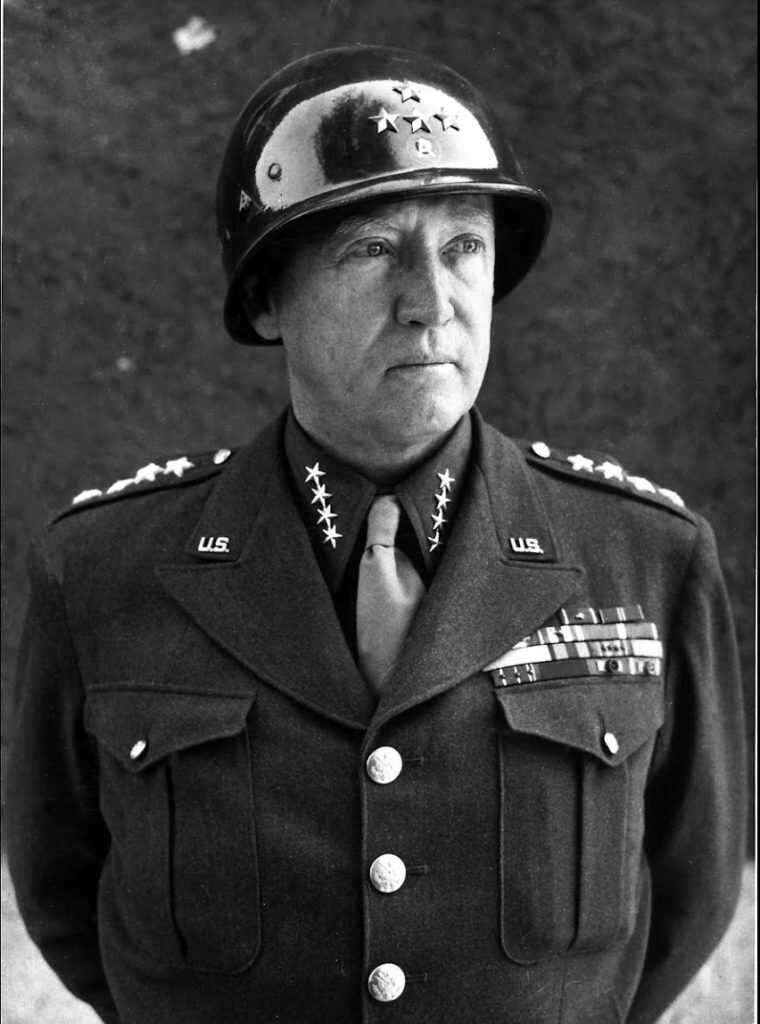
Soldiers do curious things for some of the dumbest reasons. Referring to the Medal of Honor, General George Patton once opined, “I’d give my immortal soul for that little blue ribbon.” That is objectively insane.
Table of contents
Medals and Awards
I never met an inspiring soldier who chased awards. The true heroes I have encountered were, to a man, humble. Jack Lucas threw himself on two grenades at once in the opening salvoes of the invasion of Iwo Jima, rightfully earning the Medal of Honor in the process. When this indestructible Marine found out I was a veteran, he thanked me for my service. I wasn’t worthy to polish that man’s boots.
Like others of his rarefied caliber, Jack deferred the glory to those who did not come home. I am ever amazed that, as a people, we can create such men as these. Of all the silly baubles that drive soldiers to ridiculous heights, be they funny hats, uniform patches, or scraps of colored ribbon, none should be so dreaded as the Purple Heart. To earn that medal, you’ve got to bleed.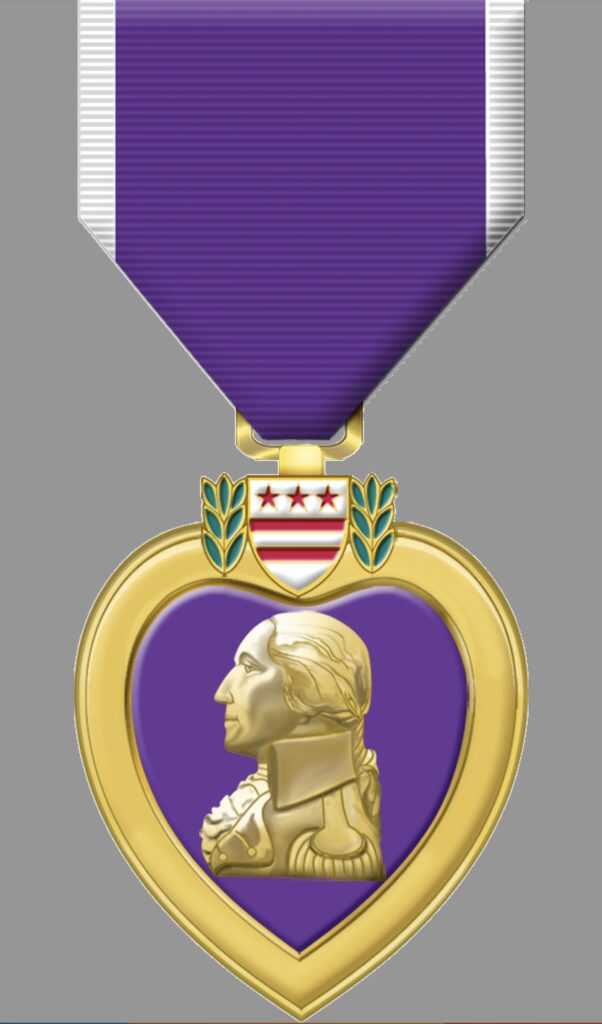
The Purple Heart
George Washington thought that one up. The award was first called the Badge of Military Merit, and it was established on 7 August 1782. The medal bears Washington’s likeness even today. Washington only presented three of the awards, though he empowered his subordinates to deliver more. The Badge of Military Merit then languished unused until 1927.
While several military men worked on the project, it finally came to fruition under the leadership of Douglas MacArthur. The specific details of the modern Purple Heart were designed by an Army heraldic specialist named Elizabeth Will. The finalized award was formally resurrected on 22 February 1932, the 200th anniversary of Washington’s birth. 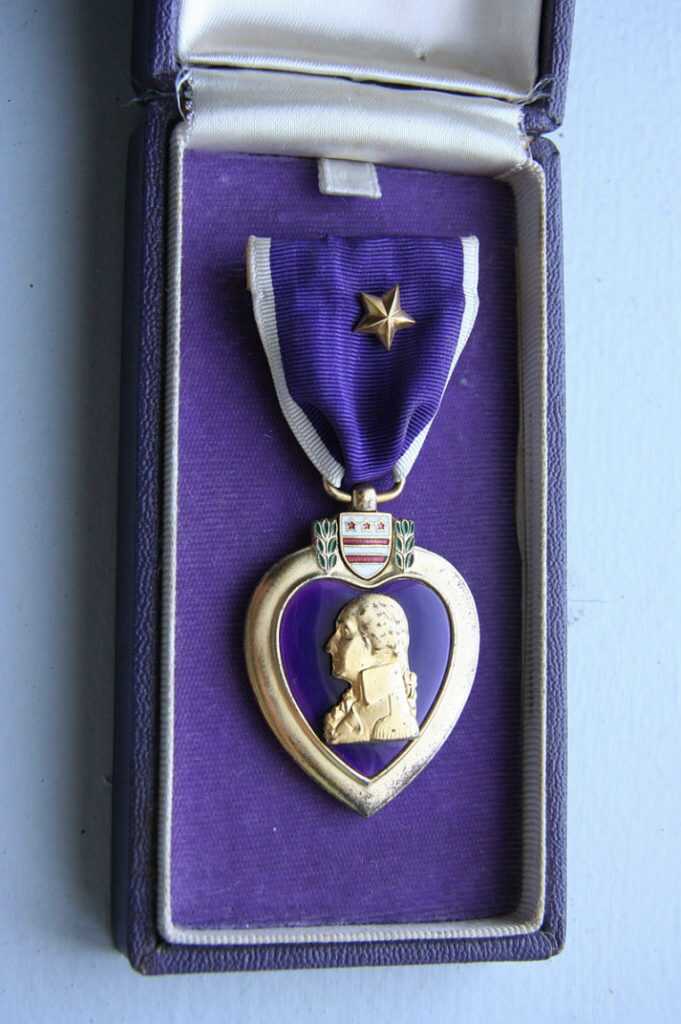
The Purple Heart was awarded retroactively for wounds received during World War 1. MacArthur himself was the first recipient. It was standardized across all services in December of 1942. However, the Purple Heart is a military award no sensible person covets.
A Circuitous Path
Born on October 27, 1910, William Gail White was the youngest of three children born to a Presbyterian minister and his schoolteacher wife. White attended High School in Bakersfield, California. From the very beginning, he wanted to be a soldier. White volunteered for a summer training program called the Citizens Military Training Camp (CMTG) and was designated honor trainee. Upon graduating in 1929, White began competing as part of the Ninth Corps Area CMTG Rifle team.
A superb marksman, White was recommended for a commission as a Second Lieutenant, but he was too young. He enrolled in the San Jose Teachers College in 1930 but dropped out and enlisted in the US Marine Corps. In the summer of 1930, White was assigned to the USS West Virginia as part of its Marine detachment. 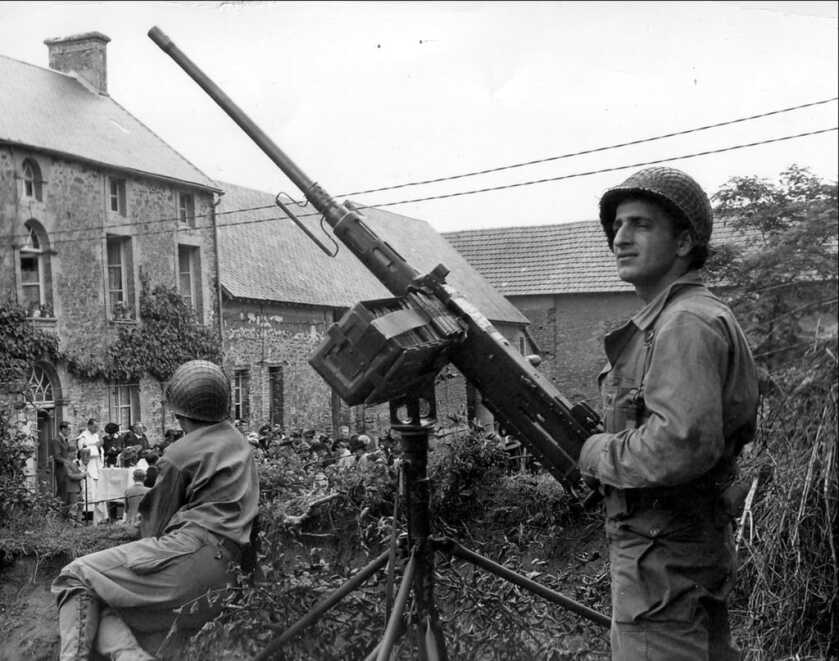
Exactly The Right Type of Person
White excelled as a Marine. He set the Marine Corps record with the Browning M2 machinegun, scoring 396 out of 400 on the 1,000-inch range. After eleven years as a Jarhead, William White left the Marines for civilian life. He worked for Shell Oil until 1941. However, with war approaching, White enlisted again, this time as an Army Private at age 31. He was assigned to the 32nd Infantry Regiment of the 7th Division stationed at Fort Ord, California. During one training mission in California, White crossed the Salinas River alone on an inflatable air mattress to gather intelligence on enemy dispositions. This earned him the nickname, “The Salinas River Sea Serpent.”
By the summer of 1944, White had indeed become a commissioned officer. Now 34, he was assigned as the Executive Officer for the 3rd Battalion, 330th Infantry Regiment, 83d Infantry Division. He later commanded his own battalion. White made Major 25 months to the day after enlisting as a Private. Suffice to say, it takes considerably longer than that today. By late June, White was moving into Carentan, France, to relieve the 101st Airborne after they assaulted Normandy.
William Gail White Attracted Pain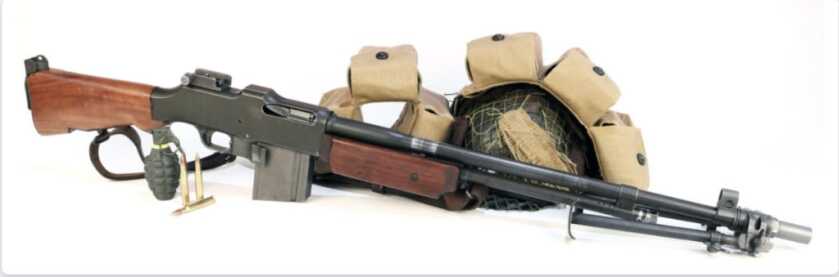
Major William Gail White was utterly fearless in combat. While advancing through the accursed Norman hedgerows, White struck out at a run, rallying his men to follow. Throwing himself onto the far berm, he spotted a pair of German machinegun positions sited to produce a crossfire in the next open field. The next American to arrive was a BAR man. White did not feel that he had time to direct the man’s fire, so he snatched up the BAR himself.
He then neutralized both positions before swapping magazines and striking out with the heavy gun for the next berm. Meanwhile, the poor BAR gunner who had lugged the massive weapon throughout training and the landings in France scurried behind shouting, “But Major, when do I get to use it?” White responded, “Never mind when you get to use it. Throw me another damn magazine…”
Normandy in the summer of 1944 was a dangerous place. White and his unit were facing the 17th SS Panzergrenadiers along with elements of the 5th and 6th Fallschirmjager Regiments. These elite troops fought fanatically for every yard of French dirt. On 5 July, Major White was hit in the chest by a 9mm round fired from a German MP40 submachinegun. This bullet struck him a glancing blow, blooding him badly without penetrating anything vital. Later that same day he caught a grenade fragment to his forehead. Those two injuries bought him two Purple Hearts in a single day.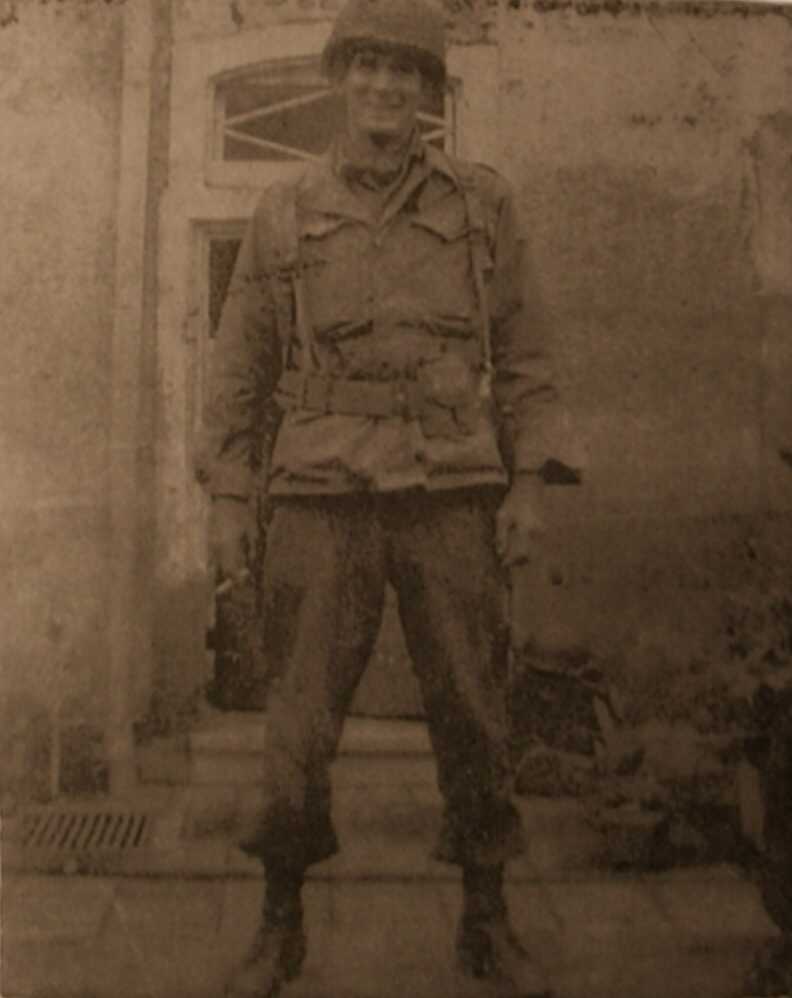
Major White Kept Collecting Bullets
In the next forty-eight hours, Major White was wounded three more times. He was first struck in the shoulder by a piece of shrapnel from an artillery round. What put him down, however, was a bullet along with grenade fragments that synergistically shredded his forearm.
These wounds, his fifth and sixth, physically removed a substantial portion of his forearm and rendered him unconscious. Three inches’ worth of bone was visible when they evacuated him. He awoke to, “The face of the most beautiful blonde angel he had ever seen.” The exhausted Army nurse did her best to clean his battered body and brought him something to eat. Despite his being declared a critical surgical case, White still had to wait three days for space in a crowded operating theater.
Army surgeons reconstructed his forearm as best they could and covered the wound with a skin graft from his thigh. White later joked, “Every time my leg itches I have to scratch my arm.” However, the damage to his forearm muscles was severe, preventing him from using a weapon. This should have been his ticket back to the Z.I. (Zone of the Interior—Stateside).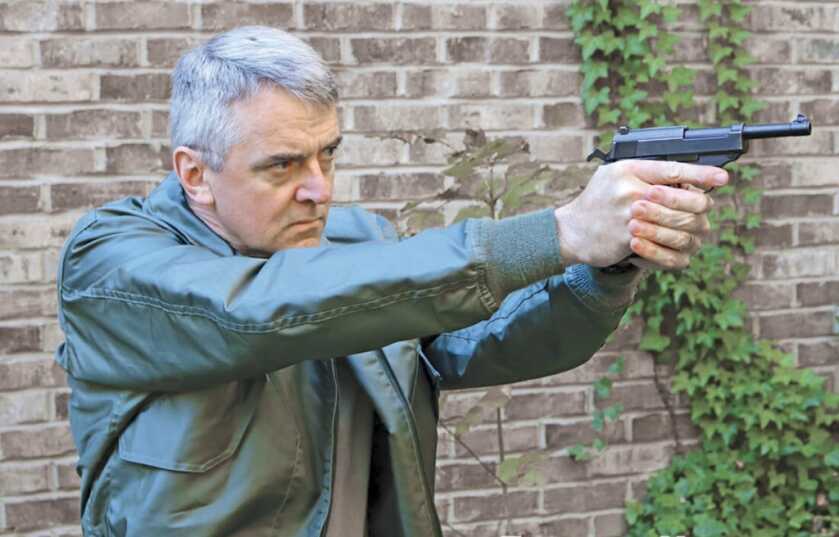
Not Done Fighting
Major William Gail White still felt he had more war left to fight. When evacuated he had stashed a captured Walther P38 pistol in his gear. The hospital staff had stored the German weapon in their supply room. White retrieved it and spent hours trying to squeeze the double-action trigger. When finally he could reliably activate the weapon, White felt he could return to his unit. He subsequently went AWOL and caught a ride back to the continent from England.
White tried to find his old unit, but this was a chaotic time. While fighting as a replacement in Luxembourg he was showered in fragments from yet another German hand grenade. That was Purple Heart number seven.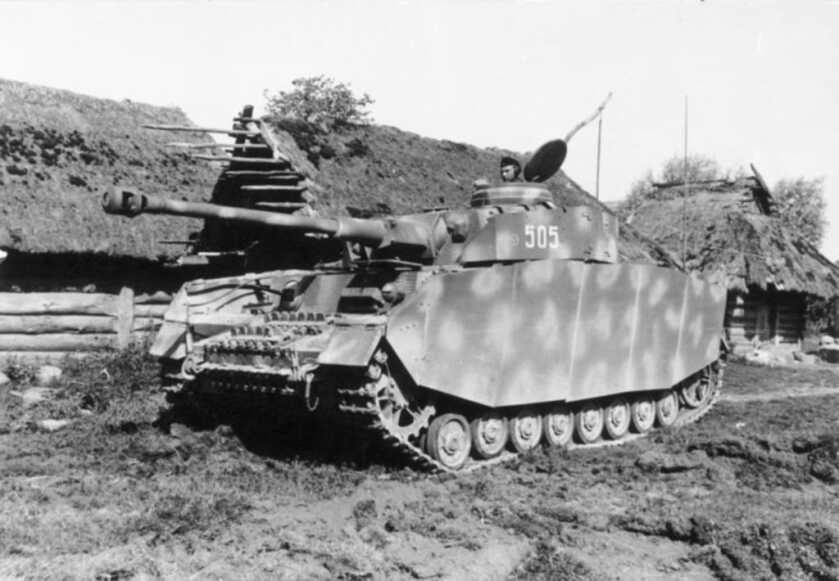
As Tough As They Come
We lack the space to do this man justice. White was captured by the Germans but escaped, liberating another fourteen Americans in the process. This earned him the Silver Star. On 10 December 1944, White earned his second Silver Star during combat in Strauss, Germany. This action saw him eliminate three enemy machine gun positions, two Pzkfpw Mk IV tanks, and two self-propelled guns while capturing 31 German prisoners. Along the way, he caught a burst of machine gun fire to the belly. That was his eighth Purple Heart.
As a physician, this is tough to imagine. White was evacuated to England for a major belly surgery and colostomy. He subsequently crashed on the operating table. The surgeons had the chaplain administer the last rites, yet he miraculously recovered.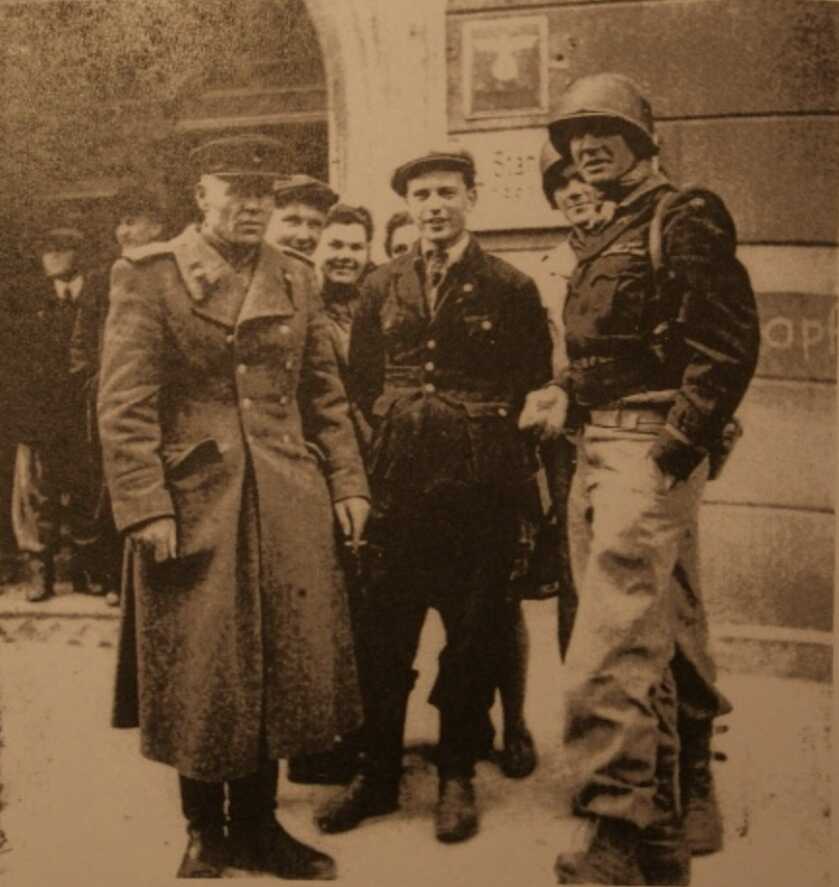
Major William Gail White: Back At It
After less than a month, White had his colostomy reversed. Two days after that he slipped out of the hospital and caught a C47 back to the war zone yet again. 48 hours before he had been pooping in a bag. Good Lord, what a man.
While fighting around the Elbe River, Major White was wounded a ninth time, his last before the German capitulation. However, this shot-up old hero wasn’t quite done. He later deployed yet again for the war in Korea.
By now White was more than 40 years old. During one engagement in Korea, communist forces shot the antenna off of the radio he was carrying. Another bullet also took off his cap. He later counted six bullet holes in his parka. Soon after, while serving as an advisor to a South Korean special forces unit, White made a one-round confirmed kill on a running North Korean soldier at 900 yards over open sights using an M1 Garand rifle.
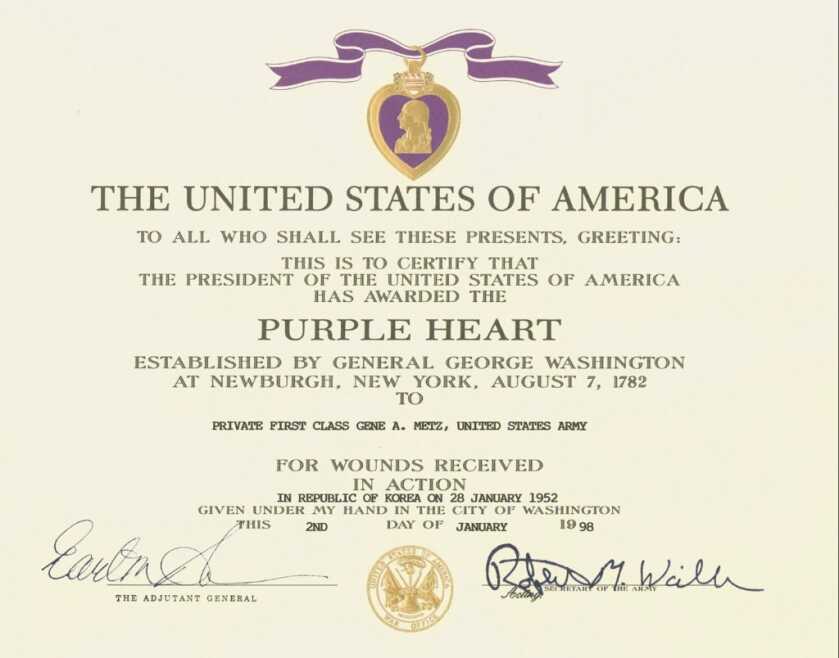
White was eventually shot through the right chest with a Chicom rifle round. This was his tenth and final wound. Despite lots of surgery and a laborious recovery, the man still would not die. He subsequently went on to complete Airborne school and serve as a Ranger instructor. William White eventually retired as a Lieutenant Colonel.
The Rest of the Story
The morality of employing two atomic bombs to end the war in the Pacific has been debated ever since the bomb bay doors opened on the Enola Gay back in August 1945. However, it is a historical fact that these two bombs ultimately saved countless lives on both sides by negating the need for an amphibious invasion of the Japanese home islands.
During WW2, the US government manufactured 1,506,000 Purple Heart medals. Most of these were planned for use in the aftermath of Operation Downfall, the invasion of Japan. After the war, nearly 500,000 remained in storage. Even accounting for those that were lost, stolen, or wasted, as of 2000, the national stockpile still stood at around 120,000. The Purple Heart medals that are awarded to service personnel today are all more than 75 years old.
Lieutenant Colonel William Gail White, the frag magnet, finally died of natural causes on 6 April 1985. He was 74 years old. White was interred at Maplewood Cemetery in Kinston, North Carolina. Eventually, old age did what the Wehrmacht and the communist Chinese could not. Wow, what a stud.
Categories
Vicious Cycle & Irony

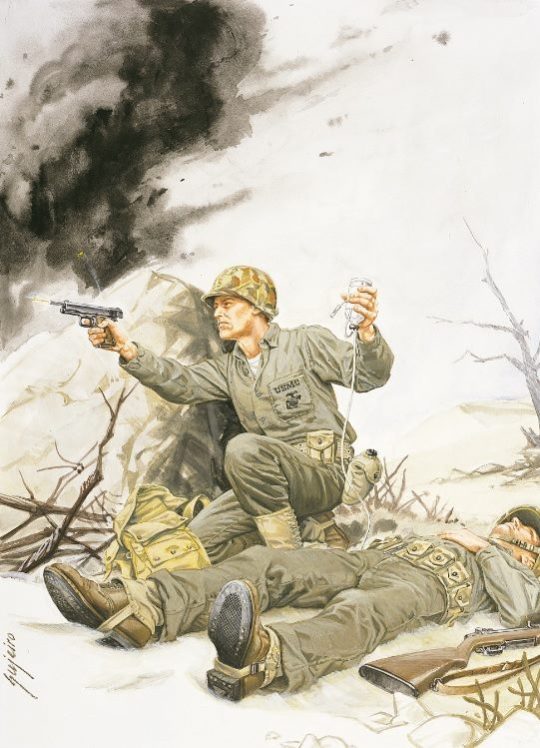
On May 2, 1945, he was assigned to a rifle company of the 5th Marines during the invasion of Okinawa. That day, the 5th Marines were pushing uphill towards a ridge against determined Japanese resistance. The slope was strewn with Marine casualties, and Corpsman Bush moved unceasingly among them rendering aid despite the withering fire all around him.
When the attack passed over the crest of the ridge, he moved up to the top of the slope to aid a wounded Marine officer. A Japanese counterattack swept over the ridge just as he began administering blood plasma to his patient.
As the Japanese approached, Corpsman Bush gallantly held up the plasma bottle with one hand and fired a pistol at the Japanese with the other. Then he grabbed a carbine and killed six advancing Japanese. He suffered several serious wounds himself, including the loss of an eye.
He remained guarding his “officer patient” until the enemy were repulsed. Then, according to the official citation, he “valiantly refus[ed] medical treatment for himself until his officer patient had been evacuated…”


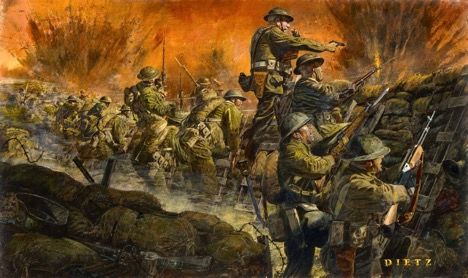

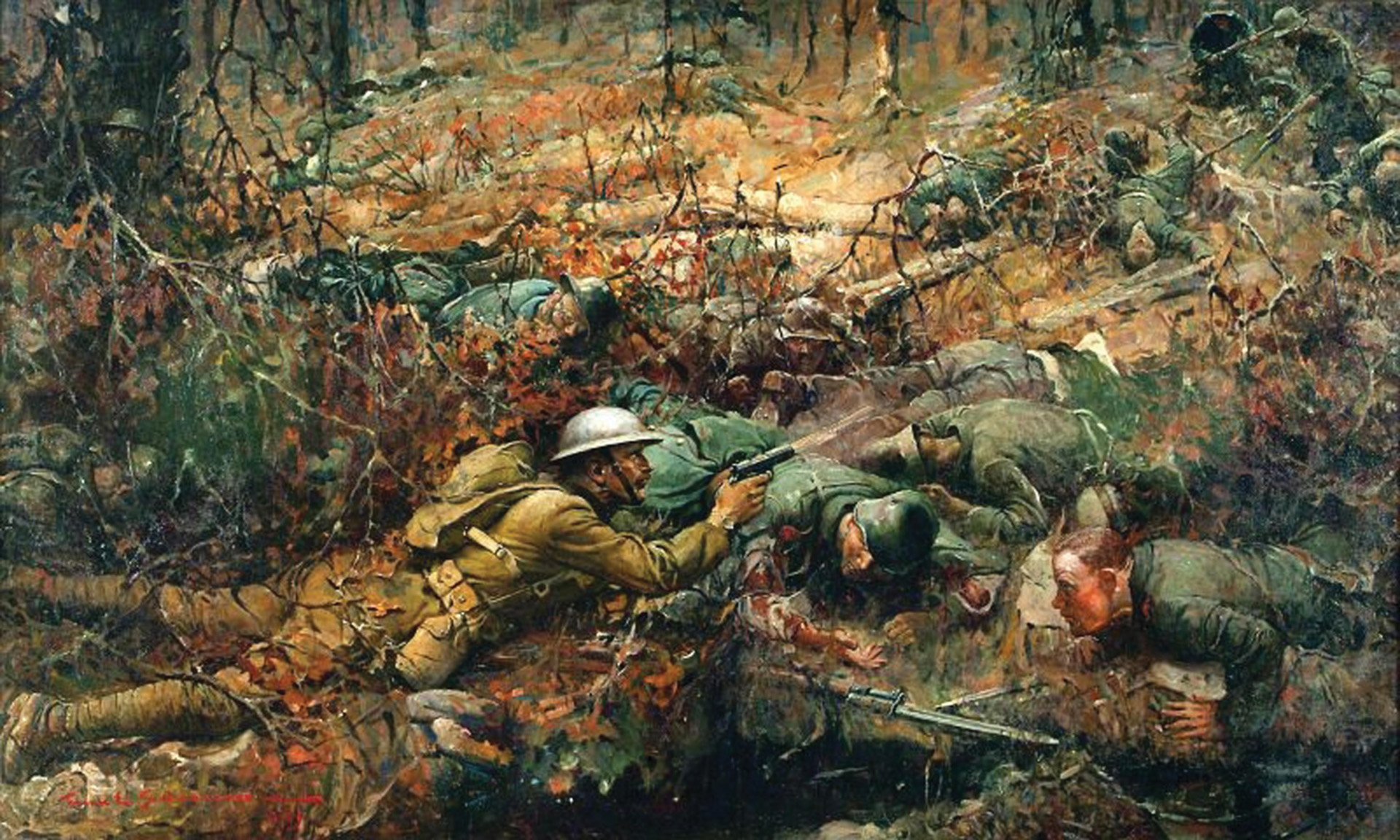
Sgt. York at work in the Argonne Forest Offensive