Categories
Uncategorized

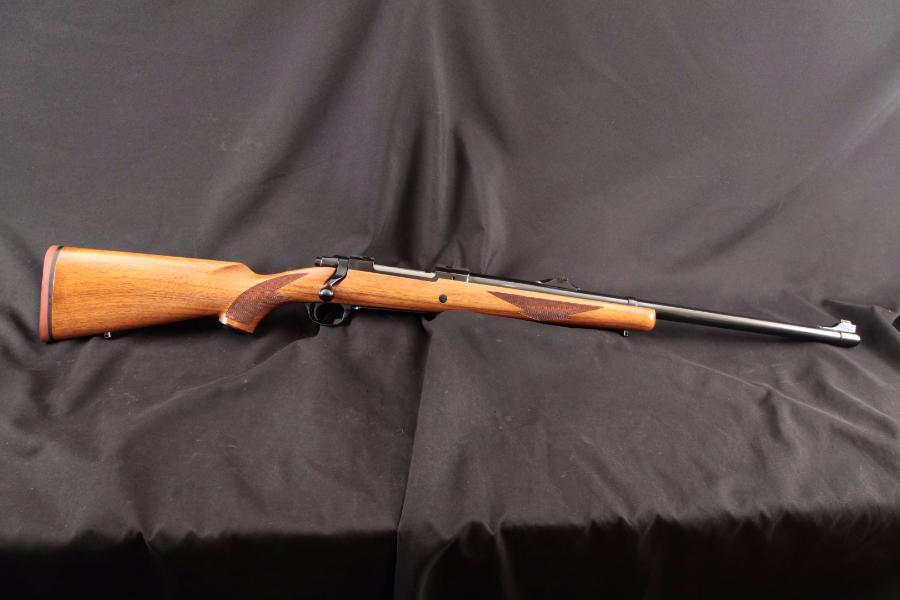
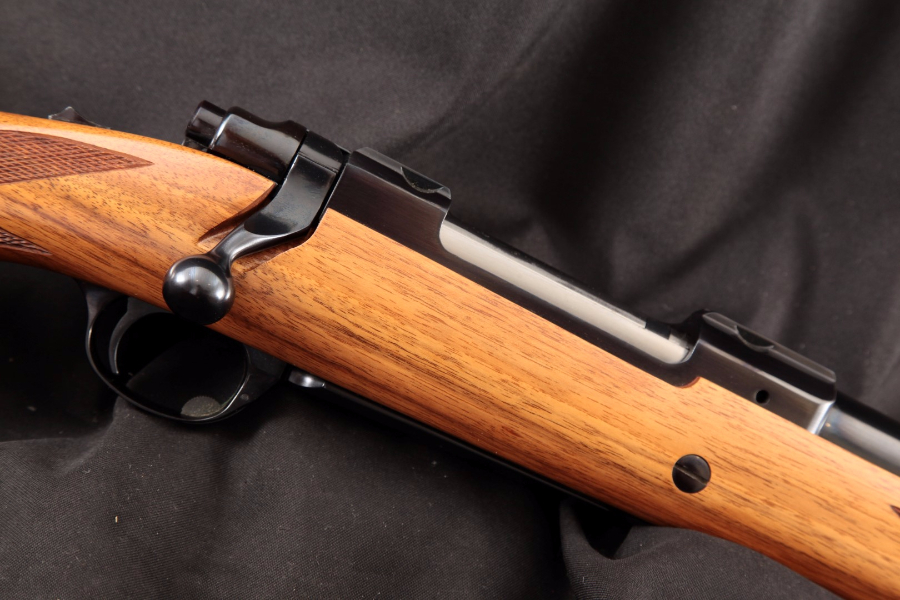
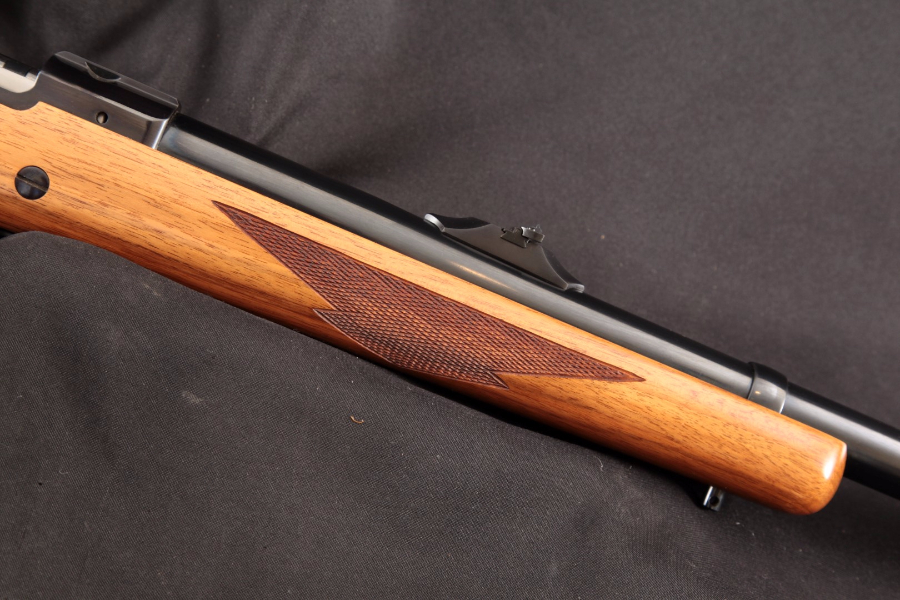
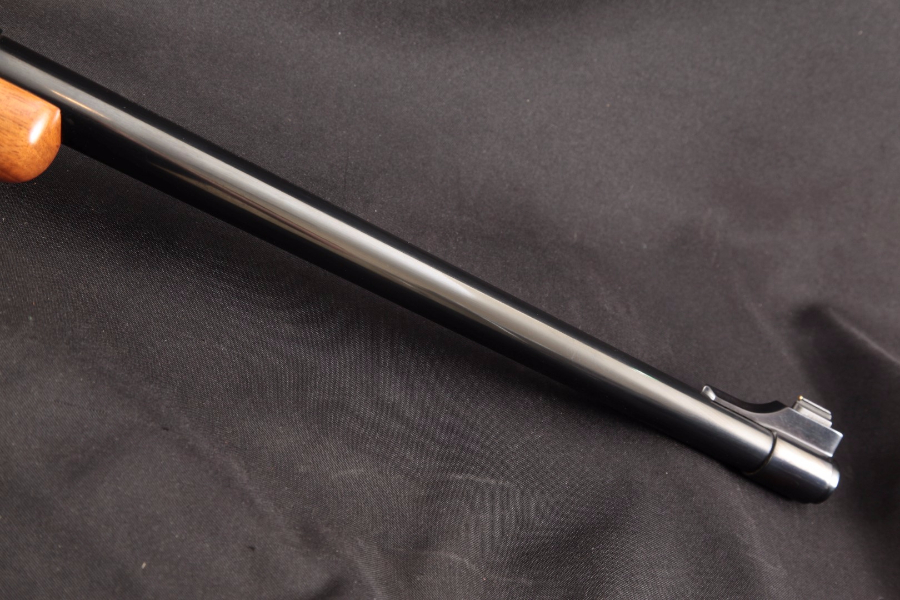
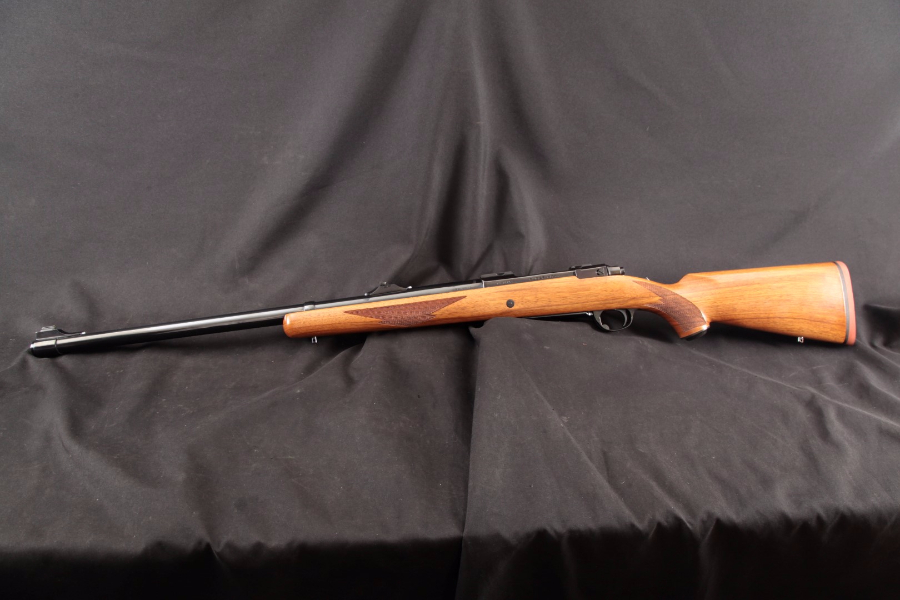
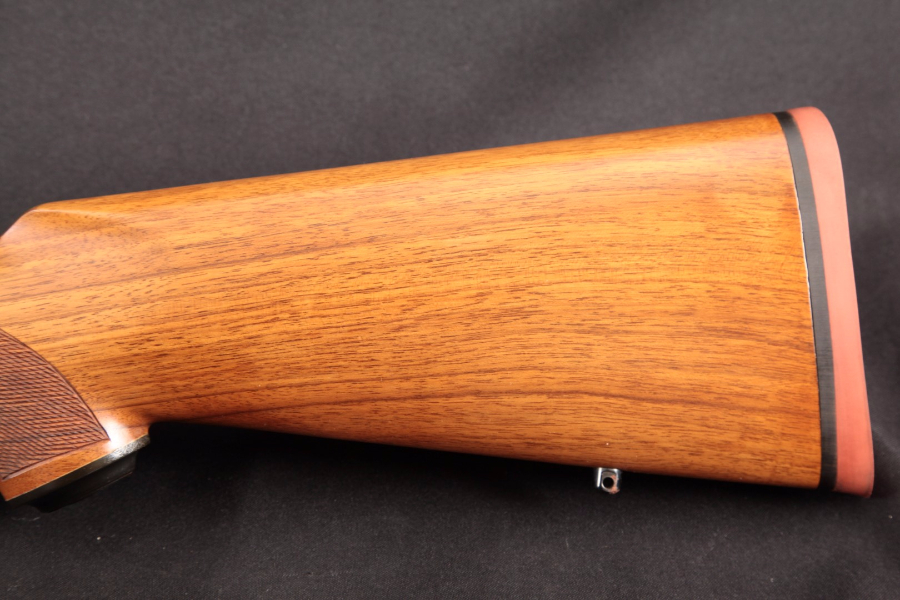
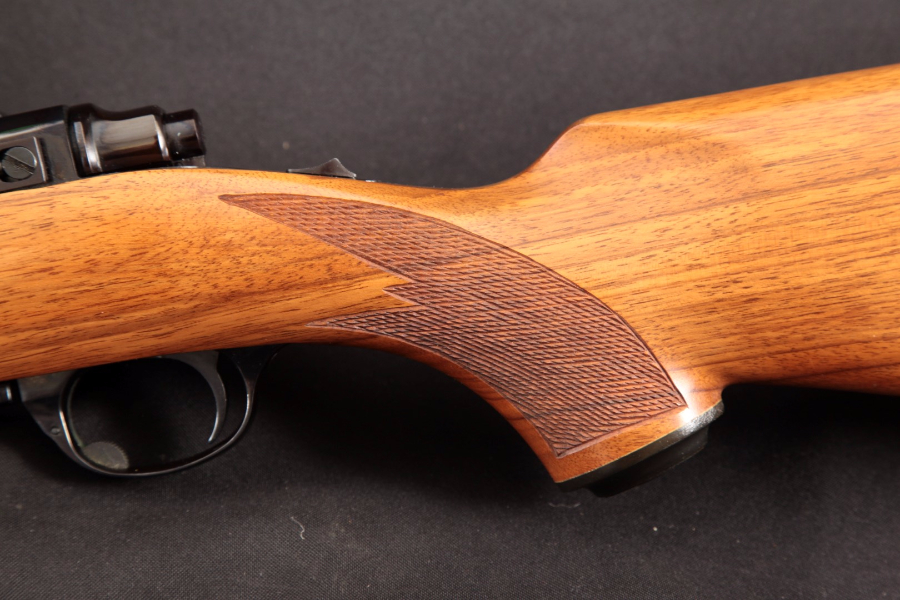
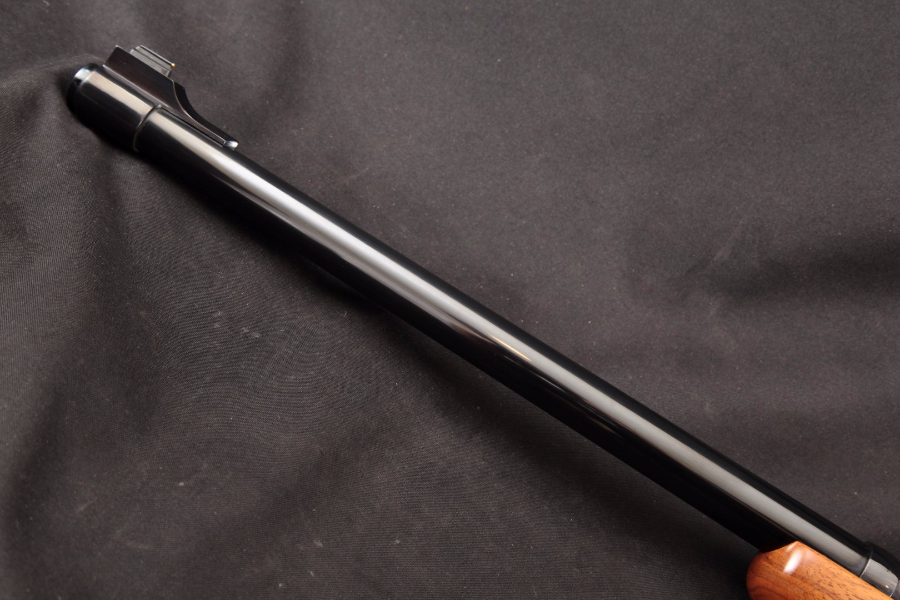
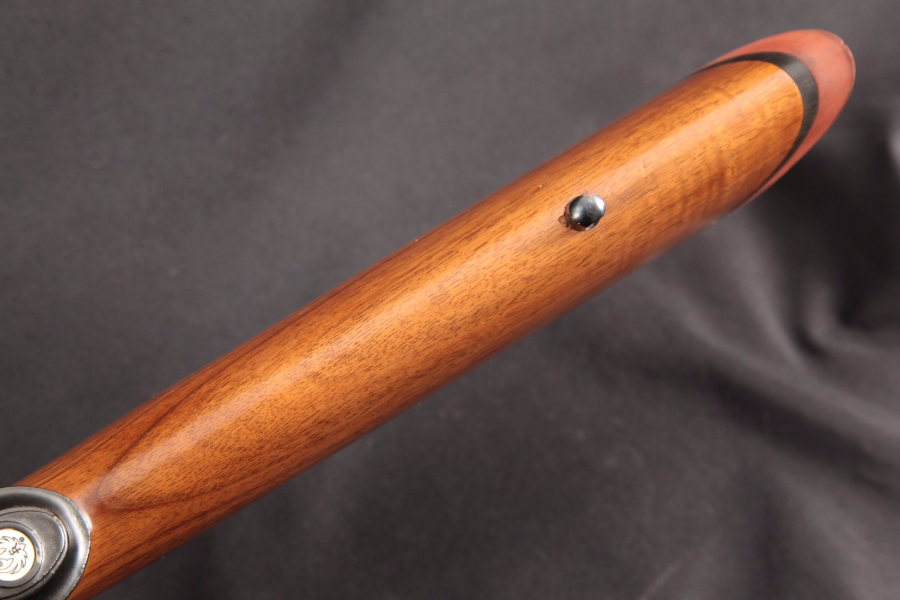
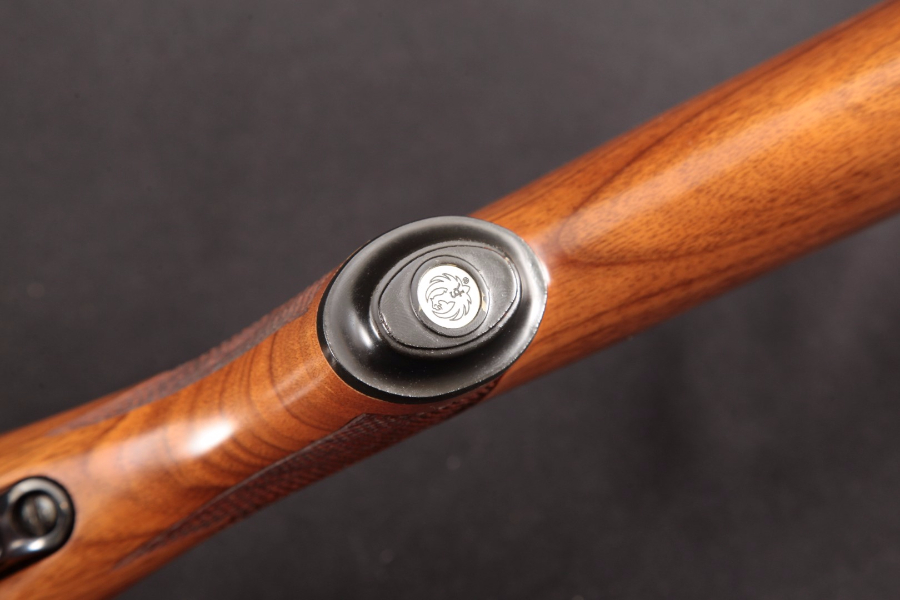
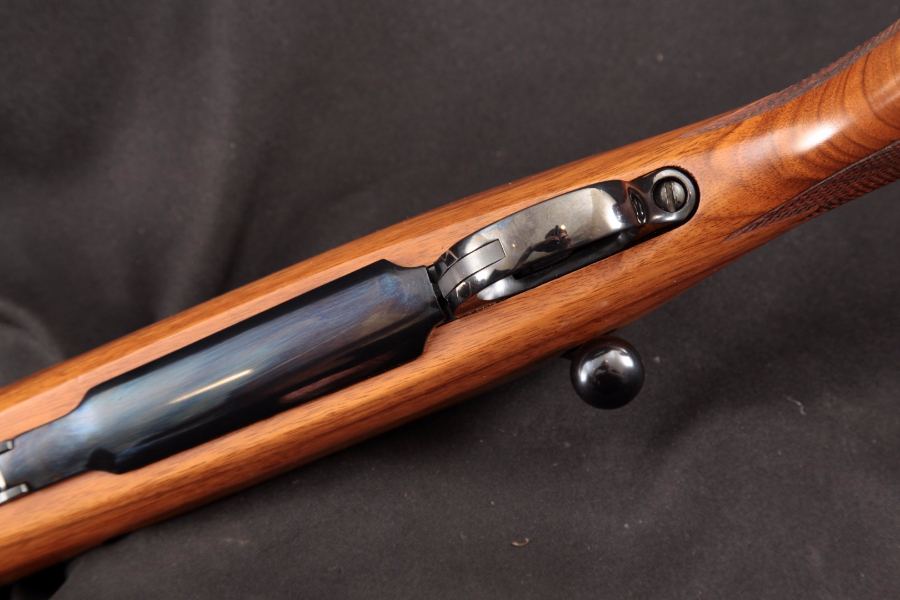
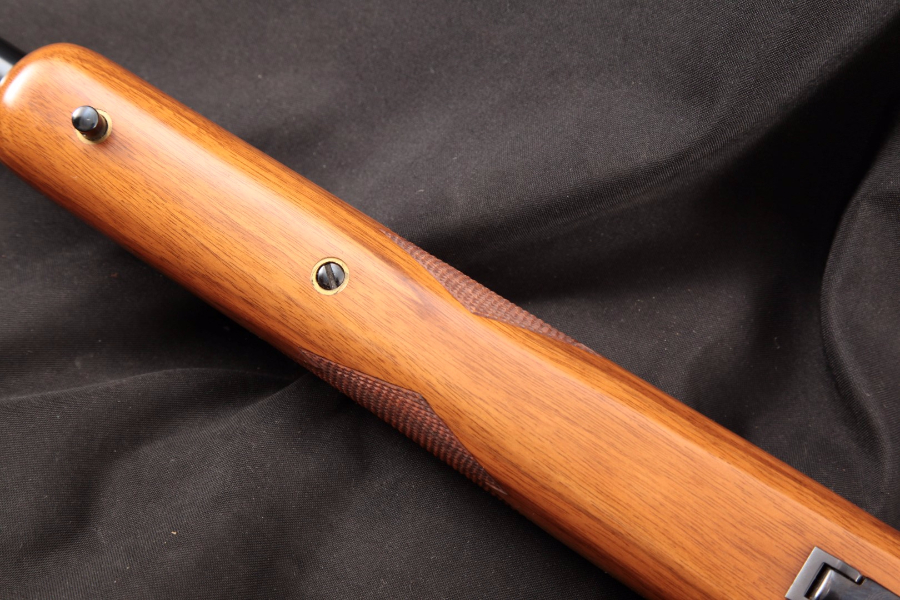
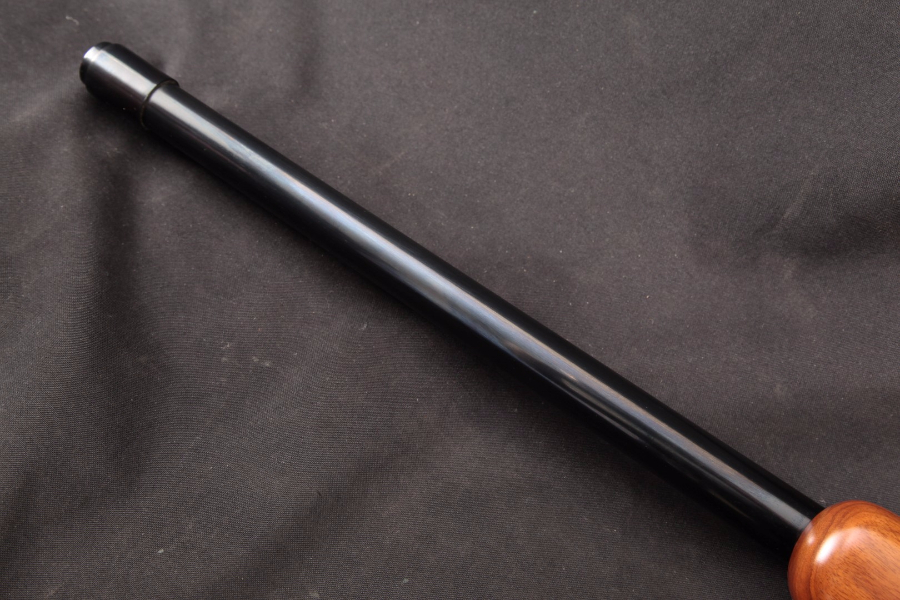
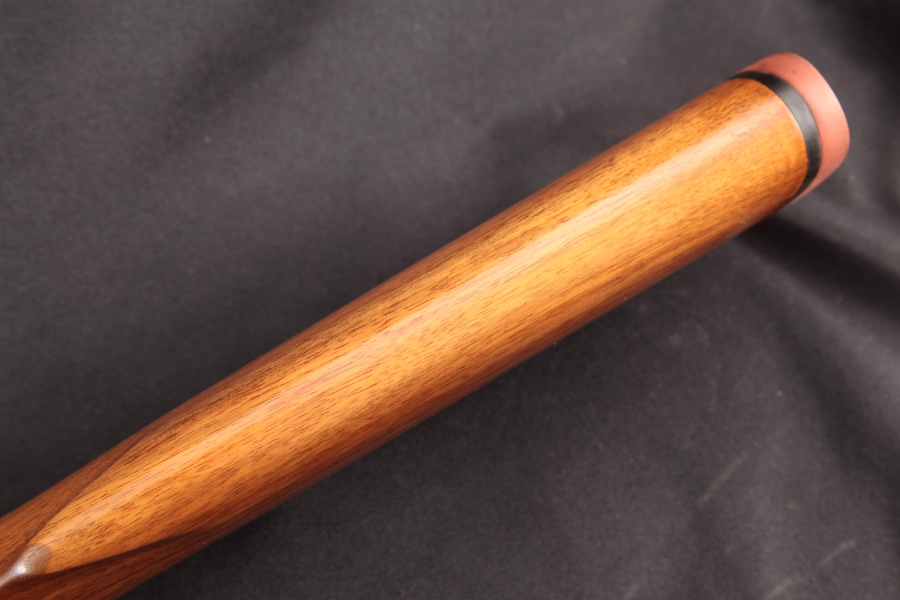
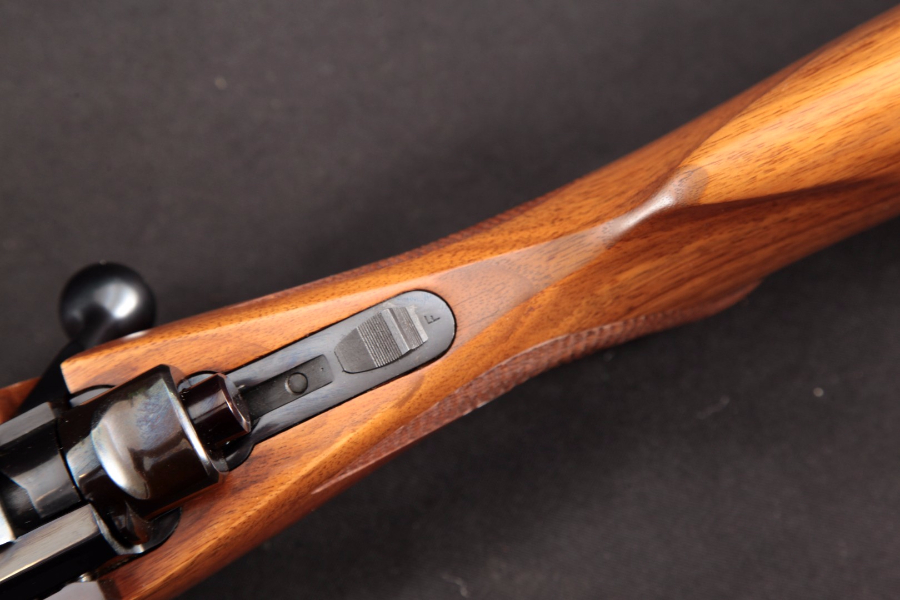
Winslow Arms Custom FN Mauser Safari Regent Grade, Blue 26” Bolt Action Rifle & Scope Caliber: .375 H&H Magnum

The inlaid decorations tell us that this gun was around back in the 1950’s & 60’s when that was all the rage!
Categories
Uncategorized

NSFW, TGIF!

Inline image 2
Inline image 10
Inline image 9
Inline image 6
Inline image 12
Inline image 4
Inline image 5
Inline image 3
Inline image 11
Inline image 7
Inline image 4

Categories
Uncategorized

A nice looking Sako Ai in caliber.17 Rem

So far I myself have had a lot of good luck with Sako! But some of my friends have had nothing but horrid luck with their, So go figure! Grumpy
But by just looking at this fine looking rifle, I know that I would chance it!

SAKO - ~ AI .17 REM...FRANK WELLS CUSTOM...GORGEOUS RIFLE!!...NO RESERVE! - Picture 2
SAKO - ~ AI .17 REM...FRANK WELLS CUSTOM...GORGEOUS RIFLE!!...NO RESERVE! - Picture 3
SAKO - ~ AI .17 REM...FRANK WELLS CUSTOM...GORGEOUS RIFLE!!...NO RESERVE! - Picture 4
SAKO - ~ AI .17 REM...FRANK WELLS CUSTOM...GORGEOUS RIFLE!!...NO RESERVE! - Picture 5
SAKO - ~ AI .17 REM...FRANK WELLS CUSTOM...GORGEOUS RIFLE!!...NO RESERVE! - Picture 6
SAKO - ~ AI .17 REM...FRANK WELLS CUSTOM...GORGEOUS RIFLE!!...NO RESERVE! - Picture 7
SAKO - ~ AI .17 REM...FRANK WELLS CUSTOM...GORGEOUS RIFLE!!...NO RESERVE! - Picture 8
SAKO - ~ AI .17 REM...FRANK WELLS CUSTOM...GORGEOUS RIFLE!!...NO RESERVE! - Picture 9
Categories
N.S.F.W. Uncategorized

NSFW for my Great Readers out there! Thanks Guys


Categories
N.S.F.W. Uncategorized Well I thought it was funny!

Well I thought they were funny or useful! NSFW

image.png
image.png
 

image.png
image.png

Categories
Uncategorized

There are still a few good men in the UK!

Lets see, take a lot of booze, arrogance, a pissed off Dad, his family & lets see what happens!
https://youtu.be/y3iSWy02Nl4
I think that Dad showed a huge amount of restraint. But then there comes a time. When a man has to do what a man has to do.

Categories
Uncategorized

https://youtu.be/yNMvNCzlWO8 https://youtu.be/7uL5JJ7JRA4 https://youtu.be/MKj1W91cB9M https://youtu.be/w16pXWL2B2k https://youtu.be/MlTUs-Z6qsg https://youtu.be/YT0QvYsQb9c https://youtu.be/R05JoavbfrU https://youtu.be/ayFQCwG76WE https://youtu.be/k8VzFPz3MxU https://youtu.be/qsAUKRbaZ9E Attachments area Preview YouTube video The History of Colt Handguns with R. Lee Ermey The History of Colt Handguns with R. Lee Ermey Preview YouTube video MG42 vs M60 With R. Lee Ermey MG42 vs M60 With R. Lee Ermey Preview YouTube video Bren Mk1 vs Browning Automatic Rifle With R. Lee Ermey Bren Mk1 vs Browning Automatic Rifle With R. Lee Ermey Preview YouTube video Lee Enfield Rifle vs M1903 Springfield Rifle and M1 Garand – With R. Lee Ermey Lee Enfield Rifle vs M1903 Springfield Rifle and M1 Garand – With R. Lee Ermey Preview YouTube video MP40 vs Thompson submachine gun (Tommygun) with R. Lee Ermey MP40 vs Thompson submachine gun (Tommygun) with R. Lee Ermey Preview YouTube video GunnyTime w Sawman & the Stoner 63 Machinegun GunnyTime w Sawman & the Stoner 63 Machinegun Preview YouTube video Lock n' Load with R. Lee Ermey – 01 Artillery Lock n' Load with R. Lee Ermey – 01 Artillery Preview YouTube video Army Sniper Legend, Ed Eaton, R Lee Ermey & Sawman on GunnyTime! Army Sniper Legend, Ed Eaton, R Lee Ermey & Sawman on GunnyTime! Preview YouTube video Shooting M32 Grenade Launchers | Kirsten Joy Weiss & The Gunny (R Lee Ermey) Shooting M32 Grenade Launchers | Kirsten Joy Weiss & The Gunny (R Lee Ermey) Preview YouTube video Longbow vs Crossbow with R. Lee Ermey Longbow vs Crossbow with R. Lee Ermey

Categories
Uncategorized

Winchester 1885 High Wall .45-70 Uberti Replica

Categories
Uncategorized

Your First African Safari: An Adventure Within Your Reach

young ernest hemingway smiling with dead lion gun in hand

Editor’s note: This is a guest post from Steve Scott.
Man is a hunter.
No matter your take on where we as a species came from, both the pre and post historic man hunted as if his life depended on it…because it did.  Life required hunter-gatherer to survive.  Learn the art of hunting, and a man could feed himself.  Become a skilled hunter, and a man would elevate in status and wealth, could take a mate, raise a family, and propagate the species.  Failure as a hunter meant certain death…or vegetarianism.
And many men failed as hunters because it was really hard.  Though Man is an apex predator, it took cunning, skill, and a lot of courage to pursue wooly mammoths, saber-tooth tigers, and giant sloths with stone axes, flint-tipped spears, and the occasional atlatl.   Thankfully today, hunting is less of a life-or-death ordeal as Man’s oversized brain and advanced tools have more than made up for his limited physical abilities.
Modern weapons are infinitely more sophisticated and effective, and today, game is much more abundant.   Because of far-sighted men like Theodore Roosevelt and Aldo Leopold and billions of dollars of support from hunters, the conservation movement was born.  As a result, wildlife is thriving throughout North America.  Yet while there are more hunting opportunities today in the United States than ever before, some intrepid hunters look beyond our shores to a continent where the flora is little wilder, and much of the fauna has a nasty propensity to turn the hunter into the hunted.  I am referring, of course, to Africa.

Penetrating the Dark Continent

Though native Africans rightfully take issue, European explorers of the colonial age “opened” the continent from the 17th century on.  Africa and its wealth of wildlife was a magnet for many a gentleman sportsman, soldier of fortune, and anyone who enjoyed wearing khaki.  Fortunes could be made in a season with the “white gold” of the elephant tusk, and rhino horn was then, as today, in high demand in Asian and Middle Eastern marketplaces.  Without regulation, much less enforcement of conservation imperatives, Africa’s great herds of pachyderms were pushed to the abyss of extinction.  And though European colonial governments had a mixed record “managing” the lands they ruled, eventual development and enforcement of game laws eased pressure on African wildlife and paved the way for the golden era of African safari.

T.R., Hemingway, The Duke, et al.

theodore roosevelt hunting posing with dead water buffalo

On right, TR & son Kermit with a cape buffalo taken on the 1909 safari, which TR turned into a series of articles for  Scribner’s Magazine.

Though commercial hunting ventures were already coming to the fore, Theodore Roosevelt’s grand safari of 1909 brought African safari and things like the pith helmet to the public eye.  Financed by Andrew Carnegie and his own writing contracts, T.R., the stout, myopic ex-president and his son Kermit braved thirteen months traveling and hunting the Dark Continent, to ultimately gather the largest collection of natural history specimens ever donated to the Smithsonian Institute.  The collection, which totaled 23,151 specimens, included insects, birds, and non-game mammals.  It also included a number of lions, elephants and rhinoceros, along with a plethora of other big game species.  Through his series of articles in Scribner’s Magazineand the eventual compilation that became the book African Game Trails, Roosevelt introduced the world to safari, and the rich and famous came in droves.

roosevelt hemingway writing in the outdoors in tents

More than hunting can take place on safari. Here, two prolific writers, Roosevelt and Hemingway, ply their craft in the comfort of the open air office.

Inspired by Roosevelt’s adventures, Ernest Hemingway’s African safaris were both productive and nearly fatal.  His hunting exploits were the basis for the classic novel The Green Hills of Africa, as well as the short stories “The Snows of Kilimanjaro” and “The Short Happy Life of Francis Macomber.”  Hemingway took dangerous game on both expeditions, but it was not the game that nearly got him killed.  On his second safari, Hemingway survived not one, but two plane crashes, adding to his legendary persona as a fearless adventurer and the manliest of authors.
Later in the 20th century, actor William Holden perpetuated the safari mystic with the Hollywood crowd and other notables of the day when he established the Mt. Kenya Safari Club in 1959.  Through the decade of the 60’s and beyond, “The Club” became the retreat of choice for the glitterati, including crowned heads, luminaries of the day, and A-list actresses in fitted bush jackets.  It also became a bastion of adventure for some of the most notable alpha males of the period, including Sir Winston Churchill, Clark Gable, Bing Crosby, Dwight D. Eisenhower, Sean Connery, and John Wayne.

gary cooper clark gable hunting long guns

Actors Gary Cooper & Clark Gable were members of the Mt. Kenya Safari Club.

With generals, knights, and the Duke shining a spotlight on the safari lifestyle, it was little wonder the not-so-rich and famous soon began to hunt Africa as well.

Safari for the Rest of Us

Today, Africa remains the Mecca of big game hunting, as more species of plains and dangerous game inhabit sub-Saharan Africa than anyplace else on earth.  And while a full-bag Big Five (the five dangerous game species of Africa — elephant, rhinoceros, lion, leopard, and cape buffalo) safari in Tanzania can run north of $200,000, there are plenty of affordable big game safaris that can be had on a more modest budget…say mid-$5000 range, including airfare.  Or put another way, a seven-day African safari with several species for the equivalent of a moderately-priced elk hunt in the Rocky Mountains.  Think about that!  Bottom line: an African safari is a doable proposition for most any man who is: 1) employed; and 2) has the desire to go.

A Bad Example:  Me

When I booked my first African safari nearly 20 years ago, I was an idiot.  Well, perhaps not an idiot, but my lack of knowledge of what I was getting into was laughable.  For a seven-day plains game hunt in South Africa, I was working out hard every day to build my strength and endurance in the event I encountered a rampaging lion in the bush.  Problem with my logic was, there are precious few free-ranging lions in South Africa, and if I did happen to encounter one, no amount of speed or strength would have saved my tender hide.
Operating on the premise that you are more likely to undertake something outside your comfort zone (like go on an African safari) if you have a general knowledge of the process, and can be reasonably certain you will not be mauled by a lion, here are a few tips that can help make your first safari a resounding success.

The How-To of Safari

Like any worthwhile project, having a solid plan for a safari will go a long way to insure its success.  The single biggest factor in determining the outcome of a safari adventure is which operation the safari is conducted with.  In other words, choosing a professional hunter, or PH is the hunters first, and most important decision.
1.  Choosing A Professional Hunter: 
The professional hunter is the jack-of-all trades of the safari.  He acts as host, guide, tracker, outfitter, bartender, and sometimes cook, mechanic, or counselor.  In short, the PH is the man in charge of everything that has anything to do with the hunt.
But how does one choose the right professional hunter with the myriad of choices available?  Simply by doing the research.
Choosing the right PH/operator is much like finding a doctor or dentist when someone moves to a new area:  ask others for recommendations; call references and see what kind of experience others have had, and make the decision based on the response.
Attending local or national hunting and safari shows  provide a great opportunity to interact directly with professional hunters. Often, a firm handshake and face-to-face conversation can tell much about a man, even enough to know whether or not this PH is the right match for the hunter.  Some of the bigger hunting conventions that provide an opportunity to meet a good number of African operators are held in January and February each year, including those of the Dallas Safari Club, Houston Safari Club, and Safari Club International (usually in Reno, NV).
Other good sources of information about African hunting opportunities include outdoor magazines and safari-oriented outdoor television programs.  Safari DVD’s are also a good way to learn about various African operators, and the day-to-day routine of the African hunt.
2.  What Do You Want to Hunt? 
For the first-time African safari hunter, beginning with plains game is usually a good idea. Plains game are, for the most part, species that are NOT part of the Big 5 or Dangerous 7 (includes the Big 5, plus crocodile and hippopotamus). Plains game is a broad category that includes antelope and other species, and run the gamut of size and cost:  from a pygmy antelope like the dik-dik (really) that weighs about 6 lbs, to the  2200 lb Lord Derby Eland.  For a cost comparison, consider warthogs and impala that have trophy fees averaging around $350, while the bongo of central Africa regularly sell for $30,000 and more.

The “whitetail deer” of Africa, the impala is an abundant prey species that is found in most southern and east African countries.

So for most hunters, starting with the more common (and less expensive) species is the preferred choice.
3.  Safari Costs
Though hunting in Africa is a financially-manageable endeavor, the client has to be able to budget the costs.  The price structure of hunting in Africa consists of two main components:  daily rates and trophy fees.
Daily rates are the per day cost of being in camp.  Daily rates cover your food and lodging, daily laundry service, services of the PH, tracker(s) and skinner, transportation (in country) adult beverages (usually). In short: all of the things that make your hunting experience possible.

Common in arid regions of southwestern Africa, the springbok is a beautiful and abundant plains game species. It is also the mascot of the South African national rugby team.

Trophy fees are the charges for each animal harvested.  Trophy fees vary based on supply and demand.  Common springbok are well, common, in the arid regions of Namibia and South Africa and the trophy fees are relatively low.  Conversely, though there are good numbers of kuduthroughout southern Africa, their elusive nature and striking and beautiful long spiral horns put this species on the top of most hunters’ safari wish list.  Accordingly, trophy fees for kudu are higher than most other plains game species.

With its graceful movements and long, spiral horns, the kudu is always in high demand by safari hunters.

With dozens of species available through most hunting operators, it is literally possible to shoot one’s self into bankruptcy if the hunter does not maintain some semblance of fiscal control.  It makes sense to decide before the hunt on a core list of species to pursue, with a couple of “maybes” in the event an outstanding specimen is encountered.  It’s easy to be talked into taking a toad of a sable bull when he is standing broadside at 80 paces, but when it comes time for paying your safari bill at the end of the hunt, that extra $12,000 trophy fee might mean the kids miss out on their African souvenirs, or college tuition.
Sometimes, there are pricing alternatives.
Though most hunts are marketed on a daily rate/trophy fee basis, some operators are offering package hunts that are inclusive of all fees, sometimes even airfare.  Providing economies of scale pricing will often lower the overall costs of the hunt to surprisingly affordable rates.  The package I referred to earlier in the piece offered a seven-day hunt and four trophy fees, plus international airfare this past season for a remarkable $5650.
4.  Deciding Where to Hunt
What country to hunt may be the first issue to decide, even before the determination of which PH to use.  However, for the vast majority of first-time safari hunters, the countries of South Africa and Namibia are the destinations of choice.  Why?  They are safe, (THE issue for most first-timers in Africa) relatively inexpensive, and offer a great number of hunting options.  In addition, most hunters feel they need to acquire African hunting experience before going in pursuit of dangerous game, which makes a lot of sense.  Plains game hunting, be it in South Africa, Namibia, or one of the northern countries, is great preparation for the inevitable desire to eventually chase creatures that can and will bite back.

African Safari Within Your Grasp

An African hunting safari is not for everyone, but the cool factor alone is enough to send many a first-time hunter across the pond.   Exotic lands, pristine nature, and abundant wildlife straight out of Nat Geo Wild is the appeal for others.  But whatever the motivation, an African safari is an obtainable goal for almost everyone.  Forgo that daily stop at Starbucks and eat out one less time per week and in a couple of years, your safari account will be fully funded.  It is strictly a matter of setting priorities, saving, and planning, and with a little time and fiscal discipline, you will soon be pursuing some of the great game animals of the world.   But be warned:  Africa is an addictive itch that is not easily scratched.  For most safari hunters, the first trip to the Dark Continent will seldom be their last.
_____________________________
Steve Scott, a reformed attorney, former college professor, and full time outdoor television producer can be found at stevescott.tv and followed at @stevescotttv.

Categories
Uncategorized

Ruger GP100 Match Champion: The Modern Duty Revolver


The revolver has largely been left behind in the world of the law enforcement duty gun, displaced by the polymer striker fired pistol. Not without reason, of course.
Striker fired pistols are easier to teach to new shooters, easier to make acceptable hits with, have increased capacity, and generally cost less.
This article is not to convince you that the revolver is superior to the striker fired pistol, although it does have its advantages.
I hope to make the case that the old school workhorse, particularly the Ruger GP100 Match Champion with a few modern touches, remains a viable option for those who carry a firearm to protect themselves and others.
Chris has also spent some time evaluating the GP100 Match Champion since using it as one of the test guns for the Lucky Gunner ballistic gelatin tests. Here is a quick overview video with some of his thoughts followed by the rest of my review

Wistia video thumbnail - Review: GP100 Match Champion
 What Makes a Good Duty Gun?

Before delving into specifics, let’s establish a standard for what makes a good duty gun.
It needs to be easy to shoot, and even more importantly, it needs to be easy to not shoot.
Accidentally shooting yourself or someone else is obviously unacceptable, and, while skill level under stress is key to preventing accidental or negligent discharges, hardware selection can mitigate the risk occurring.
The gun must be acceptably accurate, and while that particular nit can be picked endlessly, let’s say it’s like pornography and I know it when I see it.
It must be rugged enough to withstand daily carry, which includes exposure to sweat, weather, and the occasional bump or scrape.
It must have available support gear, such as holsters and speed loaders or magazines.
It must be controllable by the individual shooter in two handed shooting, strong hand only, and weak hand only in case of fighting injured.

The GP100 Match Champion

Now that we have established a standard, let’s take a look at a modern double action revolver, the Ruger GP100 Match Champion, and see how it meets those standards.
I bought my Match Champion with fixed Novak style rear sights as soon as it first became available back in 2014.
Since then, Ruger has released an adjustable sight model like the one Chris reviewed above.
Other than the sights (and frame changes to accommodate them), the models are identical.
They are 4.2-inch barreled stainless steel .357 magnum revolvers with textured Hogue wood grips, very similar to the duty revolvers of yesteryear but with some modern updates.
GP100 Match Champion Street Cop
Historically, Ruger is generally regarded as more of a utilitarian revolver maker who makes a sturdy piece at a good price, but fit and finish may not be quite as good as some other makers. The Match Champion fits this stereotype but is more aesthetically pleasing than the standard GP100s and the Security-Six-series the GPs replaced back in the late 1980s.
First, the lawyer/lawsuit rollmark has been moved to a simple “read instruction manual” engraved on the bottom side of the barrel’s underlug. The barrel is slab-sided with “Match Champion” on one side and “Ruger GP100” on the other.
The factory wood Hogue grips are functional, but the fit is a bit sloppy. They leave an unsightly gap at the back of the frame and do not mate well to the rear of the trigger guard. Cosmetics aside, they do fill your hand nicely and the palm swells and stippling help maintain grip and control recoil. However, the Match Champion grip does change the natural presentation angle a bit versus the standard GP100 grips, so if you’ve got a lot of reps in you may need to burn in new muscle memory to avoid pointing low on presentation.

It is a simple matter to change the grips if you don’t like the factory ones. One advantage of the revolver is you do not need to leave room for a magazine in the middle of your fist, giving you greater flexibility in terms of size and angle. Ruger’s compact grip reduces the height by roughly .6 inches, changes the presentation angle to be the same as the standard GP100, and still leaves room for me to get all of my fingers on the grip. I wear an “L” or “XL” glove, for reference. The compacts come with rosewood inserts, but any SP101 insert will fit. Altamont (the OEM provider for Ruger since Lett closed its doors) offers multiple styles of replacements from snakeskin to scrimshaw.

The compact rosewood grips (available from Ruger for $44.95) are much shorter than the factory Hogue grip and make the Match Champion more suitable for carry.

 
Ruger’s website states they shim the hammer to center it, but mine is certainly not centered. It is noticeably left of center and does drag the frame, which is evident from visible wear on the side of the hammer.
The front sight gathers enough light to use in most lighting conditions, despite the shielding partially covering fiber optic rod (more on that below). I have found it easy to shoot in both daylight and indoors. For the fixed rear sight version of the Match Champion, there is no method to adjust elevation other than adjusting sight picture. Given the wide range of .38 and .357 loads and the effect of the individual’s grip, no fixed sight is going to match up to all ammunition choices.
Even at just seven yards, there was a noticeable difference in point of impact between firing factory PMC Bronze 158 jacketed softpoint and my own hand loaded ammo. That said, even with the reasonably stout PMC ammo and compact grips, using a 1 second metronome, I was able to shoot reasonable groups at 15 yards.

Ruger GP100 Match Champion Technical Specs
caliber .357 Magnum
capacity 6
weight 38 ounces
barrel length 4.2 inches
sights fiber optic front, adjustable or fixed Novak rear
action double action
MSRP $969

All of my shooting at the range has been done double action, which is how a fighting revolver should be fired (Chris has more on that topic in this article). I do still like a hammer on a full sized revolver for a few reasons, though. The hammer spur allows me hold the hammer down as I reholster, which lets me feel if it starts to move due to some obstruction pushing the trigger.  Old timers “roll check” a revolver after loading, essentially cocking and gently lowering the hammer to rotate the cylinder and verify that it spins freely. Debris under the extractor star or a high primer can cause drag on the cylinder, either locking the gun up or significantly increasing trigger pull.
Speaking of trigger pull, the Match Champion is the nicest out of the box Ruger I’ve come across. Describing a trigger is something like describing a glass of wine, lots of terms that may or may not be understood by the target audience, so I’ll just say it’s nice and smooth. Particularly now with regular dry fire and some 2500 rounds through it, it’s quite smooth and breaks predictably with no significant stacking.
The Match Champion is a capable fighting weapon, and it’s one with soul.  It seems a shame to shove such a fine piece of machinery into an industrial chunk of plastic shaped into a holster.  Revolvers demand leather, preferably custom and gorgeous. I reached out to a friend of mine, Red Nichols, and asked if he had any input. Lucky for me, Red was just about to expand his line of top quality holsters into the world of revolvers. I got one of the first ones hot off the saddle stitcher: an Avenger style holster with emu leg accents, and it works as good as it looks.

Does It Meet The Standard?

So how does this wheel gun match up to our standards for a duty gun?
Is it easy to shoot? The double action revolver does take more effort to master due to the heavier and longer trigger pull but is readily accomplished by someone willing to put in some time and effort.
Is it easy to not shoot?  From my own record keeping of unintentional discharges resulting in injury or death investigated by my office, roughly 1/3 are due to improper clearing of the firearm. The magazine is removed but there is still a round in the chamber, and then the trigger is pressed.  Revolvers are significantly less complicated to clear and do not “hide” a cartridge when the majority are removed. They also require a longer trigger pull, reducing the likelihood of an unintentional discharge from a sub-conscious “trigger check” or a partially obstructed holster.
Is it accurate? Off hand, I can shoot sub 2-inch groups at 10 yards. We’ll call that adequate for a duty weapon.
Is it rugged? It’s tough to beat the durability of a big chunk of stainless steel, which is essentially what the Match Champion is. Even Achilles had that heel thing going, though, so tough guys do have weak spots. Arguably, the sights would be the weak spot for the Match Champion. Fiber optic sights are not known for their ruggedness. Ruger has mitigated this by shielding the fiber optic rod to protect it from damage.

fiber optic front sight
The vulnerable fiber optic rod is partially shrouded by the front sight in order to prevent damage.

The fixed rear sight seems to be pretty tough, but it is drift-adjustable, and a hard hit could potentially push it out of alignment. It’s relatively secure, but not quite as immune to unintentional movement as the old integral rear sights.
Is there adequate support gear? The Match Champion fits standard GP100 holsters, so there are plenty of options there. The dovetails are Novak’s cuts, so sight options exist if you don’t find the factory rear sights to your liking. As previously mentioned, there are many aftermarket grips that fit the GP100, and compatible speedloaders are abundant as well.
Is it controllable? While this depends as much on the shooter as the gun, there is a wide variety of ammunition available, from .38 Special wadcutters to full house magnums. Most everyone should find something they can shoot well.

Do Reloading Speed and Capacity Really Matter?

Now, I can already see the incoming comments about capacity and speed of reloading. I concede these are the revolver’s weak points. However, even in the realm of law enforcement shootings where distances are longer, the shooter is more likely to be fighting back from ambush, and attackers are more likely to have cover. Reloading speed very seldom makes the difference. Let’s take a look at an excerpt from an NYPD analysis of over 6000 officer-involved shootings during the 1970s.
“The average number of shots fired by individual officers in an armed confrontation was between two and three rounds. The two to three rounds per incident remained constant over the years covered by the report. It also substantiates an earlier study by the L.A.P.D. (1967) which found that 2.6 rounds per encounter were discharged. The necessity for rapid reloading to prevent death or serious injury was not a factor in any of the cases examined. In close range encounters, under 15 feet, it was never reported as necessary to continue the action. In 6% of the total cases, the officer reported reloading. These involved cases of pursuit, barricaded persons, and other incidents where the action was prolonged and the distance exceeded the 25-foot death zone.”
Even in modern times, the 2013 NYPD Firearm Discharge Report shows less than 14% of shootings against human adversaries involved more than five shots fired per officer. This number should even be viewed with some suspicion as the total rounds reported fired is not the same as total rounds required to end the conflict. It takes time to decide to stop shooting, just as it does to start shooting. In my own records of local non-LE shootings against unknown assailants (i.e., not domestics or other targeted attacks), five or fewer rounds have resolved 100% of those situations one way or the other. Those who lost were killed or disabled prior to emptying their guns, meaning extra capacity would have been irrelevant as they simply ran out of time before they ran out of ammunition.
When police departments made the switch to semi-autos over revolvers, what they typically saw were round counts increasing slightly and hit rates decreasing slightly. Miami-Dade’s 1986-1994 study showed 35% hit with a revolver, 25% with a semi-auto, despite the mean number of rounds fired being 0.7 higher with the semi-auto. There are a number of hypotheses as to why this was the case, from the psychological need to value each shot more highly because of limited capacity to the inherent accuracy of fixed barrel revolvers. Personally, I believe the reason is that the revolver’s trigger makes you slow down a bit more. Anyone who has investigated shootings will tell you that the shooters who fire more than one shot tend to run the gun like a sewing machine, their cyclical rate going through the roof under stress. They fail to let the sights settle before pulling the trigger again. This is why certain semi-auto pistols attempt to replicate the revolver’s longer and heavier pull, such as Sig’s DAK and H&K’s LEM trigger systems. They are trying to slow you down and actually shoot more accurately.
There are exceptions, of course, where capacity and reloading speed may have made a difference in outcome, but those instances are so rare and unlikely that I feel quite comfortable relying on a safer revolver I can shoot accurately despite less capacity. Making those rounds count when it matters is key.

So, to return to the original question of whether the GP100 Match Champion would be a viable duty weapon —  for me, as a plain clothes detective, the answer is yes. The minor cosmetic imperfections do not hamper its capability in the slightest, and with a concealable OWB holster and compact grips, it conceals easily under a suit jacket.  I would give serious consideration to changing the sights to include an adjustable rear and tritium front, though. The revolver, and the Match Champion in particular, still remains a capable fighting gun in the right hands.