Category: I am so grateful!!
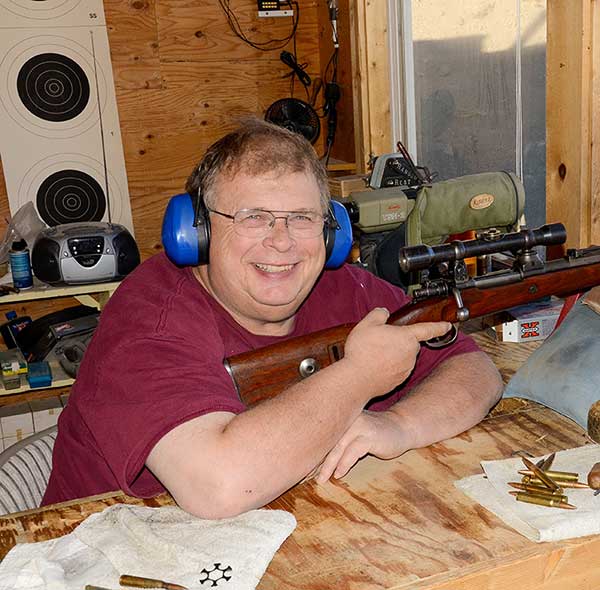
This image of a smiling Mike Venturino has gotten lots of
attention in the wake of his passing. It’s how I hope we
all remember him.
The passing of American Handgunner and GUNS Magazine’s Mike “Duke” Venturino hit us, his colleagues and admirers, hard.
I cannot claim to have known him as well as I would have liked, but I knew him well enough to recognize a genuinely nice guy. We first met face-to-face on an airplane heading to a SHOT Show many years ago.
My flight stopped somewhere, and he came aboard, taking the seat next to me. There were the usual introductions, and for the next couple of hours, we talked about guns, gear and some of the folks we mutually knew.
There were plenty of chuckles a few shakes of heads, and maybe even an eye roll. It is surprising how fast about three hours can pass when the conversation is fun, and you’re talking to a new friend.
Duke was a writer’s writer; a fellow dedicated to detail and entertaining his readers as well as educating them. He attended Marshall University, where he studied journalism, which one could tell in an instant by the way he wrote, especially if you also studied journalism (University of Washington) some decades back in the 20th Century.
I learned of his passing at about 3 a.m. on a Monday morning and spent the next several hours finding out all I could before writing about it at TheGunMag.com, where being editor-in-chief sometimes includes the unpleasant job of writing about someone who has, as they say, “left the range.”
In all the years I’ve been writing about firearms and reading what others wrote — and the reactions from readers — I cannot recall a single person ever disparaging Mike Venturino.
More than 35 years ago, one of my long-gone shooting/hunting buddies remarked about having read something he wrote with a connection to the gun-related thing we were discussing. “Well, Venturino said …” This seems to have been stated over the years by more people than I can count. Translation: Mike’s observations were the gold standard.
Safe in Seattle?
Back in 2020, I was working on a column about the events of the Old West in 1876, which included a mention of the Custer debacle at Little Bighorn. I was interested in the ammunition 7th Cavalry troopers used in their Colt SAA revolvers, so I reached out to Venturino, who was the only guy on the planet I figured would have the information. We were Facebook “friends” by then, so I fired off a message.
Two hours later, I got a reply. Duke was matter-of-fact, explaining they used “standard .45 Colt rounds. They were loaded with 30 grains (of) black powder and 250-grain bullets,” to which he added, “I have a photo of an original box that belongs to a friend. It is dated January 1874 and has those specs on the label.” Why didn’t that surprise me? He was a living encyclopedia of gun stuff.
And then he added a comment, mindful of the insanity of the protests going on at the time in Seattle where what the ex-mayor flippantly — and ignorantly — described as the “summer of love” was unfolding in broken glass, vandalized police vehicles, some looting, property damage and a couple of murders following the death of George Floyd at the hands of Minneapolis police.
“I hope you are surviving all the crap over your way,” he wrote, and I knew he meant it. I still consider it a very thoughtful thing to say.
A couple of years later, I was researching another piece, doing some background, when something triggered my recollection of a teacher in junior high school telling me about how he and some buddies had allegedly once drilled out a .44-caliber bullet and inserted an inverted .22 Short case, presumably with the powder intact, to make an “exploding” projectile. I have no idea whether he was telling a tale, but I remembered it more than 50 years later. It was and remains one of the all-time stupidest things I’ve ever heard of. Ultimately, this moronic stunt had nothing to do with the story I was working on, but I sent Duke a note anyway, asking if he’d ever heard of such a harebrained stunt.
Kids … and adults … do NOT try this at home or anywhere else. Run, don’t walk, away from anybody who suggests giving this a try.
“I have heard of that,” Mike replied about four hours later, “but I’m like you. It’s harebrained!”
About 18 months ago, I inquired about what kind of computer he used, as I was prepping to replace my aging desktop. I still get a chuckle from his reply: “I have no idea what it actually is except it uses Apple stuff. I just told a local guy that I needed a new computer, and he came and set it up.”
Mike and I obviously had more in common than just guns!
Still, our exchanges stuck mainly to guns. Last July, I sent a message to tell him how much I enjoyed a story he did on snake loads. At the time, I had a 25-pound bag of tiny lead shot I planned to bring over last summer if I had a chance to get to Montana. I never got to make that trip, and now it is too late. The moral: If you want to do something for a pal, do it. Next year may be too late.
‘They Don’t Make ‘Em…’
People like Mike Venturino happen once in a great while, possibly once in anyone’s lifetime — if even that frequently. Guys like him are very rare indeed and the best thing one journalist can say about another is this: “I shall miss his byline.”
He authored books and a few thousand stories during his career of about 50 years. That was one heck of a lifetime. I will think good thoughts about Duke at the campfire.
“What is the coolest line in history?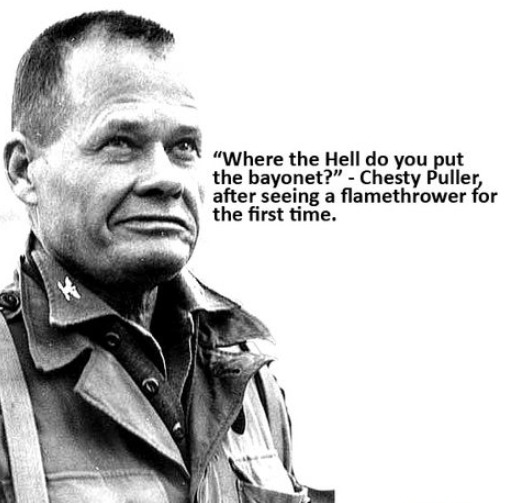
U. S. Marine Lt. Gen. Lewis “Chesty” Puller is arguably the toughest sonuvabitch that ever walked this Earth.
Chesty Puller started at the bottom, as a rank private in the Marine Corps. He climbed the ranks as he fought guerrillas in Nicaragua and Haiti; slogged through many nasty engagements through World War II; and the hell that was the Korean War.
It wasn’t until he suffered a stroke in 1955 and forced retirement that slowed him down. He was admired by the men under his command, and feared by his opponents on the battlefield.
He was also a fount of cool, quotable lines:
- “You don’t hurt ’em if you don’t hit ’em.”
- “Hit hard, hit fast, hit often.”
- “All right. They’re on our left; they’re on our right; they’re in front of us, and they’re behind us. They can’t get away this time.”
- “Son, when the Marine Corps wants you to have a wife, you will be issued one.”

 Situation: The evilest mass murderer on the planet has targeted you. You’ve been furnished security, but you aren’t sure it’s enough.
Lesson: If you can’t take care of yourself, you can’t take care of those who count on you … and the innermost bastion of security is yourself.
The world remembers Sir Winston Churchill as a long-serving British statesman and the Prime Minister who guided an underdog Great Britain successfully through World War II. What few history students learn about him is Churchill was very much a gun guy. He had killed enemy combatants with a pistol, loved to shoot and routinely carried a gun.
Churchill The Gunfighter
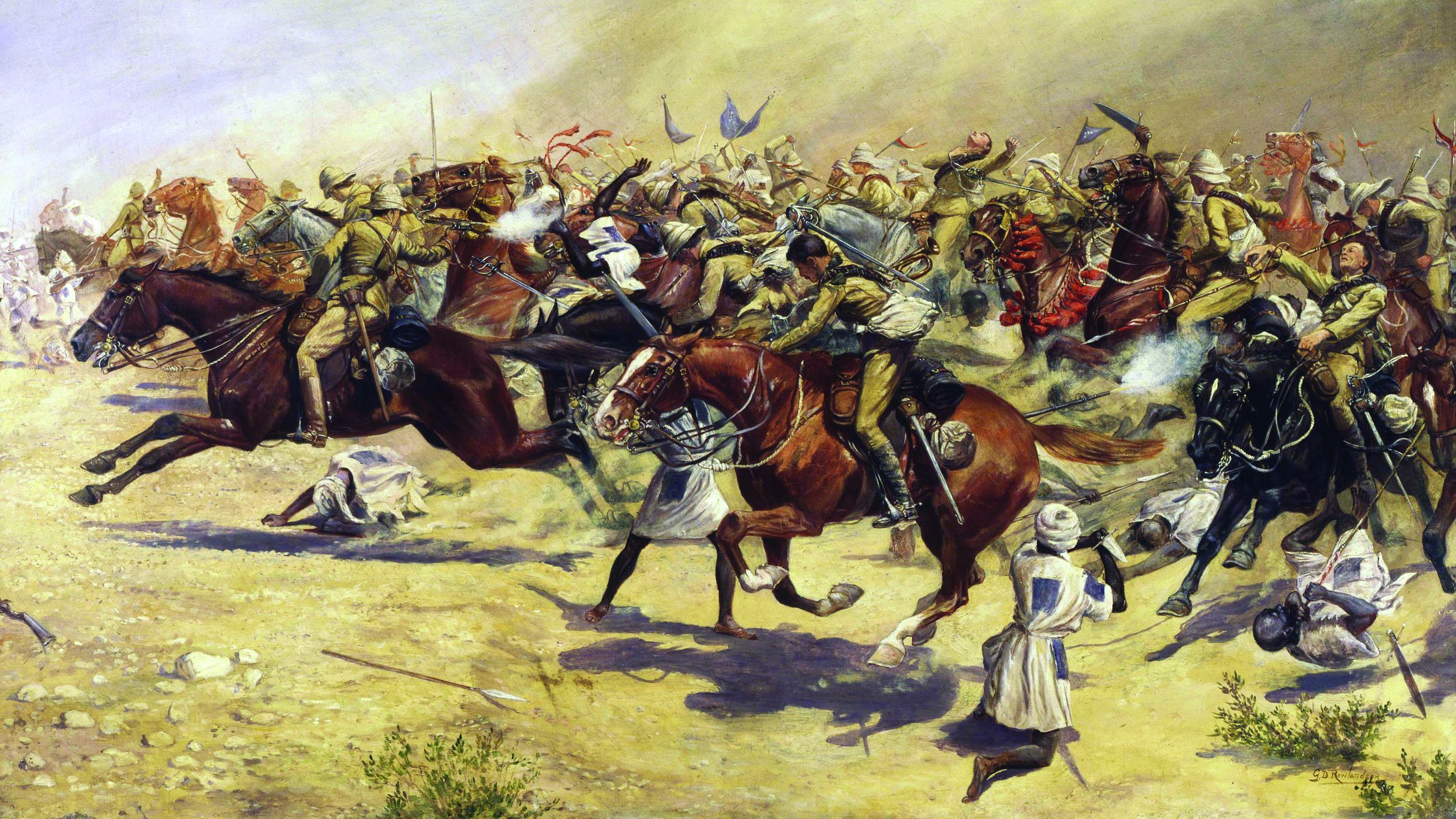
In 1898, at the battle of Omdurman in the Sudan, Churchill was a young cavalry officer. More than half a century later he would tell a biographer, “On account of my shoulder (which had been dislocated in India) I had always decided that if I were involved in hand-to-hand fighting, I must use a pistol and not a sword. I had purchased in London, a Mauser automatic pistol, then the newest and latest design. I had practiced carefully with this during our march and journey up the river.” (1)
Churchill was part of a cavalry charge under way through a gulley when he found he and his comrades were up against a much larger enemy than they had anticipated: an estimated 3,000 fighters who far outnumbered his own contingent. He told one biographer, “I drew my Mauser pistol — a ripper — and cocked it. Then I looked to my front. Instead of the 150 riflemen who were still blazing I saw a line nearly (in the middle) 12 deep of closely jammed spearmen — all in a nullah with steep sloping sides six feet deep and 20 feet broad.” (2)
Churchill was soon amidst a maelstrom of enemy troops, profoundly outnumbered. The great historian William Manchester would later describe what happened to Churchill in those moments, sometimes using Churchill’s own quotes. Churchill saw his men being “dragged from their horses and cut to pieces by the infuriated foe.” Finding himself “surrounded by what seemed to be dozens of men,” he “rode up to individuals firing my pistol in their faces and killing several — three for certain, two doubtful — one very doubtful.”
One was swinging a gleaming, curved sword, trying to hamstring the pony. Another wore a steel helmet and chain-mail hangings. A third came at him “with uplifted sword. I raised my pistol and fired. So close were we that the pistol itself actually struck him.” The dervish mass, he saw, was re-forming. He later recalled, “The whole scene seemed to flicker.” He looked around. His troop was gone. His squadron was gone. He could not see a single British officer or trooper within a hundred yards.
Hunching down over his pommel, he spurred his pony free and found his squadron 200 yards away, faced about and already forming up. His own troop had just finished sorting itself out, but as he joined it a dervish sprang out of a hole in the ground and into the midst of his men, lunging about with a spear. They thrust at him with their lances; he dodged, wheeled and charged Churchill. “I shot him at less than a yard. He fell on the sand and lay there dead. How easy to kill a man! But I did not worry about it. I found I had fired the whole magazine of my Mauser pistol, so I put in a new clip of 10 cartridges before thinking of anything else.”
It occurred to him if he hadn’t injured his shoulder in Bombay, he would have had to defend himself with a sword and might now be dead. Afterward he reflected, “One must never forget when misfortunes come that it is quite possible they are saving one from something much worse.” He wrote his mother Jennie: “The pistol was the best thing in the world.” (3)
Churchill and his biographer were not the only ones to conclude the 10-shot Mauser saved his life, and neither the saber nor a revolver with five or six shots might have sufficed. There had been little time in the melee, needing one hand to control the reins of his horse, to eject spent casings and insert live cartridges into a wheel gun.
Notes another biographer, Martin Gilbert in Churchill: A Life, “The cavalry charge was over, and the troop dispersed. ‘It was, I suppose, the most dangerous two minutes I shall live to see,’ Churchill told Hamilton. Of the 310 officers and men in the charge, one officer and 20 men had been killed, and four officers and 45 men wounded. ‘All this in 120 seconds!’ Churchill commented. He had fired ‘exactly 10 shots’ and had emptied his pistol, ‘but without a hair of my horse or a stitch of my clothing being touched. Very few can say the same.’” (4)
Churchill The Shooter
Winston Churchill owned a substantial collection of fine guns, including magnificent bespoke shotguns from the finest English makers, and loved to hunt.
No one knew his proclivities in firearms better than his long-time bodyguard, Scotland Yard Inspector Walter Henry Thompson. “Churchill offered to pay me five pounds a week as his bodyguard in a purely private capacity. He gave me his Colt automatic to use — and I may say with pride that I am the only man Mr. Churchill has allowed to handle his guns. He is a first-class shot and takes a jealous pride in his personal armory.”
Thompson added, “Although he recognized some measures had to be taken for his security, he was confident in any real pinch he, Winston Churchill, would probably be able to look after himself, personally. When we were at Chequers, the country home of Britain’s prime ministers, he often went to a nearby range and proved himself a first-class shot with his Mannlicher rifle, his .45 Colt automatic and a service .38 Webley. He was particularly deadly with the Colt and there would have been little chance for anyone who came in range of that weapon with unfriendly intent.” (5)
Just what did Thompson mean by “first-class shot”? “We set up an outdoor range at Chequers and to this he would frequently repair and fire a hundred rounds or so with his Mannlicher rifle, 50 rounds from his Colt .45, or an equal number from his .32 Webley Scott. He gets well onto the target with all three, but with the Colt Automatic he is absolutely deadly … A gun is something he understands entirely.”
Adds Thompson, “Near the war’s end, while practicing with me at outdoor targets, with officers of the guard in competition and firing an old Colt .45, only one of Churchill’s bullets was on the fringe of the bullseye, the other nine being dead center. This target was taken down and marked by me and noted by those who were with him then. Later I had it officially entered and dated, and it is now in the Chequers library.” (6)
The Concealed Carrier
Winston Churchill learned early in his adult life the value of a discreetly concealed handgun. In 1899 during the Boer War, he was captured but managed to escape. A sympathizer furnished him with provisions and a concealable revolver before he sneaked onto a train to get farther out of reach of the enemy. He kept the revolver, described as a six-shot pin-fire. A part of his estate, it sold for 32,000 English pounds at auction in 2002.
Richard Law, one of the leading lights fighting for gun owners’ rights in Great Britain, is a prolific writer and skilled researcher. He discovered when he learned Thompson, Churchill’s long-standing bodyguard, carried a .32 caliber mouse gun, Churchill requisitioned a Colt .45 and furnished it to him.
Later, discovering Thompson was still carrying the .32, a disgusted Churchill demanded the .45 back and stuck it in his overcoat pocket to use as his own. Law’s research turned up photos of Churchill in which a remarkably 1911-looking object is printing under his suit coat or his ulster, in the right hip area.
Bodyguard Thompson is our most thorough source of information on the Prime Minister’s concealed carry habits. In Thompson’s autobiography he said of Churchill, “People ask me if Mr. Churchill, in times of danger, was not usually armed, and this is my answer. He was when he remembered to carry his weapon. He was an unusually fine shot, with either rifle or revolver, and later became deadly with some of the most lethal of the automatic weapons that we were to develop, including the Sten.
He loved firearms and I believe loved the sound of them. He practiced target shooting in the basements of his various residences and never refused to ‘have a shoot’ with me when I felt it was time to check his handling of arms.
Being a good shot is like being a good pianist: One cannot grow rusty and return suddenly to dependable controls. One can leave his guns alone for weeks and, by practicing a few hours each day for several days, recover all his skills, but he cannot recover them immediately. So, while it was all right for Mr. Churchill, in periods when he was not a protected public servant in high office, to ignore this somewhat realistic side of survival, I never recommended it, knowing these periods would be brief.”
Throughout his book Thompson constantly describes himself as carrying two handguns, usually two revolvers.
Unfortunately, he seems to have the curious habit of describing all handguns as revolvers. One gets the inference he is often referring to the pistol Scotland Yard issued for such close protection details: the 1914 Webley .32 auto. Heavy-for-caliber at 2.5 lbs. and with the pointing characteristics of a T-square, this rickety-looking pistol had a reputation as a jam-o-matic and remains a contestant for the ugliest handgun of all time. Churchill himself owned one, and perhaps his experiences with it were part of his concern when he tried to switch his bodyguard to a Colt 1911.
Thompson’s remark quoted here earlier indicates the Prime Minister wasn’t strictly consistent with carrying a firearm. “His sense of personal safety had largely left him, to the extent that he would tire of carrying his revolver and forget it. He’d lay it down somewhere and leave it if I didn’t check it each time. Sometimes when I found him unarmed, I’d have to give him one of my own revolvers. I didn’t like to do this and didn’t often have to. I’m very used to the few that I work with, but it was of course essential that he should not be alone at any time — even in the middle of the night in his own bed — without a revolver in reach … He would draw his gun and pop it into sudden view and say roguishly and with delight: ‘You see, Thompson, they will never take me alive. I will get one or two before they take me down.’”
Fortunately, Winston Churchill never got the chance to find out. There were many Nazi assassination plots against him: During the Blitz, bombs fell near his residences, obviously targeted. In at least one case, Nazi agents parachuted into Britain to kill him. None got close. Between Scotland Yard and the military, all were scooped up before they could get in position to take a shot at the great man.
The Heads-Up Gunner
Winston Churchill liked his automatic weapons. In one of his most famous photos, he is wearing a pinstripe suit and chomping on his ever-present cigar as he holds a .45 caliber Thompson submachine gun with drum magazine and pistol grip fore-end. Adolf Hitler, historians say, despised Churchill with a venom exceeded only by the Prime Minister’s hatred of him. Hitler used the photo of Churchill with the “tommy gun” to claim the English leader was merely a clone of a stereotype American gangster.
Churchill was also an aficionado of Britain’s signature SMG, the Sten gun. He had his own Mark III Sten, which had been presented to him personally, as well as a Thompson in his own battery. He reportedly had one or the other in his limousine, depending on his conveyance of the day. And he shared his appreciation for buzz guns with others he knew were at risk of assassination.
In his excellent new book on the time of The Blitz, The Splendid and the Vile, Erik Larson focuses primarily on Churchill and those around him. Larson writes, “The queen began taking lessons in how to shoot a revolver. ‘Yes,’ she said, ‘I shall not go down like the others.’” (7)
Other sources say Churchill arranged for a Thompson — and competent instruction — to be delivered to all the Royal Family. All of them shot it: King George, his consort, and their daughters Elizabeth and Margaret, then 14 and 10 years of age. One source says the Queen Mother liked to shoot rats in the gardens of Buckingham Palace, though presumably not with the tommy gun.
Disproportional Influence
Winston Churchill’s two minutes with a Mauser C96 in his hand during the charge at the Battle of Omdurman had a profound influence that went far beyond his own survival. If you read Churchill, it becomes clear he went to war as a young man seeing combat as a theater for chivalry. The battle of Omdurman changed this for him profoundly. Against a vastly greater force, the English and their allies had decisively prevailed. The enemy had been softened up by massive barrages of British artillery and Maxim machine guns. Winston Churchill rode out of the battle alive only because he had the most modern, high-tech firepower that could be wielded in one hand in the year 1898.
WWI found Churchill as a young member of Parliament, advocating for high-tech warfare. He’s credited with convincing the British government to develop tanks. As Prime Minister in WWII, he consistently funded newer and better airplanes, espionage apparatus and more. The epiphany that brought about those war-winning changes was born in two minutes of shooting the most modern handgun of the day, with his life on the line. And, as we’ve seen, his example of being constantly ready for individual combat against a homicidal foe is an inspiration to every free individual.
Footnotes: (1) Boothroyd, Geoffrey. The Handgun. NYC: Bonanza Books, 1970, p. 397. (2) Manchester, William. The Last Lion: Winston Spencer Churchill Boston: Little, Brown & Co., 1983, pp. 277–279. (3) Manchester, William, Ibid. (4) Gilbert, Martin. Churchill: A Life. NYC: Henry Holt & Co., 1991, p. 96. (5) Thompson, W.H. “I Guarded Winston Churchill,” Maclean’s, 10/15/51, pp. 10–11. (6) Thompson, Walter Henry. Assignment: Churchill. Arcole Publishing 2018 edition, originally published 1955. (7) Larson, Erik. The Splendid and the Vile. Random House, 2020, p. 130.
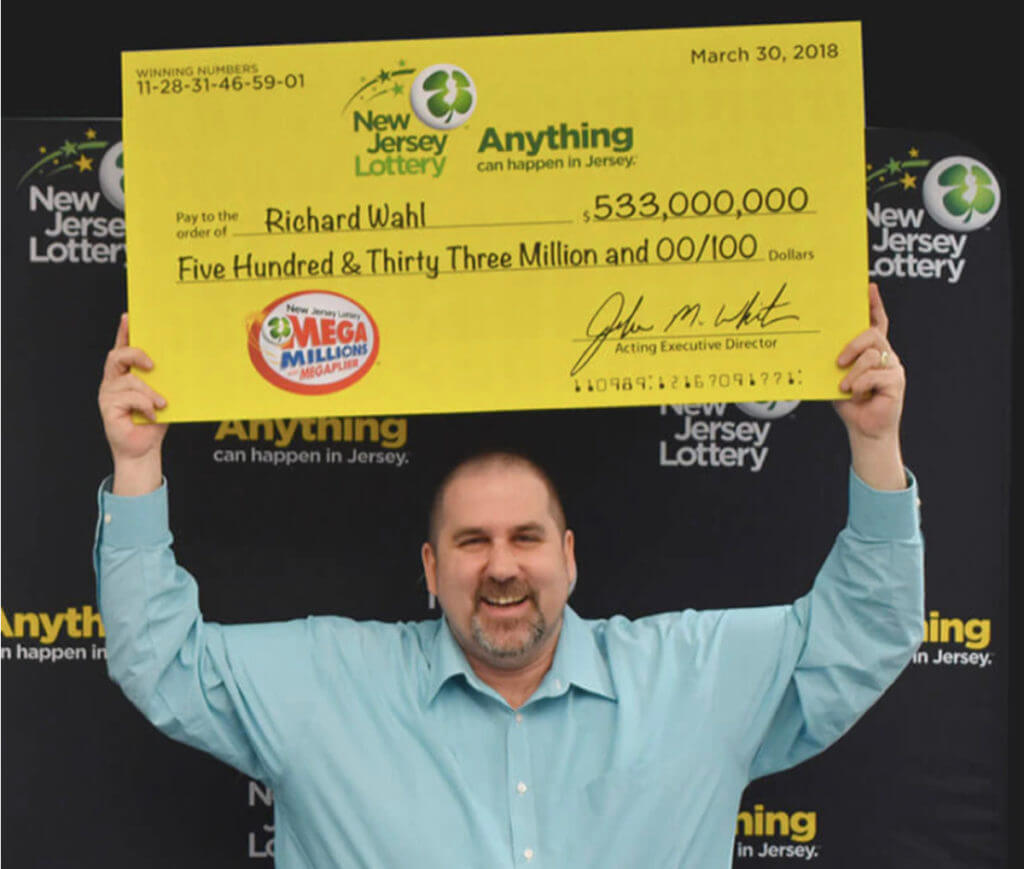
What would you do if you came into some serious money? I don’t mean you inherited a couple thousand bucks from crazy great-aunt Mildred. I mean what would you do if you were suddenly just filthy rich?
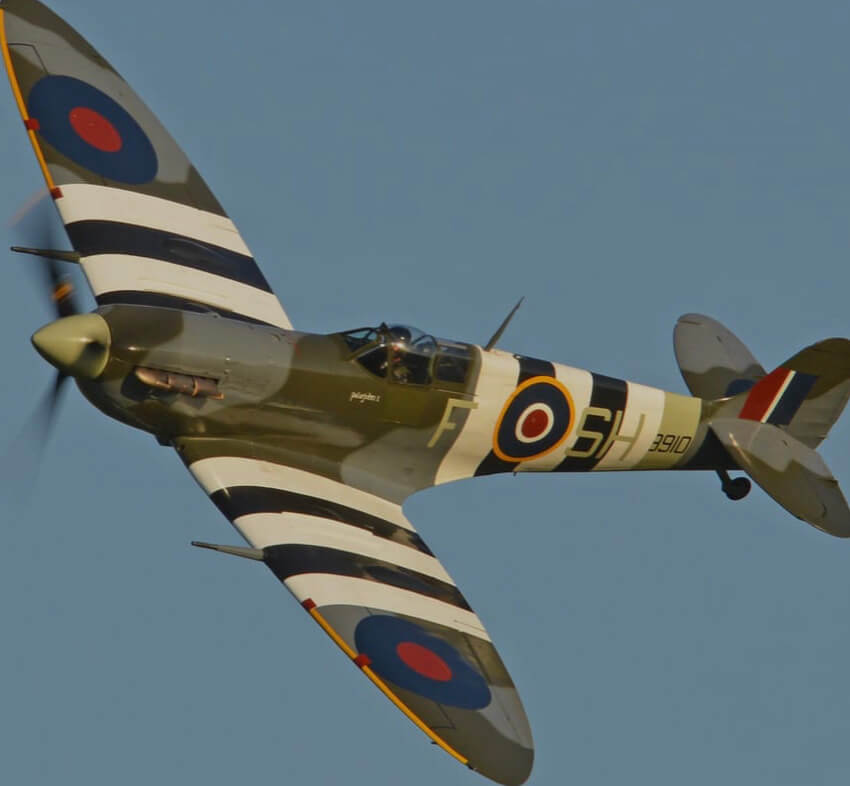
We’ve all pondered it. Last week some unidentified person in California won more than $2 billion in the Powerball lottery. Before that guy walked away with all that cash I admit that I entertained myself in quiet moments imagining what I’d do with such a windfall. I’d bless my friends and family, to be sure, but I’d also buy an island along with my own vintage Spitfire. Anyway, considering I have never bought a lottery ticket, the chances of my winning the lottery are pretty small. Of course, the odds wouldn’t change a whole lot had I actually bought a lottery ticket, either. That’s honestly the point.
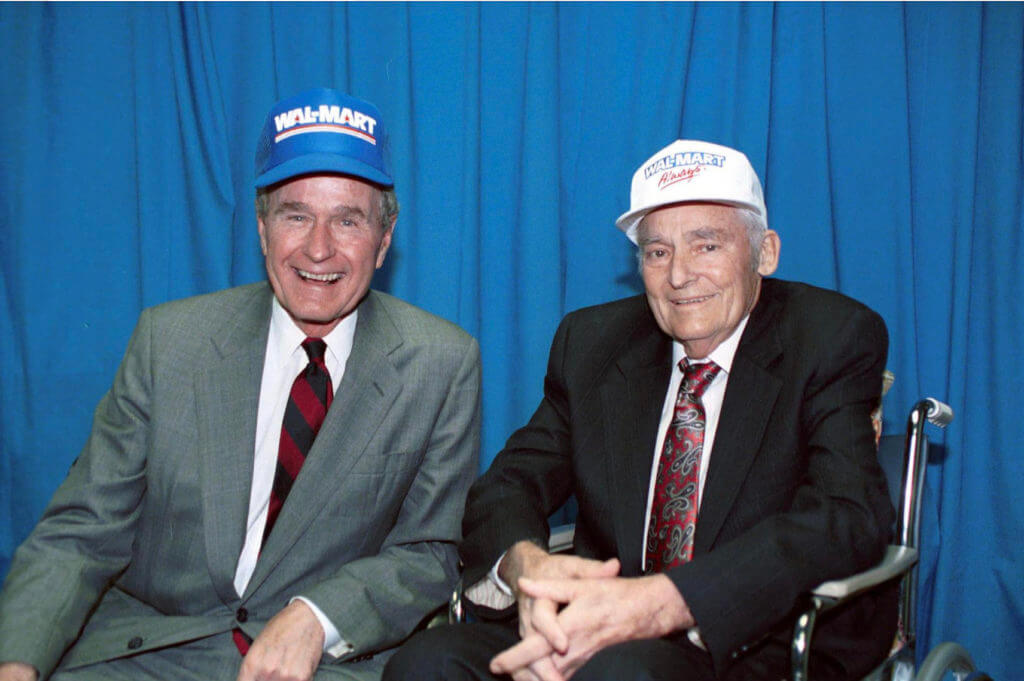
Some folks are born into money. Others work really hard or are just plain lucky. As the second son of a dime store owner from Arkansas named Sam, John Walton wore his wealth well. In great part, this is likely because young John had known some proper suffering before he got rich. Much of that hard experience he got while in uniform.
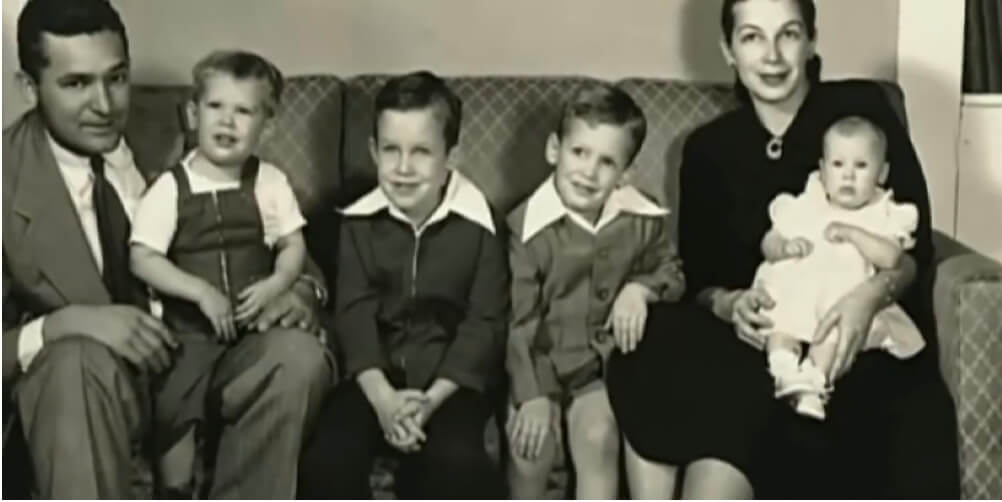
John Walton was the second of four kids born to Sam and Helen Walton. In High School, John was a dichotomy. He was a star football player who also enjoyed playing the flute. After graduating from Bentonville High School in Bentonville, Arkansas, he attended the College of Wooster in Wooster, Ohio. In 1968 he dropped out of school so he could better his skills as a flutist. After reading about the Tet Offensive, John Walton enlisted in the Army.
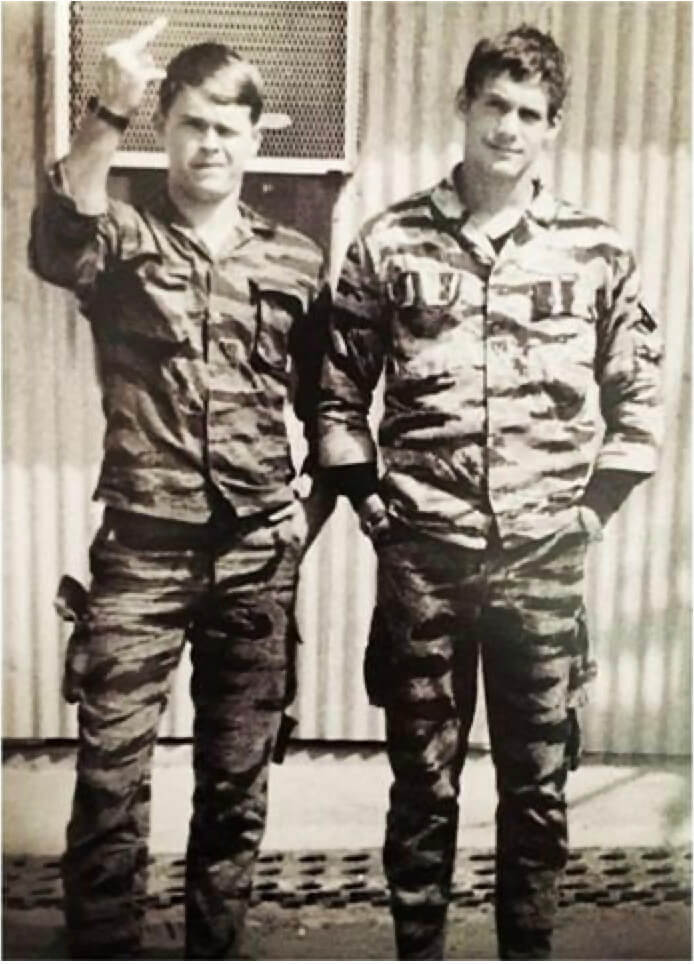
John Walton had good genes and a killer work ethic. In short order, he was a fully qualified Special Forces medic assigned to the Studies and Observations Group in Vietnam. He saw combat in the A Shau Valley as well as in Laos and Cambodia. During his cross-border forays, he was assigned to Spike Team Louisiana operating out of Forward Operating Base (FOB) 1 in Phu Bai. These stone-cold SF warriors would insert via helicopter to monitor movement along the Ho Chi Minh trail and call in air support to interdict enemy formations as the opportunities arose. Such stuff required simply legendary bravery and epic fieldcraft.

August 3, 1968, was a Saturday. SP4 Walton was deep in the suck in the A Shau Valley alongside five other members of his recon team. His unit was compromised and attacked by a numerically superior NVA force. In short order, the team was surrounded and immobilized. With the incoming fire now utterly overwhelming, the team leader called a Prairie Fire mission for any nearby strike assets. Prairie Fire meant that an SF team was about to get annihilated. Anything with a gun or a bomb was expected to answer the call.
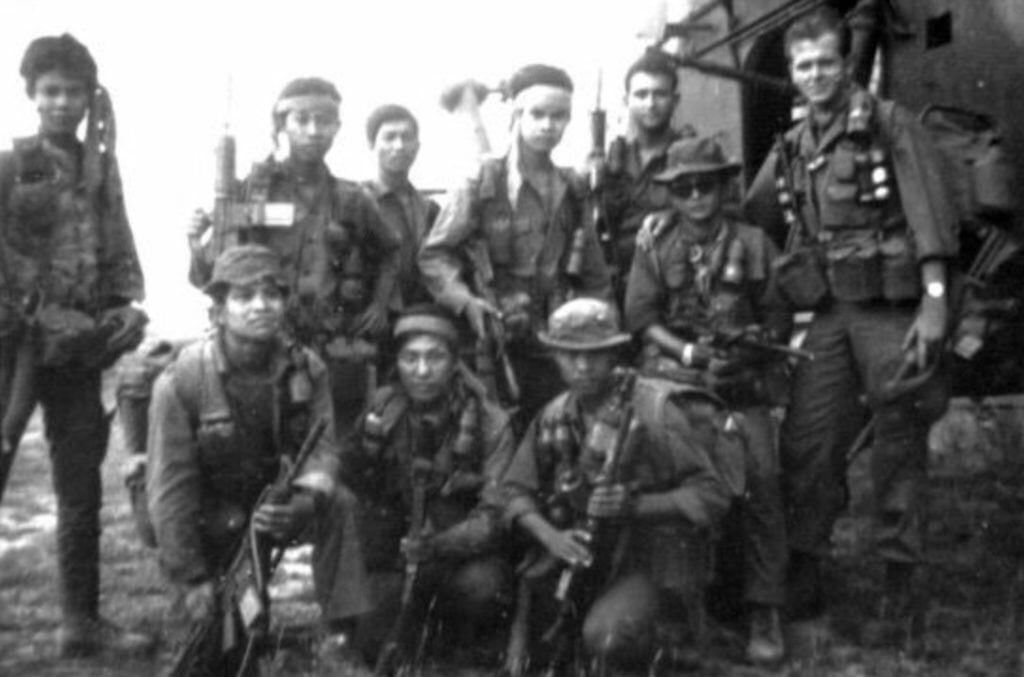
The NVA knew that Americans had access to overwhelming firepower and that the key to success was to get in close and stay there. With automatic weapons fire and grenades raking their position, the spike team leader reluctantly called in an A-1 Skyraider to drop on their own position. The strike killed one member of the team, severely wounded the team leader, and blew the radio operator’s right leg off. To make things worse an NVA soldier got a clear line of sight and shot the fourth Green Beret four times with his AK-47 before being killed by John Walton, the only team member still intact.
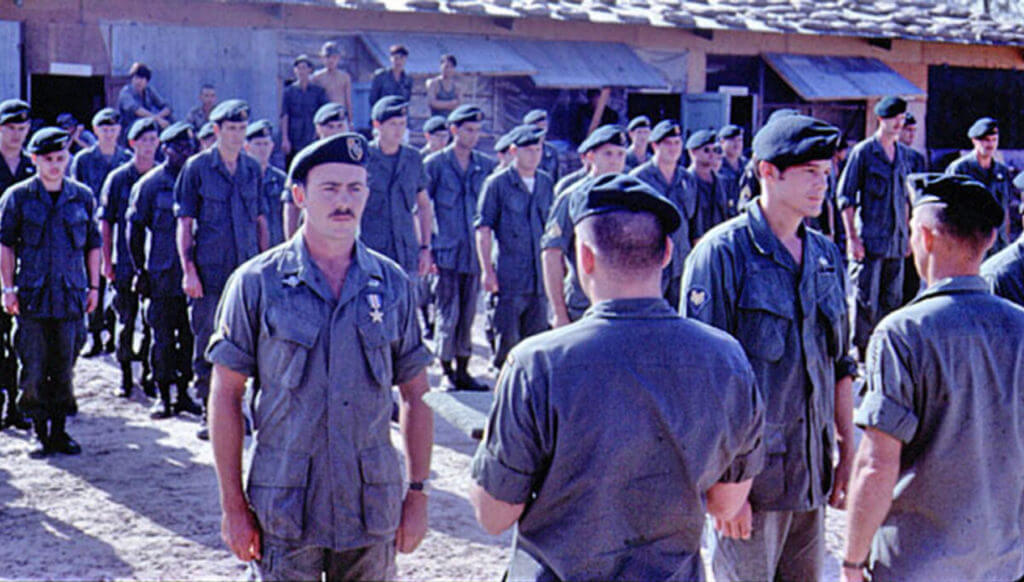
John was an SF medic, and those guys could do some amazing medicine in the field. SP4 Walton assumed command of the team and went to work stabilizing the wounded while also manning the radio. Amidst everything else, SP4 Walton continued working the Tac Air, calling down fire on the tenacious NVA troops.
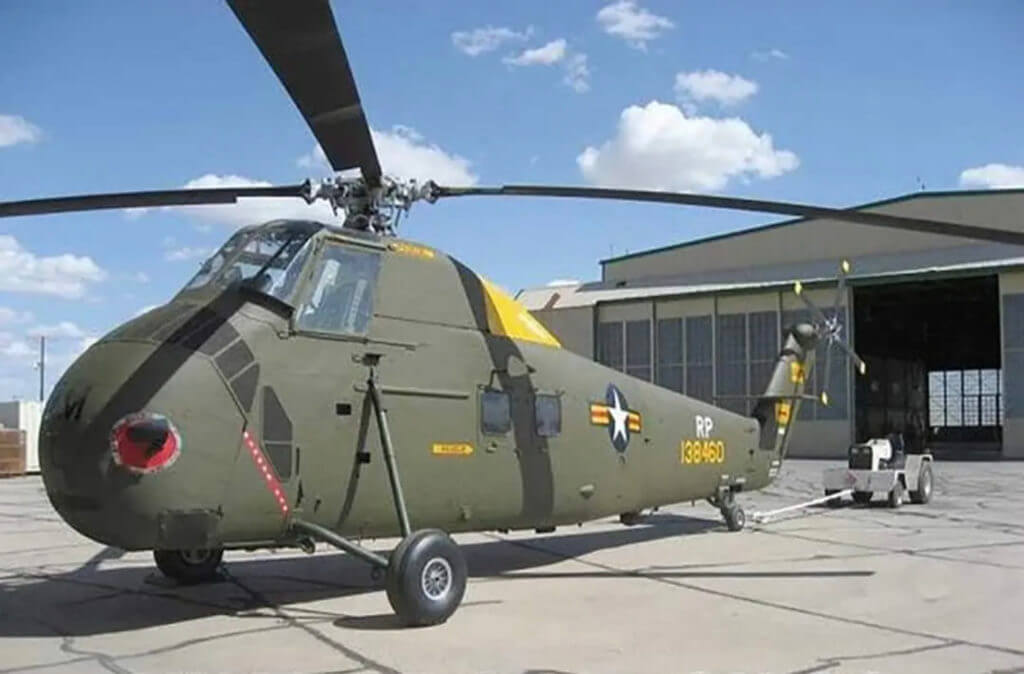
Three rescue helicopters answered the call. The first onsite was an antiquated H-34 Kingbee flown by a South Vietnamese pilot named CPT Thinh Dinh. The H-34 was, by the standards of the day, a piece of crap. Powered by a reciprocating radial engine rather than the jet turbines that drove American aircraft like the UH-1 Huey and OH-6 Loach, the H-34 was woefully underpowered, particularly in the thick hot environment of the A Shau. Despite suffocating ground fire, CPT Thinh bravely brought his aircraft into a nearby clearing and set it there as enemy rounds chewed through the airframe.
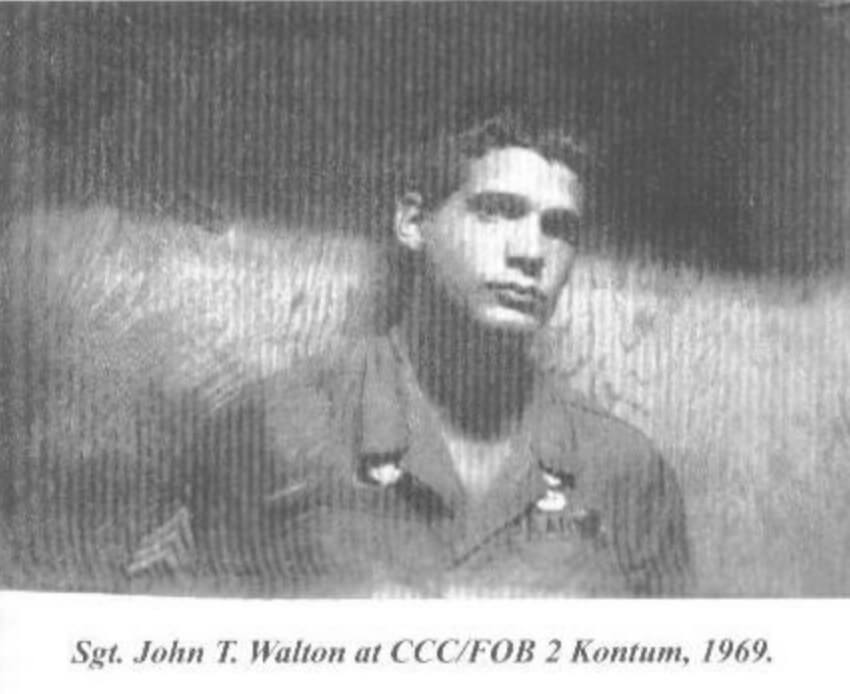
SP4 Walton dragged his teammates out to the aircraft one at a time until the antiquated helicopter was as heavy as it could be and still fly. Walton, for his part, would have to wait on the next bird. As soon as the young medic was clear CPT Thinh lifted off and nosed over toward the nearest field hospital. Then he heard over the radio that the next two rescue aircraft had turned away due to the overwhelming volume of ground fire. With that, CPT Thinh torqued his overloaded Kingbee around and headed back into hell.
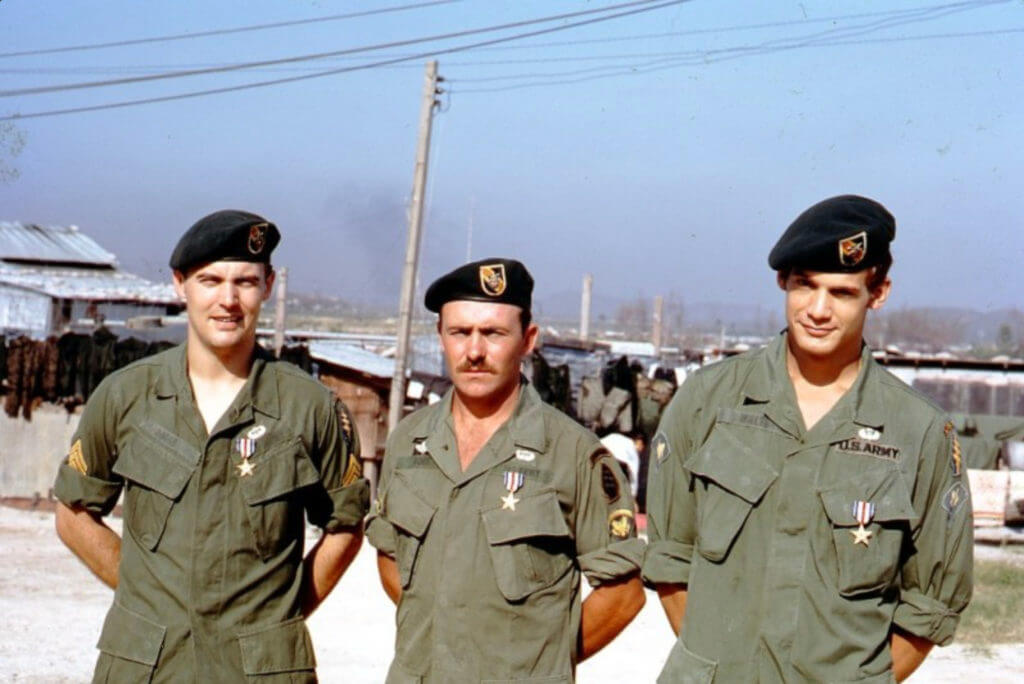
Thinh landed his fat aircraft in the same spot and stayed there until Walton could get on board. However, now the old helo couldn’t hover. With enemy automatic weapons fire chewing the aircraft to pieces, the brave South Vietnamese pilot got the aircraft teetering up on its forward landing gear struts. In this awkward configuration, he pivoted the machine around until it faced a nearby draw. He then allowed the helicopter to roll downhill until he could take advantage of effective translational lift and actually break ground and clear the jungle. In this sordid state, CPT Thinh nursed his stricken aircraft to safety, saving Walton’s life in the process. Once the dust settled SP4 Walton was awarded the Silver Star for his courageous actions in saving his team from certain death.
In the aftermath of this particular mission, Walton confided to his friends that, if he lived to get home, he planned to buy a motorcycle and travel. Along the way, he hoped to learn to fly and explore Mexico, Central, and South America. For many to most folks, such stuff would never get past the dream phase. However, this was Sam Walton’s son. As we discussed before, he had good genes.

While John was in Vietnam, his father Sam had been busy. By the end of 1967, he had 24 Walmart stores operating in Arkansas. The following year he opened his first stores in Missouri and Oklahoma. By 1975 Walton had 125 stores and 7,500 associates with total sales of $340.3 million.

Soon after John got home he was flying for his father scouting out new locations for Walmart stores. In short order, he left Walmart to work six months out of each year as a crop duster. The rest of the time was spent in a VW bus exploring Mexico and places further afield.
Along the way, he co-founded Satloc, a crop-spraying company that pioneered the use of GPS in aerial chemical applications. He then moved to San Diego and founded Corsair Marine, a company that built trimaran sailboats. He also founded True North Venture Partners, a venture capital organization that used money to make even more money. By then he had accumulated some proper resources.
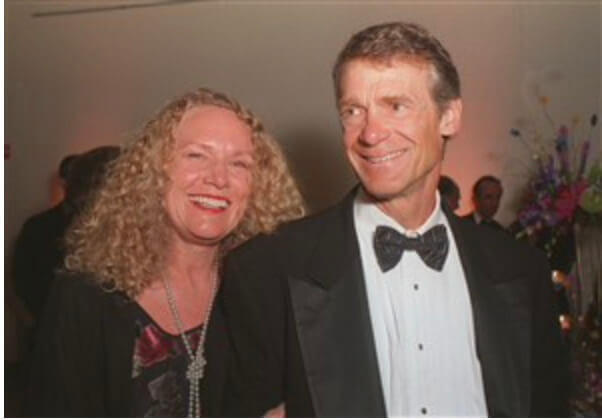
Despite his newfound wealth, John Walton apparently remained a really nice guy. He started a philanthropy called the Children’s Scholarship Fund that provided low-income kids with money to attend private schools. Like his dad, John still appreciated a modest lifestyle. While he and his wife Christy split their time between their trimaran sailboat and a historic beach house, he nonetheless drove an inexpensive and efficient Toyota hybrid car.
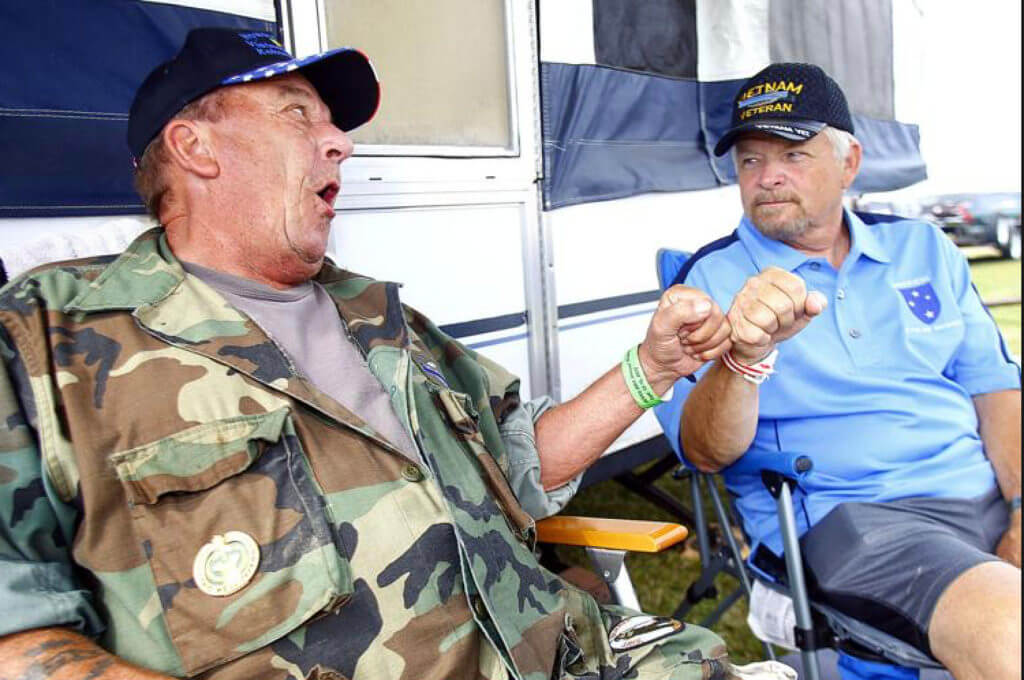
In 2003 his old Special Forces team held a reunion in Las Vegas in honor of the pilots who had supported them in Vietnam. By then CPT Thinh, the stone-cold South Vietnamese pilot who had saved his life in the A Shau Valley, had successfully relocated to Fargo, North Dakota.
He and Walton had remained close for thirty years after the war. However, Thinh lacked the resources to make it to the reunion. John Walton flew his jet up to Fargo, retrieved his old friend and his family, and took them to Vegas for the event.

By 2005 John Walton was worth $18.2 billion. He was the 4th-richest person in America and the 11th-richest person in the world. At 58 he had led a truly extraordinary life. He kept himself fit and healthy and enjoyed skiing, hiking, skydiving, flying, motorcycle riding, and scuba diving.
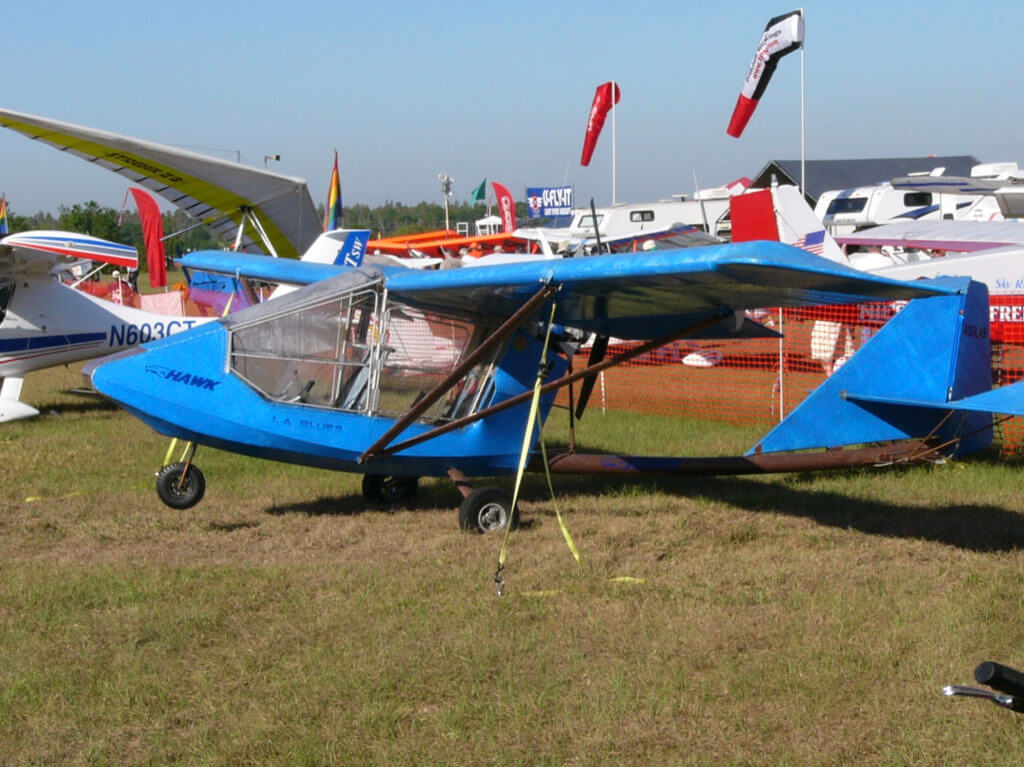
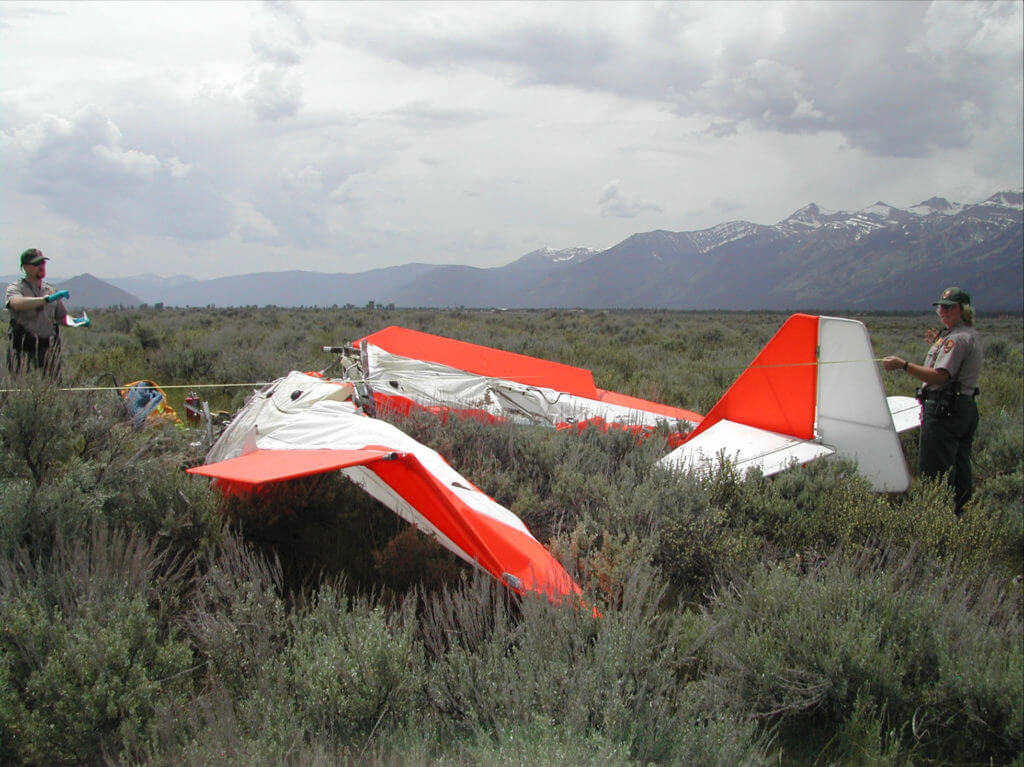
On June 27, 2005, at around 12:20 in the afternoon, John Walton lifted off from the Jackson Hole Airport in Wyoming in a CGS Hawk Arrow homebuilt ultralight airplane. Walton had performed a minor repair on the aircraft previously and improperly installed a rear locking collar on the elevator control torque tube. This allowed the torque tube to slide rearward after takeoff and produce slack in the elevator control cable. The cumulative result was a loss of pitch control. Walton was killed in the resulting crash.

Many folks die peacefully in their beds after a long life lived in obscure anonymity. Others may go out violently or at the mercy of some disease or other. John Walton lived life to the full. Warrior, medic, pilot, husband, father, and philanthropist—John Walton packed an awful lot of living into his 58 years.
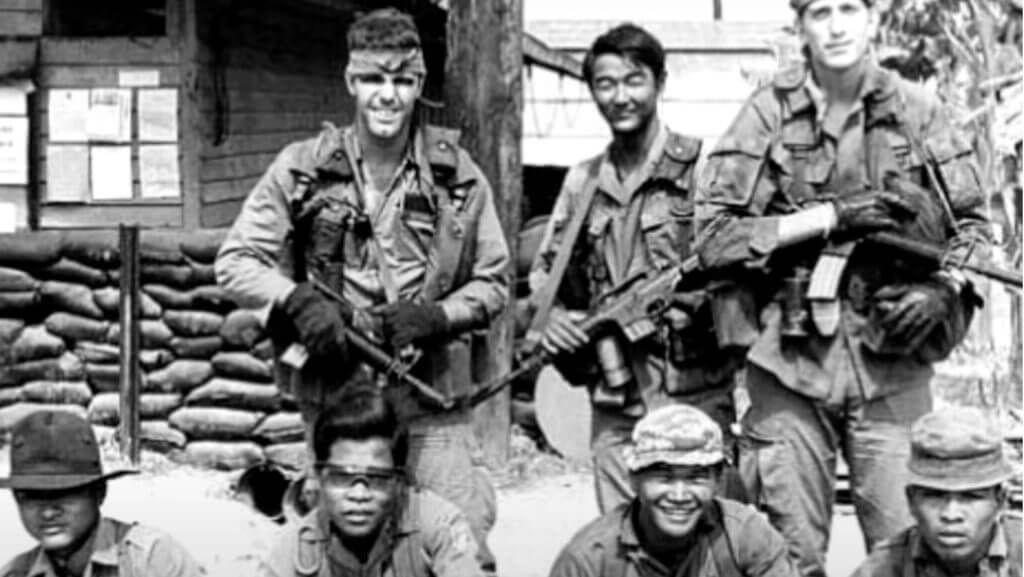
Addendum–I draw these projects from whatever I can find online. They are obviously only as accurate as the original source material. A teammate of John Walton’s named John Stryker Meyer reached out about some technical inaccuracies in this piece. Meyer is the character giving the finger to the photographer in one of the previous photos. After a delightful phone conversation I have made the changes. Based upon his personal descriptions, John Walton was clearly a truly extraordinary man.
Meyer authored a book on his experiences with MACV-SOG In Vietnam titled Across the Fence. It is available on Amazon. If the book is anything like he is it is likely a superb read. Thanks, brother.