Category: Hard Nosed Folks Both Good & Bad

Talaiasi Labalaba was born on July 13, 1942, in Vatutu Village in Nawaka, Nadi, on the island of Fiji. Fiji is an island country in Melanesia in the South Pacific roughly 1,100 miles northeast of New Zealand. Fiji is actually an archipelago of more than 330 islands, 220 of which are currently uninhabited. Tourism and sugar-cane are the primary industries. As of 1970, Fiji became a fully independent sovereign state within the British Commonwealth of Nations. Beginning in WW2, Fiji’s relationship with the British Empire meant that native Fijians could serve in the British military.

Labalaba spent his childhood on an island and craved adventure. He initially enlisted with the Royal Ulster Rifles and also served with the Royal Irish Rangers. Eventually, Labalaba volunteered for Selection for the 22d Special Air Service.
The Setting

In the summer of 1972 Oman was in chaos. Sharing borders with Saudi Arabia, the UAE, and Yemen, the Omani Sultanate was allied with the British in a fight for its life against Marxist rebels. A small contingent of nine SAS operators was assigned to assist with Omani security as part of the British Army Training Team at Mirbat. Their year-long deployment was part of Operation Jaguar. This nine-man team was short and was soon to rotate home.

Opposing this small contingent was the PFLOAG. This mouthful of word salad stands for the Popular Front for the Liberation of the Occupied Arabian Gulf. Locals just called them the Adoo.

The SAS BATT House stood overlooking the approaches to Jebel Ali, itself a strategically critical piece of dirt leading to the major port of Mirbat. The PFLOAG rebels knew that to take Mirbat they would first have to take Jebel Ali. Before they could get to Jebel Ali they had to neutralize the nine Brits at the SAS BATT House.

The BATT House was itself a fairly impressive fortification. Manning the fort as well as the surrounding encampment were another 25 Omani policemen and some 30 Balochi Askari along with one local firquat irregular. The Balochi Askari were members of the Pakistani diaspora serving in an administrative military capacity. The firqua were members of the Omani loyalist militia.

Arrayed against this Neapolitan band was some 300-400 heavily-armed and dedicated PFLOAG Marxist fighters. At the BATT House, the SAS troops were armed primarily with L1A1 SLR rifles and a single M2 .50-caliber machinegun along with a 60mm mortar. The Adoo packed AK47 rifles, RPG7’s, and mortars along with ample ammunition courtesy of their Soviet and Chinese benefactors.

July 19, 1972, was the day the Brits were to rotate home. At 0600 that morning, CPT Mike Kealy, the 23-year-old commander of the SAS contingent, observed what he thought to be a deployed patrol of loyal Omanis now returning to base. These Omanis had been picketed to warn of approaching Adoo forces. Once he realized how substantial this force was, however, he appreciated that his patrol had surely been killed. He then ordered his men to open fire. The SAS troops did just that but found that the Adoo forces were infiltrating via gullies beyond the effective range and penetration of their SLRs. At that point, the BATT House began receiving accurate and effective mortar and RPG fire. CPT Kealy contacted his higher headquarters in Um al Quarif and requested reinforcements.
The Fight

It soon became obvious that the small SAS force was in grave danger of being overwhelmed. However, located some 800 meters distant at a smaller fortification was a single British 25-pounder artillery piece along with an ample supply of ammunition. SGT Talaiasi Labalaba struck out alone across 800 meters of flat open desert to reach the howitzer. The accumulated Adoo insurgents opened up on him with their AK rifles.

The typical crew for a 25-pounder is six. This multipurpose Quick-Firing gun fired separate ammunition consisting of a projectile loaded first followed by a cartridge case containing between one and three bags of propellant. Running the gun accurately, efficiently, and well is an art that requires extensive cultivated teamwork and training. On this fateful day, SGT Labalaba was managing the big 3,600-pound gun alone.

During the course of several hours, SGT Labalaba poured high explosive rounds into the attacking communist guerrillas, frequently averaging one round per minute. However, the sheer force of numbers was overwhelming him. Eventually, the attacking Adoo troops got an AK round past the splinter shield on the gun and struck SGT Labalaba in the face. Now badly wounded, he radioed back to the BATT House with an update. Despite the horrific nature of his injury SGT Labalaba continued firing the howitzer, sighting directly through the bore at the approaching guerillas. However, he was badly hurt and losing blood. SGT Labalaba was now struggling to operate the heavy gun alone.

CPT Kealy requested a volunteer to assist SGT Labalaba and Trooper Sekonaia Takavesi, a fellow Fijian, answered the call. Under covering fire from the BATT House Takavesi made the long 800-meter run to the artillery emplacement unscathed. Once there he engaged approaching Adoo fighters with his SLR and attempted to address SGT Labalaba’s injury as best he could. Together the two men continued to work the 25-pounder, pouring HE rounds onto the maniacal communist attackers.
The Gun

Developed in 1940, the 25-pounder was an 87.6mm multipurpose artillery piece combining both high-angle and direct-fire capabilities. Ultimately produced in six Marks, the 25-pounder was highly mobile for its day despite its nearly two-ton all-up weight. The gun was used throughout the Commonwealth, and ammunition remains in production at the Pakistani Ordnance Factories today.

The 25-pounder used separate bagged charges that could be cut as necessary to produce an accurate fall of shot at various ranges. A subsequent “Super” charge was also developed that required the addition of a muzzle brake to the gun for safe operation. Most British charges for the gun were cordite-based.


In addition to high explosive, smoke, and chemical shells, the 25-pounder could also fire a curious shaped-charge warhead as well as a 20-pound APBC (Armor Piercing Ballistic Cap) round also designed for antitank use. Antitank rounds were employed in the direct-fire mode using Super charge loads. In addition to these conventional applications, the 25-pounder could also fire foil “window” that mimicked the return of an aircraft on radar as well as shells containing propaganda leaflets. These leaflet shells were employed toward the end of WW2 to convince the Germans to surrender.
The Rest of the Story

Now under dire threat of being overrun, SGT Labalaba retrieved a small Infantry mortar kept at the artillery firing point. This stubby high-angle weapon would be more effective now that the attacking troops were in so close. As he moved to set the mortar up for firing he caught a second round to the neck and bled out.

By now Takavesi had also taken a round through the shoulder and was grazed by another across the back of his head. Despite his injuries, he duly reported the situation back by radio and continued to engage the approaching guerillas with his SLR.

In response, CPT Kealy and another SAS trooper named Thomas Tobin also ran the gauntlet to the artillery firing point. When they arrived they found that Trooper Takavesi had been hit a third time, this time by an AK round through his abdomen. Now having closed to within-hand grenade range, the PFLOAG troops showered the emplacement with grenades, only one of which detonated.

During the fight, Trooper Tobin reached across the body of SGT Labalaba and caught an AK round to the face that blew away much of his jaw, leaving him mortally wounded. Just when the situation seemed darkest, a flight of BAC Strikemaster attack jets from the Omani Air Force arrived on station and opened up on the communist rebels. One of the jets suffered battle damage from ground fire and had to return to base, but rocket and cannon fire from the remaining element ultimately broke the back of the assault.

When Trooper Toobin was hit he reflexively aspirated a chunk of his own splintered tooth. This fragment subsequently set up a lung infection that later killed him in hospital. Sekonaia Takavesi was medically evacuated and recovered. SGT Talaiasi Labalaba received a posthumous Mention in Dispatches. SGT Labalaba is buried at St Martin’s Church at Hereford in England. He was 30 years old when he was killed.

The 25-pounder gun SGT Labalaba used in Oman is currently on display at the Firepower Museum of the Royal Artillery at the former Royal Arsenal at Woolwich in England. The engagement outside Mirbat was intentionally underreported by the Omani and British governments at the time. SAS involvement in Oman was a sensitive issue, and no one wanted undue official attention. SGT Labalaba’s comrades have lobbied ever since that he should posthumously receive the Victoria Cross for his selfless actions in Oman that day.

In October of 2018 Prince Harry formally dedicated a bronze likeness of SGT Labalaba at the Nadi International Airport in Fiji commemorating his exceptional bravery. Another statue occupies a place of honor at SAS HQ as well. Tom Petch, a British filmmaker and himself a former SAS operator is currently producing a feature movie about SGT Labalaba and the Battle of Mirbat.


Wyatt Earp, his brothers Virgil and Morgan, and Doc Holliday had a date with destiny October 26, 1881, in Tombstone, Arizona.
Attempting to disarm local cowboys at the O.K. Corral, the ensuing gunfight on Fremont Street gained legendary status in Old West lore.
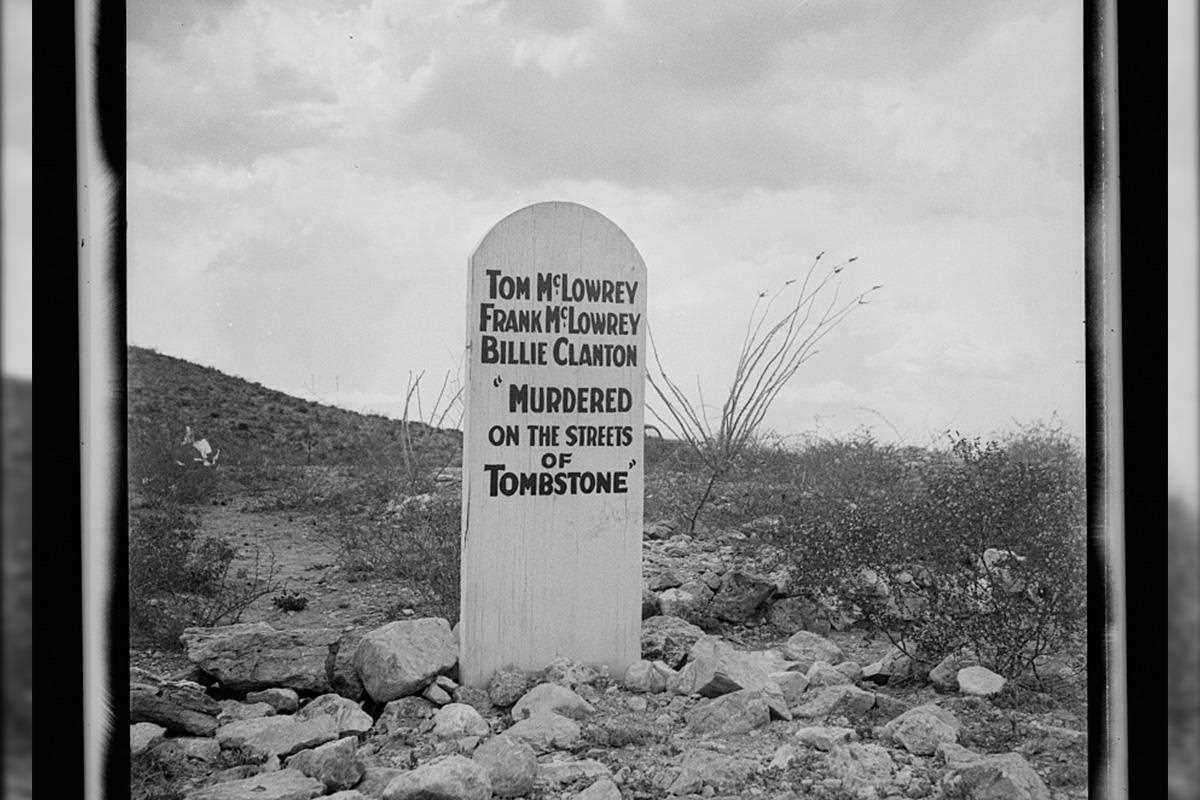
Here, our combative pistolcraft expert breaks down how events played out when the bullets began to fly.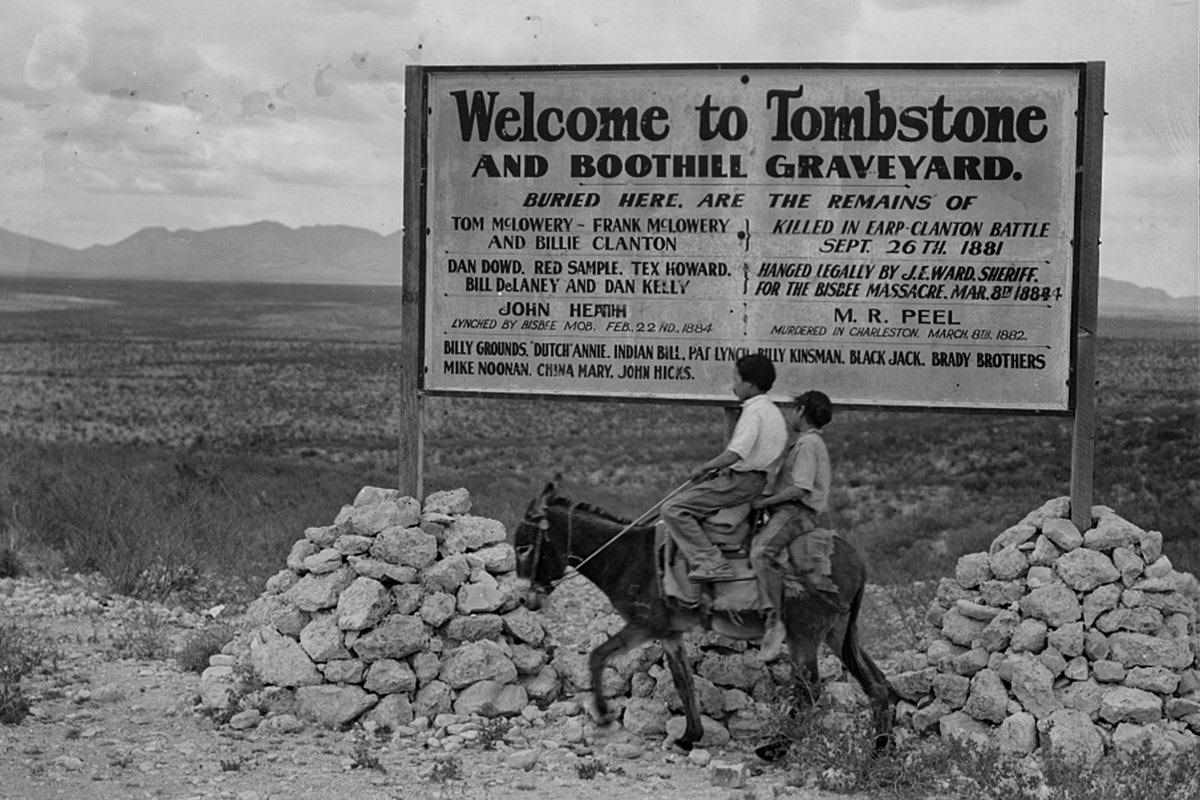 Welcome to Tombstone. Interestingly, this sign appears to be misdated. The accepted date for the O.K. Corral gunfight is Oct. 26, 1881. (Library of Congress photo, c. 1937)
Martha King was shopping in the butcher shop on Fremont Street. She looked out the store window and saw four armed men walking west. She knew the Earps by sight, but not their names and she didn’t recognize Doc Holliday. According to her later testimony, King said they walked four abreast in a “stately” manner with Doc on the inside closest to the store, Virgil and Wyatt in the middle, and Morgan was on the opposite side.
Wyatt and Virgil were slightly ahead. King said the wind whipped open Doc’s long coat and she saw he was trying to conceal “a gun, not a pistol,” underneath it. She went on to say one of the Earps, probably Morgan, said, “Let them have it,” and the man she later learned was Doc Holliday replied, “All right.” This still does not mean the Earps had homicide on their minds. It could have just been a statement of bravado by Morgan Earp, the one member of the group who had never been tested in armed conflict.
Looking east on Fremont, Behan saw the Earps and Doc walking his way. He said later that Morgan and Wyatt had pistols in their hands. The sheriff told the cowboys to wait while he went to talk with the police chief and his men. The Earps and Holliday met him on the sidewalk in front of the butcher shop. Looking past Behan, they could see the cowboys at the edge of the empty lot. It makes sense that Holliday may have been concerned to see them standing, literally, right next to where he was living with “Big Nose” Kate.
Behan wanted to appear in control so he said loudly, “Gentlemen, I am sheriff of this county, and I am not going to allow any trouble if I can help it.” However, the Earps had made up their mind and pushed past him. Behan, not to be deterred, followed down the sidewalk. According to Virgil and Wyatt’s later testimony, Behan called to them, “if they [the Earps] kept going, they might be murdered,” but it didn’t stop them. The Earps and Holliday were now only 100 feet from the vacant lot on Fremont Street.
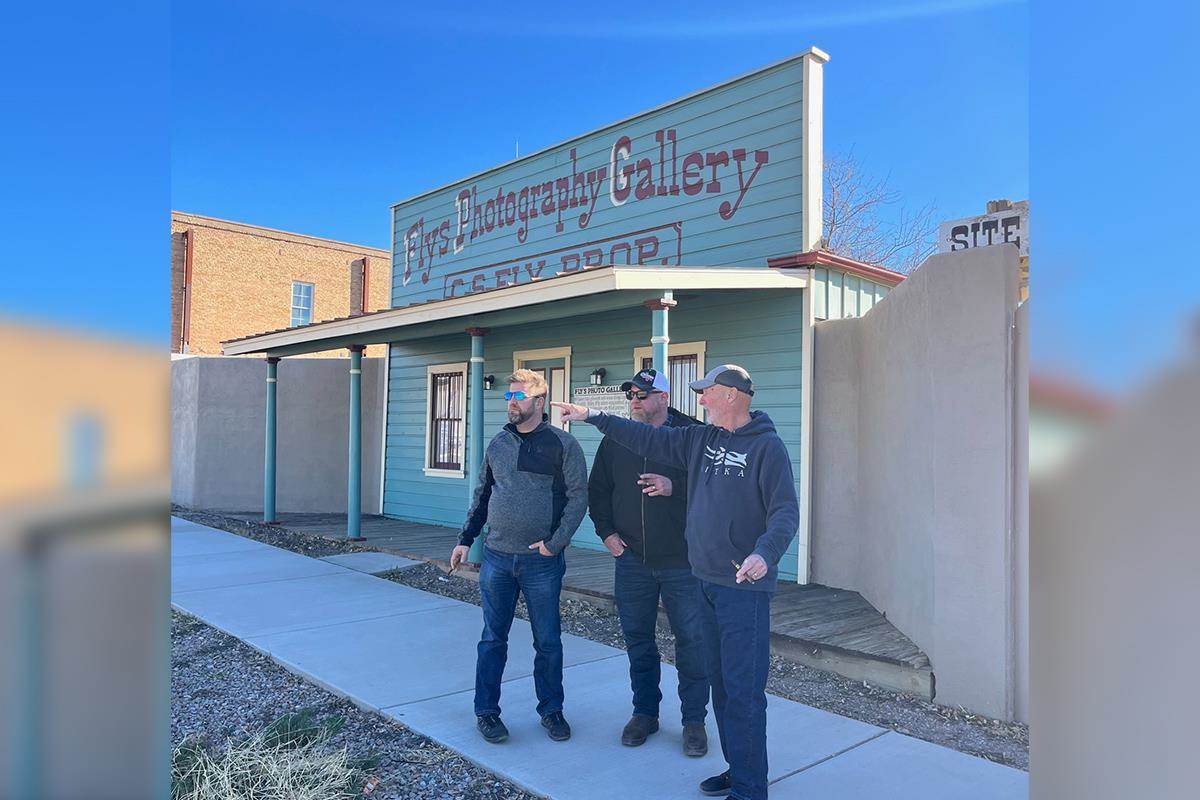
Virgil, not wanting to totally dismiss the County Sheriff with so many watching, yelled over his shoulder, “We’re going to disarm them!” According to Behan’s later testimony, he told Virgil he was in the process of disarming the cowboys. In his mind, Behan’s request was to leave it for him to finish. However, both Virgil and Wyatt testified Behan told them he had already disarmed the cowboys. I tend to believe what the Earps claim here.
First, Johnny Behan was in this to raise his own profile. Second, witnesses claim the Earps seemed to relax at this point as they continued their walk. Virgil moved the revolver in his belt from an appendix position around to his left hip where it would be more concealed. He also switched Doc’s cane from his left hand to his right, his shooting hand, to appear less threatening. Both were serious mistakes.
Wyatt tucked his revolver into the canvas pocket of his new coat. For a moment, it seemed the chance of a gunfight was diminished. The Earps and Doc Holliday likely felt a small sense of relief, but public appearance was just as important to the Earps as it was to Behan and the cowboys. They couldn’t just walk away after making such an approach down to Fremont Street. They surely felt obliged to finish what they started and make sure the cowboys were disarmed.
The Earps and Doc Holliday moved to the edge of the vacant lot. They were probably surprised to see Billy Clanton and Frank McLaury wore gun belts and revolvers. There were also two horses just inside the lot with rifles hanging from their saddles. In their minds, it seemed Johnny Behan had lied and the cowboys still needed disarming in a very public way.
The cowboys watched the Earps and Doc push past Johnny Behan and continue their approach. Billy Claiborne and Billy Clanton stood deepest in the lot, probably a distance of 18 to 20 feet. Ike was only a few feet inside the lot, just off the board sidewalk while the McLaury brothers, holding the two horses, were practically on the sidewalk, just off the edge, with Tom marginally closer to Fremont Street than Frank. Tom had apparently taken Billy Clanton’s horse then walked into the narrow lot to talk with Billy Claiborne.
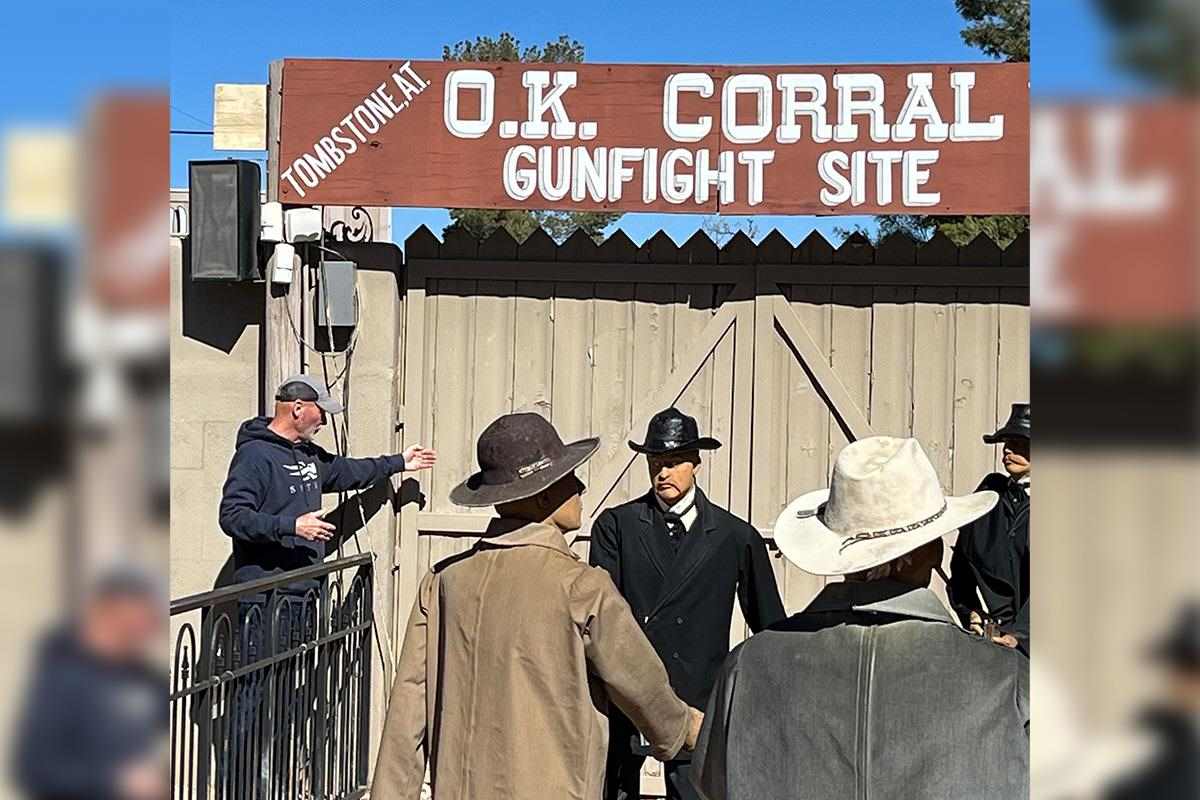
I believe the cowboys had no plan for what was about to happen. They had to have looked around and noticed the lot was a terrible place for a gunfight. There was no room to move or even retreat. I’m sure at this point, they were feeling a high level of duress. After all, there were so many people watching!
One thing we know for sure is Johnny Behan was no gunfighter. If there was to be a confrontation, the sheriff wanted nothing to do with it. According to witnesses, as the Earps and Holliday reached the northeast corner of the lot next to Fly’s, Behan ran in and pushed Billy Claiborne toward the landing that separated Fly’s boarding house from the photography studio.
This split in the building is present in the tourist attraction today. People watched with nervous anticipation. Angles into the lot made it very difficult for most to see in, especially since they were also trying to stay out of the line of fire. In addition, their view was likely blocked by the Earps, Doc Holliday, Frank and Tom McLaury and their horses.
Take note here, as most historians agree on what I have described so far, with some minor variations. However, what follows is controversial in some circles, and has been debated by those in the know for well over a century. There are defined factions who believe the Earps and those who side with the cowboys. I personally do not believe Wyatt Earp was a hero or a villain. I think he was just a man of his time trying to get ahead, attempting to gain a level of respect beyond his current station in life. What I do believe, and greatly respect, is he was one cool and controlled individual when the bullets flew!
So, while there are likely to be those who disagree, at this point I am going to relate the ensuing events as I believed they took place based on my extensive reading, interviews, visits to the site, and my lifelong study of armed conflict. Through my research and experience, I have tried to place myself into the minds of the participants.
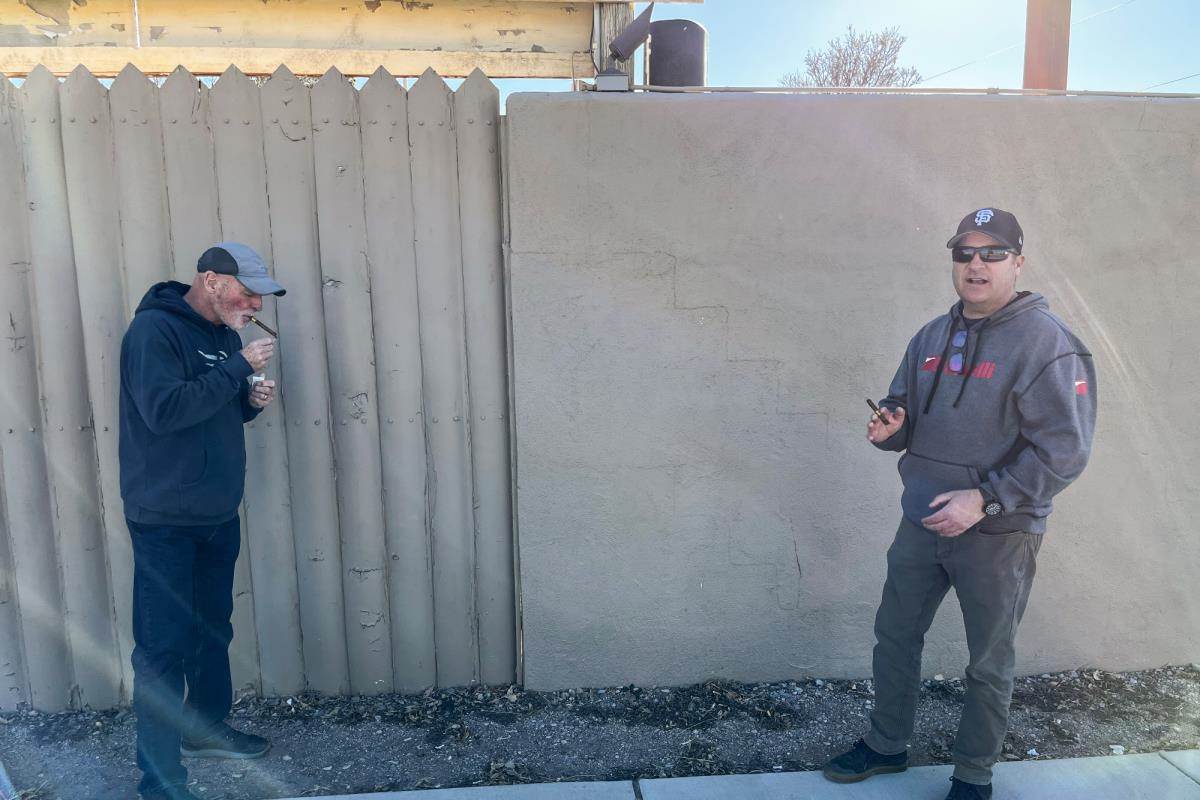
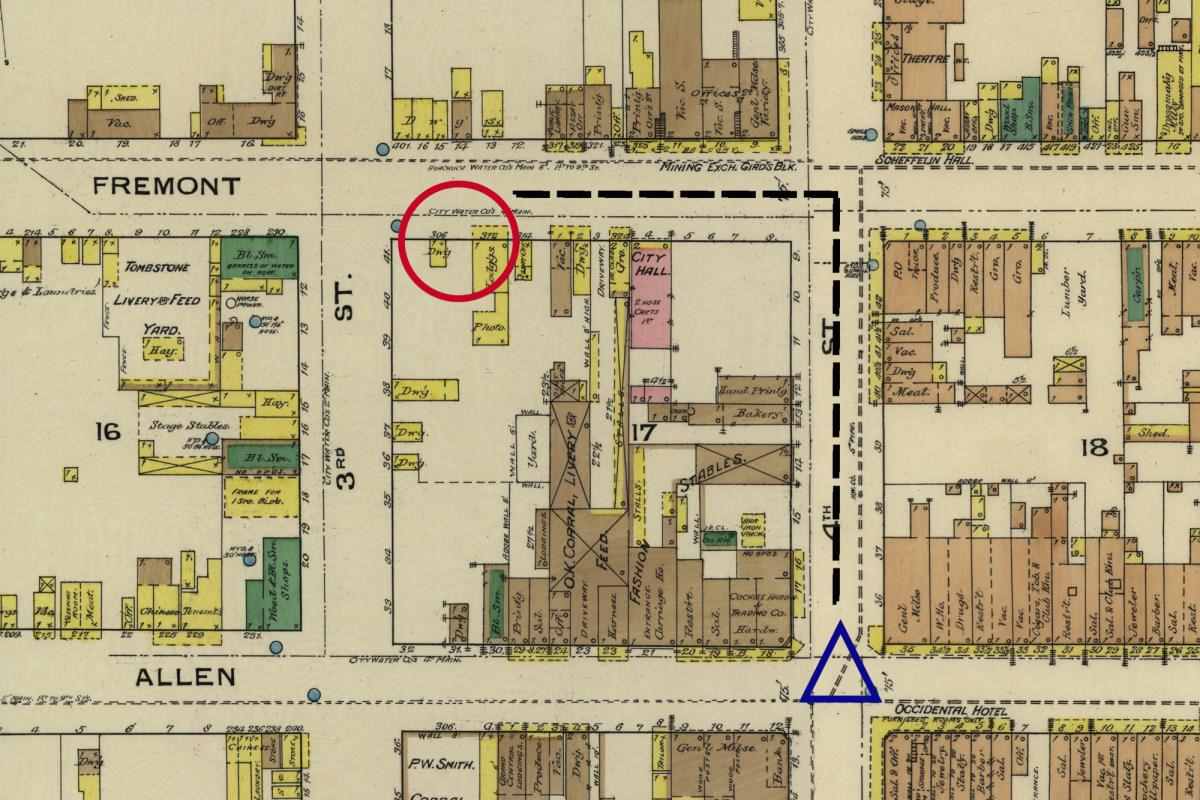
First off, the mannequins that are in place inside the O.K. Corral tourist attraction I believe are wrong. If nothing else, they leave no room for the horses who were present. In fact, the attraction leaves the horses out, altogether. The reproduction is based on a diagram Wyatt Earp drew decades after that fateful day, and I believe he either did not remember correctly or was telling the story as he wanted it remembered. It conflicts with others who watched the event unfold. In reality, I believe most of the fight took place where the wall now sits that blocks the attraction from Fremont Street.
Virgil stepped forward into the lot, just a few feet from the west wall of Fly’s. He was in charge of this action and wanted to be both seen and heard. I doubt he went far off the board sidewalk, understanding the lot was a “kill box.” He likely stayed as close to the wall and sidewalk as possible. He still had Doc’s cane in his right hand and the thought of his gun being so distant probably weighed on his mind. Wyatt, on Virgil’s right, placed himself at the northwest corner of Fly’s boarding house.
I have no doubt he understood the importance of both being able to move and place something between him and incoming fire. He probably wanted to stay close to Virgil as well. Morgan stopped a few feet out on Fremont Street just off the sidewalk while Doc was further out in the middle of street. He placed himself in a position to see the back of the lot as well as both directions on Fremont.

Tom McLaury moved closer to the horse he held and the rifle in its scabbard. Seeing this, Doc removed the shotgun from under his coat so Tom would see it. I doubt anyone spoke, dead quiet as everyone assessed the situation. In truth, there wasn’t much left to say. With so many people watching and reputations at risk, the “line in the sand” had been crossed. Virgil commanded, “Throw up your hands, boys. I intend to disarm you.” Frank McLaury responded, “We will,” though some witnesses felt as if he intended to add the word “not!” as a face-saving gesture. Regardless, as Frank uttered those first couple of words the cowboys began to move.
They had to feel trapped in the narrow lot with walls on two sides. Citizens, likely friends of the cowboys, would later testify that Frank and Billy started to raise their hands while Tom pulled open his coat to show he wasn’t armed. A lot to see considering the angles involved. The Earps would claim they heard the sound of revolvers being cocked. Frank McLaury and Wyatt Earp both started their draw. Billy Clanton at the rear of the lot, his view of Frank blocked by a horse, could only see Wyatt reaching into his coat pocket. No doubt he thought the fight was starting. The draw and shoot sequence for Frank, Billy and Wyatt all began together, with each cocking their revolvers as they drew.
Wyatt’s gun came out fast and smooth due to the specially lined pocket of his new coat. It didn’t snag on the canvas pocket making his preparation worth the effort. Today, those of us who carry guns for serious purposes sit on the porch, in a restaurant or at the range and discuss ways to improve our performance through training, preparation and gear. I have no doubt men like Wyatt Earp, Bat Masterson, Luke Short, Wild Bill and Doc Holliday had similar conversations in their time, talking about ways to prepare and get the upper hand on their adversaries. I can’t help but wonder if the pocket on Wyatt’s coat came out of one of these discussions.
Billy and Frank were known to be good shots, but this type of careful marksmanship isn’t the same as drawing rapidly and getting the gun between you and the threat while someone was trying to snuff out your life! Consider how the cowboys had to reach down, draw and cock their guns, position them, aim (if they took the time to do so) and fire while Wyatt cocked and extracted his pistol from his pocket. Think about having to shift your shooting grip to thumb cock your revolver for each shot in the middle of a gunfight for your life. We certainly take our semiautomatics for granted these days. Without a doubt, keeping your cool and not panicking — being deliberate — was the key, the same then as today.
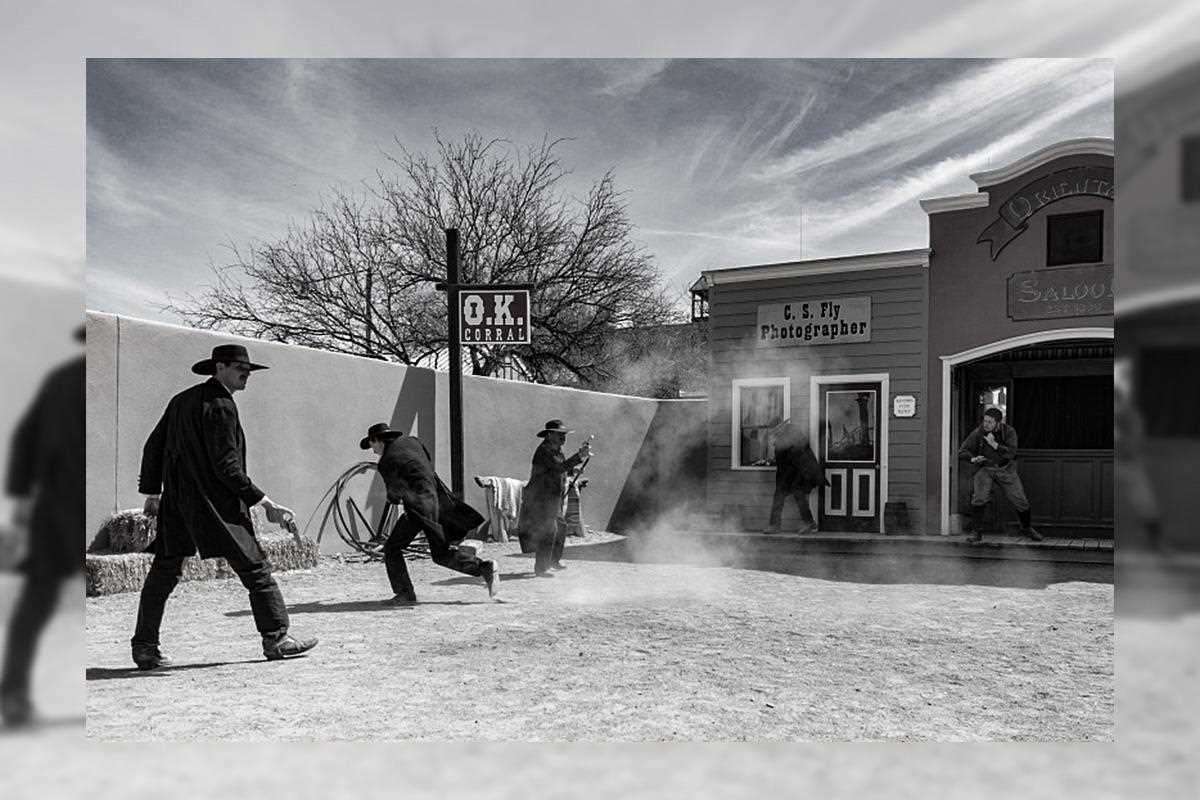
Wyatt would have considered Frank McLaury his immediate threat. He had heard he was “a good man with a gun” and chose to ignore Billy Clanton. Talk about ice water in your veins! At the same time, Virgil waved the cane and shouted, “Hold! I don’t mean that,” but it was too late. The fight had started. Wyatt drew, aimed and fired at Frank McLaury, hitting him solidly in the abdomen just to the left of his navel (Hit #1). It was the perfect example of keeping your head under fire and placing your shot where it needed to go. Deliberation! Gut shooting was considered the preferred target zone at the time. The thought was the infection would kill the person at some point which turned out to be wrong thinking. Today we look for rapid incapacitation which means rounds must be delivered to the head or high chest region where the majority of vital organs are located.
Frank twisted from the impact of Wyatt’s round. Billy Clanton fired at Wyatt almost simultaneously but missed. Did he aim or just fire in panic? We will never know. The truth is, the sights on the single-action revolver of the day were not that substantial, making rapid visual access problematic. Revolvers of the time were also dark in color making finding the sights even harder. What about a cloud of black powder smoke around the muzzle? Did that hinder aiming? This is the reason Bat Masterson asked for taller and wider front sights on his custom-built, nickel-plated Colt Peacemakers.
Today the gun community argues sights versus point shooting and iron sights versus optics. I doubt these debates will end anytime soon. What I will say based on my many years of study into gunfighting is sights are a good thing and if we can utilize them, it is worth the effort. Sights that are colored are easier to see than sights that are black, and sights that glow are easier to see than sights that do not.
Witnesses said there was a split-second pause. I believe the finality of what was happening hit the combatants in the lot and on the street. People were going to die in the next few seconds and everyone knew it. Virgil had no option but to fight, but his hand was full of walking stick instead of gun. He switched Doc’s cane to his left hand. Why he just didn’t drop it is a mystery, but we see the same reaction today as folks hang on to bags of groceries, car keys, cell phones or other useless items when a fight breaks out. Regardless, he then reached across his body for the revolver tucked into the left-rear side of his waistband. The greater distance travelled, the longer the draw will take, no way around this. As he did so, Frank McLaury, seriously wounded but still in the fight (so much for the .45 as an instant man stopper), raised his gun and shot Virgil in the right calf (Hit #2). Frank was likely bent at the waist, so the low shot makes sense. Tombstone’s top law officer went down.
Ike Clanton’s big mouth had partially brought about this violent event, but now that he had the opportunity to act, he was an “empty suit.” He did not have the guns or guts to fight. As Virgil went down, Billy Clanton probably intended to shoot at Wyatt but Ike Clanton got in the way, begging for his life. Wyatt once again displayed his iron will, having the presence of mind to see Ike was not armed. He had to wrestle with Ike yelling “The fight has commenced, get to fighting or get away!”
Much has been made about Wyatt Earp being the only person unharmed in the fight. I don’t think there is much of a mystery here, Wyatt had Ike as cover for a sizable portion of the fight. Billy likely hesitated, not wanting to shoot Ike. Morgan took this opportunity to shoot Billy, hitting him in the torso, pushing him back against the wall of the structure on the west side of the lot (Hit #3). However, Billy managed to keep shooting much like we see in armed conflict today. Just because someone is shot does not mean they are going to instantly stop. As we know, a human filled with epinephrine, norepinephrine and cortisol — the fight or flight cocktail — can do amazing things. Billy Clanton was probably in this state.
One of Billy’s rounds likely tore a hole through Wyatt’s coat as he continued to fight. Virgil struggled to his feet and aimed at Frank, who tried to escape from the narrow lot to the greater space of the street. Frank’s horse turned out to be cover from Virgil. Wyatt still wrestled with Ike. As Clanton grabbed Wyatt’s right/gun hand his cocked revolver discharged. At this same moment Morgan yelled “I am hit” (Hit #4). Morgan Earp fell having been struck by a bullet that passed through one shoulder blade and exited the other. While it is possible that round could have come from multiple sources — he could have been hit by one of Billy Clanton’s bullets —the angle is such that he could have also been struck by the round inadvertently fired from Wyatt’s revolver, something that still happens today in the “fog” of a gunfight. We will never know for sure.
Morgan tried to get back to his feet but fell again. Before the shooting began, Doc Holliday played sentry in the middle of Fremont Street, holding the shotgun ready for all to see while staying alert for any threats from onlookers. Once the shooting started, Doc, in a very admirable display of self-control, resisted the desire to start shooting. He decided to leave Frank McLaury and the Clantons to the Earps and waited to engage Tom McLaury. The horse Tom held stayed between him and Doc which shielded him. Tom may not have had a revolver, but he was certainly trying to recover the rifle from the saddle scabbard, I know I would have been! Wyatt, finally clear of Ike and able to take a look at what was happening. In another stellar display of his ability to keep his head in combat, Wyatt shot Tom McLaury’s horse to get it out of the way. The animal pulled loose and Tom McLaury was exposed. Doc closed in and fired the shotgun at Tom hitting him under the right armpit (Hit #5). Most certainly a lethal wound, Tom McLaury staggered down Fremont Street and collapsed against a telegraph pole at Third Street. Today, there is a telephone pole in a similar location.
Doc dropped the shotgun, drew his revolver from under his coat, and looked for another threat. He probably saw Frank McLaury stagger onto Fremont Street and not appear to present a threat. Tom McLaury was down and out. Ike Clanton had fled after being thrown clear of Wyatt. At this point, Virgil and Wyatt began to shoot at Billy Clanton, who was sitting against the wall at the other end of the lot. There is no way to know if Doc fired at Billy. The teenager was hit in the abdomen and the right wrist (Hits #6 and #7). Billy sat in the dirt, his back to the frame structure owned by Harwood, and was able to transfer his gun from his right to his left hand and fired again but missed. At this point, Billy was effectively out of the fight gravely injured, leaving only Frank with the ability to continue on, despite being seriously, if not fatally, wounded.
Out on Fremont, Frank attempted to take cover behind his horse, but after he fired a shot at Morgan the animal fled leaving him exposed, crouching and bleeding in the street. Morgan pulled himself up and prepared to shoot based on what Frank did next. But Frank’s attention was on Doc Holliday, who with nickel-plated revolver in hand, circled him in full view of everyone watching. What happened then has been well documented by witnesses. Trying desperately to call on everything he had left in one last act of defiance, Frank McLaury stood straight, raised his revolver, and cried out to Doc, “I’ve got you now.” Holliday replied, “Blaze away! You’re a daisy if you have,” and Frank pulled the trigger on his cocked revolver. The bullet creased Doc’s hip just below his holster and the dentist yelled, “I’m shot right through” (Hit #8). Doc and Morgan fired at the same time with Morgan’s bullet hitting Frank near the right ear (Hit #9) while Doc missed. Frank fell where he stood. Doc walked over and looked down at Frank McLaury saying, “The son of a bitch has shot me and I mean to kill him,” but Morgan already had. The most famous gunfight in history was over.
It has been said time and again the Gunfight on Fremont Street could be described as “30 rounds in 30 seconds.” If this is true, then hits from both sides — nine, total — represent a hit ratio of around 22 to 23 percent, much like law enforcement shootings today. I have often wondered how the smoke from the black powder may have hindered the men fighting, confined, at close distance. Did the area cloud up or did the swirling winds remove it? A few rounds would be no big deal but how about a situation where 30 rounds were fired in an enclosed space?
Wyatt and Doc were later arrested and stayed in jail until the probable cause hearing in front of Judge Wells Spicer concluded. It was determined that he Earps and Holliday had acted within the scope of the law and their sworn duty. Under these same circumstances, I doubt in today’s climate a judge would find for the Earps.
We will never know for sure exactly what happened on October 26, 1881, in that side lot off Fremont Street, but I have had a wonderful time trying to find out. As I close, I must credit all of the authors and historians that I have read, viewed and talked with as I tried to figure out what transpired that day. Bob Boze Bell, Jeff Guinn, James Reasoner, John Boesseneckner, Tom Clavin, Roy Young, Gary L. Roberts, Casey Tefertiller, John Richard Stephens, Andrew Isenberg, Leon Metz, Paula Mitchell Marks, Dr. Paul Hutton and many others I have probably forgotten. As I wrote this, I referenced these folks often. Again, I am not a historian like those listed, but I have tried to get it right.
Wyatt Earp, his brothers Virgil and Morgan, and Doc Holliday had a date with destiny October 26, 1881, in Tombstone, Arizona.
Attempting to disarm local cowboys at the O.K. Corral, the ensuing gunfight on Fremont Street gained legendary status in Old West lore.
Given the reputations and relationships of the men involved, conflict seemed unavoidable.
Cattle rancher (or rustler, depending on the day) Tom McLaury had wanted to sleep in, run some errands and then relax with his brother Frank McLaury and Billy Clanton when they arrived in town. He knew Ike Clanton had acted like a fool the night before, but thought everything ended well in an all-night poker game.
Tom awakened, however, to discover Ike was even more drunk than before, illegally armed, and had gone around town threatening the Earps and Doc Holliday. For his actions, Clanton had gotten himself buffaloed and taken to court. McLaury knew it was time to grab his friend and leave Tombstone.
Tom retrieved his revolver from the Grand Hotel bar as it would be one less thing to do as he left town. There was a city ordinance against carrying a gun unless you were arriving or leaving town and McLaury was on his way out from the moment he got up. Tom McLaury was not known as a troublemaker and he certainly was not going to brandish his gun. He’d find Ike Clanton, finish his business and depart. Tom walked in the direction of the courthouse.
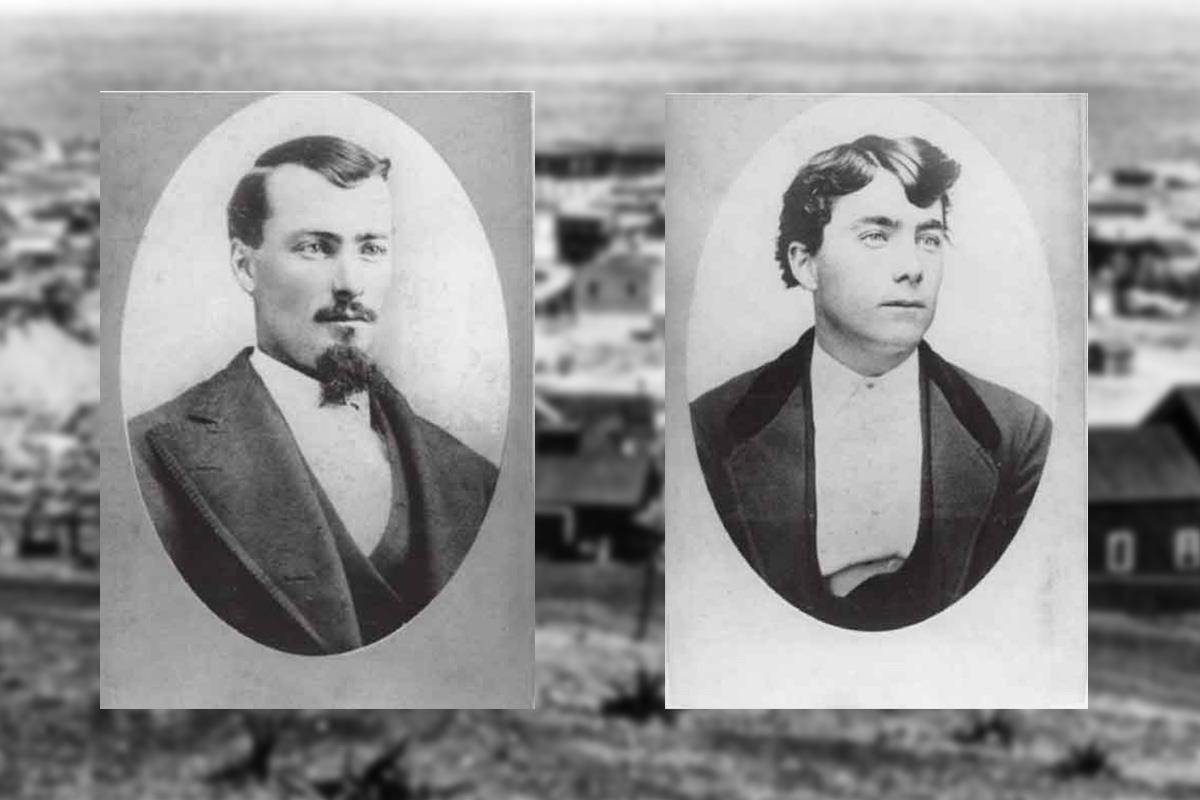
In route to the court, McLaury encountered Wyatt Earp. Still enraged, Earp saw all cowboys as enemies. No one really knows what the two said to each other, but Wyatt Earp’s response was witnessed by several onlookers. McLaury was reported to have said he’d never wronged Earp, but was ready if Wyatt ever wanted to fight. Earp loudly asked McLaury, “Are you heeled?” and then slapped McLaury with his left hand while smashing his revolver against the young man’s head with his right. Tom McLaury was left lying in the street. Earp was heard to say, “I could kill the son of a bitch.”
Wyatt Earp’s outburst was seen as unreasonable to those who witnessed it. McLaury was assisted to is feet by several townsfolk and, even though his pride had been seriously damaged, he went about finishing his business. Based on what just happened, Tom McLaury probably felt it was a good idea to check his revolver, so he went to the Capitol Saloon where he gave it to the barkeep.
Tom’s brother Frank, along with Billy Clanton, arrived in Tombstone around 1 p.m. They stopped at the Grand Hotel on Allen Street, the normal hangout for the cowboy faction, where they ran into Doc Holliday. They exchanged greetings and there appeared to be no animosity. Frank McLaury and Billy Clanton entered the hotel bar to get a drink and get out of the cold.
Billy Allen entered the bar and asked Frank if he knew what was going on. Frank had just arrived in town, so he probably got an ear full. No doubt the McLaurys saw the Earps as enemies who interfered with what they wanted to do. Their actions likely angered McLaury but he also was smart enough to know that Tombstone’s ordinances would favor the Earps, so any revenge would have to wait. McLaury and Billy Clanton immediately left the Grand Hotel to find their brothers and get them out of town. Unfortunately, they neglected to check their guns.
As Ike Clanton left the courthouse, he ran into his friend Billy Claiborne. Claiborne fancied himself a gunslinger, having killed a man in a bar, and actually referred to himself as Arizona’s “Billy the Kid.” Claiborne helped Ike to a nearby doctor’s office where his head wound was treated. Afterward, the pair walked down Fourth Street to Spangenberg’s Gun Shop where Ike was reported to have tried to buy a revolver, but proprietor George Spangenberg, being aware of what had already transpired, refused to do so.
Frank McLaury still intended to find his brother Tom and leave town, but he couldn’t leave the impression that Wyatt Earp had scared him into doing so. Pride and image were important and Wyatt’s actions with the horse had been seen by too many people. Frank McLaury had to make it clear he wasn’t intimidated.
While Virgil and Morgan Earp had gone about their business after Ike Clanton’s court appearance, they remained concerned about possible violence. As Virgil walked down Allen Street, he was stopped by several townsfolk who warned him about Ike Clanton and his rantings. Virgil took these warnings seriously so he stopped into the Wells Fargo office and borrowed a double-barrel shotgun, a weapon that offered far more power than any revolver. Even at close range, revolvers were considered inaccurate while the shotgun, with its spreading pattern, was more likely to hit.
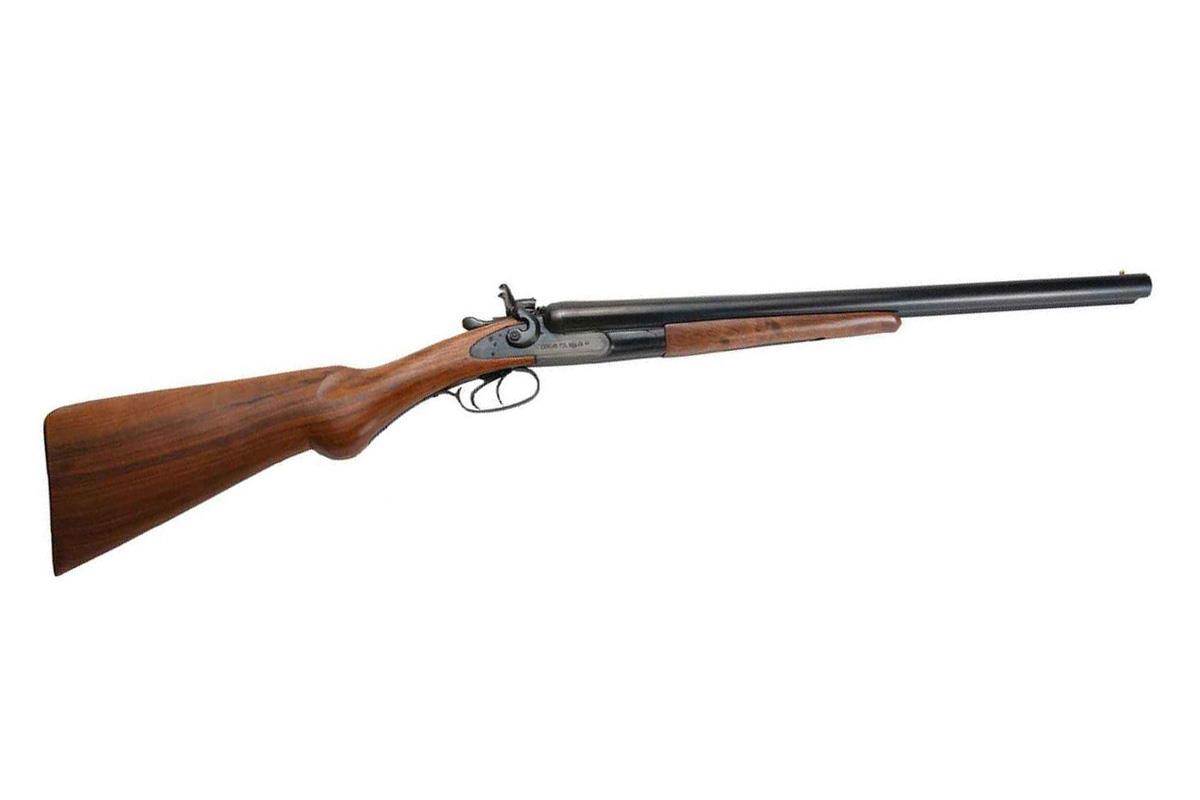
In reality, the revolvers of the time were probably more accurate than the people shooting them due to the “point and smack trigger” technique often used. Remember, the single-action revolvers of the period had stiff and heavy 6- to 7-pound break. They were not the single actions of today. That said, if aimed properly, the revolver could and would deliver. Still, a shotgun was a nice thing to have in a pistol fight. In addition, the appearance of a shotgun may make the cowboys think twice before engaging in violence.
Virgil had just walked out on to Allen Street with the shotgun when Bob Hatch, owner of a popular Tombstone saloon and billiards parlor, approached. It was in Hatch’s establishment that Morgan Earp would later be assassinated. “For god’s sake, hurry down to the gun shop,” Hatch exclaimed. “They are all down there and Wyatt is all alone. They are liable to kill him before you get there.” Virgil ran down to Fourth Street and found Wyatt unharmed but seething in front of Hafford’s Saloon. The two Earps watched as Frank McLaury, Ike Clanton, and Billy Claiborne left Spangenberg’s and met Tom McLaury coming from his errands in town. The cowboys walked down Fourth Street to Dexter’s Livery to get the horse that Billy Clanton had left there. They then planned to walk two blocks north to the West End Corral on Fremont and Second Streets, where they would pick up Ike and Tom’s team and wagon. Their route would take them through the back of the O.K. Corral.
Controversial Cochise County Sheriff Johnny Behan also slept in that morning. He went for a shave only to notice the crowd gathered on Fourth Street at Allen. When he asked, he was told about the morning long problems between the Earps and the cowboys. In reality, Johnny Behan could have ignored the situation. After all, he was the county sheriff while Virgil Earp was town police chief. However, it was likely that Behan felt an obligation to get involved. Virgil Earp had helped him apprehend county criminals in the past and lawmen were supposed to assist other lawmen. He finished his shave and ventured out.
Behan found Virgil Earp standing outside Hafford’s holding a shotgun. Doc Holliday, dressed in a long gray overcoat due to the weather, was with him. Doc carried a silver-headed cane, popular in Tombstone at the time. Behan asked Virgil, “What was the excitement?” and Virgil told him there were “sons of bitches in town looking for a fight.” Behan suggested they go into Hafford’s for a drink, hoping to cool off the situation. It’s unknown who made the original suggestion, as their statements later conflicted, but it was decided that Sheriff Behan would go and talk the cowboys into giving up their guns.
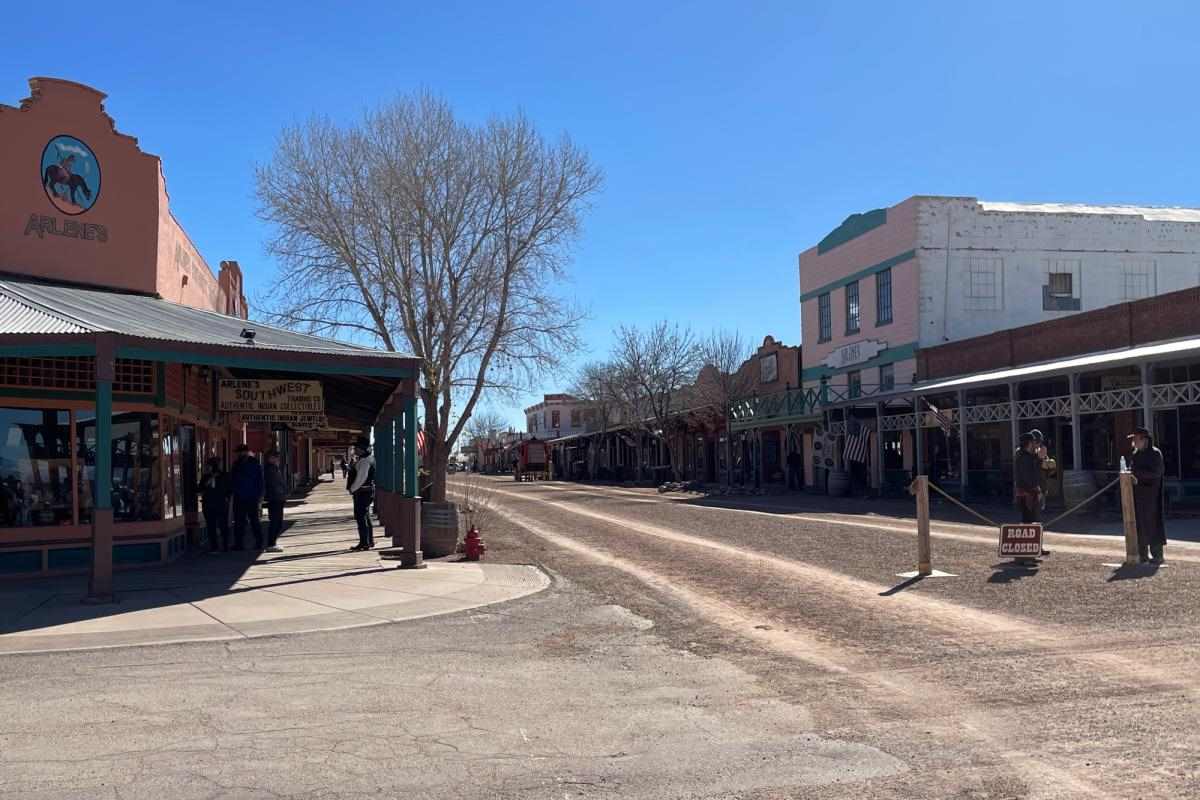
Unfortunately for the Sheriff, they were no longer in the O.K. Corral. He found them in a vacant lot off Freemont Street next to Fly’s Boarding House and Photographic Studio. Back at Hafford’s Corner, Virgil, Morgan, Wyatt and Doc Holliday all stood by waiting to see what would happen next.
After their stop at the O.K. Corral, the cowboys walked down an alley that opened onto Fremont Street near the Union Meat & Poultry Market. Billy Clanton and Frank McLaury were leading their horses and the animals were saddled with rifles hanging in scabbards. The McLaury brothers stopped into the market to talk to butcher James Kehoe.
While Frank talked with the butcher, the others stopped to wait in an empty lot on the south side of Fremont between Fly’s boarding house and a building owned by William Harwood, Tombstone’s first mayor. There has been some debate over how big the lot was in October of 1881. Estimates range from 15 to 20 feet wide by 18 to 25 feet long. Regardless, it is known that it was not very big. In fact, it was unusual for the lot to be empty as Harwood usually had lumber stored there for building projects.
Johnny Behan saw Frank McLaury talking to Kehoe while holding his horse with the rifle in plain view. Behan walked up and told Frank that he wanted to disarm him and the other cowboys. Frank refused to give up his guns “as long as the people in Tombstone act so.” Who knows what he meant by this statement? It is likely that Frank McLaury was just grandstanding as, by this time, most of the town was watching. Unlike the movies, the fight did not happen in a vacuum, it was being watched by hundreds of people at various locations around town. Things could get boring in Tombstone and this was better than tickets to a show.
Behan understood cowboy pride and offered to take Frank McLaury to the sheriff’s office, he could surrender his guns in private. Frank still had some business to conduct and with Behan’s help he could save face and stay in town. It was important everyone knew he was cooperating because he wanted to, not because of the Earps. “You need not take me,” McLaury told Behan. “I will go.” Johnny looked west on Fremont and saw Tom McLaury and Ike Clanton standing next to Fly’s. Behan told Frank to walk along with him while he got the others and took everyone to the sheriff’s office. Behan must have been quite happy at this point. If he walked with them to his office and took their guns, it would appear as though he made actual arrests, while the cowboys would think they were going on their own. Playing politics was really no different back then.
At this point, Behan was gone from Hafford’s Corner about twenty minutes with Virgil hearing nothing from him. A citizen approached Virgil offering men to help him arrest the cowboys. Virgil repeated if the cowboys stayed at the O.K. Corral, he would take no action. He was then told “Why, they are all down on Fremont Street.” That was it. Virgil had no choice as much of Tombstone was watching. He had stated he would disarm the cowboys if they came out on to town streets. But Virgil wasn’t about to face one against four odds. His two police officers were off-duty and probably asleep. If he called for them, it would delay his response with the cowboys still armed and on Tombstone’s streets. He could wait no more. Vigilantes in town had threatened to take action. Time had run out for Virgil Earp.
Wyatt and Morgan were standing next to him at Hafford’s Corner. Both were experienced lawmen as well as being family. Trust was not an issue. He asked Wyatt and Morgan to come with him to disarm the cowboys. Doc Holliday overheard this and invited himself along. When Wyatt told him it was not his affair, Doc replied, “That is a hell of a thing to say to me.” Doc considered himself Wyatt’s friend and that was enough for him. This friendship is well documented and his eagerness to fight was legendary. Virgil must have recognized the risk of taking Doc along but he still hoped for a peaceful conclusion. He possibly felt if the cowboys saw Holliday and knew of his reputation, they would be less likely to fight.
Not knowing who was over on Fremont Street, Holliday was given the responsibility of standing guard while the Earps enforced the gun ordinance. Virgil handed Doc the shotgun and took Doc’s silver-headed cane. Virgil told Doc to keep the shotgun hidden under his long coat as long as possible. He was further instructed to stand out in the street and brandish the shotgun as a warning to anyone who might want to intervene. He would also be in position to block the cowboys from moving across Fremont Street.
Besides the shotgun, Doc had a nickel-plated revolver in a holster under his coat. In the movies it is shown to be a short barreled, bird’s head model — a “Banker’s Special.” In truth, we know it was nickel plated but not much else. Unlike the movies, that always depict his holster to be a shoulder rig, it was probably on his hip. Virgil had Doc’s cane in his left hand and his right hand on the butt of a revolver stuck in the front of his pants.
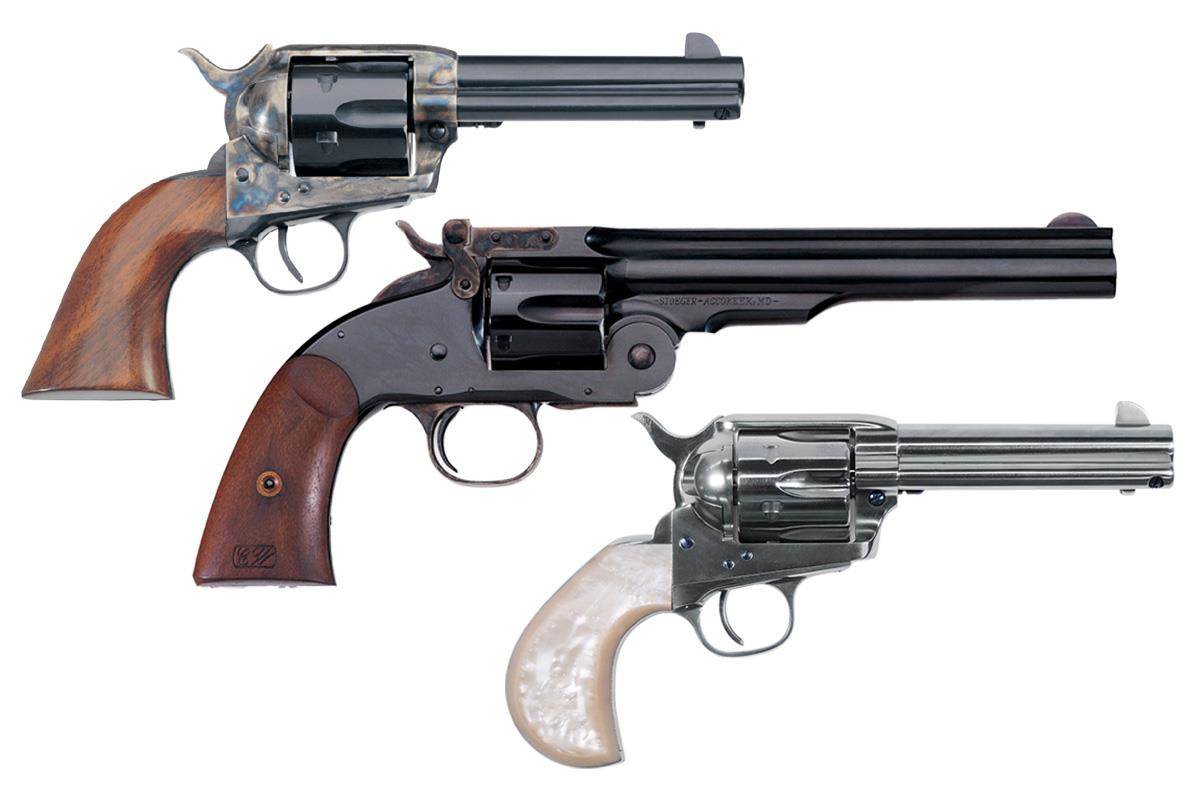
The movies portray this to be a Smith & Wesson Model 3 “Schofield,” which is possible, though I have never seen this confirmed anywhere. It is known that Virgil liked this model of revolver. Morgan probably had his revolver in his hand as did Wyatt. Much has been made of the long-barrel Colt-produced “Buntline Special” that Wyatt was reported to own. History has gone both ways on this gun, but there is nothing I am aware of to confirm he had it with him this day.
In reality, I doubt he would have wanted a revolver with such a long barrel as it would not have fit well in the custom pocket of his new coat. It certainly would not have been quick to draw. Wyatt has also been reported to be in possession of an S&W Schofield revolver on that day, but again, I have never seen this confirmed.
“Come along,” Virgil said, and together the three Earp brothers and Holliday left Hafford’s Corner and began “the walk” north on Fourth Street to Fremont, a journey that has been depicted in every movie ever produced about the fight. I have taken this walk on several occasions and have wondered what was going through the Earps’ minds as they did so. Even as hot headed as Wyatt was known to be, there had to be trepidation as they walked. Virgil, Wyatt and Doc had all been in armed conflict in the past, they would have understood its finality. Most gunfights of the era broke out quickly, very few occurred where the participants had time to ponder what was going to happen. I don’t buy into the theory that Doc Holliday had a death wish, either. It is well documented he took action to prolong his life, even moving to Arizona to make use of the high desert air. No, even though I’m sure they put on an air of formidability, there was likely also reluctance and maybe even fear.
When Johnny Behan walked into the vacant lot with Frank McLaury, he saw Billy Clanton and Billy Claiborne. He knew he would find Ike and Tom but the other two may have been a surprise. He asked if they were all together and Claiborne responded he “was not one of the party.” Johnny told them what he’d just told Frank, they would go to the Sheriff’s Office and disarm there. Ike and Tom stated they had no weapons for Behan to take, having surrendered them earlier. He was skeptical so he frisked Ike Clanton by running his hands over his waist and found no guns. Tom McLaury then pulled open his coat to show there were no guns in his waistband. Tom could have had a gun in his waistband at his back or concealed under his shirt. We just don’t know. Behan chose to accept his word.
Just as Behan prepared escort them to his office, Frank McLaury said no. He’d thought it over and said he would surrender his guns only “after the party that hit my brother” was disarmed. That wasn’t going to happen, and Behan knew it. The Earps were sworn peace officers and were legally permitted to carry firearms in town, the cowboys were not. Doc Holliday was likely sworn in as a “special officer” for the moment. It was at that moment someone on the street shouted, “Here they come!”
Wyatt Earp, his brothers Virgil and Morgan, and Doc Holliday had a date with destiny October 26, 1881, in Tombstone, Arizona. Attempting to disarm local cowboys at the O.K. Corral, the ensuing gunfight on Fremont Street gained legendary status in Old West lore. Here we examine how it all began.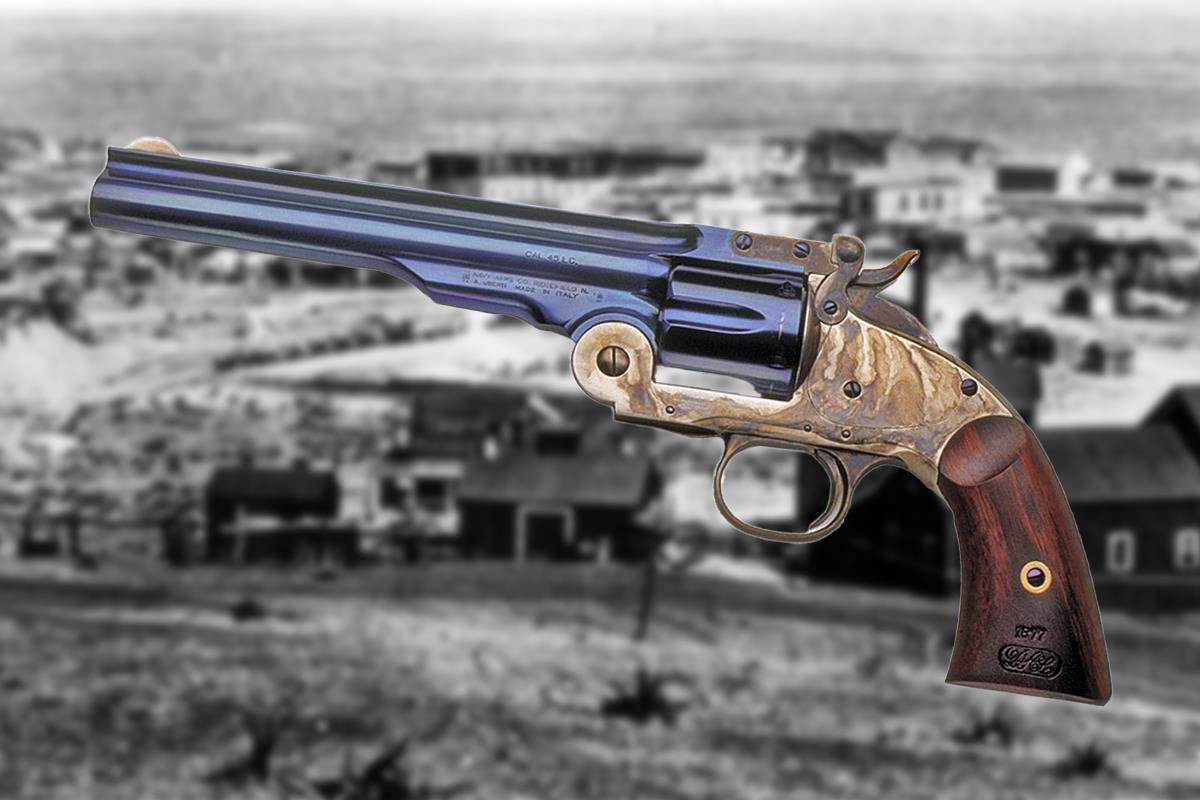
May 03, 2023
Please understand I do not consider myself to be a historian. I’m a fan of the Old West and a serious student of the “combative application of the handgun.” I grew up in the late 1950s through the 1960s watching Westerns on television. Wyatt Earp, Bat Masterson, Wild Bill Hickok, Calamity Jane and Buffalo Bill Cody were part of American culture due to shows of the same name.
When I entered law enforcement, I became a student of combative pistolcraft which renewed my interest in the Old West, specifically people known as “gunfighters” or “shootists.” Why? Because they fought with handguns instead of long guns.
Many of the towns that sprouted up after the Civil War were either cow towns or mining camps. Those industries spurred the economy west of the Mississippi. Towns like Abilene, Hays City, Dodge City, Virginia City, Lead, Trinidad, Deadwood and Tombstone are the famous ones, but many towns sprang up and then died. Naturally, these towns — really camps — were the watering holes for cow pokes and miners who after long days or weeks in the ground or on the trail wanted to blow off some steam via gambling, alcohol and women.
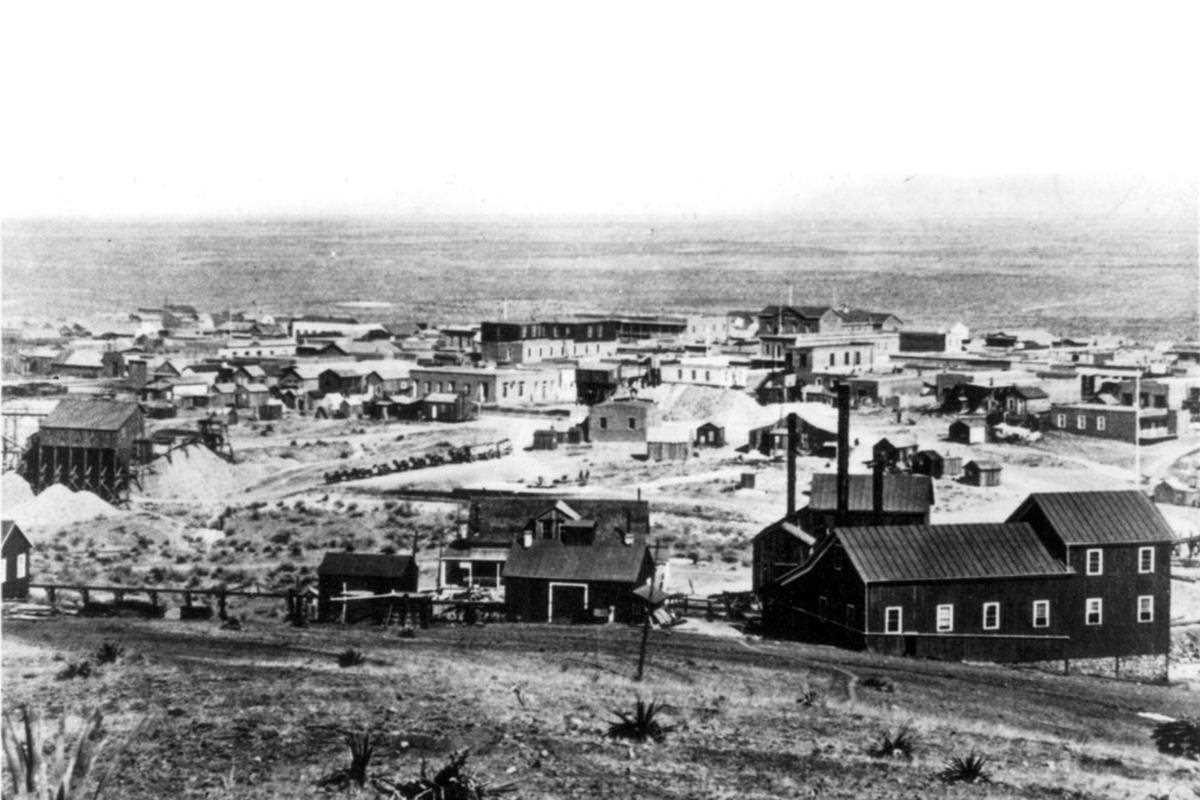
These towns were predominantly gambling houses, saloons and brothels with a few needed businesses thrown in. Carrying firearms was restricted, if not outright banned, in many of these locations. Many will see this as gun control but look at it from the viewpoint of those who were trying to keep the peace: A drunk cowboy or miner feeling like he was cheated at cards, watching another man flirt with his “woman” (read prostitute), is drunk and in possession of a gun. Can you see where this is headed? After 35 years in law enforcement, I get it. I can remember any number of killings I responded to that involved alcohol, a woman and money.
Like today, handguns that could be easily hidden were more likely to be used in a fight than a double barrel shotgun or lever action rifle. It should be noted when guns were carried in town, holsters were not the norm. The revolvers of the time were usually carried in the waistband or in a coat pocket.
Real holsters of the period were nothing like the rigs commonly seen in a Hollywood Western. They were nothing more than a leather pouch with a loop attached that allowed them to be hung from a belt. There was nothing “fast” about them. These holsters rode high on the belt, not low slung around the leg. Holsters were seen in the field or prairie. In town, the gun and holster were commonly surrendered to hotel employees or bar keepers for the duration of the visit.
As I have spent years studying these fights, I have come to realize they are not much different than what occurs today; they were close, chaotic, and over in a few rounds. It’s as likely as not that all rounds fired missed their intended target. Or, both combatants were down and injured with no real victor evident. It wasn’t about being fast or first to fire; it was the person who could keep their head and deliberately fire rounds that would have an adverse effect on their opponent.
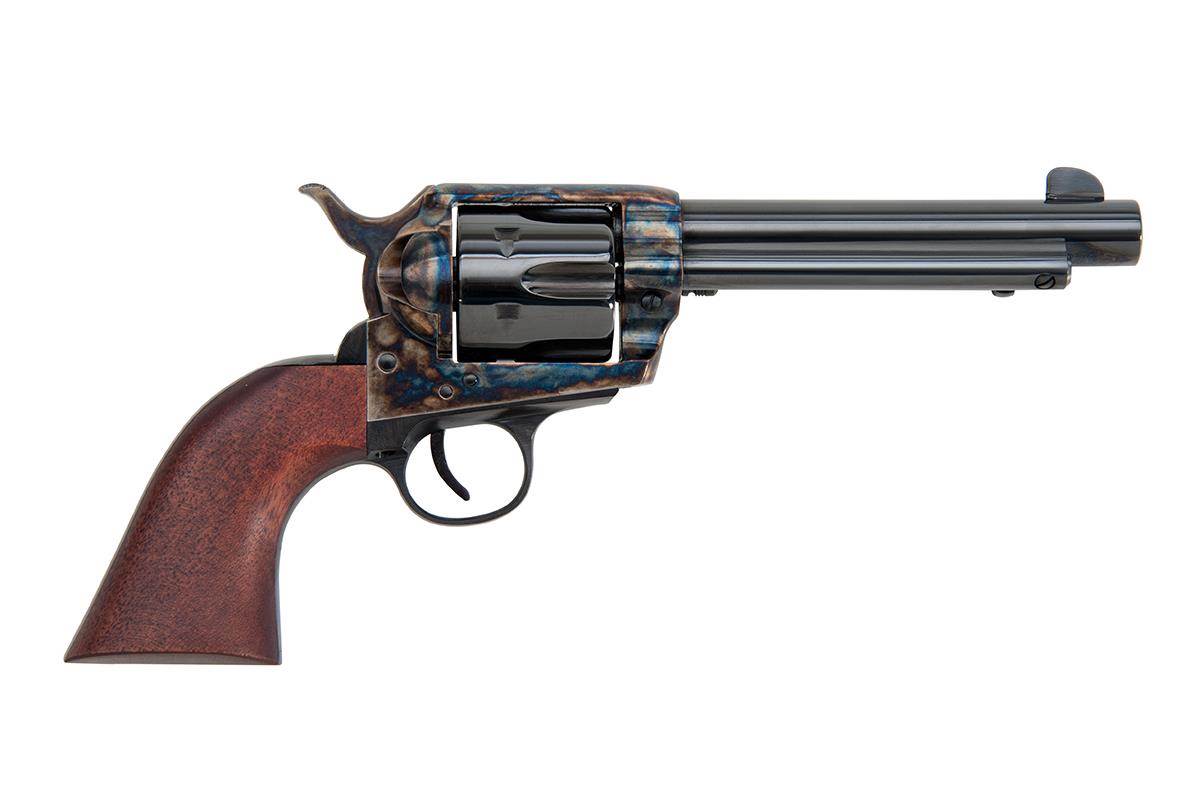
In addition, single-action revolvers were in use and required the hammer to be manually cocked with each round fired. The Colt double-action revolver was not introduced until 1877 with an action that was so stiff and heavy most shooters just thumb-cocked it anyway. The typical single-action revolver of the time offered a 6- to 7-pound sear release, unless the owner had the gun’s action filed “sweet.” Such heavy triggers with a felt “glitch” would certainly have an impact on combat marksmanship. Take a moment to consider being under fire, at close range, and having to shift your shooting grip to thumb-cock the hammer each time you fired. (Two-handed manipulation with the support thumb prepping the hammer would certainly be more efficient, but there is little evidence such a technique was used.) Do you think fear and panic would be a factor here? Do you think haste could result in close misses?
Studying the Old West gunfighter spurred me look deeper into how these situations likely played out. The problem is, unlike modern gunfights such as the Miami FBI shootout, the Newhall incident, the Norco Bank robbery or the North Hollywood shootout, there is no modern reporting of the incidents, no video, and no audio recordings of eyewitness reports. In order to look into incidents of 100-plus years ago, we must rely on newspapers of the time as well as any court records that still exist. Like today, newspapers of the time “colored” their reporting depending on the biases of their owners and editors. We also know eyewitness testimony is not as reliable as we would like to believe.
To uncover as much information as possible, one must not only read the research of others, but also walk the ground where the incident occurred. Physical examination paired with an understanding of the technology and equipment of the time can help produce a comprehensive picture of how a historical event may have unfolded.
While I find many famous fights interesting, such as Luke Short’s two arm-length gunfights, Bat Masterson’s fight with Melvin King and, of course, the famous middle of the street showdown of Wild Bill Hickok and Dave Tutt, it is a “free for all” in a vacant lot in Tombstone, Arizona, that fascinates me most. While I like to call it the “Fight on Freemont Street,” it is more famously, and incorrectly, known as the “Gunfight at the O.K. Corral.”
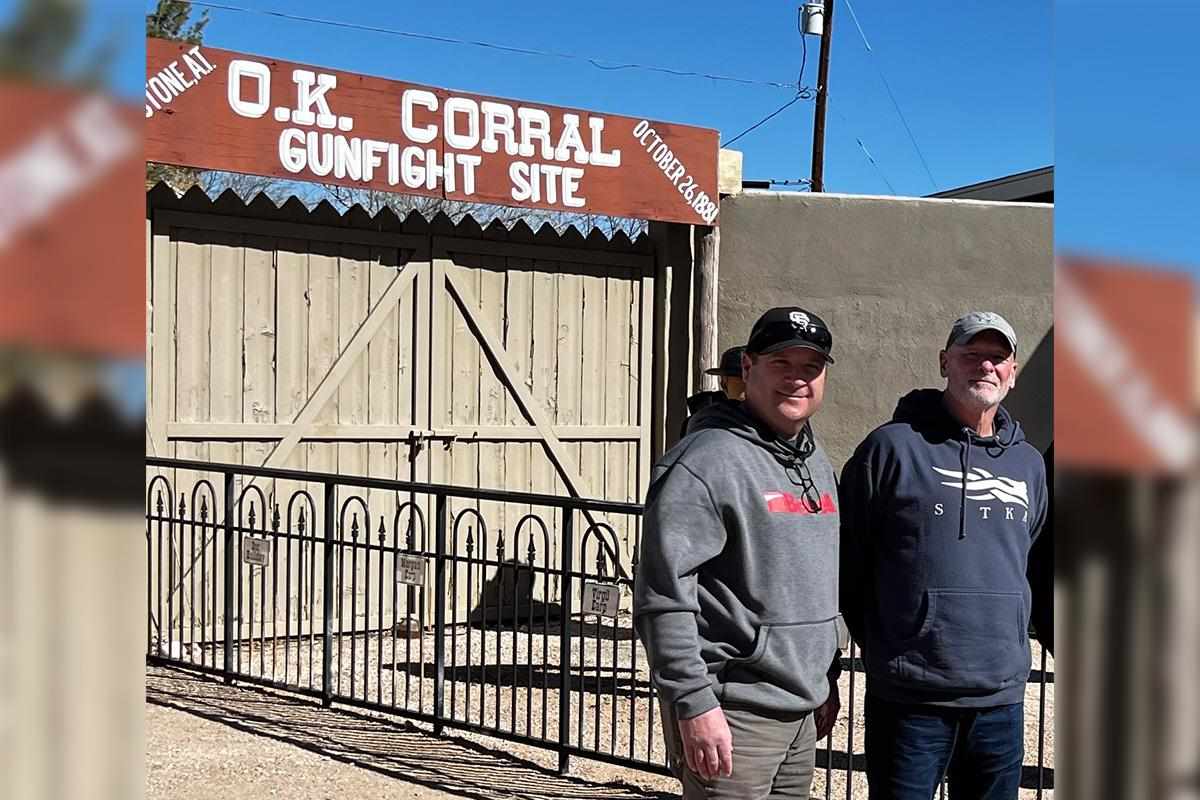
Anyone who has read anything about this incident knows many things led to the altercation. But, if I had to narrow it down to one primary cause, I would say the gunfight on October 26, 1881, was the result of a group of men (the cowboys) who wanted to do what they wanted, when they wanted, and another group of men (the Earps backed by local business leaders) who told them they couldn’t.
What we know for sure is that tensions were already high when cowboy Ike Clanton went on an all-night drinking and gambling binge. Clanton had acted as a paid informant for Wyatt Earp — against other cowboy associates — regarding a stagecoach robbery that had occurred earlier in the year. Earp felt an arrest in this crime would help him win the upcoming election for Sheriff while Clanton just wanted the reward money. When the suspects were killed in New Mexico, Earp no longer needed Clanton’s cooperation. The cowboy turncoat became increasingly paranoid that Earp would reveal his involvement, something Earp later claimed he would never have done.
On the morning of October 26, Ned Boyle had finished an all-night bartending shift at the Oriental Saloon. It was a cold, blustery, nasty morning with snow flurries and Ned just wanted to get home. As he walked down Allen Street, he came across Ike Clanton in front of the telegraph office near the Grand Hotel. Ned was surprised to see that Clanton was not only drunk, but also armed with a pistol in plain sight. Since holsters were not the norm in town, it was likely jammed into the waistband of his pants. Boyle liked Clanton, so he pulled his coat over the revolver so he would not be arrested for carrying in town. He encouraged Clanton to go sleep off his drunk. Clanton stated he would not.
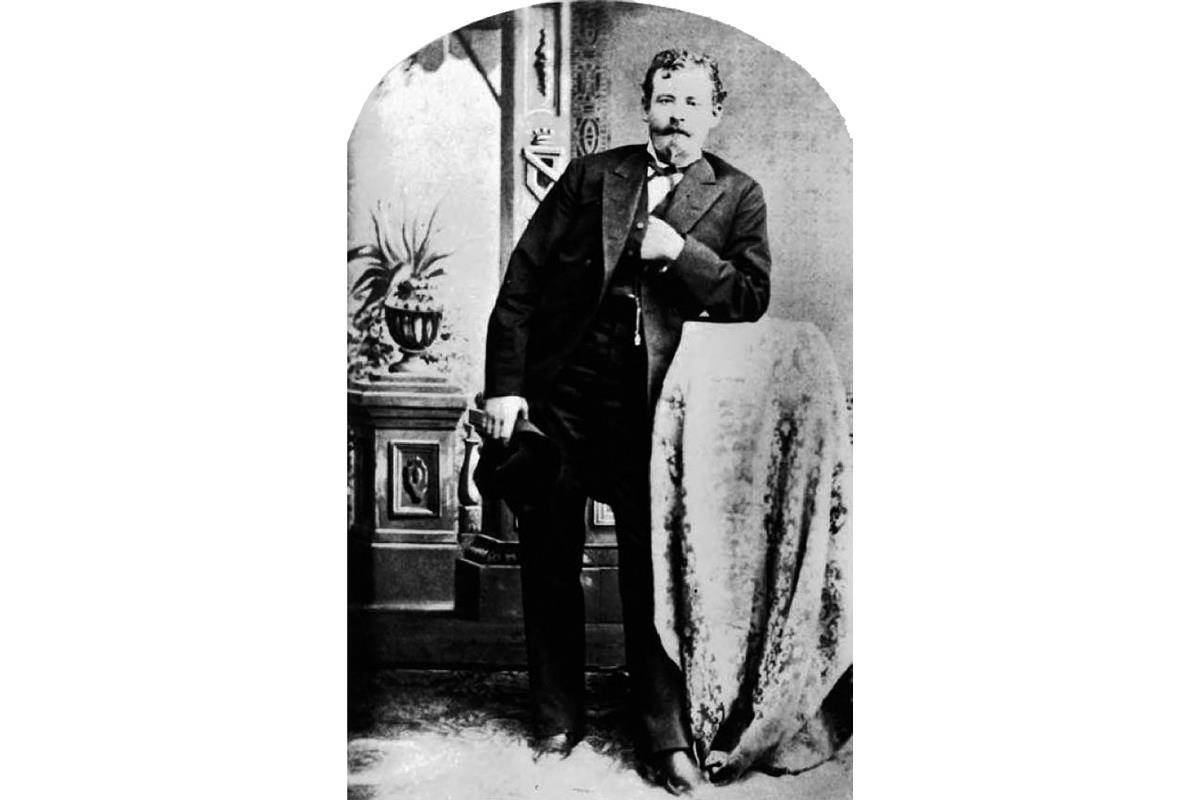
Instead, he told Boyle that he was waiting for the Earp brothers and Doc Holliday to show themselves on the street, then, he said, “the ball would open” and they would fight. Clanton was known to make outrageous statements while drunk and Boyle figured he was just blowing off steam, but he also sensed this was different. He left Clanton and went to Wyatt Earp’s house to warn him. While Earp was appreciative, he did not seem concerned and went back to sleep. Boyle went home.
The Earp brothers were “night owls,” staying up pursuing their interest in gambling and regularly slept in late. Meanwhile, Clanton continued to drink, increasing his level of intoxication. He had added a rifle to the handgun stuffed in his waistband and would eagerly tell anyone who listened how “the Earp crowd” and Doc Holiday insulted him when he wasn’t “heeled.” He was armed now and was ready to fight as soon as he saw them again. Clanton was apparently told by several town folk that picking a fight with the Earps and Doc Holiday was probably not a good idea, especially while drunk, as they would undoubtedly fight back.
Word began to spread down Allen Street that Ike Clanton was drunk, armed and threatening to kill the town police chief, his family, and their friend. The policeman on patrol that morning, A. G. Bronk, hurried to Virgil Earp’s house to warn him there “was liable to be hell.”
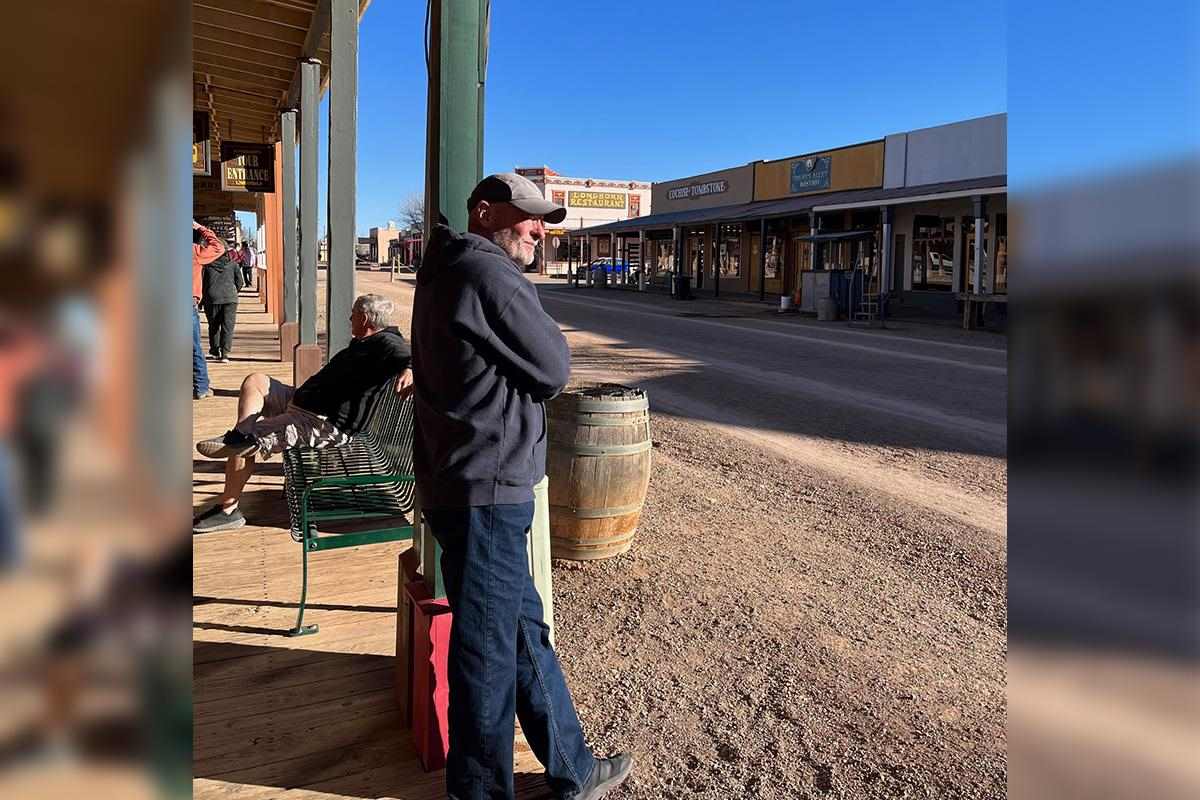
Virgil Earp got up a little after noon and headed down Allen Street to see what was going on. Clanton had continued his “bar hopping” throughout the morning. He continued to carry his guns just in case he came across the Earps. Since they were known to sleep late in the day, I cannot help but wonder if Ike Clanton was betting they would not be around, and therefore felt safe making threats. We will never know.
At Hafford’s Corner, Clanton repeated the same story he’d told all morning. The difference this time was Clanton added a new detail, saying the Earps had already agreed to meet him at noon to fight, and it was now five minutes past. The implication being, of course, that the Earps and Doc Holliday were cowards. He showed up outside photographer C.S. Fly’s boardinghouse where Holliday and “Big Nose” Kate Horony were staying. He briefly lurked outside and then moved on. Fly’s wife, Mollie, saw him and warned Kate, who was looking at photographs in the studio. Like the Earps, Holliday was sleeping in after a full night of drinking and gambling. Kate went to their room and woke him, telling him about Clanton. With the dark humor of a terminally ill man, Holliday replied, “If God lets me live long enough to get my clothes on, he shall see me.”
Meanwhile, Virgil Earp began his patrol of Tombstone. Several residents warned him Ike Clanton was drunk, armed and threatening to kill the Earps and Holliday. It became obvious the cowboy wasn’t going to shut his mouth and stumble off to bed. As Virgil walked toward the saloon district, he met his brothers Morgan and James. They, too, had been alerted about Clanton and wanted to make sure Virgil knew that he was carrying firearms. Virgil told them he was on his way to find Ike and stop this. Morgan went with him, while James went to work.
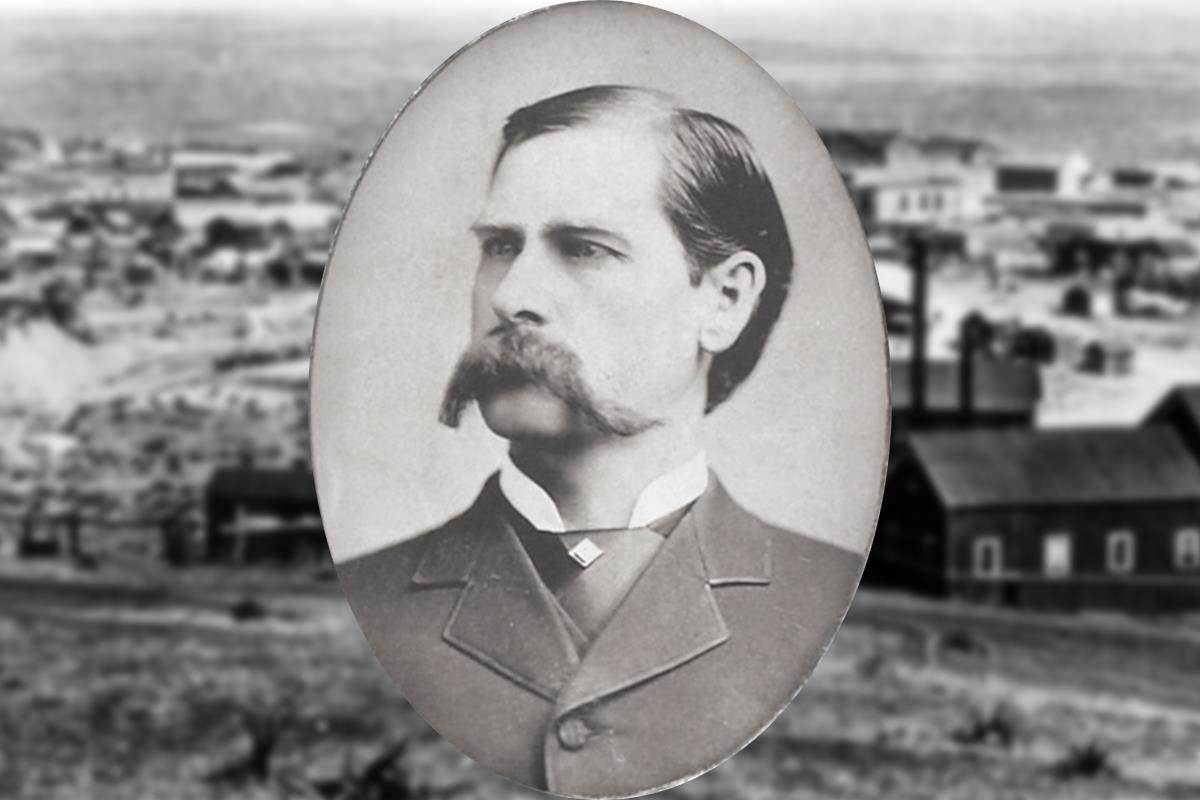
Wyatt got up around noon and walked to the Oriental Saloon. As soon as he arrived former city council member Harry Jones asked him “What does all this mean?” Wyatt told him he had no idea of what he was talking about. “Ike Clanton is hunting you boys with a Winchester rifle and a six-shooter,” Jones said. “I will go down and find him and see what he wants,” Wyatt advised.
The three Earp brothers met and talked about what to do. Clanton had to be disarmed before the situation got worse. As police chief, Virgil Earp carried a revolver. And, based on the morning’s unrest, Morgan and Wyatt each had one, as well. As special deputies, they were permitted to be armed under city law. Since holsters weren’t used in town, Virgil and Morgan’s guns were probably tucked into their trouser band. All three men wore coats to protect themselves from the cold wind of the day, but Wyatt’s had a special feature. The day before, he’d taken delivery of a new coat with a special canvas-lined pocket designed to carry a handgun. It was less likely to catch the hammer, front sight or barrel if the gun had to be drawn quickly. The brothers split up with Wyatt hunting for Clanton on Allen Street while Virgil and Morgan searched Fremont.
Within minutes, Virgil and Morgan found Clanton, but not before the belligerent drunk encountered the one person Virgil Earp probably wanted to keep in the dark, Tombstone mayor John Clum. He was Virgil Earp’s boss and had just left his office at the Tombstone Epitaph newspaper to walk around town as he was always on the prowl for something newsworthy. He found it. On the corner of Fourth and Fremont was Ike Clanton, drunk, and as Clum remembered it years later, “holding a Winchester rifle in his arms much after the fashion of a mother holding her child and fondling it accordingly.” Clum wished Clanton a good morning and jokingly inquired, “Any new war on today?” while looking around for assistance.
Clum saw Virgil and Morgan heading his way. Virgil probably saw the mayor and thought things had just become more complicated. Mayor Clum had now seen an intoxicated man carrying not one but two guns and would expect his police chief to take action. Even in the early 1880’s, the use of force had to be justified and would certainly come under scrutiny. How much force Virgil would use to arrest Clanton needed to appear reasonable. An argument could be made that Virgil Earp had the right to shoot Clanton. After all, multiple witnesses heard him make threats against the Earps and he was carrying two loaded firearms. While the legal trifecta of ability, opportunity and jeopardy did not yet exist in the legal system, if they had, they were certainly met at this point.
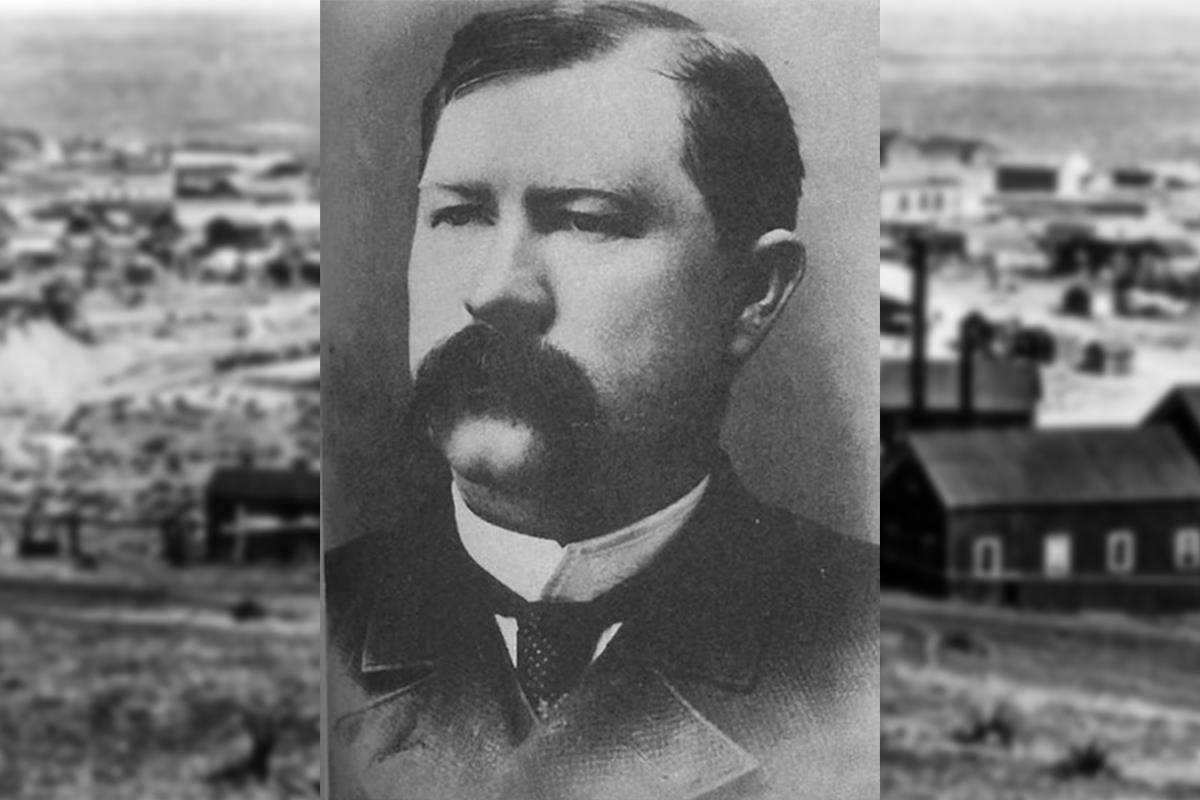
Virgil was not reluctant, he’d killed before. Four years earlier in Prescott, Arizona he joined several other lawmen in shooting two felons who had initiated a gunfight. Still, he considered shooting to be a last resort. Instead, he and Morgan drew their guns and walked up behind Clanton. Virgil grabbed the rifle and Clanton responded by grabbing for his pistol. Virgil whacked him across the skull with the butt of his own gun knocking him down. Hitting another with your handgun was called “buffaloing” and it was the 1880’s version of the Taser. Virgil later testified that as Clanton was lying in the middle of Fremont Street, he asked if he “was hunting for me.” Defiant despite his situation, Clanton said that he was, and if he’d seen Earp a second earlier, he would have shot him.
Virgil arrested Clanton for unlawfully carrying firearms inside city limits. The Earps then took their dizzy prisoner to recorder’s court at the corner of Fourth and Fremont. This location is now a parking lot, the buildings having burned down in the 1920s. There was no judge present, so Virgil left to find him. While Morgan and Wyatt stood by, guarding their prisoner, an argument broke out. Clanton had been drinking for 24 hours and was suffering from a blow to the head, he was likely quite angry. Clanton told the Earps that if he had a gun, he would fight them right there in the courtroom. Morgan offered Clanton a revolver and said “Here, take this. You can have all the show you want right now.” Clanton wisely did not take the gun.
The situation seemed to settle, but Wyatt was enraged by the entire incident. Clanton had spent the night threatening his family. Wyatt looked at Clanton and said, “You damn dirty cow thief, you have been threatening our lives and I know it. I think I would be justified in shooting you down any place I would meet you, but if you are anxious to make a fight, I will go anywhere on earth to make a fight with you, even over to San Simon among your own crowd.” Clanton did not hesitate and said, “Fight is my racket,” he replied with more bravado than sense. “All I want is four feet of ground.” The die was cast.
The judge returned and found Clanton guilty, fined him and set him free. While Virgil and Morgan went about their daily routine, Wyatt remained in a state of rage. The fact that Ike Clanton was back on the street so quickly, like nothing happened, only made his anger worse. As far as he was concerned, he, his brothers and Doc Holliday were still at risk.
