Category: Gun Info for Rookies

Years ago, I guided elk hunters during a late-season hunt in Montana’s Bitterroot Mountains. It snowed constantly, with temperatures hovering around minus 20 degrees Fahrenheit. One of the hunters carried a semi-auto hunting rifle chambered in .30-06 Springfield. Snow would get into the rifle’s action and freeze up. Every time we set up to watch a meadow or felt like we were closing in on the author of a set of fresh tracks, we’d chamber a round in preparation for a shot.
I’d have to dig out my Leatherman tool and use it as a hammer to pound the semi-auto’s “bolt” rearward, breaking the ice and forcing the action open to chamber a round. I had to repeat the process to clear the chamber. It was dangerous, and a terrible way to treat a nice rifle. Additionally, the ice effectively converted the semi-auto rifle into a “one-shooter.” The bolt-action rifles in camp would ice up as well, but thanks to their design, still functioned, though stiffly.
Conditions like those are tough on rifles. Cold, snow, dust, ice, heat and mud all adversely affect rifles. Here are five tips to help you keep your hunting rifle functioning during a hardcore hunt in tough conditions.

1. Tape Your Muzzle: Keeping the inside of your barrel clean and free of moisture, dirt and debris can be critical to the success of your hunt and the health of your rifle. Several years ago, I was guiding a fellow on a limited-entry bull elk hunt in Utah. It had taken him almost a quarter-century to draw the tag, and he really wanted a big bull. We’d followed a herd of elk through pinion and juniper timber for some time before they stopped in a little canyon, and we readied for a shot in case the bull we were hunting showed himself. When the hunter tried to chamber a round, the bolt wouldn’t close. Forty-five minutes of wilderness gunsmithing later we finally managed to dislodge and remove a tiny piece of bark that had been snagged in the ports of the rifle’s muzzle brake, slid down the barrel (the rifle was carried muzzle up via a shoulder sling) and lodged against the shoulder of the chamber, making it impossible to chamber a round. Thankfully the big bull hadn’t shown himself, but if he had, we would have been up the creek without a paddle. It was a good lesson on the importance of keeping your muzzle protected.
Keeping water out of your bore is the most common reason to tape up. Not only can it cause rust, if water droplets build up in the bore and then a shot is fired the moisture can block the bore and cause excessive pressure.
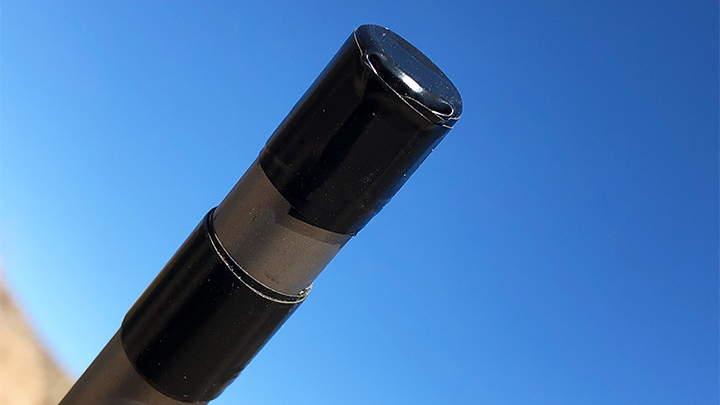
My favorite way to cover the muzzle of my rifle is with electrical tape. Put one layer across the muzzle and reaching ¾ inches down each side. Unspool another six inches and wrap it cleanly around the barrel an inch or two behind the muzzle to serve as extra tape. Once you’ve shot and the tape is blown off the front, just clear the remnants and replace with a section of your extra tape.
Another great method is to use a tiny balloon. Simply pull the balloon over the muzzle, where it should fit tightly around the outside of the barrel. This method will serve better on any rifle with a muzzle brake.
The question always arises: Will taping/covering my muzzle adversely effect accuracy? The answer is no. I’ve shot many animals with my muzzle taped and never had a shot go astray. That said, if I were preparing for a long-range shot, say beyond 400 yards, I would remove the tape before shooting if time allowed.

2. Deal With Dirt: Many of the west’s greatest hunting opportunities, as well as a majority of African hunting, occurs in arid, dusty environments. Your rifle will inevitably become permeated with dust, regardless of how hard you try to protect it. Dust won’t harm your rifle and is easily wiped away after your hunt, so long as you follow good dust-country protocol.
When hunting in a dusty environment, carefully wipe away any oil on your rifle. This includes inside the bore, and is especially important on all moving parts. Any surface oil will collect dirt and dust, turn to mud and act as an abrasive, causing rapid and excessive wear. In drastic cases, the mud can clog the action on your rifle and render it unusable until you administer a thorough cleaning. When wiping your rifle down, don’t use any solvent or cleaner; you want the pores of the metal to retain enough oil to keep it healthy.
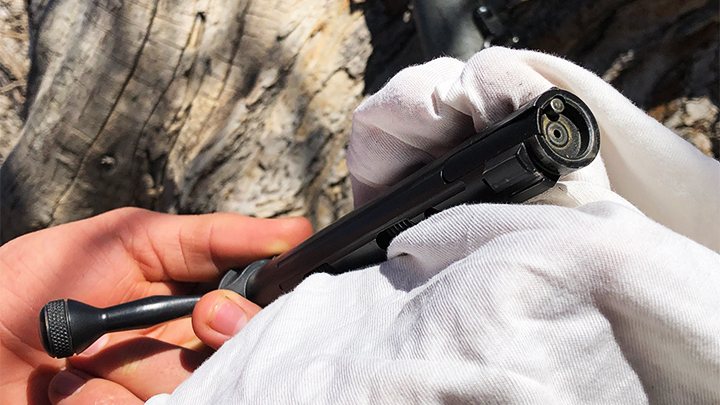
3. Cope With Cold: The biggest trouble cold temperatures might cause is freezing up your rifle, like what happened to the hunter in the beginning of this article. There are two main ways it happens: First, ice builds up in the action. This is usually not a huge problem for a quality bolt-action hunting rifle. Second, oil can congeal in the action making it stiff, and if oil congeals around the firing pin, it can fail to strike, resulting in a misfire. The only way to solve the issue is to remove the bolt, warm it well, and disassemble and wipe the inside of the bolt and the firing pin free of oil.
When you’re preparing for a cold-weather hunt, take the time beforehand to disassemble and wipe the oil out of your action and firing pin assembly. Replace it, if you wish, with non-congealing oil. My preference is to leave it dry, and then disassemble, clean and oil it nicely after the hunt is over.
Condensation can be a problem on cold-weather hunts. Rifles brought in from the cold, especially into a heated wall tent or similar, will rapidly gather moisture and non-stainless rifles may rust surprisingly fast. The best cure for this problem is to leave your rifle outside in a sheltered place during the night. Don’t do this, obviously, during a polar bear hunt. Better a rusty rifle than a fat polar bear.

4. Prevent Corrosion: The hardest use I’ve ever seen rifles endure was in a brown bear camp on the Alaskan Peninsula, where I’d gone in pursuit of a story and, accidentally, agreed to work as a packer. Several of the guides had stainless Ruger Model 77 rifles that they used as backup rifles, walking sticks and anything else that came to mind, even as a staff braced against the stream bottom when crossing rushing rivers.
Taj Shoemaker, one of the guides, had performed a rust-preventative test using a broad assortment of oils and protective agents including Rem Oil, WD-40, Kroil, Corrosion-X and more. He treated matching pieces of metal with the different agents, labeled them, and laid them out in the brutal Alaskan Peninsula weather for months, observing and keeping a record of rust progression. Corrosion-X proved to provide the best protection by a significant margin. At his recommendation I dampened some shop towels with the agent, sealed them in a zip-lock, and used them regularly to wipe down my blued Winchester 1886. It worked wonderfully, and I highly recommend doing the same if you will be hunting in a truly wet, corrosive environment.
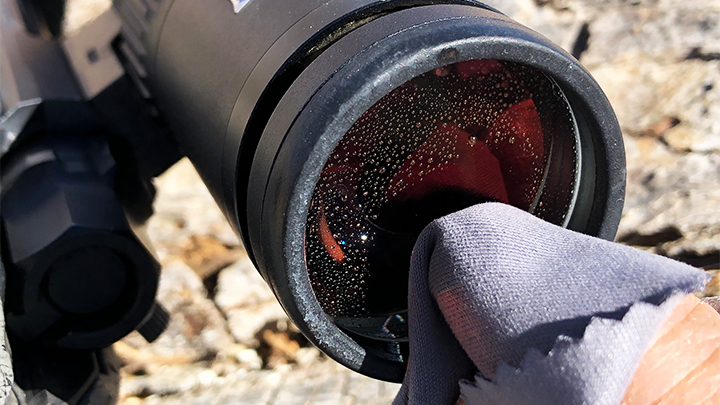
5. Scope Maintenance: Riflescopes don’t need a ton of care, and honestly, the best preventative measure you can take is to invest in a high-quality optic. Better to spend a few hundred extra now than to shed bitter tears after a huge buck or bull is lost due to a scope that lost its zero or fogged up at the moment of truth. Heat, cold, dirt, water, ice, bumps and jolts, and a generally rough lifestyle is the lot of a hardcore hunter’s scope, and an expensive, high-quality optic will weather the storm much better than a cheap version.
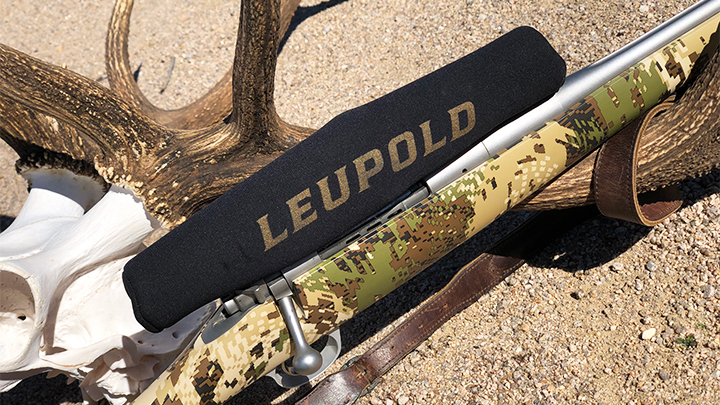
Things you can do to protect and care for your riflescope include keeping a neoprene scope cover on it, wiping the body and turrets clean on a regular basis, and exercising care when cleaning the lenses. Many hunters will simply rub a dirty sleeve across their dusty lenses every once in a while. This does more harm than good, grinding abrasive dirt and dust from both the lens surface and the sleeve into the glass, scratching and wearing away the lens coatings. Instead, use your breath to blow away large particles, then use lens cleaning solution and a soft lens cloth to gently coax away remaining dirt and grime.
If your rifle takes a fall or bumps hard into something, examine the setup, especially the scope, for damage. You may need to re-zero; because more than likely your scope has been nocked off, especially if there is a visible mark or damage to the scope’s exterior. For that reason, I always carry 10 or 15 extra cartridges in my pack.

Conclusion
If you follow the guidelines above, your rifle will stand strong though almost anything a hardcore hunt throws at it. When the big buck or bull of your dreams offers a shot, it’ll be ready and so will you. Remember to thoroughly clean and lightly oil the rifle after the season is over. If you’ve removed or substituted oil during a particularly dusty or cold hunt, take the rifle apart, clean other agents away and lightly oil with a quality firearm oil. Then store it on a clean place. It’ll be ready and waiting when the season rolls around again, and your next adventure awaits.

Regardless if you procured an outdated rifle from an older family member, via a gun-show purchase or through some other method, you hope the vintage shooting iron still hurtles projectiles downrange accurately. You may get lucky with that classic gun, but you also may struggle with it spitting bullets irregularly like a malfunctioning baseball pitching machine. You might address the issue via a gun shop visit or DIY gunsmithing. Additionally, consider these five upgrades as possible remedies for errant rounds.
Before you give your old friend a major makeover, do some research. Use the serial number, model number and other details of the rifle to determine its age. First, the firearm may be an actual antique, and if you have ever watched the PBS program “Antiques Roadshow,” you understand that modifying the character of an item typically decreases its value.
Second, older firearms were not manufactured with the same specifications as their counterparts today. Those older designs may not be up to the task when launching the higher pressures of modern ammunition. Risk of injury or even death could result in a mismatch. Seek out advice from the manufacturer and trusted firearm experts to determine whether your old rifle should return to the field or rest comfortably above the fireplace mantle.
Spring Cleaning
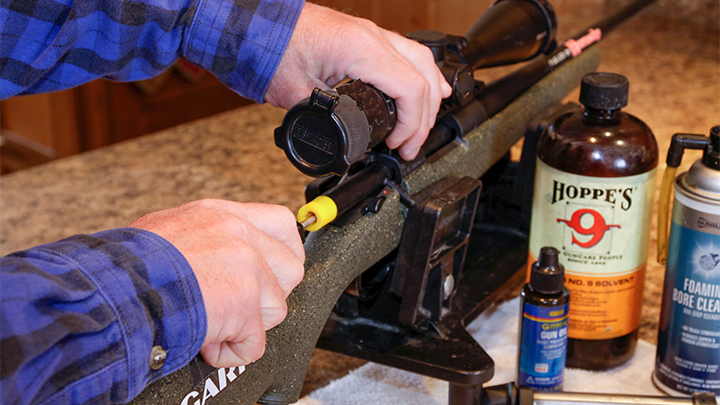
If given the green light to transform an elderly rifle, you can start easily with spring cleaning. Give that old firearm a good scrubdown from end to end. Whether the past owner neglected regular cleanings or simply put the rifle away after the last deer season without cleaning it, a good cleaning could remove performance-affecting gunk throughout.
Make sure the firearm is unloaded and then disassemble, with the help of manufacturer guidelines. This gives you access to all nooks and crannies containing crud. Clean from the breech end with the help of a bore guide as you push your cleaning rod toward the bore. Your goal is to remove all deep-seated copper fouling in the barrel. Repeat until your patches come out clean.
Using gunsmithing tools and solvents, clean the bolt, action, trigger assembly and any mechanisms that hold cartridges, including springs. Afterwards, lubricate lightly with rust prevention products and foul the barrel with one or two shots before assessing accuracy. Fouling removes traces of oil and cleaning solvents, plus it pads the rifling with copper and powder residue. If your rifle shoots accurately and you are happy, your improvements may be complete.
New Fuel
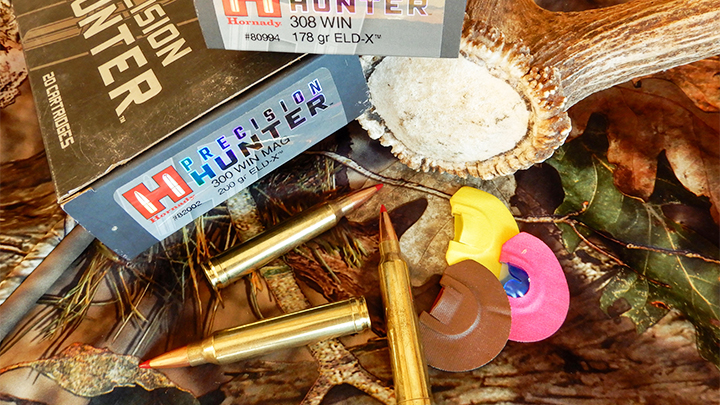
After your lawn mower sits all winter, a dose of new fuel helps spark it back to life. New ammunition could do the same for that older rifle, especially after a deep cleaning. Set aside any stockpiles of nostalgic ammunition that may have come with the rifle and explore the latest options. After establishing that your rifle can handle newer advancements in ammunition, research selections that are receiving kudos in articles, forums and blogs. A lot has changed since the original Peters deer hunting cartridges were last available. Technological boosts, such as Hornady’s revolutionary use of Doppler radar to aid bullet design, have led to projectiles that fly more accurately and expand with consistent results.
Handloading may be your thing, and it provides an environment where you can safely create your own recipe for accuracy success. Not only can you tailor loads to match the era of your rifle’s specifications, but you can also tweak them until a bullet flies to your objective.
Whether you test with factory updates or handloaded perfection, new ammunition can make an older rifle shine in performance.
Stock It
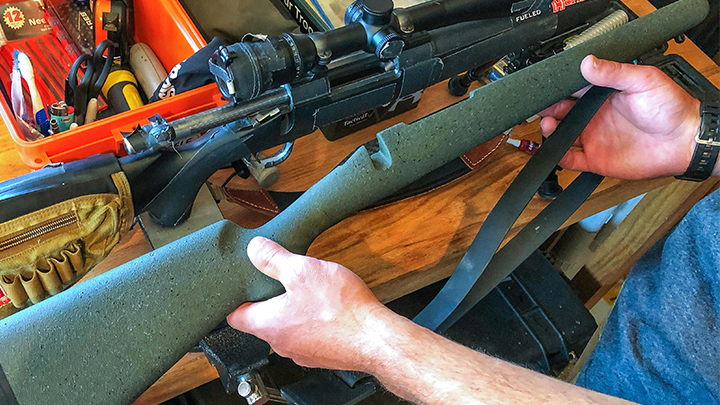
Rifles of yesteryear traditionally featured stocks crafted from wood. Some of these were elegant examples of artistic craftsmanship. Others might be held together with a firm wrapping of electrical tape. Unfortunately, the wood stock could be a major culprit in marginalizing your rifle’s precision usefulness.
With weather variables (humidity being the worst), wood could swell and apply pressure to the barrel or receiver, affecting accuracy. Fortunately, you have several easy fixes to the issue. The first fix is to glass- or pillar-bed the action along with free-floating the barrel. Order either kit from Brownells and do it yourself or find a gunsmith for the job. Before you chart this course, consider again the antiquity value of the rifle. This alteration could reduce its value with the “Pawn Stars” employees.
To protect vintage value, ditch this option and shop for a replacement stock. Technically advanced stock systems, crafted of a single component or layers of polymer, graphite and even Kevlar, provide a quality replacement for pressure issues. You can even peruse laminated wood options if you favor that feel. Plus, if you ever wish to sell your heirloom, simply swap back the stock and advertise it as original. Magpul, Hogue, Boyds and others manufacture stocks that are bedded and easy to install.
I See Clearly Now
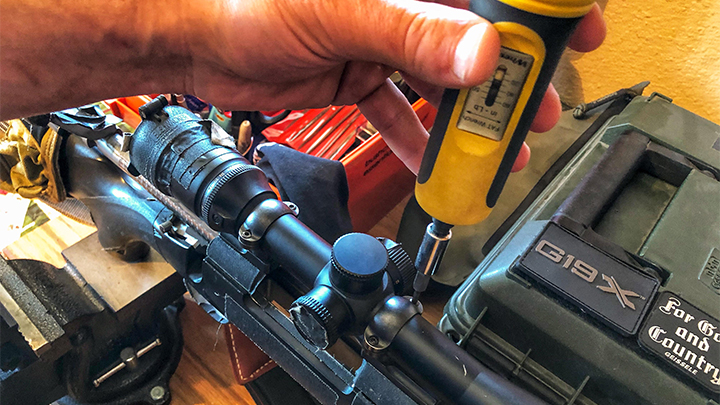
Despite a reemerging spotlight on open-sight rifles, most of us rely on a riflescope to perfect our aim. Your rifle may have arrived with a scope on it, but evaluate the optic to see if it is better gifted or tossed. Improved glass and multilayer coatings, trajectory reticles, focusing abilities and first- and second-focal plane reticle choices can improve your aim.
Technologically advanced optics systems, like SIG Sauer’s Sierra3BDX system, Bluetooth communicate between the riflescope and the rangefinder to automatically adjust the reticle. The 1970s Weaver riflescope that tops your grandfather’s rifle cannot do that trick. While swapping scopes, consider upgrading hardware, including new rings and bases. If yesteryear tugs at your heart, save the old hardware and scope to restore that rifle to a past era when it completes your tour of duty.
Crisp and Clean
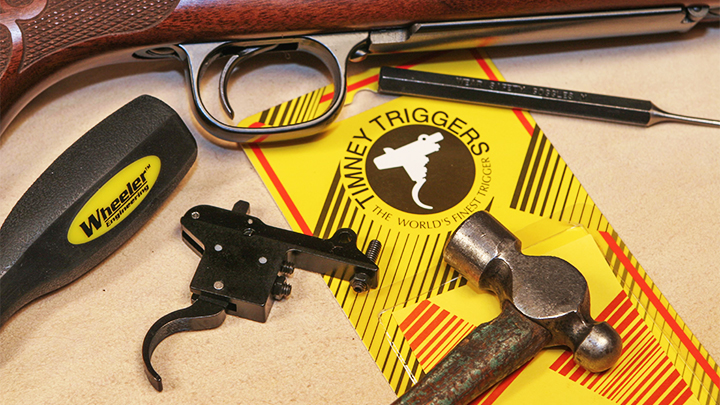
Lastly, like NASA, a clean launch ensures a good start to your mission. A new trigger can guarantee a good bullet launch. It is possible your earlier cleaning returned the trigger to a quality state or a gunsmith could tune the old trigger into a functioning mechanism with a sweet spot. Companies such as Timney and Geissele manufacture replacement trigger systems for a variety of firearms. Study up on an upgrade for your project rifle and consider having work completed by a competent gunsmith. A trigger needs to be adjusted according to manufacturer recommendations or you need to be responsible if you decide to set your trigger for a more sensitive release.
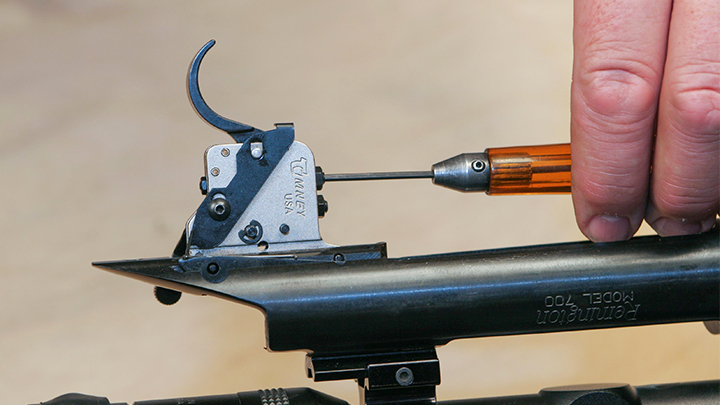
Many precision rifles have adjustable triggers from 1.5 to 4.5 pounds. A setting between 2.5 and 3.5 allows you to depress without jerking and keeps your rifle safe. This is critical, as a trigger adjusted too light could accidentally go off simply by slamming the bolt closed.
A rifle with senior-citizen status does not have to be sent to the display case. With some creative ingenuity, it can still play a major part in your future hunts.
