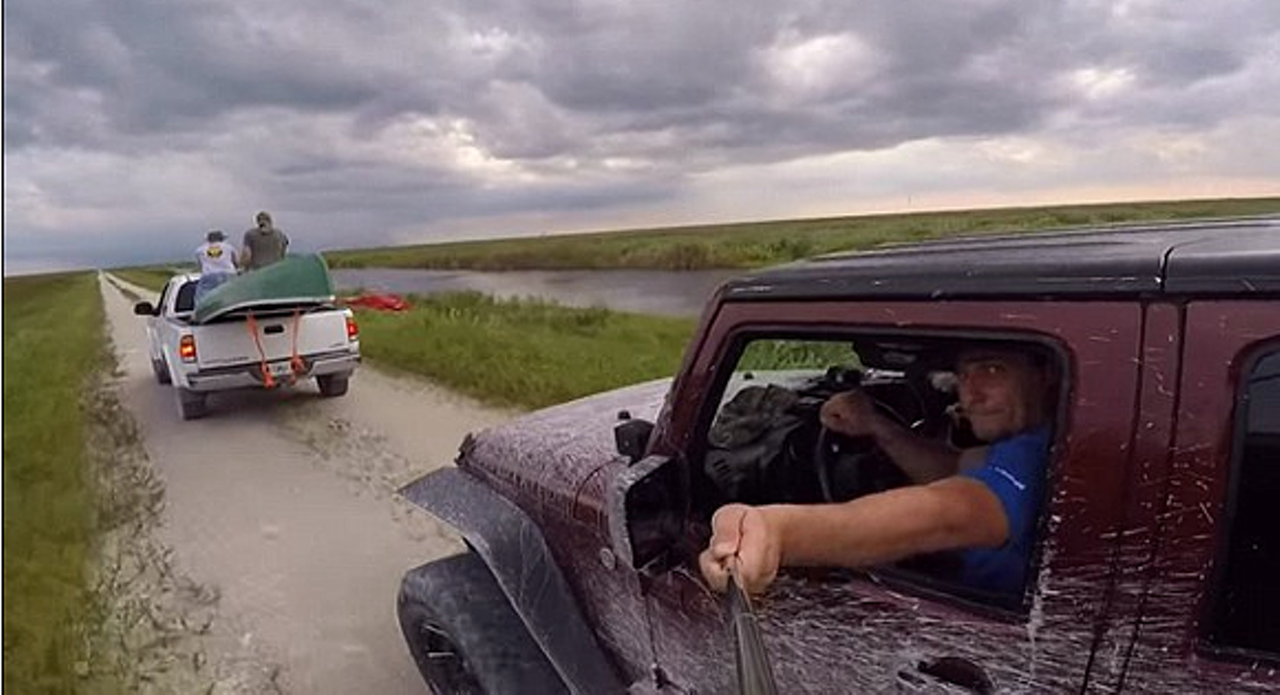
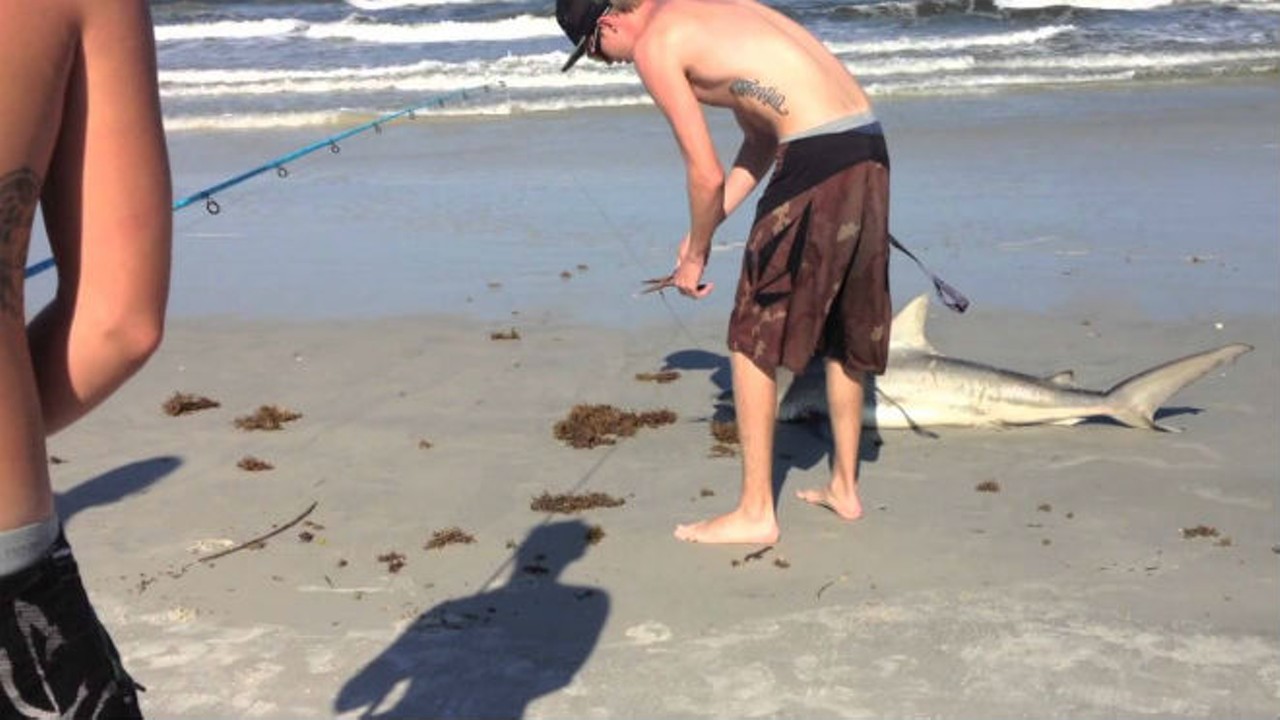
Click the captions on each slide for the backstory.

Gun owners with a Concealed Carry Weapon permit in California had their information — including names, addresses, and race — exposed on Monday after Attorney General Rob Bonta launched a 2022 Firearms Dashboard Portal.
Available through the state’s OpenJustice Data Platform — which has since gone offline in response to the data exposure — Bonta said in a statement on Monday that the firearms dashboard would “improve transparency and information sharing” for gun-related data, including public access to data on firearms in California, and information about CCW permits and Gun Violence Restraining Orders.
“We are investigating an exposure of individuals’ personal information connected to the DOJ Firearms Dashboard,” the California Department of Justice told The Reload. “Any unauthorized release of personal information is unacceptable.”
“We are working swiftly to address this situation and will provide additional information as soon as possible.”
President of the California Rifle & Pistol Association Chuck Michel told The Reload, “vindictive sore loser bureaucrats have endangered people’s lives and invited conflict by illegally releasing confidential private information.”
Michel said the association is working with several legislators and sheriffs to determine the extent of the damage caused by the doxing of law-abiding gun owners.
“Litigation is likely,” he said.
The Reload reported a database for Los Angeles County that showed the personal information of 244 judge permits, seven custodial officers, 63 people with a place of employment permit, and 420 reserved officers.
The report revealed the personal data of 2,891 people with standard concealed carry licenses in Los Angeles County.
The Fresno County Sheriff’s office confirmed that the data breach included names, ages, addresses, Criminal Identification Index numbers, and license types. Despite the state disabling access to the portal, there are concerns that bad actors have copied the information and circulated it around social media and other parts of the internet.
Twenty-four hours before the leak, Bonta said of the portal, “transparency is key to increasing public trust between law enforcement and the communities we serve.”
“As news of tragic mass shootings continue to dominate the news cycle, leaving many with feelings of fear and uncertainty, we must do everything we can to prevent gun violence,” he said. “One of my continued priorities is to better provide information needed to help advance efforts that strengthen California’s commonsense gun laws.”
He added the announcement “puts power and information into the hands of our communities by helping them better understand the role and potential dangers of firearms within our state.”
If anyone had their information compromised as a result of the data breach, the Fresno County Sheriff’s Office asks that you make an online report.

An avid hunter of endangered animals was shot dead in South Africa after his truck broke down, according to new reports.
Riaan Naude, the 55-year-old head of Pro Hunt Africa, was found dead next to his vehicle in Marken Road, Limpopo. Cops said they have no motive yet.
Two hunting rifles were found in Naude’s car near the Kruger National Park wildlife reserve, local outlet Maroela Media reported June 9.
The non-profit Heritage Protection Group said Naude was shot dead by a man who pulled up alongside him when the hunter stopped his car near Mokopane after it overheated, according to Metro UK.
“His vehicle overheated & he was shot execution style next to the vehicle in Limpopo,” the Twitter account “XposeTrophyKilling” said in a post.

The group said two men got out of a white Nissan pickup truck and that one shot him, the outlet reported.
The man “shot him in cold blood at close range,” The Mirror reported.
HPG said the pair snatched one of his guns and fled.

A cattle herder heard a gunshot and witnessed a Nissan truck speeding away, according to reports.
Cops confirmed that Naude — who frequently shared images of himself with animals that he killed while hunting — was shot dead, reports said.
Police Lt. Col. Mamphaswa Seabi said cops found Naude’s dead body “lying with his face up” with “blood on his head and face,” according to multiple news outlets.

“The motive for the attack and the subsequent murder is unknown at this stage,” he said.
Naude’s company, based in northern South Africa, labels itself a “hunting and Eco Safari outfit.”


“WE ARE YOUR AFRICAN DREAM!” the website boasts.
The business charges $350 per day to hunt game, $2,500 for crocodile and $1,500 for a giraffe, according to Pro Hunt Africa’s price list.
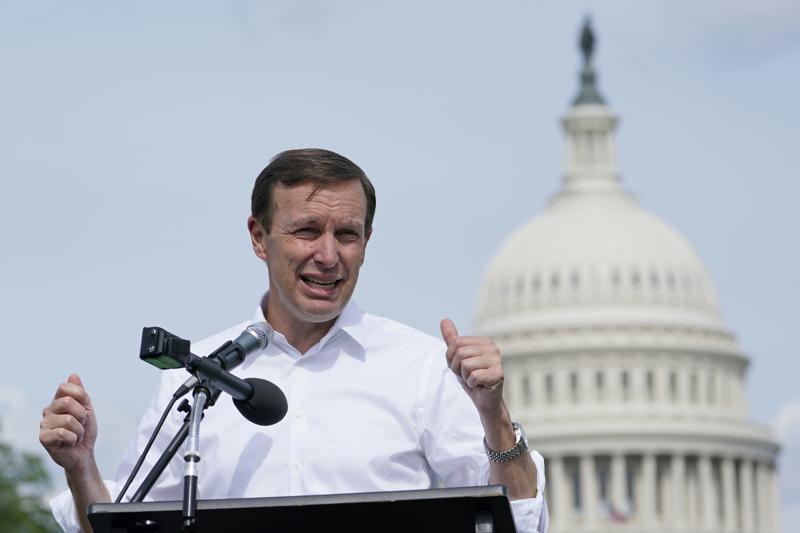
WASHINGTON (AP) — Senators have moved to the brink of an agreement on a bipartisan gun violence bill, Democrats’ lead negotiator said Tuesday, potentially teeing up votes this week on an incremental but notable package that would stand as Congress’s response to mass shootings in Texas and New York that shook the nation.
Nine days after Senate bargainers agreed to a framework proposal — and 29 years after Congress last enacted a major measure curbing firearms — Sen. Chris Murphy, D-Conn., told reporters that a final agreement on the proposal’s details was at hand.
The legislation lawmakers have been working toward would toughen background checks for the youngest firearms buyers, require more sellers to conduct background checks and beef up penalties on gun traffickers. It also would disburse money to states and communities aimed at improving school safety and mental health initiatives.
“I think we’ve reached agreement,” Murphy said. “And just we’re dotting the I’s and crossing the T’s right now. I think we’re in good shape.”
Sen. John Cornyn, R-Texas, the chief Republican bargainer, spoke on the Senate floor moments later and said he, Murphy and the other two top Senate bargainers had “reached agreement.”
The senators did not initially say how they’d resolved the two major stumbling blocks that had delayed agreement on the plan’s legislative language.
One was how to make abusive romantic partners subject to the existing ban that violent spouses face to obtaining guns. The other was providing federal aid to states that have “red flag” laws that make it easier to temporarily take firearms away from people deemed dangerous or to states that have violence intervention programs.
If enacted, the election-year measure would spotlight a modest but telling shift in the politics of an issue that has defied compromise since Bill Clinton was president.
After 10 Black shoppers were killed last month in Buffalo, New York, and 19 children and two teachers died days later in Uvalde, Texas, Democrats and some Republicans decided that this time, measured steps were preferable to Congress’ usual reaction to such horrors — gridlock.
What’s uncertain is whether the Senate agreement and its passage would mark the beginning of slow but gradual congressional action to curb gun violence, or the high water mark on the issue. Until Buffalo and Uvalde, a numbing parade of mass slayings — at sites including elementary and high schools, houses of worship, military facilities, bars and the Las Vegas Strip — have yielded only gridlock in Washington.
Republicans refused to include proposals in Tuesday’s compromise that were sought by President Joe Biden and Democrats to ban assault weapons or raise the minimum age for buying them, prohibit high-capacity magazines or require background checks for virtually all gun sales.
It seemed likely a majority of Republicans — especially in the House — would oppose the legislation. Underscoring the backlash GOP lawmakers supporting the pact would face from the most conservative voters, delegates booed Cornyn at his state’s Republican convention Saturday as he described the measure.
Senate Majority Leader Chuck Schumer, D-N.Y., has said his goal was for his chamber to debate and vote on the legislation this week. Momentum in Congress for gun legislation has a history of waning quickly after mass shootings. Lawmakers are scheduled to begin a two-week July 4th recess at the end of this week.
Senate Minority Leader Mitch McConnell, R-Ky., said he supported the outline bargainers announced last weekend. House Speaker Nancy Pelosi, D-Calif., also said she backed the effort and seems sure to set up votes on it as quickly as she can.

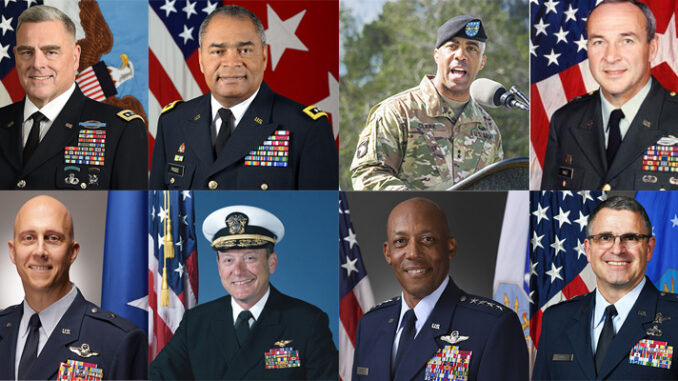
The never-ending hit parade of flag-ranking military officers, some who should be serving time in Ft. Leavenworth, and all certainly should not have left the military with an Honorable Discharge. The admirals and generals of the American military consider themselves above the law… and that’s because they are.
Lieutenant General “Cut-and-Paste” Andre F. Piggee
United States Army
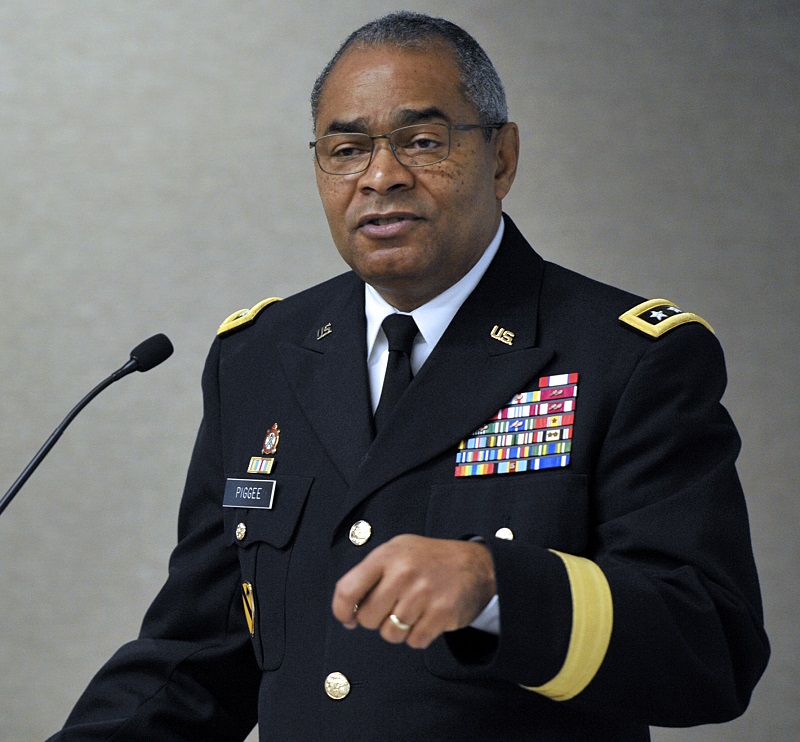
Lt. General Andre F. Piggee could barely read or write. But, people throughout his military career covered for him. They made sure the general’s correspondence appeared to be from someone who received the Nobel Prize in Literature.
When Piggee’s illiteracy compelled him to commit an illegal act of fraud, his friends in the upper echelons of the United States Army were still covering for him.
Lt. Colonel Andre Piggee enrolled in the Army’s famed War College in Carlisle, Pennsylvania. Being a student, Piggee had a dilemma. He couldn’t find anyone to write his thesis for him, which was required for graduation.
This is when Piggee became known as “Cut-and-Paste” Piggee. Lt. Col. Piggee went on a cut-and-paste terror campaign, finishing his thesis in record time, while the other war college students struggled and burned the midnight oil.
Apparently, the folks at the war college either didn’t suspect anything by the way paragraphs were pieced together in a disjointed fashion, or they too helped to cover Piggee’s inabilities with the English language.
Lt. Col. Andre Piggee proudly submitted his fraudulent disjointed thesis constructed together with lines a phrases that evolved into a varient form of stolen valor.
His thesis and resulting graduation worked it’s magic. Piggee went on to bigger and better things rising up to the rank of lieutenant general in the United States Army, with is posse of accomplices helping him to conceal the fact he was unable to construct a simple memo.
Piggee was not only in the Army, but he had a personal army of subordinates helping to cover his inability to piece two sentences together. The man was a fraud. And, the Army that covered his tracks and promoted him to nearly the highest rank in the Army were complicit accomplices.
This coverup of Piggee’s inabilities included powerful friends like the Army’s Inspector General (Koala Bear Smith) who knew all about Piggee’s proclivity to cut-and-paste and about his fraudulent thesis, but covered for him anyway. It’s the Army’s mantra, never leave a dumbell behind.
REF: https://militarycorruption.com/smitty-chronicles-chapter-3/
MilitaryCorruption.com exposed Piggee’s “cut-and-paste” ways in many articles (https://militarycorruption.com/?s=piggee), and it wasn’t too long before we heard Piggee was busted a star down to major general and quietly retired out of the military’s face-saving back door.
This so-called “punishment” was apparently a rouse. Later we heard that Piggee may not have been demoted at all. It was all a lie to deceive the American public and protect the retirement paycheck of “Cut-and-Paste” Piggee.
The Army War College was so embarrassed at all of this, they sent workmen out in the middle of the night (on a weekend) to grind Piggee’s name off of the huge brass plaque that proudly displays the names of all of the graduates from the prestigious war college.
If any other officer had done the same thing, they would have been lowered in rank back to the rank they held when the crime was committed and a general court martial would have been convened. They surely would not have received an Honorable Discharge like Piggee did.
Piggee allegedly received only a one-step reduction in rank as punishment, or did he? Was that also a lie?
One of our readers sent us this…
I just saw an announcement that Aundre Piggee was selected for the board of advisors of Unitedly Dynamics Inc. Another golden parachute for a former Army general officer who left the service in disgrace. The announcement also mentions his former rank as lieutenant general.
The announcement said, “United Dynamics is pleased to announce that the former US Army Deputy Chief of Staff of the Army for Logistics (G-4) and LTG, Aundre Piggee, has joined our Board of Advisors. His wealth of experience will be pivotal in bringing both Aerospace and Defense sector work to United Dynamics and Oklahoma!! Please join me in welcoming him to the team!”
So, it begs the question. Did the Army lie to everyone and actually retire Piggee as a lieutenant general, or did Piggee lie to United Dynamics about his actual rank at retirement?
Anyone out there who knows the truth is welcomed to convey it to us so we can finally set the record straight. Was Piggee dropped in rank or not? Did the Army pull a slick bate and switch so Piggee could retire at lieutenant general rank?
Or, was United Dynamics lied to by Piggee? Or did United Dynamics just look the other way so they could use Piggee as a promotional clown on their Board of Directors to give them more perceived credibility?
United Dynamics is advertising Piggee as a lieutenant general. Even more interesting is that the guy who replaced Piggee as the Army G4, Duane Gamble, was also relieved. The last two Army G4s relieved is a very bad track record for Army leadership (if there is any).
Inquiring minds want to know. If any of our readers have information, let us know.
Major General Jimmy “The Child Molester” Grazioplene
United States Army
How could we leave this scumbag general’s name off the list. For pretty much ten years or so, this piece of crapola was raping his own daughter. At a minimum, there were numerous counts of statutory rape.
Over the years, his daughter would tell people who either didn’t believe her or didn’t want to believe her and the sexual assaults continued. His crimes were being concealed by the United States Army.
Finally, the heat began to rise and the Army tapped their usual play book… deny, deny, deny then quietly retire the POS general out the back door.
Grazioplene made it into retirement and thought the coast was clear, but a civilian district attorney would not play the Army’s game of protecting the protected military class of admirals and generals.
Now, Major General Grazioplene didn’t have the military to protect his ass anymore and was convicted by a civilian court.
An embarrassed United States Army finally decided to take action and pulled Major General scumbag Grazioplene back on active duty to be court martialed. Whoa, the Army wasn’t finished trying to help the POS major general.
They figured out a way to get him a retirement pension and an Honorable Discharge. If you recall the Piggee matter, the Army went back to the drawing board and discovered the molestations (sounds like infestations) began when he was a 2nd lieutenant.
So, the sneaky damn Army busted the major general down to the rank of 2nd lieutenant and gave him an Honorable Discharge with an Army pension as a second louie with 30 years of military service. At least that’s the way we heard it…. if any of our readers have more information, please contact us.
The POS retired second lieutenant is, no doubt, filing claims with the Veterans Adminstration for PTSD to get that coveted 100% disability rating to add to his second louie with 30 years pension.
While the POS 2nd louie did receive punishment, it wasn’t nearly what it could or should have been. Remember, we have Navy pilot on our staff who received a Dishonorable Discharge, no pension and felony conviction for dating an enlisted woman in the naval reserves.
And, the military double standards just keeps rolling down the tracks. The United States military, specifically the United States Army has absolutely no integrity whatsoever. REF: https://militarycorruption.com/?s=chester+the+molester
Brigadier General Joshua M. Olsen
United States Air Force
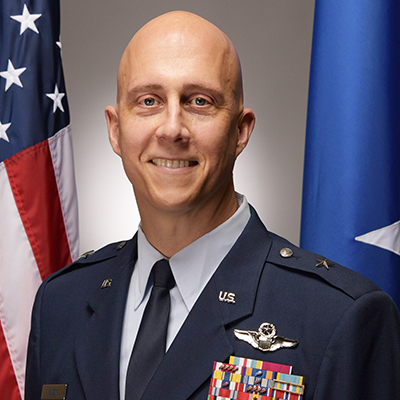
On Memorial Day, 2022, our troops celebrated and recognized the sacrifices of their predecessors all over the world.
Our WOKE military attempted to use Memorial Day to make their civilian task masters happy.
During the Memorial Day celebrations at Ramstein AFB in Germany, some brilliant piece of work came up with a special story telling adventure called ‘Drag Queen Story Time for Kids.’
We believe BG Olsen was in charge when his minions attempted to teach the kids all about the drag queen lifestyle through the façade of story-telling.
After all, a gesture of WOKENESS would surely make the White House and Congress happy, and consequently, maybe Brigadier General Olsen would get another star on his shoulder.
That’s all it takes in our new WOKE military to get promoted to the next higher rank is to let a drag queen teach the children why it’s important to question their sexuality. Brilliant, just fucking brilliant.
Well, apparently U.S. Senator Marco Rubio would have none of it. The senator let the Air Force know they were messing with the primeval forces of nature, meaning him and his staff.
And, wadayaknow, the “Drag Queen Story Time for Kids” was suddenly canceled, at least for now. So, why do the people who conjured up this ridiculous way for the Air Force to honor or fallen sailors, soldiers and Marines still have a job? Is that what they think Memorial Day is all about?
In the words of James Howard Kunstler…
“Of course, we have not begun to probe what might animate a man to present himself to the world as a monstrous parody of a woman. Suffice it to say that such behavior suggests some complicated psychodynamics. And why, exactly, are they suddenly on-display so extravagantly now across the country, supposedly for the edification of children? I’ll tell you why: It’s not actually for the sake of the children. The children are just pawns in what is actually a national political psychodrama. Or rather, they are hostages.”
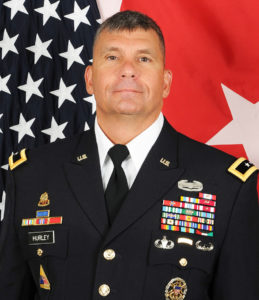
Major General Paul C. Hurley
United States Army
REF: https://militarycorruption.com/?s=hurley
Hurley allegedly made one of his subordinates pregnant.
Rumor had it the civilians on the base decided to do whatever they could to remove the major general because he was beginning to make changes they didn’t like.
The real mystery is what happened to MG Hurley.
The Army snuck him out of the service in a clandestine way and we are still wondering what happened to the major general.
Was he a good guy who was smeared by the civilian mafia on base, then run out of town on a rail? Or, was he just another scumbag Army general who thought he was above the law? You know the type. They court martial people for the same things they do on any given day.
If anyone out there knows the backstory behind Major General Hurley, feel free to let us know.
Major General “piece of work” Bill Cooley
United States Air Force

This one is a messy one. Bill Cooley apparently has a drinking problem and got severely drunk and attempted to hit on his sister-in-law. She accused the major general of sexually assaulting her in 2018.
The victim sister-in-law said the major general grew more physically affectionate, going from brief hugs to full embraces. Certain interactions unnerved her she said.
Cooley sometimes kissed the top of her head and smelled her hair (whoops, does that sound familiar? Remember the hair smelling tirades by our own Joe Biden?); The hair smelling incident occurred during a hug, which made her so uncomfortable that she told her husband.
Cooley purportedly kissed and fondled his sister-in-law without her consent in August 2018 after a barbecue at her home. The major general was in the Albuquerque area for work at Kirtland Air Force Base and arrived early to spend the weekend with “family” and friends.
On Aug. 12, 2018, Cooley stayed late after the barbecue to drink bourbon with others around a fire. He had spent time with his family in their backyard pool, snacking on chips and salsa and enjoying the summer sun.
To make a long story short, the major general was out of fucking control. He didn’t stop with the hair smelling, he grabbed her crotch and did other things to get his sister-in-law in the sack.
Amazingly, the Air Force decided to court martial Wild Bill Cooley. Dan Conway said, “It’s difficult to pick a jury from a pool of officers whose career progression depends on the approval of a Senate that expends significant energy excoriating them about sexual assault,”
The court martial was the first one ever against a flag-ranking officer in the United States Air Force. While the other services have court martialed flag ranking officers, they let about 99% slip out the back door into retirement without any legal proceeding or even a credible investigation.
After about five hours of deliberation, Colonel Christina Jimenez — the chief circuit military judge with the Air Force Trial Judiciary, Western Circuit, at Travis Air Force Base, California — ruled Cooley was guilty of forcibly kissing the woman, the first specification in a single charge of abusive sexual contact. He is not guilty of two other specifications of groping her and moving her hand to touch his genitals over his clothes, she said.
On April 26, 2022, Maj. Gen. William Cooley was sentenced for the crime of abusive sexual contact. Military judge Col. Christina Jimenez ordered that he forfeit $10,910 per month of his pay for five months and receive a written reprimand. The major general, as far as we know, received an honorable discharge from the United States Air Force.
NEWS ITEM:
Discovery Channel is releasing a new documentary about a forgotten and ugly piece of US military history. Edgewood Experiments:
NEWS ITEM:
The Army is extending recruiters’ tours of duty to attempt to bring more troops in the ranks. The combination of less physically fit candidates coupled with public knowledge of the military’s woke culture is making the armed forces less appealing than in the past.
As we have mentioned before and along with some of our retired readers, we strongly advise against joining the military for the reasons mentioned above.
NEWS ITEM:
There’s news about a proposed policy by the new WOKE Army about “compassionate reassignment.”
This means basically a soldier stationed in a conservative state such as Texas, Oklahoma, or South Dakota could request transfer if he, she, or whatever pronoun they use these days claims that state’s laws are deemed “threatening.”
I can almost guarantee such a policy won’t be used to help a soldier stationed in a leftist state like California who doesn’t fall in line with California’s laws.
One of our loyal readers said, “In my career in the military, I was stationed in states where the locals didn’t agree with my political or religious views. I did my best to work with everyone, knowing we were all Americans and my oath to defend our nation didn’t exclude anybody.”
Source: https://www.theblaze.com/news/army-considering-policy-reassignment-discrimination-local-laws
Major and JAG officer “Sticky Fingers” Dan Johnson
United States Army
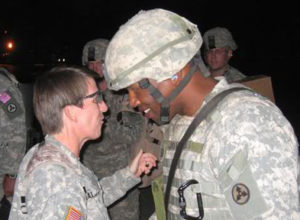
Who can forget this gem of a guy?
MilitaryCorruption.com decided to add Dan Johnson’s name to the list because there is some movement going on concerning this ethically, morally and legally challenged former army major.
Yeah, this story is one that will drop you jaw to the ground, so fasten your seatbelts and here we go…
Major Dan Johnson had the world by the ass. He was king of all he surveyed. He graduated from the mighty Citadel and went on to get his law degree.
Johnson was a reservist in the Air National Guard of South Carolina and a JAG officer, but for is day job, he was elected as the solicitor (district attorney) of Richland and Kershaw Counties in South Carolina.
He was being paid by the military for his weekend drills and also being paid by the people of South Carolina as the chief law enforcement officer for two counties.
Unfortunately, Johnson either turned greedy or was always greedy and no one knew it. He also liked to play with the wives of other men. One of those men was a former Army captain who never took any prisoners, if you get my meaning.
The angry husband went on the war path, doing all he could to expose the philandering county solicitor, Dan “can I diddle with your wife” Johnson.
It turns out, that while this may have been a noble quest, it wasn’t the smartest move to go up against an ethically and morally challenged county solicitor who’s buddy was the equally challenged Sheriff Leon Lott of Richland County, South Carolina.
Then one day, county solicitor Dan Johnson had enough. According to the angry husband, Johnson conspired with Sheriff Leon Lott to wrongfully imprison the husband on trumped up charges.
There are suspicions the sheriff or his minions at the behest of the corrupt solicitor sent goons over to set fire to the husband’s home. It turns out the husband’s landlord was a former police officer who had close to ten other properties destroyed by fire.
The husband told us he suspected it was most probably an insurance defrauding scheme. But even that did not dissuade the husband from speaking out about the scumbag solicitor who was turning curly ques under the sheet with the Army captain’s wife.

And get this, to ensure the husband didn’t pose any more problems, the sheriff and Dan Johnson apparently teemed up to toss him in jail on bogus charges.
There, he languish for nearly two years while the county solicitor continued screwing the wife without interference from her husband.
It wasn’t until nearly two years later that the Chief Justice of the South Carolina Supreme Court intervened.
The Chief Justice basically said, “either charge him and take him to trial or release him immediately.”
Two years of false imprisonment, and no one was ever held accountable. Welcome to the people’s republic of South Carolina.
Fate finally caught up to the scumbag solicitor and he was arrested for double billing the county and the military for the same trip. He simply made copies of the receipts of those trips and turned them into both the Air National Guard and Richland County for double payment.
The good old boys surrounded their treasured scumbag solicitor. First he was replaced by a complicit solicitor (Byron Gipson) who would refuse to do anything as the new solicitor against the former office holder.
The military allowed the U.S. Attorney’s office to prosecute so Major Dan Johnson could not be held accountable for those charges particular to the military. You know, “conduct unbecoming” and “dereliction of duty” etc. etc. One way to protect him is to maneuver a way to reduce the number of potential charges.
Then the State of South Carolina quietly, without anyone knowing about it, dropped all charges against Johnson. He had not only violated federal laws, but he had also broken a plethora of state laws.
And to top it all off, the Army who usually red flags someone’s file that is suspected of criminal misconduct, elected to allow Johnson to separate from the service with an Honorable Discharge.
Bottom line; very little justice occurred. The good old boys helped Dan Johnson as best they could and they continue to help him as he begins the arduous task of cleaning up his name and reputation.
This thing is not over yet… stay tuned.
UNDER INVESTIGATION BY MC.COM
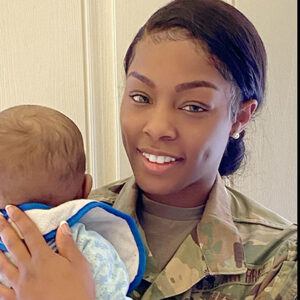
The Air Force is apparently attempting to railroad Captain Dominique Collier out of the service with an OTH or a General, depending on how they feel that particular day.
This story is a complicated one which distilled down involves a multitude of falsified documents, lies and innuendo.
Capt. Collier was falsely accused of becoming pregnant by a NFL football player, who rumor has it, is considering a lawsuit against those who have slandered him.
Then the Air Force accused Capt. Collier of falsely stating she was pregnant when she was not. The Air Force claims she falsely stated she was pregnant to get out of a deployment.
Our staff at Military Corruption is assembling evidence and hope to expose the corruption by an entire chain of command.
Right now she is under the gun. Maybe the Air Force with think better of it, when we provide documentary proof of the malfeasance of numerous people in her chain of command. Then again, the military tends to wrongfully destroy one person in order to save several others with dirty hands.
As a side note, that’s exactly what happened to Navy Chief Petty Officer Michael Tufariello when he caught his command paying reservists for drills they never attended in a massive payroll fraud scheme. Instead of holding five naval officers accountable, they chose to throw Tufariello in a mental hospital to discredit his attempts to expose the corruption on the base.
We are gathering information concerning the Air Force attempt to cover their behinds in the Capt. Collier Case. So far we are looking at the involvement by the following individuals…
SMSgt. Mosley (now retired),
Major General Jeffery Pennington,
Colonel Buchanon,
CMSgt. Chief Nunez,
Lt. General Scobee,
Major Vernicia Edmond,
Colonel Alexis Stackhouse,
Major General Burger,
General “downtown” Charlie Brown.
UNDER INVESTIGATION BY MC.COM
Robert Conrady who was transferred from Ft. Leavenworth to Federal Prison in Lompoc, California. His story is very interesting indeed as are many others who are currently serving time in Federal Prison courtesy of the United States military.
You’ve heard it said, “everyone in prison always says they are innocent.” Well, a significant number of people who have been court martialed by the military actually are innocent, or were terribly over-sentenced. Instead of getting six months, they get ten years. Such cases demand a call for military judicial reform.
We unfortunately cannot help everyone who have been wronged by the military, but we are watching cases and listen to each individual’s story. Some we will share with you when space and time allow.
SUMMARY:
We will continue to be a voice for those who have none and will continue to expose corruption in an effort to fix things that are broken. Most importantly, we are calling for military judicial reform.
The military judicial system is terribly slanted in favor of the government. It’s never been about justice and fairness, it’s about keeping control and ridding the military of those pesky whistleblowers, or people they just don’t like for one reason or another.
The military does this under the cloak of proper method the military judicial system has been providing since George Washington, but especially since the adoption of the UCMJ.
Keep the faith and we will continue the fight.
MilitaryCorruption.com
P.S. A good website to visit is usmadata.com that watches West Point. Very interesting indeed
Source: AP Photo/Domenico Stinellis
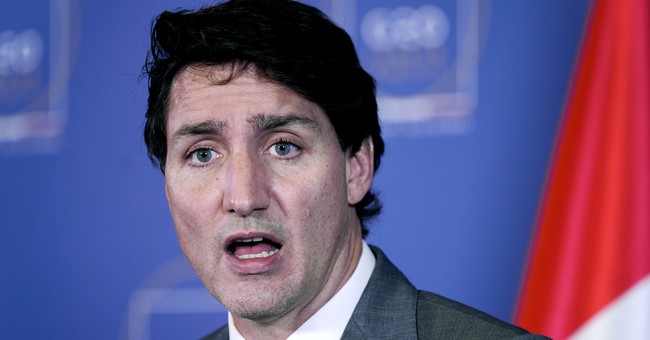
All across Canada, citizens looking to purchase a firearm are now finding handguns hard to come by, thanks to Prime Minister Justin Trudeau’s proposal to “cap” ownership. That’s right — the most aggressive firearm restrictions “in a generation” announced at the end of May have caused so many residents of the Great White North to go purchase a firearm that there aren’t many left to be found.
As The Toronto Star reported on Tuesday — a week after Trudeau made his announcement:
A week after the federal government proposed to freeze handgun sales and bring in tougher measures to curb illegal gun violence, gun vendors say handguns are flying off the shelves.
“It’s insane,” said an employee at a York Region firearms store.
Sales are “going crazy,” said Sylvia Shi, manager of Solely Outdoors in Markham.
“It’s very busy. We sold over a couple of hundred handguns in three days,” she said, adding business has “more than tripled” the usual pace, before politely saying she had no more time to speak.
At G4C Sports Gun Store Canada in Markham, nobody had time for an interview because “we are all busy doing transfers for handgun sales,” said one employee, adding the store had to bring shipping department staff in to help with transfers.
The Star’s is just one anecdotal bit of coverage backed up by similar stories from multiple provinces.
In British Columbia, AFP reported that gun stores “saw lines out the door within hours of the liberal leader’s declaration” that “has pushed some Canadians to rush out to gun stores while they still can.” Another BC warehouse manager told CBC News that his “store had sold out of all the handguns it had by noon” on the day following Trudeau’s announcement. At another firearm retailer in Vancouver, its website “has a note posted saying the store is closed until further notice as staff ‘works relentlessly to get all the current orders processed.'”
In Canada’s Capital of Ottowa, Ontario, one strip-mall retailer reported that “we sold 100 handguns, or almost our entire stock, in the last three days, since the prime minister announced the freeze.” Another shop owner in Toronto said that following Trudeau’s proposal, “[p]eople are now rushing out to buy handguns. Almost all stores are sold out, including me.”
The rush for those with appropriate licenses to procure firearms is good news for retailers — for now — but some sellers worry that this may be their last hurrah. One such is the owner of a store in Winnipeg: “This handgun measure is going to take away livelihoods and break up communities,” he said. “It’s a Catch-22; we’re busy now, but I fear we’re going to be put out of business in the fall.”
Over in Calgary, Alberta, Global News reported that a range and retail owner had sold — just between his two locations — 1,000 handguns in the week after Trudeau laid out his new supposedly brilliant gun “control” plan. The range in Calgary, where shelves “used to be packed with handguns” for sale — but they’ve all been purchased and “all that’s left are used ones people have brought in to sell.”
In each report from across Canada, some version of the same point was made: lawful firearm owners are not the problem, and should not be punished by Trudeau’s government for the crimes committed by — no surprise — criminals.
While it surely wasn’t his intention, it turns out Prime Minister Justin Trudeau might go down as the most successful gun salesman in Canada’s history.

Ohio’s permitless gun carry law for “qualifying” adults went into effect on Monday – a measure that would lift restrictions on school teachers, custodians and bus drivers from carrying firearms at work.
After Governor Mike DeWine announced he signed House Bill 99, which lowers the required training hours for armed personnel from 728 hours to 24 hours, DeWine said he still preferred law enforcement officers to carry the guns at schools.
Signed into law after 19 children and two teachers were killed at an elementary school in Uvalde, Texas, the legislation no longer makes it a requirement for Ohioans aged 21 and older to complete eight hours of the handgun training course to carry and conceal a firearm. And it eliminates the requirement for gun carriers to tell police officers they have a concealed weapon on them, though they must say if they are asked.
“My office worked with the general assembly to remove hundreds of hours of curriculum irrelevant to school safety and to ensure training requirements were specific to a school environment and contained significant scenario-based training,” DeWine said in a statement after the bill passed earlier this month.
He thanked lawmakers “for passing this bill to protect Ohio children and teachers”.
DeWine said local school districts may still prohibit guns on school grounds. “This does not require any school to arm teachers or staff,” he said. “Every school will make its own decision.”
While school boards will not be required to arm personnel, they will have to notify parents if they choose to do so. Boards can mandate additional training beyond what is required in the new state law.
According to the bill, training must include how to stop an active shooter, how to de-escalate a violent situation, trauma care and first aid, at least four hours in “scenario-based or simulated training exercises” and completing “tactical live firearms training”.
Republican state lawmakers have said that HB 99 was a “doing something” response to the Uvalde massacre and other recent deadly mass shootings.
However, Democratic politicians in the state have argued against the measure, saying that lifting carry laws for teachers was not what the community was asking for. “They’re not asking for no guns. They’re asking for background checks,” state representative Juanita Brent, a Democrat from Cleveland, said after the bill passed.
According to the National Conference of State Legislatures, 28 states allow people other than security officers to carry guns on school grounds. A 2018 Gallup poll showed that 73% of teachers opposed the idea.
In Ohio, school employees have been allowed to carry guns on school grounds for years as long as the local school board consents. The Ohio supreme court ruled in 2021 that they should receive the same 700 hours of training as law enforcement officials or security officers.
In Ohio, “permitless carry” applies only to adults over 21 who are not prohibited from possessing a firearm under state or federal law. Under the new law, adults who can lawfully own a firearm will be able to conceal carry a handgun without a permit or background checks.
———————————————————————————– As a retired teacher I think that this is a REALLY BAD IDEA! As I would not trust most of the Teachers that I worked with a Swiss Army Knife let alone a gun. Also how about just hiring instead some retired Cops. As I am sure that a lot of them wouldn’t mind picking up a few bucks and being around kids. Instead of some hardened Psycho with a machete etc. etc. Grumpy