
Category: Anti Civil Rights ideas & “Friends”
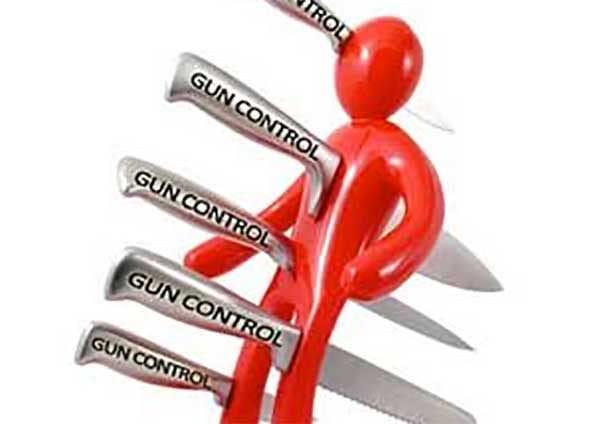 Basket Of Liars & the Division of a Country
USA – -(AmmoLand.com)- This may seem to be a dark, angry diatribe, but it is not a call to arms. It is, instead, a call to wait and grow stronger. And, at the same time, it is a call to refuse to compromise with the liars.
Years ago, when most of you were just young pups, gunnies were already being demonized by folks who were afraid of our guns. They called us names because we called out their lies. But they never stopped lying about us and our firearms.
Right now our country is enduring an earthquake of lies. These lies, of commission and omission, are so great and damaging to the culture of freedom that we hold so dear, that there is little solid ground upon which to stand.
After this past midterm election, we remain genuinely amazed that so many fellow Americans could believe the lies, some of which are preposterous on their face. There are limitations to the human psyche, but it appears that upwards of half our population has gone bonkers, and our Republic is being torn apart by the Left Wing Party and the dangerously corrupt Main Street Media (MSM).
The majority of their lies are so obvious that it’s painful to see our fellow countrymen fall for them. And it’s difficult to accept that these countrymen are our family and friends. We don’t recognize them anymore. The unfortunate fact that remains, is that these critters are gullible, and ever eager to follow the smooth talking liars.
There are many people, many of whom we know, who firmly believe that President Trump colluded with Russia to win the 2016 election. There are many who think that Justice Kavanaugh is a serial gang rapist. Were they indoctrinated by an evil MSM who colluded with the left? Are our News Media willfully engaged in destroying our nation?
The MSM responds angrily when President Trump calls them out as the enemies of the republic. But, they are intentionally working to take down a duly elected American sitting President, and that does undoubtedly make them enemy number one.
Still, events have not fully unfolded and, we cannot know the future. We must wait patiently. We know that we cannot be disarmed, but we must understand that once violence is unleashed, everything changes.
The years of compromise of laws must end. Congressman Swalwell opened his mouth and admitted the truth about the intent of the left. They propose to forcibly buy back semiautomatic weapons on the way to civilian disarmament.
Molon Labe Swalwell! Come and try to take them, but get to a psychiatrist before you nuke us, and our land.
Will there be a compromise with people like Swalwell? You can bet your sweet bippy there will. After the Trump era, our timid politicians will be happy to keep their jobs by kowtowing to the politics and press of the day.
But we must know that we can never compromise with liars. We must know deep, deep in our bones, that 99% of gun laws are harmful, and usually quite useless.
We need to reflexively know that the Black Market will subvert the promise of a peaceful society, “if only we compromise.” We have been lied to get us to accept the laws that promise a peaceful outcome. These laws will put our names on lists, and the only significant result of them will be a thriving Black Market. The black market is here now, always ready to make a buck.
We must be aware of the many lies told about guns and gun owners. Many of these lies are not so obvious. Instead of an explosion of lies, gun owners have been subjected to a steady stream of smaller lies.
We can’t even begin to know them all. For example, Gary Mauser, a Canadian-American economist wrote an article entitled The Number of Violent Crimes Involving Guns Has Been Exaggerated By An Over-Inclusive Definition Of Gun Crime. If a crime is committed in or outside of the home of a firearm owner, it becomes automatically firearm-related in Canadian statistics. Any researcher who uses those statistics will likely not realize or care that he/she is producing fake conclusions.
Any lawmaker using such false information to propose yet another law will not know or care.
Our gun laws are based on dreams and the lies of the power-mad. According to them, we always need more, because the ones we have don’t work. Say it again, and say it LOUD! “The Black Market is always at the ready.”
We propose a war on GUN LAWS. We recommend a massive reduction of our tens of thousands of gun laws. Gun laws can only label the acquisition, possession, or use, of a weapon as legal or illegal. Laws cannot prevent a criminal, or an insane person, from acquiring, possessing, or using, a weapon.
With all the thousands of local, state, and federal, firearms laws in our country that attempt to keep us safe and under control, why do we still need more? Just asking for a friend! That’s because the LEFT is trying to control us. They seek that complete power.
Gun laws have been designed, from the get-go, to control and destroy our culture. We can legally comply, or we can become felons.
- How many of us have carried illegally?
- How many of us are sure we comply with all of our laws?
- How many of us knowingly don’t or can’t comply?
The left resorts to lies, to manipulate outcomes, that are beneficial to themselves only. But these lies usually result in the destruction of our Rights and the Constitution, and more often then not, they transfer more power to the socialist mob.
The current, and coming, battle is between felonious cowardly liars and We The People. They want to control the US nukes, and luckily, the hard-working Conservative folks are now waking to this harsh reality.
We are to blame. Over the last 45+ years, we let the Left into our schools and media. We accept many of their lies. Too many of us believed that ‘sensible’ gun laws existed, and would help to reduce violence.
The lies were insidious, designed to advance their narrative that we and our guns are dangerous to our families and society. Its difficult for many average persons to know that something, that sounds so reasonable, is a deliberate lie designed to sow suspicion on the very foundation of freedom.
All of us need to be skeptical and always on guard. We must not be shy to be unreasonable and question an intent. We are in the right.
Back and support President Trump, but stay alert and be prepared.
About the Authors:
Alan J Chwick has been involved with firearms much of his life and is the Retired Managing Coach of the Freeport NY Junior (Marksmanship) Club, Division of the Freeport NY Revolver & Rifle Association, Freeport, NY. He has escaped from New York State to South Carolina and is an SC FFL (Everything22andMore.com). – AJChwick@iNCNF.org | TWITTER: @iNCNF
Joanne D Eisen, DDS (Ret.) practiced dentistry on Long Island, NY. She has collaborated and written on firearm politics for the past 30+ years. She has also escaped from New York State but to Virginia. – JoanneDEisen@cs.com
Landlord Tells Harvard Student to Move Out Over Legally Owned Guns
Roommates searched room for guns after finding MAGA hat

Leyla Pirnie
BY:
A Massachusetts landlord told a Harvard University graduate student that he wanted her to move out of her apartment because her legally owned firearms made some of her roommates uncomfortable.
“Since it’s clear that Leyla wants to keep her firearms, it would be best for all parties if she finds another place to live,” Dave Lewis, president of Avid Management, said in an emailto the household obtained by the Washington Free Beacon.
The request that the student, Leyla Pirnie, move out came after her roommates searched her room while she was not home and found her firearms. That prompted one of the roommates to email Lewisrequesting he verify that Pirnie was in compliance with applicable firearms laws.
“We discussed with Leyla that all of us are uncomfortable with having firearms in the house, and that their presence causes anxiety and deprives us of the quiet enjoyment of the premise to which we are entitled,” the roommate wrote to Lewis.
Pirnie said she feels her roommates violated her privacy and now they and her landlord are trying to violate her rights.
“A few weeks ago, I came back to my apartment from a weekend trip and was confronted by one of my roommates who asked if I had guns in the house,” she told the Free Beacon. “After being told far too many lies to count, my roommates finally admitted that they searched my closet, under my bed, and all of my drawers in pursuit of finding my guns.”
While she was given several different explanations for why the roommates entered and searched her room, the 24-year-old said she felt her political beliefs and where she is from played a significant role in the roommates’ actions.
“When I asked them why they were in my room to begin with, they each came up with completely contradicting stories (none of which made any sense), but one comment struck me in particular: ‘We saw that you had a MAGA hat and come on, you’re from Alabama… so we just kind of assumed that you had something,'” she said. “I asked why they didn’t just call me and ask me before intruding. One of the girls responded that fear took over her body and she felt compelled to search my room until she found proof… I cannot make this up.”
Pirnie said she had been living in the apartment since September without incident, and she kept her political beliefs to herself before the incident. But she did have a Make America Great Again hat in her room.
In response to the email from Pirnie’s roommate, Lewis contacted Captain James Donovan of the Somerville Police Department to inspect Pirnie’s firearms and ensure they were in compliance with Massachusetts law. Pirnie agreed to allowing the police to inspect her firearms and said she was told she is in compliance with all applicable laws. Lewis acknowledged the department’s conclusion that Pirnie was not breaking any gun laws in his email telling Pirnie to move out.
Captain Donovan told the Free Beacon he could not comment publicly on the matter. Dave Lewis and the roommate who emailed him did not respond to repeated requests for comment.
Pirnie said the roommates confronted her about her firearms and she explained to them she was a legal gun owner who is trained in the safe handling of firearms. She said the roommates weren’t concerned with Pirnie’s handling of the guns but rather that somebody might break in and turn the guns on them or the guns “might go off on their own.”
She said her landlord’s concern over some of her roommates being uncomfortable with legally owned firearms is misplaced and his request that she move out is inappropriate.
“What I find uncomfortable is coming home to find out that six people I barely know went into my bedroom without permission and went through every single one of my drawers, without any regard to my privacy whatsoever,” Pirnie said. “My landlord’s e-mail, though carefully crafted, showed tremendous prejudice against my right to legally have firearms.”
Pirnie said her motivations for owning firearms have been ignored even though she shared them with her roommates. While an undergrad, she said she was in a physically abusive relationship. She said the experience is part of what drives her to be armed.
“Nobody has bothered to question, ‘Well, why do you want to have protection? Could it be because you’ve experienced something where you need to protect yourself as you see fit?'” she said. “I have a real and legitimate reason as to why I want to protect myself.”
When Pirnie and her father rejected Lewis’s request that she move out in the middle of studying for finals, Lewis responded by saying his request “was based strictly on practical and not idealogical (sic) terms.” He then warned that if the other roommates moved out Pirnie would have to pay their rent.
“If the other roommates were to move out, Leyla would need to find roommates to share the place or foot the entire $6000+ monthly rent herself,” Lewis wrote in an email to Pirnie and her father. “Obviously it would be much easier for the others to stay and just fill one room (and I’m confident—were this to happen—that the remaining housemates will release Leyla from any further responsibility under the lease) and that’s why I proposed what I did.”
Pirnie feels she’s being punished for being a gun owner.
“I’m still very much so being threatened out of my apartment,” she said. “Either I leave and incur moving expenses or my roommates move and I incur their rent expenses… Doesn’t seem right.
“Not only is this a blatant violation of my privacy, but it’s also a violation of my rights.”

USA – -(Ammoland.com)- “Exclusive: Trump administration to announce final bump stock ban,” CNN boasted Wednesday. What was so exclusive about that, aside from sourcing the information to nameless “US officials familiar with the matter” is unclear – everyone watching developments has anticipated this happening soon due to the president’s own words in October and also due to a November 8 notice by the Office of Management and Budget noting the “Concluded Action” is “Consistent with Change.”
“Bump stocks gained national attention last year after a gunman in Las Vegas rigged his weapons with the devices to fire on concertgoers, killing 58 people,” CNN continues. If they could say that definitively, they would have an exclusive.
At this writing, assumptions by the media notwithstanding, no official statement demonstrates with certainty firearms found in the hotel room with “bump stock” devices attached were even used in the attack, making it fair to speculate if it’s also possible any weapons had been modified. What we believe probable notwithstanding, at this point we can’t say we “know” for sure. As ATF revealed in a response to a Freedom of Information Act request:

Nor can we define the scope of the “problem” nationwide in terms of how many such devices have been used in homicides (something the FBI wants no part in reporting).
“[O]pposition from lawmakers and the National Rifle Association ultimately made a regulatory change the only realistic path forward to accomplishing the President’s goal,” CNN further obfuscates. Actually, NRA signaled a green light for regulation:
“Despite the fact that the Obama administration approved the sale of bump fire stocks on at least two occasions, the National Rifle Association is calling on the Bureau of Alcohol, Tobacco, Firearms and Explosives (BATFE) to immediately review whether these devices comply with federal law. The NRA believes that devices designed to allow semi-automatic rifles to function like fully-automatic rifles should be subject to additional regulations.”
NRA wanted to avoid politicians they back being forced to go on record, and then having to reassess “A” grades and “staunch supporter of the Second Amendment” characterizations for those buckling under pressure. Either that or having their grading system held up to wider scrutiny…
It’s unclear what the president hopes to accomplish by alienating his strongest supporters at a time he is being closed in on from all sides by powers intent on destroying him. If he believes this will satisfy the gun-grabbers and make them go away, that ignores everything about their incremental tactics. Experience shows they will take a piece here and a “compromise” there, and then use that position to launch their next demand for more.
We can see it in this case already, with headlines like “Trump to Announce Bump-Stock Ban, a Largely Meaningless Gesture.” They’ll take the symbolic victory and then, emboldened and sensing weakness, circle in closer.
So what’s the big deal? Who really cares about bump stocks? I imagine those who bought the devices do, as they will be required to rid themselves of their property without compensation – or become felons subject to draconian fines and prison sentences for possessing an “unregistered machinegun,” not to mention being mandated “prohibited persons” for life, unable to ever “legally” own a gun again.
Anyone who thinks this is “just about bump stocks” is missing the point.
If President Trump gets away with this usurpation of undelegated power, guess what the Democrats will be able to pull the next time they take the White House.
About David Codrea:
David Codrea is the winner of multiple journalist awards for investigating / defending the RKBA and a long-time gun owner rights advocate who defiantly challenges the folly of citizen disarmament.
In addition to being a field editor/columnist at GUNS Magazine and a contributor to Firearms News, he blogs at “The War on Guns: Notes from the Resistance,” and posts on Twitter: @dcodrea and Facebook.
 Sadly this Lady makes way too much sense in these crazy days!
Here is the Website address for all of the Listings!http://www.westwalesmodels.co.uk/epages/es114103.sf/en_GB/?ObjectPath=/Shops/es114103_es121994722150/Categories/%22West%20Wales%20Shooting%20Supplies%22/Guns/Firearms/Centrefire_Weapons
here are soem of the Rifles for sale. By the way the UK Pound is worth about $1.28 today.
So just multiple the price by that. Grumpy
 NewHowa 1500 20″ .223 Varmint Heavy “Fluted” Barrel 1 in 9 twist with Nutmeg laminated thumbhole stock£800.00 * In stock |
|||
 NewHenry Big Boy Steel .357Cal Underlever Rifle (Standard or Carbine)£1,262.00 * In stock |
 NewHenry Big Boy Steel .44Cal Underlever Rifle (Standard or Carbine)£1,262.00 * In stock |
 NewHenry Big Boy Steel .45 Colt Underlever Rifle (Standard or Carbine)£1,262.00 * In stock |
 NewHowa 1500 20″ .223 Varmint Heavy “Fluted” Barrel 1 in 9 twist with Pepper laminated thumbhole stock£800.00 * In stock |
 NewHowa 1500 .223 Sporter Stainless with Hogue stock 1 in 9 twist£550.00 * In stock |
 NewHowa 1500 24″ .308 Varmint Heavy Barrel 1 in 10 twist with Bell & Carson Medalist stock£950.00 * In stock |


*All Price incl VAT but are plus delivery.
Rößler Waffen (Roessler Waffen)
West Wales Shooting Suppliers are the only approved UK dealer for Rowa / Rößler Waffen (also know as:- Roessler Waffen rifles).
Background.
Rößler AUSTRIA, are a small, independent company based in Kufstein. Since its founding in 1996, the company’s goal has been the production of high-quality hunting rifles “Made in Austria”.
Hunters are enthusiastic about our TITAN series of products because of their extremely high precision and ease in shooting. Its simple and quick operation, the solid workmanship and the elegant look of the weapon perfect the product. Customers can fulfill almost any wish, because the end user can choose from among different models and individually assemble the weapons.
In addition to the goal of producing high-quality hunting rifles, we have made it our mission to unite traditional handwork with new technologies. The promotion of young talent in the highly promising module occupations of metal technology and the employment of traditional gunsmiths is actively driving this forward.
Ordering.
If you are interested in any particular rifle, please go to Roessler’s site and use the rifle configuration to choose the particular rifle you’re interested in, then contact Mike at West Wales Shooting Supplies and we will be able to give you a total price and a delivery date for the rifle.
Rößler Waffen rifles are available in just about every centrefire rifle calibre that’s made, so please feel free to design your own rifle using the Configurator below.
http://www.titan6.com/en/konfigurator/3
West Wales Shooting Suppliers are the only approved UK Dealer and Distributor for Röwa / Rößler Waffen (also know as:- Roessler Waffen Rifles).

GUN LAWS BY STATE
The Complete Guide – 2018
This guide has everything you need to know about U.S. gun laws by state.
So if you need some information about a state’s gun laws you’re in the right place.
Keep Reading…

Select a State
Alabama • Alaska • Arizona • Arkansas • California • Colorado • Connecticut • Delaware • District of Columbia • Florida • Georgia • Hawaii • Idaho • Illinois • Indiana • Iowa • Kansas • Kentucky • Louisiana • Maine • Maryland • Massachusetts • Michigan • Minnesota • Mississippi • Missouri • Montana • Nebraska • Nevada • New Hampshire • New Jersey • New Mexico • New York • North Carolina • North Dakota • Ohio • Oklahoma • Oregon • Pennsylvania • Rhode Island • South Carolina • South Dakota • Tennessee • Texas • Utah • Vermont • Washington • Wisconsin • Wyoming
Overview of State Gun Laws
Gun laws in the US vary considerably between states. The majority of legislation relating to guns is enacted at the state level and these laws are independent of Federal firearms laws. This has resulted in a broad variation of gun laws in all the US states with each state taking a different approach on issues such as permits, carry laws, sales, and self-defense laws.
In some states the firearms laws can be much less restrictive than federal laws. However, individuals are not exempt from federal laws just because the state laws are less restrictive. In most cases it is left to the discretion of local law enforcement as to whether they will enforce federal laws. The Supreme court has ruled in Printz v United States that local law enforcement are not obligated to enforce federal firearms laws.
There are forty states that have a provision that protects the right to own and bear firearms, similar to the Second Amendment to the US Constitution. Some of the states that do not have this protection are California, Minnesota, Maryland, Iowa, New Jersey and New York.
In some states the firearms laws can be much less restrictive than federal laws. However, individuals are not exempt from federal laws just because the state laws are less restrictive. In most cases it is left to the discretion of local law enforcement as to whether they will enforce federal laws. The Supreme court has ruled in Printz v United States that local law enforcement are not obligated to enforce federal firearms laws.
There are forty states that have a provision that protects the right to own and bear firearms, similar to the Second Amendment to the US Constitution. Some of the states that do not have this protection are California, Minnesota, Maryland, Iowa, New Jersey and New York.

Firearm Carry Laws
There are two ways firearms are carried in the United States, concealed carry and open carry. The names are self descriptive with an open carried firearm being visible to everyone and a concealed carry firearm being hidden from view. No federal law has ever covered the issuance of permits to carry firearms in the United States.
It has been left to all the 50 individual states in the US to determine how they will issue permits or if a permit is even required to openly or conceal carry firearms. All states will allow in theory the carry of firearms. However, there are some states that make the application process so difficult that in practice a regular citizen is banned from having a handgun. These states are usually the ones that have a “May Issue” policy such as Hawaii, California, New York and a few more.
It has been left to all the 50 individual states in the US to determine how they will issue permits or if a permit is even required to openly or conceal carry firearms. All states will allow in theory the carry of firearms. However, there are some states that make the application process so difficult that in practice a regular citizen is banned from having a handgun. These states are usually the ones that have a “May Issue” policy such as Hawaii, California, New York and a few more.
Firearm Sales & Purchases
Permits to purchase a firearm are required in some states. These permits can just cover handguns or be extended to long guns and ammunition in the more restrictive states. Illinois requires a buyer to have a FOID card to purchase any firearm or ammunition although lately they have allowed concealed carry permits to be used for purchases. But the buyer must still have been issued a FOID card. Other states will also often allow a concealed carry license to be used as a purchase permit. Background checks are required by federal law on all persons purchasing a firearm from a licensed dealer. To facilitate these checks the FBI maintains a database where all requests are processed through called the NICS (National Instant Criminal Background Check System).

Firearm Registration
Most states in the U.S. do not require registration of guns and there is no Federal program to register guns. In fact under Federal law a national gun registry is illegal and eight states also have bans on any gun registry. There are at least four states and one district that have setup a registry for guns, the states are;
California, Hawaii, Maryland, New York and the District of Columbia.
Other states as listed below do not have an official gun registry but collect data on sales.
California, Hawaii, Maryland, New York and the District of Columbia.
Other states as listed below do not have an official gun registry but collect data on sales.

Stand Your Ground Laws
Stand Your Ground, commonly known as “Castle Doctrine” laws that permit a person to defend themselves with deadly force and with no duty to retreat have been enacted in 27 states. These laws vary from state to state in the conditions that it may be used such as the degree of retreat, places covered and if there is any non lethal force required before using deadly force. Most of these laws will have some of the following conditions;
- An attempt to forcibly and unlawfully enter an occupied vehicle, business or residence.
- The intruder cannot have been provoked by the occupants of the home.
- There must be a reasonable belief by the occupants of the home the the intruder will cause death or serious bodily harm to them. There are a few states that allow stand your ground laws to be used for less serious felonies such as burglaries or arson.
- The intruder is required by most of these laws to be acting unlawfully.
- These laws cannot be used against law enforcement officers who are legally carrying out there duties. Such as when they are forcibly entering a premises to arrest a person.
To use the law occupants must be legally in the building or vehicle. If they are a fugitive or helping another fugitive then they cannot defend themselves with deadly force.
State Gun Laws in The USA
Gun Law Rating – 5 stars is the friendliest.
THE 2ND AMENDMENT IS OBSOLETE, SAYS CONGRESSMAN WHO WANTS TO NUKE OMAHA
Last week a congressman embarrassed himself on Twitter. He got into a debate about gun control, suggested a mandatory buyback—which is basically confiscation with a happy face sticker on it—and when someone told him that they would resist, he said resistance was futile because the government has nukes.
And everybody was like, wait, what?
Of course the congressman is now saying that using nuclear weapons on American gun owners was an exaggeration, he just wanted to rhetorically demonstrate that the all-powerful government could crush us peasants like bugs, they hold our pathetic lives in their iron hand, and he’d never ever advocate for the use of nuclear weapons on American soil (that would be bad for the environment!), and instead he merely wants to send a SWAT team to your house to shoot you in the face if you don’t comply.
See? That’s way better.
But this post isn’t about that particular line from one foolish congressman. It’s about all of the silly left wing memes that have popped up since, trying to justify the congressman’s basic premise that the 2nd Amendment is obsolete for resisting tyranny, and the government would obliterate anyone who failed to comply. Like this one:
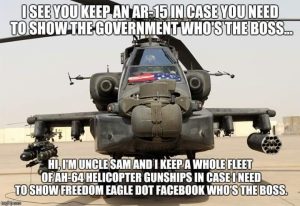
I’ve seen a slew of these over the last few days. Nukes kicked it off, but I’ve seen it before with drones, or tanks, or cruise missiles. Sadly, this is one of the better ones, but that’s because the left can’t meme. Basically they all boil down to the same fundamental premise. The federal government has access to advanced weapon systems, and thus anyone who resisted gun confiscation would be effortlessly destroyed by these advanced weapon systems, ergo gun control has already won, forgone conclusion, and they declare victory.
Like most political memes, they’re taking an extremely complex situation, and providing a cartoonish, simplistic answer, which makes them look like complete dipshits to anybody with a clue, but scores them lots of Virtue Signal Points to their likewise ignorant but posturing friends. To my people, this is really goofy stuff. I mean, if you have even a basic knowledge of this topic these memes are about as clever as the ones from the vaccines cause autism morons and the flat earth society.
We are so divided it’s like we are speaking two different languages. Hell, on this topic we are on two different planets. And it is usually framed with a sanctimonious left versus right, enlightened being versus racist hillbilly, unfailing arrow of history versus the knuckle dragging past sort of vibe.
But basically it boils down to one side making the argument: The idea of the 2nd Amendment resisting a tyrannical government is obsolete, because the federal government is too overwhelmingly powerful, and has too many advanced technologies.
So today I’m writing this for my left leaning friends and readers, in the hopes that I can break down the flaws in this argument. I’m going to try not to be too insulting. Accent on try… But I’ll probably fail because this is a really stupid argument.
For those of you who don’t know me, I’m a novelist now, but I retired from the Evil Military Industrial Complex, where I helped maintain those various advanced weapon systems you expect to bomb me with. Before that I was a gun dealer and firearms instructor. So basically I sold guns to the people you expect the people I trained to take them from.
On that note, I don’t think you fully comprehend the nature of the individuals you expect to do your dirty work, but I’ll come back around to that later.
First, let’s talk about the basic premise that an irregular force primarily armed with rifles would be helpless against a powerful army that has things like drones and attack helicopters.
This is a deeply ironic argument to make, considering that the most technologically advanced military coalition in history has spent the better part of the last two decades fighting goat herders with AKs in Afghanistan and Iraq. Seriously, it’s like you guys only pay attention to American casualties when there’s a republican in office and an election coming up.
Nobel Peace Prize Winner Barack Obama launched over five hundred drone strikes during his eight years in office. We’ve used Apaches (that’s the scary looking helicopter in the picture for my peacenik liberal friends), smart bombs, tanks, I don’t know how many thousand s of raids on houses and compounds, all the stuff that the lefty memes say they’re willing to do to crush the gun nut right, and we’ve spent something like 6 trillion dollars on the global war on terror so far.
And yet they’re still fighting.
So yes, groups of irregular locals can be a real pain in the ass to a technologically superior military force. That’s pretty obvious.
Now here is the interesting part. Best estimates are that any given time in Iraq we’ve been fighting about 20,000 insurgents at most. Keep that number in mind, because now we’re going to talk about the scope of this hypothetical fight over gun control.
Nobody really knows how many people in America own guns, or how many guns are here. The estimates range wildly. I’ve noticed a trend over recent years of the news media trying to minimize that number, to make it seem like it’s actually a very low percentage of Americans who own firearms, a fading cultural anomaly if you will, and to explain the one to two million new backgrounds checks done every month for new purchases, a handful of us just own a few hundred guns each.
Uh huh…. Sure.
While trying to make gun ownership seem like an oddball thing, I’ve seen the media come up with some truly silly estimates about the total number of guns in this country. The one that was going around earlier this year was really easy to debunk, because they used the number of NICS checks… Problem is, it didn’t take into account the millions guns sold before that (and they never really wear out), the fact that one NICS check can be used to buy multiples at a time, and that many US states (including the gun nuttiest) use their own state background check system, and don’t report to that federal number. Oh yeah, with advances in cheap machining, making your own guns at home has become increasingly popular.
When pollsters call to ask us if and how many guns we own—we think about things like a congressmen talking about nuking us—and immediately lie our asses off. The biggest recurring joke in the gun community is that I don’t own any guns, because I lost them all in a freak canoe accident.
So nobody really knows how many guns there are here, or how many of us own them. But the answer is A LOT.
Recently the WaPo ran an article called Americans Vastly Overestimate the Number of Gun Owners. As with most WaPo articles, it was about 90% bullshit, but they are claiming that only 20 to 30 percent of Americans own guns. That may sound plausible if you live in Manhattan, but out here in flyover country, that’s downright laughable, but anyways, to make the idea of mass gun confiscation as plausible as possible, let’s run with that rosy figure. We’ll even take the lower one of 20%. (snort)
Too bad America has over a third of a billion people, because even the unrealistic figure of 20% of 325 million is still a whopping 65 MILLION people. That’s about the same as the entire population of France. That’s about the same as the population of Great Britain, only with 500 times the firepower. Good thing we didn’t go with that 30%, because now the number is way bigger than the population of Germany (and you know what a pain beating them last time was!). Or ironically, about three times the population of Iraq.
It’s kind of funny, when it comes to us adopting social or economic programs, the left is always comparing the US to Denmark, which has the population of LA county, and that’s totally not apples and oranges, but declaring war on a percentage of the American population bigger than most nation states? That’s no biggie.
But I digress…
Okay, so let’s say Congressman Swalwell gets his wish, and the government says turn them in or else. And even though the government has become tyrannical enough to send SWAT teams door to door and threaten citizens with drones and attack helicopters, rather than half the states saying fuck you, this means Civil War 2, instead we’ll stick to the rosiest of all possible outcomes, and say that most gun owners comply.
In fact, let’s be super kind. Rather than a realistic number, like half or a third of those people getting really, really pissed off and hoisting the black flag, let’s say that 99% of them decide to totally put all their faith into the government, and that the all-powerful entity which just threatened to kill their entire family will never ever turn tyrannical from now on, pinky swear, so what do they have to lose? And a whopping 90% of gun owners go along peacefully.
That means you are only dealing with six and a half MILLION insurgents. The entire active US military is about 1.3 million, with about 800,000 reserve. Which is also assuming that those two Venn diagrams don’t overlap, which is just plain idiotic, but I’ll get to that too.
Let’s be super generous. I’m talking absurdly generous, and say that a full 99% of US gun owners say won’t somebody think of the children and all hold hands and sing kumbaya, so that then you are only dealing with the angriest, listless malcontents who hate progress… These are those crazy, knuckle dragging bastards who you will have to put in the ground.
And there are 650,000 of them.
To put that into perspective, we were fighting 22,000 insurgents in Iraq, a country which would fit comfortably inside Texas with plenty of room to spare. This would be almost 30 times as many fighters, spread across 22 times the area.
And that estimated number is pathetically, laughably low.
In one of the bluest states in America, the New York SAFE Act only has like a 4% compliance rate. And that’s mostly just people choosing to ignore an onerous law. Because the further you get away from the major cities, the more people just don’t give a crap about your utopian foolishness. Its benign neglect, and most Americans are happy to ignore you until you mess with them. You start dropping Hellfire missiles on Indiana? Fuck you, its game on. And that 1% is going to turn into 50% damn quick.
So just by the numbers, it’s an insurmountable problem, but we’re just getting started with how stupid this idea is.
Let’s talk about the logistical challenges of this holy crusade to free the country of icky guns and murder everybody who thinks differently than you do.
In Iraq, our troops operated out of a few secure bases. Those were the big areas where we could do things like store supplies, airlift things in or out, repair vehicles, have field hospitals, a Burger King, etc. And then there were Forward Operating Bases. These are the little camps troops could stage out of to operate in a given area. The hard part was keeping those places supplied, and I believe most of America’s causalities came from convoys getting hit while trying to supply things like ammo, food, and fuel, because when you’re moving around, you’re a big target. All of these places were secured, and if you got too close, or they thought you were going to try and drive a car bomb through the gate, they’d light you up.
Now, imagine trying to conduct operations in a place with twenty times the bad guys, and there are no “safe zones”. Most of our military bases aren’t out in the desert by themselves. They’ve had a town grow up around them, and the only thing separating the jets from the people you expect them to be bombing is a chain link fence.
The confiscators don’t live on base. They live in apartment complexes and houses in the suburbs next door to the people you expect them to murder. Every time they go out to kick in some redneck’s door, their convoy is moving through an area with lots of angry people who shoot small animals from far away for fun, and the only thing they remember about chemistry is the formula for Tannerite.
In something that I find profoundly troubling, when I’ve had this discussion before, I’ve had a Caring Liberal tell me that the example of Iraq doesn’t apply, because “we kept the gloves on”, whereas fighting America’s gun nuts would be a righteous total war with nothing held back… Holy shit, I’ve got to wonder about the mentality of people who demand rigorous ROEs to prevent civilian casualties in a foreign country, are blood thirsty enough to carpet bomb Texas.
You really hate us, and then act confused why we want to keep our guns? But I don’t think unrelenting total war against everyone who has ever disagreed with you on Facebook is going to be quite as clean as you expect.
There will be no secure delivery of ammo, food, and fuel, because the guys who build that, grow that, and ship that, well, you just dropped a Hellfire on his cousin Bill because he wouldn’t turn over his SKS. Fuck you. Starve. And that’s assuming they don’t still make the delivery but the gas is tainted and food is poisoned.
Oh wait… Poison? That would be unsportsmanlike! Really? Because your guy just brought up nuclear weapons. What? You think that you’re going to declare war on half of America, with rules of engagement that would make Genghis Khan blush, and my side would keep using Marquis of Queensbury rules?
Oh hell no.
A friend of mine who is a political activist said something interesting the other day, and that was for most people on the left political violence is a knob, and they can turn the heat up and down, with things like protests, and riots, all the way up to destruction of property, and sometimes murder… But for the vast majority of folks on the right, it’s an off and on switch. And the settings are Vote or Shoot Fucking Everybody. And believe me, you really don’t want that switch to get flipped, because Civil War 2.0 would make Bosnia look like a trip to Disneyworld.
Speaking of ugly, do you really honestly think that you’re going to be able to kill people because they disagree with you, and they won’t hit you back where it hurts? While you’re drone striking Omaha Nebraska you really think that the people who live where all the food is grown, the electricity is generated, and all the freeways and rail lines run through, that some of them aren’t going to take it personal? And that they’re not going to use their location and access to make life extremely uncomfortable for you?
The scariest single conversation I’ve ever heard in my life was five Special Forces guys having a fun thought exercise about how they would bring a major American city to its knees. They picked Chicago, because it was a place they’d all been. It was fascinating, and utterly terrifying. And I’ll never ever put any of it in a book, because I don’t want to give crazy people any ideas. Give it about a week and people would be eating each other (and gee whiz, take one wild guess what the political leanings of most Green Berets are?).
Similar dinner conversation once, with a bunch of SWAT cops from a major American city, talking about how incredibly easy it would be to entirely shut down and utterly ruin their city, with only a small crew of dedicated individuals and about forty eight hours of mayhem and fuckery. (And guess what their political leanings were? Hint, most of them were eager to retire because they’d been treated like shit by their liberal mayors, and take their pension to someplace like Arkansas)
So yeah, let’s talk about those people you think are going to be unfeeling automatons who will have no problem killing their friends and neighbors on your behalf…
They are us.
Above I mentioned a Venn diagram of obstinate gun owners and the military, but you can change that to cops and it’s going to be pretty similar. Those diagrams overlap a lot, and depending on the particular department or unit, they make one big happy circle.
Back when I owned a gun store, we were located one block from Utah Army National Guard Headquarters. Every drill weekend my building was a sea of ACU (and the fact that very few of my liberal readers know what that abbreviation means just shows goes to show how incredibly out of touch they are, but I mean that ugly sage grey digital camouflage). It was just a bunch of guys hanging out, talking shit, and BUYING GUNS.
Lots and lots of guns. And I know most of my left wing readers can’t tell them apart, but they were specifically buying the scary ones that you want to ban the most. Thousands of them. And cops… Holy moly I sold a lot of guns to cops. Not department guns, though we supplied a few of those, but personal guns.
Having worked with a lot of police departments, guess what? The guys who actually know how to shoot? The ones who run the training programs? Usually they’re my people too. The gun nuts gravitate toward that position because A. more taxpayer funded ammo, and B. they actually give a shit about the subject, so they learn on their own, and then try to pass those skills onto their coworkers to better keep them alive.
Whenever I see one of these dipshit memes produced by some Gender Studies Major, it just demonstrates how incredibly sheltered and out of touch they are. They don’t know fuck all about these people. Usually if they’re talking about soldiers, it’s about how they’re evil baby killers, or time bombs of PTSD rage, or poor deluded fools who joined the military because they couldn’t get a real job…. And cops, it’s about how they’re just a bunch of trigger happy racists just itching for an excuse to execute everybody who looks different than they do.
But don’t worry, despite all those years of abuse, when you ask them to go door to door in their hometown to systematically attack people they’ve known their whole lives, friends and family who’ve done nothing wrong, and maybe get shot or blown up, and when it’s over then turn in their own personal guns, all because some moron in a big city a thousand miles away said so, I’m sure they’ll hop right to it.
See, one of the things you guys on the left don’t realize is that there’s that whole “Othering” thing. You do it all the time without thinking about it. Where you just ascribe increasingly terrible things to people, like all gun owners are murderous, racist, kill crazy, redneck, dumb ass peckerwoods who want children to die, to the point that to you, we’re this unimaginable, evil, Other, so it’s okay to threaten to murder us, and feel good about yourself. Because we’re bad, and you’re the good guy, and thus totally justified in all you do.
Yet you assume that the people who gravitate toward the career fields you’ll need to wage war on us will feel the same way you do. When in reality most of them think you’re posturing, elitist, ignoramuses who don’t know the first thing about guns, crime, violence, or America.
Now this is where I’ll part ways with most of my libertarian brethren, because they are quick to point out that there are plenty of places where cops enforce existing gun or drug laws. The part they’re missing is that most people are complicated, and they’ve got lines they won’t cross.
In this case, the target isn’t some Other, it’s not just their people, it’s them. And an active shooting war between the government and half the population? That’s a pretty big fucking line. And we’re not talking about people they are already inclined not to like, but rather they’re supposed to go shoot their doctor and their mechanic for doing something that up until a few days ago was legal and they were doing themselves. A small percentage will be happy to put on the jack boots and start loading people into cattle cars. But a larger percentage will say nope, I’m calling in sick, don’t feel like getting blown up today.
And another big chunk will actively help the insurgents, because they fucking hate you and everything you stand for. Like seriously, out of touch liberals, how many small town sheriff’s deputies do you think would describe themselves as “progressive”?
Now this will vary wildly depending on jurisdiction. Some places, no problem. People will comply. Others because of the culture, they won’t. Yet, in the places where they are the least likely to comply, those are the places where you are the most likely to have the local authorities be actively on the side of the insurgents. (this is kind of a no brainer to anybody who has ever looked at any guerilla war ever in history). Which means that the occupiers then have to import outsiders to do the deed, but then the presence of outsiders piss off the rest of the local fence sitters, and now everybody is getting blown up.
The problem with all those advanced weapons systems you don’t understand, but keep sticking onto memes, is guess who builds them, maintains them, and drives them? When I first saw this idiotic Apache meme my comment was that sadly Freedom Eagle’s day job was as a contractor doing helicopter engine maintenance.
Those drones you guys like to go on about, and barely understand? One of the contracts I worked on was maintaining the servers for them. Guess which way most military contractors vote? Duh. Though honestly, if I was still in my Evil Military Industrial Complex job when this went down, I’d just quietly embezzle and funnel millions of DOD dollars to the rebels. Because fuck you is why.
So you’ve got an insurmountable challenge, that’s logistically impossible, and a big chunk of the people you expect to fight on your behalf being actively against you. Your side would need an incredible amount of will, especially after they turned off your electricity and water, and there’s no more food on the shelves.
This is why smart progressives prefer to boil the frog slowly.
To pull off confiscation now you’d have to be willing to kill millions of people. The congressman’s suggestion was incredibly stupid, but it was nice to see one of you guys being honest about it for once. In order to maybe, hypothetically save thousands, you’d be willing to slaughter millions. Either you really suck at math, or the ugly truth is that you just hate the other side so much that you think killing millions of people is worth it to make them fall in line. And if that’s the case, you’re a sick bastard, and a great example of why the rest of us aren’t ever going to give up our guns.
And everybody was like, wait, what?
Of course the congressman is now saying that using nuclear weapons on American gun owners was an exaggeration, he just wanted to rhetorically demonstrate that the all-powerful government could crush us peasants like bugs, they hold our pathetic lives in their iron hand, and he’d never ever advocate for the use of nuclear weapons on American soil (that would be bad for the environment!), and instead he merely wants to send a SWAT team to your house to shoot you in the face if you don’t comply.
See? That’s way better.
But this post isn’t about that particular line from one foolish congressman. It’s about all of the silly left wing memes that have popped up since, trying to justify the congressman’s basic premise that the 2nd Amendment is obsolete for resisting tyranny, and the government would obliterate anyone who failed to comply. Like this one:
I’ve seen a slew of these over the last few days. Nukes kicked it off, but I’ve seen it before with drones, or tanks, or cruise missiles. Sadly, this is one of the better ones, but that’s because the left can’t meme. Basically they all boil down to the same fundamental premise. The federal government has access to advanced weapon systems, and thus anyone who resisted gun confiscation would be effortlessly destroyed by these advanced weapon systems, ergo gun control has already won, forgone conclusion, and they declare victory.
Like most political memes, they’re taking an extremely complex situation, and providing a cartoonish, simplistic answer, which makes them look like complete dipshits to anybody with a clue, but scores them lots of Virtue Signal Points to their likewise ignorant but posturing friends. To my people, this is really goofy stuff. I mean, if you have even a basic knowledge of this topic these memes are about as clever as the ones from the vaccines cause autism morons and the flat earth society.
We are so divided it’s like we are speaking two different languages. Hell, on this topic we are on two different planets. And it is usually framed with a sanctimonious left versus right, enlightened being versus racist hillbilly, unfailing arrow of history versus the knuckle dragging past sort of vibe.
But basically it boils down to one side making the argument: The idea of the 2nd Amendment resisting a tyrannical government is obsolete, because the federal government is too overwhelmingly powerful, and has too many advanced technologies.
So today I’m writing this for my left leaning friends and readers, in the hopes that I can break down the flaws in this argument. I’m going to try not to be too insulting. Accent on try… But I’ll probably fail because this is a really stupid argument.
For those of you who don’t know me, I’m a novelist now, but I retired from the Evil Military Industrial Complex, where I helped maintain those various advanced weapon systems you expect to bomb me with. Before that I was a gun dealer and firearms instructor. So basically I sold guns to the people you expect the people I trained to take them from.
On that note, I don’t think you fully comprehend the nature of the individuals you expect to do your dirty work, but I’ll come back around to that later.
First, let’s talk about the basic premise that an irregular force primarily armed with rifles would be helpless against a powerful army that has things like drones and attack helicopters.
This is a deeply ironic argument to make, considering that the most technologically advanced military coalition in history has spent the better part of the last two decades fighting goat herders with AKs in Afghanistan and Iraq. Seriously, it’s like you guys only pay attention to American casualties when there’s a republican in office and an election coming up.
Nobel Peace Prize Winner Barack Obama launched over five hundred drone strikes during his eight years in office. We’ve used Apaches (that’s the scary looking helicopter in the picture for my peacenik liberal friends), smart bombs, tanks, I don’t know how many thousand s of raids on houses and compounds, all the stuff that the lefty memes say they’re willing to do to crush the gun nut right, and we’ve spent something like 6 trillion dollars on the global war on terror so far.
And yet they’re still fighting.
So yes, groups of irregular locals can be a real pain in the ass to a technologically superior military force. That’s pretty obvious.
Now here is the interesting part. Best estimates are that any given time in Iraq we’ve been fighting about 20,000 insurgents at most. Keep that number in mind, because now we’re going to talk about the scope of this hypothetical fight over gun control.
Nobody really knows how many people in America own guns, or how many guns are here. The estimates range wildly. I’ve noticed a trend over recent years of the news media trying to minimize that number, to make it seem like it’s actually a very low percentage of Americans who own firearms, a fading cultural anomaly if you will, and to explain the one to two million new backgrounds checks done every month for new purchases, a handful of us just own a few hundred guns each.
Uh huh…. Sure.
While trying to make gun ownership seem like an oddball thing, I’ve seen the media come up with some truly silly estimates about the total number of guns in this country. The one that was going around earlier this year was really easy to debunk, because they used the number of NICS checks… Problem is, it didn’t take into account the millions guns sold before that (and they never really wear out), the fact that one NICS check can be used to buy multiples at a time, and that many US states (including the gun nuttiest) use their own state background check system, and don’t report to that federal number. Oh yeah, with advances in cheap machining, making your own guns at home has become increasingly popular.
When pollsters call to ask us if and how many guns we own—we think about things like a congressmen talking about nuking us—and immediately lie our asses off. The biggest recurring joke in the gun community is that I don’t own any guns, because I lost them all in a freak canoe accident.
So nobody really knows how many guns there are here, or how many of us own them. But the answer is A LOT.
Recently the WaPo ran an article called Americans Vastly Overestimate the Number of Gun Owners. As with most WaPo articles, it was about 90% bullshit, but they are claiming that only 20 to 30 percent of Americans own guns. That may sound plausible if you live in Manhattan, but out here in flyover country, that’s downright laughable, but anyways, to make the idea of mass gun confiscation as plausible as possible, let’s run with that rosy figure. We’ll even take the lower one of 20%. (snort)
Too bad America has over a third of a billion people, because even the unrealistic figure of 20% of 325 million is still a whopping 65 MILLION people. That’s about the same as the entire population of France. That’s about the same as the population of Great Britain, only with 500 times the firepower. Good thing we didn’t go with that 30%, because now the number is way bigger than the population of Germany (and you know what a pain beating them last time was!). Or ironically, about three times the population of Iraq.
It’s kind of funny, when it comes to us adopting social or economic programs, the left is always comparing the US to Denmark, which has the population of LA county, and that’s totally not apples and oranges, but declaring war on a percentage of the American population bigger than most nation states? That’s no biggie.
But I digress…
Okay, so let’s say Congressman Swalwell gets his wish, and the government says turn them in or else. And even though the government has become tyrannical enough to send SWAT teams door to door and threaten citizens with drones and attack helicopters, rather than half the states saying fuck you, this means Civil War 2, instead we’ll stick to the rosiest of all possible outcomes, and say that most gun owners comply.
In fact, let’s be super kind. Rather than a realistic number, like half or a third of those people getting really, really pissed off and hoisting the black flag, let’s say that 99% of them decide to totally put all their faith into the government, and that the all-powerful entity which just threatened to kill their entire family will never ever turn tyrannical from now on, pinky swear, so what do they have to lose? And a whopping 90% of gun owners go along peacefully.
That means you are only dealing with six and a half MILLION insurgents. The entire active US military is about 1.3 million, with about 800,000 reserve. Which is also assuming that those two Venn diagrams don’t overlap, which is just plain idiotic, but I’ll get to that too.
Let’s be super generous. I’m talking absurdly generous, and say that a full 99% of US gun owners say won’t somebody think of the children and all hold hands and sing kumbaya, so that then you are only dealing with the angriest, listless malcontents who hate progress… These are those crazy, knuckle dragging bastards who you will have to put in the ground.
And there are 650,000 of them.
To put that into perspective, we were fighting 22,000 insurgents in Iraq, a country which would fit comfortably inside Texas with plenty of room to spare. This would be almost 30 times as many fighters, spread across 22 times the area.
And that estimated number is pathetically, laughably low.
In one of the bluest states in America, the New York SAFE Act only has like a 4% compliance rate. And that’s mostly just people choosing to ignore an onerous law. Because the further you get away from the major cities, the more people just don’t give a crap about your utopian foolishness. Its benign neglect, and most Americans are happy to ignore you until you mess with them. You start dropping Hellfire missiles on Indiana? Fuck you, its game on. And that 1% is going to turn into 50% damn quick.
So just by the numbers, it’s an insurmountable problem, but we’re just getting started with how stupid this idea is.
Let’s talk about the logistical challenges of this holy crusade to free the country of icky guns and murder everybody who thinks differently than you do.
In Iraq, our troops operated out of a few secure bases. Those were the big areas where we could do things like store supplies, airlift things in or out, repair vehicles, have field hospitals, a Burger King, etc. And then there were Forward Operating Bases. These are the little camps troops could stage out of to operate in a given area. The hard part was keeping those places supplied, and I believe most of America’s causalities came from convoys getting hit while trying to supply things like ammo, food, and fuel, because when you’re moving around, you’re a big target. All of these places were secured, and if you got too close, or they thought you were going to try and drive a car bomb through the gate, they’d light you up.
Now, imagine trying to conduct operations in a place with twenty times the bad guys, and there are no “safe zones”. Most of our military bases aren’t out in the desert by themselves. They’ve had a town grow up around them, and the only thing separating the jets from the people you expect them to be bombing is a chain link fence.
The confiscators don’t live on base. They live in apartment complexes and houses in the suburbs next door to the people you expect them to murder. Every time they go out to kick in some redneck’s door, their convoy is moving through an area with lots of angry people who shoot small animals from far away for fun, and the only thing they remember about chemistry is the formula for Tannerite.
In something that I find profoundly troubling, when I’ve had this discussion before, I’ve had a Caring Liberal tell me that the example of Iraq doesn’t apply, because “we kept the gloves on”, whereas fighting America’s gun nuts would be a righteous total war with nothing held back… Holy shit, I’ve got to wonder about the mentality of people who demand rigorous ROEs to prevent civilian casualties in a foreign country, are blood thirsty enough to carpet bomb Texas.
You really hate us, and then act confused why we want to keep our guns? But I don’t think unrelenting total war against everyone who has ever disagreed with you on Facebook is going to be quite as clean as you expect.
There will be no secure delivery of ammo, food, and fuel, because the guys who build that, grow that, and ship that, well, you just dropped a Hellfire on his cousin Bill because he wouldn’t turn over his SKS. Fuck you. Starve. And that’s assuming they don’t still make the delivery but the gas is tainted and food is poisoned.
Oh wait… Poison? That would be unsportsmanlike! Really? Because your guy just brought up nuclear weapons. What? You think that you’re going to declare war on half of America, with rules of engagement that would make Genghis Khan blush, and my side would keep using Marquis of Queensbury rules?
Oh hell no.
A friend of mine who is a political activist said something interesting the other day, and that was for most people on the left political violence is a knob, and they can turn the heat up and down, with things like protests, and riots, all the way up to destruction of property, and sometimes murder… But for the vast majority of folks on the right, it’s an off and on switch. And the settings are Vote or Shoot Fucking Everybody. And believe me, you really don’t want that switch to get flipped, because Civil War 2.0 would make Bosnia look like a trip to Disneyworld.
Speaking of ugly, do you really honestly think that you’re going to be able to kill people because they disagree with you, and they won’t hit you back where it hurts? While you’re drone striking Omaha Nebraska you really think that the people who live where all the food is grown, the electricity is generated, and all the freeways and rail lines run through, that some of them aren’t going to take it personal? And that they’re not going to use their location and access to make life extremely uncomfortable for you?
The scariest single conversation I’ve ever heard in my life was five Special Forces guys having a fun thought exercise about how they would bring a major American city to its knees. They picked Chicago, because it was a place they’d all been. It was fascinating, and utterly terrifying. And I’ll never ever put any of it in a book, because I don’t want to give crazy people any ideas. Give it about a week and people would be eating each other (and gee whiz, take one wild guess what the political leanings of most Green Berets are?).
Similar dinner conversation once, with a bunch of SWAT cops from a major American city, talking about how incredibly easy it would be to entirely shut down and utterly ruin their city, with only a small crew of dedicated individuals and about forty eight hours of mayhem and fuckery. (And guess what their political leanings were? Hint, most of them were eager to retire because they’d been treated like shit by their liberal mayors, and take their pension to someplace like Arkansas)
So yeah, let’s talk about those people you think are going to be unfeeling automatons who will have no problem killing their friends and neighbors on your behalf…
They are us.
Above I mentioned a Venn diagram of obstinate gun owners and the military, but you can change that to cops and it’s going to be pretty similar. Those diagrams overlap a lot, and depending on the particular department or unit, they make one big happy circle.
Back when I owned a gun store, we were located one block from Utah Army National Guard Headquarters. Every drill weekend my building was a sea of ACU (and the fact that very few of my liberal readers know what that abbreviation means just shows goes to show how incredibly out of touch they are, but I mean that ugly sage grey digital camouflage). It was just a bunch of guys hanging out, talking shit, and BUYING GUNS.
Lots and lots of guns. And I know most of my left wing readers can’t tell them apart, but they were specifically buying the scary ones that you want to ban the most. Thousands of them. And cops… Holy moly I sold a lot of guns to cops. Not department guns, though we supplied a few of those, but personal guns.
Having worked with a lot of police departments, guess what? The guys who actually know how to shoot? The ones who run the training programs? Usually they’re my people too. The gun nuts gravitate toward that position because A. more taxpayer funded ammo, and B. they actually give a shit about the subject, so they learn on their own, and then try to pass those skills onto their coworkers to better keep them alive.
Whenever I see one of these dipshit memes produced by some Gender Studies Major, it just demonstrates how incredibly sheltered and out of touch they are. They don’t know fuck all about these people. Usually if they’re talking about soldiers, it’s about how they’re evil baby killers, or time bombs of PTSD rage, or poor deluded fools who joined the military because they couldn’t get a real job…. And cops, it’s about how they’re just a bunch of trigger happy racists just itching for an excuse to execute everybody who looks different than they do.
But don’t worry, despite all those years of abuse, when you ask them to go door to door in their hometown to systematically attack people they’ve known their whole lives, friends and family who’ve done nothing wrong, and maybe get shot or blown up, and when it’s over then turn in their own personal guns, all because some moron in a big city a thousand miles away said so, I’m sure they’ll hop right to it.
See, one of the things you guys on the left don’t realize is that there’s that whole “Othering” thing. You do it all the time without thinking about it. Where you just ascribe increasingly terrible things to people, like all gun owners are murderous, racist, kill crazy, redneck, dumb ass peckerwoods who want children to die, to the point that to you, we’re this unimaginable, evil, Other, so it’s okay to threaten to murder us, and feel good about yourself. Because we’re bad, and you’re the good guy, and thus totally justified in all you do.
Yet you assume that the people who gravitate toward the career fields you’ll need to wage war on us will feel the same way you do. When in reality most of them think you’re posturing, elitist, ignoramuses who don’t know the first thing about guns, crime, violence, or America.
Now this is where I’ll part ways with most of my libertarian brethren, because they are quick to point out that there are plenty of places where cops enforce existing gun or drug laws. The part they’re missing is that most people are complicated, and they’ve got lines they won’t cross.
In this case, the target isn’t some Other, it’s not just their people, it’s them. And an active shooting war between the government and half the population? That’s a pretty big fucking line. And we’re not talking about people they are already inclined not to like, but rather they’re supposed to go shoot their doctor and their mechanic for doing something that up until a few days ago was legal and they were doing themselves. A small percentage will be happy to put on the jack boots and start loading people into cattle cars. But a larger percentage will say nope, I’m calling in sick, don’t feel like getting blown up today.
And another big chunk will actively help the insurgents, because they fucking hate you and everything you stand for. Like seriously, out of touch liberals, how many small town sheriff’s deputies do you think would describe themselves as “progressive”?
Now this will vary wildly depending on jurisdiction. Some places, no problem. People will comply. Others because of the culture, they won’t. Yet, in the places where they are the least likely to comply, those are the places where you are the most likely to have the local authorities be actively on the side of the insurgents. (this is kind of a no brainer to anybody who has ever looked at any guerilla war ever in history). Which means that the occupiers then have to import outsiders to do the deed, but then the presence of outsiders piss off the rest of the local fence sitters, and now everybody is getting blown up.
The problem with all those advanced weapons systems you don’t understand, but keep sticking onto memes, is guess who builds them, maintains them, and drives them? When I first saw this idiotic Apache meme my comment was that sadly Freedom Eagle’s day job was as a contractor doing helicopter engine maintenance.
Those drones you guys like to go on about, and barely understand? One of the contracts I worked on was maintaining the servers for them. Guess which way most military contractors vote? Duh. Though honestly, if I was still in my Evil Military Industrial Complex job when this went down, I’d just quietly embezzle and funnel millions of DOD dollars to the rebels. Because fuck you is why.
So you’ve got an insurmountable challenge, that’s logistically impossible, and a big chunk of the people you expect to fight on your behalf being actively against you. Your side would need an incredible amount of will, especially after they turned off your electricity and water, and there’s no more food on the shelves.
This is why smart progressives prefer to boil the frog slowly.
To pull off confiscation now you’d have to be willing to kill millions of people. The congressman’s suggestion was incredibly stupid, but it was nice to see one of you guys being honest about it for once. In order to maybe, hypothetically save thousands, you’d be willing to slaughter millions. Either you really suck at math, or the ugly truth is that you just hate the other side so much that you think killing millions of people is worth it to make them fall in line. And if that’s the case, you’re a sick bastard, and a great example of why the rest of us aren’t ever going to give up our guns.
Poor Washington State Gun Lovers! (And I thought California was crazy!)