Categories
Ammo

9.3x62mm Mauser: Is It The Best Hunting Cartridge Ever?

picture of 9.3x62 mm mauser featured

Even though the 9.3x62mm Mauser is arguably one of the best all-around big game hunting cartridges in the world, the 9.3×62 is still an incredibly underrated round.

While they’re likely familiar with the .375 H&H Magnum, most hunters in North America have probably not heard of the .9.3x62mm Mauser cartridge. That’s really a shame because the 9.3×62 has some important advantages over the .375 H&H.

Indeed, the 9.3×62 was one of the very first medium bore, smokeless rifle cartridges designed for use in a bolt-action rifle. The cartridge took the hunting world by storm and was incredibly popular among German settlers in Africa at the beginning of the 20th Century.

The success of that cartridge also helped spur the development of other, more well-known cartridges like the .375 H&H and the .416 Rigby. Due in part to the fact that it has superior ballistics on paper, the .375 H&H has since surpassed the 9.3×62 in popularity among North American and British hunters. However, but the 9.3x62mm Mauser is still widely used in Continental Europe and Africa.

Those hunters are onto something though. Just comparing the published ballistics of those two cartridges doesn’t tell the whole story and the 9.3x62mm cartridge is still very highly regarded among hunters for a number of reasons.

In this article, I’m going to do a detailed analysis of the 9.3x62mm Mauser and explain why it’s such an effective rifle cartridge for hunting big game all over the world and why you should consider hunting with it.

Before we get started, I have an administrative note: Some of the links below are affiliate links. This means I will earn a small commission (at no extra cost to you) if you make a purchase. This helps support the blog and allows me to continue to create free content that’s useful to hunters like yourself. Thanks for your support.

9.3×62 History

The hunting and shooting worlds changed forever in 1905 with the introduction of the 9.3x62mm Mauser cartridge. Designed by Otto Bock, the cartridge incorporated two major advances in firearm technology in the early 20th Century: the introduction smokeless powder and the Mauser 98 rifle.

Prior to these developments, hunters used primarily used single shot or double barreled black powder firearms.

Since black powder firearms have a relatively low velocity limit (by modern standards), hunters pursuing dangerous game tended to use large bore rifles firing very heavy bullets. Indeed, for this reason, elephant hunters of the day, like the legendary Frederick Courteney Selous, used massive 4, 6, or 8 bore rifles firing bullets as large as 1″ in diameter and weighing as much as 1,750 grains (4 ounces)!

These rifles produced an incredible amount of smoke. Even though they were extremely heavy, they also had immense recoil. At the same time, those massive, slow moving lead bullets did not penetrate very well and the rifles took a long time to reload.

As you can imagine, big game hunters jumped at the chance to use a newer and more advanced cartridge. Using smokeless powder as a propellent, the 9.3x62mm Mauser was capable of achieving much higher velocities than the big bore black powder cartridges of the day.

These significantly higher velocities enabled the use of smaller diameter bullets. This in turn resulted in bullets with significantly higher sectional densities, which correspondingly penetrated much more reliably than the old big bore lead bullets.

In addition to the incredible improvement in performance the 9.3×62 offered compared to previous cartridges, Bock went a step further and designed the cartridge to operate in the revolutionary new bolt-action Mauser 98 rifle. A hunter equipped with a Mauser rifle could fire as many as 5 shots before emptying the magazine (compared to only one or two with earlier rifles).

So, not only was the 9.3x62mm Mauser a dramatic improvement over the most common big game hunting cartridges of the day, but it also could be used in an inexpensive and reliable rifle that more than doubled the number of shots a hunter could fire before reloading. Not surprisingly, hunters quickly embraced the 9.3×62.

The 9.3×62 was an especially big hit among German settlers in Africa, where it acquired a reputation for effectiveness on thick skinned dangerous game like cape buffalo and elephant. At the same time, the cartridge had very manageable recoil and was also a good choice for the whole range of plains game.

Not surprisingly, the 9.3×62 became a favorite among hunters who wanted a versatile hunting cartridge that offered excellent all-around performance.
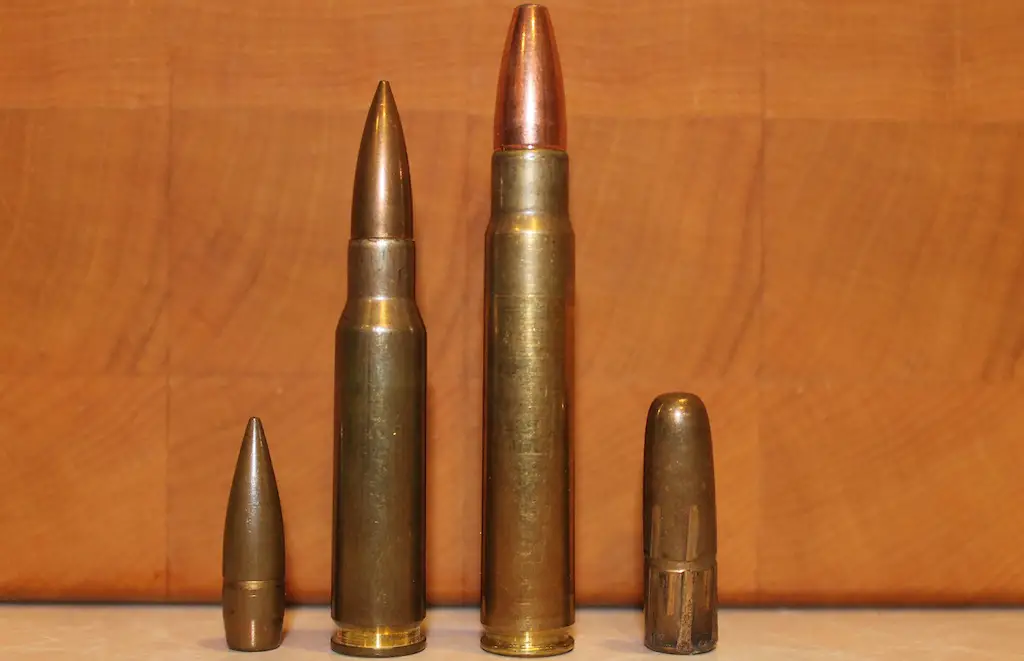
picture of 9.3x62 vs .308
9.3x62mm Mauser vs .308 Winchester

9.3×62 Ballistics

The classic 9.3x62mm Mauser factory load fires a 286 grain bullet at 2,350fps for just over 3,500 ft-lbs of energy. This is the most popular 9.3×62 load and is perfect for hunting virtually any species of game in Africa.

It’s also possible to find other 9.3x62mm Mauser loads firing a 220-320gr bullet at muzzle velocities between 2,200 and 2,650 feet per second. All in all, the 9.3×62 offers a slight edge in performance when compared to the .35 Whelen.

The 9.3x62mm Mauser is most often compared to the .375 H&H Magnum though.

That classic 9.3×62 load of a 286 grain bullet at 2,350 fps (3,507 ft-lbs of energy) certainly does appear to pale in comparison to a typical .375 H&H load of a 300 grain bullet at about 2,550 fps (4,331 ft-lbs of energy).

While the .375 H&H is an outstanding cartridge, the 9.3×62 can provide 85-95% of the power (dependent on the exact load) with less recoil and with the added bonus of being able to fit in a rifle with a standard length action instead of the magnum length action required by the .375 H&H. This makes the rifle shorter, lighter and cheaper overall.

The 9.3x62mm Mauser uses a .366″ bullet though, which is a little smaller than the .375″ bullets used by  the .375 H&H.

Some countries have a .375″ minimum bullet diameter for hunting dangerous game, which means the 9.3×62 is not legal for dangerous game hunting in those places. However, other countries either have no caliber minimum (like Mozambique) or have a 9.2mm minimum (like Zimbabwe).

So, it is correct to say that the 9.3×62 is the minimum legal caliber for hunting cape buffalo in countries like Zimbabwe.

In those countries, the cartridge has an excellent reputation. One of the reasons that the 9.3x62mm cartridge (and the 7mm Mauser for that matter) performs so well on large and dangerous game is because it penetrates deeply and consistently.

Sectional density (SD) is a measure of the ratio of the diameter of a projectile to its mass. All other things equal, a heavier projectile of a given caliber will be longer and therefore have a higher sectional density and consequently penetrate deeper than projectiles with a lower mass and sectional density.

A 270 grain .375″ bullet has a sectional density of .274 and a 300 grain .375″ bullet has a sectional density of .305. Compare that to the .305 sectional density of a 286gr .366″ bullet and the .320 sectional density of a 300gr .366″ bullet.

Since bullet penetration is so important when hunting thick-skinned dangerous game, that advantage in sectional density is one factor that has very likely contributed to the reputation the cartridge has for being effective on cape buffalo.

The relatively mild recoil of the 9.3×62 certainly comes into play as well.

When the two loads compared above are fired in an 8 pound rifle, that 9.3x62mm Mauser load has less than 75% of the free recoil energy of that .375 H&H load.

Many hunters can handle the recoil of both cartridges, but the .375 H&H usually represents the upper end of what the typical hunter can deal with. So, the 9.3x62mm Mauser has a pretty significant edge in this respect. For comparison, most 9.3×62 loads only have 20-30% more recoil than a typical rifle chambered in .30-06 Springfield.

Don’t underestimate the impact that recoil has on the ability of a person to shoot accurately either. Regardless of how well a given person handles recoil, all other things being equal, they will absolutely shoot better with a milder recoil.

This can also facilitate better shot placement, especially for hunters who simply have trouble with the recoil of a .375 H&H.

Lighter recoil typically increases accuracy on the initial shot as well as enabling the hunter to make a rapid follow up shot. As has been said over and over again, where an animal is hit is much more important than what it is hit with, so an accurately placed 9.3mm bullet is much more effective than a poorly placed .375 or .458 caliber bullet.

None of this is to say that the .375 H&H is a bad cartridge, so don’t think I’m trying to bash it. On the contrary, the .375 H&H is an excellent cartridge and is very widely used the world over for good reason: it works.

I’m merely trying to describe some of the advantages of the less popular, 9.3x62mm Mauser when the two are compared.

Hunting With the 9.3x62mm Mauser

Typical 9.3×62 loads are absolutely deadly on medium and large game animals like whitetail deer, wild boar, elk, caribou, and black bear. It’s also incredibly potent on brown bear, grizzly bear, and moose in Alaska and Canada.

The same goes for most species of African plains game (like impala, kudu, wildebeest, waterbuck, zebra, and even eland) as well as animals that you’ll encounter on a New Zealand hunting safari like fallow deer, rusa deer, sika deer, sambar deer, or red stag.

The 9.3x62mm can also work as a great cartridge when hunting the Big 5 like Cape Buffalo and elephant. It’s also a nice choice for other species dangerous game like hippopotamus or Water Buffalo.

While it is the absolute smallest cartridge I would recommend using on buffalo and elephant, the 9.3x62mm will do a great job when using an appropriate controlled expansion or solid bullet that is placed properly. Indeed, many thousands of buffalo and elephant have fallen to the venerable 9.3x62mm over the last century.

That being said, the cartridge is not the best choice for following up a wounded buffalo or elephant in heavy cover, but then again, neither is the .375 H&H (or the .375 Ruger). After all, there’s a reason why so many PHs use rifles chambered in cartridges like .416 Rigby, .458 Win Mag, .458 Lott, or .470 Nitro Express to back-up clients on dangerous game hunts.

Perhaps the biggest advantage of the 9.3x62mm over a .375 H&H is the significantly lower price of rifles chambered for it since the cartridge can fit in a standard length action. Among other manufacturers, Sako, Steyr, Tikka, and CZ all produce rifles chambered in 9.3x62mm.

You can also still purchase a current production Mauser rifle in the cartridge.

Of these, CZ produces perhaps the least expensive, yet still excellent quality example in the Model 550 American which starts at $850 MSRP. Compare that to an MSRP of $1419 for a Winchester Model 70 in .375 H&H, $1450 for a Remington Model 700 in .375 H&H.

Additionally, there is a large selection of high quality ammunition available for the 9.3x62mm. Among others, Nosler, Hornady, Lapua, Norma, Federal, Barnes, Remington, Sellier & Bellot, Woodleigh, Swift, A-Square, and Prvi Partizan all produce loaded rifle ammo for the 9.3×62.

Though it’s possible to find other bullet weights, 285 grain and 286 grain bullets are by far the most popular.

Those same companies also sell high premium grade 9.3mm bullets like the 232 grain and 286 grain Oryx from Norma, the 250 grain AccuBond and the 286 grain Partition from Nosler, and the 286 grain Swift A-Frame, so hand-loaders shouldn’t have trouble making a great performing handload.

Furthermore, the German munitions company RWS also produces excellent quality 9.3mm bullets and ammunition, but they are very expensive and hard to come by in the United States. These manufacturers produce a wide variety of bullets that range from light, rapidly expanding bullets for use on white tailed deer to heavy, controlled expansion soft point and solid bullets for thick skinned African game like elephant and cape buffalo.
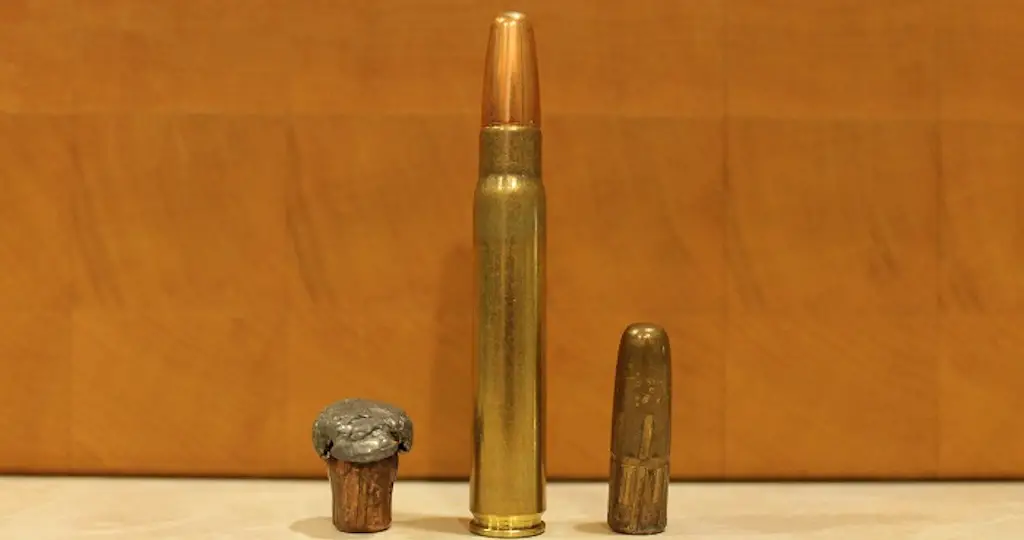
picture of 9.3x62 mm mauser bullets

With a premium rifle chambered in 9.3x62mm, one could legally and ethically hunt virtually every species on Earth from white tailed deer to elephant. I cannot think of many other calibers that would allow a hunter to pursue such a wide variety of species without breaking his or her shoulder or bank account while doing so.I took a Ruger Hawkeye chambered in 9.3×62 cape buffalo hunting in Zimbabwe several years ago. Using 286gr Swift A-Frame and Woodleigh FMJ bullets (above), the venerable 9.3 was almost boringly effective on buffalo, zebra, and impala on that particular safari.

That hunt was a good example of how the 9.3x62mm Mauser got a reputation for being a buffalo slayer.

However, in addition to the previously mentioned shortcomings against stopping a dangerous game charge, the 9.3×62 is not a flat shooting cartridge in the mold of the 7mm Remington Magnum or .300 Winchester Magnum cartridges. So, it’s not really suitable for very long range shots over about 300 yards like one might encounter on a Marco Polo Sheep hunt.

Other than those few exceptions, this caliber fits the bill nicely for the vast majority of big game.

In short, the 9.3x62mm is a fantastic cartridge that can fill a number of different roles virtually anywhere in the world from a Scandinavian moose hunt to a cape buffalo hunt in Zimbabwe. Especially for a hunter who only wants one rifle to hunt a wide variety of big game, the 9.3×62 fills that need admirably.

John “Pondoro” Taylor summed the 9.3x62mm up pretty well when he said in his book African Rifles and Cartridges that “There isn’t really a great deal to say about it. Everybody found it so generally satisfactory that there wasn’t anything to start a discussion.”

Is it a perfect cartridge? No, but I think the 9.3x62mm comes about as close as you can reasonably expect to get with a “one size fits all” solution.

Do you have a rifle chambered in 9.3x62mm Mauser that you’re just itching to take on a hunt?

Book an incredible black bear hunt here.

Book a great South Africa hunting safari here.

The Lyman 50th Edition (p316) and Hornady 10th Edition (p700-702) reloading manuals, Africa’s Most Dangerous by Kevin Robertson, African Rifles and Cartridges by John Taylor, The Reloader’s Nest, and The African Hunter were all used as references for this article.

Enjoy this article on the 9.3×62 mm Mauser? Please share it with your friends on Facebook and Twitter.

Make sure you follow The Big Game Hunting Blog on FacebookInstagramTwitter, and YouTube
Categories
Ammo

Caliber Basics

Categories
All About Guns Ammo

Top 25 Sharp-Shooting 6.5 Creedmoor Rifles (2021) By Elwood Shelton

Choices abound when it comes to top 6.5 Creedmoor rifles. Here are some of the best to get the red-hot round dead on target.

Some of the best rifles to get the Creedmoor to go the distance:

The 6.5 Creedmoor, heard of it? If you haven’t, then perhaps you’re new to firearms or maybe you’ve been cloistered in some cave outside Moab for the past decade living off prickly pears and raw fish. At this point, those are about the only acceptable excuses why you haven’t caught wind of the hottest cartridge to hit shooting since .30 met aught six.

The cartridge has gained notoriety for its ability to clip a gnat’s ass at 1,000 yards without the shooter enduring rented-mule levels of punishment. However, the cartridge is really only one half of the story; the other is the marvelous array of precision shooters to deliver the long-range wunderkind where it needs to be.

Precision Shooting: Savage’s Accuracy Enhancing AccuFit System

With this in mind, here are some of the top 6.5 Creedmoor rifles on the market today. These babies will deliver, no matter the round,  all you have to do is provide a steady hand.

Best 6.5 Creedmoor Rifle Options

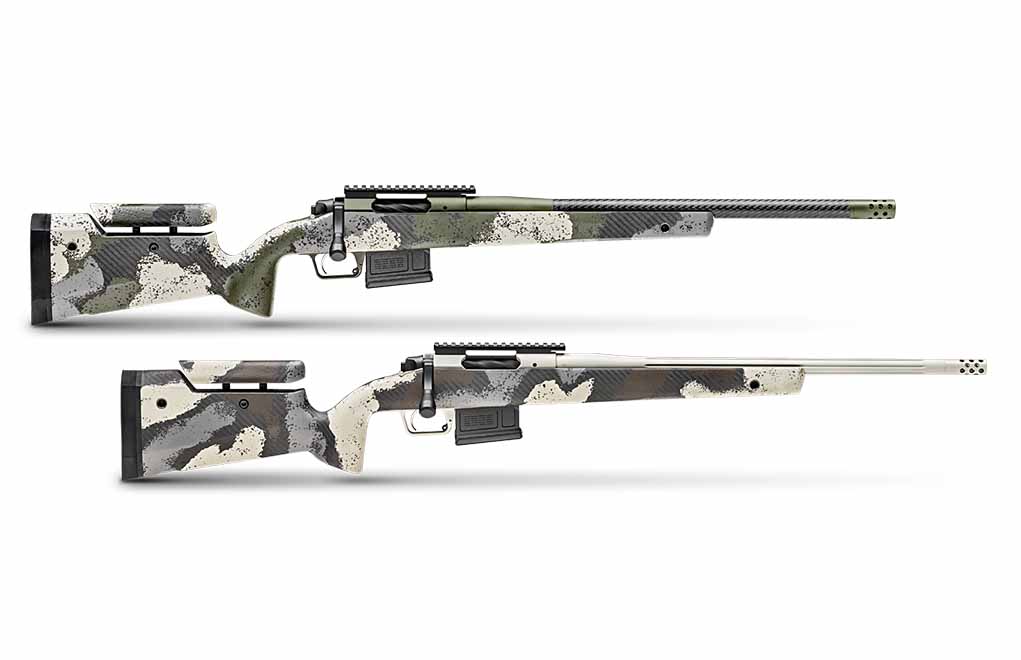
Springfield Armory 2020 Waypoint

Springfield Armory Model 2020 Waypoint 2

To some extent, the 2020 Waypoint shows how far the long-range craze has gone at this point. Strip away the camo and featherlight build and Springfield Armory’s bolt-action hunter would fit right into a precision match, no questions asked.

At the heart of the 6.5 rifle, a tough-as-nails Model 2020 action. Springfield didn’t reinvent the wheel here, basing it off the time-tested Remington 700. But with exceedingly tight tolerances for smooth-as-glass operation, it takes the omnipresent action to a different level. The same goes for the fire tube. With the choice of a fluted stainless steel barrel or ultralight Proof Research carbon-fiber wrapped barrel, shooters are rewarded with an extremely rigid system that eliminates a majority of flex for repeatable accuracy.

Light years away from a traditional hunter set up, Springfield mates the barreled action to a carbon-fiber stock with a hybrid match profile. A wide fore-end offers more area to rest the rifle. A pistol grip enhances control. And a high comb (there’s an adjustable model too) ensures consistent cheek weld. Tack on a smooth trigger and ultra-fast lock time, you can’t miss with the Waypoint. MSRP: $1,699; springfield-armory.com

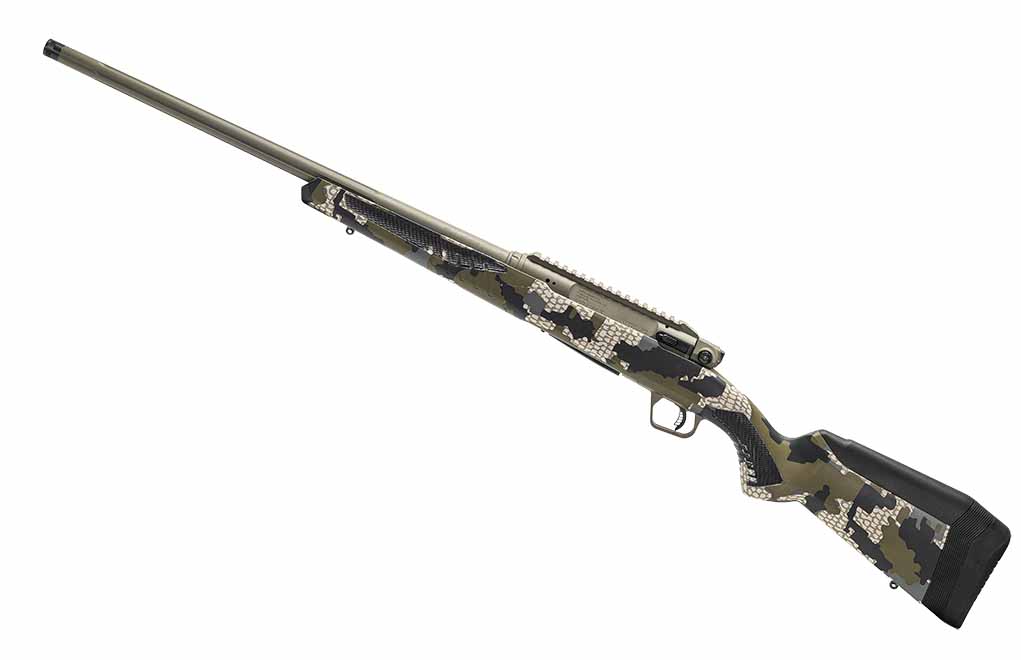
Savage Arms Impulse Big Game

Savage Arms 6.5

Typically, to pick up the pace with the 6.5 Creedmoor shooters shopped AR-10. Savage Arms opens up the game with a rarity this side of the Atlantic Ocean in the Impulse Big Game. A straight-pull, the 6.5 Creedmoor rifle runs just a tick under a semi-auto, while offering up the advantages of a bolt-action. In this department, expect a system as unyielding to flex thanks to its stoutly-built action and thick-enough, medium-contour barrel.

Of course, it’s difficult to focus on the fundamentals of accuracy with the engineering Savage has poured into the Impulse. Utilizing six ball bearings instead of lugs, the straight-pull has an airtight lockup that runs as fast as you can operate the bolt. To aid the process, Savage includes an oversized handle and a relatively short linear throw. Additionally, the Impulse has a few extras shooters have come to expect on precision irons, such as threaded muzzle (5/8-24), fully-adjustable stock (AccuFit), fully-adjustable trigger (AccuTrigger) and rigid hybrid chassis (AccuStock).

Sure, Savage aims the straight-pull at hunters. But anyone who appreciates speed and accuracy is sure to love the Impulse. MSRP: $1,447; savagearms.com

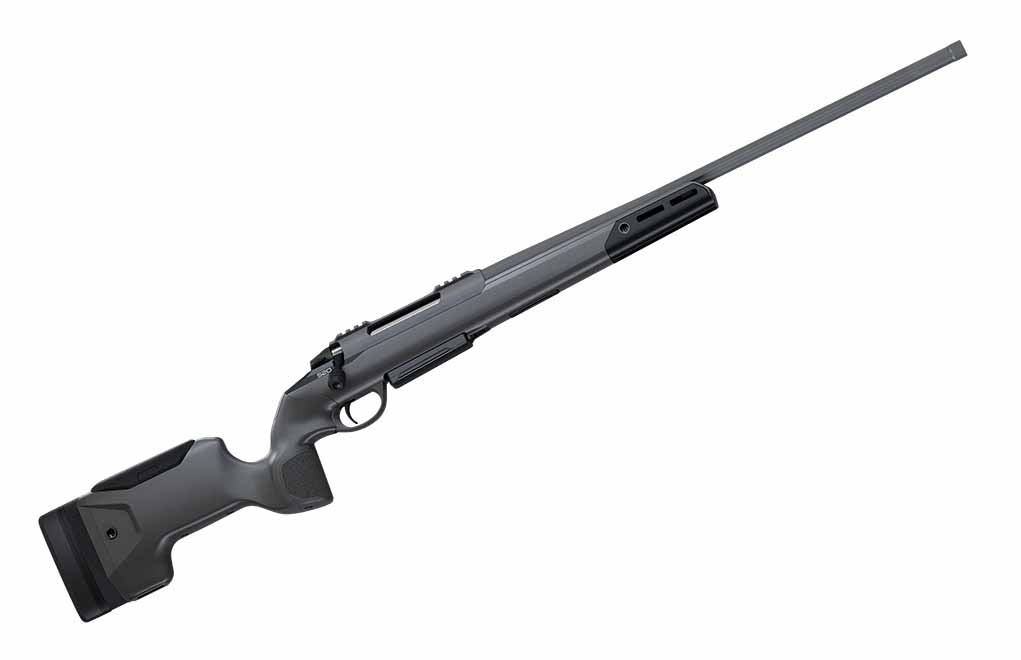
Sako S20

Sako S20 6.5 Creedmoor Rifle

In the past, shooters had essentially two choices when it came to a 6.5 Creedmoor rifle—one tailored to hunting or one tailored to match shooting. Sako took a look at this line and dashed it to pieces with the S20. What might be the first true hybrid hunter/match rifle on the market, the Finnish company marries the two sometimes contrary disciplines with a truly elegant system.

The secret is in the stock, or more exactly stocks. Boasting an interchangeable chassis system, the bolt-action rifle jumps between tactical and hunting configurations in a blink of an eye. Out for coyotes, slap on the thumbhole stock. Looking to drill bullseyes at range, go with the fully-adjustable tactical model. Did we mention, you won’t have to zero after making a switch? Pretty sweet.

As expected from Sako, the S20’s over-engineering extends past its interchangeable V-bedding chassis system. Such features as a rock-solid three-lug bolt, cold-hammer forged stainless steel barrel, adjustable trigger and integrally machined optics rail are all on target. The only question that remains, what’s best configuration for your objectives? MSRP: $1,598; sako.fi

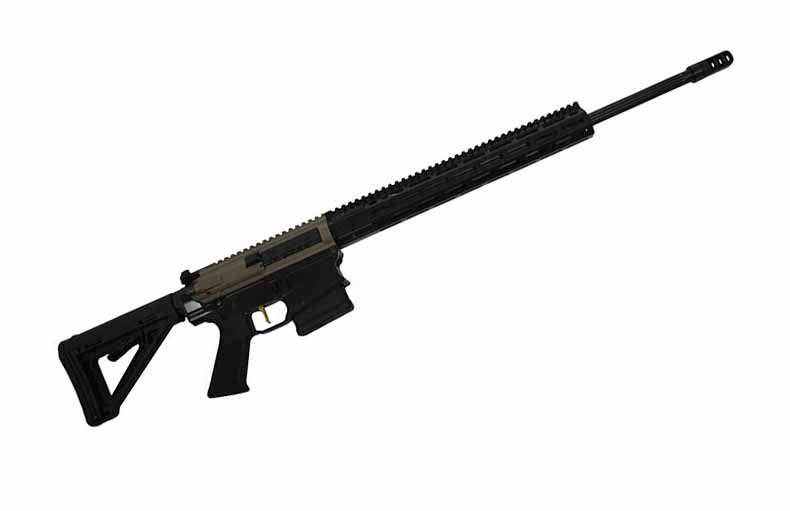
Roam R-10 Great Plains

Roam_Great-Plains-

When you’re hale from Grand Forks, ND, you’re painfully aware of the magnitude of the American West. Perhaps this is why Roam puts a premium on portability in its gun designs, particularly its AR-style 6.5 Creedmoor rifle. The Peace Garden State gunmaker understand you have to put miles under your boots to put meat on the table.

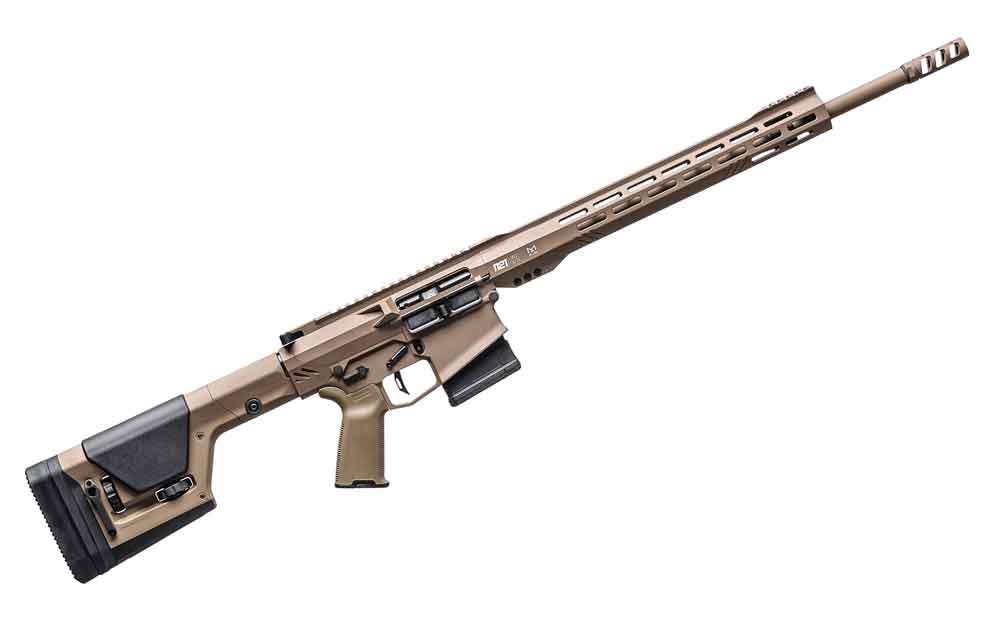
The R-10 Great Plains is optimized for this very job, among the lightest 6.5mm AR-10 (DPMS variant) options out there at an extremely manageable 7.28 pounds. Roam achieves this by turning to lightweight magnesium alloys for the receiver and handguard. The material matches the strength of aluminum while dropping a third of the weight. This weight savings allows for a longer 22-inch fluted heavy barrel, arguably better suited for the 6.5 CM, without upping the heft.

Enhancing the R-10, the choice of the excellent ATC Hybrid AR Gold or JMT Saber Single Stage triggers, upping its accuracy potential. It also has a load of other assets, such as a Radian ambidextrous charging handle, Hogue pistol grip, and Magpul stock with Limbsaver recoil pad. Arguably, it’s the cream of the AR hunter crop. MSRP: $2,799, roamrifles.com

Rock River Arms RBG

RRA

Safe to say, Rock River Arms (RRA) pulled out all the stops catching the precision-shooting wave. Newly minted, the RBG 6.5 Creedmoor rifle is a top-end build that demands a top-end price. Nobody ever said accuracy comes on the cheap.

At the heart of the system is RRA’s stainless steel short action, mated to a 20-inch fluted Wilson barrel, complete with threaded muzzle (5/8-24) and protector. Air gauged and cryo-treated, the barrel is manufactured to exacting standards to deliver consistent sub-MOA accuracy.

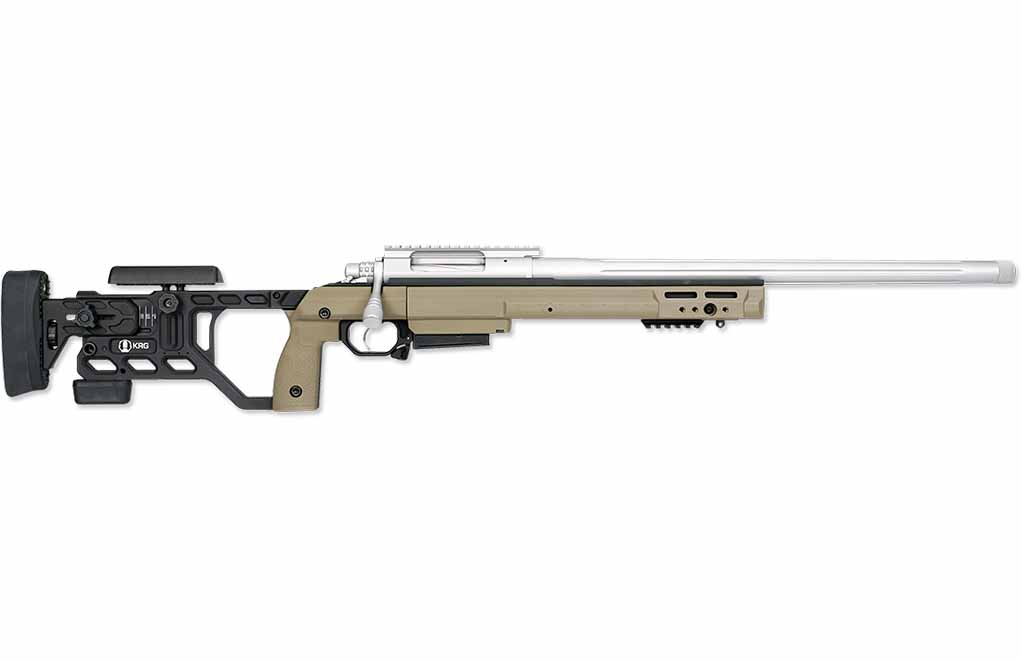
Kinetic Research Group provides the chassis, its Whiskey-3, which is a gem—fully adjustable buttstock, precise aluminum bedding, tool-less adjustment, ample attachment points—the whole shebang. If that not enough, RRA also includes a Triggertech Trigger, oversized knurled bolt handle and built-in bubble canting device standard. It might run a pretty penny, but the RBG still is a great value. MSRP: $4,150, rockriverarms.com

Henry Long Ranger

Long Ranger

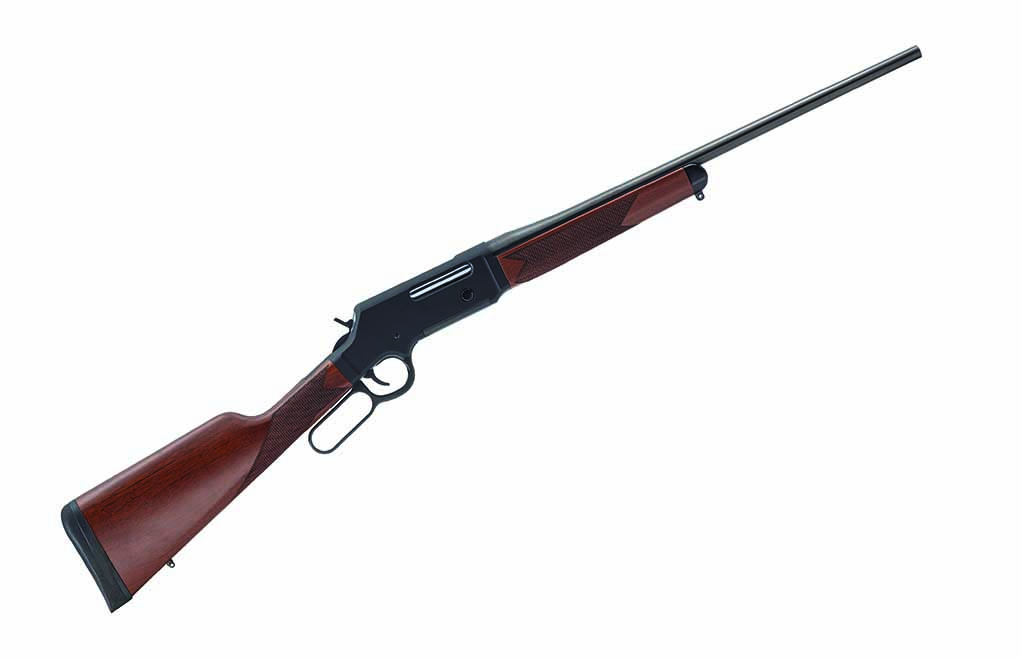
Henry Repeating Arms in a precision rifle list? Sounds crazy, but the purveyor of quality lever-action rifles more than deserves its place with the Long Ranger. The 6.5 Creedmoor rifle delivers accuracy akin to a bolt-action, but with the speed of a repeater.

It pulls off this feat through some ingenious engineering, a bolt that essentially mirrors a bolt-action’s lock-up. The 6-lug rotary head adds an element of consistency, which is easily seen downrange. Not to mention, breathes new life into the lever-action, particularly for long-range hunting.

Find Out More: Henry Long Ranger

Aiding the Long Ranger is Henry incorporating a 4-round magazine, making it safe to chamber the rifle 6.5 CM. American walnut stock and richly blued 22-inch barrel and receiver, the rifle might be the most beautiful on the list. MSRP: $1,105, henryusa.com

MPA BA PMR “Pro” Competition Rifle

MPA BA PMR “Pro” Competition Rifle

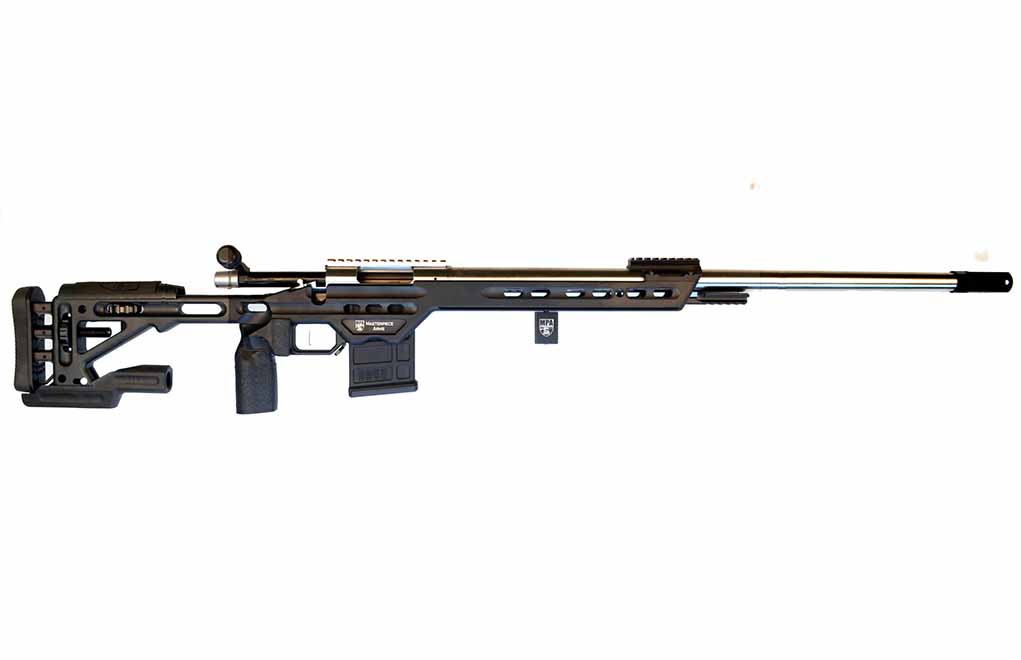
If you compete in or even mildly follow the Precision Rifle Series, you’re cognizant MasterPiece Arms commands respect—and top dollar. While the Georgia gunmaker isn’t jettisoning its premium label, it is making its gold-medal rifles a bit more accessible. Designed to meet the revised standards for the PRS Production Class—less than $2,500—the MPA BA PMR “Pro” Competition Rifle chips down on price, but not quality.

The 6.5 Creedmoor rifle’s heart is MPA’s BA Competition Chassis, a legend in its own right, which boasts unique V-bedding that allow clearance for glass bedding for both the action and straight section of the barrel. From there, MPA mates the chassis with Curtis Custom’s 3-lug short action and a X-Caliber stainless steel barrel (M24 contour). Finally, you get the choice of a Trigger Tech Special (set to 1-3lbs) or Timney HIT (set to 6oz – 2 lbs range) trigger.

All this and about a ton of other features, too numerous to list, make MPA’s Production Class rifle one of the best values to hit the market this year. MSRP: $2,499, masterpiecearms.com

Sig Sauer CROSS Rifle

Sig Sauer Cross Rifle 1

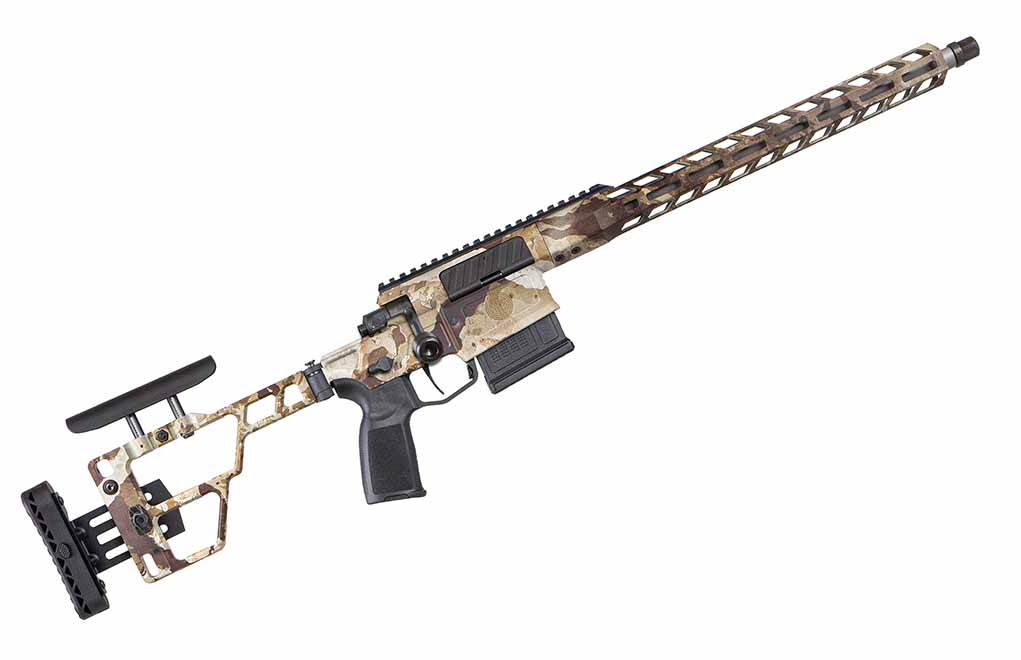
Up to this point, when you wanted a 6.5 Creedmoor rifle for hunting you had two options. A pure sporter, not quite tuned to get the most out of the cartridge or precision rifle, and drag a boat anchor around the backcountry. Sig Sauer saw an opportunity in this divide and produced what might be the perfect compromise between the two. A hybrid, the CROSS Rifle delivers all the accuracy enhancements of a match iron, with the lightness of a true mountain rifle. That’s a deadly combination.

Ultra-lightweight, the CROSS Rifle tips the scales at a mere 6.5 pounds—around 40-percent less than anything else in its class. It boasts a fully-adjustable, folding buttstock—LOP and comb height—skeletonized to keep it svelte. Sig outfits it with a free-floating match barrel (18-inch in 6.5 CM) topped with the taper-lock that works with any of the company’s suppressors.The barrel also is swappable without the aid of a gunsmith, giving you a host of other chambering options.

Other notables include a two-stage adjustable match trigger, M-Lok handguard, ACIS magazine compatibility and interchangeable Picatinny rail. There’s more, but as is, it’s safe to say Sig has rethought the hunting rifle for the better. MSRP: $1,779, sigsauer.com

Daniel Defense DELTA 5

Daniel Defense Delta 5
Taking the modularity of the AR-15 and applying it to a bolt action, Daniel Defense’s DELTA 5 is among the most versatile 6.5 Creedmoor rifles to hit the market. That’s because the turn bolt is more than simply the county-mile wunderkind. It’s also a .308. Crazy, huh? A switch-barrel, the rifle jumps seamlessly between the two long-range standbys, giving you perhaps everything you need in a single precision boomstick. And Daniel Defense makes certain, no matter the caliber, you’ll connect.

Indeed, the gunmaker has pulled out all the stops, decking out the rifle with a 24-inch stainless-steel Palma-profile barrel, mechanically bedded stainless-steel action, over-sized bolt knob, three-lug bolt and cutting-edge stock. The stock is particularly eye-catching, an advanced carbon-fiber reinforced polymer system that’s fully adjustable for length-of-pull and comb height. The DELTA 5 also comes with a total of 14 M-Lok slots and three QD points, making it a breeze to add accessories and a sling. MSRP: $2,199, danieldefense.com

Badrock South Fork

Badrock South Fork 6.5 Creedmoor Rifle
Not exactly cheap, but an incredible value, the South Fork 6.5 Creedmoor rifle teeters on custom-made performance. Makes sense, given Badrock is a division of Defiance Machine, well known for their tailor-made competition-grade actions. The company applies this expertise to piece together the dead-nuts chassis, yet keep the price sane. A steep task, known to turn a gunmaker’s hair gray early.

At the heart of the South Fork is a rock-solid modified Remington Model 700 action, upgraded with a coned bolt-nose, fixed ejector and modified controlled-round feed. The gunmaker mates the action with a 26-inch match-grade stainless-steel barrel, then fits them into a Modular Driven Technology LSS-XL Gen2 chassis (fully adjustable, of course). Meant to meet production rifle standards for competition, the system does make some sacrifices to achieve its price point. The scope base and muzzle device are extras. But for what you get on the South Fork as is, that’s not much to complain about. MSRP: $1,995, badrockrifles.com

Ruger Hawkeye Long Range Target

Ruger Hawkeye Long Range Target
Since Ruger released the Long Range Target a few years ago, shooters have been champing at the bit for a 6.5 Creedmoor option. That wait is over. And the results, nothing short of magnificent.

Originally released as a .300 Win. Mag., the Hawkeye is a cruiserweight precision rig, offering among the sturdiest platforms to launch the 6.5. Thanks to a target stock made of laminated wood, the hefty 11-pound rifle soaks up recoil and anchors like a tick. Furthermore, its two-way adjustable comb and adjustable LOP ensures a perfect fit. QD attachment points and flush-fit M-Lok rail below the forearm gives you a way sling it up and accessorize it. And the 6.5 Creedmoor rifle features a heavy contour stainless-steel barrel paired with Ruger’s famous M77 action, which boasts a one-piece bolt. Yup, it’s controlled feed. Topping it off is a responsive two-stage adjustable target trigger and Ruger’s Precision Rifle Hybrid Muzzle Brake. More than capable of achieving ½ MOA accuracy, the Hawkeye is a gem in 6.5. MSRP: $1,279, ruger.com

Howa Oryx Chassis Rifle

Howa Oryx 6.5 Creedmoor Rifle
As previously shown on this list, Howa has carved a niche as a purveyor of affordable tack drivers. And the company doesn’t show any sign of letting up. Its latest 6.5 Creedmoor rifle is a collaboration with Modular Driven Technologies, a partnership that – for the moment – has created among the most penny-wise chassis options on the market.

The M1500 Oryx features MDT’s Spartan, yet effective monolithic aluminum Oryx chassis. While it doesn’t boast the bells and whistles of some other options, it has what counts – spacer-adjustable length of pull, set-screw adjustable cheek riser, M-Lok mounting points below the forend and an overmolded grip. Howa’s 1500 barreled-action is no slouch itself, featuring a two-lug push-feed bolt, which has built a reputation for tight groups on the cheap. A hair over $1,000, there are few other chassis that come close to what the M1500 Oryx offers. MSRP: $1,059, www.howausa.com

Seekins Precision Havak Bravo

Seekins Precision Havak Bravo
The Havak Action is something special. One of the more innovative to hit precision rifles in a spell, the custom job isn’t simply built like a tank, but also is among the easiest to operate. It’s also the heart of Seekins Precision’s production-class rifle – the Havak Bravo. Given the action alone runs around $1,200, it’s difficult to fathom how the gunmaker pulls off the rifle. Regardless, shooters benefit.

What makes the Havok Action unique is it’s smooth as warm butter to work. A benefit if fast shooting and shot-to-shot accuracy are your goals. Part of this is thanks to a unique helical extraction cam, which sends the bolt back immediately when it’s thrown. The other half of the equation is the 50/50 cocking mechanism, which splits the operation between the bolt’s up and down strokes.

Seeking Precision marries the action with a 24-inch stainless-steel match-grade barrel and mounts them in a KRG Bravo chassis. As expected, the stock is completely adjustable. The 6.5 Creedmoor rifle is finished off with a Timney 510 trigger, which ups the fire tube and your potential accuracy. MSRP: $1,950, seekinsprecision.com
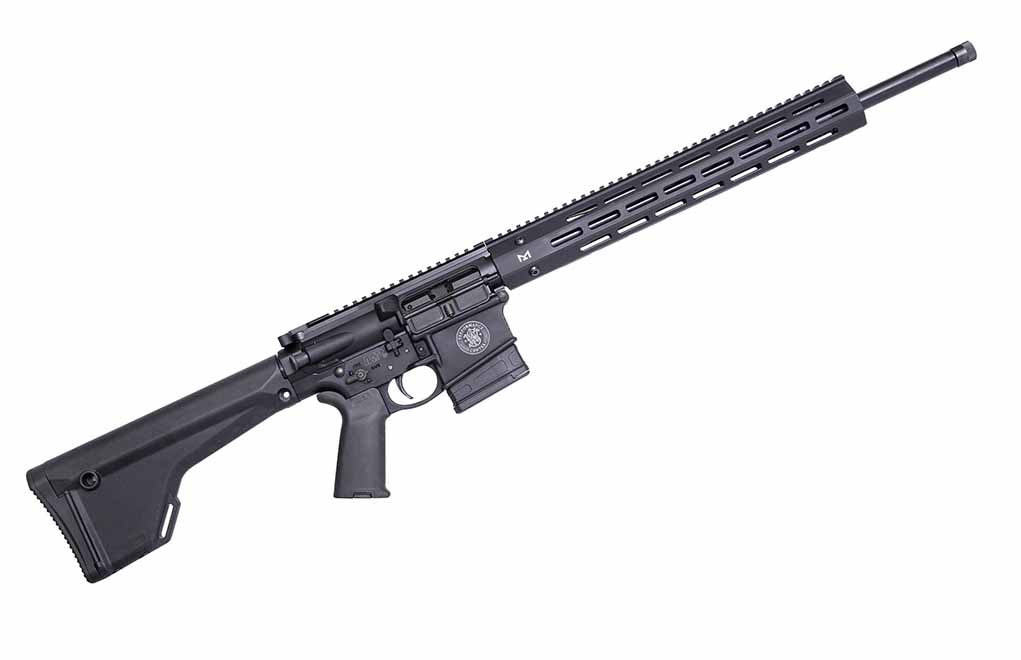
Smith & Wesson M&P 10

Smith & Wesson M&P 10 6.5 Creedmoor Rifle
As far as 6.5 Creedmoor AR-10 rifles are concerned, there are few that come close to what Smith & Wesson offers for the price. In its second generation, the M&P 6.5 Creedmoor Rifle is a jack-of-all-trades – as adept on a hunt as it is in a match. Best of all, the Performance Center creation doesn’t skimp. You have everything you need to milk the most out of the Creedmoor.

Foremost, S&W has opted for a longer 20-inch barrel, ensuring optimal performance with a cartridge that prefers more bore. This is 5R rifled, which, in theory, should help retain the ballistic integrity of the bullet once it’s left the barrel. Keeping recoil in check, the company moved the gas block forward – maintaining shot-to-shot accuracy. To this end, its 9.5-pound weight is a nice middle ground, once again eating up some of the kick, but not making the rifle unwieldy. Furthermore, the Smith & Wesson boasts a Troy Industries 15-inch free floated handguard and a respectable two-stage match trigger. Only the stock leaves a little to desire, given it’s fixed – a Magpul MOE. But given the rest of the rifle’s pros, that’s easy to overlook. MSRP: $2,035, smith-wesson.com

Barrett Fieldcraft

Barrett Fieldcraft
A backcountry rifle worth its weight in backstraps must be two things: accurate and light. Not always conducive goals. But it’s something Barrett has accomplished in spades with its phenomenal Fieldcraft bolt-action.
Light as a daydream, the 6.5 Creedmoor rifle tips the scales at 5.2 pounds. You heard that right – 5.2. The secret behind the weight savings is Barrett drawing inspiration from NULA’s custom action. There’s simply no excess material left to weigh you down, given the action is built around the cartridge for a glove fit. Paired with a thin No. 1 contour barrel, then seated in a hand-laid carbon-fiber stock, you’ve got a rifle you can lug around all day, then some. Not that it doesn’t come with drawbacks. Its litheness increases the generally mild-mannered 6.5’s recoil, but not too unbearable lengths. Certainly not enough to knock you off a follow-up shot on that trophy bull across the canyon. MSRP: $1,879, barrett.net

Standby 6.5 Creedmoor Rifles

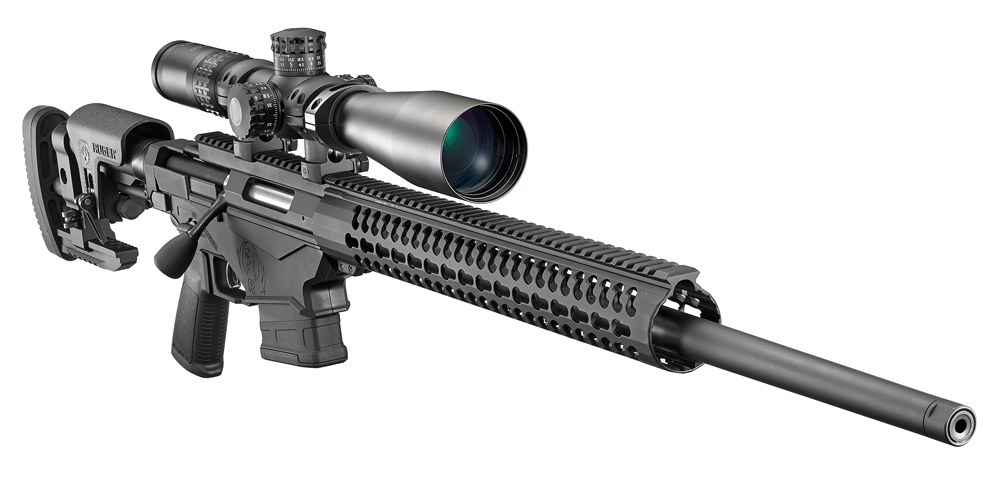
Ruger Precision Rifle

Ruger Precision Rifle a top choice among 6.5 Creedmoor Rifls

Arguably the gun that kicked off the long-range shooting craze, the Ruger Precision Rifle remains among the top in 6.5 Creedmoor rifles. Built around the American Rifle action, Ruger fitted a 24-inch cold hammer-forged medium contour barrel, complete with 5R rifling to protect the integrity of the 6.5’s bullets. Mated to a pre-hardened 4140 chrome-moly steel upper, the platform provides rigidity and a true free-floating barrel.

Read More: Ruger Precision Rifle

Additionally, its inline recoil system, which directs kick straight backwards, makes the rifle more accurate shot to shot. A mainstay now, the Precision Rifle (also chambered .308 Win. and 6mm Creedmoor) was among the first economy long-range shooter to offer a fully adjustable stock. The Precision Rifle’s competition has grown, but it more than has the yarbels to hold its own among other 6.5 Creedmoor rifles and otherwise. MSRP: $1,599, ruger.com

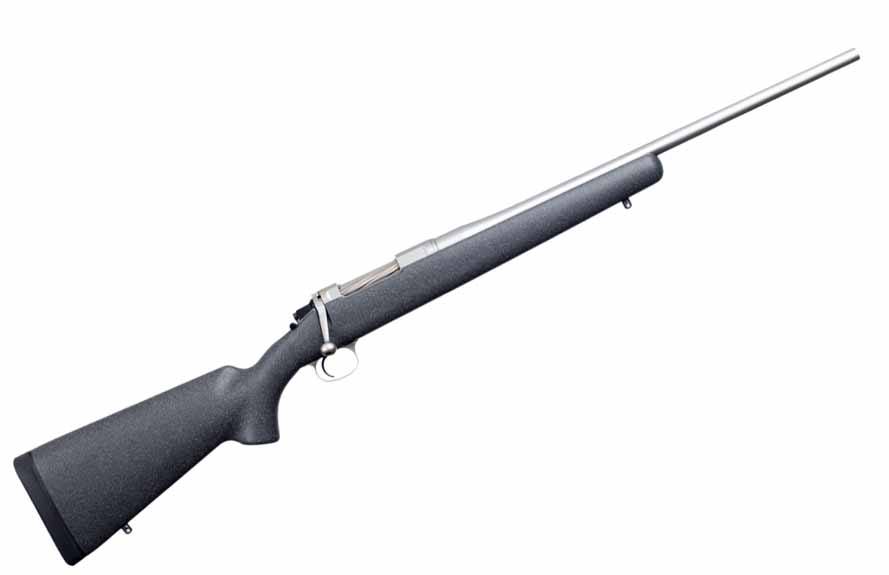
Bergara B-14 HMR

Bergara B-14 HMR a more traditional choices among

Suited to tackle any shooting situation you get a 6.5 Creedmoor tangled up in — from match to field — Bergara’s B-14 HMR (Hunting & Match Rifle) is as flexible as they come. Not as tactically aggressive as some long-range rifles, the B-14 HMR (also available in .308 Win. and .450 Bushmaster) nonetheless is as advanced, with an aluminum skeleton (mini-chassis) molded into the polymer stock to provide indispensable rigidity any precision platform requires. Furthermore, fully adjustable length of pull and cheek riser fits the stock perfectly to any shooter.

Read Also: Bergara’s B-14 BMP (Match Precision) Rifle

Renowned for their actions and barrels, Bergara does not disappoint with its tack-driver, outfitting it with a 22-inch bull barrel and rock-solid B-14 action, known for its silky-smooth operation. A 3-pound trigger, threaded muzzle, AICS detachable box magazine and integrated QD flush cup mounts round out the system. If you can’t truly decide your ultimate aim in the world of 6.5 Creedmoor rifles, Bergara’s economical Jack-of-all-trades is your ticket. MSRP: $1,150, bergara.online/us


RISE Armament 1121XR

RISE Armament 1121XR, when it comes to 6.5 Creedmoor Rifles it's among the fastest shooters

Designed for those who expect more out of their firearms, the 1121XR delivers in the form of a light and capable AR-10 chambered for the 6.5 Creedmoor. The gas-operated semi-auto (also chambered .308 Win.) dispenses bolt-action sub-MOA accuracy with lightning speed aided by RISE Armament’s exceptional RA-535 Advanced-Performance Trigger with a 3.5-pound pull, terse release and micro reset.

Read More: Rise Armament 1121XR Full Review

Furthermore, the 22-inch barreled rifle has all the accouterments to make life easy off the bench or in the field: streamlined billet aluminum M-LOK compatible handguard, Picatinny upper rail and an overall weight just a tick north of 10 pounds. Additionally, the whole shebang gets a durable Cerakote finish available in three color choices — black, foliage green and flat dark earth. If that’s not enough, RISE Armaments throws in two 10-round magazines and a hard case to safely transport the tactical gem. Of all 6.5 Creedmoor rifles, the 1121XR is most certainly the fastest to get you on target again and again. MSRP: $2,449, risearmament.com

Savage Model 10 GRS

Savage Model 10 GRS, perhaps one of the most user-friendly stock in precision 6.5 Creedmoor rifles

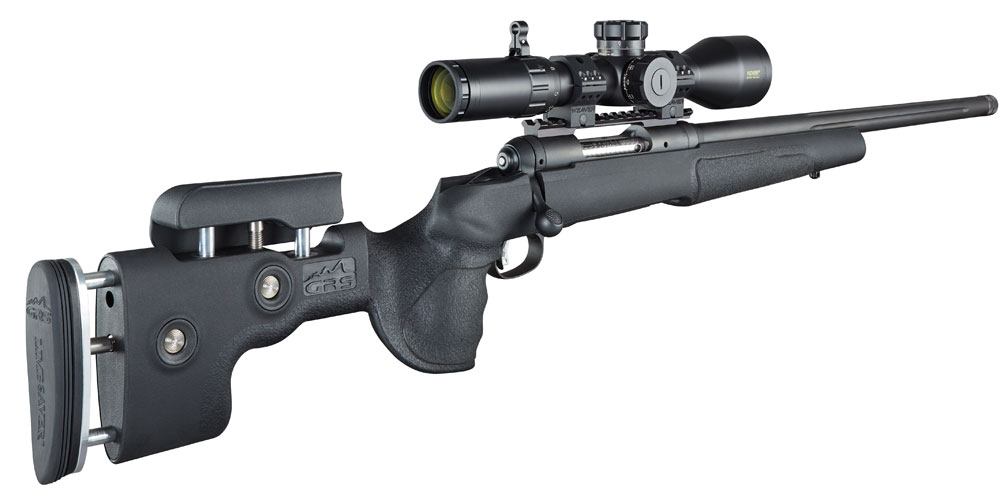
A no-compromise precision rifle with a relatively decent price point, Savage’s 10 GRS comes outfitted with a stock certain to help you deliver a 6.5 round where it needs to go. Constructed of 65-percent fiberglass and featuring pillar-bedding blocks, the Norwegian made stock is the sturdy and stiff platform long-range shooters aim for in their rifles. Moreover, slip-nut controls make length of pull and the cheek rest adjustment push-button matters and an ergonomic full grip gives you the ability to provide the needed rear pressure for solid shouldering.

Read More: Savage Model 10 GRS Full Review

Time-tested, Savage’s Model 10 short action is a near perfect heart for the rifle and gets matted with a 24-inch fluted barrel, which provides great harmonics, while keeping the overall platform at a reasonable weight — a hair under 9 pounds. The GRS also comes chambered in .308 Win., and 6mm Creedmoor. The 6.5 Creedmoor rifle feds off AICS magazines, boasts Savage’s popular adjustable AccuTrigger and comes outfitted with optics rail and sling swivels. MSRP: $1,449, savagearms.com

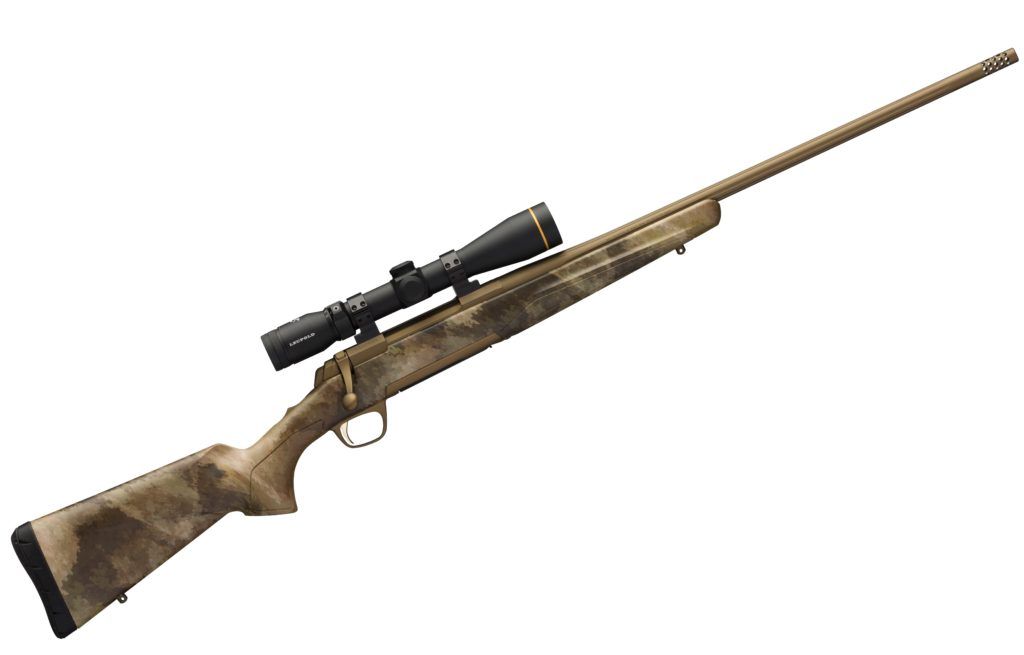
Browning X-Bolt Hells Canyon SPEED

Browning X-Bolt Hells Canyon SPEED, perfect for those looking for a hunting option in 6.5 Creedmoor rifles
Built for long-range backcountry hunting, Browning’s X-Bolt Hell’s Canyon SPEED is wickedly effective at everything it’s designed to do, particularly not bog you down. At 6 pounds 5 ounces, the rifle (available in 13 calibers) is among the lightest 6.5 Creedmoor rifles on the market, hastened by its featherweight composite stock and just enough barrel (a 22-inch sporter) to ensure optimal ballistic performance.

See Also: Browning X-Bolt Long Range Hunter Full Review

Solid as a concrete slab, the X-Bolt remains a top choice among precision hunters with its fast-operating 60-degree bolt lift, dependable detachable rotary magazine and three-lever Feather Trigger. Drilled and tapped, the receiver comes ready for scope mounts and the free-floating barrel is hand chambered to ensure the tightest tolerances. MSRP: $1,200, browning.com

Kimber Advanced Tactical SOC II

Kimber Advanced Tactical SOC II, the professional choice in 6.5 Creedmoor rifles
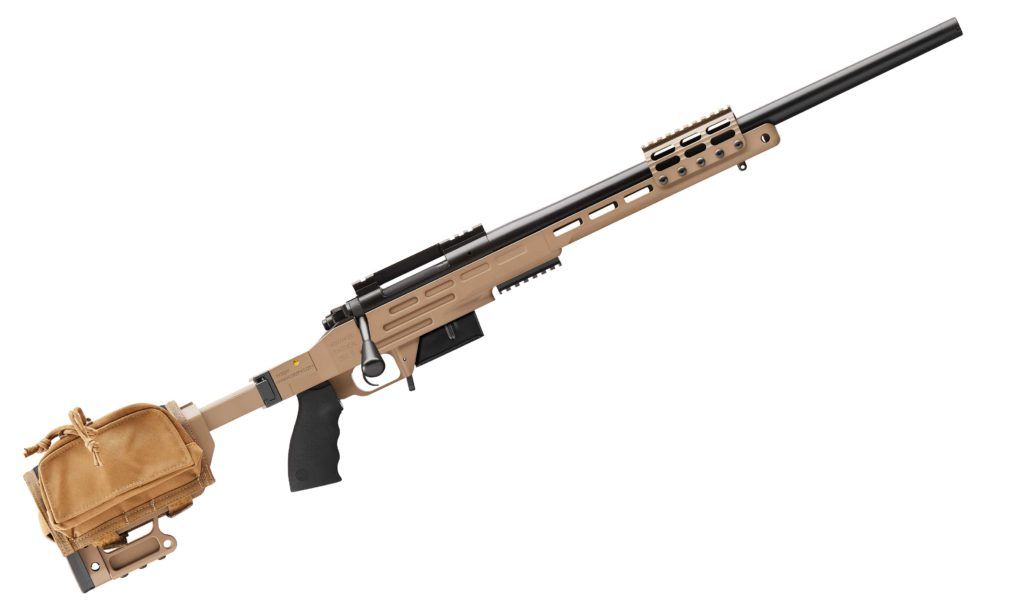
Engineered to meet the exacting needs of military, law enforcement and serious precision shooters, the Kimber Advanced Tactical SOC II (Special Operations Capable) comes with a sub-0.5-MOA guarantee, which it delivers. The fastidiously designed and executed instrument is hand built, outfitted with an adjustable aluminum folding stock, 22-inch stainless-steel barrel and threaded muzzle with protector.

Read Also: 7 Top Pieces for a Tactical Advantage

Moreover, Kimber hits the right notes with traditionalists in the SOC II (also chambered .308 Win.) with a Mauser Action, complete with an oversized claw extractor for controlled feed. Rounding out the rifle, a whisper-break trigger factory set to 2.5 pounds, a match-grade chamber and M-LOK compatible accessory rail. The SOC II runs at the upper end of 6.5 Creedmoor rifles, but is worth every penny. MSRP: $2,450, kimberamerica.com

Howa HCR

Howa HCR, among the most affordable chassis 6.5 Creedmoor rifles

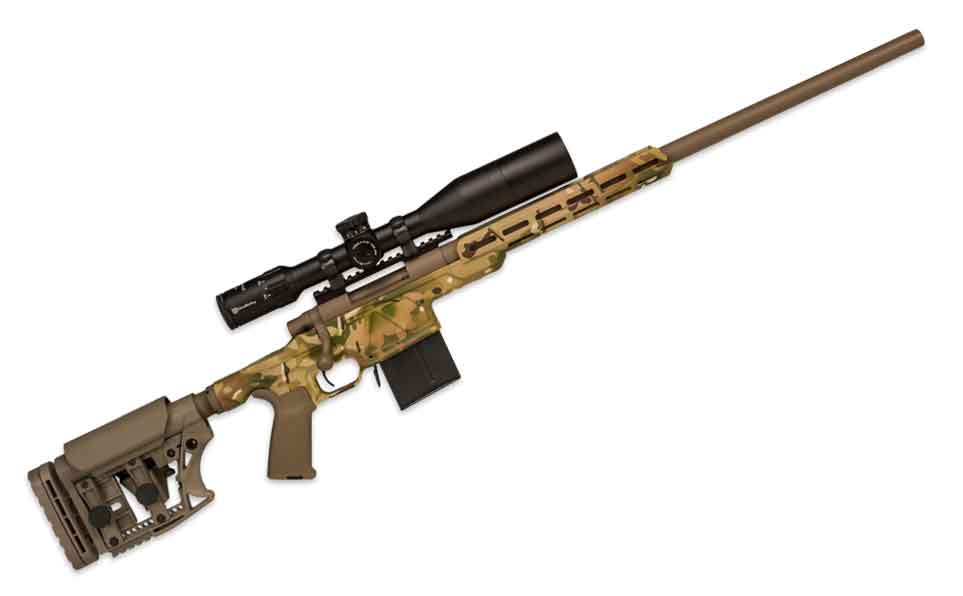
Marrying accuracy and affordability in exquisite fashion, the Howa HCR is the ‘Everyman’s’ chassis rifle. Sturdy as the day is long, the rifle (available in five calibers) boasts an Accurate-Mag monolithic 6061-T6 aluminum chassis, free floating the 6.5 Creedmoor’s 24-inch bull barrel and comes with a fully adjustable LUTH-AR stock with six positions of adjustment. A nice touch, the comb is ambidextrous making the rifle left-hand friendly.

Read More: Howa HCR

Built off the company’s cornerstone 1500 action, the HCR (Howa Chassis Rifle) features a two-lug push-feed bolt, which grazes off a 10-round Teflon-coated all-steel magazine. Howa offers scoped packages of the rifle, outfitted with Nikko Stirling’s Diamond Long Range 4-16x50mm scope. Regardless of what optic is slapped on top of this Howa, it should prove to be one sharpshooter. MSRP: $1,670, howausa.com

Mossberg MVP Precision

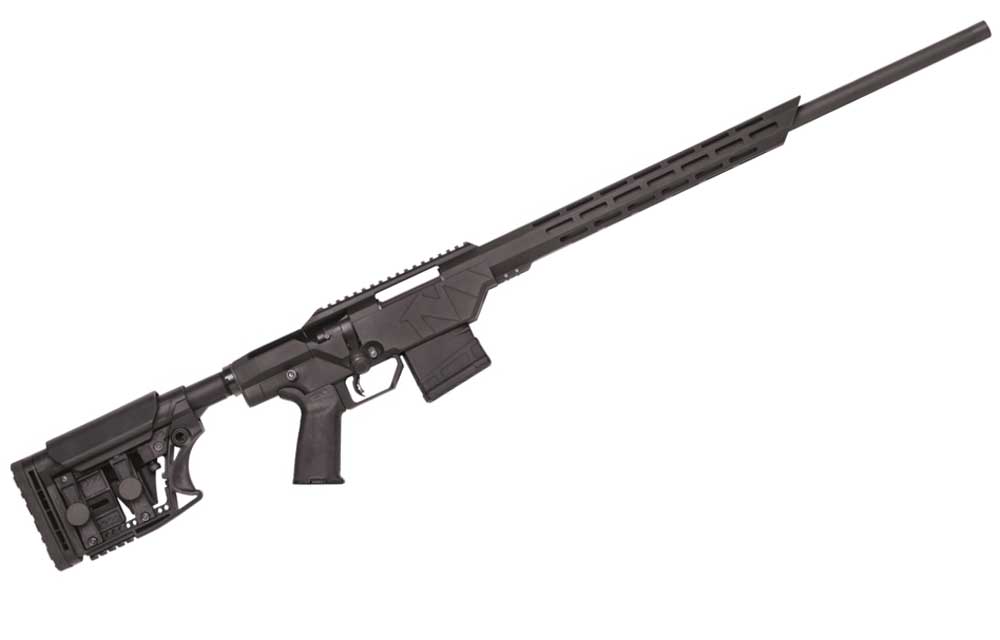
Mossberg MVP Precision, a new choice in 6.5 Creedmoor rifles
Mossberg is a newcomer to the chassis rifle game, but is right on target with its MVP Precision — a professional-grade firearm at a reasonable price. Common to 6.5 Creedmoor rifles of this style, the MVP features a modular chassis, in-house designed and constructed of aircraft-grade aluminum, and sports a slim-profile M-LOK compatible handguard.

A full-length 20 MOA Picatinny rail gives shooters more range on their optics, mounting them higher, and a LUTH-AR MBA-3 stock adjusts for length of pull, cast and comb height. The rifle (also chambered .308 Win.) boasts a patented LBA Adjustable Trigger, tunable from 3 to 7 pounds, and comes outfitted with a threaded (cap included) 24-inch medium bull barrel. Cleverly, a scalloped tactical bolt handle provides more clearance for large or gloved hands. MSRP: $1,407, mossberg.com

Tikka T3x Tactical Compact Rifle

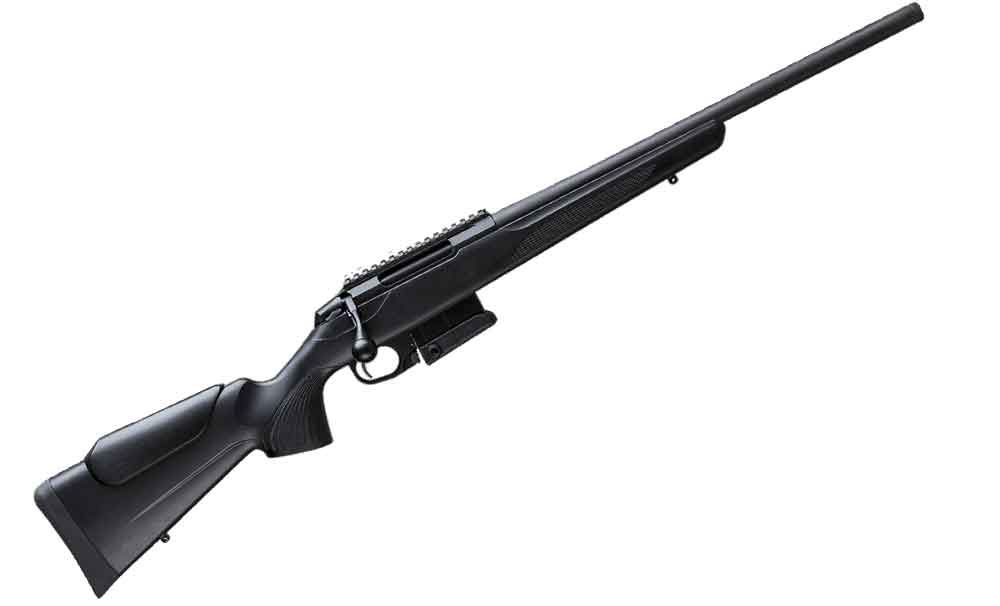
Tikka T3x Tactical Compact, a nimble choice of the 6.5 Creedmoor rifles
6.5 Creedmoor rifles generally tend toward long barrels, but Tikka gives shooters a more petite option with this neat little tactical gem. Available with a 20- or 24-inch semi-heavy contour barrel, the T3x Tactical Compact Rifle can fill the role of traditional long-range shooter or nimble sniper rifle.

Built around Tikka’s broached action, the Finnish rifle (also available in .260 Rem., and .308 Win.) is stiff as starched sheets and features an enlarged ejection port making it possible to feed a round directly into the action. More traditional, the lightweight rifle’s fiberglass-reinforced stock nevertheless provides desired rigidity to the firearm and an oversized bolt handle makes the bolt-action lightening fast in operation. An interesting touch, the buttstock comes with a foam insert to keep the rifle whisper quiet when stealth is at a premium. MSRP: $1,275, tikka.fi/en-us

Springfield M1A Loaded

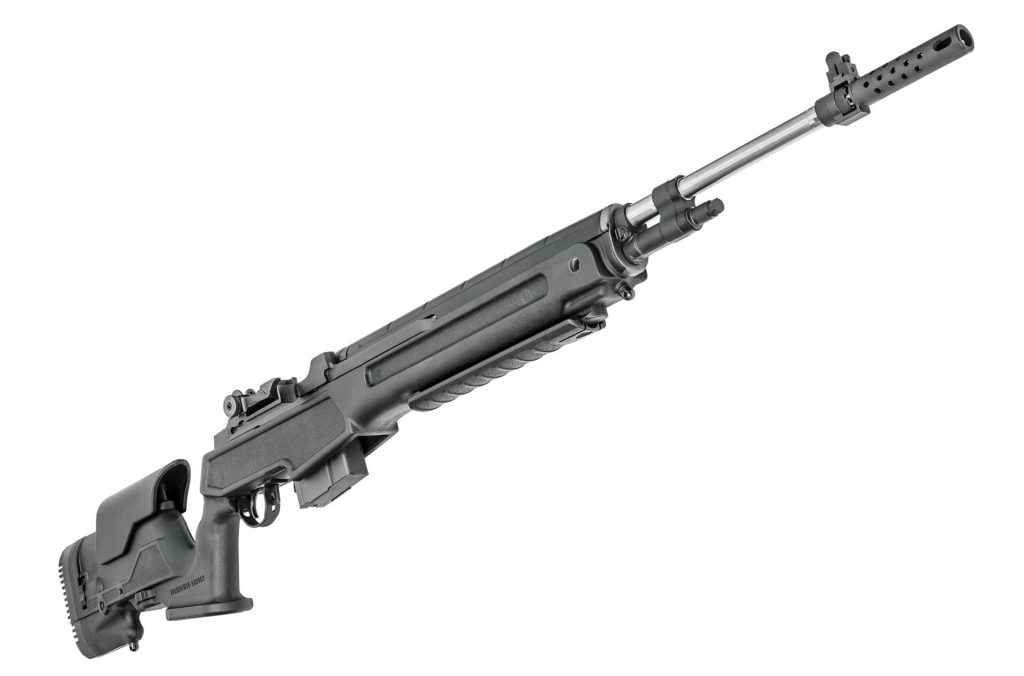
Springfield M1A Loaded, when it comes to 6.5 Creedmoor rifles this is a modern classic

A staple in match shoots for decades, Springfield took the M1A’s accuracy a step further with the introduction of a 6.5 Creedmoor model. The semi-automatic version of the M14 platform (also available in .308 Win.) has everything you need to shoot a country mile in a New York minute: air-gauged National Match barrel, 4.5-pound two-stage trigger, front blade and rear aperture sights.

Read More:  Springfield M1A 6.5 Creedmoor Review

However, this M1A goes a step further than its siblings boasting a stock fully adjustable for length of pull and comb height. The rifle is a beast, tipping the scales at 11.4 pounds and measuring 45-46.25 inches, but the extra material should make the M1A among the softest shooting 6.5 Creedmoor rifles at the range or anywhere else. MSRP: $2,045, springfield-armory.com


Do you have a favorite you think should figure into this list? Think we’ve included a stinker? Tell us about it in the comments.

Categories
All About Guns Ammo

Smith & Wesson 360PD .357 magnum – OUCH

Categories
All About Guns Ammo

Full Auto Smith & Wesson 500 (Double Fire)

Categories
Ammo

The Scariest Shotgun Slug you’ll ever see

Categories
Ammo Well I thought it was neat!

300 H&H Magnum

Categories
Ammo Fieldcraft

Clay’s Guide to Urban Defense: Ep. 3 The Amount of Ammo You’ll Actually Need by CLAY MARTIN

President Donald J. Trump. (Photo: Twitter)

Before we continue with our regularly scheduled programming, a quick message from our commander-in-chief:

“They will overturn everything that we’ve done and they’ll do it quickly and violently, and violently. There’s violence. When you look at Antifa and you look at some of these groups — these are violent people.”

— President Donald Trump, August 2018, on what could happen if the GOP loses in the upcoming midterms.

Clay’s Guide to Urban Defense

Now that we have talked until we are blue in the face about guns, we have to talk about what to feed them. What I am about to say will no doubt ruffle feathers.  But let’s try to be civil.  This is only one man’s opinion. And if you don’t agree with me, you can always tune back in next week, after you let me know in the comments section that I am an idiot and my mother worked in the less savory districts of Bangkok.

Seriously, on the ammo issue, this is probably going to be controversial. I have a different experience than most people and a different skill set. My personal needs are obviously tailored to me, as yours should be tailored o you. This time, it probably doesn’t mean I think your ammo pile is too small. It means I think it is ridiculously over-sized for the task at hand.  Mine is too, so hear me out…

The kind of ammo stash that makes fire departments nervous.

Less is More?

If we are talking about someone starting to prep, and in this case preparing for a Mongolian horde event, the easy answer is to tell them to snag one million rounds! Preferably in a Dr. Evil voice. But the reality is that is too much, especially when we are talking solely about the amount one will need.

I have a massive stockpile, as I am sure most of you do too. But that is more a hedge against inflation than an insurance policy for Antifa. I have the storage space, so no harm no foul. If you could go back 10 years and buy Facebook stock or .22 LR, that you had to keep until today, which one would you prefer? Me too.

The one thing I see over and over again in prepping circles is a belief that a mountain of ammo is all you need. Absolutely not true! In fact, I believe that most people would be better off with 300 rounds and the skills of having shot 20,000 as opposed to 20,000 stockpiled and the skills of having shot 300.

For my personal TEOTWAWKI (Total End Of The World As We Know It) stash, I only count 500 rounds of 77-grain 5.56 and an additional 300 rounds of 6.5 Creedmoor. My pistol isn’t even coming with me unless I am taking my truck and half of that Creedmoor is to cache in short order. Everything else, including all the extra boomsticks, is for barter, to bury, or expendable. Because in my experience, mobility is a lot more important than firepower. If my skills won’t get a resupply as needed with that loadout, I’m not going to make it anyway.

If I was planning an Urban Defense, like we are right now, I would actually upscale those numbers a bit. You still have to keep it sane because apartments are small and bullets are heavy. Not to mention expensive when you buy them in quantity. It changes a little bit both being in a defensive position and being in the concrete jungle.

Centerfire Rifle

For your centerfire rifle, I feel like 1,000 rounds is enough. Have I used more than that in a day of Urban Combat? Absolutely. By a factor of three on some really nasty occasions. But that was mostly in a street fight, where cover was sometimes scarce and the enemy had mountains of ammo to throw back. If someone starts chucking basketball-sized “Dishka” (DShK 1938) rounds past you, you do whatever is needed to shut that thing down.

On normal types of combat operations, 2-3 magazines was more likely, so 60-90 rounds. It turns out, experience and hitting what you are aiming at are important things. If you ask most guys from assault-type units what they took with them by the end of the war, 4 magazines is the most common answer. If you splay out 300 bad guys in front of your building, I’m betting your problems will stop. And if you think my suggestion is light, the cost and space aren’t that high to double it.

Pistols

For your pistol or pistols, 200 rounds per gun is a good starting point. Or 500 rounds if you only have one. At close range, or against an area target, your pistol is going to work good enough. Two hundred is a big enough figure that your barista pressed into service can’t spend it all at once. It is a strange idea to have half as many pistol rounds as rifle rounds but in this context it makes sense. If you are only arming yourself (because you don’t trust anyone else or you’re on your own), I would reduce this down to 100 max, and add 500 to the rifle.

Shotgun

For the shotgun, ammo is super heavy. It isn’t going to be fun to move around, and if it comes time to escape, this would be my last choice. But you are going to be using it if the human wave closes in, so have enough to feed it. I would use 150 Buckshot and 50 slugs as a solid count.

Rimfire

For rimfire, go a little heavier. Given your defensive position, rimfire punches well above its weight class. At nearly one-third of the weight of rifle or pistol, you can get a little froggy here. Not my choice for fighting in a phone booth, but it beats a knife any day. I like a nice round figure of 5,000 here, which happens to be a full case.

Conclusion

So there we are. Your total urban defense ammo loadout by my calculation costs you just over $1,200 dollars. If you happen to have more on hand, awesome. But between now and when you need it, I strongly recommend you use some of that extra ammo to hone your skills.

Categories
Ammo

Minie Ball Cartridge Kit Tutorial

Categories
Ammo

Remembering the .375 Winchester Cartridge from the American Rifleman

357_lede_11.jpg

Top: The Winchester Model 94 XTR Big Bore carbine was the first, and one of the few, guns chambered in the .375 Win.

I’m here to praise the .375 Winchester, not lay it to rest, although over the years a lot of dirt has been shoveled on the cartridge for various reasons.

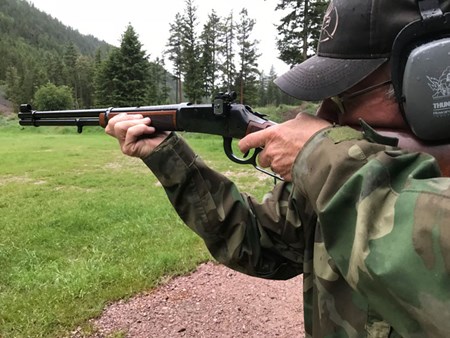
The .375 Win. cartridge was introduced in 1978 in the Winchester Model 94 XTR Big Bore carbine. Here was a cartridge that fired considerably heavier bullets than the .30-30 Win., and in a rifle that weighed a packable 6.5 lbs. I bought my .375 Big Bore off the used gun rack at a local sporting goods store and became a fan of the cartridge once I started shooting and hunting with the rifle.


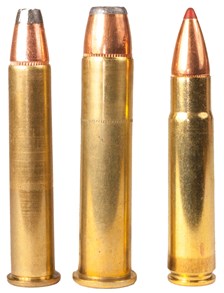
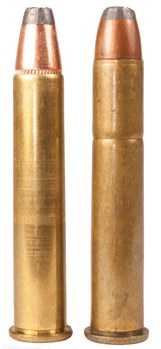
The .375 Win. (left) stands in next to some large competition, such as the .45-70 Gov’t. (center) and .35 Remington (right).

The .375’s maximum average pressure is 52,000 copper units of pressure (CUP), much higher than the .30-30 Win.’s 38,000 CUP. To contain the .375’s relatively high pressure the rear of the Big Bore’s receiver, surrounding the rear vertical locking lugs, is about a quarter of an inch thicker than the receiver of regular Model 94s. The XTR was an upscale edition of the Model 94 with checkering on its straight grip and forearm, high gloss bluing and a red thin butt pad. In 1983 the Angle Eject feature added so cases ejected out the right side of the receiver to allow mounting a scope over the receiver. A raised comb and a transfer-bar safety were also added to these Angle Eject carbines. But I was one of the few who liked the cartridge, because it was dropped from the Model 94 line after a short 9-year life in 1986.


The .375 Win. (left) was intended as a modern rendition on the old .38-55 Win. (right). A .38-55 cartridge will fit in a .375 chamber, however, its longer length makes it dangerous to shoot in a .375. The .375’s high pressure makes it dangerous to shoot in a rifle chambered in .38-55.

For an even shorter time, other rifles were chambered in .375. Marlin chambered its 336 lever-action in .375 and called it the Model 375 from 1980 to ’82. Ruger chambered it in its single-shot No. 3 and Savage in its lever-action Model 99 chambered it for a short while.

The .375 Win. resembles the older .38-55 Win. and may have been introduced as a modern form of the old Winchester cartridge. Winchester initially loaded the .375 with 200-gr. Power-Point bullets with a muzzle velocity of 2,200 f.p.s. and 250-gr. Power-Points at 1,900 f.p.s. Winchester stills lists the 200-gr. load on its website. But availability is sparse. One Internet sites sells Winchesters for $60 a box, plus shipping. Buffalo Arms sells .375 ammo loaded with Barnes Original 255-gr. bullets for $60.89 for a box of 20.


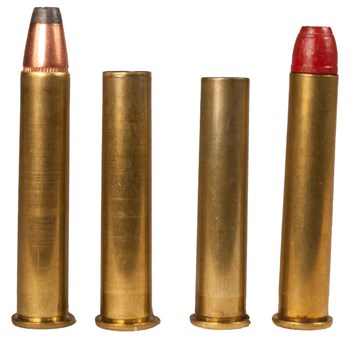
Cases for the .375 Win. are difficult to find and expensive when you do. Necked out .30-30 cases work fine for low-pressure loads. The two cases on the left are .375s and the two on the right are necked out .30-30s.

The closest I came to a box of factory .375 ammunition was at a gun store a few years ago. A box of Winchester cartridges had sat on the shelf so long the print on the face of the box had completely faded. On the end of the box was a price tag of $43.

I asked the clerk, “Is that price correct?”

“Let me check,” he replied.

He returned a minute later. “Nope, that’s not the right price. It should be $58.”

Such expensive ammunition does not bode well for a cartridge’s longevity.

  
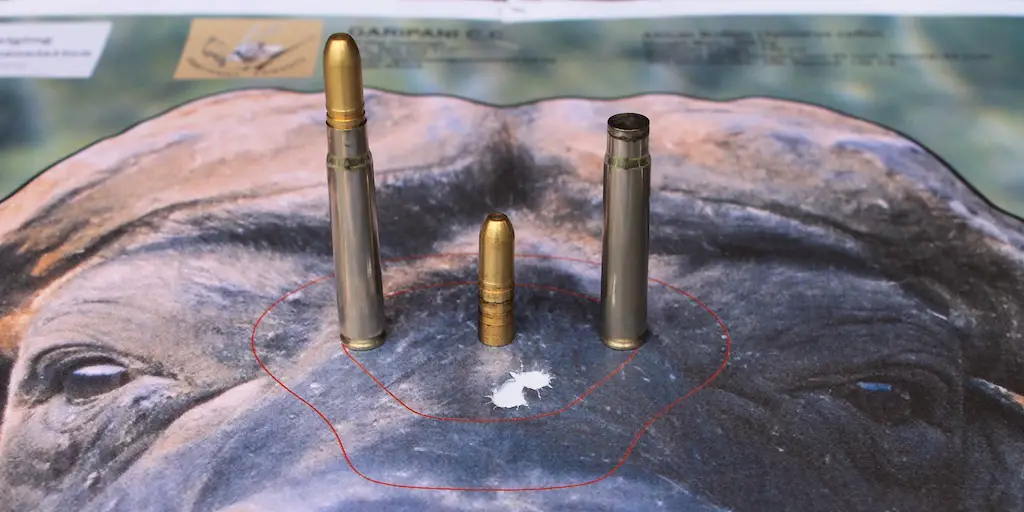
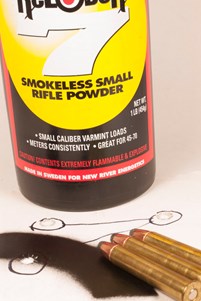
A Winchester Model 94 XTR Big Bore .375 shot this group (left) at 100 yards shooting Barnes Original 255-gr. bullets and Reloder 7 powder. A Winchester Model 94 XTR Big Bore .375 shot this group (right) at 100 yds. shooting Barnes Original 255-gr. bullets and Reloder 7 powder.

That leaves handloading. Cases are ridiculously expensive, if you can even find any. Thankfully, I bought 100 Winchester cases along with my rifle. But they are reserved for full-power loads because of their thick construction. Necked out .30-30 cases work in a pinch. The resulting cases average 0.05” shorter and 18 grs. lighter than factory .375 cases and work fine for reduced-pressure loads.


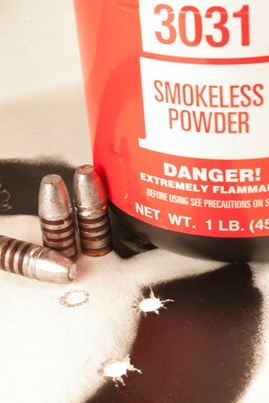
A Winchester Model 94 XTR Big Bore .375 shot this group at 100 yards shooting cast bullets and IMR 3031 powder.

Bullets for handloading are somewhat more available. Sierra sells a 200-gr. flat nose and Barnes its Original 255-gr. soft point. Hawk Bullets sells 180, 200 and 250-gr. flat point bullets suitable for the .375. That’s about it.

Bullets are always available when you have a bullet mold in hand. The .375’s velocities top out at about 2,100 f.p.s., which are just right for cast bullets. Lee, Lyman, RCBS and Redding SAECO sell molds that cast flat nose bullets for the .375. My Lyman 375449 mold casts bullets that weigh 267-grs., with the addition of a gas check.


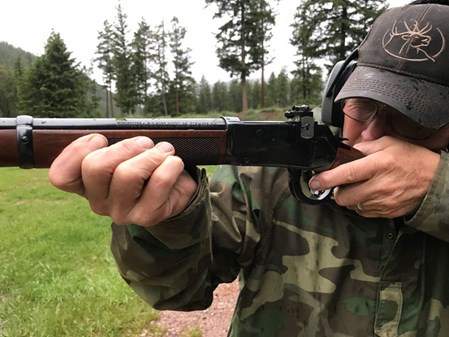
A Winchester Big Bore Model 94 chambered in .375 Win. provides some serious clout in a light rifle.

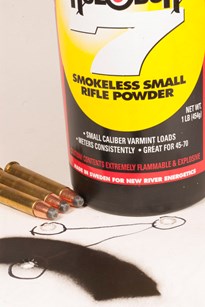
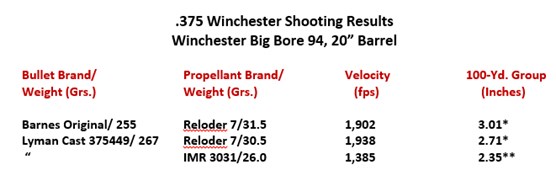
I’ve shot the cast Lyman and Barnes 255-gr. bullets with 8 powders, Accurate 5744 on the fast side to W748 on the slow end. Reloder 7, by far, provided the best accuracy and highest velocities. For hunting, 30.5 grs. of Reloder 7 fired the Lyman bullet at 1,938 f.p.s. with groups of 2” to 3” at 100 yds.

The .375 and .38-55 are 2 peas in a pod. So the .375 should share the .38-55’s reputation for accurately shooting cast bullets at about 1,400 f.p.s. I loaded the .375 with the Lyman bullet with 26.0 grs. of IMR 3031to attain about that speed. Two, 3-shot groups at 100 yds. averaged 2.35”, which is pretty good for my eyes aiming iron sights.

.375 Plight
The first whitetail I shot with the .375 ran down off the ridge without missing a step. The deer’s tracks stopped after 50 yards with the deer dead next to a log. The Lyman cast bullet had poked a hole about the size of a quarter through both lungs. My son shot two whitetails with Barnes 255-gr. bullets with the same results. My son, though, looks at the .375 as a relic of an ancient era. He considers the .375’s ballistics feeble and would rather hunt with bolt-action rifle chambered in 7 mm-08 or .300 WSM.

The majority of hunters agree. The 200-gr. bullet still loaded for the .375 by Winchester really offers no better performance on game than a 170-gr. bullet from a .30-30 or 200-gr. bullet from a .35 Remington shot at the same speed. Those cartridges have well-filled the “brush cartridge” niche. Ammunition and handloading components for the .30-30 and .35 are also readily available.

Only when shooting heavier bullets does the .375 offer anything superior to some other short-range hunting cartridges. The heavy-hitter .45-70 Gov’t, though, has staked out that position. And once again, with existing ammunition and handloading components.

So while I praise the .375 Win., except for hunting rifle fanatics, the cartridge is most likely no more.

Velocities were recorded 9’ in front of the Winchester’s muzzle and are the average of 6 shots. Groups are the average of 2, 3-shot groups. *-Winchester .375 cases and **-necked-out Remington .30-30 cases used with Winchester Large Rifle primers. Temperature 55 to 60 degrees.


The .375 Win. is perfect for hunting white-tailed deer in the timber. However, several other cartridges offer the same advantages.