Category: Ammo
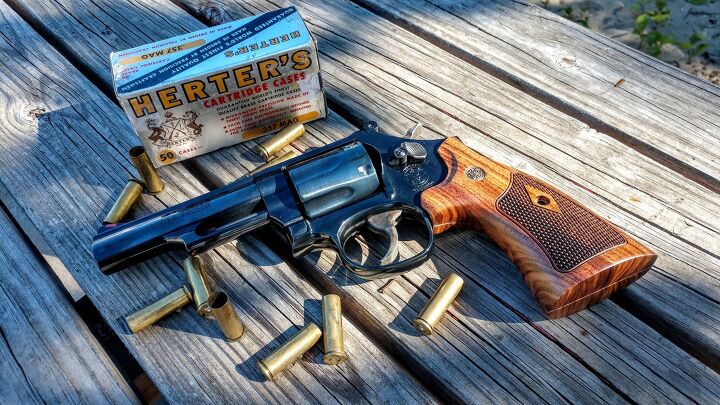
While many firearm owners nowadays love their high-capacity polymer pistols there is still a strong segment of shooters who love their revolvers.
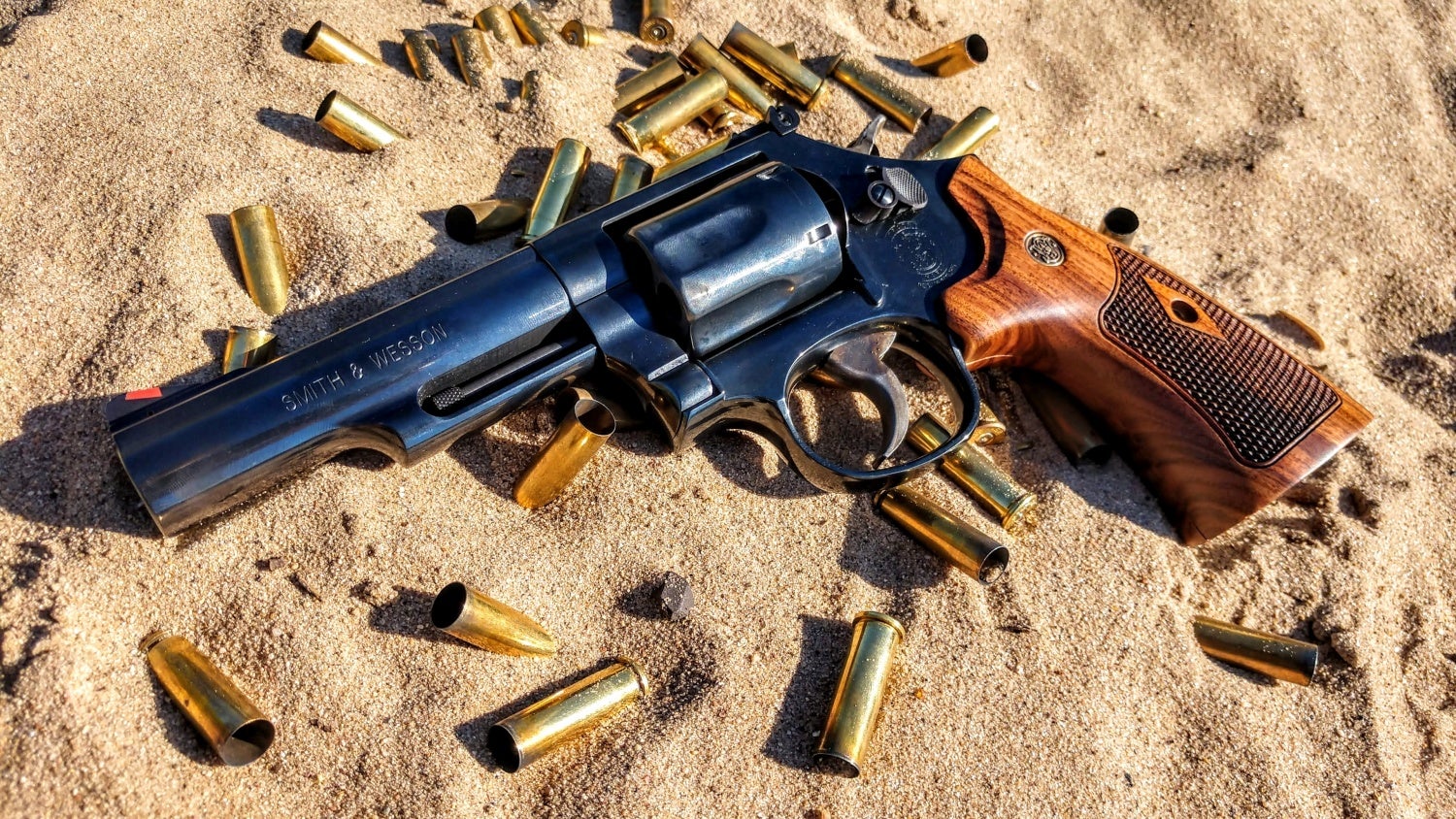
Especially the throwbacks with deep illustrious bluing, superb accuracy and gorgeous wood grips. In this TFB review we examine a revolver just like that in the Smith & Wesson Model 19 Classic .357 Magnum.
Especially the throwbacks with deep illustrious bluing, superb accuracy and gorgeous wood grips. In this TFB review we examine a revolver just like that in the Smith & Wesson Model 19 Classic .357 Magnum.
This is a revolver that pays homage to the craftsmanship and appearance of how Smith & Wesson and many companies used to produce wheelguns. For Smith & Wesson, their iconic red ramp front sight is present, you have a finish you can see your reflection in and the wood grips are crafted like they are truly art.
While the appearance absolutely counts for something it is not everything. We will review this revolver to see if the look, price-point, functionality and accuracy all add up to something you may want to buy for yourself.
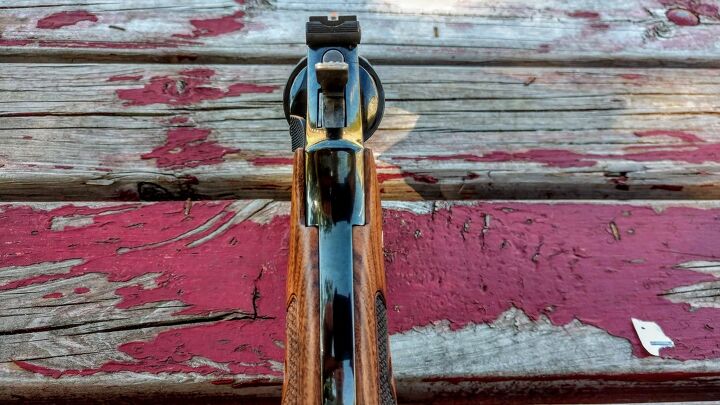
SPECIFICATIONS: SMITH & WESSON MODEL 19 CLASSIC .357 MAGNUM
Before making spent brass tumble to the ground it is always important to examine what you are working with. This is the complete specification listing for the Model 19 Classic .357 Magnum as presented by Smith & Wesson.
- Red Ramp Front Sight & Black Blade, Adjustable Rear Sight
- 4.25″ Stainless Steel Barrel w/ High Polished Blued Finish
- Custom Walnut Wood Grips & Classic-Style Thumbpiece
- Carbon Steel Frame & Cylinder w/ High Polished Blued Finish
- Caliber: . 357 Magnum / .38 S&W Special+P
- Capacity: 6 Round Cylinder
- Action: Single- / Double-Action
- Overall Length: 9.9″
- Weight: 37.2 Ounces
- MSRP: $826
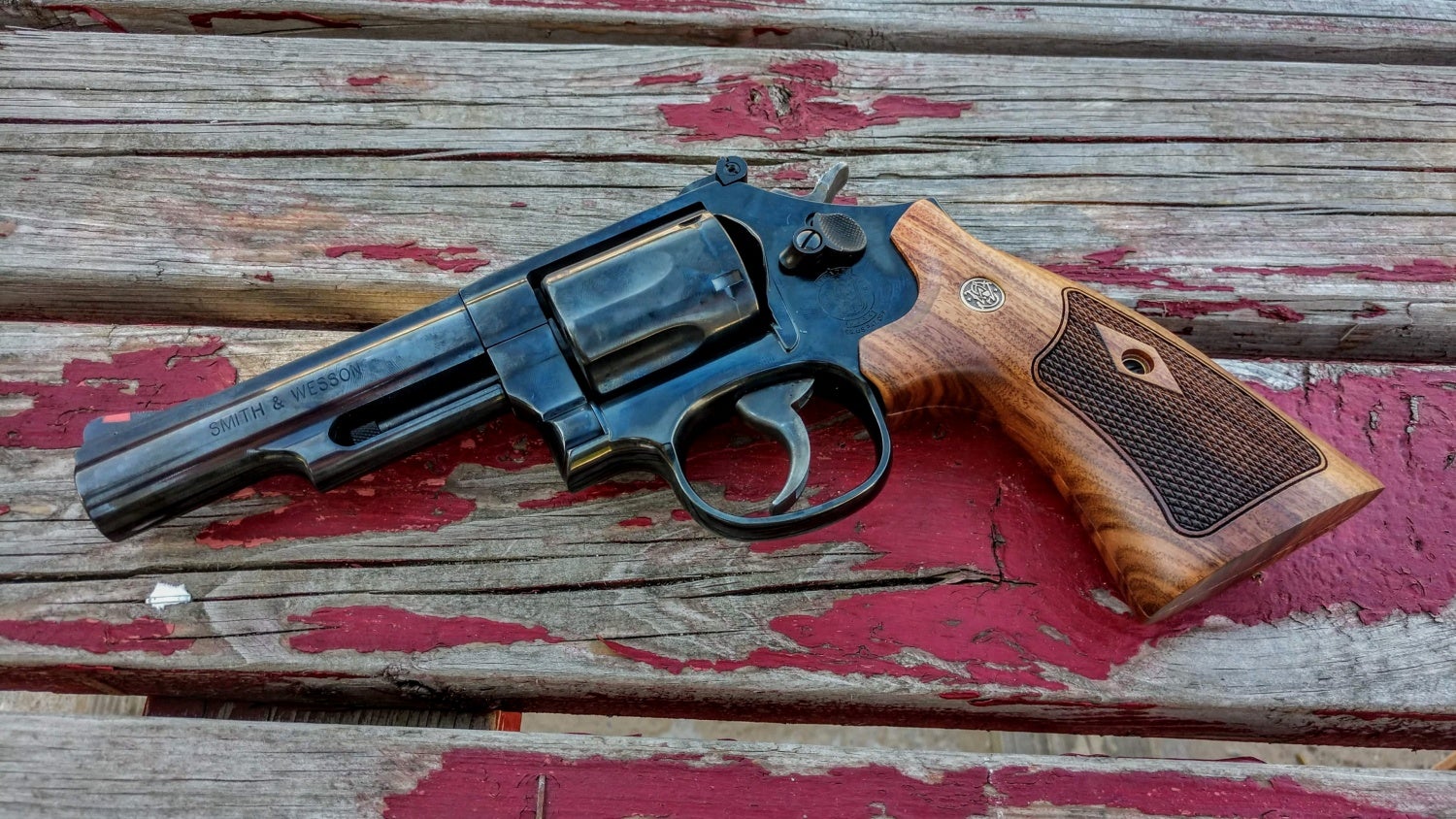
The Smith & Wesson Model 19 Classic is one of the newest introductions into their Classic line of revolvers. Over recent years they have been bringing back some of their old models to the delight of nostalgic consumers. Smith & Wesson offers this statement about the newly re-introduced Model 19 Classic:
The Smith & Wesson Classics series of revolvers have been enhanced with modern internal components, but mimic the look and feel of classic models. The Model 19 Classic revolver features a handsome set of walnut grips, a 4.25″ barrel, a black adjustable rear sight, and red ramp front sight.
The revolver dons a highly polished, blued finish and traditional thumbpiece for a classic look.
RANGE TIME: SMITH & WESSON MODEL 19 CLASSIC .357 MAGNUM
For my time at the range shooting the Model 19 Classic I brought with several types of ammunition. For an old school revolver like this I thought I would lob some equally old school ammunition down range.
So I dug out some vintage Herter’s ammo I have been saving for an occasion such as this. I used two different flavors of Herter’s .357 Magnum 158 Grain FMJ plus some .38 Special reloads of my own making which were mild and purely for fun.
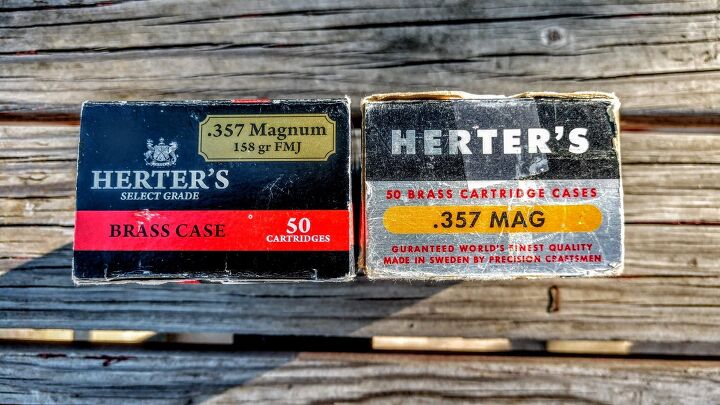
The .357 Magnum loads tended to bark a lot, but the bite was minimal; very little recoil.
The recoil being generated out of this barrel length and frame I would most closely associate with a standard polymer-framed 9mm. Your follow-up shots were pretty fast in either double-action or single-action because of the low recoil and minimal muzzle rise.
The .38 Special loads that I handloaded were even more pleasant and mild to shoot which was not surprising at all. This revolver would be a great way to introduce someone to shooting handguns.
Moderate .38 Special ammunition could give someone a tame entrance into shooting handguns while the .357 Magnum could give that same individual the “bigger” or “true picture” in regards to recoil and management of the weapon.
Most full-framed revolvers with barrels that are 4″ or greater tend to be pretty accurate and this revolver was no exception. Out to 25 yards while shooting off-hand and no assistance from a bench the Model 19 Classic was very accurate.
It exhibited point-and-shoot type of accuracy. I measured a few groups of 3 – 5 shots at 10 yards for a baseline of accuracy and they all clover-leafed in the realm of 1 1/2″ – 2″ depending on how well I was personally shooting.
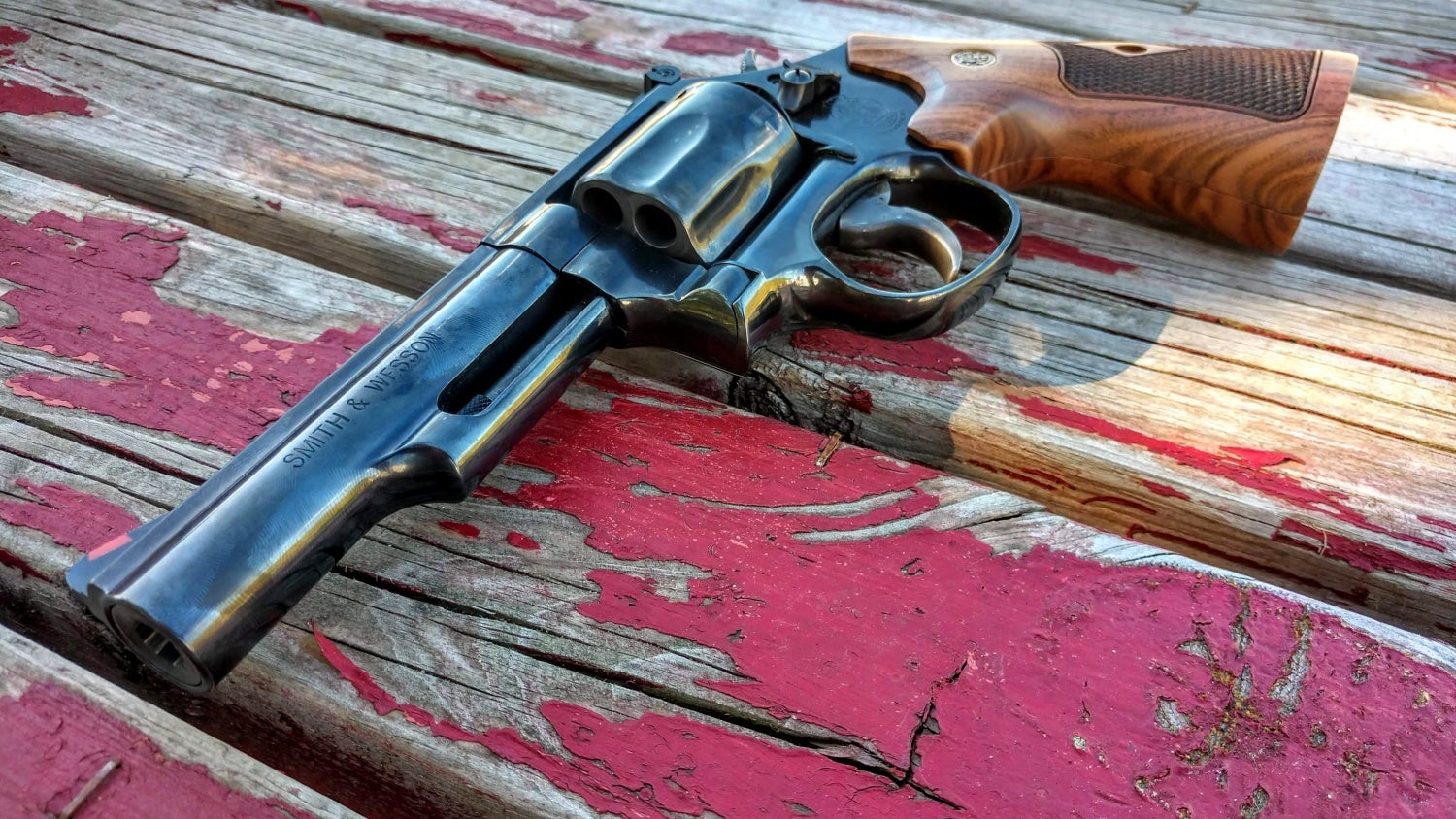
You could feel the double-action trigger pull mechanically walk through its progression until the hammer would finally drop.
This was something that was not detracting from the trigger pull, but for more discerning shooters it is something you may notice. The trigger pull weight was moderate, if not light, but an audible and tactile feel was present.
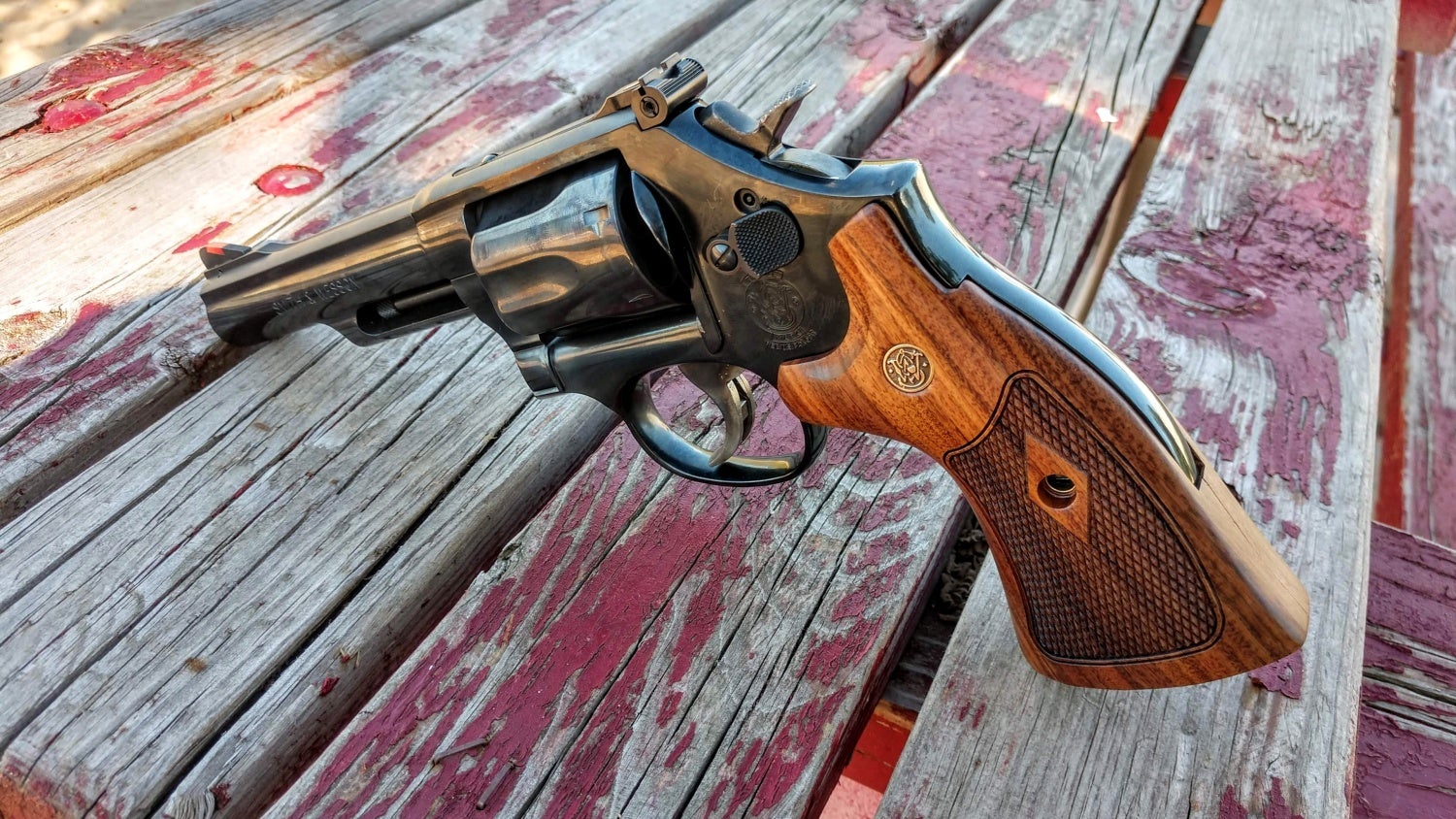
The traditional large handle wood grip fills your hand and makes it very easy to control. My personal preference is not to have a small, dainty grip with revolvers, but rather something larger in nature that tends to fill your hands.
For a frame of reference, I am 6 feet tall, 180 pounds and have average-sized hands. I would tend to believe most all shooters would have little to no problem handling and manipulating the functions on this handgun.
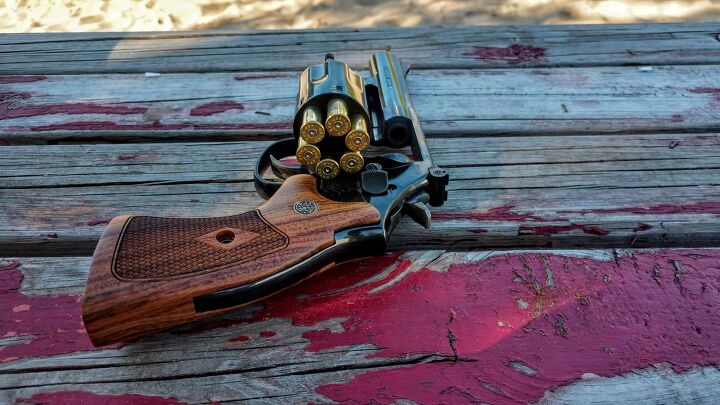
The cylinder ejector was a little gritty straight out of the box. A simple shot of CLP oil and it glided like butter. The factory oil could have dried and made it initially feel gritty or something else creating a tiny amount of friction. In either event, that was an issue that was easily remedied and would not be a general cause for concern in my mind.
FINAL THOUGHTS: SMITH & WESSON MODEL 19 CLASSIC .357 MAGNUM
All in all, if you fancy yourself a fan of revolvers I have nothing negative to generally say about the Smith & Wesson Model 19 Classic .357 Magnum. It is always a good precaution to function test, handle and manipulate the controls of any firearm before shooting it at the range.
By simply doing that, I alleviated the only concern I experienced which was a slightly sticky cylinder ejector rod. Otherwise, the revolver had good, crisp cylinder timing; was superbly accurate; handled well; and was gorgeous for someone who is bias to revolvers like this.
In the eyes of another shooter this may not perfect for their hands or not attractive in its appearance, but that is why we as shooters have so many options to pick from. From this writer and gun lover, I give it a resounding thumbs up.
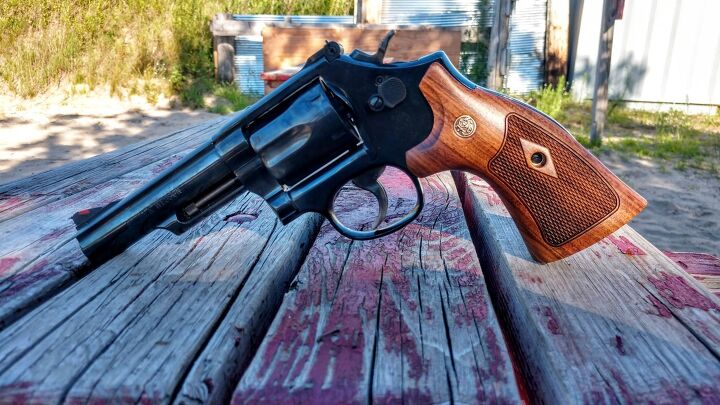
In closing, I want to thank Smith & Wesson for allowing TFB the opportunity to test one of their revolvers for this review. In my experience (as a S&W gun owner and man from behind the counter) they have always done right by their customers.
Categories
☠12ga. “Extremely Russian” penetrator slug
Categories
The 444 Marlin
Categories
#10MinuteTalk – .204 Ruger: Pure Lightning
Federal Ammo. Image Credit: Creative Commons.
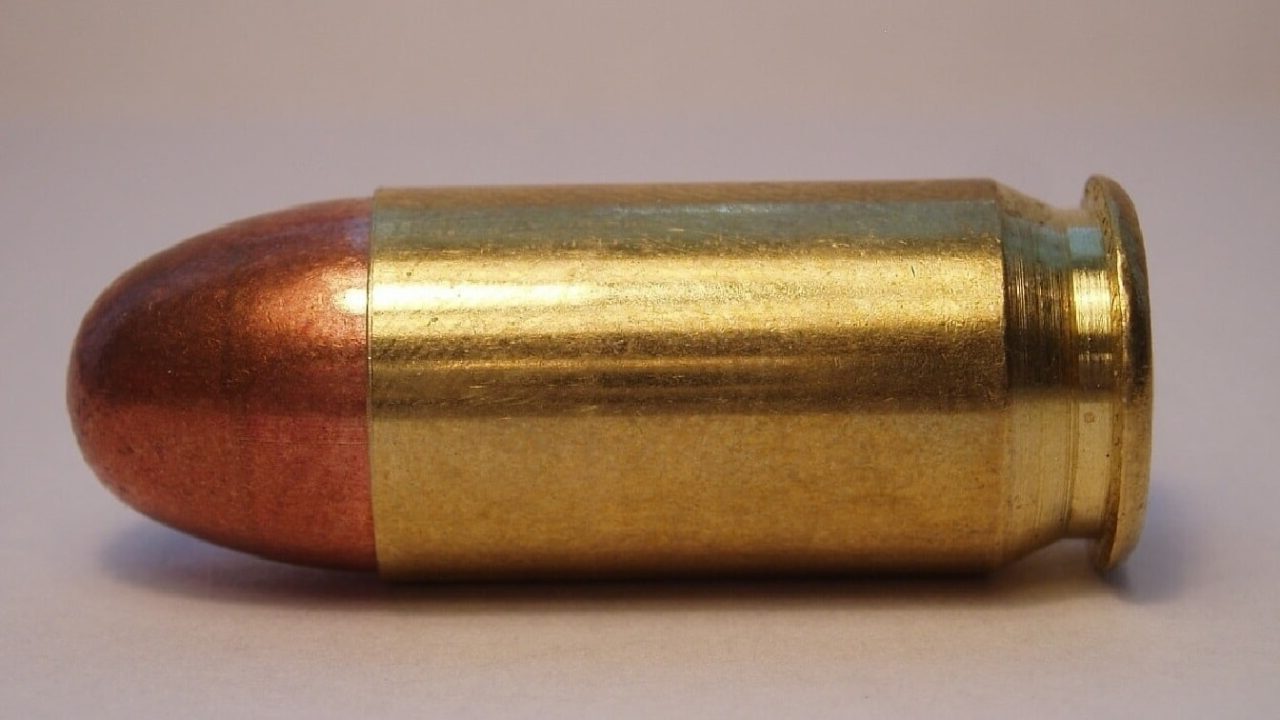
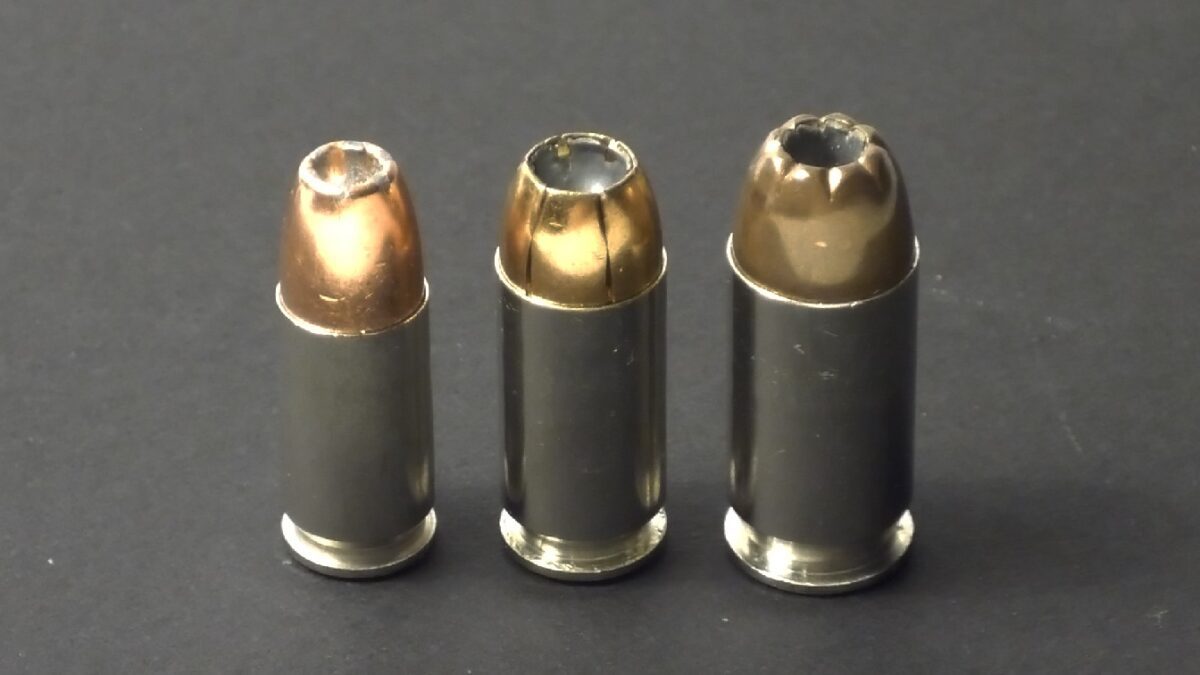
The Great Ammo Shortage of 2022 just won’t go away. You might struggle to find ammunition for your pistol, rifle, or shotgun this year. Reasons for the shortage range wide, from supply bottlenecks to a copper shortage and the war in Ukraine. The best solution might be to make your own bullets.
People are buying more guns, and there are a lot of new gun owners. In 2020, 20 percent of American gun purchasers had never before bought a firearm. Thirty-nine percent of people recently polled in the United States own at least one pistol, rifle, or shotgun, according to the General Social Survey, and FBI background checks tracked a 41 percent increase in gun ownership from 2019 to 2020. That adds up to 8.4 million new owners. These gun owners need ammunition. So, the demand side of the equation is easy to see.
Supply of ammunition is also a concern. People stocked up on rounds during the Covid-19 pandemic amid panic about the dwindling supply. Imports of ammunition fell 34 percent during the worst days of quarantine in 2020. There were periods during the pandemic when gun and ammo production stopped. Gun owners sensed these shortages and snapped up firearms and ammunition.
A number of factors have tightened the pipeline of imported ammunition. Among these are sanctions against Russia, which have restricted exports from that country. Bans on ammunition made in China and other countries have further crimped supply.
Much less publicized, there is a global shortage of copper, a key input in the production of ammunition. Ammo makers have to compete for the copper supply with electric vehicle manufacturers and the U.S. Mint, among others.
Brandon Maddox, the CEO of Silencer Central, wrote a blog post on March 15 that documented the calibers that are hardest to come by.
30-30 Winchester rounds can be hard to find for owners of lever-action “Old West” rifles. You might be paying over one dollar per round – maybe even two dollars. There are slim pickings of the .308 Winchester that deer hunters favor. Maddox says it is better to buy .40 Smith & Wesson pistol ammo online, because it is in spare supply at gun shops. AR-15 owners are struggling to find .223 and 5.56mm NATO for their assault weapons. Finally, 9mm pistol rounds fly off the shelves.
Great Ammo Shortage – Time for Some DIY Ammo
Amy Myers of Outsider Magazine wrote in March that gun owners should consider creating their own supply.
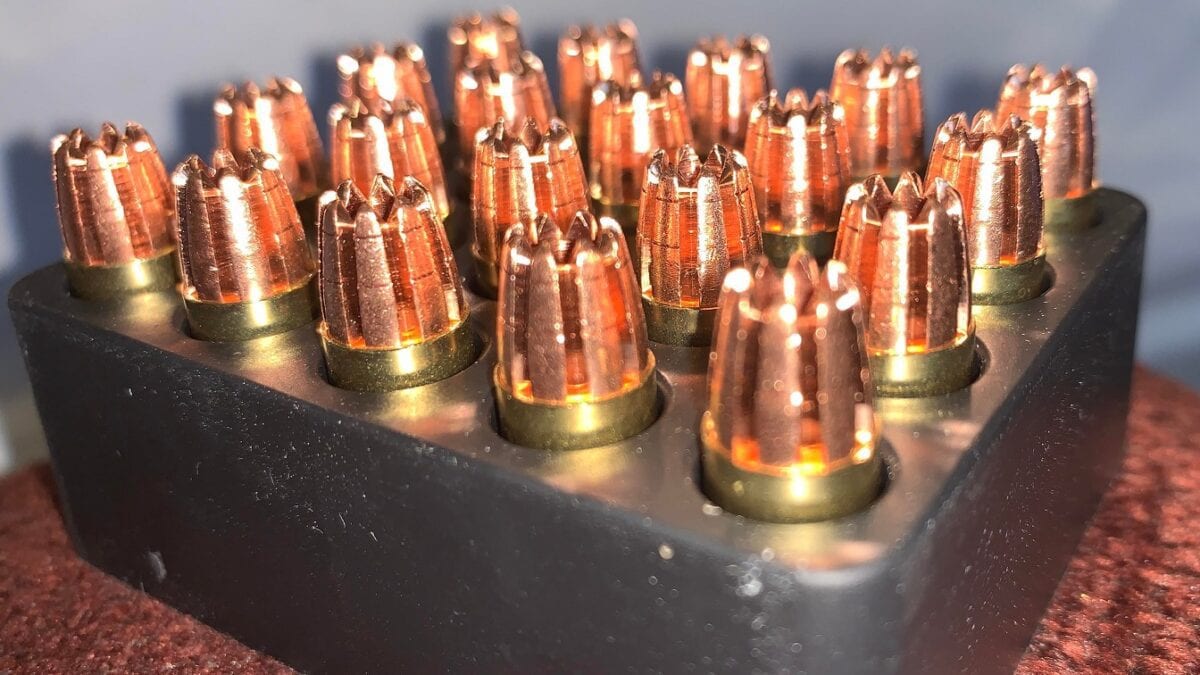
“Home bullet presses are becoming increasingly popular among gun owners, as it decreases your dependence on retailers to provide your ammo. Just keep your brass casings and you’ll be able to keep providing your own rounds,” Myers wrote.
Generic Ammo. Image Credit: Creative Commons.
Ammo Shortage. Image Credit: Creative Commons.
Whether loading their own ammo or scouring the internet for deals, gun owners are learning how to handle shortages. Supply issues will continue deep into this year. Get ready to pay more, especially considering how inflation in the United States pushes prices higher for bullets, cartridges, and shells. It’s best to be aware of the problem now and make plans to mitigate it as soon as you can.
Now serving as 1945’s Defense and National Security Editor, Brent M. Eastwood, PhD, is the author of Humans, Machines, and Data: Future Trends in Warfare. He is an Emerging Threats expert and former U.S. Army Infantry officer. You can follow him on Twitter @BMEastwood.
Now granted, the prices for Ammo is still high out here. (But then its never been cheap out here.) You can find most of the most popular calibers for sale. You just have to get up and look around that’s all! Grumpy
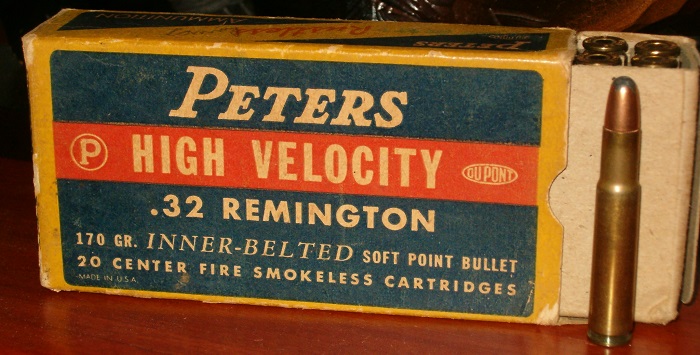
Introduced by Remington in 1906, the .32 Remington was marketed as an alternative to the .32 Winchester Special. Hunters seeking a good bullet for hunting deer and bear that could be found in an auto-loading rifle were presented with a nice choice in the .32 Remington. Unfortunately, the cartridge never really caught on with the shooting and hunting public and has since fallen out of favor. Though it is a nice choice for hunting under certain circumstances, the cartridge is now rarely found outside of old gun collections or the collections of people who specifically look for rare and obsolete cartridges like the .32 Remington.
Note: some of the links below are affiliate links. This means I will earn a small commission (at no extra cost to you) if you make a purchase. This helps support the blog and allows me to continue to create free content that’s useful to hunters like yourself. Thanks for your support.
When the Remington Arms Company introduced the Remington Auto-Loading Rifle (later known as the Remington Model 8) in 1906, they introduced four new cartridges: the .25 Remington, the .30 Remington, the .32 Remington, and the .35 Remington. The .32 Remington was specifically designed to be a competitor to the .32 Winchester that was offered in the popular Winchester Model 94 lever action rifle. The original load of the cartridge propelled a 170 grain, .321 caliber bullet at just under 2,200 feet per second, which generated around 1,700 foot pounds of energy.
Since Winchester pretty much had the lever-action rifle locked down with the venerable Model 1894, Remington decided to produce rifles chambered in roughly comparable cartridges that were either auto-loading (Model 8 & Model 81) or pump-action (Model 14 & Model 141). Among several other cartridges, all of these rifles were chambered in .32 Remington in an effort to stake out a portion of the market of hunters and shooters who wanted a medium bore auto-loading or pump-action rifle.
Though the .32 Remington is a decent cartridge and is quite capable of taking a wide variety of game under the right circumstances, it never was very popular. In fact, of all the cartridges introduced by Remington along with the Model 8 rifle, only the .35 Remington is still in regular production today. For one reason or another, all of its sister cartridges have gone by the wayside over the years and fallen out of use in the general hunting public.
.32 Remington Loads
As stated earlier, the .32 Remington is no longer in regular production by any major ammunition manufacturer. It is possible to occasionally find loaded ammunition at gun shows and on the internet, but the supply of factory loaded ammunition for the cartridge is sporadic at best. When it is available, it is usually pretty expensive. The most common load is still a 170gr soft point traveling between 2,000 and 2,200 feet per second.
If you have a rifle chambered in .32 Remington that you really want to shoot or hunt with, hand-loading is probably your best bet. There is still a fair amount of reloading data out there about the cartridge and .321 diameter bullets aren’t too difficult to obtain. Brass is occasionally available from major distributors and it is even possible to resize brass from a couple of other cartridges to the appropriate dimensions to work in a rifle chambered in .32 Remington.
When shot from a good rifle by a competent shooter, the .32 Remington can be a very accurate cartridge. Back when I still had it, I shot many groups around 1-2 MOA with my old Remington Model 8. That being said, one of the biggest shortcomings of the cartridge is its limited range. It fires bullets with a relatively low ballistic coefficient at a relatively slow velocity, which makes for a trajectory that is the opposite of flat. With this in mind, the maximum effective range for the .32 Remington is about 200 yards. However, for most shooters and conditions, 100-150 yards is probably more realistic.
Hunting With the .32 Remington
Even with all of the shortcomings inherent in the cartridge, the .32 Remington is still a great round for use on big game such as deer, feral hogs, and black bear. I’ve hunted pretty extensively with a Remington Model 8 chambered in the cartridge and I’ve used it to take my biggest trophy whitetail deer, a couple of feral hogs, and even a Corsican Ram with it.
I can attest that with proper shot placement and when used at close range (where bullet drop is minimal), it is an absolutely deadly cartridge on medium sized big game. As long as the range is short enough, it can even be an ethical cartridge for hunting elk (though it wouldn’t be my first choice for elk hunting). Additionally, since it fires a moderately sized bullet at a moderate velocity, the .32 Remington does not produce large amounts of ruined, blood shot meat like high velocity cartridges do.
Though it has largely fallen into disuse by most of the American hunting community, the .32 Remington can still be a great cartridge for hunting deer and other big game. As long as you can get enough ammunition (often easier said than done) and take only shots at close range, the deer and feral hogs in the area should be very wary of a hunter armed with an old Remington Model 8 or 14 chambered in .32 Remington.
Ballistic information on the .32 Remington was obtained from Chuck Hawks.