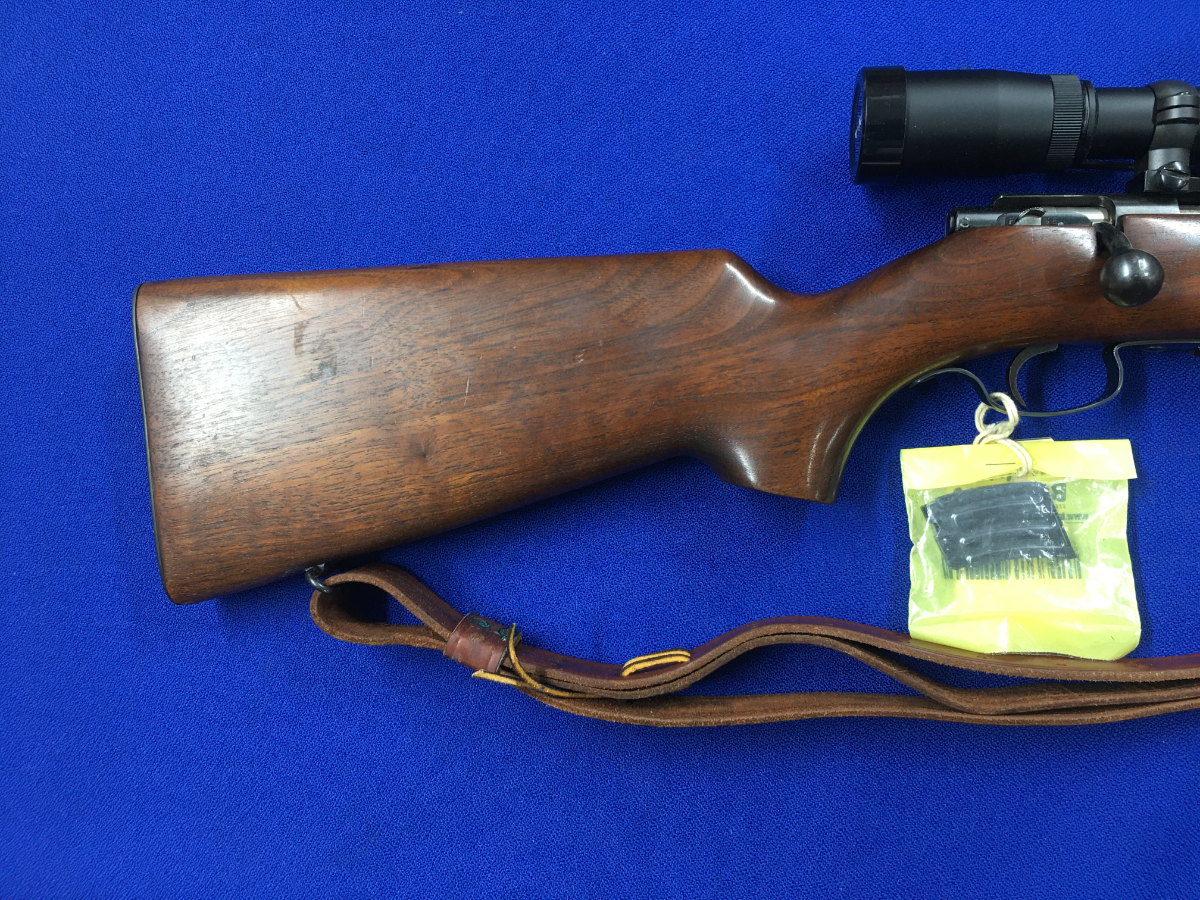
This is very close to some arms made by Rufus Perkins in Bridgewater, Massachusetts circa 1808-1812, including some Indian trade guns. At some point the stock was painted red, now worn thin, common on guns intended for trade with the Indians, but Bubba may have painted it to match his barn.
This gun may have been carried by New England militiamen to the mid-Atlantic states during the War of 1812. Or maybe the owner migrated and took it with him. Eventually it was converted to percussion, probably circa 1830-1850 and a few such guns were still used to a limited extent by militia units raised during the Civil War.
Later it was altered to a half-stock for hunting or hog butchering, perhaps before, or after the Civil War. It was certainly plausible that it was in the Hagerstown, MD area in 1862.
“The Schindel farm” location was undoubtedly one of several owed by members of that family about 6 miles southeast of Hagerstown, or about 8 miles northeast of the Antietam battlefield, according to old property maps and census records.
My guess is that this story has some truth to it, and that either the soldier was a militia man who had this gun, or deserted his unit and found this gun on a farm and used it to disable himself as his unit headed towards the battle. Or, maybe he was a draft dodger who mutilated himself “by accident” several months before the battle of Antietam. We will never know, but war is not always gallantry in battle with mild flesh wounds. PTSD was every bit as real then as today.
Second musket- “The Cool Creek musket.”
In researching Antietam farms, I stumbled across a delightful blog by a Washington, DC interior designer and his husband who discovered a [once] nice brick federal farmhouse circa 1823 with 7 acres right on Antietam creek, between Hagerstown and Sharpsburg. They proceeded to purchase and considerably upgrade the house to be really beautiful. When nearly complete, they invited the family of some former owners over to see the results, and were surprised with a delightful gift.
“Grateful for allowing them to tour the house and grounds, they brought us an extraordinary gift. A German rifle made for the Napoleonic war around 1815 was found in the ground near the smoke house. At the dawn of the Civil War, the south found itself with a lack of weapons, most factories being in the north. European countries sold their old weaponry to the Confederate government where they subsequently fashioned them to weapons for their soldiers.
The “Cool Hollow Musket” as it is called was one of these such weapons. Most likely left by a Confederate soldier that either stayed near the house or was treated there. Whatever the actual story is we will never know, but this wonderful treasure was an amazing gift that has come home.
What we have come to realize is that our historic home, just like so many others is more than just the built environment. These structures encompass centuries of family life, both happy times and sad, war and peace. In this bloggers humble opinion, these are the most important aspects of owning an old house, we are keepers of the past, saving it for the future.” Source (Quote and image)
This musket is indeed a German (actually proto-German Prussian) model 1809 flintlock converted to percussion and widely used by both sides in the Civil War. This one had both the barrel and stock shortened, likely done after leaving military service, but still useful as a “farm gun.” I highly recommend the story of their preservation and restoration work, but it is only available on the Wayback Machine, which tends to be cranky and you need to be persistent and creative in finding all the installments. You can start
here.
Now, it is an amazing coincidence that by 1861, the “Cool Hollow House” was amalgamated with other properties into a 500 acre estate “owned by David and Magdalene Schindel.” Mr. Schindel was a prominent businessmen in and around Hagerstown, MD. Mrs. Schindel, the daughter of the builder, Benjamin Emmertt.” Armies moved across this land twice, both in the September 1862 advance to Antietam, and again around July 9, 1863 after Gettysburg as union forced followed the retreating Confederates. Yes, this is in the region of Schindel farms mentioned previously.
SourceUndoubtedly many other old guns have been found adjacent to battlefields, or the line or march to or from a scene of combat. “I wish it could talk.” Or, maybe there are scenes best left unseen, such as these dead at the Dunker Church at Antietam, only a tiny number of the 23,000 killed wounded or captured that day. Source: