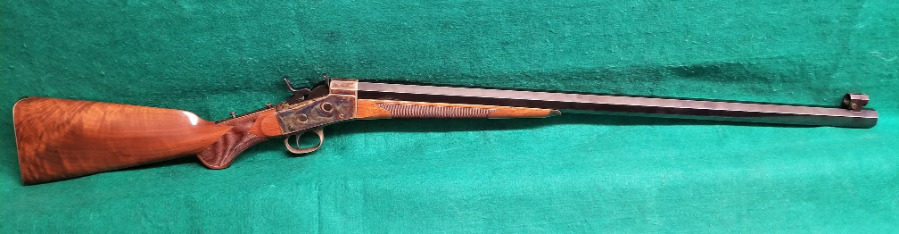
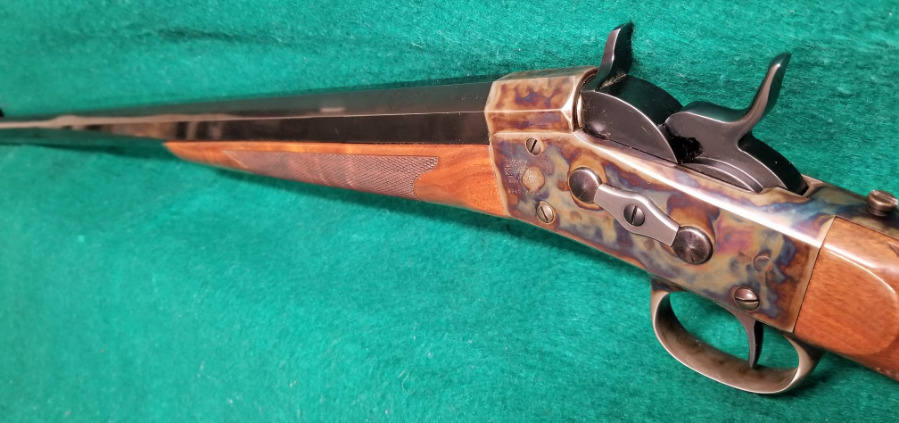
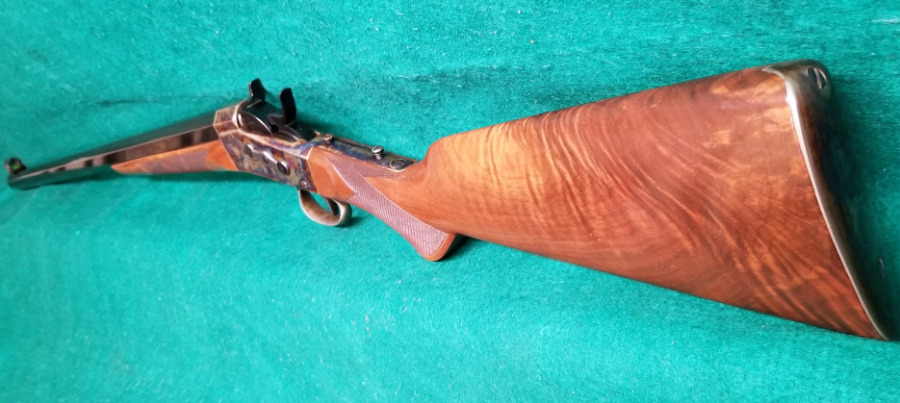
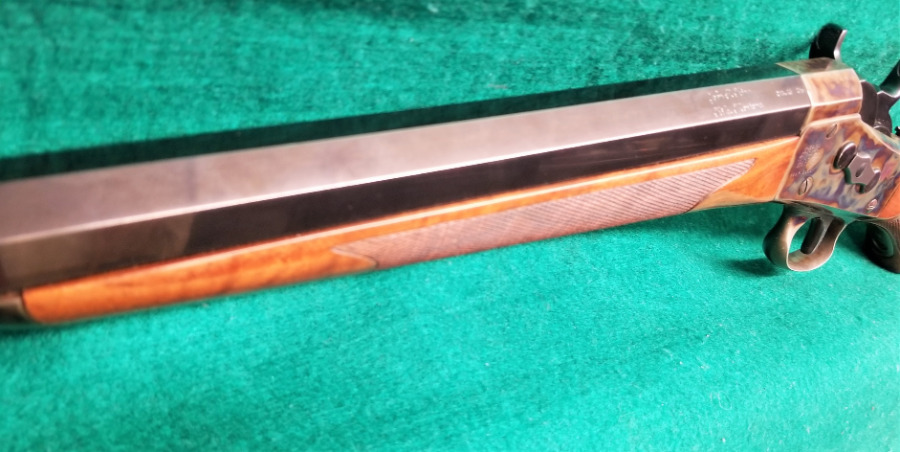
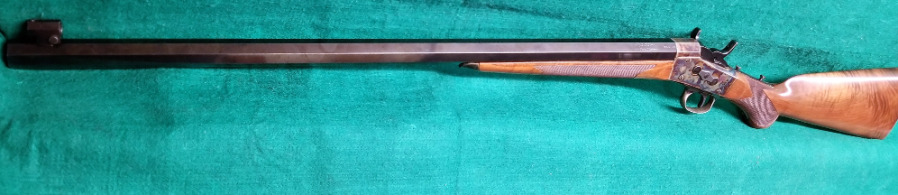
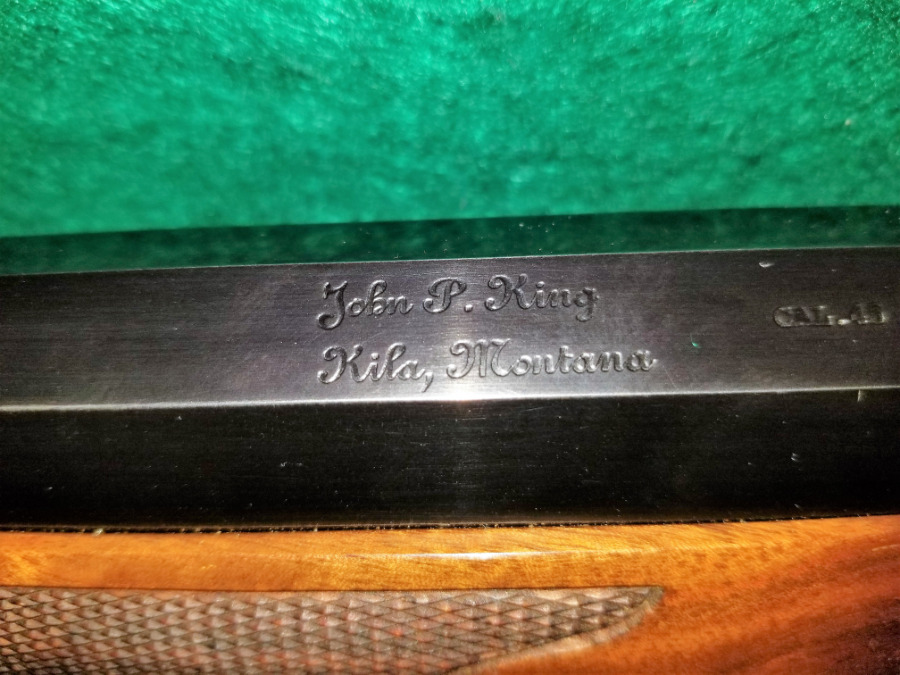
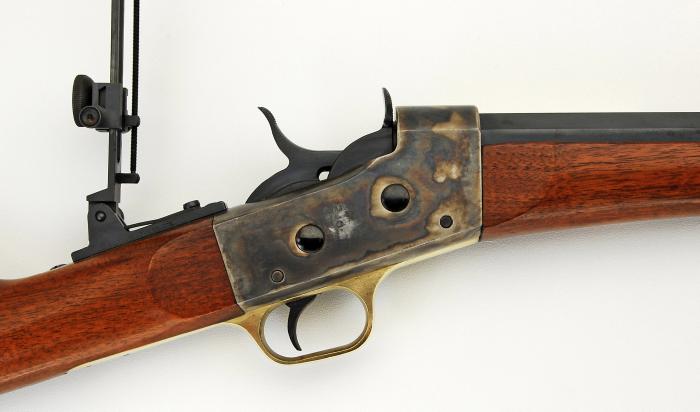
This is an absolutely gorgeous example of a John King Custom .45-70 Remington Rolling Block style rifle built by John King out of Kila, Montana.
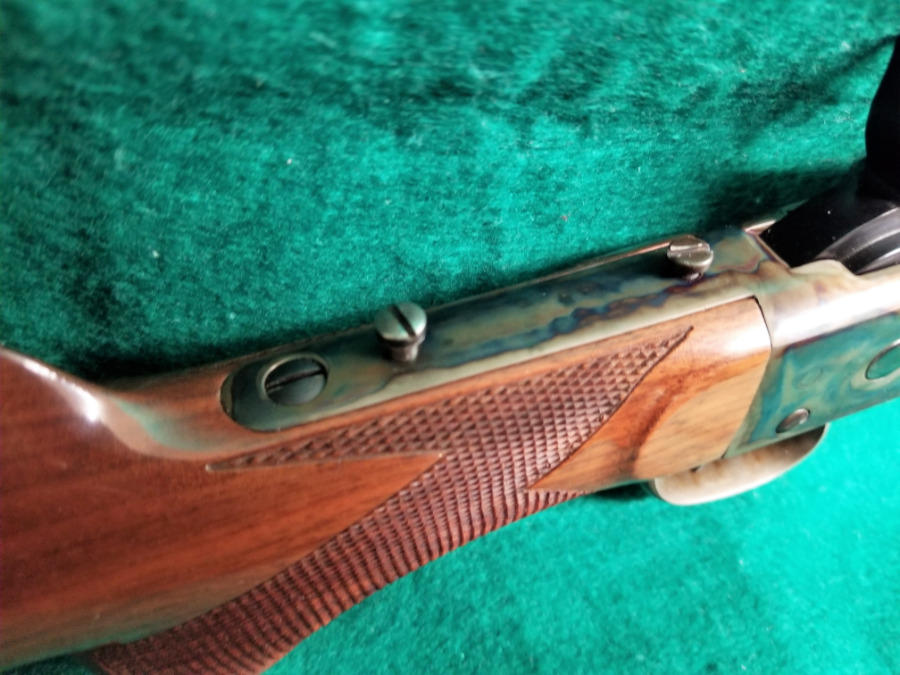
It has a spirit level tunnel front sight but the rear sight has been removed. Nice clean bore with crisp clear rifling. The color case hardening on the receiver and butt plate are excellently finished and look great.
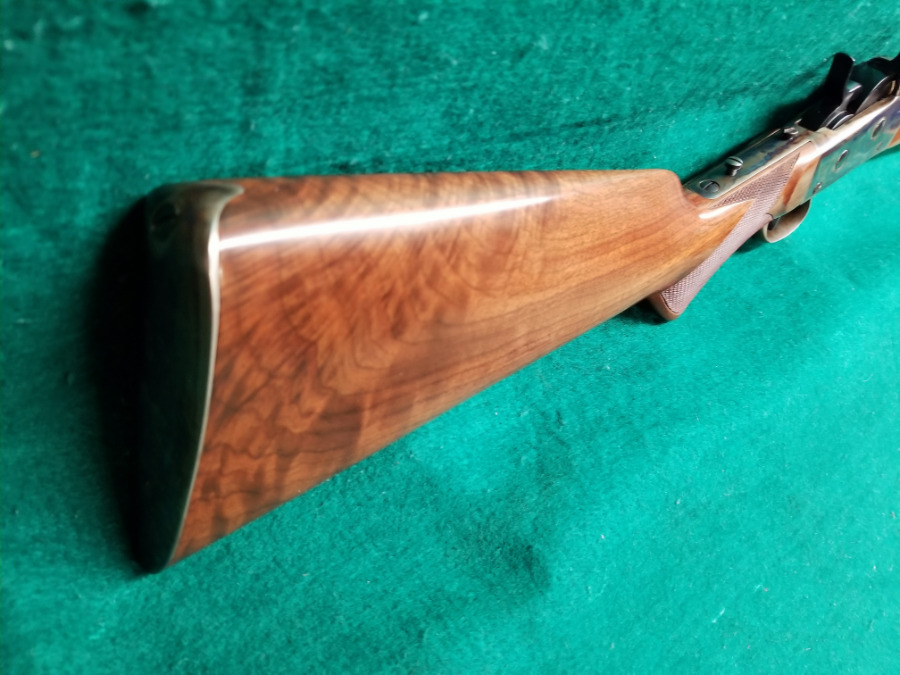
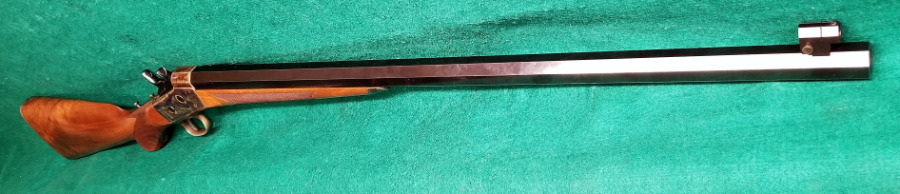
The bluing on the barrel is a very nice high gloss and is probably about 95% and looks beautiful.

Category: All About Guns
Categories
Some Ruger 10/22 Stuff
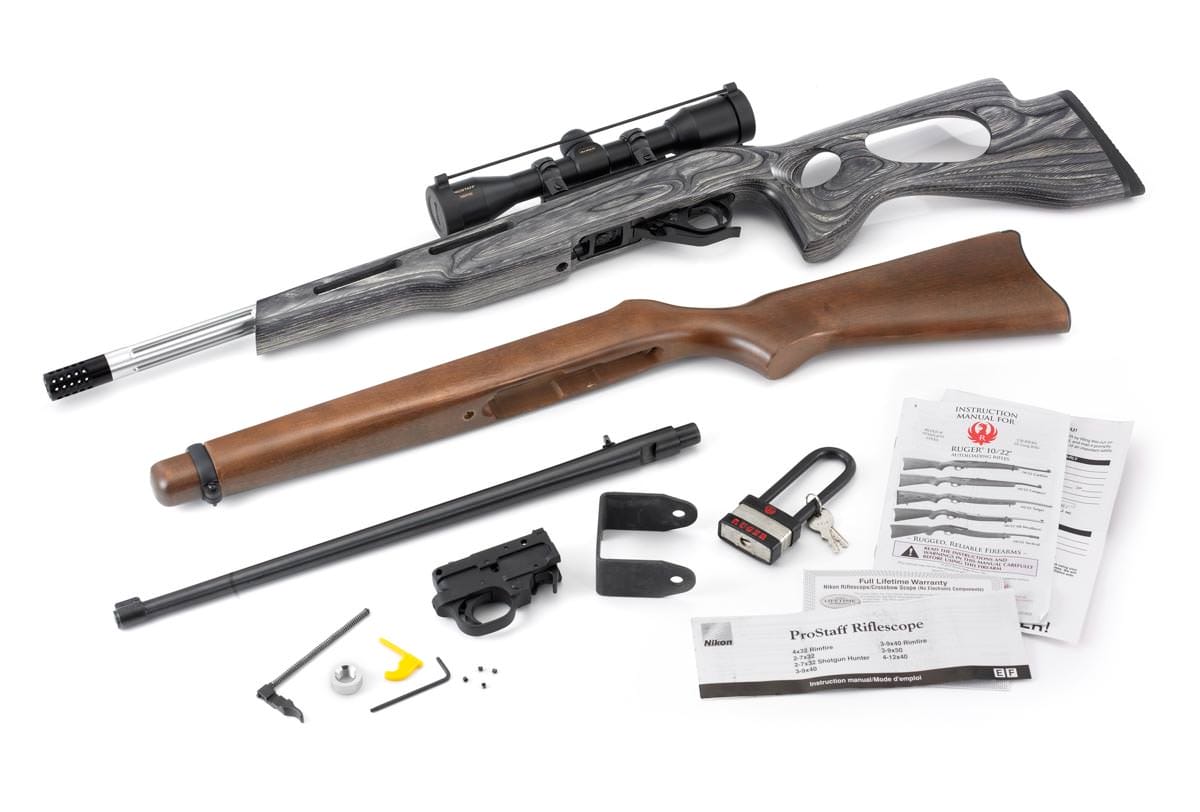

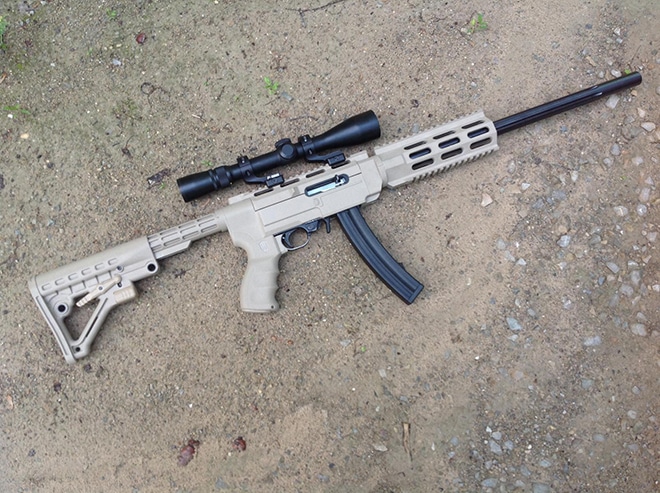
Not your big brothers 10/22 for sure!

All it takes is some time and a fair amount of time! Then you can have your own one of a kind!

Ruger 10/22
| Ruger 10/22 | |
|---|---|

10/22 Carbine
|
|
| Type | Rimfire semi-automatic rifle |
| Place of origin | United States |
| Production history | |
| Designer | William B. Ruger, Harry H. Sefried II[1] |
| Manufacturer | Sturm, Ruger |
| Produced | 1964–present |
| No. built | over 5 million |
| Specifications (Standard 10/22 carbine) | |
| Weight | 5 lb (2.3 kg) |
| Length | 37 in (940 mm) |
| Barrel length | 18.5 in (470 mm) |
|
|
|
| Cartridge | .22 Long Rifle |
| Action | Semi-automatic |
| Feed system | 10-round rotary magazine or 25 and 15-round box magazine |
The Ruger 10/22 is a semi-automatic rimfire rifle chambered in .22 Long Rifle cartridges, produced by American firearm manufacturer Sturm, Ruger & Co..
It has a removable 10-round rotary magazinewhich allows the magazine to fit flush with the bottom of the stock. Higher capacity magazines are also available.
A magnum version, chambered for the .22 WMR cartridge, was made from 1998 to 2006, and a .17 HMR version, the 10/17 was announced in 2004,[2] but was only listed in the catalog for two years.[3]
The standard version has been in production continuously since 1964.[4]
Contents
Uses and customization[edit]

Ruger 10/22 highly customized by Clark Custom Guns. Clear/red magazines are 40th anniversary edition.
The 10/22 was immediately popular upon its release. It was designed as a quality adult gun (with adult ergonomics) and not a cheap “youth rifle“.
However, its easy handling characteristics, negligible recoil and inexpensive ammunition nonetheless make it ideal for young or inexperienced shooters.
It is very popular for small-game hunters and those who want an inexpensive rifle firing inexpensive ammunition for target and plinking use.[5]
This popularity has led to many after-market modifications being available to improve performance, augment the rifle’s looks, or increase its magazine capacity, leading the 10/22 to be one of the most customizable firearms made.[6][7]
Custom manufacturers also make “clones” of the 10/22, which are similar in design (most parts will interchange) but built to much higher specifications and costs.
The 10/22 barrel uses a unique two-screw, V-block system to attach the barrel to the receiver, making removal and replacement of the barrel (which would require a gunsmith’s work with most other rifles) very easy.
This, when combined with the simple construction of the rest of the components, means that the average person can easily replace any part in the gun with nothing more than a screwdriver, a hex key and simple punches.
.JPG)
Ruger 10/22 “Stainless” With an aftermarket Butler Creek Folding Stock and a TRUGLO Red Dot Sight
Variations[edit]

Ruger 10/22 International model, which comes with a full-length Mannlicher style stock
The 10/22 is available in a wide variety of configurations. In 2015, the Ruger 10/22 came in 11 different models, not counting distributor exclusives.
The Carbine came in 3 models, the Tactical, Takedown and Target each had 2 models, the Sporter and Compact each had 1 model.
The discontinued 10/22 Internationalmodel was fitted with a Mannlicher stock. Standard barrel lengths are 20″ in the 10/22 Rifle, 18 1⁄2” in the 10/22 Carbine, and 16 1⁄8” in the 10/22 Compact Rifle which is also fitted with a shorter stock.
All .22 Long Rifle versions use an aluminum receiver, while the discontinued .22 Magnum version used a steel receiver with integral scope bases.
10/22 Carbine
Standard model with 18.5″ barrel. Offered with hardwood or black synthetic stocks, black alloy or stainless steel receivers and a model fitted with LaserMax laser sight.
10/22 Takedown
On March 28, 2012 Ruger introduced the 10/22 Takedown model.[8]
This model disassembles into barrel and action/buttstock components easily. It is shipped in a backpack style case that has room for the rifle, ammunition, and accessories. The MSRP is higher than the basic carbine models.[9][10]
The standard Takedown model has a brushed aluminum receiver made to resemble stainless steel and 18.5″ barrel with a black synthetic stock.
Also offered in a black alloy receiver and 16.12″ threaded barrel with flash suppressor or with a threaded, fluted target barrel.
10/22 Target
Target shooting model with heavy 20″ bull barrel with no iron sights.[11]
10/22 Compact
Compact rifle with 16.12″ barrel.
10/22 Sporter
Model with 18.5″, alternatively 20″ or 22″, barrel and checkered walnut stock with sling swivels.
10/22 Tactical
Model with 16.12″ fitted with flash suppressor. Also offered with 16.12″ heavy target barrel with Hogue OverMolded stock fitted with bipod.
SR-22 Rifle
In 2009, Ruger released the SR-22 Rifle model, a 10/22 receiver embedded in a chassis that mimics the dimensions of an AR-15 style rifle such as their own SR-556.
The SR-22 Rifle uses standard 10/22 rotary magazines, in addition to most aftermarket 10/22 magazines.[12]
The positions of the magazine release, the safety and the charging handle are all more similar to a standard 10/22 than an AR-15.
The SR-22 Rifle competes directly with other AR-15 style rimfire rifles such as those made by Colt and Smith & Wesson.
The SR-22 rifle boasts an aluminium handguard, adjustable six position stock, and a top receiver rail. Threaded holes on the handguard provide the customization of optional attachment rails.
22 Charger Pistol

Ruger Charger. Comes with bipod. Shown with aftermarket TruGlow multi-color reflexive dot scope and Ruger BX-25 extended magazine.
The 22 Charger pistol, first introduced in late 2007, is a pistol based on the 10/22 action.
The 22 Charger originally came with a black laminated wood pistol stock with forend, a 10-inch (254 mm) matte blued heavy barrel, a bipod, and a Weaverstyle scope base in lieu of iron sights. Overall length is just under 20 inches (510 mm), making it quite large for a handgun.
As it has an included bipod it is likely to be used from a shooting bench or table. The bipod attaches to a sling swivel on the stock fore-end, and is easily removable.
Due to technical features, such as the magazine being outside the pistol grip, the Charger is not legally available in some U.S. states.
The 22 Charger was later discontinued.[13][14] It was reintroduced in December 2014, with a brown laminate stock with a M16A2 style pistol grip, 10-inch threaded barrel, picatinny rail, 15-round magazine and adjustable bipod.
At the same time a “Takedown” model was introduced with a green laminate stock. Both models were later offered from September 2015 with black polymer stocks.
A 3D printed copy of the Ruger 10/22 Charger’s receiver was demonstrated in July 2014.[15]
50th Anniversary Rifle
In 2014 to mark the 50th anniversary of the Ruger 10/22 a contest was held to design an anniversary model.
The winning design by public vote has stainless steel receiver and 18.5″ threaded barrel with flash suppressor, a lightweight black synthetic stock with interchangeable stock modules, a picatinny rail and ghost-ring adjustable rear sight.
Collector’s Series
A limited edition 50th Anniversary Collector’s Series carbine model was offered in 2014. It had a black alloy receiver with “1964-2014″ special markings, 18.5” barrel, fiber optic sights and a 25-round magazine.
Collector’s Series Second Edition[edit]
In June 2015, Ruger announced a limited Second Edition of the Collector’s Series 10/22 carbine.
It features a dark grey version of Ruger’s Modular Stock System found on the Ruger American Rimfire rifle, a protected non-glare blade front sight, ghost ring adjustable rear aperture sight, and a Picatinny rail.[16]
VLEH Target Tactical Rifle
In 2009 Ruger also announced the Target Tactical Rifle model, a hybrid of the 10/22T and Ruger M77 Hawkeye Tactical rifle.[17]
- V – Varmint barrel, L – Law + E – Enforcement model, H – Hogue stock.
AWC Ultra II[edit]

The integrally-suppressed AWC Ultra II
The AWC Ultra II version of the Ruger 10/22 is integrally-suppressed and features a shortened barrel.
The sound suppressor encloses a ported stainless barrel and is made of 300 series stainless steel having a 1″ diameter which closely resembles a bull barrel.
The barrel length is 16.5″ with an overall weapon length of 34 1⁄2” and the weight is 6 lbs. Due to the integral suppressor, this model is a Title II weapon in the U.S.[18]
AT 10/22 QD[edit]
The AT 10/22 QD is a short-barreled version of the 10/22 made by Arms Tech Limited.
It features a six-inch barrel, a folding stock, and is designed to accept Arms Tech’s own QD-223 suppressor. It comes in at a mere 5 pounds without the suppressor.
Due to its extremely short barrel, it is considered a Title II weapon in the U.S.[19]
Modifications

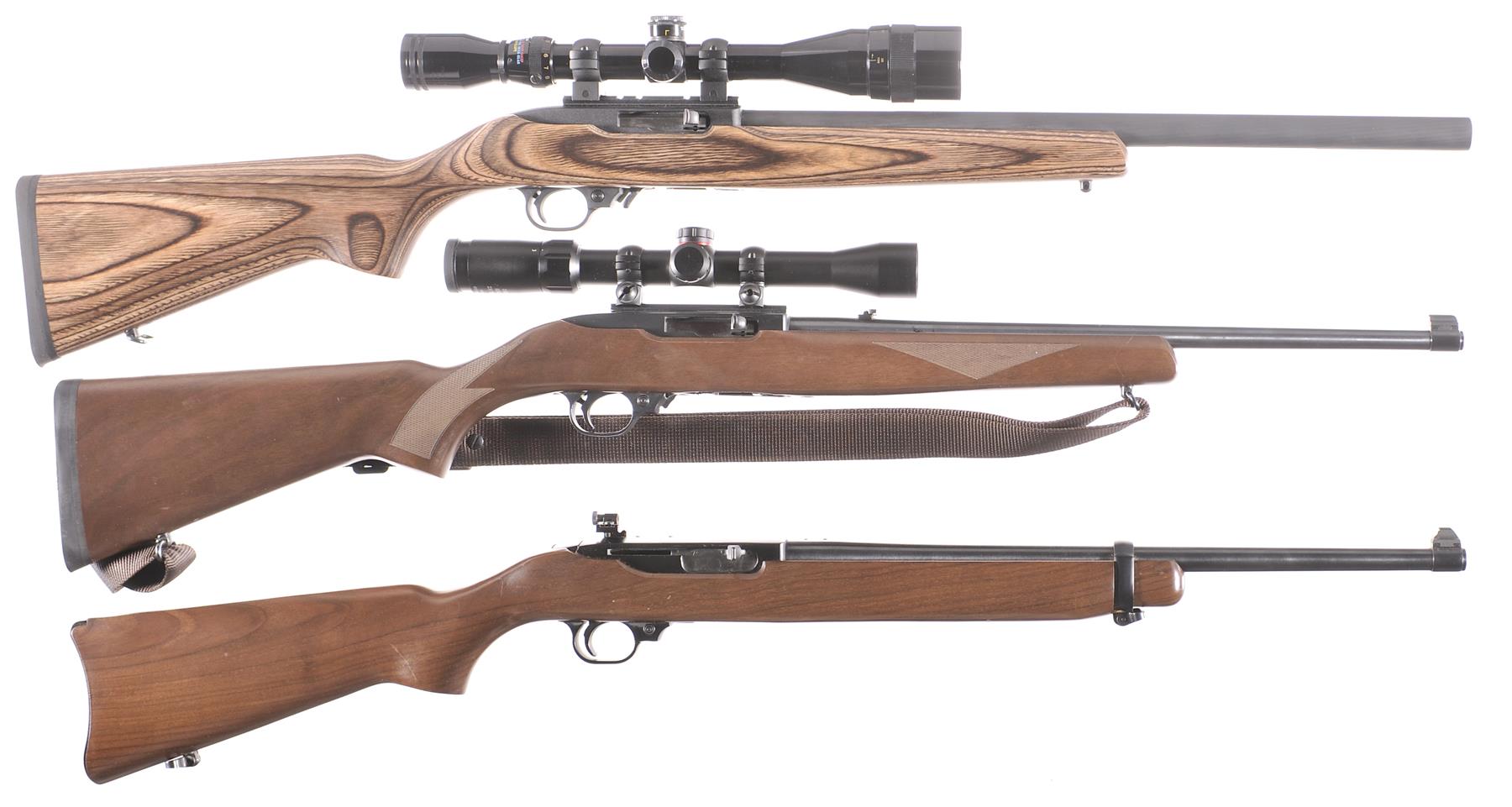
Standard Ruger 10/22 Carbine, and a highly modified Ruger 10/22
The image on the bottom right shows two 10/22 carbines, the top one in issued form (with a 4-power magnification scope added, using the factory supplied scope base) and the bottom one in highly modified form.
The modified target version includes an 18 inch bull barrel, a muzzle brake, a laminated wood silhouette style stock, and a scope with an illuminated reticle, in addition to internal modifications of the trigger group to improve the firing characteristics.
See the entry on accurizing for more information on the reasons for these modifications.
A wide variety of aftermarket modification kits are offered for the 10/22, including conversions to bullpup configuration and cosmetic alterations to replicate the appearance of weapons like the M1 Carbine, Thompson submachine gun, AR-15, and AK-47.
Magazines


Two aftermarket 25-round magazines attached Jungle style.
There are many types of magazines for the Ruger 10/22.
The standard 10/22 ships with a black 10-round rotary magazine, the BX-1. Ruger has also produced a clear polycarbonate (“40th-anniversary edition”) BX-1CLR magazine, as well as a five-round rotary magazine (for states or countries that restrict magazine capacities).
In 2011-2012 Ruger came out with the Ruger BX-25, a 25-round box magazine with a black composite frame and steel feed lips, as well as the 15-round BX-15 box magazine for states that restrict magazine capacities.
Aftermarket options include 25-, 30-, and 50-round box magazines; 50-round teardrop-shaped rotary magazines, and 50- and 110-round drum magazines.
The standard 10-round 10/22 magazine stores the cartridges in a rotary fashion, rather than stacked, as seen in a box magazine.
This allows the magazine to fit flush into the rifle without protruding from the stock at the natural balance point for one-handed carry.
The action of the rifle strips a cartridge from the magazine with each shot, allowing the next cartridge to feed into place.
Not all Ruger 10/22 magazines are interchangeable. The owner’s manual for the 10/22 Magnum model states.
“Do not attempt to use standard 10/22 magazines in the 10/22 Magnum rifles or load .22 Short, Long, or Long Rifle ammunition into the .22 Magnum. They will not function correctly and are unsafe to use in .22 Magnum rifles.”
It goes on to say, “Never attempt to use .22 Long Rifle ammunition in Ruger 10/22 Magnum rifle magazines.
The cartridges have a smaller case diameter and can split or burst when fired in the larger magnum chamber, releasing hot powder gasses and particle fragments out of the action at high speed, possibly resulting in injury to the shooter or bystanders
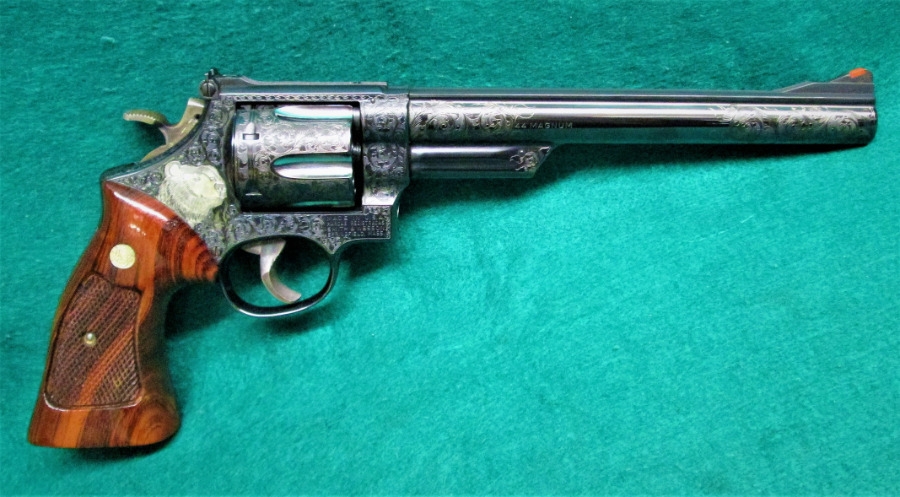
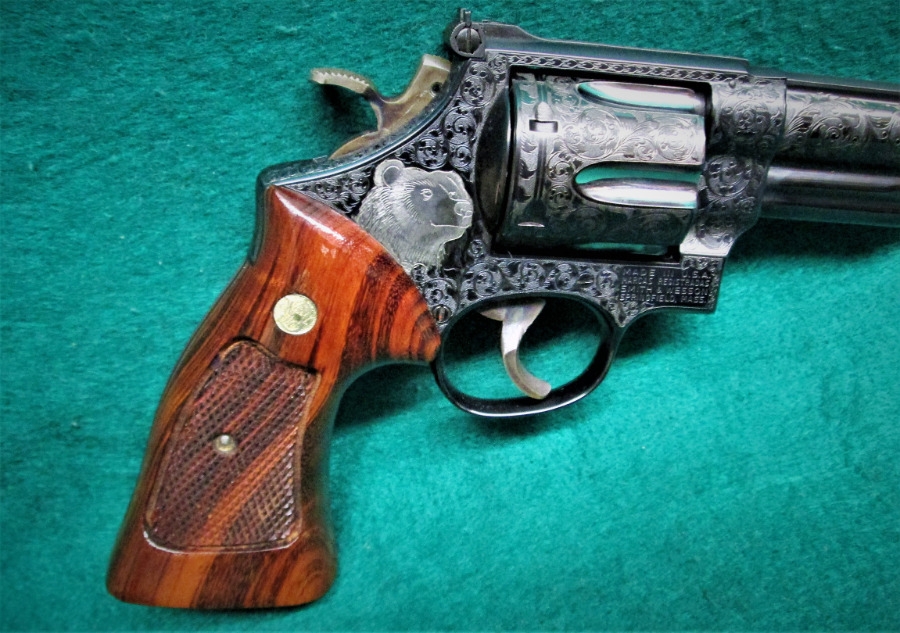
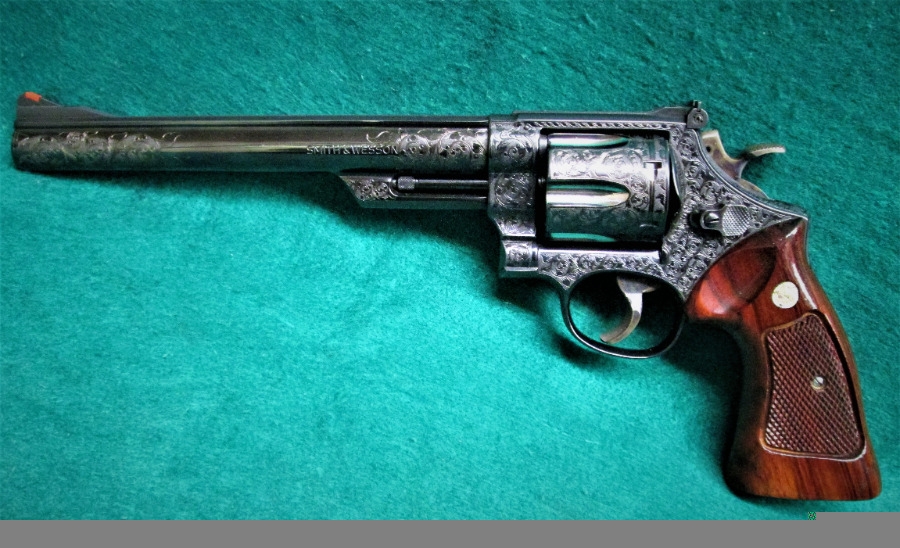
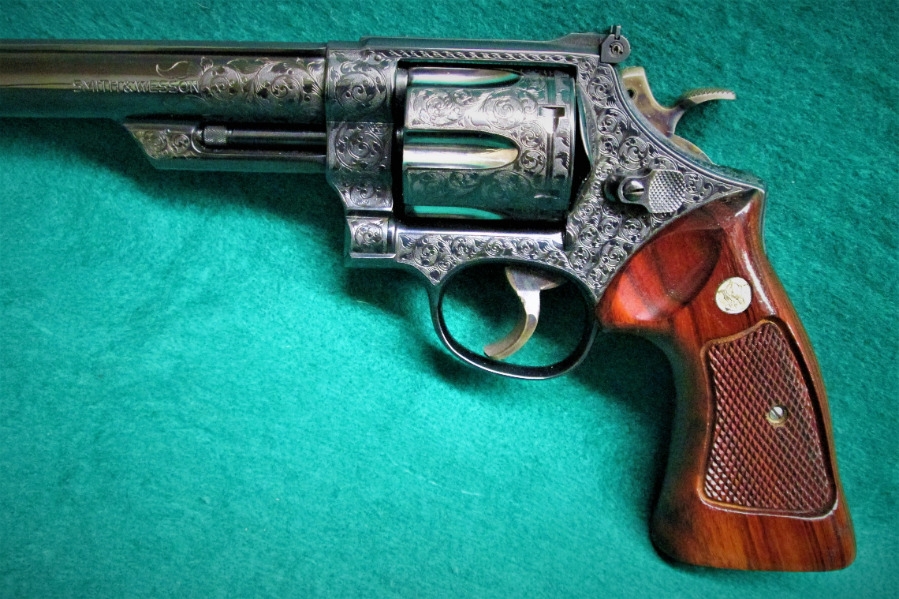
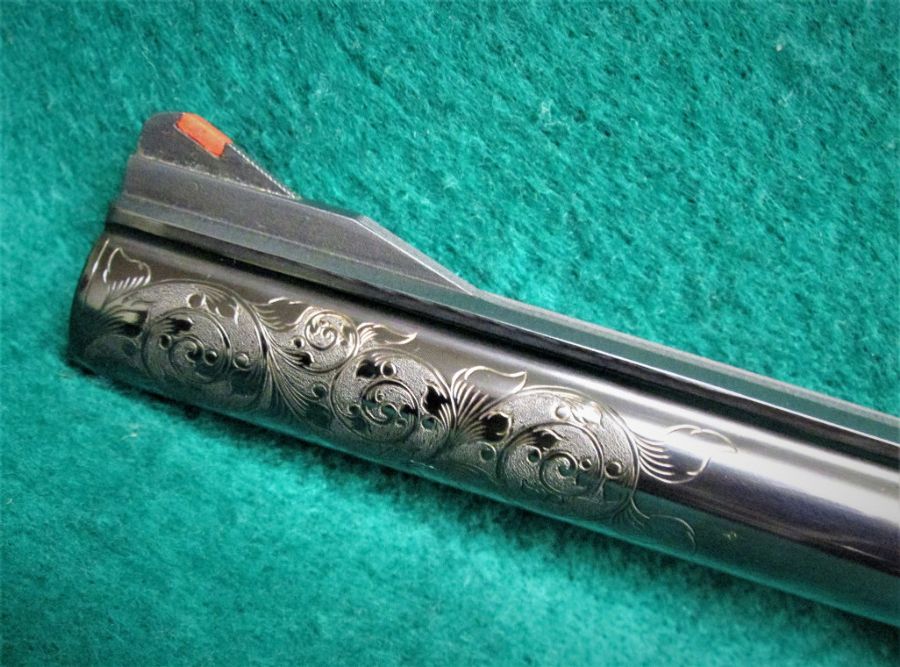
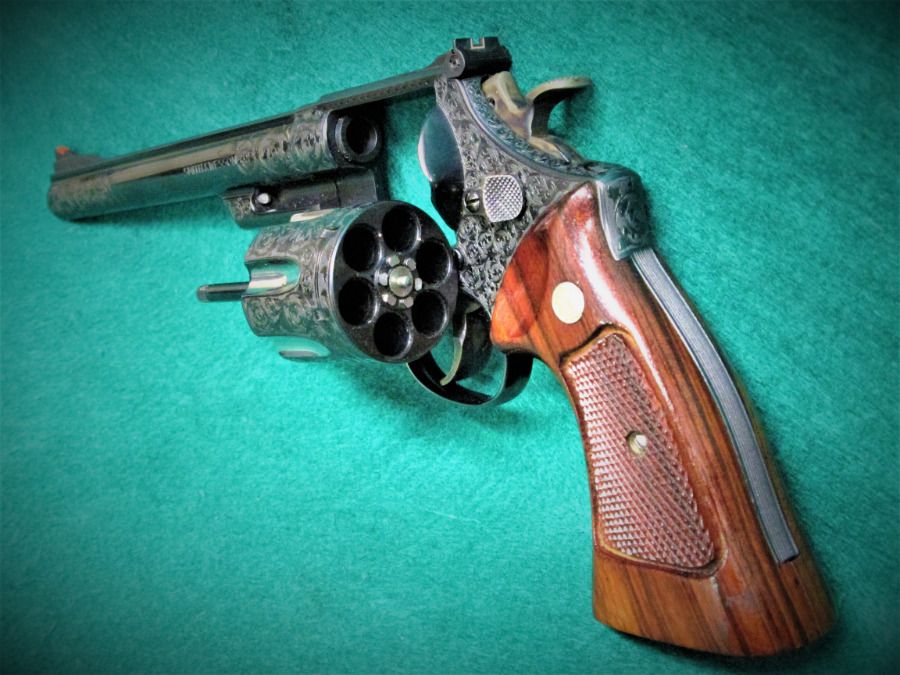
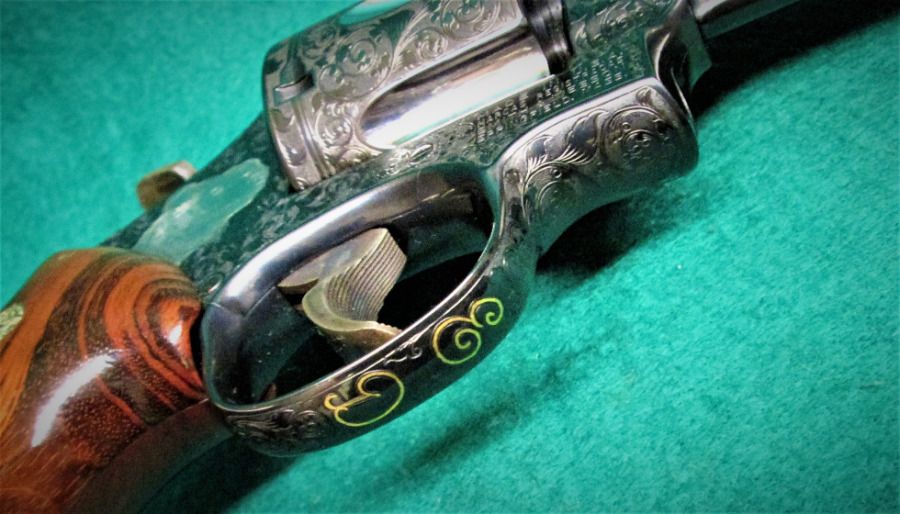


I have one of these and it’s a fine little pistol. I thought at first that it would have a nasty recoil. But I was wrong about that.
But it does have a sharp report (Noise) when I squeeze one off.
Also it printed out a very nice pattern at about 12 feet on paper at least for me. Just do NOT use Plus P ammo in it as it was NOT designed for it!
None the less I am very happy that I bought it when I had a chance. As it is a fine walking around gun.
Categories
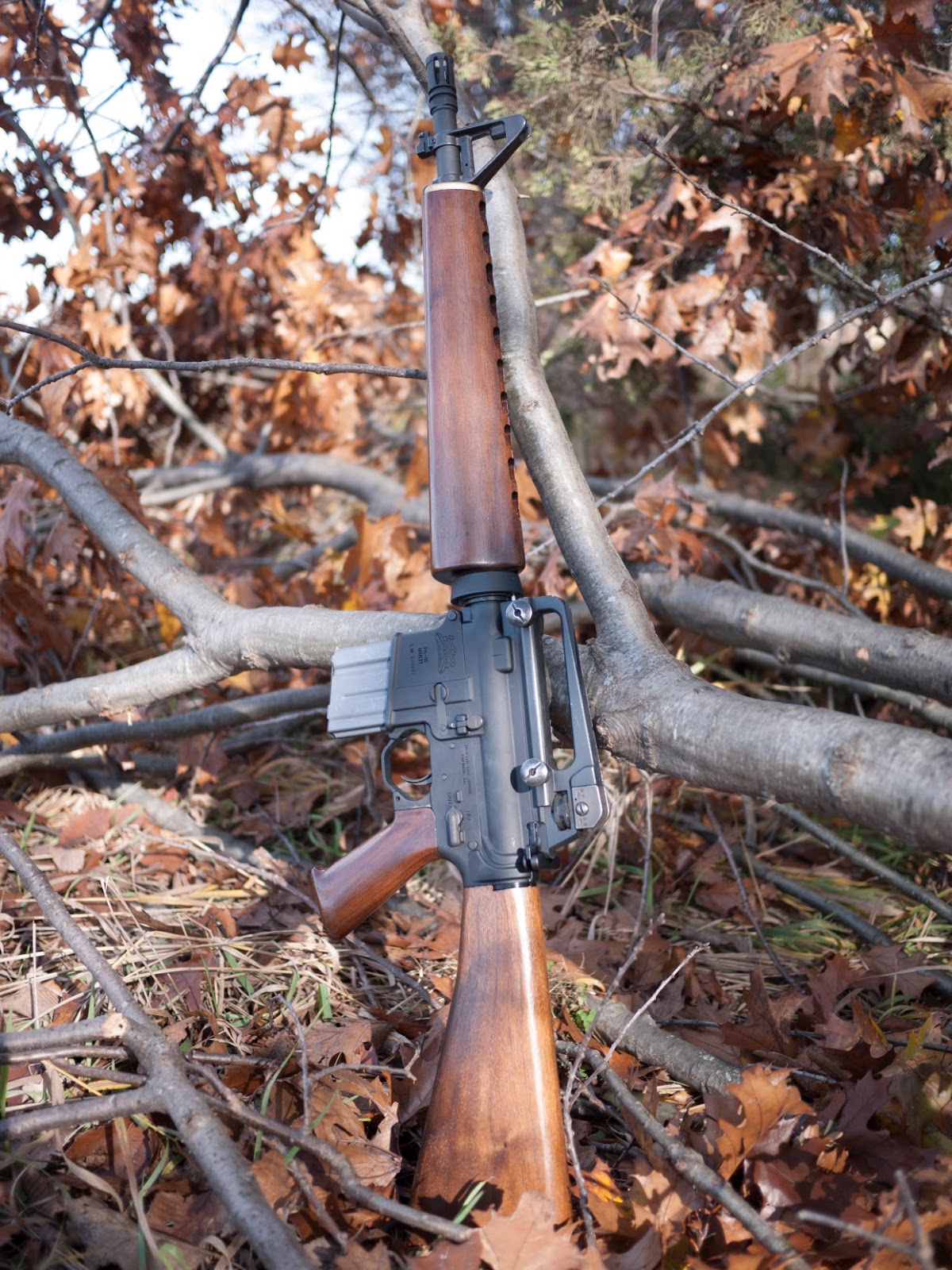
Dear Santa, I WANT ONE!!!! Grumpy
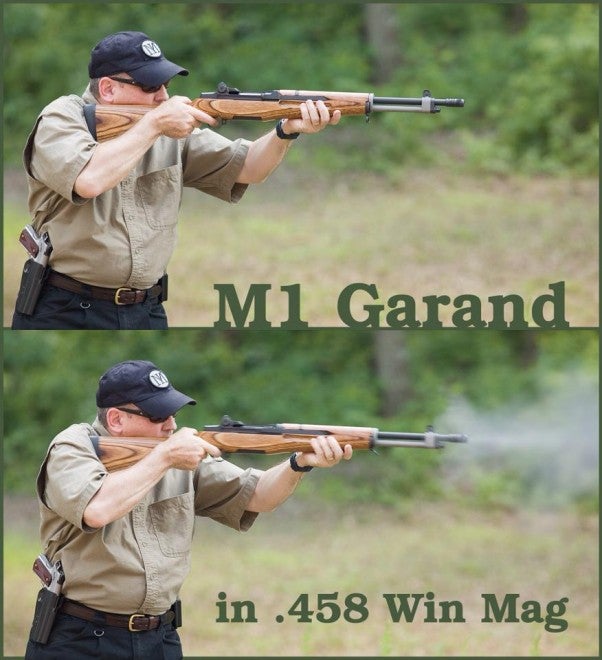
Back in early 2000’s, McCann Industries (known for their M1 Garand Gas Trap Adjuster) manufactured an M1 Garand in .458 Winchester Magnum.
Not made anymore after the passing of McCann’s primary gunsmith, the rifles are a fine example of ingenuity and practicality applied to big-game hunting.
At first, I flinched just thinking about it, but the few videos of it shooting shed some light on how this big-game cartridge is tamed.
While the base rifle was identical, McCann added an aggressive muzzle brake and a mercury cylinder to the stock to absorb and deflect the recoil.
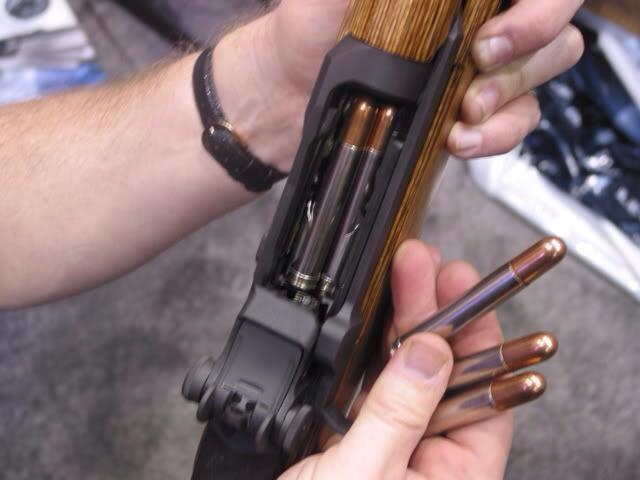
Not made anymore after the passing of McCann’s primary gunsmith, the rifles are a fine example of ingenuity and practicality applied to big-game hunting.
At first, I flinched just thinking about it, but the few videos of it shooting shed some light on how this big-game cartridge is tamed.
While the base rifle was identical, McCann added an aggressive muzzle brake and a mercury cylinder to the stock to absorb and deflect the recoil.
This poor thing obviously has seen some really hard service over the years.
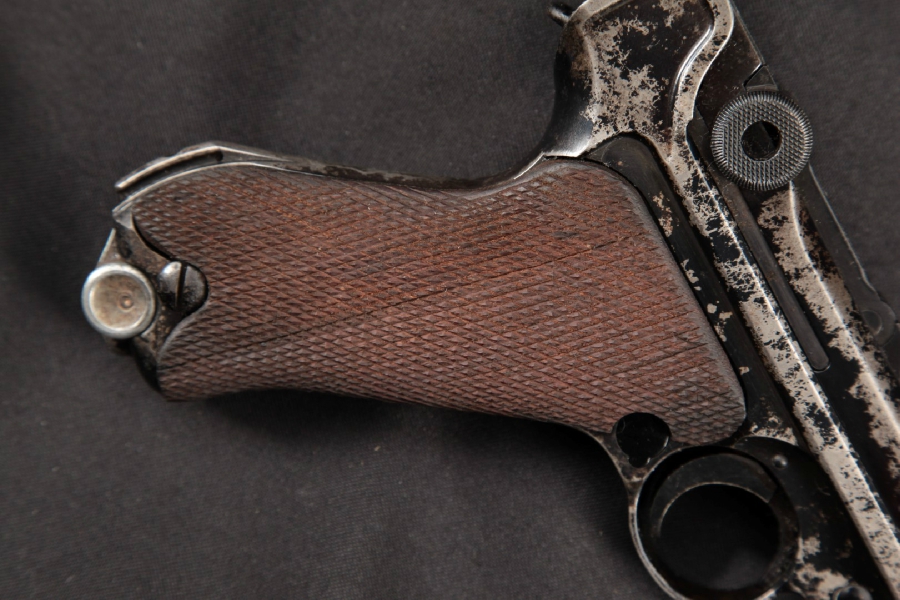
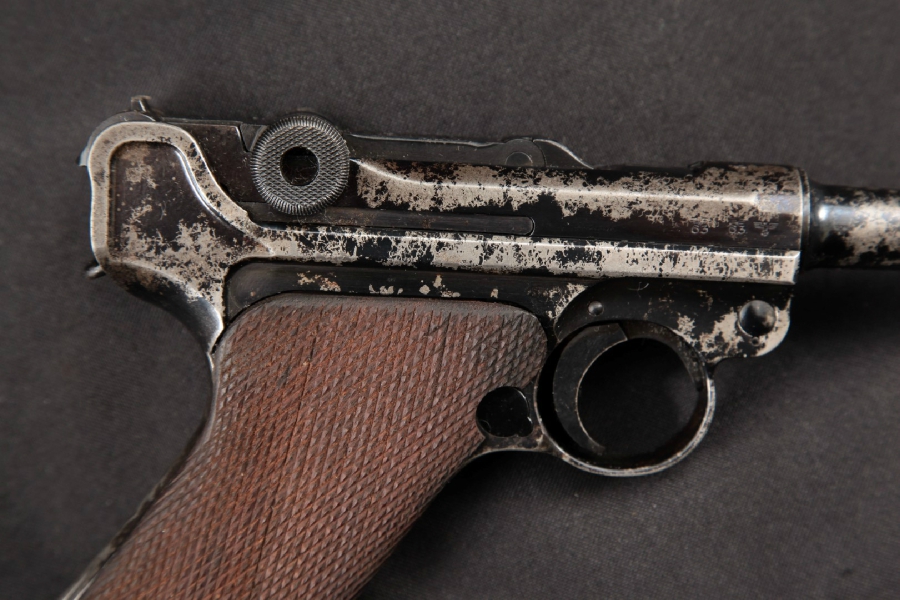
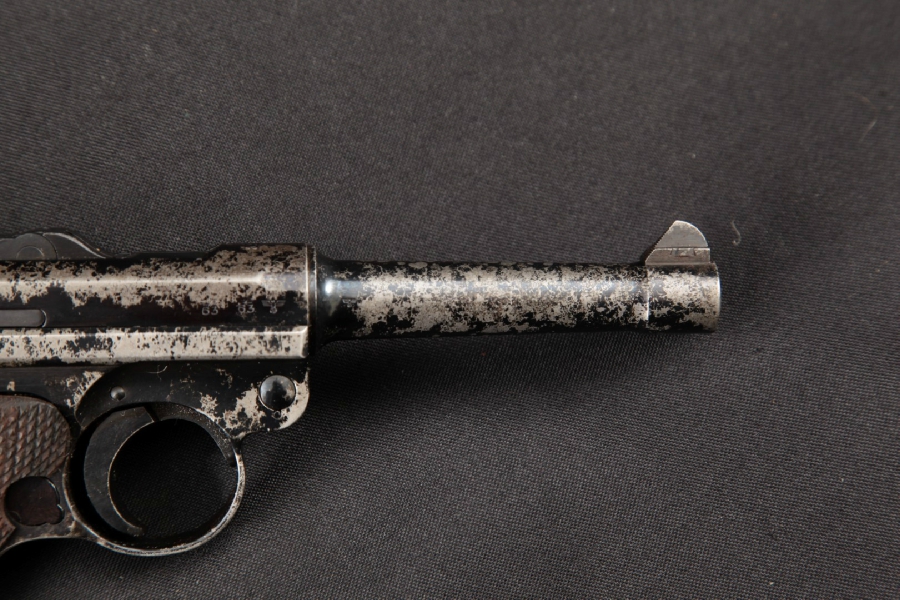
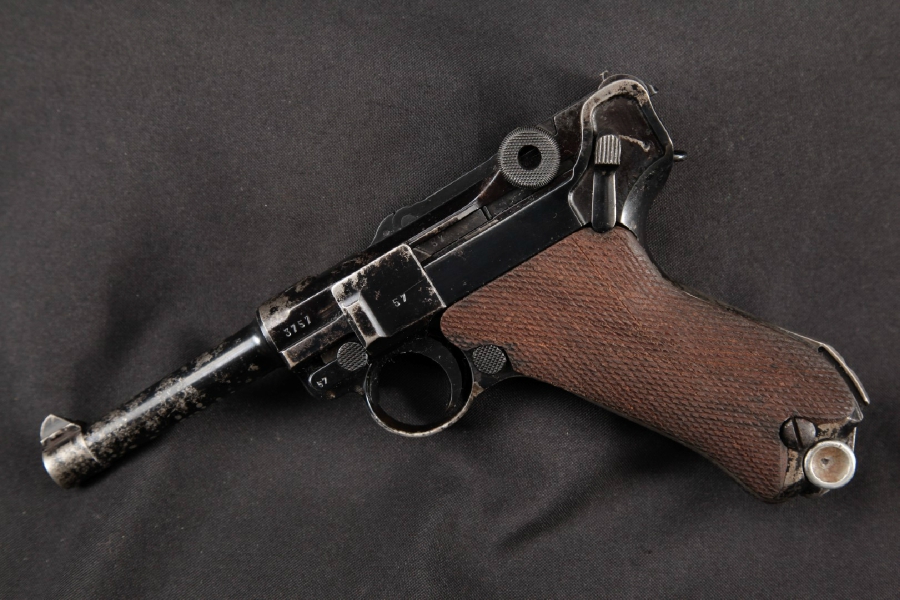
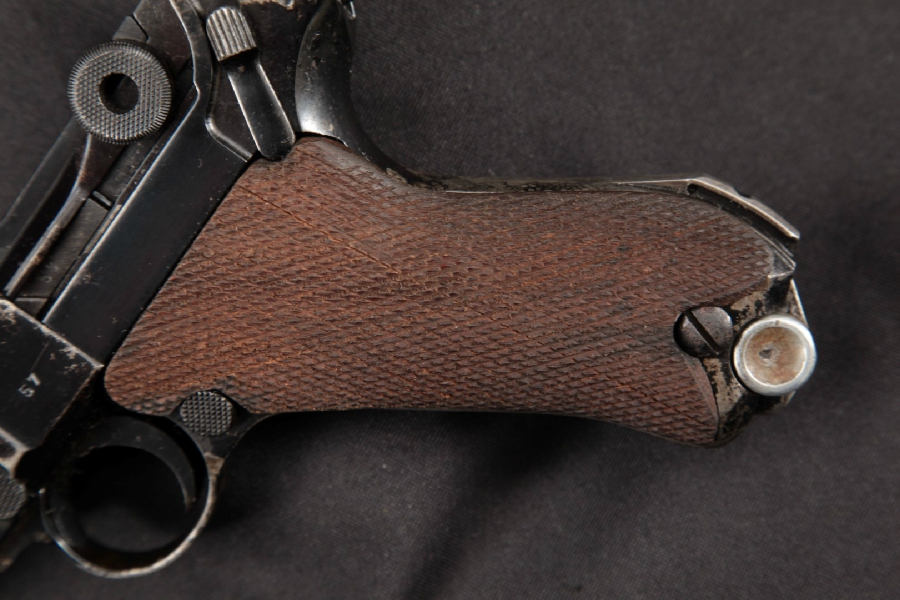
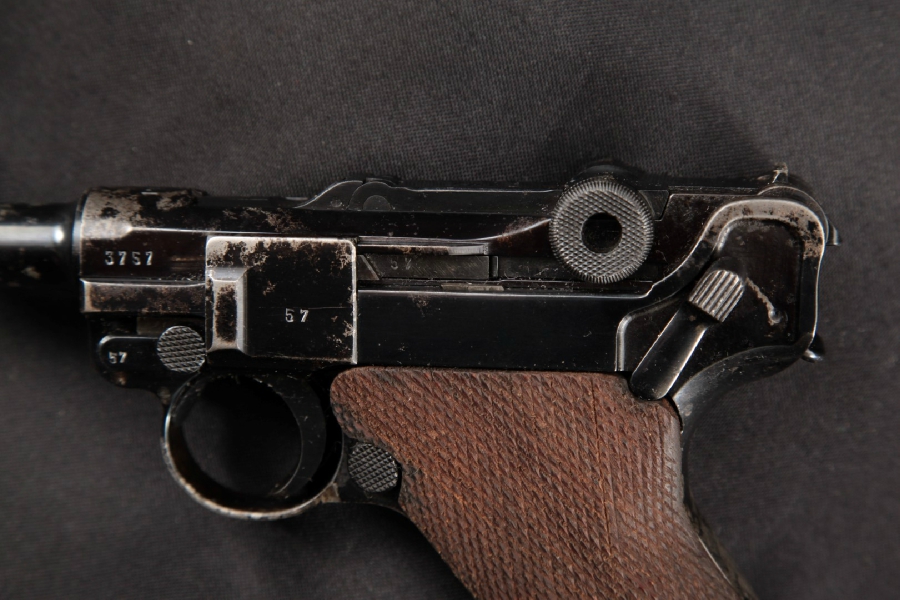
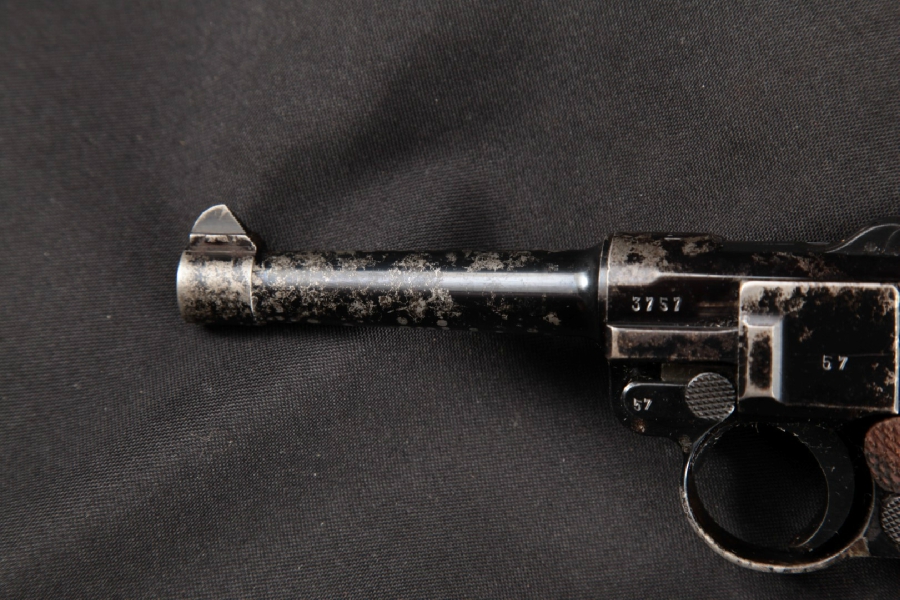
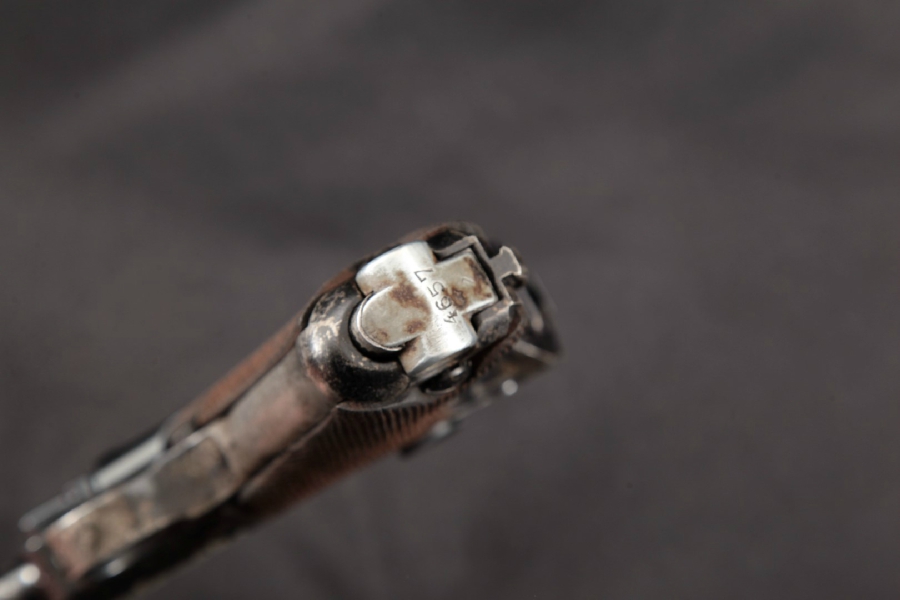
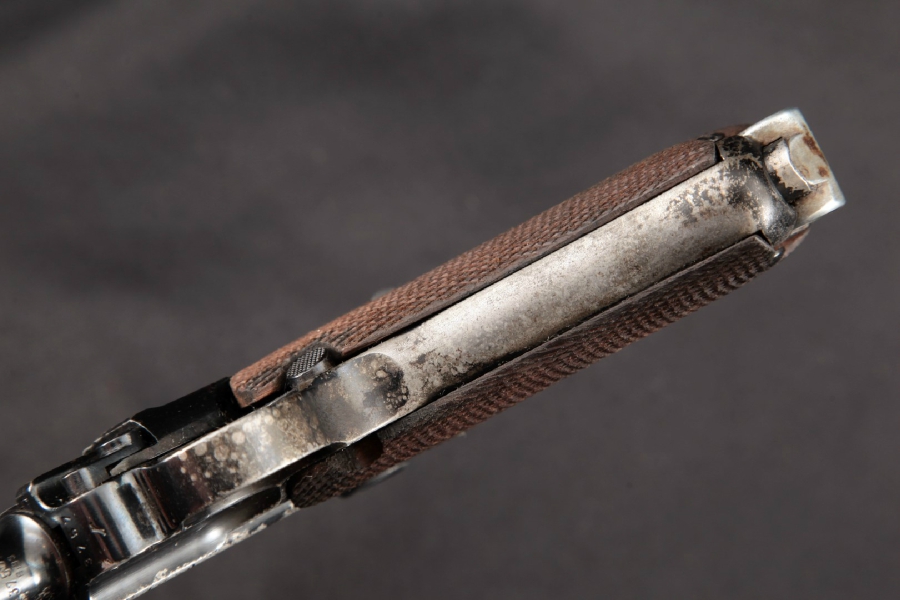
This gun also just goes to show us. The following, that guns are pretty tough and that the Germans just love stamping numbers on every part that the can.
I have been saving a few of these photos for a while. So I think that now is a good time to share them .
I hope that you like them!
Grumpy


I think that this a Drilling Gun


Your Best Hunting Partner!


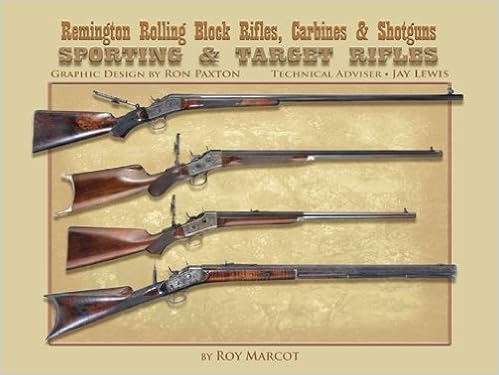
After the War between the States ended for the time being. A lot of Gun companies went belly up due to canceled Government contracts & demands.

For example – The US Army shrunk from over a Million men in 1865 to less than 40,000 in less than a couple of years. But then that was when we had some adults in the Government. Who took the Federal Budget as serious business.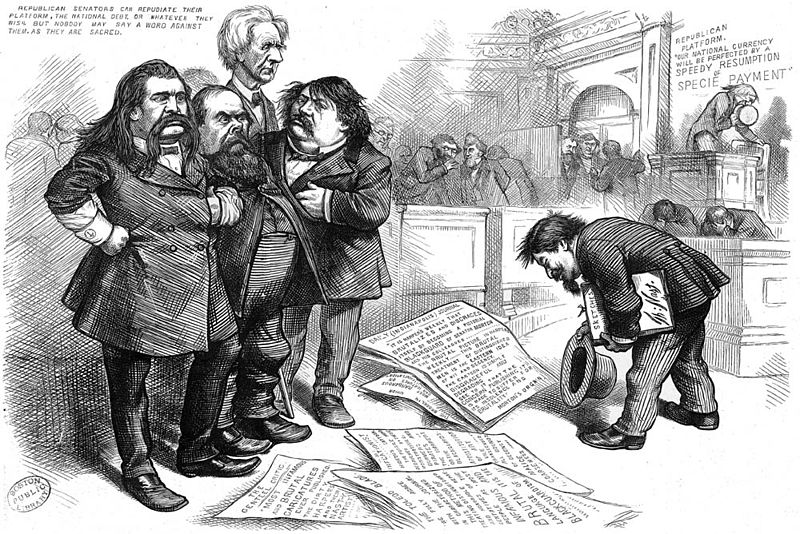

So what to do? Well Remington got very lucky and came up with the rolling block rifle / pistol. Heres some stuff about this tough, accurate gun.



Attachments area


Remington Rolling Block rifle
| Remington Rolling Block rifle | |
|---|---|
.jpg) |
|
| Type | Rolling block rifle |
| Place of origin | United States |
| Service history | |
| In service | 1867–1918[citation needed] |
| Wars | American Indian Wars, Franco-Prussian War, Russo-Turkish War, War of the Pacific, Philippine Revolution, Philippine-American War, Mexican Revolution, World War I, Italo-Turkish War |
| Production history | |
| Designed | 1864 |
| Manufacturer | Remington Arms Company |
| Specifications | |
| Weight | 9.25 lb (4.20 kg) |
| Length | 50.4 in (1,280 mm) to 53.3 in (1,350 mm) |
| Barrel length | 35.7 in (910 mm) to 37.4 in (950 mm) |
|
|
|
| Cartridge | .58 Berdan .50-70 .50-45 Carbine 12.7×45mmR Pontificio 12.17×42 mm RF 12.17×44mmR .45-70 .43 Spanish .43 Egyptian 10.15×61mmR 8×58mmR Danish Krag 8×50mmR .303 British 7.65×53mm Argentine .30-40 Krag 7.62×54mmR .30 Remington 7×57mm Mauser 6.5mm Daudeteau No. 12 .236 Remington 11 mm Danish Various Target/Sporting/Hunting Calibers |
| Action | Rolling block, Breech-loading, single-shot |
| Sights | Rear ramp & leaf sight, blade front sight |
The Remington Rolling Block rifle was a breech-loading rifle produced from the mid-1860s into the early 20th century by E. Remington and Sons (later Remington Arms Company). The action was extremely strong, and could easily withstand the increased pressure of the new smokeless powders coming into use by the late 1880s.
It was made in a variety of calibers, both rimfire and centerfire, including the 12.17×42 mm rimfire, 12.17×44 mm rimfire and 12.17×44 mm rimmed centerfire Swedish and Norwegian cartridges, .43 Spanish (11.15x58mmR), .50-70, .40-70, .45-70, and later in .22 caliber. Later models were produced in .30-06 Springfield, 7×57mm Mauser, and 8×50mmR Lebel.
Service rifle[edit]
In 12.17x42mmRF and 12.18x44mmRF (two cartridges that were interchangeable), and towards the end of its service life also 8x58mmR Danish Krag centerfire, it served as the standard service rifle of the Swedish Army from 1867 to the mid-1890s (when it was replaced by the Swedish Mauser) and in Norway as the standard service rifle from 1867 to the mid-1880s (when it was replaced by the M1884 Jarmann). In .43 Spanish it was the chief service arm of the Spanish Army from 1870–1893, and was used by reserve and militia forces for many years thereafter. Many Rolling Block rifles were used by Argentina before being replaced in 1891 by the new 7.65mm Mauser, and were also widely used by Egypt and Mexico. The Remington rolling block also became the standard service rifle of the Danish Army. During the Franco-Prussian War, France acquired 210,000 Rolling Block rifles to make up for a shortage of the standard-issue Chassepot.[1]

Remington Rolling-Block breech
Sweden and Norway (at that time in a union, the United Kingdoms of Sweden and Norway) adopted the rifle in 1867, being among the very first nations to adopt the Remington rolling block as their standard military rifle, and large numbers of Remington rolling block rifles and carbines were produced under license in Sweden and Norway. Around 250,000 military rifles and carbines and 85,000 civilian rifles in Sweden, were produced by Carl Gustafs Stads Gevärsfaktori (a government arsenal) and Husqvarna Vapenfabriks Aktiebolag, and about 53,000 military rifles in Norway by Kongsberg Vaapenfabrik.
During World War I, the British Royal Navy purchased 4,500 Rolling Block rifles in 7mm Mauser from Remington’s leftover stock after production had ended, issuing them to the crews of minesweepers and Q-ships.[2] In November 1914, production of the Rolling Block was resumed, in the form of a French contract for rifles in 8×50mmR Lebel, designated by France as “Fusil Remington modèle 1914”. 100,291 such rifles were delivered by 1916, and used to equip rear-line troops.[3]
Civilian use[edit]
Along with the Sharps rifle it was one of two rifles probably used more than any other by the buffalo hunters who hunted the American bison herds in the 1870s and 1880s.
Civilian Remington rolling block rifles, and later surplus military rifles, became very popular among hunters in Scandinavia, particularly for moose hunting, with ammunition for the rifles being commonly available on the civilian market into the 1920s-1930s.
Military users[edit]
 Argentina[1]
 Austria-Hungary[1]
 Belgium
 Brazil[1]
 Canada
 Chile[1]
 China[1]
 Colombia[1]
 Cuba[1]
 Denmark[1] ( 1867-1889 )
 Dominican Republic[1]
 Khedivate of Egypt[1]
 El Salvador[1]
 France[1]
 Kingdom of Greece[1]
 Guatemala
 Haiti
Haiti Honduras[1]
 Persia[1]
 Kingdom of Italy[1]
 Jamaica
 Japan[1]
 Mexico[1]
 Monaco: Compagnie des Carabiniers du Prince[4]
 Netherlands[1]
 Nicaragua
 Norway[1]
 Panama
 Papal States[1]
 Paraguay
 Peru[1]
 Puerto Rico[1]
 Philippines (1899): Katipunan[1]
 Spain[1]
 Sweden[1]
 United Kingdom[1]
 United States[1]
 Uruguay[1]
 Trinidad and Tobago
 Venezuela
 Yemen
Yemen

