Category: All About Guns
Categories
Marlin 45-70 Cowboy Review
Categories
Colt Lightweight Commander (1969)
Categories
1892 Winchester 25-20 vs 32-20 WCF
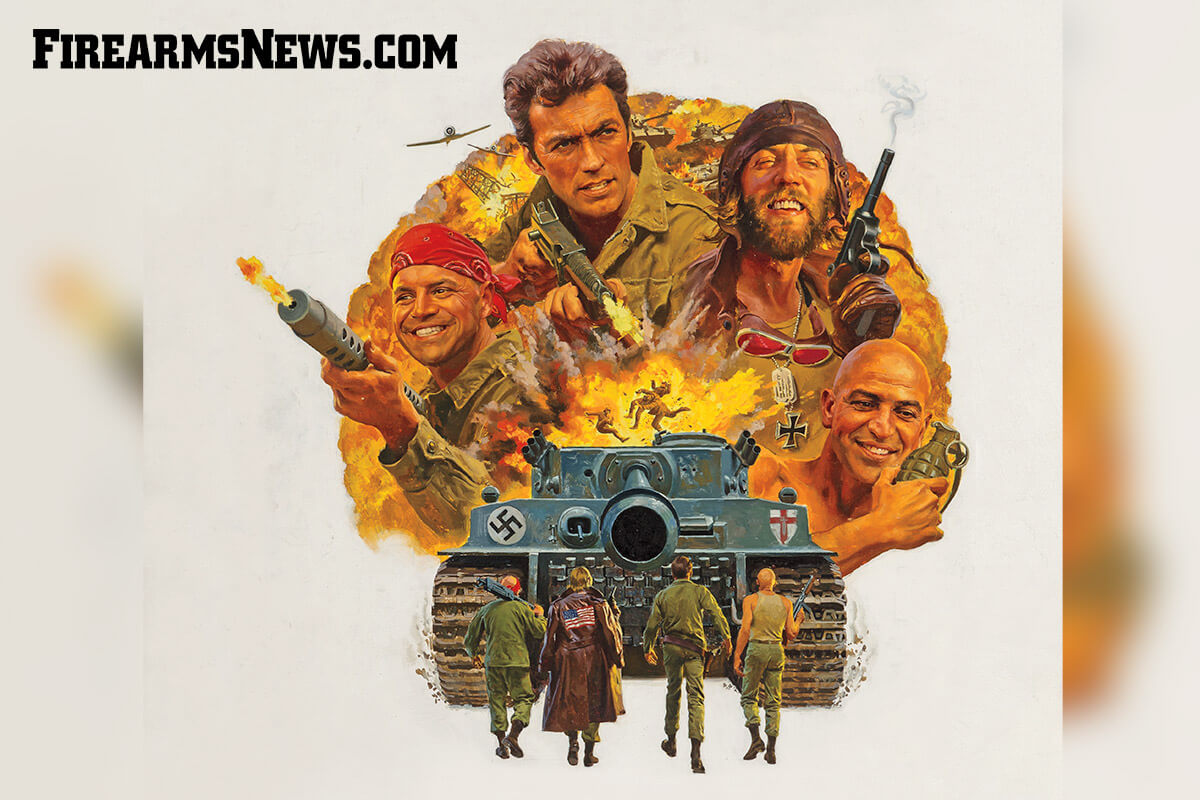
Think you know all the guns from your favorite World War II movie? Think again! Here is a breakdown of the firearms used in Kelly’s Heroes by Clint Eastwood and his oddball team.
January 05, 2023
“Oddball, what’re you doin’?”
“Oh, I’m drinking some wine, eating some cheese, catching some rays … you know.”
“What’s the matter?”
“The tank’s broken, and they’re trying to fix it.”
“Well, why aren’t you up there helping ‘em?”
“I only drive ‘em, I don’t know what makes ‘em work.”
“Creeps … .”
Photo Gallery
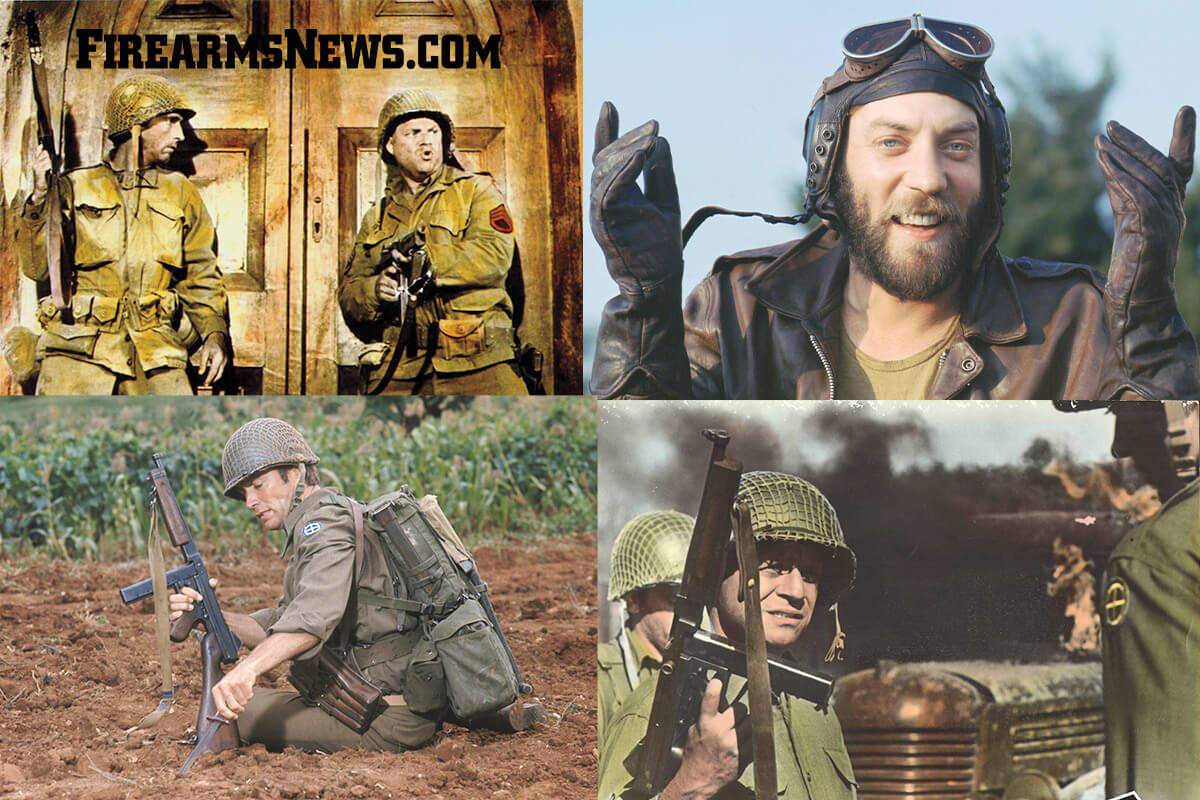
If you don’t recognize that timeless exchange from the 1970 action comedy flick Kelly’s Heroes then you’re missing out on the coolest war movie ever filmed. Sporting a tour de force cast that included Clint Eastwood, Telly Savalas, Donald Sutherland, Don Rickles, and many more, Kelly’s Heroes was the antiwar caper film that set an unassailable bar.
Funny, poignant, exciting, and cool, Kelly’s Heroes is obviously a personal fave. 1970 was a big year for war movies. In addition to Kelly’s Heroes, Hollywood churned out Tora, Tora, Tora, Patton, MASH, and Catch-22. The Vietnam War was still grinding away, and the domestic turmoil it fomented flavored the American film culture. In Kelly’s Heroes we find cinematic perfection.
Legit, I found the movie on ROKU for free. If you haven’t seen it yet you are without excuse. I’m about to ruin the plot, so you need to stop what you’re doing, run a bag of popcorn through the microwave, and watch it. I’ll be here when you get back. The narrative orbits around an armored recon unit of the 35th Infantry Division in combat in Europe during World War 2. Clint Eastwood’s character, Kelly, is a former Lieutenant busted down to Private for having attacked the wrong hill on faulty orders. The sharp eye will catch the faint outline of a Lieutenant’s bar still stenciled on the front of his helmet.
Kelly captures a Colonel Dankhopf of Wehrmacht Intelligence in an effort at gathering information on restaurants, hotels, and brothels in Nancy, the next French town on their line of advance. While interrogating the German Colonel, Kelly discovers several gold bars in his briefcase.
Once he gets the kraut good and drunk the Colonel admits that there is actually $16 million in gold stored in a bank some thirty miles behind German lines. Kelley has serendipitously stumbled upon the perfect crime.
What follows is solid action, proper gunplay, a rousing adventure, and some shockingly cool comedy. Big Joe is the battle-hardened senior NCO played by Telly Savalas who really runs everything. CPT Maitland is the feckless Company Commander who warns Big Joe that the penalty for looting is death as he drives off with a pilfered yacht. The hustler Supply Sergeant Crapgame played by Don Rickles is hilariously acerbic throughout.
MSG Mulligan the idiot artilleryman is both manic and criminally irresponsible but rises to the occasion in exchange for a gold bar of his own. Interestingly, Mulligan was played brilliantly by George Savalas, Telly Savalas’ younger brother. Supporting actors like Gavin MacLeod, Harry Dean Stanton, Stuart Margolin, and Jeff Morris each add moments of inimitable levity. The real gem, however, is Donald Sutherland’s stoned dopehead tank commander Oddball.
Oddball’s commander got decapitated by a German 88mm antitank gun six weeks before the story begins, but they never bothered reporting his death. As a result, Oddball and his three Sherman tanks just sort of fell off the grid, setting themselves up in the rear area to avoid the chaos.
When introduced to Kelly, Oddball explains his mindset thusly, “We see our role as essentially defensive in nature. While our armies are advancing so fast and everyone’s knocking themselves out to be heroes, we are holding ourselves in reserve in case the Krauts mount a counteroffensive which threatens Paris … or maybe even New York. Then we can move in and stop them.” Eventually Kelly pulls together a motley band that fights its way to the little French village of Claremont.
There they find the bank guarded by three Tiger I tanks of the 1st SS Panzer Division. A rollicking firefight ensues, some of which is surprisingly funny. Ultimately the Americans strike a deal with the commander of the sole remaining Tiger to blow the door off the bank and get to the gold.
Kelly divides the gold up evenly among everybody, even the Germans. The Americans then strike out for Switzerland with $845,000 each in bullion. That would be about $13.3 million apiece today. As a stinger, Oddball uses some of his share to buy the remaining Tiger tank along with the German uniforms. When last we see him he is roaring off in his new Tiger wearing the German tank commander’s black leather jacket, his loader perched atop the turret with an MP40. Fade to the killer 1970’s folk soundtrack.
The Movie
Kelly’s Heroes was filmed in what was then Yugoslavia. I’m not smart enough to keep up with just what became of Yugoslavia in the aftermath of the Balkan Wars in the early 1990’s. However, in 1970 Yugoslavia was still awash in military equipment left over from World War 2.
It also sported a countryside that aped that of wartime France. At the time of filming operational Sherman tanks could still be found in Yugoslavia. The screenplay was inspired by a supposedly true story. Rumors still abound of an operation conducted by American GIs and German SS officers that spirited away a large portion of the Nazi gold reserves at the end of the war. Investigations into the details were still ongoing into the 1990’s.
Two of the missing gold bars replete with Nazi markings are said to be held in the vaults of the Bank of England today. George Kennedy was first offered the part of Big Joe that was so perfectly done by Telly Savalas, but he turned it down. There was a female part to be played by Ingrid Pitt, the starring actress in the Alistair MacLean war classic Where Eagles Dare. However, her part was cut at the eleventh hour.
The original story arc had all the Americans surviving to escape to Switzerland. However, at some point in production the director added the intense minefield scene wherein three of the platoon members were killed. Donald Sutherland later said he regretted that this was included in the film and felt that it marred the overall performance.
Though the story seems about perfect to me, there were several deleted scenes that didn’t make it into the final cut. Several involve nudity that likely would have earned the film a racier rating and restricted its audience. The most compelling, however, was a scene cut at the very end while Kelly and the survivors are driving away toward the Swiss border. A group of soldiers run up and yell that they are going in the wrong direction.
The Guns
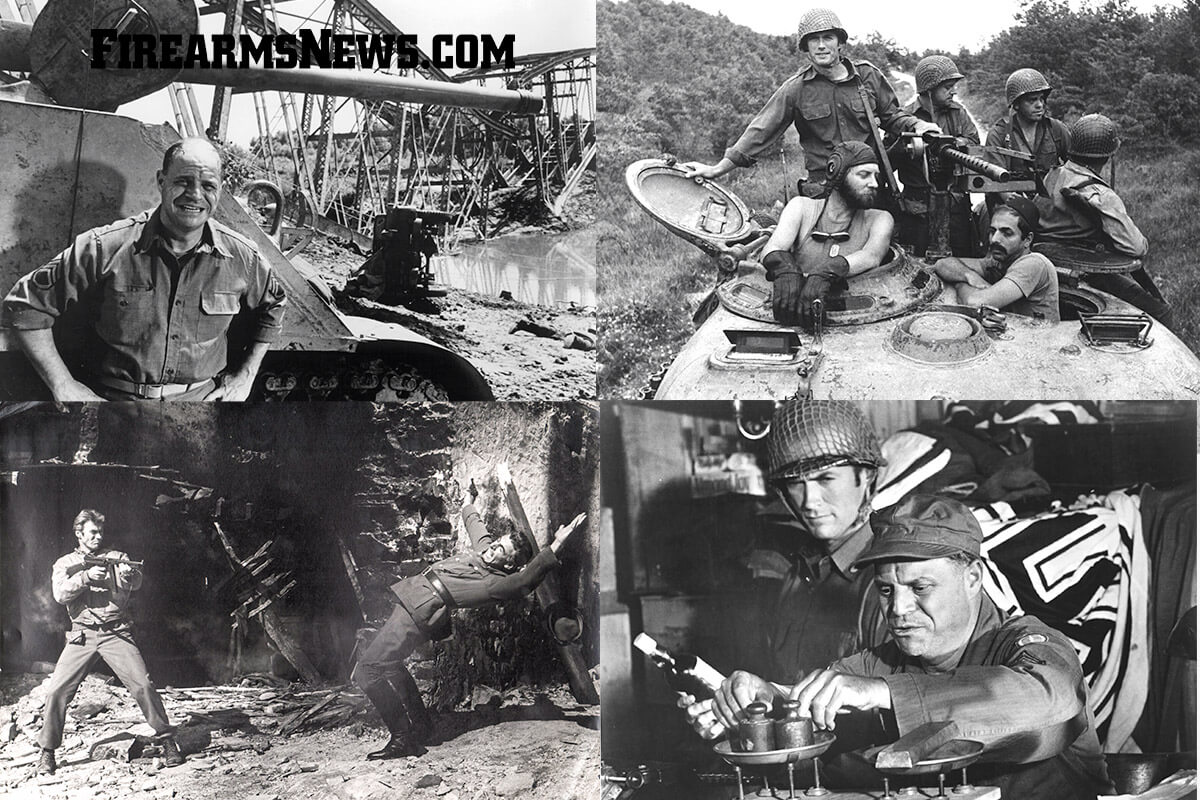
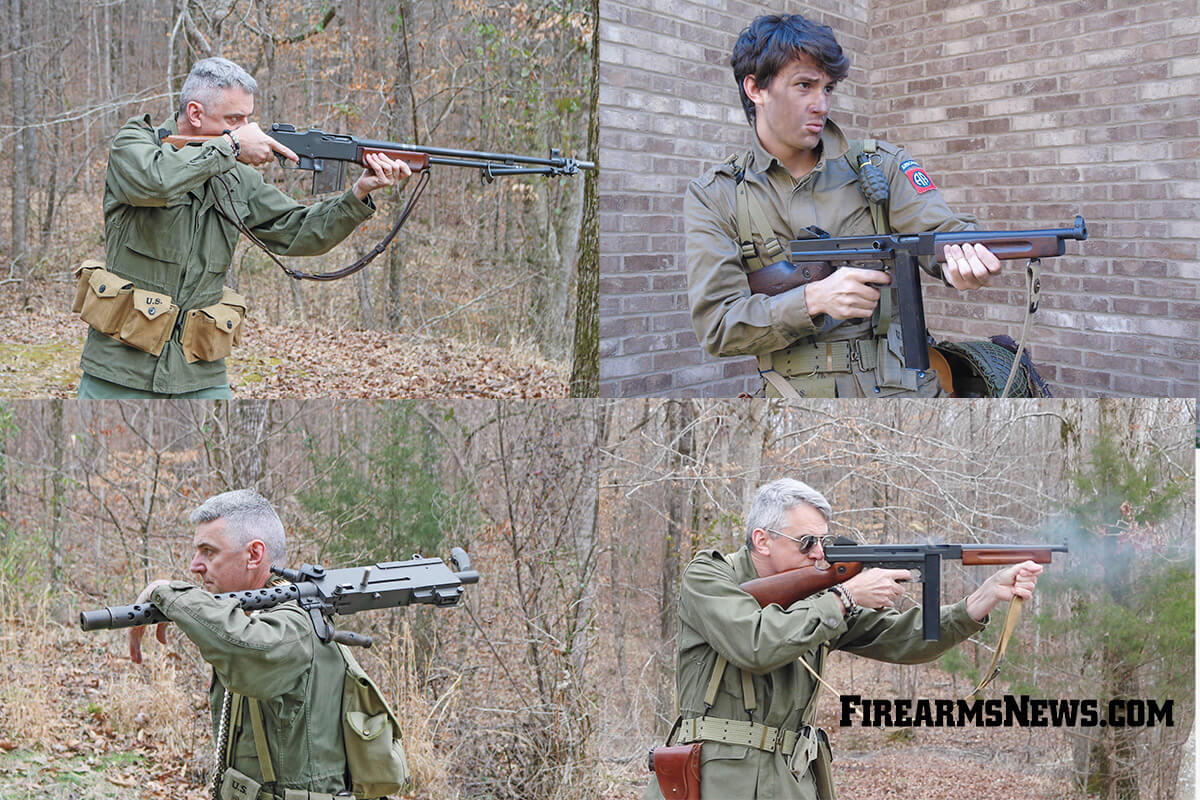
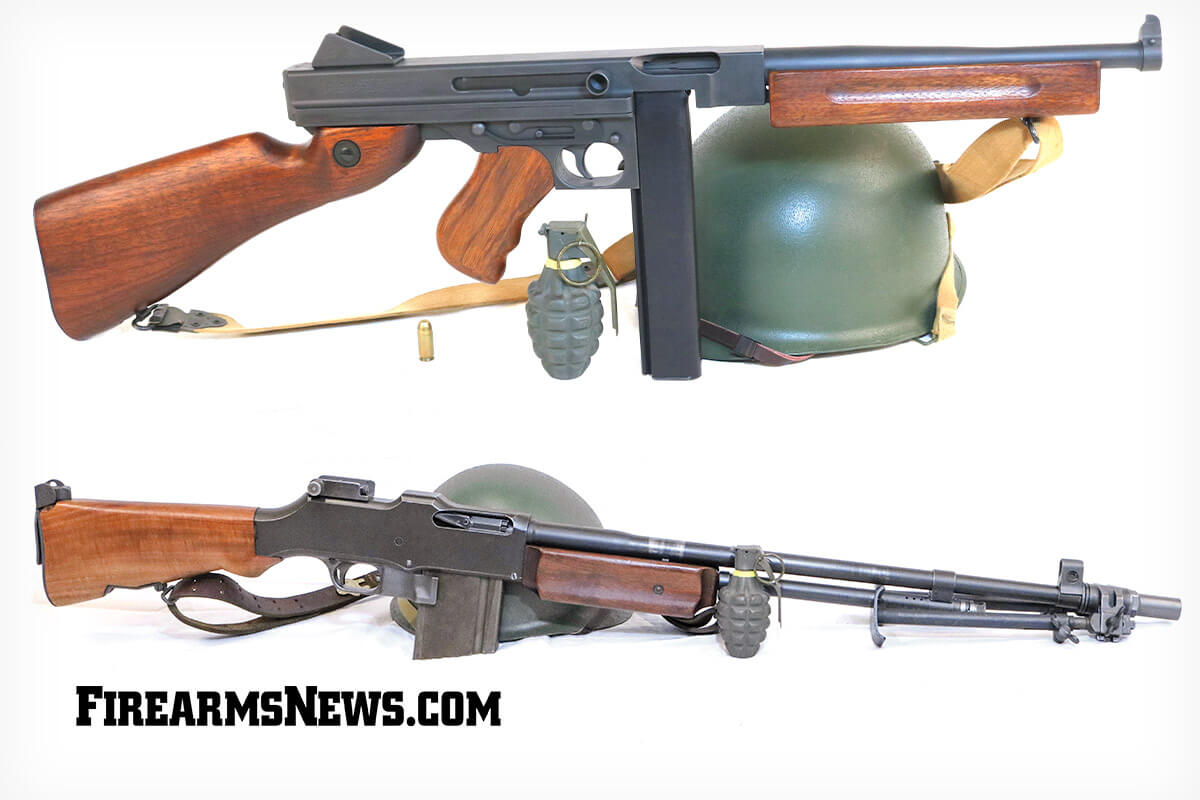
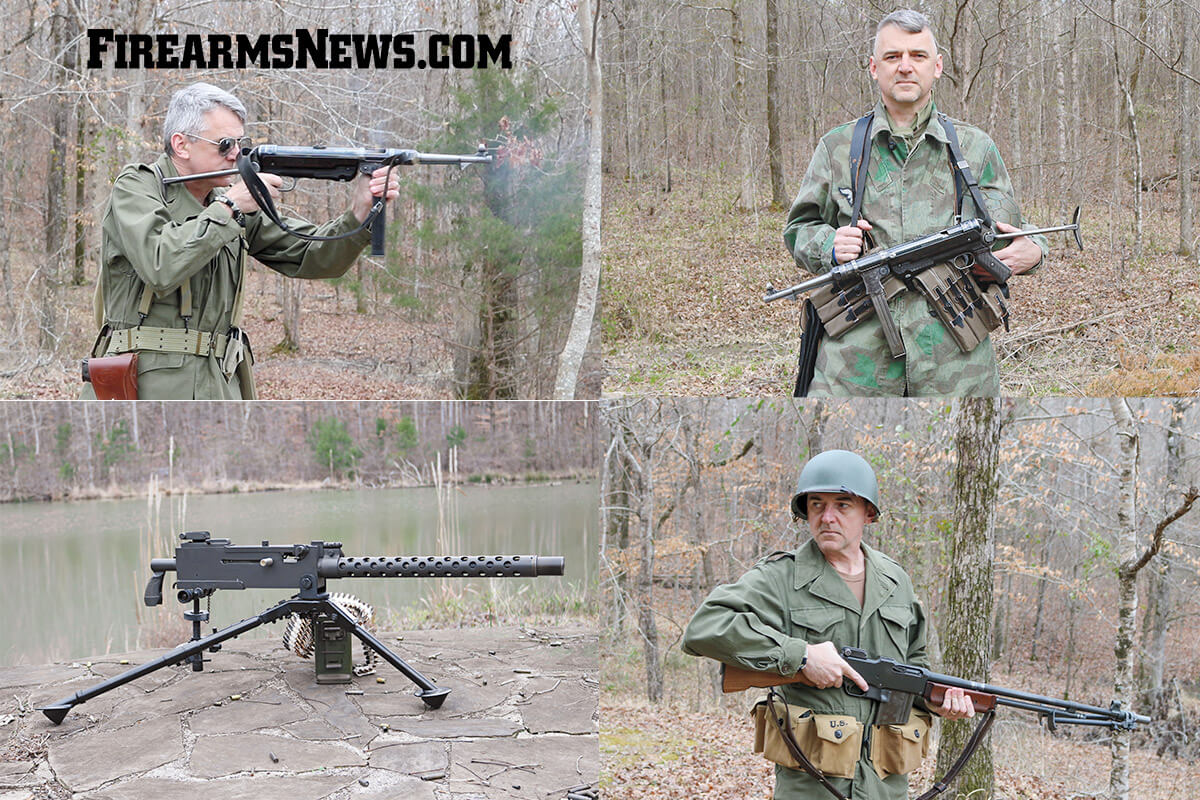
Like most World War II movies, the weapons were chosen for dramatic effect rather than historical realism. Most of Kelly’s platoon carried M1A1 Thompson submachine guns. The full auto fire added to the excitement in ways that semiauto rifles might not. While I don’t recall seeing any tactical magazine changes, the American troops did at least often carry spare magazines on their person. One scene had PVT Grace handing out fresh Thompson mags after an engagement.
The M1A1 Thompson was a simplified version of the earlier 1921/1928 guns that made such an impact during the American gangster era. Introduced in combat in 1943, the M1A1 Thompson had its actuator on the right side of the receiver where previous versions were on top. It sported a smooth barrel and a fixed stamped steel rear sight. The M1A1 also lacked a Cutts compensator. Additionally, the M1A1 was not cut to accept the Thompson drum magazine.
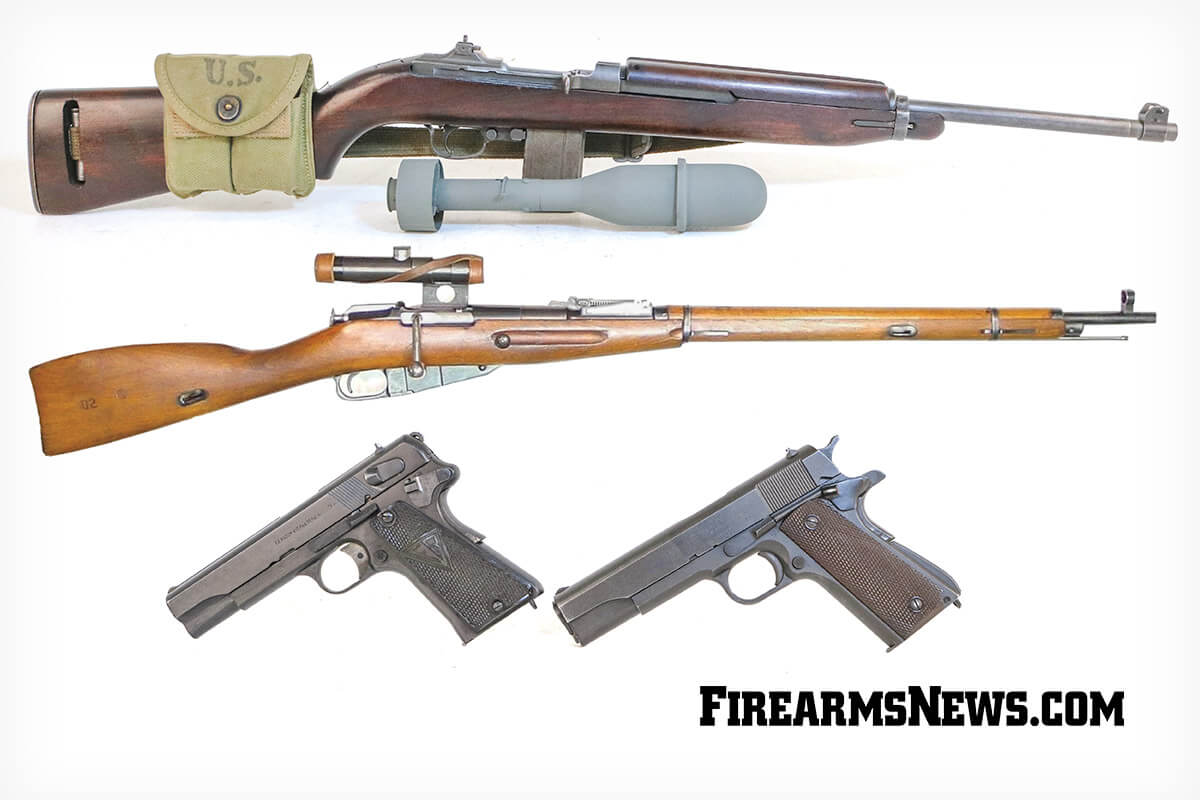
One American soldier named Fisher packed an M1 carbine and used it to fire a rifle grenade through a window during the final battle. To adapt the carbine to fire rifle grenades, the Army developed the M8 grenade launcher attachment. This rig mounted with a wing nut in the manner of the carbine flash suppressor. Rifle grenades could be of both antipersonnel and shaped charge antitank designs.
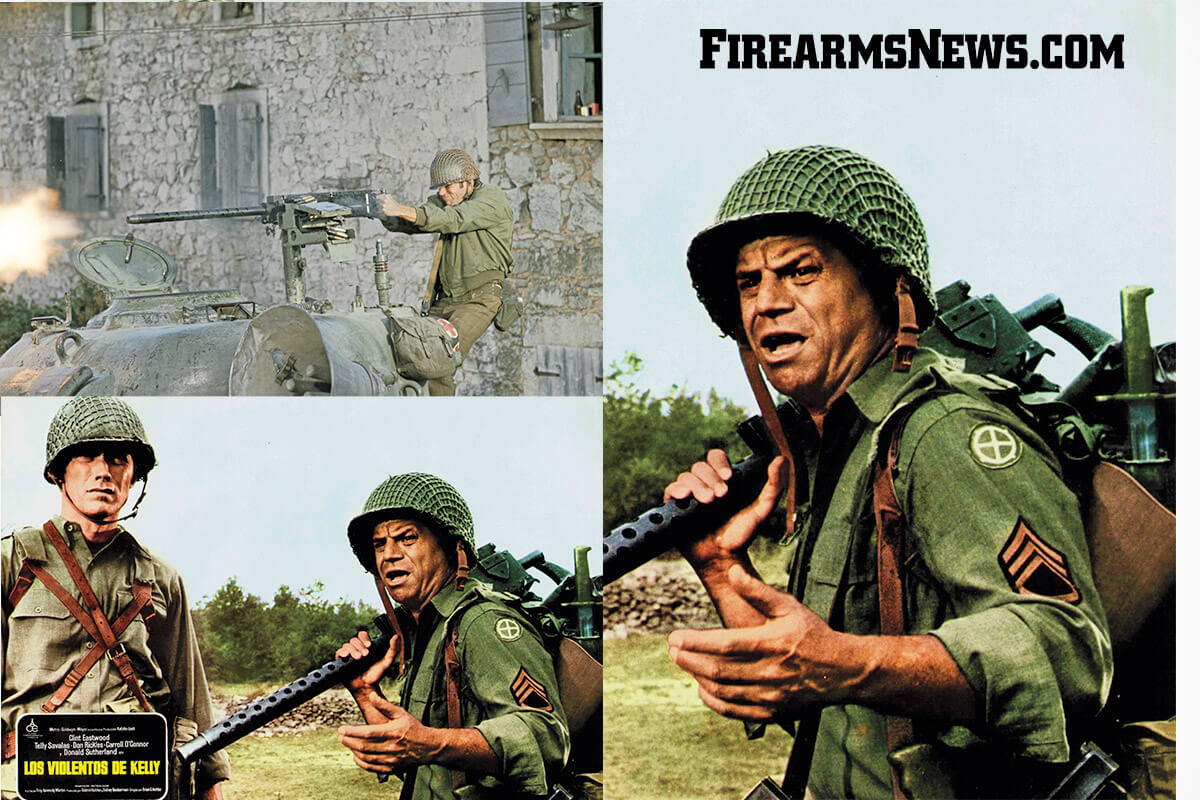
The M1919A4 Browning Light Machinegun featured prominently in the narrative. The gun’s excessive weight and bulk made for some superb comic relief as Crapgame was forced to carry it after their halftracks were destroyed by friendly fighter-bombers. Speaking from experience, the M1919A4 is indeed a royal pain to hump for any distance.
The M1919A4 was a John Browning design that served in light infantry, coaxial, mounted, aircraft, and antiaircraft roles from 1919 until it was supplanted by the M60. The gun can still be found in action in some of your less wellfunded war zones even today. The M1919A4 is air cooled and fires off a folding tripod. The gun weighs 31 pounds without its mount and is awash in painful square corners.
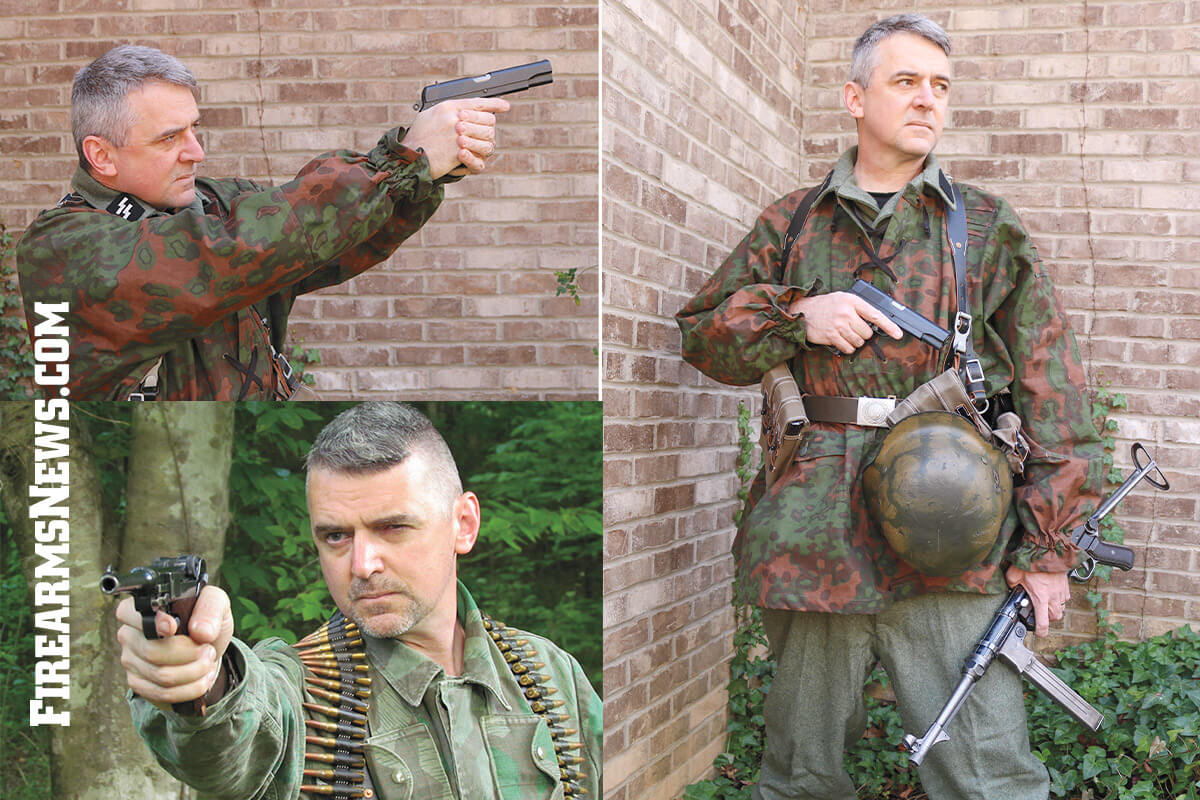
PVT Petuko packed a Browning Automatic Rifle that he used to good effect. However, as apparently there were no original GI BAR’s available, the filmmakers used Polish wz.28’s instead. The wz.28 was actually a clone of the civilian Colt Monitor with an enlarged wooden forearm, pistol grip, and shortened barrel. Normal people don’t care, but I thought that cool. Kelly unleashed the .50-caliber machinegun mounted atop Oddball’s Sherman against one of the Tiger tanks at close range.
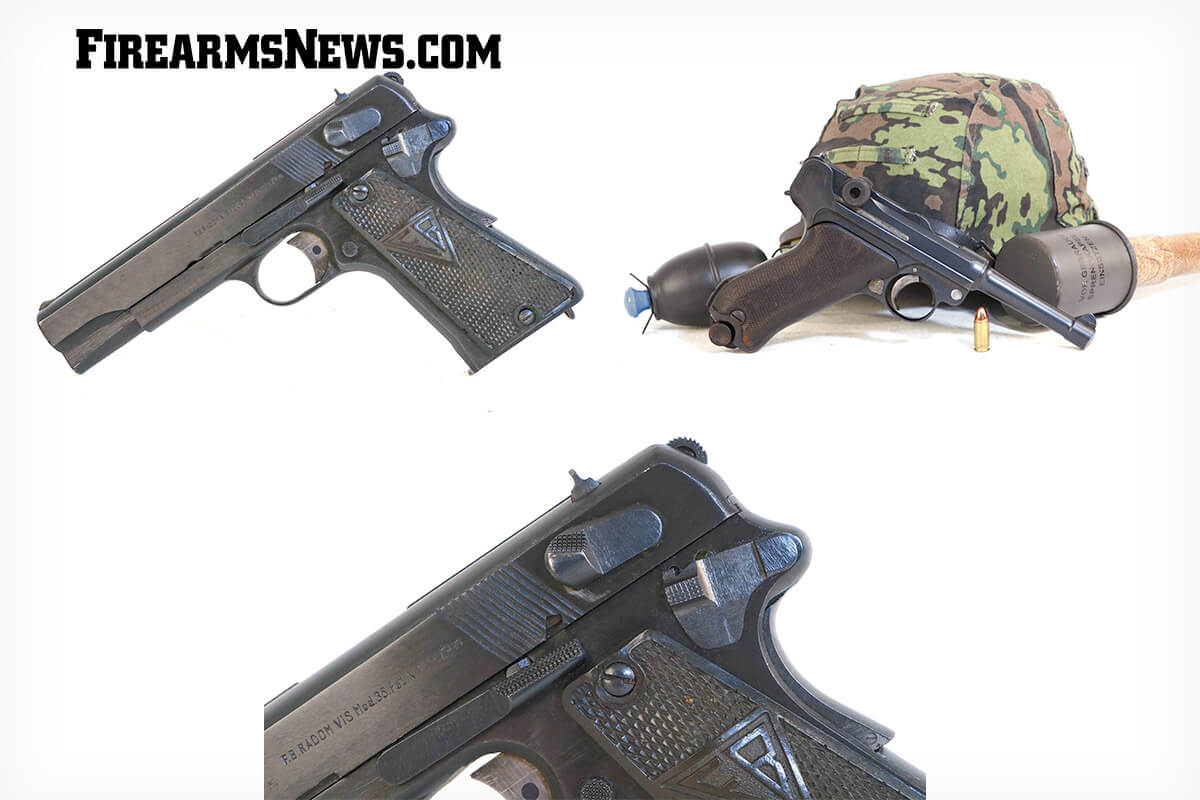
However, for whatever reason this was an AN/M2 aircraft fifty rather than the more traditional M2 Heavy Barrel. You can tell at a glance as the perforated barrel shroud of the AN/M2 extends all the way to the muzzle. With one notable exception, all of the Americans’ handguns were actually Polish Vis wz. 35 pistols used in lieu of M1911A1’s. Sharp eyes can spot these similar guns both brandished and in holsters. We often erroneously call the Vis the Radom on this side of the pond.
The Vis was a Browning-inspired 9mm design that fed from a single-stack eight-round magazine. The gun’s most striking feature was its spare switch on the left side of the frame. This was actually a takedown lever that was dropped on later versions of the weapon. Ever the character, Oddball actually packed a German P08 Luger in his GIissue M1911 leather holster. During the Sergio Leoneinspired showdown with the final remaining Tiger he actually cocked the grip of the gun outside his holster so he could draw it quickly if desired.
The P08 was the alpha souvenir among U.S. troops fighting in Europe and remains a desirable artifact of the war today. PVT Gutkowski was the platoon sniper and therefore should have been equipped with a scoped Springfield M1903A4 rifle. However, he actually packed a Soviet Mosin Nagant M91/30 sniper rifle replete with a 3.5PU scope. At one point he tied an American M7 bayonet to the muzzle with a strip of cloth. We can only presume the filmmakers chose this rifle as it was the closest thing they had available to the period Springfield.
Most of the Germans packed MP40 submachine guns as was so often the case in WW2 films. The MP40 is an iconic weapon which has graced the big screen from The Bridge at Remagen to Raiders of the Lost Ark. Developed from the previous MP38, the MP40 was the first general issue military weapon to be made from stamped steel without any wooden furniture. Though heavy and poorly balanced, the MP40’s modest 9mm chambering and sedate 500 rpm rate of fire make it one of the most controllable SMGs of the war.
The Tanks
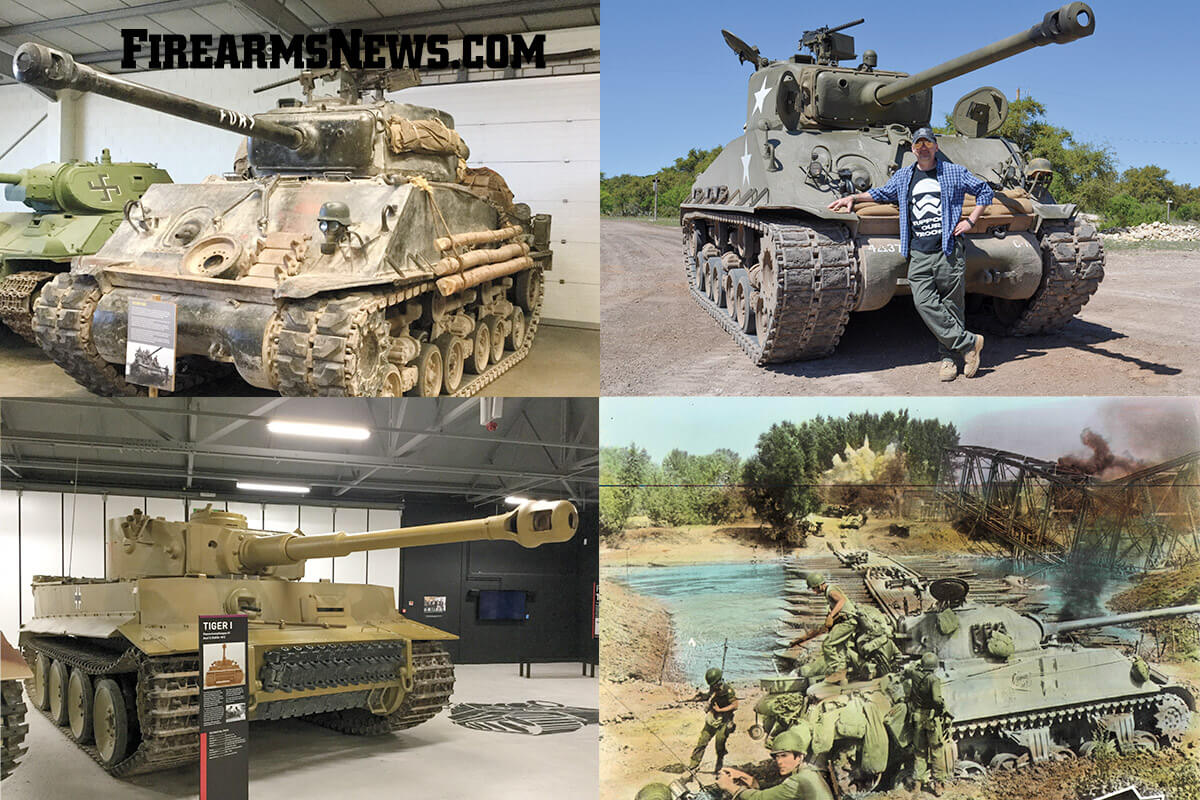
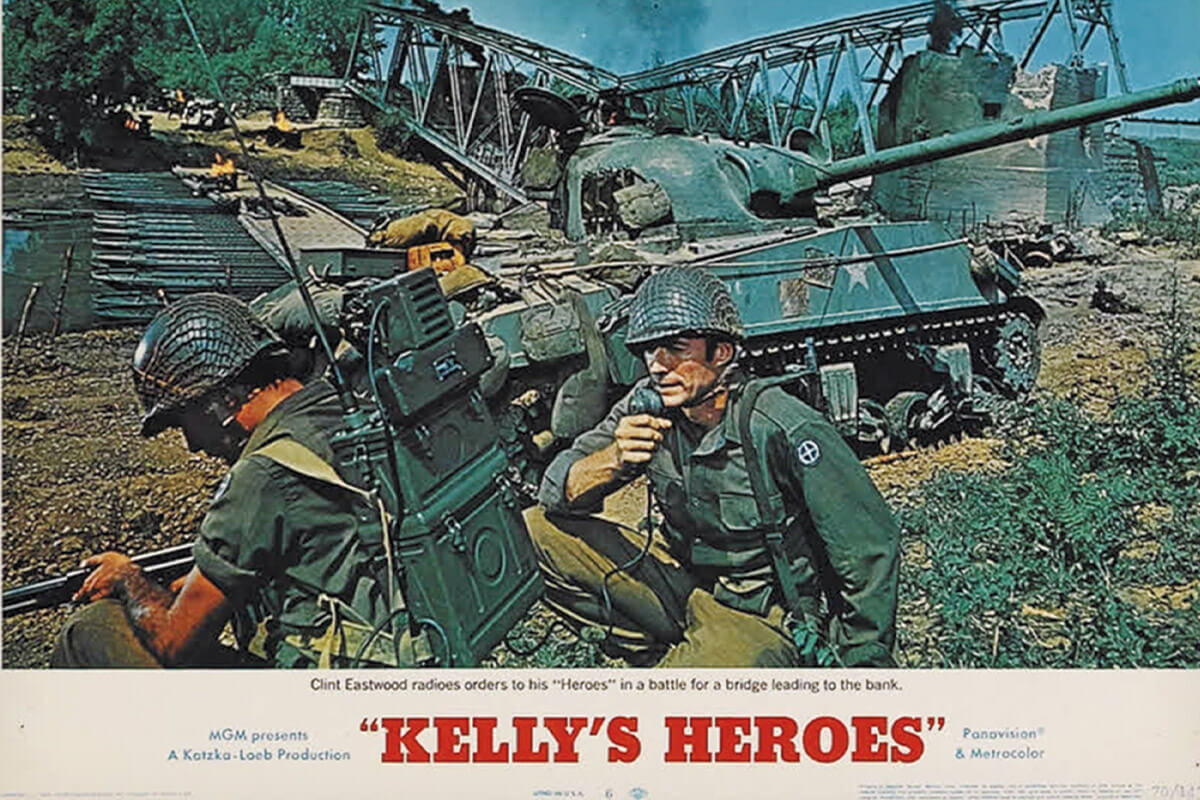
Oddball’s Sherman was an M4A3 variant presumably taken from Yugoslav Army stocks. The M4A3 sported a high velocity 76mm M1 gun that offered markedly better armor penetration than did the previous shortbarreled 75mm M3 weapons on earlier Shermans. The hull on the movie tank was of the welded plate sort where some others were cast.
Oddball boasted that his crew had upgraded the engines and transmissions on their tanks to make them the fastest in the European Theater both forward and reverse. He stated that he liked to think they could get out of trouble faster than they got into it. They also had special shells that fired paint charges and a large speaker on the outside of the turret that they used to broadcast loud music as they headed into battle. One of the many crowd pleasers was I’ll Be Working on the Railroad as they shot up a railway marshalling yard.
Tiger 131 is the only operational Tiger left in the world. It is maintained at the Bovington Tank Museum in Southern England. Tiger 131 has been used for two films since WW2, the 1950 war movie They Were Not Divided as well as the 2015 David Ayer combat epic Fury. As the Kelly’s Heroes filmmakers did not have ready access to original Tigers of their own, they bodged together facsimiles using Russian T34’s. The Kelly’s Heroes Tigers were superb replicas. The turrets sat a bit far forward, and the Christieinspired roadwheels weren’t nearly right, but the general lines were spot on. The addition of mineresistant Zimmerit along with some superb paint helped complete the charade. The end result captured the general power and gravitas of the infamous Panzerkampfwagen VI in action.
Ruminations
Kelly’s Heroes really is one of the greatest war movies ever made. Brian Hutton was the director who also helmed the classic Where Eagles Dare. The film returned $5.2 million for a $4 million investment and was generally well received at the time of its release. A recent ranking listed Kelly’s Heroes 34th on the 100 Greatest War Films of All Time. I would have put it higher myself.
The acting is great, the comic timing superb, and the gunplay frenetic and cool. Additionally, the tanks are enough to give a gun nerd like me heart flutters. If you indeed haven’t seen the movie yet go check it out. You’ll thank me later. Special thanks to WorldWarSupply for the cool replica gear used by our reenactors.
About the Author
Will is a mechanical engineer who flew UH1H, OH58A/C, CH47D and AH1S aircraft as an Army Aviator. He is airborne and scuba qualified and summited Mount McKinley, Alaska, six times…at the controls of an Army helicopter. After eight years in the Regular Army, Major Dabbs attended medical school. He works in his urgent care clinic, shares a business building precision rifles and sound suppressors, and has written for the gun press since 1989.


