Categories
All About Guns Our Great Kids The Green Machine War

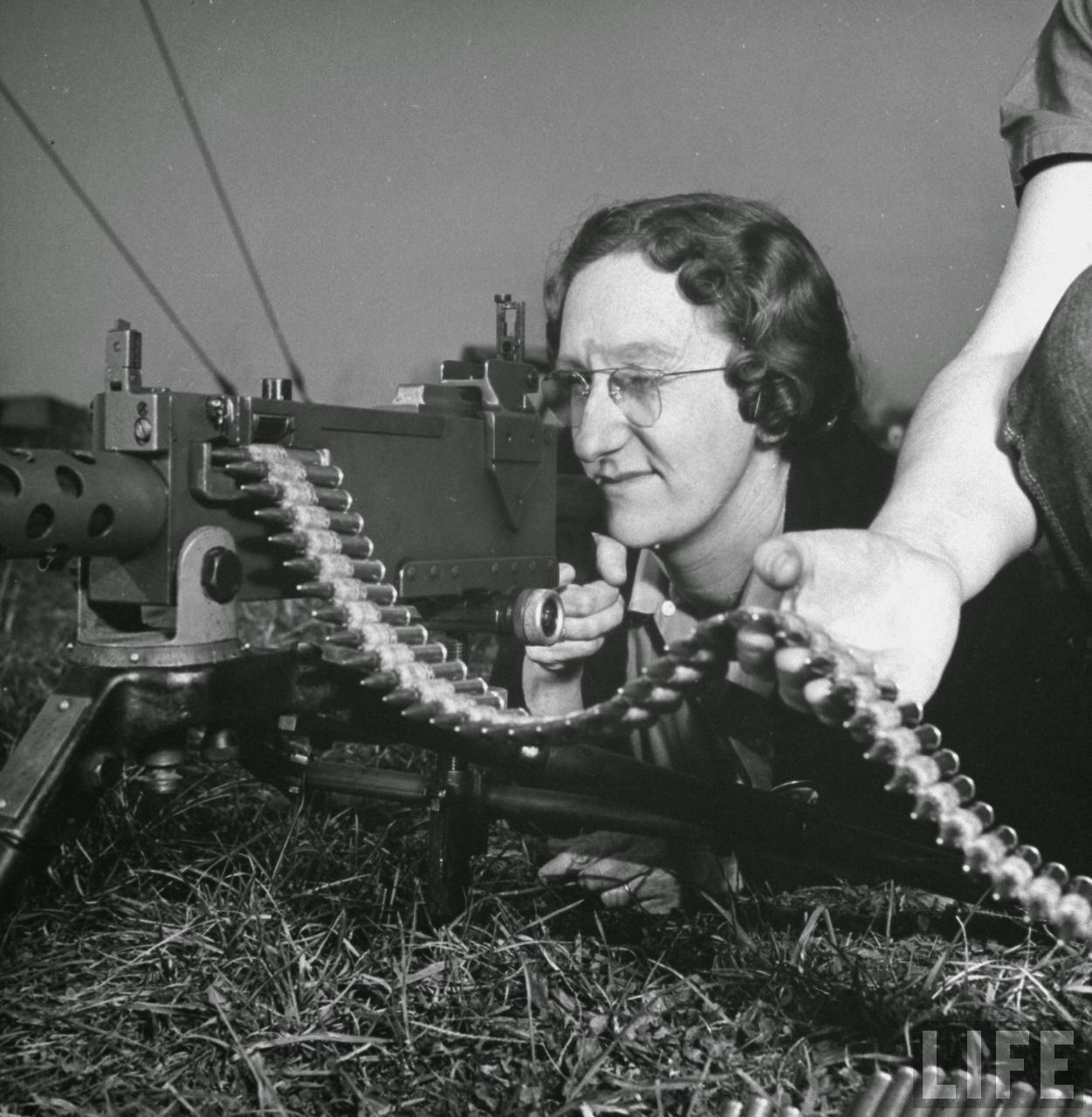
The New Crew: Women Testing Weapons During World War II VIEW GALLERY A woman tested a 30 caliber machine gun at the Aberdeen Proving Ground in Maryland, 1942.

Maryland’s Aberdeen Proving Ground opened in 1917 and today is the military’s oldest weapons-testing facility in the United States. It’s a big operation. At its peak in World War II, Aberdeen had housing for more than 27,000, and today it still employs more then 12,000 people.

Through its first decades Aberdeen was a man’s world. But that changed during World War II. LIFE covered extensively the real-life Rosie the Riveters who moved into industrial jobs during that era, and the women who became weapons-testers for the first time in Aberdeen were part of that same phenomenon.

The story in LIFE’s Feb. 1, 1943 issue described how the soldiers who once worked the testing grounds but had been deployed overseas were at first replaced by male civilians. Then “as the draft hit hard, the civilians began to disappear and in their place came thousands of women.”

And who were these women?

The women come from everywhere. Many have husbands in the Army. Others have husbands who also work at Aberdeen. They wear bright-colored slacks, and their “firing fronts” are a rippling blend of pink. blue and orange, mixed with white and black powder from the guns. They serve on crews of all weapons up to the 90-mm A.A.’s. [anti-aircraft guns]. They handle highly technical instruments. They drive trucks, act as bicycle messengers, swab and clean vehicles. A few of them have even been tested as tank drivers, but that work, with its physical bruises, is still a little too tough for them.

The declaration of that last sentence reflected a time when women were making their first inroads to military service. In 1942 the WACs had just come into being (see LIFE’s coverage of the first WACs here) and the change in attitudes about what roles women could play was slow and incremental. It was not until 2015 that the Department of Defense opened all military occupations and positions to women.

The photographs by Myron Davis and Bernard Hoffman capture a world in transition. Some pictures indulge in the novelty of the moment—such as the photo of a woman who looks like a schoolmarm set up behind the sites of a machine gun with an ammunition belt being fed through it. But in other photos the women, such as Mrs. Ruby Barnett, a grandmother who had never fired a gun before coming to work at Aberdeen, look right at home in their new jobs. Those pictures seem to ask the question about the women taking on this new line of work: Well, why not?

A woman tested a 30 caliber machine gun at the Aberdeen Proving Ground in Maryland, 1942.

Bernard Hoffman/Life Picture Collection/Shutterstock

Women loaded shells into an anti-aircraft gun at the Aberdeen Proving Ground in Maryland, 1942.

Myron Davis/Life Picture Collection/Shutterstock

A group of men and women tested a 90 mm anti-aircraft gun at the Aberdeen Proving Grounds in Maryland, 1942.

Bernard Hoffman/Life Picture Collection/Shutterstock

Viola Testerman carried a 41-pound shell at the Aberdeen Proving Ground, 1942.

Bernard Hoffman/Life Picture Collection/Shutterstock

Betty Wainwright and Opal Burchette fed cartridges into magazines at the Aberdeen Proving Ground in Maryland, 1942.

Bernard Hoffman/Life Picture Collection/Shutterstock

Nealie Bare at work at the Aberdeen Proving Ground in Maryland, 1942. Here she hammered a plug into a test shell to keep the shell’s sand from running out.

Bernard Hoffman/Life Picture Collection/Shutterstock

Mrs. Ruby Barnett, a grandmother, had never fired a gun before coming to work at the Aberdeen Proving Ground in Maryland during World War II.

Bernard Hoffman/Life Picture Collection/Shutterstock

Mrs. Ruby Barnett at work at the Aberdeen Proving Ground, Maryland, 1942.

Myron Davis/Life Picture Collection/Shutterstock

Mrs. Ruby Barnett was among the women who tested artillery at the Aberdeen Proving Ground in Maryland, 1942.

Myron Davis/Life Picture Collection/Shutterstock

Mrs. Ruby Barnett, a grandmother, tested a carbine at the Aberdeen Proving Ground in Maryland, 1942.

Bernard Hoffman/Life Picture Collection/Shutterstock

Women fired machine guns at the Aberdeen Proving Ground in Maryland, 1942.

Myron Davis/Life Picture Collection/Shutterstock

Women tested machine guns at the Aberdeen Proving Ground in Maryland, 1942.

Myron Davis/Life Picture Collection/Shutterstock

A woman loaded a bullet aircraft cannon at the Aberdeen Proving Ground in Maryland, 1942.

Myron Davis/Life Picture Collection/Shutterstock

A women tested a 20 millimeter aircraft cannon at the Aberdeen Proving Ground in Maryland, 1942.

Myron Davis/Life Picture Collection/Shutterstock

Aerial view of testing range at Aberdeen Proving Ground in Maryland, 1942.

Bernard Hoffman/Life Picture Collection/Shutterstock
Categories
All About Guns

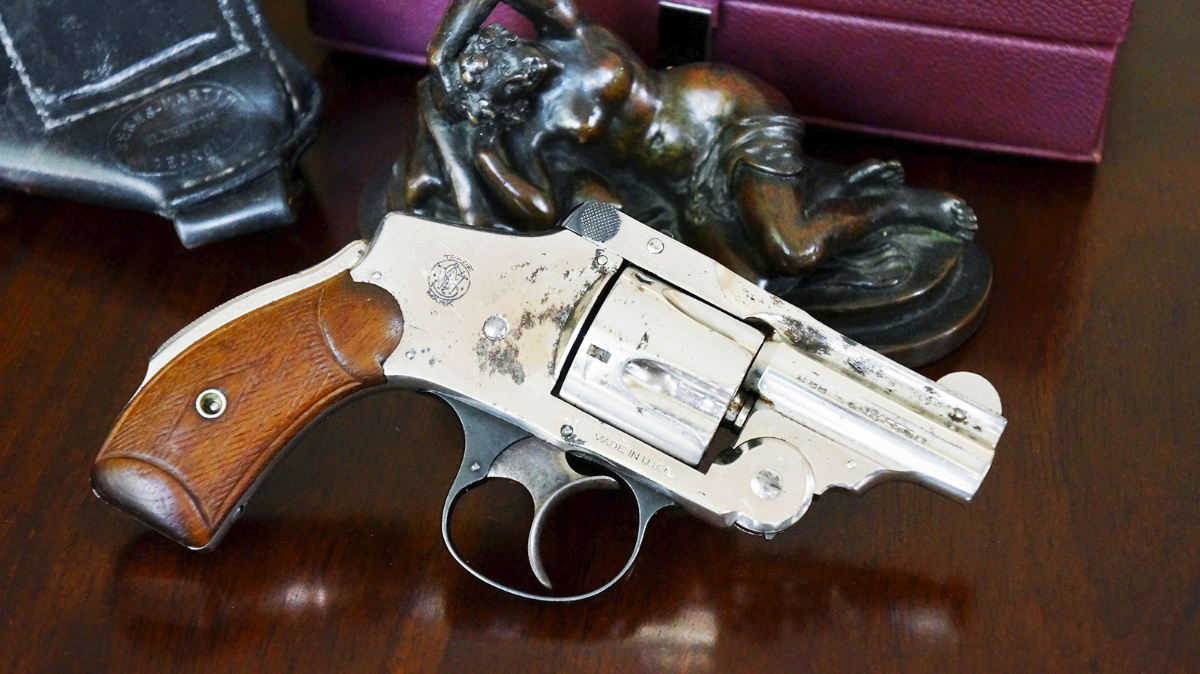
A Smith & Wesson Safety Hammerless Fifth Model 2″ barrel – New Departure Top Break in .38 S&W , nicknamed a Bicycle Gun “Lemon Squeezer

Smith & Wesson Safety Hammerless Fifth Model - New Departure Top Break .38 S&W - 2
Categories
All About Guns

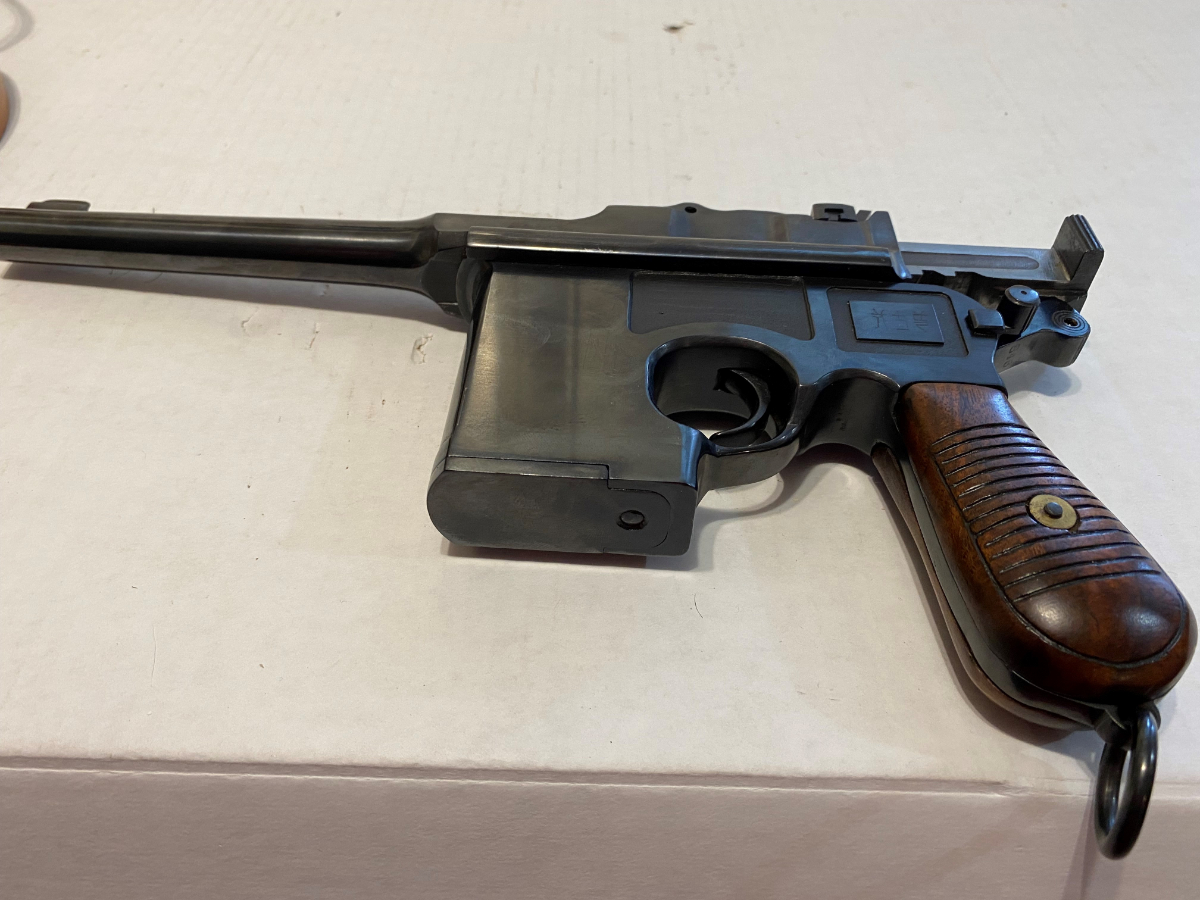
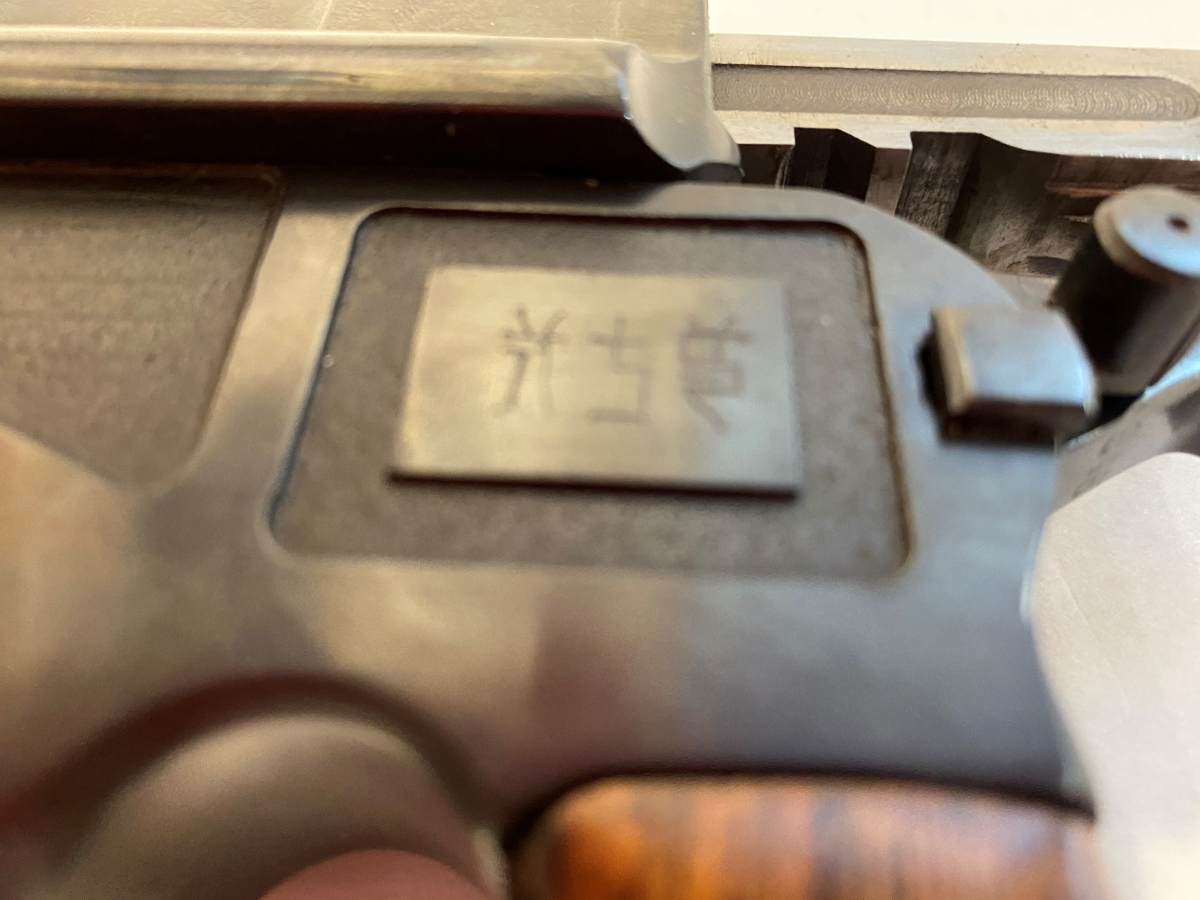
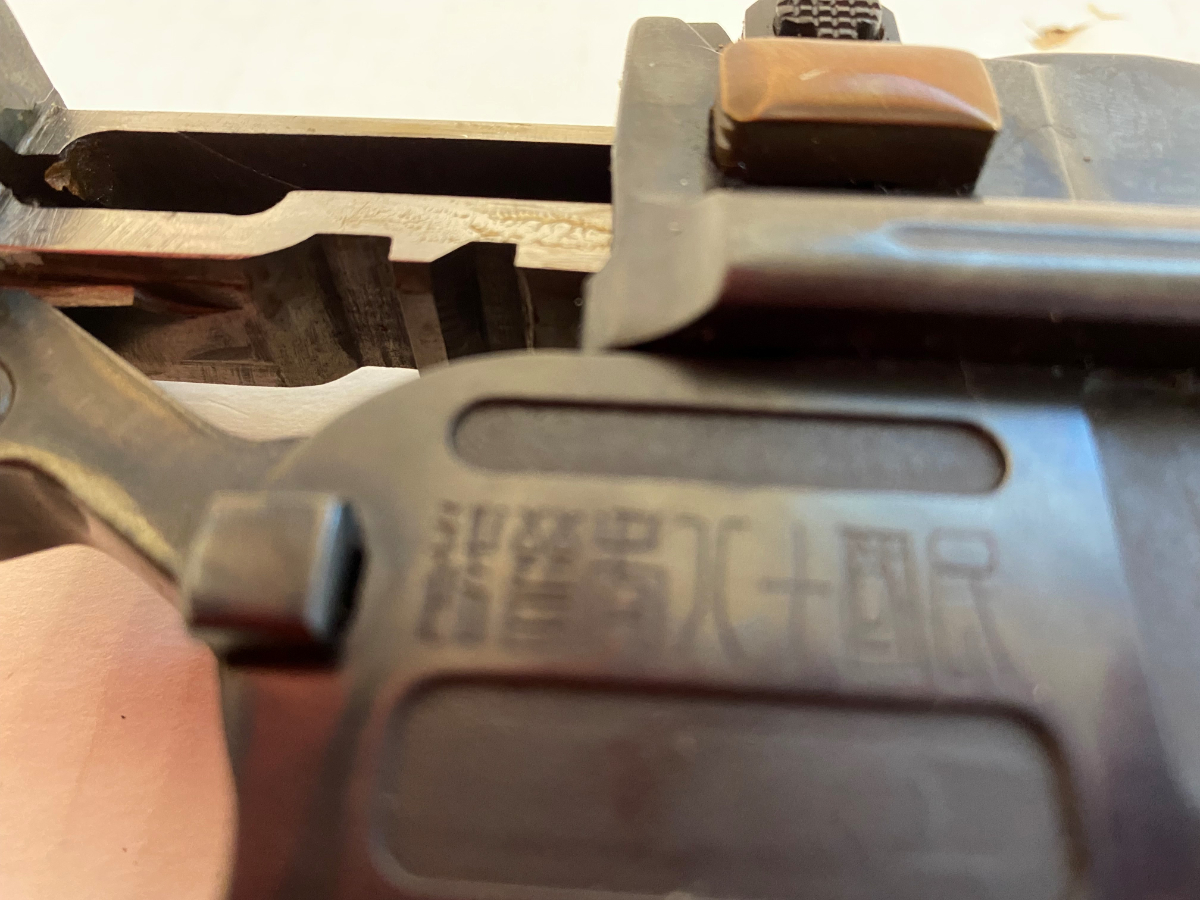
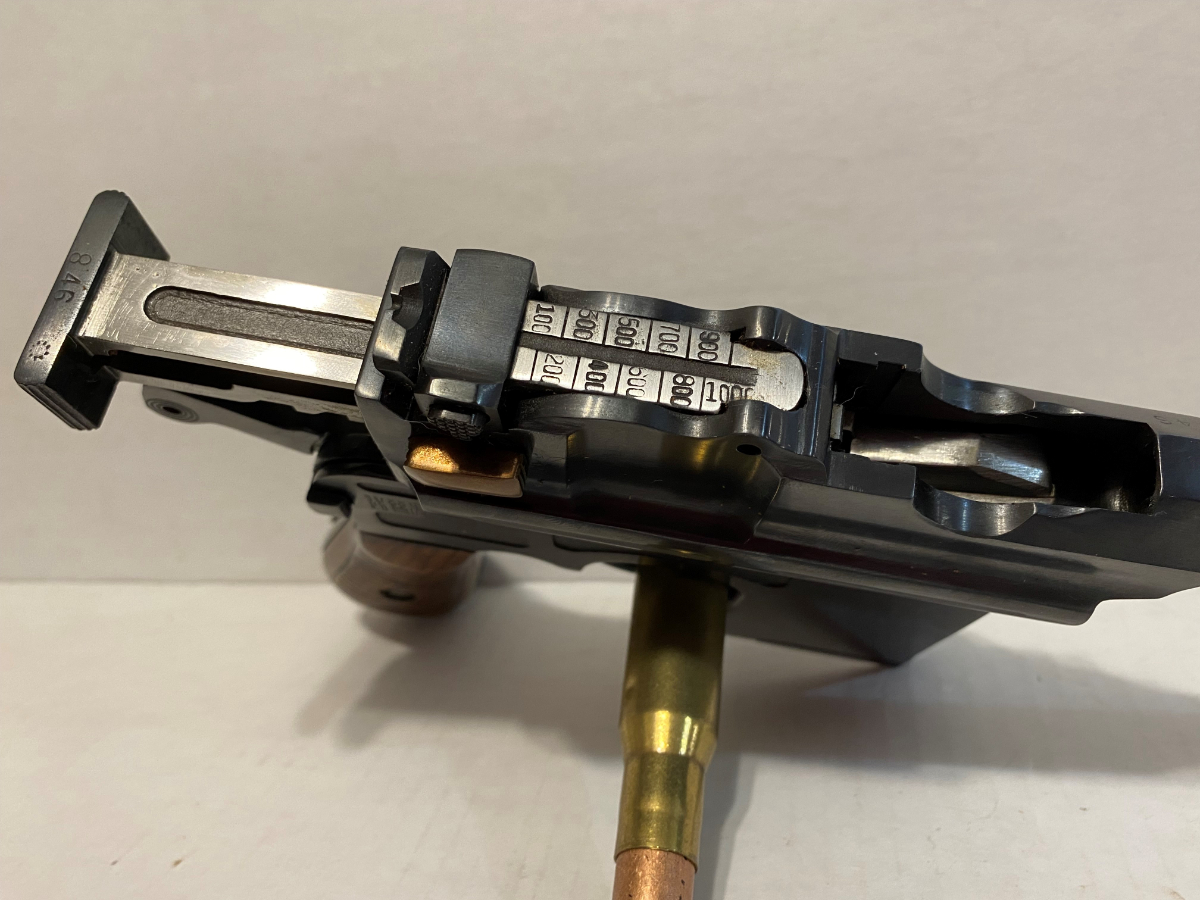
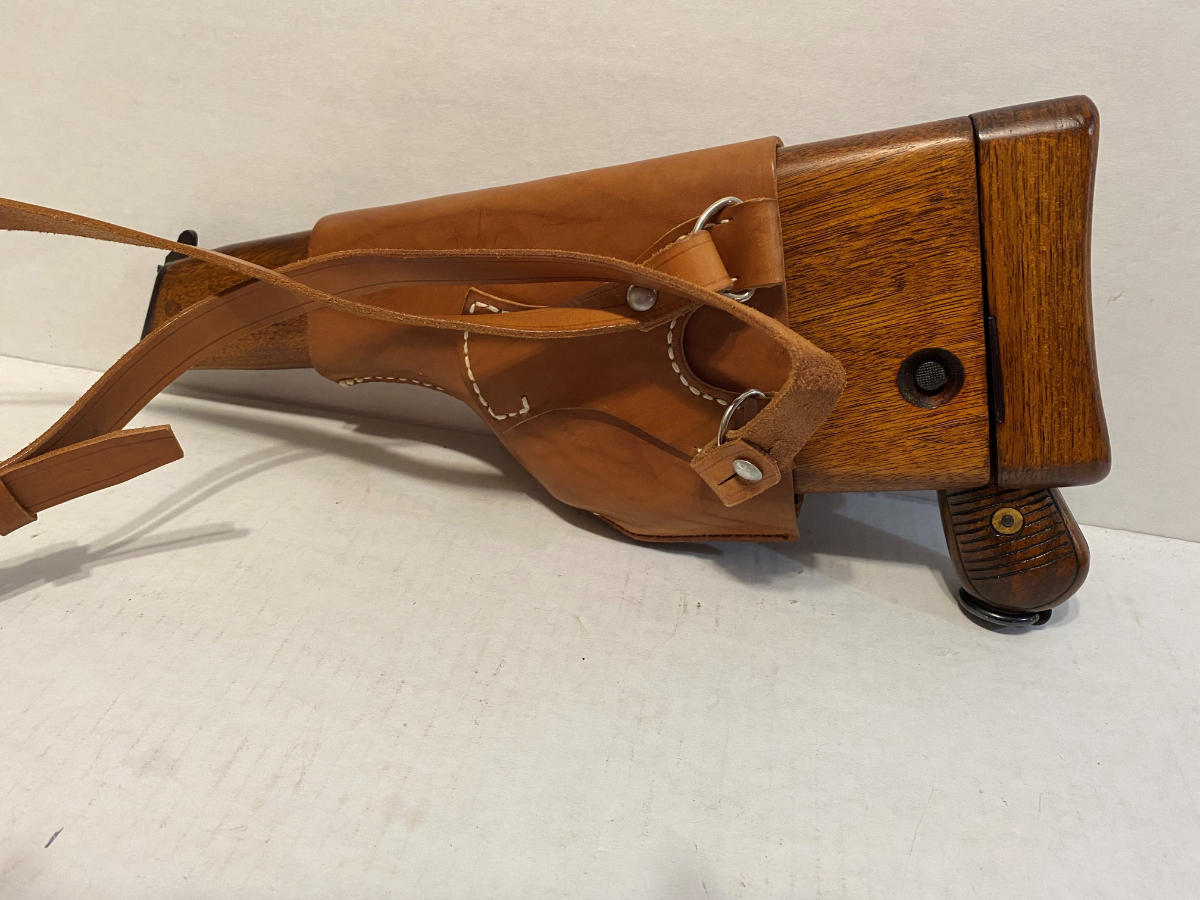
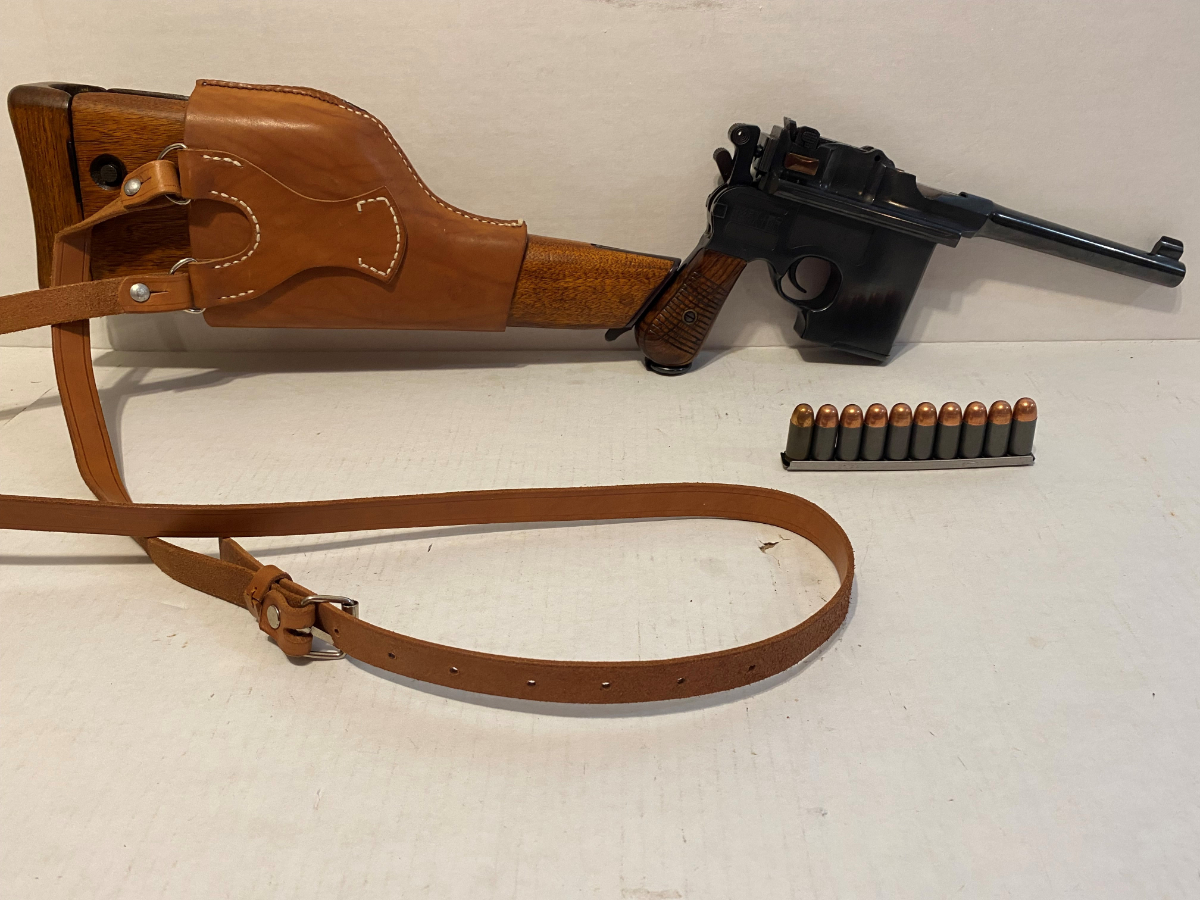
A China Type 17 “Shansei ” Broomhandle Mauser .45 ACP

China Type 17
China Type 17
China Type 17
China Type 17
China Type 17
Categories
All About Guns

AK-47 vs M-16 vs G3 What’s the best rifle?

Categories
All About Guns Soldiering War

Soviet Mosin Snipers! History, evolution and development!

Categories
All About Guns Ammo

Marlin 1894 in 218 Bee – Testing and Review

Categories
All About Guns

What A Pistol Duel Really Looked Like

Categories
All About Guns

Mauser “Schnellfeuer” Model 712

Categories
All About Guns

Outlaws and Gunslingers | Episode 1 | The Wild West and the Origins of the Gunfighter

Categories
All About Guns War

5 WWI Machine Guns that Changed Warfare Forever. from My Daily Kona

I used the “Sand Pebbles” image, besides using The Sand Pebbles image, I loved that movie.  I had adopted a quote from that movie The “Cup of Rice” explanation, you have to watch the movie to understand the reference.  but I remember Steve McQueen’s character using the “BAR” like a bad ass.


At the outbreak of the First World War, most of the machine guns employed by the major powers were large and heavy. Ideally suited to defense, few were actually light enough to be used in an offensive advance.

The weight of such small arms, and the fact that many were water-cooled to keep the barrel from overheating, made these impractical in an assault. However, military planners quickly considered ways to provide greater mobility along with sustained fire.

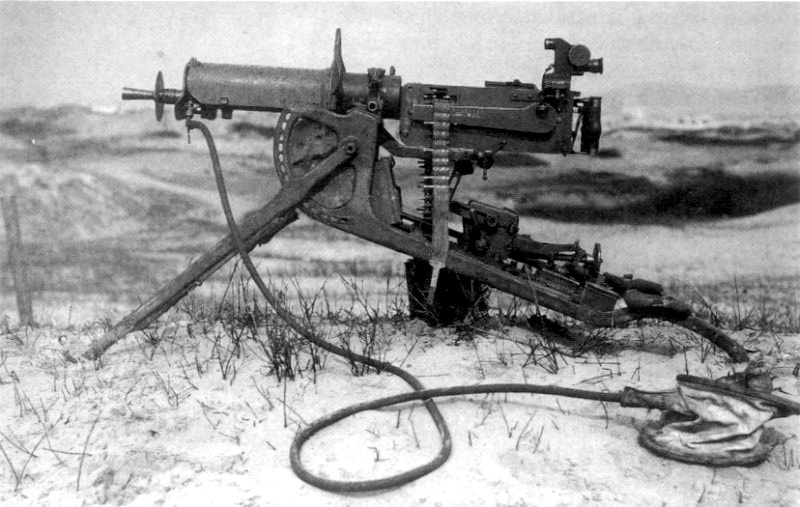
Germany: MG08/15 Machine Gun

Image: Creative Commons.

The Germans saw the effectiveness of their MG08 machine gun and in 1915 developed a version for offensive use. The MG08/15 replaced the rear spade grips with a pistol grip and wooden buttstock. It also featured a short bipod rather than the heavy four-legged sled mount. However, it retained the bulky water jacket, which resulted in a weapon that weighed nearly 40 pounds and that was without water in the jacket or ammunition.

While it wouldn’t be considered “lightweight” it did provide far greater mobility than the MG08. It first saw widespread use during the Second Battle of Aisne in April 1917.


Despite its shortcomings, it was the most common German machine gun deployed during the war with more than four times the number of MG08/15s than the original MG08. An air-cooled version was tested during the final months of the war, but because the barrel couldn’t be quick-changed it overheated quickly.

Germany: Bergmann MP18


Image: Creative Commons.

It took until the final months of the war for Germany to actually introduce a more compact weapon, but in the process the Germans also created a new category of small arm: the submachine gun. Designed by noted firearms pioneer Theodor Bergmann, the Maschinenpistole 18/I fired the 9x19mm Parabellum pistol round, originally from a 32 round Luger drum magazine. It had a rate of fire from 350-500 round per minute, making it an ideal weapon for trench assaults.

The weapon proved ideal for the Germany’s late war strategy, which sought to break the enemy lines. The MP18 was widely employed in the Kaiserschlacht offensive. More than 25,000 were produced and most were issued to the newly formed companies of “Sturmtruppen” (“Storm Troopers”), who were charged with smashing an enemy position to allow the regular infantry to then overwhelm the defenders.

Great Britain: Lewis Gun


Star Wars Guns

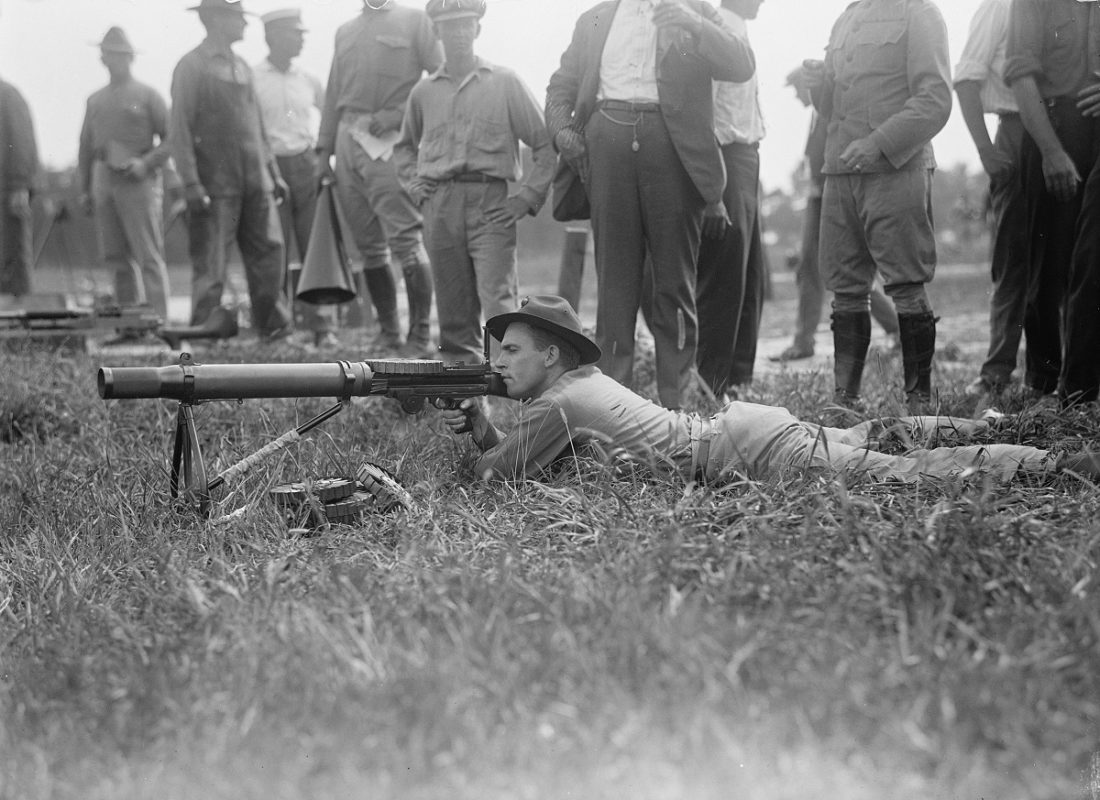
U.S. Marines field tested the Lewis machine gun in 1917.

The Lewis Gun has become an almost iconic British machine gun, which is actually a bit ironic as it was designed by the United States before the war broke out. It was passed over by the U.S. Army largely for political reasons, but the U.S. Army’s loss was a gain for the British, which saw the potential with the portable machine gun.

The gas-operated machine gun features the unique “pan” magazine mounted on the top, and was able to maintain a sustained rate of fire of 500-600 rounds per minute. The Lewis Gun had an effective range of up to 800 meters and a maximum range of 3,200 meters. At 28 pounds it was a bit lighter than the German MG08/15. One reason for the lighter weight is that didn’t feature a water jacket – rather the barrel-shroud was designed to draw in air while radial fins acted as a heat sink.

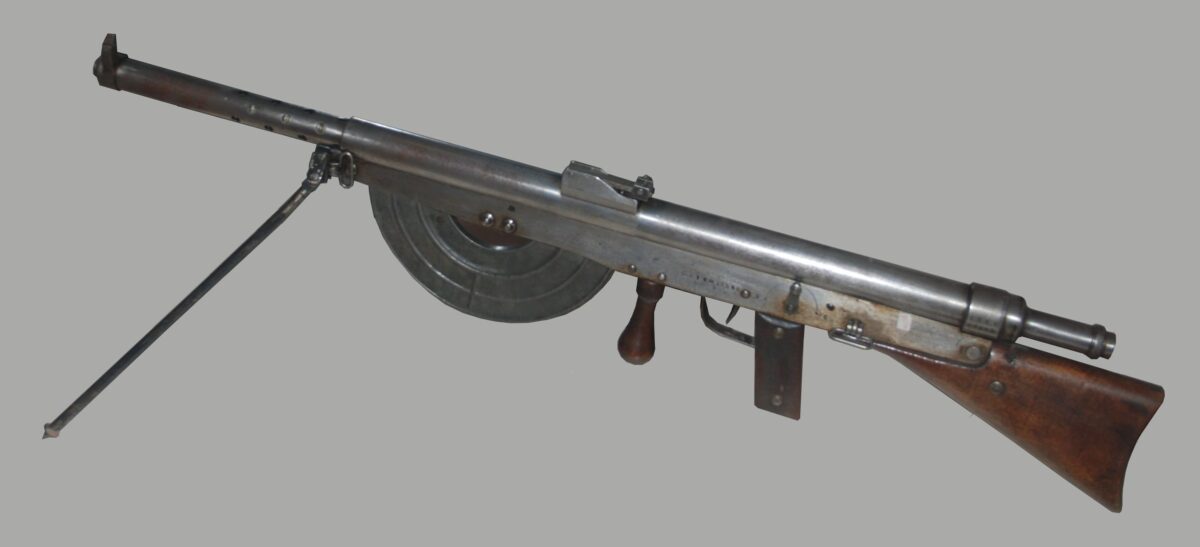
France: Fusil Mitrailleur Modele 1915 CSRG – Chauchat

Image: Creative Commons.

This weapon has earned the reputation of being “the worst machine gun ever made,” but its critics typically highlight the weapon’s shortcomings and overlook its innovative features. When it was introduced in 1915 it became the first successful squad automatic rifle, and provided a rate of fire of 240 rounds per minute while it weighed in at just over 20 pounds. It was among the first automatic weapons to utilize a pistol grip and forward grip – features now common in modern assault rifles. If anything the Chauchat was a bit ahead of its time, and a weapon that needed a bit more refinement.

Likewise, it is true the open magazine allowed dirt and grime to foul the action, but this was common with many belt-fed weapons. The assessment that it was a bad design may be owned to American soldiers who criticized the weapon, but this was due in part to the fact that the version adopted by the U.S. military was chambered for the.30-06 cartridge, which caused performance issues.

United States: M1918 Browning Automatic Rifle


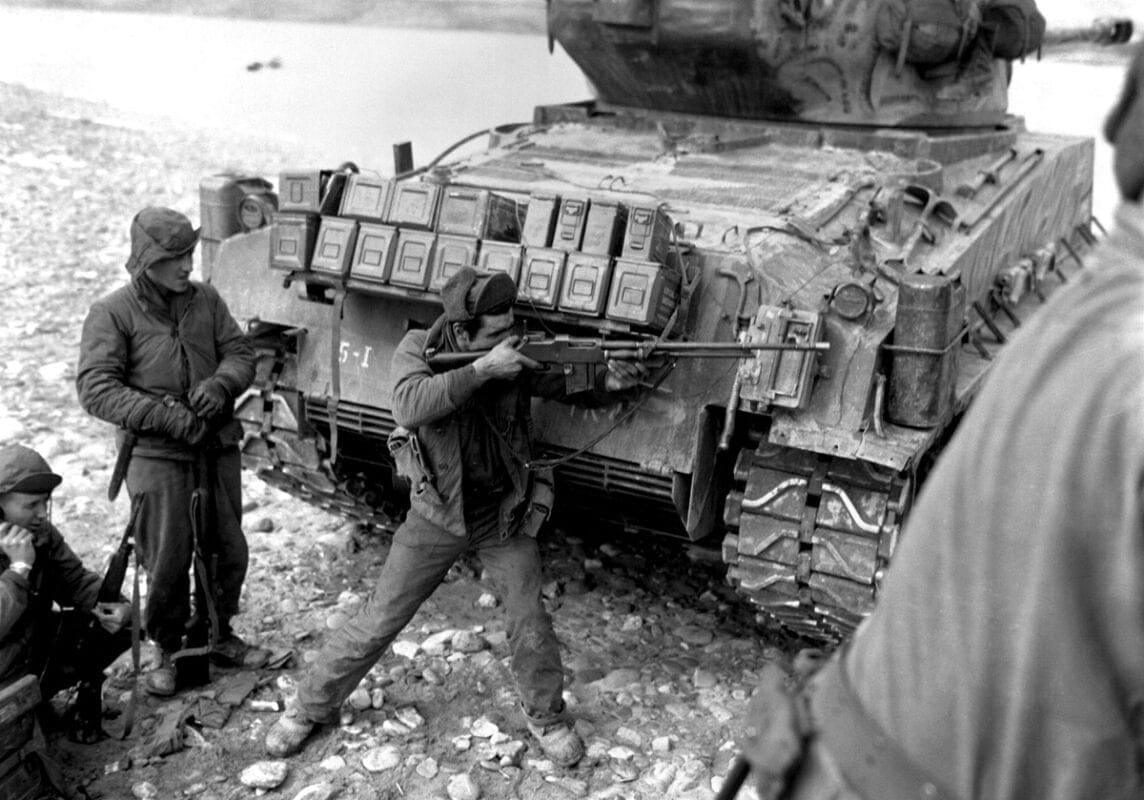
Taking cover behind their tank escort, one man of this ranger patrol of the 5th RCT, U.S. 24th Infantry Division, uses his BAR to return the heavy Chinese Communist small arms and mortar fire which has them pinned down on the bank of the Han River. At left another soldier uses a field radio to report the situation to headquarters. NARA FILE#: 111-SC-358782

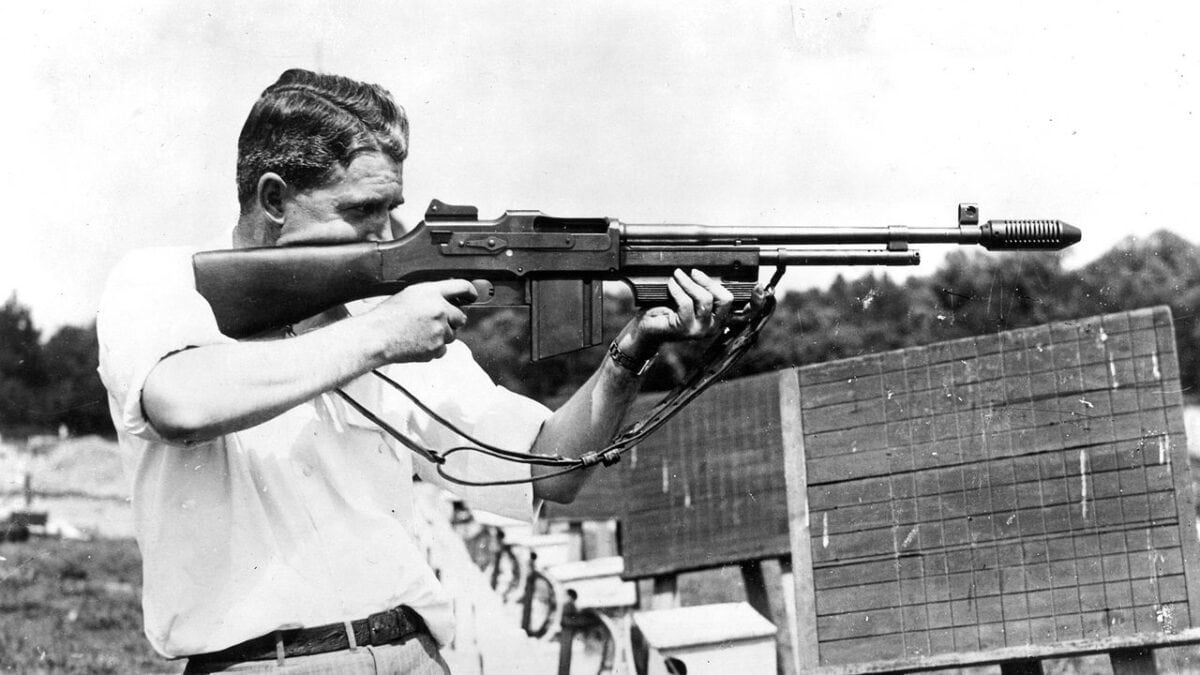
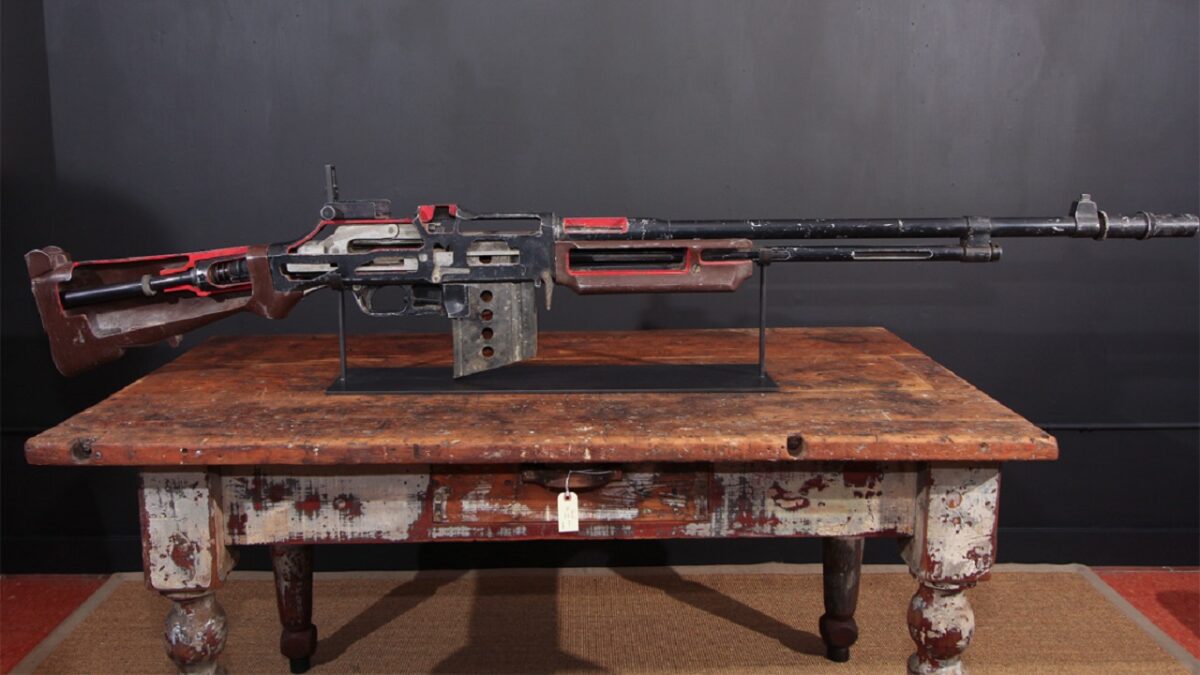
In addition to designing the M1917 machine gun, which greatly improved upon the Maxim design, prolific firearms designer John Browning also created what was arguably the best automatic rifle of the era, the BAR or Browning Automatic Rifle.

An American civilian wanting to own a genuine full-auto Browning Automatic Rifle will have to bring a bankbook to purchase one

An American civilian wanting to own a genuine full-auto Browning Automatic Rifle will have to

 bring a bankbook to purchase one.

Browning Automatic Rifle

Browning Automatic Rifle. Image Credit: Creative Commons.

It successfully provided an infantryman with walking fire during an assault and it was considered so revolutionary that the American military actually held back its use in fears that the Germans might capture one and copy it. For that reason, the BAR didn’t become standard issue until 1938 when it was issued as a portable light machine gun.

The gas operated automatic rifle could provide a rate of fire of 500-600 rounds per minute and had an effective range of 1,300 meters. Had the First World War dragged out into 1919 and beyond there is little doubt the U.S. military would have deemed it necessary to bring the BAR to the front in mass. There were almost 52,000 BARs on hand for the spring offensive that never came, but the BAR went on to serve in World War II, the Korean War and even the early stages of the war in Vietnam.