Categories
A Victory! Allies Dear Grumpy Advice on Teaching in Today's Classroom Good News for a change! Interesting stuff Useful Shit Well I thought it was neat!

For the History Teachers out there – A great intro to Western Civilization, The day the Universe Changed Video Clips

For me at least, this series about the History of Technology was a real eye opener to me. Hopefully you might enjoy them also! Grumpy

Western Civilization documentaries: The day the universe changed by James Burke

Click here for a link list of Kenneth Clark’s Civilisation series as well as James Burke’s connections 1.

The day the universe changed is also created by James Burke and follows a similar style as that documentary. In this one, though, it tends to focus on how the development of a revolutionary big idea has tended to shape our understanding of the world and/or universe.
Hence the title. Honestly, the concept for the series leans a little too relativist in that respect for my liking, but not in an extreme way that is common in post-modernism.
Its true enough that new data can change your perceptions about reality, but that doesn’t mean there isn’t or wasn’t an objective reality that doesn’t give two cents for what you happen to be perceiving, right or wrong.
I would think that Burke himself would basically agree with this point, while also stating that for us, at least, these changing perceptions have had very important consequences. True.
Anyway, it is a mainstream documentary so it tends to have the same problems you can expect from most of those, but since its old (1985), generally pro-western civilization, and vaguely conservative leaning, as a result, it is quite easy to look past that and enjoy a well produced documentary the likes of which you are unlikely to find produced today. Please enjoy the ten episodes linked below:
Episode 1: The way we are: It started with the greeks.

Episode 2: The light of the above: medieval conflict – faith and reason

Episode 3: Point of view: Scientific imagination in the renaissance.

Episode 4: A matter of fact: Printing transforms knowledge

Episode 5: Infinitely reasonable: Science revises the heavens

Episode 6: Credit where its due: The factory and marketplace revolution

Episode 7: What the doctor ordered: Social impact of new medical knowledge

Episode 8: Fit to rule: Darwin’s Revolution

Episode 9: Making waves: The new physics – Newton revised

Episode 10: Worlds without end: Changing knowledge, changing reality
blob:https://www.dailymotion.com/d58f2d77-c69c-4965-9950-9eb9d718e54a

Categories
A Victory! Dear Grumpy Advice on Teaching in Today's Classroom Hard Nosed Folks Both Good & Bad I am so grateful!! Leadership of the highest kind Stand & Deliver This great Nation & Its People Well I thought it was funny!

Remember this one? Ronald magnus could give lessons to a certain POTS

Image result for reagan outlaw russia forever
 
My Dad & I almost pissed our pants from this one. Because we were  laughing out loud so hard!
I miss you Dad! Grumpy

Anyways Happy 107th Birthday Sir! I am sure that God is having a good time with you! Grumpy

Categories
A Victory! All About Guns Ammo

Stolen from – Knuckledraggin My Life Away


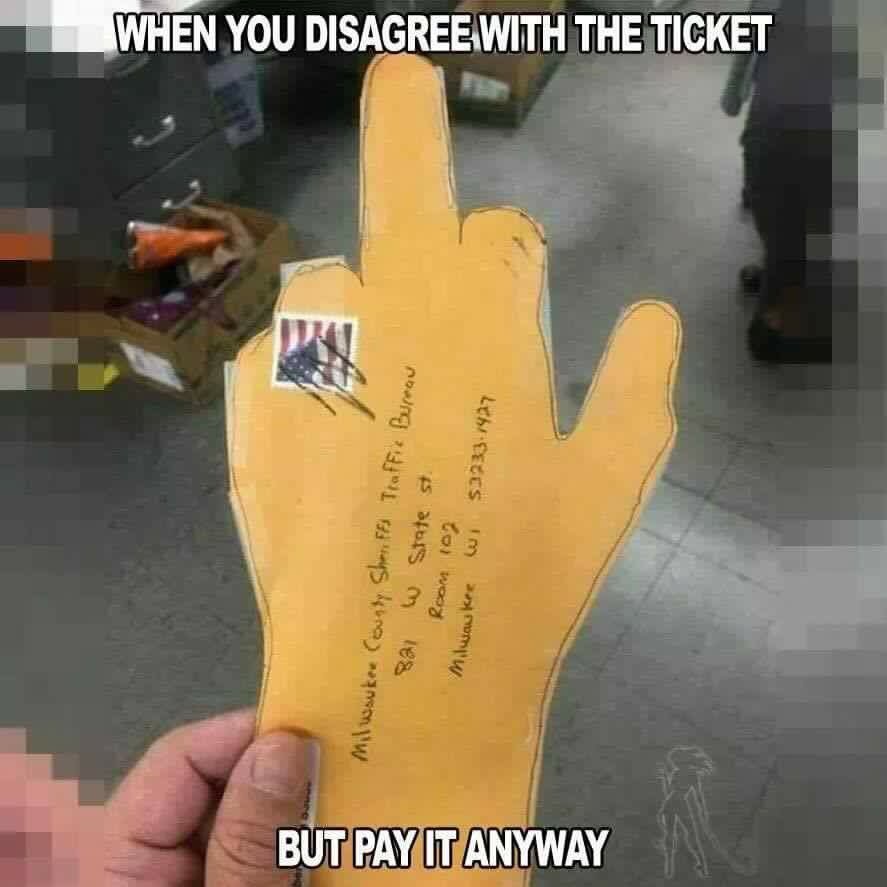
I think that this would make an excellent pair of book Ends!      Grumpy

Categories
A Victory! Born again Cynic! Cops

I just wish that I had thought of this 1st!

Categories
A Victory! California Dear Grumpy Advice on Teaching in Today's Classroom

I remember these, God am I ever getting old!

The outgoing, family oriented, car culture society that thrived during the 50’s spawned an explosion of drive-in theaters across the United States, as a car happy generation of patrons sought outdoor movies as a way to enjoy their favorite pastime with their families in the comfort of their own cars.

Invention of the Drive-In Movie Theater

The First Drive In Movie Theater


In 1931, Richard Hollingshead Jr. owned and worked in his own automotive supply store called Whiz Auto Products Company.
Always on the lookout for the next great new idea, Hollingshead noted that even though the Great Depression was in full swing, people still found money to attend movies at their local theater.
He pondered the means to combine his auto parts business with movies and dreamt of opening a deluxe gas station and auto repair shop that featured a restaurant and movies for the customers to watch while they customers waited for their car repairs to be completed.
To bring his dream to fold, Hollingshead began by experimenting with the “outdoor movie” concept (and as he progressed, the concept morphed to exclude the gas station and auto repair business).
Hollingshead tested the outdoor movie concept in the driveway of his home located at 212 Thomas Avenue in Riverton, New Jersey.
He placed a 1928 Kodak projector on the hood of his car projecting the movie onto a white screen nailed to a nearby tree.  He tried various placements of speakers behind the screen in an attempt to find the right distance and volume for the soundtrack.  His experiments grew in complexity and soon he was testing the sound projection with windows in his car opened at different heights.  He even used a sprinkler to simulate rain to see how outside noises would affect the soundtrack of the movie.
Hollingshead Drive In Theater Patent


Hollingshead soon realized that if several cars were lined in a row, the cars in the rear would not have a clear view of the screen, even as he adjusted the distance of the screen from the ground.  To ensure the automobiles had an unobstructed view of the screen, he placed ramps on the ground and drove the cars up onto the ramps to raise the front of the car off of the ground.
He reasoned that a series of ramps placed at taller and taller heights as you got closer to the screen would solve the problem.  Soon Hollingshead was comfortable with the setup and filed a patent (United States Patent 1,909,537) for the Drive-In Movie Theater on August 6, 1932.
Cars entering an early drive in movie theater


While he waited for the patent application to clear, Hollingshead began promoting his novel idea and sought investors for the new project.
His cousin, Willie Warren Smith, a parking lot operator, agreed to partner with Hollingshead and the two formed Park-In Theaters Inc.  Edward Ellis, a road contractor, was offered a portion of the company’s stock in exchange for paving the lot the theater would be located in Pennsauken Township, New Jersey.
A 4th investor, Oliver Willets, an executive at Campbell’s Soup, was also allowed to provide seed money in exchange for shares of the new company’s stock.
Screen of the first Drive in Movie Theater


On May 16, 1933, the day the patent was granted, Hollingshead began construction of the world’s first drive in theater on Crescent Boulevard in Pennsauken Township, New Jersey.  Construction took three weeks at a cost of $30,000 and included a 40 foot wide by 30 foot high screen located 12 feet off the ground.  The screen was enclosed in a mammoth concrete and brick structure that could be seen from miles away.
The drive in theater lot was paved with gravel and oil to keep dust down and discourage mosquitoes. Sound was supplied by three six-foot square RCA speakers (that could be heard from miles around on clear summer nights).
Old Drive-in movie theatre


Opening night was scheduled for Tuesday June 6, 1933.  The new drive in was to be known simply as “Drive-In Theater”.  Hollingshead hammered on the numerous advantages drive-ins provided over indoor theaters.
Drive-in Theaters provided patrons the option of smoking in their own cars, not having to worry about talking and disturbing other movie goers, did not have to worry about finding or paying for parking spots (theaters in the 1930’s were often located downtown where available parking was sparse) and most importantly, children could be taken and allowed to sleep in the backseat of the car while their parents enjoyed the show.
Opening night was a smashing success as 400 car loads of patrons packed the lot to see the 1932 release of Wives Beware.
Strangely, a skeptical movie industry forced Hollingshead to pay $400 for a four day rental of the movie while indoor theaters only paid $20 for an entire week.  Admission was 25¢ for each car and an additional 25¢ for each person, somewhat higher than the prevailing price at the indoor houses at the time (who were also offering double features for a lesser price).
Families arrived in droves while teenagers protested with “Down with Drive-Ins, More Work for Babysitters” signs (in the 1930’s, it was common for adults to leave their children with babysitters while they enjoyed a night out to watch a movie).  A week later Hollingshead added a concession stand to sell food before and during the show.
Weymouth Theater in the 1940's


Success of the first drive-in theater was short lived.  By 1936, Hollingshead was forced to close the theater in Riverton and move his operations to nearby Union, New Jersey.  Revenues were good but Hollingshead incurred significantly higher movie rental costs than the typical indoor theater which made it hard to turn a profit.
During that same year, a second theater was opened in Weymouth Massachusetts on May 6, 1936.  The owners of the Weymouth Drive-In neglected to purchase licensing rights from Hollingshead (who held the patent for the drive-in movie concept) and Hollingshead filed a patent infringement suit against them.
A settlement was reached and Weymouth Drive-In entered into a licensing agreement with Hollingshead’s Park-In Theater company.  Shortly thereafter, theaters began popping up all over the area and legal wrangling lasted for years afterward.  So many suits and countersuits were filed that Hollingshead could barely keep up with the legal battles.
One case, involving Leows Theater in the late 1930’s, made its way to the First Circuit Court of Appeals.  The courts decision was stunning and crushed Hollingshead’s Park-In Company.
The court ruled that the patent, which was the basis for the licensing fees that Hollingshead collected from other drive-in theater owners, was invalid and should have never been granted in the first place.
The court’s opinion was that the outdoor theater patent was not inventive and was merely a facsimile of the layout of an indoor theater utilizing cars instead of seats.  Although a crushing blow to Hollingshead and his Park-In Company, the effect was to open the gates for further drive-in theater development.
Drive in theater speakers


By the 1940’s, community complaints concerning the noise that the drive in theaters emanated, spawned the introduction of in car speakers.  The innovation was well received by drive-in movie patrons.  By the end of 1949 there were 155 drive-ins located around the country.  When the “car culture” of the 1950’s roared into full swing, the number of drive-in theaters swelled to over 800.  By the end of the 1950’s there were over 4,000 drive in movie theaters in the United States.
Westbury Drive-In TheaterIn the 1950 post war years, Americans began to move to the suburbs and everyone owned an automobile.  And they loved their cars.  Drive ins became particularly popular in rural areas.  Parents loved drive-ins because they could take their kids.  Teenagers loved them because of the privacy they gave them and their dates.  During their height, some drive-ins used attention-grabbing gimmicks to boost attendance.
They ranged from small airplane runways, unusual attractions such as a small petting zoo or cage of monkeys, actors to open their movies, or musical groups to play before the show.  Some drive-ins held religious services on Sunday morning and evening, or charged a flat price per car on slow nights like Wednesday.
This boom caused a trend toward ever-larger and more elaborate drive-ins, such as the Bel Air Drive-In in Detroit, built in 1950.  This location featured space for 2200 cars, an elaborate concession stand along with a full playground and a train ride for the kids.
Some operators put up amusement parks, boat rides, fishing ponds and added in-car heaters to remain open year-round for their patrons.  It was also during this period and into the 1960’s that the drive-in business began to expand beyond U.S. borders, with locations opening in Australia, Great Britain and Denmark among other countries.

Categories
A Victory! Anti Civil Rights ideas & "Friends" Born again Cynic! Cops Good News for a change!

Gee !!

Man Sells Junk Guns To Buy-Back Program, Buys New Gun With Cash

Man Sells Junk Guns To Buy-Back Program, Buys New Gun With Cash

Categories
A Victory! All About Guns California Good News for a change! I am so grateful!! Tax Write off / Review Well I thought it was neat!

My newest addition to the Collection – The Sig Sauer P-226 in 9mm!

Related image
Yesterday was one of those few greater days of my life. In that I had some time, the money and the opportunity to buy almost any gun that I wanted.
(The Best days being when I first met my Wife or when my Son gave me a Granddaughter)
So off I went to one of the local Gun / Pawn Shops in the area. Where I was able to buy after a modest amount of haggling. A used P-226 in 9mm in the box.
Now dear Reader, here is why I brought this hand cannon.  As I figured that since my P-220 in 45 ACP was an absolute Champion of a hand gun. That and my Beretta 92f was kind a lonely too..
Plus I am told that the Seals and a bunch of other hard nose types liked them & whom am I to disagree with them? Right!?!
So I figured why not & so handed over the cash with all the various ID crap that this crazy state requires. So that I can exercise my 2nd Amendment rights.
Now for the bad news, in that I am a citizen / prisoner / inmate of the Peoples Republic of California.
I now have to wait until the 9th of January 2019 to gain possession of my property.
Plus we have just elected a very anti Gun Governor & Legislation.  All of whom have never met a Tax or Anti Gun Bill that they do not adore. God help us out here is all that I can say!
Image result for Sig Sauer P226 9mm Handgun Review (HD)
https://youtu.be/OKyTZXxGoAw 
Anyways here is what my future P-226 looks like for those folks who have not had the privilege of seeing one before!


SIG SAUER INC - SIGARMS P226 9MM SEMIAUTO PISTOL W/8 EXTRA FACTORY HI-CAP MAGS SN# U157471 - Picture 3
SIG SAUER INC - SIGARMS P226 9MM SEMIAUTO PISTOL W/8 EXTRA FACTORY HI-CAP MAGS SN# U157471 - Picture 4 I also wish I had that many magazines come with the deal. But sadly no and to make it more irradiating. I can only had 10 round magazines out here in La La land!
  But never the less, I am NOT going to let that rain on my parade! So as soon as I can come the New Year. I will let you know about how this pistol does with me on the firing line!
Grumpy


Categories
A Victory! All About Guns Ammo

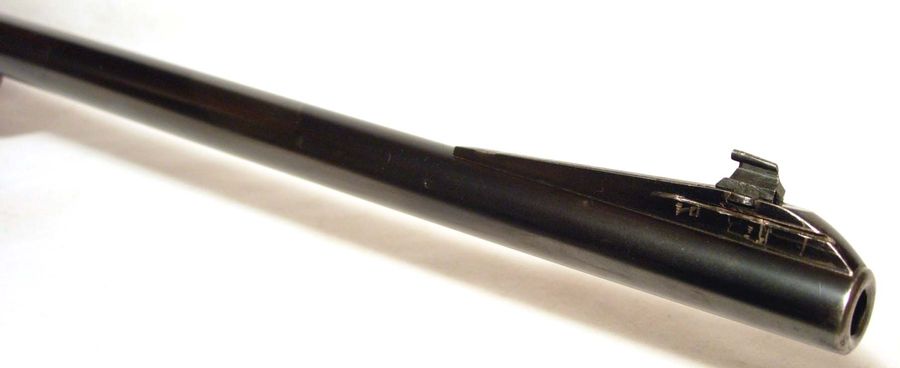
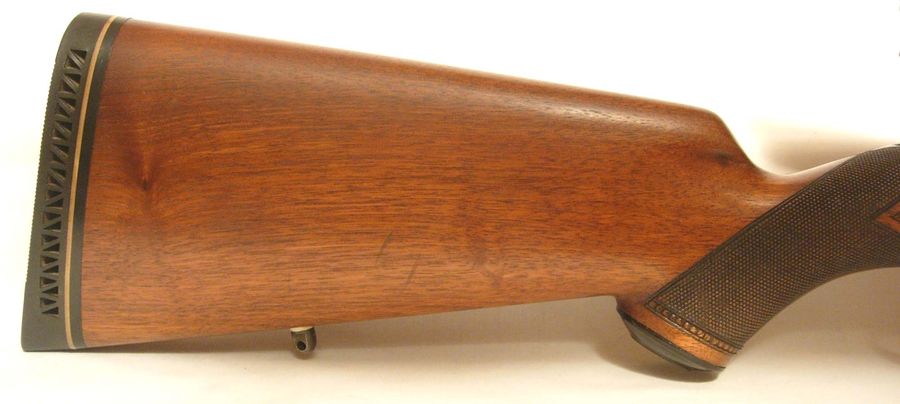
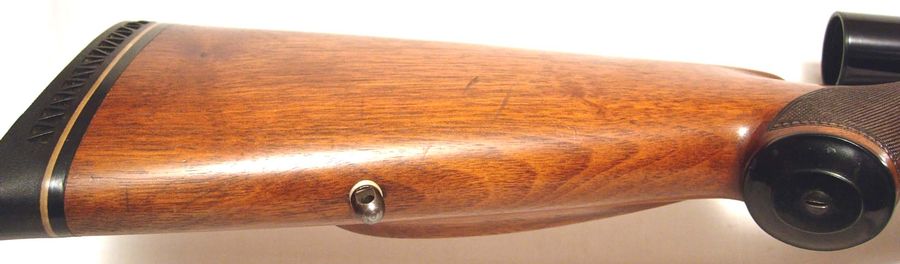
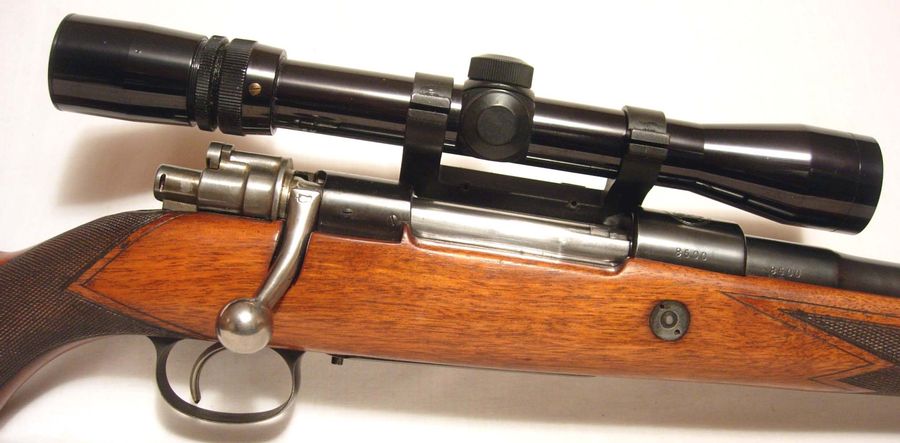
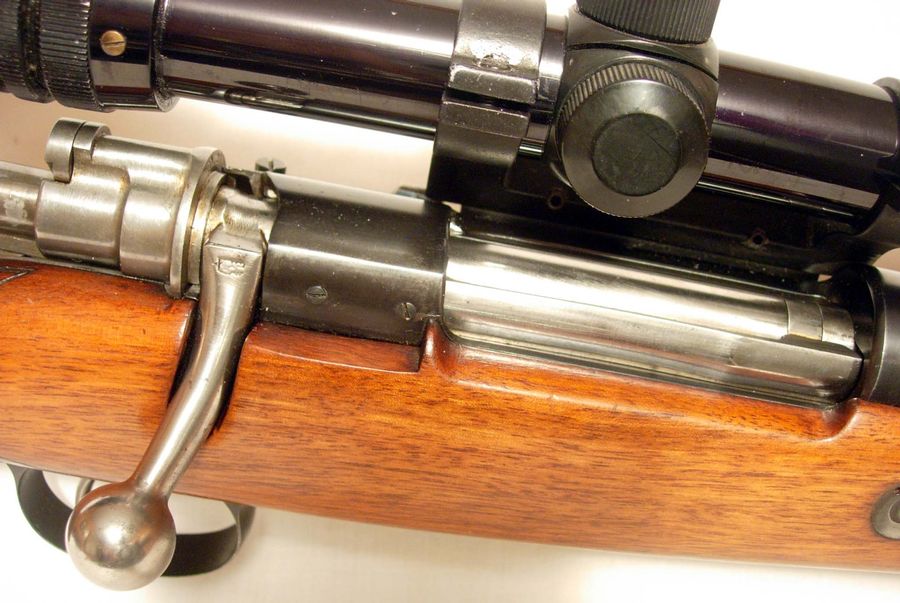
Care to guess on what I bought myself for my Birthday? – Answer A Commercial FN Mauser in 270 Winchester

Image result for a FN Commercial Rifle
FN - Commercial Mauser Bolt Action Rifle w/ 3-9X Scope - Picture 4

FN - Commercial Mauser Bolt Action Rifle w/ 3-9X Scope - Picture 6
FN - Commercial Mauser Bolt Action Rifle w/ 3-9X Scope - Picture 7
FN - Commercial Mauser Bolt Action Rifle w/ 3-9X Scope - Picture 8
FN - Commercial Mauser Bolt Action Rifle w/ 3-9X Scope - Picture 9


https://youtu.be/Fx3b__TKY_I

Categories
A Victory! Dear Grumpy Advice on Teaching in Today's Classroom Good News for a change! Interesting stuff This great Nation & Its People Well I thought it was neat!

Something only Americans have seen in real life -An Earth rise!

https://youtu.be/1R5QqhPq1Ik
Image result for Earthrise: A Video Reconstruction

Categories
A Victory! Allies Dear Grumpy Advice on Teaching in Today's Classroom

Why Girls Need Guns: Teaching My 12-Year-Old Daughter to Shoot by ADMINISTRATOR


Editor’s Note: The following is a syndicated article by author Beth Alcazar that first appeared in USCCA’s Concealed Carry Magazine Volume 12, Issue 3, April 2015 under the title, “Like Mother Like Daughter: Teaching My Little Girl to Shoot.” 
My palms were sweating, and I felt a little queasy as the metallic door to the indoor firing range at Hoover Tactical Firearms closed behind me. I walked up to the assigned lane — Lane No. 3 — and I set down my equipment. I heard several shots on both sides of me, and my heart started racing. I took a deep breath and willed myself to keep going, not walk out, not call it quits … not when I was this close.
As I prepared my firearms for shooting and stood at the firing line, my mind was reeling, wondering if I’d forgotten something or if I’d done anything wrong. I went over the safety rules in my head, trying to reassure myself that all would be well. I took another deep breath. I quickly glanced around at the other shooters and tried to capture the moment in my brain. After all, it’s not every day that someone takes her very first shot.
From all the anxiety and excitement that was pulsing through my body, you would’ve thought that this was MY first time shooting. But it wasn’t. It was my 12-year-old daughter’s. And I was clearly a pleased, nervous, proud and blessed mom relishing in the opportunity to teach my child about responsible gun ownership and to be right by her side when she took her first shot.

Why Girls Need Guns

When I was growing up, it would have been a bit odd to friends and family if I’d been out at the shooting range with my parents. That just wasn’t the norm, especially for me, growing up in a home without firearms. My mom and dad didn’t own guns or know anything about them, for that matter. I never even held a gun until my senior year in high school, when my boyfriend at the time thought it would be fun for me to learn how to shoot. I didn’t touch a gun again until about seven years later and didn’t get my permit to carry a firearm for almost another 20.
Fortunately, girls and guns aren’t such a rarity these days. Especially here in the South, I see moms and dads taking their daughters outdoors all the time, teaching them how to hunt and fish and how to enjoy and appreciate the outdoors. And in addition to participating in things like martial arts or team sports, more females are adding the still-male-dominated shooting sports to their list of hobbies, interests and accomplishments.
Of course, whether or not a girl participates in shooting competitions or grows up and decides to own a firearm and/or to carry concealed, I firmly believe that every female needs to learn how to shoot, just as much as any guy, if not more so.
Since females are more often the targets of domestic abuse and violent crimes, girls should be taught from a young age how to defend themselves. And they should be taught to be proud of their Second Amendment rights.

When to Teach Children

Of course, teaching young people about firearms can be a touchy subject. The most important aspect is safety for everyone involved. And I believe that all children should learn about guns, starting as soon as possible. This doesn’t mean that children should be handling guns or shooting when they’re little, but they should be exposed to the safety rules, repeatedly, just as if you were teaching them not to touch the hot stove, not to run across the street without looking carefully or not to talk to strangers.
Gun safety needs to be an everyday, normal conversation — for boys and girls — so when young children are old enough, they will be ready to learn and develop their shooting skills and join the growing number of responsibly armed Americans.
The period when a child is actually ready to learn how to shoot is another in-depth conversation. Different children will be ready at very different times based on a variety of factors. What’s right for one might not be right for another. Each family needs to carefully consider their children’s ages, attitudes, physical abilities, aptitudes, interests, maturity levels and cognitive decision-making skills. There’s much more to it than simply saying, “OK, my daughter is 8 years old. She is ready to shoot now.” Don’t be afraid to really ask yourself if she is responsible enough. And don’t be afraid to ask your children their thoughts as well.
Personally, I felt like my daughter was ready when she had matured socially and emotionally, could appreciate and handle instruction with grace, actually showed a genuine interest in firearms and had gotten over some of that tween awkwardness that comes with growth spurts, hormones, body changes and insecurity. All of these happened to come into alignment right around the time of her 12th birthday, so for us, we knew it was a good time to move beyond the basic rules and actually teach her how to shoot.

How to Teach Children

Anyone who has taught others how to safely use firearms knows that this is a big responsibility. Our three children go over the gun safety rules repeatedly in our household. And my husband and I are careful to model responsible gun ownership as well. It’s one thing to say it; it’s another thing to live it, day in and day out, no matter what. Those little ears are listening, and those eyes are watching, even when you think they aren’t.
When we felt our daughter was ready to learn how to shoot, I actually made her sit through one of the USCCA courses I taught. Granted, some of the information was probably beyond her level of comprehension, but I wanted to give her the opportunity to learn about situational awareness and personal safety, along with the basics of how a gun works and how she should properly hold it, aim it and shoot it. We also worked on stance and grip and practiced with unloaded firearms, so she could get the feel down and be comfortable before even setting foot on the range.
When we arrived at our local indoor range for the big day, my husband asked, “So, are you nervous?” I replied, “Yes,” before realizing that he was not addressing me. My daughter chimed in, announcing that she was not nervous, just excited. But I made her say the safety rules again out loud before we headed inside. More than once, I asked her if she had any questions. Too many times, I reminded her what to expect when we got into the range. And repeatedly, I checked her eye and ear protection. Finally, we paused for one quick picture, and then we went inside.
It was an honor to watch my daughter carefully take the .22 revolver in her hands, line up the sights and pull the trigger. I only loaded one round that first time, but you could tell by the look of joy on her face that she wasn’t ready to stop there. Since we’d gone over how to load the gun many times, I watched her do it this second time. She had the odd wobbles and fidgets of a beginner, but she was careful to follow the safety rules with the muzzle pointed toward the target in a safe direction and her finger off the trigger. Again, she gripped the revolver, lined up the sights and shot at that hot-pink target in front of her, smiling as the bullets punched through dotting the paper.
Undoubtedly, being at the range with my eldest daughter was an incredible feeling. But I know that I won’t always be able to be there by her side. I won’t always be around to guide her, help her or protect her. She’ll be on her own one day all too soon. And that’s exactly why I teach my daughter how to be a responsible gun owner and why this won’t be our last trip to the shooting range together.