This man went voluntary to WWII, Korea &Vietnam!!!


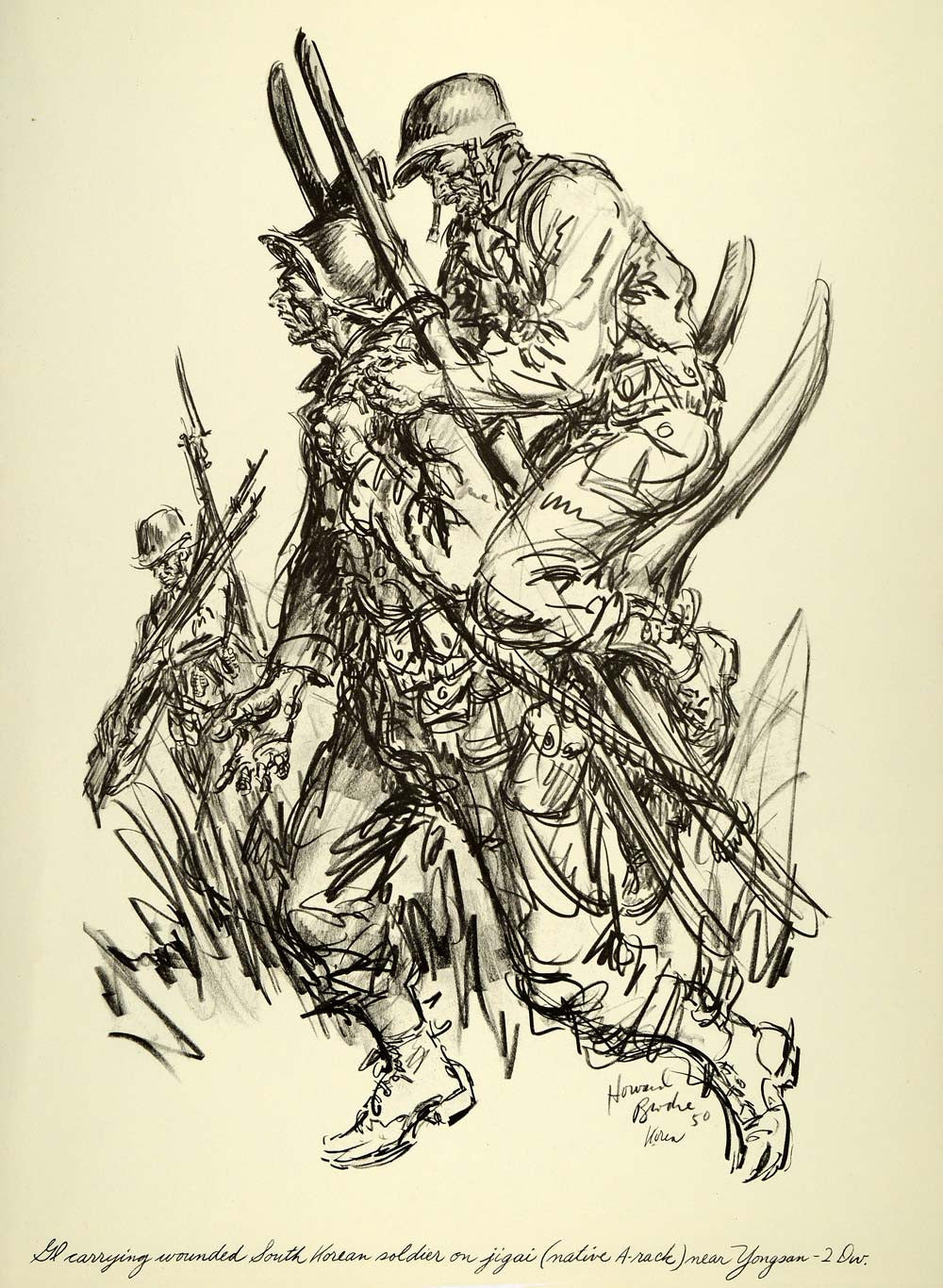

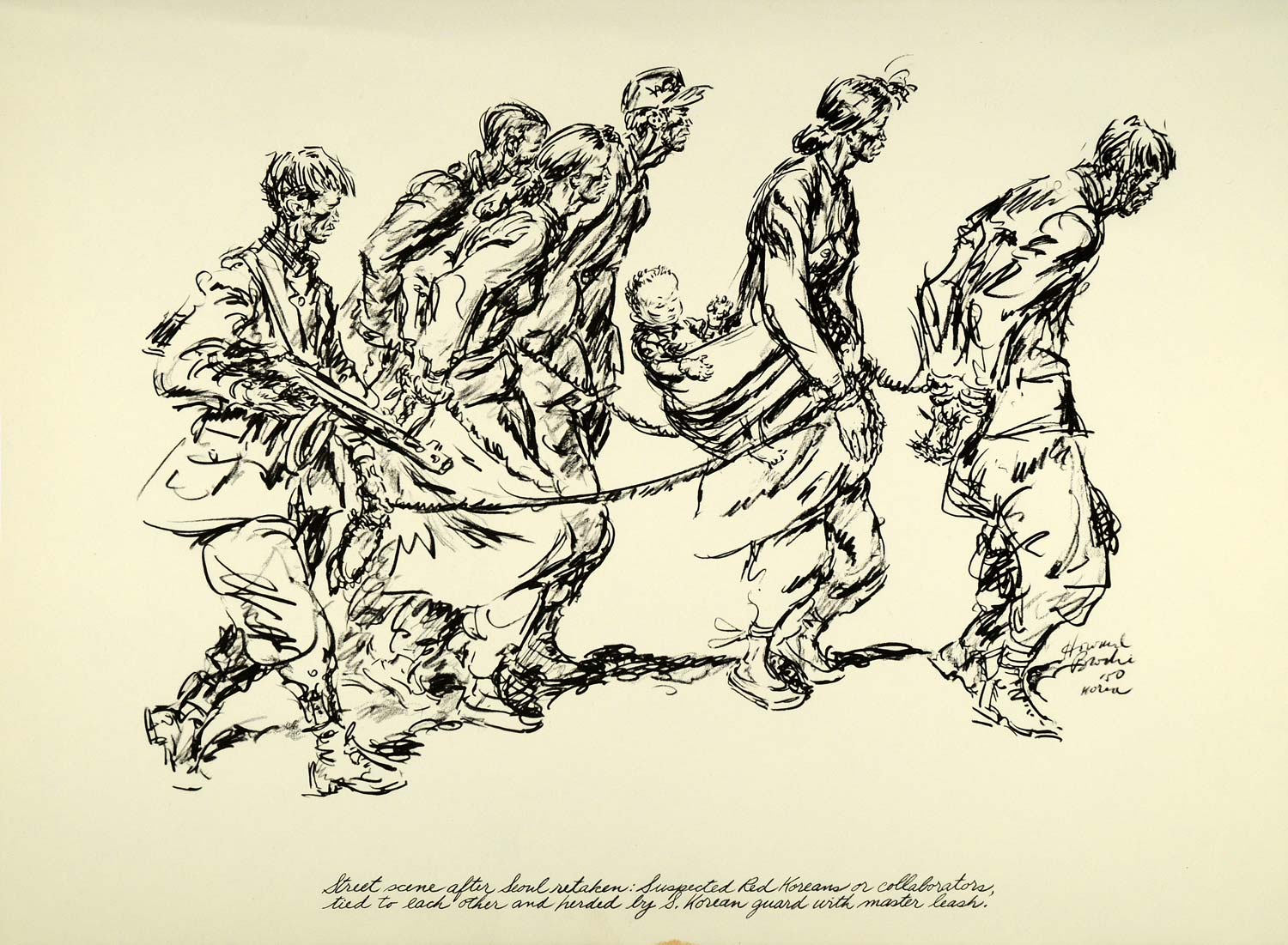
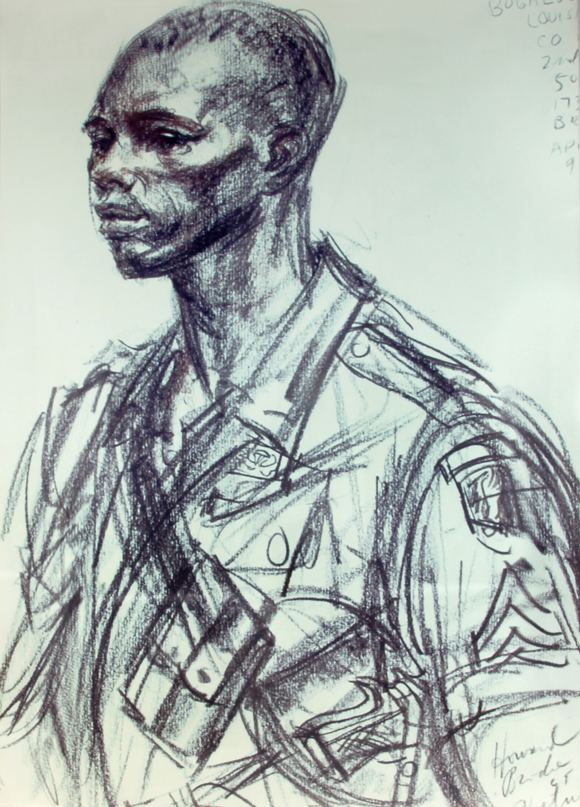
This man went voluntary to WWII, Korea &Vietnam!!!
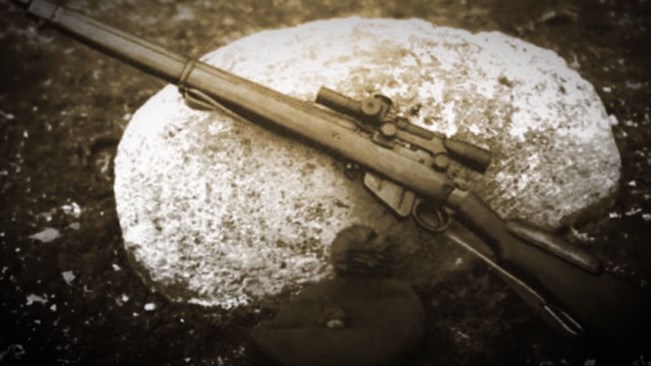
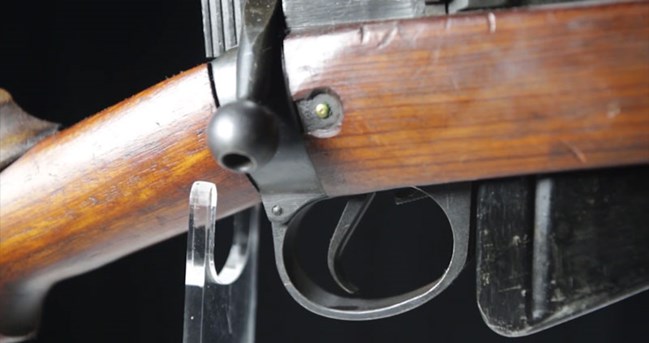
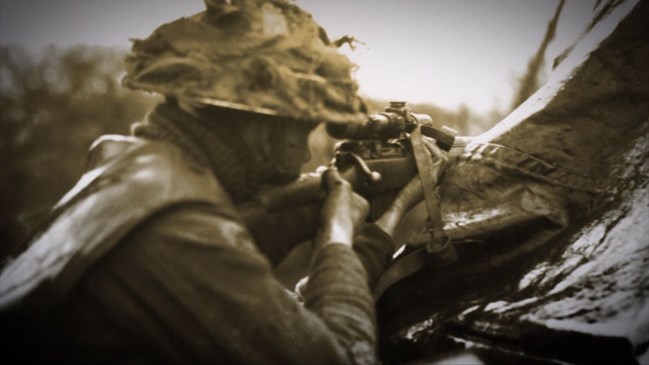
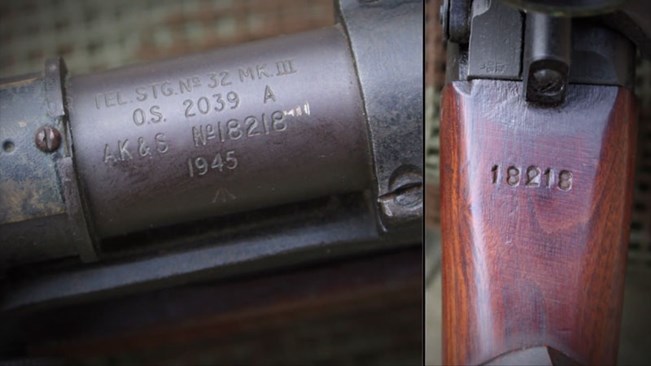
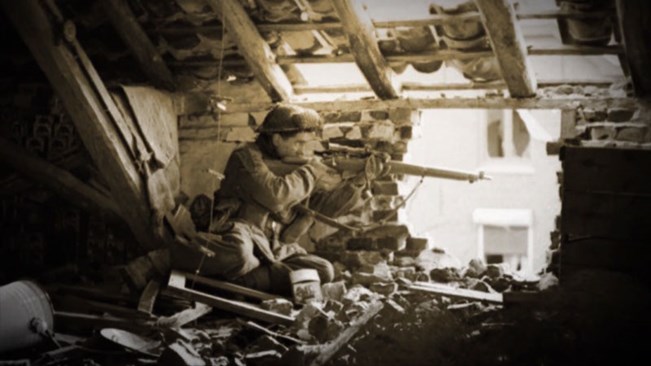
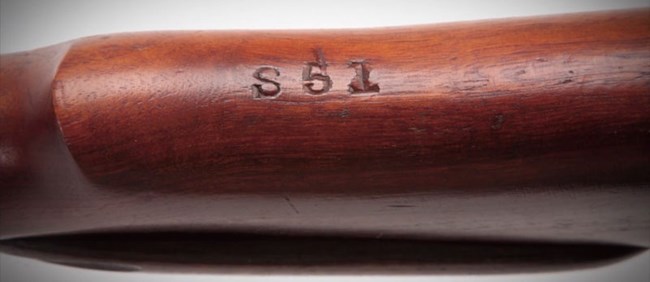
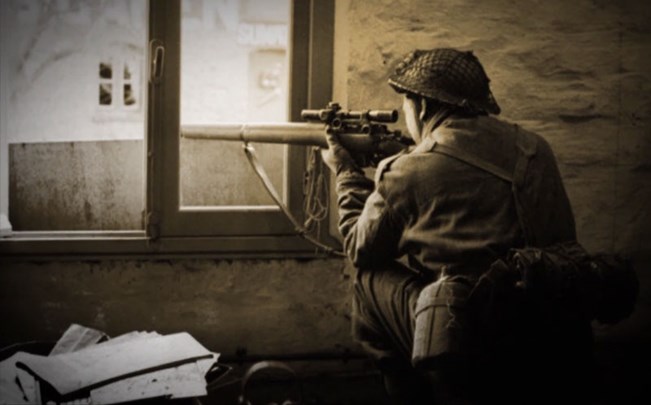
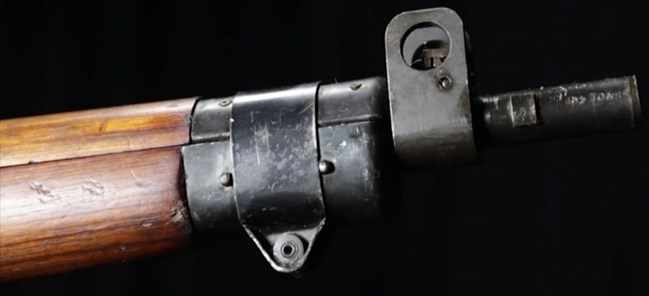
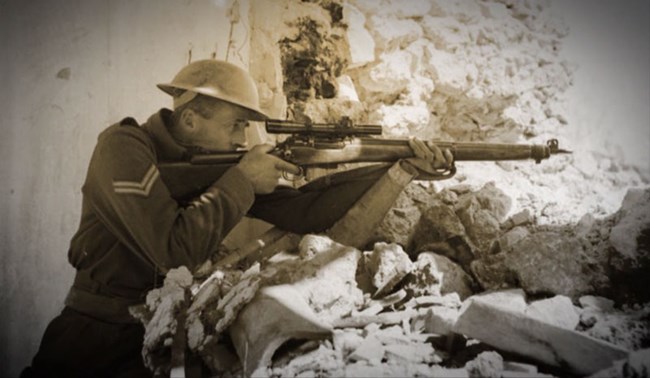
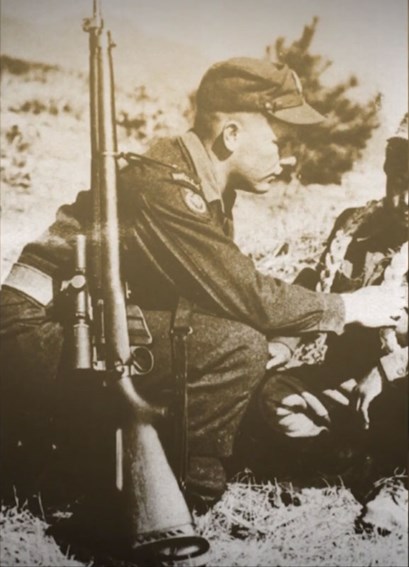
The Lee-Enfield No. 4 (T) represents possibly the most sought-after, and certainly the most-accurate, of the already much-lauded Lee-Enfield No. 4 line of rifles. Converted into No. 4 (T)s from the most accurate No. 4s to roll off the Enfield factory line, the No. 4 (T) served as Britain’s trustworthy sniper rifle, in one configuration or another, through WWII and into the Cold War. For more on this storied sniper’s tool, check out this “I Have This Old Gun” segment from a recent episode of American Rifleman TV.
For all new episodes of American Rifleman TV, tune into Outdoor Channel on Wednesday nights.
by
I nominate Captain Charles Butler McVay III: the biggest, most unfortunate and most undeserved scapegoat in the history of the US Navy.
McVay’s ship, Portland-class heavy cruiser USS Indianapolis, 10 July 1945. The ship would not survive long enough to see the month of August.
On 28 July 1945, USS Indianapolis under the command of Captain McVay, anchored at Guam, was ordered to depart for Leyte, where they would receive training before proceeding to join Vice Admiral Oldendorf’s Task Force 95. For a ship like the Indianapolis, the Guam-Leyte route was extremely hazardous: indeed, no Allied capital ship had successfully made that journey in the entire war without an anti-submarine escort. Unlike several of the US Navy capital ships at that point of the war, the Indianapolis was not outfitted with any submarine detection equipment. Against submarine attack, she was all but defenseless.
Indeed, the Buckley-class destroyer escort USS Underhill was torpedoed by a Kaiten manned torpedo fired from a Japanese submarine and sunk in the area four days before the departure of the Indianapolis. None of the crew of the Indianapolis, including Captain McVay, were informed of the event: instead, the official briefing given stated that there was no known submarine activity on their route.
Still concerned, McVay requested a destroyer escort prior to his departure. His request was refused.
Two days after departure, the Indianapolis ran into the Japanese Type B3 submarine I-58, commanded by Mochitsura Hashimoto. Hashimoto was a veteran Navy man, having served in the Imperial Japanese Navy for more than ten years and having been a submariner for five of those. A Japanese submarine against a clueless heavy cruiser that had neither sonar nor hydrophones was a singularly one-sided conflict: on periscope depth, I-58 fired a spread of six torpedoes and scored three hits. The Indianapolis capsized and sank within twelve minutes, taking nearly three hundred crewmen with it.
The last voyage of the Indianapolis- the small arrow shows the location of sinking.
And thus, as if the criminally suicidal action of sending Indianapolis to Leyte unescorted was not bad enough, began a comedy of errors.
When Indianapolis did not arrive at Leyte on schedule, no report was made of the fact. Lieutenant Stuart B. Gibson, operations officer responsible for tracking the movements of the Indianapolis, marked the ship as having arrived on date, made no report of the delay, and did not investigate the disappearance. The ship’s desperate distress calls were picked up by three shore stations- the commander of one of which was drunk and ignored the call, the second was asleep and had ordered his subordinates not to wake him up, and the third thought it a Japanese ruse and promptly discarded the message.
For three and a half days, the United States Navy had lost a ten thousand ton Portland-class heavy cruiser, and nobody had a fucking idea where it was. Meanwhile, nearly nine hundred sailors were stuck in the middle of the Pacific, dying of thirst, hunger, sun and shark attacks.
The loss of the Indianapolis was not realized until a Lockheed PV-1 Ventura on maritime patrol duty spotted the men discarded in the ocean by chance, at 10.25 on 2 August. First surface rescue did not make it to the site until after nightfall, in form of the destroyer escort USS Cecil J. Doyle. Seven destroyers and destroyer escorts picked up 316 survivors, two of which died later, from the 1196 strong crew of the Indianapolis. Although wounded, Captain McVay was among the survivors: the next few days, he would feverishly keep asking where the Navy was for four days. He received no answers.
But while the crew of the Indianapolis was now safe, the captain’s woes were just beginning.
Survivors of the Indianapolis at Guam, August 1945.
With the gross display of incompetence that had seen the Indianapolis sunk, someone had to take responsibility- and as expected, it was not those who actually were responsible from the catastrophe.
A Navy Court of Inquiry recommended that McVay be brought before a court martial to account for the loss of his ship. The recommendation was hotly contested by Admiral Raymond Spruance, McVay’s direct superior, and Admiral Chester Nimitz ignored the recommendation and issued McVay a letter of reprimand. Nimitz’s decision was then overturned by Chief of Naval Operations Admiral Ernest King(who was speculated to have used the incident to get back at McVay’s father, a retired admiral whom King served under and was reprimanded by long ago), and the court martial was convened by Secretary of the Navy James Forrestal.
McVay’s court martial was a laughable kangaroo court the outcome of which was decided from the start. Captain McVay stood accused of endangering his ship by not zigzagging en route, failing to give a timely order to abandon ship, and failing to send a distress signal.
The fact that the Indianapolis had sent a distress signal which was received and ignored, let alone being brought to the court martial, was not declassified until half a century later. The denial of McVay’s request for destroyer escort was not brought to court. That the presence of confirmed submarine activity on his route was hidden from McVay was not brought to court.
Though it was true that McVay, who was under orders to ‘zigzag at his own discretion’, did not have the Indianapolis zigzagging at the time it was sunk, it was testified by several American submarine officers that the technique of zigzagging was of negligible value against submarines. Hashimoto himself, brought in from Japan to testify against McVay, had one thing to say about that particular charge: no amount of zigzagging would save the Indianapolis from the I-58. The ship was doomed.
I-58 on its trial runs, May 1944.
For McVay, the disgrace of being the first American soldier to be court-martialed despite the opposition of his immediate superior and the only US Navy officer of the Second World War to be court-martialed over the loss of his own ship was just the start. Although he was acquitted on the charge of failing to give an order to abandon ship(because it had been shown that the torpedo hits knocked out the electrical equipment of the Indianapolis, meaning if McVay had to order someone to do something, he had to be in shouting distance), he was, despite all the testimonies by several submarine commanders including Hashimoto himself and thanks to the fact that the Indianapolis was sailing into known submarine activity being concealed from the court martial, found guilty of endangering his ship and sentenced accordingly.
Although Nimitz personally remitted his sentence and restored him to active duty, the loss of seniority and the utter annihilation of his until then excellent reputation torpedoed McVay’s career beyond recovery. He retired from the Navy in 1949, with a tombstone promotion to rear admiral on retirement.
It still was not over. Eight hundred and eighty-two people had died with the sinking of the Indianapolis, and the US Navy had thrown McVay before the wolves. For the rest of his life, mail from angered families condemning him for the deaths of their sons, husbands and brothers rained on his door. Hundreds of families, families of the men he knew and commanded, called him a murderer for decades to come.
On 6 November 1968, his gardener found Captain Charles Butler McVay dead in his back porch. In one hand, he held his Navy service revolver with which he had shot himself, in the other, a toy sailor that his father, himself an admiral, had given him as a boy for good luck.
None of the multitude of people who were responsible for the sinking of the Indianapolis received more than letters of reprimand. Most of them did not even receive that much. And with their annoying scapegoat, the one man who had no blame in the affair, now dead, the United States military just twiddled their thumbs and hoped everybody would forget. And everybody did forget- as the survivors of the Indianapolis who had spent decades fighting for the good name of their captain one by one died off or gave up, for three decades, everything was forgotten.
Until a bloody kid took notice.
Standing between former Speaker of the House Newt Gingrich(left) and then-Representative Joe Scarborough(right) is Hunter Alan Scott: the sixth grade student who did what a court martial had not bothered to do. Photo by Associated Press, 18 July 1998.
It was a sixth grade student from Florida, Hunter Alan Scott, who ended up uncovering the covered up true story of the Indianapolis. His work, having started as a school project and later evolved into a hunt for truth involving eight hundred authentic documents and interviews with most of the still-alive Indianapolis survivors, tore free the real story of the ship from where it was buried. His then-Congressman Joe Scarborough led Hunter and the Indianapolis Survivors Organization to before the Congress, where they testified concerning their research and McVay’s clear innocence.
On 30 October 2000, then-President Bill Clinton signed a Congress resolution exonerating McVay of all charges. Little more than half a year later, then-Secretary of the Navy Gordon Richard England had McVay’s record purged of all wrongdoing.
It was an apology given thirty-two years too late to have any real value, an apology to an unfortunate soul who was treated with more honor by the enemy soldier who sank his ship than by his own country, and whose story was researched with more care, attention, honesty and integrity by a twelve year old kid than it was by the Court of Inquiry and the subsequent court martial whose duty was to do exactly that.
The CIA Venona files when finally released proved they deserved their fate. Grumpy


