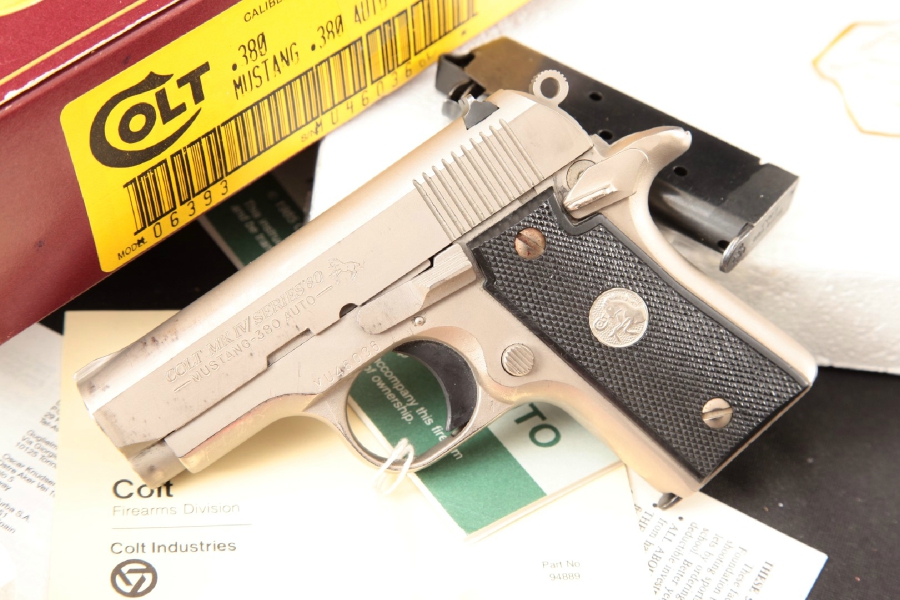
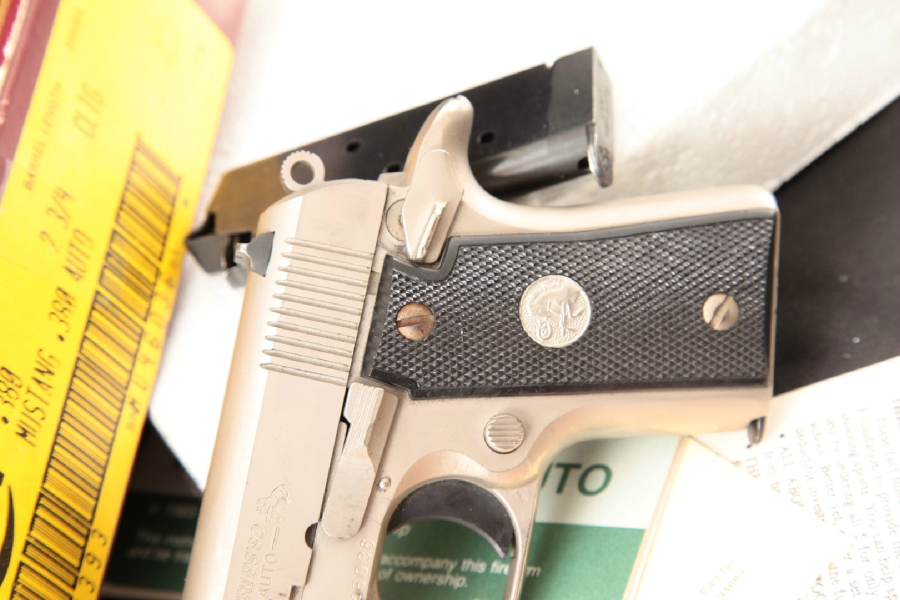
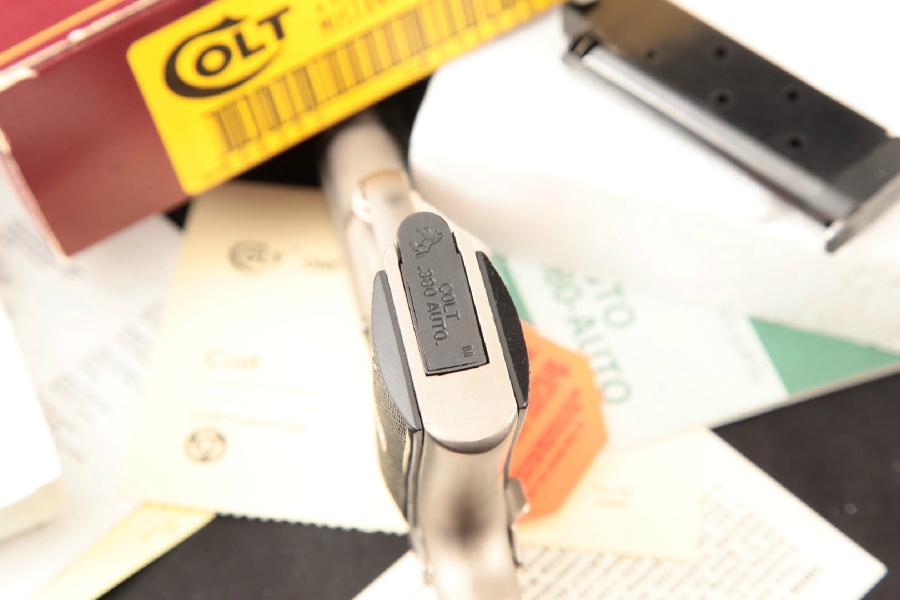
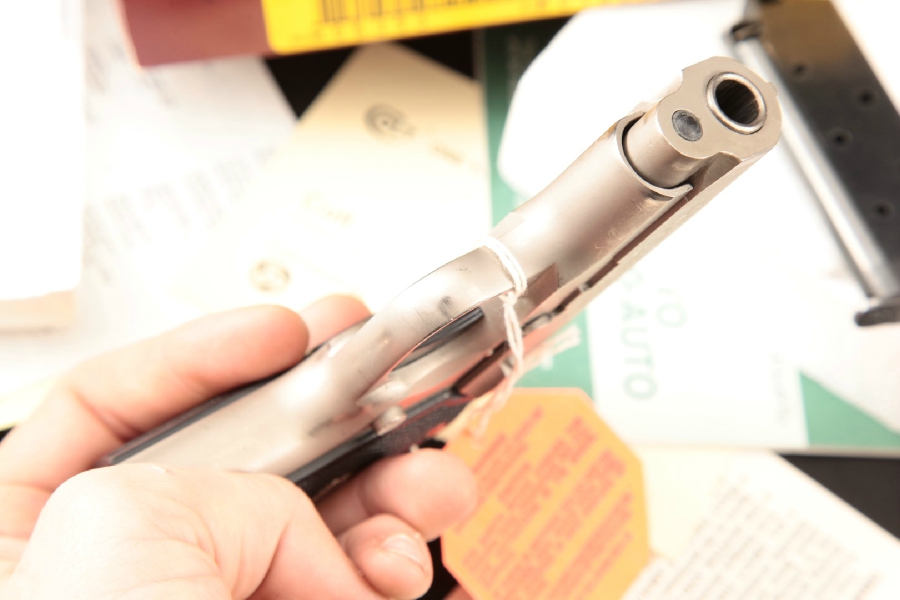
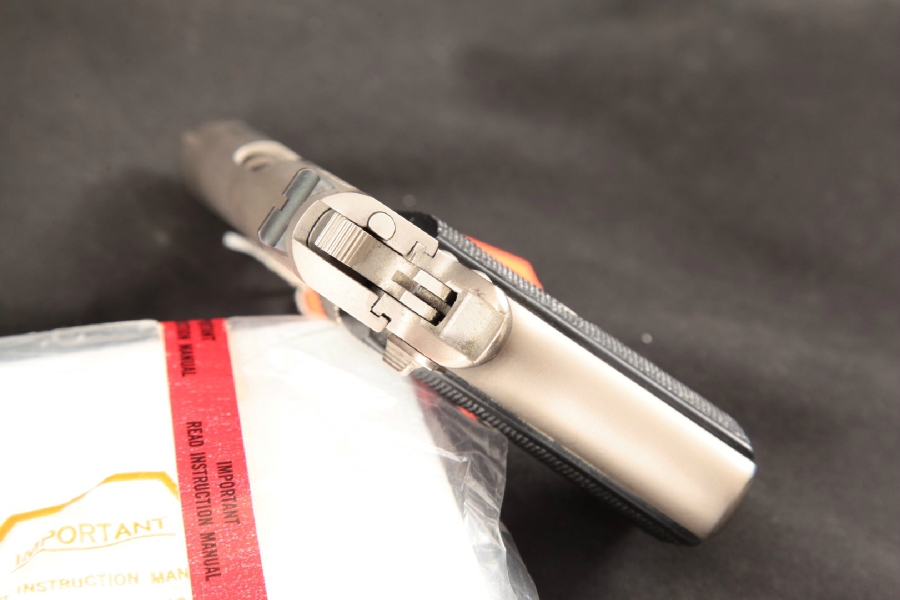
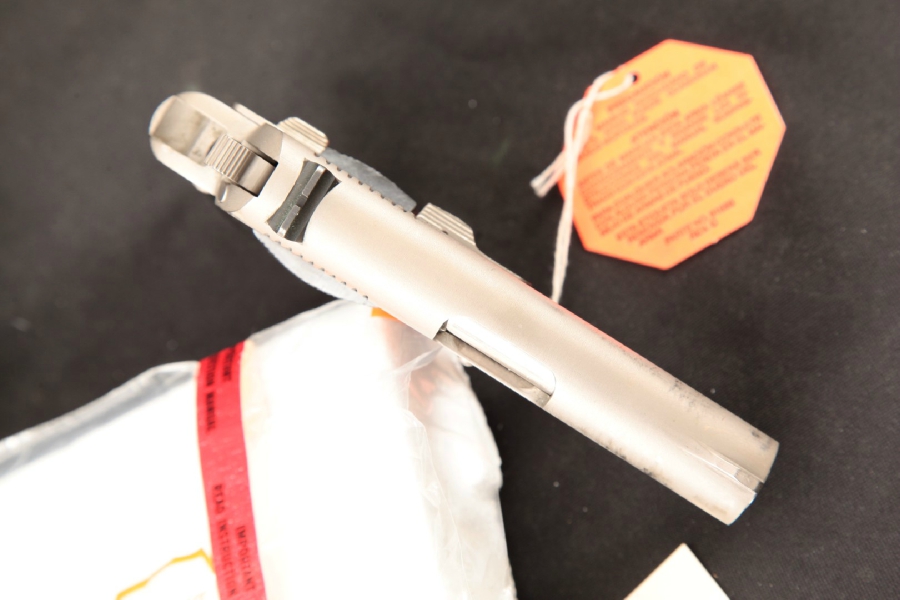
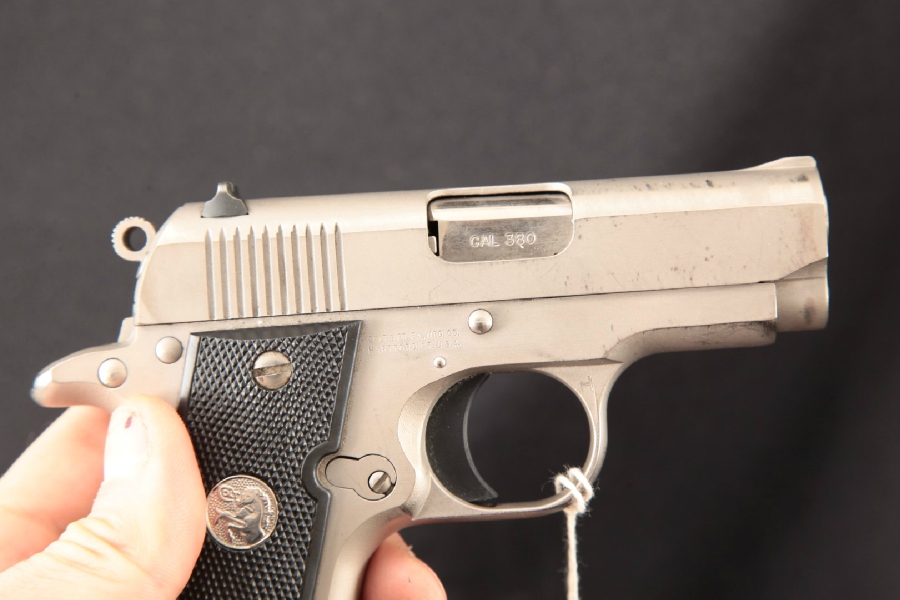
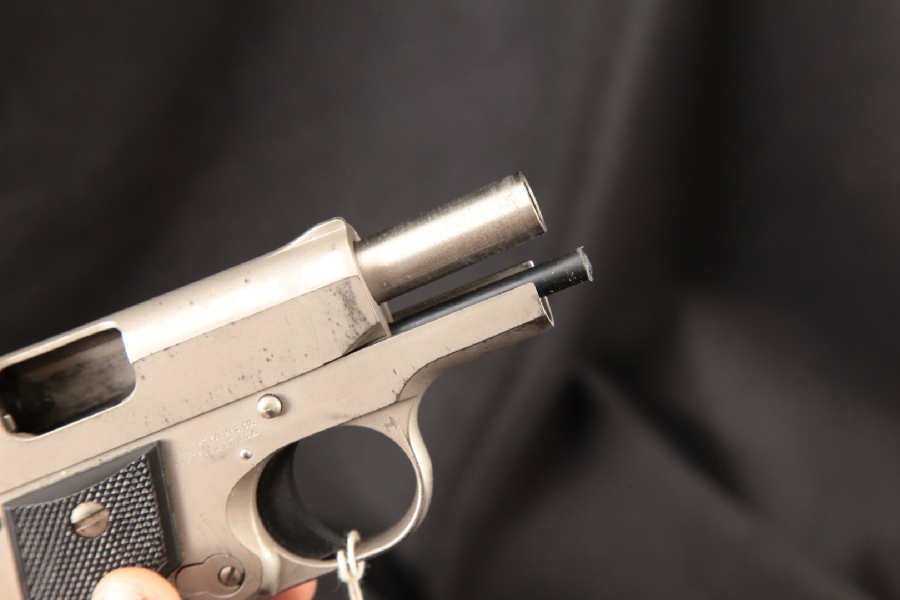
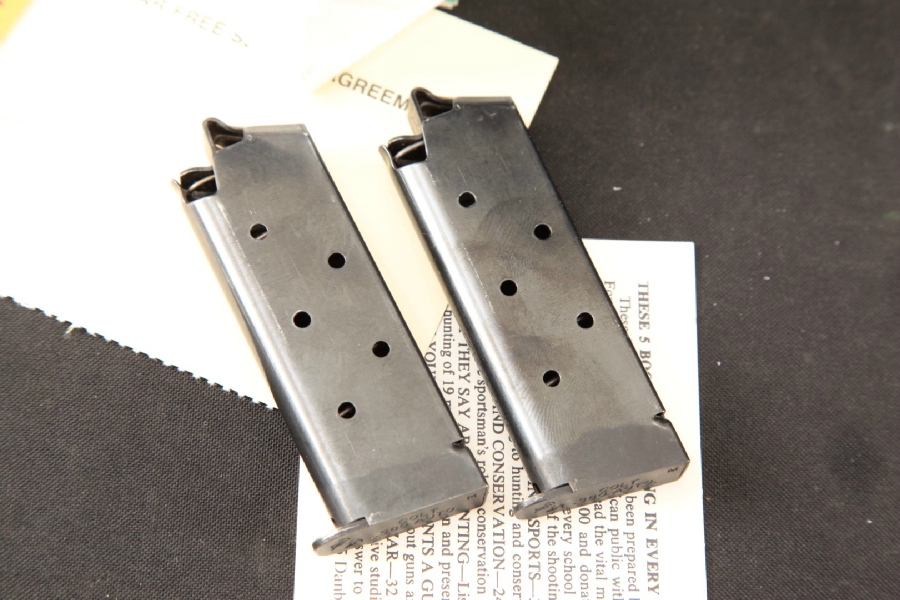
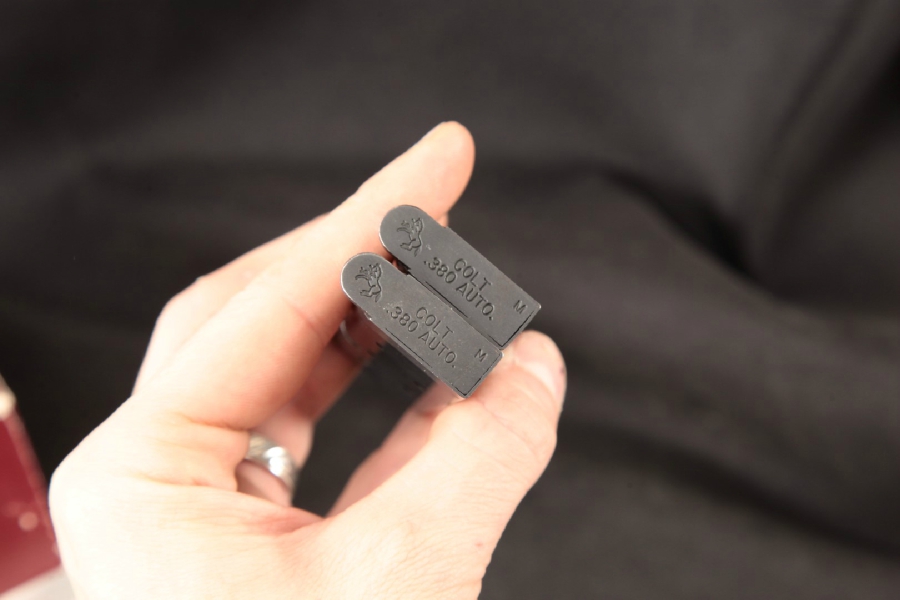
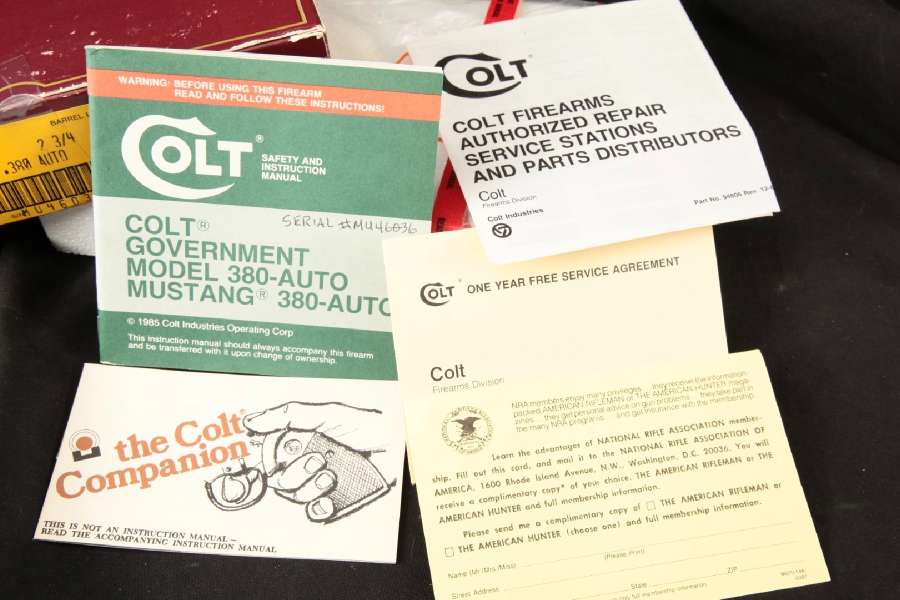
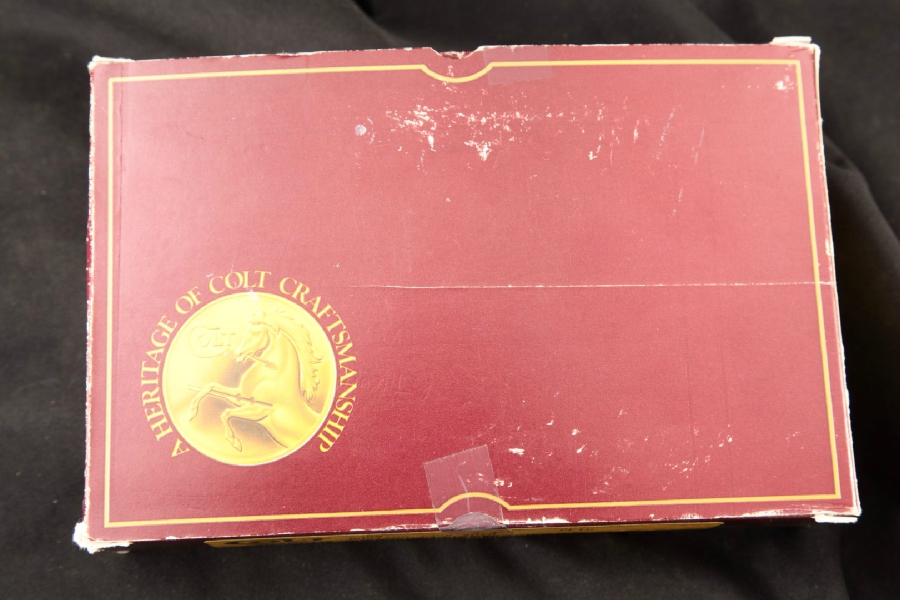
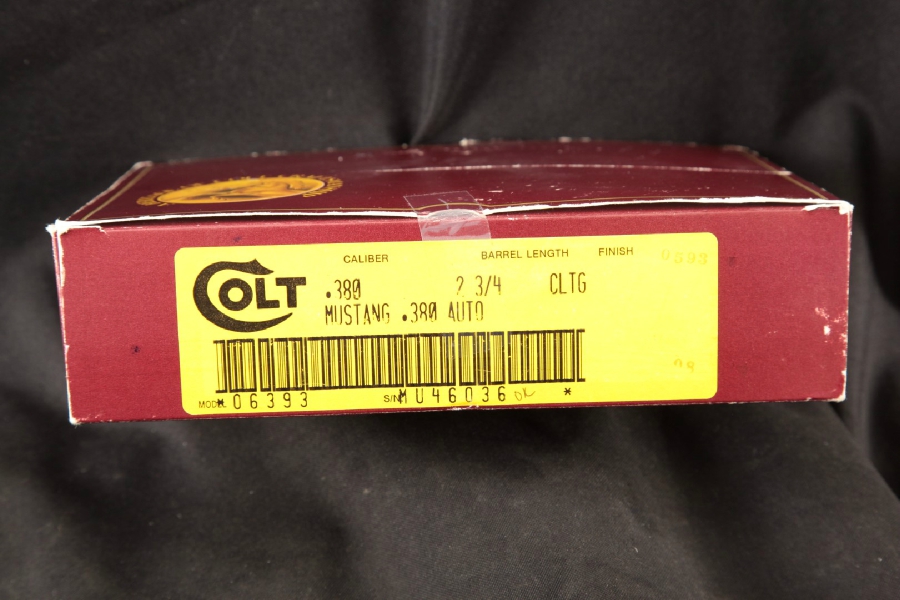
The all important factory box & pamphlets. So not throw them away like I did! As its like extra cash in todays market! Go figure!
Author: Grumpy
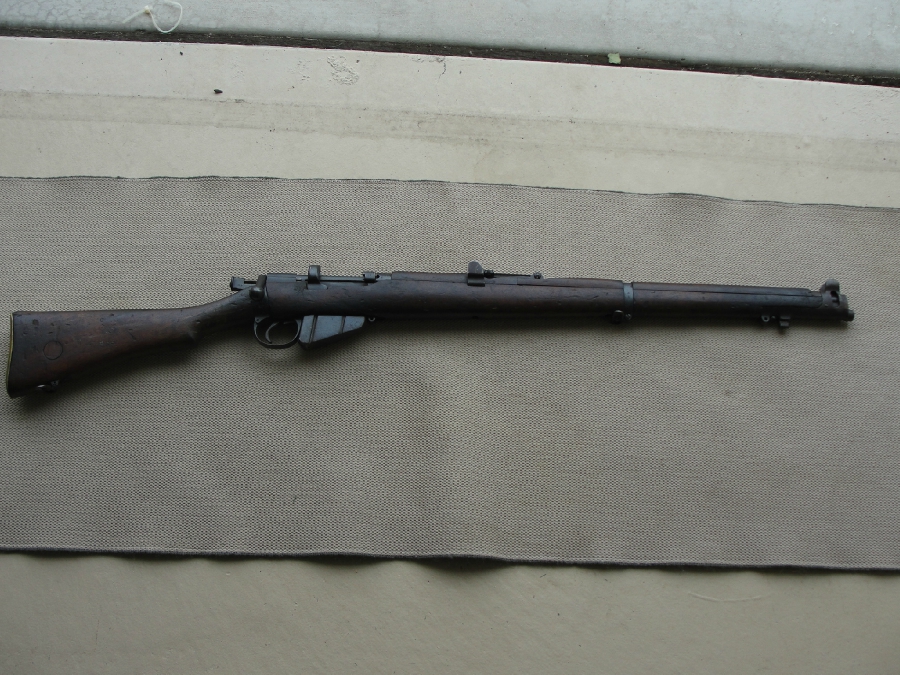
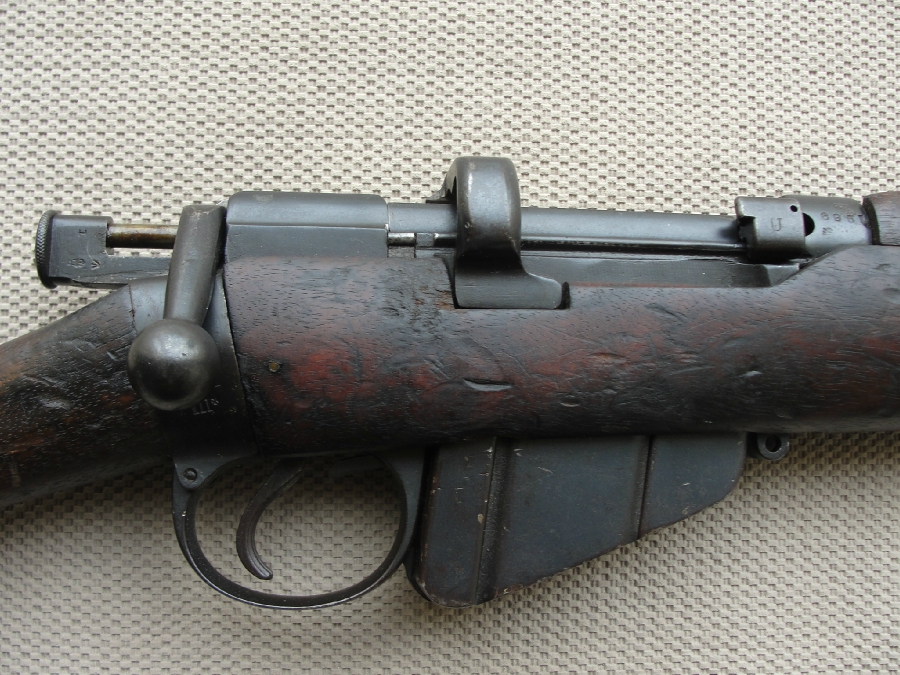
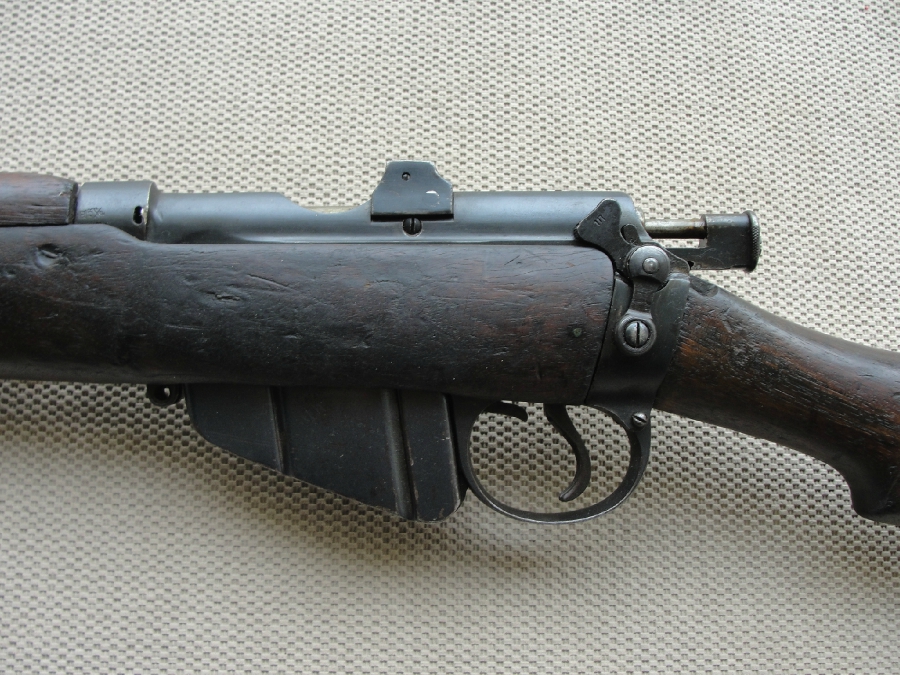
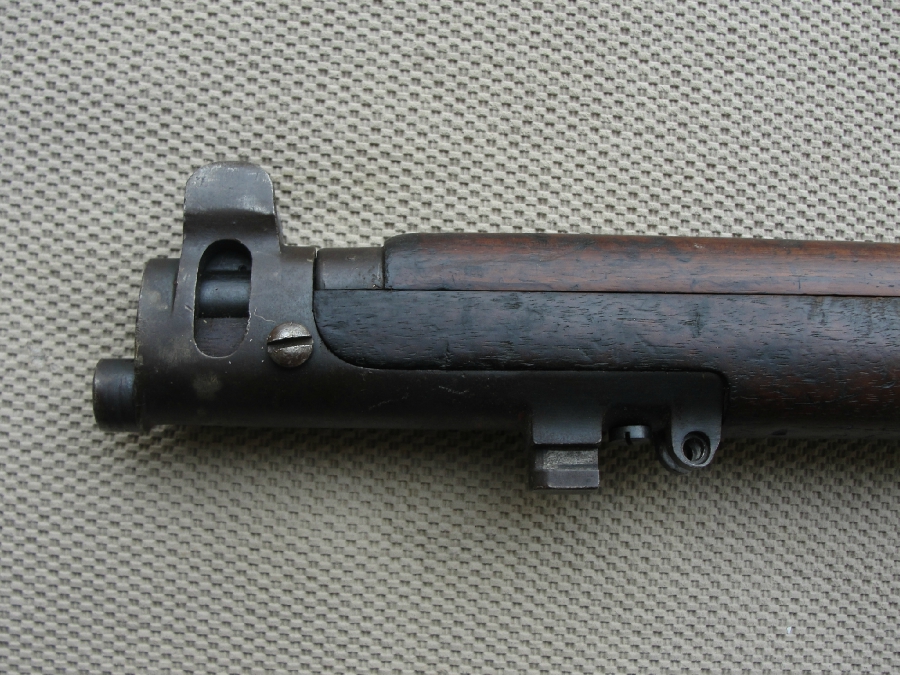
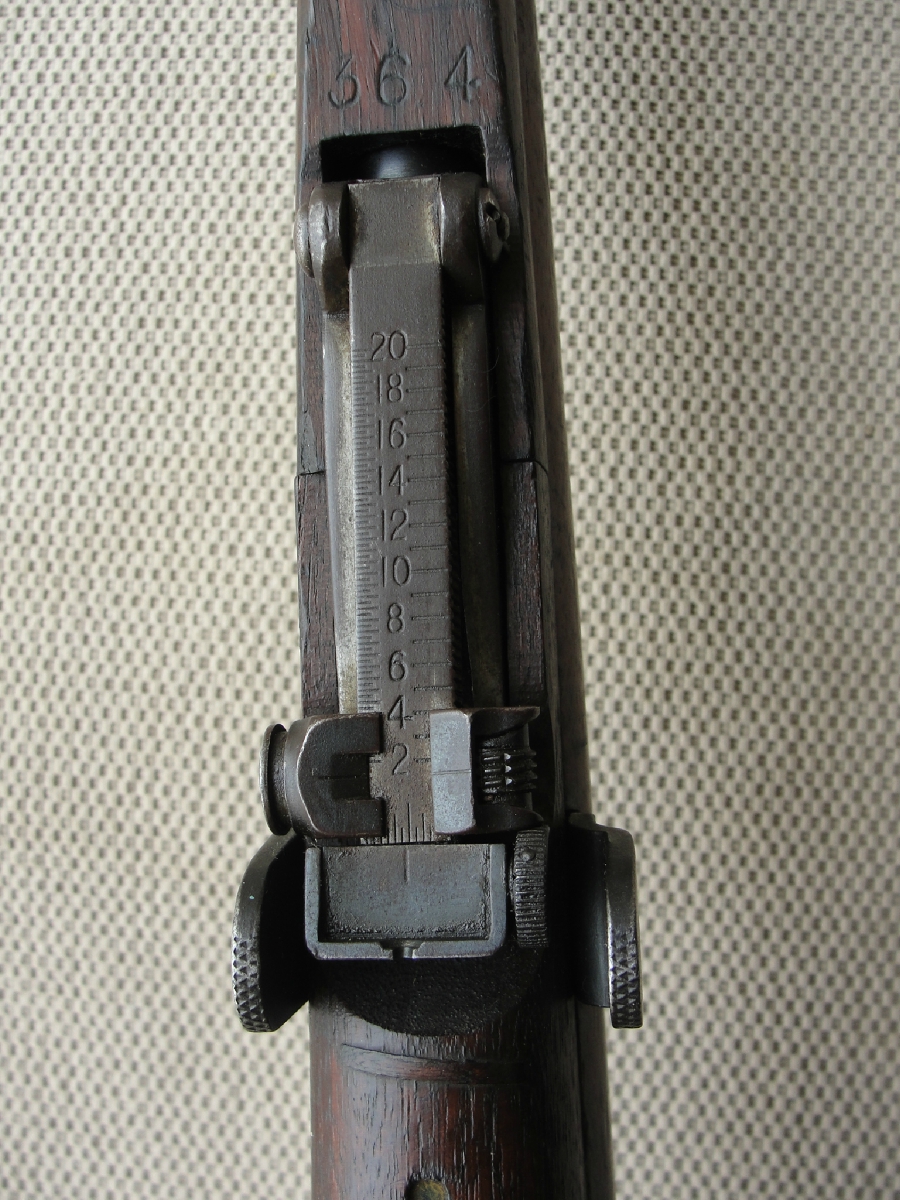
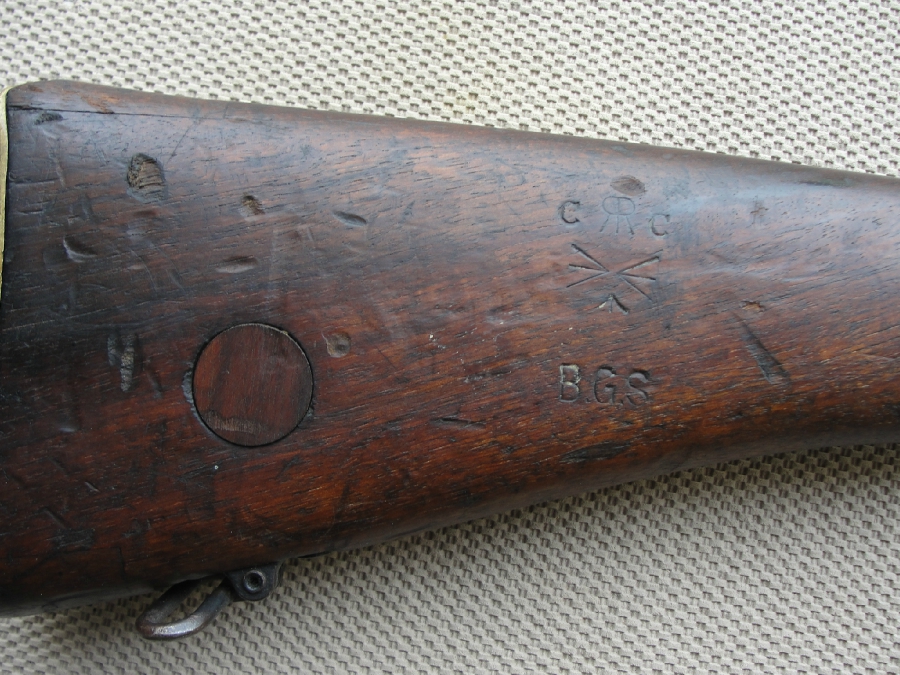
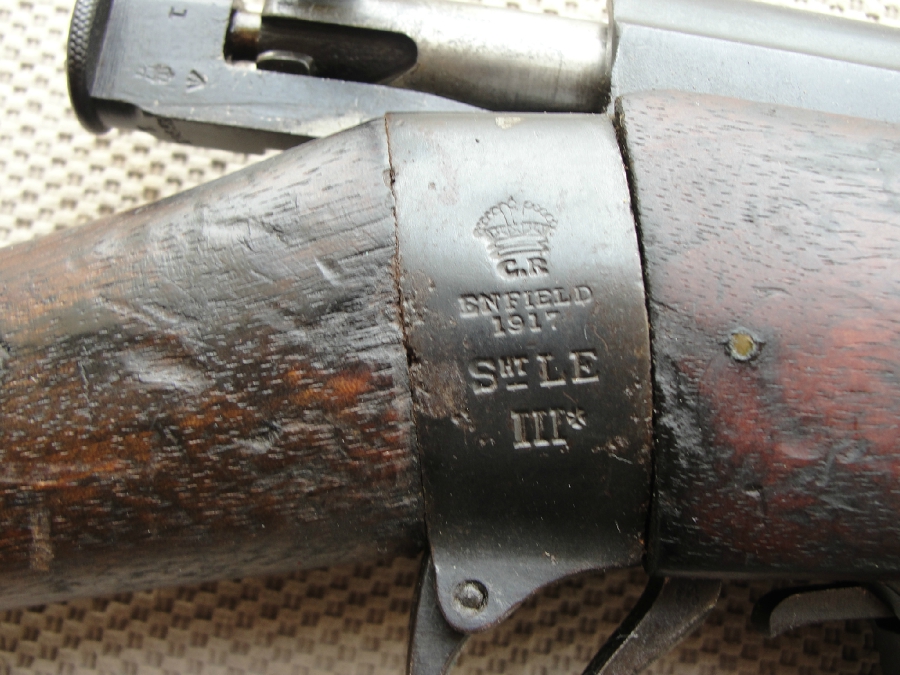

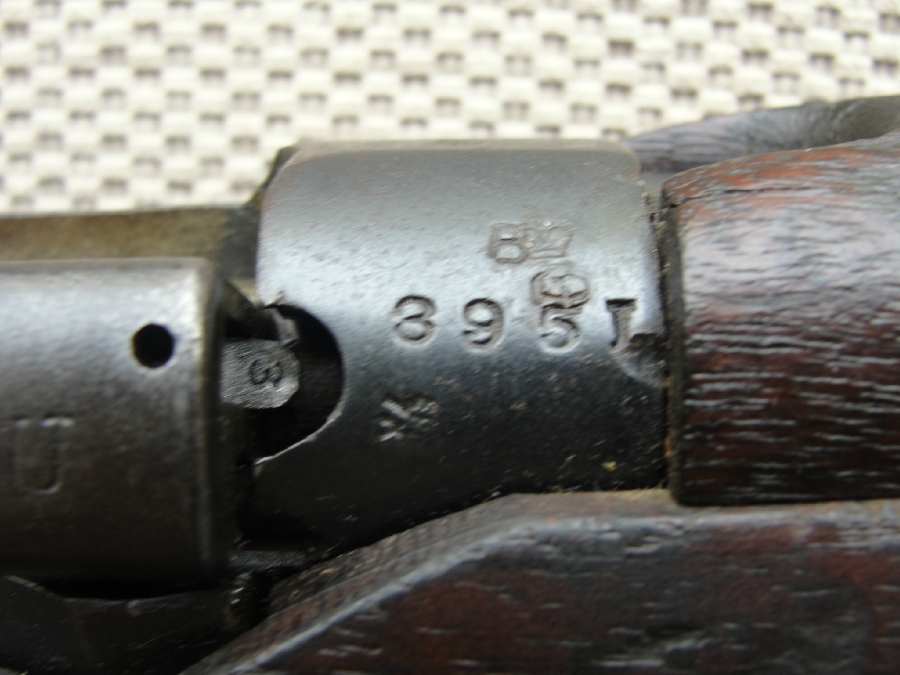
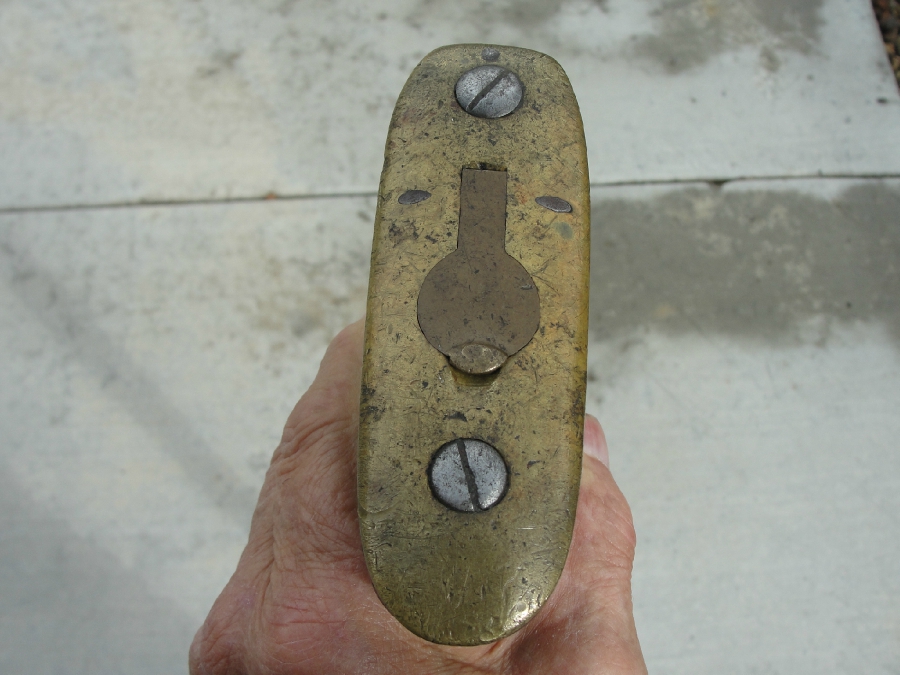
Imagine the War Stories this Old warrior could tell!

Okay so you aced the interview & nailed down the job! Congrats & well done Old Boy!
Now what?
Well the Principal is going to call the District and tell them that they hired you. So off you go to Corporate Headquarters & Human Resources*.
When you do go. Make very sure that you have all your paperwork squared away. The School Secretary can help if you are really nice to them by the way.
The key things are a copy of all your College Transcripts, Teacher Credentials and other Certificates. As they will determine your place on the pay scale.
Hint -you want to be on the far right side and down as far as possible on this chart. So see if your Substitute Teaching time can be credited to it under experience. This can make your pay check a bit bigger by the way.
So anyways you are going to due a huge amount of paperwork. Get used to it as you have just joined the Civil Service.
Be smart and do some research on Health Insurance so that it will fit your needs. Also you can get your spouse & kids on this. I like Kaiser- Permanente myself but to each his own I say!
Then you will be sent to an orientation briefing. Where they will try and scare the snot out of you. Just don’t sweat it.
This will be followed by going back to YOUR School and meeting your Department Chair. Who will then assign you your classroom. Then on with a side trip to the Textbook room for your students books for them to sign for later on.
Hopefully you will have a day or so to set up and decorate your classroom. Before the flood of students arrive.
More later on, Good Luck & Hunting!
- HR can be your worst nightmare as they are the ones who will “Investigate” any misconduct that might come your way. Be very wary of these folks and avoid if possible. They will also be the ones to screw up your pay & benefits.
Categories
Dan Wesson Firearms



 |
|
| Subsidiary of CZ-USA | |
| Industry | Defense Products & Services |
| Founded | 1968 |
| Founder | Daniel B. Wesson |
| Headquarters | Norwich, New York, United States |
| Products | Firearms and law enforcement goods |
| Owner | CZ-USA |
| Website | danwessonfirearms.com |
Dan Wesson Firearms (DW), part of CZ-USA, is an American handgunmanufacturer. The corporate headquarters is in Kansas City, Kansas, and the customer service and manufacturing plant is located in Norwich, New York. Dan Wesson Firearms is known for its revolver expertise and for some types of ammunition it has introduced over the years.
Contents
[hide]
Company history[edit]
Daniel B. Wesson II (1916–1978) was the great-grandson of one of the founders of Smith & Wesson, where he worked from 1938 until 1963. He earned his degree in Material Science and Metallurgy and controlled the quality of his production strictly.[1]
After the purchase of Smith & Wesson by the Bangor-Punta manufacturing concern, Daniel B. Wesson set out to open his own manufacturing operation in order to produce high quality, American made revolvers for service as well as competition use. Dan Wesson Arms was incorporated in 1968, with its headquarters and production located in a former school building in Monson, Massachusetts.[1]
Wesson was aware of gunmaker Karl Lewis’ modular designs which had been proposed during Lewis’ tenure with Browning, and then further refined during a period spent with High Standard. Wesson signed a production agreement with Lewis, and began setting up the necessary machining and manufacturing equipment. Urging Lewis to prepare prototypes for display at major gun shows, Wesson began tirelessly promoting the company, while working to build a sales and distribution network in an extremely competitive market largely dominated by three or four manufacturers.
The new Dan Wesson revolver proved to be extremely accurate, though sales were limited – in large part due to the gun’s unorthodox appearance. After reworking the design to improve its aesthetics and correct some detail faults, Wesson introduced the revised model as the Model 15 in .357 Magnum and .22 Long Rifle calibers. This new version of the revolver again demonstrated the inherent accuracy of the threaded barrel design, and the Model 15 and its successor Model 15-2 became extremely popular with both civilian target shooters and hunters.[2] A large framed version in .44 Magnum caliber was introduced in 1980, and was also a success, particularly with competitors in IMSA metallic silhouette competition.[2] The new revolvers compared well in all respects in fit and finish to the best models offered by Colt and Smith & Wesson, using heat-treated, investment-cast 4140 chrome moly steel frames with a deep, highly polished blue finish. Later, Dan Wesson offered revolvers in stainless steel as well.[2] Barrels and shrouds were constructed of chrome moly steel.
Despite the success of the revised design and new caliber offerings, Dan Wesson Arms experienced significant upheaval and ownership changes after Wesson’s death in 1978. The original Monson facility and production equipment became outdated, and production costs of the gun reduced profits. The company declared bankruptcy in 1990. The corporation was initially moved to Palmer Massachusetts, and the name was changed to Dan Wesson Firearms. In 1995, poor sales led to yet another bankruptcy, after which Bob Serva purchased the corporation and its assets, moving the group to Norwich, New York, where it is currently located.[1]
Seeking to diversify its product line, the company introduced a popular series of high quality M1911A1-type pistols in various calibers. Dan Wesson revolvers also went back into limited production, though this required a substantial investment in new CNC tooling and equipment to replace the old worn-out tooling. Despite increased sales, the company faced further financial hardships, and in 2005 the company was purchased by the CZ Group’s American branch.[3]
Dan Wesson revolvers[edit]

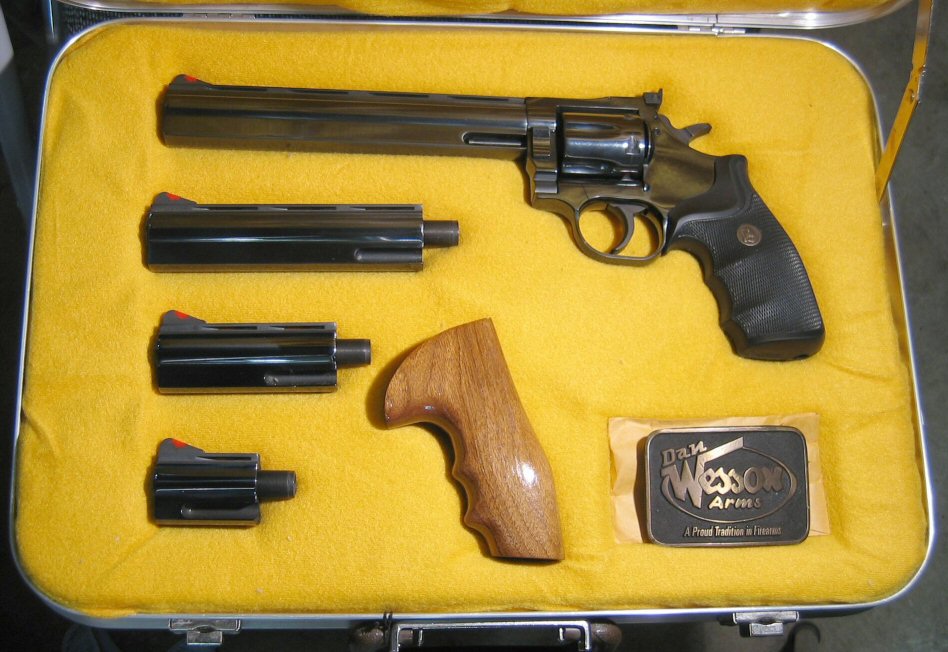
Dan Wesson Revolver . 357 Magnum, barrels

Dan Wesson, barrel system
The double-action revolver design introduced by Dan Wesson was invented by Karl R. Lewis.[4] Lewis was responsible for a number of new firearms designs while working for various firearms manufacturers, including the Army’s 40mm break-open grenade launcher and the .357 caliber Colt Trooper revolver. Lewis had previously invented an interchangeable barrel system for revolvers, and this system was incorporated into the Dan Wesson prototype. While nearly all revolvers are constructed with a barrel screwed tightly to a frame (which must be removed and installed by an experienced gunsmith), Lewis’ idea was to house the barrel tube within a separate shroud secured by a nut at the muzzle, which places tension on the barrel and provides support at both ends of the barrel. By unscrewing the muzzle nut, the shroud and barrel could be removed and replaced with different barrel lengths and shroud configurations. The fact that the DW barrel is supported and placed under tension at both ends (along with the ability to fine-tune barrel-cylinder gap) resulted in markedly increased accuracy over conventional revolver designs.
Another difference in the new design was the placement of the cylinder release latch. Other revolvers place this latch on the frame, behind the cylinder. The Dan Wesson revolvers have the latch mounted on the cylinder crane, which was intended to increase the strength of the revolver by placing the locking mechanism at the point where the cylinder crane fits into the frame. Another change from most other existing designs was the use of a coil mainspring, which Lewis had pioneered with his design of the Colt Trooper .357. Revolvers with flat mainsprings must have a metal framework to anchor one end, while the other contacts the hammer. This framework generally forms the primary shape of the handgrip, to which the stocks are attached. The Dan Wesson design houses the coil mainspring inside a short extension of the frame, and the stock attaches to this extension with a screw inserted vertically through the bottom of the stock. The lack of a steel frame outline permits a wider amount of grip sizes and styles, since any grip that can accept the short mainspring housing can be used.
The first interchangeable barrel revolvers produced were the Dan Wesson Models W8, W9, W11, and W12, all medium-frame size frame revolvers chambered in .38 Special or .357 Magnum. The W8 and W11 had either a fixed rear sight, or a rear sight adjustable only for windage, while the W9 and W12 featured a rear sight fully adjustable for both windage and elevation. The barrels and shrouds for both models were interchangeable and used a large externally mounted nut on the muzzle end to secure the barrel and shroud. The shrouds on these early models had an elongated flange (known to collectors as “Pork Chop” shrouds) which mated with the front of the revolver’s frame. Initial barrel/shroud options were 2 1/2-inch, 4-inch, 6-inch, and 8-inches. A custom barrel nut wrench and feeler gauge were supplied with each pistol, and barrel changes could be accomplished in two minutes or less.[5]
Models 14 and 15[edit]
In 1971, DW introduced the Models 14 (fixed sights) and 15 (adjustable sights) in .357 Magnum caliber. The new models still used the “pork chop” flanged barrel assembly, but the muzzle nut was redesigned and recessed inside the shroud to improve the gun’s appearance. As a result, barrel change tools for the Models 12 and 15 are non-interchangeable.[5]Another new feature was the introduction of a mechanical stop to prevent trigger overtravel, which reduces the effect of trigger movement on the gun itself while reducing trigger return time, thus increasing accuracy.[6] Models W11 and W12 were discontinued in 1974.
Models 14-2 and 15-2[edit]
During 1975-1976, further refinements to the Models 14 and 15 were incorporated into production as the MOdels 14-2 and 15-2. The Model 15-2 became the most well known and the best selling Dan Wesson revolver model to go into production. The 15-2 used a roll pin inserted into the frame as a centering dowel combined with a precisely drilled hole in each shroud assembly to facilitate proper shroud centering and alignment, thus eliminating the need for flanged barrel shrouds. The 15-2 introduced more barrel and shroud options, including barrel/shroud lengths of 2.5, 4, 6, 8, 10, 12, and 15 inches, partial or fully lugged shrouds with choices of solid or ventilated ribs, plus removable and interchangeable front sights.[5] The Model 15-2 could be ordered as “Pistol Pacs” with 3 (initially) and later 4 (or more) barrel/shroud sets shipped inside a fiberglass briefcase with barrel changing tool and clearance gauges; however, most pistols were sold with only one barrel, with the buyers able to purchase other barrels later. All barrels and shrouds within a model series are compatible, thus a Model 15-2 frame from the 1970s may be equipped with a barrel from the 1990s and shroud made in 2016. The 15-2 increased sales markedly over the earlier models, and were often seen in use with both target shooters and hunters.
Large Frame Magnum Models[edit]
In late 1980, after three years of development the Dan Wesson company introduced a large-framed revolver in .44 Magnum/Special caliber, intended for hunters and target shooters (especially metal plate or silhouette target competitions).[2][7] Designed for extended use with full-power magnum loads, the new Model 44 used a larger and stronger frame than the Smith & Wesson Model 29 (M44 weight was 48 ounces with a 4-inch barrel), and featured a solid frame without a separate sideplate, which also increased strength.[8] In addition to the one-piece frame, the Model 44 incorporated other new features designed to increase accuracy, such as broached rifling and choke-bored barrels.[8]
The Model 44 or Large Frame Dan Wesson was initially offered with 4″, 6″, 8″, or 10″ interchangeable barrel/shroud options,[6] and most guns shipped with a 6-inch barrel. A 2 1/2″ barrel/shroud was later introduced, available as a separate option from the factory. Like the Model 15-2, the Model 44 could also be purchased with a variety of shroud configurations – either partial lug or full lug with a solid rib or ventilated-rib barrel. The Model 44 could also be obtained with a “Power Control” barrel compensator.[9] This was a stainless steel barrel drilled radially at the muzzle end with a series of small ports. Two small vents cut into the top of the barrel shroud vented excess gas and reduced apparent recoil of the gun, although this feature eliminated the option of using cast lead bullets due to lead and carbon accumulation. At the time, Dan Wesson M44 was the lightest recoiling .44 magnum ever produced.[2][7] Light recoil was a side benefit in IHMSA silhouette competitions. The Model 44’s high level of intrinsic accuracy, combined with an excellent trigger, and fast lock time, caused a surge in popularity of the M44 in heavy-caliber revolver competition, though the gun was also popular with handgun hunters and sportsmen who desired a gun for personal protection against bears or other large predators. The Power Control barrel and vented shroud were eventually dropped, though DW did experiment with an external shroud-mounted compensator in later models.
Within a few years, Dan Wesson introduce their Large Frame revolver in other calibers, including .41 Magnum (Model 41) and .45 Long Colt (Model 45). Stainless steel version of these guns were designated with a 7-prefix i.e. Model 744, 745 etc.
Other Calibers[edit]
Later the company offered the Model 15-2 chambered in .32 H&R. A new Large Frame DW was offered in the Supermag series of cartridges – .357, .375, and .445 Supermag (later called the Alaskan Special. The Model 7460 was also produced in .45 ACP/.460 Rowland/.45 Winchester Magnum. A “Hunter Pac” could be purchased in all Magnum calibers which included a heavy vent-rib shrouded barrel, barrel changing tool, and Burris scope mounts in a travel case.[5]
In addition to current production of the Model 715 revolver in .357 Magnum, CZ still supports the Model 15-2 and Large Frame models with a variety of shroud and barrel offerings, replacement parts, and repair and refurbishment services.
1911 pistols[edit]
While the traditional image of Dan Wesson has always been centered around revolvers, over the years the company has also developed and produced rifles, ammunition, and a popular line of Dan Wesson 1911 auto pistols in various calibers.
| Timetable | Company name | Production place | State | CEO | Owner | Notes |
|---|---|---|---|---|---|---|
| 1968–1978 | Dan Wesson Arms Inc. | Monson | Massachusetts | D.B. Wesson | D.B. Wesson | much development |
| 1978–1991 | Dan Wesson Arms Inc. | Monson | Massachusetts | various owners | various owners | |
| 1991–1995 | Wesson Firearms Co. | Palmer | Massachusetts | Seth Wesson | Wesson family | |
| 1996–2005 | Wesson Firearms | Norwich | New York | Bob Serva | New York International Corp. | new plant |
| 2005–present | Wesson Firearms | Norwich | New York | Alice Poluchová | CZ-USA |
Patent information[edit]
DW patents concerning revolvers:
- U.S. Patent 5,225,615 — Compensated barrel shroud 1993-07-06 Talbot; Arventos; Wesson Firearms Co., Inc. (Palmer, MA)
- U.S. Patent 5,305,678 — Compensated barrel shroud 1993-04-26 Talbot; Arventos; Wesson, Seth; Wesson Firearms Co., Inc. (Palmer, MA)
- U.S. Patent 4,833,809 — Firearm hammer construction 1989-05-30 Domian; MacWilliams; Dan Wesson Arms, Inc. (US)
- U.S. Patent 4,807,380 — Firearm (Revolver locked breech mechanism) 1989-02-28 Domian, Robert E. (US) Dan Wesson Arms, Inc. (US)
- U.S. Patent 4,833,810 — Firearm (Revolver interchangeable barrel)1989-05-30 Domian, Robert E. (US) Dan Wesson Arms, Inc. (US)
- U.S. Patent 4,058,050 — Gun leveling device 1977-11-15 Brouthers, Paul E. Dan Wesson Arms, Inc.
- U.S. Patent 4,015,354 — Gun sight 1977-04-05 Brouthers, Paul E. Dan Wesson Arms, Inc.
Lewis patents for revolvers:
- U.S. Patent 3,633,302 — Cylinder Mechanism for Revolver-type Firearms 1972-06-11 Lewis, Karl R. (US)
- U.S. Patent 3,683,535 — Handgun Grip Construction 1972-08-15 Lewis, Karl R. (US) Lewis, Karl R. (US)
- U.S. Patent 3,648,374 — Adjustable Firearm Sight 1969-08-15 Lewis, Karl R. (US)Lewis, Karl R. (US)
- U.S. Patent 3,367,053 — Firearm construction 1968-02-06 Lewis, Karl R. (US)Lewis, Karl R. (US)
- U.S. Patent 3,303,594 — Firearm barrel, shroud, frame, and cylinder construction 1967-02-14 Lewis, Karl R. (US)
- U.S. Patent 3,237,336 — Cylinder ratchet mechanism for revolver type firearms 1966-03-01 Lewis, Karl R. (US) Browning Industries, Inc.
- U.S. Patent 3,157,958 — Hammer safety for fire arms 1964-11-24 Lewis, Karl R. (US) Browning Industries, Inc.
- U.S. Patent 3,701,213 — Revolver Firing Mechanism…(SA/DA)1972-10-31 Lewis, Karl R. (US) Colt Industrial Operating Corp. (US)
- U.S. Patent 3,163,951 — Firearm firing mechanism 1965-01-05 Lewis, Karl R. (US)
- U.S. Patent 2,927,390 — Single and double action revolver firing mechanism 1960-03-08 Lewis, Karl R. (US)
References[edit]
- ^ Jump up to:a b c Radielovic, Marko; Prasac, Max (31 August 2012). Big-Bore Revolvers. Iola, Wisconsin: Gun Digest Books. pp. 58–59. ISBN 1-4402-2856-6.
- ^ Jump up to:a b c d e Taffin, John, The Gun Digest Book of the .44, Gun Digest Books (2006)Ch. 31, pp. 198-201
- Jump up^ “CZ-USA purchases Dan Wesson Firearms”. CBS Interactive. April 2005. Retrieved 2011-12-20.
- Jump up^ Karl Lewis – Revolver Designer Official Web Site
- ^ Jump up to:a b c d Carpenteri, Stephen D. (Ed). The Gun Trader’s Guide: A Comprehensive, Fully-Illustrated Guide, 34th ed., SkyHorse Publishing Company, ISBN 978-1-61608-843-
9 (2012), pp. 190-191 - ^ Jump up to:a b Peterson, Phillip and Johnson, Andrew (eds), The Gun Digest Book of Modern Gun Values, 18th Ed, Krause Publications, ISBN 978-1-4402-
4501-5(2016), pp. 251-253 - ^ Jump up to:a b Taffin, John, A Massive New Dan Wesson .44, Sixgunner (1981), pp. 39-43
- ^ Jump up to:a b Metcalf, Dick, Dan Wesson Revolvers Return, Guns & Ammo online (3 Jan 2011), retrieved 5 November 2016
- Jump up^ Bradshaw, David, A New Look At The New Dan Wesson .44, American Handgunner (Sep/Oct 1981), pp. 38-41
External links[edit]
- Official website
- Powerhouse Sixguns Of Dan Wesson– Guns Magazine
$35 million – the cost of integration
According to the Daily Caller, the Army spent $35 million to renovate facilities at Fort Benning to accommodate female trainees going through Infantry training. So far, those renovations have produced 22 female graduates, with thirty more in the pipeline. But, hey, what’s a few million bucks when we’re able to say that we’re diverse.
The money was spent on female living facilities and video cameras for security;
As part of the effort to integrate men and women in combat arms, Fort Benning has also had to develop new laundry policies. Before, laundry was open at any time of night. Now, it’s bracketed off at certain times for women.
Initially, Fort Benning officials wanted to place female living quarters on a separate floor, but the women didn’t care for that arrangement. Instead, the women are housed in one of four main sleeping bays.
Newly installed security cameras keep watch on the bay door and the stairs leading to the bay.
That won’t be the end of costs for the Army;
Female recruits have had a higher injury rate than their male counterparts. For example, in the last class, hip stress fractures were an issue for six out of seven females injured in Charlie Company.
From the Associated Press;
And as women drop out, those remaining are moved to new companies to maintain balance within units, said Lt. Col Sam Edwards, commander of 1st Battalion, 19th Infantry regiment. More than 36 percent of Benning’s women have left — about twice the rate of men. Injuries have sidelined other women who plan to restart the training.
Army leaders are closely watching the integration to track injury and performance trends and ensure there are no problems.
“It was a boys club for a long time,” Kendrick said. “You have to be professional.”
Yeah, a boys’ club, that’s what it was. This is only training, it’s not like three or four years of living the infantry life. Show me the stats on the other end – how many women are going to take a another hitch in the infantry after living the life.
So, 35 million smackers to turn out 30 infantry-trained women doesn’t seem cost very effective to me. Especially in these times when training money is scarce.

Categories
One hell of a Good Looking Rifle!
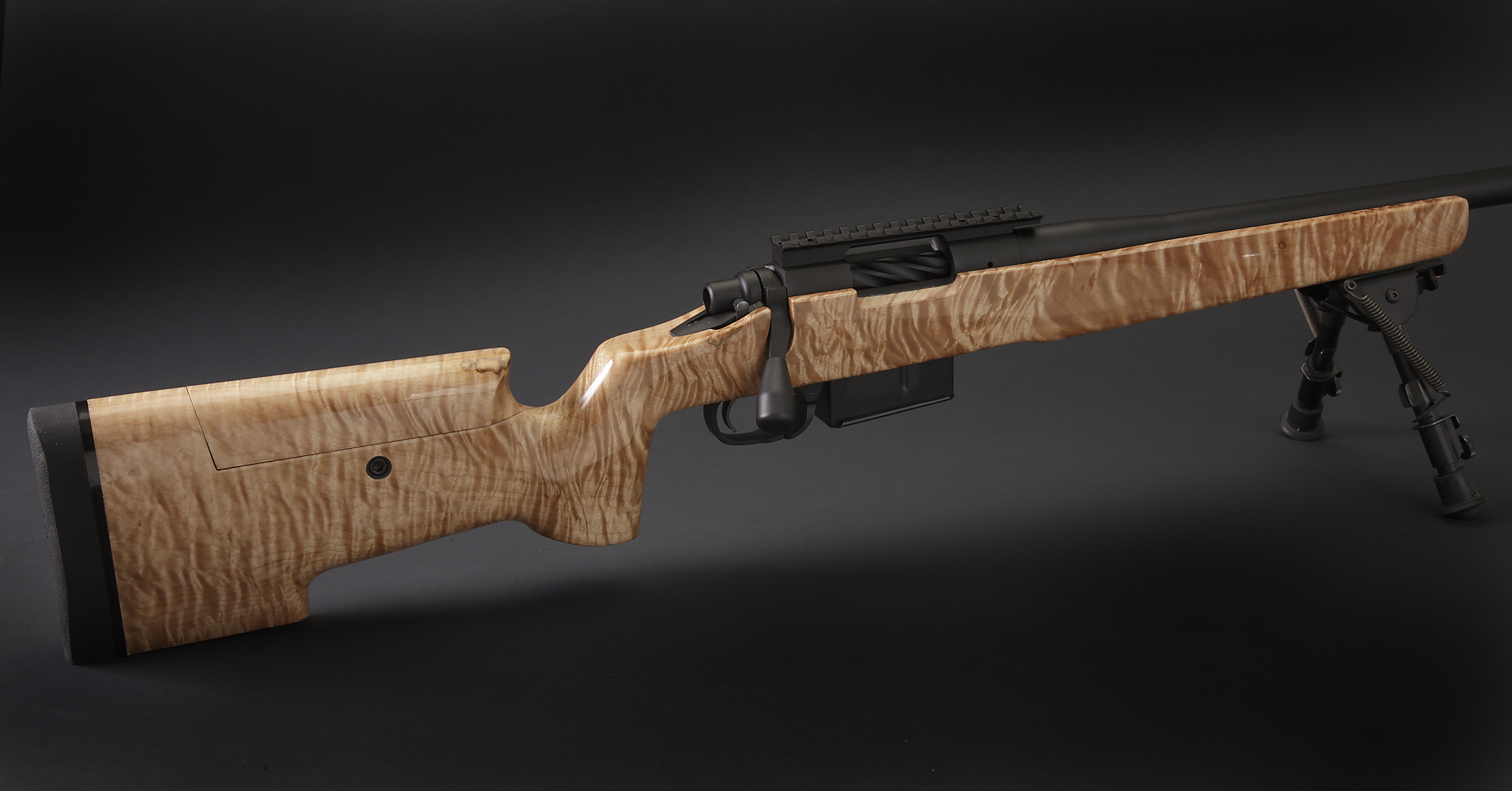
Now it’s obvious that somebody has spent a lot of time, effort and hard cold cash on this Remington 700! It looks like a Curly Maple Stock. It’s a pity that no one added any more information about it.
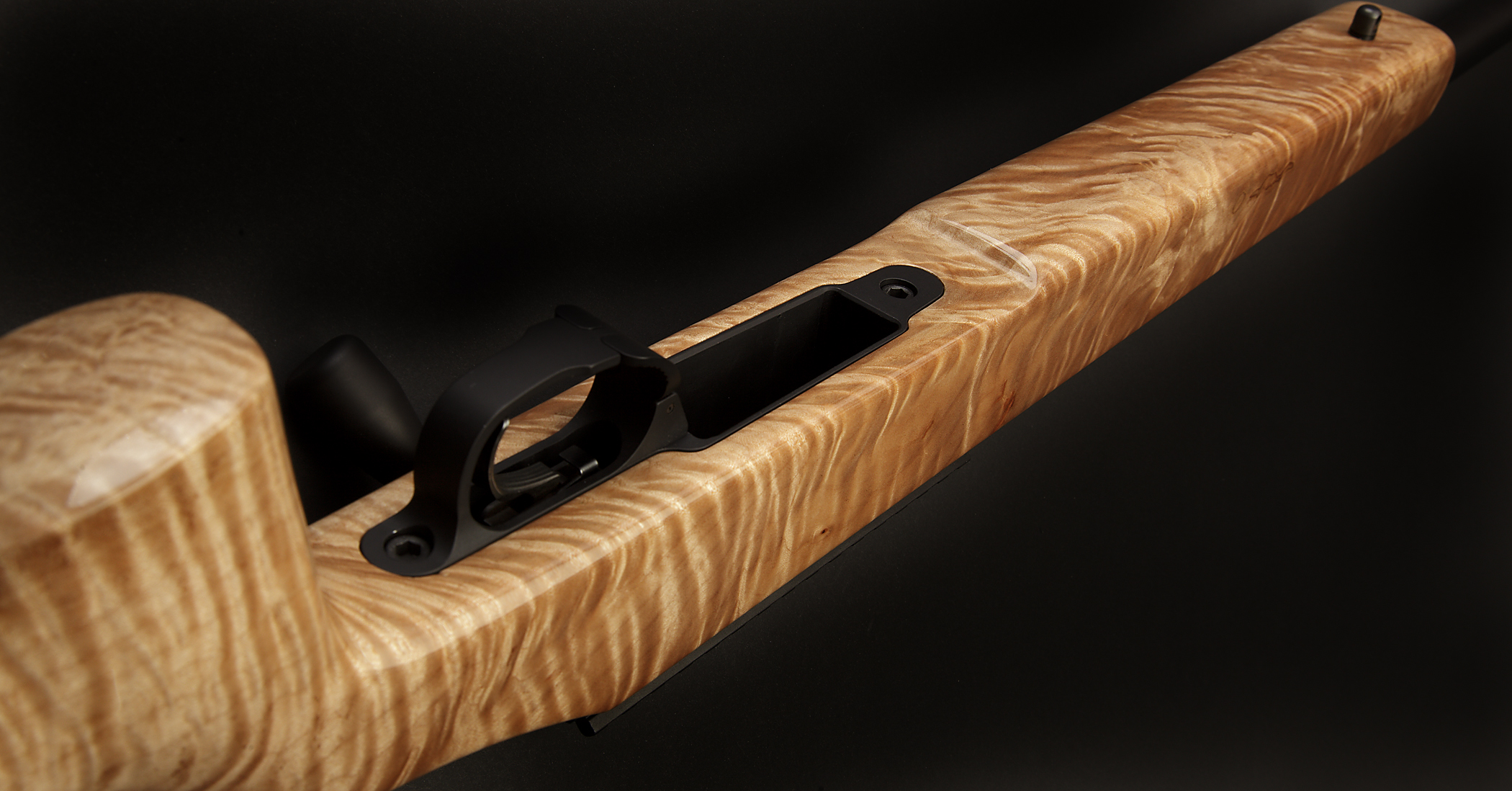
All I know is that I would not be getting rid of such a fine example of of American Workmanship!
Enjoy!
Grumpy

The Ken Owen Rewa 4 bore.
Last week we had a .410 from Rock Island Auction’s upcoming Premier Auction on December 1–3, which comprises guns both tiny, like that .410, and gigantic, like today’s gun, a 4-bore double.
That’s not a misprint, it’s a 4 bore. “Four bore,” as a reminder, means four lead balls of that diameter weigh 1 pound, and the diameter of a 4-ounce ball of lead is just over an inch, making this gun a 1.05 caliber.

That’s not a misprint, it’s a 4 bore. “Four bore,” as a reminder, means four lead balls of that diameter weigh 1 pound, and the diameter of a 4-ounce ball of lead is just over an inch, making this gun a 1.05 caliber.
The gun was inspired by a Holland & Holland made for an Indian prince.
This rifle, one of a number of big game–stopping rifles to be sold at the December auction, was made in the 1990s by custom gunsmith Ken Owen of Memphis.
It took him a thousand hours to build the gun. His inspiration for this gun, and five more like it, was the Holland & Holland 4-bore made for the Maharaja of Rewa, India, in the ’20s.
Evidently it was good to be the maharaja back then, and I suspect he had someone on payroll to carry it for him. The gun weighs 26 pounds and shoots a 2,000-grain (4.57 ounce) bullet out of a 4-inch case.
It took him a thousand hours to build the gun. His inspiration for this gun, and five more like it, was the Holland & Holland 4-bore made for the Maharaja of Rewa, India, in the ’20s.
Evidently it was good to be the maharaja back then, and I suspect he had someone on payroll to carry it for him. The gun weighs 26 pounds and shoots a 2,000-grain (4.57 ounce) bullet out of a 4-inch case.
You can get an idea of how massive the 4 bore is when you realize the barrels that look short and stubby are actually 26 inches long. You can also see what a beast is if you take time to watch this video of stopping rifles vs. pumpkins:
Sturm, Ruger Laying Off About 50 Workers Around the Country
Valley News Staff Writer
Friday, January 05, 2018
- By Jordan Cuddemi
Newport — Sturm, Ruger & Co. is in the process of laying off about 50 workers, or about 2.7 percent, of the company’s workforce, a top executive for the gunmaker said on Friday.
Ruger Vice President and General Counsel Kevin Reid Sr. said the layoffs are happening companywide, and he isn’t sure how many of the roughly 1,300 workers at the Newport location would be affected.
“It was for the needs of the business and tied to employee performance,” Reid said of the layoffs. “At Ruger, we routinely adjust our workforce.”
Reid, who is based in Ruger headquarters in Southport, Conn., said the company focused most of the layoffs on “indirect labor positions” such as marketing, sales and engineering, and not on employees directly involved in production.
Ruger Vice President and General Counsel Kevin Reid Sr. said the layoffs are happening companywide, and he isn’t sure how many of the roughly 1,300 workers at the Newport location would be affected.
“It was for the needs of the business and tied to employee performance,” Reid said of the layoffs. “At Ruger, we routinely adjust our workforce.”
Reid, who is based in Ruger headquarters in Southport, Conn., said the company focused most of the layoffs on “indirect labor positions” such as marketing, sales and engineering, and not on employees directly involved in production.
Ruger employs between 1,800 and 1,900 people around the country.
He declined to comment on the timeline for the layoffs.
Ruger has three manufacturing locations: in Newport; Prescott, Ariz.; and Mayodan, N.C.
It also has a precision metals branch in Earth City, Mo., according to Ruger’s website.
Reid shied away from commenting on whether a third-quarter sales decrease impacted the layoffs, but noted that the company has “been in a fluctuating market, which I don’t think is lost on anybody.”
Ruger, a publicly traded company, has seen its stock price decline for the past 12 months, reflecting weaker sales and lower profits. Stocks fell from a high of $68 per share in July to $53.35 at closing on Friday.
U.S. gunmakers enjoyed robust sales some five years ago following the massacre at Sandy Hook Elementary School in Newtown, Conn., amid fears that new gun-control legislation sought by then-President Barack Obama would be enacted.
However, since President Donald Trump took office, firearms sales have slowed. Reid on Friday noted that a Republican-led administration, under Trump, has meant “less fear of legislation,” which plays into the market.
Jordan Cuddemi can be reached at jcuddemi@vnews.com or 603-727-3248.