Categories
All About Guns

CHICKEN GUNS BY ROY HUNTINGTON


Wait! It’s not what you think. Before everyone runs to their computers to send me e-mails telling me I’m a horrid, vicious murderer for shooting innocent chickens — rest easy, ‘cause I’m not. Well, at least usually I’m not.

A while back we thought it would be a good idea to raise some chickens. Soon there were nine chickens in residence. Our neighbor raised about 40, so they were kind enough to bring over a mini-flock, including one rooster. Now comes the part about not usually shooting chickens. Within 30 minutes that rooster had attacked most of the “girls” as we call them, pecked them, foisted himself “upon” them, tried to attack me and generally made himself unwelcome. I called my neighbor and encouraged him to take a “return” on the rooster. “Nope, he’s yours now,” came the reply. I heard a laugh too, I’m sure of it.

I tried to catch that damn rooster but that was a no-go, so for about 30 minutes he terrorized the girls and Jenna The Wonder Dog, all the while deftly avoiding my flailing at him with a hoe, steel rake and even a concrete block on one memorable run-by. I’d soon had enough and reached for my at-hand semi-rusty .22 rifle — problem solved. The girls settled down nicely, letting out chicken-sighs and coos of relief as if saying, “Thanks, glad he’s gone.” He was tasty for a rooster, by the way.

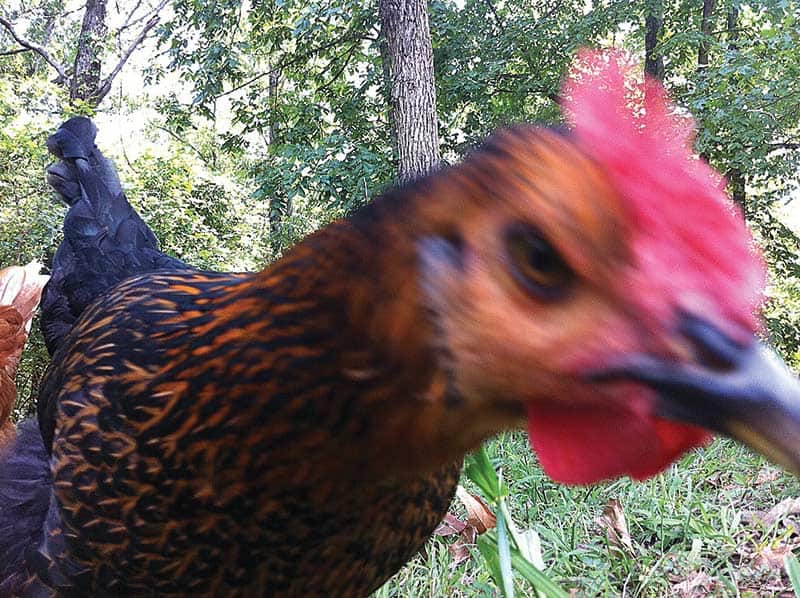
A bit later we added another 20 girls and now have eggs over-flowing. But life is hard when you’re a chicken and you live in the country, especially when you to free-range around the property. Which they certainly enjoy, with much pecking, scratching, fussing and eating of bugs and other tasty treats. An added benefit — no bugs around the house. Since we raised them from chicks, if you call to them (“Bwock, bwock … bwwocckkk!”) they hoist their skirts and come bounding over like a bunch of old ladies wearing bustles. Great fun. They also like watermelon, by the way.

But, all has not been chicken nirvana at the Huntington spread. Coyotes, hawks, raccoons, feral dogs, snakes and any number of other critters also like the fact we have chickens. Of the original eight “girls” there’s only one left. We call her “O.C.” for Original Chicken. All the other first-stringers have gotten eaten. We still have the 20 new ones though, mostly through vigilance on our part. A chicken-tip: If you decide to keep chickens and let ’em free-range — don’t name them. It’s bad enough when you lose one, but if you lose “Rosie” or “Zelda” or “Hawk” (a long story there), it’s suddenly personal.

When a coyote snatched Rosie (our favorite) right outside our kitchen window (Suzi was banging on the window and yelling, but it happened fast and she couldn’t do anything about it) — we officially declared war. Which brings us around to chicken guns.


Before we moved onto our land and were city-locked in Southern California, I spent more time than I probably should have trying to figure out the “perfect” land-gun. Something I’d always have with me and could protect us and our animals from those things we needed protection from. Once moved, I quickly found out what you “imagine” and what actually works can be two different things. What I learned is there isn’t a single gun that does it all — but one does come close. In my real world, the shotgun always managed to be someplace else when I needed it, my handgun wasn’t always the right one for the moment (I have a .44 Magnum at-hand when what I really need is a .22), and my lever-action .30-30 is, um … challenging, when you’re trying to connect on a coyote blasting 48 mph across the pasture. After stealing a chicken, by the way. I missed — all five shots.

Now, almost five years after moving here, I find myself just about always within reach of one kind of gun. While it’s not perfect, it does many things pretty darn good and is lightweight, very accurate, easy to feed and doesn’t cost an arm and a leg.

And the winner is? The not-so-lowly .22 rifle.

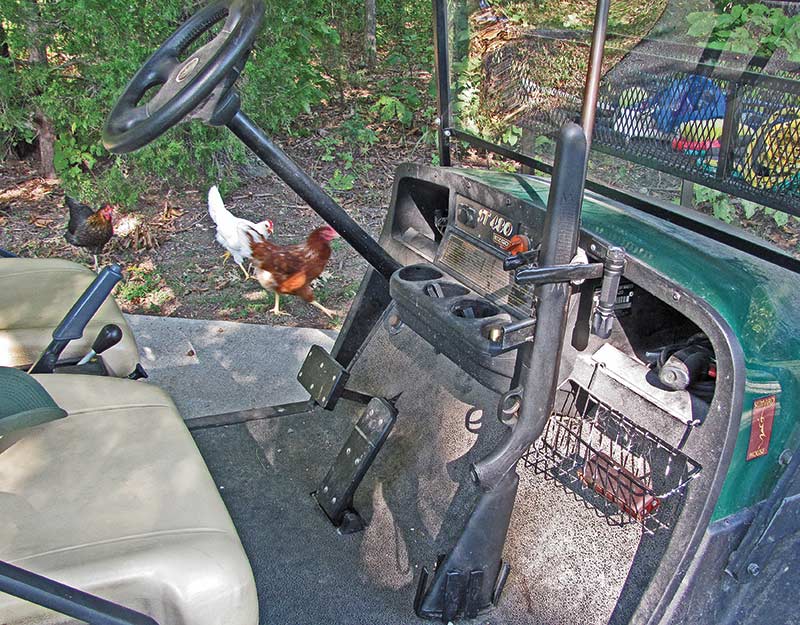
I keep one in a rack on our E-Z-Go chore vehicle (photo) and another strapped in a rack on the ATV. Another’s in my pick-up, and there’s one at the garage door, one downstairs in my office and one in the shop — all with empty chambers and loaded magazines. All are semi-autos, all are magazine-fed and all are either beaters I picked up at Brandon’s gun store, or inexpensive plinkers bought at retail at Wal-Mart or Academy.

While tube feeds work fine, they’re a pain if you chamber a round. To get an empty chamber again, you have to pull the follower, dump the rounds out of the tube, run the bolt to eject the chambered round and any others stuck, double check the chamber, drop the striker, load the tube and reinsert the follower again. A pain. With a magazine, you drop the mag, eject the chambered round, reload it into the mag, and snick the mag back into the gun. Simple.

In a pinch, an accurate .22 rifle can manage a coyote (or at least drive him off), can handle a feral dog, raccoon, ground-hog, field rat, pesky squirrel and can even be used for self-defense in a pinch. All of the ones I’ve scrounged or bought shoot under an inch at 25 yards, which is farther than we usually shoot them, and are easier to shoot accurately than any handgun.

We still keep “real” guns handy, but about 95 percent of the time problems get solved with a .22 rifle. I recently heard a “bap” from the living room door where it opens onto the deck. When I walked in, Suzi was just topping off the .22’s mag. “That damn squirrel that’s been tearing the bird feeder apart? Not anymore.” There you go.

While it makes perfect sense to have a good shotgun (a .410 is my second most-used gun), center-fire rifle and a cross-section of handguns to meet your needs, make sure you have a .22 semiauto rifle close at-hand. After all, the “girls” may need defending.

“Bwocckkkk …”
Categories
All About Guns

Nice is all that I can say!

cimarrion

Categories
All About Guns

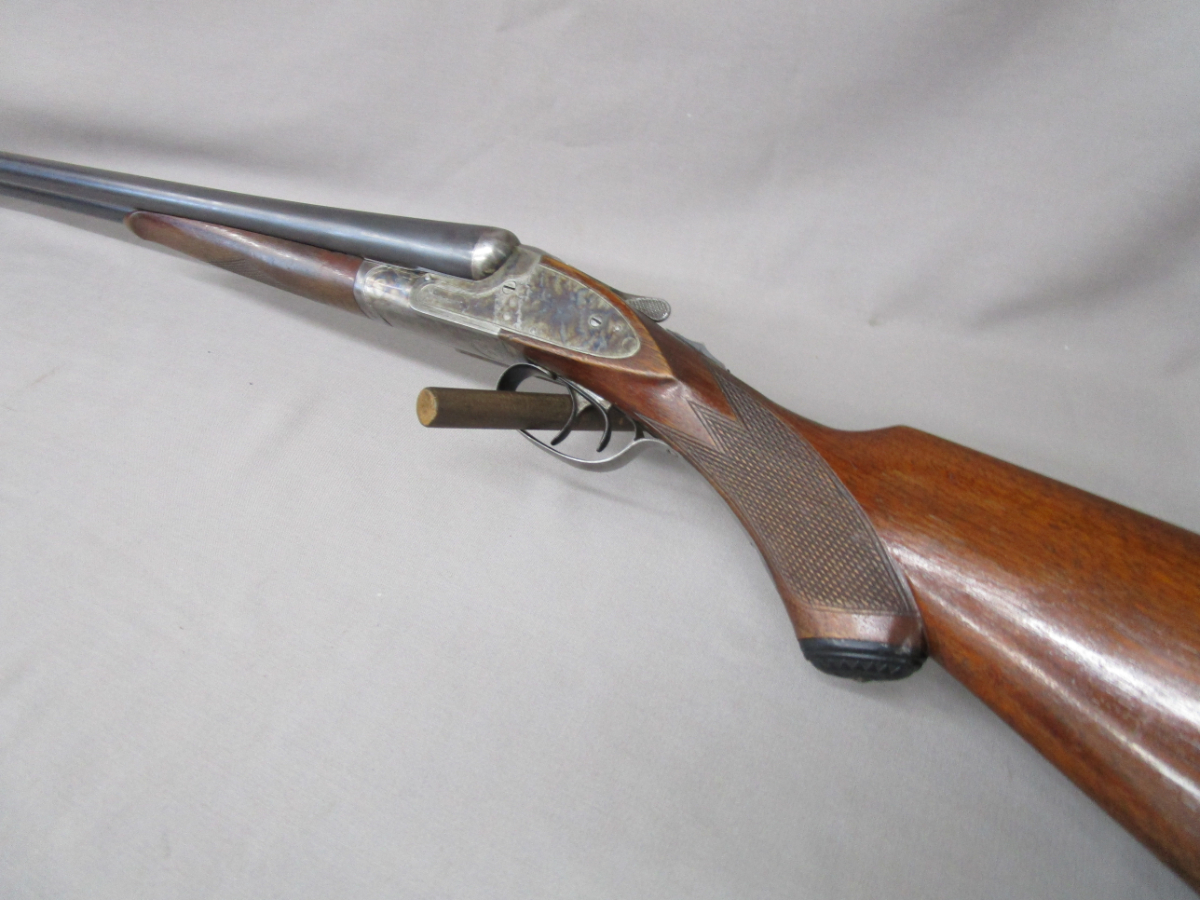
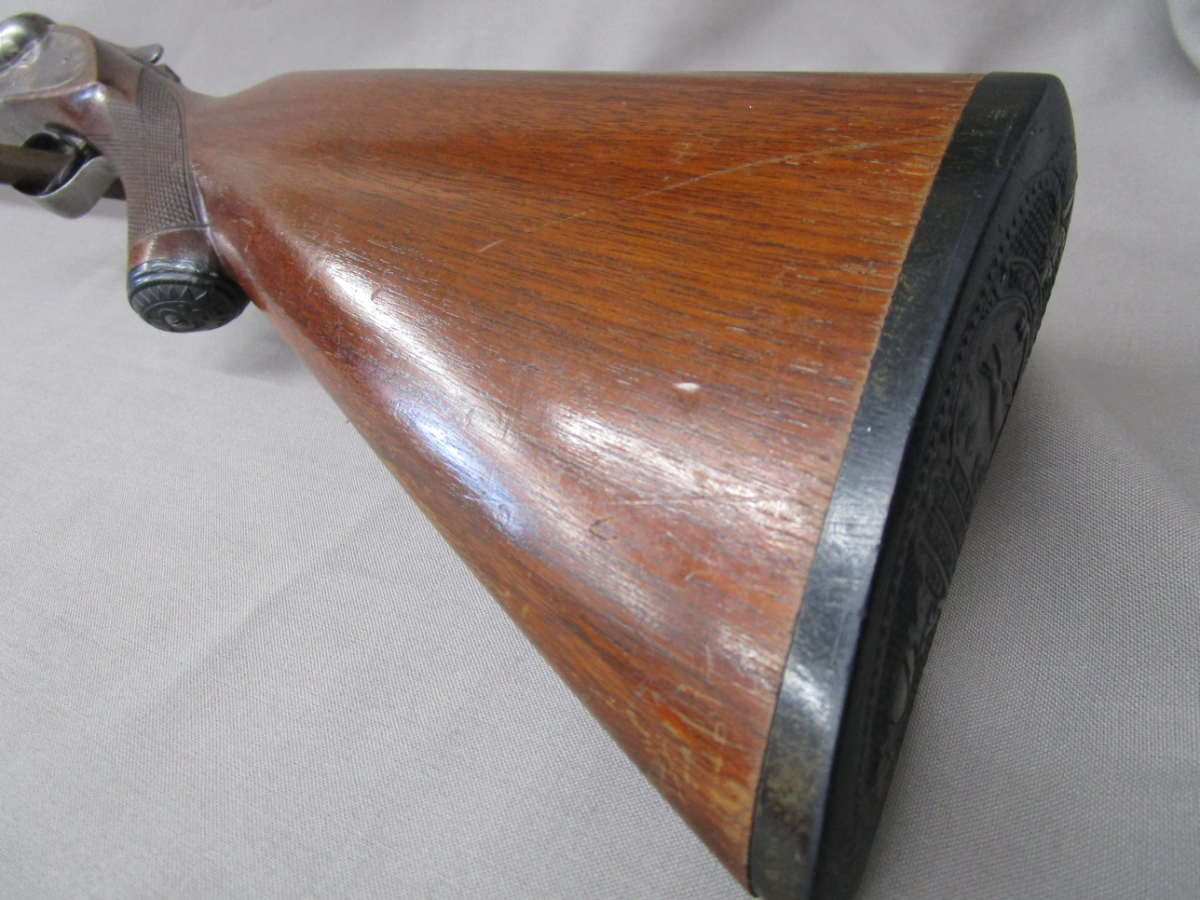
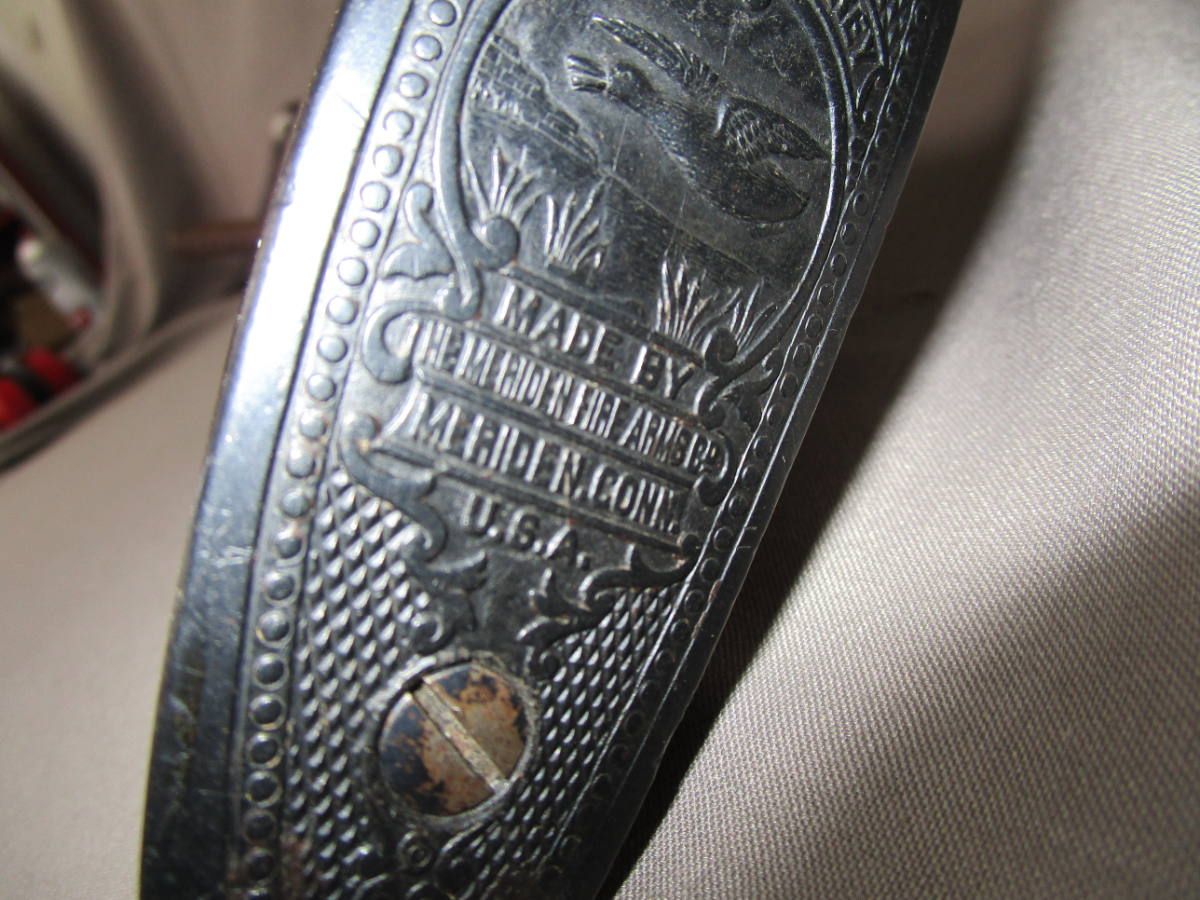
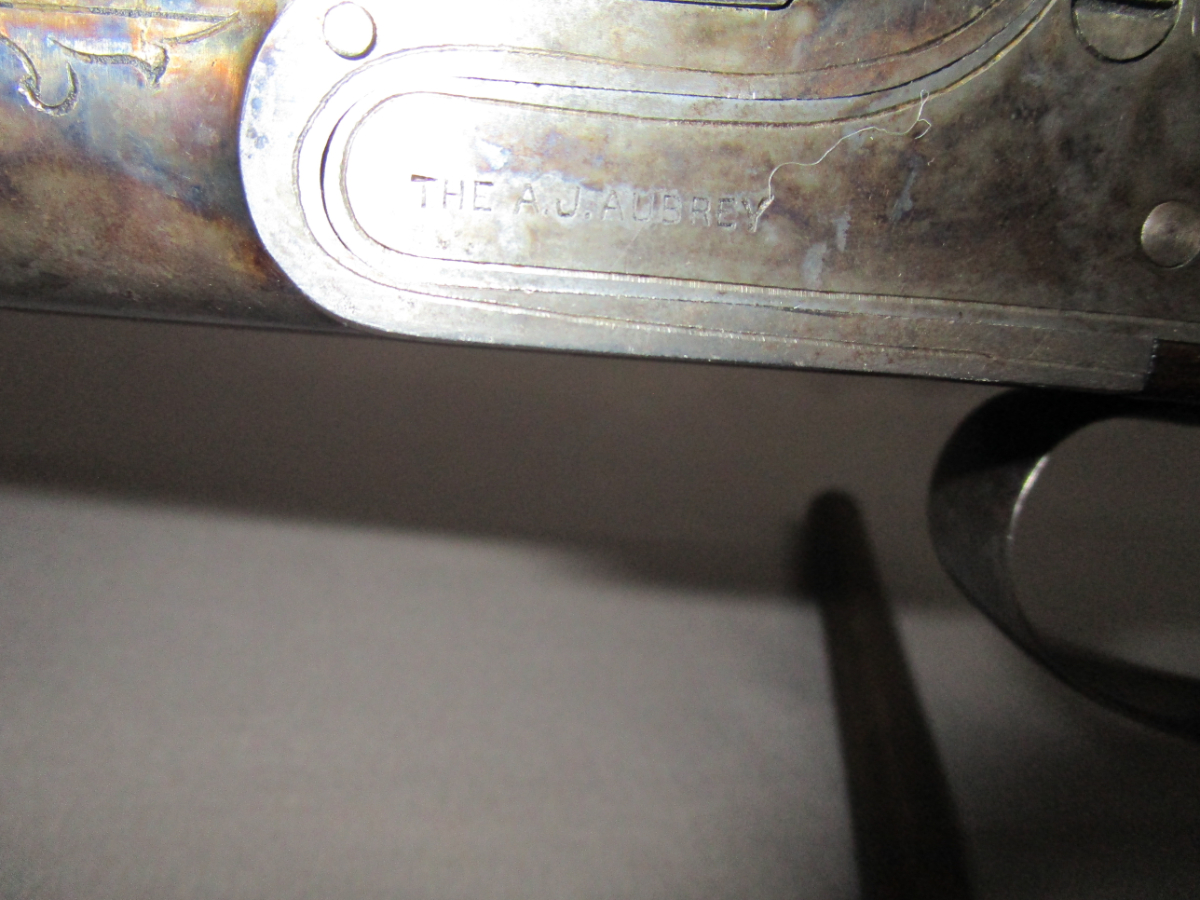
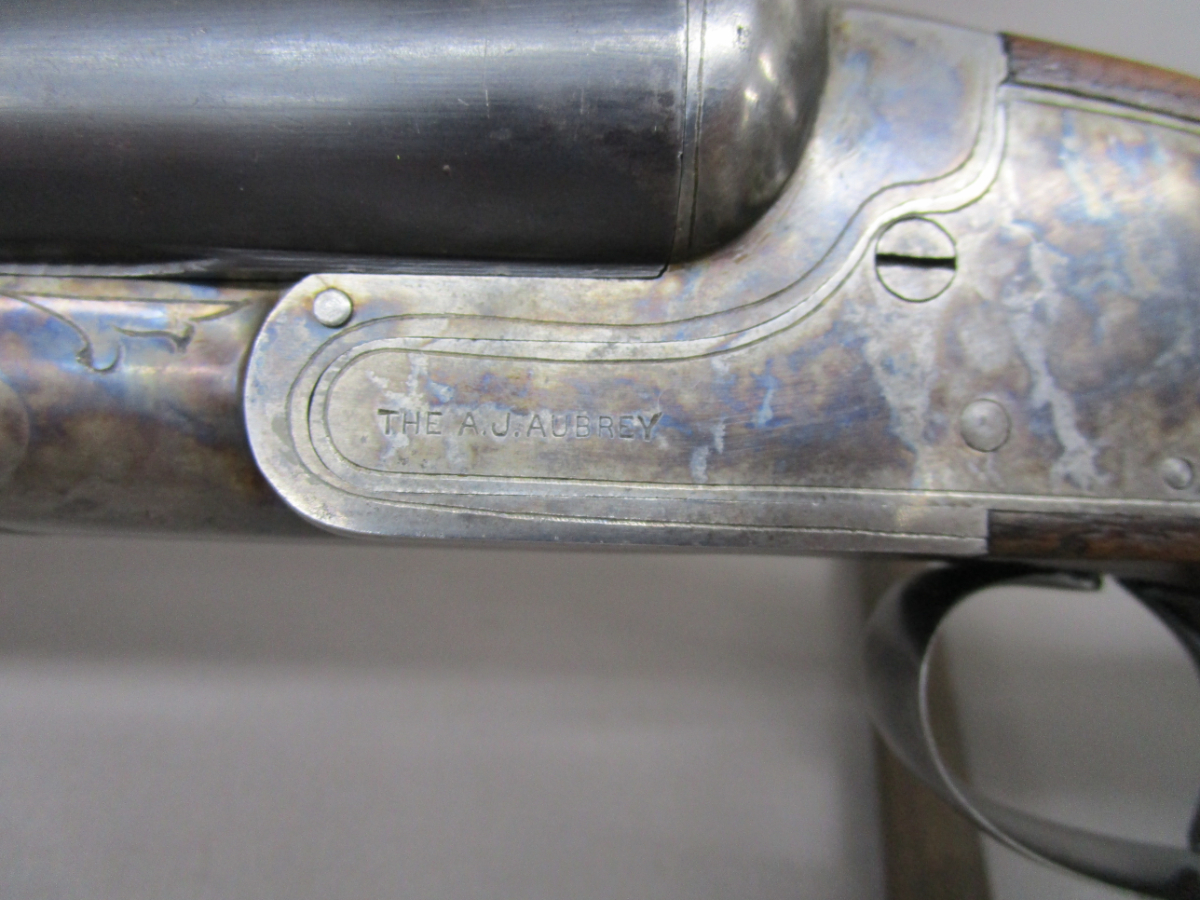
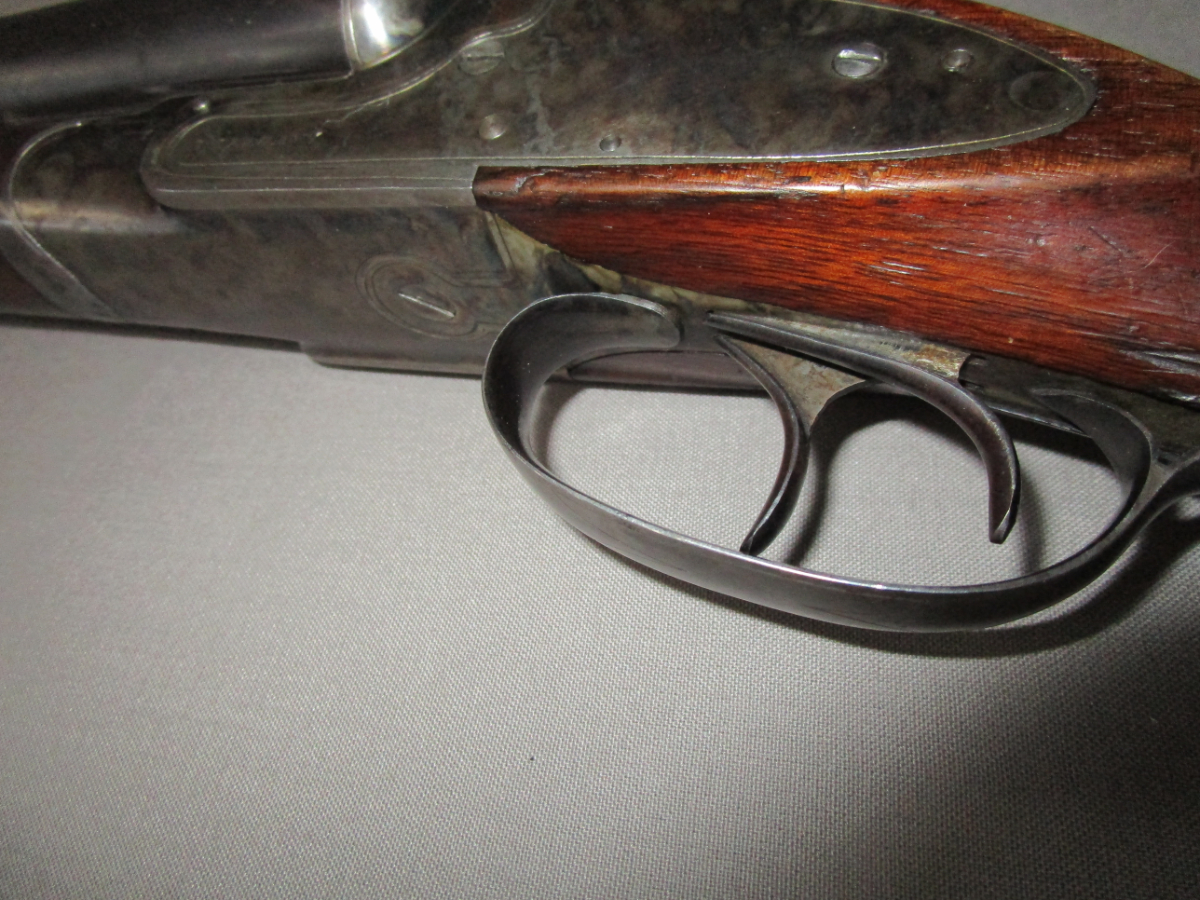
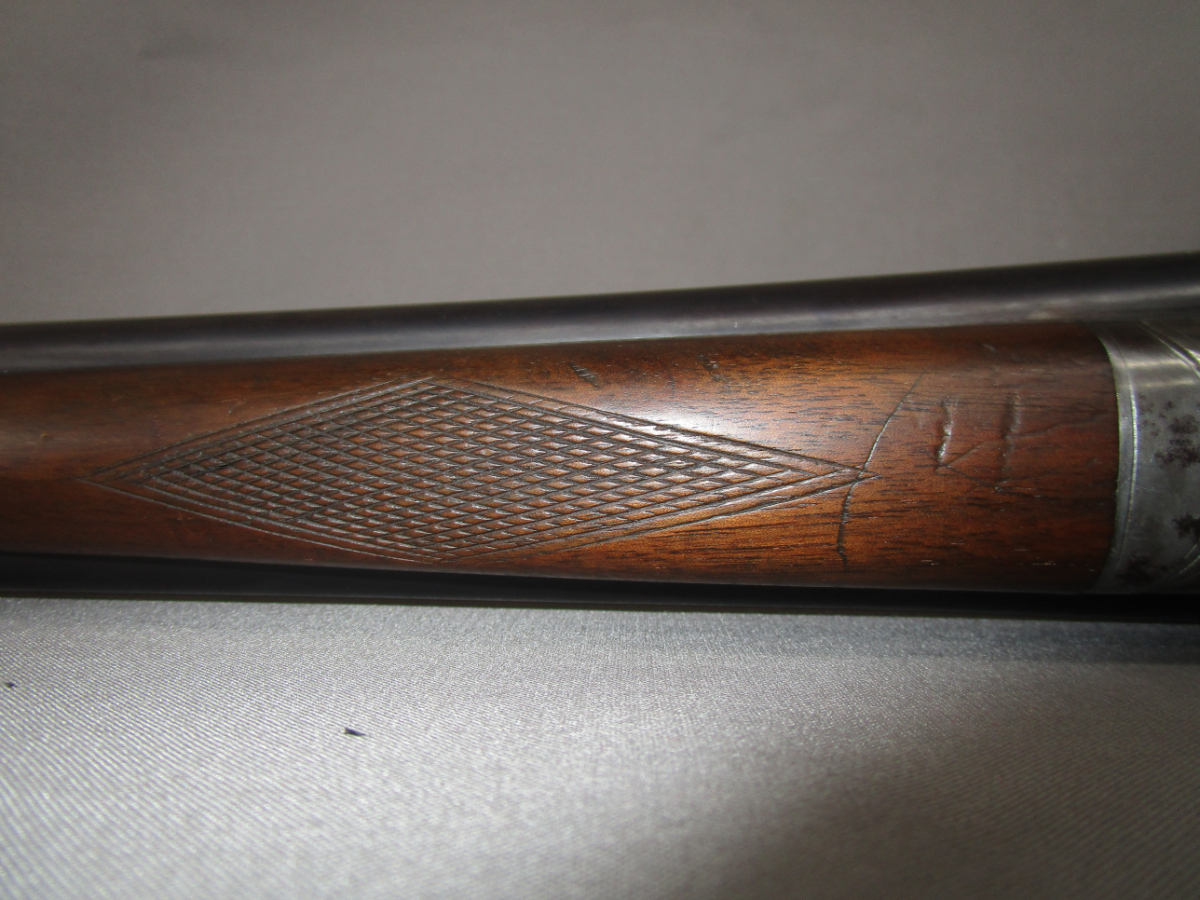
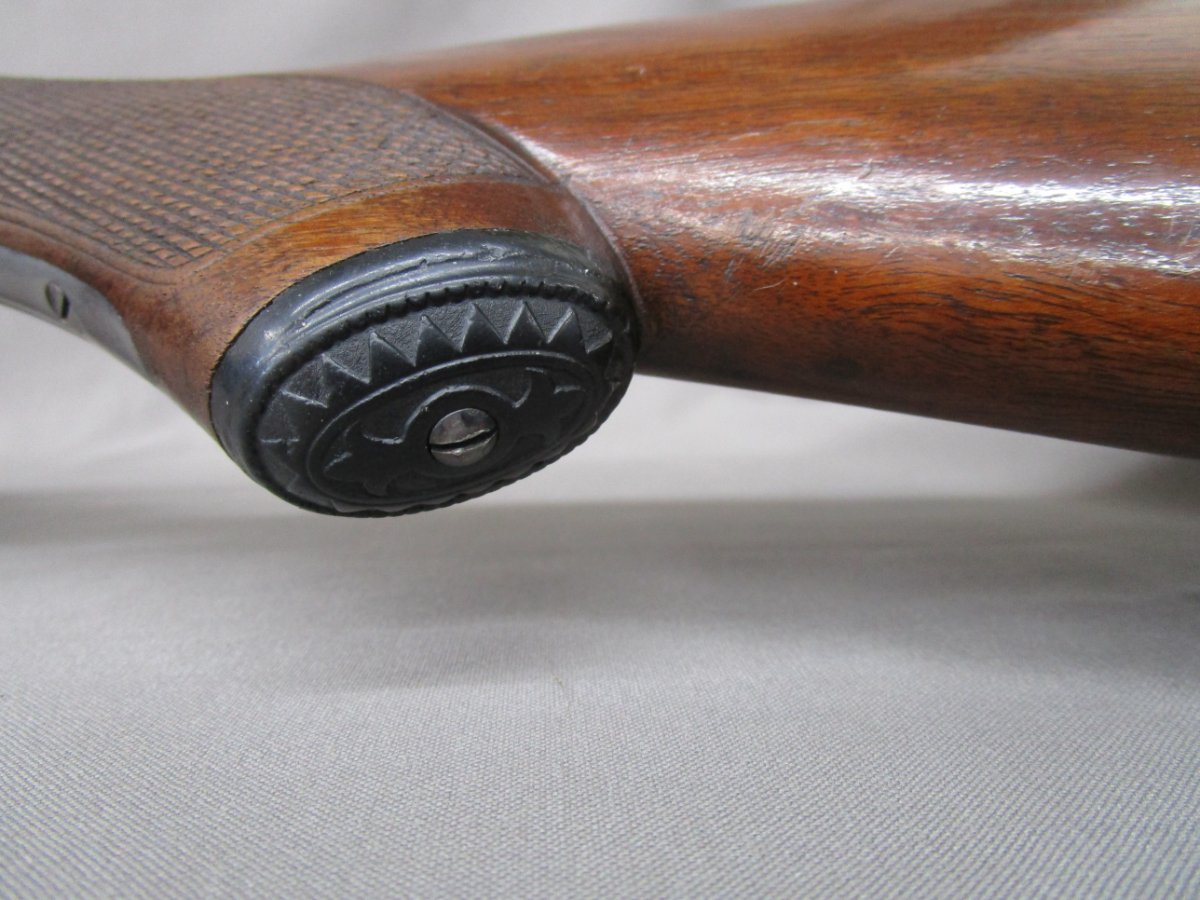
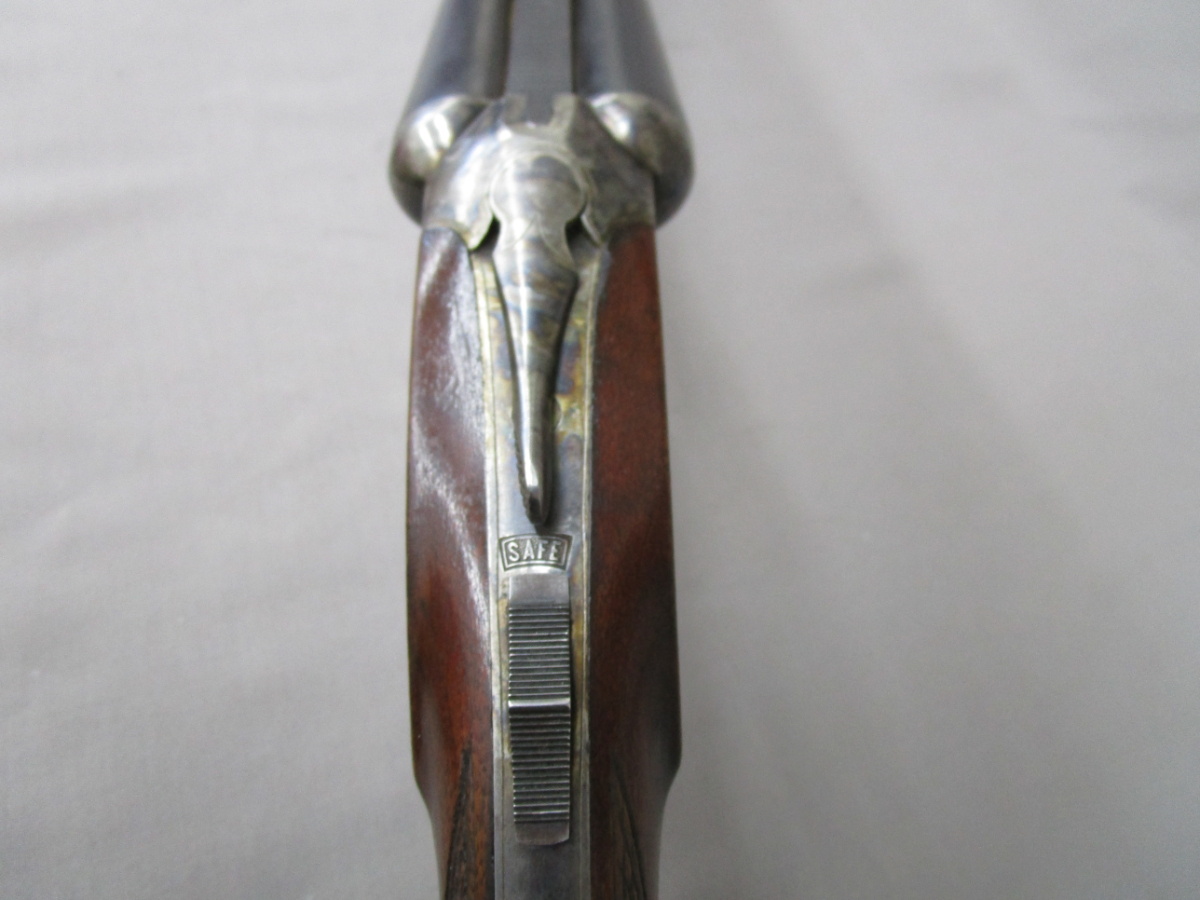
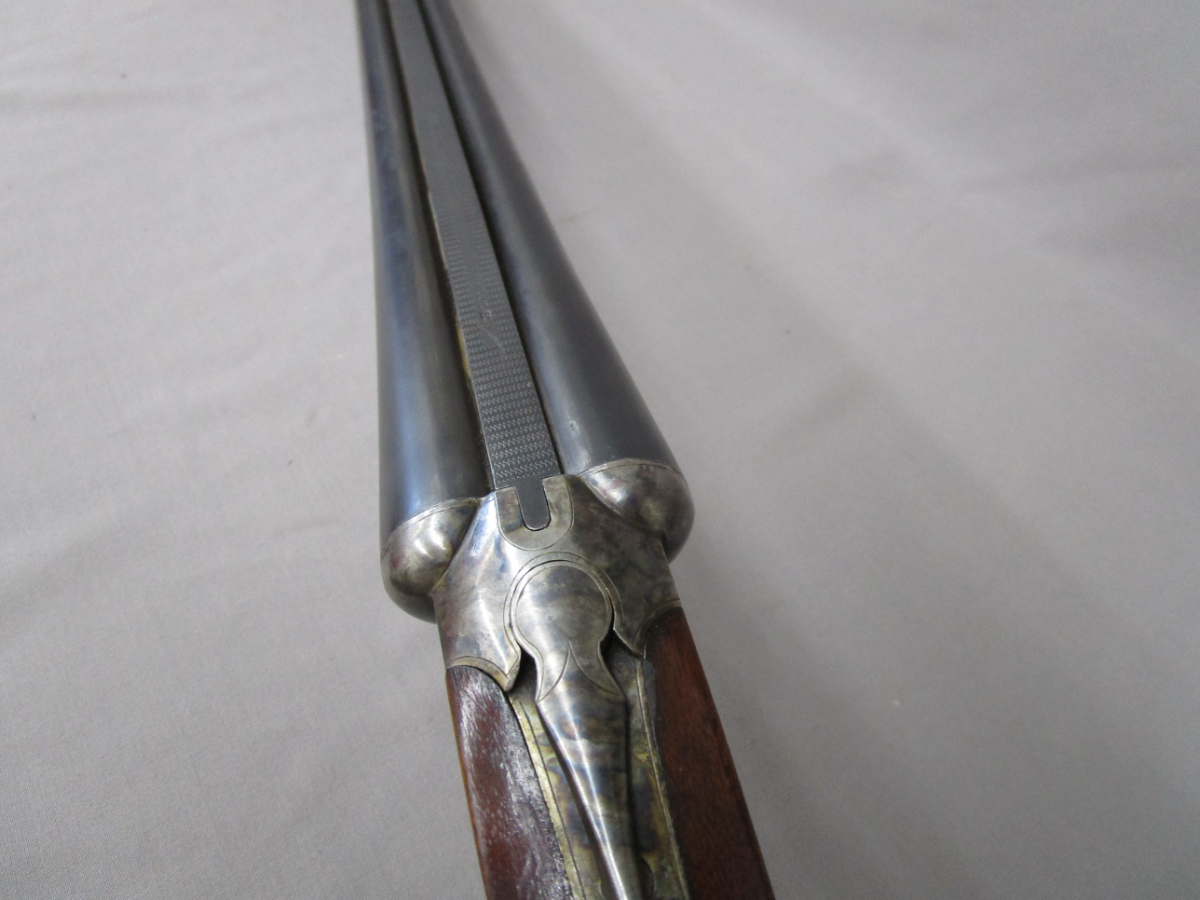
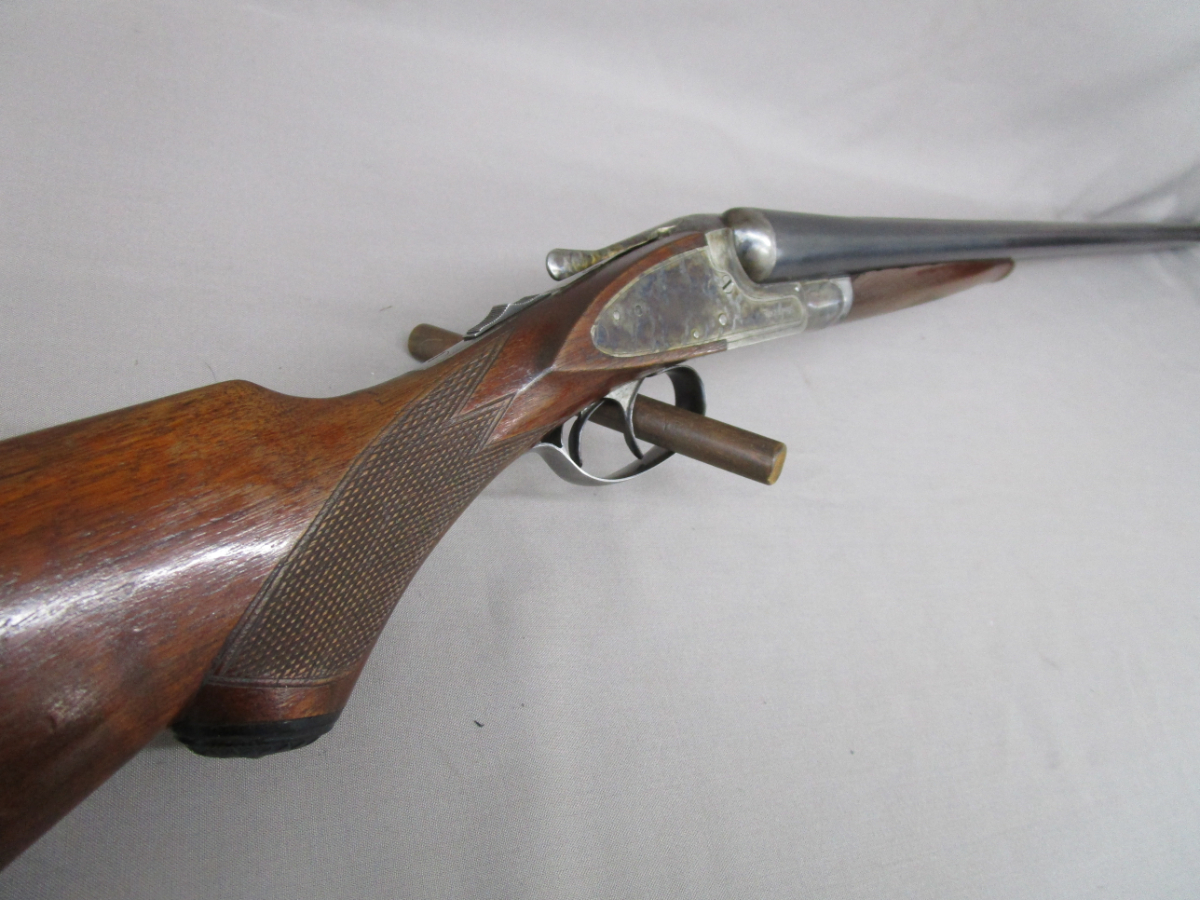
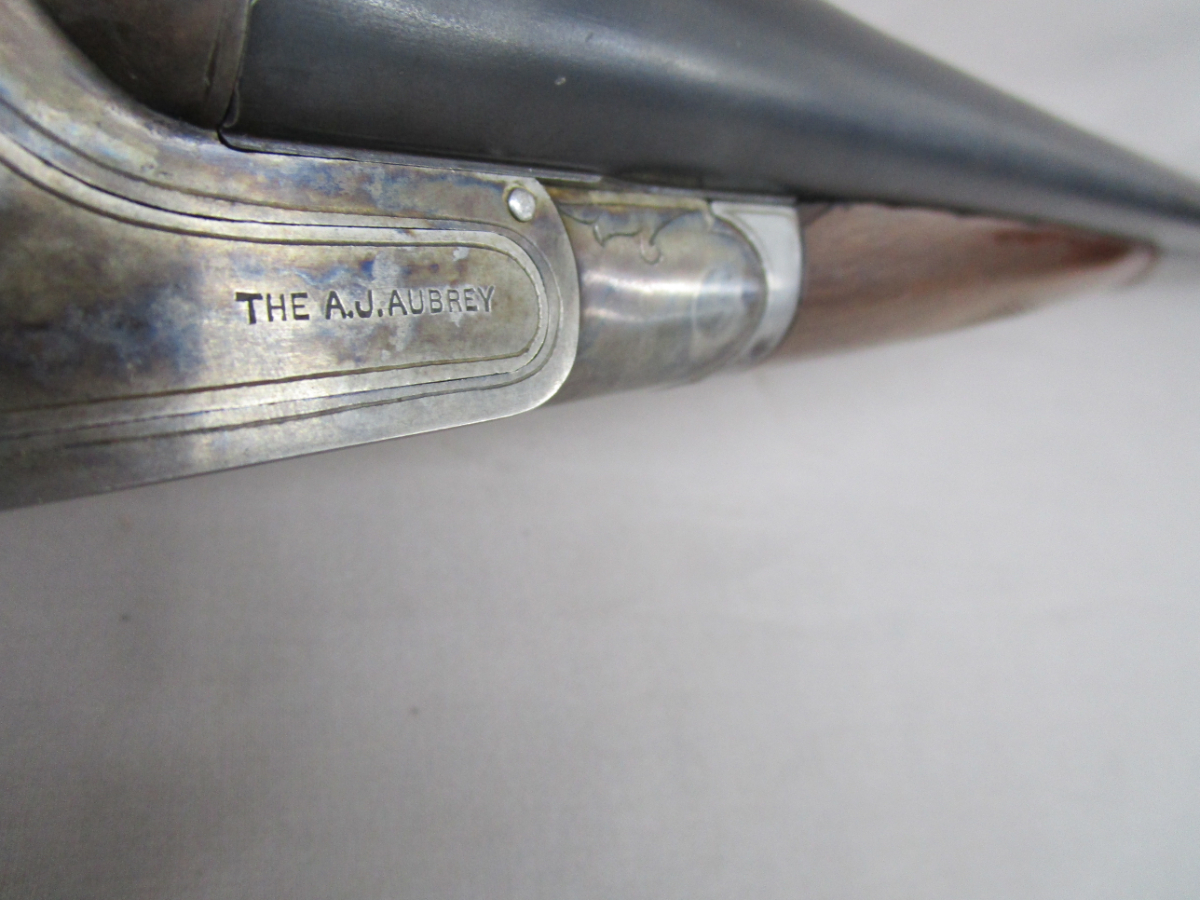
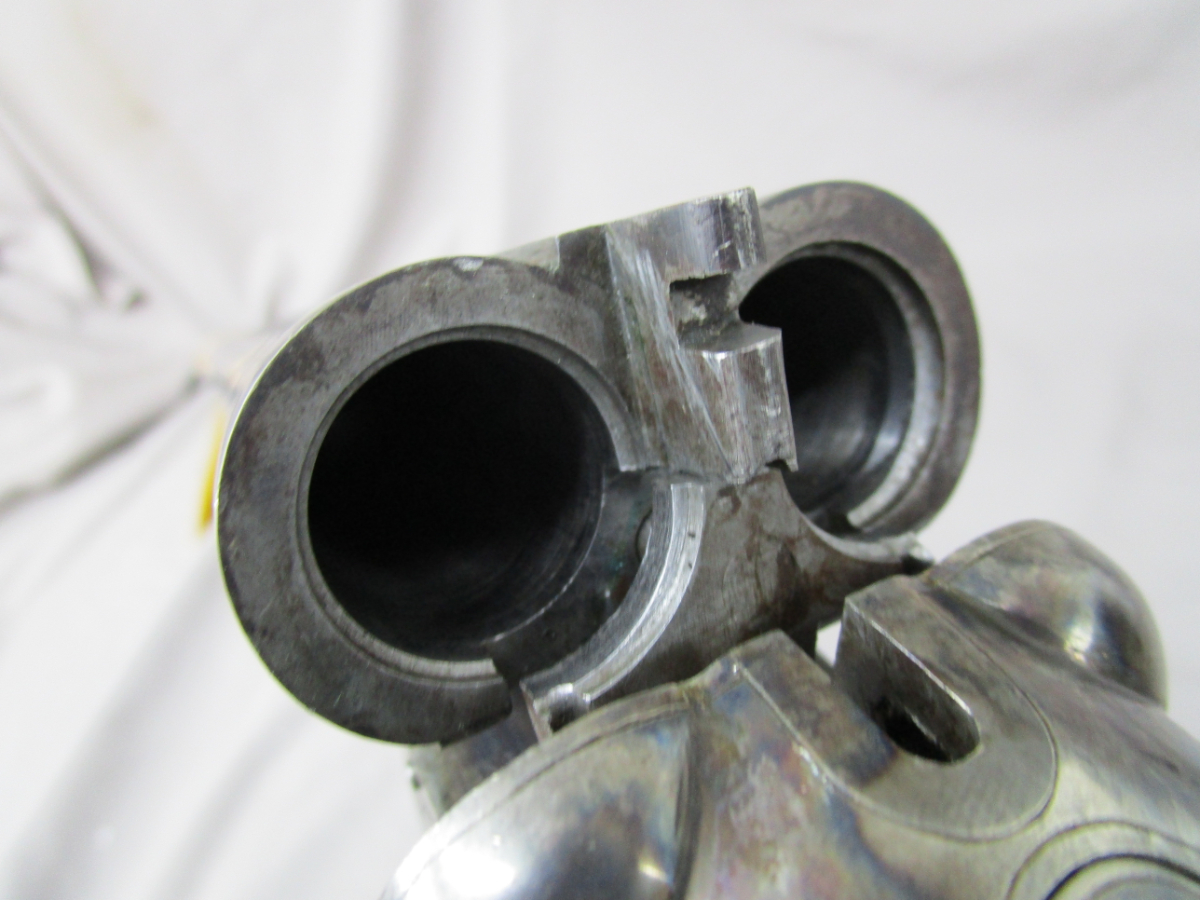
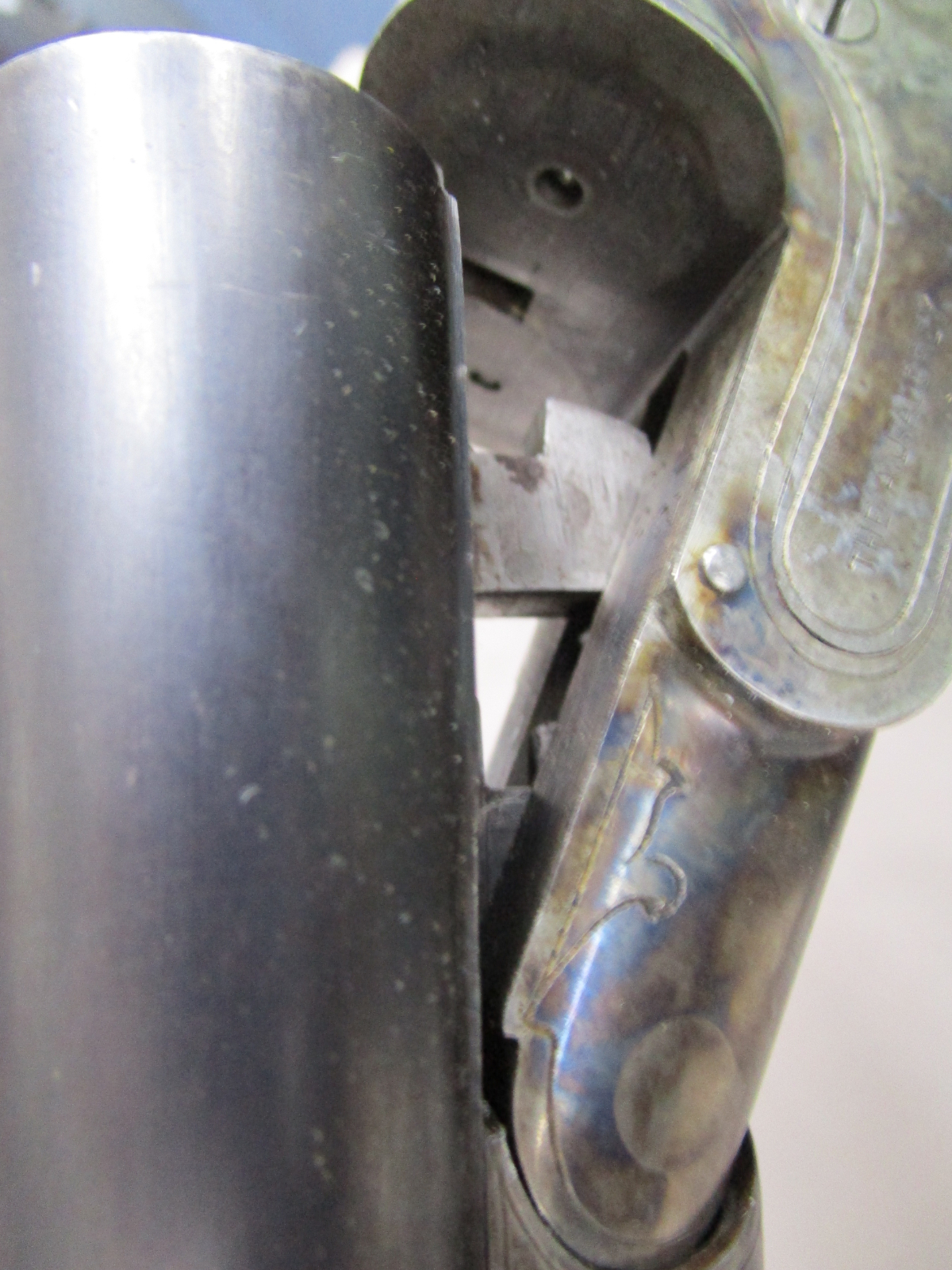
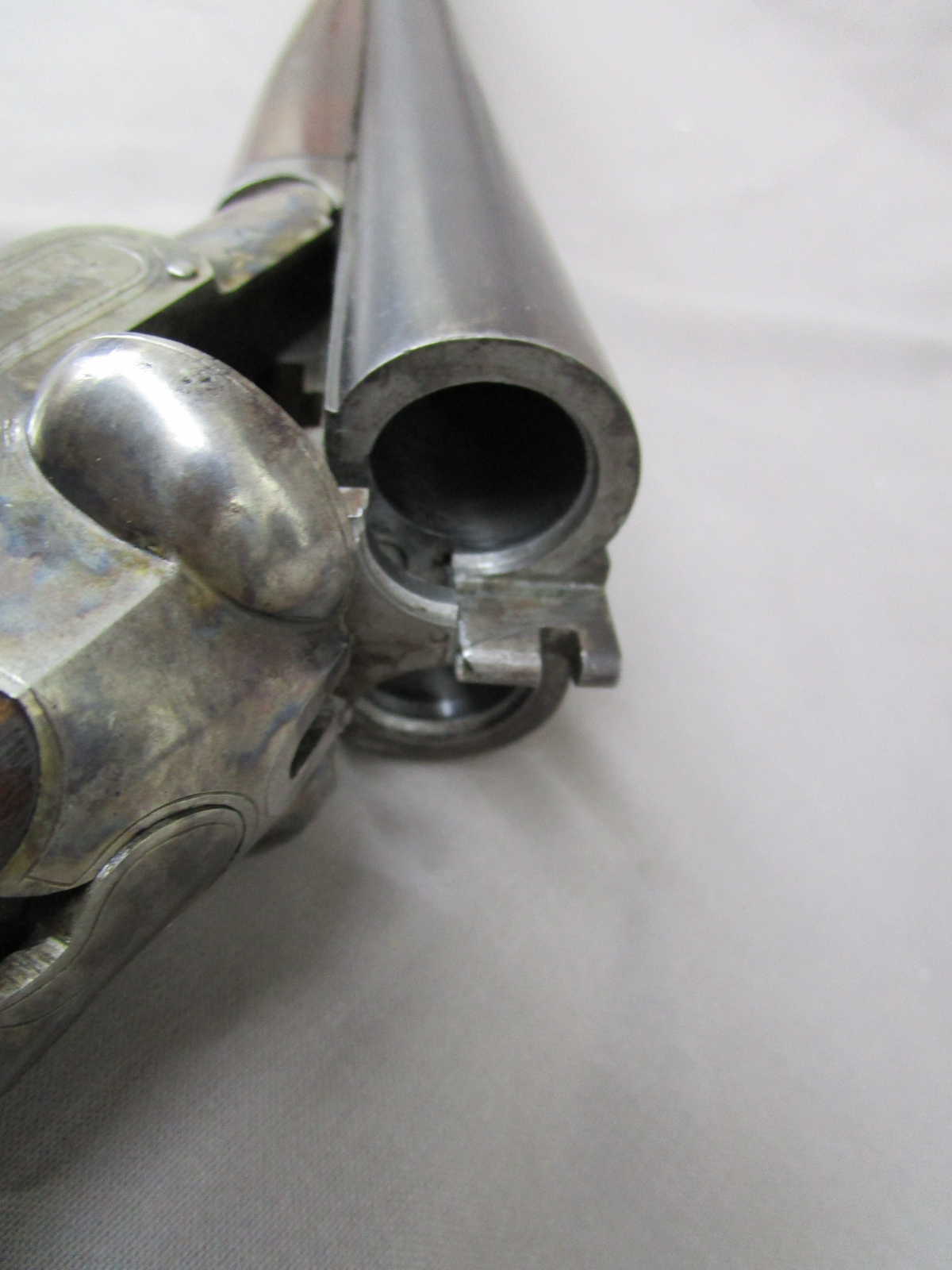
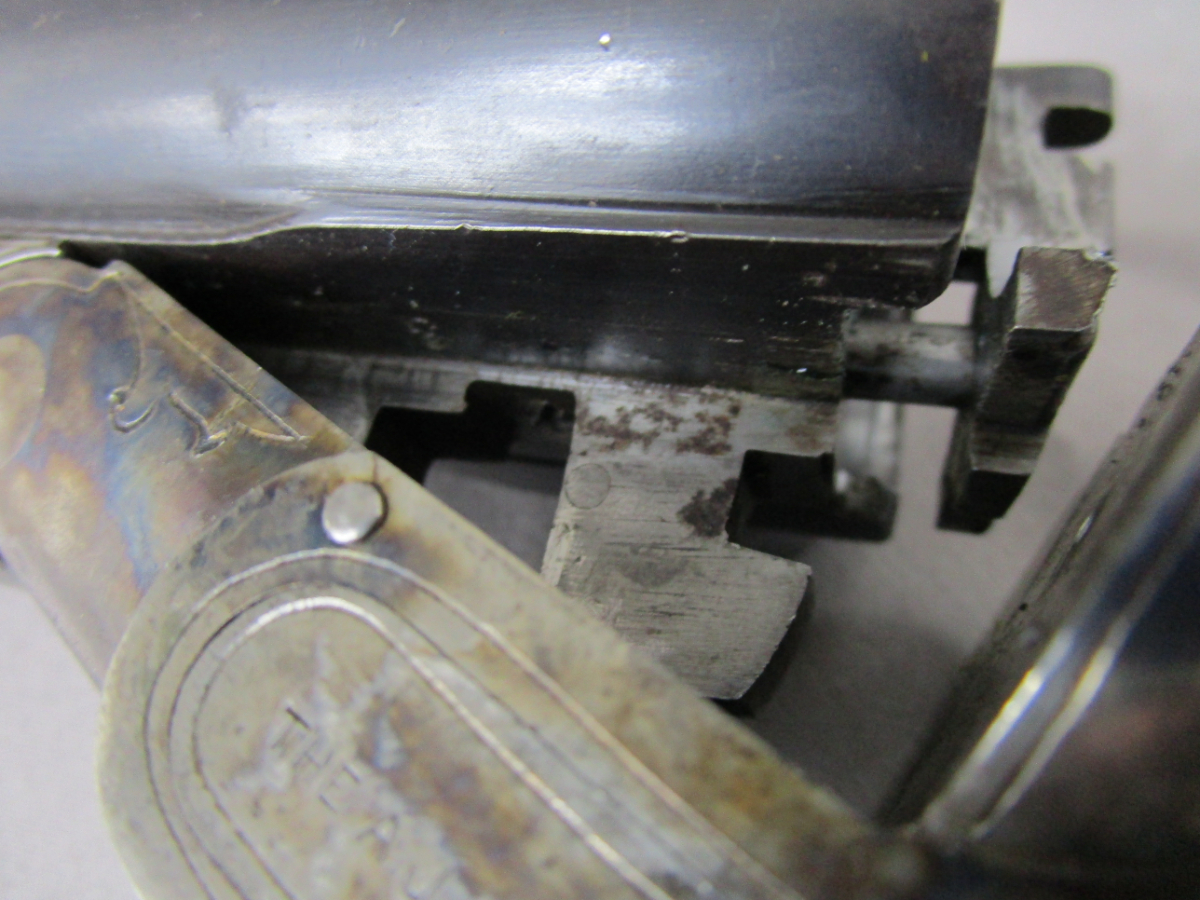
A Meriden A. J. Aubrey Double Barrel with a 32″ Steel Barrel S-32 Hammerless Chokes Full in 12 Gauge

Meriden A. J. Aubrey 12 Gauge Double 32

What I call a great looking Firearm!


Categories
Anti Civil Rights ideas & "Friends"

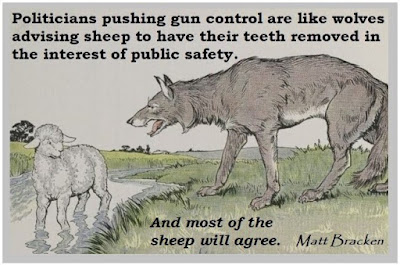
Sadly True for today

Categories
All About Guns

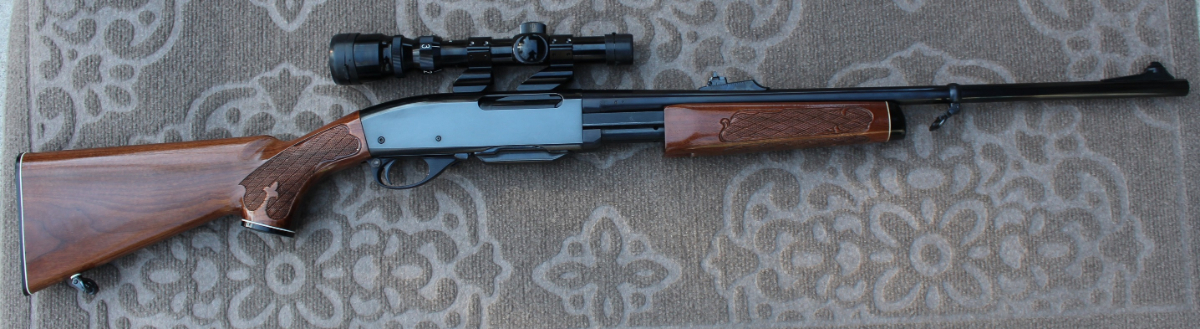
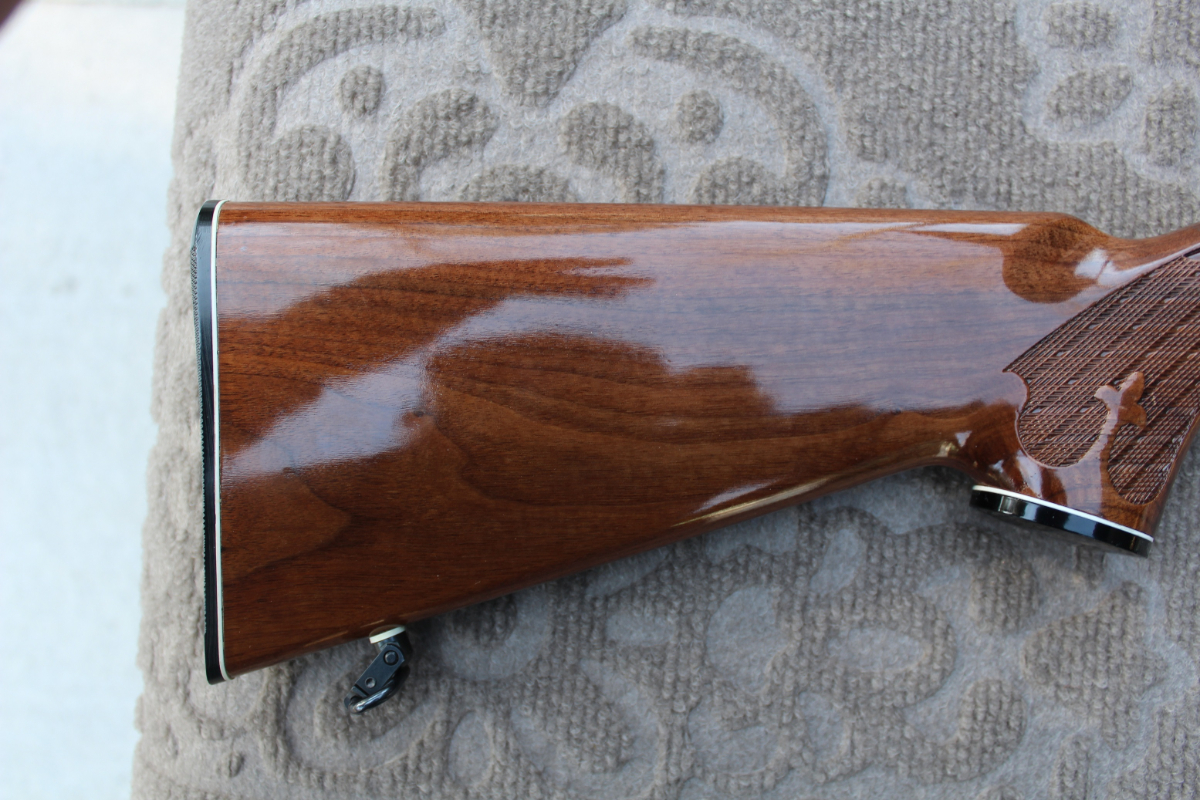
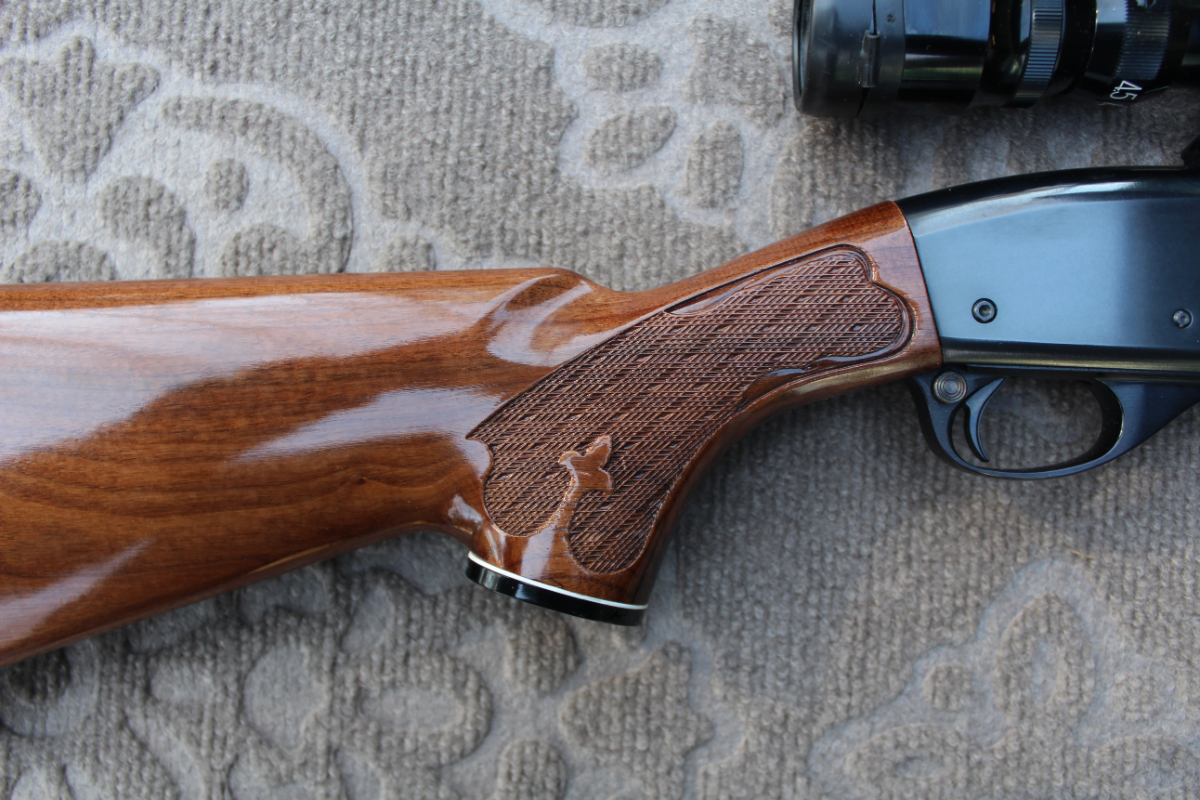
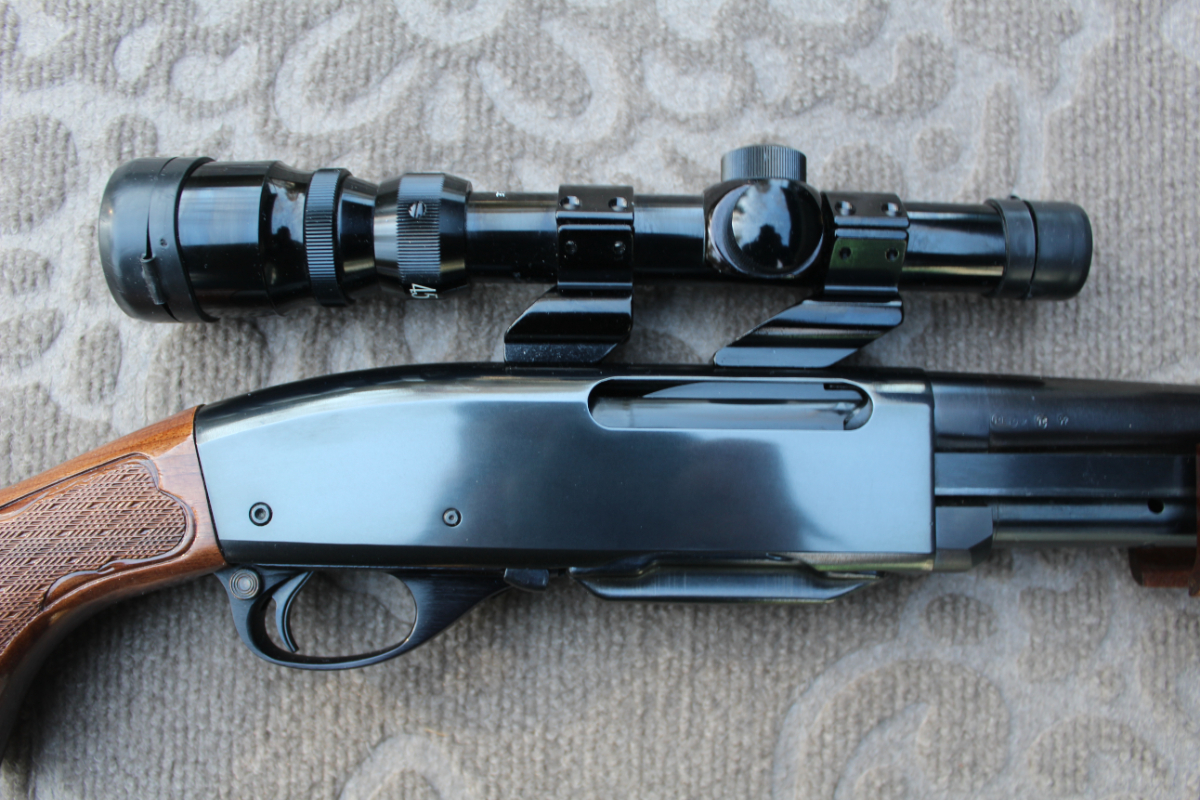
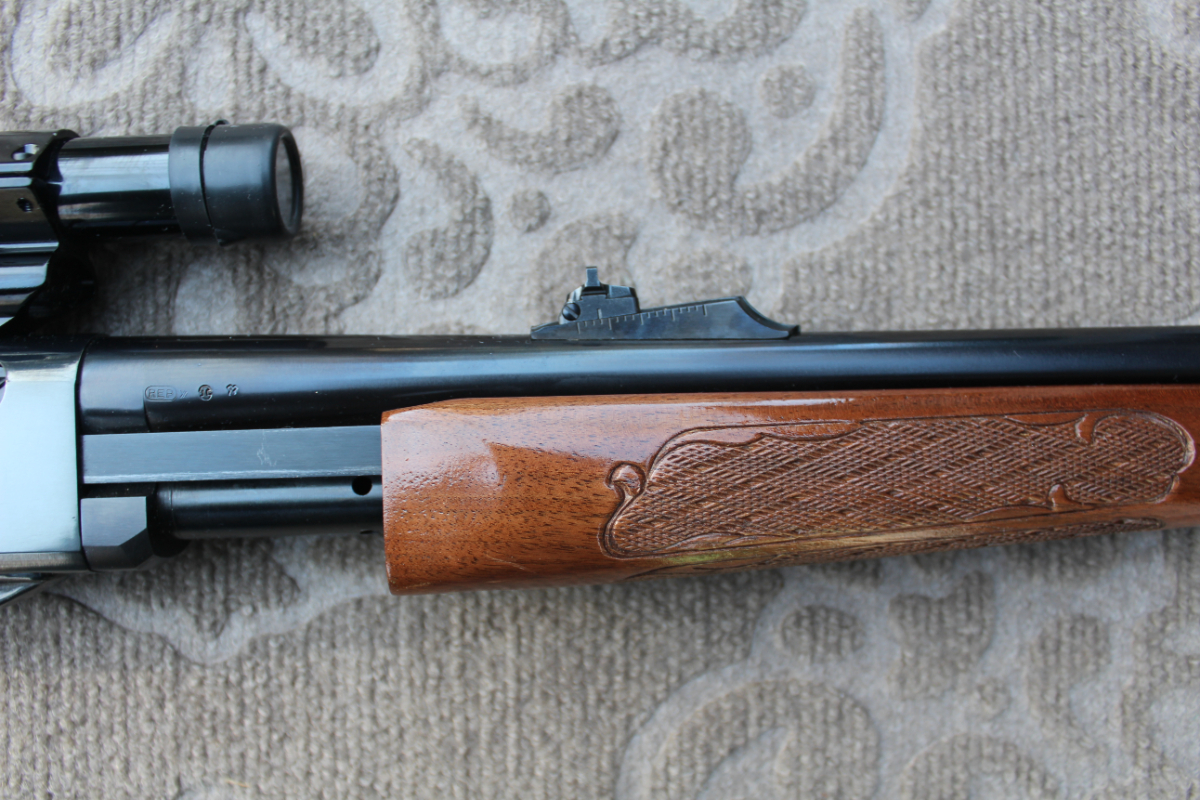
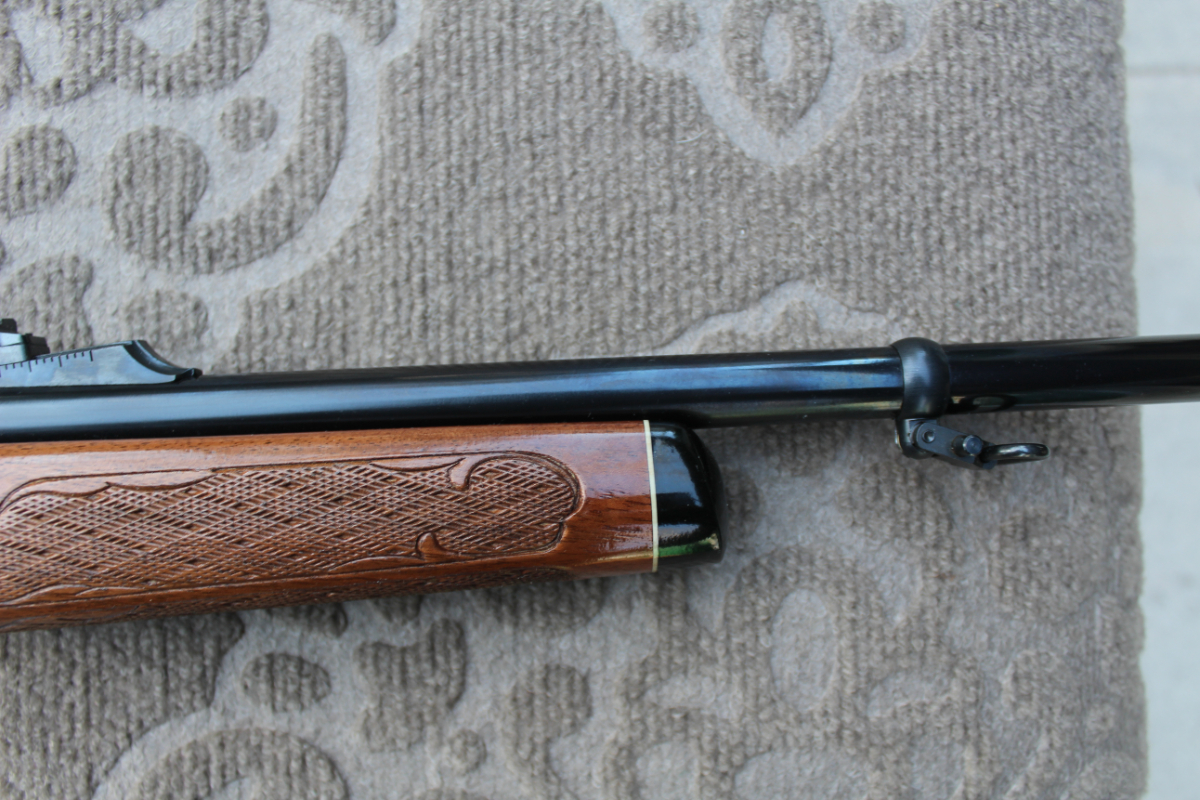
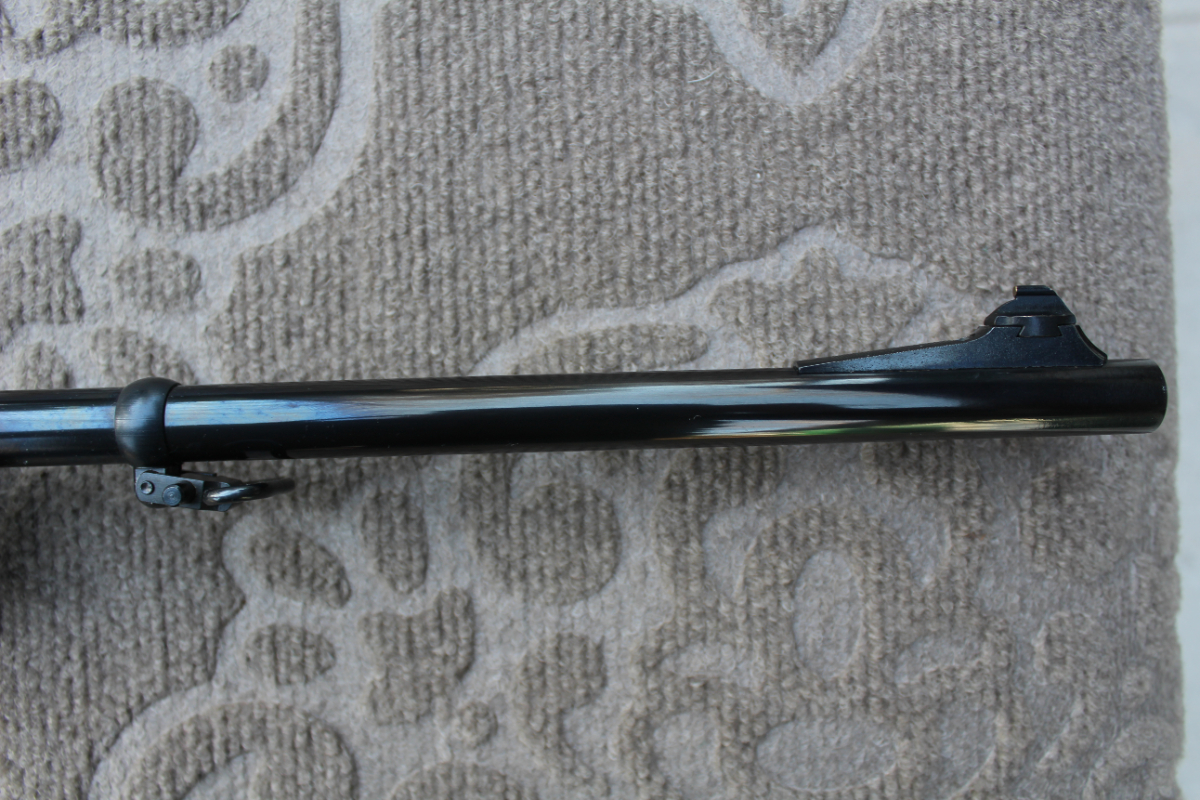
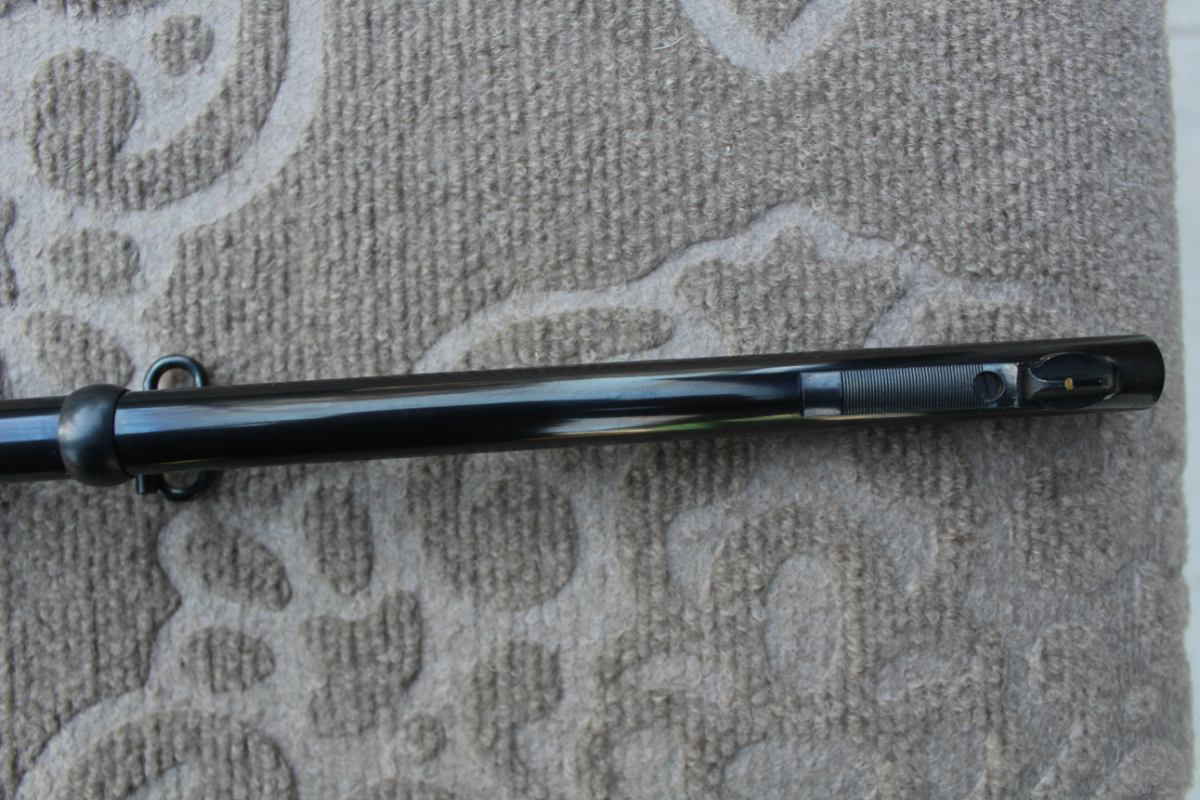
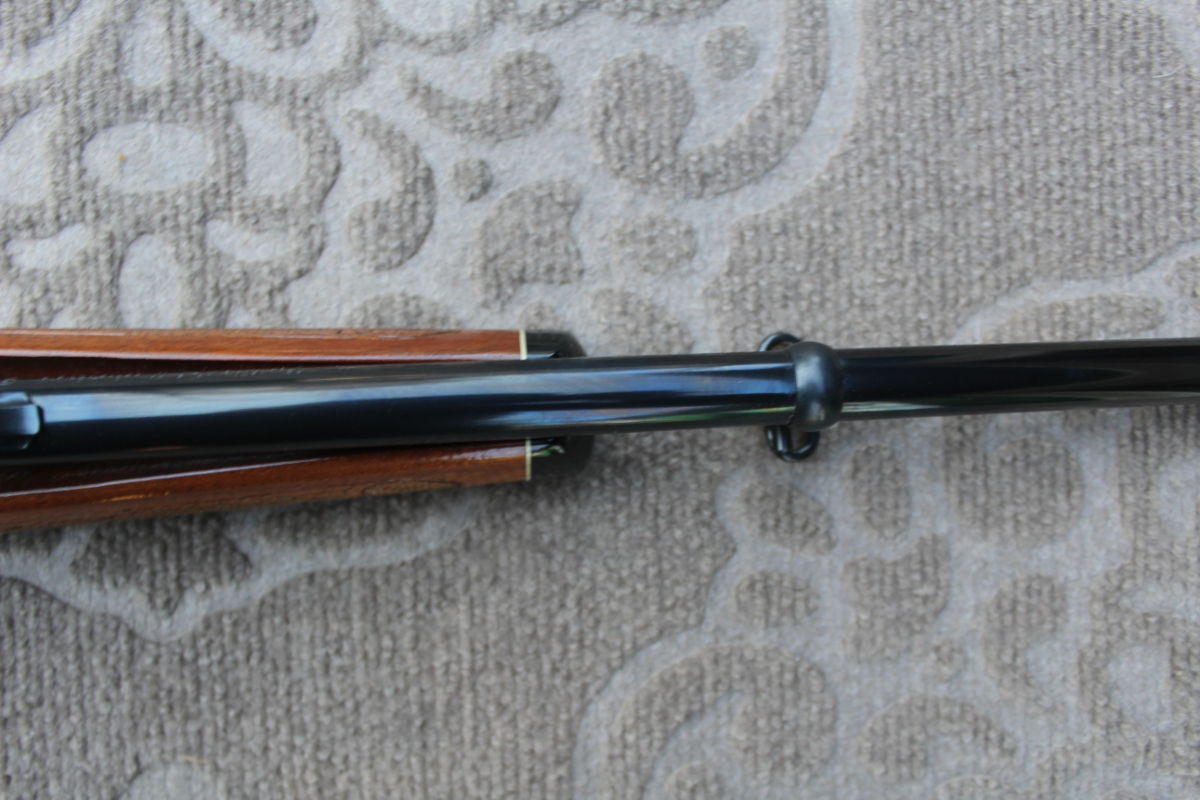
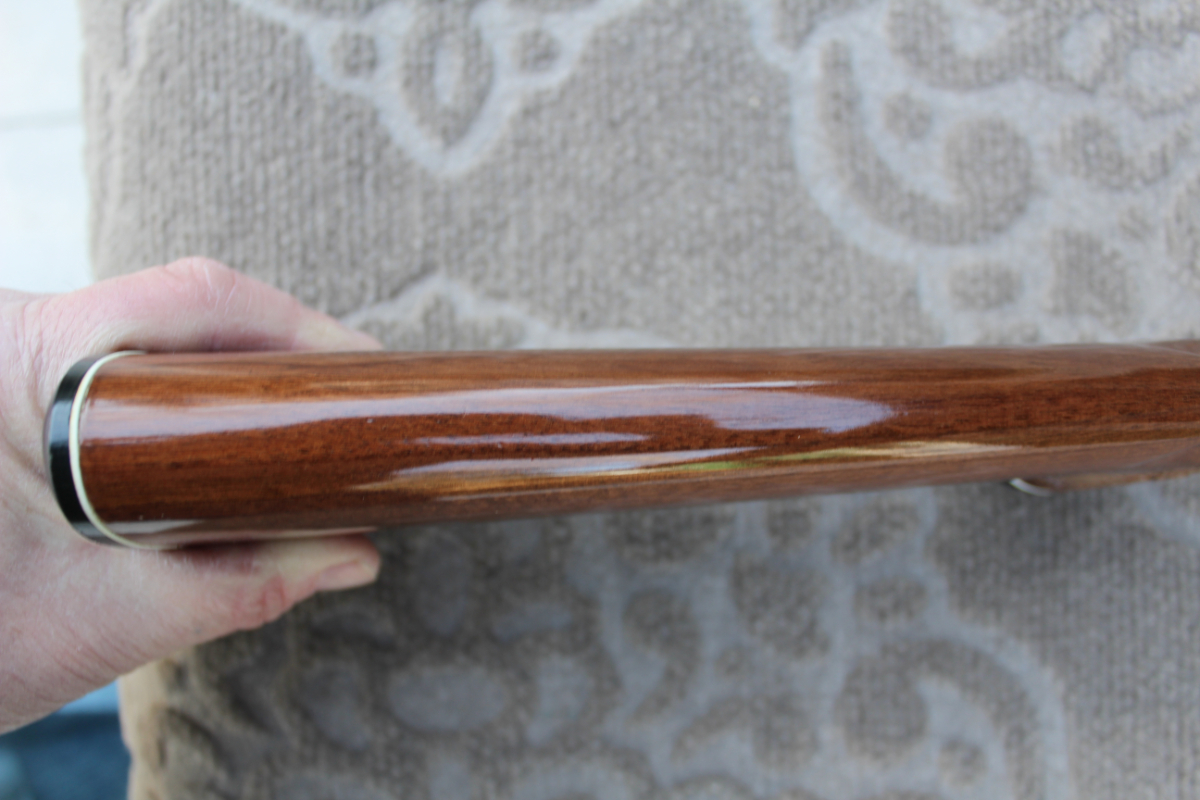
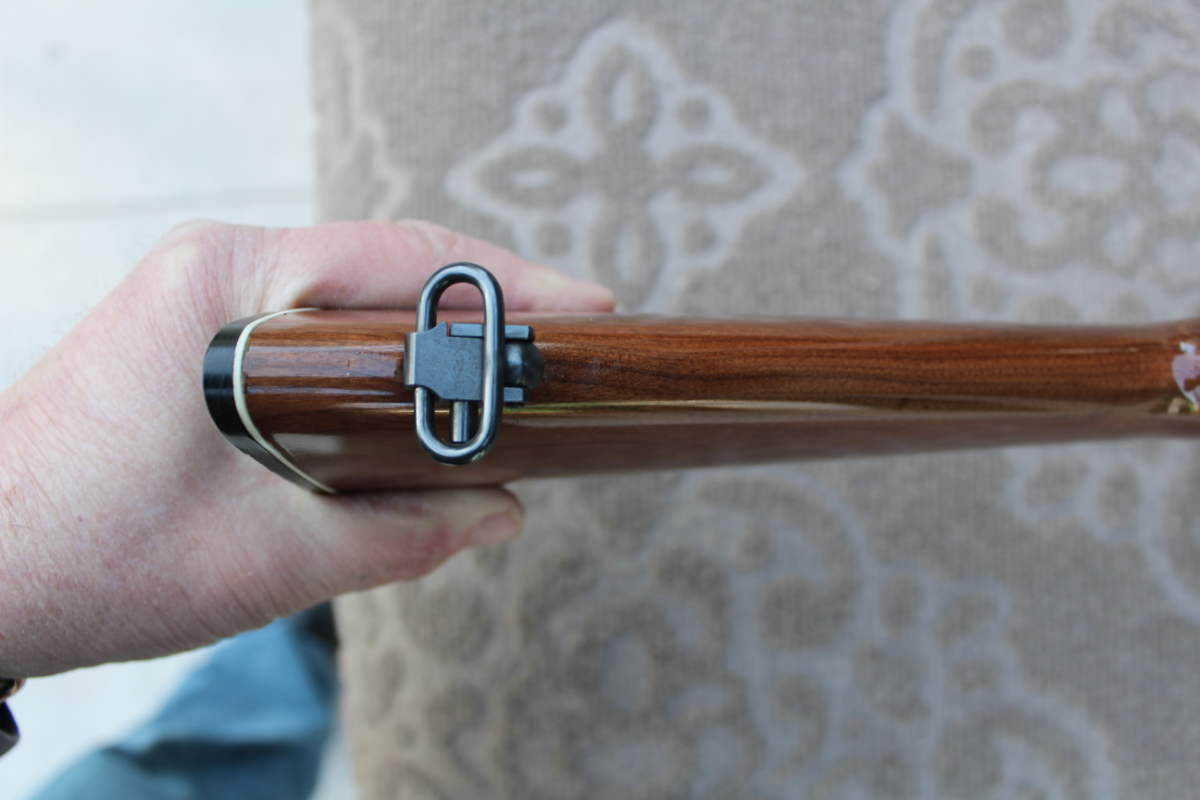
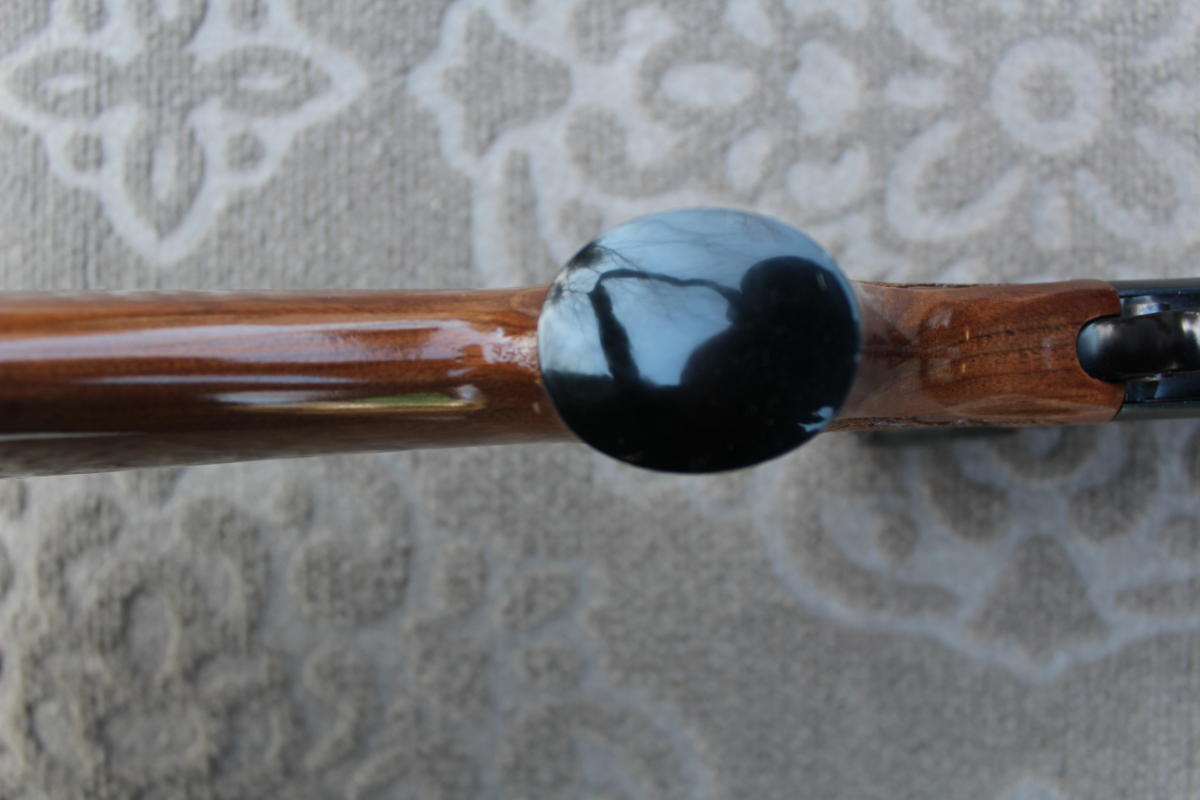
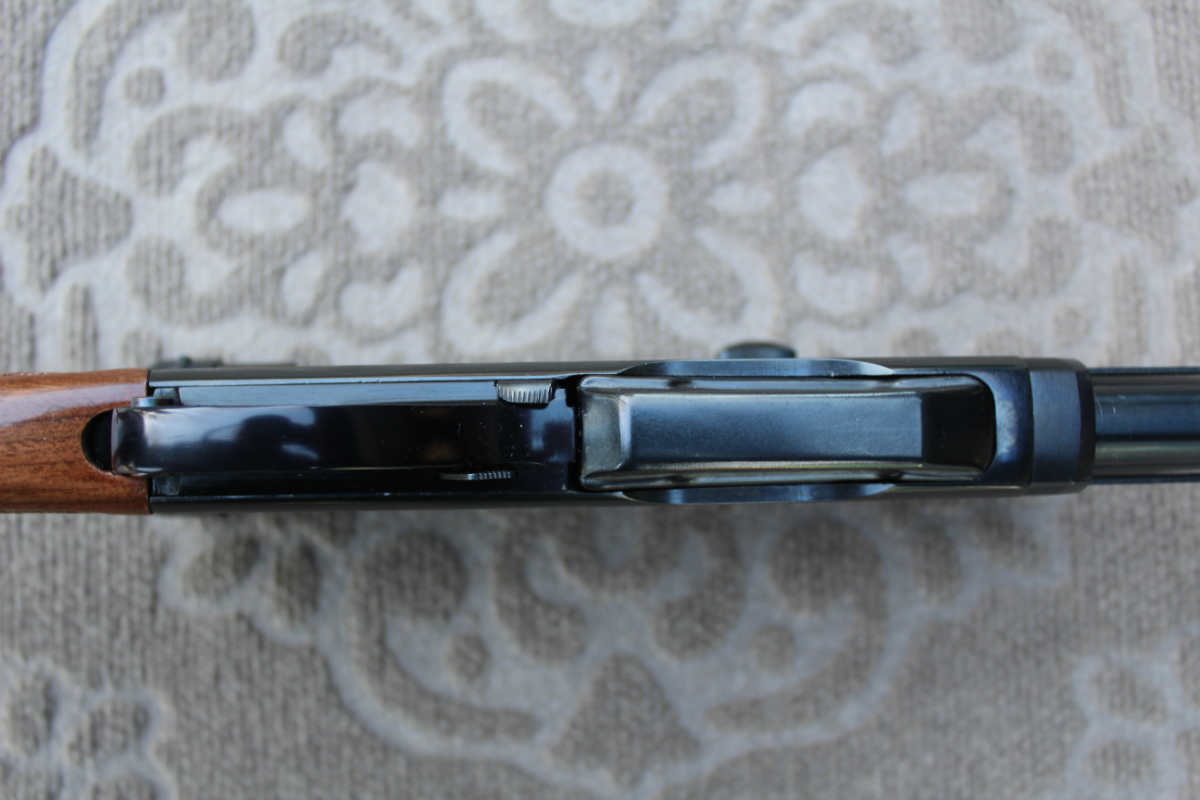
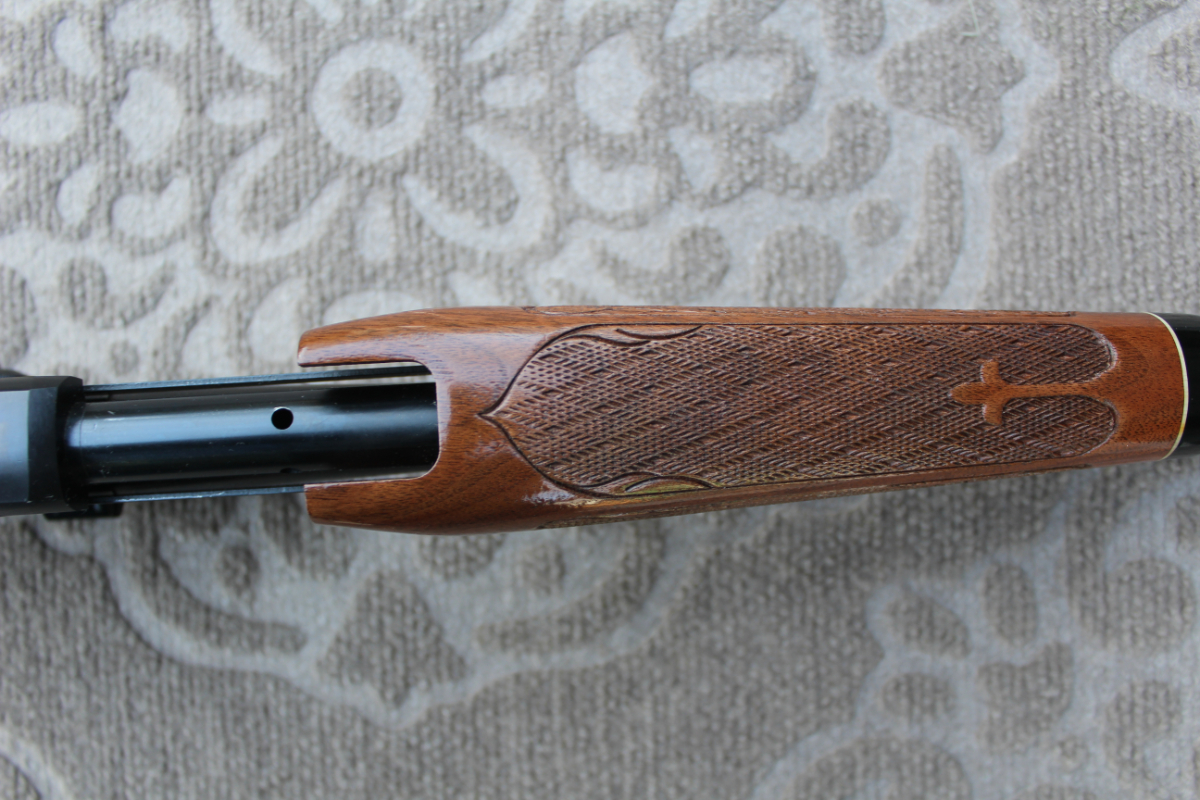
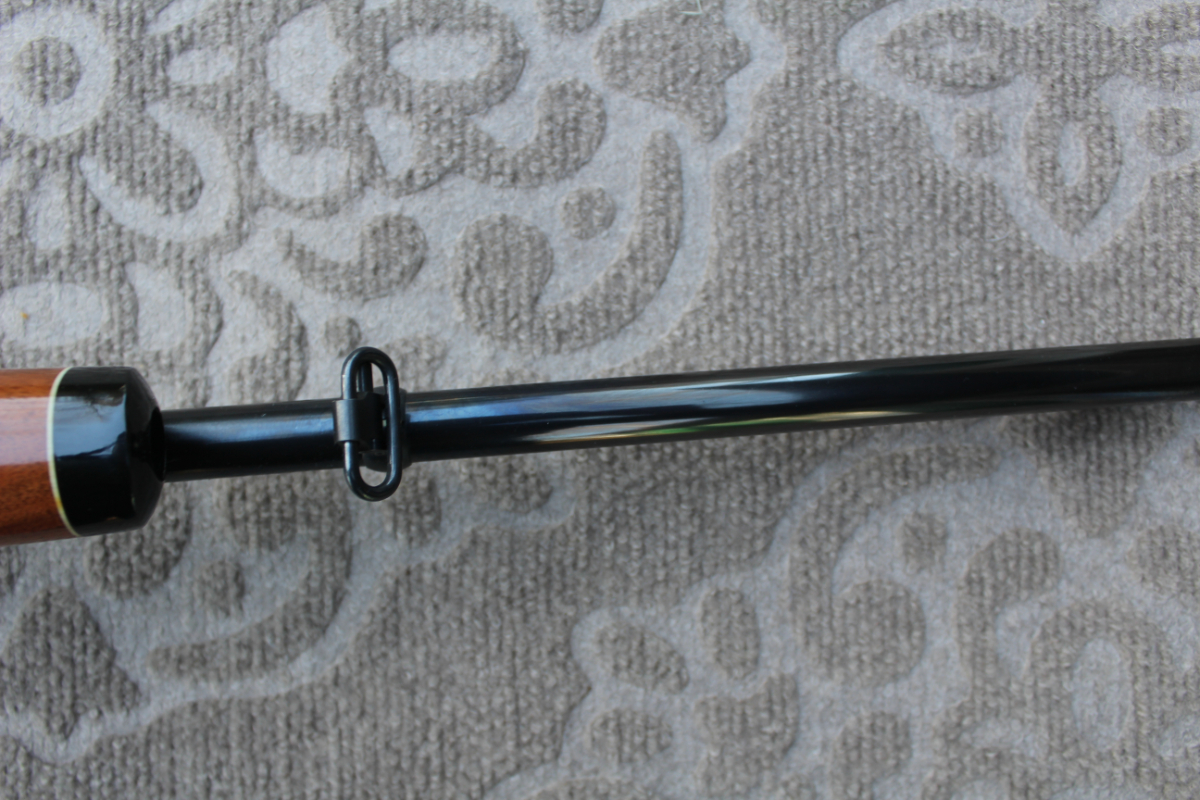
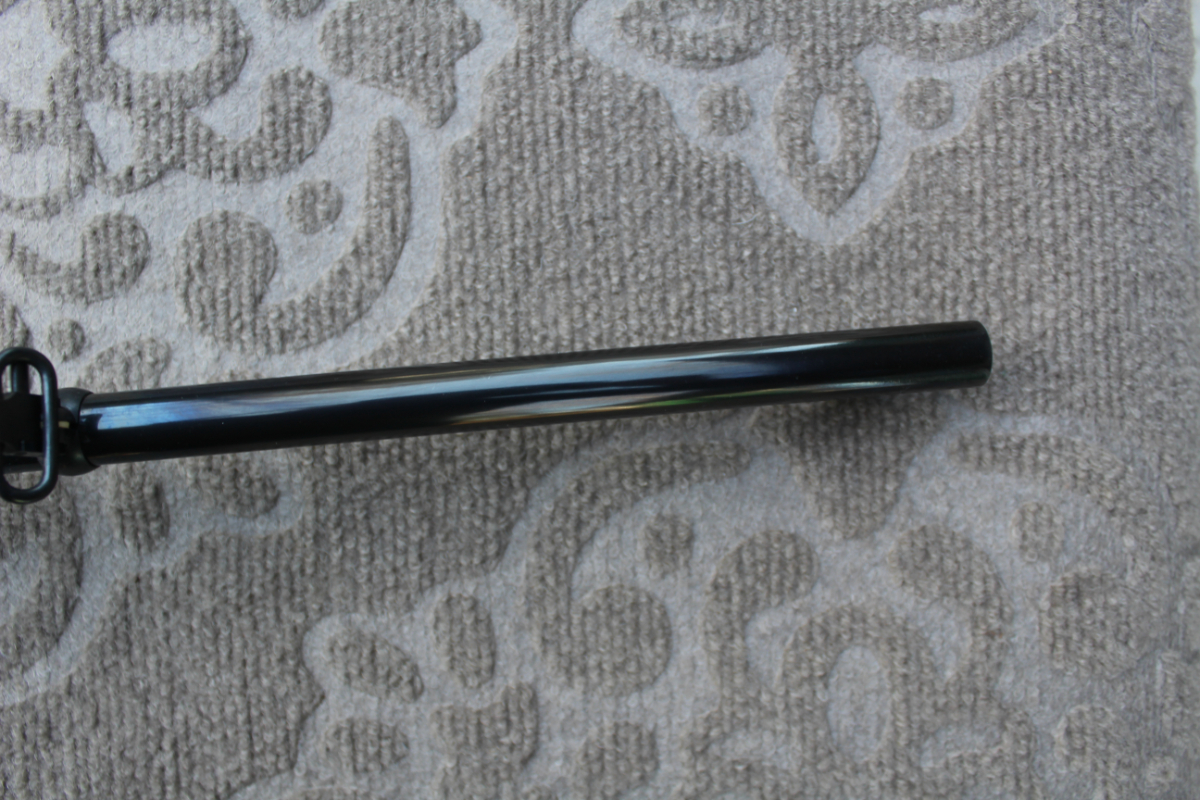
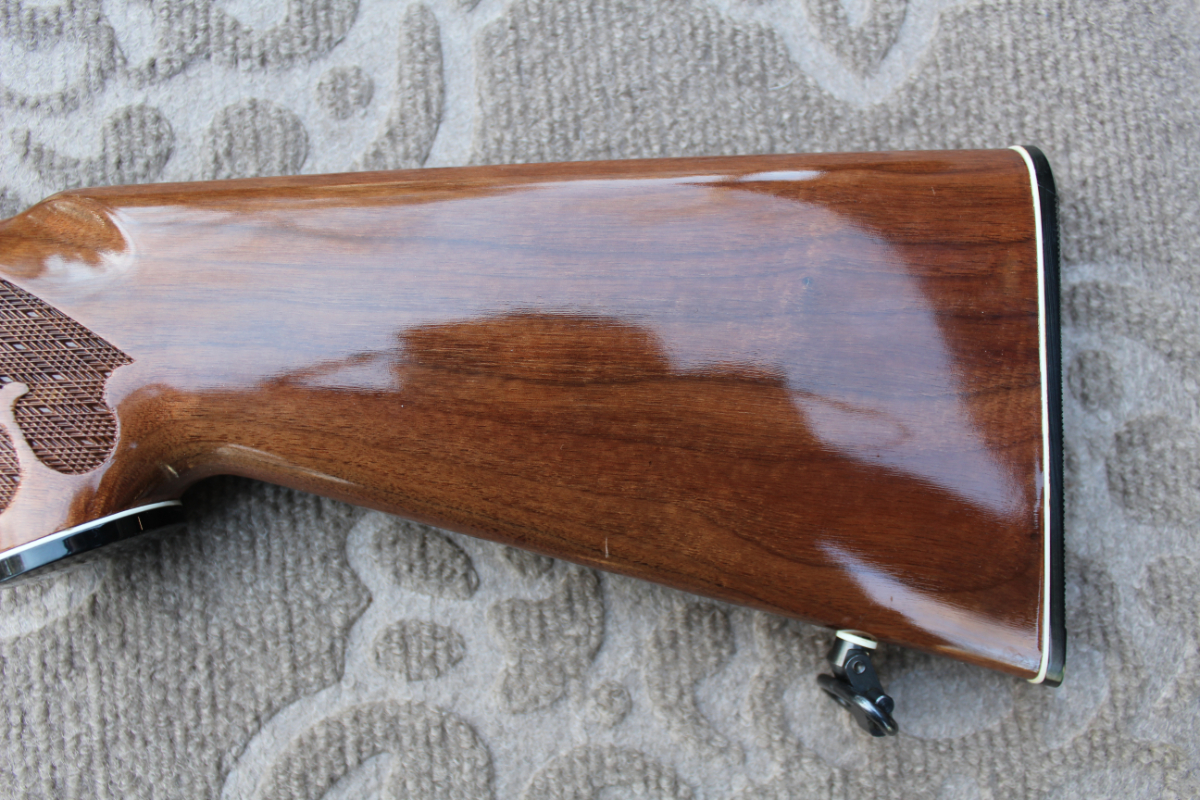
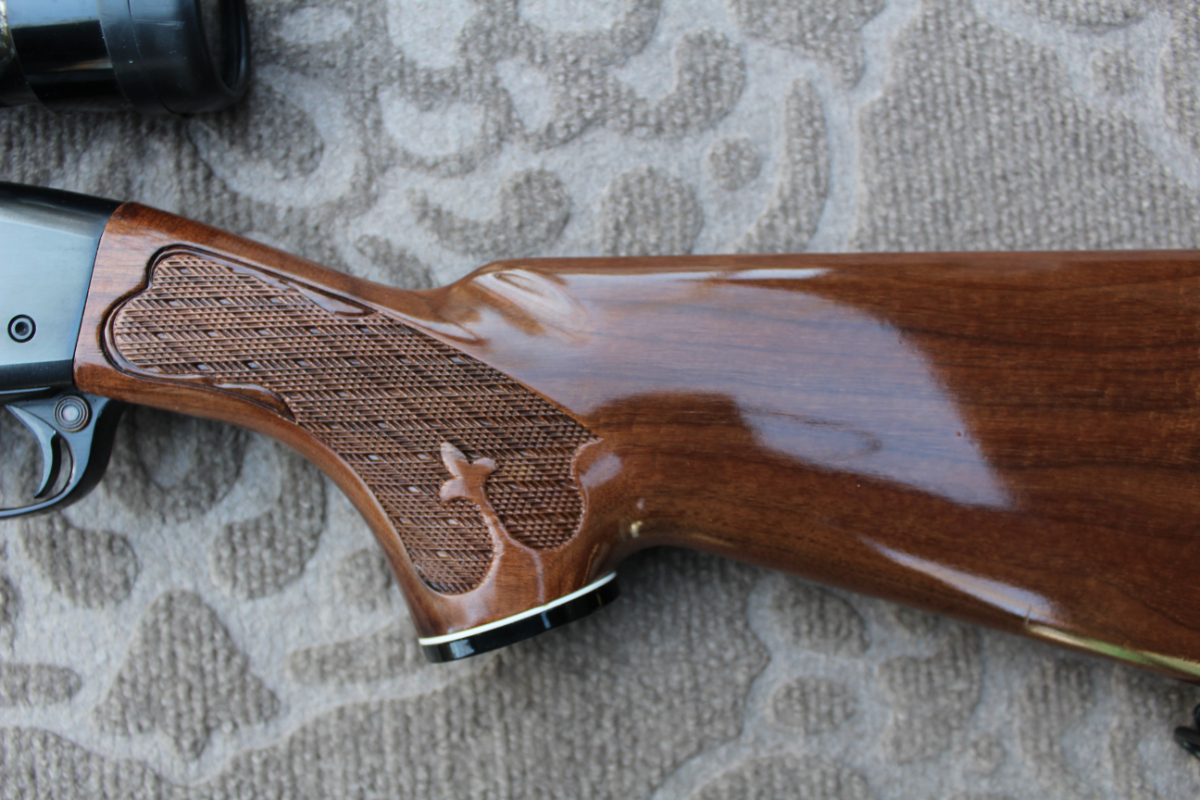
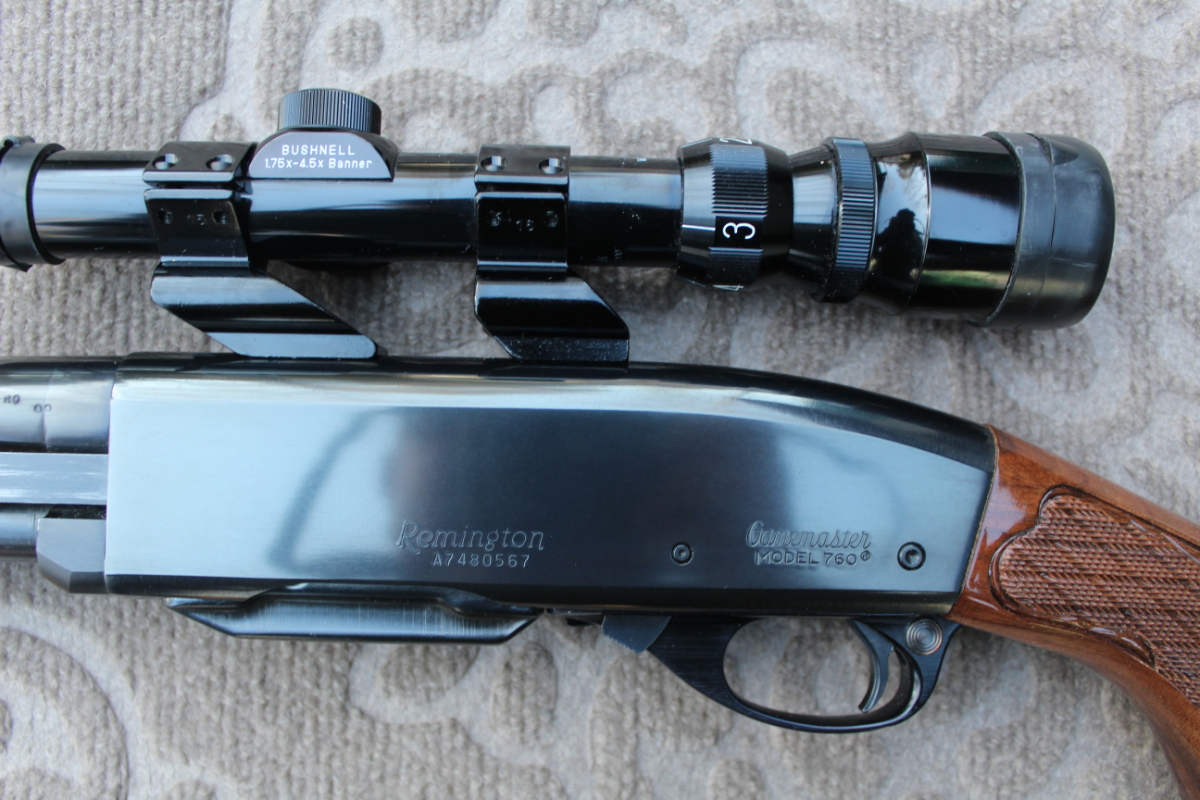
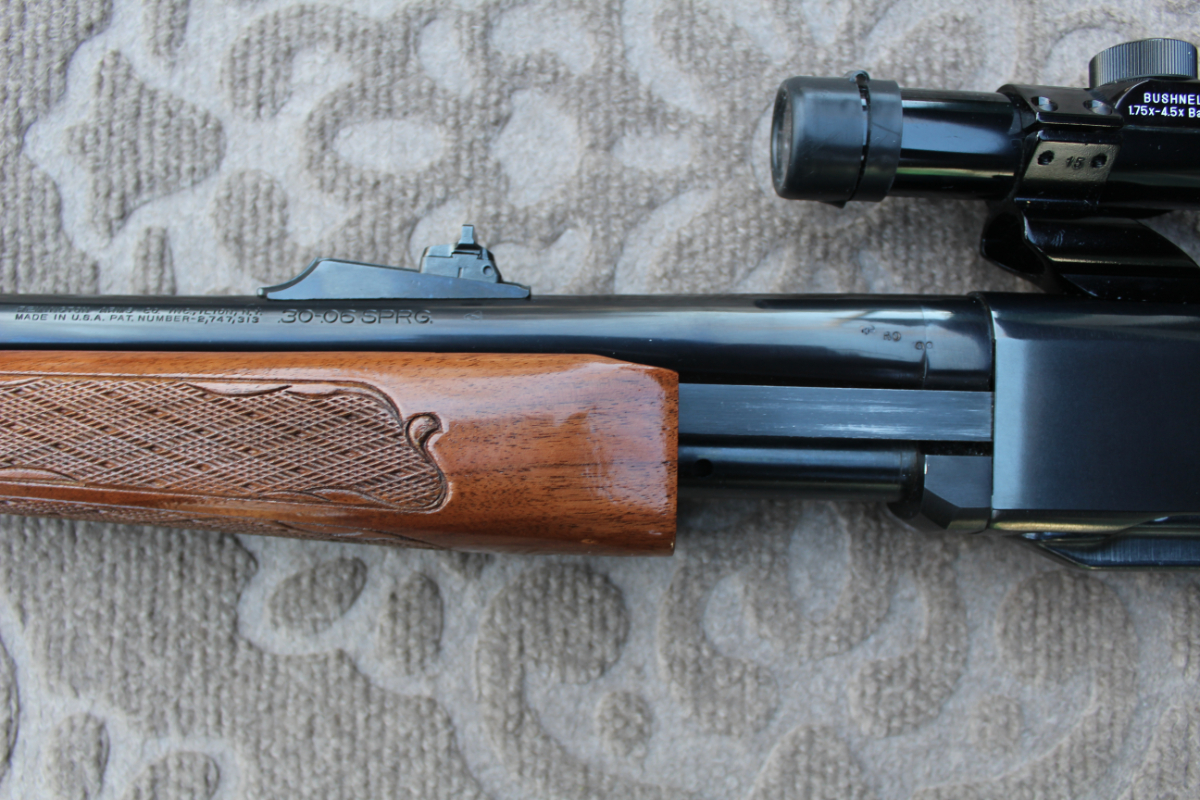
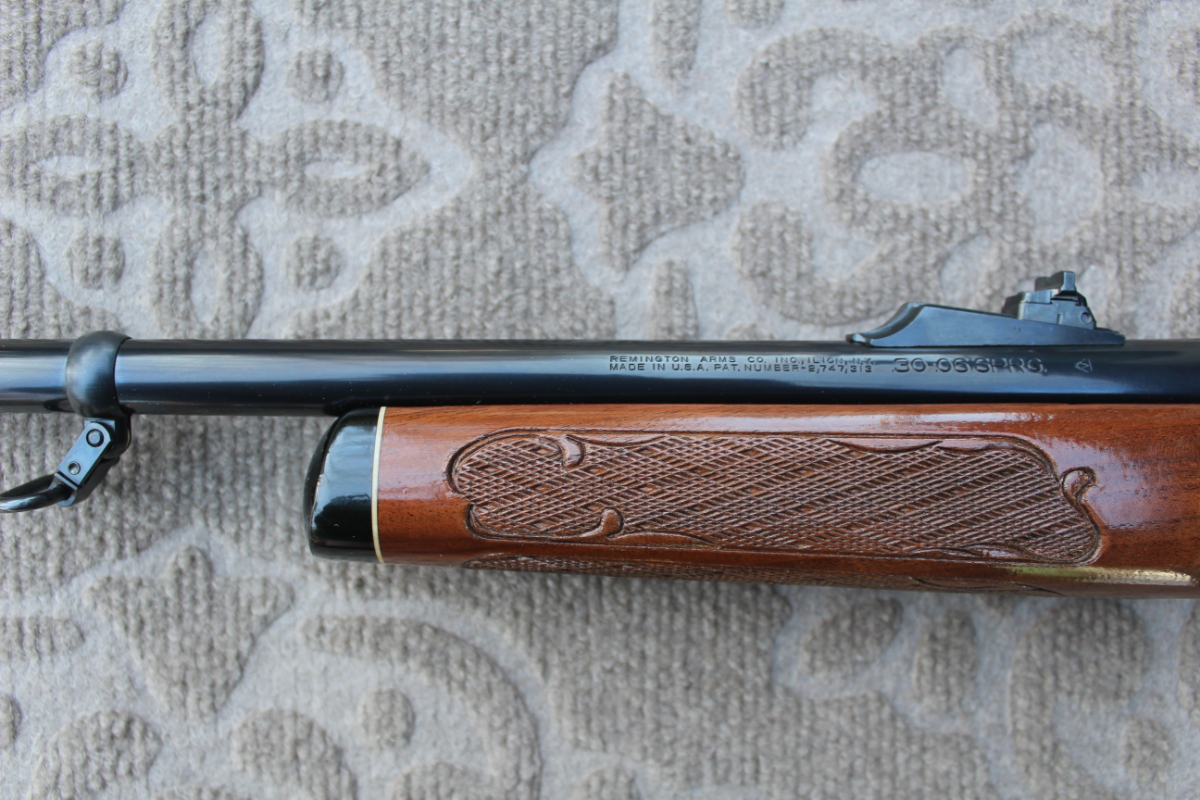
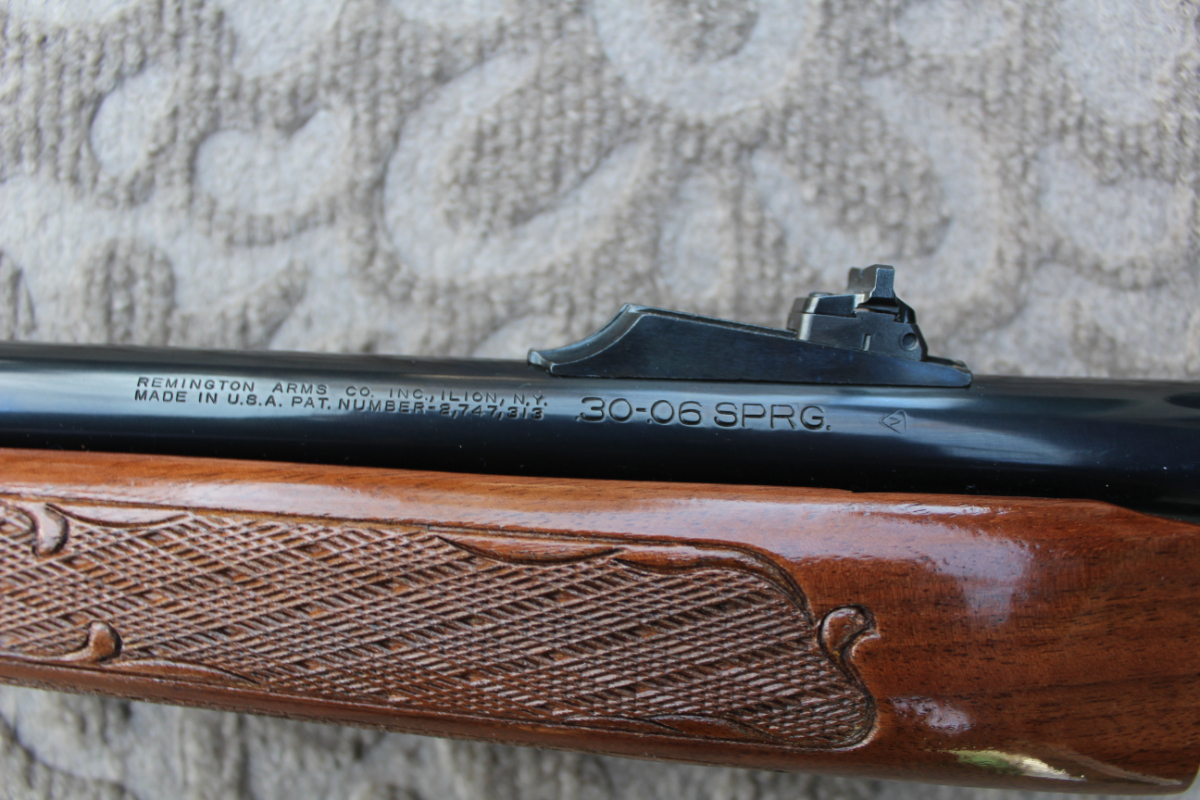
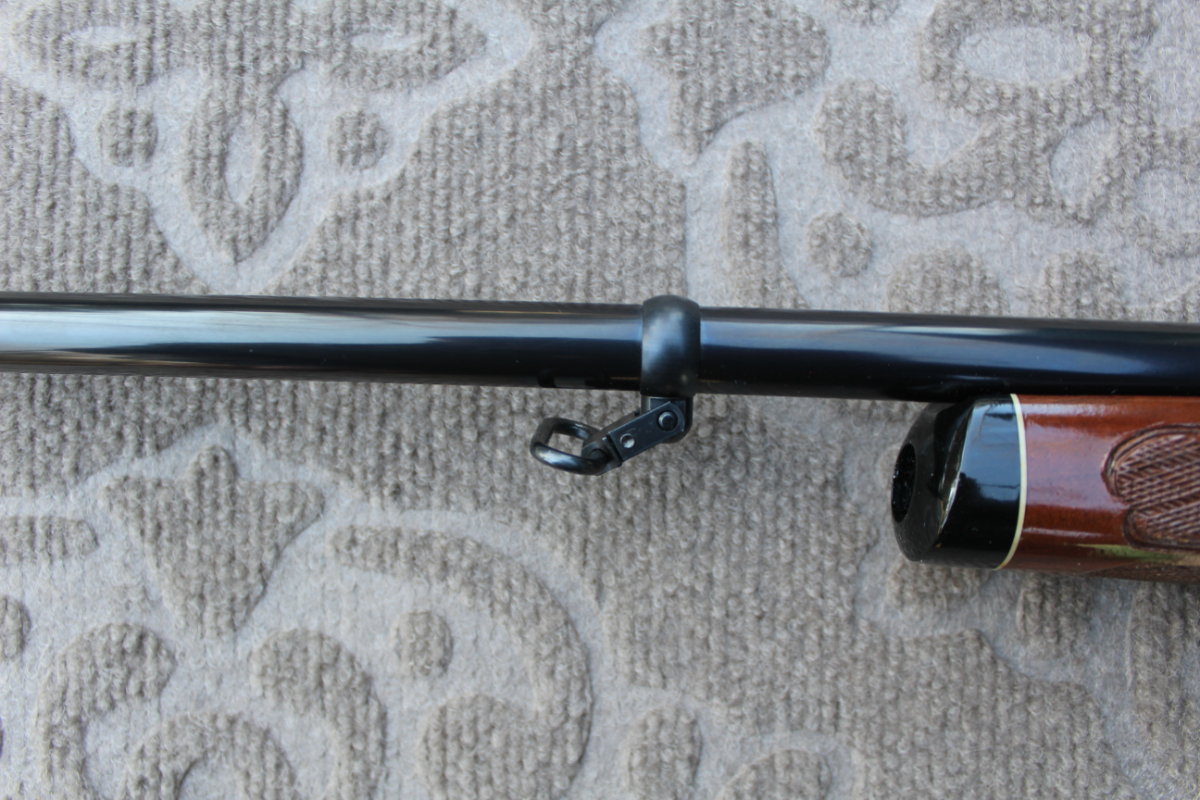
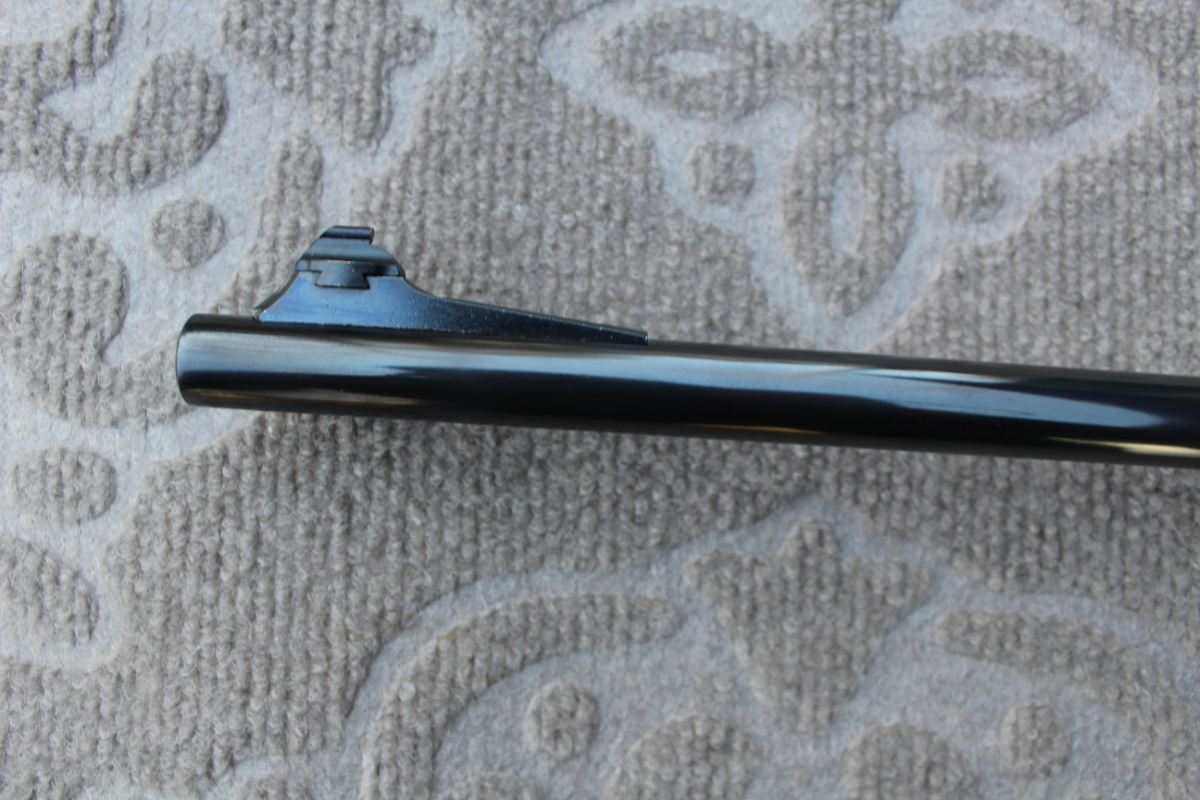
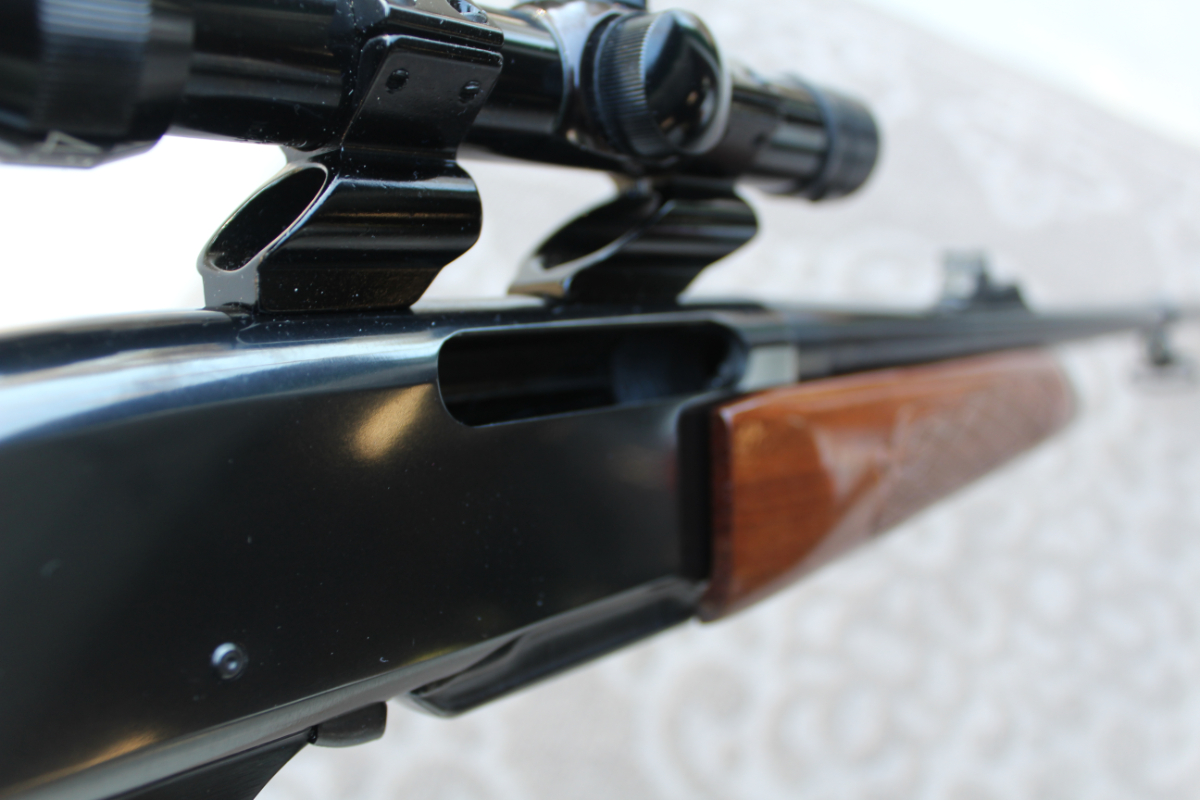
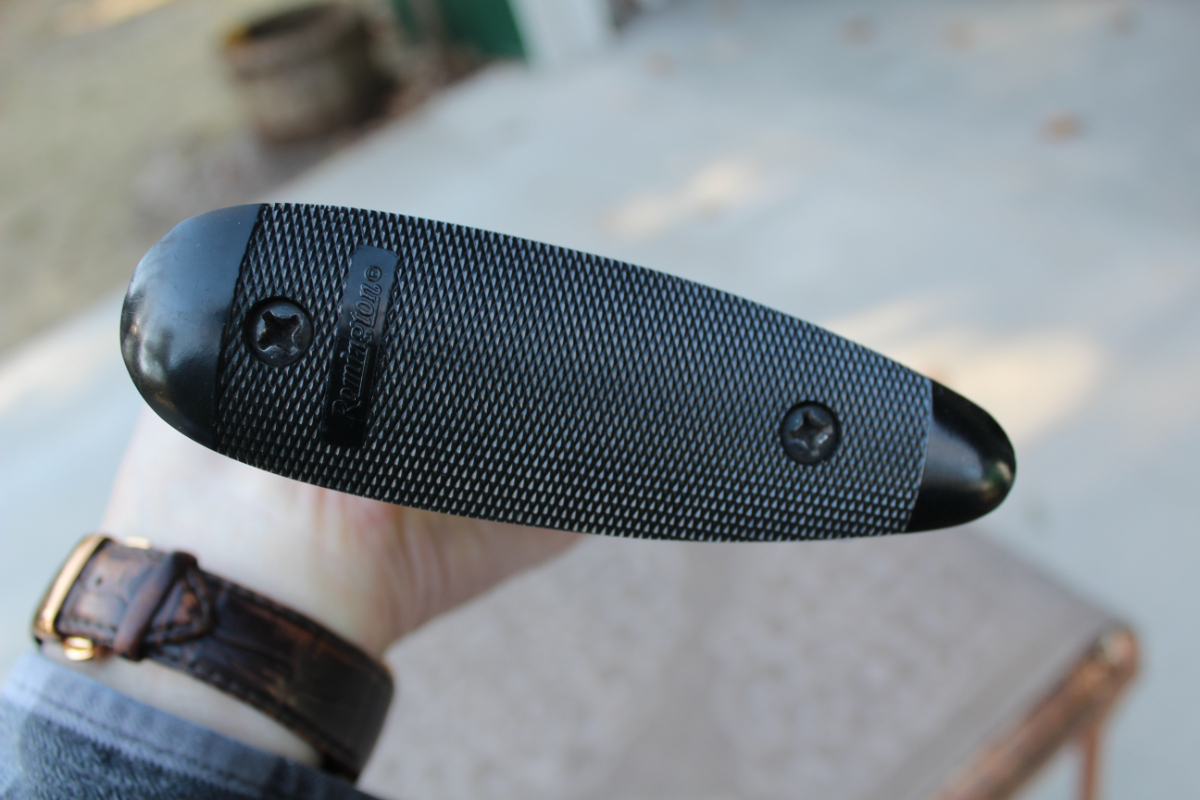
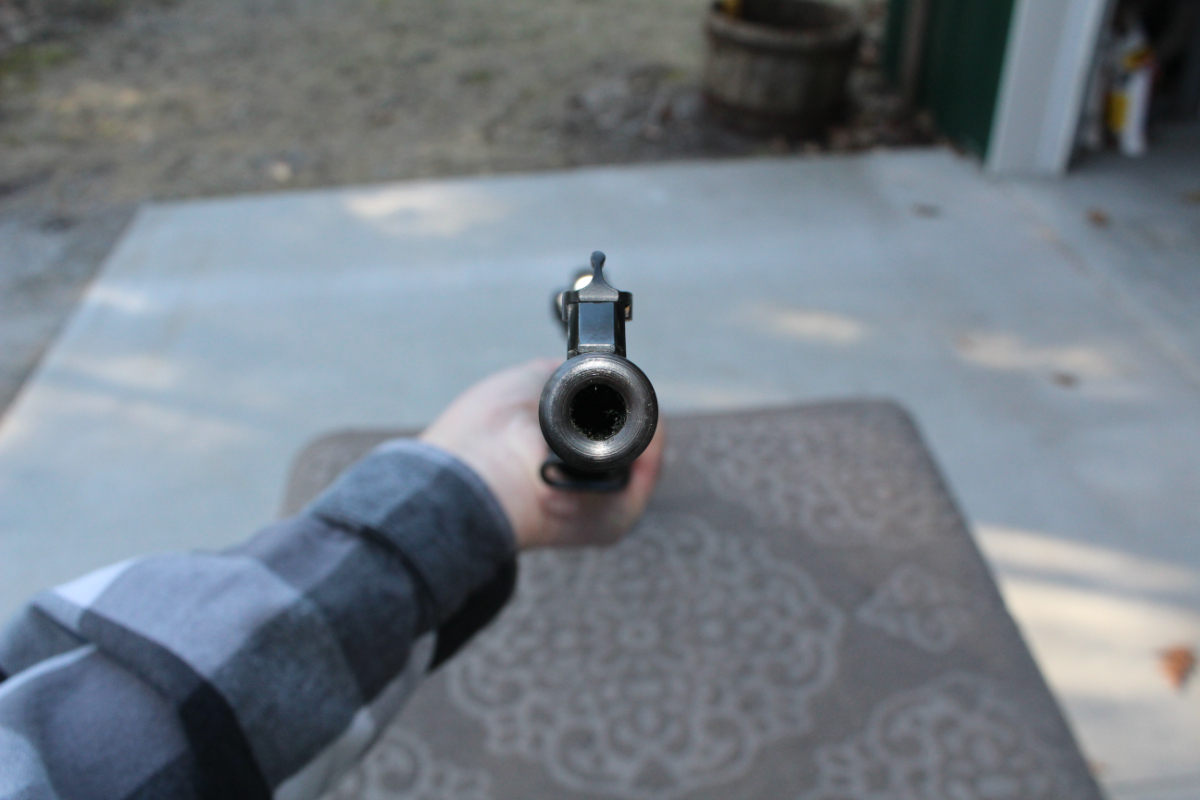
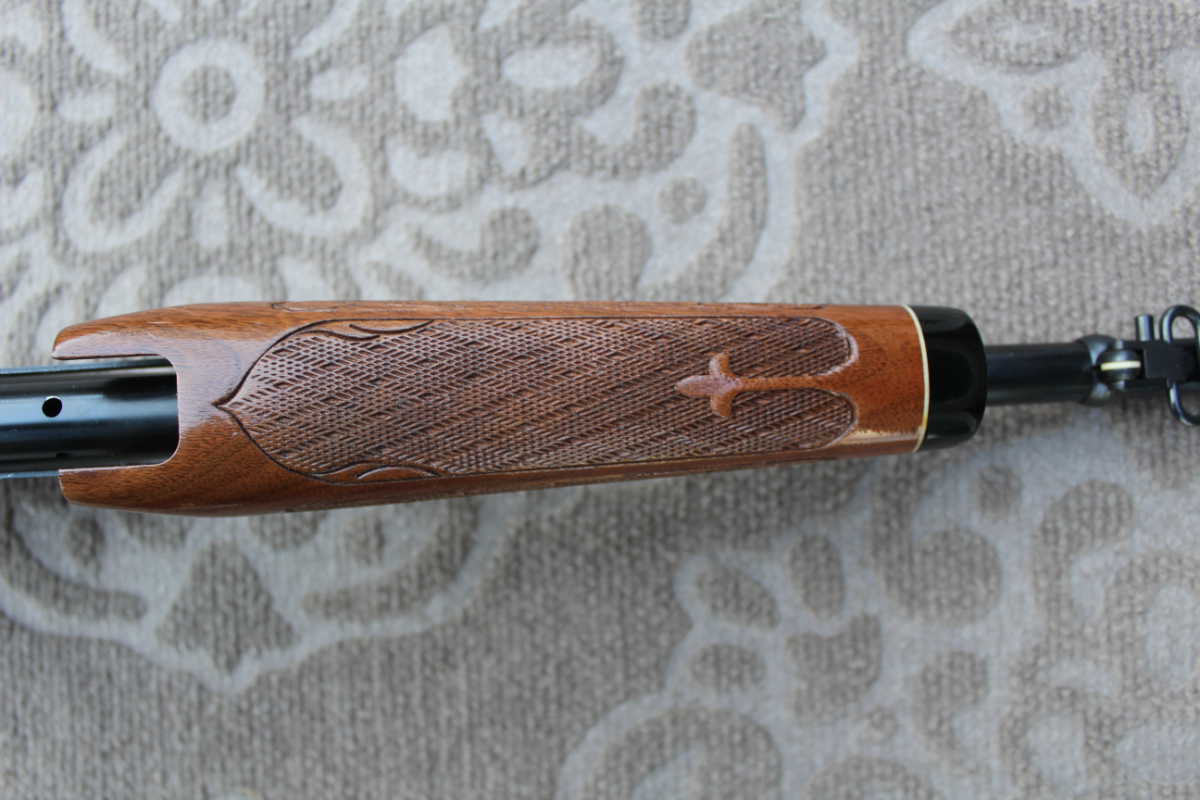
A Remington Model 760 BDL, circa 1973, in caliber .30-06 Springfield

Remington Model 760 BDL, .30-06, circa 1973, Excellent .30-06 Springfield - Picture 2
Remington Model 760 BDL, .30-06, circa 1973, Excellent .30-06 Springfield - Picture 3
Remington Model 760 BDL, .30-06, circa 1973, Excellent .30-06 Springfield - Picture 4
Remington Model 760 BDL, .30-06, circa 1973, Excellent .30-06 Springfield - Picture 5
Remington Model 760 BDL, .30-06, circa 1973, Excellent .30-06 Springfield - Picture 6
Remington Model 760 BDL, .30-06, circa 1973, Excellent .30-06 Springfield - Picture 7
Remington Model 760 BDL, .30-06, circa 1973, Excellent .30-06 Springfield - Picture 8
Remington Model 760 BDL, .30-06, circa 1973, Excellent .30-06 Springfield - Picture 9
Remington Model 760 BDL, .30-06, circa 1973, Excellent .30-06 Springfield - Picture 10


Categories
Dear Grumpy Advice on Teaching in Today's Classroom

This one came out of the Blue for me!

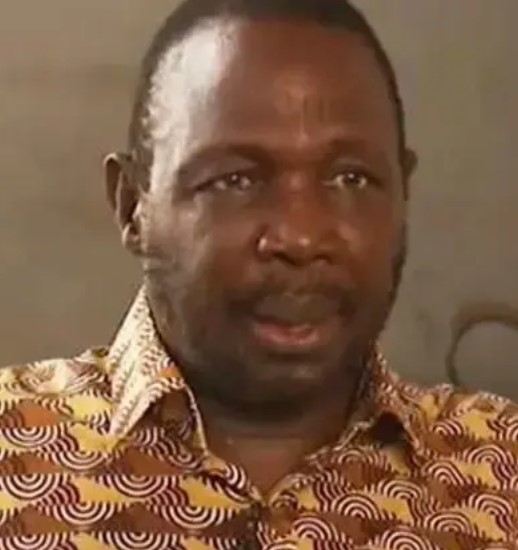
Historian: ‘Africans must be condemned for the slave trade’

Professor Abiola Félix Iroko gave an interview on Benin Web TV where he contradicted the notions of the history of colonialism as represented by cultural Marxists. He recalled that blacks themselves sold black slaves.

Published: July 28, 2020, 6:18 am

Beninese historian Abiola Félix Iroko gave an interview to local media Benin Web TV. He reminded viewers of the real history at a time when anti-colonialists are busy unbolting statues from their plinths and shouting that white privilege should be abolished because of slavery. He explained how Africans themselves took advantage of the slave trade.

This professor at the history and archeology department of the University of Abomey-Calavi (Benin) declared on July 25: “When we talk about the slave trade, people only accuse whites. But they came (to Africa) as buyers and we [Africans] were sellers.”
He assured viewers that the sale of slaves was not only an isolated phenomenon, since “the king himself sold them”. Abiola Félix Iroko detailed these transactions: “King Adandozan sold the mother of his consanguineous brother (Prince Gakpe) who later became Guézo”. As the Salon Beige website pointed out, he was the ninth king of Abomey between 1797 and 1818.

This historian – holder of a doctorate in letters and human sciences from the University of Paris Panthéon-Sorbonne – did not mince his words: “There are no buyers without sellers, we (Africans) were sellers.”

Abiola Félix Iroko (74 years old) is a Beninese historian, author of several books on African civilizations and slavery in Africa. Holder of a doctorate in literature and human sciences from the University of Paris Panthéon-Sorbonne, he is Professor in the Department of History and Archeology at the University of Abomey-Calavi (Benin). He is also the president of the Scientific Council of the university (HECM), High School of Commerce and Management of Benin.

He continued: “When the slave trade was abolished, Africans were against abolition. King Kosoko of Lagos (Nigeria) was against abolition at the time. A king of Dahomey whose name I do not mention was also against abolition. The slave trade which lasted four centuries is an unfortunate phenomenon of long duration that must be classified among the crimes against humanity for which Africans are also partly responsible.

“It is a question of co-responsibility. It is not the buyer who must be condemned, the seller must also be condemned and moreover the seller because the seller has ties of affinity and kinship with the one who is sold. Of those who were sold and had offspring there, many returned after the abolition. Some returned home with Portuguese-sounding names, Da-Silva, D’Oliveira. Unfortunately, some of them who came in the 19th century became, in turn, slaveholders and bought slaves for their correspondents who remained in Brazil. Africans resumed this trade after abolition.”

He said that eventually machines accomplished more in one day than a slave could accomplish in five days. The slave trade was thus abolished, but those who initiated it “did not do it” because “they loved blacks”. Abiola Félix Iroko explained. “It was not out of philanthropy as many think,” concluded the professor, adding that capitalism actually wiped out the slave trade. “It is because they noticed at a given moment that with the development of capitalism and especially of machinery, they no longer need as much labor.”

In his book, La côte des esclaves et la traite atlantique : les faits et le jugement de l’histoire, the eminent historian firmly dismissed “the rhetoric of the supporters of the thesis of reparations” in no uncertain terms. “The Africans haggled for almost half a millennium with slave traders over the price of their kin they were selling. They still want to continue today to haggle with the descendants [of slave traders] over the market value of the blacks that their ancestors sold to the detriment of the development of their own regions,” wrote the historian (pp. 148-149).

He also explained that historical place and context were important. “The statue of King Leopold II of Belgium in Brussels does not have the same meaning as the same statue in Kinshasa, for example. We must therefore avoid amalgamation. The statue of King Leopold in Brussels seems very welcome to me. He is a very important character for them and who represents something glorious for their past. They dominated a colony which they exploited. It is a good thing for them and I am opposed to the acts of vandalism consisting in unbolting such a statue in Brussels (Belgium).”

He said the same statue [statue of King Leopold II of Belgium, editor’s note] had no reason to exist in Africa, regardless of the location. “King Leopold II is like an insult to Africans, an insult to Zairians […] But if there are Congolese who are in Brussels and who are embarrassed by these statues, let them go home calmly.”

Categories
All About Guns Tips about Gunsmithing

Rusty Revolver Restoration 38 special – Restoration of gun

Categories
All About Guns Anti Civil Rights ideas & "Friends"

Something to ponder upon

Categories
All About Guns Fieldcraft

Craig Boddington’s Rigby Buffalo

Categories
All About Guns

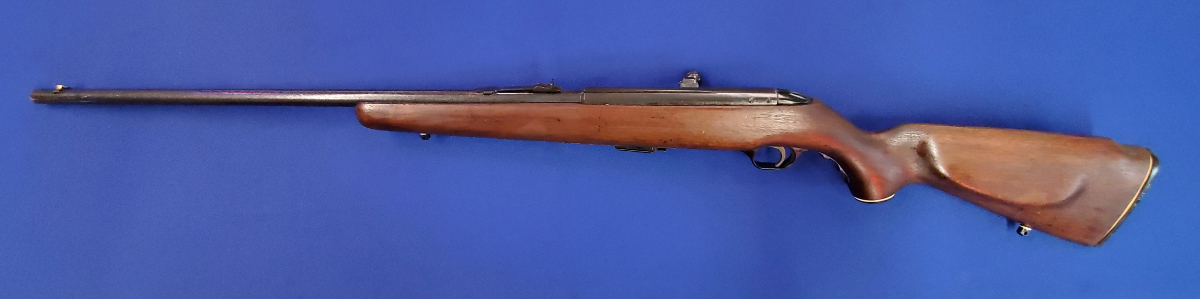
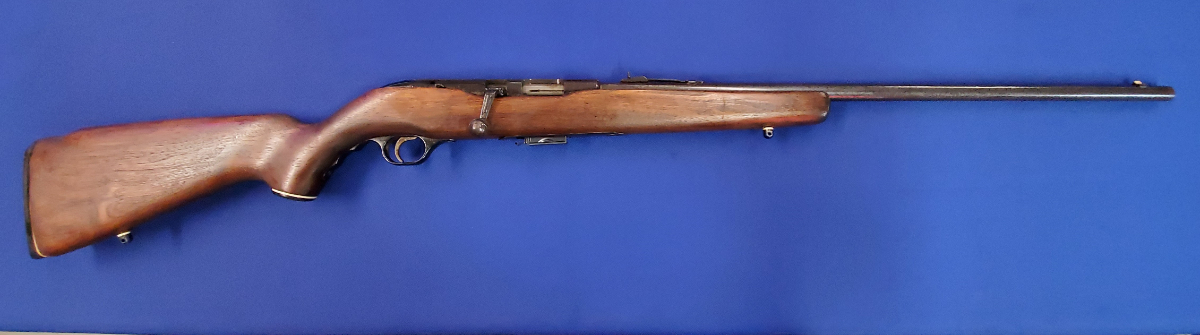
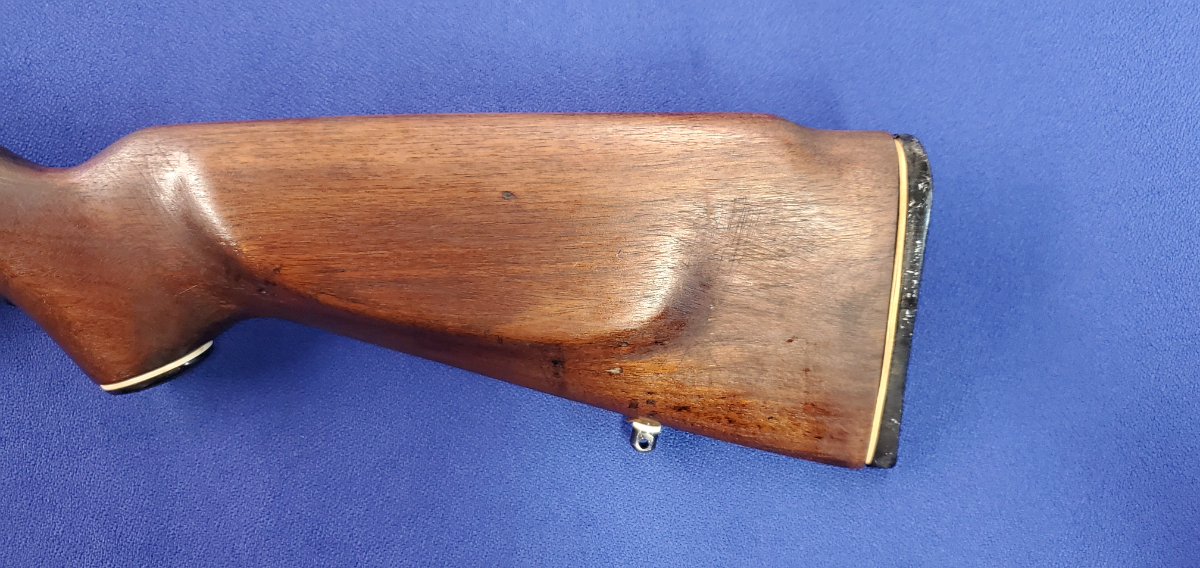
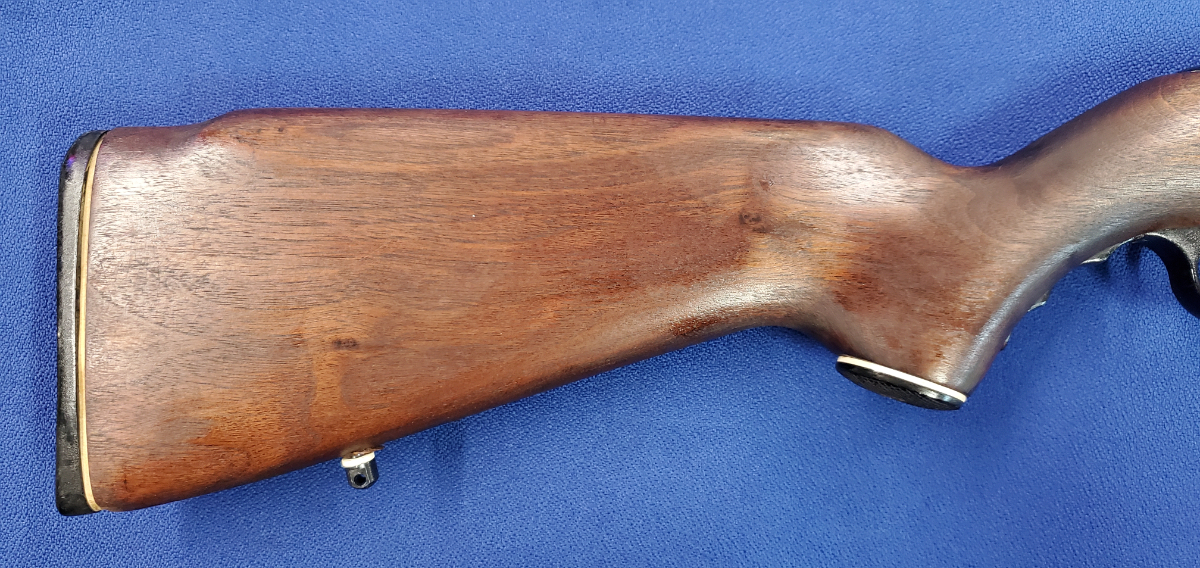
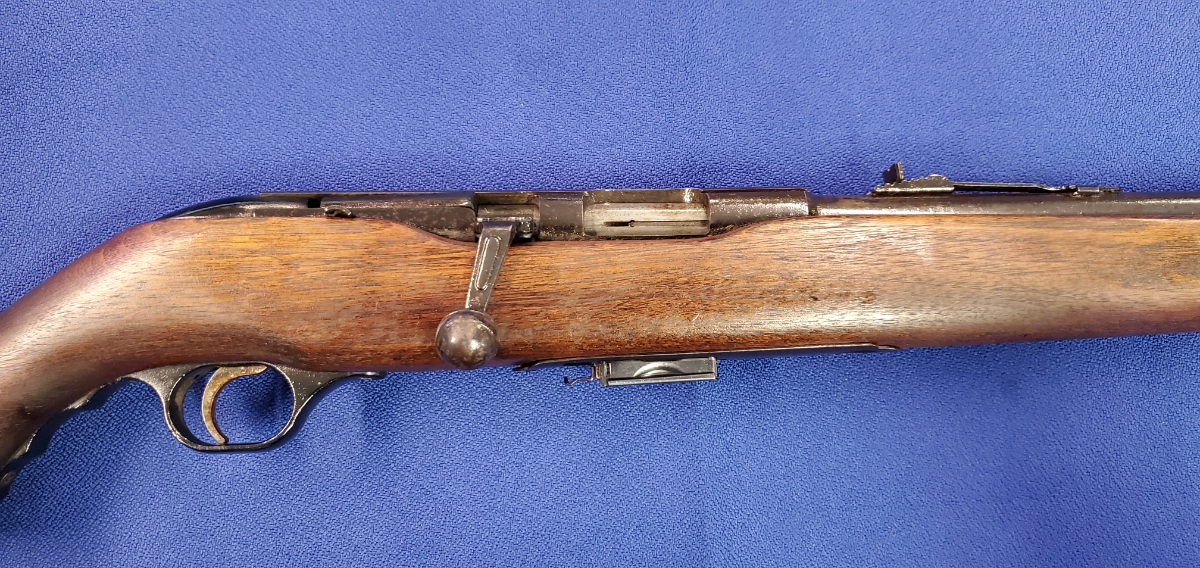
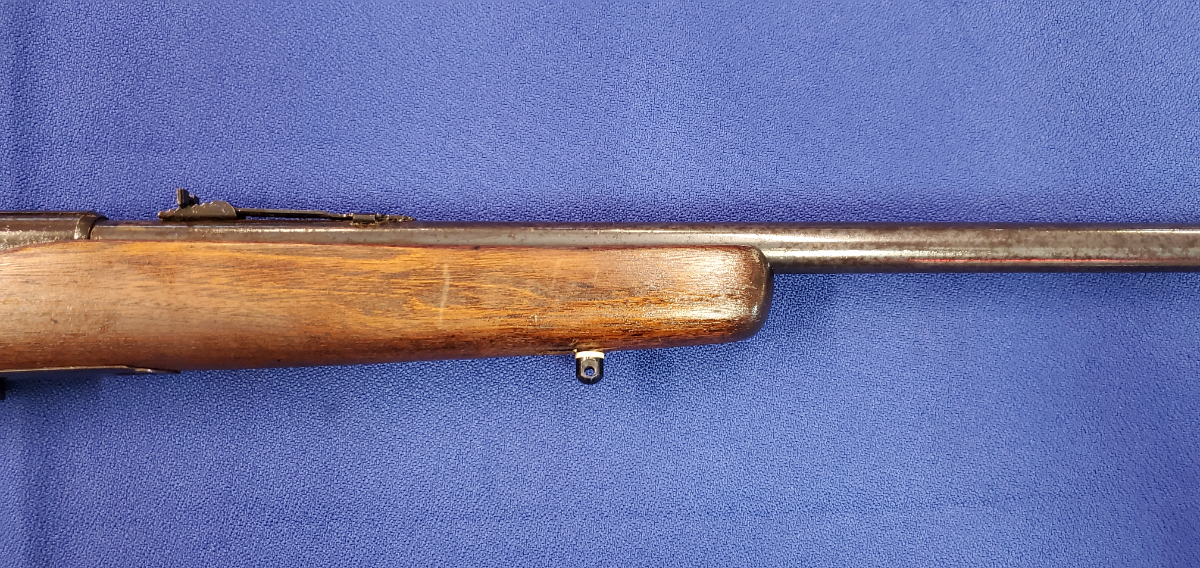
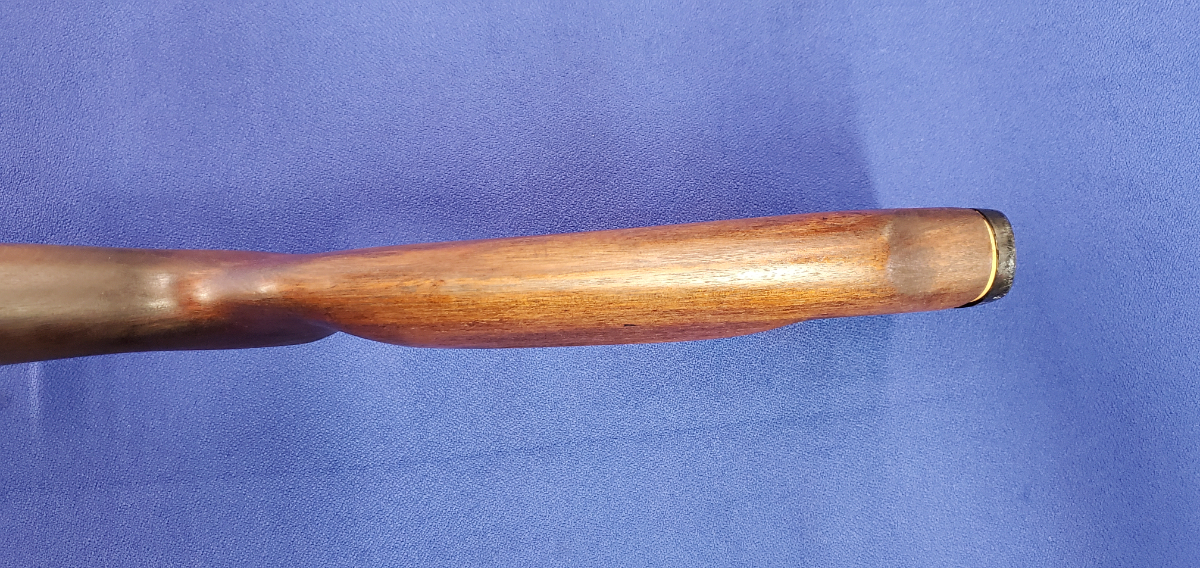
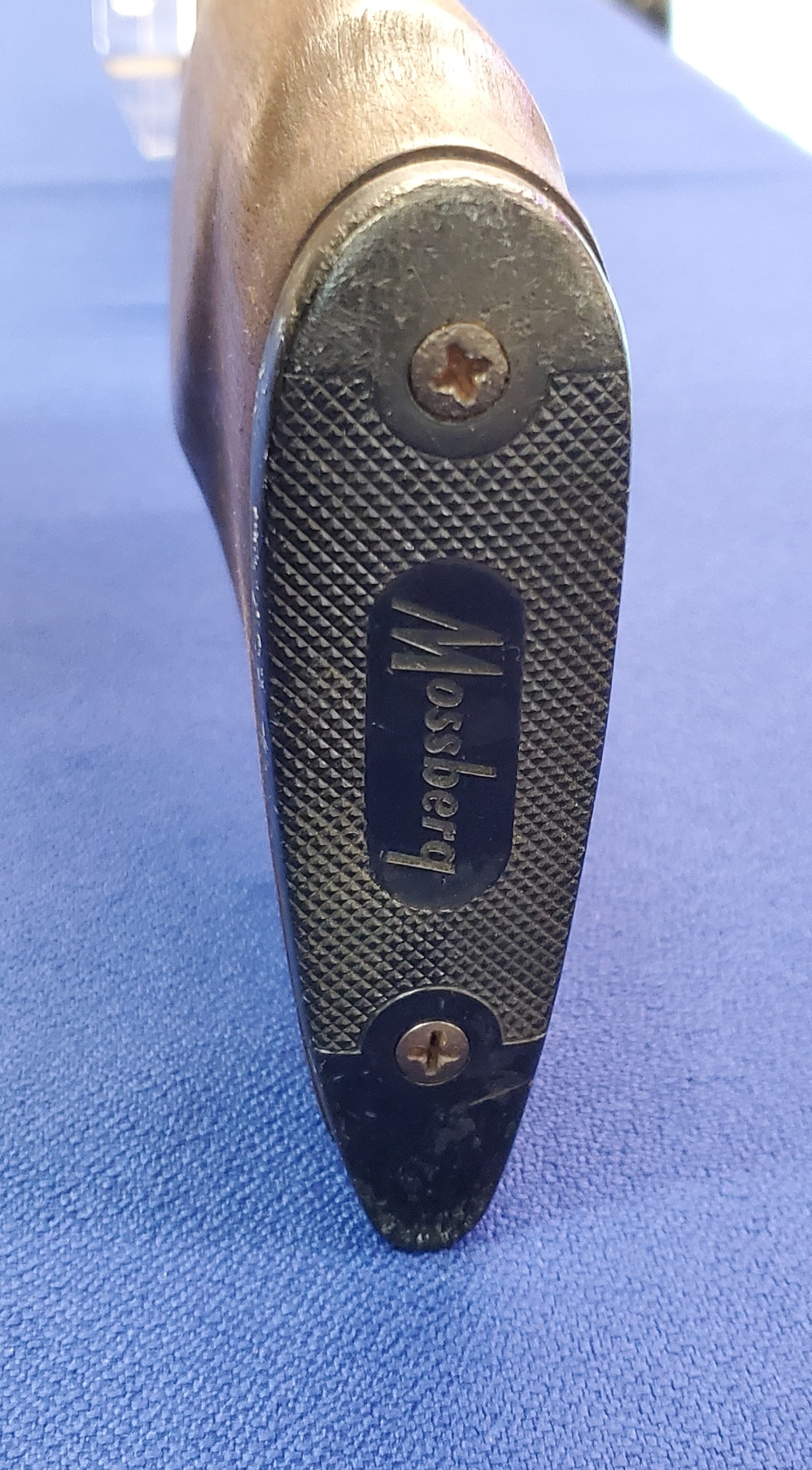
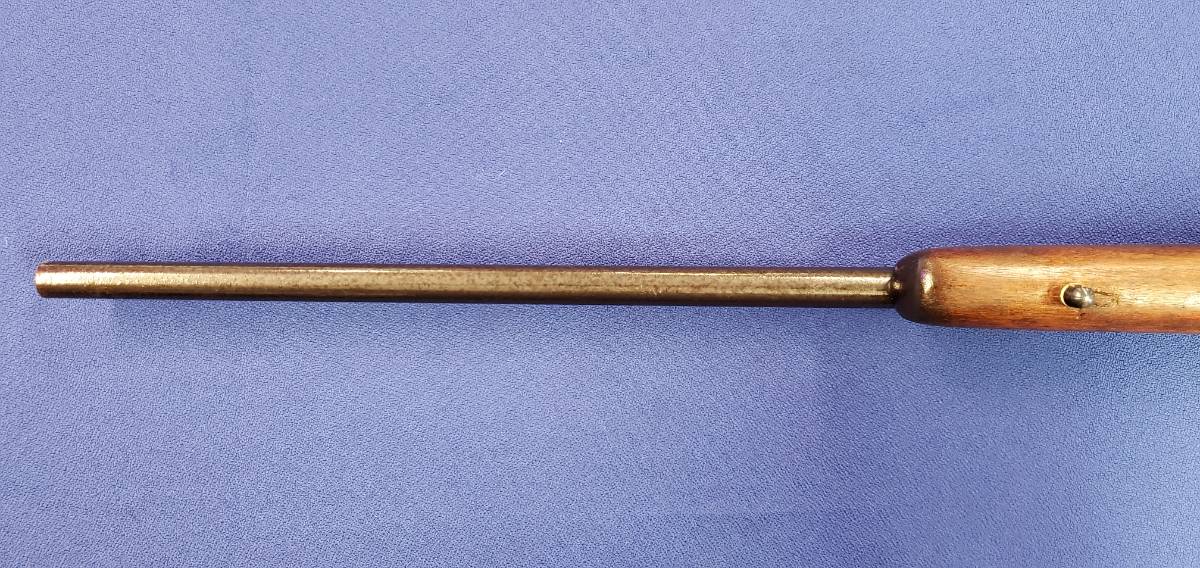
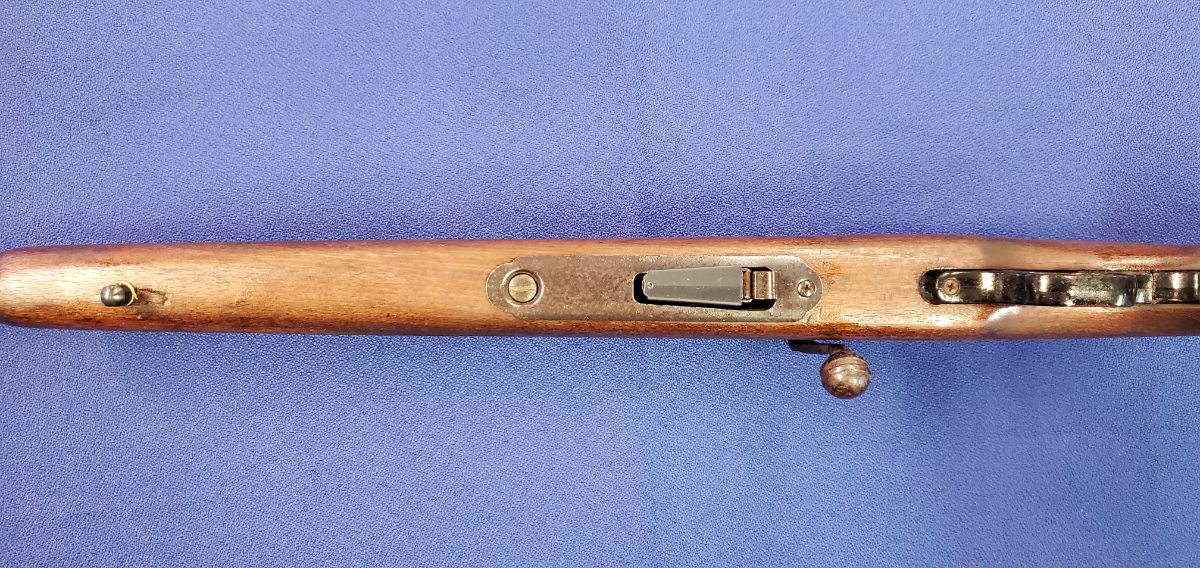
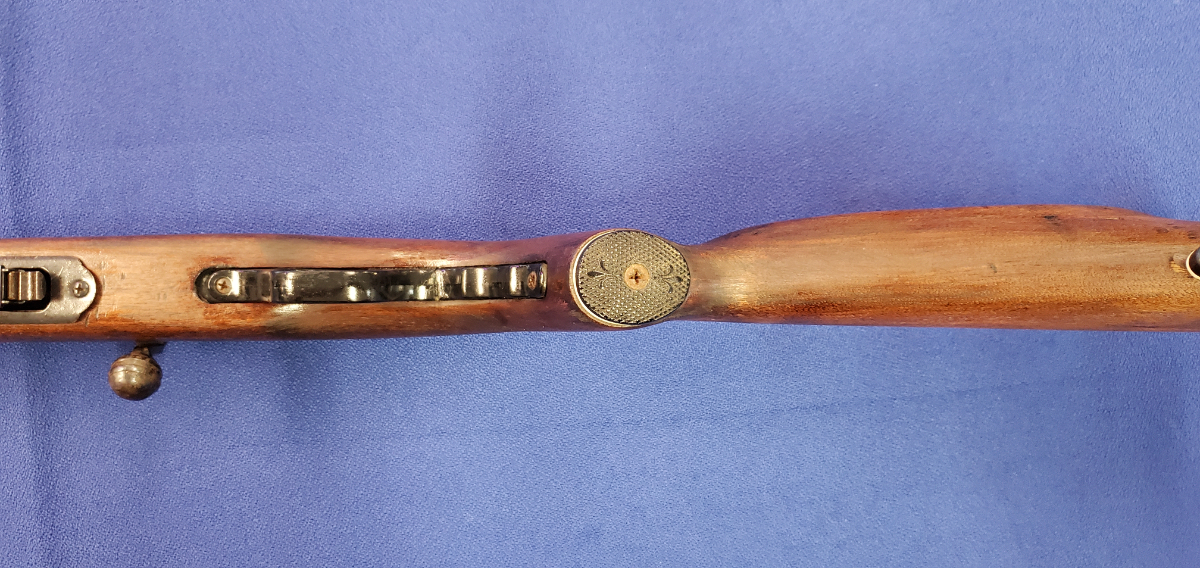
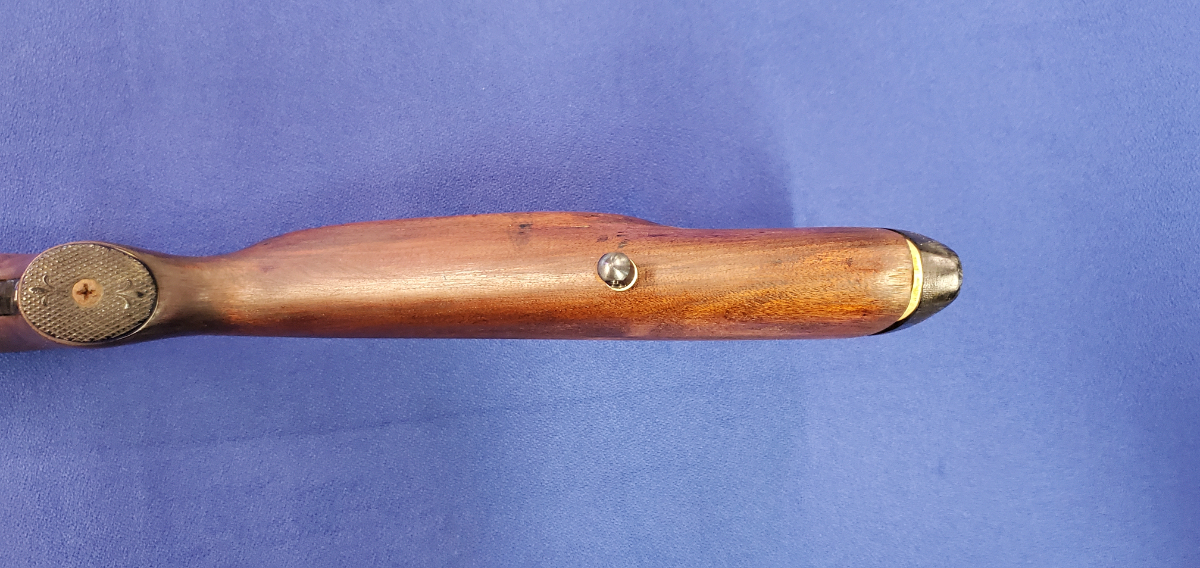
A Mossberg 640KA MAG FED .22 MAGNUM

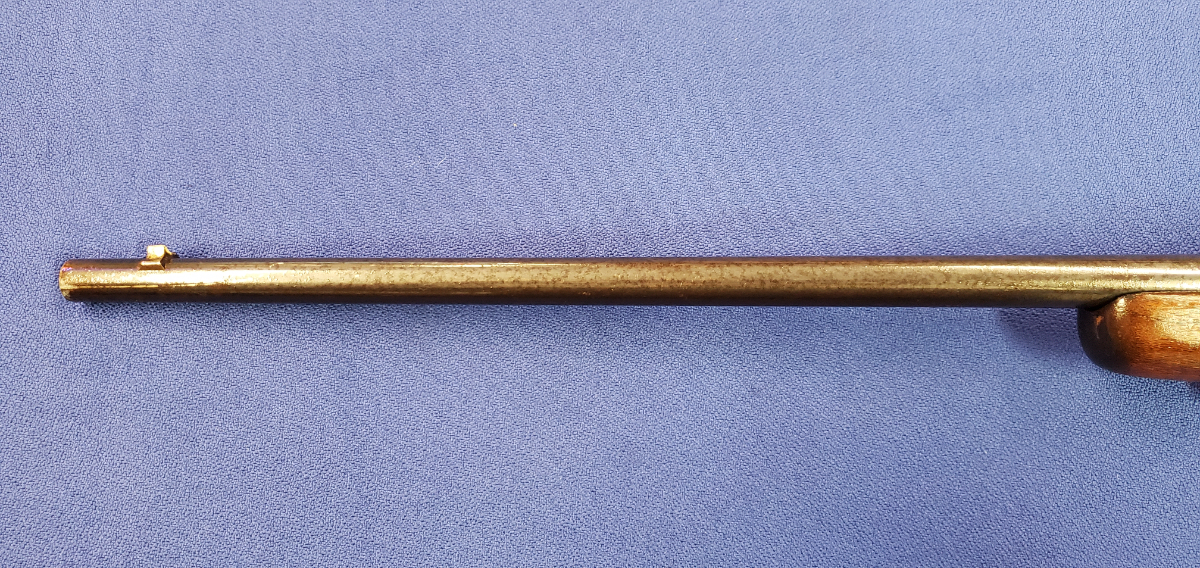
Mossberg 640KA MAG FED .22 MAGNUM BOLT ACTION - Picture 2
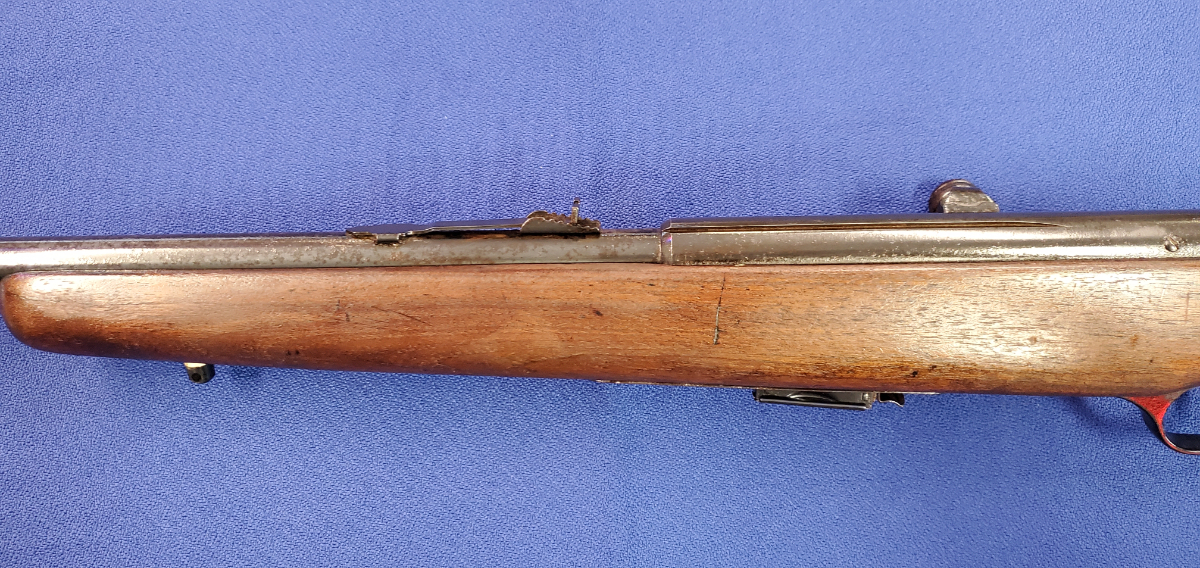
Mossberg 640KA MAG FED .22 MAGNUM BOLT ACTION - Picture 3
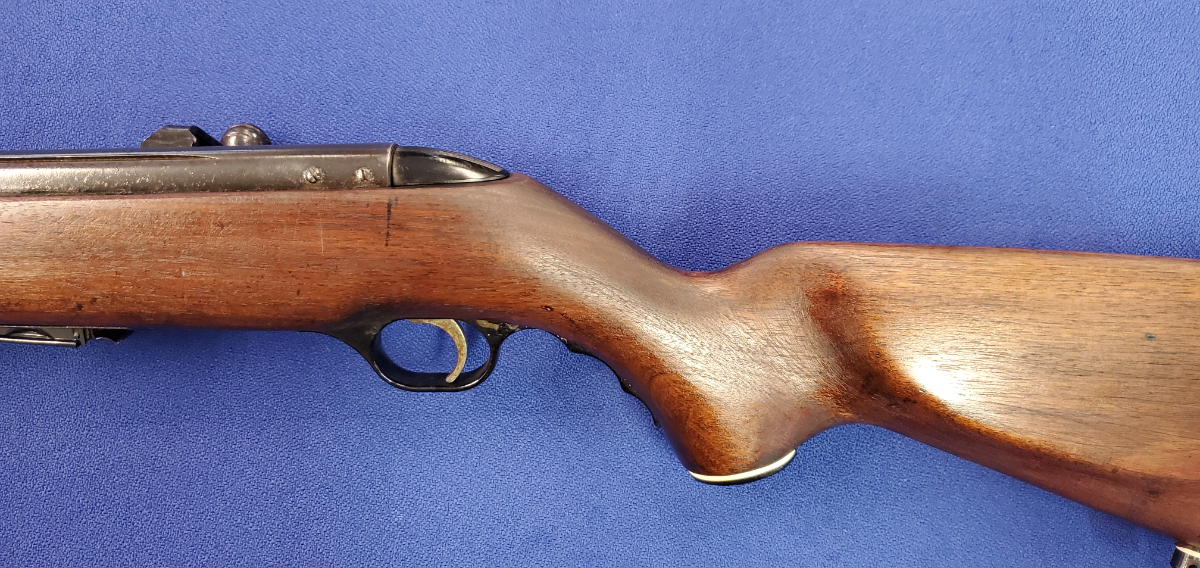
Mossberg 640KA MAG FED .22 MAGNUM BOLT ACTION - Picture 4
Mossberg 640KA MAG FED .22 MAGNUM BOLT ACTION - Picture 5
Mossberg 640KA MAG FED .22 MAGNUM BOLT ACTION - Picture 6
Mossberg 640KA MAG FED .22 MAGNUM BOLT ACTION - Picture 7
Mossberg 640KA MAG FED .22 MAGNUM BOLT ACTION - Picture 8
Mossberg 640KA MAG FED .22 MAGNUM BOLT ACTION - Picture 9
Mossberg 640KA MAG FED .22 MAGNUM BOLT ACTION - Picture 10